Tag: Thailand

  • Thailand still a hot destination for package bookings

    Thailand still a hot destination for package bookings

    During the 12 months ending in the first quarter of this year, on average, the booking window of international travellers to Thailand stretched over a month (36 days), |with an average length of stay per booking at three days, according to a survey by |online travel company Expedia group.

    Year-on-year growth shows top destinations in Thailand are Pattaya (up 70 per cent), Bangkok and Chiang Mai (up 60 per cent), Phuket (up 55 per cent) and Koh Samui (up 50 per cent).

    Smaller regions on the rise with eye-catching triple-digit growth include Koh Lipe, Northeastern Thailand, Rayong, Trat and Hat Yai.

    Data from the same period showed that package bookings generated a booking window more than 1.5 times as long as stand lone hotel bookings. In addition, cancellation rates of packages are also much lower compared with standalone bookings.

    Top package-generating markets include Malaysia, Hong Kong, Australia, Singapore and Japan.

    “Delivering global demand for Thai hoteliers is a mission for us,” said Pimpawee Nopakitgumjorn, director of market management at Expedia group. “In particular, Expedia package bookings are attractive because they are a great way for hotels to build a strong base of customers without eroding their retail rates. Last year alone, we sold [more than] 7.1 million packages globally.”

  • King Power buys 39% stake in Thai Air Asia

    King Power buys 39% stake in Thai Air Asia

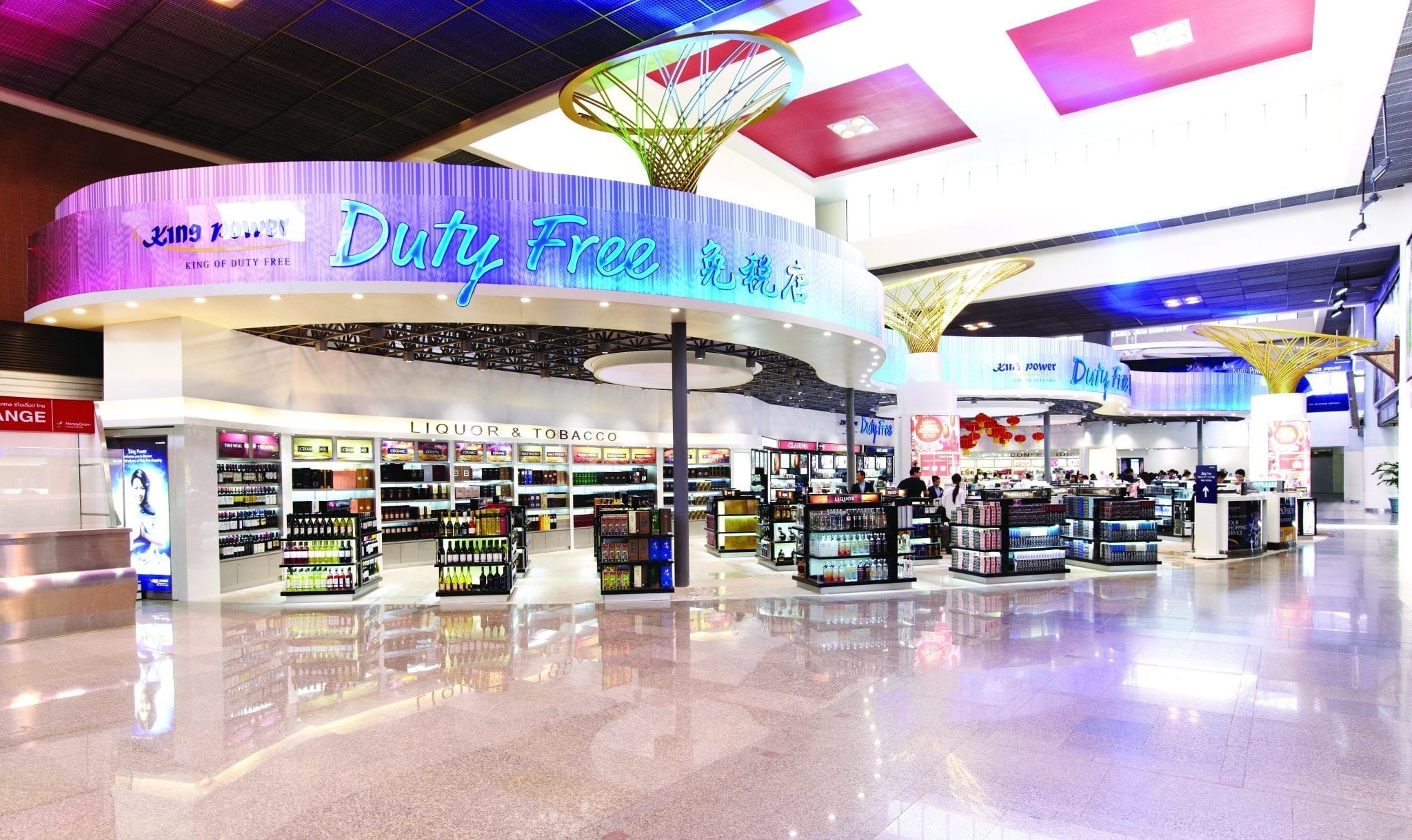
    King Power, the Thai duty-free conglomerate, has bought a US$225 million (S$305 million) stake in Thai Air Asia, the country’s largest budget airline.

    The purchase allows King Power’s billionaire owner Vichai Srivaddhanaprabha to further tap into Thailand’s booming tourism industry and expand beyond his duty-free and hotel portfolio.

    Thai Air Asia is 55 per cent owned by Asia Aviation, a Thai company, with the rest held by the Air Asia group founded by Malaysian entrepreneur Tony Fernandes.

    AirAsia Group Chief Executive Officer Tony Fernandes speaks during a press conference in Kuala Lumpur, Malaysia, Monday, Aug. 11, 2014. AirAsia launched its new "Premium Flex" services providing benefits to travellers.   (AP Photo/Vincent Thian)
    AirAsia Group Chief Executive Officer Tony Fernandes speaks during a press conference in Kuala Lumpur, Malaysia.

    King Power’s purchase of 39 per cent of Asia Aviation from its chief executive (CEO) Tassapon Bijleveld makes it the second largest shareholder of Thai Air Asia.

    Mr Bijleveld, who also serves as Thai Air Asia CEO, will keep 5 per cent of the shares and stay on as chief executive of Asia Aviation, King Power said in a statement yesterday, with the rest of Asia Aviation’s stock owned publicly.

    King Power CEO Aiyawatt Srivaddhanaprabha yesterday said the purchase represents new business opportunities.

    The group will join forces with Thai AirAsia to expand its distribution and retail business, he said.

    The King Power statement also said it was able to snap up the shares at a price “substantially lower” than the market rate because local airlines must legally be more than 50 per cent owned by Thais.

    “Given the restrictive nature of such rules, there are only a handful of Thai individuals who, realistically, would be interested in and could afford the purchase,” it said.

    Polo-loving Mr Vichai, 58, has carefully navigated Thailand’s treacherous political waters of recent years, while taking his King Power empire from strength to strength.

    He has built an estimated fortune of US$2.9 billion since establishing the firm in 1989 – starting with a single shop in Bangkok.

    He hit the jackpot in 2006 when King Power won a monopoly duty- free concession at Bangkok’s cavernous new Suvarnabhumi airport, and with it a captive market of tens of millions of travellers.

    He has since gone on to buy British football club Leicester City, which made history when it won this season’s Premier League.

    Last year, Thai Air Asia carried 14.8 million passengers, and it plans to serve 16.9 million this year. It has said it wants to expand in markets across South-east Asia, China and India.

    King Power said it plans to spend 12 billion baht (S$461.5 million) on buying the remaining 60 per cent of Asia Aviation.

    Mr Vichai’s group is required to make a mandatory offer for Asia Aviation shares it does not already own, the company said on Monday.

    Before the sale, the Thai management had a combined 45 per cent of Asia Aviation.


  • Habitat Thailand thriving on return

    Habitat Thailand thriving on return

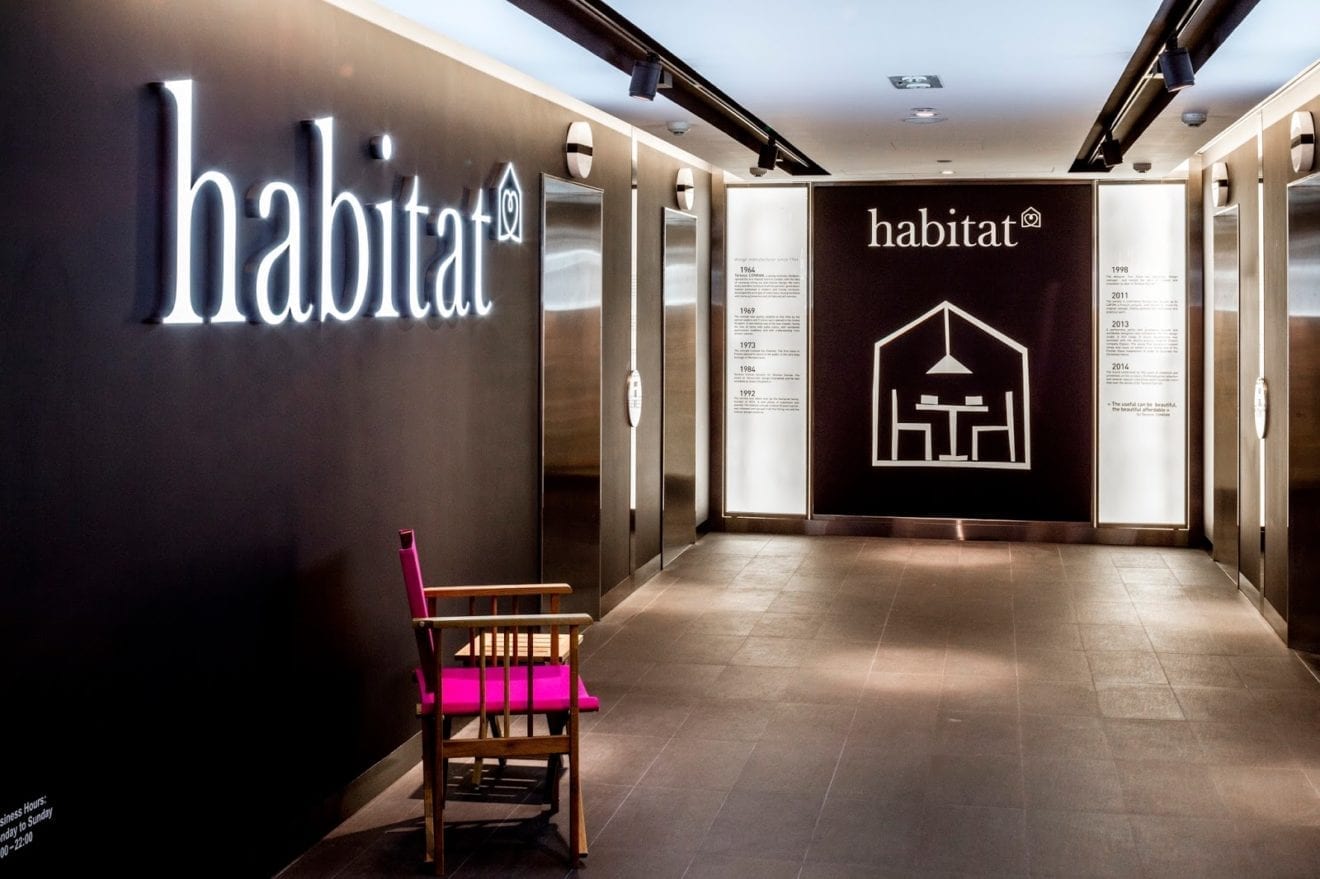
    A decade after its first aborted foray into Thailand, UK-founded furnishing and homewares retailer Habitat is thriving in Bangkok.

    Habitat Thailand has just opened what – for the time being – it is describing as its flagship store under the management of local brand partner SB Furniture. The new store, taking up 1400 sqm on the third floor of the revamped Siam Discovery shopping mall is the fourth in Bangkok, and the first stand-alone store. The others are stores-in-stores within larger SB stores: a 1400 sqm space at Crystal Design Center, a 1300 sqm site in Bangna and a smaller 840 sqm space at The Crystal SB Ratchapruek.

    Habitat @ Siam Discovery (6)

    “We wanted to stock exactly what a Thai person would see if they walked into a Habitat store in Paris,” said Suthida Vijitkulwongsa, executive director of Habitat Thailand.

    She says a fifth store is planned by the end of this year and the company is evaluating opportunities in larger cities outside Bangkok.

    Habitat Thailand is licensed by the French based company Cafom which bought Habitat Europe after the UK company was placed in administration in June 2011.

    Habitat @ Siam Discovery (5)

    Despite a 10 year absence from the Thai market, a number of loyal local customers have emerged since it made its return in June 2015. When the brand was reintroduced, some 80 per cent of shoppers were “Habitat lovers” familiar from the brand’s previous foray here, says Vijitkulwongsa.

    “They had known about Habitat in past years and were wondering what had happened to the brand and why it had disappeared. They think we have done well in terms of pricing.

    “Ten years ago our prices were equal to what they are now.

    Habitat @ Siam Discovery (16)

    Given the current stagnancy of Thailand’s retail sector – which has seen a number of shopping centre developments put on ice this year – is this really the time to reintroduce an overseas brand considered to be in the premium space?

    “When you have a very strong brand [the market] doesn’t really have much impact. People who are in the market now, who have influence and social status, they’re not really impacted. Instead of buying 10 pieces they end up with eight. But they still make the purchase, probably based on price and design.”

    Perhaps surprisingly, Habitat Thailand sources its stock from the French warehouse, rather than direct shipped from factories in Asia. About half the range is manufactured in Europe, mostly in the eastern nations. With a two month lead time for stock orders, Vijitkulwongsa maintains a large inventory in Bangkok to ensure the brand can meet customer demand without long waiting times.

    Habitat @ Siam Discovery (11)

    Cafom is bullish about its prospects in Asia, especially in China where a rapidly-rising middle class is aspiring to own European-designed products, even if almost 50 per cent of them are made in China. Besides Thailand and China it is now also present in Hong Kong and Singapore. In the Philippines, Habitat has partnered with the same company operating SB furniture stores under license.

    “The new French owners are very experienced in hypermarket operations and in French Polynesia. They have very strong sourcing skills and they have rejuvenated the design. The designers have done well. They have created products which are useful, beautiful and affordable.

    Habitat @ Siam Discovery (17)

    “France has been doing a great job taking over the brand, building it back up and adding value to its offer,” says Vijitkulwongsa.

    She believes her customers appreciate the simple yet functional design of the Habitat products.  “If the product is good enough in terms of function, if the price is right, then fashion is probably a plus.”

    For now, Habitat Thailand is not selling stock online, but it does maintain a website with its range and pricing information. If an eCommerce site is to come, it will most likely be developed by Cafom to serve all international markets.

    Meanwhile, SB Furniture has a dozen stores across Thailand and in partnership with local entities has stores in Vietnam, the Philippines and Indonesia. It also has a presence in Cambodia, Laos under different brand names and is carefully looking at the opportunities in Myanmar.

  • Critics slam Miniso for Japanese image

    Critics slam Miniso for Japanese image

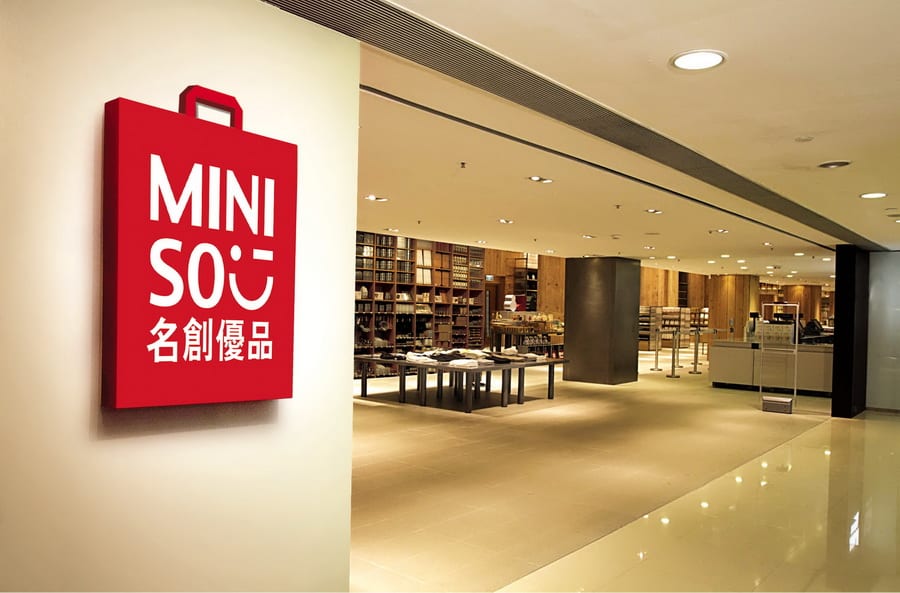
    Controversies continue to hound Miniso, a retail chain in mainland China that projects the image of a Japanese fashion brand.

    Critics have accused it of piggybacking on Japanese retail giants Daiso, Muji and Uniqlo, reports the Hong Kong Economic Journal Monthly.

    Also, the Guangzhou-based vendor of household and consumer items, which has already penetrated the Hong Kong market, has been accused by a Hong Kong designer of stealing his original design of stickers, which he says he found on smartphone cases sold in Miniso stores. But Miniso regional manager Mike Wong says there must be a misunderstanding as his company has no intention of infringing on others’ intellectual property as it can well afford the licensing fee.

    Miniso opened its first Hong Kong store in downtown Yuen Long in November 2014, expanding since into Tsuen Wan, Kwun Tong and Yau Ma Tei, boosting its network to 35 stores in less than two years. Its employee headcount is 450 and growing, with Wong aiming to double the number by the year’s end.

    By comparison, Muji and Uniqlo together have no more than 36 outlets in Hong Kong.

    A typical Miniso store is around 200 sqm and sells such goods as cosmetics, stationery, toys and kitchenware at prices as low as HK$15 (US$1.93). Most items are sourced from China.

    Sales are brisk enough that the brand needs less than eight months to recoup the initial investment, around HK$3 million, for each new store.

    Since 2013, Miniso has opened 1600 stores, with more than 1000 in mainland China and others in Hong Kong, Singapore, Taiwan, Thailand, the Philippines and the UAE. Aggregate sales will double from last year’s HK$5 billion.

    Wong, who once worked as a procurer for Swarovski, says the first time he visited a Miniso store he thought it was another brand under Muji. Now, with Miniso hiring Japanese designers and advocating a simple, low-carbon lifestyle, he says he sees no problem if customers “sometimes can’t tell us from other Japanese brands”.

    He also says that all items in its Hong Kong stores conform to intellectual property regulations. “You can’t say we are copycats.”

    However, he cannot deny the fact that customers in Hong Kong and the mainland trust a Japanese brand more than their homegrown offerings, and many find Miniso’s corporate identity misleading. Nevertheless, the group has four stores in Tokyo’s Harajuku, Ikebukuro and Shibuya districts.

  • Dtac plans major prepaid brand revamp

    Dtac plans major prepaid brand revamp

    Thailand’s Dtac has announced a major prepaid brand revamp and introduced new promotional tariff plans as  part of efforts to attract at least 1 million digital consumers to its prepaid subscriber base.

    As part of the revamp, Dtac will replace its Happy prepaid brand as it moves to bring all its prepaid brands under the Dtac umbrella.

    The operator has allocated 200 million baht ($5.7 million) this year towards marketing the Dtac prepaid brand.

    Dtac has also introduced plans offering unlimited internet access and free calls within Dtac networks for 29 baht ($0.83) per day.

    Prepaid customers will also be offered free YouTube streaming from midnight to 8am and 24 hour music streaming.

    Around 80% of Dtac’s 25.5 million subscribers are prepaid customers, with the wide majority using the operator’s 3G network, statistics provided by the company show. Around 68% of Dtac’s prepaid customers own a smartphone.

  • Pop-up restaurants add diversity to Bangkok’s retail market

    Pop-up restaurants add diversity to Bangkok’s retail market

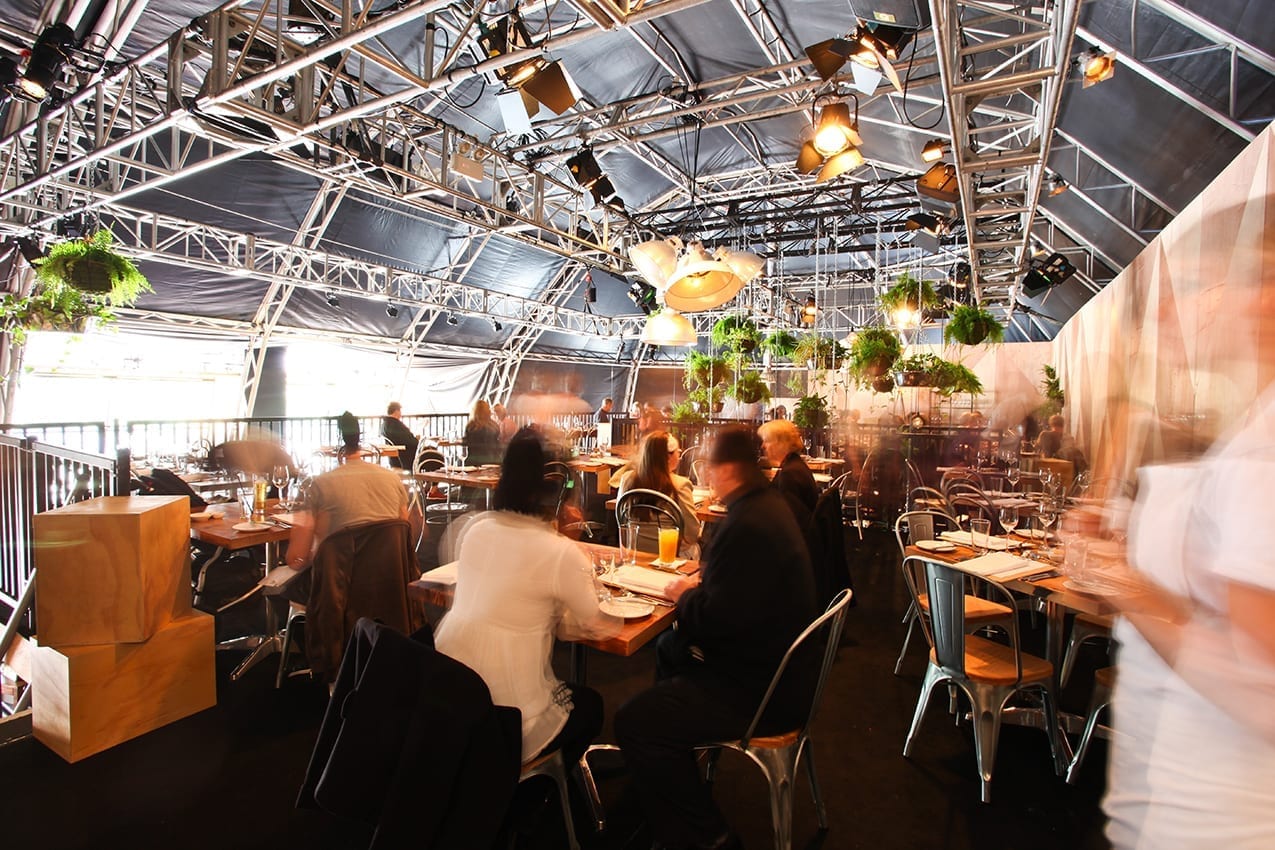
    POP-UP restaurants are a growing trend in Bangkok shopping malls and in suburban main streets.

    These are temporary restaurants that can operate from any location where there are customers and that is safe for cooking and serving food.

    While beer gardens operating during the cool season are probably the pop-up format that Thais are most familiar with, pop-up kitchens and food trucks are gaining popularity in Bangkok.

    The Mall Group recently introduced pop-up kitchens around its supermarkets. Patrons can buy fresh produce and ask for it to be cooked at these kitchens.

    Although seating is limited, the food fad has caught on and it is not surprising to find queues forming at these new eateries.

    Another trend that is transforming the street-food culture in Bangkok is the mobile food truck. Summer Street, which serves grilled seafood, and Daniel Thaiger’s burger truck are names that have gained a following.

    Potential patrons keep track of opening hours and the location of these trucks on social-media platforms – an indication that the digital age has fundamentally changed the way people dine and socialise.

    Pop-up restaurants can range from the simple to the ultra-high-end, but one thing they all have in common is the element of exclusivity.

    Because of their temporary nature, pop-ups intrinsically create a “moment in time” that cannot be replicated; this also ties in neatly with the experience trend and craving for new and exciting concepts.

    These food and beverage developments have given some of Thailand’s malls and retail streets a revival, adding diversity and vitality to the shopping experience and keeping people in the malls longer.

    The mobility of these pop-ups and food trucks means that empty spaces can be easily converted into food halls or markets, helping to breathe new life into sometimes derelict but architecturally exciting space, such as former factories, warehouses, office buildings and marketplaces that are in good locations.

    In Bangkok, mall operators have used car-park spaces to host food and culture festivals. Boosted by rising income levels and an insatiable demand for fresh culinary experiences, these food halls have become very popular.

    These pop-up restaurants because of their mobility and flexibility will continue to help mall operators pull in retail crowds even as they undergo renovations.

  • Central Pattana plans to enter Malaysia

    Central Pattana plans to enter Malaysia

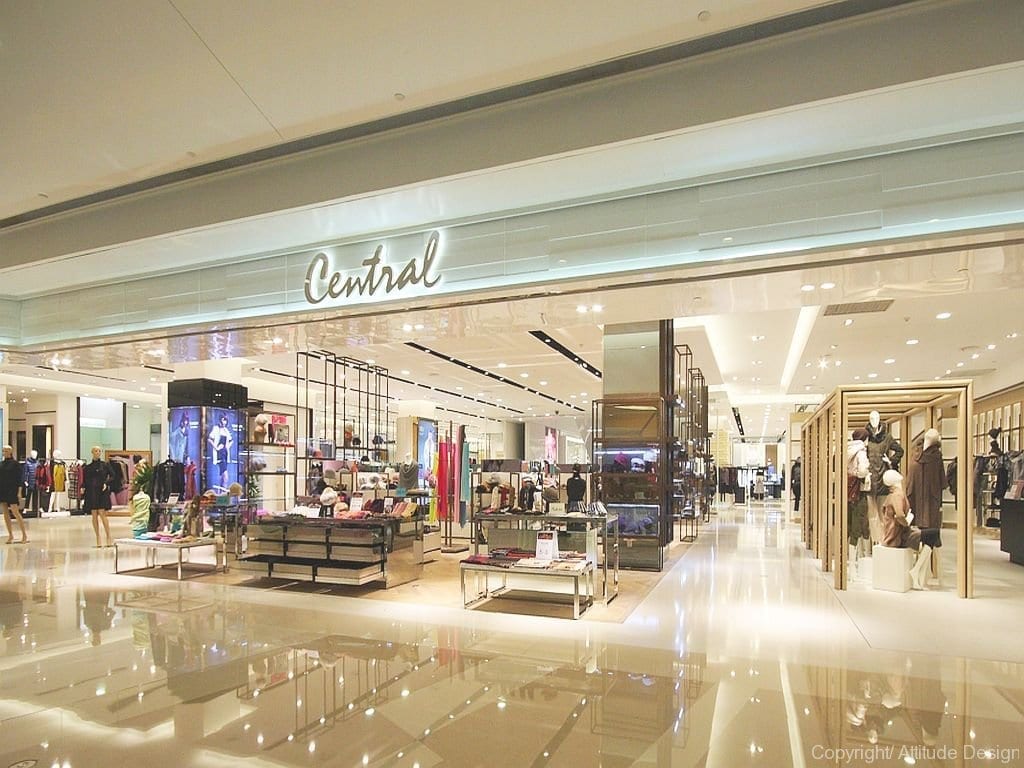
    Shopping mall developer Central Pattana, which runs 29 malls in Thailand, plans to open its first foreign outlet in Malaysia in 2018.

    It will work through a joint venture with a Malaysian company in which it holds a 60 per cent stake. The new mall, under the Central brand, will be in Shah Alam, west of Kuala Lumpur.

    To be built on about 44,000 sqm of land, the mall will have a net leasable area of 89,700 sqm, and cost about 8.3 billion baht (US$232 million) to build.

    Senior executive VP Naparat Sriwanvit says Central Pattana plans to open 15 malls by 2020, three of them outside Thailand. Indonesia and Vietnam have been listed as potential targets because of their large populations and rising incomes.

    As with Malaysia, the company plans to enter other markets through joint ventures with local partners.

    Naparat says the Thai market is still promising, with room for expansion in the suburban areas of Bangkok and the provinces. The company plans to open a 1.9 billion baht mall in the southern city of Nakhon Si Thammarat at the end of next month, as well as two other locations outside Bangkok next year.

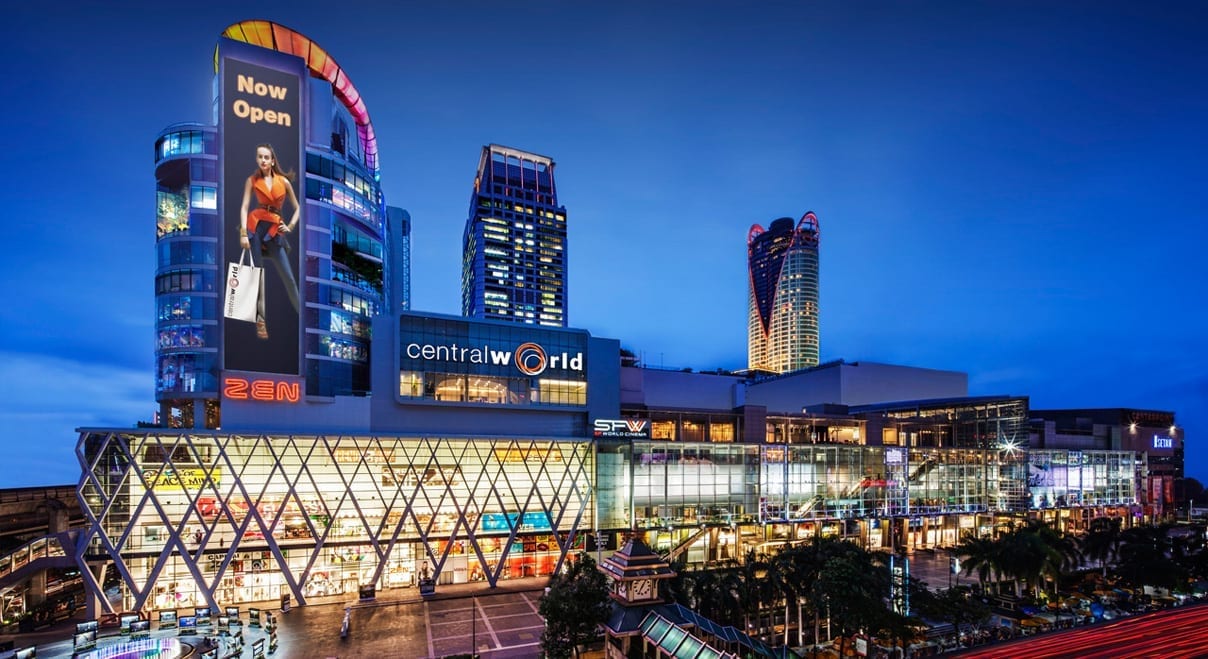
    Central Pattana, with CentralWorld mall in central Bangkok as its flagship, saw its net profit rise 7 per cent last year.

  • Radware opens new office in Thailand

    radwareRadware, a provider of cyber security and application delivery solutions, has opened its new office in Bangkok, Thailand.

    Located in the Ratchada area in Bangkok, the new office equips training and demonstration facilities, and will support Radware’s operation across Thailand.

    Radware works with clients in industry verticals such as telecoms, banking, Government, retail and manufacturing sectors.

    Radware Thailand office has also added additional resources, including the appointment of a new Enterprise Business Manager focusing on Banking and Government customers and a new Systems Engineer.

    Paul Coates, VP of South APAC, Radware, said: “Asia Pacific continues to be a strategic region for Radware, and building out a new infrastructure in Thailand allows us to provide even faster technical and sales supports to our valued customers in various industries.”

    Radware has 16 offices in Asia Pacific region: Australia, China, Hong Kong, India, Japan, Korea, Singapore, Taiwan and Thailand — to support its customers and partners.

  • CBRE Thailand: economy hits development

    CBRE Thailand: economy hits development

    Against an unfavorable economic backdrop, coupled with growing competition in the Bangkok retail market over the past couple of years, developers have been postponing projects, says property company CBRE Thailand in its retail market review for first quarter.

    Affected are mega-projects Bangkok Mall, Central M, EmSphere and Mega Rangsit.

    Instead, says the review, owners have been focusing on renovating and repositioning malls as well as selectively expanding upcountry.

    Newly completed retail supply in Bangkok has begun to slow down, with about 60,000 sqm coming onstream from nine retail developments in the first quarter. None of the projects were big scale, says the report, the largest being the Ratchadapisek Suam Lum Night Bazaar.

    Despite representing a small share of total retail sales, eCommerce has grown rapidly in Thailand over the past year, says the review, posing an up-and-coming risk to brick-and-mortar stores. This will spur growth in online shopping, forcing retail developers to create more attractions to lure consumers to their physical stores.

    “Looking forward, unless domestic demand recovers, we do not expect the delayed projects to start construction any time soon,” says the review. “With the combination of low future supply and the completion of refurbishment in major retail centres, we believe the occupancy rate will bottom out this year.

    “However, rental growth going forward is expected to be limited as competition remains fierce.”

    Meanwhile, domestic demand is still weak. The retail sales index in January, estimated by the Bank of Thailand, was at 200.7 points, increasing by only 0.02 per cent.

    Also, Thailand’s Consumer Confidence Index (CCI) dropped to 73.5 in March, the lowest level in five months, from 75.5 and 74.7 in January and February respectively.

    Thailand’s household debt level continues to be an issue at more than 80 per cent of total GDP, dragging down the spending power of consumers.

    Growing competition in the Bangkok retail market has seen several large-scale projects completed of the past year years, taking the total retail supply to 7.2 million sqm., up nearly 900,000 sqm from the figure in 2014.

    “Not all shopping centres will perform,” says the review, “and we have seen falling occupancy in some of the old or poorly managed malls.”

    First-quarter occupancy was at 92.9 per cent, down 0.3 percentage points from the previous quarter.

    Retail sales in central Bangkok have improved as international tourist numbers have grown, up about 15 per cent from last year.

  • Central Department Store app launched

    Central Department Store app launched

    A Central Department Store app has been launched to keep customers informed about in-store promotions, aiming to drive traffic in the lacklustre market in Thailand.

    In the Thai language, Central Smart Shopper lets users key in such factors as date, store branch and budget. It then shows a list of available promotions from about 20 credit-card companies.

    Executive VP for marketing Piyawan Leelasompop says the aim is to capture younger-generation shoppers. “They are eager to change, and one day we could foster the relationship and build brand loyalty.”

    Part of retail giant Central Group, the department store has invested more than 10 million baht (US$280,000) to develop the app, and targets 100,000 downloads by year-end. It plans to further develop the app to link to online shopping.

    This follows Central Group acquiring the Thai market for online fashion marketplace Zalora, as well as a slump in Thai spending. Thailand’s retail sector slowed to 2.8 per cent growth last year, according to the Thai Retailers Association.

    Central Group will kick off a one-and-a-half-month sale on Friday at its 64 branches nationwide, including Central Department Stores. It will invest 100 million baht in the campaign to offer discounts of up to 80 per cent.

  • Siam Discovery ‘ready to rock the world’

    Siam Discovery ‘ready to rock the world’

    Siam Discovery in the heart of Bangkok officially opened last week – billed as a shopping centre experience like none other in the world.

    And when you took a walk through the THB4 billion (US$112 million) redevelopment, for once in this industry the experience exceeded the hype.

    “We are ready to rock Bangkok and rock the world,” says Chadatip Chutrakul, CEO of Siam Piwat, which owns the trio of Siam-branded malls next to the confluence of Bangkok’s downtown Skytrain lines.

    They rocked our world, for sure, because there genuinely is nothing like this anywhere we’ve seen in the world. This is a centre designed to engage even the most jaded shopper. More than a collection of stores, it is a curation of brands presented in an array of environments created by Japanese designer Oki Sato and his team from Nendo in Tokyo.

    Siam Discovery Bangkok

    From the brilliant white modern elegance of the Issey Miyake women’s fashion store at the entrance level to the Nendo-designed Loft fitout on the upper level – and everything in between – this is a retail destination that will wow, engage and delight.

    “We hope people coming here get inspired,” says Sato. “We hope every single person who comes here is challenged.”

    While there are various branded stores in the revamped Siam Discovery, they are almost incidental to the overall experience. In what marks Siam Piwat’s first foray into running its own department  store – a misnomer in this context – Sato and his team have created a series of striking merchandising areas all without walls, mixing materials and concepts, and showcasing products ranging from high-end fashion to homewares and electronics.

    Complementing them are areas dedicated to revolving pop-up concepts – most of them engaging customers, others for name brands to test their mettle with the Thai consumers and tourists who will frequent this centre when it opens to the public on Saturday morning (May 28).

    Women can create their own lipstick tones; there are 3D printers that can create sculptures of photographs; you can paint your own pattern prints to create your own clothes or a personalised coffee mug; you can test pilot a drone, run 500m on a treadmill to donate money to charity, or strike a pose for an Instagram post … And more – much more.

    Siam Discovery Bangkok 10

    The 40,000 sqm Siam Discovery, perhaps best known to visitors to Thailand as the home of Bangkok’s Madame Tussauds wax museum, has been completely gutted over the past 12 months. Now it features six levels of experiential retail, each with its own distinct theme. Ground level is Her Lab, anchored by  Issey Miyake and featuring an assembly of mid- to high-end fashion labels including Comme des Garcons, Marimekko and Rag & Bone.

    Up one floor is His Lab, a full storey of menswear, shoes and – perhaps a highlight – a “skin lab” featuring possibly the largest collection of men’s skincare and grooming products outside Tokyo. In the corner is a bespoke barber shop offering haircuts and shaving services: understated and old world.

    Siam Discovery Bangkok 2

    Siam Discovery Bangkok 6

    Siam Discovery Bangkok 1

    Next level up is Streetlab, a collection of casualwear, streetwear, sportswear, shoes and accessories. Again there is a mix of shop fronts and open displays where Siam Piwat has chosen the merchandise – and displayed it imaginatively. A highlight: sunglasses on batons both rising from the floor and descending from the ceiling. To complement the sporting and fitness theme, there is a salad bar and a Boost Juice cafe.

    Siam Discovery Bangkok 4

    Siam Discovery Bangkok 11

    One more floor up is Digital Lab: gadgets, techno toys, cameras, stationery, even a store selling customised motorcycle helmets (it is opening with a display of helmets owned by famous Thais, including a popular actor and the head of a major bank). This is where you can fly a drone, check out a Yamaha display featuring MotoGP-themed bikes, or relax at an unusually designed Starbucks made from recycled materials.

    Siam Discovery Bangkok 7

    Creative Lab, another level up, is largely a housewares store, including Thailand’s second Habitat shop and heavily Japanese-influenced displays of homewares, ornaments and collectibles. There is a Thann Spa, most certainly its most stunning design yet, an artisan coffee roaster, Cafe Now, and a tiered stairwell designed to encourage people to chill and relax much like they would in an Italian piazza – but in air-conditioned comfort. That space will be used for demonstrations and the occasional live music event.

    Siam Discovery Bangkok 12Siam Discovery Bangkok 8

    And on the top floor, as well as the entrance to a new Virgin Active gym, there is a toy zone, books, outdoor gear space, a cafe and more places for interactive pop-up concepts.

    As with the successful redesign of the adjacent Siam Centre, Chadatip worked with brands to ensure the centre offers products not available elsewhere. So even familiar brands have one-off displays or limited-edition runs – some carrying Siam Discovery or Siam Piwat branding for the launch.

    Siam Discovery Bangkok 3

    Sato says Siam Discovery is his first project in Thailand, and his most ambitious anywhere to date. From day one he worked with Chadatip’s team on how to create a flow of visitors through the building.

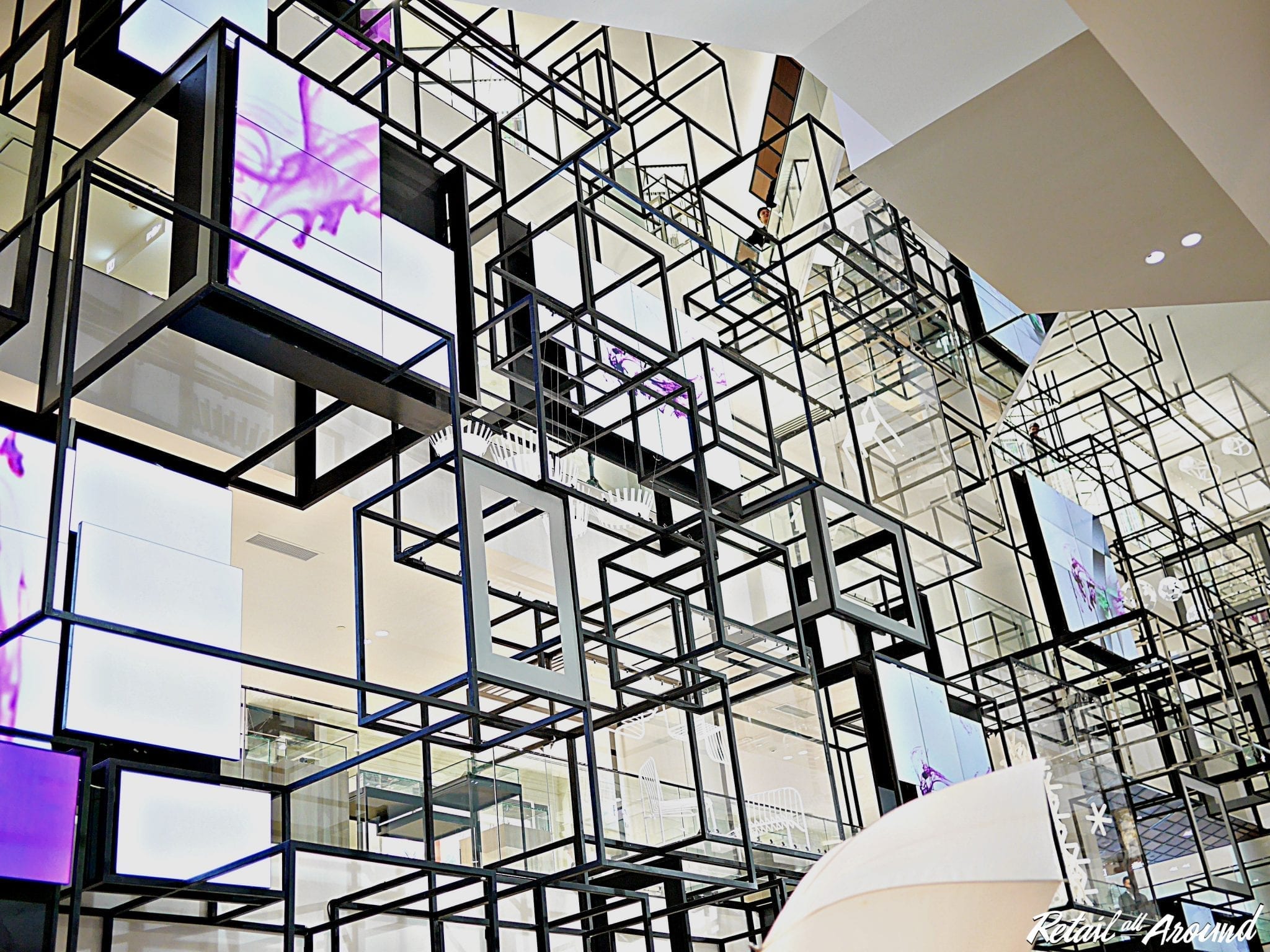
    Instead of the original two sets of escalators, there is now only one, creating more of a sense of space in the atrium. About 220 black frames have been built to hold LCD screens and other displays to draw people to the upper levels.

    “So you have vertical flow, you have horizontal flow and then you create circular flow,” says Sato.

    The concept of “lifestyle laboratories” reflects the aim of creating something markedly different to a conventional mall, where brands each have dedicated rooms in planned precincts. While “curating” is a term used all too loosely in modern retail, it does seem appropriate here. Teams of people have chosen products from a variety of brands to merchandise them in a complementary fashion so people walking through the centre will be guaranteed to see something new.

    Siam Discovery Bangkok 9

    “The idea is not about adding products through brands, but through different lifestyles, cultures and trends,” says Sato. “So customers can choose their own lifestyle.

    “We hope people coming here will be inspired, that they find something, and that every single person who comes here is challenged.”

    Shopper, retailer or mall manager: from our experience during today’s preview, all will be equally challenged by the new Siam Discovery.

  • Southeast Asian economies lure Alibaba

    Southeast Asian economies lure Alibaba

    Southeast Asian economies are reaching a stage similar to China’s at the end of the last decade, when eCommerce began to take off, according to Alibaba Group executive vice-chairman Joseph Tsai.

    “I don’t blame you guys for having some degree of excitement about Southeast Asia when you look at the economies here,” he has told a Singapore conference staged by Google and local sovereign wealth fund Temasek.

    For example, he said, the per-capita GDP of Indonesia, the world’s fourth most-populous country, was about $2900. “That’s roughly the same as China’s per-capita GDP in 2009 and into 2010, a period when Alibaba’s C2C marketplace Taobao began to soar, adding about $50 billion in gross merchandise volume.”

    This was one reason Alibaba had invested about $1 billion in Singapore-based Lazada Group last month. Launched in 2012, Lazada now has shopping websites in Indonesia, Malaysia, the Philippines, Singapore, Thailand and Vietnam. It began by selling inventory to customers from its own warehouses but now also runs marketplaces for third-party sellers, as well as using its own logistics networks for deliveries.

    “We’re very excited about our investment in Lazada,” Tsai said. “It is starting from a very small base, but the potential is very, very big.”

    By adding marketplaces in Southeast Asia, Alibaba can offer merchants already selling on its platforms a chance to sell into new markets. “It’s very, very helpful to be able to present something that is more of a geographically diverse platform,” Tsai said. Online healthcare and fintech companies such as Alibaba-affiliate Ant Financial, poised for rapid growth in China, could expand their services to Southeast Asia.

    Tsai said he sees promise in the wide use of the mobile internet in Southeast Asia, a trend that typically gives rise to greater engagement and more purchases by online shoppers.

  • Ben & Jerry’s is coming to Thailand

    Ben & Jerry’s is coming to Thailand

    A Ben & Jerry’s Thailand ice-cream outlet is planned, with the company teasing the move with artwork featuring its product on a tuk-tuk.

    “The wait is over!” the company has written in Thai on Facebook. “We, Ben & Jerry’s, are excited to officially come to Thailand.”

    No further information is available as yet, and Coconuts Bangkok says fans can follow the news through Ben & Jerry’s Thailand Facebook site. Meanwhile, the product is available as a takeaway in some convenience stores.

    Ben and Jerry’s opened their first ice-cream shop in a renovated petrol station in Burlington, Vermont, in 1978, after taking a $5 correspondence course about making ice cream and a $12,000 investment ($4000 of it borrowed).

    Now the company has outlets in many countries and is owned by Anglo-Dutch corporation Unilever.

  • Marine Gold reaping benefits of 2013 losses as shrimp production rebounds

    Marine Gold reaping benefits of 2013 losses as shrimp production rebounds

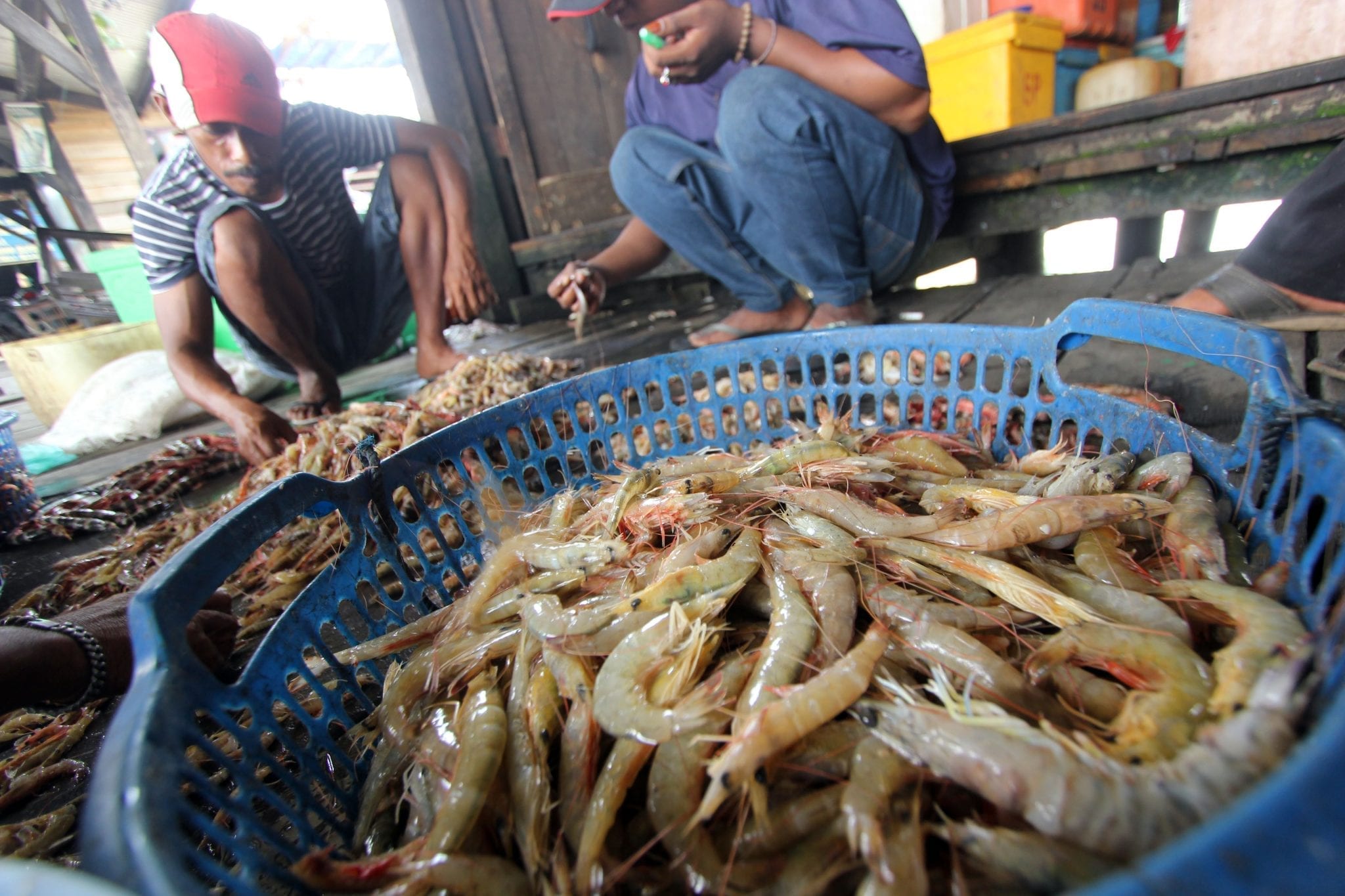
    In 2013, Marine Gold Products, one of the largest shrimp exporters in Thailand, lost big money on meeting its export commitments.

    As early mortality syndrome (EMS) caused Thai production to dive, raw material prices rocketed. EMS caused production to dive under 200,000 metric tons, compared to the peak of over 600,000t.

    This left packers fighting for shrimp for orders.

    “I shipped every container in 2013, so we lost $10 million,” Choopong Luesukprasert, Marine Gold’s managing director, said.

    The aim of continuing to ship containers at a crisis time for the Thai shrimp sector, was about maintaining business contacts, he said, during the Thaifex: World of Food Asia show in Bangkok.

    “But, since, we have kept this business and gained more, as we reliable,” Choopong Luesukprasert, Marine Gold’s managing director said.

    For 2016, shrimp production in Thailand is rebounding and prices for raw material are competitive with other sources, such as Indonesia, India and Vietnam.

    Production in 2015 is said to have been around 240,000t, up from 210,000t in 2014.

    For 2016, forecasts range from 260,000t, up to 300,000t.

    The later is attainable, said Luesukprasert.

    “I think 300,000t is realistic. Production hasn’t started like we expected, as we have had such a long drought in Thailand. But, we think it will start picking up from now,” he said.

    Selling shrimp to the US is the main export market for Marine Gold, with the export target for 2016 at 45 million pounds, he said.

    Due to the forecasted increase in Thai raw material output in 2016, Luesukprasert hopes Marine Gold can expand its output by 20-25%. This is ahead of the forecasted increase in production.

    The company has also launched a ready-to-eat brand for the domestic market.

    Luesukprasert said he plans to export the product range in the future, however.

    The range is being sold in Thai retail under the brand “Yummy Tale”; featuring products such as shrimp pad Thai and shrimp green curry with jasmine rice.

  • Mary Buffett Launches Jitta.com for Bangkok Investors

    Mary Buffett Launches Jitta.com for Bangkok Investors

    Mary Buffett, the former daughter-in-law of famed investor Warren Buffett, helped launch Jitta.com last week, a platform aimed at retail stock investors in Thailand’s capital. Ms. Buffett brings the Buffett know-how to Bangkok to appeal to investors hoping to become as good as the famous stock picker.

    Co-author of the best-selling book “Buffetology,” Mary is putting her name behind the Jitta startup. After testing the platform for herself, Ms. Buffett found it to be an impressive tool for investors.

    Mary’s endorsement of Jitta.com is an obvious boost for the Thai-based startup, which is looking to make it big on the international retail investment scene.

    Ms. Buffett met with Jitta.com founder Trawut Luangsomboon three years ago, and was one of the initial investors in the project. The start-up launched in the U.S. in 2014.

    Jitta uses Warren Buffett’s investment style to simplify retail investment and make it easy for most individuals to get started. Buffett’s style is primarily focused on buying great stocks when they’re undervalued.

    When shares drop below Jitta’s “fair price,” investors are encouraged the buy the stock – just as Warren Buffet would do.

    Through the adoption of Buffetology’s key elements, this platform helps investors minimize risk while doing their due diligence.

    Jitta covers stocks in Singapore, U.S., Thailand, Vietnam and Hong Kong.