Tag: Thailand

  • Thai BJC shareholders approve $6.2 billion Big C buy

    Thai BJC shareholders approve $6.2 billion Big C buy

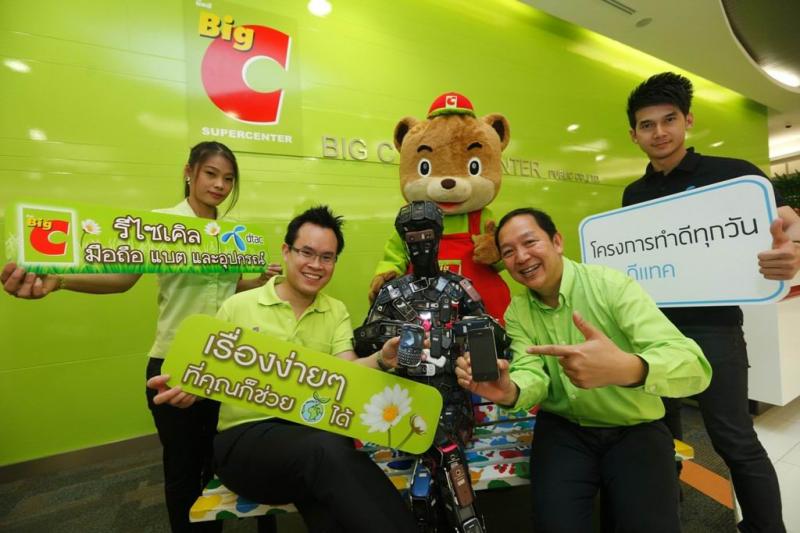
    Thailand’s Berli Jucker shareholders have voted in favor of a $6.2 billion acquisition of hypermarket operator Big C Supercenter Pcl (BIGC.BK) from France’s Casino Group.

    Some 99.99 percent of voters approved the plan at Monday’s meeting, two financial sources who attended it said.

    Berli, the core retail business of Thai tycoon Charoan Sirivadhanabhakdi’s TCC group, won a hotly contested auction for Casino’s 58.6 percent stake in Big C.

    Earlier, Casino said it was on track to reduce debt as promised after Standard & Poor’s cut the French retailer’s credit rating to junk, citing falling profits, weakness in Brazil and competition at home.

    The Thai group secured $6.2 billion short-term financing deal with 15 banks to fund the Big C acquisition on Wednesday.

    Berli is expected to pay Casino by the end of March and the company will buy the remaining shares from minority shareholders in a tender offer, to be completed by May, one source said.

  • Thailand’s Robinson makes online push

    Thailand’s Robinson makes online push

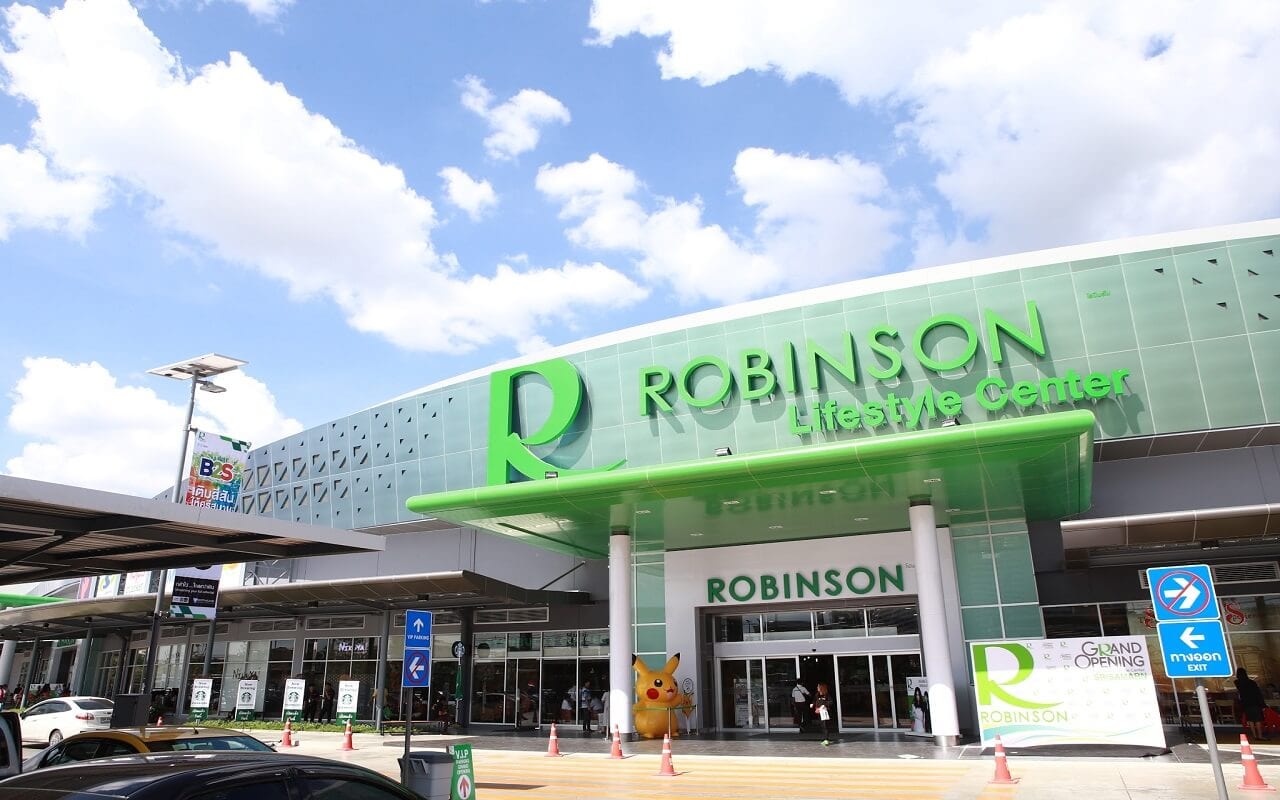
    Major department store operator Robinson said it was turning its focus to online sales and enhancing in-store services — offering anything from ear-piercing to eye tests — rather than opening new stores this year as the economy remained sluggish.

    President Alan George Thomson said that sales from its online platform will contribute 5-7% of overall sales by 2020, from the current 1%. In that time, its online business will become Robinson’s largest segment in terms of sales, exceeding its flagship Rama 9 store in Bangkok.

    Adding to the conventional online shopping service, special kiosks will be set up in stores where customers can make orders online. Items will be delivered to the shop as soon as the next day. Customers in rural areas can thus buy items that would otherwise only be found in the cities.

    “We are transforming Robinson from a department store to a retail company,” Thomson told reporters on Wednesday. By 2017, the company will have spent 2.5 billion baht to renovate 20 of its major department stores.

    Robinson will introduce services such as ear-piercing, eye tests, smartphone-charging stations, coffee stands and even fitness centers. “We want to make retail more than just shopping,” Thomson said.

    But sluggish domestic consumption has meant that the company will open just two stores this year, down from the four or five in the past few years.

    “The economy is definitely much slower now,” Thomson said. Sales in 2015 increased a mere 5% on the year to 2.15 billion baht, underperforming its initial target of a 15% growth. “Getting sales in Thailand is not easy,” Thomson said. “We will slow down our expansion but get better profits from existing shops.”

    To improve efficiency, it will introduce centralized cashiers in its stores.

    Robinson is a part of retail giant Central Group. While Central’s flagship Central department stores target the mid- to high-income customer, Robinson’s focus is on the mass market and a younger customer base. Many of the Robinson department stores are in the Central Plaza shopping malls operated by the group’s development arm Central Pattana.

  • ASEAN tourism to launch Visit ASEAN@50 Golden Celebration in 2017

    ASEAN tourism to launch Visit ASEAN@50 Golden Celebration in 2017

    Member countries of ASEAN will celebrate the groupings 50th Anniversary in 2017 by holding a joint tourism programme under the theme “Visit ASEAN@50: Golden Celebration” with the objective of embracing ASEAN as a single and united tourism destination.

    “Visit ASEAN@50: Golden Celebration will highlight ASEANs best 50 festivals and 50 most unforgettable travel experiences, whereby visitors will enjoy a wide range of ASEAN tourism products through diverse destinations, culinary, events, and engagements with local communities,” the ASEAN Secretariat said in a statement.

    Special offers and travel promotions with affiliated partners will be rolled out for travellers to enjoy the richness of cultural, heritage, nature, and to feel the warmth of ASEAN hospitality.

    Targeting major regional and long-haul source markets, such as: China, Japan, Korea, India, Australia, UK, Germany, Russia, the UAE, USA and Canada, Visit ASEAN@50: Golden Celebration is expected to achieve 121 million international visitor arrivals to the region by the end of 2017.

    Also increase tourism receipts to USD 83 billion; and extend tourist visitations average length of stay to 6-7 days, and to more than 2 ASEAN countries.

    The official pre-launch of the Visit ASEAN@50: Golden Celebration campaign was spearheaded by ASEAN Tourism Ministers and Leaders at the ITB Berlin on 10 March 2016.

    The pre-launch was followed by two days of ASEAN cultural performances for ITB Berlin’s public audiences on 12 and 13 March at Thailand pavilion.

  • Apple’s iBeacon on trial at Central World

    Apple’s iBeacon on trial at Central World

    Nattakit Tangpoonsinthana, executive vice president of marketing, said yesterday that while urbanisation has driven the retail industry in recent years with the growth of shopping malls in the provinces, the new retail landscape is being reshaped by the Millennials and Generation Z shoppers.

    Millennials are people aged about 21-30 and Gen Z are 15-20. Although these two groups represent only 10-20 per cent of shoppers, they are leading the voices in social media and influencing purchases and consumption.

    “Retailers must give importance to these new-generation shoppers, who will be the game-changers of the retail industry and general businesses within five years,” he said.

    To fulfil the needs of these shoppers, CPN, which is aiming to become a leader in the regional retail industry, is creating a seamless experience, focusing on customisation and becoming a social enterprise.

    iBeacon enables tenants to send tailored messages to shoppers who have loaded the CentralWorld app on their smartphones.

    CPN is also talking with a software company to mine Big Data from its The 1Card customer relationship management programme, which holds mountains of data on 8 million-9 million members.

    The Millenniums and Gen Z shoppers have already shaken up the fashion world, which has launched more frequent new collections and “limited editions”.

    To address the tastes of these groups who get bored fast, CPN will have to create more “wows” and “happenings”, launch concept stores and speed up store renovations from every eight to nine years in the past to every four to five years now.

    CPN has increased its digital marketing budget to 10 per cent of its Bt700 million marketing budget from just 3 per cent in the past.

    Marketing staff have to have digital literacy. Store managers must know not only on how to run their physical branches but also how to engage and converse with their shoppers online.

  • Thai Robinson to invest $479 mln on new stores over 5 years

    Thai Robinson to invest $479 mln on new stores over 5 years

    Thailand’s Robinson Department Store PCL said on Tuesday it aimed to invest about 16.8 billion baht ($479 million) over the next five years on opening new stores in a move to boost average sales growth by 5-7 percent a year.

    Speaking at a news conference, President Alan Thomson said Robinson, majority-owned by Thailand’s largest retail conglomerate Central Group, planned to boost the number of stores to 56 by 2020 from 42 now, pinning its hopes on government economic stimulus measures stoking a pickup in the country’s now-depressed consumer spending.

    Growth at that pace would be equivalent to an average of 2.8 new stores a year. But Robinson’s rate of expansion has slowed recently, dropping to two new stores this year, versus four in 2015 and five two years earlier, a deceleration that reflects Thailand’s current economic weakness, Thomson said. This year, the company will spend 1.6 billion baht on opening two branches. It’s aiming for sales growth of 7 percent from 2015’s 25 billion baht, and expects sales to reach 35 billion baht by 2020, Thomson said.

    He also said Robinson planned to spend 2.5 billion baht to renovate 20 existing stores in an effort to respond to changing retail patterns and attract more customers despite the spread of online shopping.

    Robinson also operates two stores in Vietnam, and aims to double that by 2020, Thomson said. “We are trying to identify challenges before we expand in Vietnam,” he said, adding the company would likely invest more in Vietnam next year after a pause in 2016.

    After being hit in recent years by weak spending in the slowing economy, like other Thai retailers, Robinson has seen signs of improvement in demand, thanks to the government’s stimulus measures, Thomson said.

    The company’s same-store sales rose 3.1 percent in the fourth quarter of 2015, versus a drop of 2.1 percent for the
    full year, according to company data.


  • Japanese stores target Thai tourists

    Japanese stores target Thai tourists

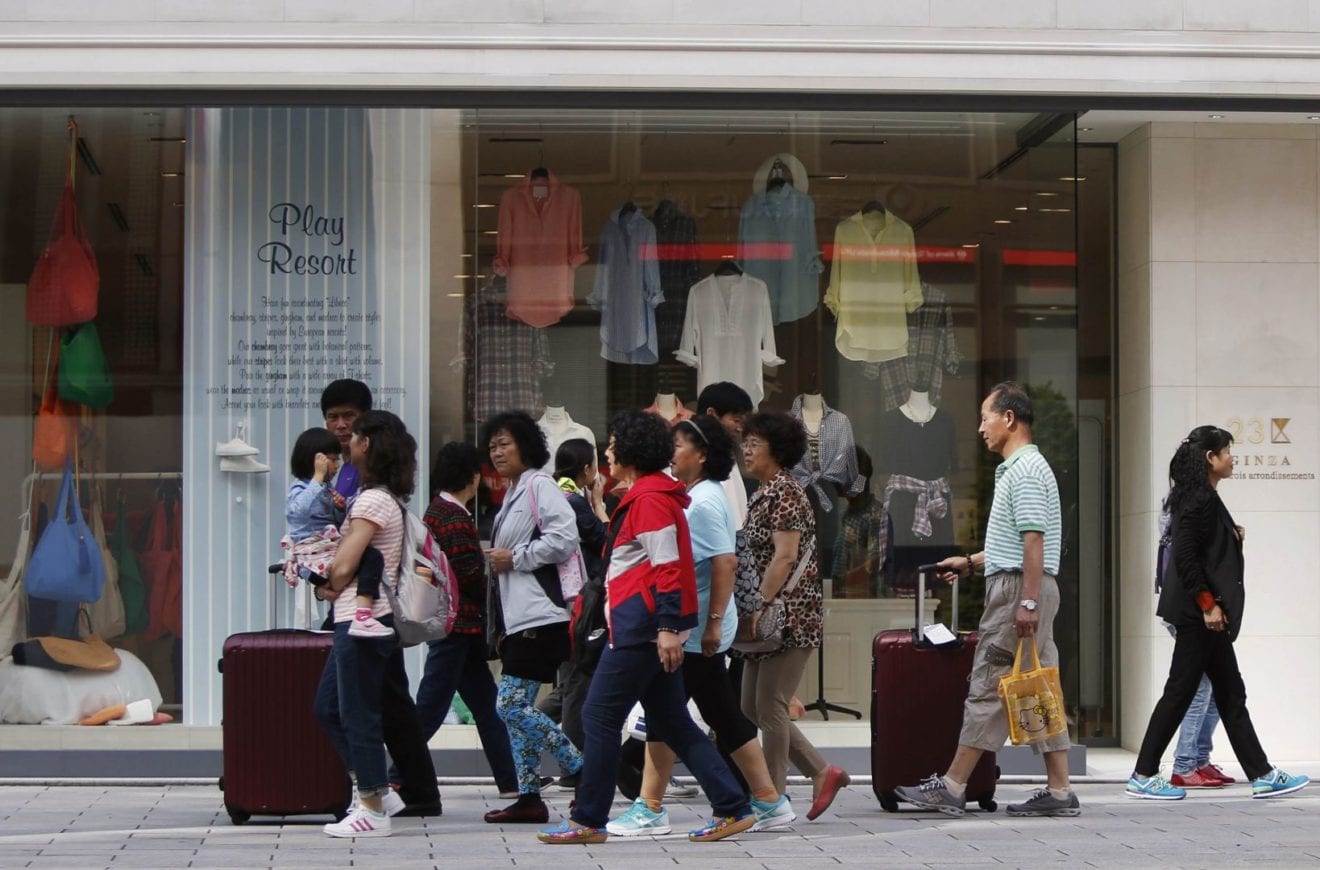
    Thai tourists are now in the sights of Japanese department stores after their success in luring Chinese during Lunar New Year.

    Such companies as Isetan Mitsukoshi Holdings and J.Front Retailing, which run the Daimaru and Matsuzakaya department stores, are ramping up efforts to lure Thai tourists during their traditional New Year holiday Songkran, which this year runs from April 13 to 15, reports Nikkei Asian Review.

    A weaker yen has helped boost tourism numbers to Japan, and visitors from Thailand have grown steadily to nearly 800,000 last year following the relaxing of visa requirements in July 2013.

    While most foreign visitors last year came from China, they were followed in volume by South Korea, Taiwan, Hong Kong, the US and then Thailand.

    Isetan Mitsukoshi and J.Front issued pamphlets and other materials to promote their Japanese stores during the Thai International Travel Fair at the Queen Sirikit National Convention Center on February 21, one of Southeast Asia’s largest travel-industry events. They mainly targeted Thai travel agencies.

    J.Front’s Daimaru and Matsuzakaya stores distributed flyers with discount coupons, and also plans to hand them out aboard Asia Atlantic Airlines flights between Thailand and Sapporo. The coupons will also be given to tourists buying the Japan Rail Pass at Thai outlets of Japanese travel agency HIS.

    Daimaru’s store in Sapporo has even prepared a floor guide in Thai language.
    Matsuya, another Japanese department-store chain, will give preferential treatment to customers of three Thai banks – Bank of Ayudhya, Kasikornbank and Krung Thai Bank – at its Ginza store in Tokyo. They will receive discounts and gifts.

    In January, Matsuya had a similar offer for customers holding membership cards from Thai retailer The Mall Group. Sales of duty-free goods at Matsuya during last year’s Songkran holidays surged 50 per cent from a year earlier, the company says.
    Visitors from Thailand spent a total of Y120 billion (US$1 billion) in Japan last year, up a quarter on 2014’s figures, according to a survey by the Japan Tourism Agency.

  • Forevermark Asia launches in Korea, Thailand

    Forevermark Asia launches in Korea, Thailand

    De Beers Group of Companies has launched its diamond brand Forevermark in Asia – with new partners in South Korea and Thailand.

    It is now available in more than 1700 outlets in 38 consumer markets.

    In South Korea, Forevermark Asia launched with licensee partner Golden Dew, which has started selling the brand in 11 of its stores. Golden Dew was founded in 1989 as Korea’s first jewellery brand, says De Beers, and has a presence in more than 70 department stores.
    In Thailand, the brand launched at the opening of an exhibition at Siam Paragon, one of Bangkok’s largest department stores. With its new licensee partner, diamond retail chain Jubilee Diamond, Forevermark will be available in stores across the country, says De Beers.
    Forevermark CEO Stephen Lussier says the brand has had remarkable growth since being established eight years ago.

  • Thai investment in VN concentrated in processing, manufacturing

    Thai investment in VN concentrated in processing, manufacturing

    According to the agency, there are about 200 Thai projects in such industries, with combined investment of US$7 billion or 88 per cent of Thailand’s total investment in Vietnam.

    These sectors are followed by agriculture, forestry and seafood sectors, which have 31 projects worth $235 million. The rest are in retail and construction sectors.

    As the end of February this year, Thai businesses had invested in 428 projects in the country, with a total investment capital of $7.88 billion, ranking 11th among countries and territories that have invested the largest capital in Vietnam.

    A Thai project was worth $18.4 million on average, about $14 million more than the average value of a foreign investment project in the country.

    The southern Ba Ria – Vung Tau Province attracted the highest number of foreign direct investment projects from Thailand, worth $3.77 billion. It’s followed by the northern Vinh Phuc Province with projects worth $744 million and the southern Binh Duong Province with $513.4 million.

    The statistics also showed that Thai joint venture investments comprised 70 per cent of Thailand’s registered investment in Vietnam, worth $5.5 billion.

    Vietnam has become a favourite destination of many Thai billionaires in recent years, with many large projects and merger and acquisition transactions taking place in retail and consumption areas.

    These include Thai company Berli Jucker’s (BJC’s) purchase of Metro Cash & Carry Viet Nam for more than $870 million; and Power Buy, a subsidiary of the Central Group of Thai billionaire Chirathivat, also acquired a 49 per cent share in New Solution and Technology Development Company NKT, the owner of Viet Nam’s leading retailer Nguyen Kim Trading JSC.

  • California Wow founder sues Thai government

    California Wow founder sues Thai government

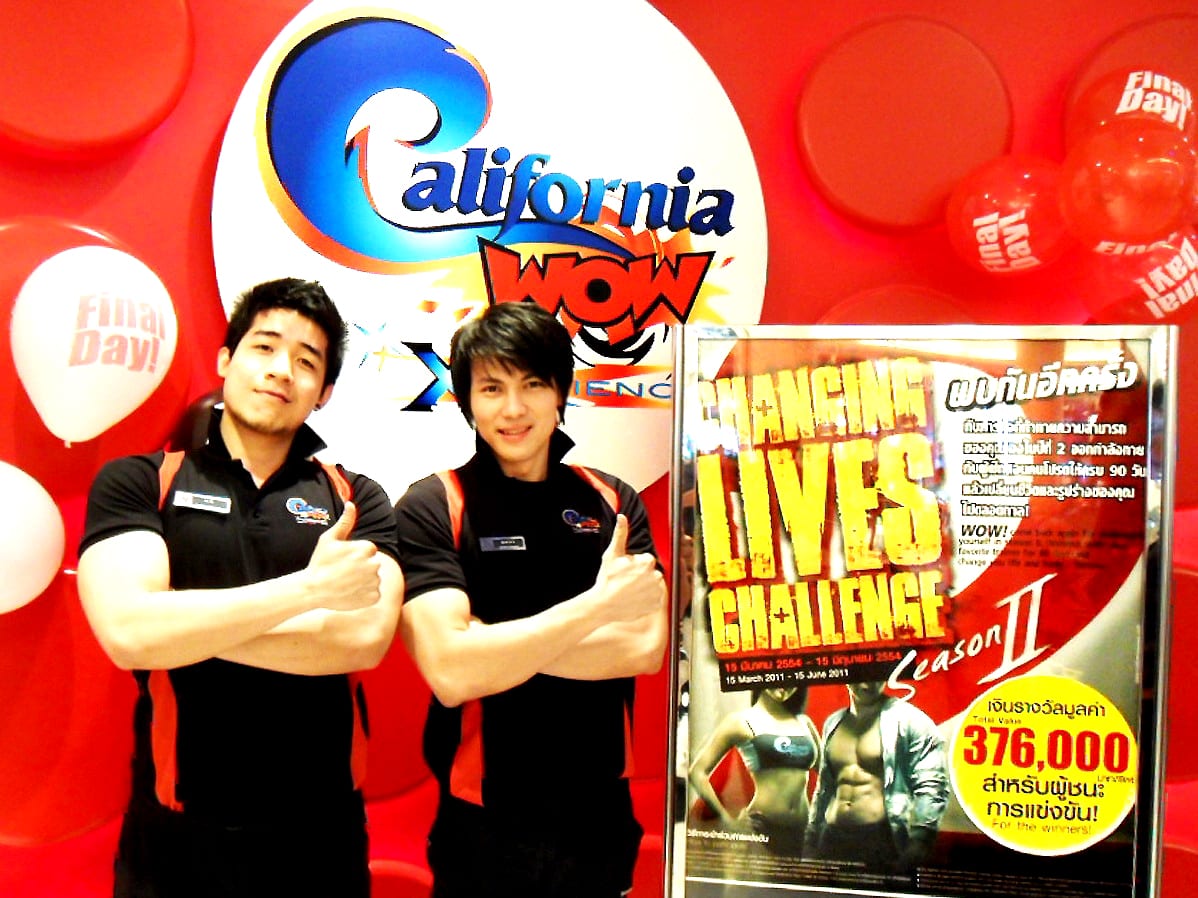
    Eric Mark Levine, the founder of California Fitness clubs worldwide and the Thai chain California Wow Xperience has filed a US$2.8 million defamation lawsuit through his legal representative at Bangkok Criminal Court.

    Levine has filed suit against Thailand’s Anti-Money Laundering Office (AMLO), as well as its secretary-general Police Colonel Sihanart Prayoonrat, for damaging Levine’s reputation through public remarks made by the Police Colonel alleging improper payments and fund transfers by Levine.

    As CEO of California Wow, Levine said the Office of the Securities and Exchange Commission of Thailand (SEC) has already investigated the chain’s operations and financial records with specialist forensic accounting investigators as well as specially trained police officers.

    “All  publicly stated there is no evidence of wrongdoing or of any action to substantiate the Anti-Money Laundering Office’s allegations,” Levine said in a statement.

    He added that the Department of Special Investigation has also refused to conduct any further investigation as requested by Police Colonel Prayoonrat and the AMLO.

    Levine said he and all involved in the management of California Wow had given their “full cooperation to authorities” during the investigations which had cleared them of the AMLO’s allegations.

    Levine added that internationally recognised auditing firms like Deloitte Touche Tohmatsu Jaiyos and PriceWaterhouseCooper have confirmed the accounts and transactions of California Wow to be correct and without irregularity.

    “And… far from taking money out of the company, I had injected personal funds to support the operations of the company in its final days.”

  • McDonald’s Thailand plans to double burger outlets

    McDonald’s Thailand plans to double burger outlets

    More McDonald’s Thailand restaurants are in the pipeline under a plan by national franchise-holder McThai aimed at almost doubling sales by 2020.

    At least 5 billion baht (US$140.8 million) will be spent to nearly double the number of outlets over the next five years.

    CEO Hester Chew has told the Bangkok Post that about 1 billion baht will be spent each year opening stores and upgrading with a target of 400 stores by 2020. The store count at the end of last year was 223.

    This year’s budget includes about 900 million baht pegged for 25 new stores, half of which will be drive-through outlets. This is creating jobs for about 1000 people.

    Already this year four new outlets have started trading in Bangkok and in the north of Thailand.
    Chew says the aim is to grow sales at a double-digit rate this year, as the group had single-digit sales growth last year in the face of lower consumer spending, higher costs and increased competition with more local and international food brands being established.

    “We will continue to invest, no matter whether consumer spending power is good or not, particularly on people training and product quality, which are the two areas where we never compromise,” says Chew, who believes the Thai economy will improve this year with a stimulus economic package from the government.

    McDonald’s has been in the Thai market for 30 years. The food giant has more than 35,000 restaurants serving 70 million people in more than 100 countries each day.

  • Two-pronged approach for Giordano Vietnam

    Two-pronged approach for Giordano Vietnam

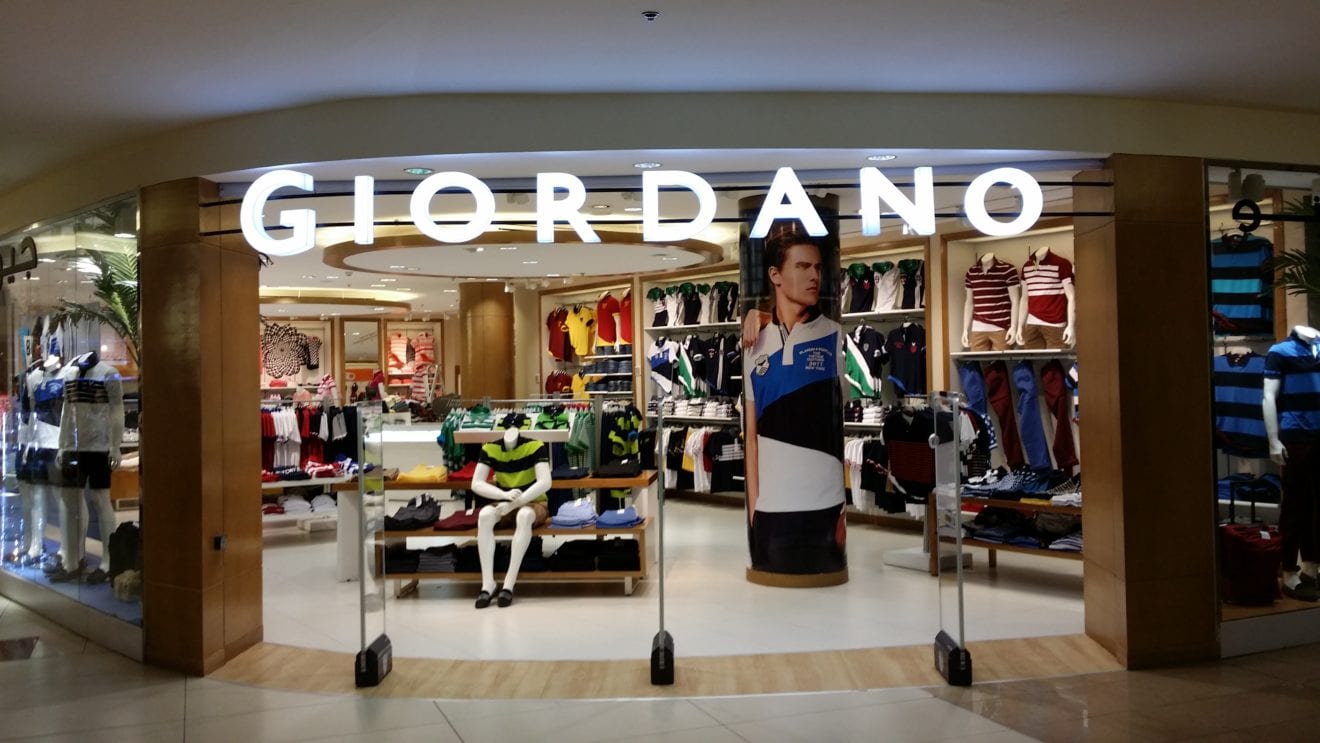
    Vietnam is on the radar for Hong Kong clothing retailer Giordano International, both as a market and supplier.

    With its steady growth in the emerging market, the company is planning to establish a legal entity Giordano Vietnam.

    It is also eyeing the country as a source market for product, while it continues to develop sourcing opportunities in Bangladesh.

    While Giordano still sees opportunities for growth in developing markets such as Indonesia, Malaysia and Thailand, the company says in its annual review that those opportunities are fading.

    Meanwhile, the group has plans to launch digital sales channels outside mainland China this year, initially through the development of its own eShops.

    “Market conditions in Southeast Asia have been challenging in the past two years,” says the group, which improved its merchandising, and therefore profitability, in Singapore last year – “but this will be a tough market going forward”.

    In the 2015 financial year, consolidated sales eased by 3 per cent – but increased by 1 per cent on a constant currency basis. Global brand sales were down 1 per cent for the year, but comparable same-store sales grew by 3 per cent.

    As a strong Chinese New Year offset the impact of 81 store closures, brand sales in the first half of the year grew by 1 per cent. But in the second there was a 3 per cent drop because of unseasonably warm weather in Greater China.
    Gross profit margin declined by 0.4 percentage points to 57.6 per cent, with higher purchasing costs caused by a strong US dollar eroding margins in Southeast Asia and Taiwan.
    “Weak consumer demand in many markets has led to fierce competitive pressure on selling
    prices,” says the group.

    Nevertheless, in the second half of the year, improved purchasing and merchandising resulted in gross margin improving from 57.4 to 57.9 per cent.

  • Shilla looks ahead to landmark Phuket opening

    Shilla looks ahead to landmark Phuket opening

    Hotel Shilla has described Phuket as an eventual “crown jewel” of Thai travel-retail after confirming it is to open its first overseas downtown duty-free shop on the island with a local  partner in the second half of the year.

    While the exact size of the store in Tambon Kathu, Amphoe is unknown, the store will consist of traditional core duty-free products such as liquor and tobacco and a mix of local Thai products.  It will also be equipped with “support facilities” to ensure optimum customer experience.

    A Hotel Shilla spokesman told DFNIonline that preparation is going quite well and the alliance with the local partner looks very promising.

    The spokesman also said Bangkok was an option for the outlet, but the contract between Airports of Thailand (AoT) and King Power (Thailand) made it impossible. He explained: “The Shilla Duty Free chose Phuket, where the pick-up counter is serviced by a common operator which has responsibility to give a service to the duty-free operator.”

    He added: “The temporary pick-up counter in [Phuket] terminal one will be operated by The Shilla Duty Free and permanent pick-up counter in T2 by King Power, which will handle the delivery of Shilla Duty Free products due to the contract between AoT and King Power.”

    Reflecting on Phuket as a destination for the new store, the spokesman said: “Chinese inbound passengers have been showing constant growth in Thailand and Phuket in particular, the second most popular travel destination in Thailand, which is leading the growth.  With The Shilla Duty Free’s accumulated know-how of serving Chinese travel-retail consumers, Phuket is a more than satisfactory destination.”

    In order to attract even more Chinese consumers, the retailer, which secured approval this month for a new themed hotel in central Seoul – the Shilla downtown Seoul outlet will eventually move to the new hotel — will focus on travel agencies in Mainland China and Thailand. “In the case of Chinese travel agencies, The Shilla Duty Fee has a good understanding and good relationships.

    “Apart from Chinese customers, Russians might be the secondary target since Phuket is also a popular choice for Russian travellers looking for somewhere sunny for holidays.”

    Looking ahead, the retailer is expecting the Thai travel-retail market in general to grow significantly and the spokesman admitted it is not as mature as the Korean equivalent. “It is believed to be one the fastest growing markets in global travel-retail and our most important objective is enhancing that growth.”

  • An Oasis for Rama IX

    An Oasis for Rama IX

    Thailand’s first retail and entertainment mega-complex on Rama IX Road, recently announced that it has added a 14-rai area to its existing 27-rai project to create an outdoor component to its complex. The new area, the company says, includes facilities for major outdoor stage performances as well as a creative outdoor market.

    Located on prime land in the Jaturatis-Rama IX area, Oasis Outdoor Arena and Creative Market is adjacent to Show DC and officially opened on December 25, when it hosted a major K-pop concert, ahead of Show’s DC indoor component, which is scheduled to launch in June.

    The Oasis Outdoor Arena & Creative Market is spread over 30,000 square metres and aims to be a new hip outdoor venue.

    “Oasis offers a rich mix of retailing and food and beverage with spectacular entertainment facilities. We want to offer visitors a great indoor experience as well as a great outdoor experience. According to our research, the addition of a massive outdoor component adjacent to Show DC is in line with global consumer preferences for outdoor destinations, and grows our total footprint from 27 rai to a massive 41 rai. We have invested an additional Bt1.1 billion in this outdoor component on top of our original Bt9.5 billion investment in Show DC,” says chairman Chayaditt Hutanuwatra, adding that the two venues combined expect to draw more than 100,000 visitors a day.

    The Oasis Outdoor Arena and Creative Market, he says, can “host world-class, outdoor international and local shows and performances. Visitors can shop, eat and enjoy lively street art in the market area”.

    “It will be a best-practice example of ‘eco-social business’ that aims to combine the interests of tenants, entrepreneurs, the developer and the surrounding community by giving an opportunity for all to prosper together from this project,” he says. The Outdoor Arena has 10,000sqm space for up to 30,000 spectators but can easily be scaled down for smaller groups.

    The market is spread over 20,000sqm and uses recycled shipping containers to create 500 outlets, including shops for fashion, food and drinks plus organic fruits and vegetables direct from growers.

    “This is first time in Thailand’s retail industry that a comprehensive and wide range of outdoor and indoor experiences are on offer in a single venue. Oasis will be a hip hangout place for everyone – families, animal lovers, health seekers, shopaholics, foodies, art lovers, concert-goers or show-goers, those who love special performances and those just want a new place to relax.

    We have a complete range of retailers and entertainment facilities at Oasis including Food & Fruit Trucks, shops for organic products, foods and desserts, pets, eco products and spaces for art shows,” he says.

    “And right door, we have Show DC, which meets indoor lifestyle needs with the best experiences in entertainment, shopping and dining and includes the world’s biggest K-Town, the Thai Fantasy Himmapan Avatar spectacular show, an Asian food street, sports arena, entertainment park and performance hall.”

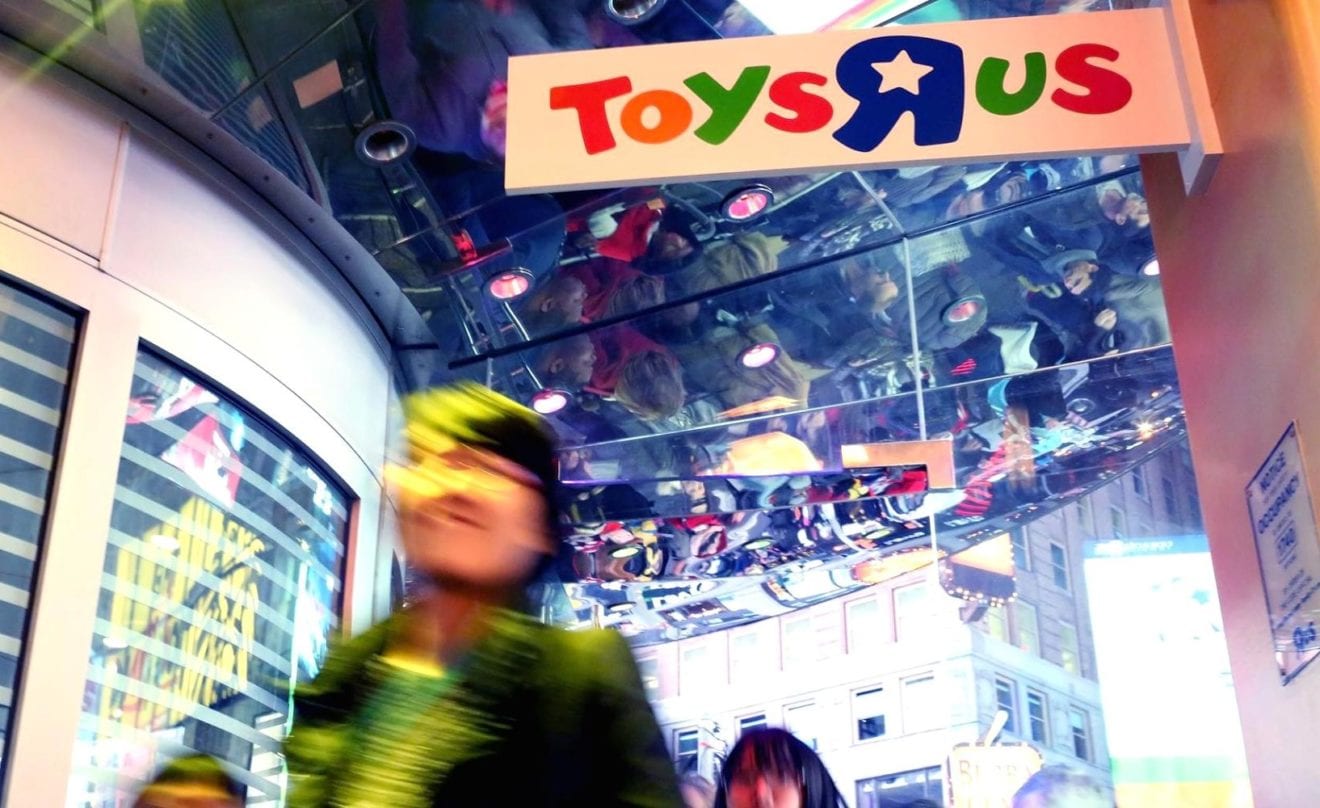
  • Toys’R’Us Asia Pacific chief retires

    Toys’R’Us Asia Pacific chief retires

    Toys’R’Us has announced that Monika Merz, president, Asia Pacific, will retire effective May 31. Her successor will be named later.

    Monika-Merz

    As president of Toys’R’Us Asia Pacific, Merz oversees all operations and business activities for the company’s more than 300 stores in Japan, Southeast Asia, Greater China and Australia, responsible for the continued growth, profitability and success of the company in those markets.

    Since she started working at Toys“R”Us, Merz has been instrumental in the development of new store formats and merchandising concepts that have been successfully translated to other markets, ultimately strengthening the company’s position in the global marketplace.

    Dave Brandon, chairman and CEO, described Merz as a highly regarded leader “who has inspired new ideas, demonstrated innovative thinking and unwavering passion for the business and grown our Toys’R’Us brand internationally, even through challenging times and market transitions”.

    Merz’s retirement will bring to a close a remarkable career of nearly 20 years of continuous service to the company. She joined in 1996 as VP and GM, Toys’R’Us, Canada and was promoted to president, Toys’R’Us, Canada four years later. In 2007, she assumed leadership of Toys’R’Us, Japan. Her role was expanded to include responsibility for the company’s stores in Australia in 2011, and, later that year, she gained oversight of the company’s locations and corporate offices in Southeast Asia and Greater China when the company entered a joint venture agreement with Li & Fung to operate these formerly licensed stores.

    “During my time at Toys’R’Us I’ve had many experiences and challenges, but I’ve always been supported by exceptional teams and leaders,” she reflected. “I’m proud of all that we have accomplished and confident that the work we have done to provide a fun and memorable shopping experience for customers will continue after my retirement. After more than eight years in Asia Pacific, I’m now looking forward to returning to Canada and a new stage in my life.”

  • Central denies hypermarket ambition

    Central denies hypermarket ambition

    Central Group chief executive Tos Chirathivat says the group has set aside 39 billion baht for investments at home and abroad this year. PHRAKRIT JUNTAWONG

    Central Group yesterday insisted it is not seeking to establish its own hypermarket chain to counter TCC Group’s entry into the big retail segment with the recent acquisition of a major stake in SET-listed Big C Supercenter Plc.

    Instead, it is considering buying Big C store operations in Vietnam from Casino Group, a leading French retailer.

    Tos Chirathivat, the group’s chief executive, said Central did not have any plan to sell its 25% stake in Big C Supercenter in Thailand after TCC Group’s Berli Jucker Plc successfully bought a 58.56% stake in Big C.

    Berli Jucker will make a tender offer for the remaining shares in Big C soon.

    “The hypermarket business has entered the mature stage and its growth may not be as high as in the past 20 years, but we won’t sell our Big C shares,” Mr Tos said.

    Central will not create a new hypermarket store brand because it already has Tops Superstore, which is similar to Big C.

    Mr Tos said he would decide on March 10 whether Central would enter bidding for Big C assets worth 20 billion baht in Vietnam.

    “We have not made our decision yet because there are several factors to be considered carefully, including the complicated process of mergers and acquisitions over there,” he said.

    A market analyst said it was possible Central would join the bidding because Vietnam is one of the group’s strategic investment countries in the Asean region.

    Central’s retail business in Vietnam has more than 6,000 staff and generated revenue of US$600 million last year. If Central wins the bid for Big C assets, its business value will double to 40 billion baht overnight.

    Mr Tos said the group would put more focus on opening new branches and renovating its Thai stores while expanding some new stores in Cambodia, Laos, Myanmar and Vietnam.

    “We will invest cautiously because we are concerned about the impact on the world economic situation from the Chinese slowdown, falling oil prices and the volatility of foreign exchange,” he said.

    The group plans to spend about 39 billion baht this year, 30% more than last year, to open new shopping centres, department stores and other outlets nationwide and renovate some stores.

    It also plans to open five new hotels and some convention centres in destinations including Pattaya, Chiang Mai and Koh Samui.

    It has signed management contracts with 29 new hotels with 6,716 hotel rooms.

    Centara Muscat Hotel in Oman, Centara Grand West Bay Hotel Doha in Qatar and Centara Grand Lykia World Resort & Spa in Turkey will be opened in the third quarter.

    The group also plans to invest in two more four-star hotels in the Maldives and a four-star hotel in Dubai.

    Central Group has 70 hotels with 14,583 rooms in 11 countries.

    The group will allocate 10.4 billion baht to renovate its department stores in Europe from 2016-20. About 3.6 billion will be used for La Rinascente in Italy, 2.4 billion for Illum in Denmark and 4.4 billion for three stores under the KaDeWe Group in Germany.

    Last year, Central’s revenue totalled 283 billion baht, up 13.5% from 2014. The group projects to increase its revenue by 18.9% to 337 billion baht this year. About 76% of sales will come from Thailand.