Tag: Thailand

  • Visa Thailand to strengthen security in payment

    Visa Thailand to strengthen security in payment

    Visa, the world’s leader in digital payments, has today launched its Future of Security Roadmap for Thailand, outlining a robust approach for strengthening payments security in the country over the next 3 years. Visa’s Roadmap focuses on a number of key initiatives which will enable security to evolve at the same pace as the technologies changing the way we pay. These security initiatives include:

    • Devalue data by removing the sensitive data from the ecosystem and making stolen account details useless.
    • Protect data by implementing safeguards to protect personal data as well as account details.
    • Harness data by identifying potential fraud before it occurs and increase confidence in approving good transactions.
    • Empower everyone, including accountholders, 3rd party providers and merchants, to play an active role in securing payments.

    Suripong Tantiyanon, Country Manager, Visa Thailand said: “We are proud to be launching our Thailand Future of Security Roadmap. Securing the commerce ecosystem is our highest priority and one we view as a shared responsibility between payment networks, consumers, banks, and the government. Technology has enabled new innovative ways to pay and be paid, but it has also brought unique risks. To stay ahead of fraud, we need to work together and give security the same attention and investment as we do the innovations driving new commerce experiences.”

    The release of Visa’s Roadmap comes at a time of rapid change for payments in Thailand with innovations such as mobile payments set to enhance the payment experience for consumers. According to Visa’s Consumer Payment Attitudes Study, security remains a key consideration for consumers across Southeast Asia with two-thirds (67 percent) concerned about the safety of their personal information when using their mobile phone to make payments.

    When asked specifically about what their top three concerns were when using their mobile phones to make payments, consumers in Thailand said losing my phone or having my phone stolen, my phone getting hacked or someone intercepting my data, and malware or viruses being installed on my phone.

    Visa works with industry stakeholders including financial institutions, merchants, policy makers, law enforcement and accountholders to secure payments. The Visa Future of Security Roadmap is the product of comprehensive consultations and collaboration, making it an authoritative document on Thailand payments security.

    Visa is delivering roadmaps around the world to ensure the security of the global commerce ecosystem, as well as working with Thai industry bodies to align security initiatives.


  • Thai Airways taps Worldpay for payments innovation

    Thai Airways taps Worldpay for payments innovation

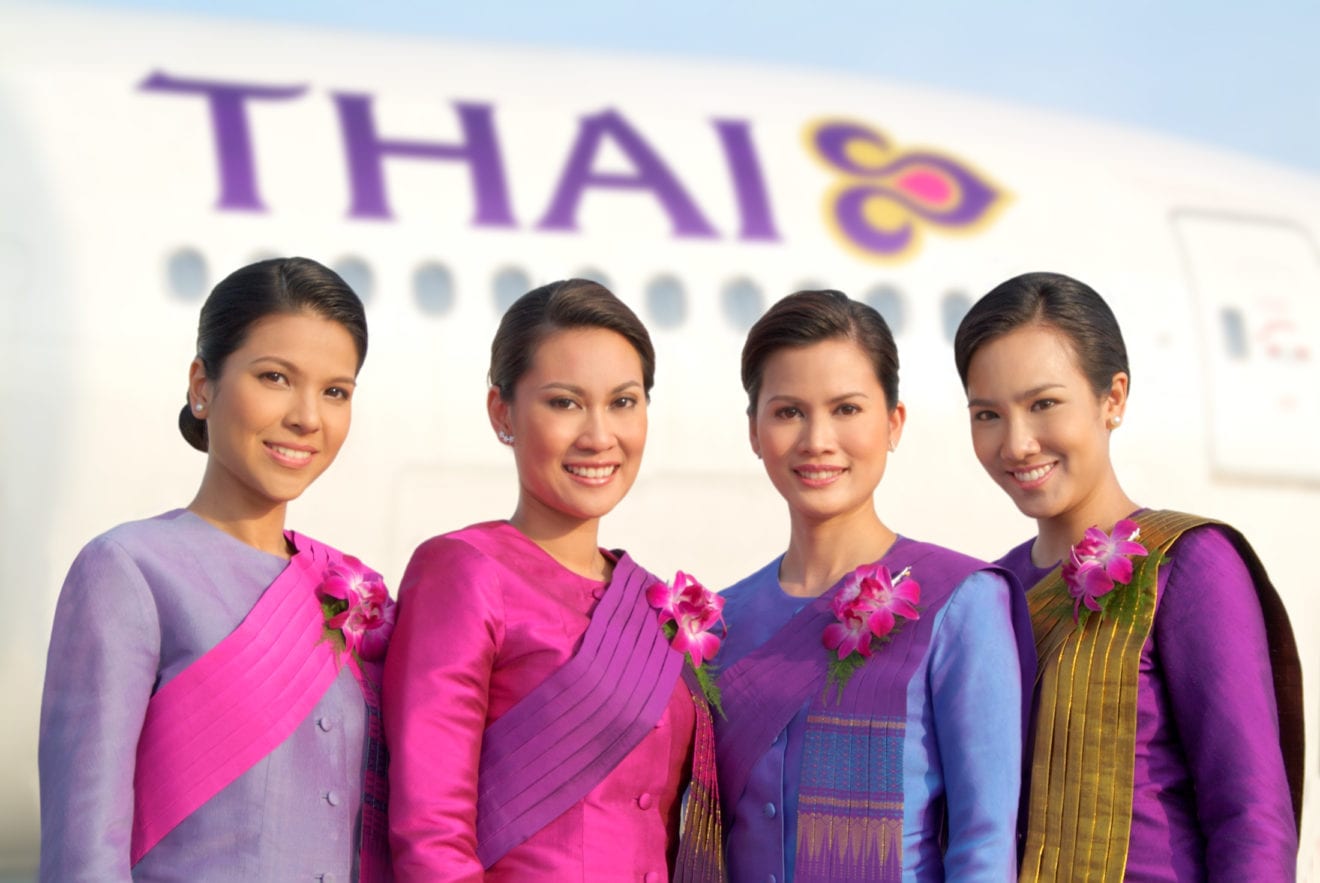
    Thai Airways International (THAI), the flagship carrier airline of Thailand, has selected Worldpay, Inc. (NYSE: WP; LSE: WPY) as its international payments partner, as it targets overseas growth. To support its sustainable growth strategy, THAI needed an experienced partner to help it manage the complexities of cross-border payments and optimise the online booking journey across both mobile and desktop.

    Worldpay, a leader in card and alternative payments with global coverage, was selected for its international reach and unrivalled experience in the airline industry. Worldpay works with 88 of the world’s biggest airlines and has more than 25 years of experience in the sector. Consumer preferences are changing: while flights have traditionally been booked using credit cards, alternative payment methods (APMs) are growing in popularity. With 28 percent of Thai consumers using bank transfers as their preferred method for shopping online, the ability to offer local payment options will allow companies to make the most of Southeast Asia’s second largest economy.

    Additionally, global mCommerce penetration is set to rise from 38 percent in 2018 to 49 percent in 2022, which suggests that mCommerce is on track to overtake desktop sales by 2023. To adapt to this shift, Worldpay will support THAI in widening its breadth of payment methods and transaction currencies to appeal to the changing purchasing patterns of customers. THAI will initially focus its payment optimisation efforts on Australia and Europe – two key markets for the company. In Australia, the carrier’s passenger traffic is growing by two percent year-over-year, while in Europe passenger traffic is growing at a rate of 2.5 percent each year.

    A range of APMs such as iDEAL, Trustly, SOFORT, and Giropay will be rolled out over the coming months to make it easier for European travellers to book online. The THAI payment team will then expand their initiatives to India, China, and the rest of Asia Pacific. Worldpay will also help THAI execute their commercial strategy through advanced data analytics capabilities, which provide rich insight into transaction approval rates and payment costs. This data will enable the airline to expedite new sales strategies and optimise their payments infrastructure with cross-border operations.

    Wiwat Piyawiroj, THAI Executive Vice President, Commercial comments: “Tourism is booming in Thailand, with a 7.7% increase in domestic flights year-over-year for our service. Yet the market is also incredibly competitive, so it is vital to ensure we can best service our customers and their needs. Thanks to Worldpay, we will be able to offer a variety of payment methods that caters to the tastes of travellers all over the world, making it easier for them to book the holidays they want. As we grow, Worldpay will be a vital strategic payments partner and key to our continued success.”

    Phil Pomford, general manager for Asia Pacific, Global Enterprise eCommerce at Worldpay, said: “With global passenger numbers on track to double over the next 20 years, and Thailand forecast to enter the top 10 aviation markets by 2030, it is a hugely exciting time for THAI. We are delighted to support our partner as they continue to grow. Travellers are continuously evolving the ways in which they buy flights, and airlines must keep pace to match these shifting patterns. The airline industry has never been more competitive, and we look forward to helping THAI capitalise upon the opportunities ahead.”

  • Thai’s The Lobster Lab expands to China

    Thai’s The Lobster Lab expands to China

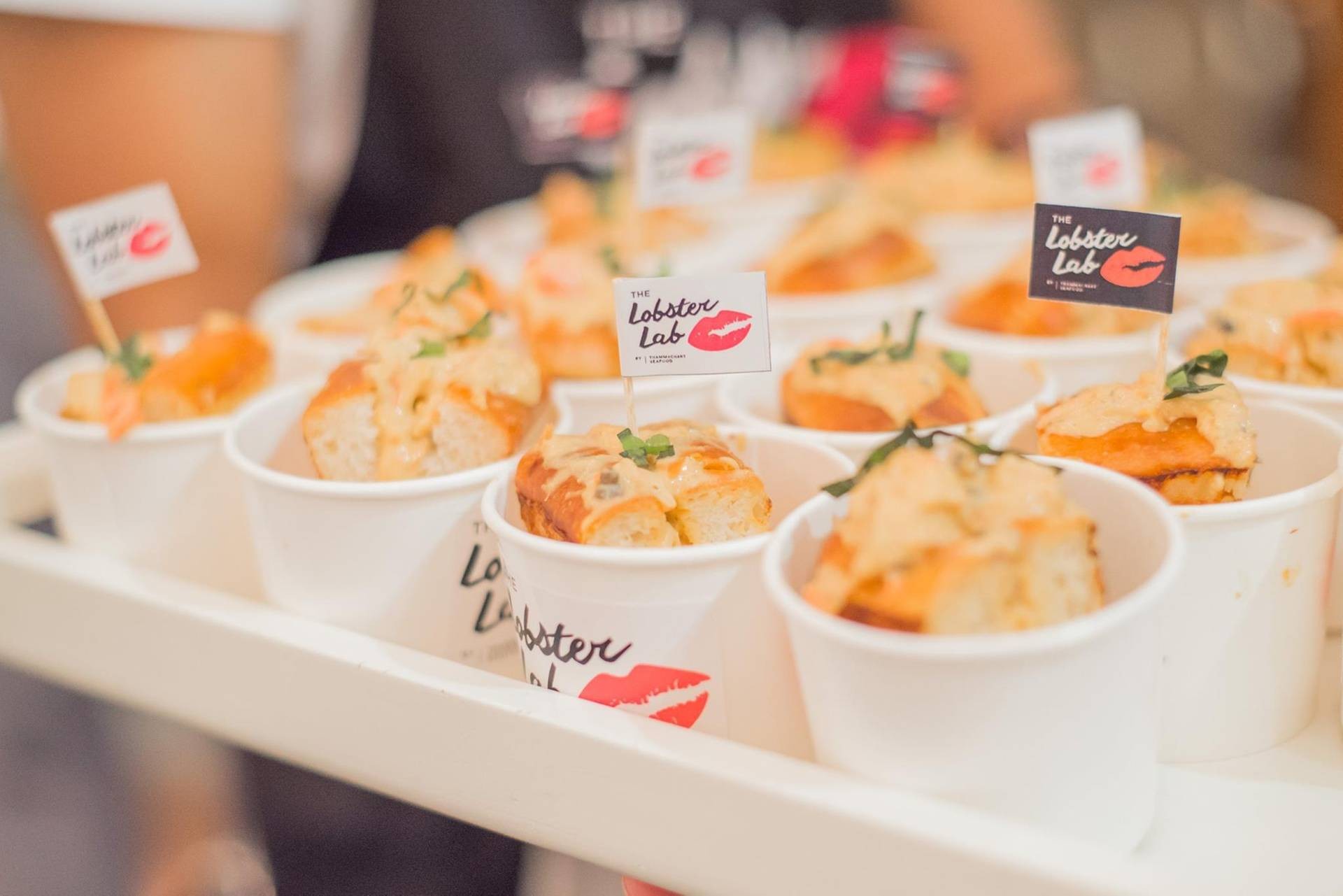
    Thai restaurant concept The Lobster Lab has opened its first outlet in Shanghai.

    The restaurant, operated by Bangkok-based Thai Union Group opened inside one of Alibaba’s Hema supermarkets last month. It serves lobster rolls, seafood chowder and some western dishes.

    The concept is based on Thai Union’s King Oscar brand, a dine-in and takeout restaurant which serves fresh lobsters imported from the US and Canada to meet “the growing Chinese consumer’s demand for tasty and nutritious seafood”.

    Thai Union also owns the American-style seafood restaurant chain Red Lobster and plans to open one of those stores inside IFC mall in Shanghai soon.

    The Lobster Lab is part of Thammachart Seafood Retail, of which Thai Union owns 25 per cent.

  • KFC Thailand benefits from transforming franchise model

    KFC Thailand benefits from transforming franchise model

    Fast-food restaurant chain KFC Thailand is on track to achieve double digit year-end sales growth since transforming itself into a 100-per-cent franchised model, exceeding business expectations.The largest restaurant chain in Thailand is also set to accomplish a record high of 75 new outlet openings this year, 39 per cent above target and pushing the total number of outlets in Thailand past 700, including 65 drive-through branches.

    GM for KFC, Yum Restaurants International (Thailand) Waewkanee Assoratgoon said Yum Thailand has successfully transformed itself into a 100-per cent franchisor business in only one year.

    “Our organisation is now in a good shape with an effective structure so that we can expect the most efficiency within the entire business operation.”

    KFC Thailand franchise operator Yrit secured the No 1 position and top-of-mind QSR brand as surveyed by Thai business magazinesMarketeer and Brandage, as well as picking up awards for social media penetration.

    Thailand is KFC’s eighth largest international market.

  • Cafe Amazon preparing Coffee Shop concept to challenge Starbucks

    Cafe Amazon preparing Coffee Shop concept to challenge Starbucks

    Thai oil company PTT plans to spin off its Cafe Amazon division and build a coffee chain it says will one day rival Starbucks. The company says it will open 20,000 cafes globally, nearly 10 times the current network of 2300 outlets in Thailand, the Philippines, Laos, Cambodia, Myanmar and Japan.

    PTT will invest US$1.3 billion in the Cafe Amazon brand over the next five years to develop the franchise business.

    “We aim to build the Cafe Amazon into a top 10 global brand over the next five years,” said PTT Oil and Retail CEO Jiraporn Khaosawas.

    The move signals PTT’s turn towards the retail business at a time when it stands poised to be floated next year, initially into China and the Middle East via franchise partnerships.

    PTT announced plans earlier this year to sell off half of its retail holdings, which generate 20 per cent of the group’s profits, including takings of THB10 billion (US$303 million) from Cafe Amazon last year. The firm has declined to reveal how much it expects to raise in the floatation, although experts have valued the firm’s retail unit at roughly THB120 billion ($3.6 billion).

    PTT’s executive VP for the retail oil business Suchat Ramarch said: “We will not only expand Cafe Amazon, but we will also expand our petrol stations and our lube oil retail business. However, Cafe Amazon will be the highlight, with strong potential to grow.”

    Informed estimates suggest it would cost about THB2.3 million ($70,000) to open a Cafe Amazon shop in a PTT gas station, and from $100,000 to $300,000 for a stand-alone outlet.

  • BBQ, hotpot dining blooms in Vietnam

    BBQ, hotpot dining blooms in Vietnam

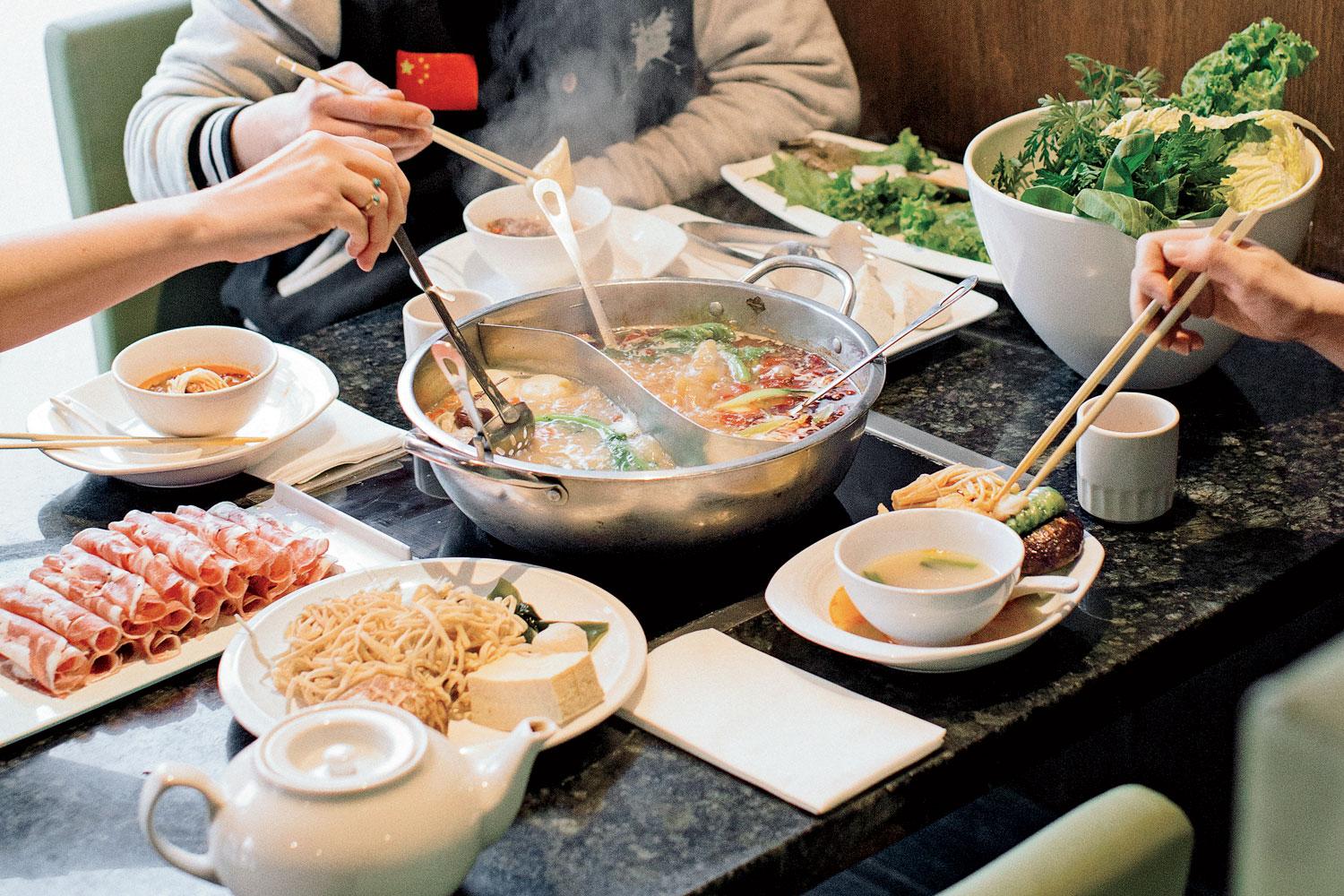
    Among non-Vietnamese cuisine channels, BBQ and hotpot are leading eating out options, and establishments offering these are growing bigger. From last year’s fourth quarter to this year’s third quarter, these two segments have posted the strongest growth in terms of diners’ visits – 46 percent for BBQ and 37 percent for hotpot, according to data compiled by HCMC-based market research firm Decision Lab.

    In terms of international cuisines, Japanese food and other Asian food grew the strongest in terms of diners’ visits – 49 percent and 23 percent respectively.

    The firm tracked all food and drink consumed out of home on a daily basis with an annual sample size of 15,000 completed interviews, and respondents were Vietnamese consumers aged above 15, who also reported on consumption by children (under 15 years) present when eating out.

    According to the survey, which covered the out-of-home eating and drinking market in Hanoi, Ho Chi Minh City and Da Nang, Vietnam’s three biggest cities since April 2016, the drivers of consumer choice for these cuisines may differ, but all hint at Vietnamese’s underlying expectations toward a dining destination.

    They choose BBQ places for celebration, quality of food and friendly service, and prefer hotpots because it is good for socializing, is suitable for celebrating special occasions, and provides a clean environment.

    Such customer preference has helped these service providers to register robust growth.

    For Vietnamese dining out in big cities, especially Hanoi and HCMC, Kichi-kichi, Gogihouse, SumoBBQ, ThaiExpress, Seoul Garden, KingBBQ and Hotpot Story are no strange names.

    Run by two Vietnamese operators Golden Gate Restaurant Group and Red Sun ITI Corporation, these are among most popular grill and hotpot restaurant brands in the country.

    Le Vu Minh, vice president of franchising, research and development and international relations for Redsun ITI said back in September that the company has maintained annual growth rates between 40 and 60 percent since 2015.

    The company increased its charter capital to VND150 billion ($6.6 million) from VND70 billion ($3.1 million) early this year.

    Redsun aims at setting up 400 restaurants in the next three years, half of them franchisees.

    Golden Gate’s revenues hit topped VND3.3 trillion ($142 million) last year, up 30 percent over 2016 and seven times that of 2013.

    Its pre-tax profit stayed at over VND250 billion ($10.75 million), while the company has a charter capital of VND64 billion ($2.73 million) last year.

    This year, it has targeted VND4.4 trillion ($190 billion) in revenue and VND326 billion ($13.93 million) in pre-tax profits and raising the number of outlets from 227 to 316.

    Vietnamese spend more than a third of their income on food and beverages, topping education and utilities, according to market research firm Vietnam Report.

  • Trade war refugees race to relocate to Vietnam, Thailand

    Trade war refugees race to relocate to Vietnam, Thailand

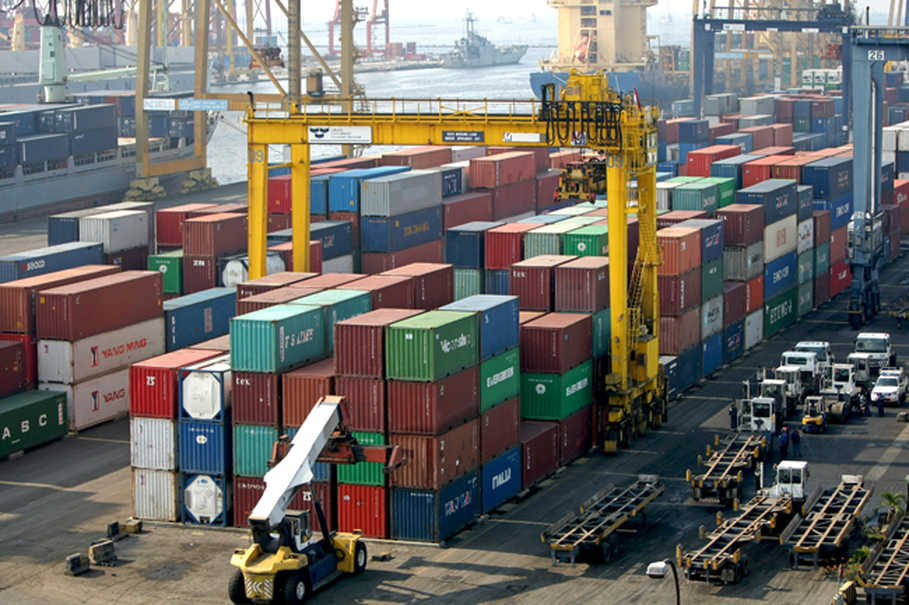
    Experts say this is the biggest shift in cross-border supply chains since China joined the World Trade Organisation in 2001. Fred Perrotta spent four years building a network of Chinese suppliers for his line of trendy backpacks, but as soon as the United States announced tariffs on almost half of its Chinese imports, he started looking for suppliers in other countries.

    That process is now so far advanced it would be too late to reverse it even if U.S. President Donald Trump and his Chinese counterpart Xi Jinping call a truce in their growing trade war at this week’s G20 summit, the 33-year-old said.

    Perrotta’s company, Tortuga, is joining what industry experts say is the biggest shift in cross-border supply chains since China joined the World Trade Organisation in 2001.

    The shift is creating stiff competition to secure new facilities in neighboring countries and rebuild supply chains outside of China, home to a fifth of global manufacturing.

    “Everyone is nervous and scrambling around,” Perrotta said by phone from Oakland, California, where he recently took delivery of the first samples from a potential new supplier in Vietnam.

    “Long-term, we will probably shift everything.”

    The scramble is driven by the risk of more, and higher, U.S. tariffs on China, and fears that nearby emerging economies can only accommodate new businesses on a “first come, first served” basis.

    Vietnam and Thailand are emerging as preferred destinations, but they still face capacity constraints ranging from red-tape to skilled labor and limited infrastructure.

    Frenzied activity 

    In an interview with more than a dozen company executives, trade lawyers and lobby groups in various industries revealed a frenzy of activity across Asia in recent months: executives are requesting product samples, touring industrial parks, hiring lawyers and meeting with officials.

    In June, Hong Kong-listed furniture maker Man Wah Holdings bought a factory in Vietnam for $68 million and said earlier this month it plans to almost triple its capacity to 373,000 square meters by the end of 2019.

    “The acquisition is to mitigate the risks posed by tariffs,” Man Wah said in a statement.

    Vietnam-based industrial real estate developer BW Industrial says inquiries have surged since October, and all its factories are now leased out.

    “The manufacturers are from all over the world but they all have production plants in China and need to start production ASAP,” Chris Truong, a sales manager at BW Industrial said.

    In Thailand, SVI Pcl, which provides electronics and manufacturing solutions, said it has just selected four new deals worth about $100 million with existing customers who have operations in China.

    “The trade war is good for us,” CEO Pongsak Lothongkam said. “We have been approached by so many companies that we have to prioritize.”

    KCE Electronics, Southeast Asia’s biggest maker of printed circuit boards (PCBs), has been contacted by U.S. companies who want to seek a new supplier to replace one in China, CEO Pitharn Ongkosit said.

    “It’s a good opportunity. Many customers have contacted us to ask about our products and prices. But there are no sales yet as it will take time,” he said.

    Stars Microelectronics Pcl, another Thai electronics manufacturing services provider, is also getting new business.

    “Two (or) three companies will start moving their production base (out of China) to us soon,” CEO Peerapol Wilaiwongstien said.

    Cambodia is also attracting interest, with Parsippany, NJ-based bicycle maker Kent International Inc shifting Chinese production to the Southeast Asian country.

    “We have a big business in the United States,” Arnold Kamler, the company’s majority owner and chief executive said. “There is no choice but to as rapidly as possible look to move production away from China.”

    Disruption 

    The re-sourcing and relocation efforts mark an acceleration of an already established trend as China’s economy shifts towards services, consumption and high-tech production.

    “We are on the cusp of the biggest sourcing disruption that we have seen in a generation,” said Stephen Lamar, executive vice-president of the American Apparel&Footwear Association, whose more than 1,000 members contribute over $400 billion annually to U.S. retail sales.

    “The No. 1 thing I hear from companies is along the lines of: ‘For years we have been talking about diversifying from China and now we have to actually do it’.”

    Shifting production can take years to complete: firms need to secure funding, find the right suppliers, sort out new logistics – all while dealing with new legal and accounting issues in a country they may not know well.

    “Any relocation away from China is going to be very slow and very uncertain,” said Aidan Yao, senior Asia EM economist at AXA Investment Managers.

    Low tech goods and low value manufacturing would be the quickest to migrate while higher value-added exports in the machinery, transport and IT category would likely take decades to relocate due to high R&D costs and competitive Chinese labor costs, UBS said in a note earlier this month.

    Yet a regional client poll by Citi conducted in the last month showed more than half of them already adjusting their supply chain to limit upheaval to their business.

    China’s sophistication in areas such as automation means no one country can replace China, said trade lawyer Sally Peng of Sandler, Travis&Rosenberg.

    “So everyone is looking for that China Plus One, Plus Two, Plus Three country strategy, all the way to Africa,” she said.

    Companies hold out little hope for a truce in the trade dispute when Trump and Xi are due to meet on the sidelines of the G20 summit in Buenos Aires this week.

    Indeed, Trump said on Monday he expected to move ahead with raising tariffs on $200 billion in Chinese imports to 25 percent from the current 10 percent.

    While Chinese export data shows little sign yet of an impact from the trade war, some economists say that is because companies are rushing to get shipments out ahead of more tariffs.

    Collateral victims 

    To be sure, smaller emerging Asian economies are not necessarily licking their lips about the prospect of the trade war between the world’s top two economies worsening.

    Growth has slowed in the third quarter across Southeast Asia, as well as in Taiwan, Japan and South Korea, with officials partly blaming the trade war for it.

    Thailand’s exports of electronic integrated circuits, for instance, rose 4 percent to the United States in October but fell 38 percent to China. Vietnam’s manufacturing sentiment indicator is the highest in Asia but is well off its peak.

    A lack of infrastructure is also a problem for countries seeking to pick up business.

    Thailand is 41st in World Bank infrastructure quality rankings, Vietnam is 47th, compared to China’s 20th ranking.

    Bangkok is seeking to address that with its Eastern Economic Corridor, an ambitious $45 billion development project which plans improvements to deep water ports, airports and railways.

    Beyond infrastructure bottlenecks, red tape – particularly in Vietnam – remains hard to navigate and skilled labor is not easily available.

    Vietnam’s unemployment rate is 2.2 percent. Thailand’s is even lower.

    “The proportion of unskilled labor in Vietnam remains large and there hasn’t been any effective plan to improve this issue, and I don’t see any significant change in five or even 10 years,” said the vice chairman of the Vietnam Electronic Industries Association, Nguyen Phuoc Hai.

    “Whether cheap labor will remain one of Vietnam’s advantages in the face of the fourth industrial revolution is questionable.”
  • Ashley furniture now available in Thailand

    Ashley furniture now available in Thailand

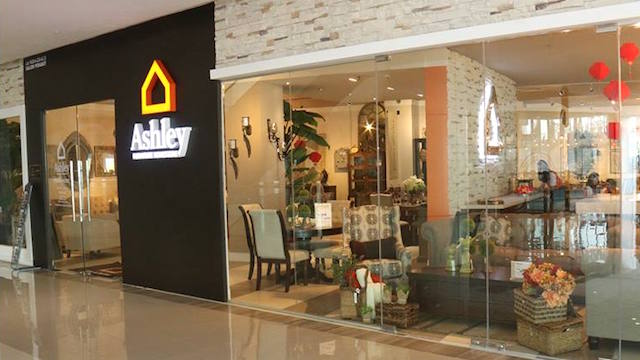
    US furniture retailer Ashley has launched in Thailand, partnering with local home furnishing and decor chain Chic Republic. The move is expected to help the brand capitalise on growing market demand and consumer purchasing power in the territory. Ashley president and CEO Todd Wanek said Thailand is a critical and potentially huge market for Ashley, due to its fast-growing middle-class affluence and population of 70 million.

    “There is huge demand for American contemporary and transitional looks in Thailand. This is why Ashley took the time to find the right partner, test the market thoroughly and made this decision after more than three years of finding the right fit.”

    Chic Republic’s strategy for expansion aims to target mid- to high-income consumers.

    It aims to sell Ashley’s products online via www.chicrepublicthai.com, and at four retail stores in Bang Na, Pradit Manutham, Ratchaphruek and Pattaya.

    Chic Republic CEO Kijja Pattamasattayasonthi said the outlook for furniture and home decor sales for the remainder of this year and into next is positive, due to demand from middle- to high-income customers, whose spending confidence has increased, as well as support from the increasing numbers of low-rise and high-rise high-end property projects.”

    Ashley has operated globally for more than 70 years, and has worked in the Asia-Pacific region for five years. It has more than 850 branches in 150 countries and brought in global sales of more than US$6 billion last year, accounting for 5 per cent of the brand’s total sales.

  • Taco Bell to open store in Bangkok

    Taco Bell to open store in Bangkok

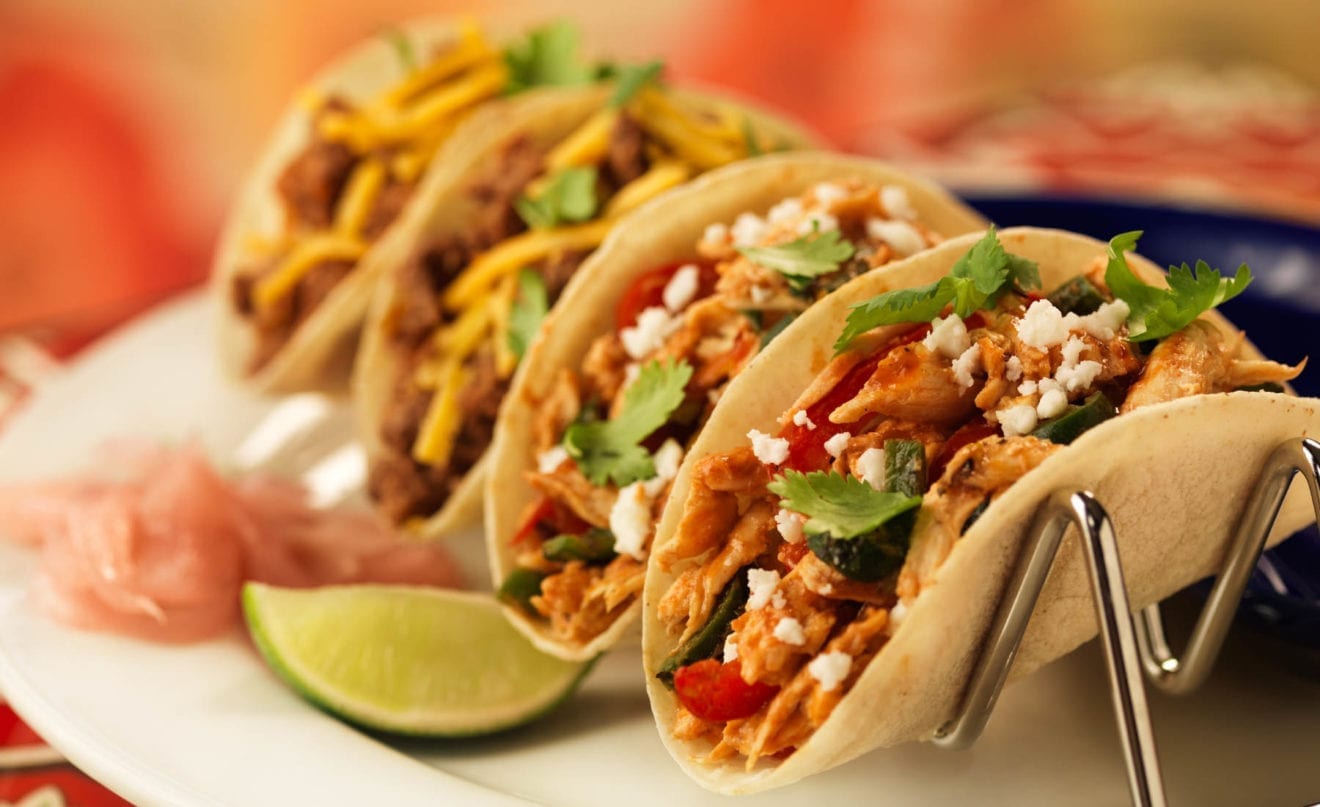
    Taco Bell Thailand is scheduled to launch in Bangkok early next year. Thoresen Thai Agencies, which also holds the Thailand franchise for Taco Bell’s sister brand Pizza Hut, is planning to open the restaurant in Mercury Ville mall on the BTS Chidlom stop. The firm has already begun scouting for employees for the outlet.

    Taco Bell’s International president Liz Williams is leading the franchise on a broad expansion campaign, with progress currently being made in India, Brazil, and Spain among others where the brand has strong franchisees.

    Thoresen Thai’s CEO Chalermchai Mahagitsiri said that Taco Bell Thailand should do well in the territory as “the strong flavours meet the palate of Asian people.”

    Taco Bell’s owner Yum Brands operates around 7000 restaurants worldwide, predominantly based in the US, bringing in US$10 billion sales per year.

  • Thai flagship store opened in Coupang

    Thai flagship store opened in Coupang

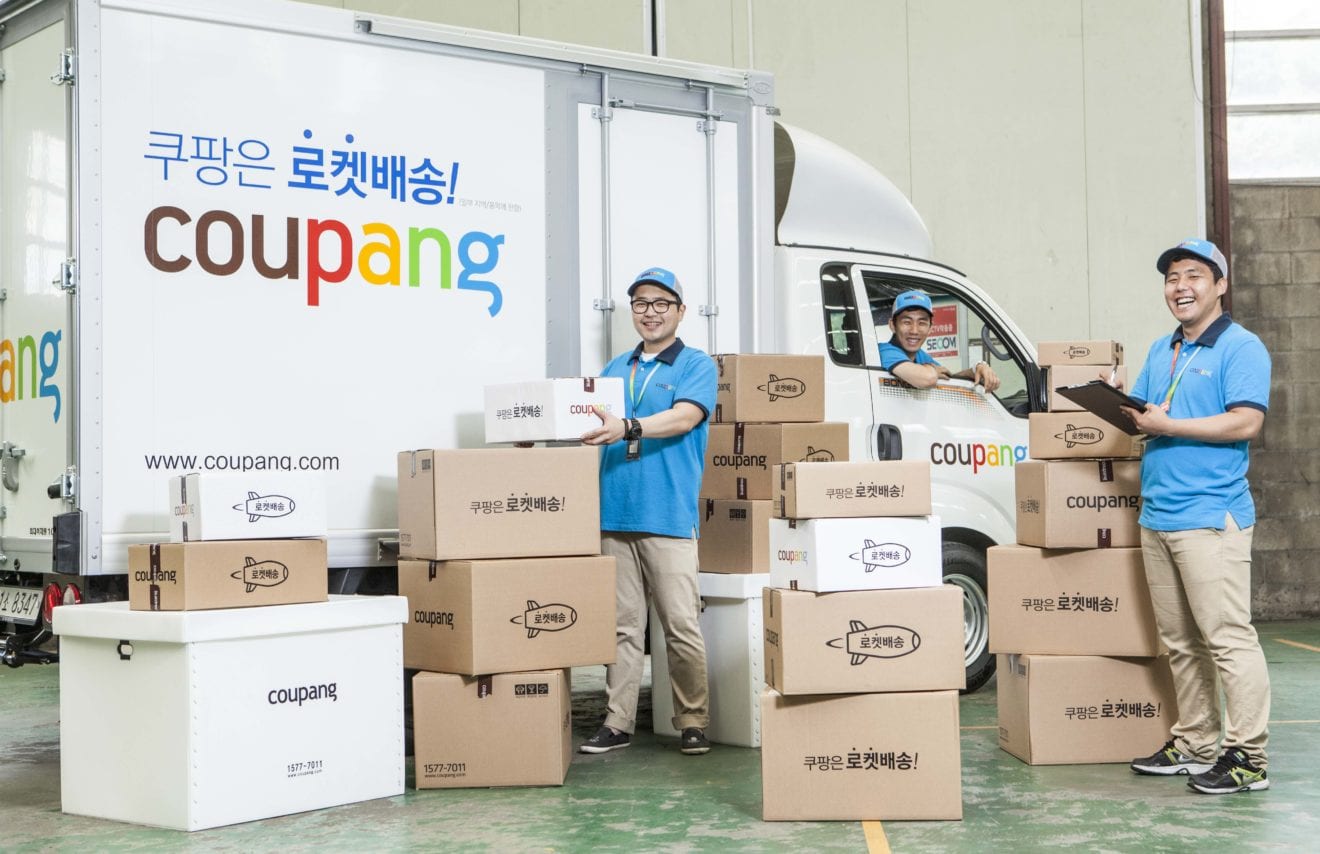
    South Korean e-commerce firm Coupang is planning to launch a flagship store in Thailand to boost the online sales of Thai-sourced products. Thailand’s Ministry of Commerce has been promoting Thai products on the platform since August, which has brought in more than THB118 million (US$3.57 million) for mostly food and beverage items. The ministry has just met with Coupang executives to seal an agreement to expand cooperation, resulting in the establishment of a Thai Mall on the platform.

    It is expected that the new partnership could result in an increase in sales to more than THB 200 million (US$6.06 million) over the coming year, a rise in export volumes to Korea by 7 per cent. Thailand’s total exports to South Korea were valued at $4.66 billion last year, an increase of 14.4 per cent from the year previous.

    Commerce Minister Sontirat Sontijirawong said “South Koreans know Thai brands from travelling here”, with 1.5 million of them visiting Thailand annually.

    Coupang is South Korea’s largest and fastest-growing e-commerce firm. It recently received an investment of US$2 billion from the SoftBank Vision Fund. It offers more than 120 million items for sale and 4 million available for guaranteed one-day delivery.

  • Takashimaya opens in Bangkok megamall

    Takashimaya opens in Bangkok megamall

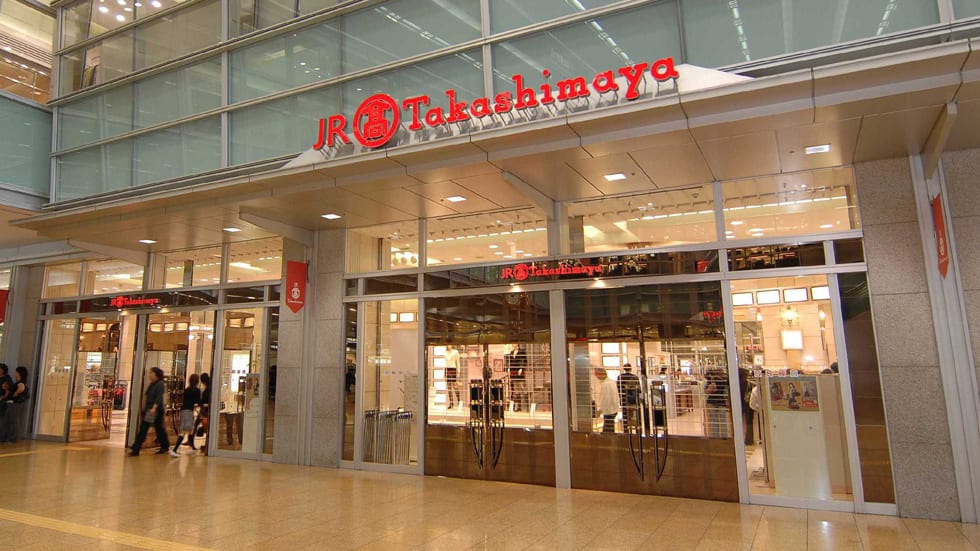
    Japanese department store operator Takashimaya has opened inside a brand new shopping mall in Thailand, opting for the capital city of Bangkok to bring the Japanese way of luxury retailing to the nation. Scaling seven floors, the newly named and opened Siam Takashimaya will form just a small part of the $1.7 billion megamall, which also houses the entertainment development project, Iconsiam.

    The Iconsiam is a sprawling 525,000-square-metre complex developed by Siam Piwat and Charoen Pokphand Group, which includes two residential towers over 50 floors high, a movie theatre, a concert auditorium and a variety of retail options, outside of Takashimaya.

    The mall location looks to serve as draw card for the Japanese retailer, whose expansion into Thailand comes at a time when Japanese physical retail is shrinking back home and consumer tastes are moving toward online shopping.

    The shift means Takashimaya  — and other Japanese department stores like it – are entering nearby Asian economies where tourism is high, and retail is burgeoning, in order to survive.

    “Southeast Asia and China are growing economically, so in order to increase our sales we have to go to these types of markets,” said Hironobu Hanai, a Takashimaya representative.

    “That is one of the reasons why we are opening a store in Thailand.”

    Takashimaya has already witnessed great success with its Singapore store opening some 25 years ago, and it is hoping to replicate the same in Thailand – bringing the best of Japan to rich Thais.

    To date, the Singapore store accounts for around 20% of the group’s operating profit, at 6.1 billion yen ($54 million).

    The department store’s complete offerings include a large proportion of Made in Japan, with 30% of the 530 brands, on sale at the new Siam Takashimaya, originating in Japan.

    An entire floor is dedicated to Japanese food, including a supermarket selling luxury products and premium restaurants.

    Another floor of Siam Takashimaya is devoted to beauty products and perfume along, as well as cosmetic services, in addition to floors for women’s and menswear.

    Finally, the last floor sells kid’s products and homewares and will host more restaurants.

    Siam Takashimaya expects to turn its first profit in the year ending February 2020.

  • Jumbo Seafood sales boosted by Thailand, China

    Jumbo Seafood sales boosted by Thailand, China

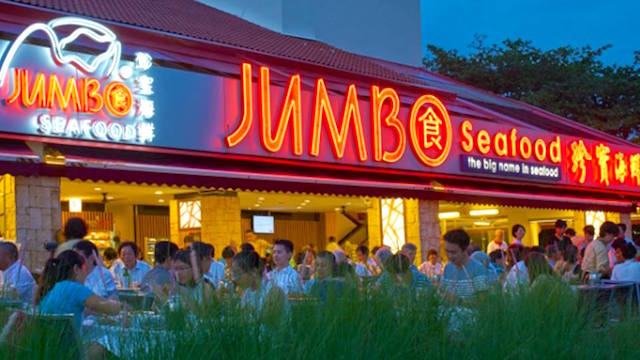
    Singapore-headquartered multi-dining concept food and beverage operator Jumbo Seafood has opened its first franchised seafood restaurant in Bangkok. The 9500sqft venue is the group’s fifth franchised location worldwide, with other outlets established in Fuzhou, Ho Chi Minh City, Taipei and Taichung. There are now 16 Jumbo seafood restaurants across Asia. The new Bangkok restaurant is operated by C J Seafood Co under a 10 year term at the IconSiam mega-development complex.

    Jumbo’s CEO and executive director Ang Kiam Meng said: “Having a presence in Bangkok allows us to bring our signature Singapore heritage cuisine to yet another Asian destination.”

    Jumbo released its unaudited end-of-year financial report at the end of September, showing an increase in revenue by 5.5 per cent compared to last year’s results. Revenue from operations in Singapore increased by SG$2.1 million (US$1.53 million) over the period, a figure dwarfed by the group’s $5.8 million ($4.2 million) increase out of Mainland China.

    Jumbo’s reported gross profit hit $96 million ($69.9 million) this financial year, up 4.4 per cent from $91.9 million ($66.9 million) in last year. Profit attributable to owners of the company, however, decreased by 23.8 per cent ($3.5 million/$2.55 million) to $11 million ($8 million) this year.

  • Visa and GARMIN launch GARMIN Pay in Thailand

    Visa and GARMIN launch GARMIN Pay in Thailand

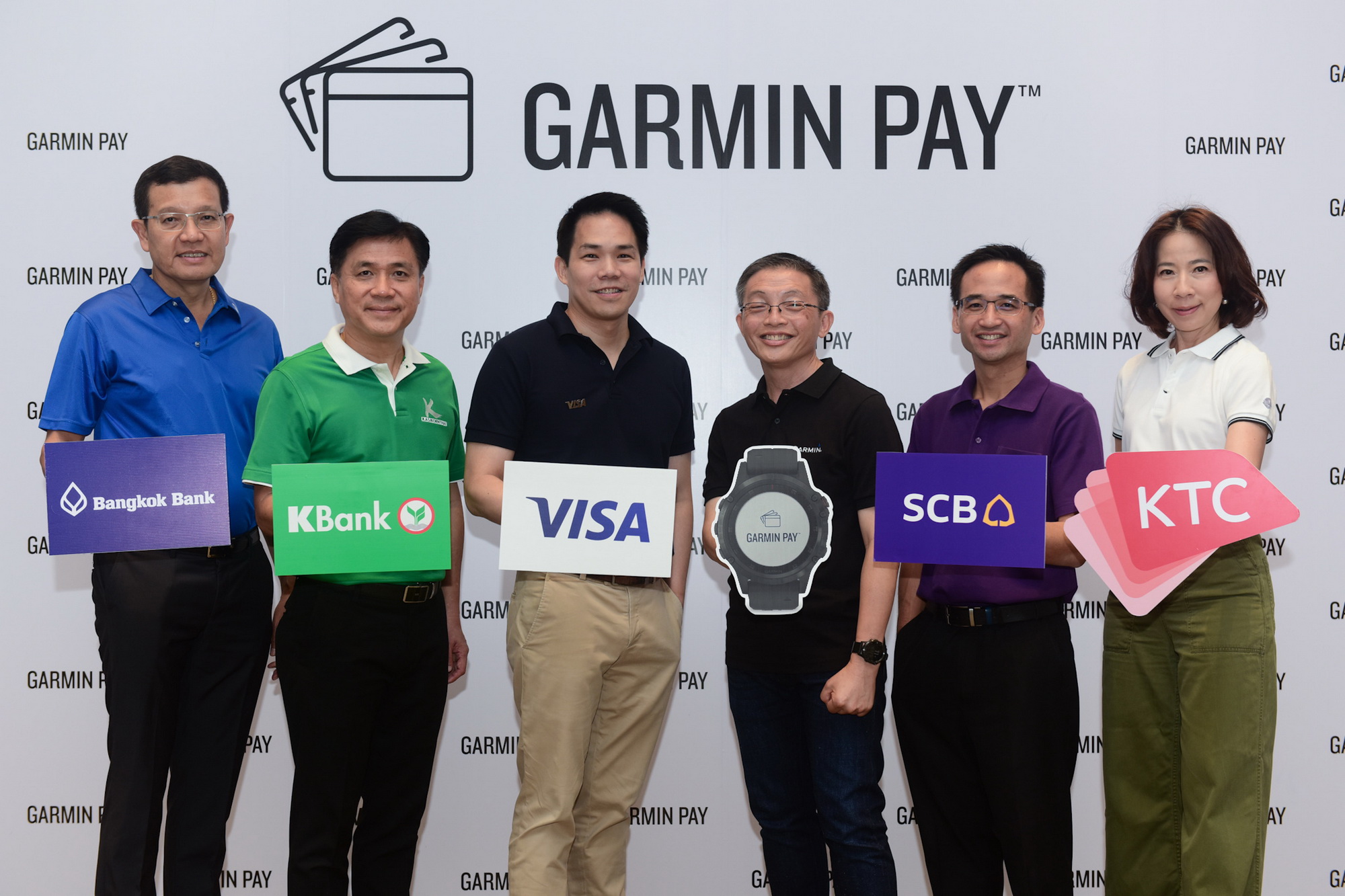
    Visa, the world’s leader in digital payments and GARMIN, in partnership with leading financial institutions, announced the launch of GARMIN Pay, a new contactless payment feature on GARMIN smartwatches. Starting 15 November, customers of Kasikornbank, Krungthai Card and Siam Commercial Bank can add their Visa credit or debit card to their GARMIN smartwatches, while Bangkok Bank is in line to launch by first quarter 2019.  The feature offers a new cashless experience, where purchases can be made seamlessly at growing contactless-accepted merchant locations. The emergence of payment innovation and technology mark yet another milestone helping to transform Thailand into a less-cash society.

    Mr. Suripong Tantiyanon, Visa Country Manager for Thailand said: “Visa is pleased to support the launch of Garmin Pay, bringing Visa contactless payments to Garmin smartwatches in Thailand.  Visa believes payments wearables are the future of fast, simple and secure payments, for people who lead an active lifestyle. According to Visa’s “sweaty money” survey, 57 percent of people who bring cash or a payment.

    card along on their workouts are stashing it somewhere uncomfortable and inconvenient. Garmin Pay will be a welcome solution for anyone looking for an effortless way to pay while on the go.  This launch is another milestone in Visa’s commitment to continue providing payment innovations and experiences across a wide range of form factors to consumers in Thailand.”

    Mr. Krairop Luang U-Thai, General Manager of GIS, the authorized distributor of GARMIN products in Thailand said: “GARMIN Pay is the latest feature on the GARMIN smartwatch.  Select the credit card you want to connect to the watch and create the GARMIN Pay Wallet by filling in the card information on the GARMIN Connect application along with your passcode. All customers then have to do is place their wrist near a card reader that supports contactless payments to purchase goods and services.  GARMIN Pay uses tokenization offered by the global payment networks to secure users’ information. The tokenized data is saved in an isolated safety chip which is in device, so to keep sensitive data from malware or virus. In addition to Thailand, GARMIN Pay is also currently available in 22 countries around the world.”.

    GARMIN Pay is available on vivoactive 3 series, forerunner 645 series, fenix 5 plus series. Check back for future additions and more information about GARMIN Pay, visit Garmin.co.th/Garmin-Pay


  • Thailand: fourth-most-profitable global tourism destination

    Thailand: fourth-most-profitable global tourism destination

    According to the UN World Tourism Organization, Thailand outranks every other nation in Asia when it comes to tourism spend. Last year, it collected $57 billion in international tourism receipts, nearly doubling Macao ($36 billion), Japan ($34 billion), Hong Kong ($33 billion), and China ($33 billion).

    Globally, the only countries that out-earn Thailand in terms of tourism dollars are France ($61 billion), Spain ($68 billion), and the United States—which handily takes the gold medal, at $211 billion.

    It all comes down to volume. Foreign arrivals could hit 40 million next year, which is more than half the country’s population.

    “In Thailand, you’ve got something for everybody,” says Rebecca Mazzaro, a specialist for bespoke outfitter ATJ. “From the private island with the private villa to amazing street food meals that only cost a couple bucks, it has a diversity and variety that exists in few other markets. It’s no surprise lots of people are going—and spending,” she says.

    A Coming Luxury Boom

    Though gaps in the WTO’s data make it difficult to ascertain the per-visitor spend in each of these countries, given recent and forthcoming developments, that number is likely to be rising.

    “There’s no question that historically Bangkok—and Thailand in general—has always been perceived as a value destination,” says John Blanco, general manager of the forthcoming five-star Capella Bangkok. “But there has been a real effort to shift that perception.”

    Mastercard’s annual Global Destination Cities Index recently ranked Bangkok as the most-visited city in 2017 for the third year in a row.

    The study, based on undisclosed public data sources, rather than cardholder transactions, indicates that travelers shell out $173 for a day in the Thai capital, compared to $537 in Dubai or $286 in Singapore.

    This year, it forecasts travelers will spend an additional 14 percent more.

    By next year, the city will have gained even more opportunities to spend, such as superlative new resorts from Four Seasons, Rosewood, Mandarin Oriental, and Waldorf Astoria, plus a $1.6 billion Bal Harbour-esque mixed-use retail development called Icon Siam.

    “There’s a lot more meat on the bone now,” Blanco says of luxury offerings in the capital.

    Dino Michael, global head of Waldorf Astoria Hotels and Resorts, agrees. “We’ve been noticing the upscaling of Bangkok for a few years,” he tells Bloomberg. “The consumer has become more sophisticated; the dining scene has become more sophisticated.”

    Among Bangkok’s selling points, he says, are strong infrastructure and airlift, a “depth and breadth of tourists,” and an ingrained culture of hospitality. For tourists and brands thinking about charting the region, Michael adds, “It’s world renown—and an obvious starting point.”

    The Pitfalls of Popularity

    There may be a price to pay for popularity, particularly on Thailand’s beaches and islands.

    Already, throngs of partygoers on commercial yachts have done so much damage to the pristine marine ecosystem of Maya Bay—the picturesque backdrop to Leonardo DiCaprio’s 2000 film The Beach—that the area closed for four months earlier this year to recover.

    Unable to bounce back fast enough, it’s now being closed indefinitely. That follows similar measures in nearby Koh Khai and Koh Tachai islands, where coral was being destroyed at devastating rates.

    In Phuket, Mastercard’s 12th-most-visited destination in the world, there’s been a sharp decline in the local turtle population, correlated with the rise in beachside pollution. It’s led 70 hoteliers to band together to promote sustainability and encourage better etiquette among travelers.

    And in Thailand’s north, the dramatic growth of tourism has led to a sobering spike in unethical wildlife tourism, often centering around elephants and tigers.

    The capital, meanwhile, has stayed largely out of the way of these visitor-related troubles—perhaps because it’s hard(er) to justify bad behavior in a city with 40,000 Buddhist temples.

    “Of course, red light tourism is alive and well—like it or not,” says Catherine Heald, founder and chief executive of Asia outfitter Remote Lands. “But ultimately, tourism has really lifted the local economy.”

    At $57 billion a year, there’s no denying that.

  • Vietnam’s first private airport set for Christmas launch

    Vietnam’s first private airport set for Christmas launch

    Vietnam’s first private airport near the world-renowned Ha Long Bay is getting finishing touches for a Christmas day opening. The 325-hectare (803 acres) airport at Van Don District, northern Quang Ninh Province cost VND7.7 trillion (more than $330 million) and can handle 2.5 million passengers a year and 1,250 per hour.

    It is expected to focus on services to Northeast Asian destinations such as South Korea, Japan, Taiwan, and China and also Southeast Asian ones like Thailand, Malaysia, Singapore and Cambodia.

    Domestically, flights will mostly be to southern and central regions.

    Dinh Viet Thang, head of the Civil Aviation Authority of Vietnam (CAAV), said the airport could handle the largest of aircraft.

    Construction had begun in 2015.

    Real estate conglomerate Sun Group, who owns it, is completing licensing procedures now so that the first flight can land on December 25.

    It now has gates for four aircraft and the number will be increased to seven by 2030.

    According to the CAAV, the private airport will have to follow all regulations in terms of aviation safety and security like all other airports in the country.

    Airlines served almost 80 million passengers in the country in the first nine months of this year, up 12.1 percent from a year ago.

    The number is expected to cross 100 million for the very first time this year.