Tag: Thailand

  • Long queues in Apple Bangkok store opening day

    Long queues in Apple Bangkok store opening day

    The first official Apple Bangkok store is now trading, located in the heart of the new US$1.6 billion IconSiam project. Queues formed overnight as Thai Apple fans vied to be among the store’s first customers and the company says “thousands” of shoppers visited the store in the first day of trading on Saturday.

    Inside Retail understands Apple’s designers, London-based Foster + Partners, worked with the architecture team from IconSiam to make the store stand out from the centre’s curved river-facing facade. The result is a clean, open square profile fronting a large outdoor courtyard, giving the store a ‘high-street feel’ despite being inside a larger mall structure.

    The interior features living trees and floor to ceiling glass facing both into the mall and out of it.

    For opening weekend, the store hosted local band Polycat performing live and the company also gave its iconic Apple logo a Thai-style makeover to celebrate its debut in the country.

    A second Apple store is believed to be under construction in the basement of the CentralWorld shopping centre in downtown Bangkok. See how long the queue in the gallery below (4 images) :

  • Asia rice: Indian rates up on firmer rupee; Thai harvest to shore up stocks

    Asia rice: Indian rates up on firmer rupee; Thai harvest to shore up stocks

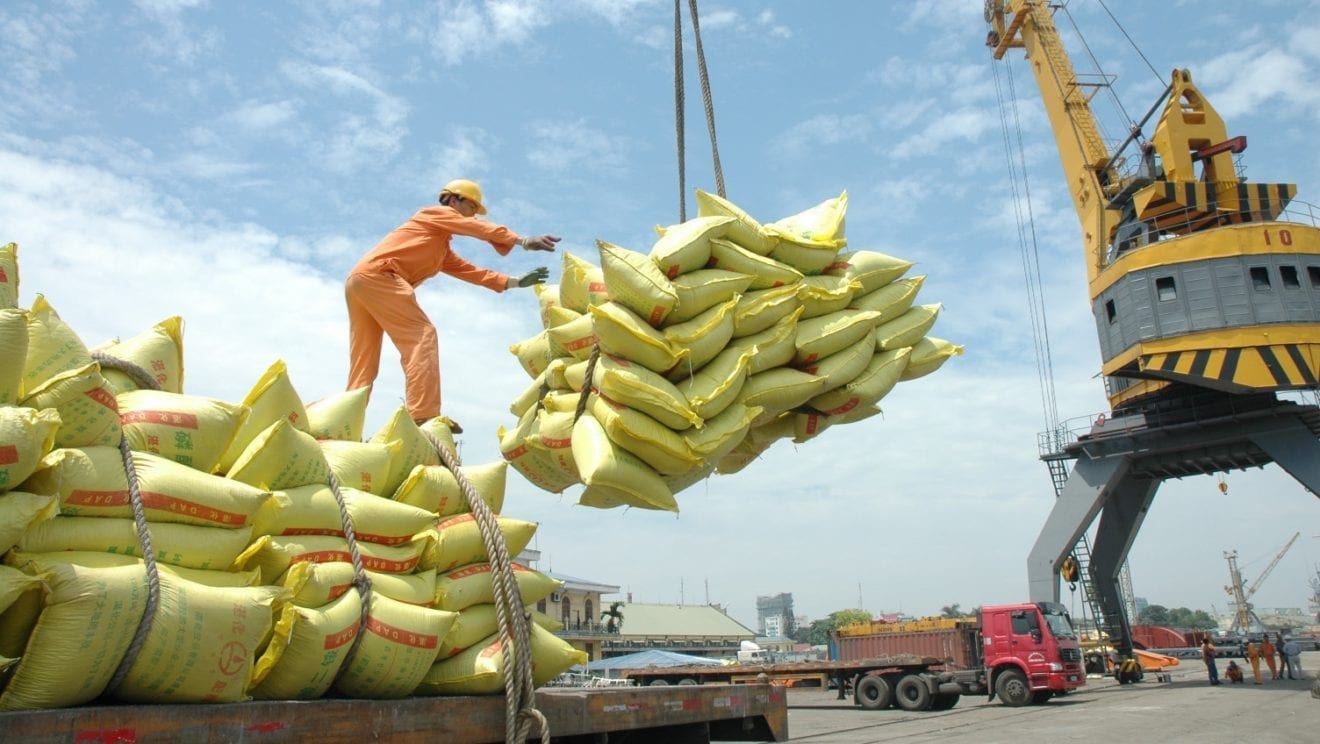
    Rice prices in India nudged higher this week as the rupee firmed, while Thai exporters eyed fresh demand from the Philippines. India’s 5 percent broken parboiled variety was quoted around $363-$371 per tonne this week, versus $362-$369 last week.

    “As the rupee has started to appreciate, we have to adjust export prices,” said an exporter based at Kakinada in the southern state of Andhra Pradesh.

    The Indian rupee rose 0.4 percent on Thursday to its highest level in nearly 8 weeks, trimming exporters’ margins from overseas sales.

    In southern and eastern states, supplies have started to arrive from the new season crop but they are expensive due to higher fixed government buying prices, said a Mumbai-based exporter.

    India’s rice exports dropped 9.6 percent to 5.8 million tonnes between April and September from a year earlier, as leading buyer Bangladesh trimmed purchases due to a bumper local harvest, a government body said earlier this week.

    Meanwhile in Thailand, benchmark 5 percent broken rice prices were quoted at $380 – $398 per tonne, free on board (FOB) Bangkok, unchanged from last week.

    “There have been some minor deals with markets like Japan but they have had no impact on prices,” a Bangkok-based trader said.

    “Thai rice exporters are now watching the Philippines closely because their government will open the bidding process next week.”

    The Philippines’ National Food Authority has issued an international tender to import up to 500,000 tonnes of rice with offers to be opened on Nov. 20.

    “We see this as a major deal ahead of December,” another trader in Bangkok said, pointing out that during the mid-November to early-December period, the market expects an increase in supply due to the seasonal harvest.

    In Vietnam, rates for 5 percent broken rice remained in the $415-$420 a tonne range seen last week.

    “We haven’t signed any new export deals over the past month as domestic supplies are scarce,” a trader in Ho Chi Minh City said. “We wouldn’t be able to secure sufficient rice if we got any new contracts now.”

    Egypt received offers for more than 500,000 tonnes earlier this week, including 50,000 tonnes from Vietnam, the trader said, adding that they were not sure if they will bid in the Philippines’ state grains agency tender.

  • Big C to open in Malaysia

    Big C to open in Malaysia

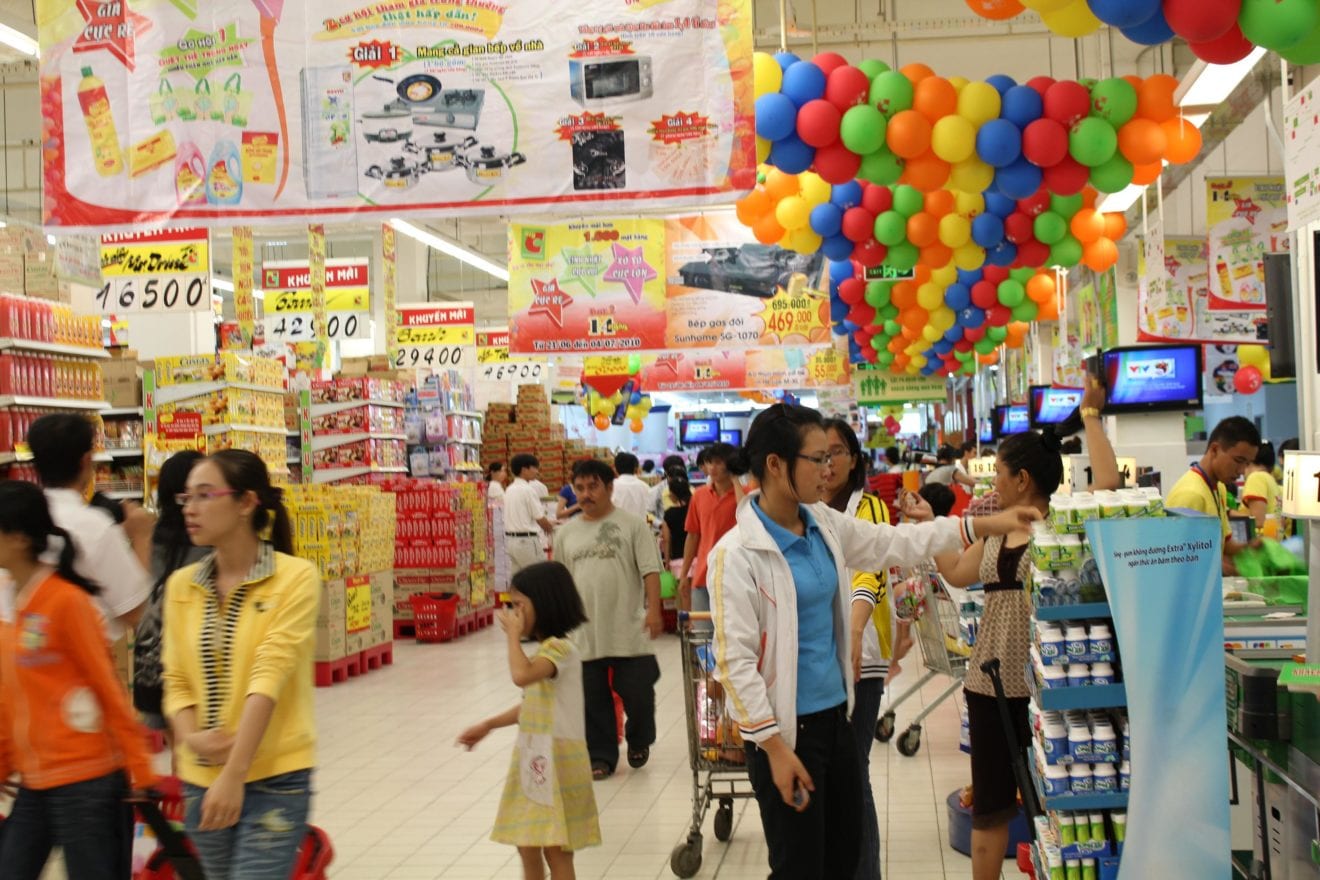
    Thai Hypermarket Big C appears to be preparing to enter Malaysia. According to several websites, Fraser and Neave, a subsidiary of billionaire Charoen Sirivadhanabhakdi’s TCC Group, is in the process of completing local regulatory requirements through Ministry of International Trade and Industry to prepare for the launch of Big C Malaysia.

    The target opening date has not been confirmed.

    However, the first Big C Malaysia Supercentre is expected to be located in Kedah in northwest Malaysia, near the Thai border.

    Big C currently operates in Thailand, Vietnam and Laos.

    Many Malaysians reportedly cross the border into Thailand to shop at the Big C hypermarket in Hat Yai, in Thailand’s south, giving the company confidence its offer would be popular among residents of its neighbouring country.

  • Bangkok’s IconSiam launches tonight

    Bangkok’s IconSiam launches tonight

    Six years in design and construction, Bangkok’s US$1.6 billion IconSiam development will finally be officially launched tonight before opening its doors to the public tomorrow morning. With 500 stores, more than 100 restaurants and 14 cinema screens, a luxury apartment tower and a Mandarin Oriental hotel, the ambitious development is probably the most significant addition to Asia’s retail landscape in decades.

    Tonight, 10,000 businesspeople, retailers, media and guests have been invited to an opening ceremony which kicks off a weekend of festivities costing US$30 million. A fleet of 1500 drones organised by Intel will take to the sky above the Chao Phraya River and a “famous US singer” whose identity is being kept a closely guarded secret, will perform on stage somewhere along the 400-metre riverfront promenade of the building.

    Tickets to the invitation-only event, which also features a raft of Asian entertainers, fireworks, light and water shows, have been trading online for 10,000 THB (US$300), despite never being sold in the first place.

    Tomorrow, thousands of Thais are expected to visit the 750,000sqm venue, with stores offering rewards for early customers – like H&M issuing a 20,000 THB voucher to its first – and Apple is expected to draw long queues for its first official retail outlet in Thailand.

    About 80 per cent of the stores at IconSiam will be open for business tomorrow, the balance opening in ensuing weeks as fitouts are completed and approved by offshore head offices. But the project is still not complete. Several stories above the retail and dining area remain under construction, scheduled to open in July. They will house a world-class 6500sqm River Museum, a 3000-seat concert hall and other community facilities.

    Defining IconSiam is not easy.

    “It’s not a mall. It’s not a mixed use project,” IconSiam MD Supoj Chaiwatsirikul said last night. “It’s a destination.”

    The story of how IconSiam investors acquired the 8.8 hectare riverfront site gives an insight into how the project evolved into much more than a shopping centre. The owners of the land had been approached many times over the years, including by cashed up foreign developers. But they wouldn’t sell – until Siam Piwat CEO Chadatip Chutrakul talked to them, promising to create something that could showcase Thai culture and history to the world and be something all Thais could be proud of.

    Since then, IconSiam’s operational team have worked with Thais literally the length and breadth of the country to involve them in the project. Artworks and sculptures have been selected from 100 artists, mostly Thai, to appear throughout the complex, a 1.6 hectare space called SookSiam (“a city of Thai happiness”) will feature products and cultural heritage of the nation’s four regions, showcasing their handicrafts, performing arts, food, beverages “and local wisdom” in a single destination promised as “immersive, emotional and entertaining”.

    “IconSiam inaugurates a globally innovative model for destination development that moves the project away from being a mall or a mixed-use complex to being an inspiring destination,” explains Chutrakul.

    “It’s a place to regenerate and refresh, to be inspired and seek new ideas, and a place to discover the best of Thailand and the best on offer from around the world.”

    Unprecedented coordination has taken place with city and government authorities to enhance the transport system surrounding the site. A new skytrain track – aptly called the Gold Line – is under construction linking two other rail routes and which ultimately will make it a 20-minute railway journey from downtown Bangkok to the river. The company has built its own wharf in front of the building and worked to enhance a network of 73 river piers making it easier to reach the venue. Some 45,000 Thais travel along the river using public transport every day and they are starting to find that more convenient than ever.

    Work is continuing with landowners and hotel properties along the waterfront to create a public walkway, opening up the riverfront to the people for the first time in centuries.

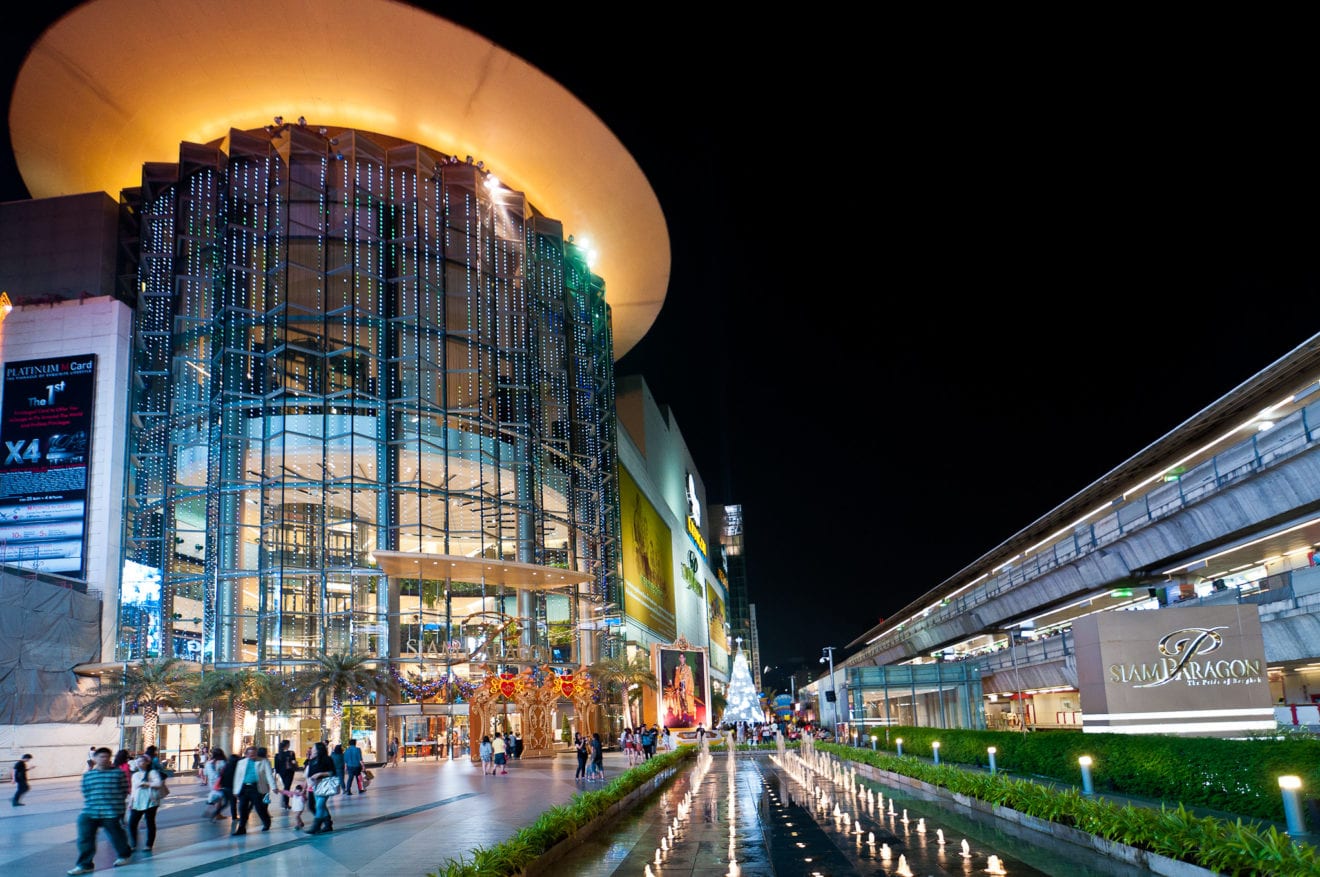
    SiamPiwat’s Siam Paragon shopping centre which, when neighbouring properties Siam Center and Siam Discovery are added, create the city’s largest single shopping destination, attracts about 250,000 visitors on a typical weekend day. The company expects IconSiam to draw as many as 400,000 once the project is fully operational. About 60 per cent of those will be Thais, the balance tourists, although it is obvious from the size and scale of the luxury duplexes facing the river – bearing brand names including Louis Vuitton, Gucci, Cartier and Hermes – that the ratio will be quite different zone-by-zone: This part of the project is very clearly designed to appeal to the growing legions of Chinese tourists heading to Thailand.

    Another key retail drawcard of IconSiam will be the country’s first Takashimaya department store spread over several levels and including a comprehensive food and grocery offer as well as fashion and accessories.


  • FedEx QR Pay targets SMEs in five major Asian markets

    FedEx QR Pay targets SMEs in five major Asian markets

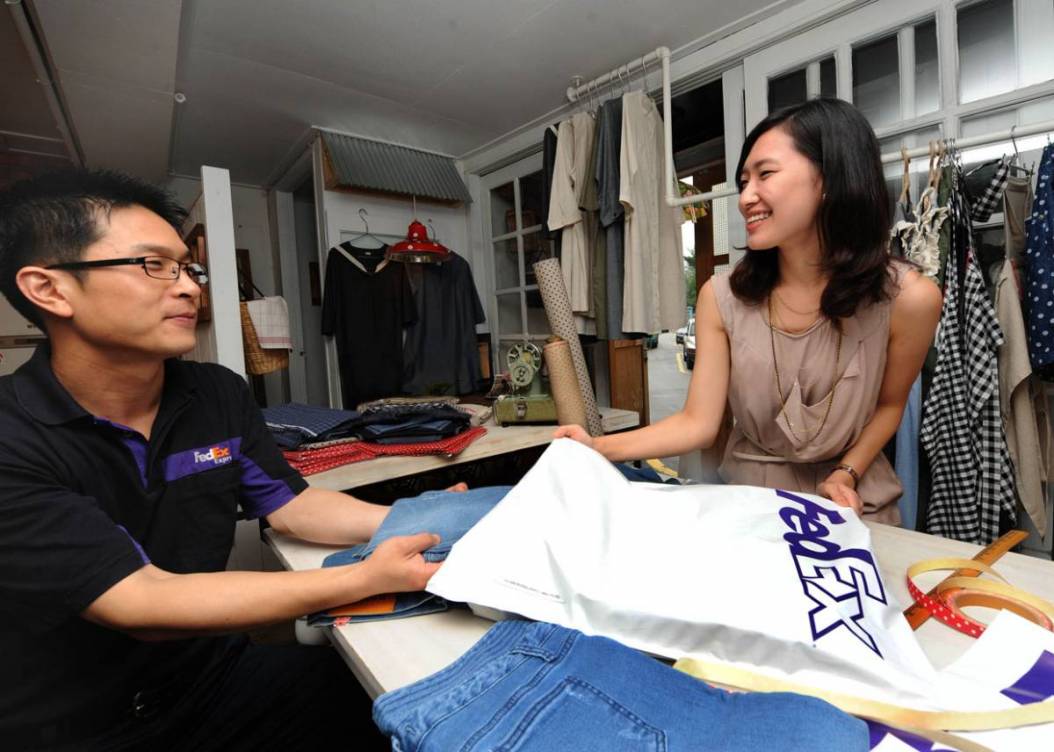
    Transport company FedEx has launched a QR-code based mobile payment system in Hong Kong, Malaysia, Philippines, Singapore, Thailand and Australia. The system, FedEx QR Pay (the QR stands for quick response), is targeted specifically at SMEs.

    Supplementing the firm’s existing online payment methods, FedEx QR Pay is a secure mobile payment option activated by QR codes embedded with unique payment links. QR Pay eliminates the need to have shopping carts, booking engines or checkouts, allowing customers to make payments with credit cards and e-wallet services.

    FedEx’s president for Asia Pacific Karen Reddington said: “FedEx is constantly looking for ways to innovate, pioneer new solutions and offerings to address customers’ evolving needs in the region … QR Pay provides greater flexibility and convenience for our customers, and ultimately a better experience when it comes to managing their logistics needs.”

    Asia Pacific leads the world in mobile payment with 53 per cent of connected consumers using their mobile devices to pay for goods or services at point of sale. Rising mobile penetration is a key driver, with the number of smartphone users across region now over a billion. Seeing the clear trend towards mobile payment adoption, SMEs are also harnessing new technologies to expand their business.

    According to a recent research commissioned by FedEx, 73 per cent of SMEs are already current users of mobile payments, with 69 per cent of these businesses likely to increase usage in the next 12 months. Thirty per cent of current non-users are likely to begin using mobile payments as well.

    FedEx QR Pay will soon be expanded to other markets in Asia Pacific.

  • DKSH adds 3 brands in path to double Thai luxury

    DKSH adds 3 brands in path to double Thai luxury

    Market expansion service provider DKSH Thailand has announced plans to double the scale of its Thai luxury and lifestyle business within two years. The firm has picked up three international brands this year, with another Italian lifestyle brand to be added to its portfolio next year.

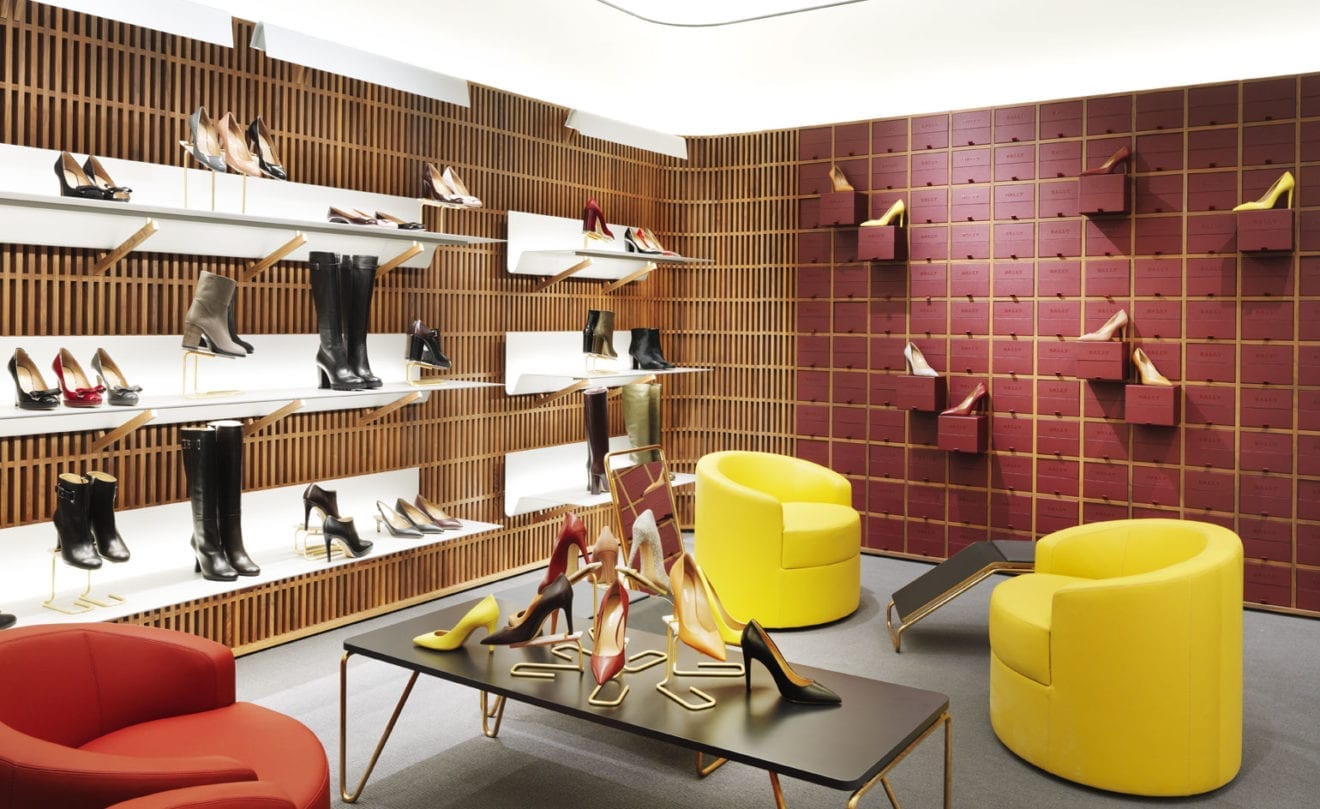
    Included in the expansion is a THB30 million (US$913,800) investment in a new 200sqm flagship Bally store in Thailand, opening at Iconsiam on Friday (November 9).

    DKSH regional VP of luxury and lifestyle business Franck Giacobini said luxury and lifestyle is picking up again and sales are strong.

    “DKSH’s luxury and lifestyle business in Thailand will strengthen in the next few years because the country has a young population with high spending power.”

    He added that DKSH will allocate a huge investment to the Thai market, considering the country’s high-end retail complexes and strong tourism.

    President of DKSH Thailand Douglas Humphrey added: “DKSH has been in Thailand for over a century. Our consumer product business in Thailand is the biggest market for the DKSH network globally. We will continue to invest here in terms of people, capability and supply chain in the coming years.”

  • Trade war’s bark turns to bite in Asia

    Trade war’s bark turns to bite in Asia

    The U.S.-China tariff slugfest has for months triggered warnings that it could impact global economic growth, and recent data indicates the tension is beginning to bite. Manufacturing gauges in several export-reliant Asian countries, as well as China, weakened in October as gloom deepens over the trade outlook.

    China’s official Purchasing Managers’ Index (PMI), which measures factory activity, came in at 50.2 in October, down from 50.8 the previous month, the latest sign of weakness in the world’s second-largest economy amid the trade war and a domestic debt problem.

    But China’s troubles are bad for the rest of the region, and the world, analysts said.

    Asian exporting countries from South Korea to Malaysia saw PMI decreases in October, according to indices compiled by Nikkei/IHS Markit.

    Taiwan saw its steepest falls in production and new business in just over three years, purchasing activity by companies fell for the first time since May 2016, and firms anticipate lower factory output in the next 12 months, Nikkei/IHS Markit said.

    “Taiwan is feeling the effects of this trade war because China is the factory for many companies in Taiwan. When the estuary is blocked, you feel the effects,” said Sun Ming-te of the Taiwan Institute of Economic Research.

    Paying the price

    South Korea’s PMI slipped to 51.0 in October from 51.3 in September, while a separate Korean business sentiment index for manufacturing sank to its lowest level in two years.

    China is South Korea’s largest trading partner, absorbing a quarter of Korean exports.

    “The situation may get worse next year due to a prolonged trade war between the US and China, growing default risks at debt-plagued Chinese firms and a slowing global economy that reduces demand for our exports,” said c, an analyst at the Korea Institute of Finance.

    Southeast Asian manufacturers were feeling the effects too, with PMI in Malaysia and Thailand slipping below the 50-point level, which indicates contraction in the sector.

    It was Malaysia’s lowest PMI since July and Thailand’s lowest in two years.

    In an interview last week, Malaysian Prime Minister Mahathir Mohamad complained that U.S. President Donald Trump — who has accused various trading partners of “ripping off” America — “seems to be withdrawing from all commitments overseas”.

    Mahathir, 93, said that hurts everyone, including the U.S.

    “We want to remain friendly with the U.S., and we want to continue trading with the US,” Mahathir said.

    “But the trade war that is going on between the U.S. and China is damaging for us. We have to pay a price for that.”

    Vietnam or bust

    The International Monetary Fund warned at its annual meeting last month that the trade friction and other threats would hobble the world economy, lowering its growth forecasts for 2018 and 2019.

    The Eurozone posted disappointing PMI figures in October, though due largely to factors other than trade tension.

    But not everyone feels the shock yet, with Japan’s manufacturing looking solid last month.

    Trump, meanwhile, faces little pressure to tame his trade rhetoric at home, with a rosy U.S. outlook marked by rising wages and low unemployment.

    And even in Asia, there will be some winners as conflict re-aligns trading patterns, economists noted.

    Vietnam, in particular, looks to gain as foreign manufacturers relocate out of China to escape the trade war crossfire and what many say is an increasingly unfair playing field for foreign companies in China.

    Vietnam PMI climbed from a ten-month low of 51.5 in September to 53.9 last month.

    “The hard data on exports and industrial production in recent months haven’t been that great. The latest survey nonetheless shows how Vietnam is weathering the U.S.-China trade war better than its ASEAN peers,” Miguel Chanco, senior economist at Pantheon Macroeconomics asia.

    “If the trade war escalates, Vietnam will be one of the prime destinations for export-oriented firms looking to move out of China.”

  • Centara listed in Thailand Sustainability Investment (THSI) 2018 for Sustainability Performance Excellence

    Centara listed in Thailand Sustainability Investment (THSI) 2018 for Sustainability Performance Excellence

    Centara Hotels & Resorts (CENTEL), Thailand’s leading hotel operator, was categorised a “Thailand Sustainability Investment (THSI)”, an annual recognition for listed companies that operate with responsibility for Environmental, Social and Governance (ESG) aspects. The THSI list aims to recognise and motivate companies for their efforts towards sustainability, while offering investors an alternative investment in high-performance ESG stocks.

    Centara Hotels & Resorts aims to balance its operations to attain financial goals and practice good governance, while creating positive social impact, reducing its environmental footprint, and encouraging innovation to sustain the organisation’s competitiveness. The company has formally developed environmental, social, and innovation initiatives since 2008, including energy, water, waste and safety management. Centara also engages management, staff, suppliers, guests and communities, for both the long-term growth of its business and vitality of the destinations where it operates. One testament to this commitment is that 15 of Centara’s properties have already achieved Gold and Silver Certifications by EarthCheck, the world’s leading scientific benchmarking and impact assessment body for sustainable travel and tourism.

    “Centara intends to operate ethically and sustainably across our entire portfolio. We are committed to sustainable practices throughout our hotel operations, whilst delivering an exceptional level of Thai hospitality for our guests,” said Thirayuth Chirathivat, Chief Executive Officer. “Companies that respond effectively to the challenges of sustainability can gain a competitive advantage and increase share value. We strive to develop sustainable hospitality strategies and encourage sustainability wherever we operate.”

    Thailand Sustainability Investment (THSI) was first created in 2015 to recognise companies that adopt ESG principles into responsible and sustainable business management to create a positive impact on the Kingdom. This year, the Stock Exchange of Thailand (SET) selected Centara as one of 79 listed companies that incorporate a high level of ESG practices to support sustainability. This effort is in line with SET’s vision “To Make the Capital Market Work for Everyone”, supporting a vision of capitalism that benefits all stakeholders.

  • Tanachira Retail buys out HARNN for $30m

    Tanachira Retail buys out HARNN for $30m

    International fashion and lifestyle brand distributor Tanachira Retail has acquired Thai health and beauty business Harnn. The THB1 billion (US$30.4 million) purchase is part of the firm’s moves to become a regional lifestyle company.

    Tanachira CEO Tanapong Chirapanidchakul said: “We will use our strength and expertise to expand Harnn’s business throughout Asia, with priority markets China, Taiwan and Japan.”

    Harnn products sell at more than 30 branches throughout Thailand and are distributed in 16 countries, predominantly in Asia.

    The acquisition, which covers brands, intellectual property assets, and business networks will help Tanachira to reduce risk from dependence on imported brand revenue. The firm will build brand awareness for Harnn among Thai consumers before building international partnerships with current and new dealers in new international markets, focusing on Asia.

    Tanachira’s CFO Aphichai Pholkosol said: “By 2020, we target Harnn contributing about 25 per cent of our total revenue at THB2.25 billion, helping us to list on the stock exchange in the second half of that year.”

  • Transformation in the Thai Retail Market

    Transformation in the Thai Retail Market

    Retail property is one of the most complicated types of real estate development because of the constantly changing behaviours, tastes and needs of consumers. The Thai retail property market has changed enormously over the last 30 years since CBRE established an office in Bangkok and change continues at an even faster rate especially with the growth of E-commerce.

    30 years ago, the Bangkok retail property market was limited to a handful of department stores and a few typical shopping centres like Central Plaza Ladprao completed in 1982, Amarin Plaza completed in 1985 and the original Siam Centre completed in 1977.

    The rest of the retail sector was shophouses and wet markets.

    There are now almost 7.5 million square metres of modern retail property in Bangkok split between department stores, shopping centres, big box stores and other new formats.

    There has been rapid growth and change in the range of retail formats and types of tenant.

    The first 7-Eleven convenience store opened in Thailand in 1989 and there are now 10,268 stores in 2018.

    The first big box store was Makro Ladprao in Bangkapi district in 1989 and now Big C, Tesco Lotus and Makro have over 450 big box stores in Thailand.

    Over the last 30 years we have seen an increased move from traditional retail in wet markets and shophouses to modern retail formats ranging from convenience stores and community malls to giant regional shopping centres such as Central Westgate.

    The modern retail format has spread throughout Thailand with many provincial cities now having modern shopping centres.

    The Thai retail market is, like the rest of the world, facing the new challenge of E-commerce.

    In the UK, E-commerce sales are expected to account for 18% of total retail sales in 2018 and 9.5% in the USA.

    Currently E-commerce sales account for less than 1% of total retail sales in Thailand but this is expected to grow rapidly as E-commerce platforms and infrastructure, including payment systems and distribution have now been established.

    Big players are currently entering the Thai E-commerce market such as Alibaba investing $320 million as well as JD forming a $500 million joint venture with Central Group.

    Retailers will have to adapt to best serve customers in stores and online.

    Retail developers will have to improve the customer experience through design, decoration, events, tenant mix and customer service.

    Retail landlords will have to create a unique environment that focusses on customer experiences. Landlords can achieve this through placemaking in which transforms retail space into “destinations” and “lifestyle centres” to draw more consumers to the area. Landlords may also choose to shift towards greater food and beverage based tenants, such as restaurants, as they provide an experience which cannot be replicated online.

    “clicks” will not totally replace “bricks” but will mean that retailers and retail property developers will have to change.  “Simply building a nice glass box and filling it with brand names, won’t work anymore. “said Ms. Jariya Thumtrongkitkul, head of retail services at CBRE Thailand.“

    Many retailers are trying to pursue an omni-channel approach with both online and offline channels that are fully integrated whereby the digital and physical options complement each other.” Landlords will need to fully integrate the omni-channel approach in which to provide consumers with a frictionless experience across online and offline channels. AI will also have a big role to play in collecting data. Through using interactive apps or customer order history, businesses will also be able to form a more accurate customer profile in which they then can use to personalise their marketing campaigns as well as improving their operations and sales. The use of data can also help retailers better keep up and understand consumer trends and expectations.

    The continuous change in consumer behaviour means that retail property development is much more complicated than office development.  It requires hands on management and constant innovation and improvement.

    The level of commitment and expertise needed is very high and unlike hotels it is rare to subcontract management to a third party in Thailand.

    Even though the economy is improving retailers, retail landlords and developers face big challenges in adapting to the changing environment caused by E-commerce.

    The shopping centre is one of the most successful business models and will not fade away but the competition from E-commerce means that the model will have to evolve to survive.

  • 7-Eleven Thailand launches delivery service

    7-Eleven Thailand launches delivery service

    More than 3000 Bangkok 7-Eleven stores are offering a courier service and collection point. The new service, which launched on Monday, promises next-day delivery on parcels or letters dropped off at a participating 7-Eleven store prior to 9pm.

    Customers using the service must present their ID then buy an envelope or box to send their goods in, with fees ranging from THB 35 to THB 119 (US$1.05 to $3.58). A flat rate applies across the city, depending on the size of the box or envelope.

    Customers can send goods any hour of the day or night and senders can use 7-Eleven stores as collections points, rather than sending to a street or office address.

    Called the 24/7 Speed-D express delivery service, it is also available at stores in the neighbouring provinces of greater Bangkok, Nonthaburi, Pathum Thani and Samut Prakan.

    The service is a joint venture between 7-Eleven’s parent company CP All and delivery company Dynamic Logistics. All deliveries can be tracked by GPS on the Dynamic Logistics website.

    As well as a growing range of banking services, two Bangkok 7-Eleven stores recently introduced a trial food and coffee delivery service based on the Line messaging platform.

  • Thai’s KBank presses ahead with 2019 loan growth target of 5-7%

    Thai’s KBank presses ahead with 2019 loan growth target of 5-7%

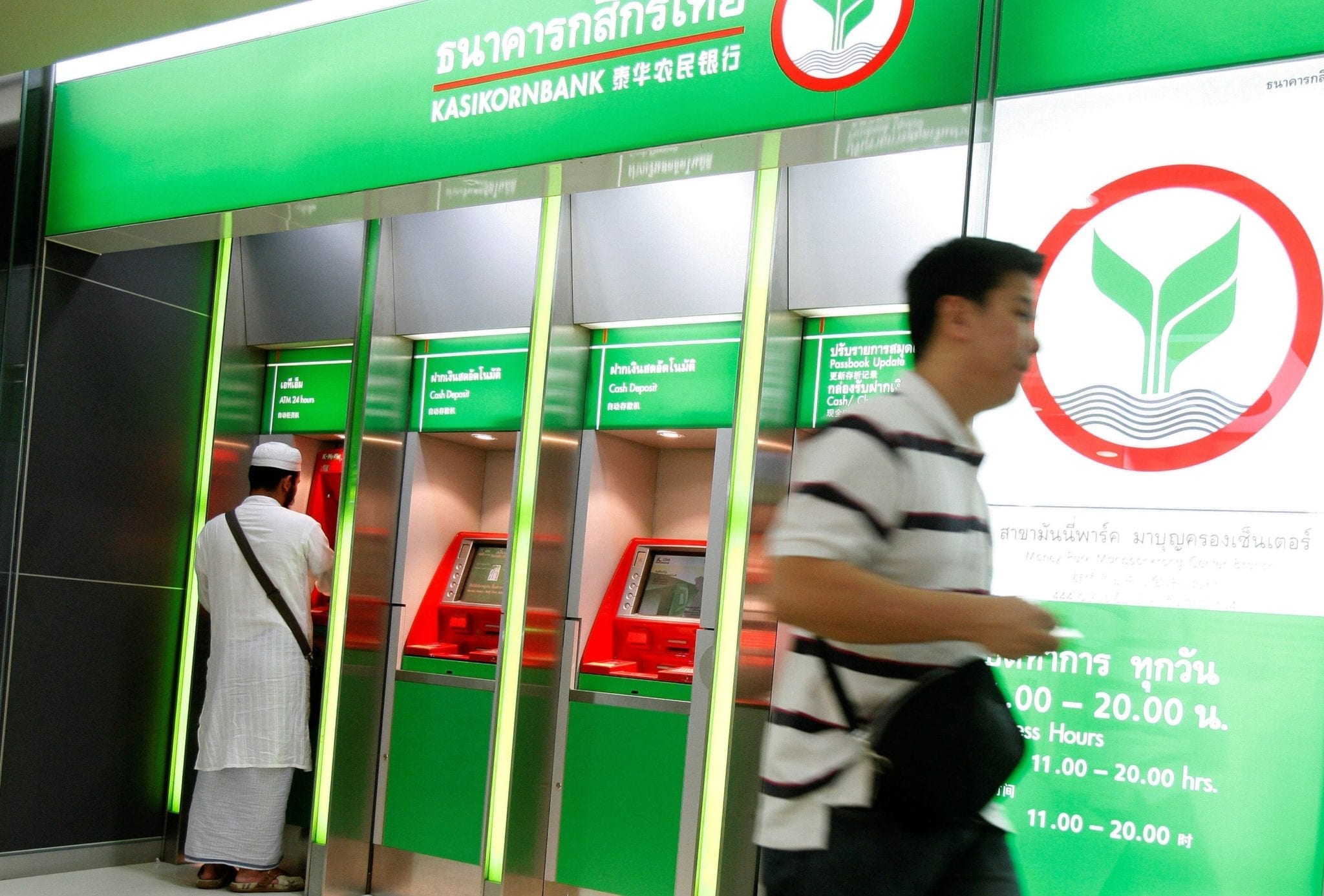
    In the recently announced 2019 business plans, KASIKORNBANK (KBank) will press ahead to become the “Customers’ Life Platform of Choice” by using K PLUS to introduce financial and lifestyle services that suit individual clients. KBank’s financial and IT capabilities will be further enhanced through using data for decision making and steering business toward becoming a “Bank of Sustainability. The Bank has set 2019 loan growth target of 5-7%

    Mr. Banthoon Lamsam, Chairman of the Board of KBank, said that the Thai economy will likely post steady growth in 2019. Despite sagging demand abroad, domestic spending, buoyed by both public and private investments, may play a more important role in bolstering the Thai economic performance. It is expected the Thai GDP growth will reach 4.3 percent in 2019, which would be lower than the 4.6 percent pace projected for 2018 due to the slowdown in the export sector and tourism caused by the high 2018 base and the protracted US-China trade dispute that may dampen the global trade overall. Major drivers for the Thai economy in 2019 may include steady public infrastructure investment and the scheduled general election that will likely help reinvigorate investment climate overall while Thailand’s interest rates will be on the upward trend amid lofty household debt.

    Amid numerous challenges, KBank’s 2019 business operations will continue to focus on our “Customer Centricity” philosophy. With this mantra, we will press ahead with the “Customers’ Life Platform of Choice” strategy by using K PLUS, which has the highest number of users of any mobile banking applications in the country, to introduce financial and lifestyle services to meet the needs of individual customers. Our financial and IT capabilities will be enhanced further to allow KBank to be more responsive to every situation and become a data-driven bank, thus paving the way toward being a “Bank of Sustainability”.

    With regard to overall goals for 2019, KBank looks forward to achieving loan growth of 5-7%, which would be consistent with the 2019 economic growth, breaking down into corporate loan growth at 3-5%, SME loan growth at 2-4% and retail loan growth at 9-12%. We also set growth targets for our net interest margin (NIM) at 3.3-3.5%, and non-interest income growth at -5 to -7%. KBank’s NPL ratio is projected at 3.3-3.7%.

    Mr. Banthoon added that KBank continues to operate business, based on being a “Bank of Sustainability”, and under appropriate risk management and good governance. We are also building a balance in economic, social and environmental dimensions via strategies that will enable us to achieve and create sustainable returns over the long term. Such a sustainable development philosophy has been instilled in all of our operations until it becomes part of our corporate DNA, which has helped create maximum benefit for all stakeholders and promote sustainable growth to Thailand.

  • aCommerce Launches BrandIQ to Help Brands grow sales

    aCommerce Launches BrandIQ to Help Brands grow sales

    Southeast Asia’s leading brand ecommerce enabler, aCommerce, introduces BrandIQ, the company’s new ecommerce measurement and analytics suite. BrandIQ will enable brands to understand and visualize more than 11 million SKUs across 600 brands and 160,000 sellers online across Southeast Asia, enabling global consumer brands and retailers to grow online sales and market share.

    BrandIQ is envisioned to provide brands in Southeast Asia with measurable data and actionable insights for their online commerce strategy. Using sophisticated ecommerce data collection and proprietary machine learning technologies, BrandIQ will empower brands to monitor online merchandise, analyze competitors, offer better promotions, understand consumer sentiments, and improve the overall ecommerce experience.

    “We are now entering an era where usage of survey data is not sufficient to succeed in Southeast Asia’s growing ecommerce landscape,” said Poonpat Wattanavinit, Regional Director of Product, aCommerce. “BrandIQ is a new technology platform that collects data from all the leading online marketplaces to offer brands real-time insights. Through BrandIQ, brands will be able to benchmark their own performance on marketplaces over time as well as compare against competitors in terms of online sales and share of digital shelf.”

    As part of the launch, BrandIQ is also rolling out additional services to help brands and consumers engage in a more meaningful and personal way. Brands can now discover brand advocates and generate authentic product reviews, reward and retain them, and grow brand advocacy at scale.

    “For the last five years, aCommerce has helped brands in Southeast Asia overcome ecommerce challenges, including physical infrastructure and distribution barriers,” added Phensiri Sathianvongnusar, Chief Executive Officer, aCommerce Thailand. “Throughout these years, we saw that data and information is incredibly important to operate a business. The launch of BrandIQ comes naturally as a stepping stone for aCommerce to utilize data and further advance the success of our brands, along with the right tools, teams, and mindset throughout their ecommerce journey.”

    BrandIQ kicked off its pilot operations in Thailand last year and since then has expanded its presence across the Southeast Asian region covering six countries, Indonesia, Malaysia, Philippines, Singapore, Thailand, and Vietnam. BrandIQ will continue to expand the service to other Southeast Asian countries and marketplaces as the ecommerce space continues to grow throughout the region.

  • Skechers launched biggest Southeast Asia flagship store in Bangkok

    Skechers launched biggest Southeast Asia flagship store in Bangkok

    Bangkok’s CentralWorld shopping centre is home to the newly opened Skechers Thailand flagship store. The North American footwear company says Thailand represents its fastest-growing market in the region which is why the store, at 275sqm, is its largest yet in Southeast Asia. In the first nine months of the year, sales grew by more than 50 per cent.

    The new store features the Skechers apparel range for the first time in the market, with management hoping that will grow to account for up to 30 per cent of Thailand sales volume.

    Kaimuk Nilsatetee, assistant VP of CRC Sports, the licensee for Skechers Thailand, said the company sold about 400,000 pairs of Skechers across the country last year and is targeting double that number this year.

    “Skechers shoes generate the most sales revenue for CRC Sports,” Kaimuk said. “Its performance has gone well since expanding its business to Thailand in the past several years.”

    CRC Sports sells Skechers in 32 concept stores, two outlet stores, 25 concessions and through 95 resellers. Another 12 stores are planned for next year.

  • Nok Air launches international direct flights from Phuket to Chengdu

    Nok Air launches international direct flights from Phuket to Chengdu

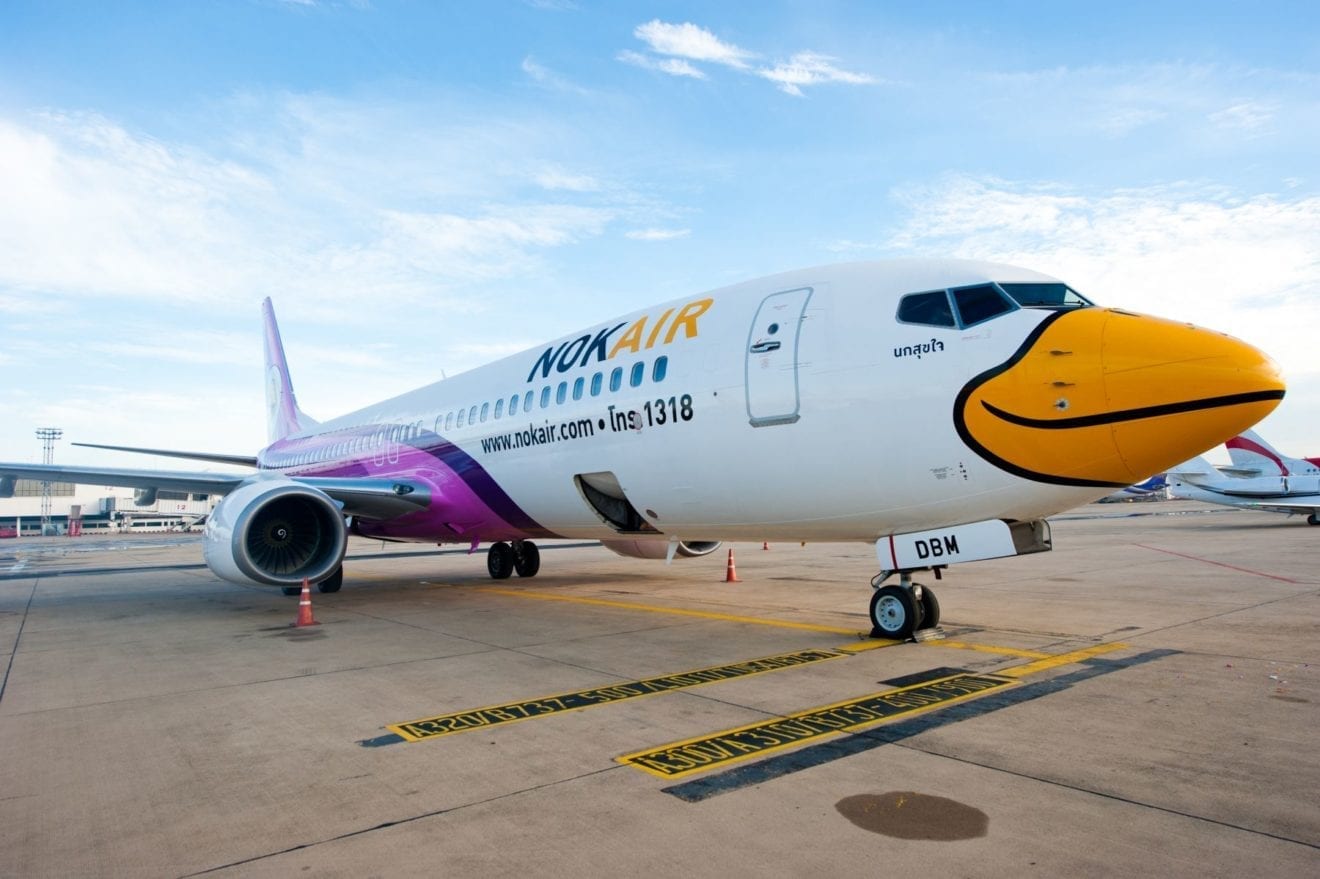
    Nok Air launches the daily international direct flight, Phuket-Chengdu, aiming to offer passengers the most impressive travel experience Nok Air always commits itself to impress all travelers lifestyle. To offer Chinese passengers the best experience, Nok Air has just launched the new daily direct flight from Phuket to Chengdu, China, 7 flights a week (1 round-trip flight/day) starting from 4,000 baht with free of charge baggage allowance of 20 kilograms and free Royal Orchid Plus (ROP) mileage earning from THAI Airways.

    Nok Air also provides various routes to China which include Zhengzhou, Nanning and ‘Phuket-Chengdu’ as the latest one with more than 500,000 Chinese passengers in the last year.Phuket-Chengdu and Chengdu-Phuket tickets are available on www.nokair.com from October 8th 2018.