Tag: Thailand

  • Alipay expands footprint in SEA

    Alipay expands footprint in SEA

    Mobile payments platform Alipay is expanding its cross-border footprint with new outposts Cambodia, Myanmar, Laos and the Philippines.

    The deployment is aimed at connecting merchants with an estimated 520 million active users in China through its Alipay’s in-app marketing platform while they are traveling overseas.

    The company says Alipay is now accepted in Phnom Penh, Siem Reap and Sihanoukville across shopping, F&B, entertainment and hospitality sectors. Notable merchants include Sajibumi, which operates the food and beverage concessions at Siem Reap International Airport and Phnom Penh International Airport, Sokimex petrol kiosks, and Legend cinemas.

    Alipay will also be rolled out in duty free stores managed by DUFRY at Phnom Penh International Airport, Siem Reap International Airport, and NagaWorld, the largest entertainment complex in Cambodia.

    Mobile payment is gaining momentum among Chinese travelers overseas. According to the recent Nielsen report, 65% of Chinese tourists used mobile payment platforms during their overseas travels, more than six times in comparison to non-Chinese tourists (11%).

    Over 90% of Chinese tourists would consider using mobile payments when traveling overseas if more overseas merchants accepted it.

  • Bedgear and Dunlopillo to partner in Thailand market

    Bedgear and Dunlopillo to partner in Thailand market

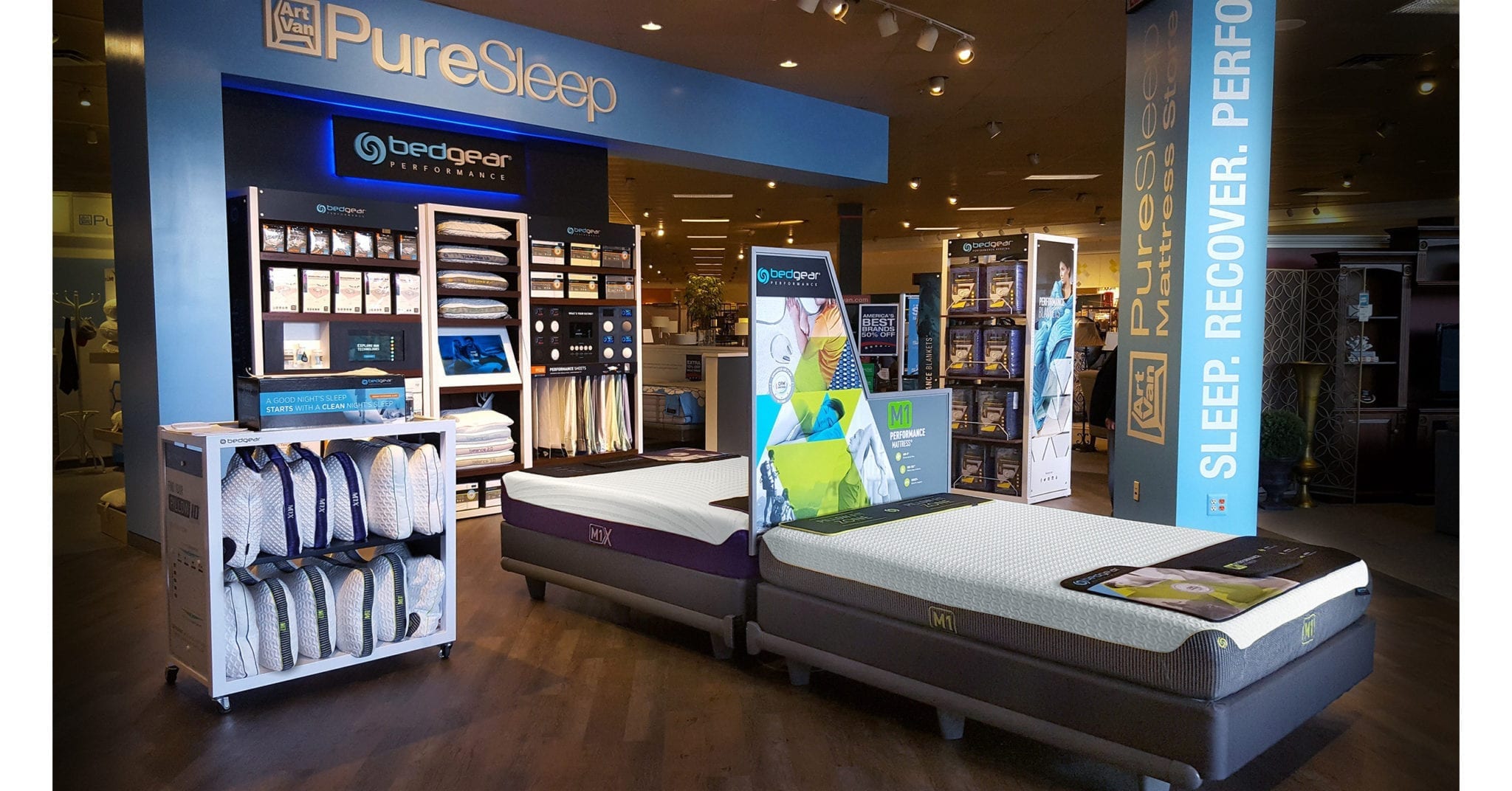
    Bedgear Thailand has launched Bedgear Performance Sleep Shops in Thailand.

    The American company has international outlets in more than 10 countries, including China.

    “The interest we saw for Bedgear Performance Sleep Shops over eight years in the US has been surpassed by international demand in just 18 months,” says Bedgear CEO Eugene Alletto.

    In partnership with Thailand distributor Dunlopillo, Bedgear has opened shops with retail partners Chic Republic, Mattress City and SB Furniture, with plans in place for expansion.

    “It is refreshing to partner with a company that understands the benefits of sleep transcend the time spent in bed,” says Dunlopillo Thailand MD Pisit Ongsritragul.

  • Kerry invests in Thailand operations and opens Asia’s first Meat center

    Kerry invests in Thailand operations and opens Asia’s first Meat center

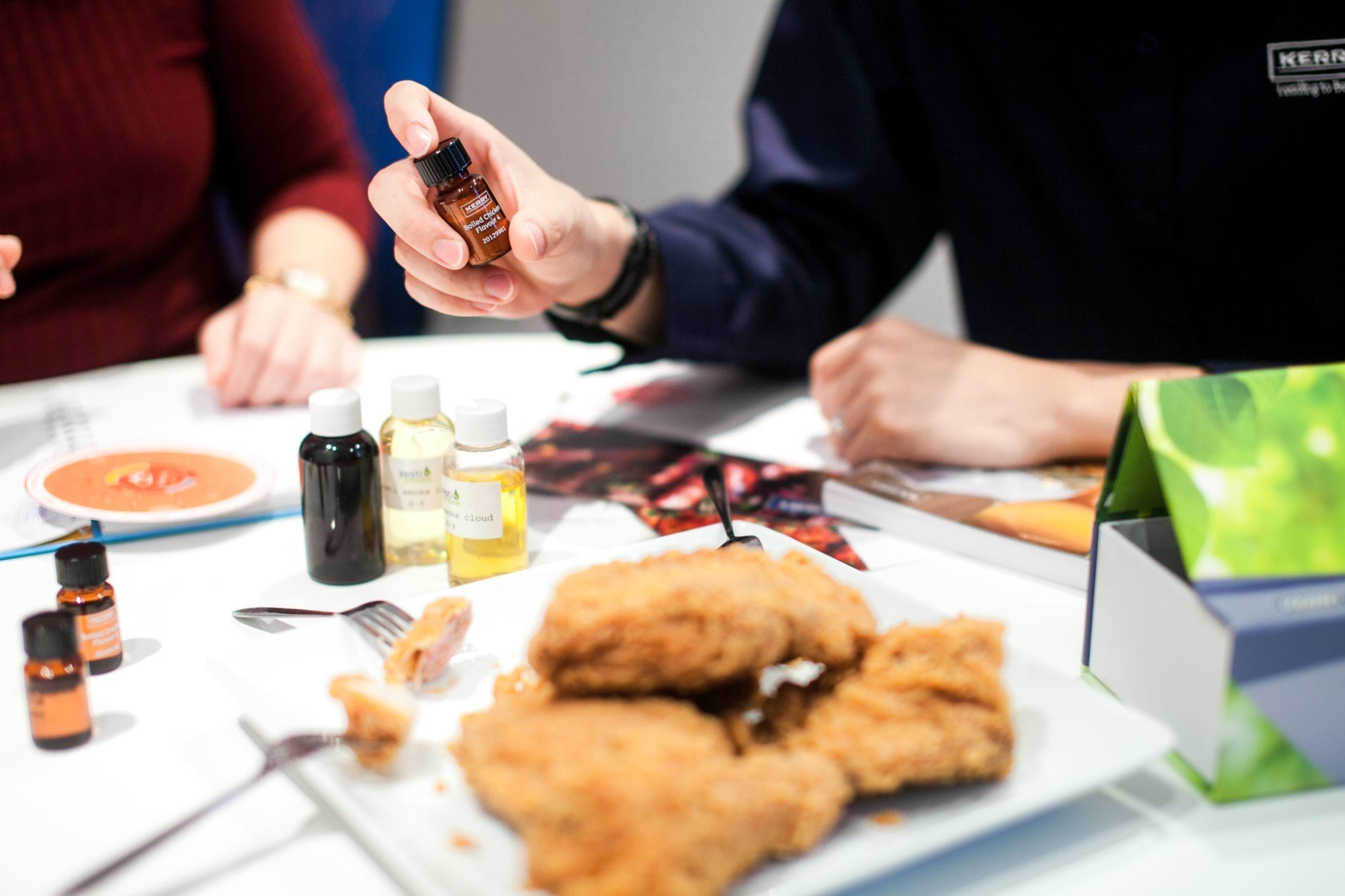
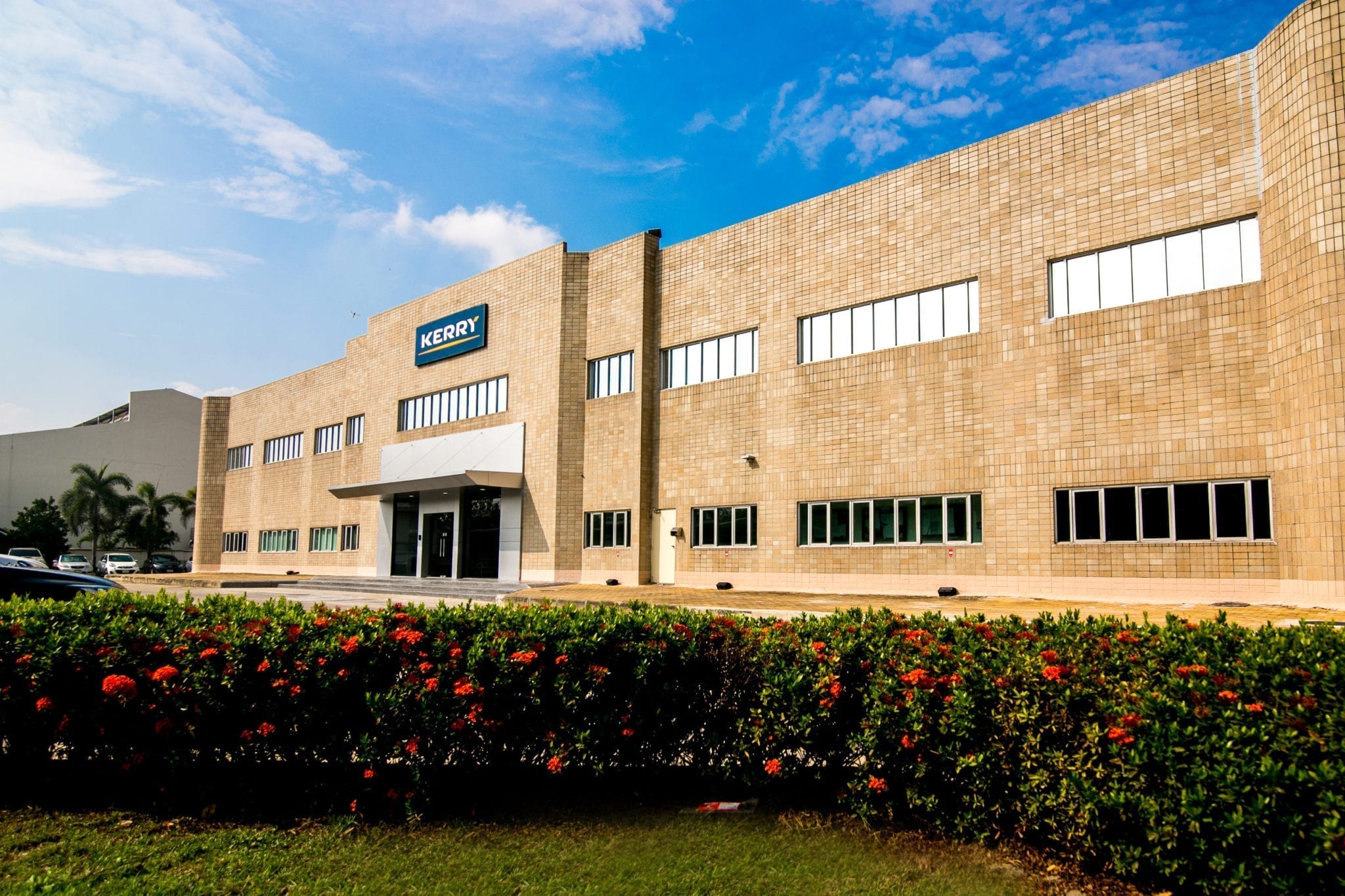
    Kerry, a global leader in taste and nutrition solutions for the food and beverage industry, today announced the opening of its expanded Regional Development and Application Centre that is also designated as the first Centre of Excellence for Meat in Bangpoo, Thailand. The opening is part of a larger series of upgrades to Kerry’s Bangpoo facility, designed to increase Kerry’s local innovation pipeline as well as its research and application capabilities.

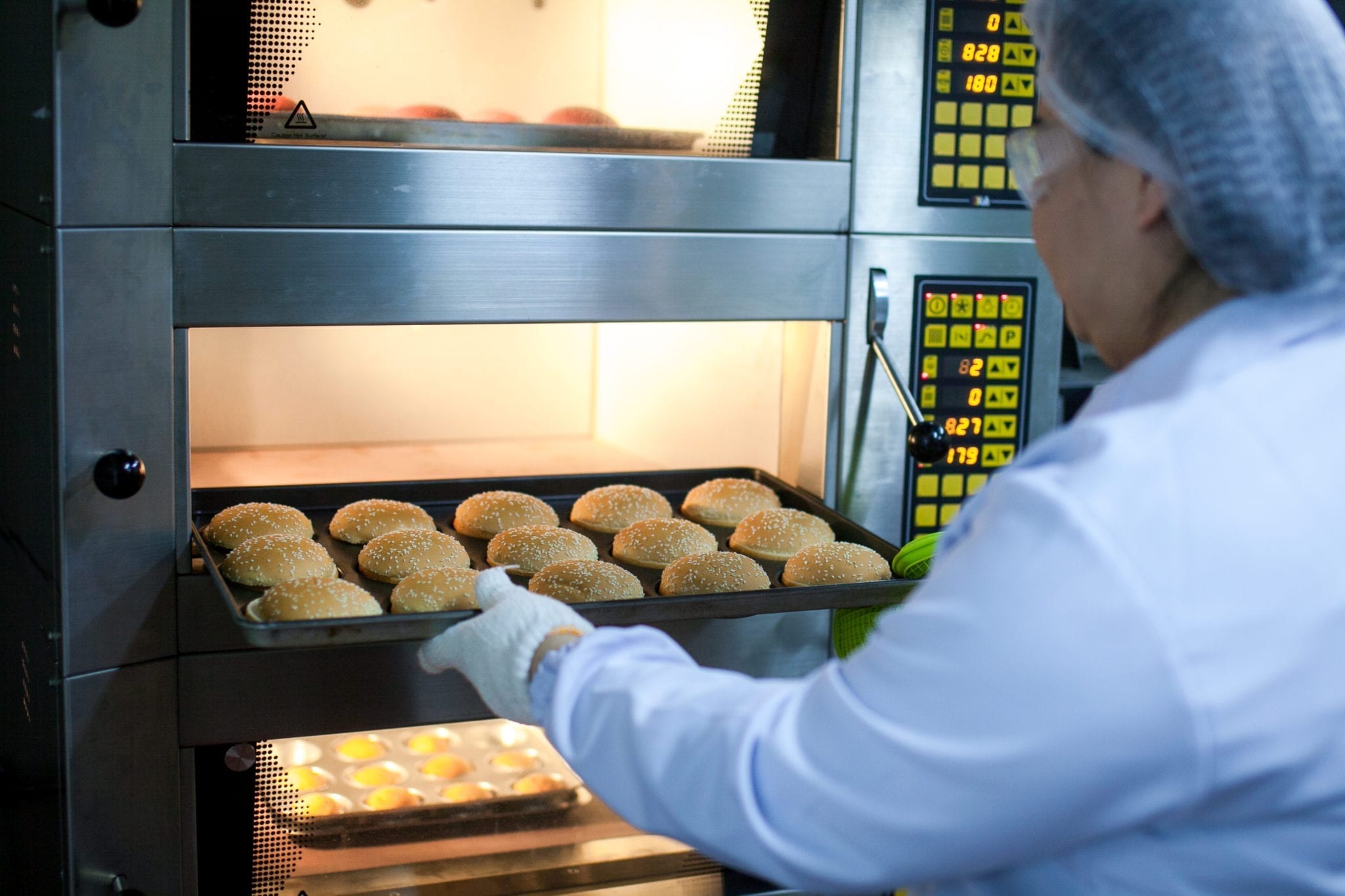
    Spanning more than 8,500 square metres, and equipped with the latest technologies, Kerry will use the state-of-the-art facility to work with local customers on all stages of their product development – from ideation to application and manufacturing – for a range of categories including meat, snacks, bakery, dairy and beverages.
    The dedicated meat centre, unveiled today, includes best-in-class taste and functional technologies, allowing Kerry to co-develop signature meat profiles based on different protein types, helping customers keep pace with the technically challenging and fast changing meat markets in the Asia Pacific, Middle East and Africa (APMEA) region. With in-house application, sensory and culinary meat experts, the centre is well positioned to develop commercially viable and innovative products at an unrivalled speed to market.

    Another upgrade to Kerry’s Regional Development and Application Centre announced today is new facilities for food and beverage brands to develop authentic, savoury tastes and flavours. Drawing on Kerry’s expertise and market-leading position in cooking methods such as smoke and grill, the fully-equipped application lab includes the latest Clean Smoke technology, for F&B brands to experiment with using smoke condensate to add a signature taste and smoke profile to meat, vegetables, dessert and even beverages.

    The additional down packing and blending lines not only double the centre’s production capacity but also provide food service customers with greater flexibility and efficiency in how their food products are packed.

    “Thailand is a priority market and an important regional hub for many of our customers in South East Asia and beyond, so we’re delighted to be launching these new, world-class multi-application facilities in Bangpoo,” said John Savage, President & CEO, Kerry APMEA.

    “Consumer food and beverage tastes are changing rapidly due to the region’s growing urban middle class and this is creating huge opportunities for the F&B sector. We’re excited to combine our 15 years of heritage in Thailand with the very latest technologies and innovation to help our customers stay ahead of the curve and grow their market share now and into the future,” he added.

    Home to application labs, interactive customer suites and industry-leading research and sensory facilities, the centre also includes customer engagement kitchens and beverage bars where Kerry’s in-house chefs, mixologists and baristas will develop new menu concepts alongside customers.

    Experienced food scientists and technologists will also work alongside dedicated teams of sensory scientists to develop products that surpass consumers’ expectation when launched. As one of the largest food manufacturers in the world, Kerry is also committed to achieving the highest standards of sustainable best practice. As part of this commitment, the centre employs automated pouch filling technology to reduce energy consumption and improve operational efficiency.

  • Uber selling Southeast Asian business to regional rival Grab

    Uber selling Southeast Asian business to regional rival Grab

    Ride-hailing giant Uber is selling its business in Southeast Asia to regional rival Grab while gaining a robust stake in the fast-growing ridesharing, food delivery and financial services business.

    Grab said Monday that Uber will take a 27.5 percent stake and a seat on its board as part of the deal. Financial details were not disclosed.

    Since becoming Uber’s CEO in September, Dara Khosrowshahi has been maneuvering to make the company profitable before a planned initial public offering expected next year.

    The company’s full-year net loss widened to $4.5 billion in 2017 as it endured multiple scandals and the departure of its co-founder and former CEO Travis Kalanick.

    The deal enables Uber to keep a foothold in the increasingly affluent market of 640 million people while cutting its losses.

    “It will help us double down on our plans for growth as we invest heavily in our products and technology to create the best customer experience on the planet,” Khosrowshahi said in a statement.

    Grab provides services in Singapore, Indonesia, the Philippines, Malaysia, Thailand, Vietnam, Myanmar and Cambodia. It says it offers access to five million drivers and agents and handles over a billion transactions a year.

    The deal was dismaying to many in Asia who have often compared the rival apps in search of the best deal.

    The Uber app will be discontinued in just two weeks, and in the meantime its drivers have to sign up to drive with Grab. Riders, likewise, will need to download the Grab app and set up accounts, although their Uber accounts will still work outside Southeast Asia.

    The companies said that Uber Eats, the food delivery business, will run in Southeast Asia through May and then shift to the GrabFood platform. Grab has been seeking to dominate the regional market for car and motorbike hailing and has expanded into other areas, recently announcing plans to partner with a Japanese credit card company to provide credit to millions of people without bank accounts.

    In Indonesia, the region’s biggest economy and most populous country with more than 250 million people, it’s in a fierce battle for customers with local app Go-Jek, which has backing from Google and Tencent.

    Grab’s CEO and co-founder Anthony Tan said the acquisition of Uber’s regional business marks the beginning of a new era in using mobile businesses to provide transport, food delivery, payments and other financial services across the region.

    Uber has withdrawn from several big overseas markets. It sold off its China business to a competitor and partner, Didi Chuxing, taking a stake in Didi. In Russia, it agreed to merge its ride-hailing business in the country with Yandex, a local search-engine leader that also runs a popular taxi-booking app.

  • Kid-Mai Cafe Wants Visitors to See Death Closer

    Kid-Mai Cafe Wants Visitors to See Death Closer

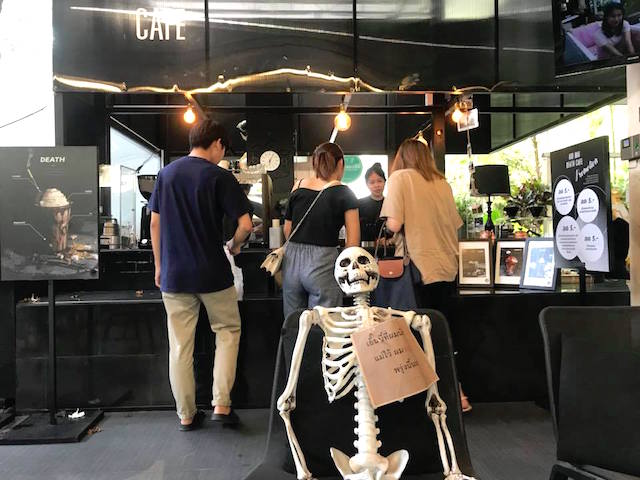
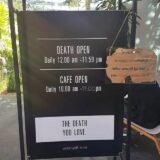
    Dying for a new cafe experience? Bangkok’s new Kid-Mai Death Cafe aims to please, boldly featuring death.

    Parts of a replica funeral ceremony are on display, including a coffin, wreaths and skeletons. According to the cafe workers – no, not a skeleton staff – the idea is to have patrons appreciate and contemplate their everyday lives, as they may not have the luxury of waking up the next day.

    Customers can experience a fleeting death by lying down in the decorated coffin with its lid closed for three minutes, for which they will earn a 20-baht (US 64-cent) discount off their bill.

    On the menu are drinks with such labels as Born, Elder, Painful and Death, not to mention One Year Left, One Week Left and Last Day.

    The cafe was described by Japanese blog ora24 was “morbidally brilliant”.

    This experience of a lifetime is offered by the cafe in the Bangkok suburb of Phayathai.

  • Xiaomi in sales deal with Shopee Thailand

    Xiaomi in sales deal with Shopee Thailand

    China’s Xiaomi has partnered with Shopee Thailand to provide its smartphones on the online platform.

    And the company also plans to open 20 authorised shops and 50 Xiaomi zones for its products in stores and shopping centres in Thailand this year.

    Xiaomi Southeast Asia regional sales manager John Chen says the collaboration with Shopee will cover marketing and branding, and the technology company is confident it will generate revenue growth in the triple digits by the end of this year.

    A new smartphone has also been launched, the Redmi 5, which has a 5.7-inch display screen, 16GB of memory and a Snapdragon 450 chipset. It has been sold exclusively online on Shopee at a special price through a flash sale.

    Shopee COO Terence Pang says the partnership can offer access to a wide variety of Xiaomi official products. With revenue growth of more than 50 per cent last year, electronics products comprise around 30 per cent of its business.

    Shopee has more than 17 million visitors and customers, says Pang.

  • Fendi to open Kiosk Travels in Siam Paragon

    Fendi to open Kiosk Travels in Siam Paragon

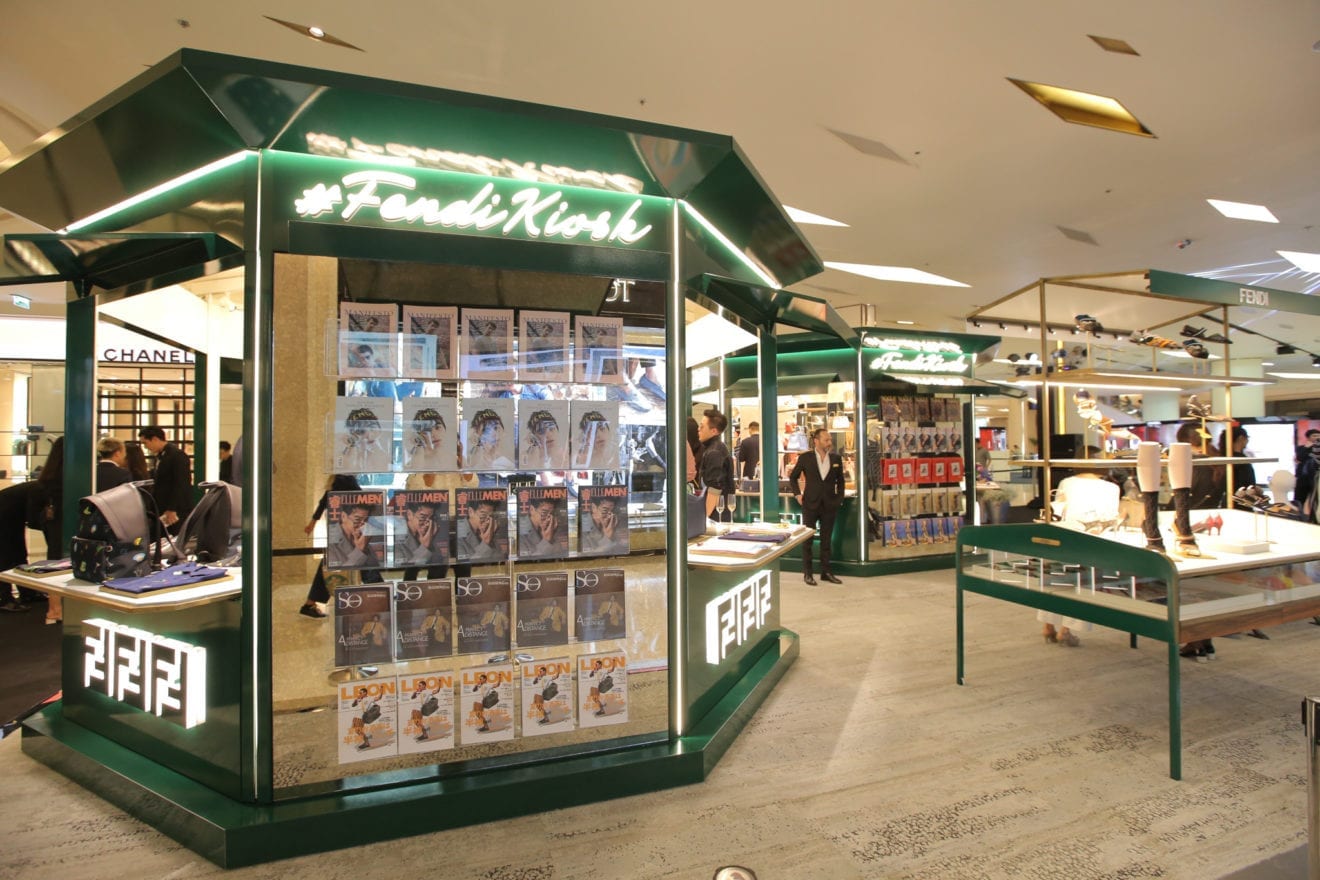
    FENDI opens a brand new store as pop-up store in Siam Paragon, right in the heart of the main shopping area in Thailand. The pop-up store concept, the FENDI KIOSK, is a luxurious reinterpretation of the Roman style vintage newsstands that you will find in a typical Piazza in the heart of Rome. There are two FENDI Kiosks at Siam Paragon, one dedicated to the Spring/Summer2018 Women’s show collection, and the other one is dedicated to the Spring/Summer 2018 Men’s show collection. Both FENDI Kiosks feature ready-to-wear, leathergoods, small leather goods, accessories and shoes.

    To celebrate the launch of the pop-up store, FENDI has thrown a roman inspired cocktail party on the 16th of March 2018. Special guests including Mai Davika, Note Panayangkool, Violette Wautier, Sonya Singha, Nattarat Nopparuttayaporn, Chontida Asavahame, Pasakorn Vanasirikul and Sorawis Saengvanich have joined in the celebration of the pop-up store.

    The two FENDI Kiosk travelling pop-up stores in the Atrium of Siam Paragon will feature the Women’s and Men’s Spring Summer 2018 Collection.

    The Women’s SS18 Collection focuses on the Tropical Futurism Theme, with the iconic FF Logos which can be seen throughout the collection, from Leather Goods, Small Leather Goods, Shoes and Accessories. The adorable Space Monkeys and Banana charms make an appearance at the Kiosk as well.

    The Men’s SS18 collection feature Everyday FENDI Items. These pieces feature illustrations done by British artist, Sue Tilley. From a glossy red corkscrew to an antique set of keys, leaky bathroom taps, a plastic rotary telephone, desk lamp, banana peel, Tilley’s focus zooms in on the banality of everyday life – not glorifying but simply reflecting on these universal domestic motifs with a vibrant, spontaneous hand.

    The FENDI Kiosk will be open until June 2018.

  • Beiersdorf celebrates expansion of its Bangkok production facility with First Stone ceremony

    Beiersdorf celebrates expansion of its Bangkok production facility with First Stone ceremony

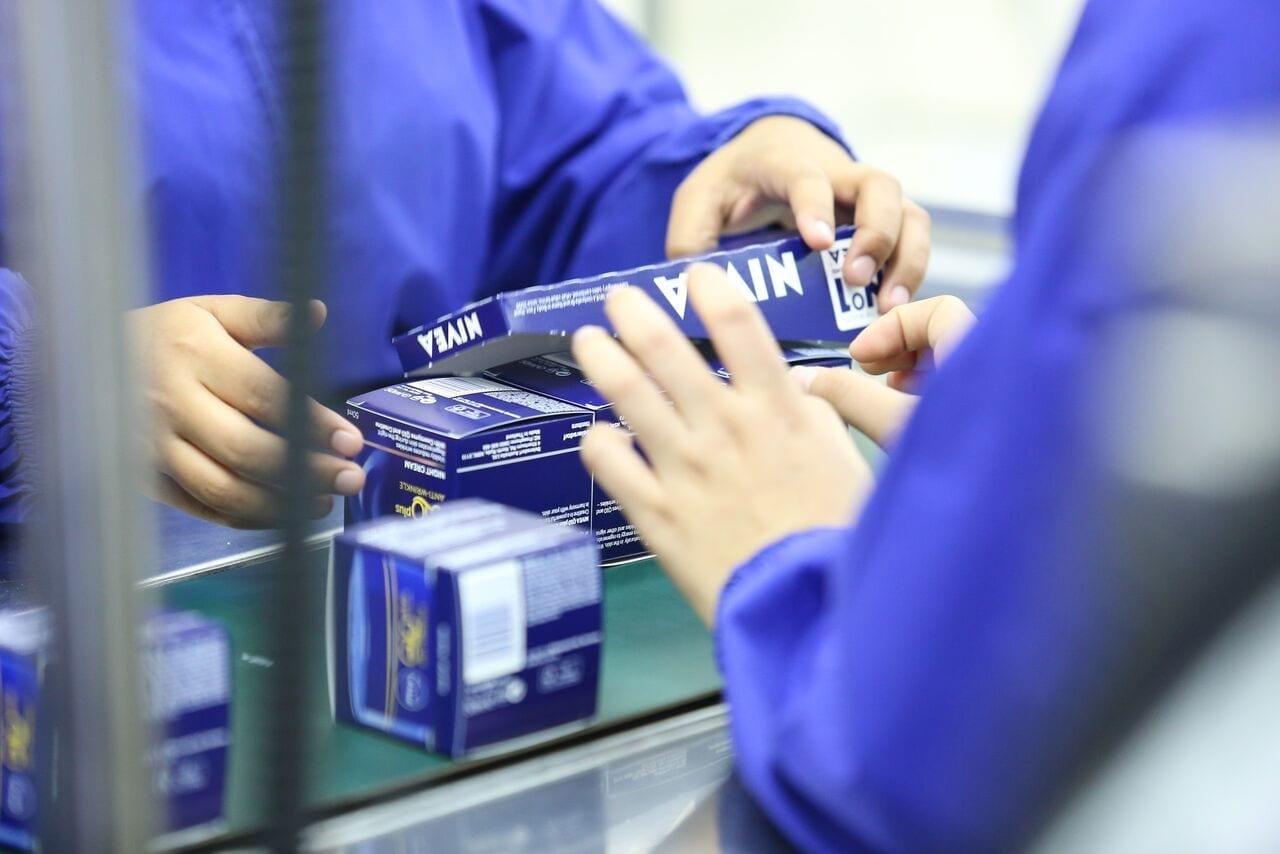
    Beiersdorf, owner of world leading brands such as NIVEA and Eucerin, has begun work on the expansion of its skincare products factory in Bangkok. The group’s industrial unit, located in Bangplee will be an investment of €47.4 million for the company.

    Its offices and production center together employ more than 700 staff and manufacture products for two of its brands, NIVEA and Eucerin, for the Thai market and export to 43 other countries. This expansion is reflective of the continued growth this cosmetics giant has enjoyed within the region.

    Mr. Markus Daburger, Beiersdorf Thailand says: “The Pailin Project is Beiersdorf’s commitment towards doubling production performance in order to support the demand of the region. As a representative of Beiersdorf Thailand, we appreciate the on-going support of the Government and local agencies in our expansion project, which not only sees the production line expand, but also our Beiersdorf family, as up to 200 jobs new will be created in the next years. We are proud to say that the Pailin Project in Thailand is now the second biggest hub of the company after Germany.”

    A key target of the project is to improve the working environment for all employees, with cutting-edge innovation, structured offices, optimized work ergonomics and CE-standard machines as well as a refurbishment of the existing production building. The compounding area will be renewed with four mixers replaced while the factory entrance, canteen, offices and recreation area will all be refurbished, too.

    Efficiency is also a key consideration. Line performance will be improved to see production peak at 240 bottles per minute on a single line. The expansion will include a solar-paneled roof with the capability to produce 500kW of power, and is on target to achieve a gold LEED (Leadership in Energy and Environment Design) certification. The U.S Green Building Council’s prestigious certification serves as a project management tool to achieve more sustainable, high-performance green buildings.

    The expansion, due to house new production lines for Deo Roll-Ons, has a building footprint dimension of 72m x 97m and a construction area of 9,679m2. This vast project is scheduled for completion in the first quarter of 2019 and will begin production of Roll-Ons in the following quarter. The existing building will be refurbished to accommodate Lip Care production which will begin in the middle of 2020.


  • Pomelo Fashion CEO David Jou against the stream in SEA

    Pomelo Fashion CEO David Jou against the stream in SEA

    Pomelo recently had the largest-ever series B funding round for a Thai start-up, raising $19mn.

    Jou was previously Managing Director of Lazada Thailand, which was set up as to take advantage of digital adoption rates in emerging markets which lacked capital, technology and human resource investment. Why did he choose Thailand, and remain there to set up Pomelo?

    “I always thought Bangkok was a very international city, while simultaneously small and charming. It’s a central location, which is great for ecommerce. From Bangkok to Singapore, Hong Kong, Ho Chi Minh… it is all within a three-hour flight. In addition, the population and GDP per capita were at a level that can really support an online business – especially with accelerating trends in internet adoption rates. Another option was the Philippines, which Jou says would have been more challenging logistically due to its many islatnds, and Malaysia where the population is small and fragmented both ethnically and culturally. “A customer-facing brand serving such a hugely diverse population would have proved difficult,” says Jou, adding: “When I looked at Indonesia [four years ago] I thought maybe it was a bit early in terms of its technology development – but I was completely wrong; Indonesia has really leapfrogged other markets in terms of how quickly it was able to develop.”

    Thailand, in conclusion, was “a really great place to set up: 70mn people, 30-40% internet penetration, and social media adoption was greater than 100%, meaning there are more Facebook accounts than people”.

    For Pomelo, managing an efficient reverse supply chain is paramount to giving users what they require. “I think it’s really at the heart of the ecommerce problem fashion has. When people purchase fashion products like apparel and shoes fit and sizing are such important factor. We have a ton of customers and a huge online following, but when we look at the segment of people who have yet to make a purchase, they say the #1 roadblock isn’t brand or style, it is always fit and not wanting to deal with returns. That’s 95% of it.”

    “That is why in 2016 we recognized we’re not an online brand, we’re a digital brand. Online or offline, you can make it better through the use of technology. We do have an offline presence we’re rolling out very quickly. it is an omnichannel experience; we don’t think about it as ecommerce versus in-store retail, we think of it as offline and online both being ways to reach and interact with our customer.”

    Jou feels that an Asia-based fashion company is set to disrupt the fashion industry as the continent consumes 70% of fashion and produces the vast majority of clothing. In the Asian market, it’s important to look at what you are replacing with ecommerce, according to Jou: “It comes down to accessibility: they want trends localized to the climate and lifestyle people in these countries lead. In the US or Australia, every major town has multiple retail outlets selling all the high street brands, but here if you’re not in one of the major cities you don’t get that assortment. It is key that we’re able to provide that assortment of trendy fashion at a price point that works regardless of whether you’re in Bangkok, Chiang Mai or Phuket.”

    In the future, the brand hopes to expand its channels to reach a wider consumer base.

    “We are mostly online with a small offline footprint, but as we’ve recently realized the biggest barrier to purchase is fit, sizing and hassle of returns. This can be easily addressed by combining technology with the offline footprint that makes sense for the markets we operate in.”

    Next, Pomelo will expand geographically. “I like to call it multi-vector growth: all big companies have multiple vectors along which they are growing at any given time, simultaneously. Currently we are in Thailand, Indonesia, Singapore and are setting up our cross-border trade warehouse in Hong Kong which will allow us to reach customers across the world cost-effectively, efficiently and quickly. We will then be able to serve customers in India, Nigeria, the Middle East, Japan, Vancouver… all from the same warehouse. That will be possible due to recent innovations in the logistics space. That’s going to be really exciting.”

  • Malaysian food delivery startup dahmakan acquires Thai competitor

    Malaysian food delivery startup dahmakan acquires Thai competitor

    Malaysian food-delivery startup Dahmakan, which raised US$2.6 million early this year, has acquired Bangkok-based competitor Polpa for an undisclosed amount.

    Dahmakan co-founder Jessica Li says Polpa has been integrated into the brand. The Thai startup’s founders, Dr Julian Timings and Prongfa Uennatornaranggoon, have joined Dahmakan’s executive team.

    “This will be the first of our three-city expansion in Southeast Asia this year, with Jakarta and Hong Kong slated for the third and fourth quarters.

    Dahmakan says demand for online food delivery in Southeast Asia grew 20-fold last year, with online spending projected to quadruple by 2025.

    CEO/co-founder Jonathan Weins says getting into Bangkok, the third-largest city in Southeast Asia, was strategic. “Bangkok has millions of office workers, high urban density and a lack of convenient food-delivery options that makes it an attractive market.”

    According to research firm Euromonitor International, Thailand’s online food-ordering market is on track to hit THB31.7 billion (about $1 billion) this year.

    Established in 2014, Polpa claims to be among the market leaders for healthy food delivery in Bangkok.

    Since launching in 2015, Dahmakan has raised more than $4 million in venture capital funding. It distinguishes itself from rivals – including Deliveroo, Foodpanda and UberEats – by delivering meals prepared in-house instead of picking up from restaurants and stalls.

    Meanwhile, Delivery Hero’s Foodpanda projects a surge in demand this year as competition intensifies.

    Thailand CEO Alexander Felde says he expects Foodpanda deliveries to roughly double this year to 16,000 a day.

  • Converse starts selling online on Lazada

    Converse starts selling online on Lazada

    Lazada has launched the first official Converse online store in Singapore and Malaysia.

    The two companies say they have created “a curated brand experience” which showcases a diverse product offering.
    The store opened on Friday and will expand later this year into Indonesia, Thailand, the Philippines and Vietnam.

    “We look forward to providing Southeast Asian consumers with the broadest selection of Converse products and an elevated shopping experience via our Converse Official Store,” said Dan Brausch, VP of global partner markets with Converse.

    Robin Mah, chief business officer with Lazada Group, said the store allows local fans of the brand to browse and purchase hundreds of styles for men and women.

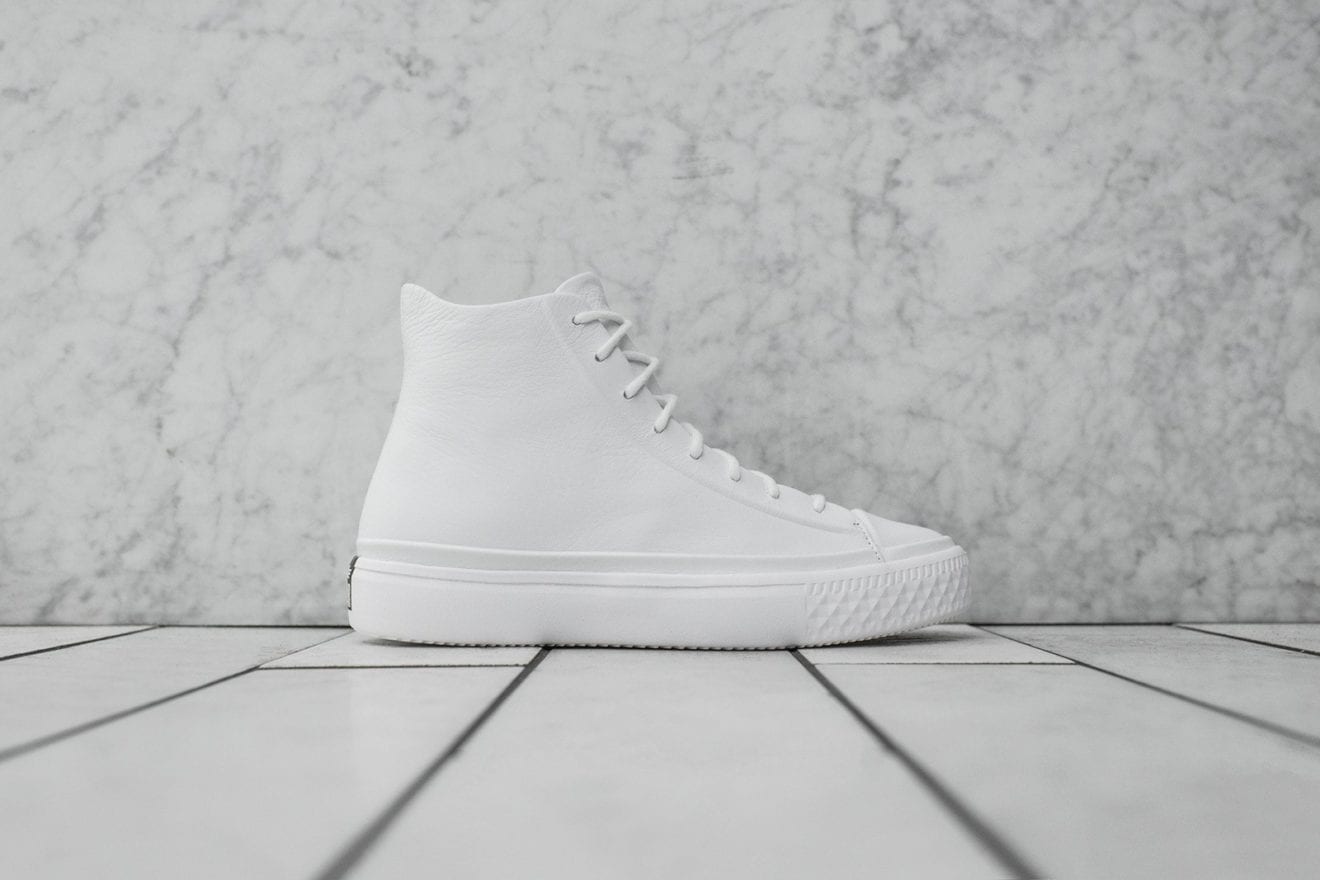
    Popular Converse ranges including the Chuck Taylor All Star, One Star and Chuck 70’s are all available in assorted colours, patterns and materials.

  • UnionPay To Launch E-Payment Solutions for SMEs at Bangkok Fintech Fair 2018

    UnionPay To Launch E-Payment Solutions for SMEs at Bangkok Fintech Fair 2018

    UnionPay International (UPI), a global payment network, will unveil its low-cost and easy implementable e-payment solutions at the Bangkok FinTech Fair 2018, held from 19 – 20 March 2018. Aimed at providing secure, cost effective and convenient payment solutions to empower small and medium-sized enterprises (SMEs) to capture the opportunities in a rapidly digitalising economy, UnionPay will be showcasing a range of mobile and wearable payment technologies that can be easily adopted by SMEs in Thailand.

    The e-payment solutions on show include:

    Wearable Payments: UnionPay provides a glimpse into the future of payments using Garmin, Huawei, Swatch and Tic wearable products. Consumers can easily digitise their credit or debit cards to enable hands-free payment with a tap of their wearable devices while leaving their cash and cards at home. Merchants can also streamline their payment operations by doing away with the use of cash, easing payment settlement for them.

    Quick Response (QR) Code Payments: QR Code payments offer a quick and easy way to process e-payments.. To make QR payments at participating merchants in Thailand, UnionPay Cardholders can simply download a mobile application that supports UnionPay QR Code payments, link their cards to the app, and use the app to scan the merchant-presented QR Code, or generate a dynamic consumer-presented QR Code to be scanned by the merchant.

    “As Thailand moves towards realising the vision of a cashless society, UnionPay International is working actively to develop and test more innovative e-payment solutions that are tailored to the needs of the SMEs,” said Mr. Wenhui Yang, General Manager, UnionPay International Southeast Asia. “These e-payment solutions are showcased at the Bangkok FinTech Fair 2018, and will pave the way for more payment innovations to come as we look to harnessing technologies like artificial intelligence, big data, biometric authentication and other innovations to enable quicker, safer and more seamless payments for consumers and small businesses alike,” he added.

    In May 2017, UnionPay International announced its plan for a standardised QR code in Thailand to support Bank of Thailand’s cashless drive. Following the announcement, UnionPay will launch a QR Code payment pilot at Soi La Lai Sap Market in Silom in the second quarter of 2018. The QR Code pilot will involve hundreds of merchants, enabling small businesses who traditionally accept cash payments to experience a new low-cost electronic payment alternative, to accelerate Thailand’s push towards a cashless society. With the launch of the pilot, consumers will also be able to enjoy quick, convenient and secure payments by scanning the QR Codes on display at the participating merchants’ outlets at Soi La Lai Sap Market.

    UnionPay has rolled out QR code payment at selected F&B outlets, hotels and retailers in Singapore, Vietnam and 10 other markets globally.

  • Centara appoints new VP of Human Resources to support expansion

    Centara appoints new VP of Human Resources to support expansion

    Centara Hotels & Resorts, Thailand’s leading hotel operator, announced the appointment of Rujapa Hamnilrat as Vice President Human Resources. Ms.Rujapa has over 20 years of experience in human resources in consulting, general administration and organisational development for leading companies such as Accenture, Kimberly-Clark, and Robert Bosch.  Before joining Centara she was the Learning & Development Lead, of Asia Pacific Region, for PepsiCo Services Asia Ltd.

    She holds a master’s degree of Science in Analysis, Design and Management of Information Systems from The London School of Economics and Political Science in the UK. The appointment will support Centara’s ambitious plans to double in size over the next five years, expanding its footprint further into Asia, the Middle East, and Africa.

    Rujapa said “I am really excited for the opportunity to work for Centara.  While I will be focusing on success, long-term stability and ongoing development of people at Centara, I am very aware of the present opportunities within this industry, and am looking forward to being part of the success of this five-year journey and beyond.”

    “We are fortunate to have Rujapa join our team” said Thirayuth Chirathivat, Centara’s CEO. “Her knowledge and experience will be important for our strategies to expand and improve our operating capabilities, and I know she will contribute invaluably to the success of Centara Hotels & Resorts.”

  • 7-Eleven brings facial-recognition technology to stores in Thailand

    7-Eleven brings facial-recognition technology to stores in Thailand

    7-Eleven Thailand is to roll out advanced AI technology, including facial recognition of employees and customers, across all 11,000 stores in the kingdom.

    The convenience store chain’s parent, CP All, has signed a contract with US-Chinese technology company Remark to use its KanKan data intelligence and AI-based facial recognition and behavior-analysis technologies which it says will provide enhanced customer support, business analysis, employee management and security.

    An estimated 10 million people walk into 7-Eleven Thailand stores each day and the KanKan technology can monitor such things as how long a customer lingers in specific places in-store, and even record their emotions. It can identify members of 7-Eleven’s loyalty program allowing management to offer them tailored promotions.

    From a store-management perspective, the technology can monitor stock levels on shelves and provide real-time operations performance and competitor analysis, check employees on and off shift and identify unauthorised personnel on site.

    “The KanKan implementation at 7-Eleven marks our first major collaboration with Remark,” said CP Group chairman Soopakij Chearavanont.

    “The 7-Eleven team evaluated many AI technologies and selected KanKan because it has the most robust platform for meeting business objectives, namely, driving revenues, reducing costs and rapidly improving profit margins.”

    Remark Holdings’ CEO and chairman, Kai-Shing Tao said the 7-Eleven partnership represents “an incredible opportunity to implement our KanKan technologies on a massive scale”.

    Chearavanont told a media briefing that the technology would help the chain cut costs, improve revenues and increase margins.

    Remark has promised that no images of human faces will be stored on servers by 7-Eleven, apparently addressing privacy concerns relating to what happens to recordings, something being raised by lobby groups around the world.

    The companies say only facial features – not whole faces – are used to generate data which is encrypted.

    “No human faces or images ever leaves the KanKan system or goes on the public network,” the company said.

  • Ewein joins Bangkok coffee vending machine venture

    Ewein joins Bangkok coffee vending machine venture

    Ewein Bhd is looking to undertake the “Smart Mobile Coffee Vending Machine Project” in Bangkok, Thailand, as part of its strategy to expand its e-commerce division overseas.

    The project will see the installation of smart mobile coffee vending machines in 30 locations in Bangkok.

    While Ewein did not give details of the project, other examples of smart mobile coffee vending machines use a smartphone to see the environmental data as well as to control the amount of coffee, sugar, and coffee creamer which are mixed into a cup of coffee. The machine and the phone exchange their data via Bluetooth, providing a more personalised service.

    The company said in a filing with the stock exchange that its 89%-owned subsidiary Ewein Ecommerce Sdn Bhd today entered into a memorandum of agreement with Yingyos Charubusapayon and Chai Yangruay to collaborate and jointly establish a joint venture (JV) company in Thailand for the project.

    The JV, in which Ewein Ecommerce will own a 40% stake, will have an authorised and paid-up capital of up to 5 million baht (RM629,000).

    Ewein Ecommerce’s participation in the project will be financed through internally generated funds.

    “The board is optimistic that the Bangkok project will contribute towards profitability of Ewein.”

    On Bursa Malaysia today, Ewein fell half a sen or 1.4% to 35.5 sen on 387,000 shares done.