Tag: Thailand

  • ZC Rubber opens first overseas Autospace store

    ZC Rubber opens first overseas Autospace store

    Autospace, ZC Rubber’s retail chain, opened its first branch in Thailand on 18 January 2017. The new branch is also the firm’s first overseas flagship store.

    Autospace, established in 2015, is the service brand of ZC Rubber in automotive aftermarket. In China, there are more than 300 franchised Autospace outlets after just two years of operation. Furthermore, ZC Rubber says it is setting its sights on both the domestic market and the international market.

    Chen Hua, president of ZC Rubber Thailand, said that the building of new Autospace store in Thailand expands the new service for Thailand customers. Nowadays, ZC Rubber Thailand operates in the stage of rapid development and will actively support the development of Autospace store in local market.

    Autospace will provide not only tyres services (which include tyre changing, repairing, and alignment), but also an express service and a mobile service.

    “We have advanced systems to provide data analysis for all the dealers and stores, and will respond to the consumers’ demand and offer to-door targeted service timely”, deputy managing director of Autospace Ms. Chen Qin said.

  • Pizza delivers Longfort Group’s Thailand debut

    Pizza delivers Longfort Group’s Thailand debut

    Malaysian headquartered investment company The Longfort Group has made its first acquisition in Thailand, Scoozi Italian Restaurant.

    It completed the deal through its wholly owned Vietnam-based subsidiary, L Concepts, set up in 2015 to operate food and retail concepts across Southeast Asia, starting with several Vietnam businesses.

    Scoozi is a craft pizza restaurant with 24 branches across the greater Bangkok area. Its first location opened in downtown Bangkok in 2004. It specialises in Neapolitan-style pizzas made in wood-fired ovens. Scoozi offers both dine-in and delivery formats.

    “We are excited about our foray into the Thai consumer market, especially through such an established platform as Scoozi,” says The Longfort Group CEO TW Pang. “The potential of the brand is enormous.”

    The Longfort Group is a private investment firm backed by an Asian family with a mandate to run a global investment program. It has owned and run businesses across the value chain of the F&B industry in Asia, including the manufacturing of food packaging, canned beverages, confectionery and dairy products.

    It has lately embarked upon a strategic expansion into F&B retail across high-growth markets in Southeast Asia, starting with Vietnam, where it has had a presence for 25 years. As well as Vietnam, the group has an office in Malaysia.

    L Concepts owns and runs a range of lifestyle concepts, restaurant brands and franchises including L’Usine, Namo and Sizzlin’ Steak.

  • Retail giant Costco wins dismissal of prawn lawsuit over Thai forced labour

    Retail giant Costco wins dismissal of prawn lawsuit over Thai forced labour

    Judge Jeffrey White ruled that the plaintiffs failed to establish that the world’s second largest retail chain was bound to inform customers that modern-day slavery could be part of its supply chain.

    The lawsuit, filed in 2015, claimed U.S.-headquartered Costco was aware the prawns it bought from its Southeast Asian producers came from a supply chain dependent on ships involved in human trafficking and labour abuses.

    “The facts described in the (complaint) are tragic and ‘raise significant ethical concerns’,” White wrote on Tuesday in an order to dismiss the case, held in Oakland, California.

    But “plaintiffs fail to allege (Costco) had a duty to disclose the information about labour abuses in the supply chain … on its product packaging,” he added.

    The case against Costco, which is run as a members’ warehouse, was filed by club member Monica Sud, a California resident, as a proposed class-action lawsuit with Sud arguing it could affect millions of customers in her state.

    Exporter C.P. Food Products Inc and its parent company, Thailand’s Charoen Pokphand Foods, PCL. were also named as defendants in the case.

    Charoen Pokphand Foods said in a statement emailed through its public relations representatives that it condemned “all aspects of human trafficking and forced labour.”

    “CP Foods is not – and has never been – an owner or operator of fishing vessels that used forced labour as alleged in the lawsuit,” the company said.

    Attorneys representing the plaintiffs and other defendants did not immediately respond to requests for comment.

    Sud along with fellow Costco customers alleged that Costco purchased farmed prawns, also known in the industry as shrimp, from the Southeast Asian seafood producers despite knowing they used ships manned by slave labourers.

    The complaint followed investigations by Britain’s Guardian newspaper and the Associated Press into the shrimp supply chain. The probe found that large numbers of men were brought and held against their will on fishing boats off Thailand that were used to farm prawns sold in some of the world’s leading supermarkets.

    The Guardian found Charoen Pokphand Foods was buying fishmeal to feed to its farmed prawns from some suppliers that owned, operated or brought from fishing boats staffed by slaves.

    But in dismissing the lawsuit, the judge said the plaintiffs could not trace the prawns they bought to the suppliers in question.

    Judge White dismissed the lawsuit with prejudice, meaning that it cannot be brought again.

    The plaintiffs had filed their lawsuit under a California state law that prohibits unfair competition through misleading advertising.

    Last year, the U.S. State Department’s Trafficking in Persons report removed Thailand from the bottom rung despite what it described as “widespread forced labour” in the country’s vital seafood industry.

    Globally, nearly 21 million people are victims of forced labour, according to the International Labour Organization.

  • UberEats Asia expands to Bangkok

    UberEats Asia expands to Bangkok

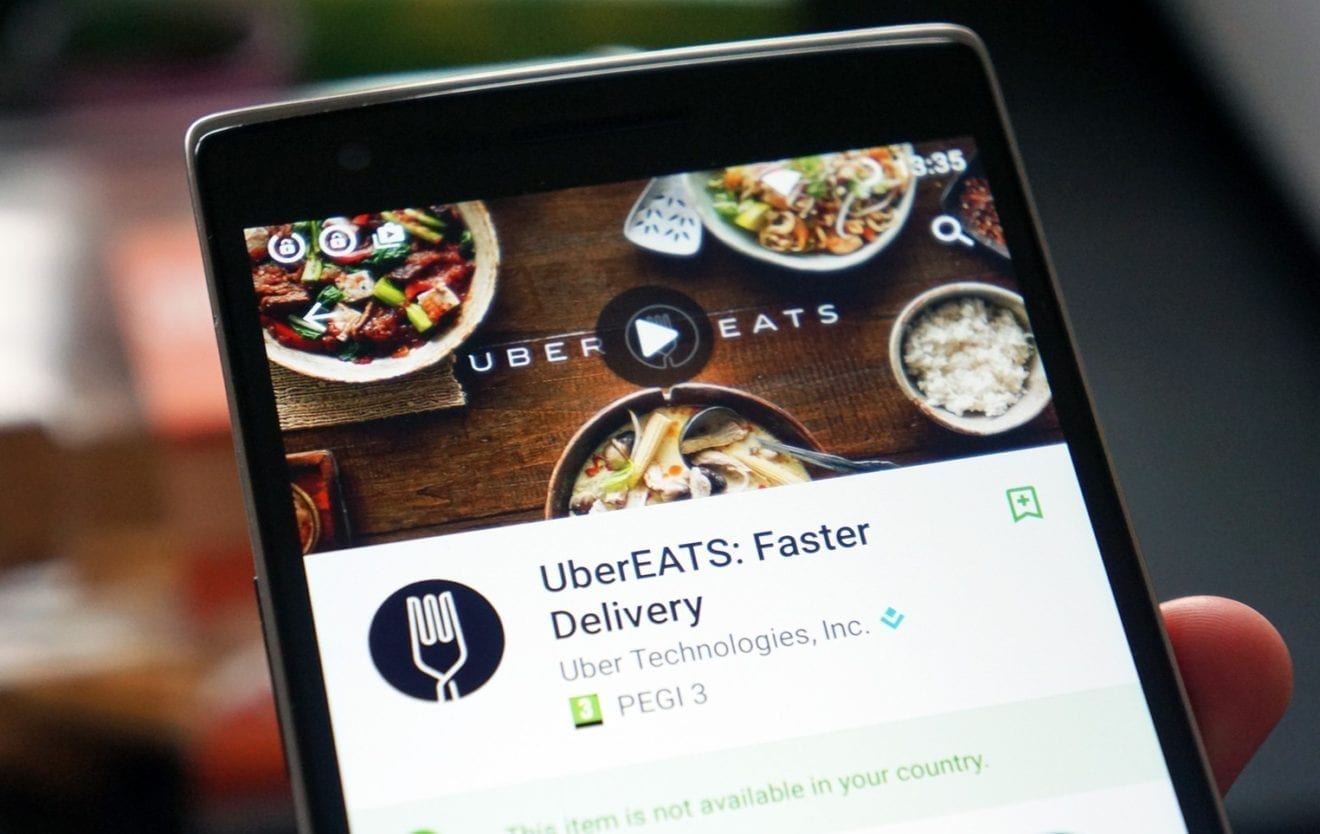
    UberEats Asia has introduced its stand-alone food-delivery app UberEats to Bangkok.

    It initially covers 100 restaurants and 24 cuisines, and users can track their orders from the moment they are placed until they arrive at their doors.

    “This app offers a window into what the future competition in the food-delivery industry could look like,” says UberEats Asia-Pacific GM Allen Penn. UberEats Asia is a business unit of US-based Uber Technologies.

    Already delivering food in Thailand are Berlin-based Foodpanda, Singapore-based GrabEat and Tokyo-based Line Man.

    After downloading the app, UberEats customers can order a meal and have it delivered in 30 to 45 minutes. The limited initial service areas include Asok, Chinatown, Ekamai, Nana, Pathumwan, Ploenchit, Phrom Phong, Sathorn, Silom and Thong Lor.

    The service will be available 10am to 10pm daily with no minimum price per order.

    “Bangkok has fantastic cuisine and the city has a large population with a strong base of smartphone users,” says Penn. “Most importantly, Thai people love to eat.”

    Bangkok is one of 57 cities in 20 countries where UberEats is available. It is the fifth city in Asia where Uber has launched its food delivery service, following Singapore, Tokyo, Hong Kong and Taipei.

    In other countries, UberEats restaurant partners have increased revenue by up to 50 per cent, says Penn.

  • AEON in collaboration with Thai Airways launch “Journey of Happiness”

    AEON in collaboration with Thai Airways launch “Journey of Happiness”

    AEON Thana Sinsap (Thailand) Public Company Limited together with Thai Airways International Public Company Limited launched “Journey of Happiness with Thai Airways 2017” campaign to offer privileges from AEON, Thai Airways and JCB partners such as special airfares from Thai Airways, great deals on tour packages from H.I.S and other special privileges from JCB partners to attendants. In addition, AEON Royal Orchid Plus Platinum cardholders, as well as other AEON credit cardholders, will be eligible for a credit refund of up to 10,000 baht on purchases made via AEON credit cards during the event. The event starts from 27-29 January at Fashion Hall, 1st floor, Siam Paragon.

  • SelluSeller makes multiple-market selling easier

    SelluSeller makes multiple-market selling easier

    eCommerce and logistics company Anchanto has launched a software platform, SelluSeller, to help merchants, brands and distributors sell products on a multitude of marketplaces.

    Revealed at a company event in Singapore, SelluSeller enables users to manage their inventory and simultaneously upload listings to several eCommerce websites including Flipkart, Lazada and Matahari. This saves them having to repeat the process for each individual site.

    SelluSeller also allows merchants to sell crossborder and connect to logistics and warehousing services from Anchanto’s network in Southeast Asia.

    “We wanted to connect brands and sellers to marketplaces,” says Anchanto co-founder/CEO Vaibhav Dabhade. “You can outsource your logistics, including crossborder, and manage your brand’s online presence with one click.”

    Anchanto targets both small sellers with fewer than 1000 sales a month as well as large brands and distributors. For the small sellers it charges a flat fee of US$21 a month, while the larger merchants pay seven cents a order.

    However, sellers who opt to use third-party logistics providers that are already Anchanto clients and part of its warehouse management and fulfillment management network, can use SelluSeller without charge.

    Lazada test

    Anchanto expects to have more than 5000 merchants and brands on SelluSeller in the next four to five months. It has been working with Lazada to develop and test the software. Other partners include luxury-product distribution firm Bluebell Group, lifestyle and apparel distributor JayGee Group, and global market expansion company DKSH. Altogether, the product pilot includes 55 brands and distributors.

    SelluSeller is an evolution of the company’s channel-management services and expands Anchanto’s products, which until now focussed mostly on global fulfillment, crossborder shipping, and warehouse management for clients like Groupon and Levis. The company has also helped businesses from Europe get their products on marketplaces like Flipkart, Lazada and Qoo10.

    Meanwhile, Anchanto acknowledges that regional eCommerce is significantly outpacing domestic eCommerce, despite price variables in terms of shipping, customs and tariffs, plus delays because of “large amounts of red tape”, he told the 2017 Asia eCommerce Dialogue in Singapore.

    He says that for regional players, local partnerships are necessary in each country, as exemplified by multinational companies.

  • Vietnam set to send first workers to Australia, Thailand in 2017

    Vietnam set to send first workers to Australia, Thailand in 2017

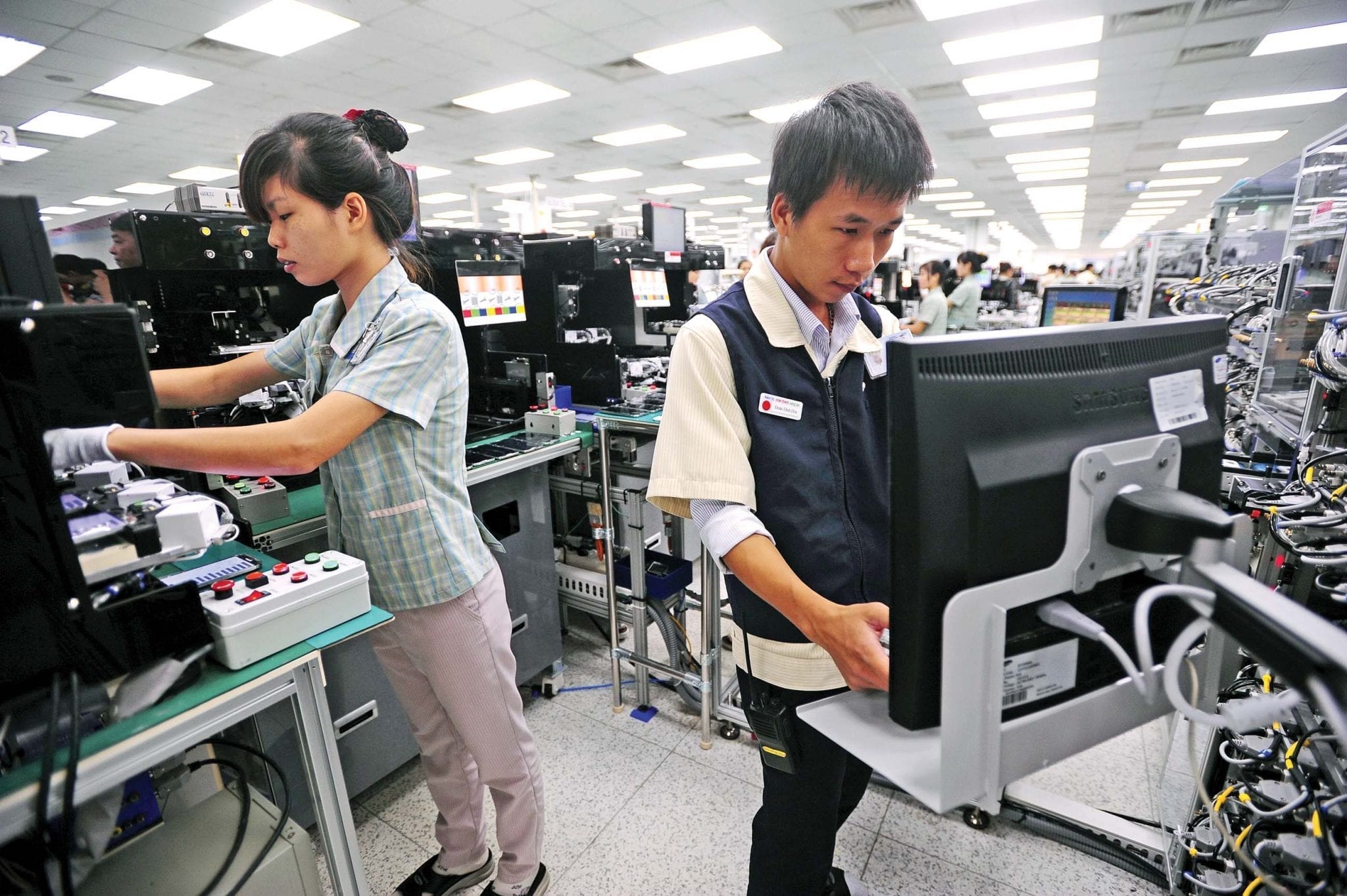
    The country is focusing more on improving its workers’ skills to meet high demands from developed markets. Vietnam plans to send workers to Australia, Laos and Thailand for the first time this year in a bid to expand and improve its overseas labor force.

    Vietnam sent a record 126,000 workers overseas in 2016.

    Pham Viet Huong, the deputy director of the central Deparment of Overseas Labor, told that the plan is more about improving workers’s skills rather than increasing the number of them.

    The government has set a target of sending 105,000 workers abroad in 2017. Japan, South Korea and Taiwan will continue to be the core markets.

    Huong said the labor ministry is going to implement agreements that have been signed with Australia and Southeast Asian neighbors Laos and Thailand this year.

    The Vietnamese and Australian governments signed an agreement in March 2015 to provide up to 200 multiple entry visas to citizens of both countries per year and allow them to stay for 12 months for travel and work.

    Vietnam and Thailand signed an MoU on labor cooperation and a labor export agreement in July 2015 and a similar agreement was signed with Laos in January that same year.

    Huong said Vietnam has successfully increased the number of workers it sends abroad over the past three years.

    But a bigger goal is to meet the strict demands of overseas markets, especially developed countries where salaries and labor benefits are good, he said.

    He said labor exporters should invest more in training while local workers, notorious for their low productivity compared to others in the region, should also better prepare themselves with skills and language competence.

    “There’s a huge demand in many countries for workers with high professional skills. We should get ready with a good labor pool,” Huong said, as cited in the report.

    He said the ministry has built an action plan to improve local labor skills by 2020.

  • Thailand’s CP All bidding for Polish retail chain

    Thailand’s CP All bidding for Polish retail chain

    Thailand convenience-store chain CP All and three private equity funds are competing to buy Polish retail chain Zabka from Mid Europa Partners in a deal valued at up to €1.5 billion (US$1.59 billion).

    Zabka’s sale comes at a time when some policies of the ruling conservative Law and Justice party in Poland are considered an investment risk, says Deal Street Asia. CP All, which runs 7-Eleven stores, is up against CVC Capital Partners, TPG and Hellman & Friedman. The deadline for binding offers is mid-February.

    London-based private equity firm Mid Europa Partners, which focusses on central and eastern European investments, bought Zabka in 2011 for €400 million. Zabka, with 3400 stores, had sales of 5.75 billion zlotys (US$1.39 billion) in 2015.

    In November, Mid Europa Partners bought Romanian supermarket chain Pro from Polish Enterprise Investors fund for €533 million.

  • Usher in the Auspicious Year of the Golden Rooster with an Exclusive Promotion for Tourists

    Usher in the Auspicious Year of the Golden Rooster with an Exclusive Promotion for Tourists

    Chinese New Year is one of the best chances for traveling as this festival provides the week-long national holidays and a unique vibe of traditional and colorful festivities. As Chinese community in Thailand is one of the largest in the world, the capital city of Bangkok is lit up in colorful festive ambiance and known as one of the most attractive places to visit during this Chinese holiday. Come experience the Thai version of Chinese New Year celebration at “Siam Magnificent Chinese New Year 2017” to be arranged at Siam Paragon, Siam Center and Siam Discovery and bring home a hassle-free, enjoyable memory of a lifetime while enjoying exceptional offers available only at this a must-visit “One Siam” destination.

    BRING IN A GLIMPSE OF CHINATOWN

    Marking the grandest event for Chinese people and expressing the appreciation of Chinese art and culture, we bring in a glimpse of Bangkok’s Chinatown to the all-in-one-place shopping destination as follows:

    • Siam Paragon is set to host “The Marvelous Music Harmonizing Two Realms” between 26 – 29 January in order to demonstrate the good relationship between Thailand – China using music as the links between the two countries’ art & culture. On the opening ceremony, there will be for the very first time music performance by Guzheng & Erhu, traditional Chinese music instrumentals played by Master Li Yang; the Guzheng teacher of Her Royal Highness Princess Chulabhorn Walailak and Master Li Hui, together with traditional Thai music instrumentals played by Korphai Ensemble and the Bangkok Symphony Orchestra (BSO) from 5.00 – 6.30 pm at Parc Paragon. Moreover, other interesting activities include the Chunlian and Duilian calligraphy (a form of auspicious greeting couplets expressing a prosperous year ahead), Chinese paper-cutting, traditional Chinese knotting, and Chinese auspicious painting are the highlights not to be missed at Hall of Fame, M Floor, Siam Paragon
    • Siam Center schedules to host “12 Lucky Shades 2017” exhibition updating 12 auspicious colors suitable for 12 zodiac signs by famous fortuneteller. By boosting more confidence in choosing the right clothing and accessories, the 4 renowned stylists will also give you helpful tips and tricks on how to mix and match your auspicious color with your style in the year of an energetic rooster. The exhibition will take place at 1st Floor, Siam Center from 26 January – 12 March 2017 with an opening ceremony and a Zodiac Sign Mini Fashion Show to be held on 26 January 2017 at 4.00 – 5.30 pm. Siam Center customers can also present their receipts to redeem for a Lucky Pouch with auspicious zodiac signs designed by Mr. Somnuek Klangnok (Kru Parn), a renowned Thai artist.
    • Siam Discovery introduces a “DIY Ceramic Bowl Screen Printing in Siam Discovery Style” workshop aiming to please customers with DIY favors. Those interested can choose their preferred bowl in 2 different sizes then have them screened with a lucky rooster pattern or an auspicious Chinese calligraphy text of their choice, making this DIY Ceramic bowl a limited, one-of-a-kind item in the world. The workshop will run from 26-31 January 2017 at Siam Discovery.

    CHINESE NEW YEAR SPECIAL FOR TOURISTS

    A trip can’t be completed without shopping, especially in Bangkok where shopping is a must activity. Siam Paragon, Siam Center and Siam Discovery offer unrivaled shopping experience suitable for travelers who love varieties and uniqueness. Dropping by this shopping landmark trio during the Chinese New Year 2017, holiday makers and souvenir hunters can rest assured that your splurge will worth every penny.

    Siam Paragon, Siam Center and Siam Discovery offer Tourist Privilege Card for tourists to shop across these three shopping centers with a discount from 5-20%. Tourists also enjoy a welcome package and a birthday privilege upon registration. The welcome package includes Thann Facial Sunscreen and Angbao vouchers valued more than 10,000 Baht from participating brands.

    Enjoy a lot of exclusive tourist offers from 23 January – 9 February 2017 including limited special gifts and promotions as follows:

    • NaRaYa Chinese New Year Collection when spending from 5,000 Baht
    • Thann Body Care Set and Siam Discovery Discount voucher when spending from 10,000 Baht

    Redemption points are available at Tourist Lounge, G floor of Siam Paragon and VIZ Counter, G floor of Siam Center and Siam Discovery.

    Additionally, keep your eyes peeled for a Golden Dragon Parade as they may approach you while shopping during 27-29 January 2017 with ranges of Angbaos, discounted vouchers and many more privilege cards to be enjoyed at more than 100 participating brands throughout Siam Paragon, Siam Center and Siam Discovery!

    DELIGHTFUL GASTRONOMIC JOURNEY

    After taking in these authentic cultural festivities, it is probably the perfect hour for a sumptuous meal. If you are thinking that Chinese New Year is all about a hearty meal with your loved ones, this shopping trio is the right destination to drop by especially during this Chinese New Year. Visa Card offers an exclusive privilege for its cardholders. Dine at participated restaurant using Visa Card and receive special discount and dishes.

    • Siam Paragon reinvents the whole new dining pleasure, with more than 30 globally-renowned restaurants and dessert outlets at The Gourmet Garden, G Floor.
    • Siam Discovery serves the need of Jamie Oliver’s fan anticipating a chance to try out his recipe by introducing the first restaurant of globally-renowned Jamie’s Italian in Thailand at Siam Discovery, G Floor. What’s more, experience the new dining excitement at My Kitchen on the 4th floor where 5 premium restaurants and a dessert outlet are ready to serve their signature dishes.
    • Siam Center offers limitless local and international dining selections at the Food Factory located on the 4th floor for people who love being among a bustling, vibrant surrounding while enjoying a wide variety of delicious food.

    As a must-visit “One Siam” destination, Siam Paragon, Siam Center and Siam Discovery welcome all travelers in the heart of Bangkok during this long holiday and all year round. If one visit is not enough to breathe in all these fulfilling excitements, the shopping landmark trio wholeheartedly welcome you back with a lot more adventures waiting out there.

  • Gazpromneft-Aero starts refuelling Thai Airways in Moscow under long-term contract

    Gazpromneft-Aero starts refuelling Thai Airways in Moscow under long-term contract

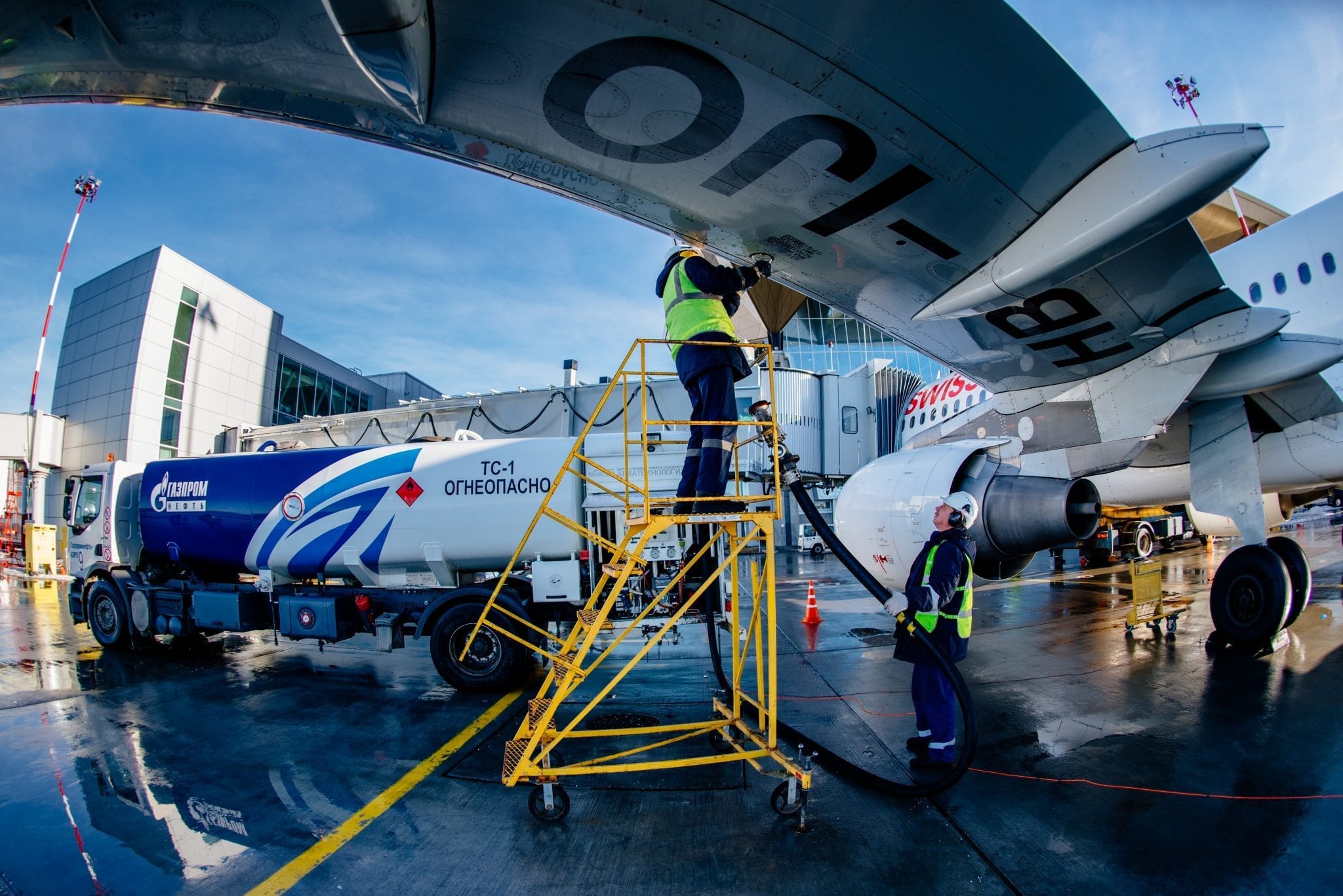
    Gazpromneft-Aero, the operator of Gazprom Neft’s aviation refuelling business, has entered into a new contract for refuelling scheduled flights of the Thai national carrier, Thai Airways, at Moscow Domodedovo Airport. Gazpromneft-Aero will supply aviation fuel for four weekly Thai Airways flights from Moscow to Bangkok. Total refuelling volumes will exceed 18,000 tonnes per year.

    Refuelling of the Thai Airways fleet will be carried out under an existing long-term agreement between Gazpromneft-Aero and Thai oil company PTT Public Company Limited. The agreement on collaboration, signed in 2012, envisages the reciprocal use of those airports at which both companies operate. The agreement provides for the refuelling of Gazpromneft-Aero’s Russian clients at Thai airports as well as the servicing of PTT clients at airports at which Gazpromneft-Aero has a presence, throughout Russia and CIS.

    Gazpromneft-Aero Director General Vladimir Egorov commented: “Gazpromneft-Aero is keen to develop partnerships with national aviation fuel suppliers throughout countries with high volumes of tourist traffic. Together with PTT we have put in place the most convenient and reliable refuelling processes possible for Russian and foreign airlines throughout those airports at which both companies operate. This new contract with Thai Airways demonstrates our partners’ confidence and the strengthening of our company’s position in the global aviation fuel supply market. The Thai national carrier’s flights from Moscow will provide our tourists with additional opportunities for connecting flights via Bangkok to resorts in Thailand, Malaysia, Philippines and Australia. We plan to further expand cooperation with Thai Airways, in the future.”

    Mr Songpon Thepnumsommanus, Vice President PTT, Aviation and Marine Marketing Department, added: “In working with Gazpromneft-Aero we have expanded our western market in aviation fuels. PTT is completely satisfied with Gazprom Neft’s international service standards in supplying aviation fuel for Thai Airways aircraft at Domodedovo. This agreement establishes a firm basis for further joint projects and initiatives.”

    Gazpromneft-Aero is a subsidiary of Gazprom Neft. The company has been providing aircraft refuelling services and selling aviation fuel at airports since January 1, 2008. Since December 2008, Gazpromneft-Aero has been a strategic partner of the International Air Transport Association (IATA) in the field of aviation fuel supply. Gazpromneft-Aero is the leading aviation fuel supplier on the Russian market in terms of its retail sales. The company’s operational activities are fully compliant with the highest safety standards in fuelling operations — “Green”.

  • EazyDiner plans to dig into online restaurant booking in Indonesia, Thailand

    EazyDiner plans to dig into online restaurant booking in Indonesia, Thailand

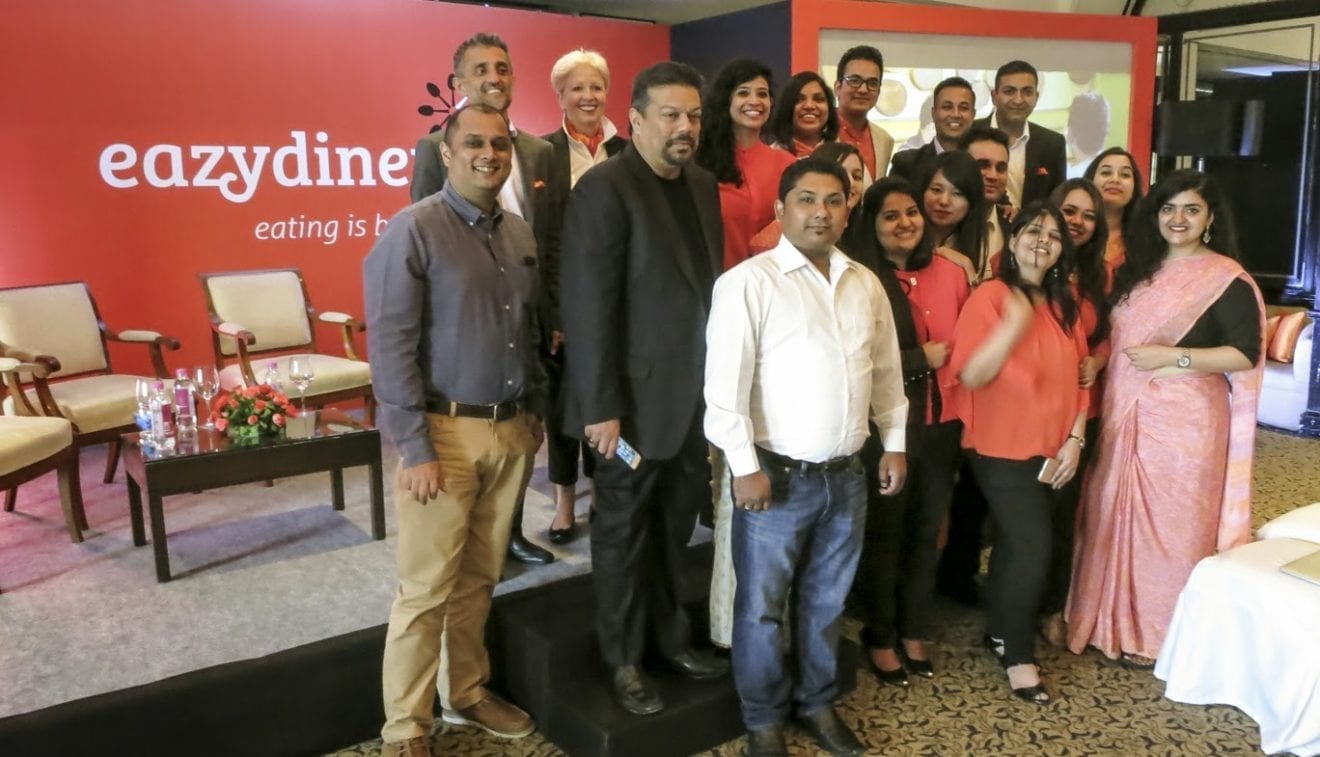
    EazyDiner, a restaurant booking and reviews platform, is in talks with potential investors to raise a fresh round of funding to expand its international footprint in the New Year.

    The two-year-old company, which was co-founded by media personality Vir Sanghvi and six professionals with a background in food, beverages and hospitality sectors, has targeted Indonesia and Thailand as its next two markets.

    While company officials declined to share details of the upcoming equity financing round, they confirmed plans of entering the South East and South Asian markets over the next 12 months.

    EazyDiner launched services in Dubai in December. The startup, which combines the services of Google-owned dining guide Zagat, NYSE-listed restaurant review firm Yelp and Priceline-owned restaurant booking service OpenTable, is also backed by two consumer-focused venture capital firms, DSG Consumer Partners and Saama Capital.

    The funding and expansion come when investor interest in India’s broader foodtech space has waned, with the startup ecosystem littered with the still-smoking embers of ventures that promised to deliver exceptional dining experiences to the notoriously fickle-minded and priceconscious Indian consumer.

    The combination of wafer-thin margins on offer, coupled with low entry barriers and lack of sustainable business models, saw investors curtail their appetite for the ventures.

    EazyDiner has charted a different path for itself. The platform, which also provides content and reviews, operates one of the country’s largest dining loyalty programmes as well. “We were never, and in fact, will never get into food delivery. The economics just don’t make sense, at least in a market like India…We believe it requires a very different skill-set,” pointed out Aman Kapur, one of the cofounders.

    EazyDiner has raised about $4 million in funding till date and counts Gurpreet Kohli, former managing director of Chrys Capital, as one of its early backers. The company operates in seven locations – the National Capital Region, Mumbai, Bengaluru, Kolkata, Pune, Chennai and Goa.

    “The focus is to go deeper into our existing markets and really establish our footprints in each of them rather than just go on an unrestrained growth across geographies,” pointed out Shruti Kaul, another cofounder.

    The platform lists about 2,000 restaurants, with more than 500 spread across NCR. EazyDiner has provided most establishments with its proprietary SaaS-based table reservation platform and has a guaranteed inventory with the rest, enabling them to provide bookings to consumers on an immediate basis.

    Gurgaon, where the company is headquartered and where it first launched operations, has played a critical role. The NCR’s startup hub, which rivals Bengaluru in its concentration of the country’s new economy ventures, has played a significant part in its growth.

    “Gurgaon, possibly, deserves its own mention alongside Mumbai and Delhi. It’s the third-largest contributor after the two metros,” said Kaul. According to her, Gurgaon contributes 15% of the company’s business across the country, outpacing Bengaluru. “For a small suburb, it’s huge. We have about 275 restaurants in Gurgaon on our platform, ranging from luxury establishments to budget restaurants,” Kapur said.

    According to both founders, emergence of the Haryana city as a startup destination has played a role in defining, as well as evolving, consumer behaviour, particularly when it comes to dining habits. “The ability to experiment there is phenomenal and probably much more than the other metros… We also see that people living to working in Gurgaon, while traveling, indulge in a lot more cross-dining than any other city in India,” Kaul said.

    Analyses drawn from consumer behaviour in one of its earliest markets has prompted the founders to look for similar characteristics in every new area it enters. “We’ve actually learned alongside the consumer and the company’s grown even as the consumer has evolved and experimented,” Kapur said.

  • KBank keen to buy Indonesian banks

    KBank keen to buy Indonesian banks

    The regulations require foreign banks to buy more than one bank, and that the targets must not be strong institutions.

    KBank president Pipit Aneaknithi said yesterday that the bank currently had partnerships with two banks in Indonesia, and was prepared in terms of facilities and capital to establish its own footprint in the Indonesian market.

    While Indonesia has very high potential for KBank and the takeover of local banks is an option, the requirement that foreign banks have to purchase more than one bank is something that it might not be particularly comfortable with, he said.

    The Bank of Thailand acknowledges this concern, he said, adding that market entry via the Qualified Asean Banks (QAB) scheme is another potential solution for KBank.

    The bank is therefore interested in applying for QAB status if the scheme’s framework is implemented.

    Meanwhile, the establishment of a physical branch in Indonesia is likely to be more difficult than doing so in Vietnam, which is another focus country for KBank, the president said.

    The best solution right now for KBank is therefore seen as the continued partnership with two local banks in Indonesia, he explained.

    Elsewhere in Asean, KBank currently has physical branches in two markets, one each in Cambodia and Laos.

    The Cambodian branch will be officially opened on February 8, with the Vientiane branch in Laos due to be opened later this year.

    With the presence of a physical branch in a foreign market not always the best solution, and the cost of establishing such an operation today a major matter, partnering with local banks is a tangible way to conduct business, he said.

    However, the difficulty is whether the bank and its partners have the same policy direction and share a similar interest in accommodating clients, he added.

    KBank, meanwhile, has been active in terms of international banking business in the past seven years by focusing on China, where it is upgrading to local banking this year.

    The market share of KBank in trade finance between Thailand and China has risen from 5 per cent to 15 per cent in seven years, Pipit said.

    He said the next step for KBank in tapping a regionalised trade-finance market dominated by China would be for the bank to facilitate financial services to Thai clients for business between one foreign country and another. “We should open a letter-of-credit service to our clients in China who want to run a business in Myanmar,” he said by way of example.

    Furthermore, KBank must embrace the digital platform in order to integrate its regional operating model.

    Under its banking-platform plan for 2016-2017, KBank must be able to service cross-border mobile transfers, multicurrency transactions and cross-border direct settlement, he stressed.

    KBank yesterday reported a 2016 net profit of Bt40.17 billion, some 1.77 per cent higher than the previous year’s level.

    The bank and its subsidiaries set aside a loan-loss reserve of Bt33.75 billion at the year’s end, up 28 per cent from Bt26.37 billion the year before.

    The higher reserve reflects the rise in non-performing loans last year, from 2.7 per cent to 3.32 per cent.

    Lending growth, meanwhile, supported net interest income, for which KBank recorded year-on-year growth of 5.5 per cent to Bt89.67 billion.

  • Five E-commerce Business Models Destined to Rule Thailand in 2017

    Five E-commerce Business Models Destined to Rule Thailand in 2017

    2016 predicted Thailand’s e-commerce boom and it has been forecasted that in 2017, internet users in Thailand will make up 50 percent of the population compared to last year’s 43 percent.

    Once plagued by a shaky foundation of uncertain payment settlement systems and a faltering mobile infrastructure, it seems Thailand has overcome that hurdle and in 2016 became Southeast Asia’s fastest growing e-commerce market.

    With a retail market that is expected to reach 3.21 billion by 2020 – according to Euromonitor International, Thailand is without a doubt carving its niche within the world of e-commerce.

    Fueled further by the launch of 4G services, it seems a path has been paved for numerous online retailers to up their game and offer greater formats of product distribution to an internet-savvy pool of consumers.

    Here are five types of e-commerce business models that are currently taking Thailand by storm.

    Meal Delivery Sites

    With the clean eating craze going strong – particularly in cities – healthy food delivery websites are becoming an increasingly popular business model. Offering healthy alternatives that run from organic to vegan to low-calorie and non-processed foods, the success of these websites can be attributed to the fact that they offer to take away the hassle thought to encompass healthy eating, aka grocery shopping etc. By eliminating these factors, the popularity of meal delivery sites can only grow exponentially.

    Online Deal Platforms

    Capitalising on the Thais’ love for a great deals, the humble coupon is back and stronger than ever. With online deal platforms such as Saleduck offering coupons and deals from powerhouse retail websites like Lazada and Expedia, consumers are able to find money-saving deals on everything from electronics to groceries to first-class airline tickets going for up to 80% off. To set themselves apart from competition, deal and couponing platforms often work closely with their partners to release exclusive codes to provide even greater savings to their customer base and the fact that most of these codes can be accessed without a fee is the icing on the cake.

    Social Media Shopping

    In 2016, PWC’s Total Retail survey noted that 51 percent of online shoppers in Thailand shopped directly through social media platforms such as Facebook and LINE citing interactivity as a strong motivator. Whilst price and convenience play a significant role, the driving force behind social media shopping can be linked to the stream of human connectivity that takes its form in reviews, comments and feedback that comes via social media. 53 percent of social media consumers said that customer reviews are what influences their buying decision.

    C2C Mobile Shopping

    Following in the same vein as social media shopping, C2C is also cited as one of the next big things to emerge in Thailand’s e-commerce ecosystem. The person to person interaction is an element that serves as the heartbeat of successful C2C platforms such as Pantipmarket and Tarad.com. Over 50% of online transactions being performed via mobile phone in Thailand, this is expected to further push consumer-to-consumer shopping further into the limelight.

    Digital Content Websites

    From mobile gaming to SVOD, Thailand’s digital revolution has certainly altered the ways in which people consume content. With over 10 different paid platforms for Thais to choose from including iflix and Doonee, Thailand’s affinity for mobile internet use plays a role in how we choose to consume content via digital platforms. In the world of gaming alone, major telecom operators in Thailand have announced strategies in acquiring digital content and games in an effort to meet the rise in demand.


  • TCL Electronics pictures broader appliances market beyond TVs in Thailand

    TCL Electronics pictures broader appliances market beyond TVs in Thailand

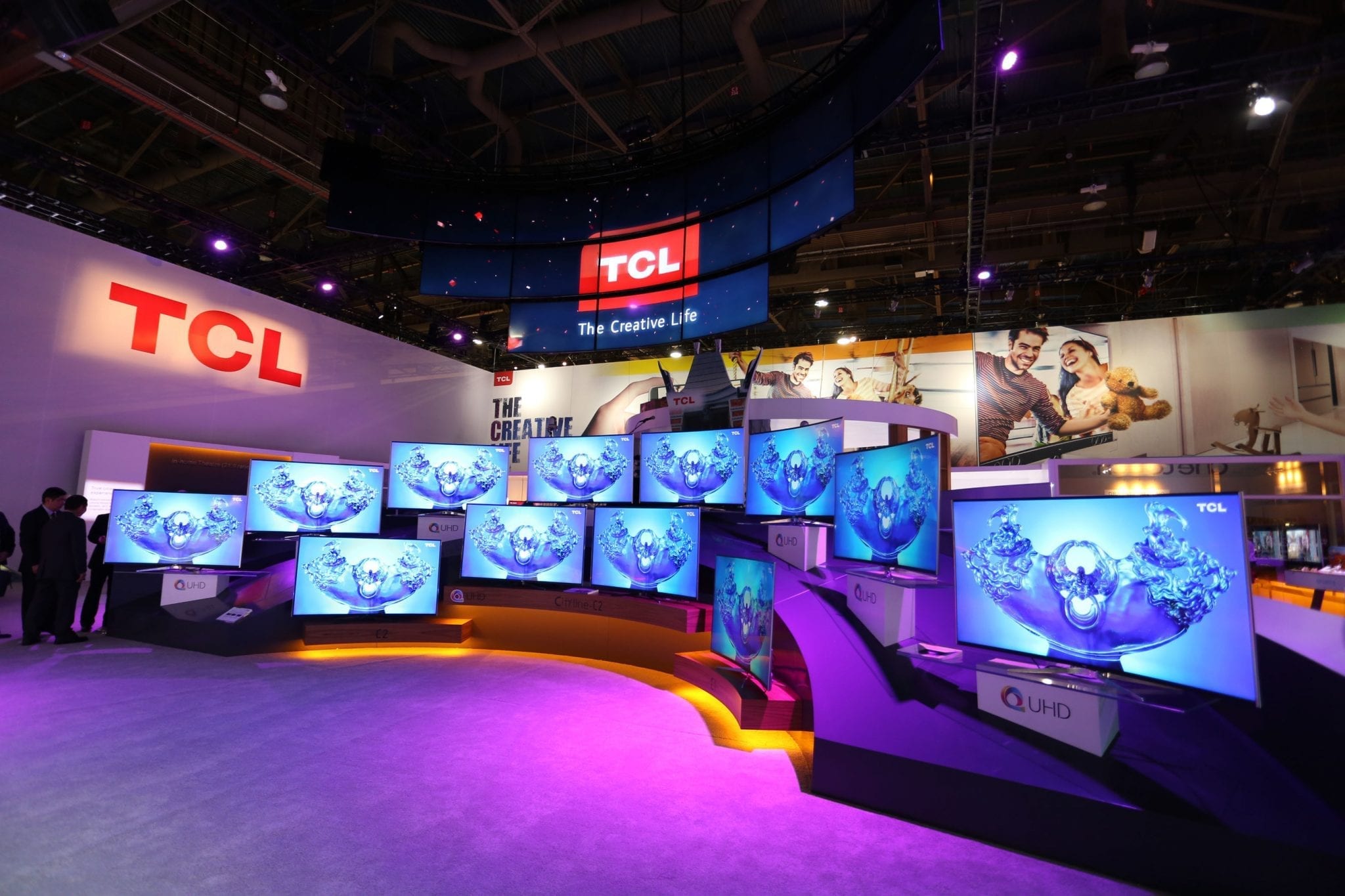
    TCL Electronics, a Chinese electrical appliance manufacturer that sells televisions in Thailand, is considering expanding its product range in the country. The company is conducting a market study that may pave the way for it to sell other home appliance products, including air-conditioners, refrigerators, and washing machines. Such a move would reduce TCL’s reliance on only one product line in the Thai market.

    Thailand’s overall consumer electronic market dropped 3 per cent year on year to Bt34.5 billion in the first 11 months of last year. Sales of flat-screen and plasma televisions dropped slumped by 8 per cent |over the period to about Bt23.3 billion.

    In contrast, overall sales of home appliance products, such as refrigerators, air-conditioners, and washing machines, increased by 6 per cent to Bt54 billion in the first 11 months of 2016.

    Sandy Zhou, head of marketing at TCL Electronics (Thailand), said TCL Thailand was keen to add a broader range of electrical appliances to its offerings in Thailand, meeting rising consumer demand in the segment. The strategy also would help TCL to improve its operational efficiency and lower management risk.

    She said that TCL Thailand achieved sales of Bt2.5 billion last year, maintaining its position as a top-three TV player in Thailand with 8 per cent market share.

    Zhou said TCL’s main income is derived from products such as Smart TV and QUHD TV, which cover the mid to premium ends of the market. TCL’s customer base can be categorised as 45 per cent in Bangkok, with 55 per cent in the rest of the country.

    “TCL Thailand expects to increase our market share in the local TV market to 10 per cent or approximately 300,000 units (Bt3.2 billion in sales value) this year. For other home appliances, our products will be launched on the market in the third and fourth quarters of this year,” she said.

    “We however have no plan to set up a manufacturing facility for our consumer electronic and home appliance products in Thailand at this moment,” said Zhou.

    TCL Thailand has been established in Thailand for more than 13 years, building up a brand loyalty and good teamwork in its workforce.

    “For this year, our strategy is to expand our sales channels domestically. We plan to increase the number of our dealers here by 30 per cent, and by 15 per cent for the number of modern retail stores. We also plan to adjust the image of our existing 100 showrooms in the Kingdom to be under the ‘Creative Life’ concept,” she said.

    Zhou said that TCL had 75,000 employees throughout Asia, the Americas, Europe and Oceania, with sales organisations in more than 80 countries and regions, and 23 research institutions and 21 manufacturing and processing bases worldwide.

    “TCL Thailand will focus on Thailand only. TCL Group also has offices in the Philippines, Vietnam and Indonesia,” she added.

    TCL Thailand pursues its business with customer- and product-oriented strategies. Core strategies include a focus on brand awareness and price performance through maximising product value and performance efficiency.

    Wannapong Tawara, associate director of GFK Retail and Technology, a market research company in Thailand, said Thailand’s TV market value in 2017 should be similar to that of 2016, considering consumers are still cautious on discretionary spending.

    However, electrical appliances including TVs that are designed to be connected with other applications appeared to be in high demand, tapping into new consumer lifestyles, Wannapong said. With this in mind, electric appliance makers should consider introducing a variety of products that offer complex entertainment and service options and are well priced and easy to use, while coming with good after-sales service.

  • Tourist arrival number 32m sets new Thai tourist record

    Tourist arrival number 32m sets new Thai tourist record

    The Tourism Authority of Thailand (TAT) says a new record was broken at the end of December when it received its 32-millionth visitor. The red carpet was laid out to welcome the fortunate arrival as part of ’Thailand’s Luckiest Visitor’ campaign which was originally started in 2015 to recognise and reward every millionth visitor to Thailand, from the 13 millionth to 29 millionth during June to December.

    TAT says that this campaign has subsequently proved to be hugely popular, with both tourists and media helping to enhanced Thailand’s brand image.

    So much so, that Thailand is expecting to earn total international tourism revenue of around Baht1.62 trillion (US$46bn) in 2016, representing a year-on-year increase of 11.68% compared to 2015.

    BIG PUSH TO ENCOURAGE MORE ARRIVALS

    To boost these numbers further, TAT says that several initiatives have been put in place to encourage more tourist arrivals, including visa waiver fees for visitors from 19 countries from 1 December, 2016, to 28 February, 2017 and a halving of visa-issue fees on arrival over the period.

    Meanwhile, the Tourism Authority of Thailand and the Tourism Ministry have announced newly revised tourism revenue targets for 2017 Bt2.71 trillion ($76.1bn) which represents an 8.2% rise on 2016.

    This follows earlier statements suggesting that Thailand’s tourist numbers for 2016 are now expected to total around 32.6m when the final count is in – an increase of around 8%.

    In addition, TAT has confirmed that it is bringing back its Thailand Tourism Festival (TTF) to coincide with Chinese New Year 2017 between 25-29 January this month. It is hoping his will attract more than 650,000 visitors.