Tag: Thailand

  • Bangkok tops Global Destinations Cities Index

    Bangkok tops Global Destinations Cities Index

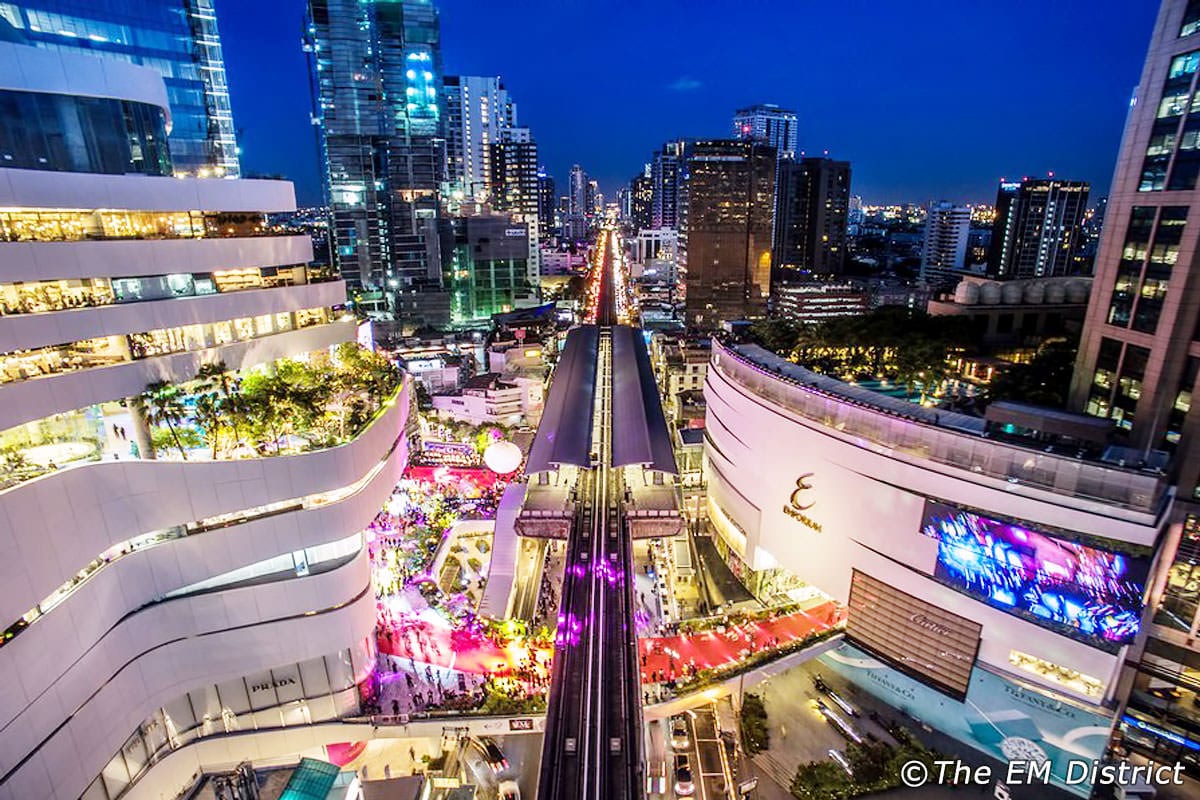
    Bangkok is the top-ranked destination city by international overnight visitor arrivals, according to the annual Mastercard Global Destinations Cities Index.

    Ranking 132 cities, the index projects visitor volume and spend estimates while delivering insights into how people travel and spend around the world.

    As cross-border travel and spending continue to grow at a faster pace than the world GDP, the world’s cities continue to be engines of broader economic growth, says Mastercard.

    According to the study, Bangkok is projected to receive 21.47 million international overnight visitors this year, just ahead of London (19.88 million visitors).

    Also in the top 10 cities are:

    • Kuala Lumpur, 12.02 million visitors

    • Paris, 18.03 million visitors

    • Istanbul, 11.95 million visitors

    • Dubai, 15.27 million visitors

    • Tokyo, 11.70 million visitors

    • New York, 12.75 million visitors

    • Seoul, 10.20 million visitors

    • Singapore, 12.11 million visitors

    Hong Kong was 11th.

    “The way people travel and spend across borders indicates just how interconnected and important the world’s cities are,” says Mastercard president of international markets Ann Cairns.

    As well as the top 10 cities, Mastercard names the top 10 fastest-growing destinations, which indicates the increasingly importance of Asia Pacific to the global economic landscape.

    Osaka new star

    Osaka has shown the strongest growth in international visitors (24.15 per cent) over the past seven years. Other cities that make the fastest-growing list:

    • Chengdu, 20.14 per cent

    • Taipei, 14.53 per cent

    • Abu Dhabi, 19.81 per cent

    • Xi’an, 14.2 per cent

    • Colombo, 19.57 per cent

    • Tehran, 12.98 per cent

    • Tokyo, 18.48 per cent

    • Xiamen, 12.93 per cent

    • Riyadh, 16.45 per cent

    For the first time, the index explores whether visitors travel for business or leisure, giving broader insights into spending on dining, lodging and shopping. The index shows that more people are travelling to the top 20 cities for leisure with Shanghai being the sole exception.

    Visitors to the top 20 cities overwhelmingly spent more on shopping, as opposed to dining, says the index.

    Asia Pacific dominates both the global top 10 (five cities) and top 10 fastest-growing destination cities (seven cities).

    Public data is used in deriving the international overnight visitor arrivals and their cross-border spending in each of the 132 destination cities for the index. Mastercard volumes or transactional data is not considered.

    The full report can be downloaded here.
  • Bangkok’s Greyhound Cafe heads to Singapore

    Bangkok’s Greyhound Cafe heads to Singapore

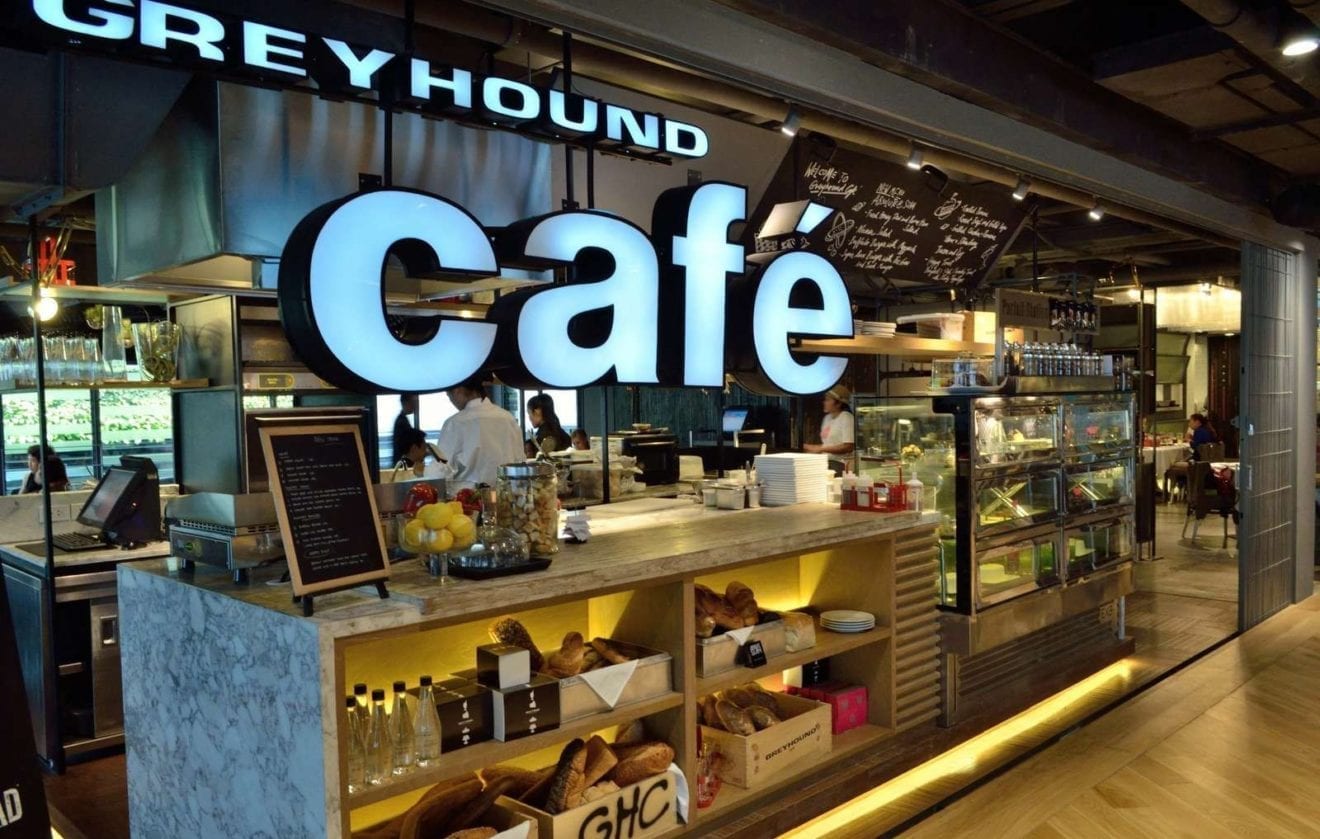
    From Bangkok, fashion and lifestyle venue Greyhound Cafe will open in Singapore in November.

    Greyhound started as a fashion brand in 1980 with a casual menswear outlet. In 1997 it decided to bring together fashion and lifestyle by opening its own cafe in the Emporium Shopping Complex in Bangkok.

    Design is a strong element in its cafes, with its seven outlets in Bangkok all featuring such modern touches as murals and monochromatic furnishings, as well as specially designed staff uniforms.

    Greyhound is known for its fried wings, Thai iced tea granita and coconut crepe cake, and has been described by Fortune magazine as “the hottest seats in Bangkok”. Signature dishes include Complicated Noodle (a self-assembled dish), Fried Rice Noodle with Chicken and Dried Squid, and Spaghetti with Crab Meat and Prawn Cream Sauce.

    Singapore’s Greyhound Cafe will be in Paragon on Orchard Road.

    Early this month, Greyhound Thailand’s parent, Mudman, launched an IPO to raise capital for further investment at home and abroad.

  • Seoul tops airport retail rankings

    Seoul tops airport retail rankings

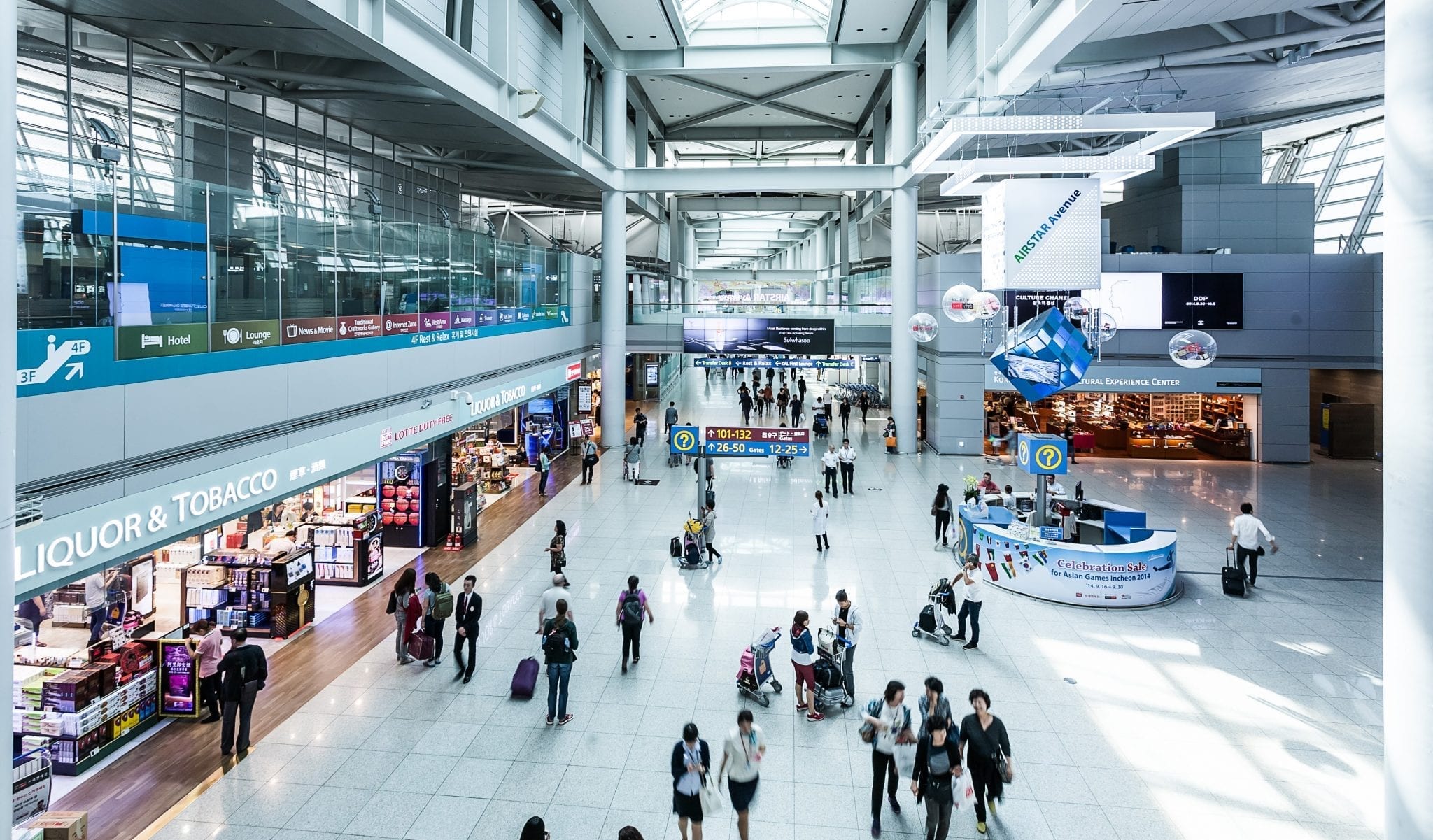
    Seoul’s Incheon Airport not only tops the Asia-Pacific rankings for retail spending – it has the highest turnover of any airport in the world.

    Which is remarkable given it ranks 10th in the region by passenger numbers, according to Airports Council International data, with 49,281,220 people passing through in 2015, compared to more than 90 million in Beijing and 55 million in Singapore.

    Asian airports dominate the world top 100 airport retail rankings measuring shopper spending, according to data collected by Swedish company Generation Research for 2015. While the tables lists the world’s top 100 and Asia-Pacific’s top 50, it does not provide any actual figures for spending. Sales from around the world were converted into US dollar value.

    In the global airport retail rankings, Incheon leads Dubai Airport, with Singapore Changi third.

    In the Asia rankings, published below, Singapore leads Bangkok – something of a surprise third-place getter given it is generally regarded as an expensive airport for ‘duty-free’ goods, and Pudong, Shanghai in fourth. Hong Kong makes it only fifth on the table, despite its huge passenger throughput and broad retail offer.

    Tokyo Narita, Beijing Capital, Taipei Taoyuan, Cheju and Osaka Kansai complete the top 10.

    On the global rankings, those Asian airports take fifth, sixth, seventh, eighth, 10th, 12th and 14th places.

    London Heathrow takes fourth place, Paris de Gaulle ninth, and Frankfurt 13th.

    Asia’s Top 50 list:

    Top 50 airport location Asia

    The Global Top 100 list:

    Top 100 airport location 2015 -1

  • DHL Opens Link between Bangkok and Phnom Phen

    DHL Opens Link between Bangkok and Phnom Phen

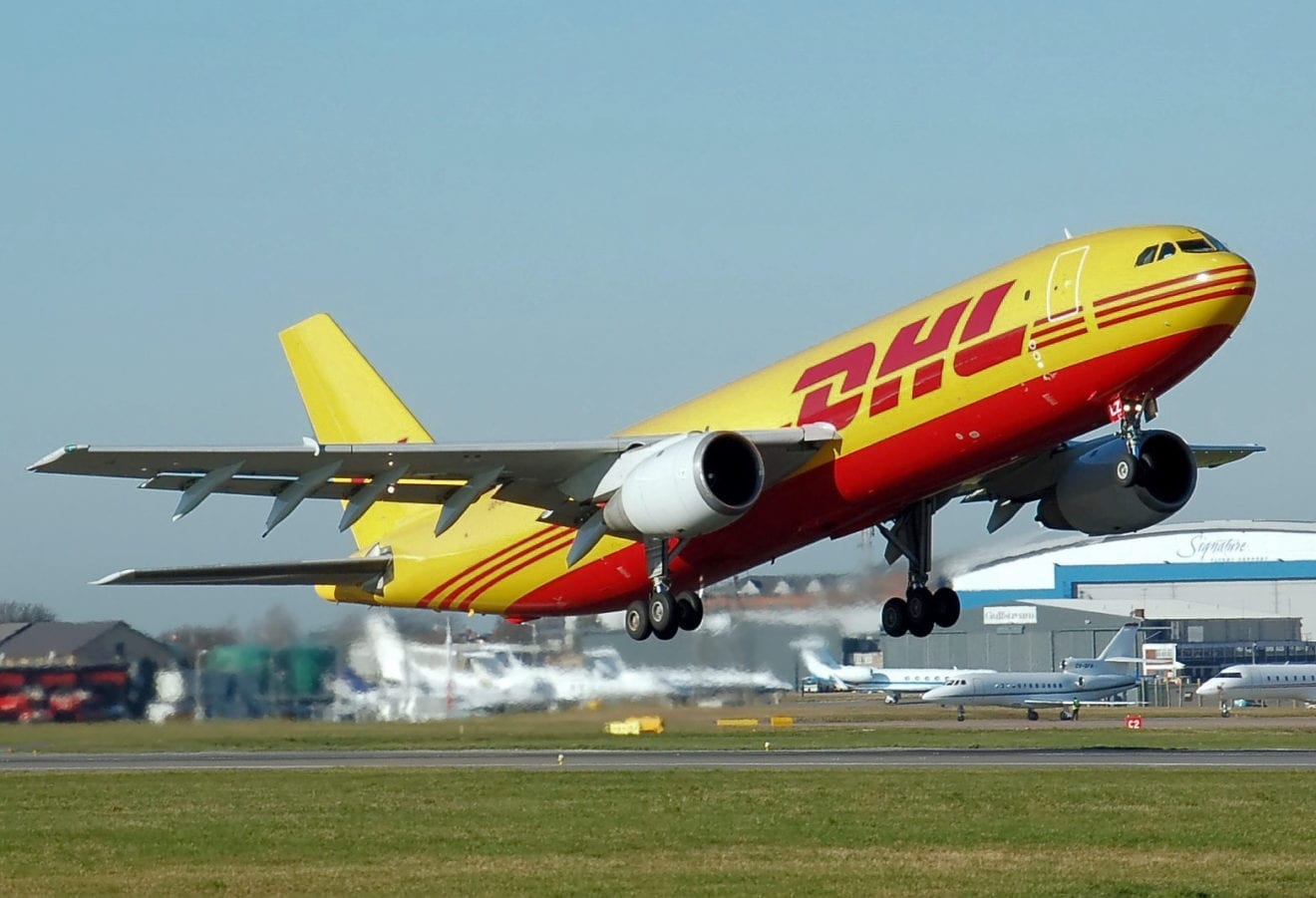
    DHL Express has launched a flight connection between its Bangkok hub and Phnom Penh. According to DHL, the new flight is operated five times a week by K-Mile Air using a Boeing 737-400F, which offers a gross payload of 19 tons. The service is aimed at the growing import and export demands of industries such as garments and construction.

    “This new flight is another step towards unlocking Cambodia’s vast potential for trade in Southeast Asia,” said Ken Lee, CEO of DHL Express Asia Pacific. “Trade between Cambodia and Thailand reached US$5.1 billion in 2015, and the country also imported US$1.05 billion worth of goods from Singapore in 2014. By improving inbound and outbound capacities from markets like Thailand and Singapore where our hubs are located, we are confident that this new flight will further develop Cambodia’s market. With our extensive air network, this dedicated service will enhance the country’s global connectivity and trade relations.”

    Sean Wall, executive vice president of network operations and aviation at DHL Express Asia Pacific, said that the demand for movement of goods will grow further as Cambodia increasingly becomes an important trading player in Southeast Asia.

    “Our latest service is good news for businesses in Cambodia, offering them the capacity, frequency, and seamless export capabilities they need to reach more customers in new markets,” he said. “It also underscores our ongoing commitment to continuously strengthen our network and connectivity to provide more efficient routes for customers.”

  • Thai auto sales pose dilemma for Vietnam

    Thai auto sales pose dilemma for Vietnam

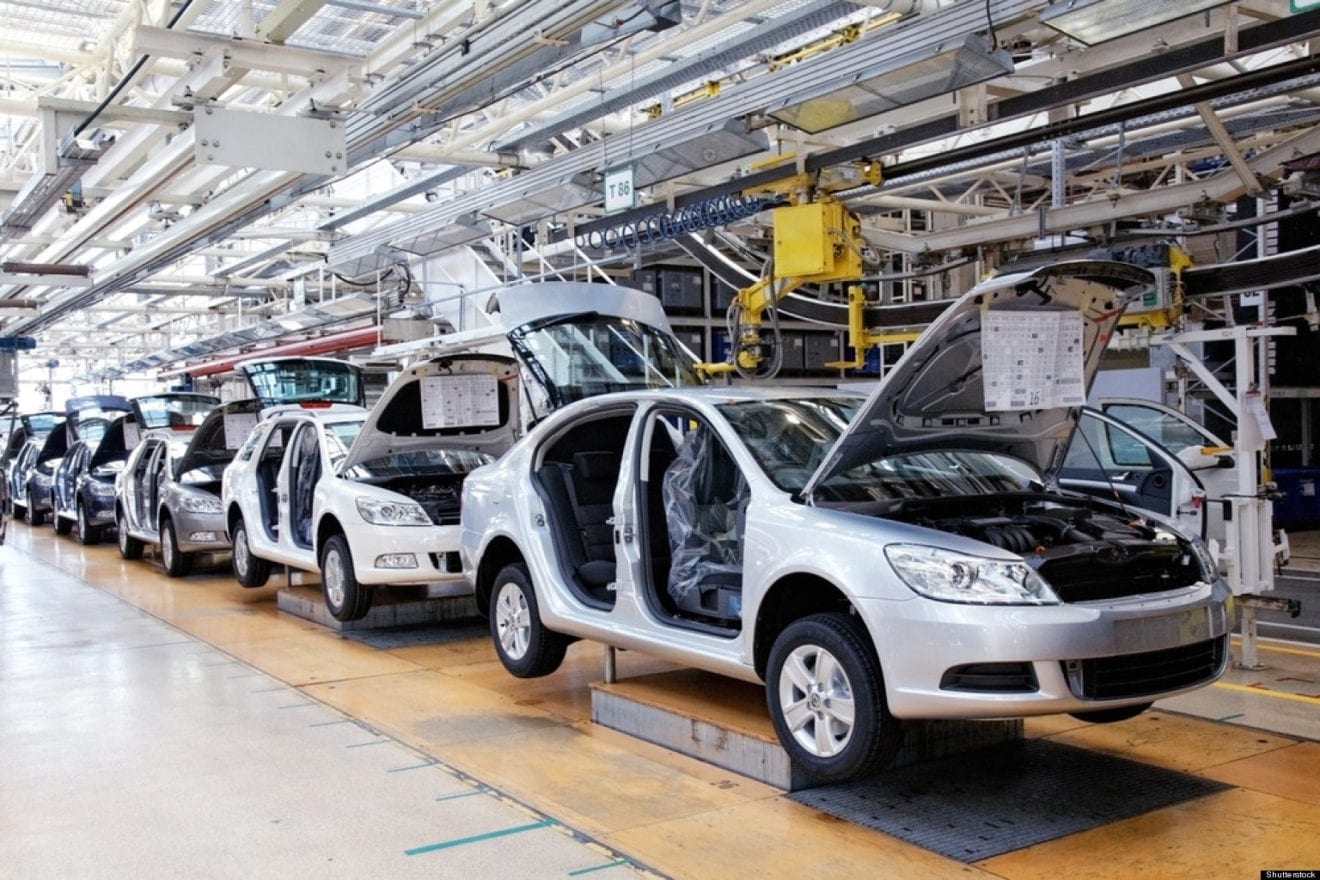
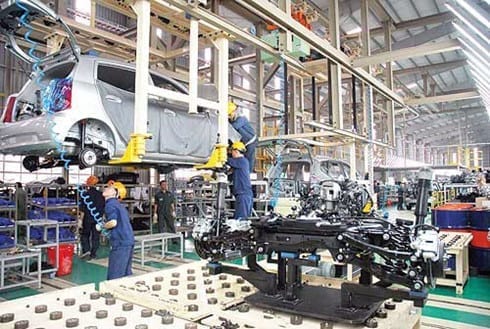
    Statistics from the General Department of Vietnam Customs show that the foreign sector controls roughly 80% of the local car and automobile (excluding motorbike) retail market with a sales volume eclipsing all of Southeast Asia.

    thai auto sales pose dilemma for vietnam hinh 0

    Auto distributors and original equipment manufacturers (OEMs) based out of Thailand hold the largest share of the retail market followed by the Republic of Korea (RoK) and China in descending order of magnitude.

    Compared to Vietnam, Thailand’s success at attracting top brands the likes of Ford, Toyota, Honda and Nissan, is in large part attributable to the countries more favourable tax structure.

    Taxes and fees account for up to 50% of the final sales price of a vehicle manufactured in Vietnam, a figure that is more than 20% higher than the comparable taxes and fees charged in Thailand.

    Prior to the emergence of the ASEAN Economic community (AEC) the Vietnam government was able to regulate the local auto industry via the imposition of import tariffs and local taxes as appropriate.

    However, with the arrival of the AEC at the beginning of 2016 and the elimination of import tariffs pursuant to the ASEAN Trade in Goods Agreement, Thai auto sales in Vietnam have shot up rapidly.

    Under the agreement, the import tax on automobiles from Thailand and other ASEAN members – Myanmar, the Philippines, Malaysia, Singapore, Laos, Indonesia, Cambodia, Brunei and Vietnam – have dropped by 40-50% in 2016.

    They will continue to fall by another 30% in 2017 and be eliminated entirely by the end of 2018.

    Meanwhile, the Vietnam government has not concurrently reduced the taxes and fees on local manufacturing of autos and this explains, in large part, why vehicles produced in Thailand are less expensive.

    Notably, Thailand also has more than 2,000 OEMs, which has aided the country’s rise to become the biggest hub for auto and part exports not only to Vietnam but the entire Southeast Asian region.

    Without a doubt, say many leading experts, after 2018, the complete roll back of the import duty will put ownership of an automobile within reach of the majority of Vietnamese citizens.

    This, they say, could lead to explosive sales growth and a myriad of adverse consequences for the nation.

    It’s problematic because its puts excessive pressure on the public transport infrastructure, overburdens traffic systems and potentially threatens traffic congestion that would choke off commerce.

    Not to mention the threat to public health brought about by pollution and auto accidents, they say, noting the elevated need for the government to advocate strongly for effective policies that reduce auto use throughout the nation.


  • NBTC to sue TrueMove, AIS for profit owed

    NBTC to sue TrueMove, AIS for profit owed

    Thailand’s telecoms regulator is in a race against time to sue TrueMove and AIS for profit owed during the final days of the 2G concession.

    The National Broadcasting and Telecommunications Commission telecoms sub-board has recommended the full board sue TrueMove and DPC (an AIS subsidiary) for $30.6 million (1069.98 million baht) and $17.9 million (627.64 million baht) for all profit during the so-called consumer protection phase of their 2G concessions.

    The non-extendable concessions expired in 2013 but were extended to protect consumers until March this year, under the condition that all profit be returned to the state, not just the 30% revenue share under concession terms.

    Previously the NBTC had decided only to sue TrueMove, but because of a fear that they may be viewed as biased, the board this week issued a new recommendation to the full board to sue both True and DPC (AIS).

    The lawsuit must be filed before September 18 as it is when the statute of limitations expires.

    Elsewhere the NBTC is to set up a committee to investigate a data breach by AIS which involved an AIS employee leaking customer information and call logs. The matter made a big splash on social media earlier this week and AIS responded by firing their staff responsible.

    However, NBTC Secretary-General Takorn Tantasit said that AIS might face a maximum penalty of cancellation of its license due to the breach, and executives may be jailed up to two years.

    The committee will convene for the first time on 19 September.

    Elsewhere as expected, Thailand has transformed its ICT Ministry into the new Digital Ministry for Society and Economy.

    The DMSE act also sets up what is colloquially called the Digital Economy Commission, though now formally it is, strictly translated, the Office of the Digital Commission for Society and the Economy which will be chaired by the Prime Minister.

    A number of bureaus that used report to the ICT Ministry’s Permanent Secretary are now to report to the DE Commission – Space Affairs Bureau, ICT Promotion Bureau, e-Government Promotion Bureau and ICT Industry Promotion Bureau.

  • Lalamove delivery app enters Bangkok

    Lalamove delivery app enters Bangkok

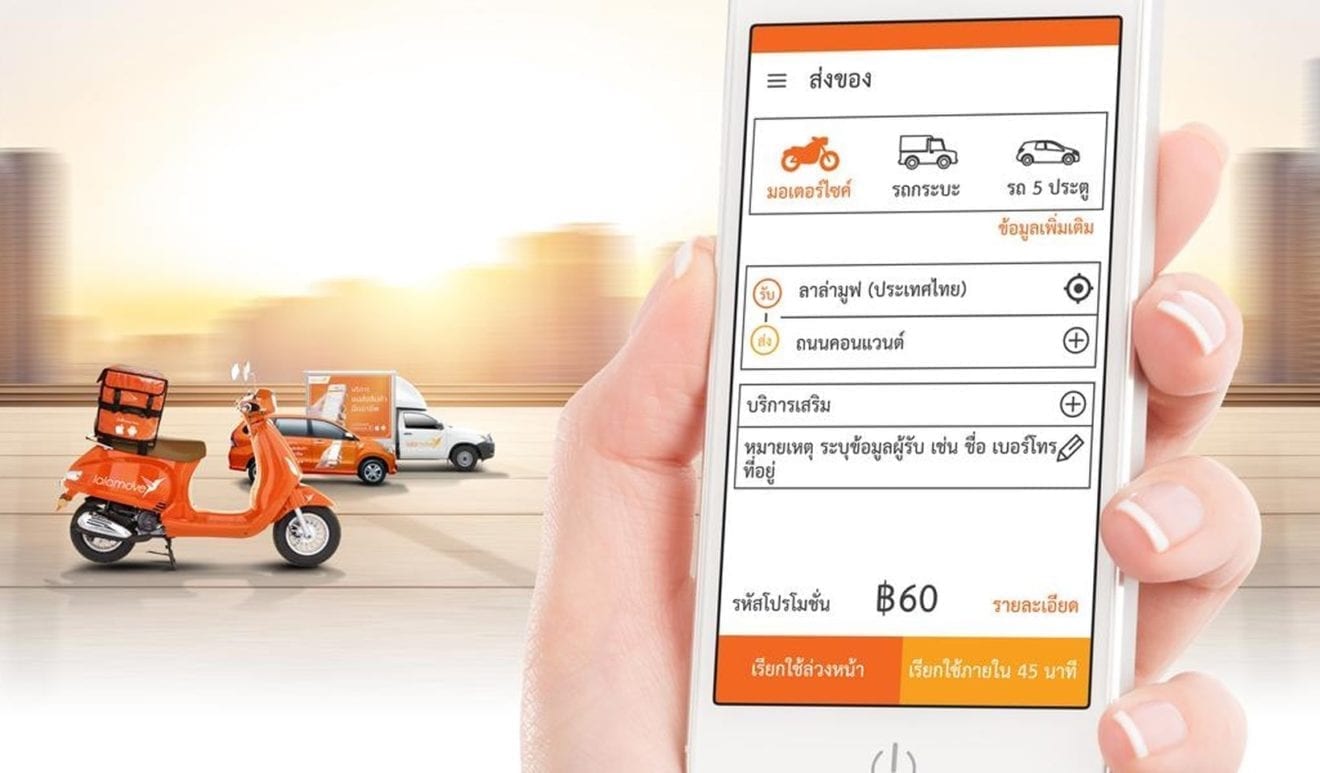
    Out of Hong Kong, on-demand delivery app Lalamove has launched in Bangkok.

    The company is still inviting restaurants and food producers to use its 24/7 dedicated courier service and receive its “Lala Recommended” stamp of approval on Lalamove’s Facebook and Instagram pages, which also promote dishes and produce.

    Already signed up are Own Your Own Fresh, Lobster Gangster, Taka Sashimi Express and The Cooking Crab.

    Lalamove also covers other delivery needs, from documents to furniture, using delivery vehicles ranging from motorcycles to pick-up trucks.

  • Agatha Paris opens first stand-alone travel retail outlet

    Agatha Paris opens first stand-alone travel retail outlet

    French fashion jeweller Agatha Paris has opened its first stand-alone travel retail store, at Haikou Meilan International Airport on China’s Hainan Island.

    Opened in partnership with Hainan Duty Free, the 20 sqm store has a contract until September 2019.
    Agatha Paris will present its latest collections, including several travel-retail exclusive sets, at the upcoming TFWA World Exhibition in Cannes. The brand showcased a range of stainless-steel jewellery at this year’s TFWA Asia Pacific exhibition in Singapore.

    The brand’s collections are divided into five themes: Iconic, Timeless, Modern Chic, Classy and Sparkle. This year’s collections include African Art Deco, Grand Palais, Opera and Olympia.

    Global head of travel retail Karan Tuli says the brand launched into travel retail three years ago, initially with a sole focus on inflight sales to gain exposure. It has since expanded its network, with 330 points of sale in 25 countries, and listings with 30 airlines. Its 14 ground shop locations in Asia include China, Japan, the Philippines, South Korea and Thailand.

    “Business in Australia, Cambodia, Singapore and Vietnam is on the radar for the coming months,” says Tuli.

    “Southeast Asia and China are seeing fast expansion, and the potential for the brand to grow its travel-retail footprint is more positive than ever. Costume jewellery is a tough category, but recent spending trends have supported a positive outlook for us.”

    King Power Group founder Antares Cheng acquired the Agatha Paris brand in 2006.

  • Thai ICT minister resigns

    Thai ICT minister resigns

    Thailand’s ICT minister Uttama Savanayana has resigned as reports circulate that the ICT Ministry will be relaunched as the Digital Economy Ministry later this week.

    The Cabinet yesterday (13 September) approved Uttama’s resignation and appointed Deputy Prime Minister and Deputy Junta leader Air Chief Marshal Prajin Janthong as acting ICT Minister. The ICT Minister did not attend the cabinet meeting.

    Prime Minister and Junta leader General Prayut Chanocha said that the move was to pave way for the launch of the new Digital Economy Ministry but he refused to confirm if Uttama would be appointed to the new post or not.

    Local media have quoted unnamed sources saying that three people are in the running for Thailand’s first Digital Economy Minister – Incumbent Uttama, National Broadcasting and Telecommunications Secretary-General Takorn Tantasit and an unnamed “senior figure” in the finance ministry.

    However, General Prayuth said that Cabinet Secretariat Ampon Kittiampon, who was also rumoured to be in the running, was not in the picture for a ministerial post. Ampon shot to fame as cabinet secretariat when he quietly took the blame for the Single Gateway mass surveillance project that General Prayuth said was simply a clerical error by the person taking notes at the cabinet meeting.

    Takorn resigned from the NBTC last year with rumours that he wanted to become ICT Minister after the previous minister resigned. His resignation was later rejected by the NBTC board chairman Air Chief Marshal Thares Punsri and Uttama got the job.

    Uttama became the second ICT Minister appointed under the current military regime on 19 August 2015 succeeding Pornchai Rujiprapa. He was seen as part of a package deal to kickstart the economy that included Deputy Prime Minister Somkid Jatusripitak who was also Thaksin Shinawatra’s finance minister. Before the appointment Uttama was president of Bangkok University and Somkid was Chairman of the university board.

    However in one of his final tasks as ICT Minister Uttama has become embroiled in controversy in a $430 million (15 billion baht) rural broadband project by state owned telco TOT. The project is under investigation by the office of the auditor-general. On 10 September Uttama held a press conference saying the budget watchdog simply misunderstood things. The ICT Minister said that normal USO budget rules do not apply as it is not investment in telecoms, but rather the TOT project was about investing in the country’s competitiveness.

  • Starbucks Asia rolls out Teavana

    Starbucks Asia rolls out Teavana

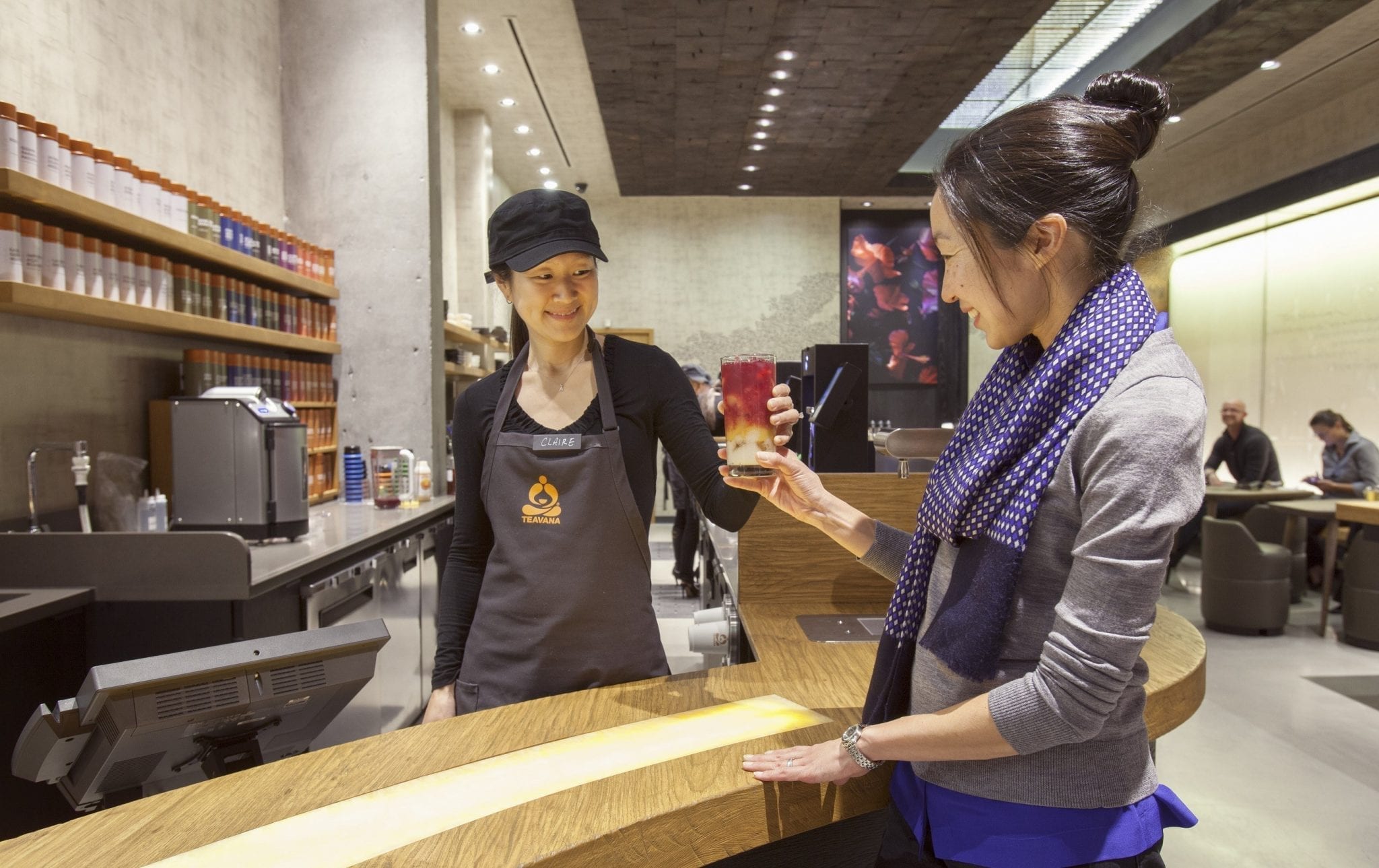
    Starbucks Asia is rolling out Teavana in 6200 stores across its 16 Apac markets.

    Four tea beverages prepared in-store will be offered to the 16 countries, with two or three expected to be sold in each market, the choice up to each one.

    Starbucks acquired US-based Teavana Holdings in December 2012, a “super premium tea” product it says brings “exotic blends, great flavors, wellness and innovation” to customers globally.

    The Asian launch began with China at the end of last month, with Korea and Indonesia following at the beginning of this month. The majority of Asian markets will see the new lines in mid-September, with a Japan launch scheduled for October and India later this year.

    Vera Wang, director, product line innovation at Starbucks China and Asia Pacific said the teas have been developed especially for Asian tastes.

    “We recognise Asian consumers are developing sophisticated taste preferences.”

    While a premium product, pricing will be left to the determination of each market, she said.

    “Pricing (of all Starbucks lines) is determined product by product and market by market.”

    She declined to discuss the company’s expectations for Teavana’s share of Starbucks sales in the region.

    “I’m not at liberty to talk about that. But tea definitely has huge potential for us and we have a lot of confidence going into Asia with Teavana.”

    Starbucks Korea staff promoting Teavana at the Starfield Hanam GL store.

    Besides fresh-brewed tea in cafes, Teavana full-leaf tea sachets will also be sold for take-home use.

    The four launch lines of Teavana in Asia are Matcha & Espresso Fusion (a matcha tea blended with a shot of espresso), Black Tea with Ruby Grapefruit and Honey, Iced Shaken Green Tea with Aloe and Prickly Pear; and Iced Shaken Hibiscus Tea with Pomegranate Pearls.

    Wang said, those core lines would be complemented by other blends selected on a market-by-market basis in the future, depending on customer feedback.

    John Culver, group president of Starbucks global retail said in a statement Teavana represents “a tremendous opportunity to leverage the company’s expertise in creating best-in-class retail experiences, handcrafting custom beverages, and sourcing the finest ingredients, to become a leader in a new category for us”.

    “Just as we’ve done for coffee, this is tea reimagined at Starbucks.”

    Last year, Starbucks’ tea business in the US grew by 12 per cent with all tea categories posting strong growth, led by iced tea at 29 per cent. Building on this and the success of Teavana to date in other parts of the world, Starbucks aims to increase its global tea business to US$3 billion over the next five years.

    Starbucks Teavana will be launched in all stores in Australia, Brunei, Cambodia, China, Hong Kong, India, Indonesia, Japan, Korea, Malaysia, New Zealand, The Philippines, Singapore, Taiwan, Thailand and Vietnam.

  • Banks, NBTC agree on 5 step m-banking security plan

    Banks, NBTC agree on 5 step m-banking security plan

    The National Broadcasting and Telecommunications Commission hosted a meeting with representatives from the Bank of Thailand, the Thai Bankers Association and the Telecommunications Association of Thailand.

    The participants have agreed on a five-step plan to tighten KYC rules to increase confidence in eBanking and mobile banking in the run up to the launch of Thailand’s Promptpay national mobile payments system.

    1. The NBTC, BOT, TCT and mobile operators will create a set of KYC rules. The NBTC will order telcos to follow them strictly and will evaluate compliance with the new rules.
    2. Banks and mobile operators will launch an awareness campaign for people to tell their banks when their mobile phone or SIM is lost.
    3. If it can be proven that the customer has told their bank that their SIM has been lost, they will not be held responsible for monetary losses.
    4. A system will be set up for banks to be notified automatically when new SIMs are issued. Until such a system is in place, banks will give telcos a watchlist of telephone numbers that are linked to Internet banking, mobile banking or Promptpay accounts for their special attention.
    5. Issuing new SIM cards for accounts linked to bank accounts can only be done in person by the account holder and not via proxy.

    Meanwhile, NBTC Secretary General Takorn Tantasit has banned the import of all Galaxy Note 7 phones due to their exploding batteries. Phones from affected batches are immediately banned from being imported and the import of new note 7 batches can only resume once Samsung provides the NBTC with satisfactory electrical and safety test results.

  • AEON and Shell Partnering to Offer Special Cash Back

    AEON and Shell Partnering to Offer Special Cash Back

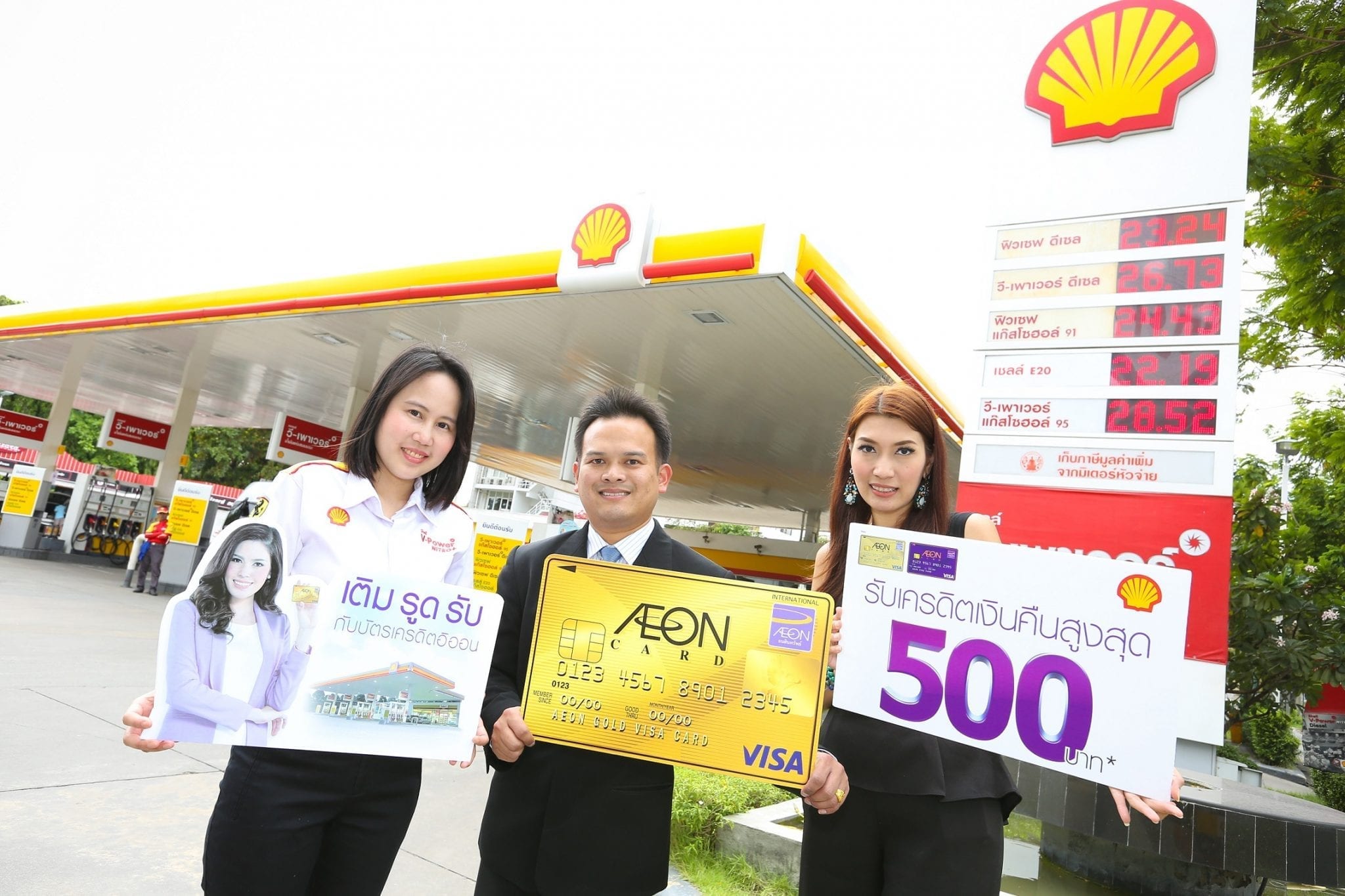
    Mr. Praphan Rangsiyopas (middle), Vice President Marketing and Mrs. Waraporn Nilpanich (right), Vice President Credit Card of AEON Thana Sinsap (Thailand) Public Company Limited together with Ms. Nopchanok Tantiwechwuttikul (left), Payment and Loyalty Manager of The Shell Company of Thailand Limited offer special promotion for AEON credit cardholders, Accumulate spending amount of 3,000 Baht and up at Shell Service Station via AEON Gold and AEON Classic credit card, cardholders will get cash back up to 500 Baht per month.

    AEON credit cardholders can enjoy this promotional campaign by registering through SMS by typing SH follow by 16 Digits of AEON credit card number without space, and send to 4589123 or register free at www.aeon.co.th. This campaign starts now until March 31st, 2017.

  • TCC aims to dominate river view

    TCC aims to dominate river view

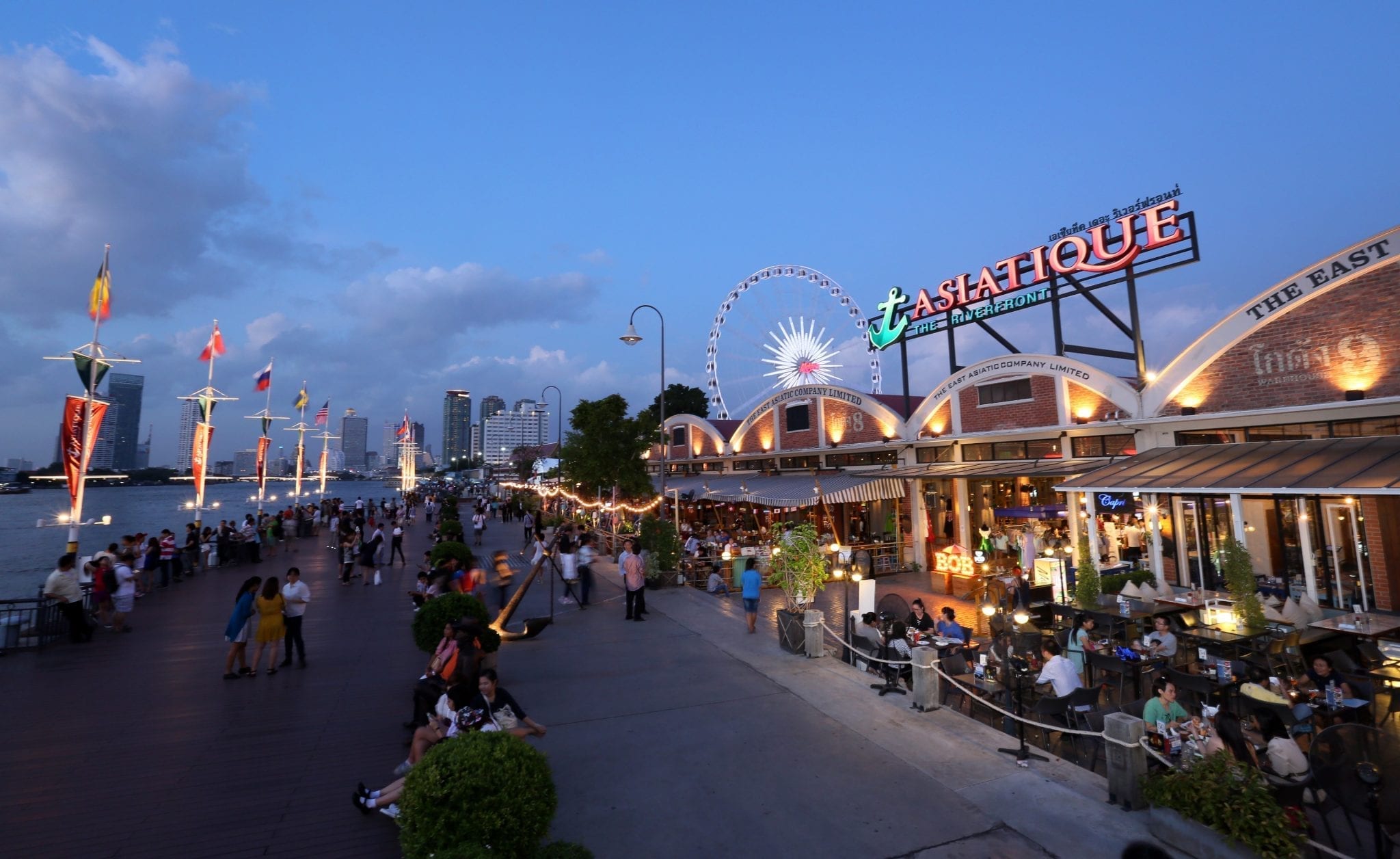
    Asiatique already dominates much of the night time Chao Phraya view with its night bazaar and Asiatique Sky Ferris wheel, built on the site of historic East Asiatic Company on riverside Charoen Krung (New) Road. (Creative Commons via Wikipedia)

    TCC Land Asset World Co, the retail arm of tycoon Charoen Sirivadhanabhakdi’s TCC Group, will invest 10 billion baht to build a five-star hotel near Asiatique the Riverfront, aiming to serve meeting and exhibition guests as well as a growing number of tourists.

    Surasit Manawatanakij, TCC Land’s asset manager, said the meetings, incentives, conferences and exhibitions (Mice) business has been growing significantly and Thailand is expected to be a regional hub for the segment because of its tourism infrastructure and staff.

    Located on the banks of Chao Phraya River, the hotel will have 800 rooms with a 3,000-square-metre conference hall, mainly to accommodate Mice customers. The luxury hotel is due to start construction in 2018 and finish in 2020.

    “This hotel is likely to be managed by Maryland-based hotel management chain Marriott International,” he said.

    TCC Hotel Group has Marriott managing its hotels in Bangkok, Phuket and Hua Hin.

    Mr Surasit said the strong growth of Mice has been backed by the country’s tourism attractiveness and Thai hospitality.

    Last year, Thailand welcomed 29.8 million foreign tourists and the arrival figure is expected to rise to more than 30 million this year.

    Apart from Mice business, TCC Land expects its Asiatique mall on Charoen Krung Road to welcome 24 million tourists in the next two years, up from 12 million last year.

    The project has become a tourist attraction with a giant Ferris wheel, restaurants and retail shops.

    The nearby area is booming with new retail development including Iconsiam located on the opposite side of the river. The cabinet recently approved the construction of a 2.68-kilometre Gold Line monorail in Thon Buri district not far from this area.

    TCC Land plans to earmark 300 million baht to build two new warehouses for the Urbano fashion zone and expand its pier at Asiatique to accommodate rising foreign and local tourists, especially foreign independent travellers (FITs), which have grown enormously in the past few years.

    “FITs have three times the spending power of those from tour groups,” Mr Surasit said.

    TCC Land also wants to alter the ratio of FITs and tour group customers to 60:40 next year from 50:50 last year.

    The company will partner with potential sponsors expected to be Thai Beverage, the Tourism Authority of Thailand and some tour agents to promote Asiatique during the festive season with a budget of almost 240 million baht, he said.

    “Thanks to very good feedback from tourists the past five years, Asiatique will keep developing itself to become a tourism landmark for Bangkok,” Mr Surasit said.

    TCC Land targets 500 million baht in revenue for Asiatique this year, mostly from retail rents and activities during the year-end festive season, before reaching 550 million in 2018.

    Last year, Asiatique’s revenue stood at 423 million baht.

    Asiatique has 1,500 shops and 45 restaurants and bars, including entertainment activities such as theatre, puppetry and a Ferris wheel overlooking the river.

    The company plans to bring more Asiatique projects to Pattaya and Chiang Mai in coming years to serve a sharp rise of tourists.

    Apart from Asiatique, TCC Land operates many retail projects in Bangkok including Gateway Ekamai, Centerpoint Siam Square, Pantip Plaza and Box Space.


  • Singapore flagship leads Uniqlo Asia plan

    Singapore flagship leads Uniqlo Asia plan

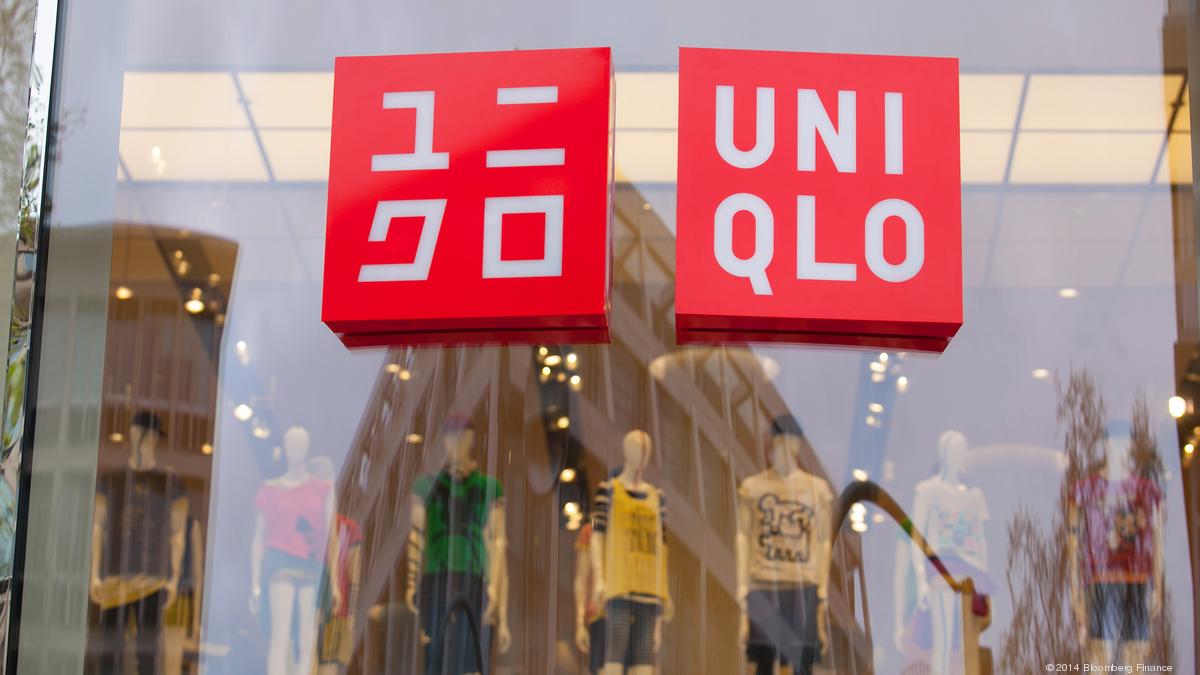
    Japanese casual-clothing chain Uniqlo’s new store in Singapore takes up three floors – and marks its biggest gamble in Southeast Asia yet.

    In the Orchard Road shopping precinct, the 2700 sqm Uniqlo Singapore flagship is the brand’s largest store in the region. Its parent, Fast Retailing Co, is opening Uniqlo stores in the US, London and across Asia to help reduce its dependency on its home market where household spending is falling.

    Uniqlo Singapore - Orchard store 1

    Uniqlo has about 130 outlets across Southeast Asia, opening a six-storey China flagship store in Shanghai a year ago. Chairman Tadashi Yanai says he has plans to open 100 stores a year in China on it way to a potential 3000. There are about 30 stores each in Malaysia, Thailand and the Philippines.

    Uniqlo Singapore - Orchard store

    Meanwhile, in Japan Uniqlo closed a net six stores in August, as same-store sales decreased by 1 per cent year-on-year. Sales at company-owned stores slipped by 0.5 per cent, but the company’s increasing online business saw overall sales increase by 0.2 per cent.

    Uniqlo cited cooler temperatures in the first half of the month and heavy typhoons from mid-month onward for the store sales decline.

  • Thai cellcos must register SIMs or lose licenses

    Thai cellcos must register SIMs or lose licenses

    Thailand’s telecoms regulator NBTC has warned operators that they will have their operating licenses immediately revoked if they fail to register prepaid SIMs sold from now on.

    The regulator has also warned that operators may be fined if phones with an unregistered SIM are sued for illegal activity.

    According to the NBTC, the regulator still gets new entries to its online customer information registration system that state “not registered,” despite introducing mandatory SIM registration more than a year ago.

    NBTC secretary-general Takorn Tantasith has stated that there will be “no more warning messages from now on,” and that operators allowing prepaid customers to use services without registering their details will have their licenses revoked immediately.

    The warning comes in the wake of a spate of recent bombing attacks in the south of the nation, and follows a meeting between the NBTC and more than 20 mobile operators and MVNOs to discuss the issue.

    According to a source quoted for the report, there were 36 mobile numbers involved in the recent bombing, and three of these had not been registered.

    Regulators are also proposing introducing special tracking SIMs for foreigners as part of Thailand’s SIM registration policy.