Tag: Thailand

  • H&M Beauty sets opening date

    H&M Beauty sets opening date

    The Swedish fast-fashion brand, H&M has set September 10 as launch date for its beauty line in Asia.

    After making its debut late last year, H&M beauty line will come to its Asian customers this September, with Singapore as the first destination.

    The first two Singapore stores to present the line are at Orchard Building and H&M Raffles Place.

    The range covers cosmetics, skincare, body-care and haircare products. The makeup range will include more than 700 products for all makeup styles and occasions. The body-care products are said to be made from premium ingredients with ‘Conscious’ collection using recyclable packaging.

    The beauty line is part of H&M’s philosophy to offer shoppers the latest styles and quality with affordable prices.

  • Thailand sets terms for rural broadband project

    Thailand sets terms for rural broadband project

    Thailand’s ICT ministry has finalized the terms of reference for a tender auction for a 15 billion baht ($433.1 million) national broadband project.

    The project’s procurement committee is preparing the auction process and expects to name the winner by September 15, citing comments from ICT minister Uttama Savanayana.

    Whichever company is selected for the project will be a major supplier of fiber or copper broadband networks for the national project. State-owned operator TOT will be in charge of distributing the network to selected areas and hiring private companies to construct it.

    The national project aims to extend broadband infrastructure to the 39,000 villages that still lack broadband internet access. Uttama said the ministry aims to expand the network to at least 10,000 villages by the end of the year and to all 39,000 next year.

    While the ICT ministry first aimed to complete the terms of reference for the project by March, it was delayed by several months due to management issues, the report states. The project forms part of the government’s digital economy and Thailand 4.0 policies.

    TOT was selected to take sole responsibility for the project in April, despite initial plans to have the company jointly oversee the project with fellow state-owned operator CAT.

  • Singtel to lift stakes in AIS, Airtel

    Singtel to lift stakes in AIS, Airtel

    Singtel has confirmed it has arranged to indirectly increase its stake in Thai mobile affiliate AIS, and revealed it will also increase its share in India’s Bharti Airtel.

    The operator announced it has entered a conditional agreement to acquire 21% of Thai operator AIS’ largest shareholder Intouch Holdings from Singtel’s majority shareholder Temasek Holdings, confirming reports from earlier in the week.

    Intouch is AIS’ largest shareholder with a roughly 40% stake, while Singtel owns a 23% stake in AIS.

    Singtel has meanwhile also agreed to acquire a 7.39% stake in Bharti Airtel’s holding company Bharti Telecom, adding to the 39.78% it already owns.

    The acquisitions have a total value of S$2.47 billion ($1.84 billion). Singtel will pay cash, and fund the acquisition through a combination of internal cash, short-term debt and proceeds from a S$1.6 billion placement of new Singtel shares to Temasek. The deal still requires shareholder and regulatory approvals.

    “Singtel has been a strategic partner to both AIS and Airtel for more than 15 years. We have built deep and trusted relationships, worked well together through the years, sharing knowledge and expertise and we have grown together, from strength to strength,” Singtel Group CEO Chu Sock Koong said.

    “Today, they have a combined mobile customer base of more than 380 million across Asia and Africa. This is a unique opportunity for us to deepen our relationships with two great market leaders.”

  • 7-Eleven Hits Milestone of 60000 Stores in 17 Countries

    7-Eleven Hits Milestone of 60000 Stores in 17 Countries

    7-Eleven Inc., the largest convenience retail chain in the world, keeps getting bigger with the opening of its 60,000th global store.

    The Irving-based company traces its roots to the 1927 opening of Southland Ice Co. in Oak Cliff, Texas. In 1946, with stores open from 7 a.m. to 11 p.m., the name was changed to 7-Eleven. Stores started staying open around the clock in 1971.

    7-Eleven moved into Canada in 1969 and into Mexico in 1971 as part of joint ventures. In 1974, the retail chain expanded into Japan with Seven-Eleven Japan, which became the parent company in November 2005.

    7-Eleven now has stores in Thailand, Taiwan, South Korea, China, Malaysia, Singapore, Philippines, Australia, Sweden, Norway, Denmark, Hong Kong, Macau, Indonesia and UAE through area license and master franchise agreements.

    The first 7-Eleven store in Vietnam is expected to open next spring, which will extend the retailer’s operations to 18 countries.

    “The 7-Eleven story is amazing and inspiring; we started as a small local ice house and have grown over the years store by store, community by community, and country by country into an iconic global brand,” said Joe DePinto, 7-Eleven Inc. president and CEO. “We will continue to grow by staying focused on the constantly changing convenience needs of our customers and by staying committed to the communities we serve.”

    Last year, 7-Eleven opened one store every 2.5 hours, for approximately 4,000 stores.

    The company currently has the most stores in Japan (18,860), followed by Thailand (9,278), the United States (8,378), South Korea (8,238) and Taiwan (5,057).

    Other milestones in 7-Eleven’s history include:

    • 1927: First store
    • 1952: 100th store
    • 1963: 1,000th store
    • 1984: 10,000th store
    • 2003: 25,000th store
    • 2010: 40,000th store
  • Starbucks Asia showcases local art

    Starbucks Asia showcases local art

    Art is playing a major role in the store design of Starbucks Asia.

    Michael Izon, director of store design in Starbucks China/Asia Pacific region, says his team works with artists, who work in a variety of mediums, to enhance stores in the Philippines and Thailand.

    Gaysorn_Starbucks_Thailand_(1)

    “Sometimes we seek the help of companies that represent local artists, while other times we find artists by chance. We once discovered an artist’s work while walking the streets of Hong Kong and asked to commission his work for one of our stores,” Izon said.

    Decisions about artwork occur at the beginning of the store design process.

    “We call our process holistic store design because we don’t want elements like artwork to look additive, we want them integrated in the overall design and become a natural part of the store,” said Izon.

    He added, art in Starbucks stores should be visually pleasing, but also informative in telling the brand’s story.

    One of the artists whom Starbucks was worked with is Ella Hipolito. Known for using coffee grounds to create realistic paintings, Hipolito has created artwork for Starbucks Philippines, including one for the S’Maison Starbucks in Pasay City.

    SMaison_Starbucks_Philippines_(5)

    “We wanted to highlight the work that takes place on Philippine coffee farms. Ella created a huge landscape painting on one of the walls in the store that depicts farmers harvesting coffee cherries,” Izon said.

    In Thailand, as customers enter the Gaysorn Starbucks in Bangkok, they encounter a mural that represents Starbucks’ travel around the world to source coffee. The mural was created in partnership with Jeentee Baiposuwan, a local artist and graduate of Silapakorn University.

    Gaysorn_Starbucks_Thailand_(3)

    Gaysorn_Starbucks_Thailand_(4)

    “Jeentee is a traditional Thai painter and used this style to develop a wonderful piece depicting the Starbucks Siren and the beginning of the Starbucks coffee journey,” said Izon.

    Smaller landscape paintings featured throughout the store share the story of single origin coffees and farmers.

    “Gaysorn is a premium mall, so the store has a luxurious look to it and the artwork reflects that as well,” added Izon.

    Gaysorn_Starbucks_Thailand_(2)

    When Izon and team received the design brief for the Siam Discovery store in Bangkok, the vision was to showcase Starbucks global social responsibility efforts in addition to highlighting coffee.

    Siam_Discovery_Starbucks_Thailand_(2)

    In the seating area of the store is Jeentee Baiposuwan’s large wire-art installation depicting 12 of Starbucks social impact initiatives.

    “There’s a lot of satisfaction knowing that what we design on paper for several months, will engage customers for many years,” said Izon.

  • Sales ease for Big C Thailand

    Sales ease for Big C Thailand

    A strong profit margin has helped Big C Supercenter weather a slight decline in sales for its second quarter.

    The Big C Thailand operator says “lukewarm economic conditions” continued, with the tourism sector and government spending continuing to act as the main drivers for the economy.

    “Some signs of improving agricultural prices and less severe drought conditions were seen during the quarter, but this has not yet translated into improved consumer confidence,” the company said in a stock exchange filing.

    During the quarter the company introduced a fundamental change in the way it trades. “We shifted our focus to the quality of sales rather than just the absolute sales amount,” says its report.

    “This does not mean we are neglecting our price position among retail customers; rather, we are limiting the number of ‘big-basket coupons’ we have previously used when targeting professional customers.

    “In order to be able to better answer to our customers’ local tastes and preferences, we started to reorganise and decentralise our store operations teams.

    “The work to capture synergies between the company and the BJC group, our new major shareholder, has also started.” For example, the company has been using combined volumes when re-negotiating with suppliers.

    More stores

    During the quarter, the group’s store network continued to grow across formats. A hypermarket opened in Ranong, Big C Markets opened in Pakthongchai and Somdet, 11 Mini Big C stores opened, including three at gasoline stations plus three franchise stores, and two Pure Drugstores. This brought the store total at the end of June to 126 large-format stores (Big C Supercenter, Extra and Jumbo), 57 Big C Markets, 408 Mini Big Cs (including 167 in gas stations and six franchise stores) and 149 Pure Drugstores.

    Big C’s total revenues from retail sales, rental and service income, and other income, reached baht 33,796 million (US$975.36 million) for the quarter, representing a 1.1 per cent decline of Baht 362 million compared with the same period last year.

    This decrease was driven by a 1.5 per cent retail sales decline.

    The group’s dual retail-property model continued its steady performance with rental income for the year increasing by 3 per cent.

  • New post at Luxasia Group for SingPost’s ex-boss

    New post at Luxasia Group for SingPost’s ex-boss

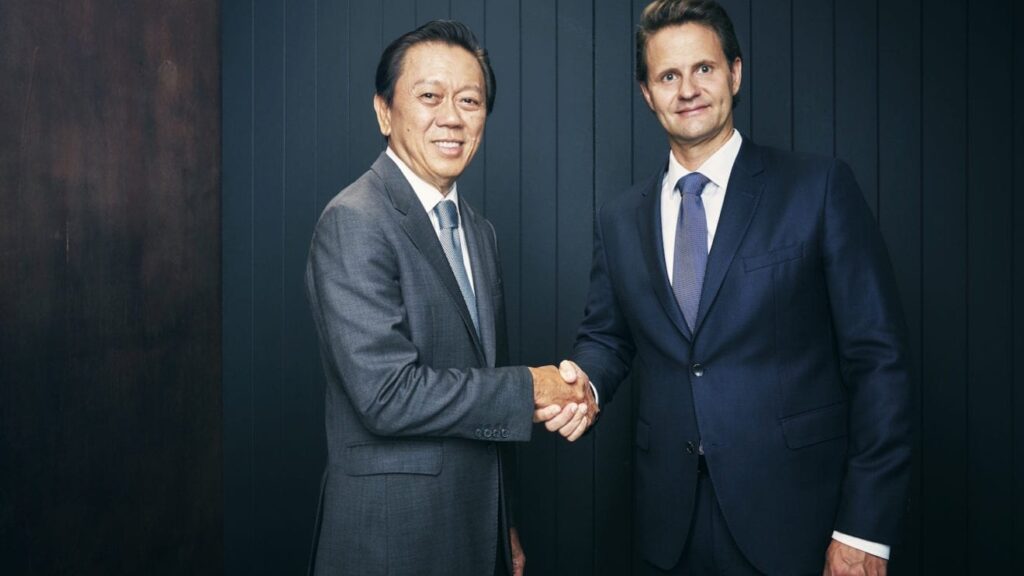
    Beauty retailer The Luxasia Group has appointed former SingPost CEO Dr Wolfgang Baier as group CEO, while founder/owner Patrick Chong has become chairman.

    “Luxasia is now at an important crossroads,” says Chong. “We intend to grow with our international partners and strengthen our core competencies to become the leading Asia consumer-centric omnichannel go-to-market partner of the beauty industry.”

    Patrick-Chong-Wolfgang-Baier

    He says Baier has proven leadership capabilities, vast knowledge and skills in areas such as CRM and omnichannel retail. “His track record in the logistics sector will also help strengthen Luxasia’s partnerships.”

    “Transformation is relevant in every sector and particularly for retail, where the digital and physical space is converging,” says Baier. “This makes developing an omni-channel ecosystem critical. We want to revolutionise how we serve consumers and brand partners in the beauty industry across Asia.”

    Chong says the search for a CEO took more than a year, as it was important Luxasia found the right leader.

    “Not only does Wolfgang understand our operations and share the same aspirations, in some ways he is even more ambitious for Luxasia with regard to developing new areas.”

    Established in 1986, The Luxasia Group has developed retail and distribution networks across Asia for some of the world’s biggest beauty companies. Based in Singapore, the privately held company has 11 offices and more than 2000 full-time employees in Singapore, China, Hong Kong, India, Indonesia, Malaysia, Myanmar, Taiwan, Thailand, the Philippines and Vietnam.

    It manages a portfolio of more than 120 international fragrance, cosmetics, skincare and
    professional salon brands including Beiersdorf, Burberry, Clarins, Estee Lauder, Ferragamo, Hermes, P&G and Shiseido.

  • Singtel said to plan to increase stake in AIS

    Singtel said to plan to increase stake in AIS

    Singtel is reportedly in talks regarding indirectly increasing its stake in Thailand’s top mobile operator AIS.

    The operator is negotiating with Temasek Holdings regarding a sale of part of the investment company’s 41% stake in Intouch, a major shareholder in AIS.

    Temasek Holdings is a Singaporean state-owned investment company which holds a 51% majority stake in Singtel. Temasek is also Intouch’s biggest shareholder with a 41% stake, while Intouch itself owns 40% of AIS. Singtel’s stake in AIS is currently 23%.

    Singtel and AIS previously held discussions regarding the Singaporean group increasing its stake in the Thai operator in 2014, but the negotiations were put on hold due to political and economic instability in the nation.

    But Bloomberg’s source stated that the companies involved believe there is renewed opportunity to pursue a deal now that the situation is becoming more stable.

    Singtel’s regional mobile associates are important to the operator’s financial performance. The company’s recently announced first quarter results  show that while the company’s net profit grew just 2%, pre-tax earnings contributions from the company’s regional associates climbed 19%.

    Temasek is meanwhile under pressure to pursue investments with a greater potential for returns after reporting the first decline in its portfolio for seven years during the financial year ending in March.

  • Kantar Worldpanel partners with Facebook to expand advertising measurement service

    Kantar Worldpanel partners with Facebook to expand advertising measurement service

    Kantar Worldpanel has formed a global partnership with Facebook that brings Facebook mobile ad exposure data into Kantar Worldpanel’s Consumer Mix Model (CMM) service.  In Asia, the service has launched in South Korea, Taiwan, Thailand, Philippines, and Vietnam, and will soon be available in Indonesia and Malaysia as well.

    The enhanced CMM tool combines Facebook’s mobile ad exposure data (in addition to desktop) with Kantar Worldpanel’s continuous consumer packaged goods (CPG) purchase data to provide brands with an accurate assessment of the effectiveness of their cross-media advertising campaigns. 

    The advertising landscape has witnessed rapid change in recent years as brands increasingly turn to digital formats.  In April Facebook announced that its advertising revenue had grown by 57 percent to $5.2 billion in the first quarter of 2016 alone, with advertisers drawn to its increasingly large user base. 

    The tool allows brands and advertisers to understand the real impact of individual advertising campaigns on actual sales and the contribution Facebook and other media have on their return on investment.  This in turn will help them to optimise their media planning and ultimately improve the efficiency of their media investment.

    Josep Montserrat, chief executive of Kantar Worldpanel, commented: “The partnership allows our experts to build a solid understanding of how advertising works and the role that Facebook plays in a wider campaign context.  Working with Facebook will allow us to inspire even better decisions to optimise advertising budgets and maximise advertisers’ return on investment.”

    Marcy Kou, chief executive of Kantar Worldpanel Asia, said: “It brings tremendous potential for advertisers on Facebook as the number of smartphone users continues to grow in Asia Pacific. Retail ecommerce in this region is going stronger than the rest of the world, and is still considered the “it” market. Yet there hasn’t been a reliable method to measure the effectiveness of mobile ads, and with this partnership, we will finally be able to.”

    Patrick Harris, director of Global Agency Development at Facebook, said: “We believe that strong partnerships with our agency partners are key to providing advertisers with the tools they need to measure true business value on Facebook.  We are excited to help inform Kantar Worldpanel’s Consumer Mix Model solution by bringing in our mobile ad exposure data in a privacy-safe way.”

    Kantar Worldpanel’s continuous CPG purchase panels are already widely used by the advertising community worldwide to understand the effect of cross-media advertising.  Its measures take into account in-store promotions and consumer loyalty to determine the full picture behind consumer purchase behaviour. 

    This partnership with Facebook is part of a wider alliance between WPP and Facebook to activate WPP’s data proprietary assets within Facebook, which was announced in April 2015.

  • Jamie’s Italian Opens First Restaurant in Thailand

    Jamie’s Italian Opens First Restaurant in Thailand

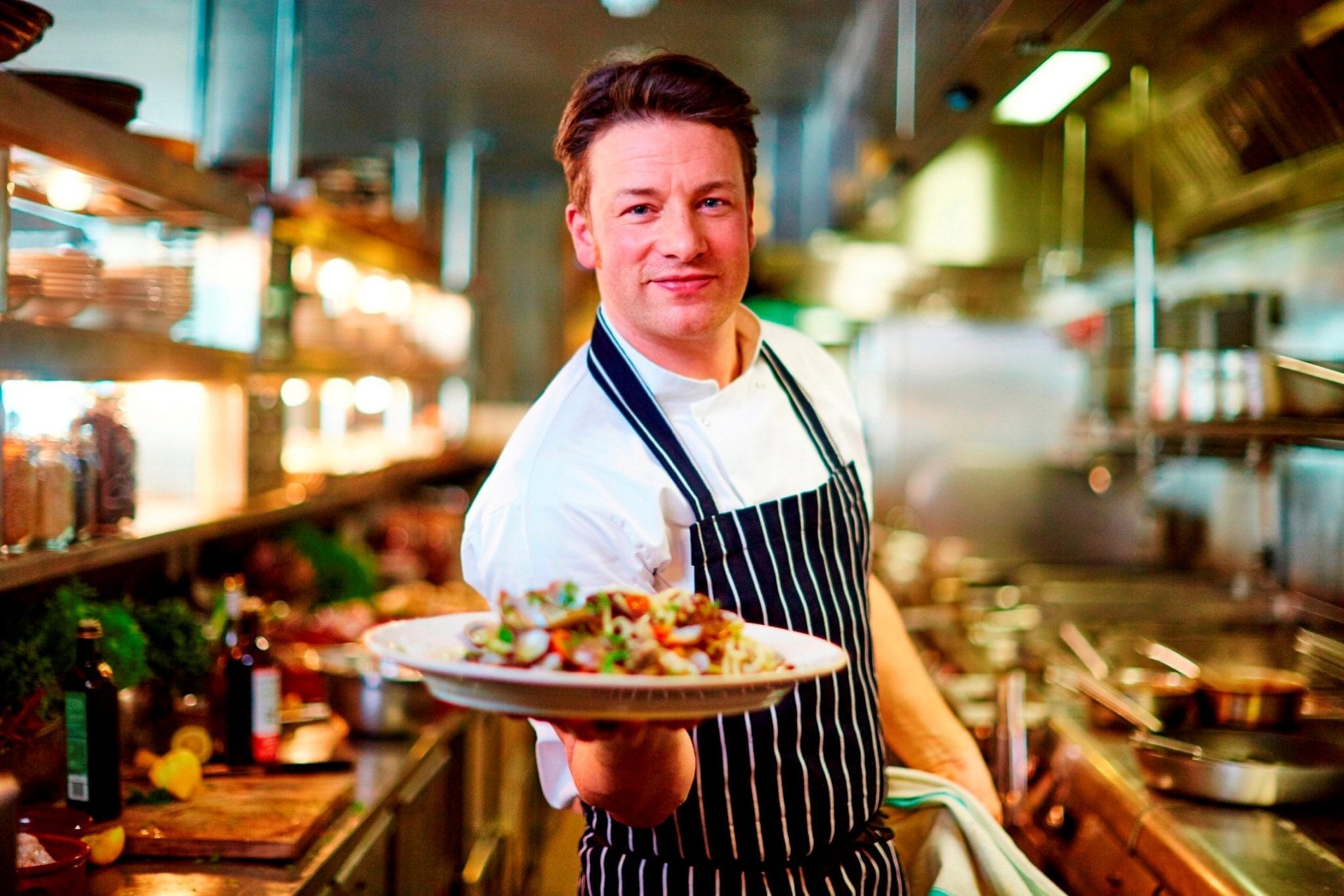
    Jamie’s Italian, a partnership between British celebrity chef Jamie Oliver and his mentor, Gennaro Contaldo, continues its expansion across southeast Asia with its first restaurant in Thailand, set to launch in Bangkok in the fourth quarter of this year.
    The family ­friendly Italian restaurant will open its doors at the newly­renovated Siam Discovery mall, situated in the heart of Bangkok’s shopping district and proudly brought to you by Hotel Properties Limited and Siam Piwat. Guests can expect Jamie’s Italian Siam Discovery to offer delicious, homely Italian cooking with a Jamie twist.

    Living up to the restaurant chain’s philosophy of serving amazing, affordable food in a casual setting, the latest Jamie’s Italian restaurant will embody a relaxed, buzzy vibe for a comfortable dining experience.
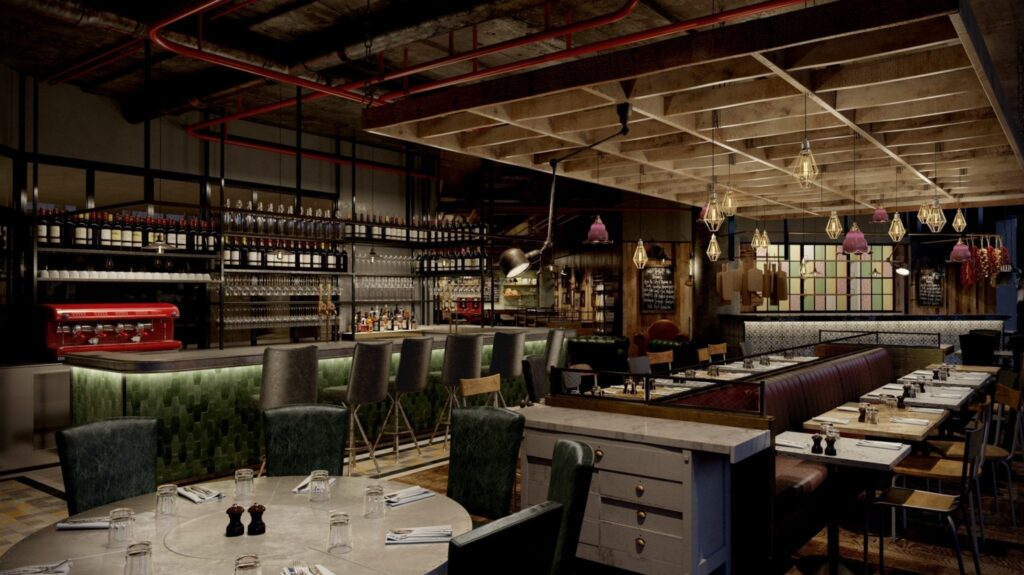
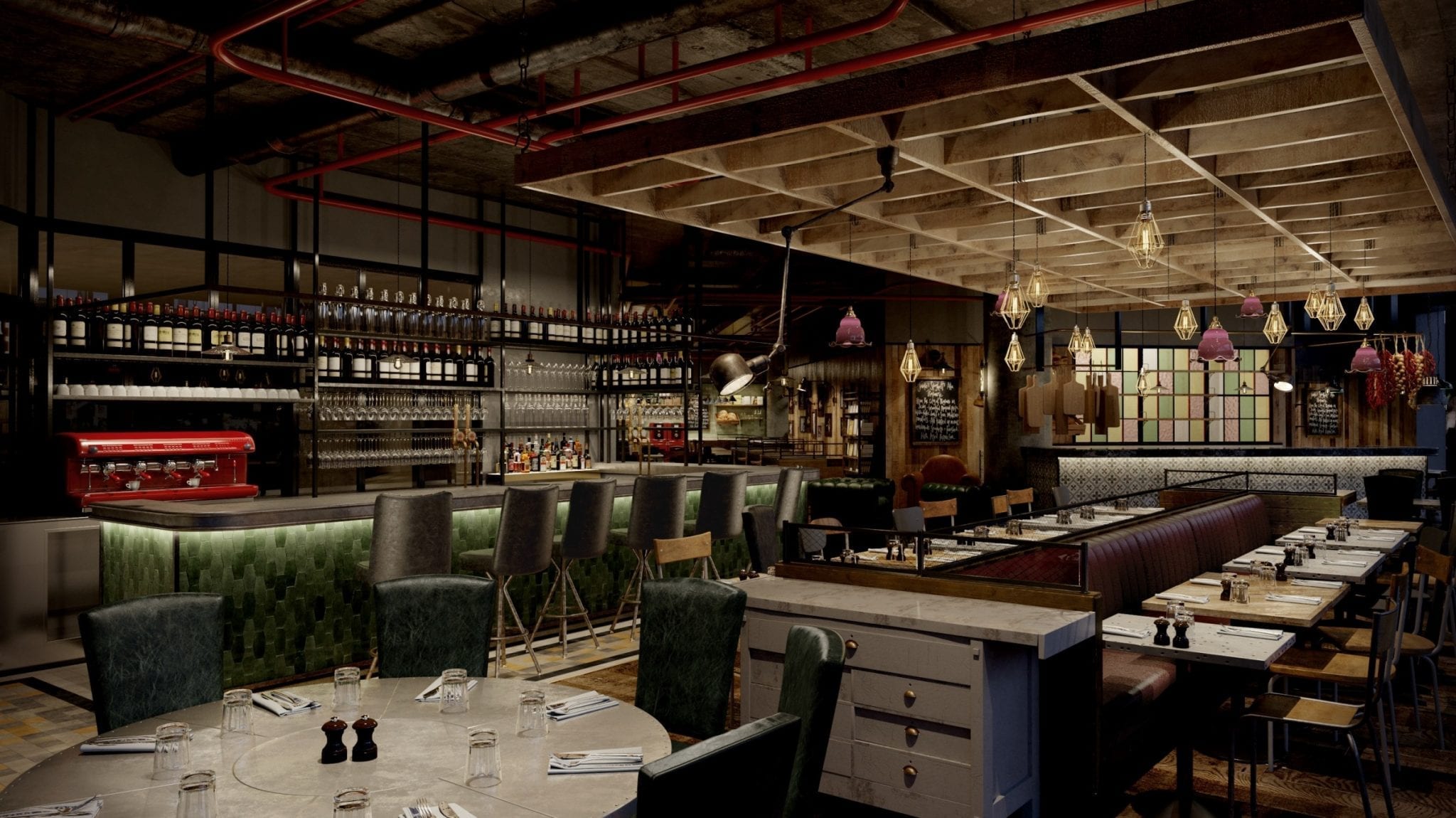
    10 Interior at Jamie's Italian restaurant

    The space will boast a tasteful mix of rustic, reclaimed timber refectory tables, industrial­chic zinc tables and vintage upholstered lounge chairs, with monochromatic and hand­painted floral tile flooring adding graphic impact to the restaurant interior. To add warmth, the dining area will be illuminated with brass spotlights, vintage enamel shades and a textured glass chandelier.

    Guests will be able to watch their antipasti planks being made before their eyes at the antipasti counter in the main dining room, or hang out for a pre and post meal tipple at the bar.

    Jamie’s Italian is all about fun, accessible dining. Menu highlights at Jamie’s Italian Siam Discovery will include the famous antipasti planks, perfect for sharing. Placed on large wooden boards supported by tins of tomatoes, the impressive platter allows guests to pick

    from a wide selection of fresh, cured and pickled antipasti, including Italian­style cured meats, buffalo mozzarella and aged pecorino cheese, chilli jam, pickled green chillies, Gaeta olives, caper berries and a crunchy salad of shaved root vegetables with chilli, lemon and mint.

    All pastas will be freshly made on­site daily. The old­school classic, Tagliatelle Bolognese, features handmade pasta, tossed in a rich ragu of beef, pork, herbs, Chianti and Parmesan and finished with crunchy, herby breadcrumbs. Our famous prawn linguine is a must try ­ juicy, garlicky prawns in a tasty fish broth with fennel, tomato and chili, topped with lemony rocket. Pizza dough will all be made by hand, and proved for hours before being hand­stretched to create an irresistibly crisp base. The simple but classic Margherita, dressed with a rich San Marzano tomato sauce, creamy bocconcini, shavings of British Cheddar and whole basil leaves, is the perfect choice for pizza purists, while the Funghi Misti is an earthy delight topped with porcini mushroom sauce, roasted herby mushrooms, mozzarella, chervil and tarragon.

    For meaty mains, guests will be able to opt for a Chicken Al Mattone, a traditional Tuscan dish that is made by grilling a marinated chicken under a brick. The weight of the brick ensures that the chicken is pushed further against the grates of the grill, producing a smoky, juicy and intensely­flavoured grilled chicken with an addictively crisp skin.

    As with all Jamie’s Italian outlets, the Siam Discovery restaurant will remain committed to sourcing only the best free­range, sustainable and ethically produced ingredients. The restaurant will also work closely with Thai farmers to showcase local, sustainable produce at its Bangkok branch.

    Jamie said: “I’m hugely excited to be taking Jamie’s Italian to Thailand. Bangkok is such a vibrant, buzzing city with a really fantastic food scene, I’ve no doubt that it will be a brilliant addition to
    the Jamie’s Italian family. We’ll be sourcing lots of beautiful, top­quality local produce, and cooking up some incredibly tasty food, and all at a reasonable price. I can’t wait for it to open”.


  • Upgrade broadens Pantip Plaza’s appeal

    Upgrade broadens Pantip Plaza’s appeal

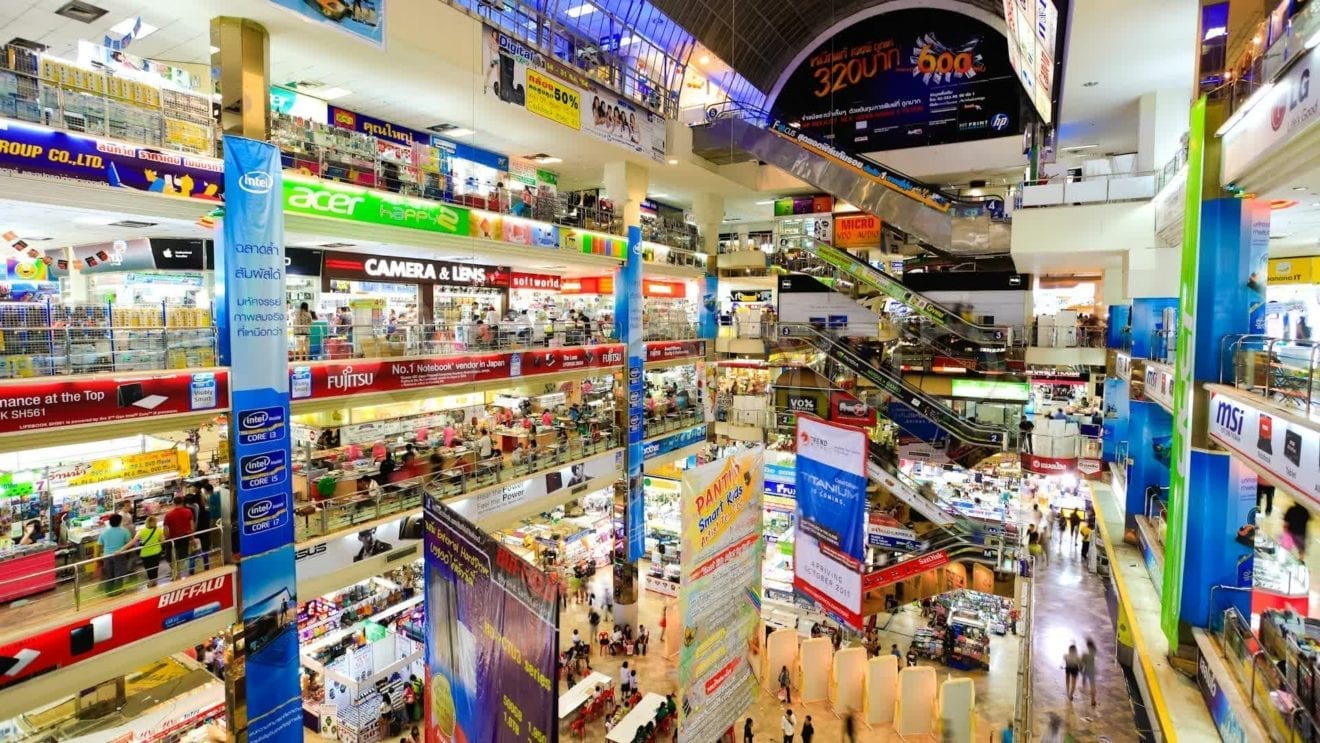
    Two years of renovation have breathed new life into Bangkok IT hub Pantip Plaza, on Phetchaburi Road.

    It re-opens on Monday as Tech Life Mall, offering wider aisles and spaces where customers can try balance wheels, scooters and drones.

    “We position ourselves as a fun place for shopping, and we broaden the target groups to kids and teenagers,” says asset manager Sansern Na Patthalung of Asset World Estate, which runs Pantip Plaza.

    The 36,000 sqm mall will have 300 IT dealers offering gadgets, gaming and business products, as well as a co-working space. Companies represented include local brand Intel Microelectronics, which sponsors an e-sports arena, while Google and Microsoft showcase their innovations at the Experience Zone.

    Syn Hub, the co-working space, will provide innovative technologies ranging from 3D printers, mechanics supporting the industrial internet of things, embedded electronics and radio frequency identification (RFI) systems.

    Over the past months different parts of the new development have been opened, attracting about 20,000 visitors a day. However, the aim is to attract 35,000 to 40,000 people a day by the end of this year.

  • NBTC sort of maybe bans Pokemon Go

    NBTC sort of maybe bans Pokemon Go

    Thailand’s National Broadcasting and Telecommunications Commission announced it would not ban Pokemon Go, then went straight ahead and asked Niantic for a de facto ban in practice anyway.

    NBTC Secretary General Takorn Tantasit held a press conference where he showed media the list of Pokemon-free zones he would demand from Niantic.

    This is the first time since Pokemon Go was launched that the NBTC correctly attributed Niantic to the hit game. All previous mentions by the telecoms regulator mis-credited Nintendo of Japan.

    The NBTC has ordered Niantic to, “remove Pokestops and not release Pokemon in the following areas: Dangerous areas – footpaths, railroads, railway, canal bank; religious places, temples, pagodas; schools and hospital; government and military buildings / properties; private places.”

    The NBTC also asked Niantic to ban all Pokemon in Thailand at night for safety reasons.

    It did not take long for social media to erupt in a storm of frustration and disbelief and point out the obvious that nobody in the NBTC had a clue how the game actually worked.

    Since Pokestops have a 40-meter radius (more for Pokemon themselves), banning Pokemon Go from the NBTC Secretary-General’s list would effectively be a total ban on Pokemon in Thailand except in royal palaces and the middle of safe, dry public parks.

    Nor did the NBTC’s letter mention Pokemon Gyms (where Pokemon battles are held).

    Adding to the confusion TrueMove has reiterated that it and it alone holds the rights to a forthcoming localized version of Pokemon Go and has already lined up 60 to 80 advertisers.

    True’s head of content Birathon Kasemsri told reporters that under Niantic’s contract with the Pokemon Company, Niantic would have to create a localized version of Pokemon Go exclusively for TrueMove.

    He said that True expected huge profits from advertising on everything from Pokeballs and items to clothing for the Pokemon Trainer avatars.

    Birathon said that the launch was still many months out as Niantic was still concentrating on the global launch of the game.

    Niantic did not respond to emails asking for clarification on the matter.

  • MBK plans second community mall

    MBK plans second community mall

    Thai developer MBK plans to spend 500 to 800 million baht (US$14 to 23 million) building a community mall in Pathum Thani province next year.

    President/chief executive Suvait Theeravachirakul says the mall will be opposite Bangkradi Industrial Estate in Pathum Thani.

    It is the company’s second community mall following The Nine Center in Bangkok. The new property will occupy a corner of an MBK site where it is developing the Riverdale Golf & Country Club and the Park Riverdale townhouse project.

    It is envisaged the mall will serve residential projects inside an eight to 10 km radius, and MBK is also looking at the feasibility of developing a mix-used complex.

    Meanwhile, The Nine Center has proven successful through its differentiation from other community malls nearby, says MBK shopping centre department MD Somphol Tripopnart. Its revenue last year was 225 million baht. About 12,000 shoppers visit the centre each day and the company plans to spend 10 million baht to improve its landscaping this year.

  • TrueMove to be ordered to set up Pokemon no-go zones

    TrueMove to be ordered to set up Pokemon no-go zones

    Thailand’s telecom regulator has summoned Pokemon master license holder True for urgent meetings today (9 August) and will order True to communicate with the franchise holder to set up Pokemon no-go zones.

    Dtac has confirmed it has also been summoned to give evidence about Pokemon to the NBTC. It is understood that AIS will also be present.

    NBTC secretary-general Takorn Tantasit further said that Pokemon have been appearing in inappropriate places such as hospitals, monasteries and government offices and this has led to chaos as players enter to try and catch them.

    Takorn said that Pokemon Go poses a threat to national security and has led to traffic mayhem.

    Royal Thai Police deputy spokesperson Pol Col Krisana Patanacharoen has called Pokemon Go a national security risk with people entering secure government facilities to hunt down Pokemon. He also said that anyone caught playing the game while driving will be prosecuted and fined.

    The only voice calling for reason came from Education Minister General Daopong Rattanasuwan. General Daopong said he would begin his own Pokemon Journey and play the game before passing judgement though he said it was unlikely he would order a ban on the game.

    “If you do not play Pokemon Go yourself, you will not understand the game. I have heard it is good for exercise,” the general said, referring to the distances of up to 10 km trainers have to walk in order to hatch a Pokemon egg.

    Earlier the Culture Minister Vira Rojpojchanarat came out against Pokemon in religious and historic sites as inappropriate and Election Commissioner Somchai Srisutthiyakorn said it was illegal to enter polling stations to catch Pokemon.

    On the other hand, the Sports and Tourism permanent secretary Pongpanu Svetarundra welcomed Pokemon Go and said that they would place Pokemon and Pokestops at key historic sites to promote tourism. The election commission also warned that catching Pokemon in polling stations is illegal.

    ICT Minister Uttama Savanayana has not made a formal comment for or against Pokemon, but he has spent the day re-tweeting news about Pokemon no-go signs across the globe which suggests he is also anti-Pokemon.

    What is clear is that none of the people in power in Thailand have any clue about how the actual game mechanics work. Nor has anyone clarified what rights, if any, True’s Pokemon license gives it over Niantic Labs’ Pokemon Go.

    NBTC secretary-general Takorn compounded his act of total cluelessness by saying that the game needed to be adapted to Thailand as Thai pavements are narrower than in Japan.

    Takorn clearly believes that Nintendo of Japan created Pokemon Go and placed the Pokestops. California-based Niantic, until recently a Google subsidiary, developed the game and the Pokestops are simply re-used sites from its other augmented-reality game, Ingress the vast majority of which are user-submitted.

    True is the master license holder of the Pokemon franchise in Thailand granted by the Pokemon Company back in December 2014. This includes merchandise and TV rights for TrueVisions, but not the right for a game which was made clear when they first held a press conference about the partnership.

    However the telco has recently said the license includes the rights to Pokemon Go, according to True’s head of content Peerathon Kasemsri. True CEO Supachai Chearavanont said there would be special in-game items for TrueMove subscribers and perhaps even a unique Thai Pokemon. None of that has happened.

    When Pokemon go was launched in Thailand through the Apple and Google stores, all telcos had equal access to the game.

    For its part, TrueMove is running a big Pokemon Go promotion campaign under a slogan, “True home of Pokemon” but other than offering an e-book and a Pokemon-branded data package for trainers (which is a simple 5 GB data package that is in any way special or tied to Pokemon Go), nothing exclusive has been launched yet to tap into its Pokemon franchise master license.

  • Pokemon no-go in Thailand

    Pokemon no-go in Thailand

    Thailand’s Culture Minister has warned people against playing Pokemon Go, especially in religious and historic sites while the Tourism and Sports ministry is seeking to use the game to promote the very same.

    Culture Minister Veera Rojpojanarat said Pokemon Go had many potential dangers and players should not spend too much time on it, spend too much money or put themselves in danger.

    “As for entering Buddhist Monasteries or historic sites to catch the [Pokemon] dolls [sic], I know Thai people have the common sense to know what is proper and what it is not,” he said.

    This is in contrast to the Tourism and Sports Ministry which has jumped on board the Pokemon Go bandwagon, though it does seem to lack knowledge on how the game works.

    Last week, Pongpanu Svetarundra, permanent secretary of the Ministry of Sports and Tourism, announced that rare types of Pokemon would be placed at tourist destinations that the ministry wanted to promote.

    He also said that Pokestops (in game places that give out items when within 40 meters) would be placed at famous tourist destinations to attract Gen-Y trainers/travellers.

    Meanwhile the Election Commission of Thailand has warned Pokemon Trainers against attempting to catch Pokemon in polling stations as Thailand went to the polls yesterday in a referendum where they overwhelmingly approved a new military-entrenched constitution.

    Election Commissioner Somchai Srisutthiyakorn said it was illegal to enter polling stations to catch Pokemon. Again in a case of not knowing how the game mechanics work, Somchai said, “in occasions that rare Pokemons emerge in any polling station, please stop playing it near these stations.”

    A trainer can attempt to catch a wild pokemon if it appears within a range of about 100m without having to actually go to the point where it appears on the map.

    Elsewhere Islamic leaders in Kuala Lumpur said today that Muslims should avoid playing Pokemon Go because the popular mobile game was harmful and could “lead to gambling.”

    Mufti of Federal Territories Zulkifli Mohamad al-Bakri, in a statement on Friday (Aug 5) said that the ruling was made at the Federal Territories Islamic Legal Consultative Committee meeting on Aug 1.

    “After studying the opinions of religious scholars and the fatwa (edict) issued, we agreed that the edict has a basis and that Pokemon Go and all the Pokemon characters should be avoided as it can bring harm.

    “The game promoted a search for power and deities with certain powers which could lead to gambling,” he said. Iran has also banned Pokemon Go, but on security grounds.