Tag: tourism

  • Singapore Myanmar Investco hinges growth on Myanmar’s robust tourism

    Singapore Myanmar Investco hinges growth on Myanmar’s robust tourism

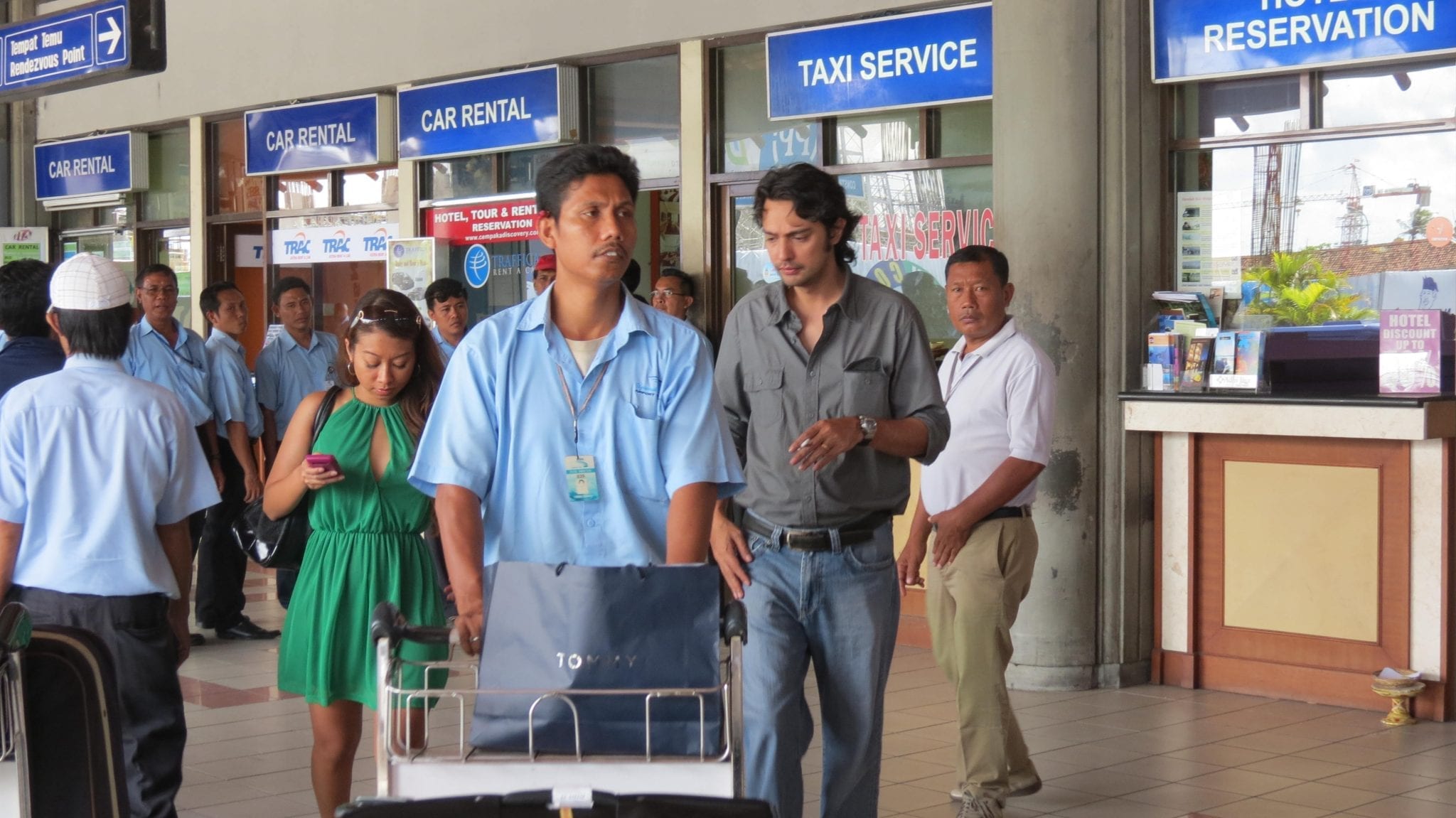
    It secured 90% of commercial space in YIA’s new terminal. Singapore Myanmar Investco’s duty free shops, retail outlets and car rental services are seen benefitting from growing tourism in Myanmar, said DBS Vicker Securities.

    The research house notes that the influx of tourists, estimated by the Tourism Ministry to increase from 5m in FY2016 to 7.5m in FY2020 on the back of the improved political and economic stability, will lead to the capacity expansion of YIA from 2.7m to 8m passengers by 2019.

    As such, with 90% of the commercial space secured on a 10-year agreement with merchandise supplied by DFS Venture Singapore at the new terminal at YIA which opened in mid-March, it believes SMI is set to benefit from the rising tourism in Myanmar.

    SMI will also manage three F&B outlets; with franchise agreements signed with Crystal Jade, IPPUDO (Japanese ramen restaurant) and The Coffee Bean & Tea Leaf.

    SMI plans to expand its range of F&B franchise concepts into the domestic market.

  • Tourism a driving force behind Vietnam’s economic growth

    Tourism a driving force behind Vietnam’s economic growth

    The country is on track to welcome more than 10 million visitors this year.Driving economic growth in Vietnam, the country’s government portal reported yesterday.The country’s economic growth prospects are strongly driven by its travel and tourism sector, the EIU said.

    Foreign arrivals reached more than 9 million from January – November this year, a staggering 25 percent increase from a year ago, the EIU noted, citing official data from the National Tourism Administration.

    The country is on track to welcome more than 10 million visitors by the end of this year, the administration forecast, which would exceed the target by 17.6 percent and last year’s arrivals by 26 percent.

    The EIU said that tourism continues to make a significant contribution to Vietnam’s economy. The tourism sector has not only created job growth in the wider economy, but also supported the development of other sectors such as retail.

    The study attributed the tourism industry’s growth prospects partly to Vietnam’s efforts to relax its visa policy to pave the way for a bigger inflow of international tourists.

    It has already offered visa exemptions for tourists from South Korea, Japan and those from Southeast Asian countries, as well as extended its visa-free policy through to June next year for travelers from the United Kingdom, France, Germany, Spain and Italy.

    With the aim of giving the tourism industry an even bigger push, the Vietnamese government has approved much-touted online visas for travelers on short holidays or casual business visits. The new visa rule, which is expected to come into effect from February next year, but it will be limited to those arriving from Vietnam’s top tourist markets.

    Vietnam’s top 10 tourist markets include China, South Korea, Japan and the United States.

    According to the World Tourism and Travel Council, tourism revenue directly contributed 6.6 percent of Vietnam’s gross domestic product last year. If you take into account that tourism drives other areas like spa and wellness services, dining and retail, the sector contributed around 13.9 percent of GDP.

    EIU experts suggested the Vietnamese government should improve the quality of transport infrastructure, which will in turn further boost growth in the tourism sector.

  • Thailand tourism breaks records and welcomes 30 millionth visitor to the kingdom

    Thailand tourism breaks records and welcomes 30 millionth visitor to the kingdom

    Mr. Yuthasak Supasorn, Governor of the Tourism Authority of Thailand (TAT) said, “This has been an amazing year for tourism in amazing Thailand as shown by the huge numbers of visitors. We have reached 30 million and the high season has only just kicked off. We know that more people will be coming to enjoy the cool weather and holiday festivities. Thailand has so much to offer the world and we know that the Thai people make every visitor feel as welcome as we made Ms. Huang Junyi feel today.”

    Ms. Huang Junyi receives a certificate naming her as “Thailand’s Luckiest Visitor – The Amazing, Smashing Success” from Mr. Yuthsak Supasorn, TAT Governor

    Ms. Huang Junyi,“Thailand’s Luckiest Visitor – The Amazing, Smashing Success”, was greeted at Suvarnabhumi Airport with a fantastic welcoming ceremony co-hosted by the Tourism Authority of Thailand (TAT), Thai Airways International and True Corporation.

    Ms. Huang’s prize will be two economy-class return tickets to Thailand from her original destination, which are valid for a year. She will also be given a voucher for a five-night stay in one of Thailand’s luxury hotels in Bangkok, Pattaya or Hua Hin as well as a mobile phone with a 4G sim card and seven days of Internet usage and a certificate naming her as “Thailand’s Luckiest Visitor – The Amazing, Smashing Success” so that she can remember this day forever. The lucky 30 millionth visitor was also given an exclusive limousine transfer from the Airport to her accommodation in Bangkok.

    This is the second time that Ms. Huang Junyi has travelled to Thailand. During this trip, she will be spending 10 days in Bangkok and Pattaya.

    The “Thailand’s Luckiest Visitor” campaign was launched in 2015 to welcome and reward every millionth visitor to Thailand from June to December. The campaign was a great success and garnered interest from the public and media organisations across the world, boosting Thailand’s tourism sector and brand image. It has been brought back in 2016 to welcome the 30th and 31st million visitors and will continue till the end of 2016.

    In 2016, Thailand is projecting total international tourism revenue of 1.62 trillion Baht (USD 46 billion), representing a year-on-year increase of 11.68% over 2015.

    To boost tourism numbers, various initiatives have been put in place to encourage tourists to visit and spend. This includes the waiver of tourist visa fees for visitors from 19 countries from 1 December, 2016, to 28 February, 2017, and the price of visas issued on arrival will be halved. To encourage more domestic travel, a long New Year holiday of four days including 31 December, 2016, and 1 to 3 January, 2017, has been confirmed.

  • Shanghai Disney Resort to take wings

    Shanghai Disney Resort to take wings

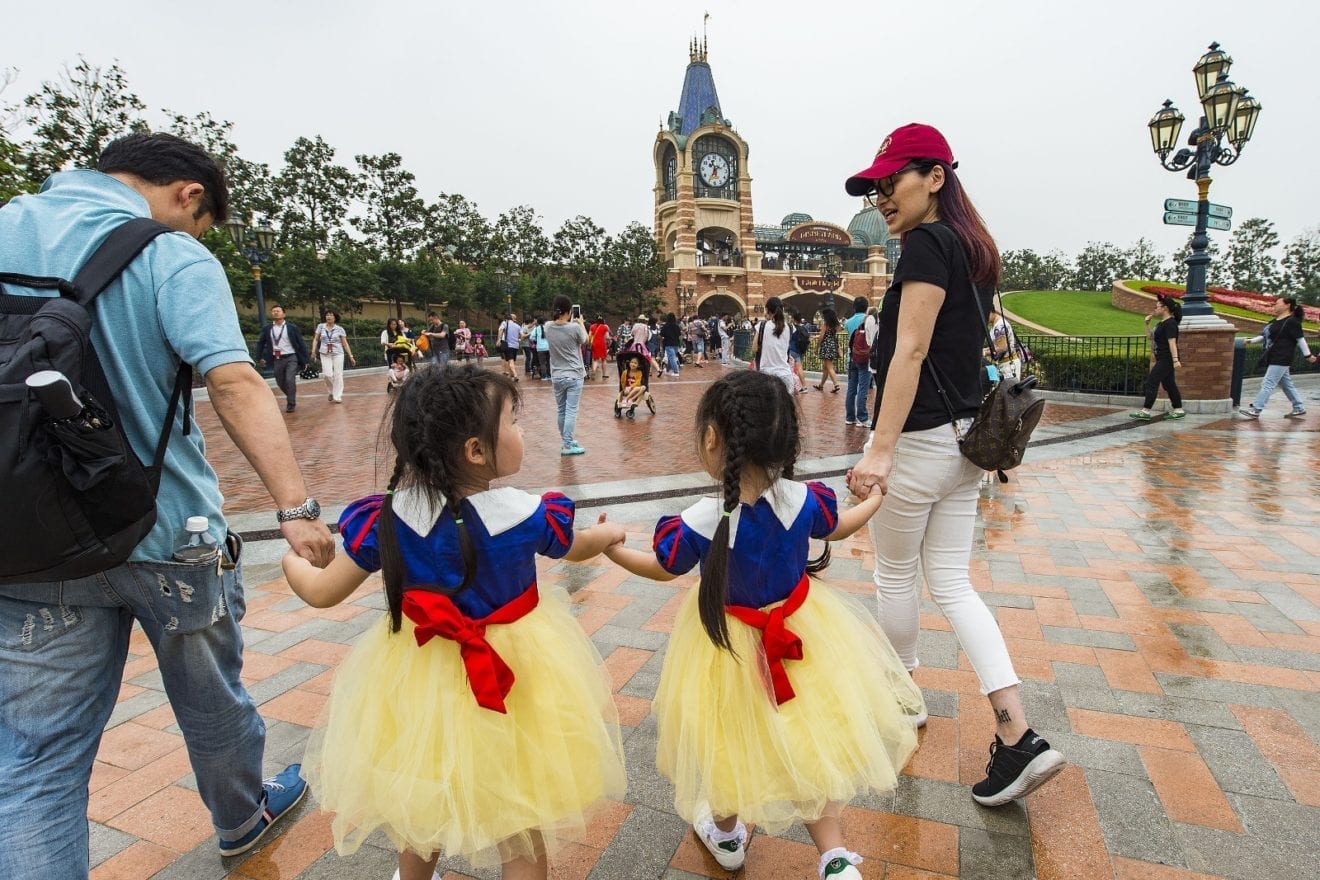
    Shanghai Disney Resort will open two retail stores at the city’s Hongqiao International Airport next year.

    Both stores will be at the domestic departures of the airport’s T2 terminal to allow travellers to take home merchandise collections more conveniently, says the resort.

    It already has a 3000 sqm World of Disney Store at Disneytown that includes specialty shops and a Spoonful of Sugar confectionery. There are more than 7000 merchandise items including Disney apparel, toys, stationery, lifestyle products, collectibles and gifts. Resort director of merchandise David Koo says retail products will be updated or expanded, based on ongoing Chinese consumer research and insights.

    The most popular products at the resort include a Mickey and Minnie foldable-fleece collection that can be worn or folded into a back cushion. Another bestseller is the Storybook Chocolate Set.

    Koo says the resort will offer special products soon for the coming Chinese New Year, on January 28.

  • Sa Sa International sees fall in profits amid drop in tourism

    Sa Sa International sees fall in profits amid drop in tourism

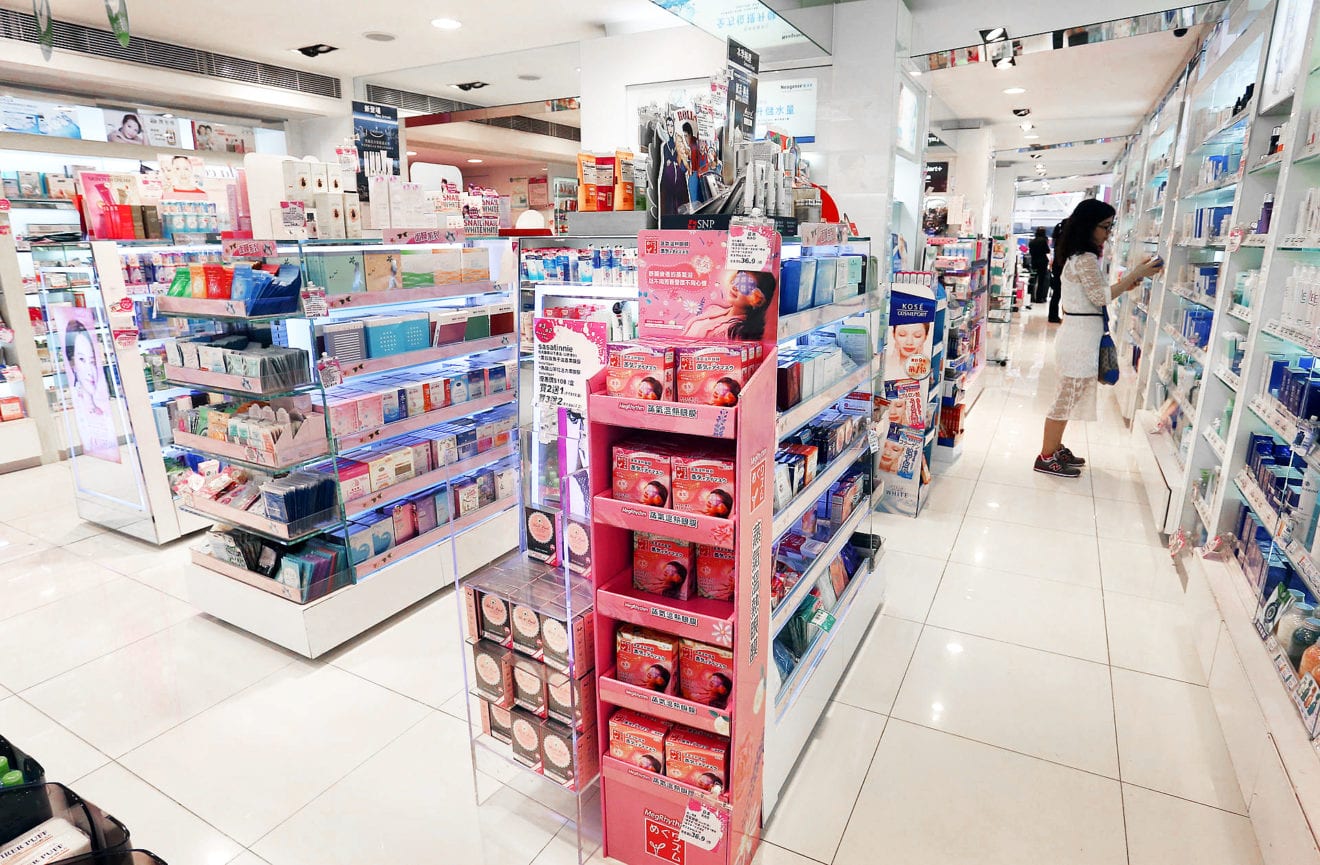
    In the period ending September 30th 2016, Sa Sa International’s turnover reached HK$3.63 bn (€442.2 mn), a 4% drop from HK$3.78 bn (€460.5 mn) compared to last year’s results.

    Sa Sa totalled profits of HK$96 mn (€11.7mn), indicating a 37.3% drop from last year’s HK$153 mn (€18.6 mn) during the same period.

    Purchasing patterns

    Despite a continued reduction in tourist footfall, the total number of transactions by local and mainland Chinese consumers increased by 0.2% and 4.4% respectively.

    However, the average sales value per transaction saw a slump, decreasing by 6.3% for purchases made by local consumers and 6.6% for tourists. This was reflected in the leading cosmetics company’s retail sales in Hong Kong and Macau, which fell by 3.6% from HK$3 bn (€365.5 mn) to HK$2.9 bn (€353.3 mn).

    The Hong Kong market has witnessed changing consumer attitudes towards product selection. As the Hong Kong dollar strengthened and the Chinese Yuan deteriorated, these have also been cited as having a detrimental impact on Sa Sa’s interim results.

    To reflect the evolving marketplace, Sa Sa focused on adapting to consumer demands by speeding up product launches, combatting lengthy product cycles with shorter alternatives, reducing price points of on-trend lines and creating innovative marketing displays.

    The shopping experience

    Sa Sa is currently concentrating on increasing sales by bringing these efficient product cycles to market through facilitated CRM processes, online marketing and online-to-offline (O2O development.)

    The O2O landscape has been developing rapidly throughout APAC in recent years. As a result, Sa Sa hopes to maximise this opportunity to improve the shopping experience for its customers through creating online operations for digital marketing that connect with its physical stores.

    “We…remain resolute in our belief that we can further strengthen our competitiveness in the coming years and convert difficult challenges into golden opportunities, such as those offered by O2O, by changing consumer behaviour and by the growing affluence of the less developed regions of Mainland China” said Dr Simon Kwok, BBS, JP, Chairman and CEO of the Group.

    This year, the cosmetics brand launched a new mobile app to reflect the market’s preference for mobile over desktop usage. Sa Sa collaborated with online retailer Kaola to complement this release and existing partnerships with T-Mall, JD.com and suning.com.

    It used these channels to promote its range of Korean products, which it produced to reflect the popularity of the K-beauty and K-pop influences trending through APAC and the wider markets. As a result, Sa Sa saw its sales increase by 51.5% in Hong Kong and Macau, with its own brands and exclusively distributed products dropping by 2.5% from 41.3% to 38.8%.

    Consumer support

    On 21st November, two days before the interim report was released, Sa Sa International announced it had been presented the award at the “World’s Excellent Brands Awards 2016-2017” by China Media Network (CMN).

    The prestigious accolades are given to those brands that demonstrate an awareness, recognition, leadership and representativeness of tourism-related global brands by an evaluation committee and selection of tourists.

    Following public voting and evaluation, Sa Sa received the “World’s Excellent Brands Awards” and has previously been awarded the “Most Popular Hong Kong and Macau Brand” by CMN.

  • President calls for serious effort to attract 10 million Chinese tourists

    President calls for serious effort to attract 10 million Chinese tourists

    President Joko Widodo (Jokowi) has called for a serious effort to attract at least 10 million Chinese tourists to visit Indonesia per year.

    “Some 150 million Chinese citizens travel abroad every year. Most of them travel to the US and Europe. I want some 10 million Chinese tourists to visit Indonesia,” he said at a function to familiarize the public with the second phase of tax amnesty program here on Friday night.

    The president said he has signed an agreement with the Chinese government related to Chinese tourists visit to Indonesia.

    “The agreement has been in place. We only prepare flights from China to Indonesia. If the flights are already there, the target of attracting 20 million tourists can be achieved in 2019,” he said.

    The government is developing 10 key tourist destinations expected to attract more tourists, he said.

    “The target of tourist arrivals two years ago was 9 million. We want to increase the target to 20 million in 2019 by all available means including improving our positioning, diversifying products, and building brands,” he said.

    To achieve the target, the government continued to carry out tourism promotion in major cities abroad, he said.

  • Indonesia has role in tourism development in maritime silk route

    Indonesia has role in tourism development in maritime silk route

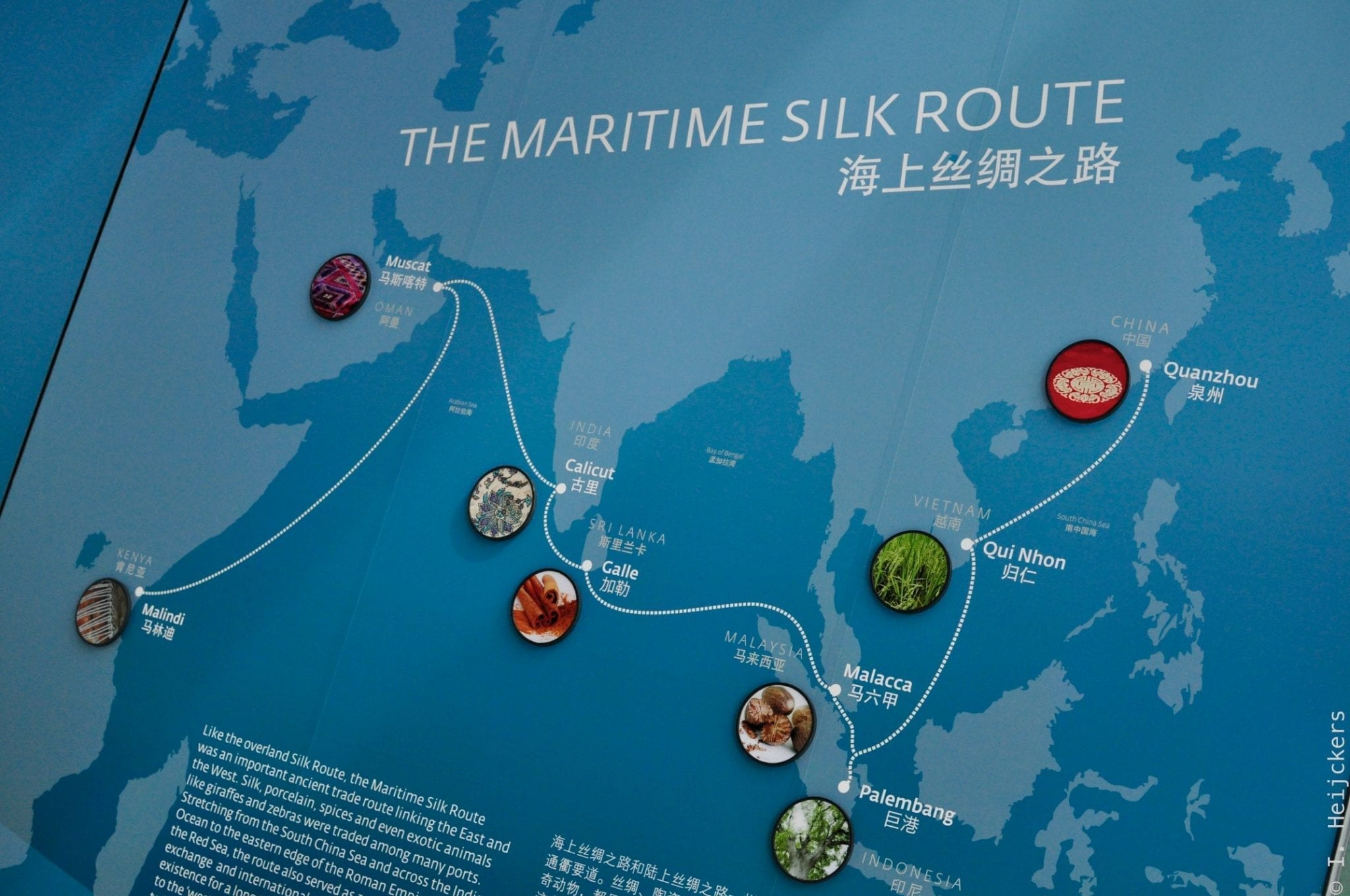
    Indonesia has an important role and can take advantage of tourism development in the maritime silk route of the 21st century in China, according to China National Tourism Administration (CNTA) Information Center Director Cai Jiacheng.

    “Indonesia has its own uniqueness as a global tourist destination, especially for the countries along the maritime silk road of the 21st century in China,” Jiacheng told.

    According to him, Indonesia has a lot of cultural diversity and unique and attractive natural sceneries that can make the country a world tourist destination.

    “However, Indonesia must fix the infrastructure and build good connectivity with a number of other countries, particularly with countries along the maritime silk road,” Jiacheng noted.

    “Indonesia should actually be able to provide maximum services, ranging from easing visas and providing adequate infrastructure, including connectivity, to attract tourists to come to the country,” he added.

    Jiacheng added that Chinese travelers can visit other countries through the ASEAN countries such as Indonesia, Thailand and Singapore.

    “Therefor e, Indonesia has opened the path for China to ASEAN, because of its strategic position to support tourism development in the maritime silk road of the 21st century that can also provide a great advantage for the country,” he said.

    Tourism is playing an increasingly important role in the economic growth of China. Tourism sector accounted for about 10.8 percent of the total growth in Gross Domestic Product (GDP) and 10.2 percent of the national job last year.

    CNTA is targeting 137 million foreign tourists to visit China in 2016, or up to 2.5 percent compared to that of the previous year, while the amount of targeted revenue from foreign tourist arrivals is US $ 121 billion, up by 6.5 percent over the previous year.

    “Therefore, China is serious to work on the tourism sector by using destination packages, connectivity, and the use of information technology for marketing and promotion,” he said, adding that Indonesia can take advantage of the tourism development in the maritime silk road of the 21st century.

  • Indonesia, Singapore agree to develop tourism cooperation

    Indonesia, Singapore agree to develop tourism cooperation

    Indonesia and Singapore agreed to develop cooperation in the tourism sector through the signing of a memorandum of understanding (MoU) in Semarang, Central Java, on Monday.

    Indonesian President Joko Widodo (Jokowi) and Singapore Prime Minister Lee Hsien Loong witnessed the signing of the MoU by Indonesian Minister of Tourism Arief Yahya and Singapore Industry Minister S. Iswaran, representing the Singapore Tourism Board (STB).

    Jokowi, in his statement after the signing of the MoU, said the cooperation will strengthen ties in the tourism sector, including the development of new tourism destinations in Indonesia.

    “We hail the cooperation in the tourism sector that has just been signed,” Jokowi said.

    In the meantime, Minister Arief Yahya said the cooperation, which will be developed, covered three areas. “There are three areas of Indonesian-Singapore cooperation in the tourism sector, namely joint marketing, cruise ships and MICE (Meeting, Incentive, Convention, Exhibition).

    Works that could be done are the development of ports and destinations, the development of human resources, cooperation in the private sector, and exchange of information.

    Yahya said that both countries did no need a long time in the process of reaching the signing of the MoU.

    “This is the fastest signing of MoU that Singapore has ever made,” said Leong Yue Kheong, Assistant Chief Executive of Singapore Tourism Board.

    Since 2010, Singapore has shown its interest to cooperate in the development of cruise ship business, but Indonesia was still calculating the advantages and disadvantages of the cooperation with Singapore.

    It was in the era of Jokowi did Indonesia decide to give priority to cooperation in the tourism sector with Singapore.

    Earlier, Jokowi and Lee Hsien Loong held a bilateral meeting at Perdamaian Guesthouse, Semarang, Central Java.

    Jokowi, who was accompanied by First Lady Iriana Joko Widodo, arrived at the guesthouse at 9.30 am after flying directly from Jakarta. He arrived ahead of the Lees arrival.

    Lee and his wife Ho Ching arrived at the guesthouse at around 9:50 am. He was accompanied by Central Java Ganjar Pranowo to walk into the guesthouse.

    After the welcoming ceremony, Jokowi and Lee directly held a bilateral meeting at the guesthouse.

    As planned, the meeting includes a number of activities, including Indonesia-Singapore “Leaders Retreat Tete-a-Tete,” a bilateral meeting, as well as signing of the MoU on the results of cooperation between the government of Indonesia and Singapore.

    After luncheon, Jokowi and Lee and his entourage are also scheduled to attend the official opening of Kendal Park Industrial Estate By the Bay, which is located in Kendal District, Central Java Province.

    The president and Lee are scheduled to make an observation tour in this area before returning to Semarang.

    The president and the First Lady are scheduled to return to Jakarta at night by the Indonesian Presidential Aircraft-1.

    Coordinating Minister for Maritime Affairs Luhut Binsar Panjaitan, Minister/State Secretary Pratikno, Tourism Minister Arief Yahya, and the Head of Capital Investment Coordinating Board (BKPM) Thomas Lembong accompanied the president during the flight to Semarang.

  • 2 Reasons Why Indonesia’s Economy Could Grow Much Faster Than Singapore’s

    2 Reasons Why Indonesia’s Economy Could Grow Much Faster Than Singapore’s

    The World Bank had recently released its October 2016 edition of the Indonesia Economic Quarterly (IEQ), titled, Pressures Easing. In the report, which goes through the state of Indonesia’s economy, the World Bank shared a few pillars that are supporting the growth of the country’s economy.

    The World Bank’s latest projections are for Indonesia’s economy to expand at 5.1% in 2016. This compares favourably to Singapore’s expected economic growth rate of 1% to 2% this year.

    Here are some of the pillars the World Bank shared in its report:

    1. Higher tax revenue from tax amnesty

    Indonesia’s government had rolled out a tax amnesty program in June this year that is scheduled to run till next March. The tax amnesty program has been highly successful so far and has already gathered IDR 93.4 trillion (around US$7 billion) in revenue for the Indonesian government in the first phase alone.

    The revenue was higher than estimated. The World Bank thinks that the additional revenue is “expected to raise capital spending and hence have a positive impact on Indonesia’s growth.”

    2. Effective social policies and plans for tourism growth

    The better fiscal position of the Indonesia government is not the only pillar supporting growth for Indonesia.

    The World Bank thinks it is possible that the Indonesian government’s policies that stabilised rice prices and expanded social assistance programs over the past few years have helped reduced Indonesia’s poverty rate by 0.4 percentage points in the first-quarter of 2016.

    Indonesia is also looking to boost the appeal of its tourism sector by attracting US$10 billion in private investments for tourism by 2019. Data from the World Travel and Tourism council show that every US$1 million spent on tourism in Indonesia helps support 200 jobs and US$1.7 million in GDP (gross domestic product).

    There are a number of stocks in Singapore’s market with heavy exposure to Indonesia’s economy and one of them is Lippo Malls Indonesia Retail Trust, a real estate investment trust that owns retail malls and spaces in Indonesia. Since the start of the year, Lippo Malls Indonesia Retail Trust’s unit price has climbed by 22%.

  • Airasia to serve Kuala Lumpur-Jakarta-Labuan Bajo route

    Airasia to serve Kuala Lumpur-Jakarta-Labuan Bajo route

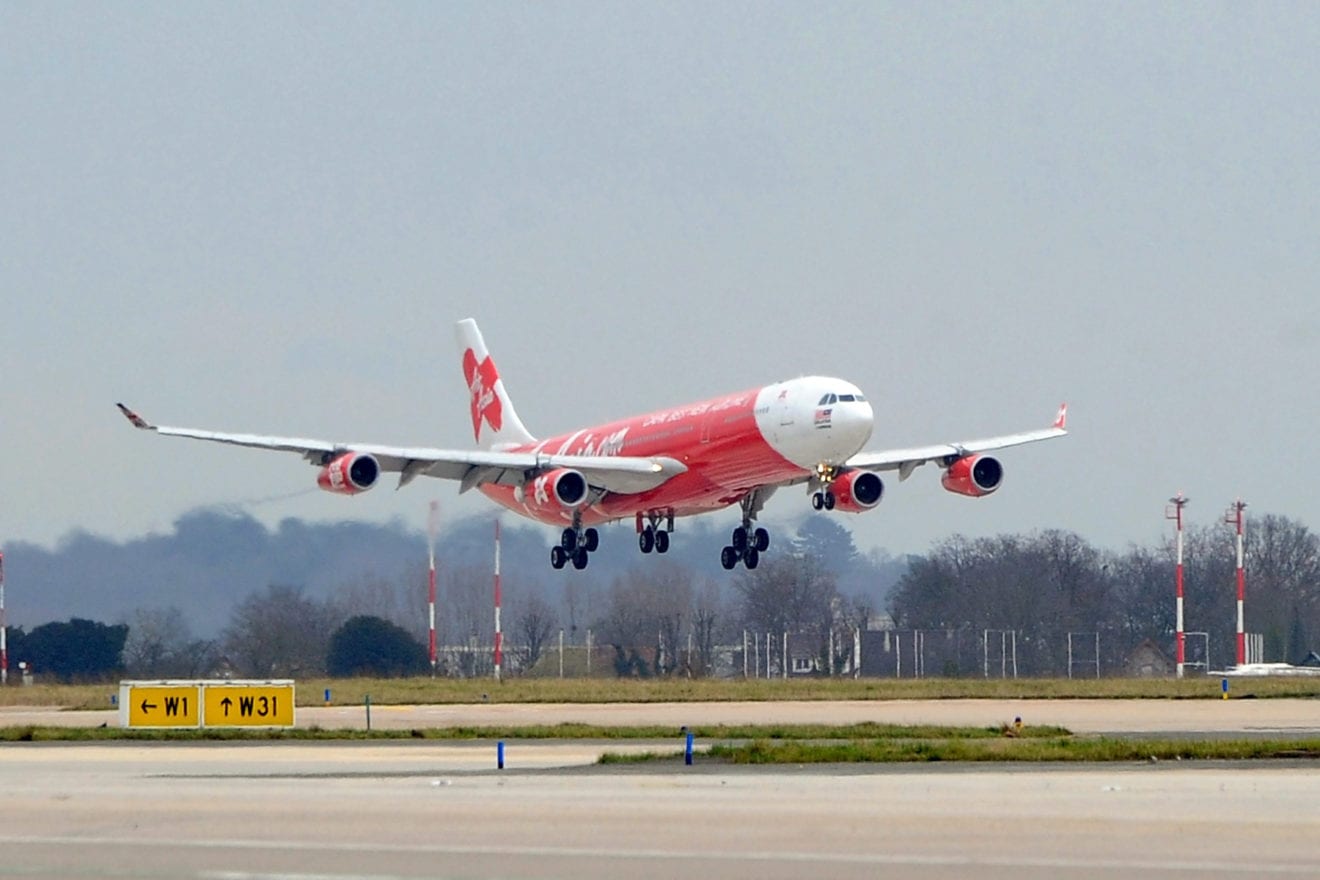
    The Malaysia-based low cost carrier AirAsia will soon serve the Kuala Lumpur-Jakarta-Labuan Bajo route, according to East Nusa Tenggara Tourism and Creative Economy Office Chief Marius Ardu Jelamu.

    “There has been an agreement with the central government and the airline company that AirAsia will serve this new route starting from next year,” Jelamu said here on Wednesday.

    He said the AirAsias new route will have a positive impact on the flow of tourists to the province of East Nusa Tenggara through the entry gate of Labuan Bajo.

    “This new service of AirAsia will enable more foreign tourists to visit the leading destinations in East Nusa Tenggara,” he said, adding that tourism progress is dependent on smooth air transport connectivity.

    Jelamu said that in addition to the Kuala Lumpur-Jakarta-Labuan Bajo route, his party is also trying to accelerate the implementation of Kupang-Dili-Darwin route.

    “In addition to air connectivity from the west, the one from the south, namely from Australia to East Nusa Tenggara, also has its share of attractive markets for linking the three countries,” he said.

    Jelamu expressed hope that the Kupang-Dili-Darwin route, which had been halted since 1990s, can be reopened soon to support the advancement of tourism in the island province.

    “We hope that the Ministry of Transportation will quickly agree on the proposed route service with the airline,” he said.

    Further, Jelamu said he appreciated the efforts of the Ministry of Transportation to have opened the Jakarta-Kupang and Jakarta-Labuan Bajo routes, served by Garuda Indonesia.

    However, he said the flight path from the south also has attractive market potential related to the flow of tourists and expressed hope that the Kupang-Dili-Darwin route would be reopened soon.

  • Indonesia promotes tourism branding at World Travel Market

    Indonesia promotes tourism branding at World Travel Market

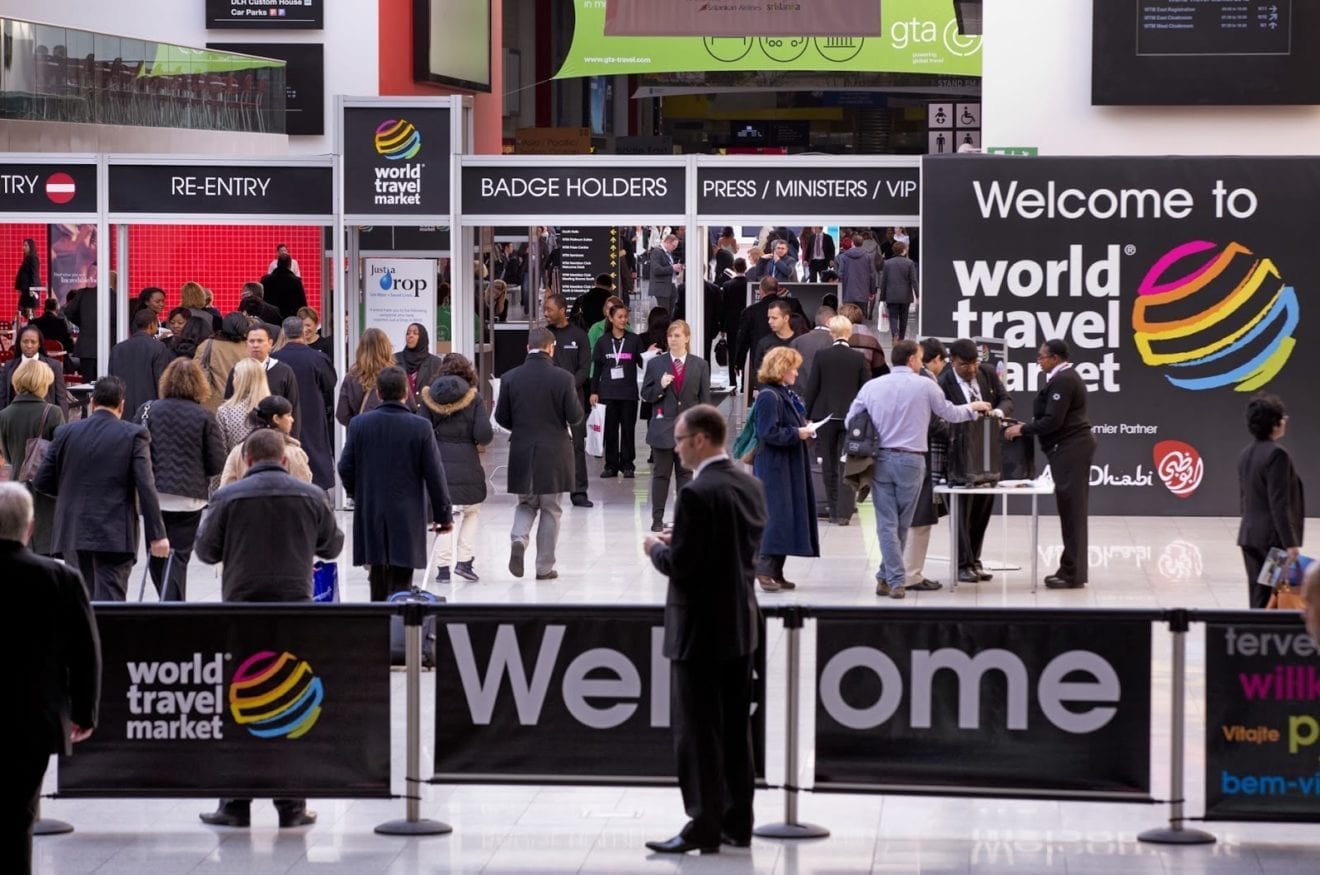
    The Tourism Ministry is promoting a tourism brand of Wonderful Indonesia at the global travel fair of World Travel Market (WTM) in London from November 7 to 9, 2016.

    By promoting the event, the ministry is featuring the beauty of Banyuwangi (East Java) images on five decker buses from October 31 till the end of November, according to a statement from the Tourism Ministry received by ANTARA here on Wednesday.

    Indonesia has signed an agreement as the prime sponsor of the travel fair. Tourism Minister Arief Yahya said the agreement will help in promoting Indonesian tourism.

    “WTM is a global travel fair. As in 2015, around 50 thousand tourism professionals from 183 countries participated in the fair,” the minister said.

    He added that WTM was an effective and efficient media to promote Indonesia and its tourism brand of Wonderful Indonesia in the global market.

    With a visa-free policy and deregulation on yacht or cruise ship travelling to Indonesia, the government expects 20 million foreign tourists by 2019, nearly double the target of 10.4 million set in 2015.

    At the fair, the Indonesian delegation will showcase UNESCOs world heritage of Borobudur Temple, Prambanan Temple in Central Java, diving spots in Raja Ampat in Papua, as well as golf, spa and shopping tour in Jakarta and Bandung (West Java).

    The UK and European Union are very important markets, as the number of potential tourists is quite great. Each tourist would stay at least for 10 days on average and would spend a huge amount during their trip.

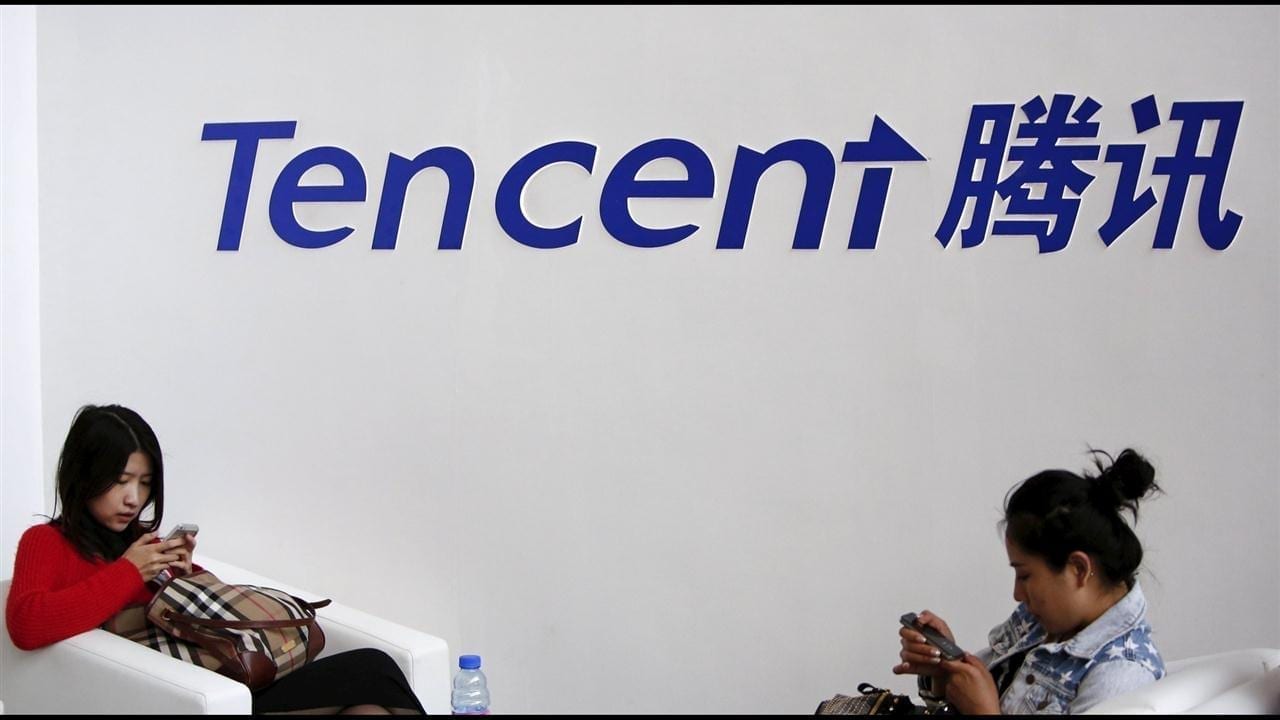
  • Tencent IBG helps local businesses attract tourists from China

    Tencent IBG helps local businesses attract tourists from China

    International Business Group (IBG) of Tencent, a leading provider of Internet value added services in China, announced today the roll-out of one-stop service advertising solutions. The ad solutions include options to build brand awareness and develop product familiarity, prior to the Chinese tourist’s visit to Singapore as well as in-market advertisements to target Chinese tourists while they are in the country.

    Singapore saw 1.47 million visitors from the mainland in the first half of this year, up 55.2% from the same period last year, according to the Singapore Tourism Board. Chinese tourists accounted for nearly 18% of the visitors to Singapore during this period. Aware of the untapped spending potential of these tourists, the Singapore Retailers Association recently launched initiatives such as the Singapore Golden Week, timed to coincide with the national holidays in China.

    “Singapore is well positioned to benefit from the surge in the number of Chinese tourists,” said Benny Ho, Senior Director of Business Development, Tencent. “Reaching out to Chinese tourists on platforms they are familiar with is the best approach for local businesses.”

    Brands need to engage early in the Chinese customer journey in order to influence purchase decisions before they travel. Tencent’s one-stop service advertising platforms will help Singapore businesses raise awareness and increase engagement opportunities with the surging numbers of Chinese tourists, even before they depart China. Tencent’s suite of advertising solutions provides previously unavailable opportunities for Singapore advertisers, enabling brands to engage Chinese customers globally and to offer an easy all-in-one advertising hub and solution leveraging both domestic and international traffic.

    Mobile advertising for mobile tourists

    According to the eMarketer’s survey “WeChat in China” from June 2016, the top two leading social media sites/chatting apps among social media users in China are WeChat and Qzone – both Tencent products. With WeChat’s position as a leading social media platform in China, the roll-out of one-stop service advertising solutions would empower local businesses to unlock the untapped spending potential and better reach Chinese tourists. Additionally, Tencent’s International Advertising Solutions can be customised to fit specific brand objectives.

    Tencent’s platforms continue to grow their influence with Chinese consumers. There are more than 806 million active users for both WeChat and Weixin today, and GlobalWebIndex (GWI), operator of the world’s largest study on digital consumer behaviours and trends, revealed that between the first half of 2015 and the first half of 2016, WeChat nearly doubled its usage rates in APAC outside of China. The leading mobile messaging app in China, Weixin connects users through its communication features with services and hardware through its open platform, including advertising, official accounts, and online to offline (O2O) payment. Mobile QQ, one of the most popular communication apps in China, and Mobile Qzone, a leading social networking site in China, and QQ Music, one of the most popular digital music platforms in China, will also provide the Chinese social platform gateway for advertisers in Singapore.

    To address communications and business objectives, there will be WeChat representatives to assist merchants in Singapore. Tencent’s IBG will provide a one-stop service advertising solutions including media planning, creative designs, advanced user targeting, ad placement execution, bid optimisation, and reporting.

    Tencent creates a robust ecosystem in China through these customised advertising solutions, unleashing the potential to reach high-spending Chinese consumers. Key advertising products include “WeChat Official Account Banner Ad”, which redirects users to an external URL through a single click, “WeChat Moments Ad”, unique native social feed style display ads for a non-disruptive experience and “Mobile Qzone Friend Newsfeed Ad” which manifests as either an article or a video and is shown in a similar format as friend posts. Thus far, Tencent has launched its International Advertising Solutions across, Hong Kong, Indonesia, Japan, Korea, Malaysia, and Taiwan in Asia, excluding China.

    IBG will not have an exclusive partner in Singapore and will welcome any local partners and resellers to support marketers and advertisers.

  • Indonesia expects 250,000 Taiwanese tourists

    Indonesia expects 250,000 Taiwanese tourists

    Indonesian Economic and Trade Office to Taipei (KDEI) is expecting more than 250 thousand tourist arrivals from Taiwan to Indonesia by the end of 2016.

    “In 2015, the number of Taiwanese tourists visiting Indonesia was 211 thousand. Hopefully, by the end of this year, this number will increase as we are also actively promoting tourism under the Wonderful Indonesia brand,” KDEIs Tourism and Transportation Director Agung Sepande said here on Monday.

    He noted that about 70 percent of Taiwanese tourists travel to Bali as the island is perceived as an attractive place and has various sites of tourist interest.

    To attract more Taiwanese tourists, the KDEI is promoting tourist sites in other areas, too.

    “We are inviting Taiwanese journalists to support this promotional exercise. We will take them to Bali and Lombok. Next year, journalists will visit Jakarta and Yogyakarta,” Agung pointed out.

    He noted that Taiwanese tourists in Indonesia want to dive and surf because the countrys beaches are very scenic and conducive to these activities.

    At the Asia Pacific Culture Day 2016 held by Taiwan some time ago, Indonesia had promoted culture and maritime tourism to thousands of visitors from more than 20 countries.

    Taiwan itself is a tourist destination with a variety of sites that accentuate cultural, culinary, shopping, romantic and ecological aspects.

    In Taiwan, travel guides divide the country into North, South, Central, East and the part outside the Formosa Island.

  • Number of Chinese tourists to Bali shoots up 36%

    Number of Chinese tourists to Bali shoots up 36%

    The number of visits by Chinese tourists to Bali shot up 35.84 percent to 741.740 in the first nine months of this year from 546,035 visits in the same period last year.

    “The number of visits by holiday makers from China is now the second largest after those from Australia, which has continued to top the list of 10 largest countries of origin of foreign visitors to Bali,” head of the regional branch of the Central Bureau of Statistics (BPS) Adi Nugroho said here on Saturday.

    Adi said currently China accounts for 20.38 percent of the number of visits by foreign tourists to Bali.

    There were 3.63 million of visits by foreign tourists to Bali in the January-September period this year or an increase of 21.69 percent from 2.99 million in the same period last year.

    Adi Nugroho Australia contributed 23.36 percent to the total; number of foreign visits to Bali. Japan was the third place contributing 4.94% followed by Britain accounting for 4.52 percent, India for 3.57 percent, France for 3.56 percent, Malaysia 3.55 percent, the United States 3.44 percent, South Korea 3.04 percent, and Germany for 3.22 percent.

    He said the increase in the number of tourists from China was attributable to improved economic condition of the worlds most populous country and second largest economy.

    In addition, the countrys flag carrier Garuda Indonesia has provided direct flight between Bali and a number of cities in China such as Shanghai, Baijing and Guangzhou since 2015.

    China has become a target for market expansion by Garuda Indonesia for its international services.

    More than 100 Chinese travel abroad every year making that country the most potential tourist market which would benefit airlines.

    Chinese Consul General in Denpasar, Bali, Hu Yinquan, asked the government to provide sufficient interpreters for Mandarin to facilitate Chinese visitors, who could not speak in English.

    Hu Yinquan also asked that Mandarin also included in signposts as he believed more Chinese tourist would visit Bali in the coming years.

    In Manado, North Sulawesi, Chinese made up around 50 percent of foreign visitors in the third quarter of this year.

    “Chinese guests contributed 50 percent to the occupancy rate of the Lion Hotel and Plaza Manado,” says Sales Marketing Manager of Lion Hotel and Plaza Manado Anatje Pingkan Pinaria.

    Indonesia, however, is still far lagging behind Thailand in attracting Chinese holiday makers.

    Altogether, Indonesia recorded 8.36 million visits by foreign tourist until September this year or an increase of 8.5 percent year-on-year.

    Tourism Minister Arief Yahya said earlier this week, the increase gave greater optimism that the target of 12 million visits by foreign tourists to the country this year would be achieved.

    “In three consecutive months – July-August and September, the number of visits by foreign tourists exceeded one million. We hope that the number would be larger in October, November and December,” the minister said.

    In September, there were 1,006,653 foreign tourist visits or an increase of 9.40 percent year-on-year from 920,128 in the same month last year, he said in a statement.

    Based on data from the Central Bureau of Statistics (BPS) and the Tourism Ministry, the number of foreign tourist visits in the first nine months of the year was 8,362,963 or 8.51 percent higher than 7,707,034 visits in the same period last year.

  • Big plans in store for Indonesia tourist destinations

    Big plans in store for Indonesia tourist destinations

    As tourism slowly takes its place as a new engine of economic growth, the government is making aggressive plans to improve and promote new tourist destinations.

    Morotai in Maluku, Labuan Bajo in West Nusa Tenggara and Tanjung Lesung in Banten are three names that may sound unfamiliar to the domestic and international community, but they are among the so-called 10 emerging tourist destinations that the government expects can be as famous as Bali.

    The other seven destinations are Tanjung Kelayang in Belitung, Wakatobi in Southeast Sulawesi, Lake Toba in North Sumatra, Bromo-Tengger-Semeru in East Java, the Thousand Islands in Jakarta, Borobudur in Central Java and Mandalika in West Nusa Tenggara.

    However, raising them to Bali’s level will take a lot of work, a fact acknowledged by the government, especially as it hopes to attract 20 million foreign tourists by 2019.

    In its latest Indonesia Economic Quarterly report, the World Bank states that implementation of this plan will require efforts on multiple fronts and infrastructure will play a crucial role.

    Indonesia currently ranks in the bottom half of countries on several infrastructure-related tourism competitiveness indicators, such as ground and port infrastructure, tourist service infrastructure, health and hygiene, information and communications technology (ICT) readiness and environmental sustainability.

    The Public Works and Public Housing Ministry, one of the government’s most strategic posts for infrastructure development, has stated that it will focus on infrastructure development for three destinations in the next two years, namely Lake Toba, Mandalika and Borobudur.

    An integrated master plan for the development is also being formulated by the Public Works and Public Housing Ministry and Tourism Ministry.

    “I hope with the integrated master plan, there will be cooperation between ministries and regional governments for the development of the three destinations,” Rido Matari Ichwan, the ministry’s regional infrastructure development agency (BPIW) head, said recently.

    The government has allocated Rp 1.6 trillion (US$122.74 million) in the state budget in 2016 and 2017 for various infrastructure projects in the three destinations, including road access, water system, drinking water, waste management and housing, among others.

    Data from the Public Works and Public Housing Ministry reveals that the development plan for Lake Toba includes the construction of toll roads connecting Medan-Kualanamu-Tebing Tinggi and Tebing Tinggi-Siantar-Parapat, access road to the Sibisa airport in Parapat and 14.3 kilometers of piping in Simalungun, among others.

    Development for Borobudur includes initiatives such as self-built housing development in Magelang, a toll road connecting Yogyakarta and Bawen, a regional drinking water system, and reconstruction and expansion of several roads.

    Meanwhile, Mandalika will see several works carried out, such as the Sulin bridge improvement, road expansion and maintenance, and irrigation network construction in central Lombok.

    Rido added that the ministry would also cooperate with the Transportation Ministry on the development of the airports in the new tourist destinations.

    In addition to state budget funds, the government is also seeking other funding sources. It is looking to obtain a US$200 million to $500 million loan from the World Bank to fund the infrastructure development in the three destinations.

    Discussions are taking place and the loan is expected to be ready for disbursement by July next year.

    Tourism Minister Arief Yahya previously stated that the government would also launch a limited participation mutual fund (RDPT) by next year, through which it sought to garner Rp 10 trillion to develop all 10 destinations.

    “We will use the funds to build amenities. They will be channelled first to the four special economic zones [and tourism destinations], such as Tanjung Kelayang, Tanjung Lesung, Mandalika and Morotai,” he said.

    The World Bank says the government will also need to attract private investment to finance its goals.

    Early indicators are promising, with total foreign and domestic direct investment in hotels and restaurants reaching nearly $1 billion in 2015, an increase of 45.5 percent compared to 2014, while the number of investment licenses approved in the hotel and restaurant sectors surged more than five times to 266 licenses in 2015 from 2014.

    Licensing simplification is one important aspect that will help spur more investment, according to the World Bank. “As a first step, it will be essential to establish an inventory of the number and type of business licenses needed [at the national and subnational level] to establish a tourism-related business,” he added.