Tag: tourism

  • Raja Ampat launches tourism and conservation website

    Raja Ampat launches tourism and conservation website

    The government of Raja Ampat, West Papua, has launched a website on tourism and conservation to support tourism services in the region.

    The government is striving to boost innovation, Head of the Public Service Regional Office Technical Implementation Unit (BLUD UPTD) Water Conservation Area Raja Ampat Adrianus Kaiba noted in a press release received by Antara in Manokwari on Thursday.

    A technical institute, since its establishment in 2015 and under the coordination of the Department of Marine and Fisheries Raja Ampat, has been given the authority to manage water conservation in the area.

    He remarked that it was committed to improving services. Launching a website is rated as a step forward to improve the quality of services offered to both domestic and foreign tourists.

    “As a conservation area, we felt it was important to manage conservation in a professional and sustainable manner for the preservation of nature in this area,” he pointed out.

    He emphasized that the website was launched by Raja Ampat Regent Faris Abdul Umlati at Kampung Saonek, South Waigeo District, Wednesday (Aug. 17). It is part of a series of celebration activities to commemorate the 71st anniversary of the countrys independence.

    Kaiba said any information on water conservation in Raja Ampat can be updated on www.kkpr4.net, which is developed by BLUD UPTD.

    Meanwhile, Umlati highlighted that the website provides information on various conservation initiatives, scientific research, as well as water conservation activities being carried out in Raja Ampat in a sustainable manner.

    He believes the website will help domestic and foreign tourists obtain information regarding Raja Ampat, mainly related to water conservation.

    Moreover, Umlati remarked that the website is important to ensure that the areas biodiversity is always maintained and can be enjoyed by future generations.

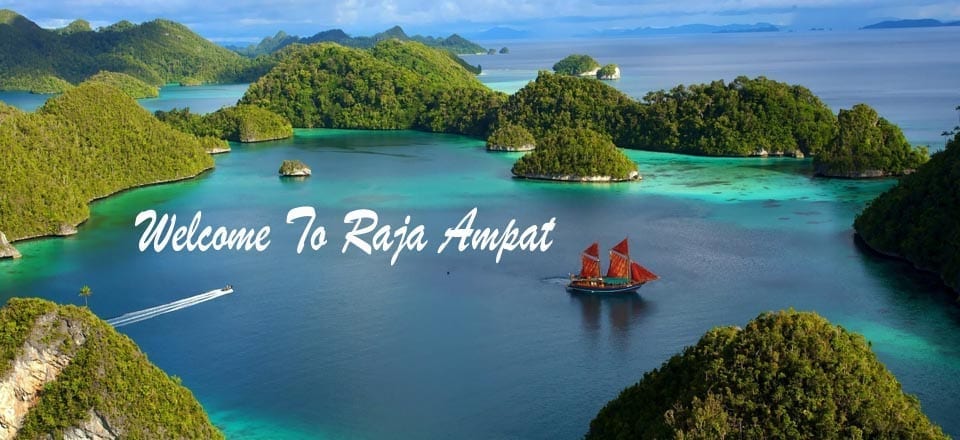
    The Raja Ampat Islands are located at the northwestern tip of West Papua Province. They are located right in the heart of the coral triangle and are the worlds center of marine biodiversity.

    The results of ecological studies by The Nature Conservancy and Conservation International showed that Raja Ampat is home to 75 percent of the coral reefs in the world, with 553 species of coral and 1,437 species of reef fish.

    The waters in the area have abundant resources to provide sustenance and a means of livelihood for more than 40 thousand people spread across 135 villages in Raja Ampat.

    Local communities in Raja Ampat have cultural links and strong traditional ownership rights over the land and sea territory.

    Local authorities, through the BLUD UPTD Water Conservation Area, continue to ensure that water conservation is being carried out effectively, efficiently, and professionally.

    This step is being taken to ensure preservation of the natural resources and to improve the experience of tourists visiting the area to enjoy its natural beauty.
  • Tourism provides largest number of jobs

    Tourism provides largest number of jobs

    President Joko Widodo (Jokowi) has said that the tourism industry is the number one provider of jobs.

    “Tourism has employed the largest number of manpower, but indeed it needs a change of the communitys culture,” President Jokowi said before prominent community figures living in Lake Toba area, here, Saturday evening.

    A change is needed because basically the community should be able to serve tourists coming to their region.

    “I hope prominent community, religious, and custom figures could give guidance to the community,” the Head of State said.

    Lake Toba which has been known internationally, has huge tourism potential.

    “However, over the past several years, its image and branding as a tourist area has dropped. Therefore, we work on Lake Toba first, among 10 destinations designated by a presidential decree,” he said.

    Lake Toba area is being promoted as an eco-tourism destination and MICE (Meetings, Incentives, Conferences and Exhibitions) tourism to be developed on 600 ha plot of land in the authority zone.

    The local culture and traditions will be strengthened and promoted as tourist attractions.

    To support the development of Lake Toba as a main tourist destination, the capacity of Silangit Airport will be expanded.

    “I have ordered the transportation minister and Angkasa Pura (state airport operator) to widen and lengthen the runway. I have asked for demolition of its terminal within a week, and the new one should be ready in the end of this year,” he said.

    The president also asked Garuda Indonesia to fly to Silangit Airport thrice a week, whether it is empty or full.

    “We will be grateful if it is full of passengers, so the flights could be served daily, not only by Garuda but also others such as Sriwijaya and Wing Air,” he noted.

    Initially, Silangit Airports capacity would be expanded to 150 thousand passengers, but now it would be increased further to 180 thousand passengers per year.

    The government will also create a world-class flower park to support the Lake Toba tourism.

    Jokowi also urged villagers living around Lake Toba area to plant trees for the preservation of the environment.

    “I just planted trees. The target is 300 thousand trees per district, or one million per year for all districts. We dont want the water of Lake Toba to decrease due to environmental degradation,” he said.

  • Report: Chinese Shoppers Make 40 Percent of Luxury Purchases Abroad

    Report: Chinese Shoppers Make 40 Percent of Luxury Purchases Abroad

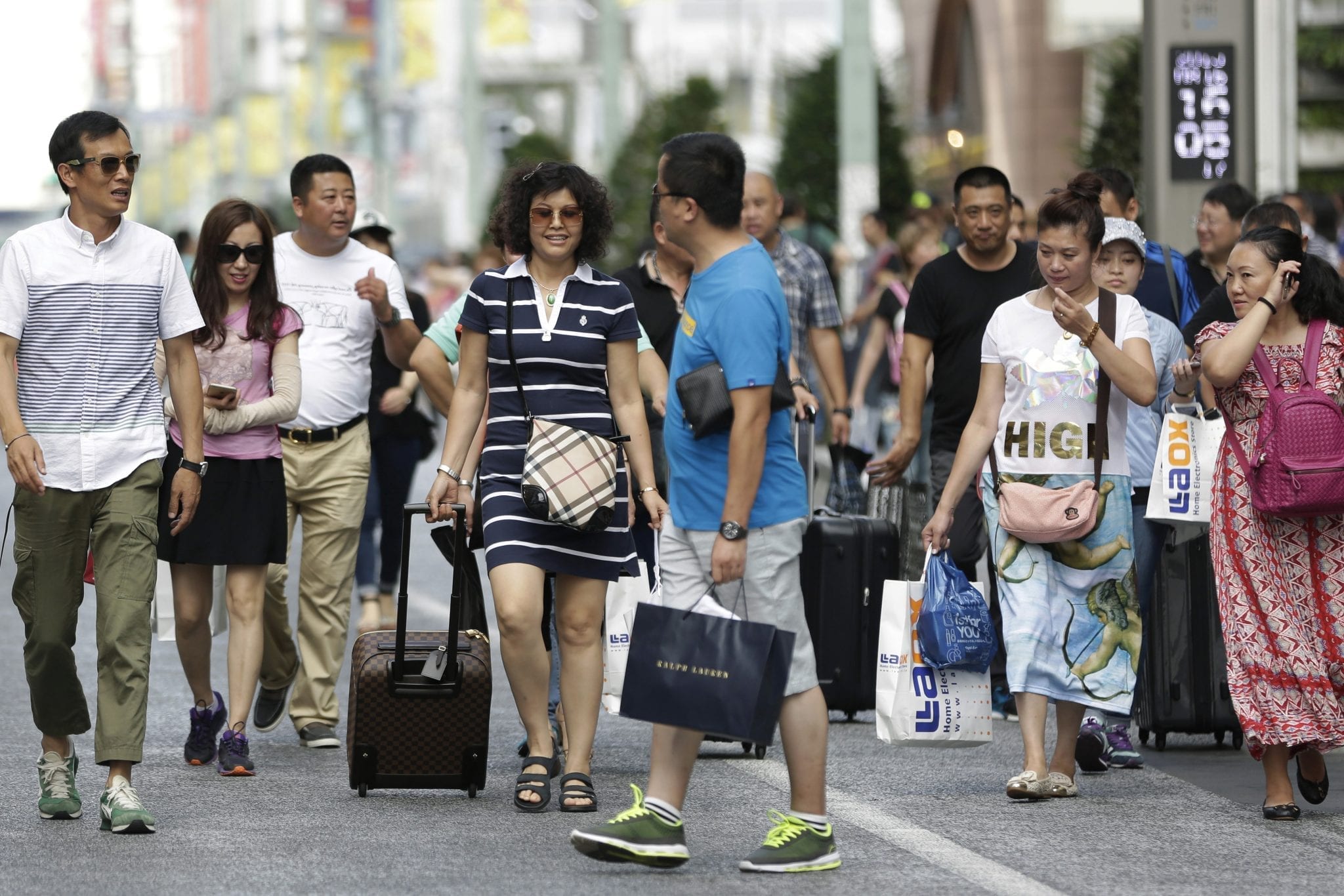
    Chinese travelers are spending billions of dollars abroad, but where exactly are they making their luxury goods purchases? A recent report titled “Who Buys Where: Decrypting Cross-Border Luxury Demand Flows” by digital direct marketing services provider ContactLab and Exane BNP Paribas Research maps out spending patterns by tourists from all over the globe based on three years of data. ContactLab’s research ranks Chinese travelers second in terms of the proportion of spenders who buy luxury goods abroad, finding that 40 percent of Chinese consumers’ luxury spending occurred overseas in the first part of this year.

    chart

    While Chinese consumers spend most of their budget on luxury items abroad, this year, overseas spending dropped 5 percent, but rose 5 percent domestically. ContactLab attributes this to price corrections by major luxury brands on the mainland. For example, last year, Chanel lowered its mainland China prices to encourage Chinese shoppers to purchase there, and deter daigou sellers from benefiting from purchasing cheaper goods abroad.

    How much Chinese spend abroad may provide some insight into exactly who these consumers are. The value of purchases Chinese travelers make in “European Heritage” countries, the United States, and Japan is significantly lower than it is in China—by 20 to 30 percent. ContactLab says this suggests big spenders in these countries are “aspirational first-time buyers.”

    However, despite individual purchases being lower overall, Chinese luxury spending in Europe “appeared to be rising” in the first four months of 2016 compared to the same period two years before, according to the report. This was the case even factoring in the Paris terrorist attacks in late 2015. The increase takes place “possibly because our data includes also a portion of daigou spend (eg Chinese students in Europe whose visas don’t allow tax free refunds, and which are therefore not captured by Global Blue statistics),” said ContactLab senior advisor Marco Pozzi. “If this is what we see in the wake of the November terrorist attacks, then 2H16 could reasonably expected to be even more positive.” It’s still worth noting that since the release of the report last month, there have been further attacks in Europe and numerous luxury brands have reported that they are feeling the repercussions of waning Chinese tourists in light of security concerns.

    In Asia, Chinese tourist luxury spending has also gone up in the last few years in Japan and Korea. In Japan’s case, Chinese travelers make up the majority of the luxury purchases, even though inbound tourists only make up about 5 to 15 percent of sales in the country overall.

    The report also confirms known trends in Hong Kong and Macau’s luxury retail industry. This year, Chinese consumers have done almost the same amount of luxury shopping in Japan, Taiwan, Singapore, and Korea combined as they have done in Hong Kong and Macau. Chinese tourists went from spending 70 percent of their luxury goods budget in Hong Kong in the first four months of 2014 to spending 35 percent in the same period this year. Hong Kong’s luxury retail industry has been struggling with the absence of Chinese tourists and developers are being forced to find alternatives to high-end stores to attract shoppers. This month was the first in over a year where Hong Kong finally experienced a rebound in tourists from the mainland.

  • GSS most attractive to travellers from Japan, China

    GSS most attractive to travellers from Japan, China

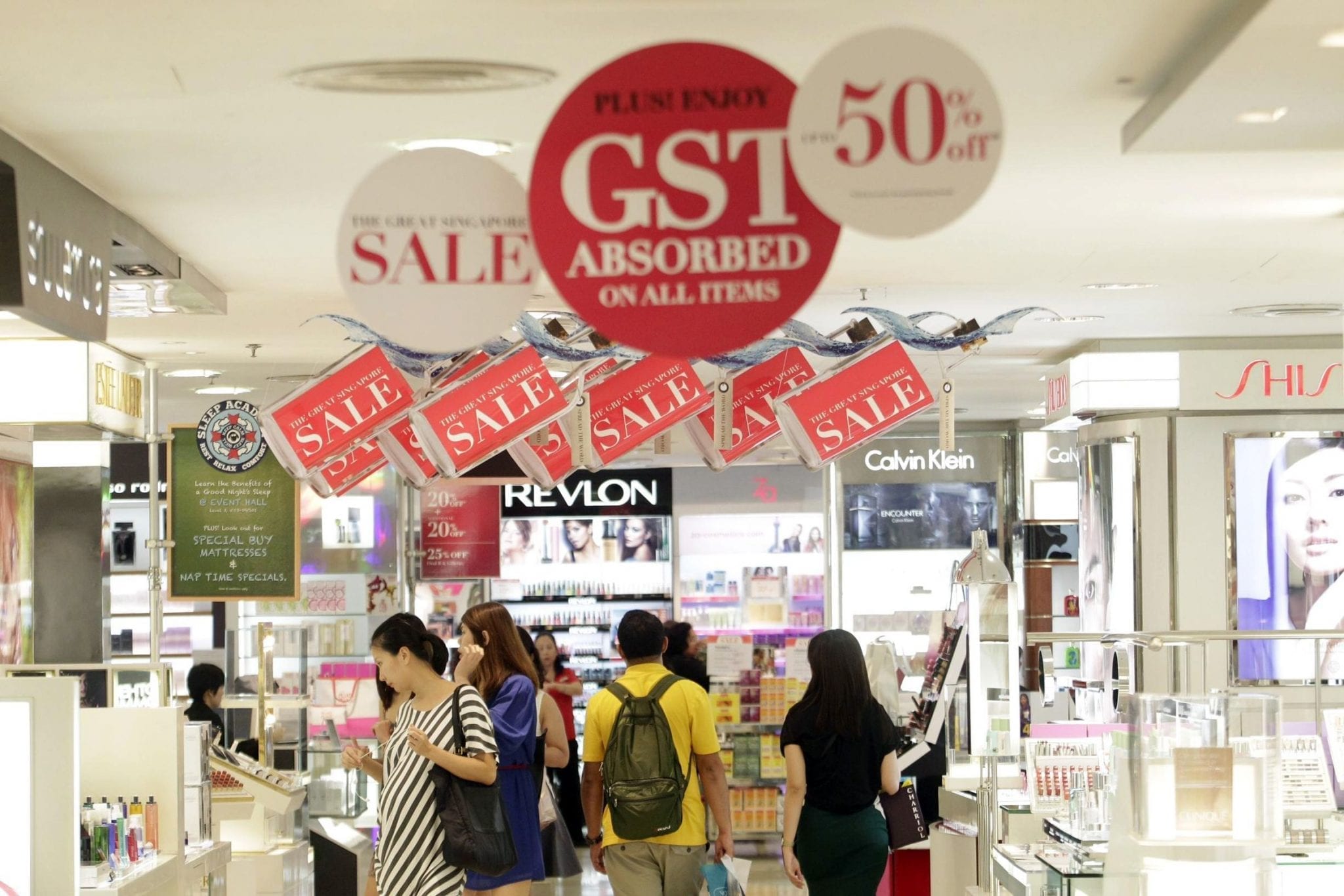
    Japan and China holds the potential to be the strongest source market for Singapore during the Great Singapore Sale (GSS) period, which comes to a close this weekend, according to findings by market research consultancy Kadence Singapore.

    Respondents from Japan and China indicated they were “highly likely” to fly to Singapore during the period. The two markets also showed greatest awareness, with 85 per cent and 84 per cent of people, respectively, indicating their knowledge of the retail event.

    Explaining the findings, Patrick Young, Kadence Singapore’s insight director said that the Japanese are more avid travellers in general. The fact that many airlines ply between Japan and Singapore also contributed to the result.

    Additionally, the price of airfares may also be factored in seeing as travellers for the GSS are likely to be deal-savvy individuals. This means the availability of low-cost flights could also affect traveller decision making processes.

    The appointment of UnionPay as the official card for this year’s GSS shows that the Singapore Retailers Association, organisers of the event, are stepping up efforts to lure more Chinese shoppers to the city-state as well.

    However, the retail scene in Singapore has been sluggish, with year-on-year retail sales figures for June, the month when the GSS usually begins, being on the decline over the past two years, according to Singapore’s Department of Statistics.

    Retail business outlook is also dim. While the July-December period is expected to see an improvement of 7 per cent over the April-September period in terms of net weighted balance, the July-December period is predicted to see a sector performance of negative 8 per cent compared to the same time last year.

    Young suggests taking into account “certain nuances between the countries” so that brands taking part in the GSS can better cater to individual markets and thus boost their allure.

    “For the Japanese there is a big focus on omiyage, which is a culture of taking home a souvenir for friends and family. So how much is the GSS tailored to these small but significant items that the Japanese will buy?”

    “It’s not so much tying in with UnionPay or a similar brand, it’s more about having in your portfolio products which can relate to that market,” he added.

    Young also cited the upcoming Singapore Grand Prix as a good example of how an event is able to better lure visitors by going beyond its core demographic.

    The annual racing event attracts not just sporting fans but a large number of international visitors by staging concerts, parties and family activities. The GSS could do something similar to lure arrivals beyond shoppers alone.

    “What else can we do to broaden the GSS beyond sales?” he said.

    GSS 2016 runs for 10 weeks from June 3 to August 14 this year, the longest sale period for the annual event to date.

  • Number of Indian tourists to Bali up 55.83 percent

    Number of Indian tourists to Bali up 55.83 percent

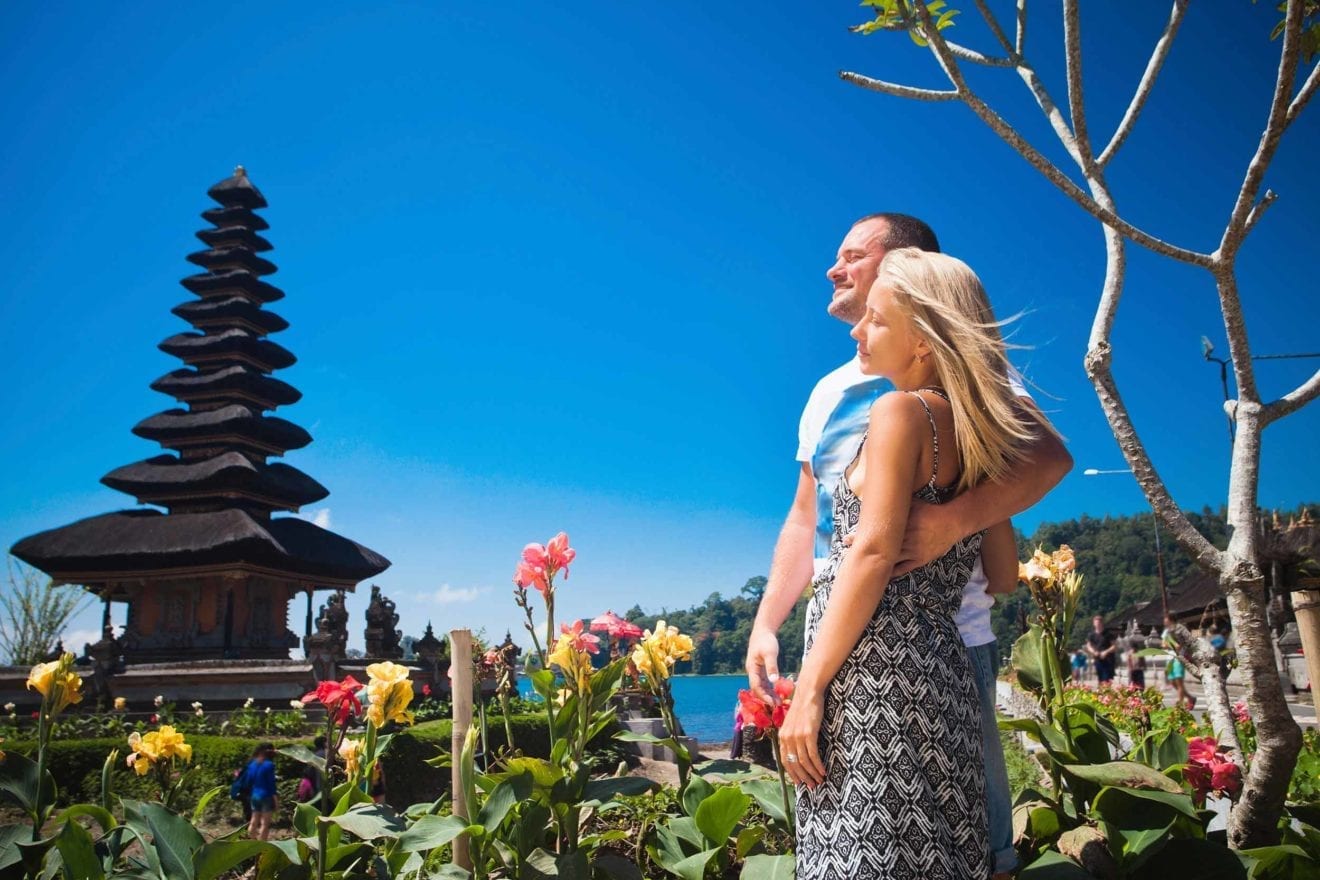
    The number of Indian tourists to Bali reached 92,731 people, during the first semester of 2016, up 55.83 percent from 59,509 people during last years same period.

    Data from the Central Bureau of Statistics (BPS) showed that the tourist arrivals from India recorded the highest increase among ten countries contributing the largest number of tourists to Bali.

    The Indian tourist arrivals constituted 4.08 percent of the total foreign tourist arrivals reaching 2.27 million in Bali during the first semester, up 18.59 percent from 1.91 million in the same period in the previous year.

    The Bali Provincial Tourism Office has set a target of attracting as many as 4.2 million foreign tourists this year.

    In 2015, Bali received 4.001 million people, 6.24 percent more than previous year when 3.76 million people had arrived.

  • ‘Wonderful Indonesia’ campaign boosts tourism industry

    ‘Wonderful Indonesia’ campaign boosts tourism industry

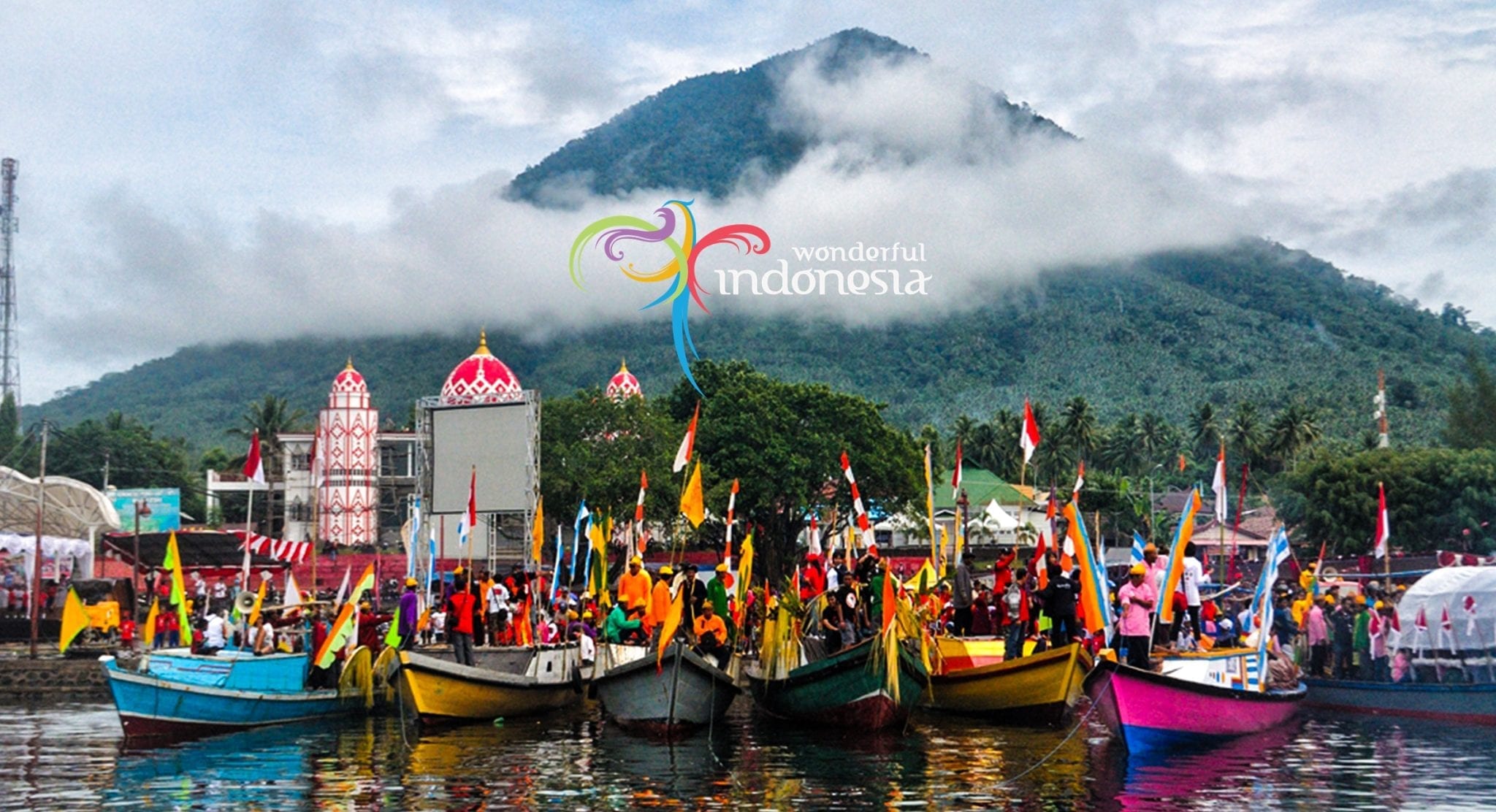
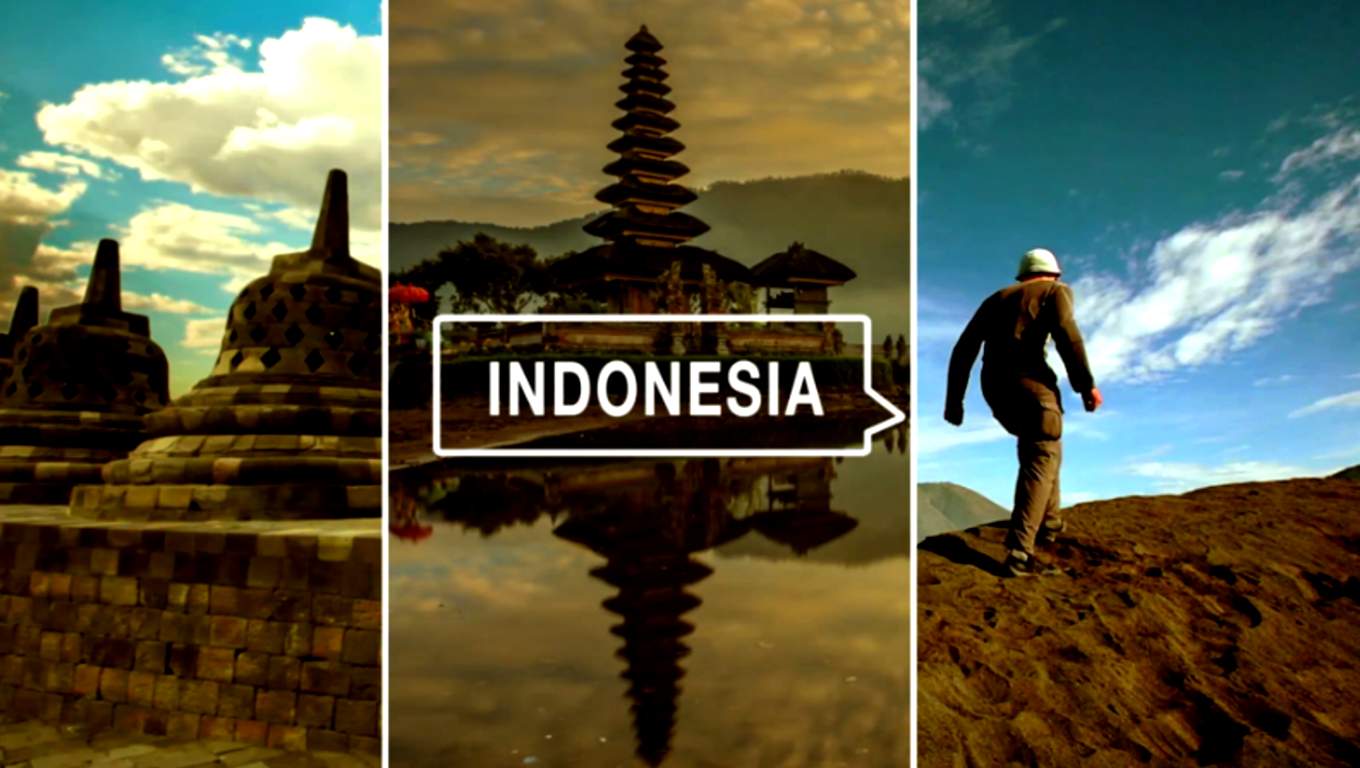
    The government’s efforts to promote tourism in the archipelago with its Wonderful Indonesia campaign have had a positive impact, the president director of tour and travel company Panorama Sentrawisata said on Tuesday.

    Budi Tirtawisata said that in the first six months of this year, his company booked a 19 percent increase in gross revenue to Rp 2.38 trillion, from Rp 1.99 trillion in the same period last year, as more foreigners were drawn to Indonesia.

    “The government’s free visa policy is also contributing to growth in the tourism sector,” Budi told reporters at a press conference in Jakarta.

    Budi was upbeat the company’s business volume would increase, and possibly double, in the second half of 2016, compared to the first half, because more tourism activities were expected to take place in the period.

    “The peak season for tourist visits to Indonesia is during the summer, which occurs in the second half of the year,” Budi said, adding that more tourists would also visit the country during the Christmas holidays in December.

  • Indonesia the most favorite destination for Australian tourists

    Indonesia the most favorite destination for Australian tourists

    Indonesia has so far proven to be the most favorite destination for Australian tourists, overtaking New Zealand, Indonesian Ambassador to Australia Nadjib Riphat Kesoema said.

    “The variety of natural wealth and beauty, culture and world-class tourist facilities that the Indonesian government offers to tourists have become special attractions for Australian tourists,” he stated in a press statement released on Saturday.

    His remarks came when the Indonesian Tourism Ministry and the Indonesian Embassy in Australia were conducting a promotional activity at Hotel Hyatt in Canberra recently.

    Besides helping promote mutual understanding between the peoples of the two countries, the tourism sector can also create jobs in Indonesia, he added.

    He underlined that he supported the program to conduct tourism promotion in several Australian cities such as Canberra, Sydney, Melbourne and Brisbane.

    The program will serve as a venue for a meeting between Australian travel agents and their Indonesian counterparts directly, he said.

    The ambassador has called on Australian tourism companies to encourage Australian citizens to visit other Indonesian tourist destinations than Bali.

    Data from the Indonesian Embassy in Canberra showed that almost 85 percent of 1.2 million Australian tourists visited Bali in 2015.

    Nadjib offered potential visitors from Australia other tourist destinations such Toraja, Lake Toba, Raja Ampat, Labuhan Bajo, Tanjung Kalayang, Seribu Islands, Borobudur Temple, Mount Bromo, Wakatobi and Morotai Island.

  • Over six million tourists visit Indonesia

    Over six million tourists visit Indonesia

    Some six million foreign tourists visited Indonesia since the issuance of presidential regulation number 21 of 2016 concerning visa-free facilities for foreign citizens from 169 countries, an official said.

    While 4,095,264 tourists came from 15 countries which have reciprocal agreements with Indonesia, 2,881,945 tourists came from 144 countries without any such pact with Indonesia, chief of the public relations services of the directorate general of immigration, Heru Santoso, elaborated at a meeting with journalists here on Friday.

    “Admittedly, the figure is still far from the government-set target of 20 million tourists per year, but I believe it will further increase in the future,” he stated.

    He noted that no tourists visited from 10 countries in this list of 169 countries. These ten countries are Antigua and Barbuda, Burundi, Czech Republic, Gabon, Haiti, Marshall Islands, Kiribati, Lesotho, Puerto Rico and Saint Lucia.

    “I think the promotion campaign still needs to be intensified,” he added.

    The directorate general of immigration also handled 135 criminal cases (pro justitia) in the first half of 2016, he said, adding at least three foreign nationals were involved in the cases.

    “They committed immigration related crimes. In 2015, five foreign nationals were involved in such cases,” he informed.

    The office also recorded 4,715 cases of immigration administration violation in the January-June 2016 period. The cases involved 117 citizens from countries eligible for visa-free facilities, he disclosed.

  • East Lampung to develop 11 tourism attractions

    East Lampung to develop 11 tourism attractions

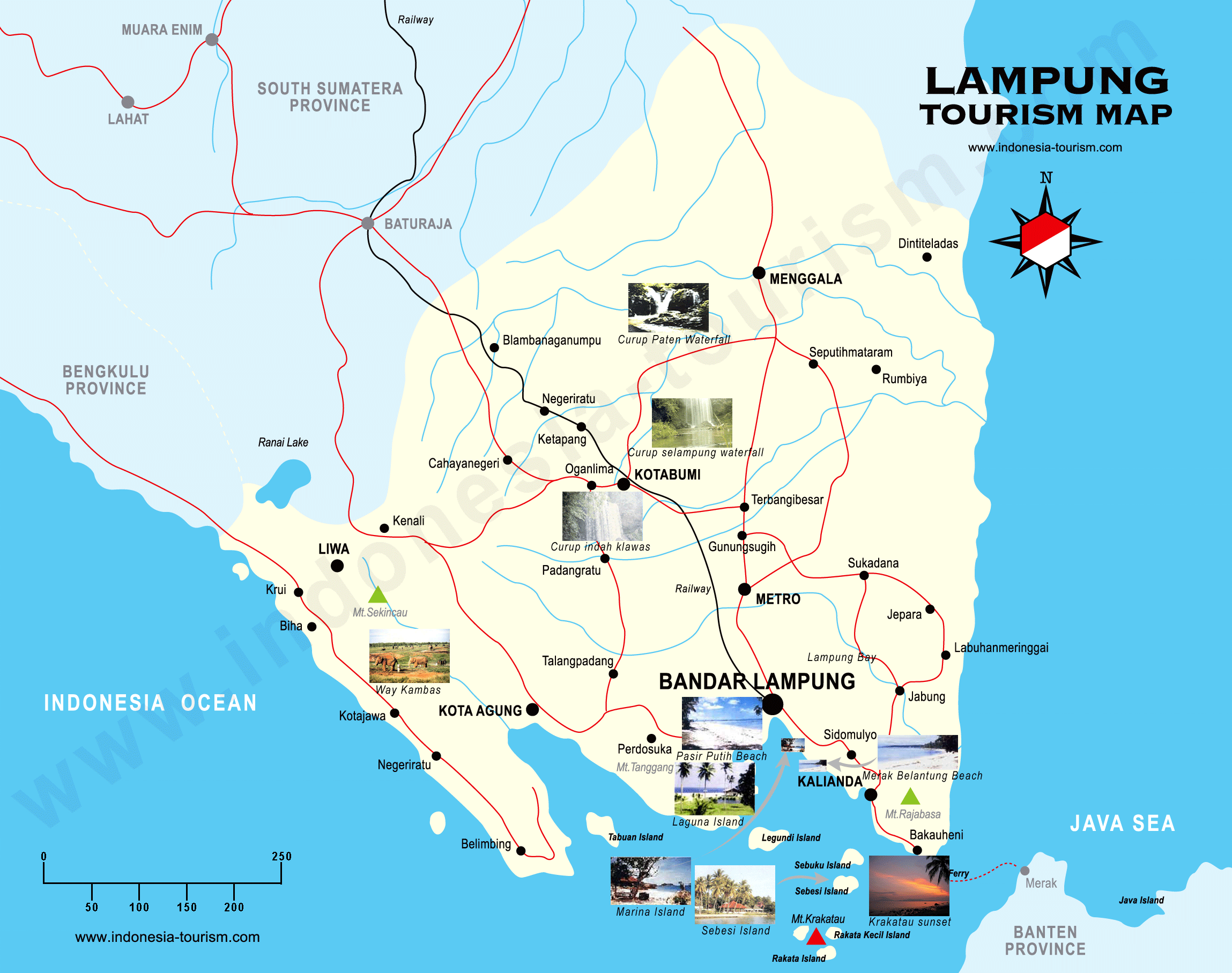
    The government of East Lampung District in Lampung Province, through the local Culture and Tourism Office, is making every effort to develop 11 tourism attractions in the district in its attempt to attract even more local and foreign tourists.

    “East Lampung district government is ready to develop 11 tourist attractions that include natural, marine, and cultural tourism,” local Culture and Tourism Office Chief Mastur remarked.

    Among many districts in the province, East Lampung is rich, beautiful and an interesting area with friendly people and a lot of tourist attractions.

    According to him, among the 11 tourist attractions to be developed include the Way Kambas National Park, Pugung Raharjo Archaeological Park, Kerang Mas beach, Lake Kemuning, Lake Beringin, agro tourism and cultural tourism.

    Of the 11 tourist attractions, Mastur said Kerang Mas beach in Labuhan Maringgai is now being developed.

    Once this beach development is completed, Lake Kemuning and Lake Beringin will also be developed in stages in an effort to attract 250 thousand tourists to East Lampung in 2016.

    “Our target is to see 250 thousand tourists visiting these tourist attractions this year,” Mastur said.

    Lampung province has 64 waterfalls, numerous small, beautiful islands, and seven leading tourist areas where supporting infrastructure facilities are being improved.

    The seven leading tourist areas are the Waikambas National Park; South Bukit Barisan National Park; Kiluan Bay; Tanjung Setia and Krui Marine Tourism; Siger Tower; Mount Anak Krakatau and Sebesi Island; and Bandarlampung Tourism Area.

  • Ministry striving to attract 400 thousand South Korean tourists

    Ministry striving to attract 400 thousand South Korean tourists

    The Indonesian tourism ministry is taking innovative steps to achieve this years target of attracting 400 thousand tourists from South Korea, including by participating in the “Wedding Expo” in Seoul on July 9-10, 2016.

    Assistant Deputy for Market Development of the Asia-Pacific region of the Ministry of Tourism Vinsensius Jemadu stated from Seoul, South Korea, on Monday, that the ministry continued to fill innovation gaps.

    “We are looking for the slightest opportunities to promote Indonesias segment aboard. It has been almost three years that we have participated in events promoting this segment, but now, we will try again,” he noted in connection with the Tourism Ministrys participation at the wedding exhibition to offer honeymoon packages to various tourism destinations in Indonesia.

    Jemadu is optimistic that its target of drawing 400 thousand tourists from South Korea would be reached.

    In 2015, a total of 359,468 South Korean tourists visited tourist destinations in Indonesia.

    Jemadu pointed out that Bali and Bintan were now the most sought-after locations for pre-wedding photographs among brides and also the venues for the weddings of young Korean couples.

    “They really like the beach and the ambience of the tropical waters in Indonesia,” he noted.

    South Korea has direct flight connectivity to Indonesia. As many as three airlines operate flights to two international airports in Indonesia, and there are some 618,748 seats available on flights to the country.

    “This exhibition is held in summer in South Korea. We hope that during winter, South Koreans will leave the country and visit Indonesia that has moderate weather and is always a good option for couples on honeymoon,” he said.

    “Of course, we did this exhibition to promote the country as a wedding destination for couples planning to wed in autumn. It is this momentum that we are pursuing,” he stated.

    Meanwhile, Head of Asia-Pacific Exhibition of the Ministry of Tourism Rita Sofia in South Korea expressed hope that all engaged in supporting the tourism sector in Indonesia will continue to prepare various attractions, amenities, and access to support the arrival of newlywed South Koreans.

    Tourism Minister Arief Yahya seconded Sofias view as he believed that Korea was a potential market that could be tapped by showcasing Indonesias cultural and natural attractions.

    “The Asian market must be tapped by showcasing the oriental culture, and the countries must be frequently visited to create a joint program. For instance, the distance from Seoul to Indonesias tourism destinations, including to Manado, is not too far, so we just need to increase the number of direct flights,” he explained.

    Yahyas recent visit to South Korea already resulted in a commitment made by the two South Korean airlines —Jeju Air and Jin Air Korea — to operate flights to Indonesia.

    “It will boost the number of South Korean tourist arrivals in the country,” he affirmed.

    Industries participating in the exhibition had also prepared a variety of honeymoon vacation packages. General Manager Globlindo Arief Authority has prepared various packages: Bali Honeymoon Escape, Lombok Honeymoon, Tanjung Lesung Honeymoon, Kepulauan Seribu Honeymoon, and Raja Ampat Honeymoon.

  • Subdued tourism and weak retail sales likely to hurt Hong Kong economy

    Subdued tourism and weak retail sales likely to hurt Hong Kong economy

    In the first quarter of 2016, Hong Kong’s economy had contracted 0.4 percent on sequential basis and grew 0.8 percent on year-on-year basis. This was the first contraction since 2014 amidst weak retail sales and trade sectors, sluggish consumer demand and cautious business spending.

    Fewer visitors and subdued tourist expenditure further weighed on retail sales in April. Moreover weaker trade growth led to high jobless rate in the trade and wholesale sector. Downtrend in retail and tourism sector continue to be present because of fewer tourists and tepid spending and cautious consumer confidence.

    Hong Kong’s retail sales’ value dropped for the 14th consecutive month in April. It declined 7.5 percent year-on-year to HKD 35.2 billion. The retail sector continues to be in doldrums amidst fewer tourists and weaker tourists spending. The luxury segment has weighed majorly on the nation’s retail sales, with the sales value of watches and jewellery, declining for the 19th consecutive month by 16.6 percent in April.

    Given the dull outlook for the country’s retail sector, Hong’s Kong’s retail property market might drop further even as retail shop rentals and prices declined 1.3 percent year-on-year and 7.8 percent year-on-year respectively in March. Additional rental concession and higher vacancy rates in core business district might be likely, noted OCBC Bank in a research report.

    In April, jobless rate in the retail sector grew to 5.3 percent amidst subdued tourist activities and luxury consumption. This was disappointing as compared to an average of 4.4 percent in 2014. This is due to weak business performance in retail sales in the midst of contracting tourist spending. The Hong Kong’s retail sector is expected to be limited by subdued inbound tourism activities amidst downturn in Chinese economy and external uncertainties. This might be a drag on employment in the retail sector.

    “Overall, HK’s labor market may worsen further with unemployment rate expected to rise to 3.5 percent over 2016,” added OCBC Bank.


  • Visa launches #notatourist platform to attract travelers to Thailand with the help of locals and social media

    Visa launches #notatourist platform to attract travelers to Thailand with the help of locals and social media

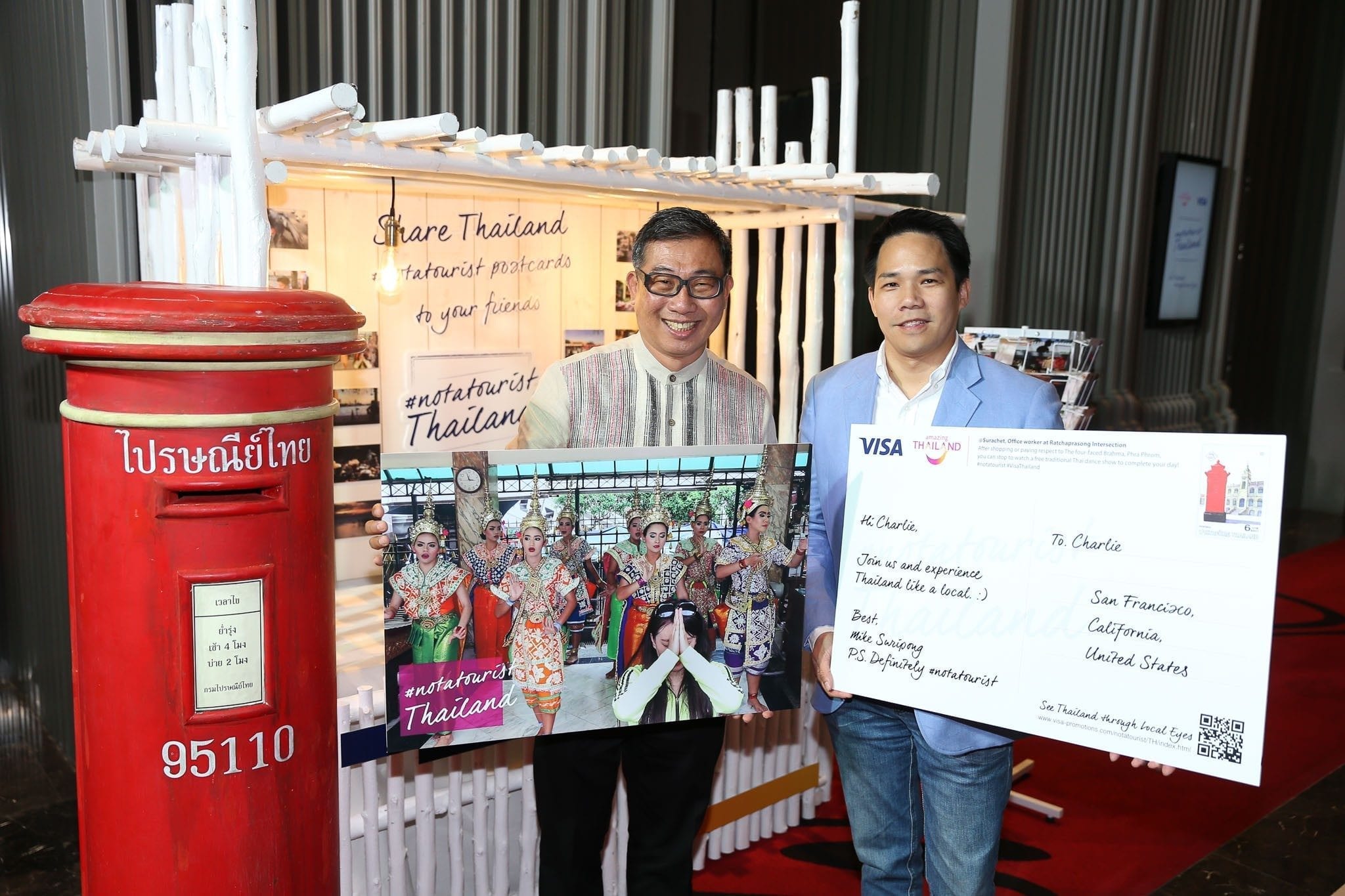
    Travelers looking to experience Thailand like locals can now find ideas and inspiration in Visa’s #notatourist platform. The “Visa #notatourist: See Thailand through Local Eyes” campaign aims to woo residents to share the many local experiences that otherwise might elude travelers on the conventional path.

    The campaign rallies residents in Thailand to share photographs of the different things to do, food to eat, and places to see on social media, namely Instagram and Facebook. With hashtags #notatourist and #VisaThailand, the selected photos will go on Visa’s dedicated website at www.visa-promotions.com/notatourist/TH/. A panel of judges will then select ten to print, creating a total of 100,000 postcards – the quintessential travel souvenir – to be distributed by Tourism Authority of Thailand (TAT) and Visa around the world. There will also be lucky draw for participants at the end of each month within the activity period.[1]

    As one of the most popular destinations in the world[2], with 28 million international visitors last year[3], Thailand’s famous sights and sounds are well-known. While the usual tourist attractions such as Grand Palace and dishes like Pad Thai are worth revisiting, Visa believes that Thailand has more to offer – particularly when recommended by locals.

    Suripong Tantiyanon, Visa Country Manager, Thailand said: “This is an opportunity for people of Thailand to share unique aspects of the country for visitors looking to venture off the beaten path. Visa recognizes the changing expectations of today’s travelers and their reliance on social media when visiting new places. The #notatourist platform will help unearth new ways to discover hyper-local experiences.”


    Complementing existing partnership with TAT, #notatourist platform aims to guide travelers to navigate local experiences, customs and cuisines – all things Thais hold dear but otherwise might be off the radar to some visitors. Residents of Thailand are encouraged to share their favorite places, restaurants, and activities on the social media platform.

    The campaign is part of Visa’s #notatourist initiative, launched globally this year. As one of the most popular travel destinations in the region, Thailand is the first country in Southeast Asia to run this platform.

    “This is our chance to redefine how Thailand will look to visitors in the next ten years and we at Visa are excited to open this up for everyone to participate,” added Mr. Suripong.

    [1] Terms and conditions apply

    [2] In 2015, Thailand ranks 14th in the world on number of international tourist arrivals and 9th in the world for international tourism revenue, according to the latest figures from the UN World Tourism Organization (UNWTO)

    [3] The number of tourist arrivals announced by Tourism Authority of Thailand in their official website on December 2015. (https://www.tatnews.org/thailand-tourism-hitting-record-highs-with-the-arrival-of-the-28-millionth-tourist-for-2015/)

  • Thailand still a hot destination for package bookings

    Thailand still a hot destination for package bookings

    During the 12 months ending in the first quarter of this year, on average, the booking window of international travellers to Thailand stretched over a month (36 days), |with an average length of stay per booking at three days, according to a survey by |online travel company Expedia group.

    Year-on-year growth shows top destinations in Thailand are Pattaya (up 70 per cent), Bangkok and Chiang Mai (up 60 per cent), Phuket (up 55 per cent) and Koh Samui (up 50 per cent).

    Smaller regions on the rise with eye-catching triple-digit growth include Koh Lipe, Northeastern Thailand, Rayong, Trat and Hat Yai.

    Data from the same period showed that package bookings generated a booking window more than 1.5 times as long as stand lone hotel bookings. In addition, cancellation rates of packages are also much lower compared with standalone bookings.

    Top package-generating markets include Malaysia, Hong Kong, Australia, Singapore and Japan.

    “Delivering global demand for Thai hoteliers is a mission for us,” said Pimpawee Nopakitgumjorn, director of market management at Expedia group. “In particular, Expedia package bookings are attractive because they are a great way for hotels to build a strong base of customers without eroding their retail rates. Last year alone, we sold [more than] 7.1 million packages globally.”

  • Korea clamps down on Chinese tour operators

    Korea clamps down on Chinese tour operators

    An influx of dodgy Chinese tour operators has prompted the South Korean government to mount a clampdown.

    Authorities say they will tighten regulations on tour operators that lure Chinese travellers with cheap, low-quality packages to screen out substandard agencies and improve the tourism industry’s competitiveness.

    A key problem is the practice of forcing travellers to shop at particular retailers in return for brokerage fees.

    The Ministry of Culture, Sports and Tourism said Tuesday it will form a task force with related organisations to crack down on tour operators that offer low-quality programs.

    “As the inbound travel market is the key industry directly linked to the national image and interests, the government and industry should make concerted efforts to correct the market order and improve the quality of the overall market,” vice culture Minister Kim Chong said in a briefing.

    In March, the ministry revoked the licenses of 68 tour operators, about 40 per cent of the agencies specialising in Chinese travellers, for offering unreasonably cheap prices and employing unqualified tour guides.

    Tour agencies targeting the Chinese have sprung up in recent years as the popularity of K-pop and Korean dramas have attracted more visitors from the Asian neighbour. But cutthroat competition has prompted some agencies to offer cheap package programs that include filthy rooms and expensive options, and often force tourists to drop by several souvenir shops to reap commissions.

    A recent tourism survey revealed that overall satisfaction among Chinese travelers fell 0.7 percentage point to 94.1 per cent in 2015. In particular, group travellers were less content with dining experiences than individual tourists.

    The ministry will also step up monitoring on unqualified tour guides near shopping centres and offer customised tour guide training programs in the medical, heritage and sports sectors.

    To address growing complaints, top tourism officials of South Korea, China and Japan will have a trilateral meeting in August to discuss ways to enhance the quality of the tourism industry in the respective countries and screen out substandard operators.

    The number of Chinese tourists visiting South Korea had sharply risen since 2010, but it fell 2.3 per cent on-year to 5.98 million in 2015, hurt by the Middle East Respiratory Syndrome outbreak.

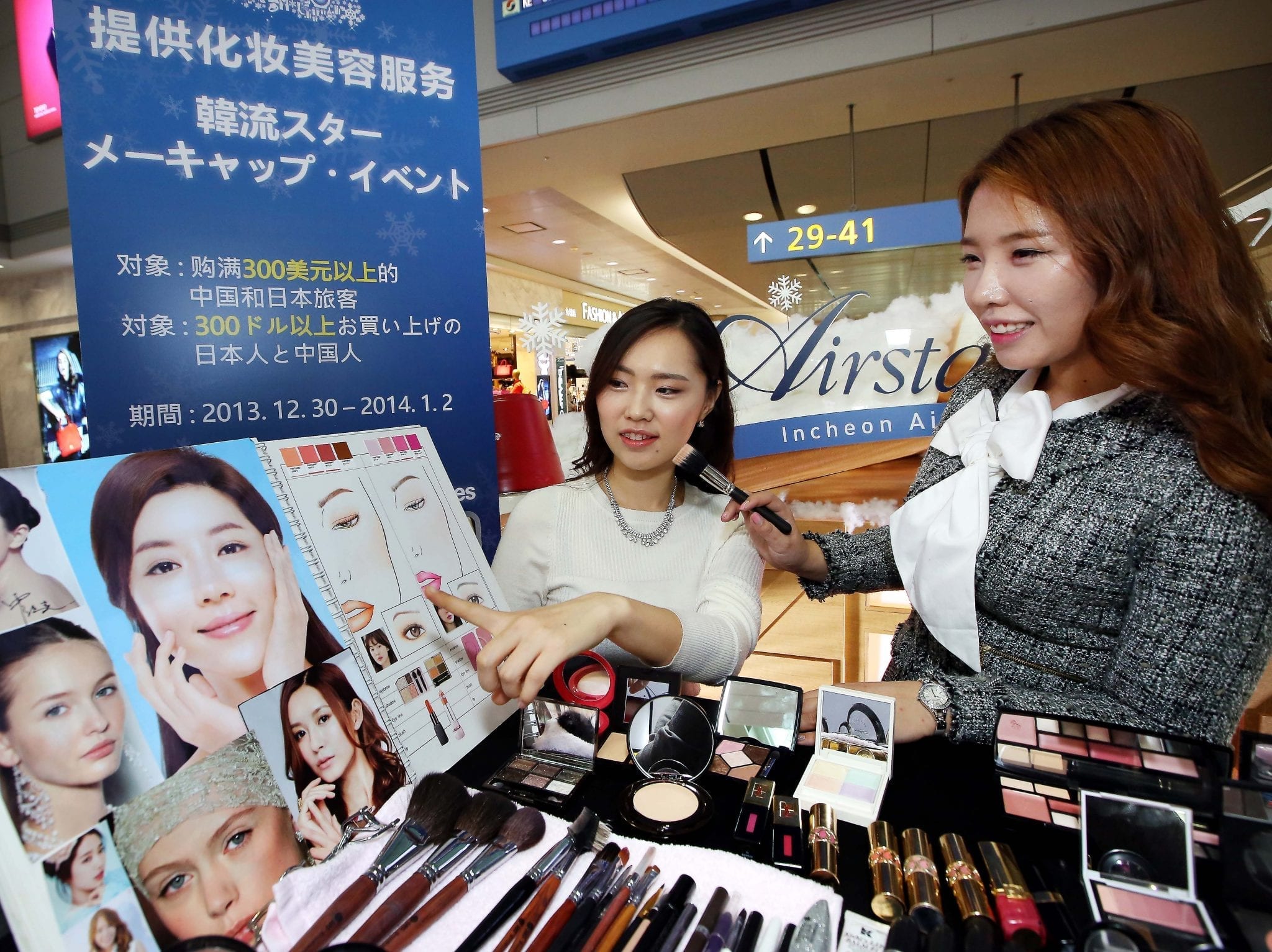
    South Korea aims to attract 8 million Chinese tourists this year by offering various specialised tour packages in fashion, beauty, culture and leisure; adopting eased visa regulations; and expanding air routes between the two nations.

  • Look to past for the reasons fewer tourists visit Hong Kong

    Look to past for the reasons fewer tourists visit Hong Kong

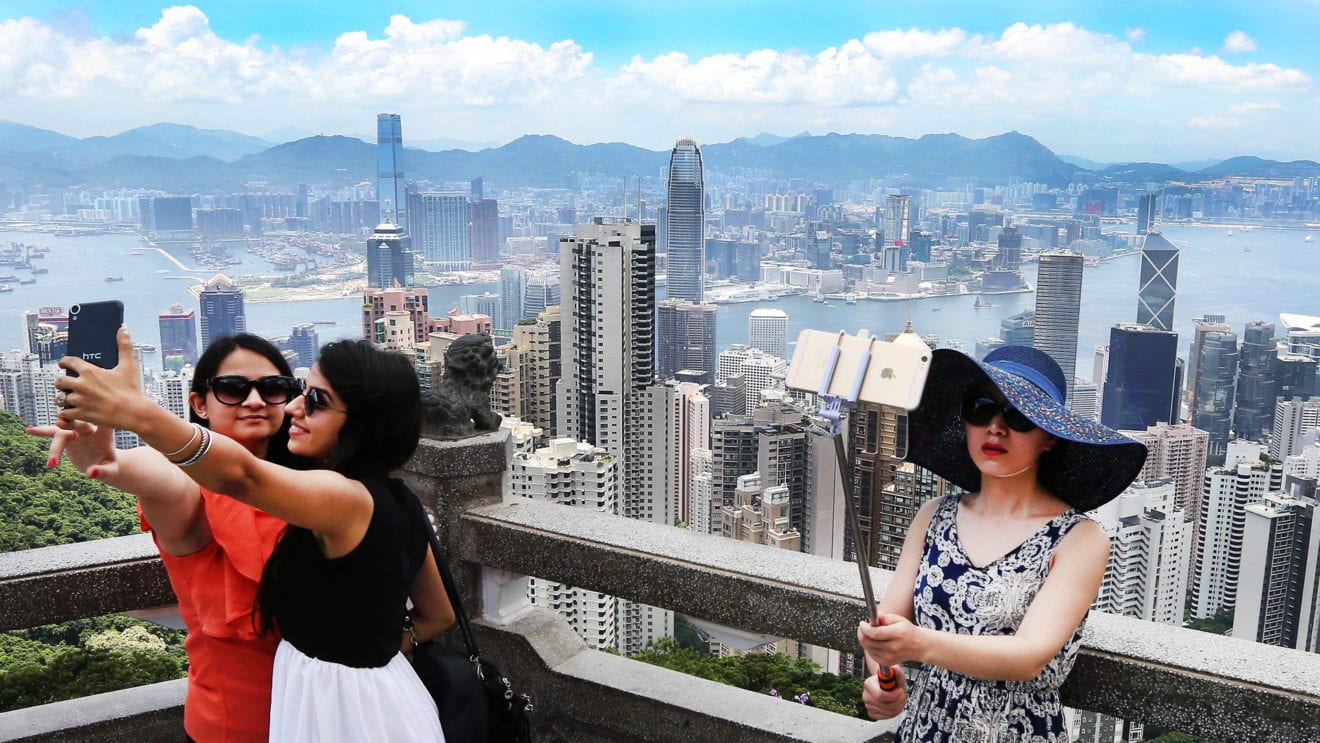
    In recent months, certain areas of Hong Kong have become noticeably less crowded with gaggles of visitors from China towing sizeable suitcases. Anecdotal observations indicate the local tourism industry is experiencing one of its periodic slowdowns. Official visitor arrival statistics – even with allowances for creative, vested-interest interpretations – suggest the same. Inevitably, prolonged wailing has gone up from Hong Kong’s tourist-dependent retail sector about the catastrophic effects of a reduction in Chinese visitor numbers.

    Blame for falling tourist numbers has been hurled variously at the 2014 Occupy protests, “anti-locust” demonstrations and the burgeoning nativist movement. All sorts of explanations are offered, but not a dispassionate analysis of the real, underlying causes.

    With Hong Kong’s unique local flavour increasingly replaced by manufactured attractions, is it any surprise visitors are choosing different destinations?

    Let’s face it, Hong Kong is a very expensive place to visit for what the experience affords. For the most part, the city offers poor value for accommodation and food if we make regional like-with-like comparisons. And if you’re very obviously from China – a fellow citizen of our “one country”, let’s not forget – Hong Kong’s natives can come across as distinctly cool, to say the least. So why bother coming, when there are plenty of better value, more welcoming destinations to choose from?

    These days, visitors – especially from China – “experience” a series of manufactured “attractions”, each more contrived than the last. In this respect, Hong Kong has followed the pedestrian tastes of global mass tourism, with little genuinely unique local flavour to offer.

    Once upon a time, however, Hong Kong itself was the primary attraction. Visitors from all over the globe came to see, experience and enjoy this most remarkable, unlikely place perched on China’s south coast. But no longer.

    Like much of the modern world, Hong Kong has become blandly homogenised and now China itself is open to visitors. The tangible frisson once obtained from peering across the border at forbidden, forbidding China – so close yet tantalisingly unattainable – is no more.

    One attraction has remained constant: shopping. Since the Roaring 20s – the first time Hong Kong figured significantly on round-the-world stopovers – the city’s duty- and sales-tax-free shopping regime has been a major, and heavily promoted, part of its attraction. Without sales taxes, items such as luxury goods retail in Hong Kong for less than the wholesale price in their country of manufacture.

    By the mid-1950s, affluence was growing globally, air travel was becoming more popular and China was largely closed off to the outside world. Combined, these factors provided an enormous boon to the fledgling tourist industry.

    In 1957, former British Army officer Major Harry Stanley was appointed to run the newly established Hong Kong Tourist Association, overseeing publicity campaigns that put the city on the world tourist map.

    In recent decades, sadly, chairmanship of the HKTA (rebranded the Hong Kong Tourism Board in 2001) has become a Liberal Party fiefdom. Successive heads have mostly combined that particular political faction’s curious, patronising, born-to-rule arrogance with the intellectual mediocrity and comprehensive lack of vision habitual to second-generation economic rentiers in their approach to Hong Kong’s contemporary challenges.