Tag: tourism

  • ASEAN tourism to launch Visit ASEAN@50 Golden Celebration in 2017

    ASEAN tourism to launch Visit ASEAN@50 Golden Celebration in 2017

    Member countries of ASEAN will celebrate the groupings 50th Anniversary in 2017 by holding a joint tourism programme under the theme “Visit ASEAN@50: Golden Celebration” with the objective of embracing ASEAN as a single and united tourism destination.

    “Visit ASEAN@50: Golden Celebration will highlight ASEANs best 50 festivals and 50 most unforgettable travel experiences, whereby visitors will enjoy a wide range of ASEAN tourism products through diverse destinations, culinary, events, and engagements with local communities,” the ASEAN Secretariat said in a statement.

    Special offers and travel promotions with affiliated partners will be rolled out for travellers to enjoy the richness of cultural, heritage, nature, and to feel the warmth of ASEAN hospitality.

    Targeting major regional and long-haul source markets, such as: China, Japan, Korea, India, Australia, UK, Germany, Russia, the UAE, USA and Canada, Visit ASEAN@50: Golden Celebration is expected to achieve 121 million international visitor arrivals to the region by the end of 2017.

    Also increase tourism receipts to USD 83 billion; and extend tourist visitations average length of stay to 6-7 days, and to more than 2 ASEAN countries.

    The official pre-launch of the Visit ASEAN@50: Golden Celebration campaign was spearheaded by ASEAN Tourism Ministers and Leaders at the ITB Berlin on 10 March 2016.

    The pre-launch was followed by two days of ASEAN cultural performances for ITB Berlin’s public audiences on 12 and 13 March at Thailand pavilion.

  • Indonesia to woo more visitors from India

    Indonesia to woo more visitors from India

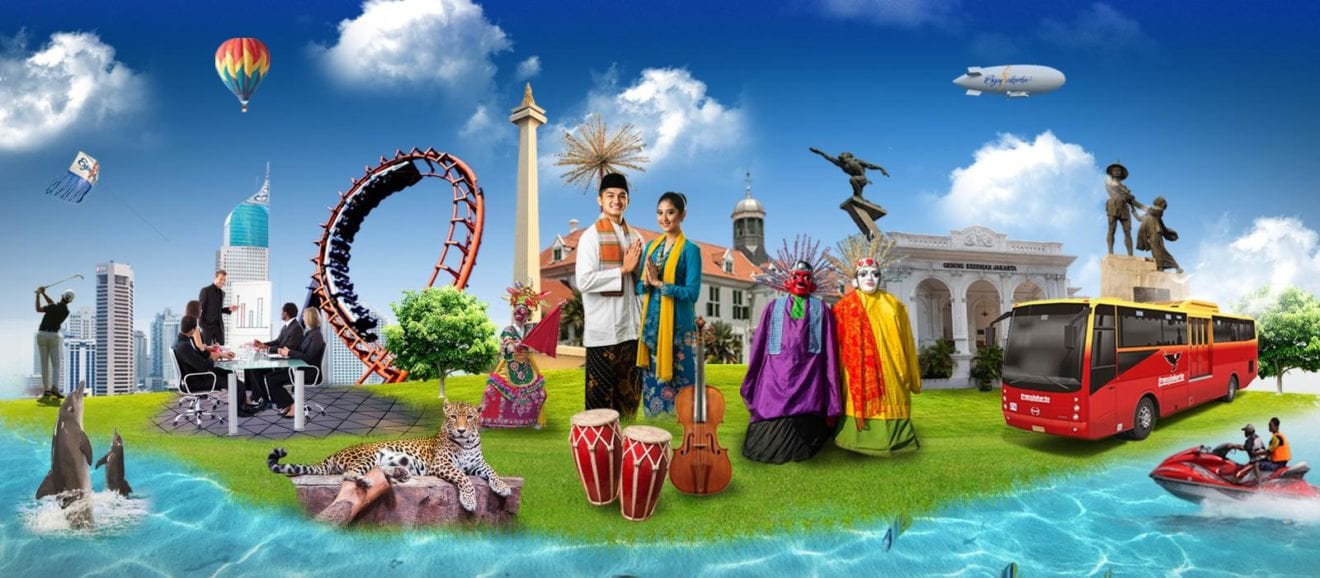
    Indonesia is to participate in a major Indian major cultural festival in New Delhi in an attempt to seduce the growing middle-class in the South Asian nation into visiting the archipelago.

    The three-day festival, organized by international spiritualist NGO The Art of Living, will last from March 11 to 13. As one of the biggest stages in the world, it will attract around 3.5 million participants from around the globe. It is expected that more than 36,000 artists will come to demonstrate their musical skills; thousands of them will play 50 different musical instruments at the same time to create an alluring rhythm and harmony.

    “We hope the World Culture Festival can encourage better understanding between people of different religions, nationalities and backgrounds by exposing their diverse cultures, dancing, music, arts and also yoga,” Sri Ravi Shankar, the founder of Art of Living, said in a press release.

    To take part in the major event, 27 professional Indonesian dancers from iKreasindo, a cultural angklung workshop, will work with 80 artists from the Art of Living to present a joint angklung and dance performance entitled “Cendrawasih Menebar Pesona,” accompanied by the traditional Betawi folk song “Jali-Jali”.

    The government hopes that through this performance, Indonesia will be able to expose its culture to the world and attract more foreign tourists, especially Indians, to Indonesia.

    Home to the world’s second-largest population, India ranks 7th on the list of major markets for Indonesian tourism.

    In 2015, the number of Indian tourists coming to the archipelago rose to 271,252, a 15 percent increase from the previous year. This year, the Tourism Ministry expects at least 350,000 Indian tourists to visit popular destinations such as Bali, Jakarta and Batam.

    The lack of direct flights, however, hampers the flows of tourists from India to Indonesia.

    “We are now depending on Malindo Air and Singapore Airlines, because there still aren’t any direct flights from India to Indonesia. With Garuda opening direct flights in August, we expect more Indians tourists to come to Indonesia,” said Vinsensius Jemadu, the director of Asia-Pasific Tourism Promotions.

    This August, Garuda Indonesia is to launch direct flights from Jakarta to Mumbai; the flights will run three times a week. Besides Garuda, the Tourism Ministry also plans to work together with AirAsia to begin direct flights from India to Indonesia.

    Another government effort to increase the number of foreign tourists from India is to promote Indonesia’s tourist destinations by organizing a visit of media, tour operators, hoteliers and wedding organizers to major cities in India including Mumbai, New Delhi, Bangalore, Calcutta and Hyderabad.

    Besides India, the government is also striving to lure visitors from other countries, especially Singapore, Malaysia, China, Australia and Japan, in order to reach its target of hosting 12 million foreign tourists in 2016 and 20 million in 2019.

    The ministry recorded 9.73 million foreign tourist arrivals last year, short of the 10 million target, with the sector disrupted by haze and volcanic eruptions for a good part of the year.

  • Japanese stores target Thai tourists

    Japanese stores target Thai tourists

    Thai tourists are now in the sights of Japanese department stores after their success in luring Chinese during Lunar New Year.

    Such companies as Isetan Mitsukoshi Holdings and J.Front Retailing, which run the Daimaru and Matsuzakaya department stores, are ramping up efforts to lure Thai tourists during their traditional New Year holiday Songkran, which this year runs from April 13 to 15, reports Nikkei Asian Review.

    A weaker yen has helped boost tourism numbers to Japan, and visitors from Thailand have grown steadily to nearly 800,000 last year following the relaxing of visa requirements in July 2013.

    While most foreign visitors last year came from China, they were followed in volume by South Korea, Taiwan, Hong Kong, the US and then Thailand.

    Isetan Mitsukoshi and J.Front issued pamphlets and other materials to promote their Japanese stores during the Thai International Travel Fair at the Queen Sirikit National Convention Center on February 21, one of Southeast Asia’s largest travel-industry events. They mainly targeted Thai travel agencies.

    J.Front’s Daimaru and Matsuzakaya stores distributed flyers with discount coupons, and also plans to hand them out aboard Asia Atlantic Airlines flights between Thailand and Sapporo. The coupons will also be given to tourists buying the Japan Rail Pass at Thai outlets of Japanese travel agency HIS.

    Daimaru’s store in Sapporo has even prepared a floor guide in Thai language.
    Matsuya, another Japanese department-store chain, will give preferential treatment to customers of three Thai banks – Bank of Ayudhya, Kasikornbank and Krung Thai Bank – at its Ginza store in Tokyo. They will receive discounts and gifts.

    In January, Matsuya had a similar offer for customers holding membership cards from Thai retailer The Mall Group. Sales of duty-free goods at Matsuya during last year’s Songkran holidays surged 50 per cent from a year earlier, the company says.
    Visitors from Thailand spent a total of Y120 billion (US$1 billion) in Japan last year, up a quarter on 2014’s figures, according to a survey by the Japan Tourism Agency.

  • China aims for +6.5% growth for 2016 to 2020

    China aims for +6.5% growth for 2016 to 2020

    There will be no ‘hard landing’ for the Chinese economy, despite growth forecast cuts, according to Xu Shaoshi, the Head of China’s state planning agency, commenting on the draft outline of the 13th Five-Year Plan on national economy and social development at the 12th National People’s Congress (NPC).

    This message was delivered loud and clear in the Great Hall of the People in Beijing last Saturday, despite Asia’s leading economic powerhouse missing its growth target of around 7% last year. The economy is said to have grown by 6.9% in 2015 – the lowest level in 25 years – according to the Chinese Government’s official news arm, the Xinhua News Agency.

    At the same time, Chinese Premier Li Keqiang pointed to lower growth expectations in his opening speech and more challenging times. He also announced a lowering of the economic growth target for this year to between 6.5% to 7% – a level most nations and economies around the world would obviously welcome, although this range over five years is much slower than the rates seen over the last 25-30 years.

    However, Xinhua reports that the bottom end of this new target figure is understood to represent the ‘minimum growth required’ for China to attain its stated target of doubling its 2010 GDP and per capita income level within four years by 2020.

    RISING TO NEW ECONOMIC CHALLENGE
    Li Keqiang also announced that China’s GDP is now forecast to be in excess of CY92.7 trillion ($14.2 trillion) in 2020, compared with CY67.7 trillion in 2015, according to the draft, submitted to the National People’s Congress (NPC) annual session, which opened Saturday, for review.

    The new five-year plan contains a number of important new policy measures, including the amazing prediction that China will create more than 50m new urban jobs in the next five years.

    Xinhua also points to the Chinese Premier’s promise to try and help improve the quality of life for poverty-stricken rural residents, as well as reduce the number of heavily polluted days in large cities by 25%. However, this last aim will require a cap on industrial factory output that the country has so far been slow to implement.

    Meanwhile, on the transport front, China is expected to complete its target of 30,000km of high-speed railways to link 80% of big cities nationwide. This is expected to take more pressure off the country’s airports where domestic flights are routinely delayed and many airports suffer from severe congestion.

    China-US-Tourism-Year-2016-Opening

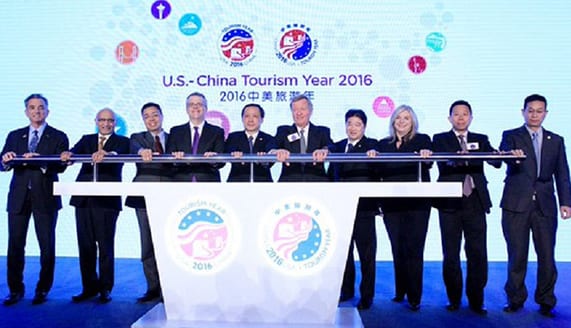
    CHINA-US TOURISM YEAR: This year (2016) is China-US Tourism Year, with Chinese President Xi Jinping sending a message of welcome to a high-powered tourism delegation from the US last week. He said: “I hope we’ll take this opportunity to expand personnel exchange, reinforce cultural exchange and foster a more solid social basis for bilateral relations development. American tourists are welcome to China. I wish 2016 China-U.S. Tourism Year a complete success.” US President Barack Obama reciprocated with his message: “Please get ready for more and more Americans are travelling to China. I also look forward to and welcome more Chinese to the United States. I believe that the more we understand each other, the more we can work with each other.”(Photo Credit: China National Tourist Office).

    The recent announcement related to the creation of more duty free arrivals shops in China is also entirely in line with these ‘readjustments’ to the Chinese duty free regulations, as predicted last year and reported last month.

    This follows the Chinese Government’s move to reign in a bigger share of high duty free spending levels by its Chinese nationals abroad, by authorising multiple duty free arrivals shop openings at leading airports and border points.


  • Resort island of Jeju in Korea is booming

    Resort island of Jeju in Korea is booming

    The southern resort island of Jeju is booming, posting the country’s highest growth rate in private consumption, service industry productivity, employment and exports last year, according to Statistics Korea.

    Major businesses are relocating their headquarters to the island and people are moving there from the mainland.

    In 2004, Daum Communications (now Kakao) moved its headquarters to Jeju, followed by some 50 other companies, mostly IT or game businesses such as NXC and ESTsoft, increasing the populations significantly. Booming tourism, meanwhile, has created more jobs in the service and construction sectors.

    Jeju’s service industry output in 2015 increased 6.1 percent compared to the previous year, which was more than twice the national average of 2.9 percent. As 3,000 to 4,000 people move to the island every year, the real estate sector’s output rose 25 percent to lead overall growth.

    Private spending increased 7.8 percent last year, again more than double the national average of 3.4 percent. That too was due to the huge increase in the number of people arriving on the island each year, either to settle or for a visit.

    Retail sales at shopping centers and duty-free shops rose 9.5 percent in 2015, three times the national average of 3.6 percent. Thanks to tourists renting cars, fuel consumption on the island surged 16.9 percent.

    Jeju Island was also the only region to post double-digit export growth last year with outbound shipments rising 13.8 percent. In contrast, the exports of 12 out of 17 major cities and provinces shrank.

    The main cause of Jeju’s booming economy is the steady increase in tourists and settlers from the mainland. Its population grew from 606,000 in 2014 to 623,000 last year. The number of tourists also rose by 1.4 million over the same period to 13.66 million last year.

    Jeju city official Kim Hyun-cheol said, “Drawn by the pleasant living environment, many celebrities have moved to Jeju, which resulted in a wide range of other people from the mainland coming to run their own businesses here.”

    He added that the island’s international school admits Korean students without the restrictions found in Seoul, which has led to an influx of kids and their parents from elsewhere.

    But with the increasing population, real estate prices on the resort island are skyrocketing. The average real estate price on the island rose 19.35 percent last year, five times the national average. The prices of some apartments are showing signs of overheating.

  • Hong Kong January retail sales fall for 11th straight month

    Hong Kong January retail sales fall for 11th straight month

    Hong Kong retail sales, which suffered their worst decline in 13 years last year, saw weak sentiment extending into January on slumping tourist arrivals, weak local consumption and a strong local currency.

    Retail sales in January slid 6.5 per cent from a year earlier to HK$43.6 billion (US$5.61 billion) in value terms, compared with an 8.5 per cent decline in December. In volume terms, January sales decreased 5.2 per cent.

    “The near-term outlook for retail sales will remain constrained by the sluggishness in inbound tourism,” the government said in a statement. “External uncertainties, including a dimmer global economic outlook and US interest rate normalisation, may add further headwinds.”

    The value of retail sales fell for a second year in 2015 – down 3.7 per cent – the biggest decline since 2002 when they dropped 4.1 per cent.

    Hong Kong is confronting mounting economic challenges as the prospect of US interest rate rises drives fears of capital outflows that could put pressure on the financial hub at a time when China’s economy is growing at its slowest pace in 25 years.

    Tensions that have rocked the city, including protests over the Lunar New Year that was sparked off by street vendors, have added to the strains on the retail and tourism industries already suffering from a drop in mainland tourists.

    EXPENSIVE DESTINATION

    The strong Hong Kong dollar, which is pegged to the US dollar, has made the city an expensive destination and China’s cash-rich tourists are heading for more exotic destinations.

    Hong Kong tourist arrivals, which fell 2.5 per cent in 2015 in the first decline since 2003, dropped 6.8 per cent from a year ago to 5.23 million in January. Mainland visitors, which accounted for 77 per cent of the total, slumped 10 per cent to 4.04 million.

    Hong Kong’s comparatively high rents also hurt retailers as fewer mainland tourists come to shop, forcing operators to close and scale back expansion.

    January sales of jewellery, watches, clocks and valuable gifts in value terms fell 16.3 per cent, a 17th consecutive month of decline.

    Department store sales slid 3.6 per cent on year, against a 12.3 per cent drop the previous month. Wearing apparel fell 4.9 per cent while medicines and cosmetics decreased 3.6 per cent.

    Hong Kong’s top jeweler Chow Tai Fook Jewellery Group and cosmetics chain operator Sa Sa International Holdings saw sales declines at least 20 per cent during the key Lunar New Year shopping season in February.

    Department store operator Lifestyle International also saw a double-digit decline in sales during the holiday.

    Last week, Hong Kong rolled out a multi-billion dollar package of sweeteners to bolster its economy as a slowdown in China and rising political tensions deepen its economic woes.


  • Singapore forecasts 0-3% visitor arrivals in 2016

    Singapore forecasts 0-3% visitor arrivals in 2016


    The Singapore Tourism Board (STB) is forecasting a 0-2% rise in the range of S$22bn to $22.4bn ($15.6bn to $15.9bn) in tourism receipts in 2016 and international visitor arrivals in the range of 15.2m to 15.7m (0 – 3%).

    This follows what the STB describes as the ‘mixed tourism sector performance in 2015 in the face of global headwinds’, as visitor arrivals grew by 0.9% to 15.2m and tourism receipts declined by -6.8% to S$22bn.

    LESS MICE CAUSED MOST OF THE DECLINE

    The STB said that the decline was largely due to a fall in BTMICE (meetings, incentives, conventions and exhibitions) visitor arrivals and spending. This mixed performance came on the back of various headwinds, such as an uncertain global economic outlook and weak currencies in some of Singapore’s top source markets in 2015.

    “As the average BTMICE visitor spends about two times more than the average leisure visitor, the fall in BTMICE visitor arrivals and spending due to companies cutting back on both travel and trip budgets has had a significant impact on our tourism receipts,” he added.STB CEO Lionel Yeo commented: “We are encouraged by the upturn in visitor arrivals from May onwards that led to a positive growth for the whole of 2015. Of particular note is the 2% growth in leisure visitor arrivals in 2015, which helped offset the decline in BTMICE visitor arrivals. This shows that Singapore remains attractive as a leisure destination.

    Singapore Tourism 2015-2016
    In terms of market highlights, the top growth-markets for 2015 tourism receipts were Japan (+6%) and the UK (+4%). Tourism receipts from Japan rose due to greater BTMICE traffic, while more leisure visitors from UK also spent more.

    The STB said that the decline in tourism receipts was most keenly felt in Indonesia (-21%), Australia (-10%) and Malaysia (-26%) with all these markets facing their own economic challenges and currency devaluations.

    Turning to international arrivals by market, China led the way (+22%), followed by India (+7%), South Korea (+7%) and Taiwan (+12%). Notably, there were more visitor arrivals from both tier 1 and secondary cities in China and India, where STB has intensified its marketing and channel development efforts.

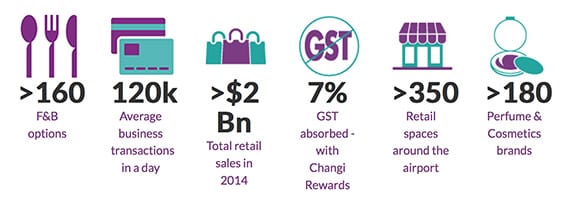
    Changi factfile 2014

    These key numbers relate to Changi Airport in 2014.

    The largest declines were noted from Indonesia (-10%), Malaysia (-5%), Australia (-3%) and Japan (-4%) where the STB reasons that macroeconomic factors, including currency depreciation and an uncertain economic outlook, depressed market demand.

    KEY HIGHLIGHTS

    More positively the key highlights in 2015 included intensified marketing efforts linked to the international attention Singapore attracted during its Golden Jubilee year. STB tried to capitalise on this by collaborating in a joint marketing effort with tourism industry stakeholders to launch a S$20m ($14.2m) campaign in seven key markets.

    The Board also put in place strategic partnerships with Changi Airport Group, Singapore Airlines and TripAdvisor to promote Singapore as the destination of choice.

    Key growth areas identified in  2015 included cruise and business events, with the former noting a year-on-year cruise passenger rise of 14% to 1m in 2015 and nine calls that were new to both Singapore and Southeast Asia.

    Singapore Tourism Board 2015
    The STB also supported more than 350 business events in 2015, representing a 27% year-on-year growth. These events generated 287,000 visitor arrivals and S$478m ($341m) in tourism receipts.

    LOOKING FORWARD…

    The STB is now forecasting that tourism receipts will be in the range of S$22bn to $22.4bn (0 – 2%) and international visitor arrivals in the range of 15.2m to 15.7m (0 – 3%) this year.

    In a statement it said: “Global economic growth may be hampered by the slower growth momentum of the Chinese and US economies, as well as uncertainties such as ongoing reforms in China and the impact of the normalisation of the US monetary conditions.

    “Increasing regional competition will also pose challenges to Singapore’s tourism sector. At the same time, Singapore remains poised to benefit from the projected growth in outbound travel in the Asia Pacific region. The pipeline for business events also continues to be strong.”

  • Hong Kong tourism, retail continue slump with less mainlander visits

    Hong Kong tourism, retail continue slump with less mainlander visits

    The Hong Kong Tourism Board (HKTB) said on Jan. 19 that the number of visitors to the city fell 2.5 percent last year over 2014 to 59.31 million, among whom 45.84 million were from the Chinese mainland, down 3 percent. The number of overnight mainland visitors dropped 5.7 percent to slightly less than 18 million.

    Even Christmas season failed to meet expectations, with the number of mainland travelers being merely 3.72 million in December, down 15.5 percent, the biggest monthly drop in 2015.

    The total number of visitors to Hong Kong had been on the decline for seven consecutive months since June, the HKTB said.

    On the other hand, the retail sector also had a difficult time. According to the latest data from Hong Kong’s Census and Statistics Department, retail sales totaled 475.2 billion Hong Kong dollars in 2015, down 3.7 percent from 2014, the biggest drop since 2002.

    Last December’s retail sales were estimated at 43.7 billion Hong Kong dollars, down 8.5 percent year-on-year, while the total volume of retail in the same month fell 6.1 percent.

    Sales revenues of jewelry, watches and luxury gifts registered the biggest fall, down 17 percent in December year-on-year and 15.6 percent last year from 2014. In addition, clothes, commodities at department stores, medicine and cosmetics all saw a fall in revenue.

    The retail sector has been falling since March 2015, and saw revenue drops for ten months in a row last year. Retail sales in August totaled 37.9 billion Hong Kong dollars, down 5.4 percent year-on-year, the biggest fall in 2015.

    On February 15, Hong Kong Disneyland said it suffered a net profit loss of 148 million Hong Kong dollars, the first of its kind since 2012.

    Besides, Ocean Park,recently reported a double-digit fall in the number of mainland visitors during the Spring Festival holidays, while total admissions to the park fell 14 percent in 2015. Tom Mehrmann, the park’s chief executive, said the number of mainland visitors now has dropped to a mere 40 percent of the total admissions from over 50 percent in July 2015, and he expected a further drop in numbers during the months to come.

  • China’s ‘explosive shopping’ sprees bring chaos to Tokyo roads

    China’s ‘explosive shopping’ sprees bring chaos to Tokyo roads

    Tensions between Japan and China are not confined to remote islands and historical disputes it seems – now an unlikely activity is causing tension between the two Asian powerhouses. Shopping.

    Japanese police are reportedly receiving increasing numbers of complaints about the surge in buses carrying Chinese shoppers who are causing parking chaos in Tokyo’s retail districts.

    The issue taps into the booming number of Chinese tourists indulging in intense shopping sprees in Tokyo, whose surge in prevalence has prompted the creation of the new Japanese buzzword “bakugai” (“explosive shopping”).

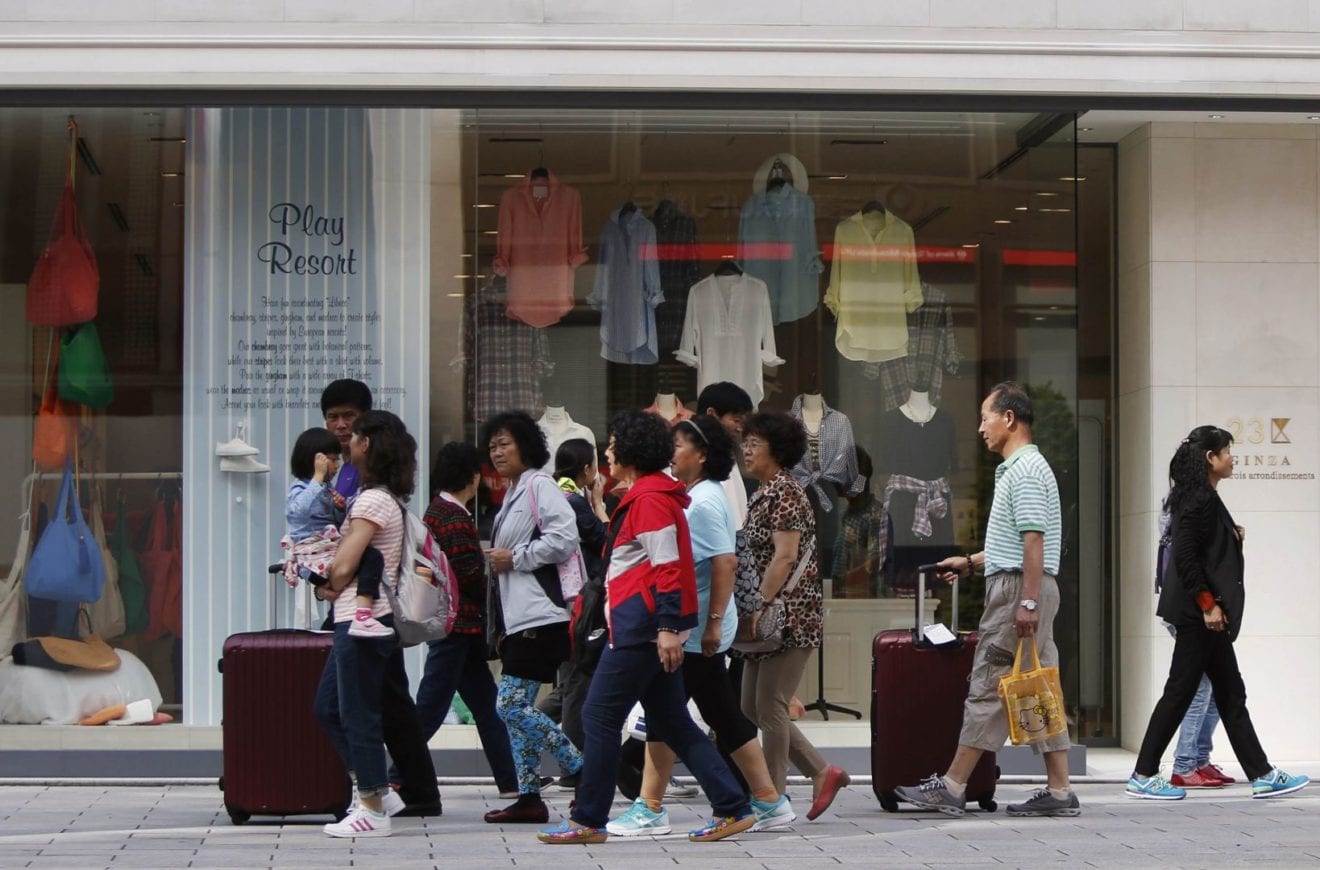
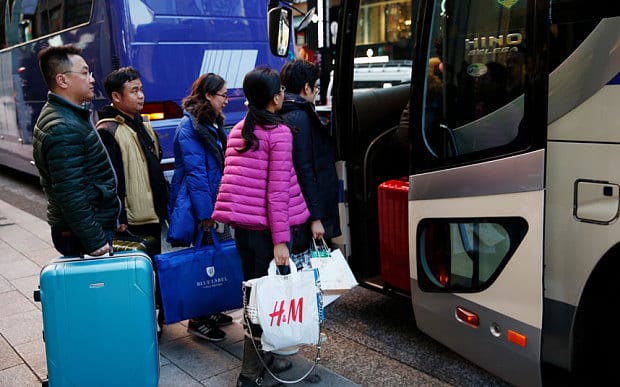
    Chinese tourists pack their shopping into a suitcase at a department store in Tokyo  Photo: Reuters

    From Ginza’s upmarket boulevards lined with department stores to the historic lanes of the old Asakusa area, large buses ferrying retail therapy-loving Chinese shoppers have apparently been causing parking chaos across the capital.

    On one recent occasion in the run up to Chinese New Year, a total of eight tour buses reportedly caused mayhem after blocking the left traffic lane on one of the main streets in Ginza, according to Kyodo News.

    Store security on the Ginza street also reportedly became involved in the retail chaos, asking Chinese shoppers laden down with bags outside the buses to step aside to allow other pedestrians to pass.

    One of the bus drivers said: “I usually stop here because there aren’t any other places. If we are lucky, we can leave here around 15 minutes behind schedule but a 30-minute delay is not unusual.”

    Japan’s economy received a welcome bolster from a surge in overseas visitors in 2015, with a record 19.73 million overseas tourists arriving in the country, many of whom were intent on shopping.

    Fuelled by a then-weakened yen, foreign tourists visiting Japan last year spent around 3.08 trillion yen – an increase of one trillion from the previous year, according to finance ministry figures.

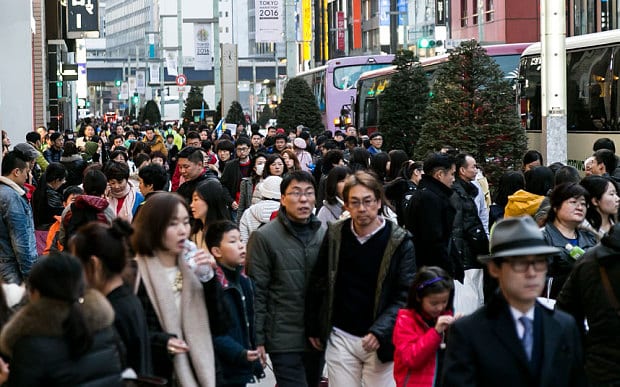
    Chinese tourists shopping during the Lunar New Year Holiday at Tokyo's Ginza shopping district in Japan

    However, the rise of shoppers – in particular groups of voraciously-consuming Chinese shoppers – has gone hand in hand with increasingly complex parking problems across the capital, according to Kyodo News.

    Japanese items coveted by Chinese shoppers range eclectically from swishy Japanese techno lavatories and rice cookers to designer handbags and green tea-flavoured KitKats.

    As the city braces itself for further increases in visitors in the run-up to the Olympics, retail associations are urging local authorities to help find long-term solutions to the problem.

    “The central and the Tokyo metropolitan governments need to take the initiative to provide more parking spaces if they are going to promote tourism,” one leader of a local business association for the Ginza shopping area told Kyodo.

    An official for the metropolitan police department added: “Instead of tightening regulations, we would like to unite with municipalities and stores to decide on appropriate rules to welcome tourists together.”


  • The new globetrotters Hong Kong and Macau work to rekindle their tourism spark

    The new globetrotters Hong Kong and Macau work to rekindle their tourism spark

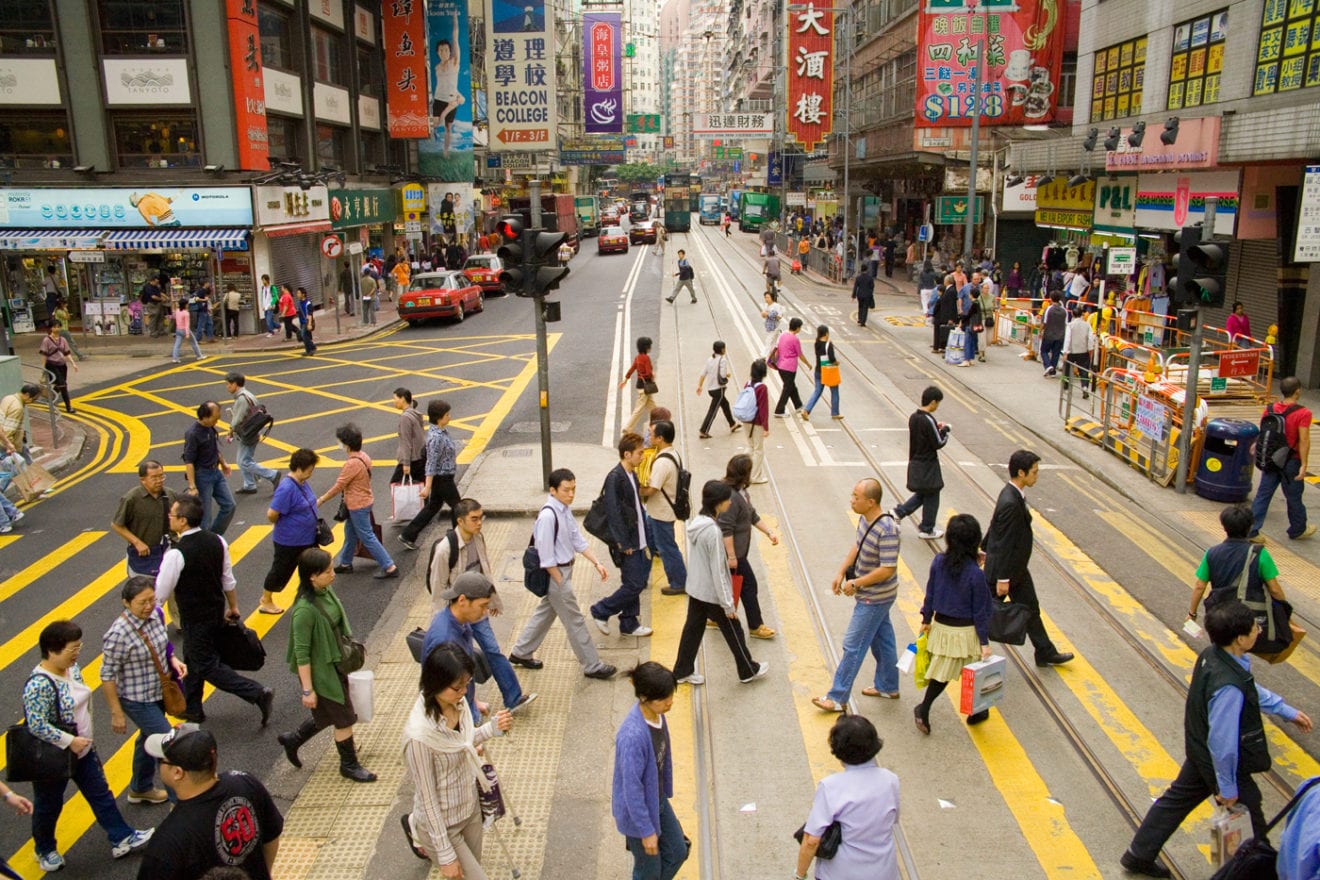
    A stroll down Queen’s Road Central reveals the changes that the drop-off in mainland Chinese tourists has wrought in this once-exclusive shopping area.

    U.S. luxury handbag maker Coach shut down its four-story shop here last August, and its place was soon taken by Adidas, which is preparing to open its first Hong Kong flagship store by June. The German sports brand has also rented a two-story space in Causeway Bay, a prime shopping district, for 3.5 million Hong Kong dollars a month ($449,000), some 30% less than what analysts say the previous tenant paid.

    Mass-market brands like Adidas are fast filling up the space vacated by luxury brands. Spanish fast-fashion chain H&M Hennes & Mauritz opened a four-story outlet in Causeway Bay in October, and a few streets away, HMV has rented a 40,000-sq.-foot (3,716-sq.-meter) space for a crossover music store/cafe.

    PERVASIVE GLOOM

    Hong Kong and Macau have long been the top destinations for mainland Chinese going abroad. With those visitors keeping a tighter hold on their purse strings, the two markets have had to adapt on a dime.

    The change in tourism trends comes against the wider backdrop of China’s economic slowdown, the weakening of the yuan against the U.S. dollar, and Chinese President Xi Jinping’s anti-corruption campaign. In the last two years, China has also tightened rules on the frequency of visits to the two cities, their use as transit stops and visitors’ use of mainland payment cards. Protests in Hong Kong against cross-border bulk shoppers and the death of a visitor during a tour group stop at a jewelry store have put off some would-be travelers from the mainland, as well.

    Three-quarters of Hong Kong’s visitors come from the mainland, but their arrival numbers last year fell almost 3% from 2014. Macau, similarly dependent on China, saw a 4% drop.

    Chinese tourist traffic to the two cities began to soar in 2003 after Beijing opened up the flow of individual visitors from designated mainland cities to compensate for a decline in arrivals related to that year’s outbreak of severe acute respiratory syndrome. Most mainlanders were previously required to travel with tour groups. A year later, the opening of the Sands Macao casino launched an era of gambling competition in Macau.

    Soon, luxury goods stores, pharmacies and other tourist-oriented shops were crowding out those serving local needs. Real estate services company Jones Lang LaSalle estimates mainland visitors now account for a third of Hong Kong retail sales and that they spent an average of HK$3,900 per visit in 2015.

    HARD REVERSE

    The recent downturn is hitting luxury retailers hard because it comes after years of booming sales that saw them open ever more and bigger stores. Burberry said its Hong Kong sales in the October-December quarter fell 20% from a year earlier. The British fashion brand plans to shrink its largest store in Hong Kong from two floors to one.

    Overall sales of jewelry, watches, clocks and similar gift items in the city fell 20.6% in November, according to government figures, while retail sector employment has fallen by 2,663 positions since peaking in late 2014.

    “Christmas sales were already worse than expected,” said Thomson Cheng, chairman of the Hong Kong Retail Management Association and executive director at retailer Lane Crawford Joyce Group. “It will be worrying if we don’t see much recovery during the Chinese New Year [in February], which is a traditional shopping season.”

    Chow Tai Fook Jewellery Group reported that sales in stores in Hong Kong and Macau that have been open for at least a year fell by a quarter in the October-December period. This compares with a drop of 6% for outlets in the mainland. Managing Director Kent Wong Siu-kei said retail conditions will remain “very challenging” and that as a result, the company will close six regular stores and open three discount outlets in Hong Kong and Macau. “Opening outlets will be our future strategy,” he said.

    One factor behind the fall in spending is that prices in Hong Kong and Macau are no longer competitive, due to the Hong Kong dollar’s peg to the U.S. dollar and the link, in turn, of the Macau pataca to the Hong Kong dollar. According to brokerage CLSA, a popular Louis Vuitton handbag costs about 20% more in Hong Kong than in Japan and South Korea and 40% more than in France or the U.K. And unlike those countries, Hong Kong doesn’t levy any sales tax.

    “Hong Kong is not as attractive as I thought,” said Huang Danqin, who was visiting the city for the first time from her hometown of Ningbo, in China’s eastern Zhejiang Province. “Hotels are expensive. The diversity of shopping is also not very interesting compared with Japan and South Korea. I’d rather shop online for handbags these days for better deals.”

    Growing tension between locals and mainland tourists is another headwind for retailers. Protesters in Hong Kong have complained that visiting shoppers cramp the city’s already crowded streets and transport system.

    “This is a capacity issue because of the limited space we have,” said Qiu Hanqin, a tourism professor at Hong Kong Polytechnic University. A slowdown in mainland tourist arrivals could be a chance for Hong Kong to “take a break” and rethink its tourism policies, she said.

    Just an hour’s ferry ride west, Macau, too, is suffering. Gaming revenues declined for the 20th straight month in January and were down nearly a third for all of 2015, to 230.8 billion patacas ($29.6 billion), according to official data.

    With mainland high rollers staying home or heading elsewhere, many of the so-called junket companies that handled their trips to Macau have closed up shop. The government, which depends on casino taxes for most of its income, announced budget cuts of 5-10% on most spending in September, and officials reported a 24.2% decline in third-quarter real gross domestic product from a year before. Li Gang, China’s top representative in Macau, has signaled Beijing is preparing measures to support the city’s economy once again.

    MORE TO OFFER

    Analysts expect the heavy declines in gambling revenue to continue through the first half of 2016. But some think new openings could help stem the slide.

    “We feel like a lot more happening in Macau will attract tourists,” said Aaron Fischer, regional head of consumer and gaming research at CLSA. He expects year-on-year monthly gaming revenues to turn positive by June and ultimately grow 1% for the year.

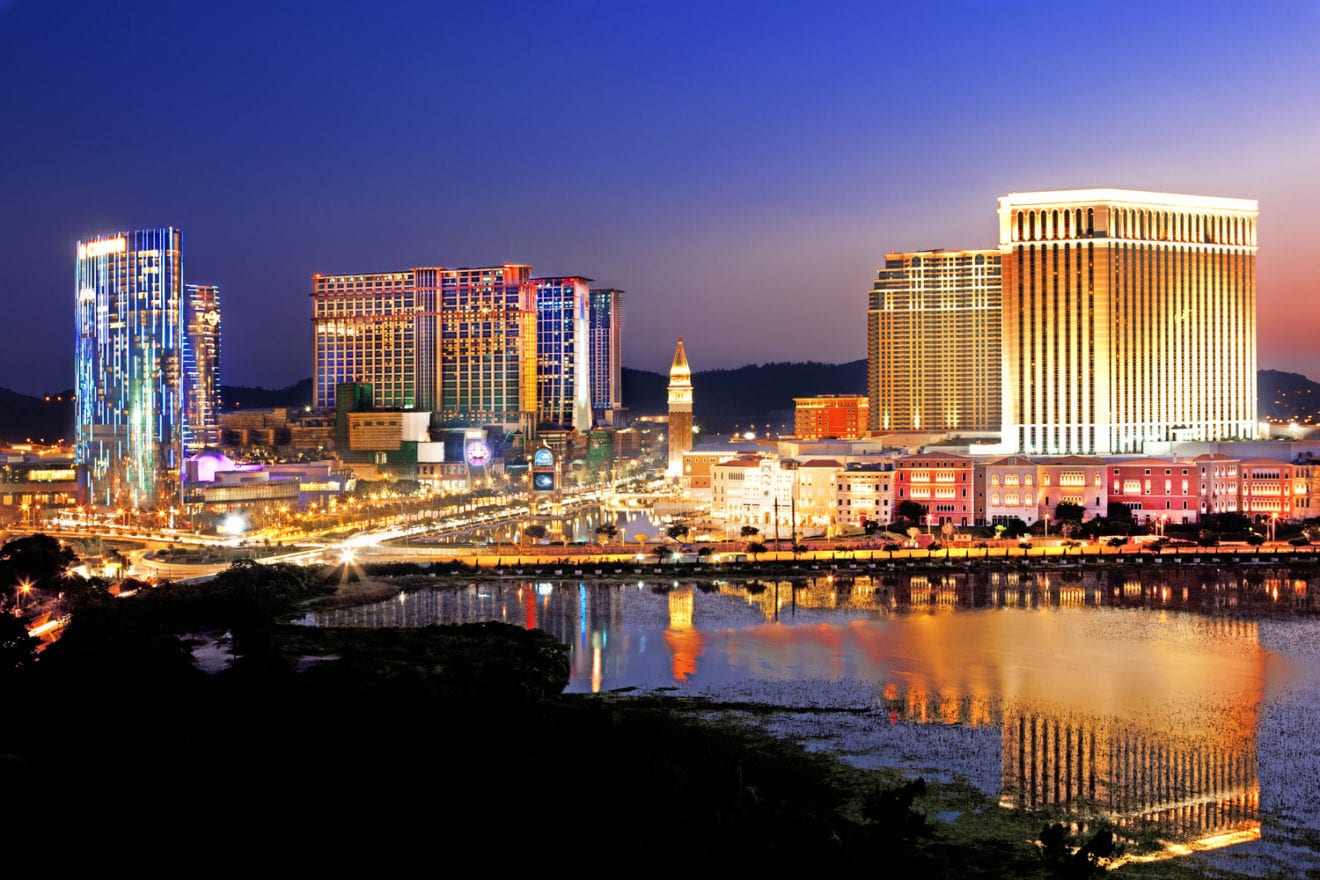
    The brokerage has a “buy” rating on the Hong Kong-listed shares of Wynn Macau. The developer is set to open the $4 billion Wynn Palace this year, its second casino resort complex in the city.

    In addition to Wynn Palace, three other casino resorts are scheduled for completion this year. But this time, the mantra of “build it and they will come” may not hold true.

    On a weekend visit in January to the newly opened $3.2 billion Studio City casino resort, operated by Melco Crown Entertainment, dealers beckoned visitors to take a seat at one of the many empty baccarat tables. Spots on ferries to and from Hong Kong, which previously needed to be booked in advance, were available on demand.

    Some analysts think Hong Kong could use new draws, especially once the mainland’s first Disneyland theme park opens in Shanghai in June, potentially dampening interest in Hong Kong’s smaller park. “Policymakers in some other destinations have been more active in trying to grab a larger piece of the Chinese tourism pie,” said Mervyn Tang, associate director of Asia-Pacific sovereign ratings at Fitch Ratings in Hong Kong.

    Instead, Financial Secretary John Tsang Chun-wah has signaled that he will include measures to support the local tourism industry in the city’s annual budget to be unveiled Feb. 24.

    Not everyone is discouraged about Hong Kong’s prospects. Tokyo-based Tokyu Malls Development in December opened a HK$20 million Shibuya 109 department store in the tourist district of Tsim Sha Tsui. The company projects sales volume of HK$100 million this year, as it expects Chinese tourist traffic to remain heavy even after recent declines.

    “There is still ample room for selling Japanese brands [in Hong Kong],” said Hiroyuki Wada, president of Tokyu Malls. “Hong Kong will keep its position as Asia’s shopping capital in the long term.”
  • Sales slide worst in 13 years for Hong Kong

    Sales slide worst in 13 years for Hong Kong

    Hong Kong retail sales fell 3.7 percent last year the worst in 13 years, including the 2.3 percent slide during the 2003 SARS epidemic with a gloomy outlook also forecast for this year.

    Retail sales fell to HK$475 billion, with volume slipping 0.3 percent, a second straight annual decline, the Census and Statistics Department said.

    In December, when the tourism board counted nearly 11 percent fewer visitors from a year earlier, total sales value fell 8.5 percent much worse than the 4.3 percent drop projected by analysts. The slump widened from 7.8 percent in November, and was the largest since January 2015.

    Sales of jewelry, watches, clocks and valuable gifts were among the hardest hit, slumping 17 percent in December and 16 percent for the full year. Clothing and department store sales also declined.

    Hong Kong Retail Management Association chairman Thomson Cheng said the situation, which fell back to the level seen in 2002, is “worrying.”

    Cheng expects a high single-digit slump in retail sales for the first quarter this year, and full-year retail sales to drop at least 3 percent.

    Erwan Rambourg, a retail analyst at HSBC in Hong Kong, said high-end watch and jewelry sellers suffered as mainland shoppers avoided lavish purchases, while falling currencies in other Asian nations reduced prices for goods bought elsewhere.

    Visitors from the mainland fell 16 percent in December from a year earlier, the tourism board said last week. Total visits to Hong Kong fell 2.5 percent last year to 59.3 million.

    ANZ noted visitor spending made up a large portion of more than 42 percent of retail sales in 2014.

    “Given the depreciation of the yuan and other currencies against the Hong Kong dollar, the tourism and retail sector will continue to face headwinds in 2016,” ANZ said.

    Retail sales were down on an annualized basis every month from March through December, according to Bloomberg data.

    Chow Tai Fook Jewellery Group (1929) said last month that sales during Lunar New Year would be challenging.

  • Australia, Indonesia boosting tourism and economic growth

    Australia, Indonesia boosting tourism and economic growth

    Australia is expanding efforts to encourage two-way tourism between Australia and Indonesia as a key driver of shared economic growth and more knowledge of each others country.

    Australian Ambassador to Indonesia Paul Grigson said tourism powers economies and supports communities.

    “We want to increase tourism in both directions. The Indonesian Government has already recognised the potential economic boost a strong tourism industry can deliver,” the ambassador was quoted as saying by the Australian Embassy here on its website.

    According to the ambassador, Australian tourism can help Indonesia realise that vision. More than a million Australians visit Indonesia every year. Australian tourists contribute 18 trillion IDR (AUD$1.8 billion) a year to the Indonesian economy, Ambassador Grigson said on Tuesday.

    He said as Indonesia seeks to develop its tourism industry beyond Bali, ease of travel is integral to its success. Indonesia has already experienced a 19 per cent increase in tourists from countries which were granted visa free access in 2015.

    “A quarter of all tourists to Bali are Australian. We want to see more Australians come to Indonesia and experience sunrise at Mount Bromo, taste the spices of Padang and watch the sunset at Borobudur,” Grigson told Indonesian tourism industry representatives in a speech in Jakarta.

    Beyond these economic benefits, tourism builds links between people. It challenges stereotypes. It opens up new worlds and greater understanding.

    “I want more Indonesians to visit Australia.We have world class cuisine, galleries and unique experiences. With famous wildlife, fabulous wine and fantastic weather, Australia beats any other destination,” he said.

    Australia was the tenth most popular destination for Indonesian tourists in 2014 with a total of 149,800 visitors, up 7.6 per cent from 2013.

    More Indonesians travelling to Australia will make expanded flight routes between Australia and Indonesia more viable in the long-term, bringing benefits to both our economies.

    “Indonesian investors may also be missing out on opportunities to capitalise on some of the major tourism infrastructure projects currently underway in Australia. In 2014 alone, investment in the Australian tourism industry was valued at $53.7 billion,” he said.

    He added that the more Australians and Indonesians experience each others countries, the deeper their connections become.

    “The tourism industry is integral to the prosperity of both our countries. Now is the time for us to reach out to each other as neighbours and shape our futures together,” Grigson said.

  • Bangkok Neon Fest market 2016

    Bangkok Neon Fest market 2016

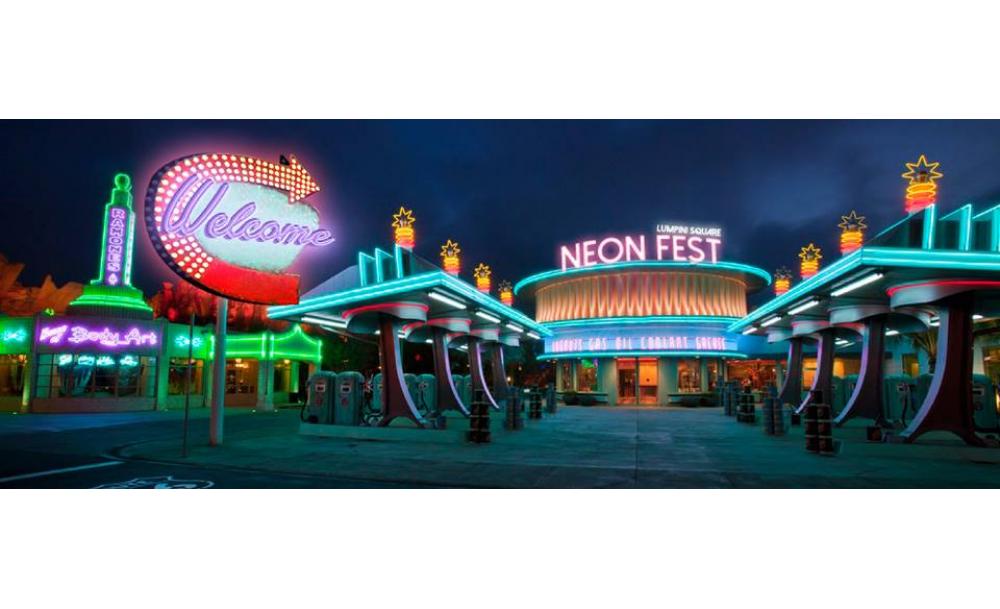
    Eating, drinking and shopping along with live music – that is what to expect at Bangkok’s unofficial container festival, Neon Fest Market BKK, in the heart of the Thai capital.

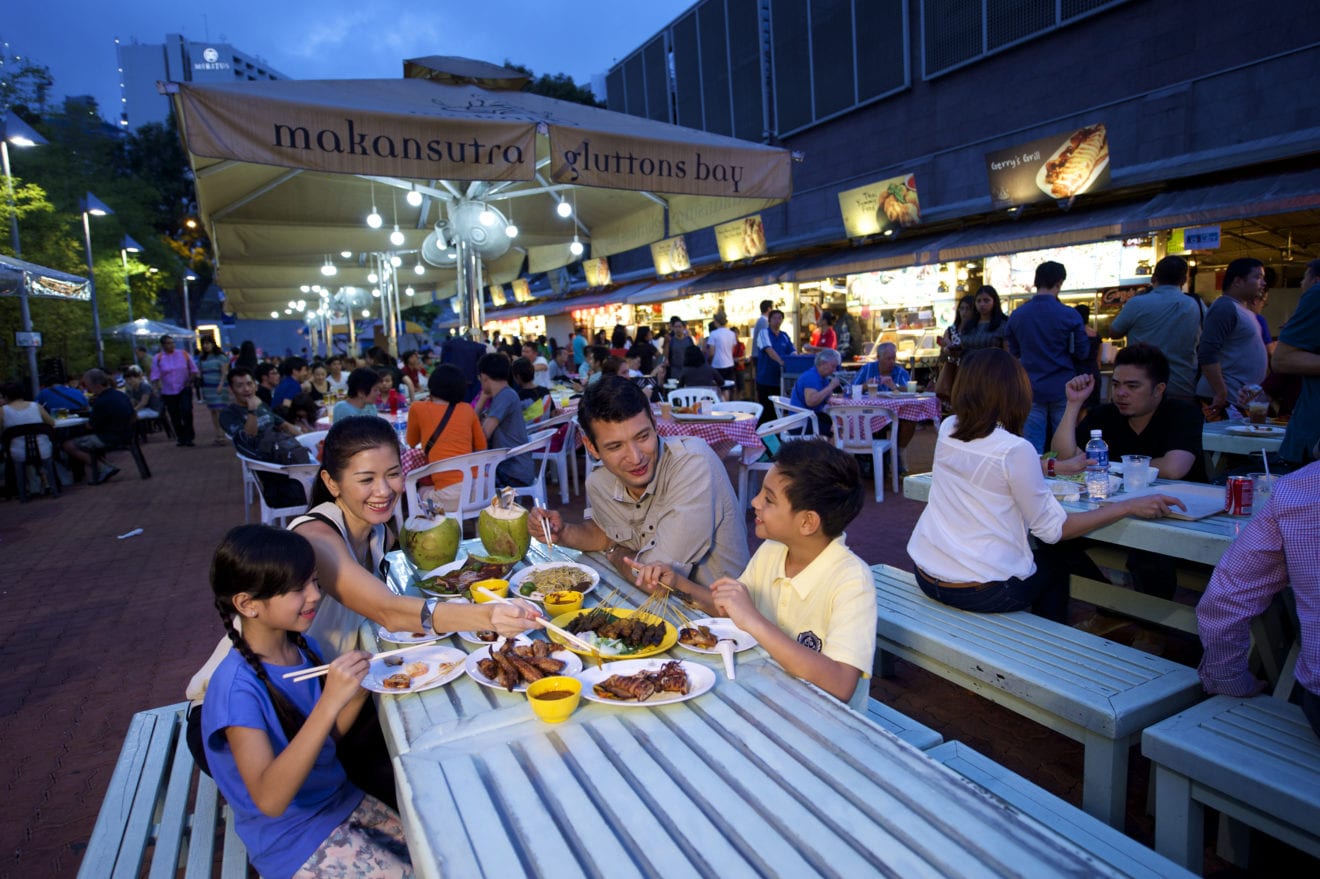
    Neon Fest Bangkok 2

    With 931 booths, the new container market will feature concerts by Thai acts Lipta, Nakarin “Pang” Kingsak, Singto Namchok and Tattoo Colour, as well as surprise events.

    Neon Fest Bangkok 1


    Covering more than 9000 sqm of the Lumpini area, the neon-lit flea market will be open Thursdays to Sundays from February 11 until July 1. It includes food trucks as well as fashion and craft stalls.

    Next to MRT Lumpini station, the Bangkok event will be in Lumpini Square, which previously housed the Suan-Lum Night Bazaar. Entry is free.

    Neon Fest Bangkok copy

  • Hong Kong feels squeeze of slowing China, rising rates

    Hong Kong feels squeeze of slowing China, rising rates

    AS a premier Asian financial center parked at the doorstep of one of the fastest-growing economies on the planet, Hong Kong has long lived a charmed life.

    The former British colony’s Western-style legal and regulatory system made it a magnet for global investors interested in buying listed Chinese stocks on the Hong Kong Stock Exchange.

    Its banks, insurance companies, ports and cargo carriers have made a nice living off their powerful neighbor. An added bonus: Since 2008, low global interest rates in the post-financial crisis era have powered a property market that has kept the $300-billion economy humming.

    Yet, now China’s economy is decelerating and just turned in its weakest full-year economic growth since 1990. Global investors are no longer gravitating to Hong Kong—they’re scrambling for the exits.

    The Hang Seng Index has slumped 13 percent so far this year. Housing prices have fallen 8 percent from their September peak and are poised to drop as much as 30 percent this year, according to Bocom International Holdings Co. analyst Alfred Lau.

    The Hong Kong dollar peg is under pressure and short-term interest rates have spiked. Exports are falling and big-spending Chinese tourists are staying away.

    “Hong Kong is facing a wave of pressure,” said Kevin Lai, chief economist for Asia excluding Japan at Daiwa Capital Markets in Hong Kong, who likens the growing storm to the market gyrations of the Asian financial crisis. “The situation right now is potentially worse” than the regional turmoil in 1997 and 1998.

    Lai is particularly concerned about the rapid credit expansion over the past five years, as Chinese companies rushed to borrow in Hong Kong, leaving the city’s banks “massively leveraged and exposed.” Daiwa estimates that $237 billion in broad inflows has poured into Hong Kong since 2005.

    Capital flows accelerating

    For Hong Kong, the worst-case scenario could play out like this: A sustained dive in the Hang Seng Index and heavy downward pressure on the local dollar triggers a massive departure of capital, squeezing liquidity in the banking system and driving up interest rates. That, in turn, sparks a speculative attack on the local dollar peg, forcing the Hong Kong Monetary Authority to defend it by spending its foreign-currency reserves. Or abandon the peg altogether.

    Capital flows out of Hong Kong appear to be accelerating. The Hong Kong dollar has traded at the lower side of its trading range against the US dollar, and recently touched a seven-and-a-half year low versus the greenback. Local interest rates have also surged: The three-month Hong Kong Interbank Offered Rate (Hibor) has jumped 30 basis points to 0.697 since the end of last year, exceeding the London Interbank Offered Rate on January 20.

    A sustained spike in Hibor could push mortgage rates higher, further hurting housing affordability, Morgan Stanley analysts led by Derrick Y. Kam wrote in a note. The bank said it cut its price targets for Hong Kong property stocks by an average of 17 percent.

    While global investors can quickly withdraw money from this Westernized financial center, local banks and investors face a tougher time pulling their cash out of the mainland economy.

    “It could take a matter of seconds for the rest of the world to draw money out from Hong Kong—but it would be a lot more difficult for Hong Kong to do the same from China,” Lai said.

    If the US Federal Reserve (the Fed), which raised rates last December for the first time in almost a decade, pushes up rates again as expected later in the year, it could pull the rug out from housing prices that have surged more than 350 percent from their low in 2003. To maintain its peg with the US dollar, Hong Kong must match interest-rate hikes by the Fed, increasing borrowing costs to homeowners.

    “The property market in Hong Kong is going to go down the tubes when eventually the Americans will continue to increase interest rates,” said Andrew Freris, CEO of Ecognosis Advisory, a Hong Kong-based economic and financial consultancy.

    Meantime, Hong Kong developers with significant yuan-denominated cash holdings face greater currency risks from the yuan’s increasing volatility, according to Bloomberg Intelligence.

    Retailers paying heavily

    Hong Kong retailers are also paying heavily because of Hong Kong’s peg.

    The city is losing its luster as a shopper’s paradise for mainlanders, who are instead flocking to Japan and South Korea in search of better bargains for Louis Vuitton handbags and Patek Philippe watches, thanks to those countries’ weaker currencies.

    Retail sales fell 3.1 percent in the first 11 months of 2015, with jewelry, watches and clocks, especially hard hit with a 15.4-percent decline. There have been other disappointments, too. The Shanghai-Hong Kong Stock Connect, a program allowing individual investors on either side of the border to invest in each other’s stock markets hasn’t delivered the boost to Hong Kong shares its architects had envisioned.

    Since its launch in November 2014, Chinese buyers have only reached the 10.5 billion yuan daily buying quota on two days, and total ownership has never reached the 250-billion yuan limit.

    That said, Hong Kong does have a track record of weathering market storms, and its bourse isn’t the only one suffering losses. The MSCI Asia Pacific Index is down 10 percent this year as oil’s slide and concerns over China’s economic outlook dents shares around the world.

    The city also has deep resources to respond to any attack. During the 1997-1998 Asian financial crisis, the Hong Kong Monetary Authority spent HK$120 billion buying up Hong Kong stocks, and successfully defending the dollar against speculators.

    In 2003 after the severe acute respiratory syndrome virus epidemic leveled the economy, Beijing created a free-trade deal with Hong Kong through the Closer Economic Partnership Agreement that gave its businesses a leg up over rivals in China. Easing of travel restrictions unleashed a flood of Chinese visitors and buoyed retail sales.

    Hong Kong’s $358.8 billion in foreign exchange reserves as of the end of December and a budget surplus give local authorities room to maneuver.  “The speculators right now want to make Hong Kong just like 1998,” said Banny Lam, cohead of research at the Agricultural Bank of China International Securities Ltd. in Hong Kong.

    Lam reckons that a key difference between now and the Asian financial crisis is that the system is flush with interbank liquidity, which means the speculators will be proven wrong.

    Yet, even if Hong Kong can pull through the current market turmoil, it faces bigger challenges ahead. David Dodwell, executive director of the Hong Kong Asia-Pacific Economic Cooperation Trade Policy Group, says that going forward the city has to move beyond its position as the gateway to China by having its banks and professional services help Chinese companies establish their global operations using the city as their base.

    “For me, the litmus test is the flow of headquarters to Hong Kong,” Dodwell said.

  • President urges to accelerate development of tourism sector in 2016

    President urges to accelerate development of tourism sector in 2016

    President Joko Widodo has called on his officials to expedite the development of Indonesias tourism sector in 2016 in a bid to boost the countrys economic growth.

    President Widodo noted in his opening remarks during a limited meeting held to discuss the Lake Toba Tourism Destinations Development Plan at the presidential office in Jakarta on Tuesday.

    “I have urged the tourism minister to speed up development activities in the top ten tourist destinations,” he noted.

    The top ten tourist destinations to be developed based on the “single destination, single management” concept are the Borobudur temple, Mandalika resort, Labuhan Bajo beaches, Mount Bromo-Tengger-Semeru, Thousand Islands, Lake Toba, Wakatobi diving spot, Tanjung Lesung beaches, Morotai Islands, and Cape Tanjung Kelayang.

    President Widodo is optimistic that by developing the tourism destinations, the local small and medium enterprises (SMEs) would also boost their productivity and absorb more manpower.

    “We need a quick breakthrough in terms of regulation and work in other areas to deliver results at the earliest,” he emphasized.

    In particular, the president has called to boost connectivity and accessibility in Lake Toba by improving the airport and road infrastructure.

    “I am aware that two or three weeks ago, Coordinating Minister of Economy (Darmin Nasution), Public Works Minister (Basuki Hadimuljono), and Tourism Minister (Arief Yahya) had visited Lake Toba,” he remarked.

    President Widodo hoped that the visit would be followed up by a concrete action plan to be rolled out in the area, including organizing marketing activities, implementing international service standards, and holding cultural and art performances.