Tag: tourism

  • Hong Kong Suffering From China Visitor Drop

    Hong Kong Suffering From China Visitor Drop

    Tour groups from mainland China to Hong Kong could shrink by two-thirds in the first half of this year, dealing another blow to retailers and an economy facing pressure from slowing growth in China.

    China accounts for almost three-quarters of all visitors to Hong Kong, which relies on tourism for about 5 percent of its GDP.

    Tourism numbers, however, fell last year for the first time in more than a decade and Ricky Tse, chairman of the Hong Kong Inbound Tour Operators Association, said he expects a further decline this year as the strong Hong Kong dollar continues to drive mainland Chinese to comparatively cheaper destinations such as Japan and South Korea.

    “The drop will continue for sure. The winter has just begun,” Tse said, adding that he expected the number of tours by Chinese visitors to fall by 60 percent in the first half of this year after halving in 2015.

    Government data shows tourist arrivals to Hong Kong fell 2.5 percent year-on-year in 2015 to 59.32 million, the first decline since 2003 when the city was hit by an outbreak of Severe Acute Respiratory Syndrome (SARS).

    This decline has hit luxury retailers, with the latest available data showing overall retail sales falling for the ninth consecutive month in November, the longest period of decline in 13 years.

    Brokerage CLSA, forecast trips by mainland Chinese to Hong Kong and the nearby gambling hub of Macau to average 3 percent growth over the next five years, compared with 16 percent growth for all other markets.

    “The move away from pure shopping trips is one of the main reasons that led to the slowdown in Hong Kong,” CLSA said in a recent report. “Looking into 2016, we believe the trend will continue.”

    (Reuters)

  • Bossini profit decimated

    Bossini profit decimated

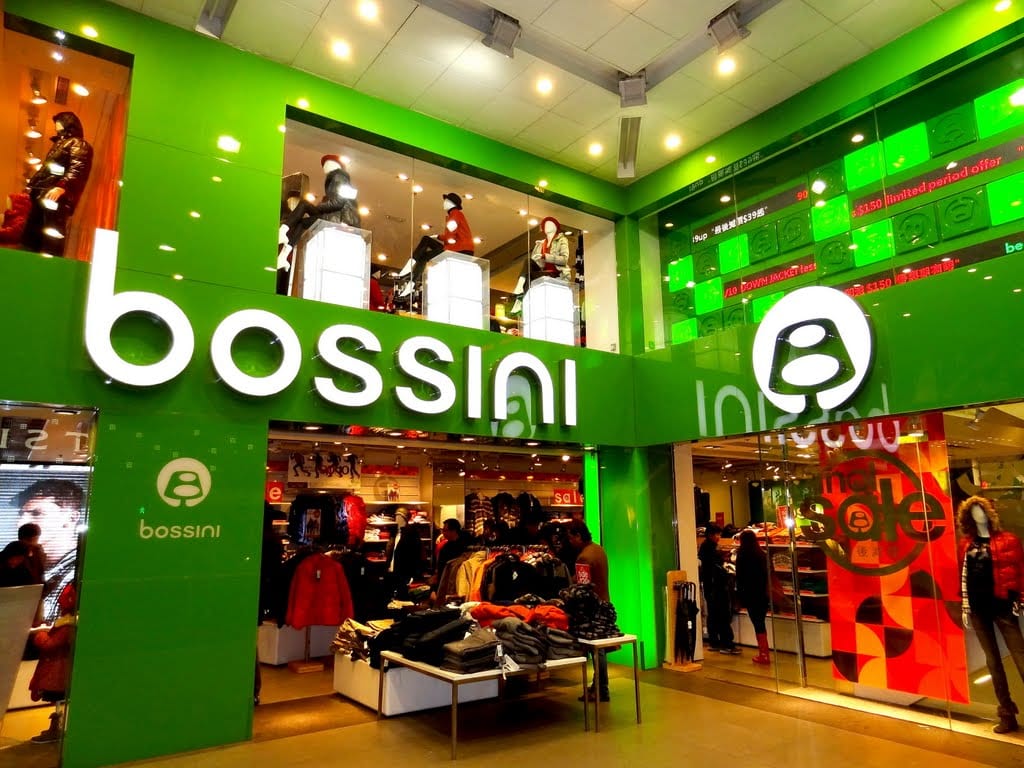
    Fast fashion retailer Bossini has warned shareholders its profit for the six months to December 31 will be down by between 80 and 90 per cent.

    Based on the comparable trading period to December 31, 2014, when Bossini reported a profit  of HK$665 million, that suggests a profit in the range of $66.5 million to $133 million.

    In a profit warning issued to the Hong Kong stock exchange, the company says the profit plunge “was mainly caused by the significant decrease in revenue and gross profit attributable to (i) less visitors and strong Hong Kong dollar which led to less consumption from them in Hong Kong and Macau, and (ii) weak local consumer sentiment, unseasonal warm winter weather and intensified competition in several core markets where the group operates”.

    “As the company is still in the course of preparing and finalising its interim results for the six months… the information… is only based on a preliminary assessment on the information currently available.”

    The full financial details, including the final Bossini profit, will be revealed in late February.

    While Bossini is not the first Hong Kong based retailer to warn of or report profit declines, most of the others are operating in the luxury end of the market, where sales of watches, jewellery and luxury fashion goods and apparel are down by up to 20 per cent year on year.

    But Bossini has no exposure to that market – its business is based on selling t-shirts and casual clothing at low price points.

    Data from GfK shows the number of Mainland Chinese visitors to Hong Kong in 2015 – up until November, at least – rose by 37 per cent. As previosuly reported by Inside Retail Asia, the issue for Hong Kong retailers is not that there are fewer tourists visiting the city – but there are fewer wealthy tourists visiting the city. So Bossini, and other retailers targeting the lower end of the market, are not managing to capture the imagination of the more profilgate shoppers now coming to the territory.

    Even more puzzling is that Bossini has been one of the few retail brands to stand out over the last 12 to 18 months as bucking the broader retail trend.

    In September, the company revealed its results for the year to June 30, reporting a mere one per cent decline in sales to HK$2.523 billion, and a three per cent decline in gross profit to HK$1.264 billion with gross margin down one per cent to 50 per cent. Profit attributable to shareholders fell nine per cent.

    “During the fiscal year 2014/15, despite facing challenging retail conditions in Hong Kong and Macau, its segmental business, which includes the export franchising operations, registered record-high sales with flat same-store sales growth for the directly managed stores,” the company said at the time.

    “The operations in mainland China, Taiwan and Singapore all experienced improvements in segment results, resulting from the continuously improving shop productivity and stringent cost control measures. Mainland China segment achieved six per cent same-store sales growth and also recorded nine consecutive quarters of positive same-store gross profit growth. Taiwan segment saw a same-store sales growth of seven per cent, representing seven consecutive quarters of positive same-store sales growth.”

    In the half year to December 31, 2014, Bossini reported a revenue increase of four per cent year-on-year to HK$1,319 million (then US$170,056,190) and gross profit for the period under review was HK$665 million (then US$85,737,200).

  • ‘Maintenance Fee’ for All Foreign Tourists Proposed by Tourism Governor

    ‘Maintenance Fee’ for All Foreign Tourists Proposed by Tourism Governor

    A plan to charge foreign tourists 360 baht each time they enter the kingdom as a fee to maintain and improve tourist attractions has been proposed by the head of the tourism authority.

    Yuthasak Supasorn, governor of the Tourism Authority of Thailand, suggested in an interview that money collected from the fees could be reinvested in the tourism throughout the kingdom, but almost as soon as the idea was suggested, it was played down by his own organization.

    In an interview with Voice TV, Yuthasak said foreign tourists would be charged USD$10 (360 baht) each time they enter Thailand, whether by air, land or sea. Among its uses, he said, would be enhancing security measures.

    “It will be collected under the name of a tourist attraction administration fee,” Yuthasak said. “We will use the money to maintain and improve security systems of tourist attractions across the country, in order to support the tourism sector, which has been growing steadily.” 

    He also did the math for its potential windfall. 

    “If there are 30 million tourists, Thailand will earn 10.8 billion baht per year from this fee, and it will help each province earn around 142 million baht to improve its tourism,” he said.

    The plan’s prospects were unclear, however. Hours after the Voice TV published the interview, an official at the tourism authority said the idea was only Yuthasak’s personal idea.

    “This is not an official policy. It still needs additional study,” said authority spokeswoman Sunantha Montri. “It’s only an idea.”

    She said Yuthasak is attending a summit in the Philippines and not available for comment.

    In the Voice TV article, Yuthasak dismissed any concern the fee would adversely affect tourism, saying many countries already had similar policies.

    “I believe it won’t affect tourism that much, because at the present time many countries already collect this fee in subtle ways,” he said without elaborating. 

  • Where Chinese tourists are spending their shopping dollar

    Where Chinese tourists are spending their shopping dollar

    Mainland China has become one of the main global suppliers of tourists, and that has been paying dividends for retailers globally.

    But as the Chinese are roaming further afield, Hong Kong and Macau retails have seen their sales dropping.

    A fresh analysis from international market research company GFK shows China had 109 million outbound tourists last year… and they spent US$229 billion in retail stores. These statistics consolidate China as one of the main global sources of tourists, both in terms of number of trips and money spent while travelling internationally.

    “At the same time, there have been profound changes in the behaviour of the typical Chinese traveller, with millennials firmly established as the core drivers of spending,” says GFK.

    Because of its cultural similarity, accessibility and lower travel costs, Hong Hong was the preferred destination for Chinese tourists up until 2013. Shopping was a big motivation for visiting. However, since 2014, says the report, more Chinese tourists have been opting for other destinations offering historical and cultural experiences – as well as shopping.

    Air travel and accommodation statistics show that at the start of November, the top five favourite destinations for Chinese travellers were South Korea (visits up 112 per cent since 2011), Thailand (up 263 per cent), Japan (up 157 per cent) and Taiwan (up 54 per cent. Surprisingly, given its loss of retail sales, Hong Kong had 37 per cent more Chinese visitors. This is explained by the new emerging middle class – consumers who do not have enough disposable income to travel further abroad, nor to spend on high-end purchases.

    Europe is the most popular destination outside Asia for Chinese tourists, with 97 per cent more visits in the past four years. This is followed by North America (up 151 per cent) and the Middle East (up 177 per cent).

    “China’s tourists remain strategic to Hong Kong and its businesses, as other destinations are jumping ahead in winning their favour,” says GFK global head of travel and hospitality Laurens van den Oever.

  • Singapore’s hip enclave Dempsey stays fresh with bigger, better offerings

    Singapore’s hip enclave Dempsey stays fresh with bigger, better offerings

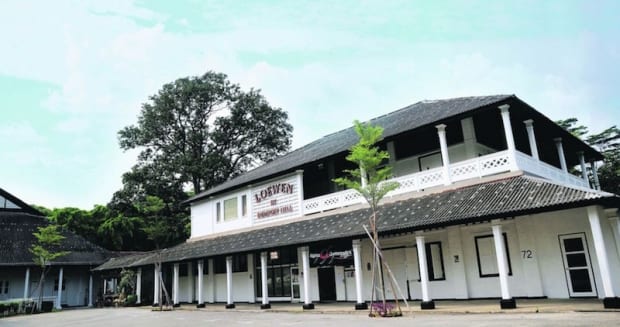
    The new Loewen cluster by Dempsey Hills. — TODAY pic

    The new Loewen cluster by Dempsey Hills.

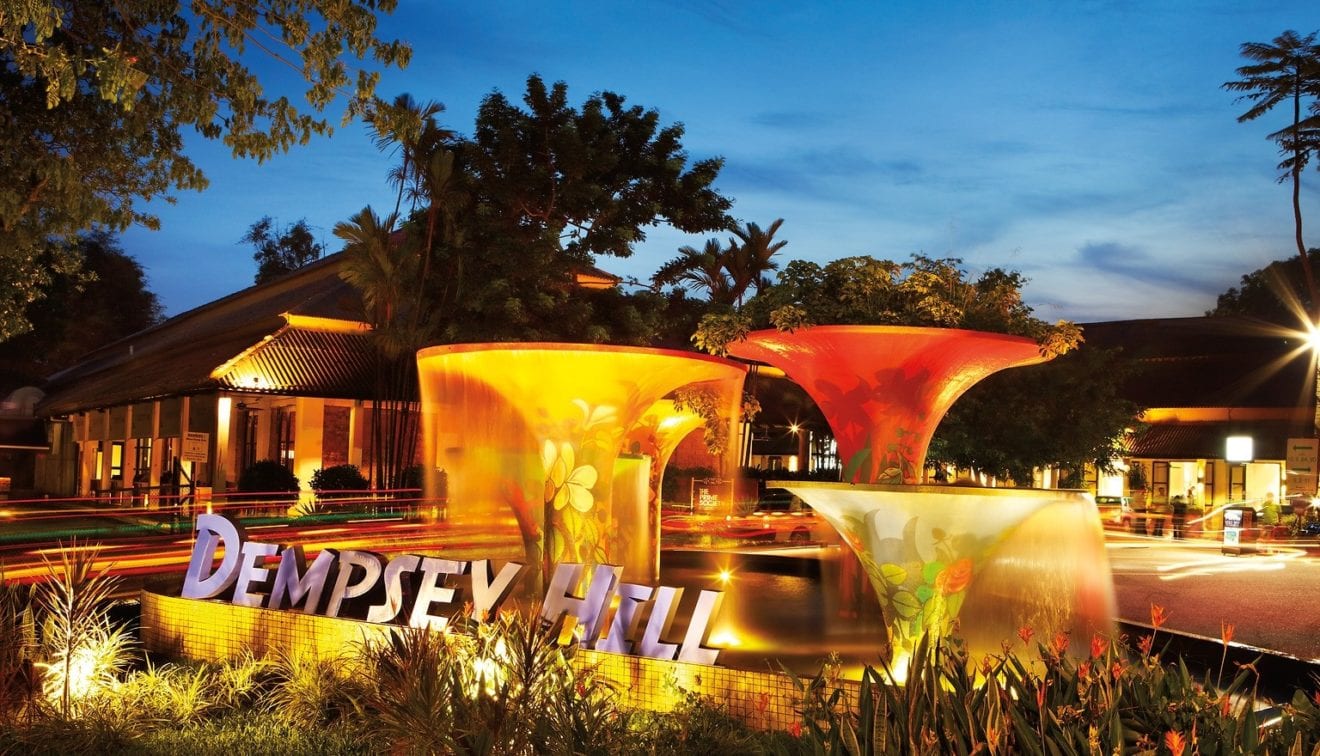
    Quick, name us the coolest hot spots in Singapore. Chances are, you’ll be rattling off places such as Telok Ayer, Keong Saik and even Tiong Bahru. But what about the Dempsey area? Well, while it has become more of a leisurely family weekend destination in recent years, further transformation is in the pipeline and Dempsey is beginning to have a buzz again.

    Last month, it was announced that COMO Lifestyle by Club 21 fashion doyenne Christina Ong won the bid to develop two blocks in Dempsey with its proposal to open fashion concept store Dover Street Market, a Jean-Georges Vongerichten restaurant and bar, and COMO Cuisine, a new restaurant concept.

    This comes hard on the heels of a string of other high-profile developments in the neighbourhood: In November, Loewen by Dempsey Hill, a new cluster best known for being the venue for Chanel’s first Cruise collection show in Asia in 2013, opened. It now houses 13 new tenants with an emphasis on family and educational offerings such as Tanderra, a clubhouse for families with facilities for both kids and adults, as well as Impressions Art Studio, Alpha Gymnastics and Little Mandarins. Events held there have also taken a family-friendly slant, such as a Christmas market and an upcoming Chinese New Year kids’ fashion show and fair, from January 21 to 23.

    Meanwhile, Huber’s Butchery relocated to Block 22 in October. Its new two-storey 13,000sqft home is twice the size of its former address at Block 9, allowing Huber’s to have an outdoor playground for kids, a demonstration kitchen for cooking classes, a staggering selection of 150 varieties of cheese — said to be the largest in town — as well as the longest meat and sausages counter in Singapore at more than 40m long. Portico launched its second outlet Portico Prime at Block 10 in November featuring a more upmarket repertoire of dishes and a Chef’s Table. One Michelin-starred chef Carles Gaig from Barcelona also quietly opened an outpost at Block 16A called La Ventana in June.
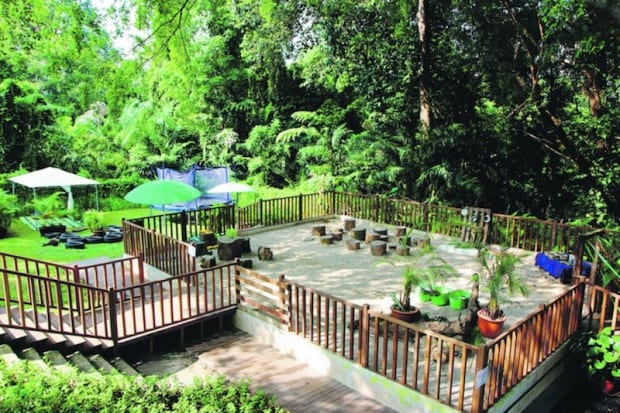
    Think of Tanderra as a clubhouse for families with everything you need for a fun, relaxing day out. — TODAY picThink of Tanderra as a clubhouse for families with everything you need for a fun, relaxing day out. — TODAY picAnother new entrant is Open Farm Community. This latest baby from the Spa Esprit Group is not simply a restaurant — it is, as its name suggest, a farm and a community hub educating diners about the origins of food. The restaurant is popular with the brunch crowd since it opened in July, and has since organised several events such as ice cream and sauce masterclasses, as well as its popular Social Market held every second weekend of the month.

    Discovering more

    For a Dempsey stalwart such as the Spa Esprit Group, which has been here since establishing House in 2007, these changes are a sign of how the area has matured. Lifestyle maven and founder of the group Cynthia Chua recalled how Dempsey was like “a big isolated enclave in the middle of the city” when she made her foray here. “When Dempsey first started, the F&B scene here was still at its infancy stage; indie cafe culture was just beginning. I love (how Dempsey has) the seafood mass hall concept juxtaposed with creative cafes and kid-friendly places, ice cream parlours and spas. The variety of brands reached out to the diversity of the crowd. This diversity made Dempsey a success. It was original,” she said.

    Executive director of Huber’s, Andre Huber, concurred. Having been in Dempsey since October 2008, Huber said the area has definitely changed over the years from “a quiet laidback place to a more vibrant shopping and F&B area with unique concepts”.

    Of course, housing these concepts in colonial buildings amid lush greenery helps tremendously. “This created a unique and delightful urban sanctuary that cannot be found anywhere else in Singapore,” added Nicholas Ng, general manager of Country City Investments, which manages Dempsey Hill and Loewen by Dempsey Hill.
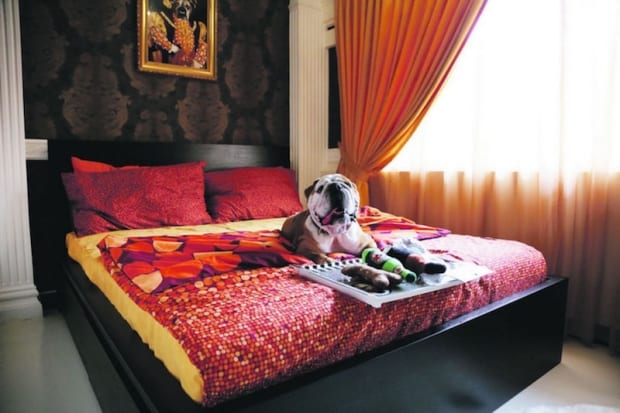
    The Royal Suite of The Wagginton Pet Hotel. — TODAY picThe Royal Suite of The Wagginton Pet Hotel. — TODAY picAnd it’s not just locals who appreciate this charming diversity. Ranita Sundramoorthy, director, Attractions, Dining and Retail, Singapore Tourism Board, said visitors enjoy Dempsey Village as a tranquil hideaway with a distinct character and nearby attractions such as the Orchard Road shopping belt and Singapore Botanic Gardens.

    This is why Country City Investment has taken the opportunity to get Singaporeans and travellers more familiar with the enclave by launching Dempsey Walking Trails. The four trails aim to take visitors through its nature and heritage as well as its food, lifestyle and kid-friendly options. Downloadable maps also offer interesting factoids such as how Loewen by Dempsey Hill used to be the Tanglin Military Hospital and was once also the home of the SAF Music and Drama Company.

    Coming attractions

    Still, there’s no denying the huge boost that comes from having internationally renowned names such as COMO and Dover Street Market. Sundramoorthy expects the COMO Lifestyle Cluster to “significantly contribute to the vibrancy of Dempsey and Singapore’s tourism scene”, especially since brands such as that of the Jean-Georges Vongerichten restaurant are not available in South-east Asia.

    Dempsey’s tenants welcomed news of the COMO Lifestyle cluster. Country City Investment, which is the biggest player in the enclave, doesn’t foresee COMO’s upmarket and fashionable positioning affecting the family-friendly destination. Instead Ng feels this is “win-win situation” as the tenant mix is complementary.
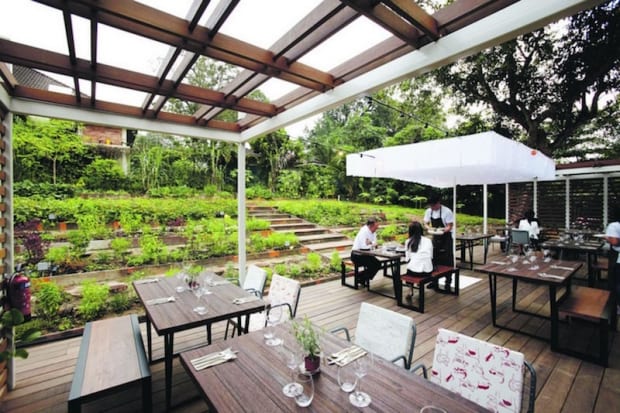
    Live out your farmer fantasies at Open Farm Community. — TODAY picLive out your farmer fantasies at Open Farm Community. — TODAY picAnd even though the well-loved House is a similar lifestyle hub with a spa and beauty emporium in the same building, Chua feels there won’t be any competition with the COMO Lifestyle cluster. “House is about familiarity, comfort food reinvented and a laidback green space that is unique, while COMO targets the high-end luxury crowd,” she pointed out. To keep guests intrigued as House turns 10 next year, Chua’s team recently introduced a revamped high tea offering while a new menu of comfort foods with a distinct Singaporean spin is currently in the works.

    Fans of Dempsey don’t expect the area to transform too much with the addition of the COMO Lifestyle Cluster. “Each restaurant and block in the Dempsey area is pretty self-contained. I’d probably check out Dover Street Market when it opens, but I don’t think it will change the vibe of Dempsey,” said Shirlie Tang, an events manager. “I’d still hang out at my usual familiar places, like PS.Cafe and RedDot BrewHouse.”

    A spokesperson from COMO Lifestyle declined to comment when the COMO Lifestyle Cluster will be ready. In the meantime, there is more than enough indulgences to keep consumers glutted.
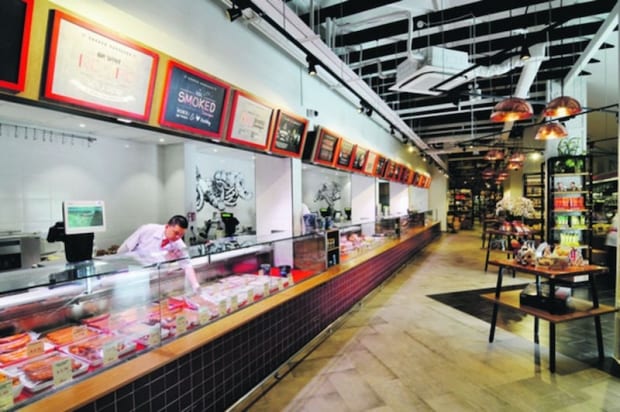
    Huber’s Butchery has the longest meat and sausage counter in Singapore at 40m. — TODAY pic

    Huber’s Butchery has the longest meat and sausage counter in Singapore at 40m.


    New fun outlets to check out at Dempsey:

    Tanderra (73 Loewen Road, #01-21. Tel: +65 6509 3468)

    Its name is an Aboriginal word for “resting place”, and what a resting place it is. This family clubhouse has pretty much everything you want to while away the day with the family. Besides catering to kids with play ateliers and swimming pools, Tanderra boasts a spa, a cosy cafe and multi-purpose rooms for yoga and Zumba lessons.

    Anjali Chocolate (73 Loewen Road, #01-15/16. Tel: +65 6509 6800)

    Craving for handmade chocolates? Besides picking up a gift of chocolatey goodness, you can sign up for workshops and learn how to make truffles and other chocolate treats. Birthday parties and baby showers can also be held here.

    Swish! Swimming School (72 Loewen Road, #01-08. Tel: +65 9832 2522)

    Three words: Temperature-controlled pools. Yes, the pools here are designed to be shiver-free at 32 degrees Celsius, ideal for little ones learning to take to the water. SWISH! Swimming is also a gold-accredited AUSTSWIM school (Australia’s national organisation for the teaching of swimming and water safety) and founder Kristen Romain is an AUSTSWIM Assessor for coaches.
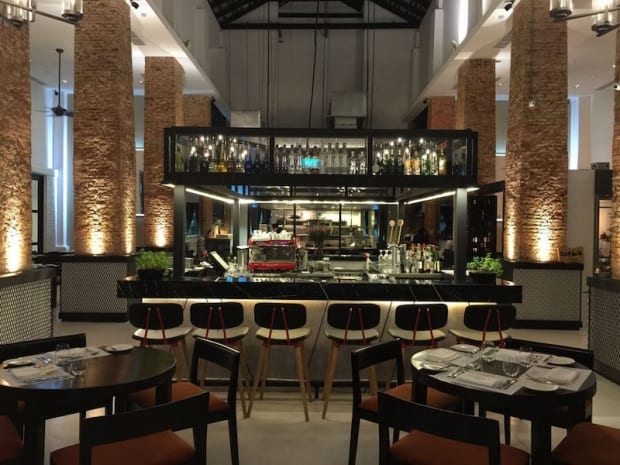
    Portico Prime features a more upmarket repertoire of dishes and a Chef’s Table. — TODAY picPortico Prime features a more upmarket repertoire of dishes and a Chef’s Table. — TODAY picThe Wagington Luxury Pet Hotel (27B Loewen Road. Tel: +65 6471 1689)

    Wagington isn’t kidding when it says it’s a luxury hotel for furry friends. There is a bone-shaped pool with cabanas and parasols for dogs and an outdoor garden with a high-speed air-cooler system to ensure pampered pooches remain cool. Rooms are also equipped with CCTV so pet owners can check in with their beloved anytime. Demand is off the charts so book early.

    Open Farm Community (130E Minden Road. Tel: +65 6471 0306)

    Part farm, part social project, Open Farm Community aims to educate the community about the origins of its food while promoting urban farming and local produce in a delicious setting. Food aside, the restaurant plays host to markets and workshops, and has a dedicated kids’ area.

    Huber’s Butchery (22 Dempsey Road. Tel: +65 6737 1588)

    Huber’s expansive new space now boasts a shady playground for tykes in tow when you’re dining at its 50-seater bistro. It has become more of a gourmet superstore, stocking exclusive craft beers such as Chopfab from Switzerland and Bruce Cost ginger ale from the United States. There are also veggies, fruits and herbs flown in from Australia and cooking classes such as a shabu shabu session at its kitchen studio Tanderra. — TODAY
  • Tourism has recovered 100 pct after Jakarta bombing

    Tourism has recovered 100 pct after Jakarta bombing

    Tourism Minister Arief Yahya said the Indonesian tourism had returned to normal and recovered 100 percent after the terror acts and bomb explosions in Thamrin Boulevard in Central Jakarta last Thursday.

    He said that Jakarta, particularly area around Thamrin Boulevard, has returned to normal after it was rocked by the January 14, 2016 suicide bombing and shootouts between police and terrorists.

    The normal condition is like what many people in the social media have described that Jakarta has returned to normal life as usual days.

    “Many people even thronged the bomb explosion site of the police station to take their profile pictures,” the minister said.

    During the car-free day on Sundays in the Thamrin Boulevard residents usually use the HI Traffic Circle, National Monument Square and Senayan as points of gathering.

    But this time (Sunday Jan.17), they changed their points of gathering. The police station at the intersection where the suicide bombing occurred on Thursday became their favorite point of assembling.

    According to the minister the Jakarta residents are clearly not afraid. They have no doubts to have their picture with the bombing site as the background. They could later change their profile pictures on the social media, he said.

    “So, the security condition has really returned to normal. Residents can act personally to report the facts and real condition in the Internet through their twitter accounts, facebook, instagram, path, pinterest and others,” the tourism minister said.

    On Thursday (Jan 14), two terrorists launched suicide attacks on a police station in Thamrin Boulevard near the Sarinah Department Store, which was followed by a shootout between three other terrorists and the police at the Starbucks Coffee shop adjacent to the Sarinah Department store.

    Within hours, the police were able to thwart the attackers, shooting to death three of them while two others died in the suicidal bombing. The incident also left three civilians dead (one died at a hospital three days later) and 32 injured, including police personnel.

    Jakarta Metropolitan Police Command Chief Inspector General Tito Karnavian has confirmed that the terrorists who orchestrated the attack in Jakarta on Thursday were linked to the ISIS terror group.

    “Our team is now on the lookout for members of this terror network who are linked to the ISIS group in Raqqa,” he stated during a press conference held at the presidential office following a meeting led by the president on the issue on Thursday evening.

    He said the ISIS group had changed its strategy. They earlier operated only in Syria and Iraq, but after their leader, Abubakar Baghdadi, ordered them to spread their activities outside Iraq and Syria, they had begun setting up ISIS terror modules across the world, he explained.

    “The terror cells can be found in France, Europe, North Africa, Turkey as well as Southeast Asia, including Indonesia, Malaysia, the Philippines, Thailand, and other countries,” he pointed out.

    In Southeast Asia, there is a figure keen to set up a “Khatibah Nusantara,” and he wants to be the leader of the ISIS group in the region.

    “Of late, a rivalry for leadership has developed. In the Philippines, they have set up a terror module in South Philippines, and now, multiple people are competing for leadership. In this connection, one of the ISIS figures launched these attacks. Meanwhile, we have identified the group, and we are still tracking them down,” Tito affirmed

  • Thailand set to lure shoppers from Singapore

    Thailand set to lure shoppers from Singapore

    Thailand luxury goods import duties may be cut in a move to make the nation a more attractive shopping destination for foreigners, a direct challenge to Singapore.

    Such a move would put Bangkok, already a fast-growing regional retail destination, in direct competition with Singapore and Hong Kong for regional tourist spending. Both Singapore and Hong Kong have long since culled such duties.

    Thailand’s Customs Department believes removing the 30 per cent tax on luxury goods would make the country the leading tourist destination for luxury goods shopping in Asia, potentially boosting tourist spending on shopping by 15 to 20 per cent.

    The argument in favour of the cut is that if Thailand’s luxury goods tax was no different from those in Hong Kong and Singapore, Thailand could become the preferred destination, because the country overall offers more attractions at a lower cost.

    The cut might also encourage Thais to shop at home instead of abroad.

    Foreign tourists in Thailand spend about US$33 a day on average on shopping – just half the figure tourists in Singapore spend and a quarter that spent in Hong Kong (it is not clear if those figures were calculated before the current downturn which has impacted on Chinese Mainlanders’ spending in Hong Kong).

    While Thailand retail prices overall are regionally competitive, import duties on so-called luxury items and a seven per cent sales tax make luxury branded goods, and items like fragrances, are more expensive than elsewhere.

    Thailand Customs Department director Kulit Sombatsiri says the department is studying the implications of the move to ensure it will not affect local businesses, and might limit the reduction to selected products that Thailand does not make.

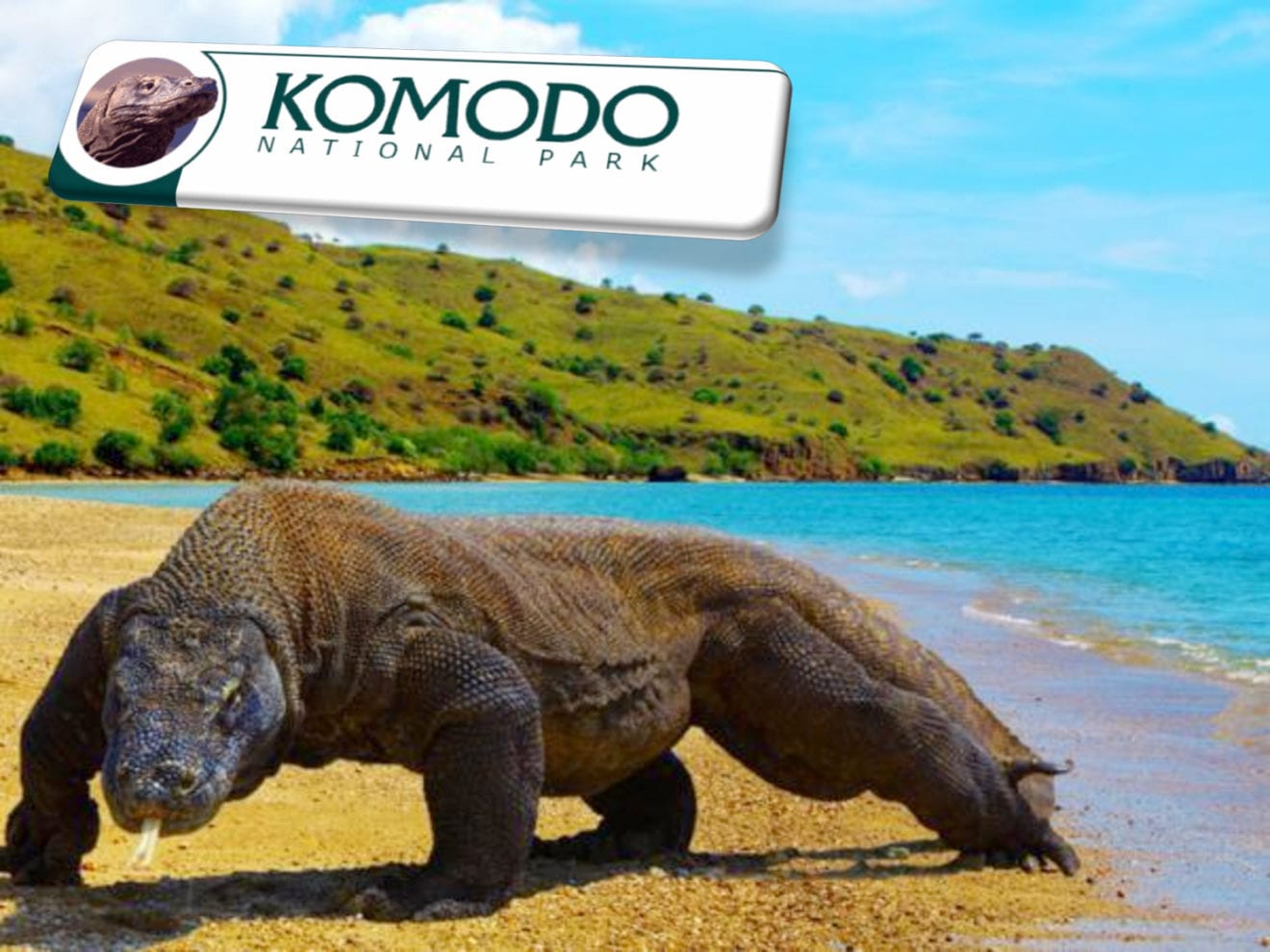
  • Komodo Island named Indonesia`s main marine tourist destination

    Komodo Island named Indonesia`s main marine tourist destination

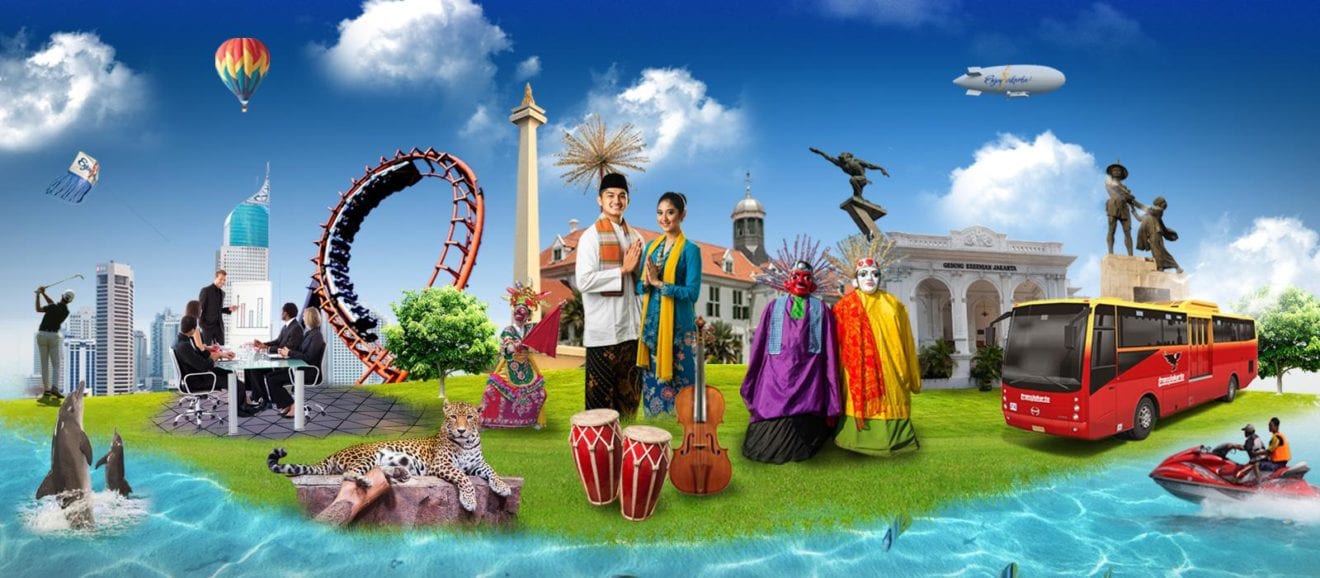
    The Ministry of Tourism has mapped Komodo Island as one of the 12 major marine tourist destinations in Indonesia.

    The other destinations included in the list are Wakatobi in Southeast Sulawesi, Derawan in East Kalimantan, Raja Ampat in Papua, Nias in North Sumatra, Mentawai in West Sumatra, Ujung Kulon in West Java, Anak Krakatau in Sunda Strait, Tomini in Central Sulawesi, and Bali and Lombok in West Nusa Tenggara.

    “The twelve islands are included in the blueprint of the marine tourism development plan for natural resources and creative economy in promoting the brand Wonderful Indonesia,” Welly Rame Rohimone, acting head of the provincial tourism and creative economy office, stated here on Tuesday.

    Komodo Island, the natural habitat of the Komodo dragon (Varanus kommodoensis), has been selected as one of the new seven Wonders of Nature. The tourist area is ideal for diving and cruise tourism.

    “East Nusa Tenggara will be developed as Indonesias tourism gateway besides Bali, West Nusa Tenggara, and ten other islands,” Rohimone noted.

    The Komodo dragon in Komodo National Park can be found on the islands of Rica, Padar, and Komodo.

    “Sail Indonesia, being held since 2009, has also been organized in East Nusa Tenggara in 2013 under the name of Sail Komodo,” he emphasized.

    Komodo Island, with a land area of 390 square kilometers, has a population of over two thousand.

    The island has a beach with sand that appears pink as it contains a mixture of white sand and red sand, formed from pieces of Foraminifera.

  • Stronger HK dollar a turn-off for tourists

    Stronger HK dollar a turn-off for tourists

    The sharp decline in the yuan and volatile stock markets have exacerbated retail and tourism woes in Hong Kong as a weak currency means it is no longer attractive for mainland visitors to shop and dine in the city.

    Experts fear the falling yuan will further discourage mainland tourists. A total of 38.6 million visited the city in the first 11 months of 2015, accounting for about 77 per cent of all arrivals to Hong Kong.

    “Mainland tourists will turn to places with weaker local currencies,” says Charlie Chen, head of Asian consumer research at French bank and financial services company BNP Paribas.

    Although the yuan is falling against the US dollar, Chen says it is not necessarily depreciated when converted to other major currencies, like the South Korean won and Japanese yen. But the Hong Kong dollar is pegged to the US dollar, which means higher prices when converted to yuan.

    “The luxury sectors will be hit the most if the yuan continues to depreciate,” Chen notes. He says people tend to buy expensive goods in places with weaker currencies than their own, as they can save more money in absolute terms.

    Jewellery, watches, clocks and valuable gifts are already ranked the worst performer among all retail outlets in Hong Kong, with sales down 20.6 per cent in November on a yearly basis.

    However, one of the city’s biggest jewellers, Chow Sang Sang, says it has not felt much of the heat from the fluctuation of the yuan since August, though it has constantly adjusted the exchange rate of the two currencies if customers want to pay in yuan instead of Hong Kong dollar in a bit to protect its profit margins.

    “Mainland consumers still have a reason to buy gold in Hong Kong,” says Lau Hak-bun, the company’s director of Greater China, adding that the same item still costs at least 20 per cent more on mainland China despite the recent devaluation. But if the yuan falls a further 10 per cent from last year’s level, he “needs to look at the strategy again”.

    Ricky Tse, chairman of the Hong Kong Inbound Tour Operators’ Association, also seems to be at ease. He says the impact of the yuan’s devaluation has already been “hedged” by the falling hotel rates and retail prices in the city in the past year.

    Tse says that he has observed a drop of “at least 20 per cent” in hotel rates compared with a year ago.

    “Cheaper hotel rates and more discounts to retail prices will attract more tourists to the city,” he says.

    Despite the recent contraction of tourists from mainland China in – with arrivals of tour groups dipping by about 20 per cent last year – Tse notes that more hotel rooms have been booked by overseas tourists.

    “Foreigners are very practical,” he says, adding that the number of tourists from Southeast Asia has remained stable despite the local currencies falling against the Hong Kong dollar.

  • Macau gaming revenue falls 34% in 2015 due to corruption crackdown

    Macau gaming revenue falls 34% in 2015 due to corruption crackdown

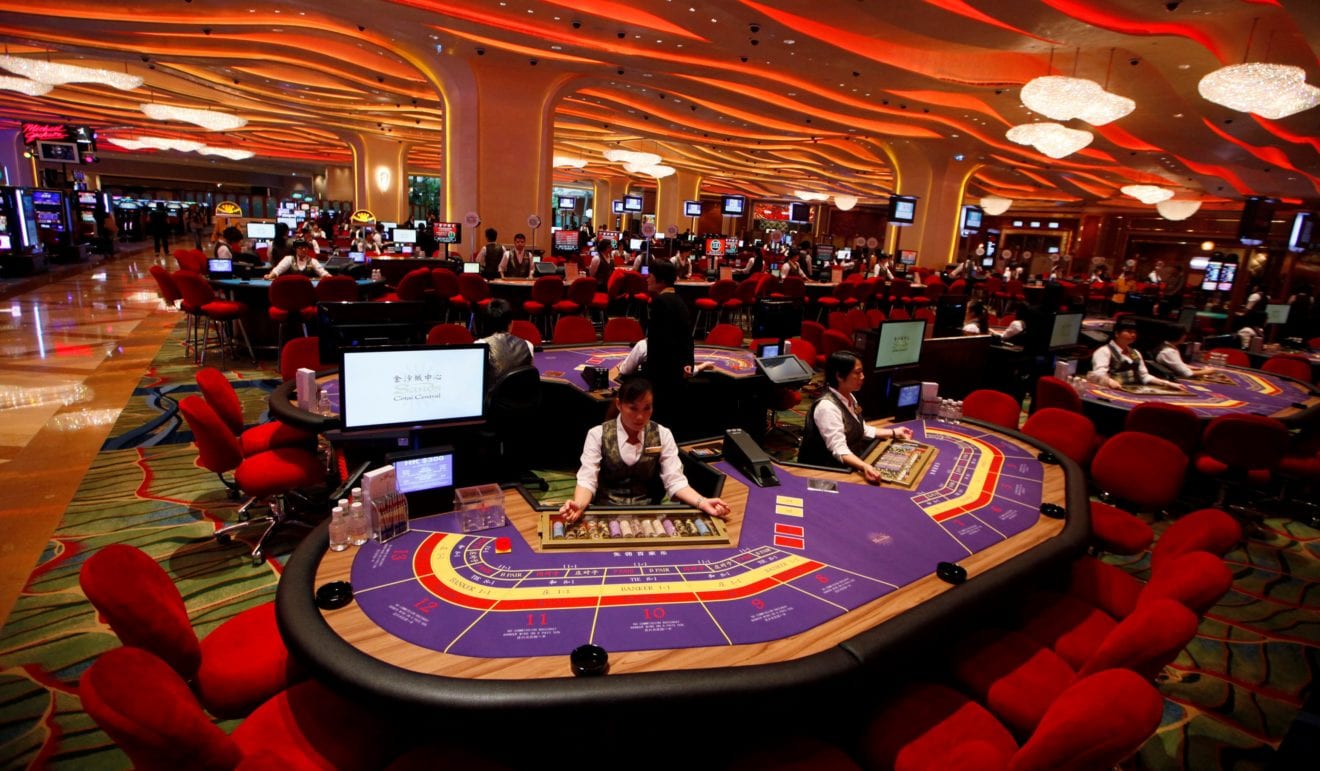
    Macau’s gambling revenue ended 2015 with a whimper, falling for a second straight year as mainland China’s corruption crackdown continued to keep high rollers from the Asian gaming hub.

    Revenue slid 34.3 percent to a five-year low of 230.84 billion patacas (US$28.92 billion), according to numbers released by Macau’s Gaming Inspection and Coordination Bureau. Gaming revenue fell 2.6 percent in 2014.

    December saw gaming revenue fall 21.2 percent, declining for the 19th consecutive month as China suffers a painful growth slowdown and Beijing’s hard-hitting campaign against corruption has hammered Macau’s key VIP sector.

    The figure for 2015 was in line with expectations of nine analysts polled by Bloomberg News who predicted a decrease of 35 percent.

    The city’s VIP section is also expected to fall 13 percent in 2016, analysts told Bloomberg.

    “Macau has been hit hard by China’s anti-corruption campaign which has deterred wealthy customers from visiting Macau,” Aaron Fischer, head of consumer and gaming research at CLSA, told AFP on Saturday.

    “2016 is not likely to be a very good year. However, after a 34 percent decline in 2015, consensus expects revenues to be roughly flat, which is a big improvement,” Fischer added.

    The slowdown in Macau, a semi-autonomous Chinese city, has been in part attributed to a high-profile corruption crackdown led by mainland Chinese leader Xi Jinping with Beijing making it clear it wants the former Portuguese colony to move away from gambling.

    Casino operators in Macau — the only place in China where casino gambling is allowed — are trying to lure mass market visitors to make up for the drop in high-roller gamblers who comprise the bulk of the city’s gaming income.

    This has led to a slew of of mega-projects on former swamp land on the coastal Cotai strip.

    The latest launch was of the Studio City hotel and casino resort in October — featuring the world’s first figure-of-eight rollercoaster — that was fronted by Robert De Niro, Martin Scorsese, Brad Pitt and Leonardo DiCaprio.

    Wynn Resorts founder billionaire Steve Wynn has previously said the situation in Macau was “uncertain.”

    “There’s no question that uncertainty is the plaguing word of the day in Macau,” he said in April.

    Wynn Resorts in November said the opening of its new US$4.1 billion Wynn Palace — a floral-themed 1,700-room resort featuring a lake with gondolas — would be delayed by three months to June 25, 2016.

    Macau soared past Las Vegas as the world’s gambling capital after opening up to international operators in 2001 and raked in more than seven times its U.S. counterpart in 2014.

    However, it is now being forced to follow Las Vegas’ lead and transform from a hardcore gambling hub into a destination with much broader appeal.

  • Hong Kong must boost efforts to weed out malpractices that hurt city’s tourism industry

    Hong Kong must boost efforts to weed out malpractices that hurt city’s tourism industry

    Blacklisting unscrupulous operators in an industry is a common practice. But convenience and inadequate supervision mean the bad apples can easily reinvent themselves by re-registering under a different company name. Amid growing concerns over mainlanders tricked into signing up for compulsory shopping trips to Hong Kong, the Guangdong authorities have rightly introduced an unprecedented measure – honouring good travel agencies by putting them on a “red list”. This has also prompted the local travel industry to put its own house in order. Starting from last Friday, tour guides are required to wear identify badges at work. More spot checks at tourism and shopping outlets will also be carried out, followed by warnings or points deduction under the existing licensing regime.

    Against the backdrop of a deepening decline in tourist arrivals from across the border, the measures are essential. But they are not a panacea. The so-called “forced shopping” and “zero-fee” tours are supposed to be banned under regulations adopted by the national tourism authority in 2103. But lucrative returns means some are willing to risk acting outside the law. The use of “coupons” to attract customers to sign up for low-cost tours is just one of the many tricks to get around the ban.

    The red list scheme is a first on the mainland. To succeed, accreditation needs to be stringent. It would be meaningless if every travel agency made it to the list.

    Forced shopping would not be possible without the help of tour operators and stores in Hong Kong. The local retail and tourism industries should also do their part to help weed out such malpractices. But this is easier said than done because the financial and business interests of so many are at stake.

    But what is most at stake is the lifeline of the city’s tourism industry. Growth in arrival numbers has already slowed as mainland tourists venture into more exotic foreign destinations. The red list will not necessarily boost our tourism industry. But transparency can help consumers make informed choices and malpractices can hopefully be confined to the dustbin of history.

  • Hong Kong Retail Slows as Mainland Tourists Stay Away

    Hong Kong Retail Slows as Mainland Tourists Stay Away

    Hong Kong, once a shopping mecca for mainland Chinese seeking Swiss watches and luxury handbags, is on track to record its biggest annual decline in retail sales since the outbreak of Severe Acute Respiratory Syndrome, or SARS, in 2003.

    The city may also post the first annual decline in mainland tourists since it started allowing individual visitors from China, also in 2003, prompting calls for extensive diversification of the tourism trade—a key pillar of the city’s economy.

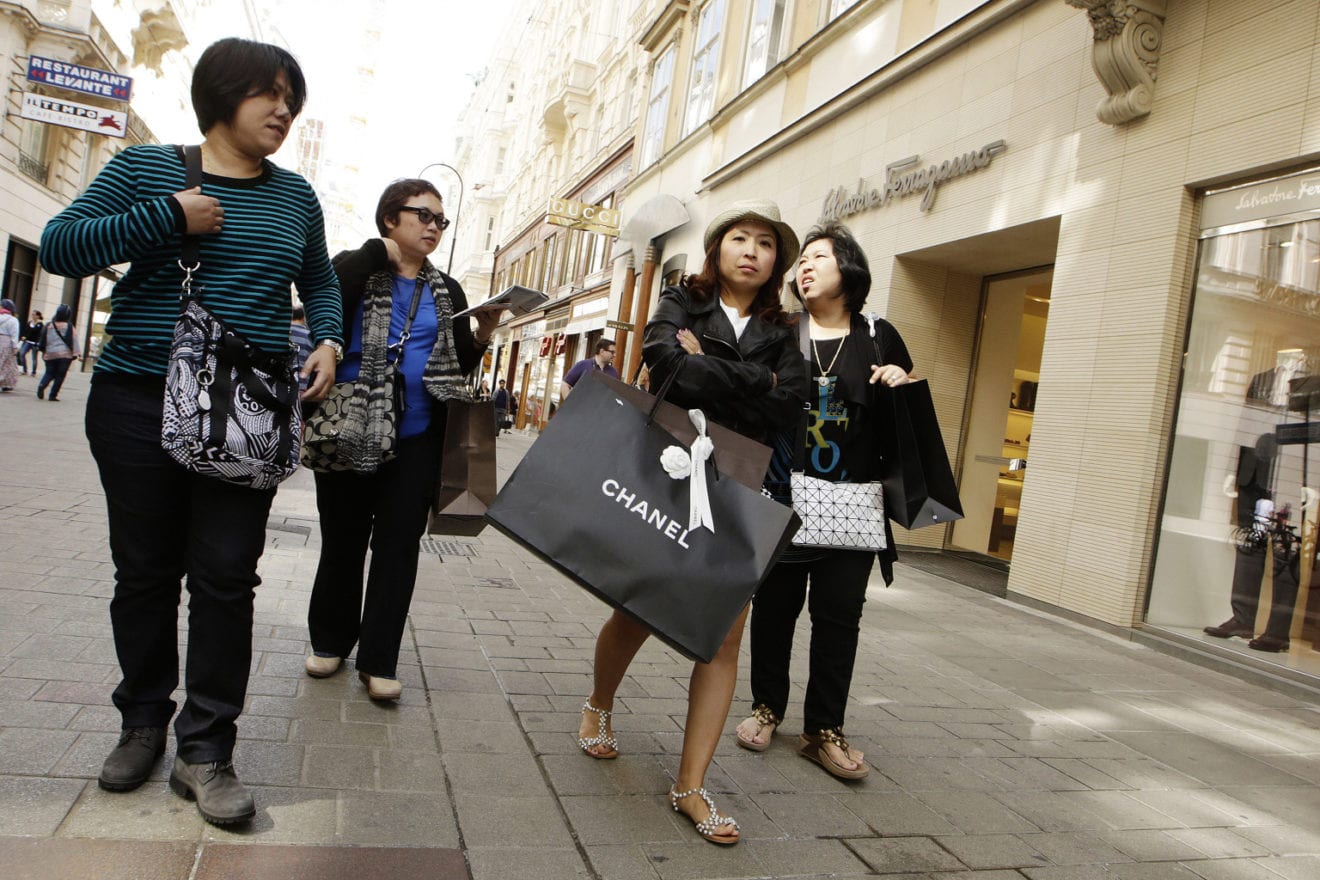
    Chinese tourism spending has been the main driver of retail and commercial property-sector strength in Hong Kong in recent years, as the number of mainland tourists shot up. During the boom, long lines outside the city’s numerous Louis Vuitton, Chanel and Gucci shops were commonplace, as luxury goods sold in Hong Kong were up to 40% cheaper than in China.

    Those lines have largely disappeared as inflows of Chinese tourists slowed. The number of Chinese tourist arrivals was 15.4% lower in November compared with a year ago, the steepest decline all year, extending the year-to-date fall in Chinese visitors.

    Hong Kong’s tourism commission acknowledges that the city’s tourism industry has “entered a consolidation period” after a decade of growth, and says it is now targeting “high-spending overnight visitors” from other markets to help fill the city’s myriad shopping malls and hotel rooms.


    ENLARGE


    Meanwhile, retail sales in the formerly-bustling shopping hub have fallen for eight straight months on lower tourist spending, with total retail sales down 2.7% year-over-year for the first 10 months of 2015. That is steeper than the 2.6% decline recorded in 2003, when tourists shunned Hong Kong for several months during the SARS outbreak.

    In October, Hong Kong saw a 38.5% drop in sales of Swiss watches, said the Federation of the Swiss Watch Industry. Other brands, like Chanel, went the unusual route of slashing the price of an iconic bag by over 24% in Hong Kong, among other rare discount offers, in a sign of the trying times.

    “The ‘luxury supermarket’ image is no longer attractive” for Hong Kong, said Clement Kwok, chief executive at The Hongkong and Shanghai, owner of the city’s iconic Peninsula Hotel. The Peninsula Hotel saw occupancy rates drop 3% in the third quarter from a year earlier.

    “There is an urgent need for a new marketing campaign to rebrand Hong Kong as a dynamic, exciting and relevant modern city,” said Mr. Kwok.

    Luxury sales began their decline in late 2013 after Beijing started cracking down on corruption and conspicuous consumption. The slump has spread to mass market retailers this year as the Chinese economy slowed. Milan Station, a vendor of secondhand handbags, said revenue in its Hong Kong shops fell over 28% in the first half of the year, while cosmetic retailers Sa Sa and Bonjour reported revenue declines of 10.6% and 14.4% in the six months ended September and June, respectively.

    Though shop rents and retail prices have dropped, they are still some of the highest in the world and could continue diverting tourist shoppers away from Hong Kong to cheaper prices elsewhere.

    “The city has been very focused on Chinese tourists and shopping, and underinvesting in building new tourist attractions and experiences,” said Mariana Kou, an analyst at brokerage CLSA.

    “Hong Kong needs to transform into a more diversified tourist destination,” she said.

    China’s increasingly mobile and affluent middle class has meant big business for travel-related companies including airlines, travel agencies and luggage makers. And despite a slowing economy and a stock-market collapse this summer, they are projected to spend over $200 billion abroad for 2015.

    While many countries have relaxed visa requirements to attract Chinese tourists, Hong Kong this year tightened visa limits for Chinese visitors from neighboring Shenzhen to one rather than multiple visits a week, amid heightened tensions between the local population and Chinese tourists. Mass protests against Beijing’s encroaching rule last year also kept visitors away.

    The stronger U.S. dollar has also made traveling to Hong Kong more expensive, as the local currency is pegged to the dollar. Destinations with weaker currencies such as Japan and Europe have attracted Chinese vacationers there instead.

    For its part, the Hong Kong government plans to host more large-scale dining and sporting events to boost tourism. It has already committed billions of dollars to develop new cultural and arts venues, and plans new waterfront attractions. It is also in talks to build a second Disneyland theme park.

    But their construction could take years, and it could take a long time for the sites to attract a new, varied crowd. Until then, analysts say Hong Kong retail will likely continue its slump and companies will need new ways to attract business, as they can no longer depend on mainland tourists.

    When Gao Hang, 26, first visited Hong Kong in 2013 she found it a “flourishing, great city.” She visited again in 2014, but this year, the customer service professional from the port town of Dalian opted for a vacation in Europe instead.

    “There’s not that much to do in Hong Kong. One trip is really enough,” she said.

  • Indonesia’s Tourism Growth Exceeds Target

    Indonesia’s Tourism Growth Exceeds Target

    Tourism Minister Arief Yahya said that the tourism sector had contributed 4.23 percent to Indonesia’s gross domestic product (GDP). The number exceeds the four percent target set by the government. As for labor absorption, the sector managed to absorb 12.16 million laborers from the intial target of 11.3 million.

    “Overall, policies in the tourism development in 2015 were on track and we could achieve our targets,” said Arief Yahya on Wednesday, December 30, 2015.

    Arief estimated that Indonesia’s tourism growth by the end of 2015 could reach 5.81 percent, which is higher compared to other ASEAN countries, such as Malaysia, which experienced negative growth of 9.43 percent from January to June 2015.

    Singapore and Vietnam also suffered negative growth from January to October 2015 with 0.09 percent and 1.27 percent, respectively. Thailand, on the other hand, experienced 22.34 percent growth from January to November 2015.

    “From our major tourist destinations compared with those in neighboring countries, we can see that Indonesia has a large tourism potential, but it hasn’t been fully harnessed,” said Arief.

  • Tourism Slows Hong Kong Retail

    Tourism Slows Hong Kong Retail

    While Hong Kong has traditionally been the favored shopping destination of Chinese mainland consumers looking to grab up luxury items, it looks like 2015 may see the biggest drop in retail sales since 2003.

    The drop 12 years ago was an outgrowth of the SARS outbreak that cause a global health scare. This year’s issue seems to be tamer and tourism based. This year saw the first annual decline in tourists from mainland China since 2003. The number of Chinese tourists in Hong Kong decline 15.4 percent between November of 2014 and November of 2015 — the biggest drop in a year where falling figures have been a norm.

    Hong Kong has drawn high rolling consumers for some time with its luxury good shops with Gucci, Louis Vuitton and Chanel on sale for 40 percent less than is the norm in China.

    For the last eight months, however, retail sales have been in decline — down 2.7 percent year-to-year — a bigger drop off than even SARS managed in 2003.

    “There is an urgent need for a new marketing campaign to rebrand Hong Kong as a dynamic, exciting and relevant modern city,” Kwok said.

    There is also the reality that China’s affluent middle class is increasingly likely to search further abroad for luxury goods — aided by several nations that have relaxed visa requirements for visiting Chinese tourists. Hong Kong, on the other hand, has strengthened its visa requirements and disallowed visitors from the neighboring Shenzhen province to visit Hong Kong more than once a week.

    In an attempt to turn things around, Hong Kong is looking to develop more experiential attractions including a second Disney theme park, sporting events and dining venues. But those ventures will take time. The more immediate challenge for local merchants is to fill the hole left by distracted mainland Chinese consumers in the meantime.

  • International passenger arrivals at Bali up 45 percent

    International passenger arrivals at Bali up 45 percent

    Balis Ngurah Rai Airport recorded a 45 percent increase in international passenger arrivals three days prior to the Christmas and New Years holidays.

    “The number of international passengers rose to 13,938, or 45 percent, compared to the same period last year,” Trikora Harjo, the general manager of PT Angkasa Pura I, the operator of the airport, stated here on Wednesday.

    The passengers from various countries arrived aboard 73 flights at the Goddess Island.

    Harjo has forecast that the number would continue to increase ahead of the New Years Eve celebrations.

    Domestic passenger arrivals also increased to 15,663, or almost two percent, compared to the same period last year and also in comparison to the 11,987 passengers who have departed from Bali.

    The number of both domestic and international passenger arrivals has already begun increasing two days ago.

    To anticipate the hike in passenger arrivals, the airport authorities have set up monitoring posts in cooperation with the police, the TNI (military), and other security agencies.

    In anticipation of the increase in arrivals, domestic airline companies Citilink and Lion Air have also applied to operate 180 additional flights to accommodate the departing passengers after the holidays.