Tag: tourism

  • Strong yen could send Chinese spending back to Hong Kong

    Strong yen could send Chinese spending back to Hong Kong

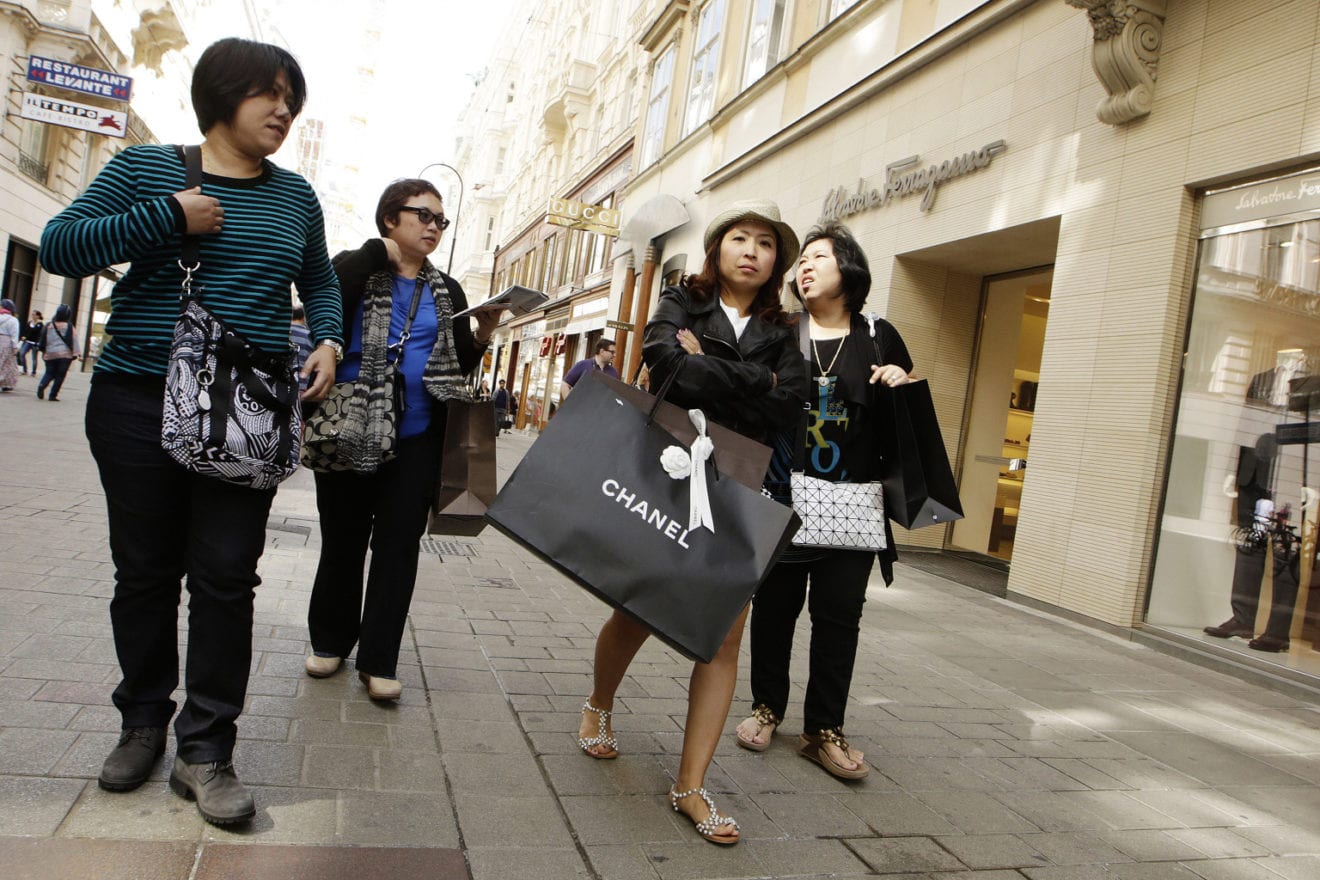
    Chinese tourists’ consumption in Japan has begun to wither in the face of a strengthening yen, setting up Hong Kong to recapture spending that has moved elsewhere in recent years.

    Affordability is key

    A country appeals more to foreign travelers as its currency weakens, making shopping and food more affordable than in other destinations. This is doubly true for Chinese travelers, who tend to spend heavily while abroad.

    Such was the case for Japan from mid-2014 onward. The yen moved from the level of 16 to the yuan back then to between 19 and 20 in less than a year. Chinese tourism there more than doubled from the previous year to 4.99 million visitors in 2015, with per-visitor spending growing 20%.

    Hong Kong was on the other side of the shift. Mainland visitors dropped 3% in 2015, while retail sales fell 3.7% in a second straight year of decline. Emperor Watch & Jewellery, a seller of luxury watches from such brands as Audemars Piguet and IWC Schaffhausen, reported a 25% drop in sales for the year ended Dec. 31. It blamed a “strong local currency” and an unfavorable tourism environment.

    Chinese buyers’ spending in 2015 accounted only for around 1% of Japan’s retail market excluding such goods as automobiles and gasoline, Nomura International has calculated. That share was 50% in Hong Kong and 30% in Macau, exposing retailers dependent on mainland consumption to heavy damage as spending slipped away.

    Trouble returns

    Yet the landscape is shifting once again as the yuan weakens against the yen. 1 yuan now fetches around 16 yen, compared with 18 yen at the start of the year. Chinese tourists’ spending in Japan came in 10% below the year-earlier level for the January-March quarter. The total value of retail sales shrank 0.8% for April, Japan’s Ministry of Economy, Trade and Industry said Monday — a second straight month of year-on-year drops.

    Retail sales in Hong Kong fell 9.8% for March, indicating improvement following February’s 20.6% tumble. Visitors from mainland China were still 6.9% below the year-earlier level. But overnight visitors declined only 0.8%, compared with a 20%-plus fall in February. Tourism from the mainland over the holidays surrounding Labor Day on May 1 swelled more than expected. While challenges continue, headwinds are gradually weakening.

    Shifts in the Hong Kong dollar compared to the yen bolster this view. According to the Nikkei Currency Index, the Hong Kong dollar became stronger than the yen overall in September 2014, just as Chinese visitors’ so-called explosive buying of goods was taking off in Japan. The yen then continued to weaken while the Hong Kong dollar appreciated.

    But the yen’s value hit bottom in May 2015, with the Japanese currency’s overall strength overtaking the Hong Kong dollar’s in April. The yuan, meanwhile, strengthened through the summer of 2015, only to weaken around 5% to its current level, the index shows.

    Close to home

    Changes in a locale’s exchange rate alter the affordability of goods there. An HSBC index tracking prices of 38 luxury items in various places compared with their home markets of France and Italy demonstrates this for top-of-the-line goods.

    The Japanese market overall rated 121 on the index in February, with home-market prices serving as the baseline of 100. By mid-May, the figure had risen to 127. Hong Kong, meanwhile, has fallen from 119 to 116 over the past three months. The mainland-market figure has dipped slightly as well, from 137 in February to 135.

    Chinese tourists will now feel less benefit from buying luxury brands in Japan as opposed to elsewhere. So while the Hong Kong figure has changed little in absolute terms, shopping here as compared with Japan has taken on fresh appeal, HSBC said. Some goods can even be found more cheaply here than in their home markets.

    Bain & Co. sees Japan’s luxury goods market growing 5% in 2016 — the most among major countries. But a strengthening yen and shrinking Chinese tourism hint at a coming deceleration, according to the U.S. consulting firm.

    Some 120 million Chinese headed abroad in 2015, plunking down more than $200 billion at their destinations. More detailed patterns of consumption will inevitably shift as the focus of spending turns from goods to services. But exchange rates will remain a key factor in these travelers’ buying power worldwide.

  • Indonesian weekend event in London successfully promotes tourism

    Indonesian weekend event in London successfully promotes tourism

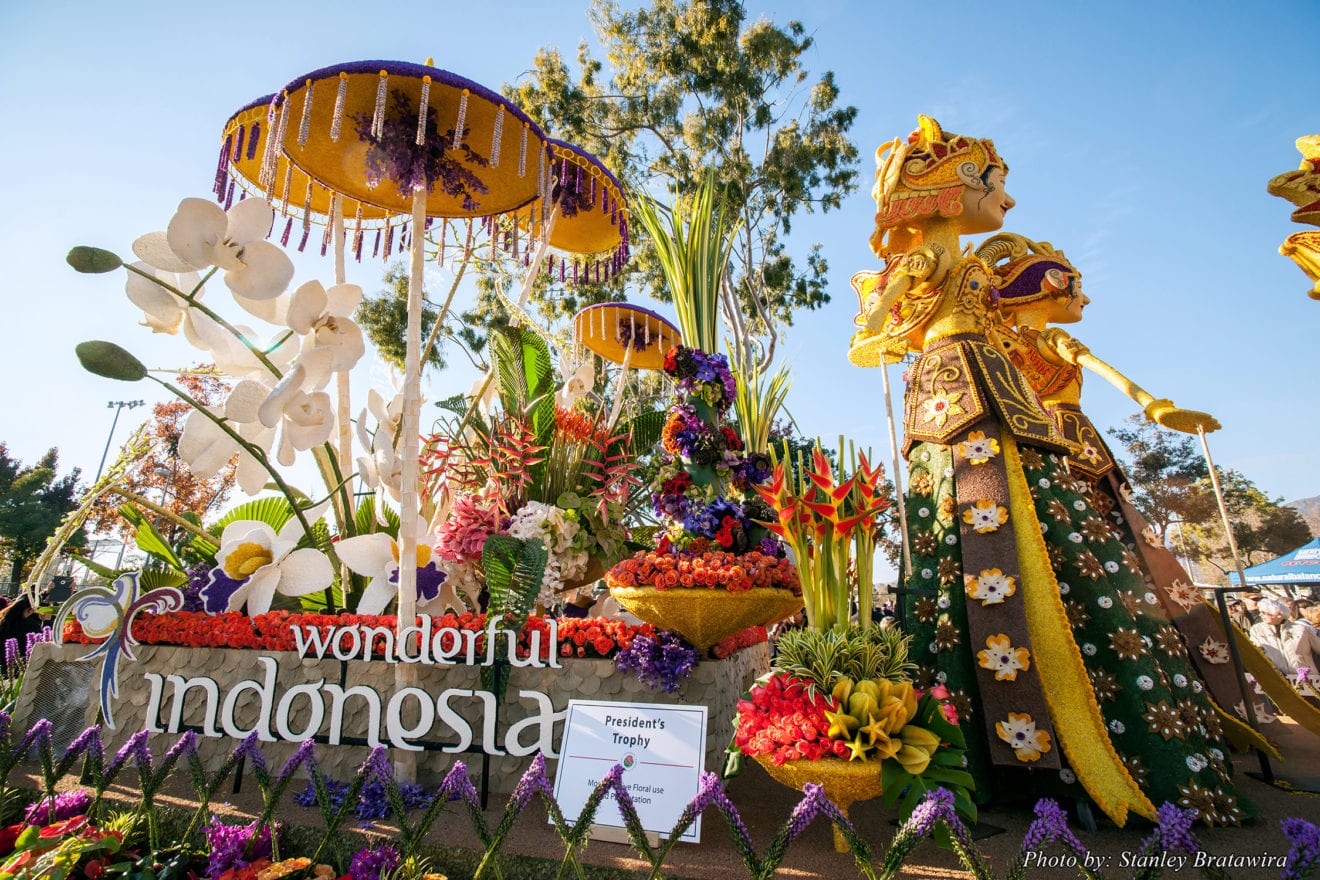
    A two-day tourism event called “Indonesian Weekend” held in Potters Fields Park, London, Great Britain, on May 28 to 29 was considered successful in promoting the Wonderful Indonesia brand, an official stated.

    The Indonesian Weekend was part of the Wonderful Indonesia brand awareness campaign, Nia Niscaya, assistant to a deputy in the tourism ministry, noted here, Monday.

    Garuda Indonesia Airways also supported the event and offered special fares on certain routes, such as London-Jakarta, Yogyakarta, and Lombok.

    The ministry has always participated in the World Travel Mart, which is routinely held in London in November, according to Niscaya.

    The number of British tourists to Indonesia reached 230,315 in 2014 and increased to some 270 thousand in 2015.

    This year, Indonesia hopes to attract 300 thousand British visitors.

    During the January-March 2016 period, the country received a total of 67,750 British tourists, or an increase of 28.54 percent from 52,708 tourists during the same period last year.

    Niscaya was optimistic that this years target would be achieved through the promotion of the Bali and Beyond tourism program.

    Ambassador of Indonesia to the United Kingdom Rizal Sukma officially kicked off the Indonesian Weekend showcasing the countrys arts and culture, here, Saturday.

    Highlights of the event included performances of Javanese dances by famous artist Ninik Thowok, Silat traditional martial art by Cecep Arif Rahman, traditional bamboo musical instrument by Arumba Saung Udjo, East Nusa Tenggara traditional music instrument Sasando by Ivan Nestorman, Javanese gong ensemble gamelan by Lila Bhawa, and an Islamic fashion show.

    The festival also offered Indonesian culinary delicacies as well as handicraft and fashion products.

    Initiated by Bangga Indonesia Ltd and Ditali Cipta Kreatif, the event is supported by Elzatta Hijab, the tourism ministry, and the Indonesian embassy in London.

    Other sponsors were the industry ministry, cooperatives and SMEs ministry, and the education and culture ministry in cooperation with the regional administrations of Central Java, Central Kalimantan, Bandung, and Malang.

    Some of the Indonesian culinary dishes offered during the event were Soto Ayam (chicken soup), chicken and lamb satay, Padang satay, Bakso (meat ball soup), Somai, Rendang, and Yogya Gudeng.

    A cooking demonstration featuring Master-Chef Indonesias jury, Degan Septoadji, and Chef Gede Susila Yadnya of Balis Potato Head Club Bali was also the highlight of the tourism promotion event.

  • Online Travel Booking Grows in China, But Traditional Agents Still Dominate

    Online Travel Booking Grows in China, But Traditional Agents Still Dominate

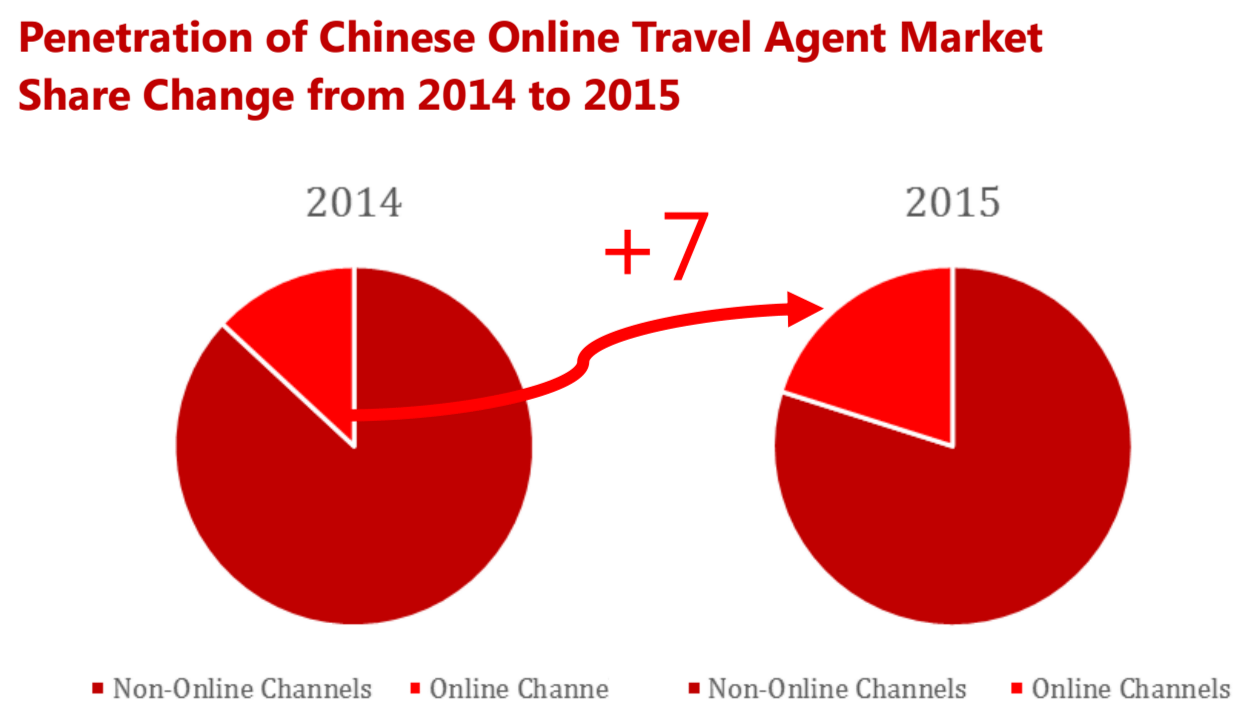
    Chinese travelers still trust and use traditional travel agencies more than online booking sites in 2016. But the percentage of online travel agency penetration in China reached a record high level last year.

    According to a Chinese outbound market report from the Chinese Outbound Tourism Research Institute (COTRI), 20 percent of the 120 million Chinese outbound travelers booked travel using an online travel agency in 2015. That’s a seven percent increase over 2014 and the strongest indicator that booking sites continue to be more accepted throughout China.

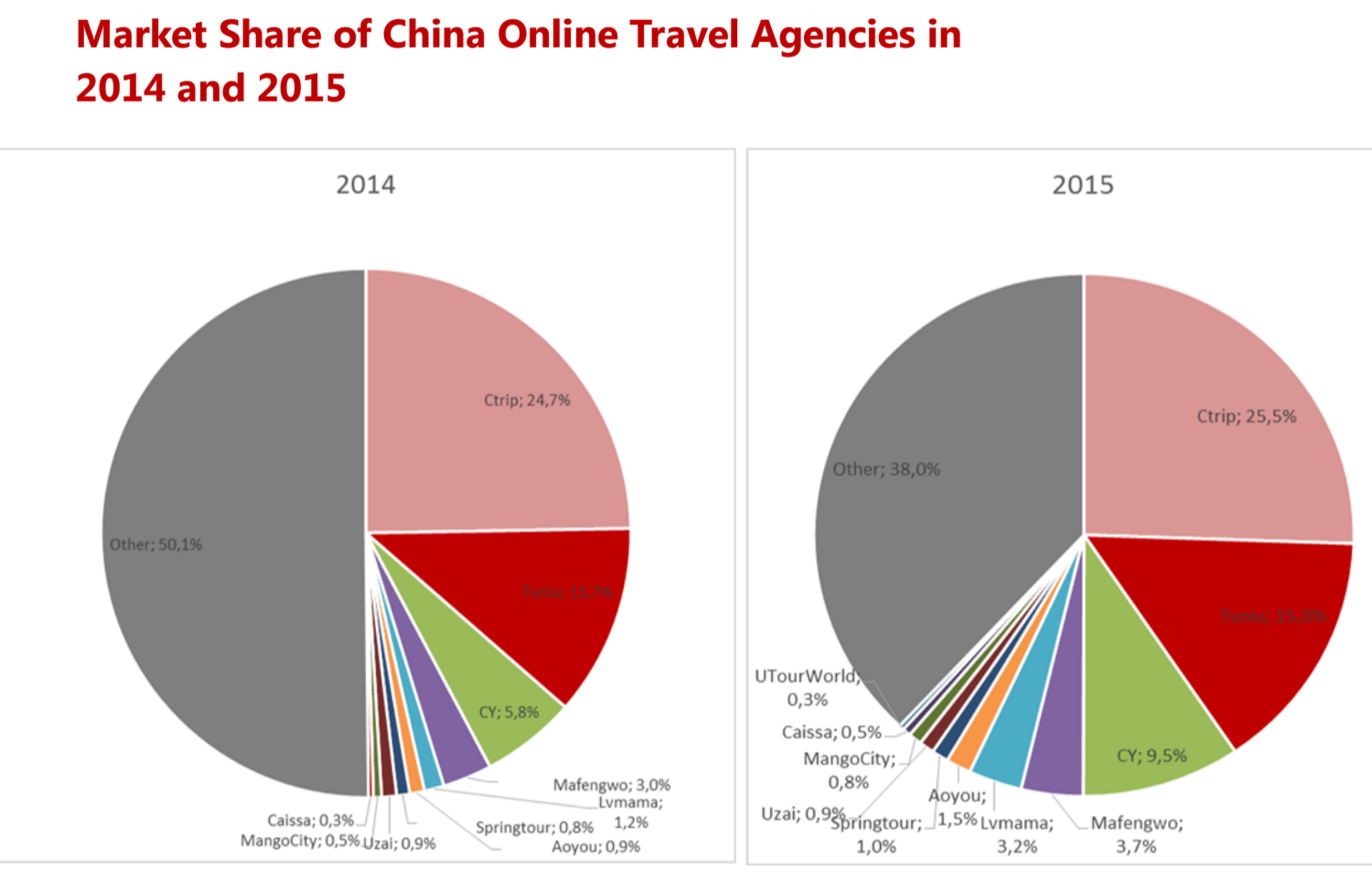
    Chinese consumers felt less pressure from pricing wars late last year when Ctrip took a stake in Qunar and began working together, a powerful alliance among two of China’s largest booking sites. That’s likely one factor swaying more consumers towards booking sites, COTRI said.

    Still, 80 percent of Chinese travelers booked offline and used one of the more than 27,000 brick and mortar travel agents in China last year. The number of travel agencies in China has increased by 50 percent since 2006 and shows little signs of slowing, and COTRI projects Chinese outbound travelers will spend nearly $80 billion at travel agents this year.

    Chinese consumers spent about $56 billion at travel agencies in 2015. They also booked $11 billion worth of travel through online travel agencies last year, a 70 percent increase over 2014.

    While offline travel agents in China have closer relationships to consumers than their foreign counterparts have with markets elsewhere, they also have competition besides the growing popularity of Chinese booking sites like Ctrip and Qunar.

    “In China, the line between retail travel agents and tour operators (also known as tourism wholesalers in other countries) is somewhat blurred. It is not uncommon for tourism wholesalers to not only create tour packages, but to also sell directly to customers through newspaper advertisements, websites and even their own retail shops,” the report states.

    Chinese travel agencies can contact and work with inbound tour operators directly without wholesalers, “which can be attributed to the mind-set of disliking intermediaries. In cases when a travel agency does not have enough customers for a specific trip, for example, it will pass on its customers to a larger wholesaler and gain from the associated commission,” according to the report.

    Many Chinese travel agencies operate illegally, which Wolfgang Arlt, director of COTRI, says is one of the greyest areas in the Chinese tourism industry. Around 10 percent of these travel agents have obtained outbound tour operation licenses in their own names, which allow them to sell various kinds of travel, and the rest use a license or sub-license from another company.

    Online travel agencies in China face barriers that offline travel agents don’t worry about. More than half of Chinese citizens (668 million people) don’t use the Internet. China’s Communist Party also exerts a lot of control over the web which leads most consumers to feel they can trust a brick and mortar travel agent more than an online one.

    And when traveling internationally for the first time–which describes a large swath of world’s largest outbound market–Chinese consumers often prefer to speak with a travel agent in person, the report points out.

    “In Chinese travel media, the exposure and discussion of online travel agencies can be compared to that of Hollywood stars. Almost every day, the industry’s e-newsletters and reports provide news on Chinese online travel agencies’ volatile relationships (price wars and partnerships), weight gains and losses (share sales and acquirements) and red carpet highlights (obtaining capital investment),” the report states.

    Screen Shot 2016-05-17 at 3.21.08 PM

    chinese travelers

    Source: Chinese Outbound Tourism Research Institute

  • Sabang Festival expected to attract 30,000 tourists

    Sabang Festival expected to attract 30,000 tourists

    The Third Sabang Festival is expected to attract 30 thousand tourists to visit Weh Island, Head of Sabang Culture and Tourism Zulfi Purnawati has stated. The festival will be held from May 21 to 25.

    “In 2015, as many as 20 thousand tourists visited Sabang during the festival, and this year we have targeted 30 thousand tourists,” Zulfi Purnawati said here Saturday.

    During the Sabang Fair, the exhibition of appropriate technology will be also conducted.

    “As a result, some 23 contingents from the district/city will participate in the event. We are optimistic that 30 thousand tourists will visit Sabang,” Purnawati remarked.

    The implementation of the fair was intended to promote tourism in Sabang as well other destinations in Aceh district.

    Purnawati expected the contingent to utilize the annual event as part of its efforts to promote tourist destinations across Aceh.

    Delegations from North and West Sumatra will also attend the festival.

    Meanwhile, entrepreneurs in some ASEAN countries have expressed readiness to attend the festival.

    Secretary Administration of Sabang Sofyan Adam, who is also the executive chairman of the festival, said that all contingents should confirm their participation.

    “The committee has launched the enrollment drive and all contingents should report to the committee. We have also coordinated with the Sabang branch of state-owned ferry operator PT ASDP Indonesia to help with the implementation of the festival,” Adam remarked.

    Earlier, the Ministry of Tourism (kemenpar) of The Republic of Indonesia stated that the success of tourism really depends on the presence or absence of comfort and hospitality of the community towards tourists at the location.

    “The comfort of a tourist is the main factor which should be of concern to a region while developing the concept of tourism. It is not just a discourse,” Directorate General, Based on Media, Design, Science and Technology in the Tourism Ministry, Harry Waluyo said here Monday.

    He stated this when opening a training course on human resources improvement for tourism at the Dharmas Indonesia University in Pulau Punjung.

    The first impression for a tourist during his or her first visit depends on the service from the local community, and that is why one needs human resources with good manners, according to him.

    “Do not let illegal fees damage tourism, that is the weakness of our community all this time while welcoming tourists,” he said.

    “Develop tourism which other regions do not have, so that there will be a main attraction for tourists,” he explained.

  • Tourists claim tour rates in Raja Ampat expensive

    Tourists claim tour rates in Raja Ampat expensive

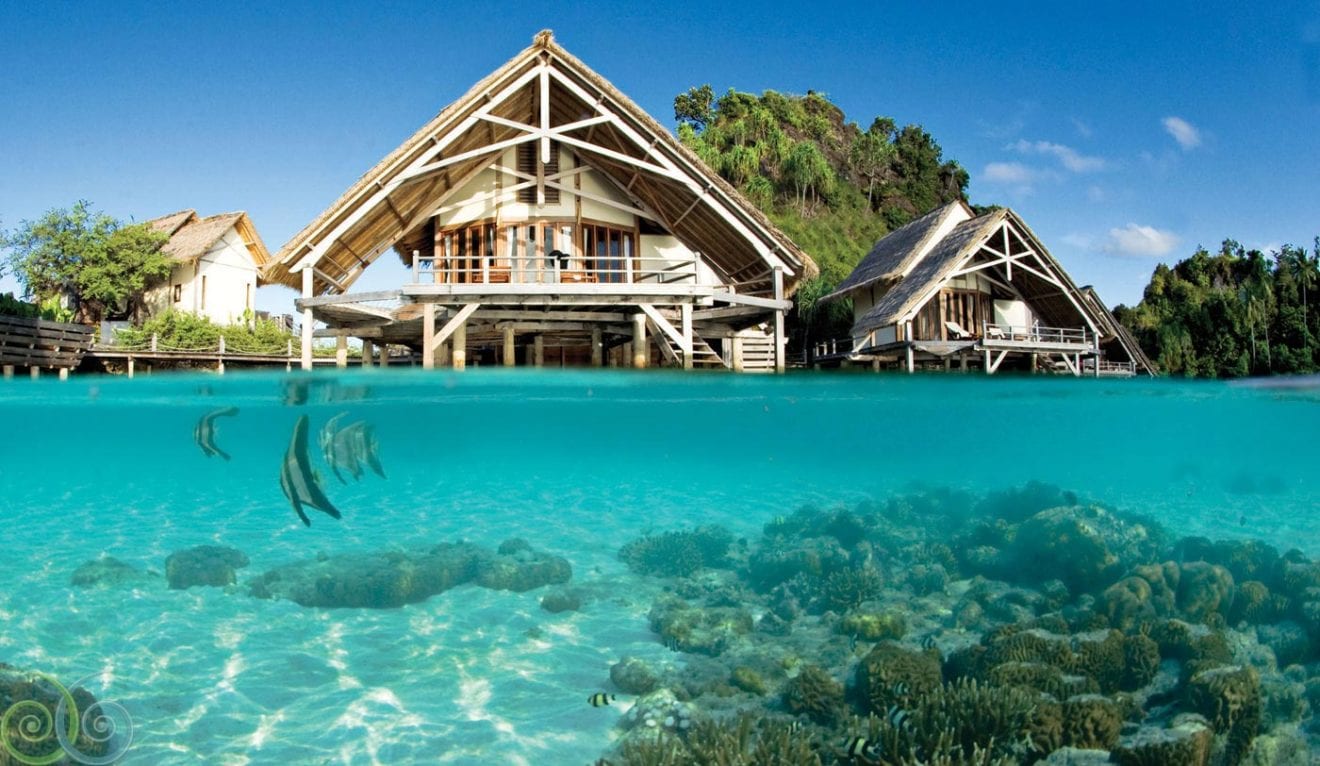
    Some tourists have assessed that the tour rates offered in Raja Ampat, West Papua, were expensive, and it was feared to affect other travelers keen on visiting this tourist area.

    “Raja Ampat is much more beautiful than Bali, but the tour rates are also more expensive as compared to Bali,” Sami Ninggoroh, a tourist of Indian descent who visited Raja Ampat along with some Japanese tourists, stated on Tuesday.

    According to Ninggoroh, the rates of the Raja Ampat tour should be reconsidered as it is quite high, and the high prices will have a major impact on the number of visitors to the area.

    “We have ever been to Bali and found that the services offered there were better, and the travel rates were cheaper as compared to Raja Ampat,” he pointed out.

    Further, Ninggoroh opined that tourists visiting Bali will certainly want to revisit it, but ironically, visitors to Raja Ampat will think twice to return as it is quite expensive.

    He noted that besides being costly, there were other issues in Raja Ampat that should be addressed, especially with regard to the services, so every visitor will feel comfortable and will crave to come back.

    “The services offered by the people of Bali to the tourists are very good as they highly value the tourism sector. They serve the tourists as best as possible, and the same thing should also be applied in Raja Ampat,” he emphasized.

    Ninggoroh stated that Raja Ampat, as a marine tourism attraction, was already popular across the world, but the offered tourism packages should be made cheaper, so that tourists would yearn to revisit the region.

    “The local governments must lower the tour rates and improve the tourism supporting facilities, so Raja Ampat is thronged by as many visitors as Bali,” he added.

  • Tourists invisible to Hong Kong retailers

    Tourists invisible to Hong Kong retailers

    While more tourists have been crossing the border for the ongoing Golden Week, there has not been much gold in it for Hong Kong retailers.

    Visitor numbers jumped more than 14.1 per cent on Saturday, the start of the holiday, according to the Hong Kong Immigration Department (IMMD).

    This has mainly been attributed to visitors from the neighbouring Guangdong province, with cheaper hotel rooms and convenient travel making Hong Kong an accessible choice, says the South China Morning Post.

    Statistics show that more than 200,000 visitors arrived on the first day of the national holiday, a jump from last year’s 177,000. But despite the rise, the visitors have been spending less – hardly good news for Hong Kong retailers, who have already been feeling the pinch. With Hong Kong no longer riding the wave as the first port of call for Chinese tourists, retailers were warned last month that they need to discount or die.

    For the new influx of visitors, their travel and buying patterns differ from previous mainland tourists as they are familiar with Hong Kong and tend to visit relatives, go sightseeing and buy from stores in residential areas. Family visitors and Shenzhen residents spiked more than 40 per cent on the first day of the holiday, while those crossing the border on the “L visa” dropped 5 per cent.

    Hong Kong retailers are already branding this the worst-ever Golden Week, with many reporting lower numbers of mainland tourists, fewer tour buses and less spending.

    However, Travel Industry Council executive director Joseph Tung Yao-chung says the divergence between tourist numbers and luxury sales is a “good sign”.

    “The city’s tourism sector is normalising,” he says, with high-quality individual tourists compensating for the loss in mainland tour groups, which have long been criticised for forcing visitors to buy high-priced products at designated shops.

  • Indonesia to take part in Beijing Tourism Expo

    Indonesia to take part in Beijing Tourism Expo

    The Indonesian government will participate in the Beijing International Tourism Expo (BITE) to be held on May 20-22 to realize its target of attracting two million Chinese tourists this year.

    The Indonesian Tourism Ministry would be one of the main sponsors of the expo, Deputy Tourism Minister in charge of International Tourism Marketing Development I Gede Pitana stated here, Friday.

    The ministry was optimistic that Indonesia would be able to attract Chinese tourists during the long holiday from October 1 to 7 this year, he noted.

    China has become Indonesias main tourist contributor, according to Tourism Minister Arief Yahya.

    Last year, some 987 participants from 81 countries took part in BITE, which was visited by some 120 thousand people.

    BITE has been organized annually for the past 13 years, and Indonesia has taken part in the expo twice.

    Other countries expected to participate in BITE this year are the United States, the Maldives, Seychelles, Thailand, Sri Lanka, Japan, Taiwan, South Korea, Malaysia, India, and some European countries, among others.

    Indonesia has set a target of attracting 20 million foreign tourists by 2019, from 9.7 million last year.

    This year, Indonesia hopes to lure some 12 million foreign tourists.

  • SIA to support Indonesia’s tourism campaign under new partnership

    SIA to support Indonesia’s tourism campaign under new partnership

    National carrier Singapore Airlines and Indonesia’s Ministry of Tourism on Thursday (Apr 28) announced a partnership to boost foreign tourist arrivals into Indonesia.

    Both parties signed a memorandum of understanding at the National Coordination Tourism Meeting in Jakarta on Thursday, and they will work to finalise details of the partnership in a memorandum of cooperation at a “later date”, the joint press release said.

    Under the three-year partnership, SIA will support the ministry’s tourism campaign “Wonderful Indonesia”, which aims to attract 20 million foreign tourist arrivals annually by 2019.

    Joint activities will include advertising and other campaigns to promote travel to Indonesia via Singapore from key source markets, which include China and India for the first year of collaboration, the press release said.

    SIA, together with its subsidiary SilkAir, serve 13 cities in Indonesia with more than 150 weekly flights, the airline said.

  • Tourism slump hits Burberry Hong Kong sales

    Tourism slump hits Burberry Hong Kong sales

    British luxury brand Burberry Hong Kong has seen its sales slide by more than 20 per cent for the third quarter in a row.

    The result reflects the continuing fall-off in tourist numbers to Hong Kong from China, including a 26 per cent drop in February.

    Burberry’s second-half sales results, just released, show a “challenging” environment for luxury, says CEO Christopher Bailey. Global comparable sales declined by 2 per cent, dragged down by Hong Kong and Macau. Global comparable sales excluding these regions actually edged up 1 per cent for the half.

    Burberry’s bright spots were Mainland China, Japan and Korea, which all saw positive growth. Japan, which has become a luxury shopping hotspot for Chinese tourists, had double-digit growth in total retail revenue.

    Sales also slowed down in Europe, as luxury shoppers from China avoided the region following the Paris terror attacks in November. Demand for Burberry goods fell in France, Germany, Italy and Spain amid a general sense of unease about security and fears of further terrorist attacks in Europe.

    However, it is not all doom and gloom for Burberry, says Verdict Retail analyst Andrew Hall, citing growth in online sales and the launch of the Mr Burberry fragrance. The success of Burberry’s fragrances has seen the brand’s beauty division achieve underlying growth of 10 per cent in the second half.

    “Furthermore, Burberry continues to be at the forefront of luxury fashion retail, making headlines with high-profile collaborations – for example, Steve McQueen – and sending waves across the industry as it shakes up the traditional fashion show timetable,” says Hall.

    “Burberry can certainly be proud of the hard-won successes, but long-term strategic leadership is needed to overcome the blows dealt by performance in some Asian markets. Until this is achieved, the good work will continue to be overshadowed by falling demand in Hong Kong and Macau.”

  • Halal tourism in West Sumatra

    Halal tourism in West Sumatra

    The Indonesia Ministry of Tourism will develop Halal tourism in West Sumatra, a province that has a potential for such a concept just as West Nusa Tenggara province, known for similar tourism.

    “West Sumatra has a potential for Halal tourism development as culturally, it is known as a religious province,” the Deputy Assistant of Business and Government Market Segment Development, the Ministry of Tourism, Tazbir, said here on Saturday (April 2).

    He explained that Halal tourism is a universal concept which includes serving healthy food, providing clean accommodation and hospitability. Therefore, all the people find it suitable.

    “We want West Sumatra achieve a similar status as West Nusa Tenggara which has been awarded the Worlds Best Halal Tourism Destination award,” he said, adding that demand for Halal products is from the world community.

    Tazbir remarked that during his visit to a religious area, the hotel where he stayed did not inform him about the direction of Qibla in the bedroom, while hotels in Singapore provide such a facility.

    “Therefore, we need Halal standards for hotels, restaurants and tourist attractions,” Tazbir said.

    He added that the Ministry will continue to push for a campaign projecting Halal tourisms great potential in Indonesia, especially in West Sumatra.

    Nowadays, the concept of Halal tourism is being developed in Aceh, West Sumatra, West Nusa Tenggara, South Kalimantan and Gorontalo, he said.

    Meanwhile, Head of Tourism Office of West Sumatra, Burhasman Bur, assessed that there were no significant obstacles to implementing Halal tourism in the province.

    The tour players just have to follow the administrative procedures. For example, eateries will have to serve Halal meat certified by the authorities.

    He said a regulation needs to be put in place supporting the implementation of the Halal tourism concept and improving services for the guests.

  • Malaysia malls target Vietnamese

    Malaysia malls target Vietnamese

    Representatives of Malaysia malls have been in Vietnam trying to drum up business via tour operators.

    But the Malaysians will face an uphill battle luring Vietnamese – Bangkok is only an hour away from Ho Chi Minh City and probably the best-serviced destination in the region, with at least seven airlines offering hour-long flights daily between the two cities.

    Retail and tourism representatives from Malaysia met with tour organisers in Hanoi and Ho Chi Minh City to introduce a campaign aimed at enticing Vietnamese to visit Malaysia to shop.

    Three specific annual sales campaigns were also being promoted by the group, including officials from the Malaysia Tourism Promotion Board (Tourism Malaysia) and Secretariat Shopping Malaysia(SSM).

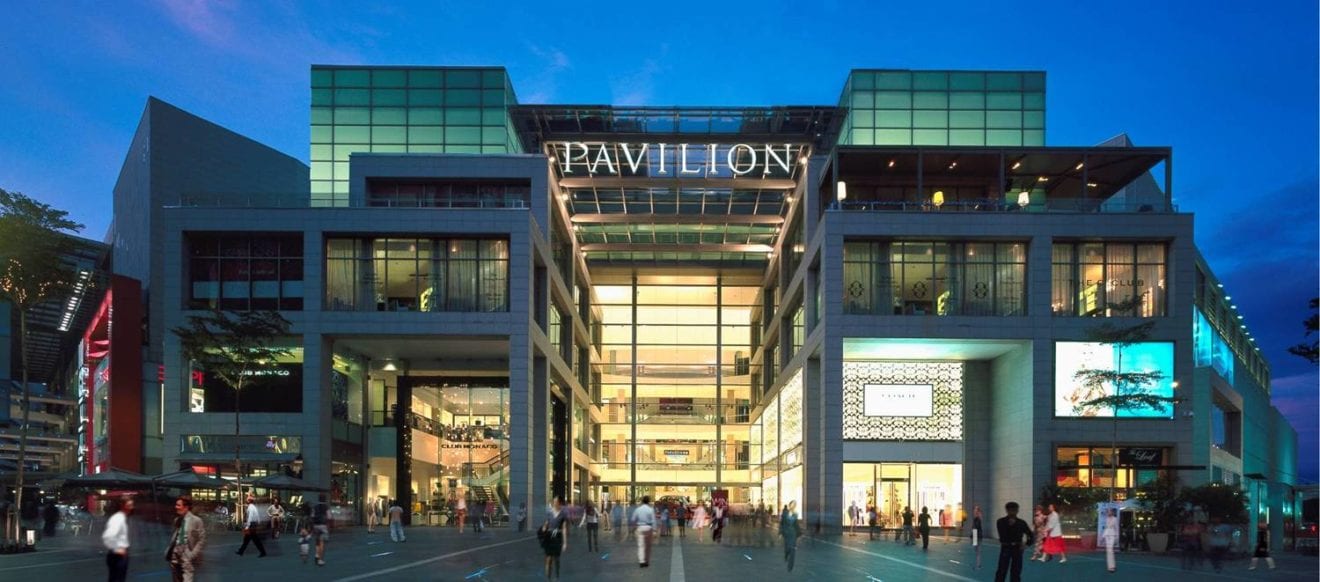
    At an associated travel mart, 14 representatives of 10 malls and retail groups met with travel agencies to seek possible co-operation, reports TuoitreNews. In the delegation were representatives of such groups as the Batu Road Retailers Association, Fahreinheit88, Pavilion Kuala Lumpur and Sunway Putra Mall.

    Tourism Malaysia deputy-director general Chong Yoke Har says the sales campaigns are the 1Malaysia Super Sale for all of March, the 1Malaysia Mega Sale Carnival, from June 15 to August 31, and the 1Malaysia Year-End Sale, on the last two months of the year.

    Tourism Malaysia has also introduced Miss Shophia, the new shopping symbol for Malaysia and designed to help international tourists find shopping experiences.

    Shopping accounts for most of Malaysia’s tourism revenue. As of the end of September last, tourist spending rose 2.9 per cent from a year earlier to RM15.3 billion (US$3.8 billion), or 30 per cent of the total tourism revenue of RM51 billion.

    Last year, 229,626 Vietnamese tourists visited Malaysia, a 19 percent decline from 2014, when they spent about RM560.1 million. Chong is hopeful more Vietnamese will return to Malaysia for shopping as the two countries are relatively close and there are nonstop flights.

    Meanwhile, Bangkok is closer, accommodation is cheaper and shopping malls targeting foreigners and tourists are clustered close together and well served by public transport.

  • Jakarta Convention Center to hold biggest marine tourism expo

    Jakarta Convention Center to hold biggest marine tourism expo

    The Tourism Ministry supports the countries biggest marine adventure tourism exhibition, “Deep & Extreme Indonesia 2016”, which will be held at the Jakarta Convention Center, from March 31 to April 3, 2016.

    “The Tourism Ministry supports the organizing of the event. Lets explore the beauty of Indonesias underwater world,” Tourism Destination Development Deputy of the Tourism Ministry Dadang Rizki said here on Sunday.

    Organized since ten years ago, the exhibition is the biggest and most complete of its kind held in the country. It explores marine tourism markets in various regions to be developed into world best diving tourist destinations.

    It is admitted that Indonesia is best for its beautiful undersea world with various diving destinations such as Raja Ampat in West Papua; Bunaken in Manado (North Sulawesi); Lembeh Bitung in Lombok (West Nusa Tenggara/NTB); Labuan Bajo in East Nusa Tenggara (NTT); Wangi-Wangi, Kaledupa, Tomia and Binongko in Wakatobi (Southeast Sulawesi); and Morotai as well as Halmahera in Ambon (Maluku).

    Indonesia has thousands of places of this kind that are scattered across the country from Sabang in Aceh Province to Marauke in Papua Province, he said.

    Dadang explained that the Indonesian underwater world is host to various coral reefs which serve as habitat for more than 2,000 fish species and various sea biota.

    Different fish species such as wrasse, dansel, trigger, sweetlip and unicorn are all can be found there. There are also various big fish species such as tuna, marlin, hammer head sharks, sailfish, yellowfin tuna, barracuda, dolphin and whales.

    Different tourism operators and diving organizers, government organizations, tourism promotion boards and travel bureaus will take part in the exhibition.

    The operators and diving organizers will display diving operator ship and various diving accessories, and other water sport devices. They will also exhibit underwater photography equipment.

  • Hong Kong Ponders Plan to Boost Tourism From Mainland

    Hong Kong Ponders Plan to Boost Tourism From Mainland

    Beijing has reportedly asked Hong Kong officials to present a plan for boosting tourism from mainland China following a 3 percent decline last year amid growing anti-mainland sentiment in the territory.

    A plan for drawing tourists to Hong Kong could include cruises between the mainland and Hong Kong and an expansion of the number of cities from which people can travel to Hong Kong without joining a tour. Currently, residents of 49 mainland cities can travel to Hong Kong individually.

    Hong Kong and Beijing officials have also discussed ways to limit tour groups that force people to shop in Hong Kong.

    Joseph Tung, executive director of the Travel Industry Council of Hong Kong, said the mainland Chinese market is important to Hong Kong’s economy.

    “China is a main market, and everyone, all over the world, is trying to induce or promote tourism from China to their countries,” he said.

    The decline in mainland tourists is affecting Hong Kong’s economy, which is expected to grow 1 or 2 percent this year.

    Raymond Yeung, a senior economist with ANZ bank, said the mainland tourists who continue to visit Hong Kong are spending less.

    “The spending pattern of Chinese tourists has changed,” he said. “They no longer think Hong Kong is the place to buy luxurious products. With the opening of individual visas for Chinese tourists to go to Europe, traveling on an individual basis, this trend will continue.”

    Fear of disturbances

    Protests have also scared some mainland tour groups from visiting the city.

    In 2014, Hong Kong’s pro-democracy umbrella movement filled the city’s streets for nearly two months to protest Beijing’s decision to vet all candidates for the territory’s top job. Since then, local groups have staged demonstrations against traders from the mainland who cross the border to buy Hong Kong goods that then will be resold back home.

    In February, there was a violent riot in Mong Kok that injured dozens of people. The riot was sparked when police attempted to clear food stands during the Chinese New Year holiday. Protesters said they were demonstrating against the gradual erosion of Hong Kong local culture.

    But even if protests ease in Hong Kong, the new Chinese middle class, with its rising discretionary income, may increasingly choose to travel elsewhere.

    “A lot of the mainland tourists have been to Hong Kong many times, and they are all traveling farther, to Japan, Korea, Europe, the U.S.,” said Mariana Kou, a retail analyst at the brokerage firm CLSA. “But at the same time, even without this expansion, the local government is putting out a number of initiatives to try to support the tourism sector, by putting out a number of products and expanding their festival circuit and number of events.”

    Hong Kong authorities expect the number of tourists to drop another 2 percent this year.

  • DFS partners with Jeju Tourism Organisation

    DFS partners with Jeju Tourism Organisation

    Top DFS and JTODFS Group has signed a new supply partnership with the Jeju Tourism Organization (JTO) ‘to raise awareness and attract international tourism to Jeju Island, South Korea, as well as to provide an elevated retail experience for international tourists’.
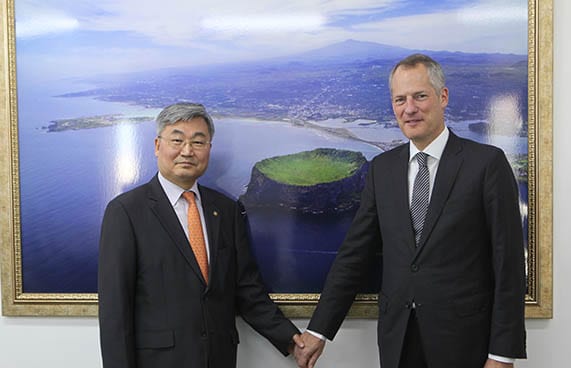
    This new partnership has been forged after many months of discussions between the two parties, with DFS agreeing to use its global network and marketing reach to encourage tourism to Jeju. In return, it has also reached agreement to supply international luxury merchandise to JTO’s new duty free store, which is due to open in Jungmun in Southern Jeju later this year.

    Kab-Yeol Choi, President of JTO with Philippe Schaus, DFS

    Kab-Yeol Choi, President of JTO and Philippe Schaus, DFS CEO.

    [DFS says The Jeju Duty Free will open in its second phase by May 2016, with all brands and product offerings in place by the fourth quarter-Ed].

    According to DFS: “The store, called The Jeju Duty Free, will be located in one of the largest 5-star beachfront and gaming resorts in Jungmun and will carry global brands, as well as local offerings. There is scope for the partnership to extend to other channels in future.”

    It adds that its ‘long history’ of working with partners in Okinawa, Bali and Hainan ’is well-suited for this shared vision’.

    Kab-Yeol Choi and Philippe Schaus sign the agreement

    Kab-Yeol Choi and Philippe Schaus sign the agreement.

    Adding his comments, Hee-ryong Won, the Governor of Jeju said: “As a provincial government entity of Jeju Special Self-Governing Province, we must elevate Jeju’s value as a tourism destination by bringing high-quality duty free shopping services. We look forward to positively contributing to the development of Korea’s duty free industry.”

    Kab-Yeol Choi, President of JTO added: “We highly respect DFS’ dedication to JTO’s vision in developing Jeju as a preferred destination for tourism. The strategic partnership between JTO and DFS will allow Jungmun to offer the best duty free shopping experience and be of great assistance in attracting more international tourists to Jeju.”

    1 DFS and Jeju


    Last, but not least, Philippe Schaus, Chairman and CEO of DFS said the retailer greatly admires JTO’s creativity and foresight in developing Jungmun and the surrounding area as an international tourist destination.

    He added that the company is pleased to be able to contribute to these efforts by providing travellers with a tailored selection of high quality, luxury products.

    As announced by Korean Customs earlier this year Jeju outlets and all other specialist shops (including diplomatic) generated $481.1m in 2015.

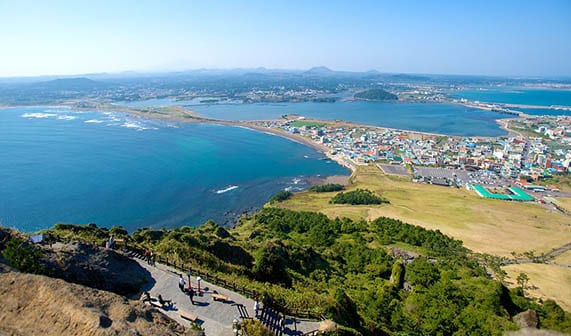
    Seongsan-Ilchulbong-Peak

    Seongsan Ilchulbong, or Sunrise Peak on Jeju Island – sometimes referred to as ‘the Hawaii of South Korea’.

    GOOD POTENTIAL FOR CHINESE VISITORS

    As DFS notes, Jeju Island is a self-governed province and Korea’s largest island, located south-west of the Korean Peninsula. A leading tourism destination in North Asia, it has been referred to as ‘the Hawaii of South Korea’, renowned for its dramatic natural beauty and boasting three UNESCO World Heritage Sites, as well as offering a wide range of leisure and cultural pursuits.

    Jungmun, in the south of the island, attracts visitors with its beaches, golf courses, high-end resorts and casinos, and an international convention centre.

    Jeju Island is forecast to attract four million visitors in 2016 and has recorded an average 44% growth in foreign travellers per year since 2010.

    DFS says that to further support the growth of international tourism, the Jeju Provincial Government, through the efforts of JTO, has begun a programme of strategic development in Jungmun to further attract ‘discerning overseas travellers’ seeking a combination of adventure and excitement but who also value luxury and convenience.

    DFS added: “In addition to several new large-scale integrated resorts and casinos, a cruise port is planned for completion in 2017 with an estimated handling capacity of one million passengers annually, enabling large cruise liners to dock near Jungmun and alleviating the limited capacity at the current port in Jeju City.”

  • China Takes Over Australia’s Domination of Bali’s Tourist Arrivals

    China Takes Over Australia’s Domination of Bali’s Tourist Arrivals

    Chinas tourists have taken over the domination of Australian tourists who so far top the list of foreign tourist arrivals in the Indonesian tourist resort Island of Bali.

    “I have predicted that the number of Chinese tourists visiting Bali will increase after the government provides them with a visa-free facility and the opening of smooth direct flights to China,” Tourism observer Dewa Nyoman said here on Sunday.

    This condition has been observed since in the past several months. Moreover, the economic conditions in Australia are not conducive of late, he said.

    In the meantime, he said, the Chinese economy is relatively encouraging now.

    Indonesian flag carrier Garuda has also expended its flight routes linking Denpasar with Shanghai after it has previously opened a flight route that connected Denpasar with Beijing and Guangzhu in 2015.

    It seems that Garuda Indonesia is focusing on its flight expansion in China as the countrys foreign tourists which conduct overseas trips are large reaching some 100 million.

    He said that based on the records of Balis Tourism Service, the number of Chinese tourists arriving in Bali increased by 30 percent in the first months of 2016, topping the foreign tourist arrivals list.

    In the January-February period, a total of 189,594 Chinese tourists arrived in Bali, up from 145,747 in the same period in 2015.

    In January – February 2015, the number of Chinese visitors in Indonesia was still recorded in the second position.

    The Australian tourists holidaying on the island of Bali in the January – February period this year declined by 0.96 percent to 154,892 people. In the same period in 2015, the number of Australian visitors were recorded at 156,395.

    Japanese tourists occupied the third place with 39,371 visitors recorded last January and February, down 2.89 percent from 40,544 in the same period last year.

    Duwa Putra expressed convince that this year the number of Chinese tourists will continue to increase, replacing the domination the Australian tourists. After all, the volume of flights from Australia is increasingly limited.

    Besides, Garuda also services passengers with its routes covering Beijing, Guangzhou and Shanghai via Denpasar and Jakarta.

    The numerous flights facilitate the desires of young Chinese who want to spend their honeymoon in Bali, he said.