Tag: tourism

  • Opportunity Grows in Indonesia as Tourism Sector Blooms

    Opportunity Grows in Indonesia as Tourism Sector Blooms

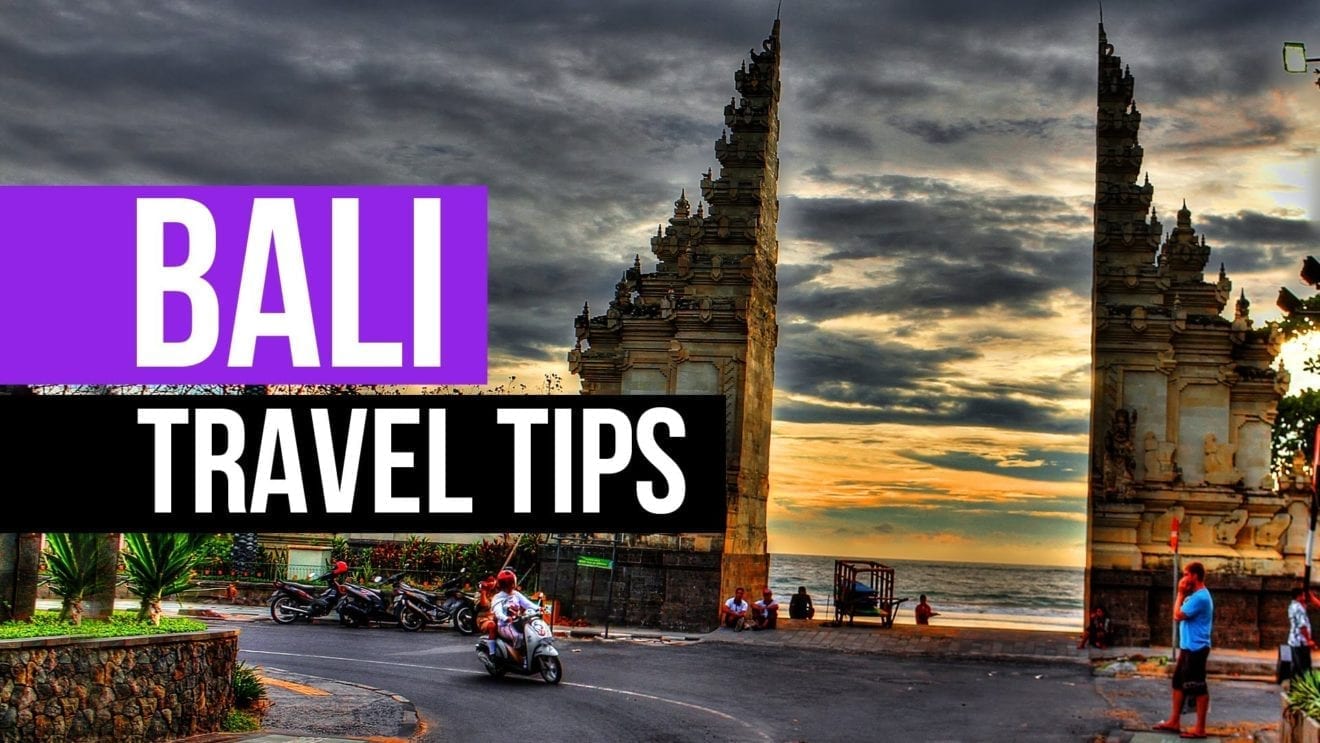
    The government’s ‘Wonderful Indonesia’ campaign (which began in 2011) has transformed Indonesian tourism into a vibrant, lucrative, and rapidly growing industry. Alongside national ‘gems’ like the ancient Borobudur Temple, the divers’ haven of Raja Ampat, and the Komodo National Park, a host of new destinations are becoming established – among them Bintan, Maluku, and Lombok.

    Tourism is responsible for creating close to 10 million jobs, and last year the government allocated a further Rp.1.3 trillion (US$98.4 million) to promote tourism. That year it contributed 9.6% of total GDP – behind Indonesia’s top earners of oil, gas, coal, and palm oil.

    Minister of Tourism Arief Yahya announced that in 2019, tourism would be Indonesia’s biggest foreign exchange earner. By that time, he wants tourism’s contribution to national GDP to have doubled, bringing in US$24 billion annually.

    The objective to reach 20 million tourists by 2019 is equally ambitious. This year’s target is 12 million; the total last year was 9.73 million. To support these targets, the Asian Development Bank agreed to lend Indonesia US$10 billion over the next five years.

    Business tourism lags behind leisure tourism: in 2014, total business tourists (3.16 million) were half that of leisure tourists (6.27 million). Events like the 39th PATA (Pacific Asia Travel Association) Travel Mart, recently hosted in Greater Jakarta, reflect the potential for business tourism. That event attracted 1358 delegates from 63 countries, and the tourism ministry must work with businesses to bring more events like this to Indonesia in the future.

    Business tourism could facilitate the expansion of the hospitality industries, particularly high-class hotels and restaurants (and other venues suitable for conferences and exhibitions). The government recently altered its ‘Negative Investment List’ such that foreign investors have greater access to (and ownership of) strategic businesses – including in the tourism and hospitality industries. Substantial cash injections should boost economic growth, creating more jobs and facilitating more creative enterprise, to ensure Indonesia remains globally competitive.

    Travel outside of Bali remains challenging, and the infrastructure is in need of a significant revamp. The government has responded to this increased demand by announcing plans to expand current airports as well as construct new ones. This is an essential strategy: after the upgrade of Labuan Bajo airport, Komodo Island, home of the endangered Komodo dragon, is able to accommodate 1.5 million tourists annually (before, the number was 150,000).

    Potential hotspots: Bintan and Maluku

    Bintan, the largest island in the Riau Archipelago, is known for its natural beauty, boasting long stretches of pristine, white-sand coastline. It is near Singapore and the Malaysian state of Johor, and is primarily marketed at people living in, or visiting, Singapore. Bintan thus profits from the international traffic running through Singapore’s world-class Changi airport.

    Julia Suryakusuma notes that development of Bintan has been slow, and a substantial cash injection is needed to transform Bintan to the level at which it is able to compete with Bali. So as not to appear hollow, sterile and just ‘another’ island resort, she recommends that Bintan markets itself as an ecotourism destination, based around the indigenous community of Orang Laut, in Tanjung Berakit (to the northeast of the island). After all, the incorporation of local culture is what lies behind Bali’s success. Ecotourism is a growing sector in the tourist industry with huge business potential, although difficulty is sometimes faced in getting the locals to participate. It is increasingly popular with American tourists, an important market which has long eluded Indonesia.

    The far-flung region of Maluku, albeit a popular diving destination, is being promoted in a broader capacity as a key tourism site for eastern Indonesia. With this it has the potential to open up the regional economy, for the more remote islands of eastern Indonesia are relatively undeveloped in comparison to the western regions. Within Maluku, the Buru regency has been spotlighted as one of Indonesia’s ‘tourist icons’. Here, the Ministry of Tourism recently launched the Bupolo tour festival, where various cultural events were showcased, in a bid to attract more tourism.

    Lombok and Halal tourism

    Lombok, in West Nusa Tenggara, is also in the midst of a significant transformation. Mandalika Resort in Lombok is a vast complex being developed by the Indonesia Tourism Development Corporation (ITDC), the state-owned company responsible for the Nusa Dua complex in Bali.

    The government has allocated Rp.1.8 trillion (US$138.57 million) to develop Mandalika. Mandalika is now a special economic zone (SEZ), which means investors will be granted tax and fiscal incentives, as well as other business-related benefits; a factor which will undoubtedly encourage the proliferation of hotels, restaurants and bars over the next few years, as well as better and stronger infrastructure. According to the ITDC, it will be ready by 2018.

    However, Lombok is becoming known for a different reason. At the 2015 World Halal Travel Summit and Exhibition in Abu Dhabi, Lombok was recognised as the World’s Best Halal Tourism Destination and Halal Honeymoon Destination.

    Halal tourism is a growing sector, given the increasing number of Muslim tourists, and as the world’s most populous Muslim country Indonesia is strongly positioned to exploit that industry. The government has officially listed West Nusa Tenggara, West Sumatra and Aceh as Halal tourism destinations.

    The government announced it would be targeting more Arab tourists, particularly from Saudi Arabia. Saudi Arabia is the largest tourism contributor to Indonesia from the Middle East, with 147,074 visits in 2014. It was recently added to the list of countries for which visa entry is no longer required. The government also signed agreements with key Gulf airlines, including Qatar Airways and Emirates Airlines, to increase the frequency of direct flights to the archipelago.

    Given Indonesia’s determined promotion of tourism, economic opportunity is rife and investors should be aware.

  • Connecting with the traveling Chinese shopper

    Connecting with the traveling Chinese shopper

    By the end of this year, China’s digital travel sales will amount to more than $95 billion, according to eMarketer. That’senough to rival the revenue of Fortune 500 giant Microsoft. By 2020 this figure will have doubled to around $200 billion.

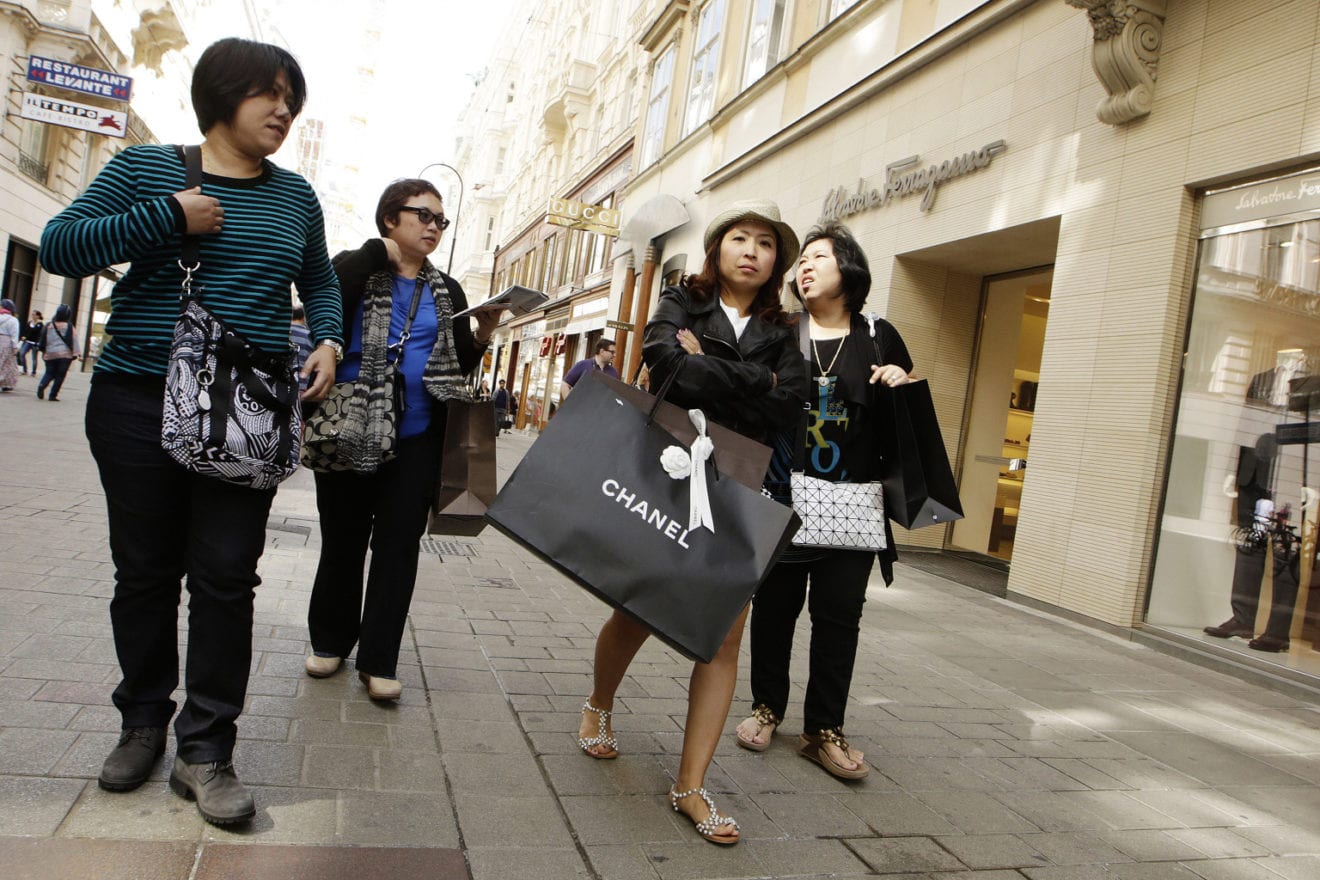
    Retailers and tourism operations globally have been rolling out the red carpet for Chinese shoppers over the past few years. The Australian government introduced a “China 2020” plan in the hopes of bringing $7 billion revenue from Chinese tourist spending.

    In Southeast Asia, the top source of tourism receipts in Singapore and Thailand come from China, as the region remains a top destination due to the historically low prices and geographical proximity.

    With this expected growth, the days of broad-based marketing are over. Competition for the savvy Chinese shopper is more fierce than ever — without personalized and insightful advertising, the shopper would be overwhelmed with companies vying for their attention. Brands that can deliver the best mobile user experience at the heart of their  campaign strategy will be the most trusted among these consumers.

    Mobile-first means user-first Mobile is the most effective channel to reach Chinese shoppers abroad. The IAB reports that 47 percent of Chinese shoppers made purchases with a mobile wallet this year.

    That’s the highest in the world, second only to Norway (42 percent) and the UK (24 percent). The same report reveals APAC has the highest usage of mobile wallet for purchasing products and services of any region in the world.

    To better understand the Chinese consumer, advertisers can analyze their daily habits on their mobile devices. An audience cluster employing real-time and historical data can pinpoint the most receptive users and find the best time to engage them.

    There are many platforms that are more popular in China than other regions—such as WeChat and Weibo — and analyzing this historical data can help isolate the behavior on these devices. Combining real-time data such as device language, network carrier, and operating systems will give a more holistic view of the shopper.

    For example, to profile a Chinese luxury consumer traveling in Singapore, advertisers can identify and group together key indicators, such as the latest iPhone 7 model, connecting through a Chinese mobile carrier and using traditional Chinese language settings.

    Add the potential to pair that with historical location behavioral data identifying them as frequently visiting Singapore, and you can start to build out powerful audience segments. Audience segmentation is becoming increasingly sophisticated and can help advertisers push their branded messages even before the intended customer has departed from China.

    Personalized mobile marketing also allows brands to deliver tailored and timely messages to serve the consumer on their shopping journey. Let’s say, for example, an ideal time to send out an advertisement is in the morning before a shopper heads out of their hotel.

    A helpful campaign indicating the nearest store location and opening hours, combined with a daily coupon, has a higher chance of converting than a non-targeted advertisement.

    With the wealth of mobile data available, advertisers can go one step further and deliver creative campaigns based on device operating system. Most of the time, iPhone ads will lead to a landing page in Safari, and an Android system will take the user into Google Chrome. The ability to tailor each creative format for different user devices can help retailers win over the highly-desired Chinese tourist dollar.

    Brands that want to wow Chinese tourists need to have full visibility of their intended consumers and engage with precise timing to truly encourage purchasing decisions. Given the availability of today’s data, brands that fail to customize their creative message and user experience will only stand to lose out.

  • Healthy spread sought in tourism investment

    Healthy spread sought in tourism investment

    The government will likely need to review its strategy in promoting its priority tourist destinations, as data shows that recent tourism investment mainly headed to just two popular regions.

    During the first six months of this year, the country has seen investment worth US$858.7 million coming into the tourist sector. The tourism Ministry’s deputy for destination and tourism industry development Dadang Rizki Ratman, however, said most of the investment only went to Jakarta and Bali, the country’s two main international gateways.

    “This is our challenge — to encourage investors to invest outside those two places,” he said recently.

    Dadang highlighted the importance of infrastructure development and upgrades in many other tourist destinations as it would become a key factor to attract investors to put their money to the industry.

    The government is targeting the arrival of 20 million foreign tourists in 2019. This year, 12 million foreign tourist arrivals has been targeted, with almost half achieved in the first semester.

    To level out the popularity of other places with that of Bali, the country’s most popular resort island, the government has selected 10 destinations to develop to 2019.

    They include Lake Toba in North Sumatra, Mount Bromo in East Java, Mandalika resort area in West Nusa Tenggara, Labuan Bajo in East Nusa Tenggara, Wakatobi in Southeast Sulawesi, Cape Kelayang in Bangka Belitung, Cape Lesung in Banten and Morotai in Maluku.

    Dadang said infrastructure, such as roads, airports and power plants were in the works to support tourism activities and attract more investors. The Kualanamu-Tebing Tinggi toll road, for example, was in progress and scheduled for completion next year. The road would give more access to Lake Toba, the world’s largest volcanic lake.

    Besides accessibility, intensive promotion was also necessary, said Babar Suharso, the head of regional Investment Coordinating Board (BKPMD) of Banten province.

    “People can access Cape Lesung wthin only three hours but we still haven’t got any investors so we’ve asked Kadin [Indonesia Chamber of Commerce and Industry] to introduce us to their network,” he said.

    BKPMD Banten said a number of South Korean investors had expressed their interests to invest in the location, but none have further approached the regional administration. Investors from Kuwait will visit the cape in November for a potential deal, Babar said.

    Meanwhile, Indonesian Tour and Travel Agencies Association (Asita) chairman Asnawi Bahar emphasized accessibility as an important point to attract more investors.

    “It is understandable that investment is still concentrated in Bali and Jakarta because the two have international airports with many international routes. One thing for sure to attract more investors is accessibility,” Asnawi told The Jakarta Post over the phone.

    Recently, the government announced a $300 million loan from the World Bank to expedite infrastructure development in and around Borobudur Temple, Mandalika and Lake Toba.

    Nevertheless, the natural beauty of sites in Indonesia has inevitably swayed a group of businesspeople in Perth, Australia to invest in Manado, North Sulawesi, whose Bunaken island is famous for its diving spots.

    “[The investment plan in] Manado is a very large ambition. It is a big tourism area so this group of companies running different businesses plan to turn it into a new destination,” said Debnath Guharoy, president of Australian Indonesian Business Council (AIBC) said via phone.

    The group will present its detailed plan to North Sulawesi administration in the next few weeks. They are planning to build hotels, power plants and a waste management system, as well as a conservation area for Bunaken underwater park.

    Indonesia boasts 17,000 islands blessed with beautiful coastline and inland potential, plus a big market of more than 259 million people. To propel its tourism industry, the country has also offered free visas to 169 countries and simplified yacht and cruise arrival rules.

  • Number of Indian tourists to Bali rises by 61.57%

    Number of Indian tourists to Bali rises by 61.57%

    The number of Indian tourists visiting Bali has increased by 61.57 percent — the highest rise among all countries — compared to the same period last year, from 72,969 to 117,897 people.

    “India ranks fifth among the top 10 countries visiting the island, after Australia, China, Japan and the UK,” Adi Nugroho, head of Balis Central Statistics Agency (BPS), said on Wednesday.

    Indian tourists constitute 3.69 percent of the total foreign tourists visiting Bali. About 3.19 million tourists have visited the destination in the first eight months of 2016. This figure is by 22.76 percent higher than the number of visitors seen during the same period last year, which was 2.6 million.

    India tops the list of countries that have seen the highest rise in the number of visitors to Bali, followed by the UK (42.56 percent) and China (35.06 percent), Nugroho said. The number of German tourists has risen by 35.05 percent, French by 31.48 percent, Australian by 18.51 percent and Japanese by 7.98 percent.

    Bali tourism practitioner Made Sudana said Bali is seeing an increasing number of Indian tourists because of the similarity between both places in terms of art, culture and Hinduism. Improved cooperation between India and Indonesia has also had a positive effect. Bali has actively pursued this as it expects more and more Indian tourists to visit the island.

    Earlier, Indonesian Ambassador to India, Rizali W Indrakesuma, said the Indonesian government is seeking direct flights to India and vice-versa. Direct flights are important as they will help increase the number of Indian tourists as well as facilitate business and investment opportunities between both countries.

  • Accessible Tourism – Huge Potential for More Growth

    Accessible Tourism – Huge Potential for More Growth

    Accessible travel is perhaps the travel industry’s greatest untapped opportunity. There are millions of people worldwide looking for accessible travel options. The demand will continue to grow due to demographic aging.

    MyTravelResearch.com has released a new and free insight report on accessible travel, which is also known as inclusive travel, disability travel, barrier-free travel, and access travel. In short, accessible tourism means everyone can enjoy travelling.

    The market is big, says the report. Around one in five people have a disability. Around 88% of people with a disability take a holiday each year. In the USA the Open Doors Organization estimates that US$17.3 billion is spent by adults with disabilities on travel each year. In Australia, around eight billion dollars a year is spent by travellers with disabilities. Around 12% of the European market is dedicated to people with disabilities.

    Perception Issues

    Our perceptions of accessible travel may be outdated. Bill Forrester in his Travelabilty blog writes: “Accessible tourism is no longer about building ramps and accessible bathrooms. It’s about building products and services for a larger and rapidly growing market. This is no longer a niche, but rather, a segment that is approaching 25% of total tourism spend.”

    Indeed, people traveling with a disability are more likely to take longer trips. And if you provide a great product or a service, accessible tourists will be extremely loyal and sing your praises on review sites and through word of mouth.

    While some travellers may have disabilities, their passion for travel is undiminished. Many focus groups have been conducted with traveling seniors. “The one thing in common with them all is that they don’t want to stop travelling,” says Bronwyn White co-founder of MyTravelResearch.com and author of the report. “They recognize, however, that the way that they travel may need to incrementally change as they age.”

    Around one in five tourists have a disability. The majority of those disabilities are not visible. Some people may not identify has having a disability. For example, a person may find it harder to see or hear, but may not tell you. A disability may be temporary, for example, someone on crutches.

    Impairment Varies

    Types of impairment vary. For example in the UK long term illness accounts for 50% of disability travellers; 26% are deaf or have partial hearing loss; 23% have mobility impairment; 7% are blind or partially sighted; 6% are mobility impaired; 5% have learning difficulties.

    Seniors often have disabilities, but they retain a sense of travel adventure, with attitudes often younger than their age. “You realize you can’t do things as confidently as you used to, but you don’t want to stop travelling. There are trade-offs, but a coach tour trade off isn’t so bad,” said one MyTravelResearch.com focus group respondent aged over 65.

    Many tourists have intellectual disabilities. It may take longer to learn things. They may have difficulty reading and writing. They may struggle to adapt to new or unfamiliar surroundings. They almost always travel with a companion.

    People with disabilities are generally tech savvy with over 58% using mobile devices to support their travel needs.

    Cruising

    Cruising is becoming more popular for people with disabilities. In the past five years, 10% of adults with disabilities in the US have taken a cruise, amounting to almost four million travellers taking seven million trips, generating US$11 billion in spending on fares and US$1.5 billion on excursions.

    Cruise line, Holland America has the award winning Access to Excellence as part of its cruise program. Most cruise lines now have accessible programs in place.

    Practical Tips

    Visit Britain says there are three aspects that all businesses need to address to provide access for all:

    • Information and Marketing – providing detailed information on the accessibility of your facilities and services, making this information easy to find.
    • Customer Service and Training – being disability aware with the right attitude and confidence to serve all customers
    • Physical Facilities – making reasonable adjustments to buildings and facilities so that they are ways for everyone to enter and move around.

    For tourism destinations and services seeking to improve their service to disability travellers, the MyTravelResearch.com Accessible Tourism Report is full of practical tips and links to extra resources. To download the report for free visit https://mytravelresearch.leadpages.co/accessibletourism/

  • Visitor downturn continues to hit Hong Kong retail sales

    Visitor downturn continues to hit Hong Kong retail sales

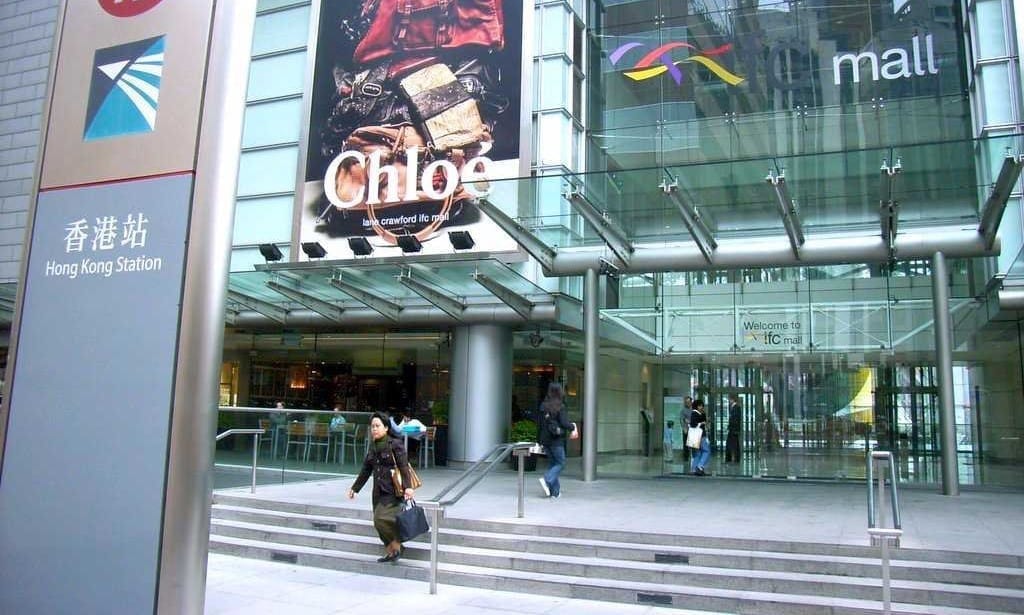
    Hong Kong retail sales fell again in August – largely due to declining visitor numbers.

    The Census and Statistics Department (C&SD) says the value of retail sales in August, provisionally estimated at $33.9 billion, decreased by 10.5 per cent compared with August 2015. That’s sharper than the 7.7 per cent revised decline in July, and slightly above the year-to-date figure of 10.2 per cent.

    A government spokesman said the weak performance reflected the drag from the decline in visitor arrivals in August as well as the cautious consumer sentiment amid an uncertain economic outlook.

    Meanwhile, the HKRMA said most member retailers are “not optimistic” about sales recovering in September and October this year, but forecasting a lower percentage drop in the single digits.

    According to the C&SD, after netting out the effect of price changes year-on-year, sales in August decreased by 12.7 per cent.

    As usual, jewellery, watches and clocks accounted for the majority of the decline, that category down 26.6 per cent for the month. Department store sales fell by 10.7 per cent and electrical goods and photographic equipment (which account for a lower share of total retail sales) by 27.9 per cent. Apparel sales were down 3.4 per cent.

    Sales of food for consumption at home, alcohol and tobacco rose by 8.8 per cent. The HKRMA said this figure was buoyed by baked goods as people stocked up for the Mid-Autumn Festival.

    The government spokesperson said the near-term outlook for retail sales will still hinge on the performance of inbound tourism “and the extent to which local consumer sentiment will be affected by various external headwinds”.

  • Korea Sale Festa’ kicks off with huge discounts from retailers

    Korea Sale Festa’ kicks off with huge discounts from retailers

    South Korea kicked off a nationwide shopping event on Thursday with a variety of promotions, cultural and entertainment events to draw more shoppers at home and abroad and revive the sluggish domestic consumption.

    The massive shopping campaign called “Korea Sale Festa” runs until Oct. 9, involving major retailers, manufacturers and traditional markets, while cultural and entertainment programs for foreign travelers will be held throughout October.

    The shopping festival is jointly hosted by the Ministry of Trade, Industry and Energy and the Ministry of Culture, Sports and Tourism to tie up the retail industry with tourism and cultural sectors to unleash pent-up demands in time with the major Chinese holiday season.

    A total of 249 retailers, manufacturers and online malls provide discounts and promotions at 59,000 stores across the nation, offering much wider options compared with last year’s fall shopping season when “Korea Black Friday” and “Korea Grand Sale” were held between September and October.

    This shopping season isn’t just limited to malls and online retailers. Consumers looking for a new vehicle, phone or television will find some attractive bargains at car dealerships and electronics stores as major companies join the shopping season. Among the big names are Samsung Electronics, LG Electronics, Hyundai Motor, AmorePacific and LG Household & Healthcare.

    samsung
    A sales manager at Samsung’s electronics store in Seoul explains discount deals on a refrigerator on Sept. 28, 2016, in this photo provided by the company.

    Three car makers — Hyundai Motor, SsangYong Motor and Renault Samsung Motors — offer up to a 10 percent discount on cars during the period, while Samsung Electronics and LG Electronics give half priced deals on best-selling home appliance items. Consumers can get up to a 670,000 won discount (US$612) on Samsung’s Galaxy S6 Edge Plus smartphone.

    Department stores give deep discounts on luxury goods, fashion items and cosmetics, knocking down price tags by up to 80 percent.

    Among the top price for a giveaway event is a 700 million won apartment offered by Lotte Department Store, the retail unit of Lotte Group.

    Online malls and social commerce sites, including Coupang and Ticket Monster, are also offering cyber deals during the period, with the government supporting part of their delivery fees to boost sales.

    About 400 traditional markets nationwide will hold various events and unique festivals in October to catch the eyes of visitors and spur the local economy.

    The event held ahead of the year-end holiday season is raising expectations among local retailers as it overlaps with a Chinese national holiday that runs from Oct. 1-7. It’s when deep-pocketed Chinese travelers hop on planes to go on a holiday shopping spree.

    According to industry officials, about 250,000 Chinese tourists are expected to visit South Korea during the weeklong autumn holiday.

    korea-sale-fiesta

    With so much money up for grabs, local retailers have prepared a bunch of promotional events and giveaways targeting Chinese patrons.

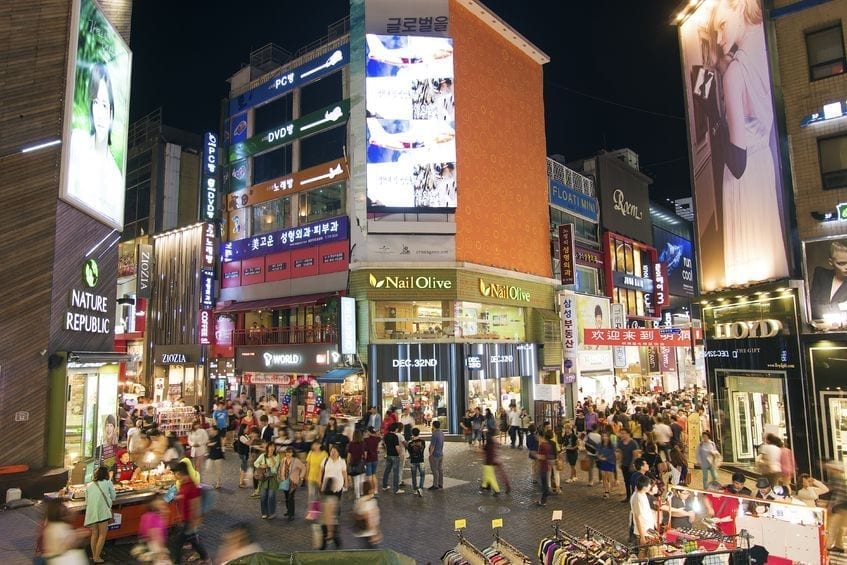
    Myeongdong, the busiest shopping street in downtown Seoul, has transformed to embrace Chinese travelers, supplementing Chinese-speaking shop assistants and putting up Mandarin signs for the latest beauty products.

    Duty free stores, which heavily rely on Chinese travelers, also offer promotional and entertainment events, teaming up with credit card companies.

    Shinsegae Duty Free holds “K-beauty and fashion week” during the Chinese holiday at its Myeongdong branch to attract those who are interested in beauty know-how and encourage purchase of Korean beauty products.

    Market watchers say the influx of Chinese tourists will give much-needed momentum to revitalize the tepid domestic consumption, which will in turn drive up shares related to consumption and leisure.

    “While last year’s sales event was mostly about offering discount deals, Korea Sale Festa is more systematic with wider discounts and cultural events for foreign travelers,” Nam Ok-jin, a researcher at Samsung Securities, said. “Special offers given during (China’s) National Day is expected to maximize the effect.”

  • Indonesia receives awards at South Africa Tourism Fair

    Indonesia receives awards at South Africa Tourism Fair

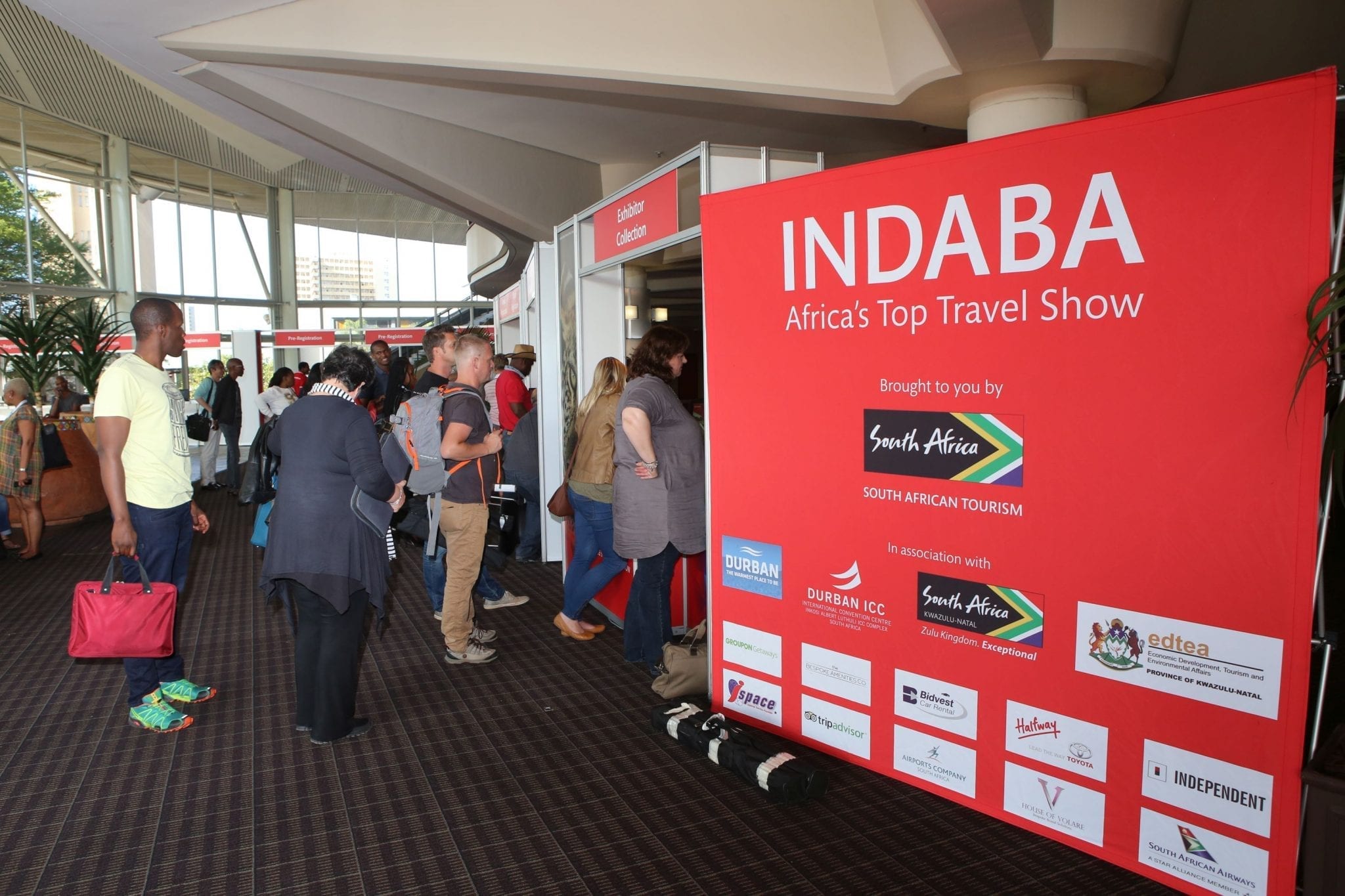
    Indonesia won two prestigious awards at the largest tourism market and exhibition, entitled “the Gateway Show”, in Johannesburg South Africa, which ran from September 23-25, 2016.

    Deputy Assistant of European, Middle East, America and Africa Market Development at the Ministry of Tourism, Nia Niscaya, said, here on Friday, that the two awards included the Best International Destination, building a booth modelled after a Phinisi traditional ship.

    The other award received by Indonesia was The Highest Award; the Spirit of Gateway 2016.

    “This award is expected to open the eyes of the international public, especially in Africa, about Indonesias tourism potentials,” Nia said.

    Also, Gateway Show organizers praised the Indonesian promotions team for its work at the exhibition, in which they presented a variety of attractions and delicious culinary treats.

    At the Gateway Show, the Wonderful Indonesia booth showcased Indonesia’s unique foods and coffee, offering samples to visitors.

    The sellers who participated in the Wonderful Indonesia Team were Nusa Dua Beach Hotel Bali, Holiday Inn Bandung, Maya Resort Bali, Bhara Tours Bandung, Singapore Airlines and a local travel agency, Afronesia Tours dan the Facets.

    The Gateway Show is an international tourism market and fair, participated in by industries, media, and visited by South Africans.

  • Arrivals of European tourists in Bali up 59.4%

    Arrivals of European tourists in Bali up 59.4%

    The number of European tourists arriving in Bali in this summer season increased 59.4 percent from 76,822 in June to 122,455 in July 2016.

    “The increase of European tourist arrivals is the fruit of the efforts made by the government and tourism industries in promoting Indonesia, especially Bali, in Europe and Asia,” tourism observer Dewa Nyoman Putra said here on Tuesday.

    Besides the impact of the intensive promotions and expanded security, the increase in European tourist arrivals is also triggered by the visa-free facility the Indonesian government provides for a number of countries.

    The tourism service of Bali recorded the average European tourist arrivals in Bali at some 76,000 per month.

    However, it rose to 122,455 in July, so that in the January-July 2016 period, the number of foreign tourist arrivals from Europe reached 583,463.

    Thus, European tourist arrivals in Bali account for 21.17 percent of the total foreign tourists arriving in Bali in the same period, in which 2.7 million foreign tourists visited Bali.

  • Aceh wins three prizes in halal tourism category

    Aceh wins three prizes in halal tourism category

    Aceh Province has won three prizes in the National Halal Tourism Competition (KPHN) 2016, an official said.

    The three awards were in the categories of Muslim Friendly Airport–given to Sultan Iskandar Muda International Airport in Banda Aceh, as well as best Muslim friendly cultural destination, and best tourist attraction for Baiturrahman Grand Mosque, said Reza Fahlevi, head of the Aceh cultural and tourism office, on Thursday.

    He expressed his gratitude to the people of Aceh for helping develop halal tourism in the province, and to the Central Government for supporting Aceh in its participating in the World Halal Travel Awards 2016 in Abu Dhabi, the United Arab Emirates.

    “Alhamdulillah (Thank God), Aceh won prizes for three categories in competition with 117 nominees in 15 categories,” he remarked.

    The results of the competition were announced in Jakarta on Wednesday.

    The Aceh provincial administration seeks to improve its tourism industry to meet its 3As – Amenity, Accessibility, and Attraction– in order to transform the province into a world-class tourism destination.

  • Visit ASEAN@50 Tourism Branding Unveiled

    Visit ASEAN@50 Tourism Branding Unveiled

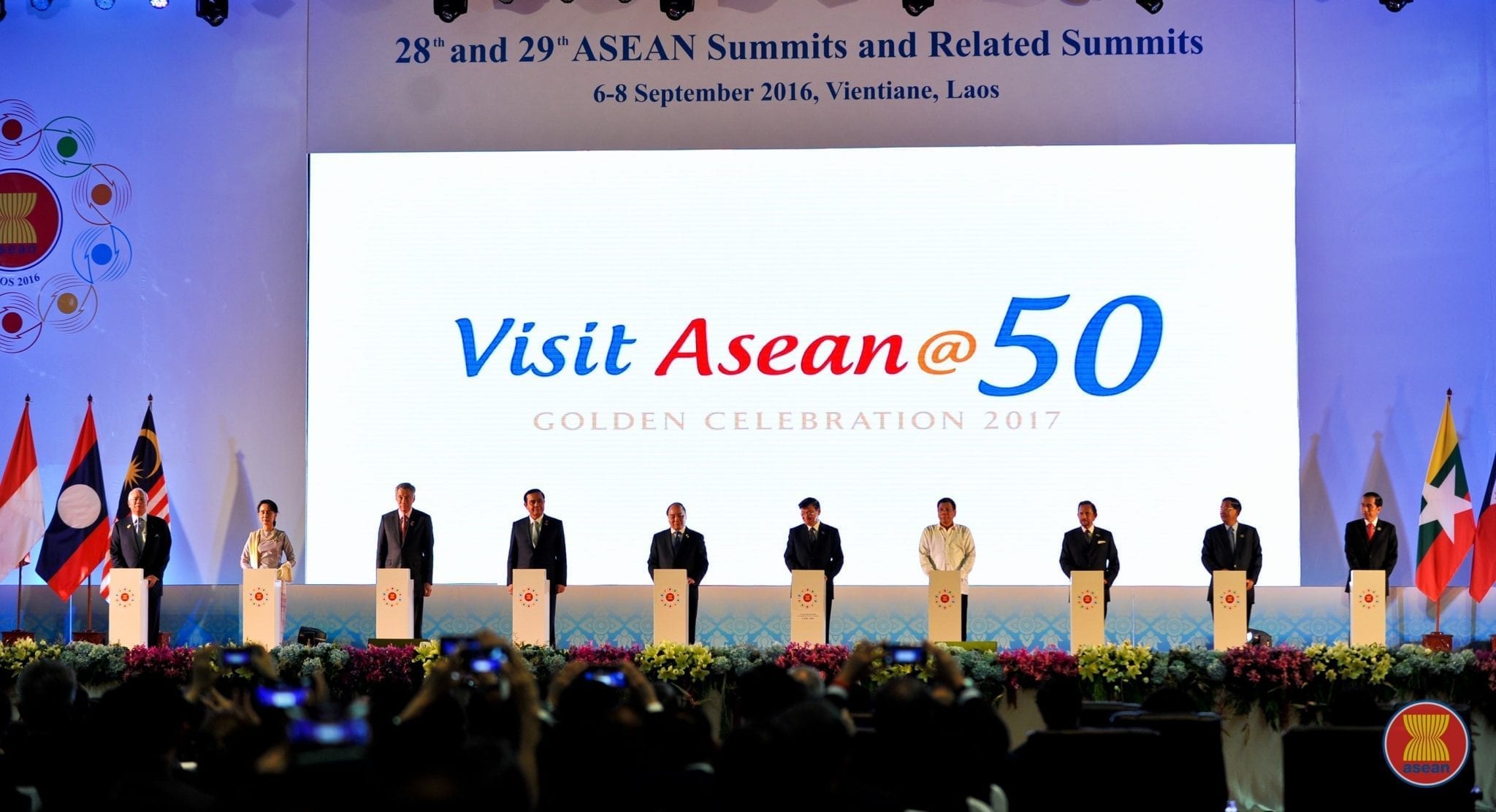
    The Association of Southeast Asian Nations (ASEAN) today revealed the branding for its “Visit ASEAN@50 Golden Celebration 2017” tourism campaign.

    The branding was unveiled by the 10 ASEAN heads of state at the ASEAN Summit in Vientiane, Laos today.

    The new campaign will promote the twin objectives of commemorating the 50th anniversary of ASEAN in 2017, and embracing the ASEAN region of Southeast Asia as a single and united, yet diverse, tourism destination.

    Further objectives of the Visit ASEAN@50 campaign include raising international visitor arrivals to Southeast Asia from 108.9 million in 2015 to 121 million by the end of 2017 and increasing tourism receipts from USD75 billion in 2014 to USD83 billion, also by the end of next year.

    Multiple activities and promotions will be announced to drive the campaign. Visit ASEAN@50 partners will be revealed at the ITB Asia travel industry show in Singapore in October. Special travel experiences and offers will be announced at the World Travel Market in London in November. 

    “ASEAN’s Golden Jubilee serves as a great opportunity for our 10 member states to celebrate Southeast Asia’s strength through diversity as the world’s fastest growing tourism destination,” said Mr Thongloun Sisoulith, Prime Minister of Lao PDR and Chairman of the ASEAN Summit. “Visit ASEAN@50 will contribute towards our vision of creating a cohesive ASEAN economy,” he said.

    Key target markets for ASEAN’s 50th anniversary tourism campaign in 2017 will be long-haul markets such as Europe, Middle East and North America, as well as intra-ASEAN, China, Japan, Korea, India and Australia.

    The ASEAN Tourism Competitiveness Committee, which is responsible for the tourism campaign implementation with partners, says planned ASEAN@50 marketing activities include: 

    • “VisitASEAN@50” official launch at the ASEAN Tourism Forum early January 2017 in Singapore
    • Media familiarisation trips showcasing ASEAN connectivity and multi-country travel routes
    • Special tour packages with offers, special airfares, shopping discounts for travel in 2017 (details to be revealed at WTM London, November 2016)
    • Campaign promotion in international travel trade shows in key source markets
    • Cooperative marketing programs with travel, media and airline partners (to be announced at ITB Asia, October 2016)
    • Print and online advertising, as well as TV, video and promotions
    • Social media campaigns to enhance consumer engagement
    • Promotional programs by ASEAN’s national tourism offices targeting trade, consumer and MICE markets throughout 2017

    The 2017 50th anniversary tourism campaign is part of the ASEAN Tourism Strategic Plan 2016-2025, which was adopted by the association’s tourism ministers in Manila in January 2016.

  • July Sees Record-high Tourist Arrivals to Indonesia

    July Sees Record-high Tourist Arrivals to Indonesia

    The Central Statistics Agency (BPS) recorded 1.03 million foreign tourist arrivals to Indonesia in July 2016. The number represents a 17.67-percent year-on-year increase from July 2015.

    Compared to June 2016, the increase is 20.42 percent.

    “This is a new record, with the number foreigners entering Indonesia reaching more than a million in one month,” BPS deputy for Statistic and Distribution Sasmito Hadi Wibowo said in Jakarta Thursday, September 1.

    The achievement, he said, is largely thanks to the Tourism Ministry’s intensive campaigns in many parts of the world and the many promotional events held in domestic travel destinations.

    Sasmito said the biggest number of tourists came from China, Saudi Arabia, and Australia.

  • Taiwan Eyes More than 200,000 Indonesian Tourists

    Taiwan Eyes More than 200,000 Indonesian Tourists

    Taiwan is eyeing as many as 200,000 tourists from Indonesia to visit Taiwan this year, or an increase from that in 2015, where at around 177,743 Indonesian tourists visiting Taiwan.

    Taiwan Tourism Bureau Director David Tsao said that to meet the target, it has held a tourism exhibition at Grand City Surabaya Mall & Convent on 26 to 30 August, 2016.

    “In 2015, tourists visiting Taiwan reached 10.439 million of them and 177,743 of them are Indonesian tourists,” he said in Surabaya.

    He added that one of the attractions of Taiwan’s tourism is its landscape that is different from the sights in Southeast Asian countries.

    “For example in the northern region of Taiwan precisely on the island of Li, the weather is cooler and you can find snowfall there,” he said.

  • Madiun develops tourism villages to attract tourists

    Madiun develops tourism villages to attract tourists

    Madiun district government in the Indonesian province of East Java is making efforts to develop a number of areas into tourism villages to attract local and foreign tourists, according to an official.

    “Of all 206 villages in Madiun district, 11 have been surveyed to be developed into tourism villages to attract both local and foreign tourists,” said the head of Department of Cooperatives, Industry, Trade and Tourism (Diskoperindagta), Sawung Rehtomo, here.

    He said the 11 villages are Brumbun, Kresek, Segulung, Dolopo, Durenan, Kare, Batok, Tawangrejo, Gunungsari, Pilangrejo, and Mruwak.

    According to him, the concept of the tourism village will highlight the potential that exists in each village for sale to tourists.

    In Brumbun village, for example, tourists will have the opportunity to cruise down the beautiful riven on the slopes of Mount Wilis, or to have the sensation of picking durian fruits in Kare village.

    Rehtomo explained that the development of tourist villages will be carried out as part of efforts to build the tourism industry in Madiun district, both nature and cultural tourism.

  • Direct India-Indonesia flights necessary to attract more Indian tourists

    Direct India-Indonesia flights necessary to attract more Indian tourists

    The Indonesian Tourism Ministry believes that direct flight from and to India could increase the number of Indian tourist arrivals in Indonesia.

    “The main challenge is direct flights as the existing ones are just transit flights from and to India,” Dody Prianto, assistant deputy director of the Tourism Ministry, noted here.

    Prianto was in Kolkata, India, for a roadshow to promote “Wonderful Indonesia,” the tourism brand of the country, at a hotel in the city, with the objective of attracting more tourists from India.

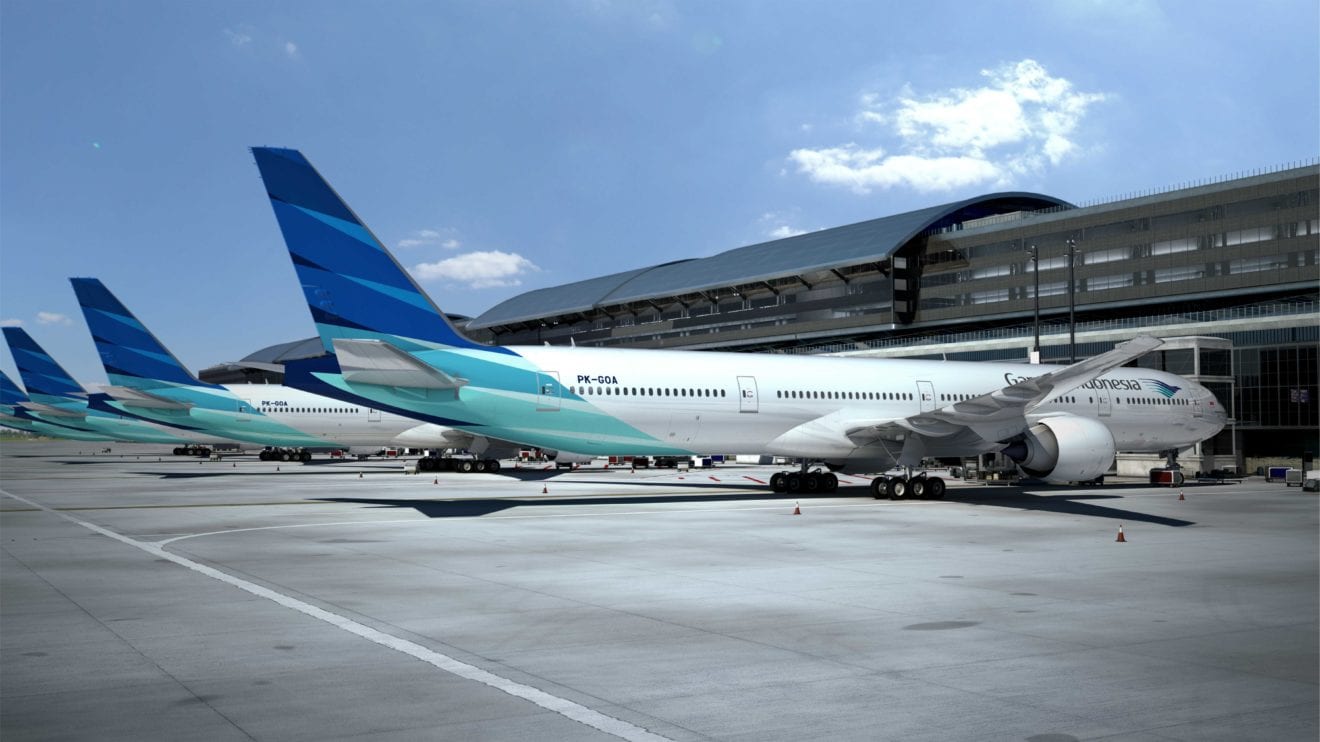
    He hoped airlines, such as Garuda Indonesia, would be interested in operating direct flights between India and Indonesia.

    To draw more Indian tourists to Indonesia, the ministry is intensifying tourism promotion to introduce other tourist destinations apart from Bali.

    He mentioned Sumatra as one of the interesting places for Indian tourists to visit as it is located near Singapore, and its culinary dishes bear similarities to those in Indonesia.

    The Tourism Ministry has set a target of attracting at least 350 thousand Indian tourists this year.

    “The target is quite high, but we are optimistic that it can be achieved,” Prianto stated.

    During the first semester of this year, a total of 185,911 Indian tourists had visited Indonesia, he said on the sidelines of a sales million event.