Retail News CRM

Tag: tourism

  • Thailand geared to increase foreign tourist spending

    Thailand geared to increase foreign tourist spending

    The other proposals are; instant VAT refund, exclusion of VAT from some items, reduction of import tariffs of some consumer product items, and the scheme to promote “Thailand Brands Sale”.

    The proposals are aimed at boosting foreign tourists’ spending in Thailand.

    Rawittha Pongnuchit, a tax-law expert and former deputy director-general of the Revenue Department as chairman of the duty-free association, said that all the proposals would boost the economy.

    “We are pleased that the government responded (to our proposals) and is ready to materialise the proposals within the specified timeframe,” he said.

    He added that pick-up counters at all international airports would facilitate foreign tourists’ shopping. This would lead to more jobs and higher income at airports.

    It is agreed that all the airports would have the counters within 60 days.

    The decision followed a meeting yesterday between Finance Minister Apisak Tantivorawong, Tourism Minister Kobkarn Wattanavrangkul, and representatives of the Thai Shopping Centre Association, Thai Retailers Association, and duty-free shop association.

    A working committee will be set up to study on the exclusion of VAT from some items. The Revenue Department is tasked to explore overseas experiences involving instant VAT refund.

  • Philippines to launch new tourism campaign next year

    Philippines to launch new tourism campaign next year

    Following the success of the “Visit the Philippines Year (VPY) 2015” campaign, the country’s Department of Tourism (DoT) will launch a similar initiative again next year. The “Visit the Philippines Again (VPA) 2016” drive is part of DoT’s intensive marketing efforts to establish the Philippines both as a tourist and business destination.

    “Visit the Philippines Again 2016 is going to be a massive retail-focused effort. We are negotiating with tour operators and travel agents to give incentives to returning visitors to the Philippines,” DoT secretary Ramon R. Jimenez, Jr. said.

    Aside from the special packages for visitors, the DoT, together with its Tourism Promotions Board (TPB), has partnered with the private sector and local government units in promising a bigger, greater, and more exciting line up of events and tourism product offerings that showcase the country’s competitive advantage as a destination.

    Among these major events are the Asean Tourism Forum 2016, Routes Asia 2016, Madrid Fusion Manila 2016, 2016 Ironman 70.3 Asia Pacific Championship, MTV Music Evolution 2016, and the Travel Blog EXchange (TBEX).

    “Our VPA campaign will again highlight the Philippines as a multi-level experience destination with our warm Filipino people, exciting activities, and endless new discoveries in our award-winning destinations that are worth a repeat visit. We are also putting together packages and rewards, so that when a tourist returns to the Philippines for a second or fifth time, he will get discounts in several establishments,” the tourism chief added.

    Of particular note for the Middle East is the “Kids Stay Free Campaign”, which has been designed exclusively for families (both nationals and expatriates), living in the GCC and offers exceptional value.

    The campaign packages provide two children per family under the age of 11 with an exciting array of activities, food, accommodations and other experiences all on a complimentary basis. Additionally the packages allow families to twin the Philippines capital Manila with another exotic destination such as Cebu, Palawan, Boracay, Bohol, Davao or Bicol, allowing for both an urban and idyllic getaway experience.

    GCC nationals require no visa to visit the Philippines. The country’s many popular shopping experiences, tranquil beaches and numerous family-friendly attractions have resulted in an increasing number of GCC residents choosing to make the Philippines their holiday destination of choice, a statement said.

    A total of 65,642 visitors from the GCC visited the Philippines between January and September 2015, resulting in a 12 per cent increase compared to 2014 figures for the same period, data showed. Saudi Arabia accounted for the highest number at 40,453 travellers, an increase of 17 per cent compared to the year before.

  • Hong Kong tourism industry better off as a vegetarian

    Hong Kong tourism industry better off as a vegetarian

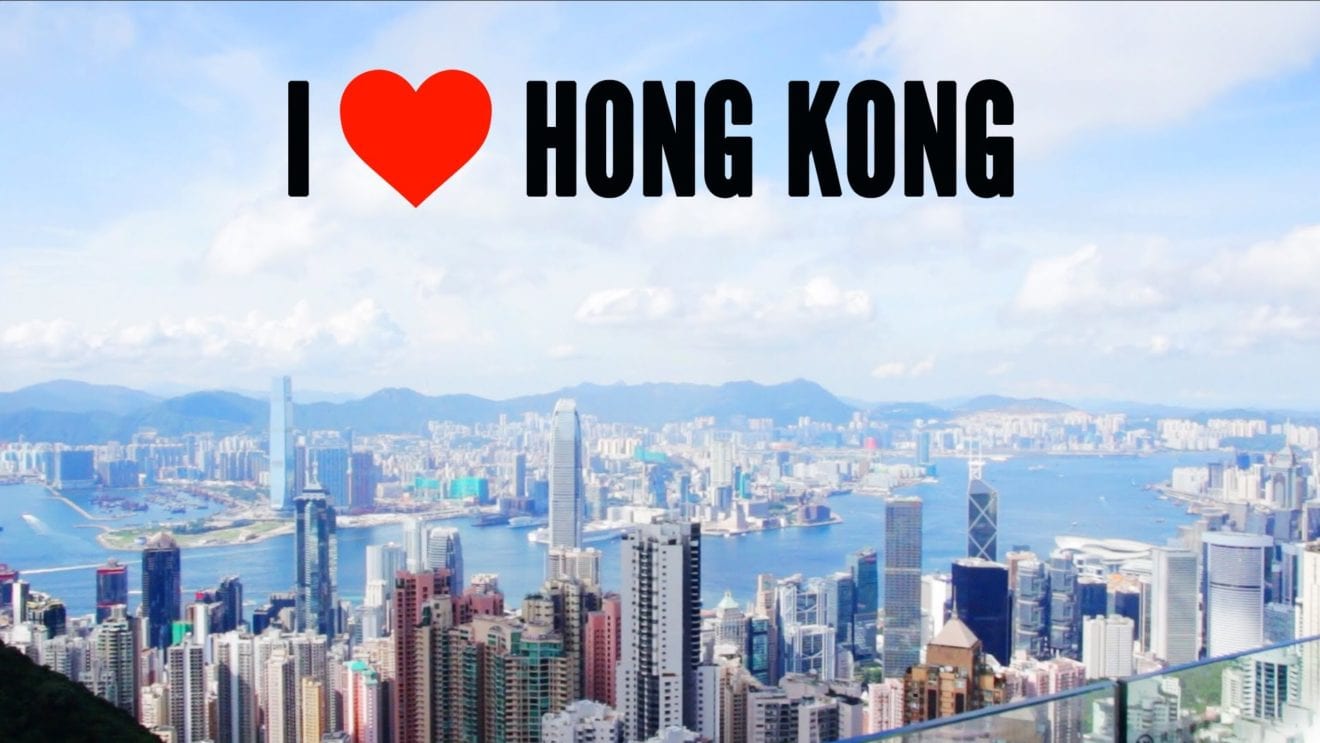
    The influx of mainland visitors to Hong Kong has been easing in recent months with many preferring other destinations such as Japan and Korea where the exchange rate is more appealing.

    Still, some pro-Beijing loyalists and businessmen blame the localist campaign in Hong Kong for the decline in mainland tourist arrivals.

    The situation offers a chance for Hong Kong to reposition itself as an international tourist destination. It’s an opportunity to erase the image, built over the past decade, that the city is nothing more than a shopping mall for mainlanders in the past decade.

    We often hear leaders of our tourism industry, such as Hong Kong Tourism Board chairman Peter Lam Kin-ngok, blaming Hong Kong people’s unfriendly attitude toward mainlanders for the loss our competitive edge over other tourism destinations in the region.

    But what Lam seems to be forgetting is that Hong Kong shouldn’t rely on a single tourist market to contribute to the growth of our tourism sector.

    He also seems to be forgetting that the true value of Hong Kong as a tourist destination lies in its unique history as a former British colony, a community that melds the influences of western and eastern cultures, and an international gateway to China.

    In a press conference on Tuesday, Lam, who is also an entertainment and property tycoon, made these remarks about the tourism industry: “The China market is a fat meat. Other countries surrounding us are fighting for it. However, Hong Kong people don’t like to eat meat, they are vegetarians. [Hong Kong] will get slim if it just eats vegetables but no meat. Once Hong Kong gets thin, our pockets will also shrink. Mainlanders know Hong Kong people do not welcome them and so they turn to other destinations.”

    If that’s what he thinks, well and good. But let’s take another look at our tourism sector.

    Contrary to the gloom and doom scenarios painted by the industry captains, the situation is actually improving in recent months — at least from the point of view of the general public.

    Overall arrivals in November fell by 10.5 percent, mainly as a result of a 15 percent drop in the number of mainland visitors to 3.54 million.

    Surprisingly, however, the number of visitors from other overseas markets rose by 7.6 percent to 1.16 million, according to figures released last week by the Secretary for Commerce and Economic Development Gregory So Kam-leung.

    The government and the Tourism Board seem to have different goals as regards the city’s tourism sector.

    While Lam stressed the importance of the Chinese clientele, So is looking at a wider market.

    So said the tourist mix has been changing in the past two months, with the number of non-mainland Chinese visitors continuing to grow as Chinese visitors go to other destinations.

    He said this is becoming the “new norm” for industry, and the government will focus on the quality, not quantity, of Hong Kong’s tourism sector.

    It’s a fact that some Hong Kong people, especially the localists, took a hostile approach in dealing with mainlanders, specially with parallel traders, as their massive purchases of daily necessities are disrupting our normal life.

    But that couldn’t be the only reason for the decline in Chinese visitors. It is also partly due to the implementation of a “one trip per week” policy for Shenzhen residents, which has resulted in a 40 percent drop in the number of arrivals from the southern city.

    It’s good to hear that the number of non-Chinese visitors are growing over the past two months, although they are still behind the mainlanders by about two million.

    A balanced mix of tourists should be a key consideration in reviewing our current tourism policies and strategies.

    The tourism board, in fact, is already shifting its promotional activities toward attracting high-value-added overnight visitors, MICE (business meetings, incentives, conferences and exhibitions) and cruise tourists to offset the decline in the number of same-day visitors.

    Such a change in direction is a realistic move to drive quality growth for our tourism industry, especially since Hong Kong ignored other aspects of the business in the past decade as it focused its resources on welcoming mainland visitors.

    Several months ago, top Hong Kong officials including Chief Executive Leung Chun-ying and Secretary So blamed the localists’ anti-mainland campaign for the decline in Hong Kong tourism and retail industries.

    But now, So’s remarks indicate that the government is realizing that Hong Kong shouldn’t rely solely on China to support its economy.

    It seems that our officials are beginning to realize that the massive influx of mainland tourists made us fat quickly, but not in a healthy way.

    Perhaps, Peter Lam is right about his analogy. We have eaten too much fatty meat in the past 10 years. It’s about time we went vegetarian. It’s healthier.

  • March 2016 solar eclipse to attract tourists to Indonesia

    March 2016 solar eclipse to attract tourists to Indonesia

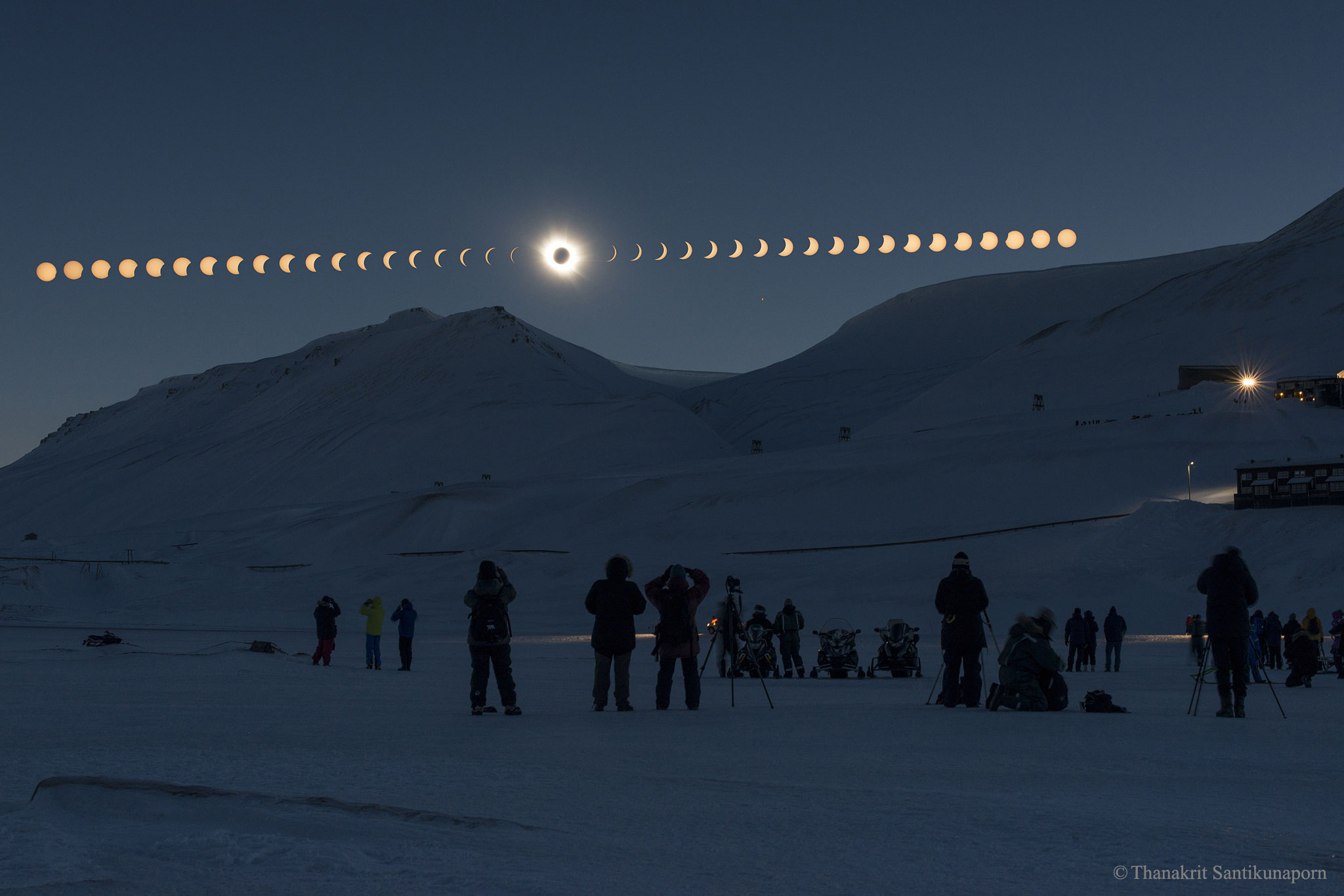
    The rare and beautiful phenomenon of the total solar eclipse, forecast to occur on March 9, 2016, is expected to attract foreign tourists to Indonesia.

    Both domestic and foreign tourists are keen to visit Palembang, Belitung, Bangka, Balikpapan, Sampit, Palangkaraya, Luwuk, Palu, Poso, and Halmahera to witness the total solar eclipse.

    Head of the North Maluku Culture and Tourism Office Samin Marsaoly remarked in Ternate on Monday that dozens of scientists and several tourists from France will visit Halmahera to observe the total solar eclipse and simultaneously conduct research on the natural event that will occur in March 2016.

    “Boarding a special aircraft, the scientists, with a variety of advanced equipment, will arrive in Maba in East Halmahera to conduct a study on the total solar eclipse,” Marsaoly stated.

    He said hundreds of tourists from several countries had also informed the local culture and tourism office of their interest to witness the total solar eclipse in March next year.

    He noted that the culture and tourism office in East Halmahera had made various preparations related to the visit of the scientists and tourists from several countries, such as accommodation, transportation, and the location where they will watch the rare phenomenon.

    Marsaoly said other areas, such as Ternate and Tidore Islands in North Maluku have also attracted many scientists and tourists from various countries to watch the total solar eclipse on March 9, 2016.

    He remarked that some two thousand tourists had already booked hotel rooms in Ternate, and the number is expected to grow to four thousand.

    “The number of foreign tourists visiting Halmahera in North Maluku to watch the total solar eclipse is definitely a blessing for this region as in addition to increasing the number of foreign tourist arrivals, it will also offer the necessary momentum to promote the local tourism potential,” he added.

    In the meantime, Head of the Culture and Tourism Office in Tidore Islands Asrul Sani Soleman stated that several scientists from the United States National Aeronautics and Space Administration (NASA) will also observe the total solar eclipse from the Tidore Islands, North Maluku province.

    Soleman noted that the scientists will observe the total solar eclipse from the Sultanate of Tidore Palace through a special binocular brought from NASA in the United States.

    The scientists have chosen Tidore Islands as the place to observe the total solar eclipse as it will be the ideal location, and they will be able to see the sun for a longer time period compared to other areas in North Maluku.

    He noted that along with the NASA scientists, hundreds of tourists from various countries will also arrive to witness the total solar eclipse at several locations, including Maitara Island, one of the tourist islands of Tidore.

    The tourists, who will come to watch the total eclipse in this area, are using the services of a travel agent from Bali and Jakarta or will arrive by yacht.

    “So far, there are four cruise ships, including from France, the United States, and Switzerland that have confirmed to make a stopover in Tidore,” Soleman revealed.

    The city administration of Tidore Islands has made preparations to welcome the scientists and tourists.

    The administration will also utilize their visit to promote the tourism potential of the area, including attracting investment.

    Siti Norma Mardjanu, the head of the tourism office in Central Sulawesi province, recently remarked in the provincial city of Palu that the local administration will conduct promotional activities regarding the total solar eclipse at numerous international airports in Indonesia.

    She remarked that the promotional activities highlighting the total solar eclipse will be carried out at the international airports in Medan, Jakarta, Surabaya, and Makassar.

    According to Siti, the promotion will not only spread awareness about the total solar eclipse but will also promote the tourism potential of Central Sulawesi.

    Siti said the activities to promote the total solar eclipse will be conducted by the Central Sulawesi provincial administration in December this year.

    Currently, approximately three thousand hotel rooms have been booked by foreign tourists, who want to witness the rare phenomenon in Palu, Luwuk, Ampana, and Poso.

    The total solar eclipse is expected to attract thousands of tourists, and therefore, it will motivate the local administration to develop its local tourism potential.

    A solar eclipse occurs when the moon passes between the earth and Sun. A total solar eclipse occurs when the moons apparent diameter is larger than the suns, blocking all direct sunlight, turning day into darkness.

    The total eclipse in March 2016 will occur in the narrow path across the earths surface, with the partial solar eclipse visible over a surrounding region that is thousands of kilometers wide, beginning in Indonesia, and ending in the northern Pacific Ocean.

  • Indonesia Promotes Tourism in Macau

    Indonesia Promotes Tourism in Macau

    Rizki Handayani Mustafa, deputy of Southeast Asian Development at the Tourism Ministry said that Indonesia would promote its tourism industry to Macau in a bid to increase the number of foreign tourists visiting Indonesia.

    “For the first time Indonesia will consider Macau to be a potential tourism market for Indonesia, Rizki told Antara on Thursday, December 10.

    Rizi added that the government would introduce Indonesia with its tourism potentials. Macau travel agent head Xiao Hong said that not many people in Macau knew about Indonesia and how to get there. Therefore, Xiao Hong suggested that Indonesia must conduct more campaigns in Macau.

    “The people in Macau have high expenses, so Macau is very potential as Indonesia’s tourism market. Moreover, many Chinese tourists who visited Macau can continue their trip to Indonesia,” Hong added.

    Bobby A. Rusyandi, general manager of Garuda Indonesia Branch Office of Hong Kong, Macau and Taiwan, said that his airline would work with Ferry operator connecting Macau and Hong Kong to facilitate tourists who want to Visit Indonesia.

    “So, people from Macau who will visit Indonesia with Garuda Indonesia can use a Ferry from Macau to Hongkong, and take Garuda Indonesia from Hong Kong to Jakarta or Hong Kong to Denpasar,” Bobby explained.

    Data from the Tourism Ministry revealed that the number of Macau tourists visiting Indonesia in 2014 stood at 1,622 people.

  • Indonesia promotes “Wonderful Indonesia” in Mumbai, India

    Indonesia promotes “Wonderful Indonesia” in Mumbai, India

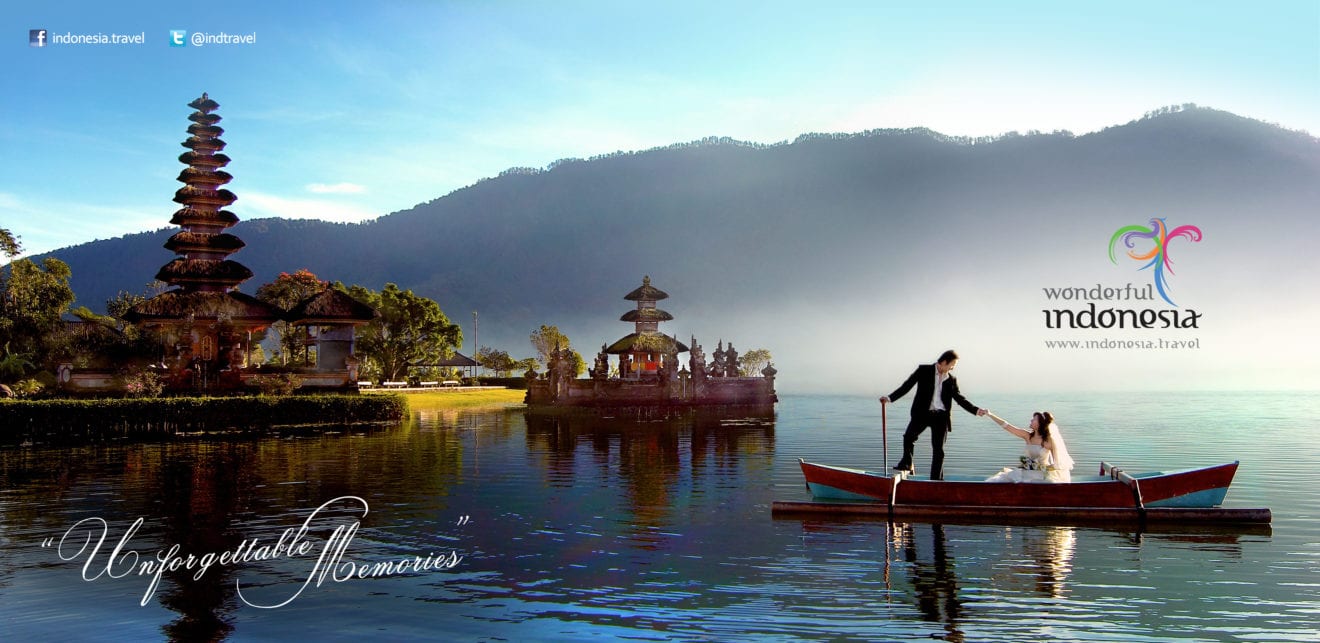
    Indonesia will be promoting “Wonderful Indonesia,” its country branding, in Mumbai, India, from December 2-4, 2015 in order to market tour packages featuring attractive cultural performances and festivals.

    Assistant Deputy for Asia Pacific Market Development, Ministry of Tourism, Taufik Nur Hidayat, said here on Wednesday that India is a potential market as most Indian tourists are high-class travelers.

    Indian tourists generally prefer hotels with five star facilities, so a specific strategy has to be put in place to attract more tourists to Indonesia.

    “We must prepare what they need, such as adventure tour packages as well as comfortable and safe environment, Indian food, and a pleasant night atmosphere,” he said.

    The Ministry of Tourism, according to Taufik, is targeting Indian tourists, hoping that around 250 thousand people will visit the country in 2015, especially Bali, Jakarta and Batam (Riau Islands).

    The tourism ministry also facilitates various Indonesian tourism players to participate in the South Asia Travel & Tourism Expo (Satte), last of which was held in New Delhi recently.

    Taufik explained that the promotion of Wonderful Indonesia in Mumbai is part of the cultural diplomacy to strengthen emotional ties between the two countries, emphasizing that Indonesia has a close relationship with India in terms of history and culture.

    In the ninth century, some Hindu kingdoms flourished in Java. Many Hindu relics are preserved by the people and the Indonesian government.

    The spread of Islam in Indonesia also involves traders from Gujarat, India, who developed trade in various port cities in Indonesia.

    In modern times, Indonesia, along with India, initiated the Asian-African Conference (AAC) in 1955 which resulted in Dasa Sila Bandung (the ten principles of Bandung).

    The number of Indian tourists visiting Indonesia in 2016 is expected to increase by 10 percent to 300,000 visitors.

    The Wonderful Indonesia promotion campaign in Mumbai is a combination of the two programs, namely selling tour packages and cultural festivals such as dance performances, culinary exhibitions and sasando music performances (featuring a Timorese traditional musical instrument).

  • Tourists help Singapore Q3 GDP beat estimates

    Tourists help Singapore Q3 GDP beat estimates

    Singapore’s economy grew at a much faster clip in the third quarter than initially estimated, as an influx of visitors boosted the hospitality and retail sectors. The economy grew by 1.9 percent on-quarter between in the September quarter, compared with a 2.5 percent contraction in the preceding three months, the Department of Statistics said Wednesday.

    The advance estimate released last month showed the economy had eked out a 0.1 percent gain. The latest reading proves that the export-oriented island-state avoided a technical recession, which is typically defined as two successive quarters in which the economy contracted from the previous three months.

    The Ministry of Trade and Industry expects growth to be 2 percent for all of 2015 and it forecasts an economic expansion of between 1 and 3 percent in 2016. “While sectors such as finance and insurance and wholesale trade are expected to support growth, the manufacturing sector is likely to remain weak,” the Ministry of Trade and Industry said. “In China, there is a risk that ongoing reforms to rebalance the economy may falter, leading to a significant drop in demand.” The wholesale and retail trade sector grew by 5.3 percent on quarter between July and September , up from 1.1 percent in the second quarter.

    A pick-up in tourist arrivals underpinned faster growth in the transportation and storage and accommodation and food sectors, where output expanded by 5.9 percent and 12 percent respectively. On a year-on-year basis, Singapore’s economy also expanded by 1.9 percent, a shade lower than the 2 percent increase in the second quarter but higher than the 1.4 percent increase initially forecast.

    Still, the effects of a slowdown in China cast a pall on the manufacturing sector, where output slumped for the second quarter running, although the pace of the contraction slowed. Construction activity also cooled, falling 1.6 percent from the previous quarter after a feverish 13 percent increase in the second quarter.

  • 1,100 Japanese tourists visiting Indonesia

    1,100 Japanese tourists visiting Indonesia

    As many as 1,100 Japanese visitors, including businessmen, parliamentarians and government officials, have just arrived in Jakarta, as an evidence of cooperation on the visa-free policy between Indonesia and Japan.

    The Japanese tourists are being led by the chairman of the Indonesia-Japan Parliamentary League, Toshihiro Nikai, Foreign Affairs Minister Retno LP Marsudi told ANTARA News here.

    According to the minister, President Joko Widodo (Jokowi) was scheduled to have a get together with these 1,100 Japanese tourists at a reception in Jakarta on Monday evening. The visit is aimed at increasing the people exchange programs between the two countries.

    Indonesia has issued a policy which offers visa free facility to people in 75 countries for a short term visit to Indonesia.

    Under the new policy, Indonesia offers a visa free facility for short term visits to those from South Africa, Algeria, the United States, Angola, Argentina, Austria, Azerbaijan, Bahrain, the Netherlands, Belarus, Belgium, Bulgaria, Czech Republic, Denmark, Dominica, Estonia, Fiji, Finland, Ghana, Hungary, India, Britain, Ireland, Island, Italy, Japan, and Germany.

    Also, Canada, Kazakhstan, Kyrgyzstan Croatia, South Korea, Kuwait, Latvia, Lebanon, Liechtenstein, Lithuania, Luxembourg, the Maldives, Malta, Mexico, Egypt, Monaco, Norway, Oman, Panama, Papua New Guinea, France, Poland, Portugal, Qatar, China, Romania, Russia, San Marino, Saudi Arabia, New Zealand, Seychelles, Cyprus, Slovakia, Slovenia, Spain, Suriname, Sweden, Switzerland, Taiwan, Tanzania, Timor Leste, Tunisia, Turkey, United Arab Emirates, Vatican, Venezuela, Jordan, and Greece.

  • Bali governor opposes shariah tourism idea

    Bali governor opposes shariah tourism idea

    Bali Governor Made Mangku Pastika expressed disagreement to the idea of developing Shariah tourism on the island, citing fears that it could create potential problems.

    “I did not agree with it. It will only create problems. Just leave it as it is for now. It has all been going well so far,” he stated after attending a plenary meeting of the regional legislative assembly here on Tuesday.

    He pointed out that tourism in Bali has flourished so far.

    “Let us not think of strange ideas. It will only create problems. The people have lived peacefully under current conditions so far,” he emphasized.

    Chairman of the Shariah Economic Community (MES) Muliaman D. Hadad stated recently after inducting the MES Bali chapter that Bali is the right destination for developing Shariah tourism.

    “Bali is fit (for Shariah tourism). So, why not (develop it here). Seven million domestic tourists come to Bali in addition to three million foreign tourists. So, perhaps, there are businessmen here who wish to introduce it in cooperation with the regional government,” he affirmed.

    He said that Islam-based tourism has not only been developed in Arab countries but has also been promoted in Asian countries, such as Singapore, Malaysia, and Thailand.

    He pointed out that Thailand had recently won the title of the worlds best Islamic health service tourist destination at an event held in Dubai, United Arab Emirates.

    “This is indeed a business opportunity that needs to be tapped. In several cities, Islamic hotels and health service centers have already mushroomed. We have no other intention than to tap the business opportunity. We are talking about religion but also to boost the economy,” he remarked.

    Hadad, who is also chairman of the countrys Financial Service Authority (OJK), said the Shariah economy adopts approaches based on the concept of common welfare, so that it could be used by anyone, regardless of their religious background.

  • AirAsia recognised for contribution towards Sabah tourism

    AirAsia recognised for contribution towards Sabah tourism

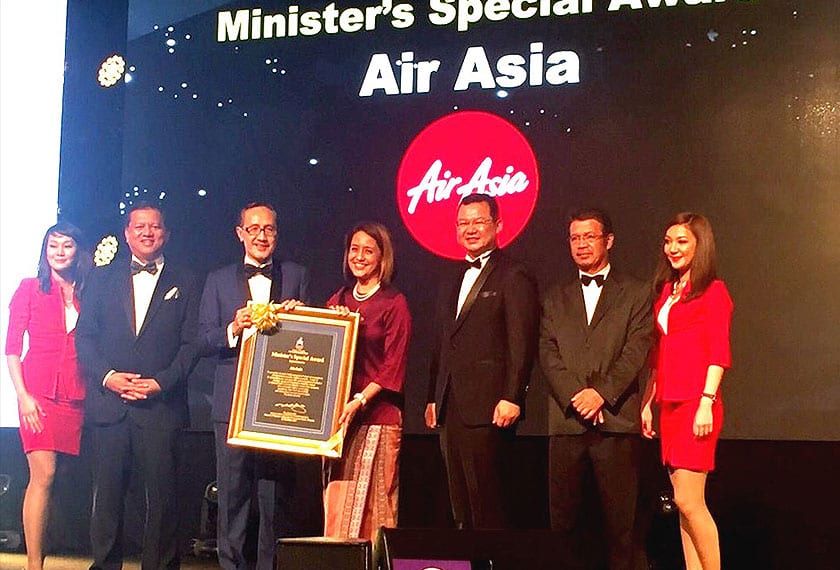
    AirAsia has been named ‘Best Airline’ and received ‘Minister Special Awards’ at the recent Sabah Tourism Awards 2015.

    AirAsia Berhad CEO, Aireen Omar received the award on behalf of the airline from Sabah Minister of Tourism Culture and Environment, Datuk Seri Panglima Masidi Manjun.

    The ‘Best Airline’ category recognised AirAsia’s contribution to Sabah’s tourism industry in terms of connectivity and bringing the highest number of visitors to Sabah over the past two years.

    The ‘Minister Special Awards’ was given to AirAsia for its bold expansion of direct air connectivity to Sabah both internationally and domestically with a total of 23 destinations and growing.

    On top of that, the airline also fully optimised Kota Kinabalu’s strategic geographical position, enabling visitors to discover and experience Sabah’s world-class attractions, apart from developing business opportunities in Sabah.

    In a press statement, Aireen thank the Sabah Tourism Board for recognising their hard work and contribution to the state of Sabah with two prestigious awards.

    “We have invested substantially in developing Sabah into becoming a key AirAsia hub and are very pleased that our efforts have paid off with the ever-growing numbers,”

    “We have big plans for Sabah and look forward to growing the current 3 million passengers per annum to at least 12 million passengers,” she said.

    She added that the company is confident in reaching this target with a proper low cost carrier terminal in place in Kota Kinabalu.

    “Sabah has tremendous potential to be a key regional hub and we want to make this a reality,” she said.

    AirAsia has flown over 8.4 million people in and out of Sabah in the past two years and currently serves 698 weekly flights to and from Kota Kinabalu, Tawau and Sandakan in Sabah.

    The airline has also seen a growing trend of guests travelling from the Asian region and Australia into Kota Kinabalu through AirAsia’s Fly-Thru service.

    Bangkok, Beijing, Shanghai and Perth are the top cities with people connecting into Sabah for the past year, and AirAsia currently has 24 Fly-Thru routes into Kota Kinabalu, providing easy access and convenience for visitors across the region to travel to the state of Sabah.

  • Genting adds premium cruise brand solely for Asia

    Genting adds premium cruise brand solely for Asia

    Malaysia-listed leisure and hospitality group, Genting, best known for its resorts and casinos, is setting up Asia’s first regionally-based premium cruise brand.

    Within its Genting Hong Kong operation [one of five public companies] which was formerly called Star Cruises, the company has announced the launch of Dream Cruises for Asia, which is one of the fastest growing markets in the world according to cruise association CLIA.

    The region also delivers strong duty free and travel retail spending says analyst CiR. According to its Asian Cruise Travellers report, 73% of Asian cruisers make DF&TR purchases, with almost half (46%) buying fashion/accessories.

    Genting – valued by market capitalisation at over MYR94bn ($22bn) at 31 August – is expected to take full advantage of the high-spending nature of Asian passengers – particularly the Chinese – with a large shopping offer on board Dream Cruises’ first vessel, Genting Dream when it sets sail in November 2016. It will carry 3,400 guests and 2,000 crew, a very high crew-to-guest ratio.

    A sister ship World Dream will follow in November 2017. Both were ordered by Genting Hong Kong and are under construction.

    THATCHER BROWN NAMED PRESIDENT

    The company has appointed cruise veteran, Thatcher Brown as President of Dream Cruises. Brown had been with Crystal Cruise Lines – which Genting bought in May 2015 – since its formation in 1988.

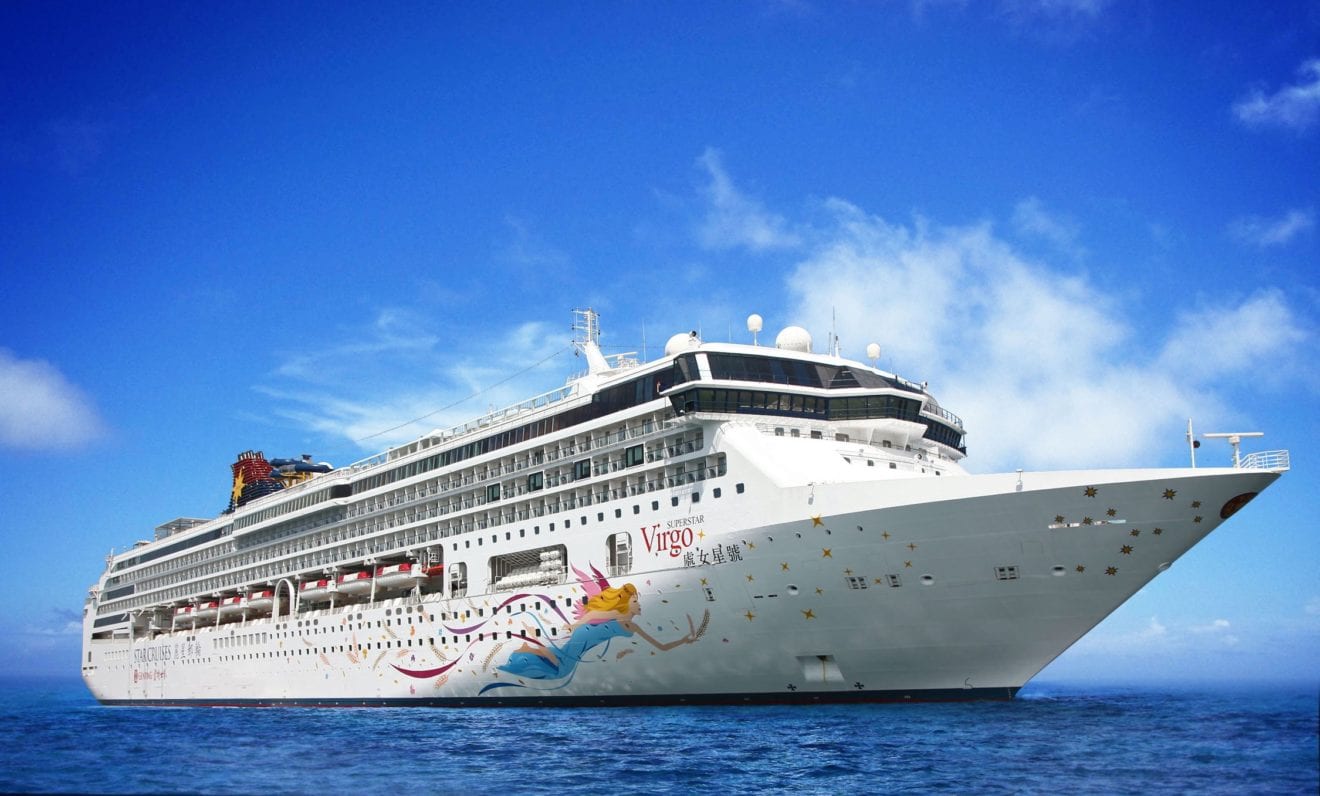
    “The launch of Dream Cruises completes the company’s mission of having a brand for each of the three major cruise market segments: Crystal Cruises for the luxury market, Dream Cruises for the premium market, and Star Cruises for the contemporary market.”At the launch event aboard SuperStar Virgo, a Star Cruises vessel, Genting Chairman and CEO, Tan Sri Lim Kok Thay, said: “Being the first company to offer cruises in China over 20 years ago with Star Cruises, we conceived Genting Dream three years ago to be the only purpose-built premium category new build for the Asian, and specifically Chinese, market.

    THREE CHINESE HOMEPORTS

    Genting Dream will have two exclusive floors of Dream Suites from 32sq m to 183sq m in size with butler services. Around 70% of Genting Dream’s staterooms will have private balconies.

    From next November, Genting Dream’s homeports will be in Guangzhou (Nansha Port), Hong Kong and Sanya and the ship will serve a bih catchment in the Pearl River Delta and Hainan. It will also cater to international guests flying into the airports of Guangzhou, Shenzhen, Zhuhai, Macau, Hong Kong and Sanya.

    Itineraries from Guangzhou will offer a year-round, two-night weekend cruise that calls at Hong Kong and a five-night weekday cruise calling at Halong Bay, Danang and Sanya.

    The Hong Kong homeport will feature a seven-night itinerary calling at Guangzhou, Halong Bay, Danang, Sanya and either Shenzhen or Zhuhai using Nansha Port. The Sanya homeport will also feature a seven-night itinerary calling at Guangzhou, Hong Kong, Shenzhen or Zhuhai using Nansha Port, Halong Bay and Danang.

  • JTB chases Chinese at home

    JTB chases Chinese at home

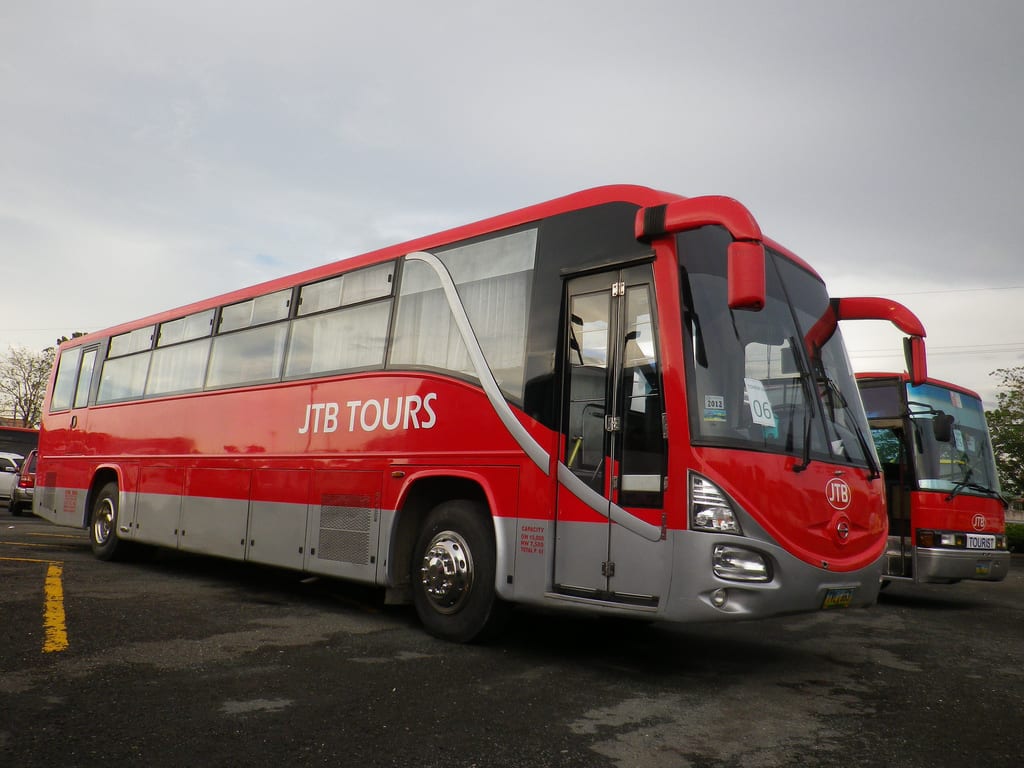
    Japanese Travel agency JTB has opened its first retail location in China’s capital Beijing. The agency will specialise in tours to Japan and will be run in a joint venture with a local travel company.

    The agency will be equipped with the same reservation system used in its Japanese retail travel stores, but it will not issue tickets. The 90 sqm stores is situated in an office building in a popular business district.

    The Japanese-themed interior is intended to serve as an advertisement in itself. The branch intends hosting exhibitions in cooperation with Japanese municipalities.

    JTB says the new venue is aimed at diversifying demand among Chinese travellers through face-to-face sales. It aims to sell 10,000 tour places annually.

    Japan is attracting a rapidly-rising number of Mainland Chinese tourists, attracted by the favourable exchange rate and close proximity, along with relaxed visa conditions.

    JTB gained official approval to open in China four years ago but the launch was delayed due to the earthquake of 2011 and simmering tensions between the two countries.

  • Hana Tour to Reinvent Itself as Global Cultural Tourism Retail Company

    Hana Tour to Reinvent Itself as Global Cultural Tourism Retail Company

    Established in 1993, Hana Tour is the largest travel company in Korea. In the last couple of years, on average, the company has recorded approximately 380 billion won (US$335 million) in sales and 40 billion won (US$35 million) in profits annually. Recently, the company has received a lot of publicity thanks to its successful bid for duty-free businesses in Incheon International airport and in downtown Seoul. The duty-free business is known as a cash cow, and annually generates approximately 300 billion won (US$264.9 million) in sales and 12 billion won (US$10.6 million) in profits. It is likely that Hana Tour will see significant synergy effects from combining tourism and the duty-free businesses, which will also impact the company’s overall business performance.

    It turns out that the company has set itself up for global tourism and cultural enterprises for some time. Following the goal of becoming the number one multinational cultural tourism group by 2020, the company has branched out into the retail, hotel, culture and performance enterprises. In the process, it has also secured significant overseas opportunities.

    Along with launching into the duty-free business, Hana Tour has been expanding into a variety of businesses that create synergy effects combined with the existing tourism business. Locally, drawing on culture and performance businesses, Hana Tour offers accommodation packages featuring art and performance events. Moreover, in cooperation with 8,000 local travel agencies and logistics channels, Hana Tour has also launched into e-commerce featuring ticketing businesses for art and performance enterprises. Titled “Hana Free Ticket,” the company’s retail site handles ticketing for musicals, concerts, and cultural events. Also by getting into the hotel business, Hana Tour can provide  travel packages with competitive prices, as the company can cut down accommodation costs. Beginning in 2012, Hana Tour opened the Center Mark Hotel in Insa-dong, followed by the T Mark Hotel in Chungmu-ro in 2013. A 560 room hotel is scheduled to be opened in the Namdaemun area in 2016. It also opened T Mark City Sapporo in Sapporo. With management expertise under its belt, Hana Tour has been commissioned to run the Pattaya Hotel in Thailand since last April.

    Hana Tour has started focusing on foreign opportunities and selling travel packages to foreign travelers in overseas markets. Hana Tour currently has 33 outpost offices worldwide. Using its overseas network, outpost offices in foreign countries developed travel packages in third countries, targeting local travelers in the foreign country. This is quite an innovation internally, given that in the past, 90 percent of the company’s travel business has been done with local outbound travelers.

    Given this, the Korean government’s recent decision to delegate the Chinese visa handling task to Hana Tour is a big overseas business breakthrough. In March this year, in the face of an increasing amount of Chinese tourists and laborers seeking Korean visas and handling the overwhelming administrative work, the government decided to delegate the task to Hana Tour. Although the delegation is currently in trials limited to the Guangzhou and Qingdao areas and the final decision to extend to other Chinese cities has not been made, many consider that the opportunity would bring many Chinese travelers to use Hana Tour travel products and Hana Tour–run Duty Free Stores in Korea.

    Although a majority of industry insiders consider a company’s venture into the duty-free business a terrific opportunity for the company, some raise concerns.

    The Hana Tour-led consortium SM Duty Free is formed by 10 small and medium enterprises, while Hana Tour represents a 76.8 percent stake. The SM Duty Free store has to stock 50 percent of its stores’ shelves with products produced by local SMEs.

    Although this feature is viewed positively by society, provided this gives SMEs a critical marketing venue, however, many questions whether focusing on SMEs’ products will give SM Duty Free competitive edges compared to its competitors in the duty-free business. Access to high-end products with relatively lower prices is a traditional appeal of duty-free stores for many consumers. Also, the fact that the combined shares of the company’s largest shareholders are mere 17 percent means that in the future, the company can’t make big investments into large-scale projects.

    Nevertheless, positive views about the future of Hana Tour dominate these days. Following the opening of the SM duty-free shops in Incheon Airport in November, Hana Tour will open a duty-free shop in Insa-dong in January next year. In fact, Hana Tour plans to turn its headquarters in Insa-dong into a duty-free store. Insa-dong SM Duty Free store will sell products featuring Korean Hallyu celebrities in partnership with SM Entertainment. An insider in the company said that shoppers will have unique cultural experiences apart from shopping. Hana Tour is also trying to make the best out of commercial and tourist trends in Insa-dong associated with big tourist attractions like Gyeongbokgung Palace.

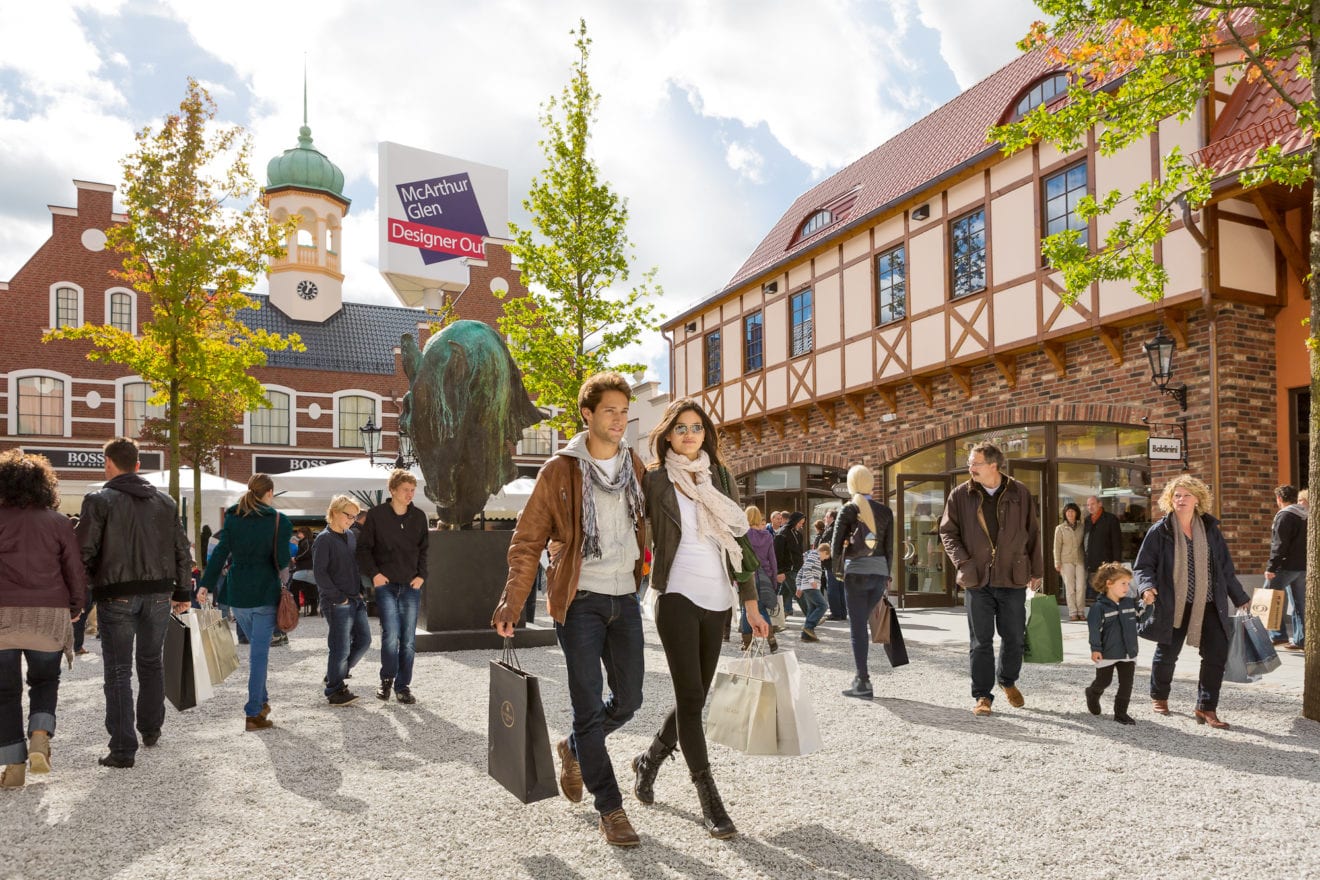
  • Chinese tourists deliver record sales for McArthurGlen

    Chinese tourists deliver record sales for McArthurGlen

    Chinese travellers have delivered a record spend for European outlet mall operator McArthurGlen.

    The company operates 20 Designer Outlets in Europe specifically geared to serve Chinese tourists – and one in China.

    Spending by Chinese customers is growing faster than any other nationality visiting the Designer Outlets. Sales to Chinese travellers increased by 80 per cent in the first nine months of 2015, compared with the same period last year.

    And spending by Chinese shoppers grew more than seven-fold between 2010 and 2014. The centres offer tax free shopping alongside year-round savings of 30 to 70 per cent.

    McArthurGlen’s Designer Outlets offer the largest choice of luxury and premium lifestyle brands in the European outlet market. The centres are home to nearly 3000 stores and 900 brands. At the same time, the centres are part of the local tourism fabric, within easy reach of major European city centres by shuttle bus or public transport, including: Vienna and Salzburg in Austria; Luxembourg, near the centre in Belgium; Lille and Reims (the Champagne region) in France; Berlin and Hamburg in Germany; Athens in Greece; Düsseldorf, near Roermond, its centre in Holland; Florence, Milan, Naples, Rome and Venice in Italy; and Bath, Cardiff, London, Manchester, Nottingham and York in the UK.

    Anthony Rippingale, head of tourism with McArthurGlen, says the company is now heading for yet another record year, welcoming more Chinese shoppers than ever before.

    “As the biggest operator of designer outlets in Europe, our Chinese customers have always been extremely important to us, and even more so now given that they account for nearly one in four euros spent by our international shoppers, and rising. We have also just had our most successful Golden Week ever.”

    McArthurGlen engages with Chinese customers from when they start planning their European trip, whether through our office in Beijing, or through social media in China (including Weibo and WeChat) and its centre websites which are available in Chinese.

    Once Chinese shoppers arrive in Europe, the centres provide Chinese-language maps and guides and UnionPay is accepted in most stores. The most popular Designer Outlets offer special promotions, including limited-edition gifts and additional savings, during key Chinese holidays, namely Golden Week and Chinese New Year.

  • Why a tourist’s death should serve as a wake-up call for HK

    Why a tourist’s death should serve as a wake-up call for HK

    Hong Kong’s retail and tourism sectors have suffered another setback as mainland media have, with good reason, reportedly widely the tragic death of a Chinese tourist in the city this week.

    Already reeling from slowing sales, the latest negative publicity about a “forced shopping” trip that went horribly wrong for a visitor was something that local tourism-related businesses could ill afford.

    Now, as the damage has already been done, what can Hong Kong do to redress the situation and prevent such incidents from happening again?

    And what are the broader lessons for local tourism authorities?

    On Monday, a mainland visitor was beaten up by a gang of men after he intervened in a brawl between a fellow tour group member and the tour guide.

    In the incident that took place at a jewelry store in Hung Hom, the 53-year-old man stood up in support of a female fellow tourist who was being berated for not making any purchases at the store. 

    Following a loud argument and some scuffles, the man was dragged out of the shop and beaten up by a gang of four men.

    The beating was so severe that the victim, a person named Miao Chunqi, later died in hospital. 

    China’s state media, not surprisingly, has covered the news in detail, portraying it as a reflection of the chaotic Hong Kong tourism market and lack of protection for mainland shoppers.

    The Global Times, for instance, wondered if there is enough rule of law in Hong Kong’s tourism industry.

    Following the earlier scathing criticism over anti-parallel trading protests in Hong Kong, the latest commentary on cross-border shopping issues is bound to put off more mainlanders. 

    While some reports say that the assailants of Maio were from the mainland, Hong Kong’s tourism authorities still cannot avoid facing difficult questions.

    The tragic incident could, in fact, serve a purpose if the government wakes up to the uncomfortable truth regarding many tour groups from China.

    The root of the problem is that some low-quality tour service operators in China have been offering “zero” price tours to Hong Kong to force tour members to spend in specific shops in Hong Kong.

    The tour operators hope to more than make up for the cheap tours by reaping commissions from the retail outlets with which they have prior arrangements.

    While some Chinese tour members know such norms and are willing to spend in the shops they are taken to, some of them resent being put under pressure and refuse to make purchases.

    It is then that conflicts arise with the tour guides and trip organizers, leading to violence in some cases.

    The distorted service chain has been in existence for many years, but authorities in both Hong Kong and China have shown little inclination or courage to tackle the issue.

    One reason why they have been reluctant to shake up things is this: officials fear that disrupting the trade will go against the process of deepening the commercial ties between China and Hong Kong.

    Even after several reports of mainland shoppers being taken for a ride, the Leung Chun-ying administration has failed to act over the issue of errant tour service providers.

    Now, with the shocking case of a tourist’s death following a “forced shopping” trip, one only hopes that it will finally be a wake-up call for the government. 

    The time has come for our chief executive to address the industry problems, fixing things at home as well as putting pressure on Chinese authorities to clamp down on shady tour services firms. 

    The task is not too difficult if Leung musters the will and determination and the political courage to take on some vested interests.

    Is he up to the challenge?