Retail News CRM

Tag: tourism

  • Has Singapore Finally Become Too Expensive?

    Has Singapore Finally Become Too Expensive?

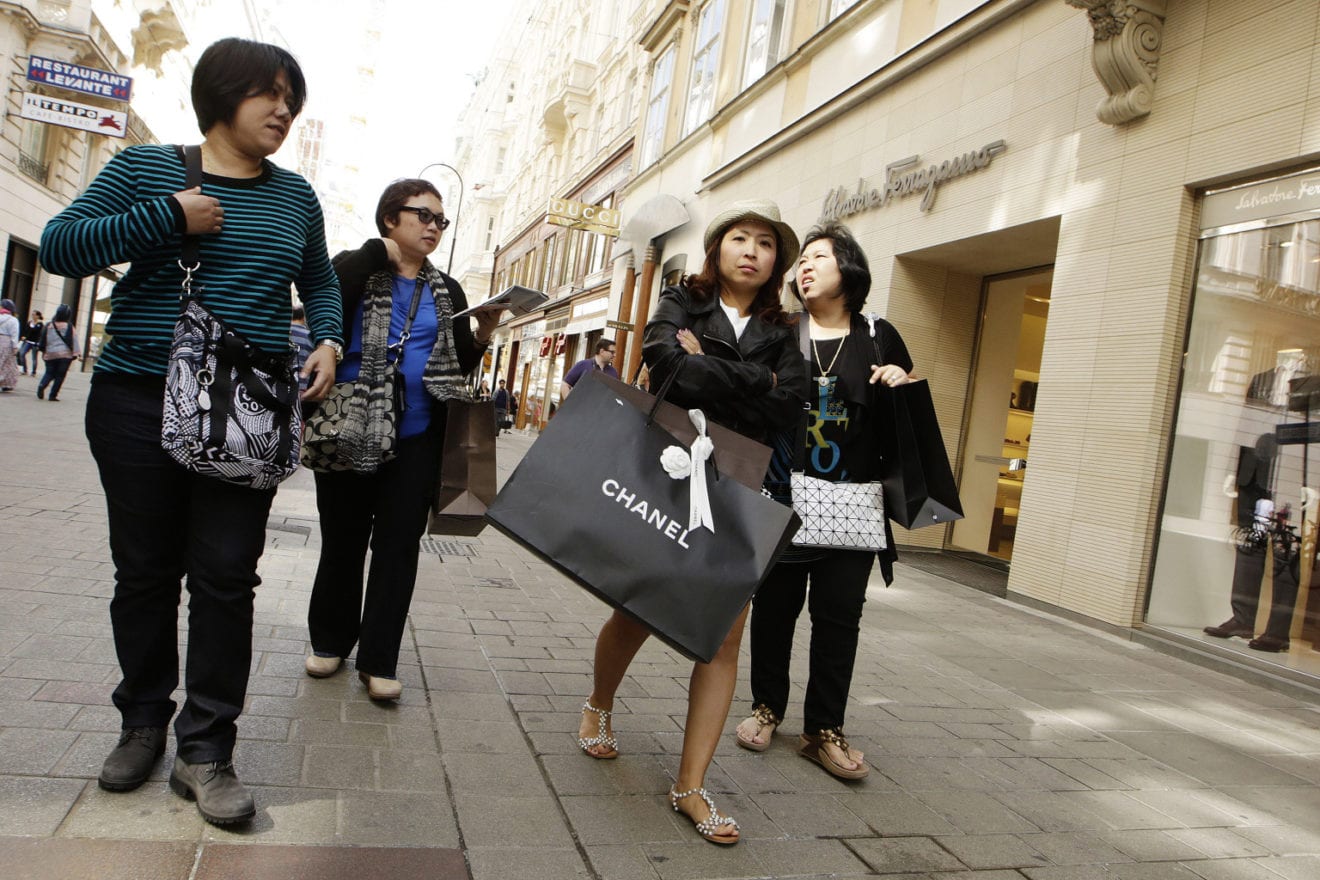
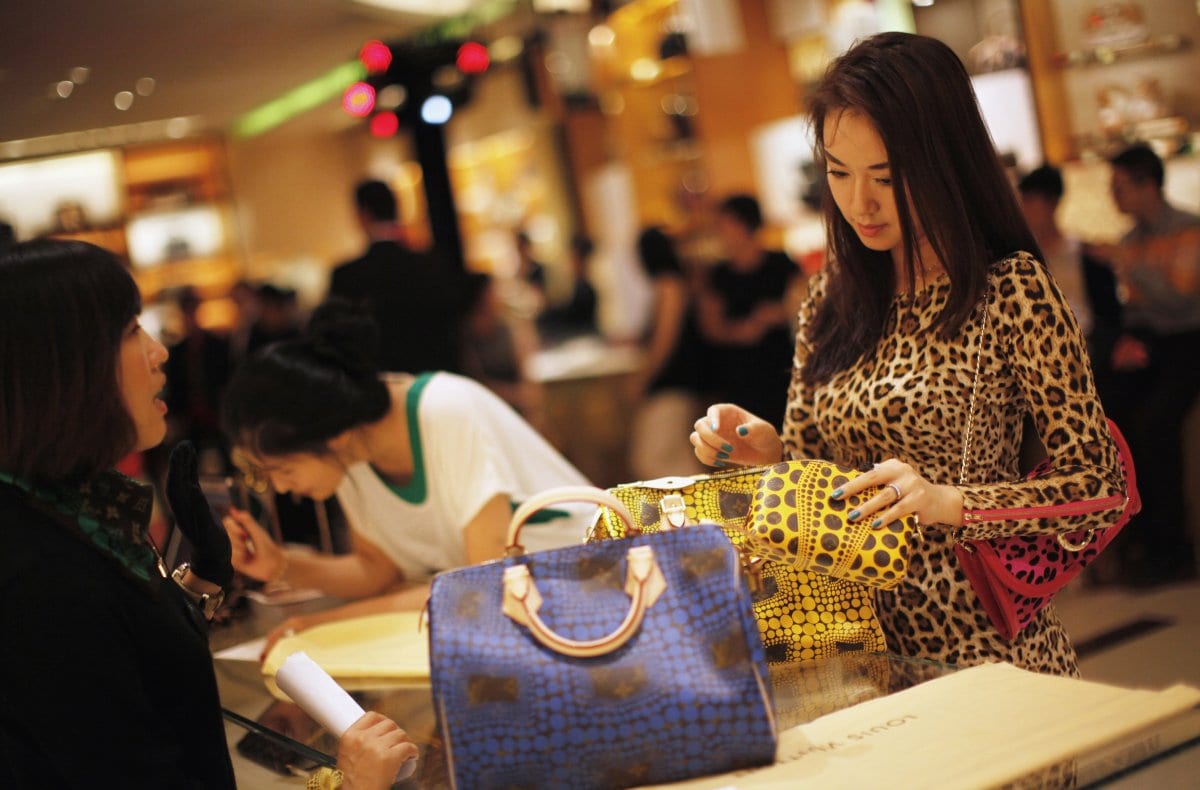
    Singapore has long been seen as a mecca for high-end shopping. Locals and tourists alike have miles and miles of malls and boutique-lined streets to wander through. Retail refugees from China, the Philippines, Indonesia and Malaysia come to the small city state because they can buy authentic Louis Vuitton, smell real Chanel and eat their fill of those famed Laduree macaroons.

    Something unexpected has been happening more and more over the past couple of years. Foreign visitors have been coming to Singapore’s shopping streets, but they have been keeping their wallets in their pockets.

    A haven for luxury

    Singapore has the world’s third highest per capita GDP, and locals do buy the pricey brands, but luxury boutiques still rely on tourist sales to make their profits and to justify the high cost of leasing or buying retail space in the heart of Singapore.

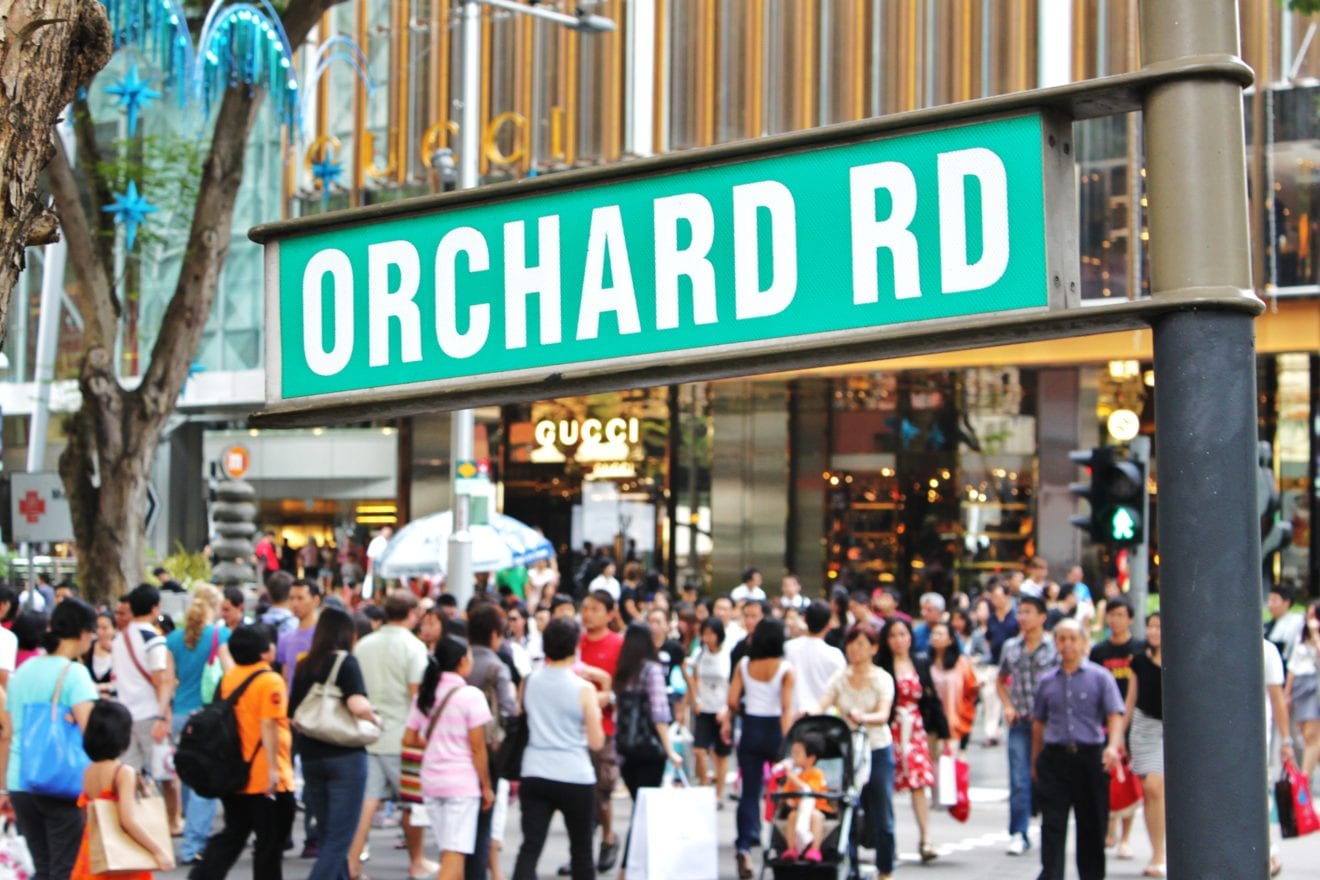
    These boutiques want to be in the heart of the city. That means spending big bucks to get space along Orchard Road, which is the epicenter of Singapore’s tourism scene. According to the Singapore Business Review, up to 80 percent of all luxury items sold in the country are bought in the Orchard Road area.

    Tourists are everywhere on Orchard, but most of them are opting to window shop instead of actually buying.

    Indonesian travelers are usually in the country for other reasons: business, medical tourism or to visit relatives. Some may spend time at boutiques, but this is not the main reason that they are in Singapore. Australians, meanwhile, are stuck with a weakened currency, so shopping with Singapore Dollars is not financially feasible.

    What about discounts?

    Downtown shops have been experimenting with sales and promotions. Some of these are specifically aimed at getting tourists to make purchases. Coach is offering a 10 percent discount at its Orchard Road locations, but Singaporeans don’t qualify for the price break. To get the deal, shoppers have to show their passport to prove that they are foreign visitors.

    Even this hasn’t worked. Tourist shopping statistics have held steady. Visiting buyers currently represent about 35 percent of the total sales for luxury items in Singapore.

    Has Singapore simply become too expensive?

    Yes, Singapore is expensive even if you don’t go there to add to your Vuitton bag collection. But it isn’t really fair to say that the luxury marketplace is struggling because country has become too expensive.

    The biggest expense for most tourists in Singapore is their hotel. Rooms are expensive, and if you are staying in a central location, they can be extremely pricey. At the same time, you can always eat cheaply at hawker centers and get around easily via the awesomely useful public transportation system. Also, if you can escape from Orchard Road, you will find some reasonable (if not cheap) places to shop.

    So while Singapore’s luxury brands are struggling, it is not quite right to say that the city is killing its tourism scene with high prices.
  • How should retailers prepare for this holiday season?

    How should retailers prepare for this holiday season?

    E-commerce presents enormous opportunity for retailers. Hong Kong’s 2014 sales value of Internet retailing, excluding tax, was HK$1.5 billion (Hong Kong Trade Development Council), and it is estimated to increase to HK$2.1 billion in 2019.

    As Singles’ Day, Thanksgiving and Christmas are just around the corner, it is time to start preparing for the holiday season as traffic spikes will affect web performance or even result in downtime.

    Retailers need to prepare to serve the needs of their customers through two primary activities that lead to revenue – the shopping phase and the buying phase, to capture additional spending during holiday seasons.

    Shopping
    As customers begin the process of searching for a product or service, there are a number of potential channels available to them, including emails from retailers, websites and online search.

    Retailers should focus their efforts on improving the personalisation of their emails to increase the likelihood of opens, click-through and eventually purchases.

    This will also push more consumers into the “shopped from this website before” group, helping to create a growing, loyal customer base.

    Success here is tied to customers’ abilities to access the content they need to move from awareness to consideration in a simple, fast and reliable way – regardless of content type, device being used, or location.

    Buying
    A cohesive purchasing experience across physical and digital channels (regardless of location, device type or size) is no longer the exception for advanced retailers. It is fast becoming the norm – table stakes for success.

    “Customers increasingly expect that all parts of their relationship with a retailer – loyalty programs, past purchase history, customer service and other interactions – will be connected, regardless of how and when they interact with the retailer,” according to 2015 Retail Holiday Planning Playbook, July 2015, National Retail Federation and Prosper Insights and Analytics.

    According to The Nielsen Global Survey of E-commerce conducted in 2014, Hong Kong consumers tend to be researchers when engaging in e-commerce.

    More than three out of five respondents will check out products in the store before purchasing them online (61%), or they will often look at products online before purchasing them in the store (60%).

    Hence, retailers need to ensure their digital experiences are optimized across devices, screen sizes, operating systems, browsers and locations so customers have a consistent, reliable experience wherever they are.

    Akamai’s Performance Matters report reveals that consumers participate in e-commerce research activity more frequently on mobile devices and tablets than on desktops in three key categories: searching for products, comparing prices, and reading reviews.

    The report shows that 56% of mobile users and 57% of tablet users search for products once a week or more, compared to 37% of desktop users.

    Additionally, 15% of mobile and tablet users search daily, compared to 5% of desktop users. In terms of price comparison, 52% of mobile users and 53% of tablet users compared prices once a week or more, while 34% used their desktops to do so.

    On the reviews front, 46% of mobile users and 50% of tablet users read reviews online once a week or more, compared to 28% of desktop users.

    The ability to quickly transition from reviewing product content, images, and reviews then into a buying decision phase increases the conversion rate. Cloud-based, globally distributed technologies are a key component to success in delivering an omni-channel experience that is content rich, fast and reliable.

  • How Chinese shop in Korea

    How Chinese shop in Korea

    Japanese and South Korean retailers are smiling… but these scenes are enough to make a Hong Kong retailer weep: Watch how Chinese shop over Golden Week… in Tokyo, Seoul or Boston… Not in Hong Kong, their traditional destination.

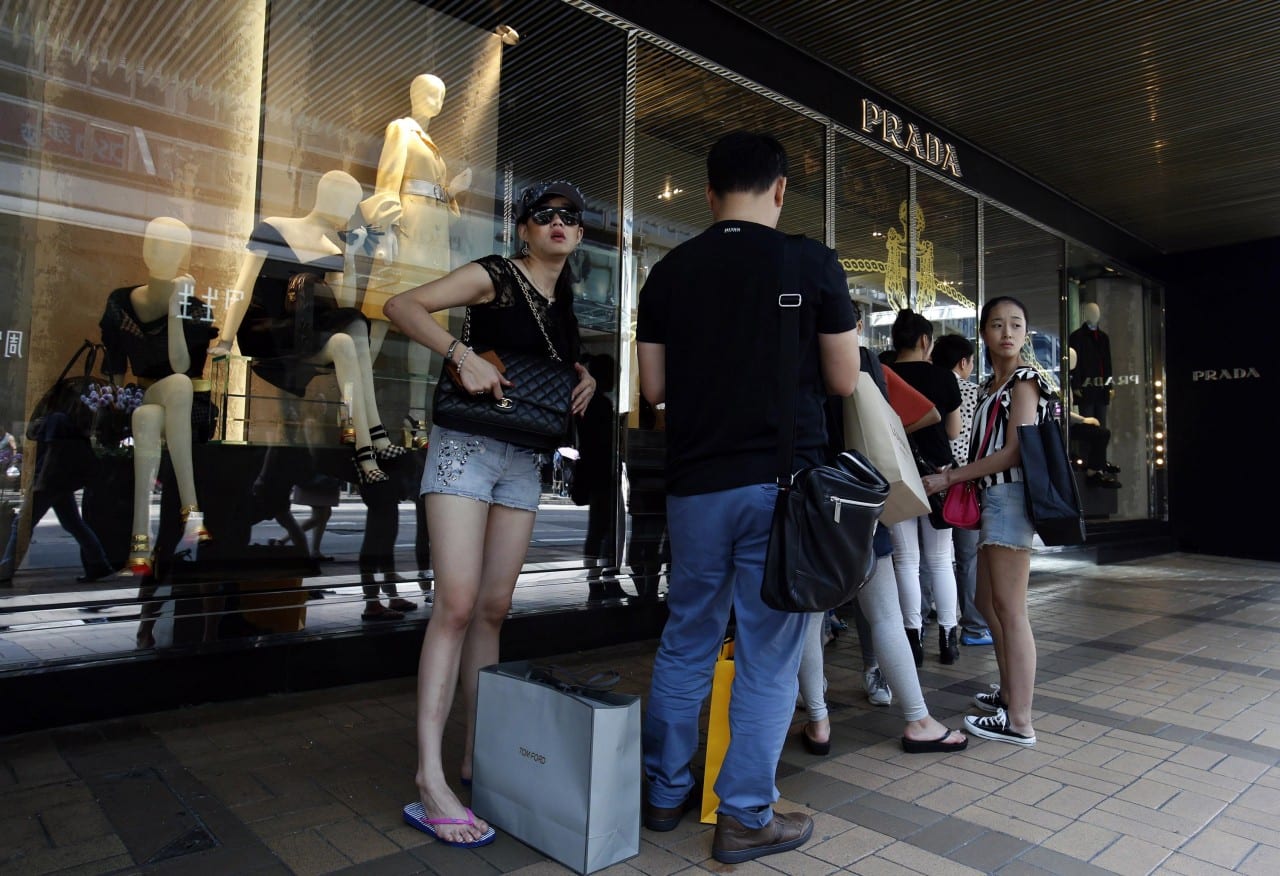
    Chinese tourists, famous for leaving shelves bare when they shop abroad, went on a shopping spree in Korea, Japan and the US during last week’s National Holiday of the People’s Republic of China, better known in Asia as Golden Week.

    Tour guides say that the average Chinese tourist that visits Japan spends approximately 20,000 to 30,000 Yuan, which is around US$3140 to $4720, on shopping.

    Shopping is actually the main reason for travel during Golden Week.

    This year, Chinese tourists flocked to duty free stores in Seoul, Busan and Jeju, as shown in the photographs, as well as large discount stores and markets, clearing shelves of stock, according toKoreabizwire and Yonhap news service.

    The Korean press reported instances of Chinese tourists buying “hundreds of thousands of won worth of cosmetics” in just two to three hours at duty free stores.


    In Japan, Chinese tourists were bought over the counter drugs in bulk: cough medicine, painkillers, glasses, sleep shades and stationary are popular Japanese products among Chinese tourists. Baby products, also.

    Earlier this year, during the Chinese New Year Holiday, Japanese electronic rice cookers and bidets were cleaned off the shelves by Chinese tourists.

    In the US there were similar stories, Koreabizwire reported.

    According to a local tour operator in Boston, Chinese tourists stopped by a Gucci Outlet to buy bags, and most of them bought three or four bags at once, with some purchasing as many as seven at once.

    “They were shopping as if they were just grabbing free stuff,” said a local guide.

  • Hong Kong retail sales reflect tourism downturn

    Hong Kong retail sales reflect tourism downturn

    The devil is in the detail in the August Hong Kong retail sales data.

    Census and Statistics Department (C&SD) figures show a 5.4 per cent drop year on year in the total value of retail sales in August, provisionally estimated at $37.9 billion.

    After netting out the effect of price changes over the same period, the volume of total retail sales in August 2015 decreased by 0.2 per cent.

    The root cause of Hong Kong retail industry’s challenge is very clear from the breakdown of the data by category. It’s the reduced volume of inbound tourists from the mainland – and their reduced spending. And, to a degree, a shift in the timing of the Mid-Autumn festival, although early indications from retailers say this year’s trade is one of the worst on record.

    A government spokesman observed the fall “was in part due to the slowdown in inbound tourism, while the stock market gyrations of late might also have dented consumer sentiment”.

    Here’s where the detail comes in:

    • Sales of Chinese drugs and herbs fell 17.4 per cent.
    • Apparel fell 13.5 per cent.
    • Jewellery, watches and clocks and valuable gifts by 8.8 per cent.
    • Department store sales by 8.6 per cent.

    These are all categories which in the past were supported heavily by inbound tourists. Those tourists – lured by the prospect of their cash stretching further, are now heading to Japan, South Korea (now the Mers crisis is over) and Europe. Especially those who can afford the higher air fares to such destinations.

    In other categories, medicines and cosmetics fell 5.1 per cent, food, alcoholic drinks and tobacco by 10.2 per cent, books, newspapers, stationery and gifts by 4.4 per cent; footwear and accessories by 4.4 per cent; furniture and fixtures by 5.9 per cent and optical shops by 8.1 per cent.

    The only bright spots for the month were “miscellaneous consumer durable goods” up 50.2 per cent (it’s a small category) and photographic equipment up 3.9 per cent. Supermarket sales rose a meagre 0.4 per cent.

    Seasonally adjusted, the value of total retail sales decreased by 0.2 per cent in the three months to August compared with the preceding three months, while the volume of total retail sales remained virtually unchanged.

    The government spokesman concluded: “The near-term outlook for retail sales is still subject to uncertainties, depending on the performance of inbound tourism and on whether there would be further negative impact from the recent heightened stock market volatility.”

  • Philippines eyed as shopping hub

    Philippines eyed as shopping hub

    The Philippine Retailers Association (PRA) is teaming up with the Department of Tourism and the Tourism Promotions Board (TPB) to turn the country into a shopping hub in the region by reviving the Philippine Shopping Festival.

    The shopping festival is being held in line with the DOT’s Visit the Philippines 2015 campaign and PRA’s efforts to develop the Philippine retail industry, which contributes about 15 percent to the country’s gross domestic product (GDP).

    PRA president Lorenzo Formoso, who is also chief operations officer of Duty Free Philippines, said the real objective of the Philippine Shopping Festival is to increase awareness of what the country offers in terms of shopping.

    “Before we get into the numbers, we have to be top of mind,” he said.

    Formoso views the years 2015 and 2016 as a “sweet spot” for the retail industry because more Filipinos will be working, which means more consumer spending.

    He said the retail industry can grow even faster than 5 to 8 percent because of the number of malls that are coming up in the next so many years.

    “At least 20 new malls in the next couple of years, that is the minimum. They’re putting up malls in the major cities,” he said.

    The Philippine Shopping Festival 2015 will be held from October 23 to November 8 in line with the PRA’s Asia Pacific Retailers Convention &Exhibition (APRCE) and the Asia-Pacific Economic Cooperation (APEC) events happening in the country.

    It will be a two-week sale where shopping malls and retailers in the Philippines will offer different discounts and promos to entice people to shop.

    He said the shopping festival will not only benefit the retail and tourism industries but also contribute to other industries like hotels and transportation, thereby helping boost the economy.

    Formoso said APRCE expects to attract to the festival some 2,500 foreign and local retailers and executives on top of the 4,000-plus delegates for the APEC and the coming Christmas season.

    He said the event can help to improve tourism although he admitted that tourism numbers did not dramatically exceed the targets as expected because of some problems. Nonetheless, he remains optimistic because tourism spending has increased.

    “Before, tourists stayed here for a three-day stay but now it is six days. That is double.

    Even if we’re looking at five million [tourists], on spending, if you peg it at the average purchase, it gets to be double because of the number of days spent,” Formoso said.

  • Indonesia to promote diving tourism to Japan tourists

    Indonesia to promote diving tourism to Japan tourists

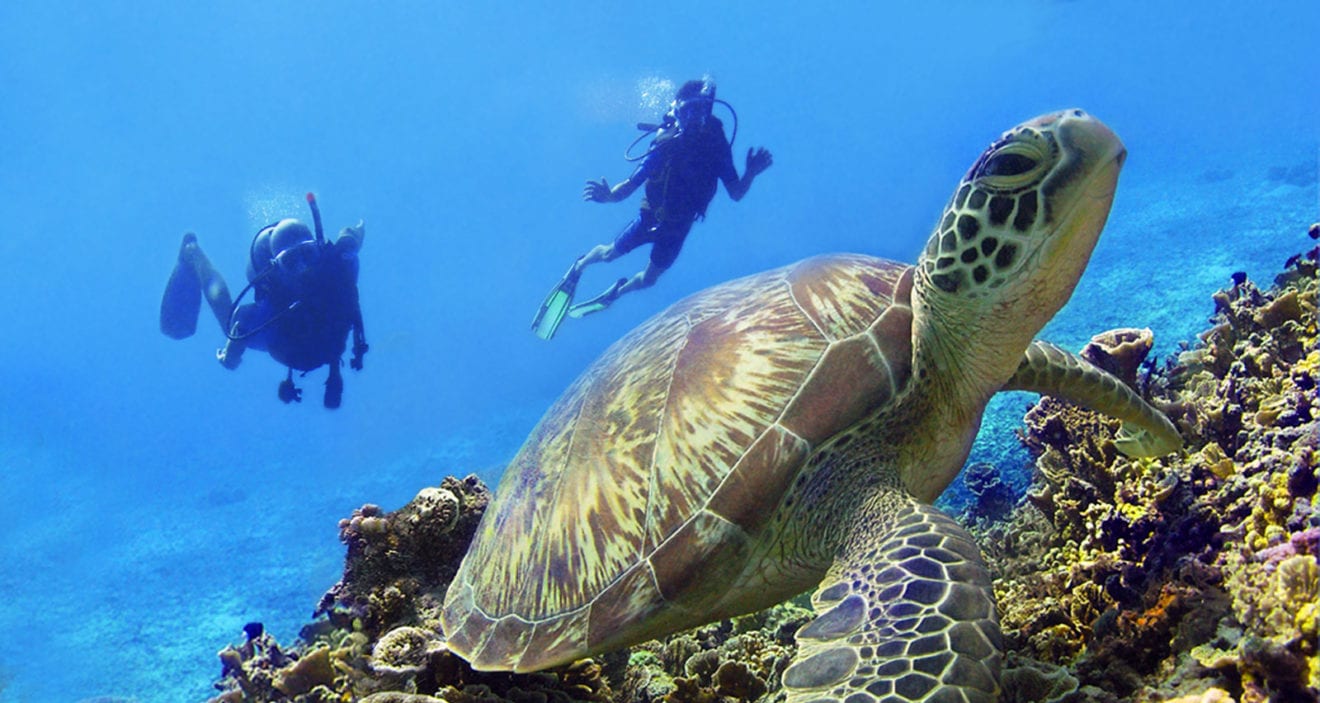
    Indonesia will promote its world-class diving sites to Japanese tourists during a tourism promotion event entitled “Diving Sales Mission”, to be held in Japan on October 8 and 9, 2015.

    The promotion is to be held following a successful similar event, carried out in Beijing on Sept. 9, I Gde Pitana, the deputy for international marketing development of the tourism ministry, said here on Saturday.

    The government anticipates that revenues from diving tourism could be increased four times from the current amount, according to Pitana.

    The promotion event is part of the tourism ministrys tourism marketing strategies, which include branding, advertising and selling (BAS), that was launched by Tourism Minister Arief Yahya.

    “The sale event is an effort of the tourism ministry to attract 529 thousand Japanese tourists,” he noted.

    In line with presidential regulation No. 69 Year 2015, the Indonesian government now offers visa free entry to Japanese citizens visiting Indonesia.

    “The tourism ministry has set a target of attracting some 10 million foreign tourists in 2015,” he remarked.

    Indonesia has a large potential for diving tourism, with excellent diving spots spreading from Weh Island in the countrys western most province of Aceh to Raja Ampat isles located in the countrys eastern most province of West Papua.

    Between these two tourist destinations, there are other exotic diving sites located in Banda Island (Maluku), Bunaken (North Sulawesi), Wakatobi (Southeast Sulawesi), Lembeh Strait, Alor Isle, TogeBetwan, Gili Air, Komodo Island (East Nusa Tenggara), and Cendrawasih Bay.

    Among the worlds best diving spots to be found in Indonesia are those in Raja Ampat, Komodo Isle, Derawan, Togean, Wakatobi, Gilir Air and Bunaken.

    Deputy Assistant for Asia and the Pacific Market Development of the tourism ministry Vinsensius Jemadu said some 35 percent of the total earnings from the tourism industry comes from maritime tourism.

    Further, an estimated 35 percent of Japanese tourists visiting Indonesia were engaged in maritime-related activities, such as diving.

    At least seven representatives selling tourism packages will join the Diving Sale Mission to Japan.

    According to a Japanese travel agent, Travelco, Bali is one of the top ten tourism destinations for Japanese tourists.

    Indonesia is in the fifth most popular destination for the Japanese, after Seoul (South Korea), Guam, Taipei (Taiwan), and Honolulu (Hawaii).

  • Chinese shoppers still spending on luxury goods

    Chinese shoppers still spending on luxury goods

    China’s share market plunge and currency devaluation have not resulted in Chinese shoppers cutting back their spending on luxury goods as had been feared, a top-ranked HSBC analyst said this week.

    Mr Erwan Rambourg, HSBC Global’s co-head of consumer and retail, said the declines in stock prices and in the yuan need to be put in context.

    “The Shanghai composite index has been down roughly 40 per cent since its peak. On a 12-month view, if you had invested 12 months ago, you would still be up about 30 per cent,” he said.

    And while the yuan’s devaluation of about 2 per cent last month instantly made everything more expensive for travelling Chinese shoppers, the currency is still up in value relative to the euro compared with last year, he noted.

    “Purchasing power of the Chinese in Europe is still a lot stronger today than it was just 12 months ago,” said the Hong Kong-based Mr Rambourg, who has been covering the luxury and sporting goods sectors for 10 years.

    “The reason we look at euro-yuan and not (the US) dollar-yuan is because Chinese consumption abroad is mostly taking place in continental Europe, places like France and Italy. So obviously I don’t see that as a big negative.”

    It is the appreciation of the euro that could be a bigger issue than the decline in Chinese equity markets, Mr Rambourg said.

    He said the recent correction of the equity markets in Asia “has had a much bigger impact on Hong Kong than it has had on mainland China”.

    Reuters reported last month that Hong Kong retail turnover fell for the fifth straight month in July, as a slowdown in tourist arrivals further battered sales of big-ticket items such as jewellery and watches, while a plunge in the stock market hurt consumer sentiment.

    Mr Rambourg believes that luxury sales fell in Hong Kong because Chinese spenders have moved to more “fashionable” destinations such as Japan, South Korea and Taiwan.

    HSBC Global Research’s latest report estimated about 70 per cent of luxury revenue in Hong Kong comes from Chinese consumers.

    One of the issues in Hong Kong and Macau is the lack of diversity – Hong Kong is all about shopping, Macau is all about gaming, and there is not a lot that is offered beyond that, said Mr Rambourg.

    But when Chinese tourists go to Japan, they return home to tell people about the culture, creating a snowball effect which goes beyond just the price arbitrage, where some destinations become fashionable and other destinations become less fashionable.

    About 10 per cent of luxury revenue in Japan now comes from Chinese tourists and Mr Rambourg believes this figure will rise as it did in South Korea, which saw an increase from 10 per cent to 30 per cent.

    About 25 per cent of luxury revenue in Singapore comes from Chinese tourists.

    Mr Rambourg suggested that Singapore should look at providing more diversity in terms of the brands represented here in order to draw in more Chinese shoppers.

    While there will be ups and downs, he foresees Chinese consumers becoming dominant over the next decade.

    About 35 per cent of today’s luxury consumers come from China and the figure could double over the next 10 years, he said.

  • Chinese couples spend big in Korea

    Chinese couples spend big in Korea

    Korea is becoming a major destination for young Chinese couples looking to splurge on expensive items for their upcoming marriages.

    Chen Yi, 34, and Chai Xuefang, 30, who recently visited Seoul from Shandong province, China, are typical of the growing number of couples who are sparing no expense to make their big day special.

    The two bought two Vacheron Constantin wristwatches worth 100 million won ($84,350) each at the Hyundai Department Store in Apgujeong, southern Seoul. They also bought a two-carat diamond ring for 60 million won.

    “A lots of Koreans are preparing for their weddings at Cheongdam-dong [near Apgujeong in the posh Gangnam District],” said soon-to-be-wed Chai. “We plan to get wedding consulting [here in Seoul] exclusively for Chinese people.”

    Another Chinese couple, Yang Xiaoliang, 30, and his fiance Xu Jingjing, 27, last month bought a 10 million won Thom Browne suit for men and two Rolex wristwatches for the couple worth 150 million won each at the same Hyundai Department Store in Apgujeong. They purchased the items ahead of a wedding photo shoot at a studio in Cheongdam-dong.

    The Korean retail and hotel industry is taking notice of the growing number of Chinese couples who are spending big in Seoul to prepare for their weddings.

    They have become major customers who are spending large on high-end wedding gifts, including jewelry, wristwatches and designer suits and dresses. Majors stores are already catering to the growing demand.

    Hyundai Department Store’s Apgujeong branch plans to provide a wedding consulting program exclusively for Chinese couples, and have already enhanced other services for young Chinese customers. Since last month, they have provided a free delivery service where electronic appliances and furniture purchased by Chinese couples can be dropped off at their front door in China. The service has a limit of 30 kilograms (66 pounds) per person.

    Lotte Duty Free recently started a service where items purchased at its shops can be delivered from the Chinese airport to their homes.

    “We get a lot of inquires from Chinese tourists who come to Gangnam [District] to get wedding consulting,” said Lee Hyun-sook, a foreigner-exclusive concierge at Hyundai Department Store. “They shop after asking every detail, such as which brand Koreans most prefer for their own wedding gifts.”

    China Union Pay credit card purchases made by Chinese on imported brands such as Tiffany’s and Cartier soared 91.3 percent in the first eight months of this year compared to the same period last year at Hyundai Department Store. Purchases on furniture, electronic appliances and household goods saw a huge growth of 134.1
    percent.

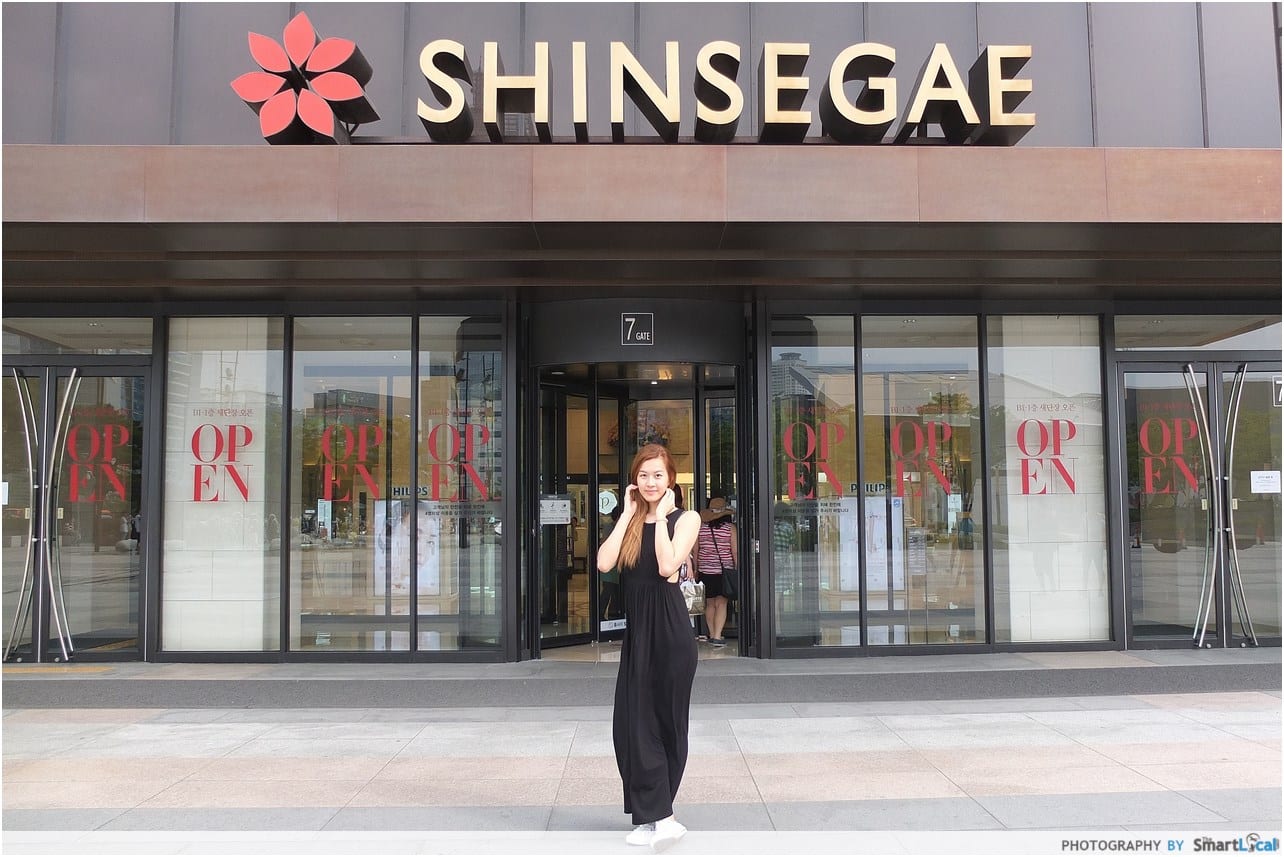
    Shinsegae Group is widening its marketing strategy to attract soon-to-wed Chinese couples in its department stores and other major affiliates, including its discount store E-Mart and its hotel business Westin Chosun.

    Shinsegae Group invited two couples from Shenyang and Tianjin to Seoul, where they will get a wedding photo taken at the Cheongnam-dong studio that took wedding pictures for famous Korean actresses Jun Ji-hyun. They will also get the chance to experience a traditional Korean wedding ceremony at the Westin Chosun Hotel and shopping at E-Mart and the retail group’s other outlets. The cost is 15 million won per person.

    “We plan to secure the lead in grabbing Chinese couples visiting Korea to get wedding services during the most popular wedding seasons for the Chinese, which starts this month and leads up to the end of the year,” said Shinsegae CEO Jang Jae-young.

    Wedding gifts, including high-end wristwatches, jewelry and designer bags, accounted for 60 percent of all sales made by Chinese tourists at Shinsegae Department Store during China’s May Day, from April 25 to May 3.

    Hotels are also recognizing the growing trend.

    Plaza Hotel last month introduced a wedding package where a hopeful groom can make a proposal at the hotel’s restaurant.

    The package includes a studio wedding photo shoot that comes with makeup from a company that many Korean female celebrities like Han Ye-seul and Han Hyo-joo frequently use. The price tag on the three-day package is 7 million won including flight tickets.

    Lotte Hotel is offering a package targeted at Chinese customers that includes not only the wedding photo and makeup but also a proposal ceremony and spa. The cost for the three-day program is 11.8 million won.


  • GSS shoppers spent $2b using MasterCard this year

    GSS shoppers spent $2b using MasterCard this year

    Despite slowing tourism growth and competition from online re- tailers, shoppers shelled out a five-year high of $2.12 billion using their MasterCard cards at the Great Singapore Sale (GSS) this year.

    The amount spent during the eight-week event, held from May 30 to July 26, was a 2.2 per cent increase from last year, the credit card company said on Monday.

    The number of transactions made during the sale between its cardholders and Singapore merchants also rose by 7.3 per cent to hit more than 14.5 million.

    The growth was fuelled mainly by tourists, who spent 15.3 per cent more and used their cards 21.8 per cent more than they did last year.

    This was despite falling tourist numbers. According to Singapore Tourism Board figures, visitor arrivals from January to June this year were 7.26 million, down 3.4 per cent from the same period last year.

    In contrast, Singapore-based cardholders spent slightly less than they did last year – $1.41 billion, down from last year’s $1.46 billion – although transaction numbers grew 2.6 per cent to 10.5 million.

    Nonetheless, these cardholders made up two-thirds of the amount spent in all by MasterCard users.

    Singapore Polytechnic senior retail lecturer Sarah Lim said the sale, now in its 22nd year, may have lost its shine among Singaporeans.

    “Some retailers hold sales throughout the year. So to locals, GSS may not be something special,” she said. “But to tourists, the GSS is quite established and is something they look forward to, so their objective is to spend when they are here.”

    The top five countries where most of the shoppers came from remained the same as those last year. Australia, Malaysia and China retained the top three positions, while Indonesia overtook Japan to take the fourth spot.

    Of the five, those from Indonesia spent the most at department stores, while the rest splurged at restaurants and eating places.

    Local online merchants were not left out, with Singapore-based cardholders spending $303.5 million online during the sales period, a 5.6 per cent increase from last year.

    Rakuten, which held a one-week sales campaign during the GSS, saw revenue rise by over 350 per cent, while site traffic was up by nearly 90 per cent. “Rakuten is definitely keen to participate in next year’s Great Singapore Sale,” said Mr Masaya Ueno, general manager of Rakuten Singapore online shopping.

    The growth in spending shows that the annual GSS remains attractive to tourists, said MasterCard Singapore group head and general manager Deborah Heng, adding: “What’s interesting is that, this year, we are seeing dining places emerge consistently as a top spend category for visitors, an indication that fine dining may be growing in appeal for travellers to Singapore.”

    Said Ms Jannie Chan, president of the Singapore Retailers Association, which organises the GSS: “With its well-established branding, the GSS has remained an essential pillar in driving spending and generating a positive impact on our economy.”

    Filipino accountant Charmaine Garcia, 37, who visits Singapore twice a year, said she looks forward to the GSS for its good deals. “I like to shop for shoes, clothes and bags and, during the sale, there are discounts not just on the old stock, but on the newer range of items, too.”

  • A 10-day sports extravaganza awaits in Singapore

    A 10-day sports extravaganza awaits in Singapore

    Singapore’s winning sporting streak continues with the upcoming BNP Paribas Women’s Tennis Association (WTA) Finals Singapore presented by SC Global at the Singapore Sports Hub from October 23 to November 1, 2015.

    In a culmination of what has been an exciting season, the top names in women’s tennis will come together for the WTA Finals. Household names like Serena Williams, Martina Hingis, Sania Mirza and many more will face off for court supremacy and a grand prize of US$7 million.

    A host of other events will also take place to complement the main action on court. The WTA Legends Classic will see tennis icons like Martina Navratilova and Arantxa Sánchez-Vicario playing for the fans’ delight while the WTA Rising Stars Invitational will give up-and-coming talents from Asia and the rest of the world a chance to play on Centre Court and make their mark on a world-class stage.

    Between matches, fans will have multiple opportunities to get closer to the action than ever before. Spectators can visit the outdoor Fan Zone, which will feature interactive tennis-themed games and star-studded player appearances. They can also witness the preparation secrets of their favorite tennis stars at the player practice sessions.

    Beyond the activities at the Singapore Sports Hub, fans can expect a star-studded extravaganza at the Singapore Tennis Evening at Marina Bay Sands on October 30. Fans and tennis stars alike will convene to celebrate the annual achievements of the best women’s tennis players, alongside the Southeast Asian debut of UK artiste Paloma Faith who will perform her hits.

    With Singapore’s Golden Jubilee in full swing, a slew of exciting flight, hotel, dining and retail deals have been lined up for this festive occasion. Singapore’s location at the heart of Southeast Asia also makes it easily accessible to tennis fans from around the region to catch all the action.


  • Chinese shoppers keep Japan’s tills ringing

    Chinese shoppers keep Japan’s tills ringing

    According to the English-language Japan news site RocketNews 24, a few weeks ago two families got into a fight at a large retail outlet in Kobe over disposable diapers. Both families had come to the store when it opened in order to buy as many diapers as they could, only to discover that the store had already sold out. Apparently these two families knew each other from previous diaper-buying binges and harbored mutual resentments that turned physical. A store employee called the police, who broke up the fight. Neither party filed a complaint or disclosed what the argument was about.

    RocketNews speculates that the two families resell the diapers in China, since both have members who are Chinese nationals. Japanese diapers are particularly popular in China, and, in fact, this particular brand — Merries, made by Kao — is sold in China. Nevertheless, there’s obviously enough demand to support a lucrative resale market.

    It’s not as if the Chinese don’t make and sell their own disposable diapers, but when it comes to their children, consumers will pay a premium for Japanese products because they don’t trust domestic makers. This sensibility has been growing since 2008, when locally made baby formula caused the deaths of six children and sent thousands to the hospital after somebody adulterated it with melamine to make it seem as if the protein content was higher.

    It is illegal to import Japanese formula made in certain prefectures because of radiation fears, but apparently there’s substantial black-market trade in the product. Last month, 425 kg of smuggled formula made in Gunma Prefecture was discovered by authorities in Hunan province with an estimated retail value of ¥800,000.

    It’s often said that despite the diplomatic frictions that exist between Japan and China, they are dependent on each other economically and, as far as Japan’s dependence goes, it is very much influenced by Chinese consumers’ trust of Japanese products, which runs pretty deep.

    Some economists thought that China’s stock market plunge and the resulting government-approved devaluation of the yuan would hurt sales of Japanese goods both in China and in Japan, where Chinese tourists seem to be supporting the Japanese economy. But according to Luo Yiwen, the president of home electronics retailer Laox, speaking at an Aug. 13 news conference, the stock and currency issues aren’t having any negative effect on sales at his store’s duty-free shop, which caters mainly to Chinese visitors. As it stands, sales for January to June at the shop have more than doubled since the same period in 2014 to ¥45 billion, with profits increasing nearly eightyfold to ¥4.6 billion. Laox received 1.49 million Chinese customers last year, four times the number for the previous year, and “much more than we expected,” he said. He predicts not only that the devaluation of the yuan will not hurt sales, but that they’ll go up even more. He projects a net profit this year of ¥8.3 billion on sales of ¥90 billion.

    The two reasons for the strong Chinese tourist market are the lower yen and fewer visa restrictions for Chinese tourists. The Nihon Keizai Shimbun cites a third reason: more cheap flights between China and Japan thanks to the proliferation of low-cost carriers. The economic value of Chinese tourism in Japan bottomed out in 2011 at ¥813 billion due to the March 11 disaster, but rebounded to ¥1.8 trillion the next year. In 2014 the economic value was ¥2.3 trillion.

    In that year, 2.4 million Chinese came to Japan, which is actually less than the number of visitors from Taiwan, which was 2.8 million. The difference is that per person, the Chinese spent more: ¥231,000 compared to ¥125,000 for the Taiwanese and ¥147,000 for visitors from Hong Kong, who are counted separately from mainlanders.

    In fact, Chinese account for one-third of all the tourist money spent in Japan, and this figure is rising. The amount of money Chinese visitors spent increased by 83 percent from 2013 to 2014. More to the point, 55 percent of the money Chinese spend in Japan is for shopping. For all tourists, the average spent on shopping is 35 percent. In contrast, Chinese spend less on accommodation than visitors from other countries, which suggests they are more concerned with buying stuff than sightseeing.

    Also, according to a Tourism Agency survey cited in the Nikkei, it isn’t just rich Chinese who are spending. More middle-class Chinese are coming and buying things. Broken down by category, the agency says that 76 percent of Chinese buy “confections,” 63 percent cosmetics and perfume, 55 percent food, liquor and cigarettes, and 52 percent drugs and toiletries. Only 37 percent buy appliances, but when they buy them, they buy a lot. The average spent by all foreign tourists on electronics is ¥65,000. Chinese on average spend ¥88,000.

    Chinese tourists, in fact, seem to be single-handedly keeping Japanese department stores in business. Although airport duty-free shops are the main venue for Chinese purchases followed by “shopping centers,” department stores that offer tariff-free sales to foreigners are a strong third and, according to the Nikkei, the reason is that they know the designer brands they buy in department stores are “authentic,” meaning not knock-offs. (For what it’s worth, both real designer goods and their fake counterparts tend to be made in China.) And if it seems unwise to purchase such goods in department stores, which tend to charge more, they’re likely still cheaper than those bought in China, which may be subject to tariffs.

  • UAE retail look to local consumers as Chinese and Russian tourists drop

    UAE retail look to local consumers as Chinese and Russian tourists drop

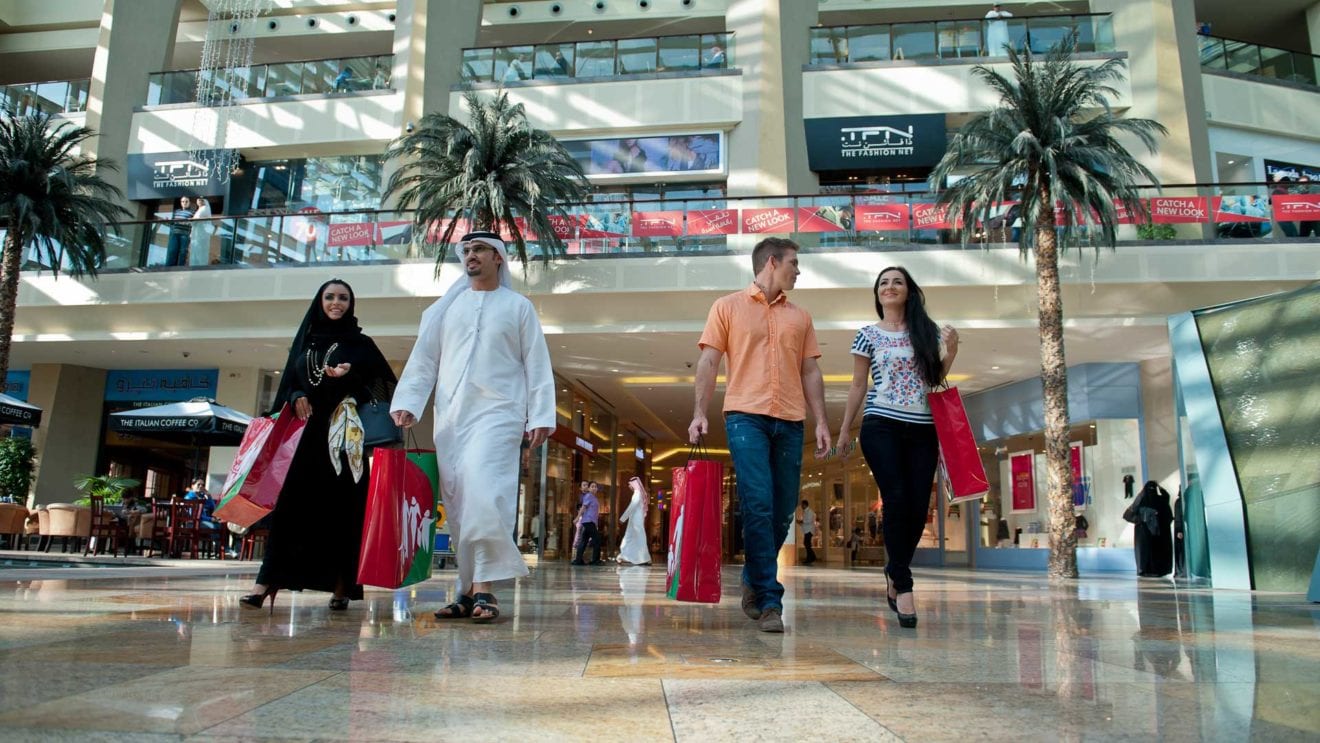
    Spending by Russian and Chinese tourists traveling to the UAE has declined recently and it is hurting not just the luxury shops in Dubai’s sprawling malls but other businesses as well.

    Nasir Mansoor, who manages vehicle rental service company Fast Rent A Car in Dubai, said that this year has been very challenging for them because the number of customers from the two countries has dropped significantly.

    During the peak period, around seven or ten Fast cars would be taken out for a drive by Russian tourists, while Chinese visitors would fill ten tourist buses a week. These days, the rental company is able to rent out, on average, only one car to a Russian customer, while Chinese tourists have dropped to two busloads a week.

    “The Russian tourists play a vital role in [our] car rental [business]. In the past six months, we have seen a noticeable decline in Russian customers who would benefit mostly from our daily and weekly rental services,” Mansoor told Gulf News.

    “Chinese tourists used to bring in business of up to ten bus tours weekly, while today, that number would approximately stand at around two tour trips,” he added.

    The national currency in Russia has been showing its weakness since last year, losing half of its value against the US dollar. The decline has made traveling abroad more expensive for Russians who earn in roubles. At the same time, the economic slowdown in China, coupled with the recent devaluation of the yuan, is not playing well with outbound tourism.

    According to Network International, overall credit or debit card spending by Russian and Chinese shoppers in the UAE dropped by 30 per cent and 22 per cent, respectively, during Ramadan compared to the same period last year. Jones Lang LaSalle noted in its latest report that retail sales in the UAE have slowed down, particularly in the luxury segment, as tourist spending from Russia has declined.

    More visitors are still traveling to the UAE, but arrivals from Russia and the Commonwealth of Independent States (CIS) has been weak. The number of Russian passengers arriving in Dubai dropped by 31.7 per cent in March, while those entering via Abu Dhabi declined by 10 per cent in June.

    Dubai Airports attributed the downtrend to the “continuing economic and social concerns in the region, with most major cities including Moscow, Kiev and St Petersburg recording fewer passengers.”

    “[This is] due to the factor that the rouble’s value has gone down in Russia and there is an economic downturn in China due to export slowdown,” noted Karan Patel, marketing manager for Middle East at 2GIS UAE, a map service comprising detailed business listings and public transport guide.

    The app developer provides map downloads to visitors in the UAE and used to attract huge customer traffic from Russian and Chinese travelers. Recently, however,  “application downloads” are on a decline, owing to the slump in tourist numbers.

    Russian and Chinese foot traffic is also declining at Shoexpress shops in the UAE. Jithan Harichand, the company’s retail operations manager, said that, given the rising cost of living in the UAE, domestic spending isn’t enough to make up for the drop in tourist spending.

    “The past year has been tough economically across the Middle East, Europe, especially Russia and China, thus tourism [has slowed down]. Tourists tend to spend cash in value retailers, thus with the [downtrend], we are dependent on UAE residents,” said Harichand.

    “[But] with inflation in UAE, residents have limited disposable income to spend locally.”

    Anuraag Sinha, managing director of Liali Jewellery in Dubai, said they used to get a lot of business from Russian tourists,  but with the decline in visitor numbers,  sales at their outlets in premium locations have slowed down.

    “The actual drop in the sales value in our sector is high because the tourists that have replaced some of the Russian and other high-spending tourists are not spending as much as the Russians did,” Sinha said.

    “While our stores in certain five and seven-star locations and resorts have suffered, our overall sales have grown as our main focus has been on brand building.”


  • Philippines records 27% hike in Indian tourists from Jan-May 2015

    Philippines records 27% hike in Indian tourists from Jan-May 2015

    The Department of Tourism (DOT), Philippines has welcomed about 31,245 Indian tourists during the first five months of this year, recording an increase of 27.40 per cent, compared with 24,525 tourist arrivals from India from January to May 2014. The destination also plans to welcome tourists to the Philippine Shopping Festival 2015 which will be held from October 23 to November 8, in association with the Philippine Retailers Association (PRA). This was informed by Verna Covar-Buensuceso, Director and Officer-in-charge, Market Development Group, Tourism Development Sector, Department of Tourism (DOT), Philippines, while speaking to the press at the recently concluded multi-city roadshow in New Delhi post travelling to Nagpur, Chandigarh and Lucknow.

    Comprising 11 trade partners from Philippines, this sixth roadshow by DOT Philippines was the biggest-ever delegation to India. The roadshows included interactive B2B sessions, education programmes and workshops and saw participation of over 300 key tour operators, MICE and up-market leisure operators.

    “We aim to achieve 100,000 Indian tourist arrivals by 2017,” said Glen Agustin, Chief Tourism Operations Officer, Market Development Group, DOT, Philippines. He elaborated that they conducted a familiarisation trip for Kolkata-based tour operators wherein participants interacted with their B2B counterparts in Philippines. This has yielded excellent results and the tourism has been booming from the Kolkata since then, he said. Moreover, about 600 tour operators and counting have been certified under the Philippines Specialist Program (PSP) which has indeed assisted tour operators to lure tourists from Tier-II cities as well. As per the trend this year, Indians are staying for seven days on an average and spending about USD 120 a day. Though the length of stay has increased, we look forward to increase the tourism spend as well, highlighted Agustin.

    Agustin felt that the progress has been quite impressive and DOT Philippines will continue to remain bullish on the Indian market. “India ranked as the 13th top source market for Philippines Tourism, and we firmly believe that it has a huge potential to up its ranking. Weddings, MICE and Film Tourism are some products which we are aggressively promoting in the Indian market as of now. More than half of the tourist arrivals in 2014 comprised MICE travellers, especially incentive. In the year going forward, we plan to participate in PATA Travel Mart from September 6-8 in Bengaluru, Karnataka and thereafter in the Outbound Travel Mart 2016 from February 18-20 in Mumbai,” revealed Agustin.

    Elaborating on the Philippine Shopping Festival 2015, Covar-Buensuceso, said, “It will be a two week-long sale where shopping malls and retailers in the Philippines will offer different discounts and promotions to entice people to shop and offer a unique shopping experience. In line with DOT’s ‘Visit the Philippines 2015’ campaign and PRA’s efforts in the development of the Philippine’s retail industry, the Philippine Shopping Festival aims to make the destination a new shopping hub in the Asia Pacific region,” added Buensuceso. She added that India is among the top 10 source markets to travel to newer destinations in Philippines such as Cebu, Davao, Palawan and Bohal along with the preferred ones such as Manila and Boracay.

  • Hong Kong retail sales fall for fourth month as tourism slows

    Hong Kong retail sales fall for fourth month as tourism slows

    Hong Kong retail sales fell for the fourth straight month in June as a drop in tourist arrivals continued to hit sales of big-ticket items such as jewellery and watches.

    Retail sale slipped 0.4 per cent from a year earlier in value terms to HK$37 billion ($4.8 billion) in June. That followed a revised 0.1 per cent decline in May, 2.1 per cent drop in April and 2.9 per cent slide in March. In volume terms, sales rose 4.4 per cent in June, against revised growth of 4.7 per cent in May.

    The city’s retailers have been hammered by slowing mainland tourist arrivals and high operating costs in rent and labour.

    “The near-term performance of retail sales is still subject to uncertainties, depending on inbound tourism growth and any spillover to consumption sentiment from the recent stock market volatility,” the government said in a statement.

    For the first six months, the value of retail sales fell 1.6 per cent from a year earlier, while volume was up 1.7 per cent.

    China’s slowing economy and volatile stock markets have hit retail spending and tourism.

    The Hong Kong Retail Management Association said the majority of its members forecast that the declining trend in retail sales will continue in the third quarter with no particularly favourable factors in sight.

    Visitor numbers to Hong Kong fell 2.9 per cent in June on the year, compared with year-earlier growth of 6.9 per cent, Hong Kong Tourism Board data showed. Mainland tourist numbers in June slid 1.8 per cent, against 7.8 per cent growth a year earlier.

    In June, sales of jewellery and watches fell 10.4 per cent by value, compared to a 14.9 per cent fall in May. Medicines and cosmetics declined 4.2 per cent, against 1.9 per cent fall in May.

    Last week, luxury retailer Emperor Watch warned of turning in a loss for the first half as foot traffic dropped due to a strong Hong Kong dollar and unfavourable tourism environment after protracted political unrest last year.

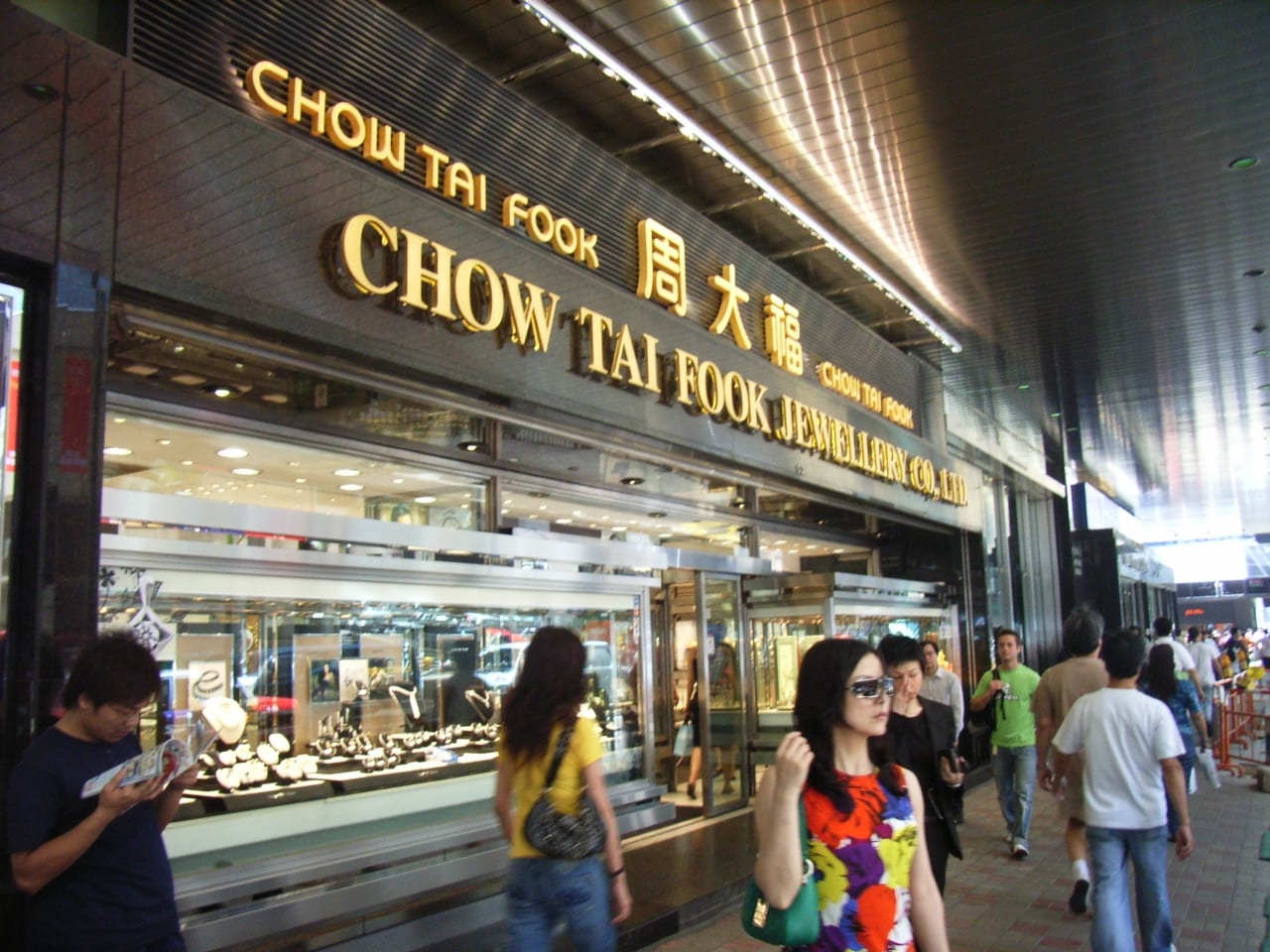
    The world’s biggest jewellery retailer Chow Tai Fook Jewellery saw its retail sales fall in the April-to-June quarter, while cosmetic chain Sa Sa saw a dip in its turnover for the quarter ended June. .

    Like rivals Burberry and Gucci’s parent Kering , the world’s No.1 luxury goods group LVMH said it was in talks with mall owners in Hong Kong to renegotiate prices amid falling sales.

  • ‘Team Singapore one for all’ $15m tourism spend

    ‘Team Singapore one for all’ $15m tourism spend

    Singapore Changi Airport, Singapore Airlines and the Singapore Tourism Board are to invest S$20m ($14.8m) on a coordinated effort to encourage more visitors to engage in leisure, business and MICE activities.

    All three parties have agreed a two-year partnership aimed at enriching Singapore’s appeal to more visitors through an enhanced and coordinated approach, involving the country’s national airline, its leading airport and the destination as a whole.

    The 15 ‘visitor markets’ that are initially being targeted with this new ‘one for all’ approach include Australia; China; Germany, Hong Kong; India; Indonesia; Japan; Korea; New Zealand; the Philippines; Taiwan; Thailand; Vietnam; the US; and the UK.

    In a joint statement, the trio say that they hope to refine the Singapore experience to leisure visitors coming to and through Singapore and Changi Airport, along with intensified direct marketing efforts to consumers and through trade partnerships.

    In addition, the partnership is also investing some of its money to increase marketing investment aimed at business travellers and MICE (Meetings, Incentives, Conventions and Exhibitions).

    Singapore Airlines CEO, Goh Choon Phong said: “This partnership demonstrates our commitment to further developing our home base as a travel hub and promoting Singapore as a destination of choice. We are pleased to continue working closely with STB and CAG and draw on our respective strengths, to promote sustainable growth of inbound travel to and through Singapore.”

    Lee Seow Hiang, CEO of the Changi Airport Group added: “One of the key initiatives in this collaboration is developing and enhancing joint programmes that will contribute towards strengthening the global mindshare and perceptions of both Singapore and Changi Airport.

    “We look forward to working together to leverage our collective strengths and insights and to amplify our efforts to promote the Singapore experience.”

    Adding his comments, Lionel Yeo, CEO of the Singapore Tourism Board said: “Our airline and airport are an integral part of the Singapore experience. The new product offerings demonstrate SIA, CAG and STB’s commitment to provide today’s discerning travellers with a more seamless and in-depth experience.

    “To constantly refresh and add value to the visitor experience, it is essential for the industry to rally together; STB looks forward to more partnerships with the industry.”

    The three partners says that one of the ‘key highlights’ of this new initiative is the introduction of the Stopover Premium package which is an upgraded version of the Singapore Stopover Holiday. They say this is the latest in the three partners’ ongoing efforts to create more distinctively targeted experiences for travellers with different needs to enjoy Singapore more fully as a destination.

    This is being aimed at both premium leisure and business travellers and includes stays in selected five-star hotels with breakfast and Wi-Fi, priority hotel check-in services and private transfers (for ‘Club’ room stays).

    Other exclusive ‘privileges’ include spa discounts or shopping vouchers and access to a variety of premium leisure experiences across the island (first and business class passengers only).

    The partnership is also offering a ‘refreshed’ and enhanced Free Singapore Tour, aimed at taking transit passengers on a free guided tour of Singapore’s heritage attractions and city skyline.

    The new programme now boasts longer itineraries, more iconic landmark sights, photo stops and additional tour timings. The Singapore Tour has proved hugely popular over nearly three decades, with more than one million visitors taking advantage of the offering since it was first introduced 28 years ago in 1987.

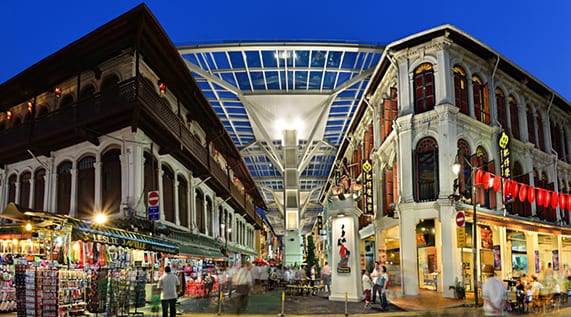
    It currently includes several attractions (see below) including Little India, Chinatown, the Colonial District, the main business district and many other attraction.