Retail News CRM

Tag: travelling

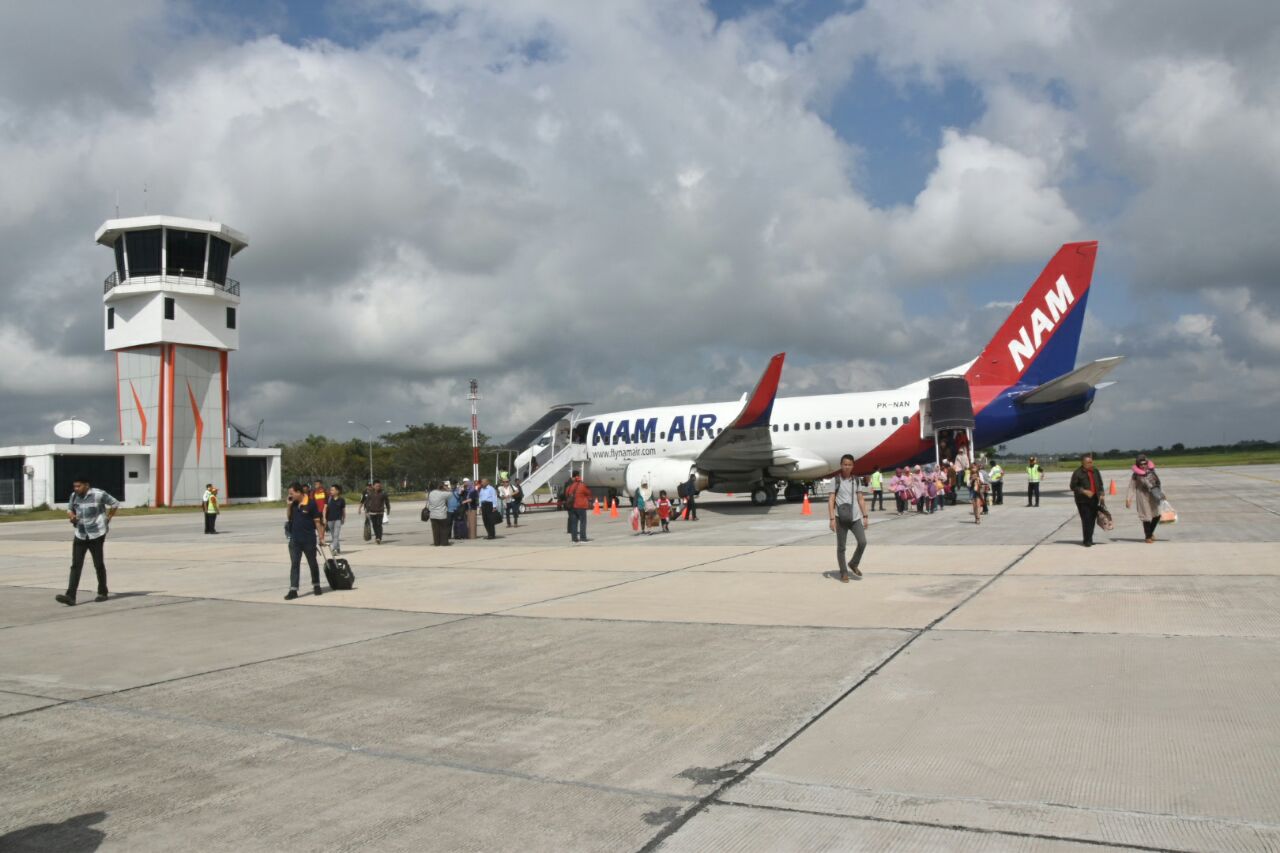
  • Nam Air to lure millennials with boutique airline

    Nam Air to lure millennials with boutique airline

    Nam Air, a subsidiary of Sriwijaya Group, has announced a plan to apply the boutique airline concept, which mainly focuses on lifestyle branding.

    The carrier aims to make itself more appealing for customers of the millennial generation by delivering what it refers to as a “unique concept that is more masculine”.

    Nam Air director Asa Perkasa said passengers would experience the new concept even prior to their departure, and it would continue until their arrival at an airport. “There will be a number of changes, starting from our style to our products,” said Asa in an official statement. “But it will still have an Indonesian touch.”

    Asa described millennials as a promising target group, as they made up a large portion of the market and medium-service airlines were challenged to cater to their needs.

    Entering its fifth year of operation, Nam Air plans to change its internal operations as well. “We plan to apply the millennial lifestyle to our internal work pattern, from our outfits and offices to our business processes,” said Asa. “We’ll provide training for all of our employees to keep up with market trends.”

  • AirAsia prepares to fly to Japan starting in July

    AirAsia prepares to fly to Japan starting in July

    Budget carrier AirAsia Philippines is launching its first flights to Japan on July 1 this year. The carrier, a unit of Malaysia’s AirAsia Berhad, said in a statement over the weekend that it would link its Manila hub to Osaka, paving the way for direct flights to Japan.

    “The launch of direct flights between the Philippines and Japan is a milestone occasion, and we’re excited to connect our capital, Manila, with Osaka,” said AirAsia Philippines President and CEO Dexter Comendador.

    “We are also excited to welcome guests from Osaka and its neighboring regions to the Philippines. This international route will contribute to the government’s target of 8.2 million visitors this year,” he added.

    Similar to the launch of other new routes, the budget airline said it would offer promotional fares at P1,990 for a one way ticket.

    For the whole of 2018, AirAsia Philippines carried 6.87 million passengers, a gain of 30 percent.

    Capacity for the year also rose 34 percent as it increased its fleet of Airbus A320s to 22 planes in 2018 versus 17 aircraft the previous year.

    AirAsia Philippines was established in 2012 with a fleet of two A320s operating out of Clark International Airport.

    Since then, it has opened new hubs, including Manila’s Ninoy Aquino International Airport and Mactan Cebu International Airport.

    At present, it flies to 13 international destinations from Manila in the Philippines, including Kuala Lumpur, Kota Kinabalu, Bangkok, Bali, Seoul, Taipei, Kaohsiung, Shanghai, Guangzhou, Shenzhen, Hong Kong, Macau and Ho Chi Minh City.


  • How founder’s distaste for buying drove AirAsia’s growth

    How founder’s distaste for buying drove AirAsia’s growth

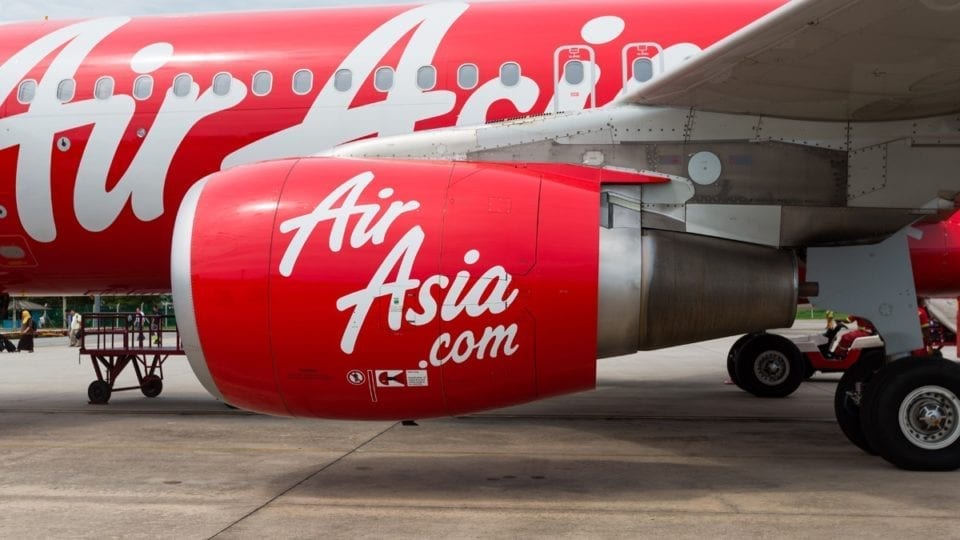
    AirAsia, the region’s biggest budget airline, said it prefers to pursue organic growth instead of expansion through acquisitions, partly explaining why it declined to buy Hong Kong’s sole low-cost carrier Hong Kong Express Airways (HK Express). Cathay Pacific Airways, Hong Kong’s flagship premium carrier, this week offered HK$4.93 billion (S$850 million) to buy its budget competitor from the indebted HNA Group. AirAsia looked at the proposal to buy HK Express and its full-service sibling Hong Kong Airlines, declining to acquire either, said founder Tony Fernandes.

    “My philosophy has been organic growth,” Fernandes said in an interview with South China Morning Post during Credit Suisse’s Asia Investment Conference in Hong Kong. “I generally don’t believe in acquisition because it comes with a lot of inherent issues. When you import through acquisition, it comes at a risk, so it’s not my preference.

    Fernandes’ approach illustrates how he turned the Kuala Lumpur-based airline from a near-bankrupt company into Asia’s largest budget carrier in less than two decades, with more than 140 destinations and flying on 320 routes at the lowest unit cost in the global aviation industry.

    Fernandes, who worked for Warner Music Group before striking out on his own, bought AirAsia in December 2001 for a token 1 ringgit, taking on the carrier’s 40 million ringgit (S$15 million at the time) of debt. Within a year, the carrier reported a profit, qualifying for a listing on the Kuala Lumpur Stock Exchange two years later.

    AirAsia’s 2018 revenue rose 9 per cent to 10.6 billion ringgit (US$2.5 billion), while pre-tax profit rose by the same quantum to a record 1.7 billion ringgit. Low-cost, long-haul AirAsia X notched revenue of 4.5 billion ringgit, flat year-on-year, but the 2017’s profit performance turned into a loss of 312 million ringgit.

    The airline and its affiliates flew 73 million passengers last year, a figure that beat even full-service flag carriers in Southeast Asia. AirAsia had made a single acquisition in 18 years, when it bought 49 per cent of Zest Airways for an undisclosed sum to secure a landing slot in the Philippines in 2013. Elsewhere in the region, AirAsia expands its network through joint ventures in seven countries, including Japan, India and Thailand.

    The airline, operating with 21,000 employees with no union representation, wants to steer clear of importing “inherent issues” and excess baggage from taking on another airline, Fernandes said.

    Now AirAsia has a chance to help revive Malaysia Airlines, the very competitor that the low-cost carrier had beaten into the ground. Malaysia’s Premier Mahathir Mohamad broached the idea of either selling or shutting the nation’s flag carrier two weeks ago.

    Malaysia Airlines, now under the ward of the country’s sovereign wealth fund Khazanah Nasional after a 6 billion ringgit capital infusion, “can definitely be turned around,” Fernandes said.

    Still, AirAsia is in no hurry to revive its 2011 share swap plan with the flag carrier, which was vetoed by the government of then-premier Najib Razak.

    “Many people will say that [AirAsia’s] expertise could be used to hurt Malaysia Airlines and benefit AirAsia. There is a genuine interest to help but in this day and age, not everyone will see it that way, ” Fernandes said. “It’s best that we do our own thing, and we’ve got a lot on out plate.”

    Worldwide aviation is booming, where 8.2 billion passengers could take to the sky by 2037, according to a 20-year forecast made in October by the International Air Transport Association (IATA), with the Asia-Pacific region driving the biggest growth.

    Still, not everything is hale and rosy in the region, as intense competition in a price-sensitive travelling weighed on airlines’ bottom lines. Only six of the 20 publicly traded airlines or affiliates in Southeast Asia were in the black, with 19 of them reporting declines in third-quarter profitability compared with a year earlier, according to CAPA Centre for Aviation.

    AirAsia had been approached for help. It has already evaluated and declined buying a stake in Bangkok-based NokAir. AirAsia’s Indonesia unit was also linked to – and denied – the possible purchase of Citilink, the low-cost brand of Indonesia’s flag carrier Garuda.

    “I never say no to any M&A, but it has to be a sexy opportunity to go down that route,” Fernandes said.

    Turning to India, and the troubles associated with Jet Airways, which was saved from near-bankruptcy at the last minute, the Malaysian-owned budget carrier said it was positioning itself for the opportunity to grow if runways slots relinquished come up for sale.

    “India is a prize, but just like with prizes, nothing comes easy. It’s been a lot of hard work,” Fernandes said.

    Expecting runway slots to be freed up, the AirAsia chief added. “We want to [buy] it in the right way. We’re not vultures. There will be a few airlines hoping Jet goes bust and we don’t want anyone to lose their jobs, we want every airline to survive and grow, but if an opportunity arises to take those slots, then for sure.”
  • AirAsia to launch Phuket-Phnom Penh direct flights

    AirAsia to launch Phuket-Phnom Penh direct flights

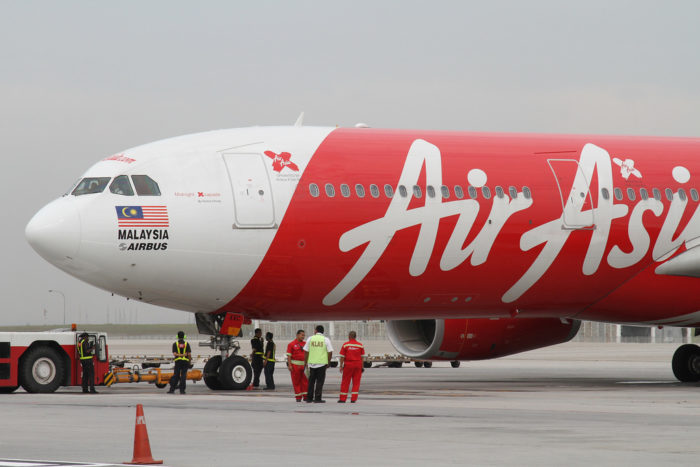
    Thai AirAsia CEO Santisuk Klongchaiya said the airline has devoted great importance to adding routes to its regional flight bases, looking to build a strong network of destinations that provide the opportunity to add even further routes, providing ever greater convenience to travellers who will no longer need to stop over in Bangkok, said a release today (April 1) announcing the new flights.

    “Phuket is a very important strategic flight base for AirAsia that has grown steadily along with the addition of direct flights to CLMV (Cambodia, Laos, Myanmar, Vietnam) cities such as Siem Reap.

    “With the positive response we have received from international travellers, we decided to add Phuket-Phnom Penh, connecting the resort town to Cambodia’s capital. The route should well serve tourists as well as members of the business community of both countries,” Mr Santisuk added.

    The flights will operate on Monday, Tuesday, Friday and Saturday.

    Thai AirAsia operates nine international routes out of Phuket: Phuket-Wuhan, Phuket-Kunming, Phuket-Hong Kong, Phuket-Macau, Phuket-Siem Reap, Phuket-Singapore, Phuket-Kuala Lumpur (Code AK), Phuket-Penang (Code AK) and the latest addition Phuket-Phnom Penh starting June 1.

  • Bamboo Airways inks deal for 26 Airbus aircraft

    Bamboo Airways inks deal for 26 Airbus aircraft

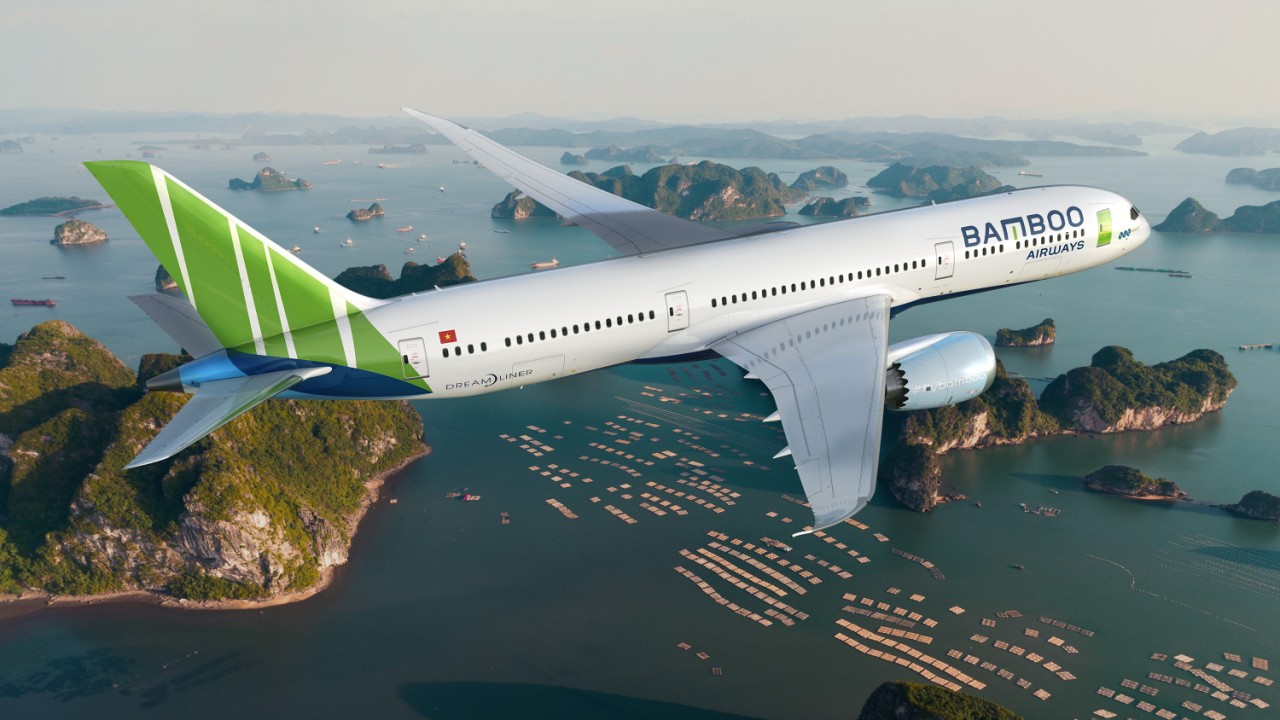
    Private airline Bamboo Airways will buy 26 new narrow-body Airbus aircraft as it expands operations. The value of the deal is $6.3 billion, based on list price, chairman Trinh Van Quyet told. With the previous order of 24 aircraft of the same model last year, the airline has ordered 50 in total.

    Quyet said that the first of the A321Neo planes will be delivered in 2022.

    Bamboo Airways had previously said that it was considering purchasing 25 narrow-body Boeing 737 MAX, which has been grounded internationally after two deadly crashes within a space of five months.

    Last month, Bamboo Airways had inked a deal with Boeing for 10 wide-body 787-9 Dreamliners worth almost $3 billion.

    Starting this year, the airline operates 17 domestic flight routes. It plans to start international flights next month, with Japan, Singapore and South Korea mentioned as possible destinations.

    It also plans to fly to Europe in June and directly to the U.S. by the end of this year or early next year.

    Bamboo Airways is one of five airlines operating in Vietnam. The others are state-owned Vietnam Airlines, budget airline Vietjet, low-cost carrier Jetstar Pacific and Vietnam Air Services Company (VASCO).

    Local airlines served almost 50 million passengers last year, up 10 percent from 2017.

  • AirAsia apologises for ‘Get off in Thailand’ advert

    AirAsia apologises for ‘Get off in Thailand’ advert

    AirAsia has apologised after its advertising campaign was labelled “harmful” in Australia. The advert containing the phrase “Get off in Thailand” was posted around the city of Brisbane to promote the airline’s direct route to Bangkok. Collective Shout, a grassroots campaign movement against the objectification of women claimed that the advert was promoting sex tourism in Thailand.

    Thailand has over 123,530 sex workers, according to a 2014 UNAids report.

    Melinda Liszewski, a campaigner at Collective Shout spotted the adverts on a Brisbane bus and posted the image to social media.

    She accused the airline of “promoting sex tourism.”

    A spokeswoman for Air Asia told the BBC: “AirAsia takes community feedback extremely seriously and the airline sincerely apologises for any inconvenience caused from recent concerns raised.

    “AirAsia can confirm the advertising campaign has ended and we instructed our media partners to have the advertising removed as soon as possible today from all locations.”

    One of the adverts was spotted at Brisbane Airport. It has confirmed on social media that its removal “is a priority.”

    Brisbane City councillor Kara Cook branded the campaign an “absolute disgrace” and said “it should never have appeared on our city’s streets.”

    She wrote on Twitter: “Council should be responsible & accountable for the ads on their buses.

    “I wrote to the LNP this morning demanding these buses be taken out of circulation. This shouldn’t have happened.”

    In response to the criticism, Brisbane City Council said that the Advertising Standards Board regulates advertising acceptability. It directed complaints to the board.

  • Garuda Indonesia Cancels 49 Boeing 737 MAX Orders

    Garuda Indonesia Cancels 49 Boeing 737 MAX Orders

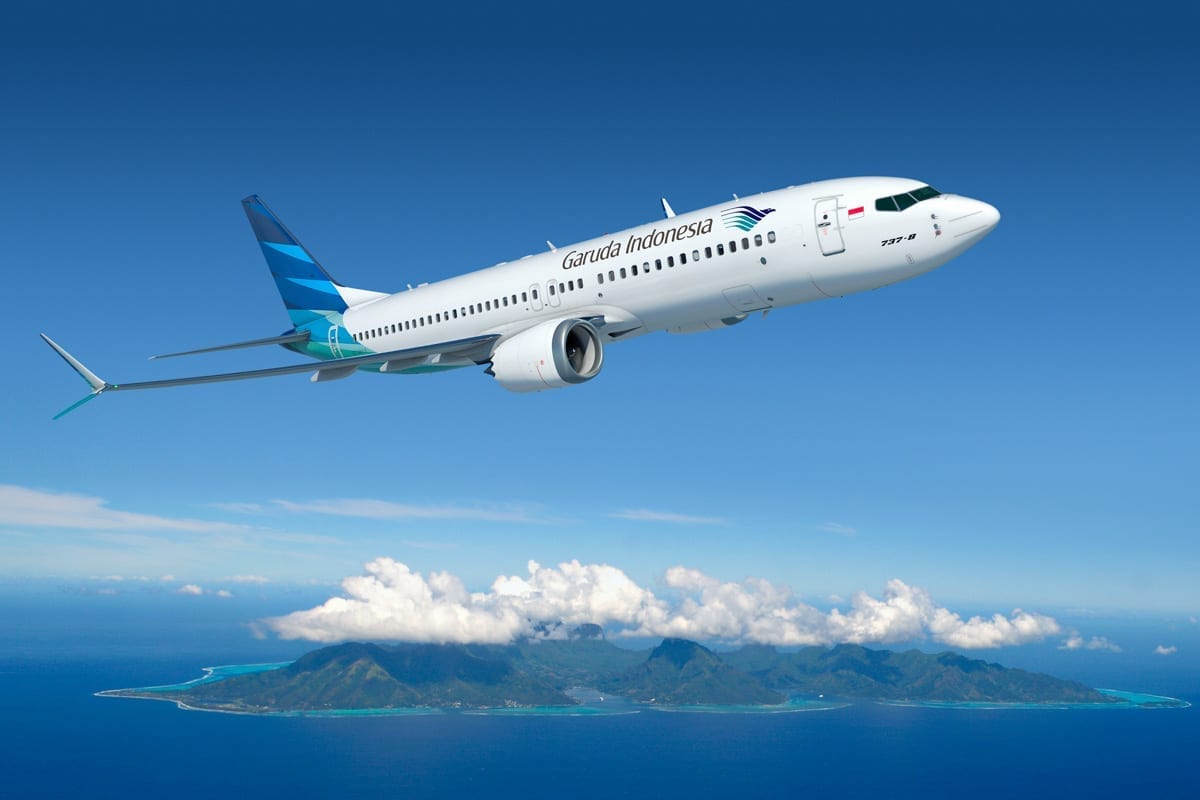
    Breaking news coming from Jakarta that Garuda Indonesia has canceled their order for 49 Boeing 737 MAX placed a few years ago. This comes after two disastrous 737 MAX crashes and a worldwide grounding of the aircraft for safety reasons. Garuda operates over 70 737NG aircraft. As such, the 737 MAX was a natural addition to the fleet and part of the 737NG replacement plan. At face value, Garuda’s order was worth $4.9 billion.

    Garuda made the following comments upon ordering the 737 MAX:

    The Cancellation

    Garuda Indonesia’s President Director, Gusti Ngurah Askhara Danadiputra, announced the cancellation on Thursday, March 21st. In his comments, he specifically stated that the 737 MAX 8 suffered from bad publicity that spooked travelers from choosing the 737 MAX 8. Specifically, Garuda Indonesia believes there is no longer passenger confidence in the aircraft, so they are cancelling their order.

    This isn’t a major issue for Garuda Indonesia since they only have one 737 MAX 8. Depending on how long the groundings of MAX aircraft last, Garuda could find a new buyer or lessor for that specific aircraft. They could also sell it back to Boeing as part of a deal. Garuda Indonesia is already an Airbus customer. They operate both the A330-200 and 300 widebodies. In addition, Garuda Indonesia has 14 A330-900s on order.

    Cancelling the 737 MAX leaves Garuda with few options for sourcing a narrowbody replacement for their 737-800s. Russia is working on an alternative, however, it seems like Garuda will need an established plane with passenger confidence. In addition, based of Garuda Indonesia’s original order, they will probably go for a fuel efficient plane that carry a similar number of passengers.

    This makes the A320neo the most likely option for Garuda Indonesia. On an order for 50 aircraft, Garuda will probably get some discounts from Airbus that would make the delayed entry, any cancellation fees with Boeing, and increased maintenance and training costs worth it if passengers will still fly with them.

    The A320neo, however, would not be entirely out of place in Garuda’s fleet. Garuda Indonesia operates a low-cost arm called Citilink. Citilink flies over 50 A320/A320neo family aircraft.

    Overall

    In the grand scheme of things, Garuda Indonesia is not a major 737 MAX customer.  Norwegian, SpiceJet, Ryanair, Jet Airways, Lion Air, Flydubai, and Southwest all have over 100 737 MAX aircraft on order. However, if Garuda Indonesia is expressing concern about the 737 MAX, it is likely that other airlines are also concerned about their 737 MAX fleet and orders.

  • Airasia will soon start selling flight tickets of other airlines

    Airasia will soon start selling flight tickets of other airlines

    AirAsia’s group CEO Tony Fernandes said the Malaysian low-cost carrier’s official website will soon start selling tickets of other airlines, as it looks to generate a new form of revenue. In a Twitter post, Fernandes said that AirAsia.com will be formed as a new company under the open sourcing firm that helps in building software, Red Hat Inc.

    Fernandes is confident that in time, airasia.com will generate as much gross merchandise volume (GMV) from non-AirAsia flight tickets as it does from selling AirAsia flight tickets. As of now, the GMV is $4 billion, he tweeted.

    GMV indicates total sales dollar value for merchandise sold through the ecommerce platform.

    Moreover, in a series of tweets, Fernandes announced that the hotel sales via the website increased 300 percent last week and is going to grow along with activities.

    He added that AirAsia’s loyalty points will help drive more people, because of their database, to the platform, which claims the strongest platform among ASEAN (Association of Southeast Asian Nations).

    “We have a much more powerful database and better knowledge of our customers than OTA,” he said in a tweet.

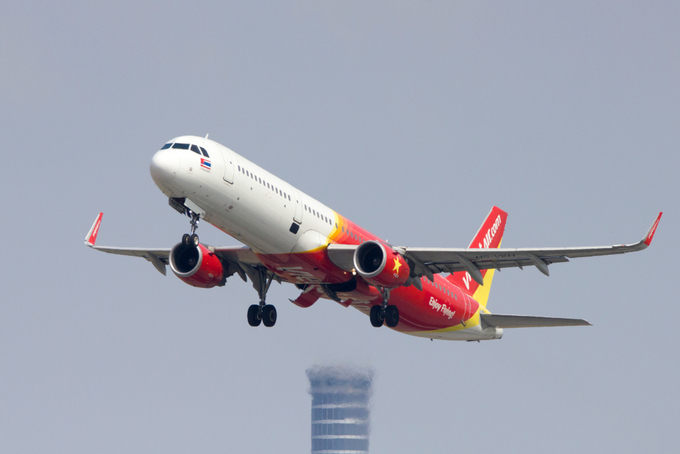
  • 1.4 million super saving Vietjet tickets priced from MYR0 up for grabs for three days!

    1.4 million super saving Vietjet tickets priced from MYR0 up for grabs for three days!

    With the arrival of the vibrant summer season, Vietjet has opened ticket sales on three new domestic routes, including Can Tho – Hai Phong, Can Tho – Vinh and Can Tho – Thanh Hoa which will operate from April 26, 2019.

    Celebrating this special occasion, Vietjet is offering 1.4 million super saving tickets priced only from MYR0 (*) on three golden days from March 20 to March 22, 2019 via the airline’s website. The promotional tickets are available during the golden hours from 1.00pm to 3.00pm, and applicable for all domestic routes in Vietnam. Travel time is from May 21, 2019 to December 31, 2019?

    The Can Tho – Hai Phong route will operate daily return flights; flying time is around 1 hour and 55 minutes per leg. The Can Tho – Vinh route will operate return flights on Monday, Wednesday, Friday, Sunday; flying time is around 1 hour and 50 minutes per leg. Meanwhile the Can Tho – Thanh Hoa route will operate return flights on Tuesday, Thursday, Saturday; flying time is around 1 hour and 55 minutes per leg.

    Subsequently in May 2019, Vietjet will introduce two more new routes from Can Tho to Nha Trang (Khanh Hoa province) and Dalat (Lam Dong province). With the addition of these new routes, Vietjet will have the distinction of being the only airline with the most routes and flights from and to Can Tho – the capital city of the Mekong Delta area.

    With a network comprising 39 domestic routes and 69 international routes, Vietjet operates safe flights with a technical reliability rate of 99.64% — the highest rate in the Asia Pacific region. As a fully-fledged member of International Air Transport Association (IATA), Vietjet has obtained the IATA Operational Safety Audit (IOSA) certificate and has been awarded a 7-star ranking, the world’s highest rate for safety, by AirlineRatings.

  • AirAsia to launch Mumbai-Kolkata daily flight from Mid-April

    AirAsia to launch Mumbai-Kolkata daily flight from Mid-April

    Low cost carrier, AirAsia India Friday announced the launch of its flight services to Kolkata from the city next month. This would be airline’s second destination from Mumbai after it started operating daily services to Bengaluru from the country’s financial capital.  AirAsia India will now fly connecting Kolkata and Mumbai, with one daily flight, effective April 15, the airline said in a release Friday.

    The introduction of Mumbai-Kolkata route comes close on the heels of AirAsia India adding eighth additional flights to its network of 19 destinations.

    “We recently introduced the first connection between Bengaluru and Mumbai and are now adding a new connection between Mumbai and Kolkata. It’s a key market for AirAsia and this flight will strengthen our operations in East. This new route is a manifestation of our future growth plan in these key and important business markets, said Sunil Bhaskaran, managing director and chief executive officer, AirAsia India.

    AirAsia India, a joint venture between Tata Sons and Malaysian airlines’ group AirAsia, currently operates to 19 domestic destinations with a fleet of 20 Airbus A320 planes. The group made its first entry in the Mumbai market with the launch of AirAsia Berhad services to here from Kuala Lumpur in May 2010.

    However, in 2012 it withdrew the route citing high airport charges. But came back again with its subsidiary Indonesian AirAsia X in May 2017, which was again discontinued in April last year.

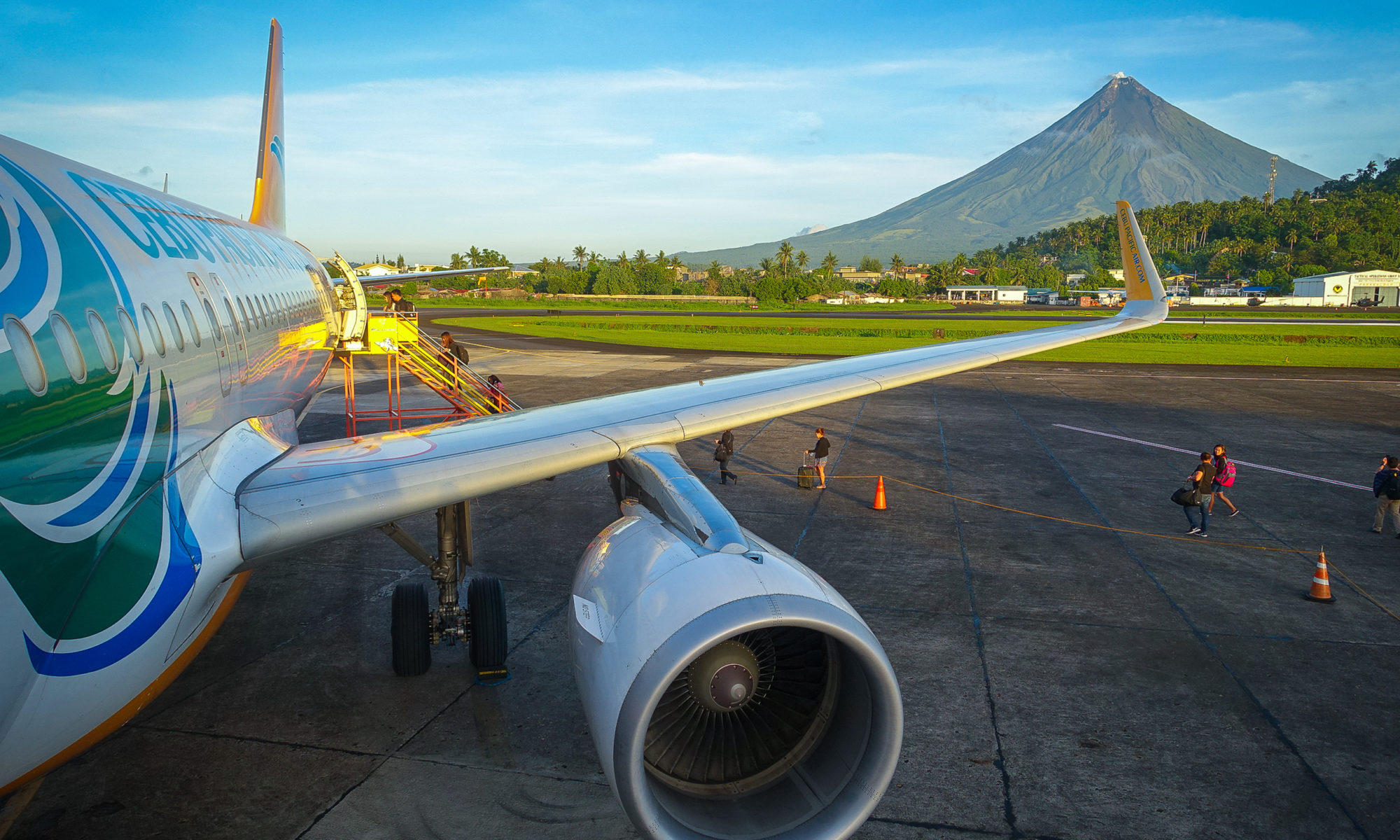
  • Cebu Pacific leads in Philippines-Australia flights

    Cebu Pacific leads in Philippines-Australia flights

    Budget carrier Cebu Pacific has kept its market share lead in the Philippines to Australia route, a statement on Thursday showed. Citing data from Australia’s Bureau of Infrastructure, Transport and Regional Economics from November last year, Cebu Pacific said it cornered a market share of 39.5 percent versus close competitor Philippine Airlines, which had a 38.1-percent share.

    Cebu Pacific flies between Manila, Melbourne and Sydney. It also competes with Qantas, however the Australian carrier’s operations are limited to Manila and Sydney.

    “As more brand-new aircraft enters the CEB (Cebu Pacific) fleet, we are now in a position to seriously study the possibility of expanding to more destinations in Australia. We are encouraged by our performance in the Australia market,” Candice Iyog, vice president for marketing at Cebu Pacific, said in the statement.

    The airline said demand has been going up. For Nov. 2018, some 48,000 passengers flew between Manila, Melbourne and Sydney. The figure represented a growth of 31.3 percent. Cebu Pacific alone carried 18,971 passengers, or a year-on-year growth of 56 percent.

    Cebu Pacific flies five times weekly between Manila and Sydney and thrice a week between Manila and Melbourne. Cebu Pacific is the only low-cost carrier with direct service from Manila to Sydney and Melbourne.

  • Tumi powers solid Samsonite sales growth, focus in Asia

    Tumi powers solid Samsonite sales growth, focus in Asia

    Hong Kong-listed luggage giant Samsonite International has achieved its seventh consecutive year of sales growth following its listing in 2011.

    Net Samsonite sales were up 8.4 per cent on a constant-currency basis to US$3.797 billion in the year to December 31. Profit attributable to shareholders rose by 23.9 per cent before extraordinary items saw that figure reversed into a 29.2 per cent decline to $236.7 million.

    Net sales in Asia increased by 10.2 per cent year on year to $1.324 billion, driven by the Tumi, American Tourister, Samsonite and Kamiliant brands. Tumi’s sales increased by 29.5 per cent, due in part to the full-year contribution from having taken direct control of Tumi distribution in certain Asian markets during 2017, as well as increased brand penetration in key Asian markets.

    A boost in marketing saw American Tourister’s net sales increase by 8.9 per cent in Asia, while Samsonite sales rose by a more modest 2.1 per cent. The group’s entry-level brand Kamiliant achieved a 44.1 per cent increase in sales in Asia as it continued to take market share from other entry-level brands across the region.

    Overall, Asia recorded second-half net sales growth of 6.5 per cent and full-year growth of 10.2 per cent.

    CEO Kyle Gendreau said sales in Japan rose by 14.1 per cent and in India by 28.5 per cent, in the second half, but these gains were partially offset by slower growth in China, which recorded just 3.2 per cent growth as consumer sentiment weakened amid concerns about trade relations with the US; and in South Korea where net sales decreased by 1.5 per cent in the second half.

    “Our growth was underpinned by positive performances from our core brands,” said Gendreau. “Tumi continued to perform ahead of expectations, making great strides in enhancing its international presence, with strong growth in Asia and Europe.”

  • AirAsia launches cheap fares to Bali, a thriving tourism destination for many Australians’

    AirAsia launches cheap fares to Bali, a thriving tourism destination for many Australians’

    AirAsia is offering cheap one-way fares to a tropical Indonesian island, which has been tipped to take the top spot as the favourite destination for Australians. The budget airline announced its new four-time weekly flights between Perth and Lombok, east of Bali this week.

    As part of the announcement, AirAsia is offering one-way flights to Lombok from just $99. AirAsia has launched cheap one-way fares to Indonesia’s newest holiday hotspot Lombok, which has been tipped to take the top spot a favourite destination for Australians

    The budget airline announced its new four-time weekly flights between Perth and Lombok, east of Bali this week Jetsetters can snag the cheap flights until March 24, to travel between June 9 and October 26.

    Australian sun-seekers are expected to flock to the new destination, which has been described as ‘the new Bali’.

    Lombok, east of Bali, has gearing up to become the next tourism hotspot with promises of endless blissful beaches.

  • Vietjet not operating any flights with Boeing 737 MAX aircrafts

    Vietjet not operating any flights with Boeing 737 MAX aircrafts

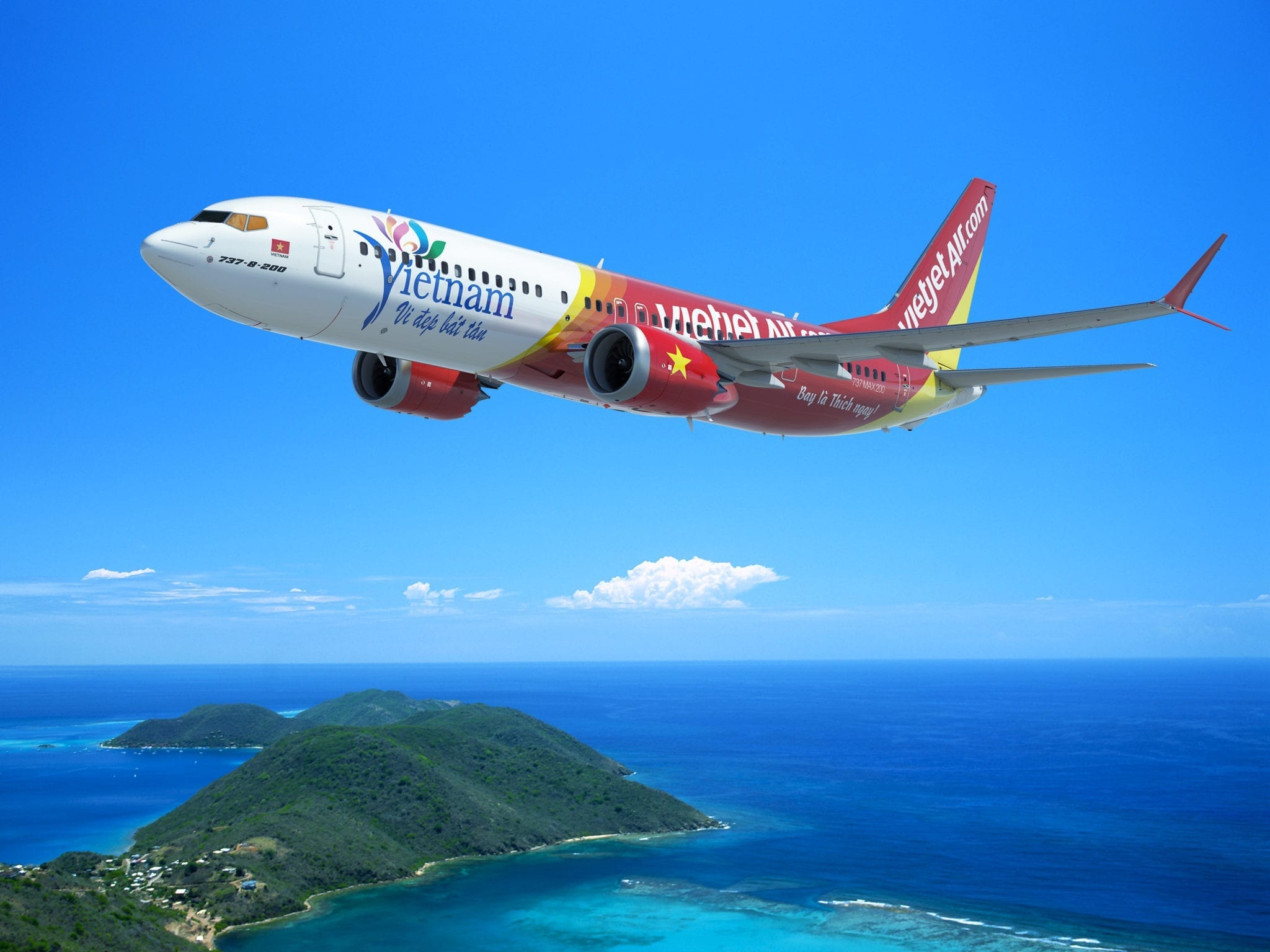
    Vietjet does not operate any flights with Boeing 737 MAX aircraft. We are currently operating with a fleet entirely composed of new Airbus aircraft from the A320 family aircraft. The average age of our fleet is 2.82 years. We are also using latest generation of Airbus aircraft, A320-A321 neo.

    Furthermore, Vietjet’s operations meet the highest international standards with regard to safety and maintenance. In particular, we have complied with all of the regulations and met the latest standards which have been set out by the European Aviation Safety Agency (EASA), the Federal Aviation Administration of the United States (FAA) and the Civil Aviation Authority of Vietnam (CAAV), including the approval of aircraft type for our operation.

    The safety for passengers is always Vietjet’s highest priority. Now we are closely monitoring the Boeing 737 MAX case and our decisions related to these aircraft will be made after the official conclusions and guidelines of the world’s aviation authorities and the CAAV. We are doing this to ensure the development of our modern fleet and to meet the highest quality and safety standards. Vietjet has well managed our fleet so far and our transport business plans are unchanged.

  • SilkAir boosts Phuket-Singapore flights

    SilkAir boosts Phuket-Singapore flights

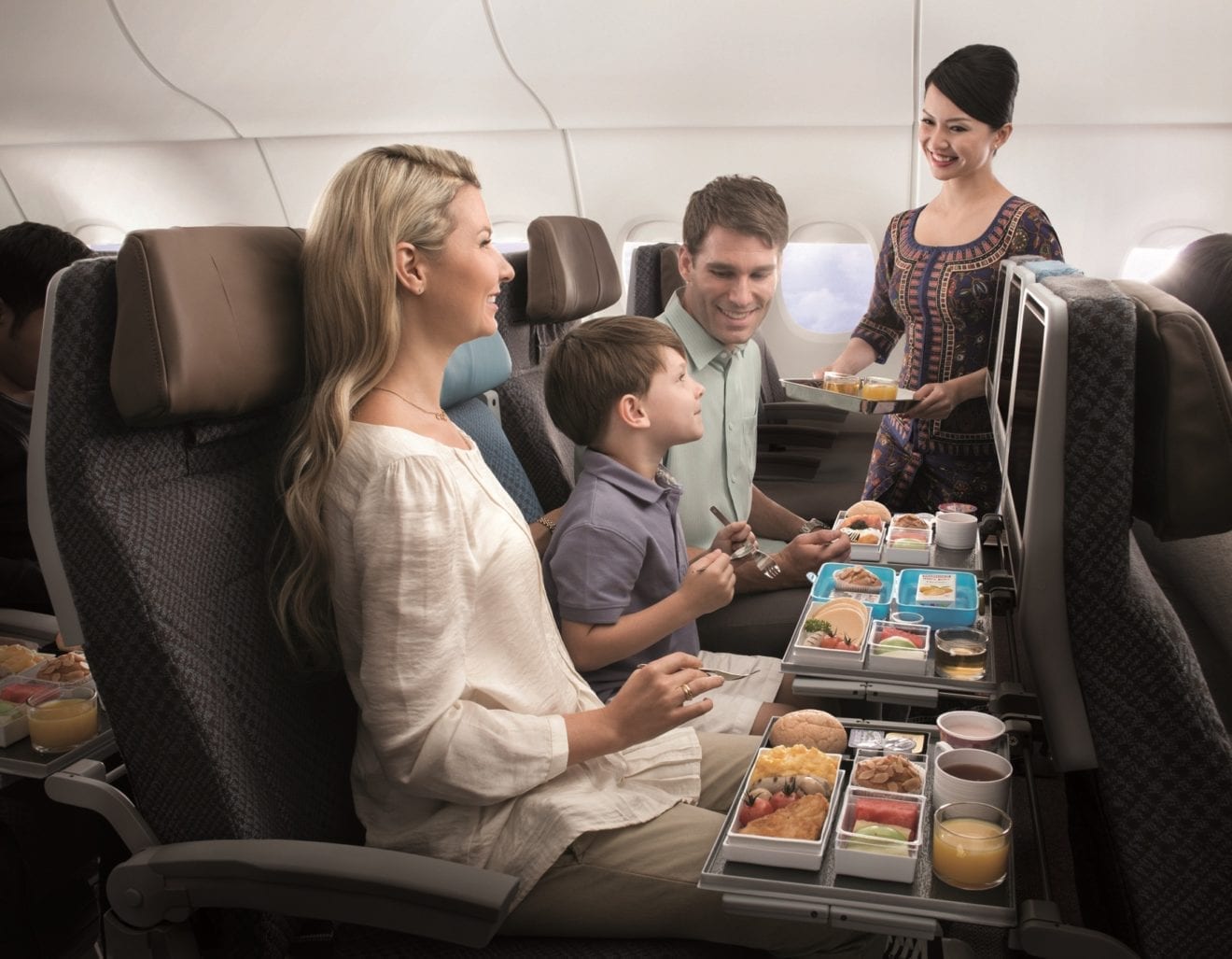
    SilkAir, the regional wing of Singapore Airlines, will add a sixth daily service between Phuket and Singapore from May to meet growing demand for travel between Singapore and Thailand. SilkAir currently operates five flights per day on the popular Singapore-Phuket route, and a sixth will be introduced with effect from May 24, noted a release announcing the new flights.

    “The new service will be operated by Boeing 737 aircraft, which feature both Business and Economy Class cabins. Customers can look forward to a full-service experience, including in-flight meals, wireless in-flight entertainment on SilkAir Studio, complimentary baggage allowance as well as through check-in if they are connecting to or from another SilkAir or Singapore Airlines point via Singapore,” the release noted.

    The additional service, MI760, will depart Singapore at 9:50am (Singapore Time) and arrive at Phuket at 10:45am (Phuket Time).

    The return flight will operate as MI759, departing Phuket at 11:35am (Phuket Time) and arriving in Singapore at 2:20pm (Singapore Time). (See schedule below.)

    As the regional wing of Singapore Airlines, SilkAir extends the SIA Group’s network by seeding and developing new destinations in the Asia-Pacific, noted the release.

    The airline took to the skies in February 1989 as Tradewinds the Airline, before evolving into SilkAir in 1992. In its early days, it catered to passengers holidaying in exotic destinations in the region, including Phuket and Tioman. As the carrier developed, regional business destinations such as Phnom Penh, Yangon and Kuala Lumpur were added.

    Today, the full-service airline operates about 400 weekly flights to 49 destinations in 16 countries.