Retail News CRM

Tag: travelling

  • AirAsia India Desire Jet Airways’ Boeing 737s

    AirAsia India Desire Jet Airways’ Boeing 737s

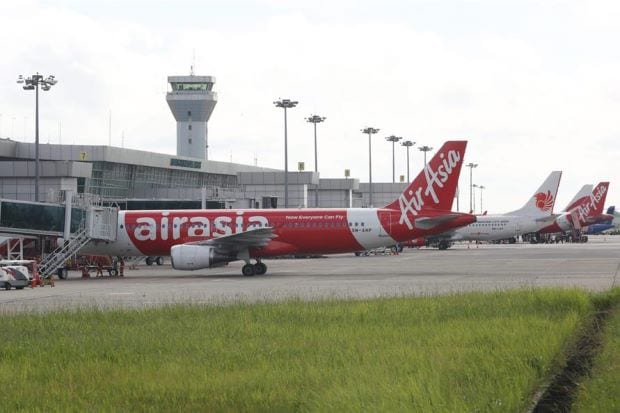
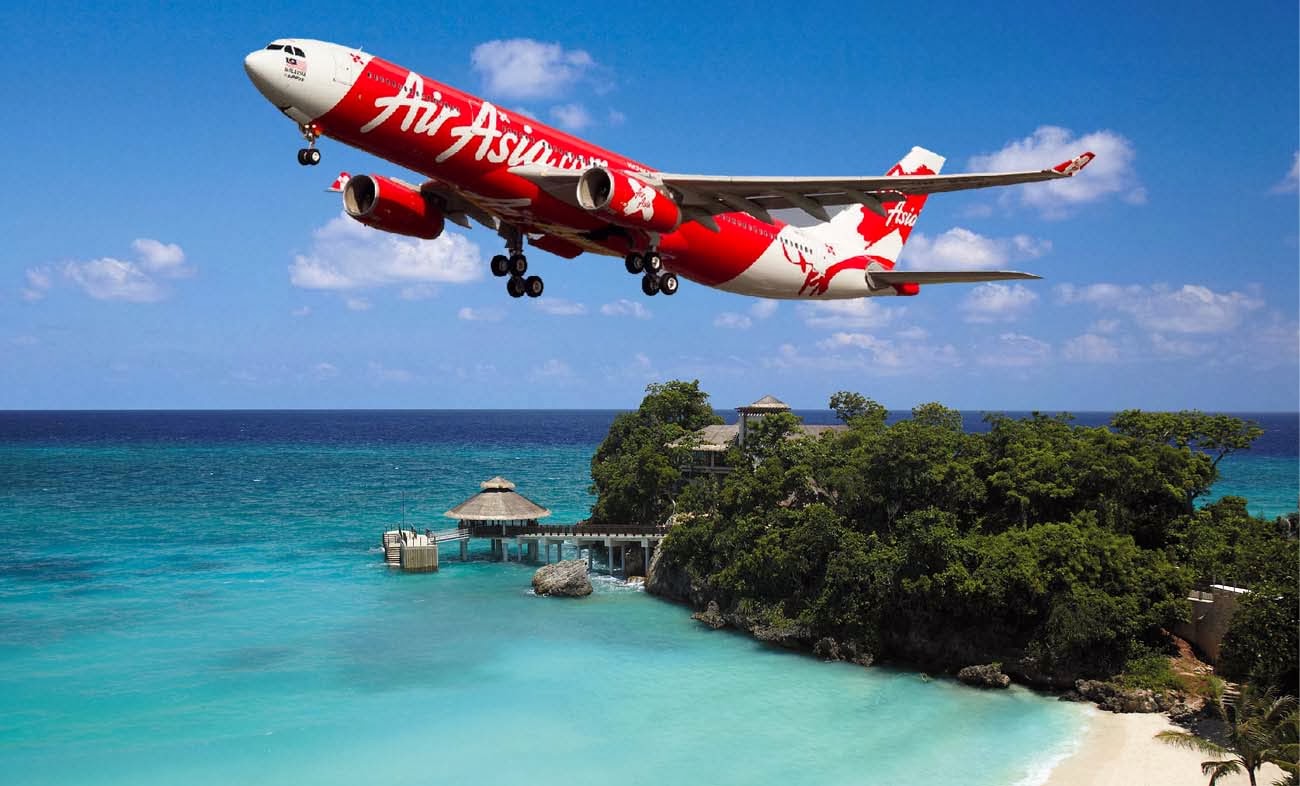
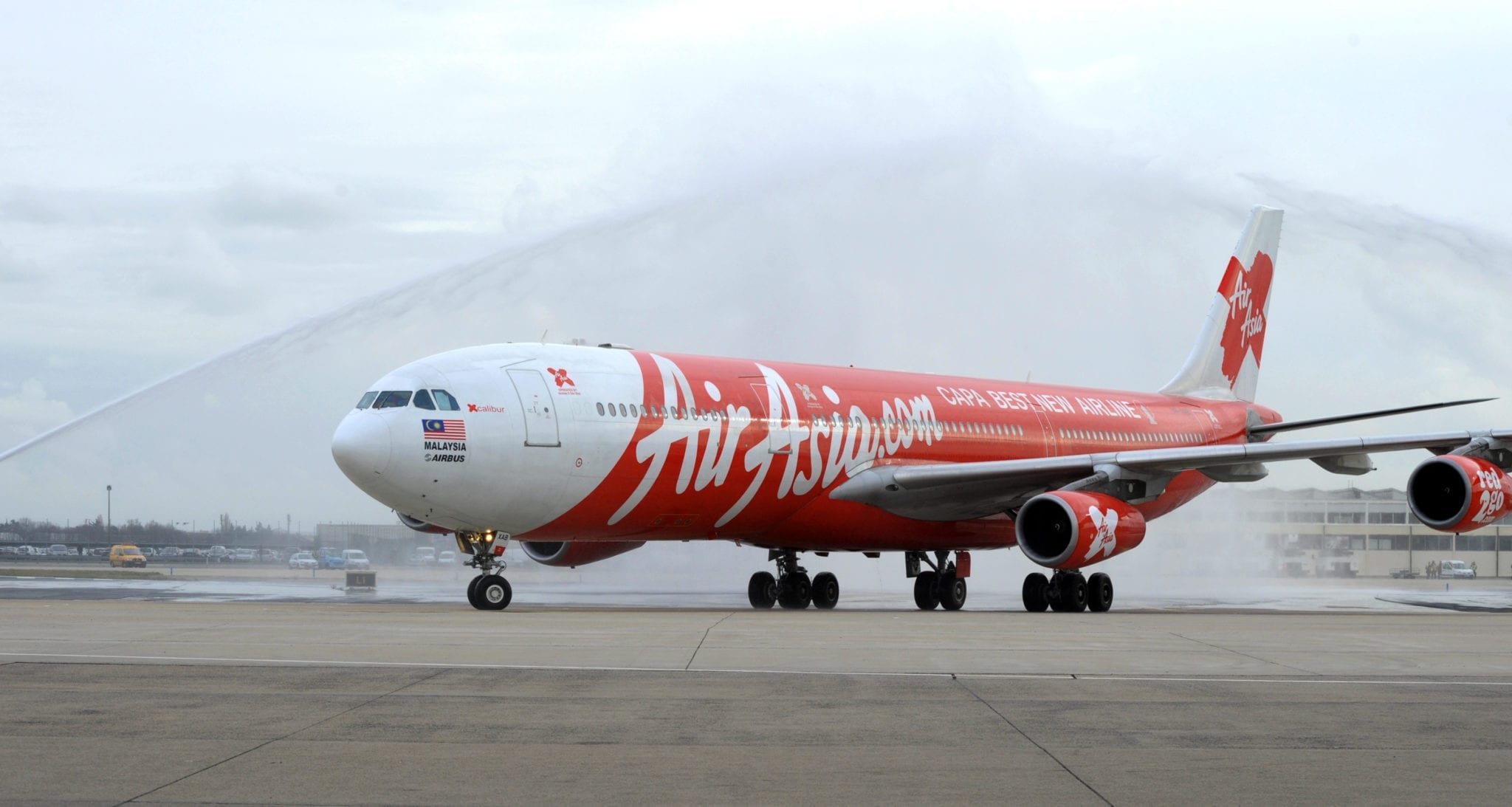
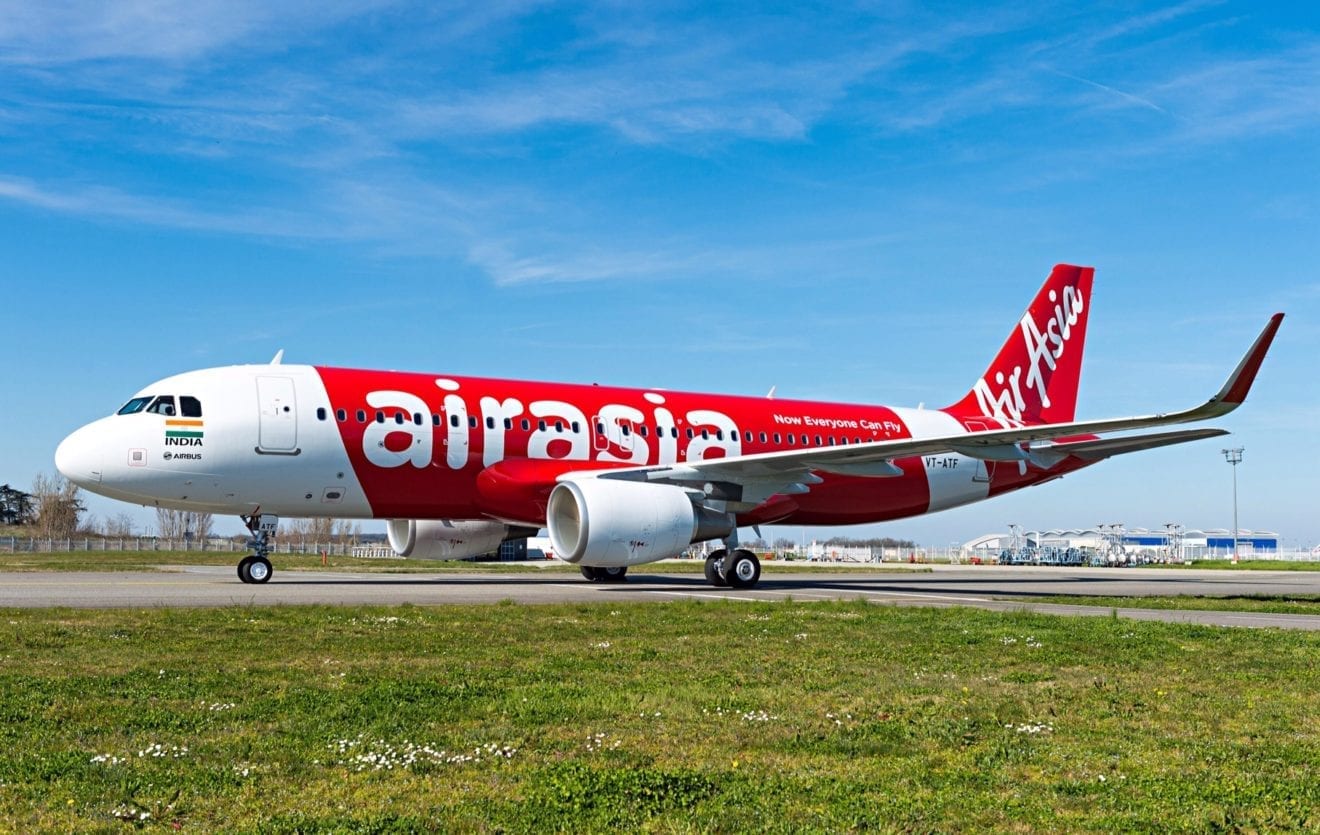
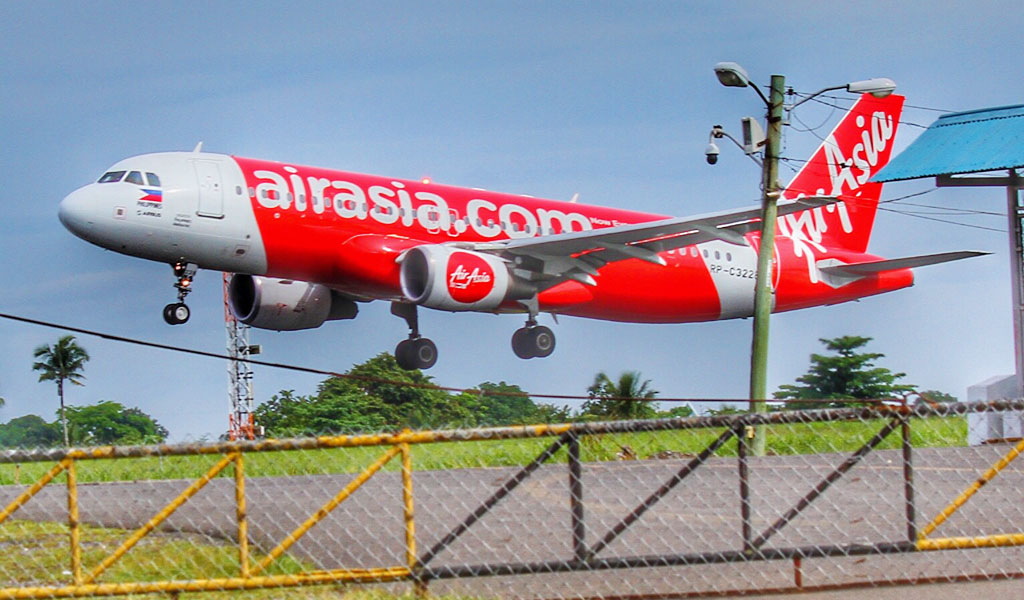
    A joint venture of Tata group and Malaysian Air Asia, AirAsia India is planning to induct some of the Jet Airways’ Boeing 737s that have now been repossessed by lessors. The move comes at the time when full-service Vistara is also planning to induct some of Jet’s Boeing 737s in its fleet.

    AirAsia India Pvt Ltd’s (AAIPL) flying license has listed Airbus fleet for its operations. The low-cost carrier (LCC) has applied for operating Boeing aircraft and the ex-Jet B737s to aviation regulator Directorate General of Civil Aviation (DGCA), according to a ToI report.

    It is to be noted that currently, AAIPL has 20 Airbus A320s and may also add five more of these planes. It is looking at ex-Jet B737s as well.  The suspension of operations by Jet Airways has suddenly freed up slots at India’s busiest airports- Delhi, Mumbai, and Bengaluru. The government has linked a temporary granting of these slots to other airlines’ to add to the capacity and to help to control the fares. The domestic market shares of AAIPL was 5.9 percent and that of Vistara was 4.2 percent in March 2019.

    This summer, AAIPL will complete its five years and become eligible to fly abroad. Full-service Vistara has already got government’s nod to fly abroad. Vistara was the first private carrier to get permission for overseas flights under the amended rules. In 2016, the government amended the 5/20 rule, which required an airline to complete fives years of operations and has 20 planes in its fleet, to fly abroad to 0/20.

    Worth mentioning here is that Jet Airways had a significant number of flights to the Gulf and Southeast Asia, and bilateral to both these places had been exhausted. If in the coming weeks and months, Jet Airways does not revive then its rights for international flights would also be distributed to other airlines.

    Air India was also looking at ex-Jet B777s and AI Express at B737s, but so far they have not taken these planes.

    In a circular dated April 25, Pawan Hans management stated to its employees that the company is not in a position to disburse employees’ salaries for the April month due to the uncomfortable financial position in Pawan Hans.

  • First Asian Samsonite Premium store Coming to The Jewel

    First Asian Samsonite Premium store Coming to The Jewel

    The first Samsonite ultra-premium store in Asia is to open at Jewel Changi.

    The luggage brand is also planning one more outlet at Changi, raising its store network at the airport to five.

    “Every time we come up with something new, something big, we launch it first in Singapore,” Subrata Dutta, president and CEO of Samsonite Asia-Pacific told.

    “This is a new retail concept that further elevates the look and feel of the brand to something more luxurious. At Jewel, we get travel traffic from around the world. When you do something in Singapore, you get noticed by the right people.”

    Samsonite has also opened an American Tourister outlet at Jewel Changi, and will open a store at the revamped Funan mall, scheduled to open in the second half of this year.

  • AirAsia starts system to eliminate boarding passes for domestic flights

    AirAsia starts system to eliminate boarding passes for domestic flights

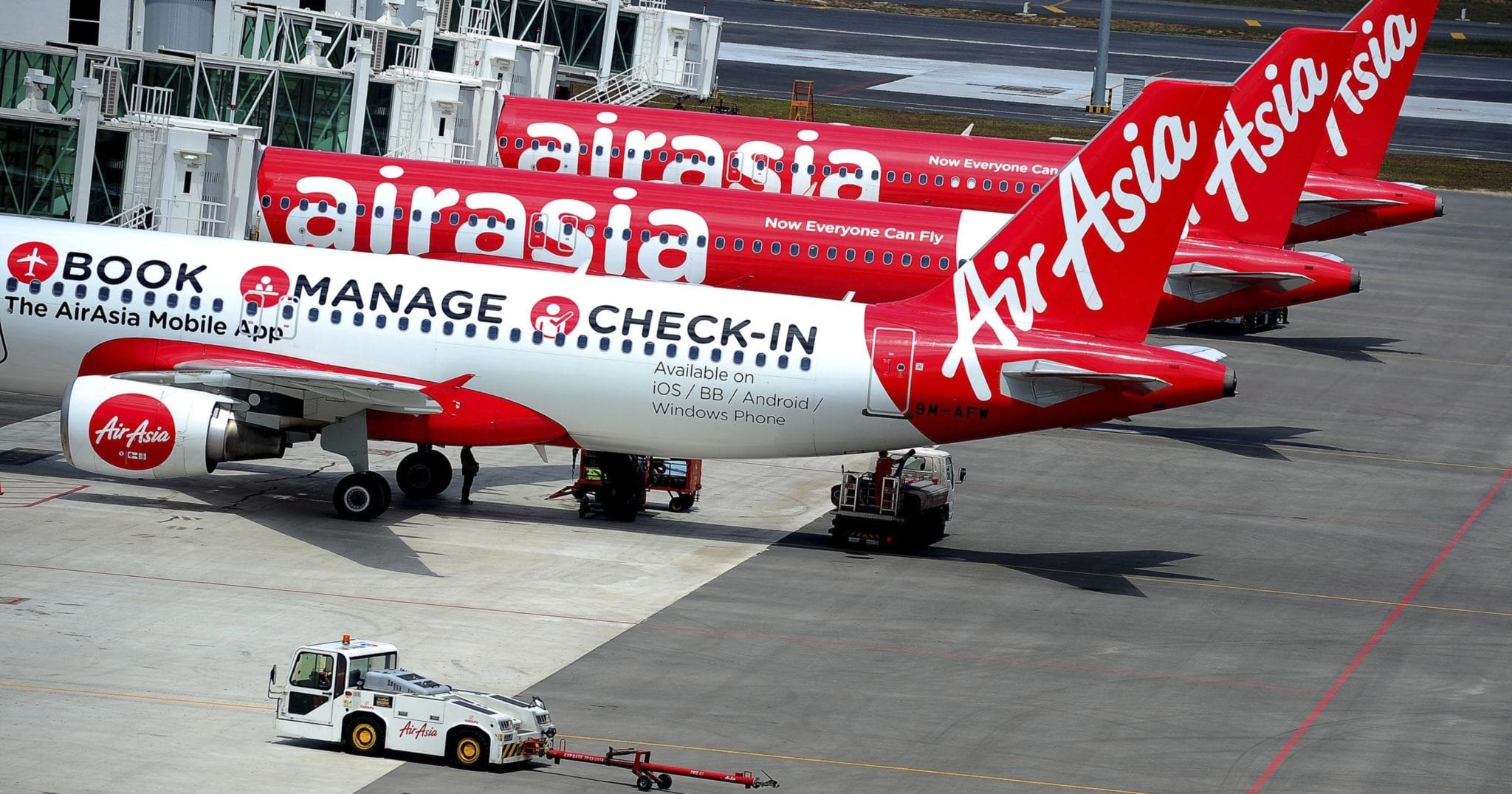
    AirAsia Group Bhd has introduced a one-time verification system for passengers via its FACES @AirAsia mobile app which is designed to eliminate the need for boarding passes and passports.

    FACES is a facial recognition boarding system owned and operated by AirAsia, with the purpose of creating a seamless travel process for guests.

    In a tweet today, AirAsia group chief executive officer Tan Sri Tony Fernandes said passengers will only have to register their faces and passports once on its @AirAsia mobile app.

    Once passengers have scanned their faces and passport details on the app, and AirAsia ground staff have verified them, the passengers will be able to travel seamlessly, he said.

    “Then you are ready to never use a boarding pass again and you can walk through our gates for domestic flights,” he said, adding that the facility is currently available in certain airports like Senai.

    “This can be rolled out in all airports if only we had partners who supported us and all our digital initiatives,” he said.

    This facility follows in the footsteps of British Airways’ (BA) biometric boarding gate trials last year in the US which eliminated the need for boarding passes and passports at boarding.

    Last November, BA began testing self-service boarding gates in Los Angeles Airport that did not require customers to produce either their boarding pass or their passport.

    Instead, passengers only need to look into a camera, wait for their biometric data to be checked against their passport, visa or immigration photos and then walk onto the plane once their identities have been verified.

    The trials were initially limited to those flying out of Los Angeles Airport on BA flights to Heathrow, but are now being tested at several other US airports.

    At 2.57pm, AirAsia rose 1.6% or 4 sen to RM2.53, with 4.29 million shares traded.

  • Cebu Pacific Expands Horizons to Australia

    Cebu Pacific Expands Horizons to Australia

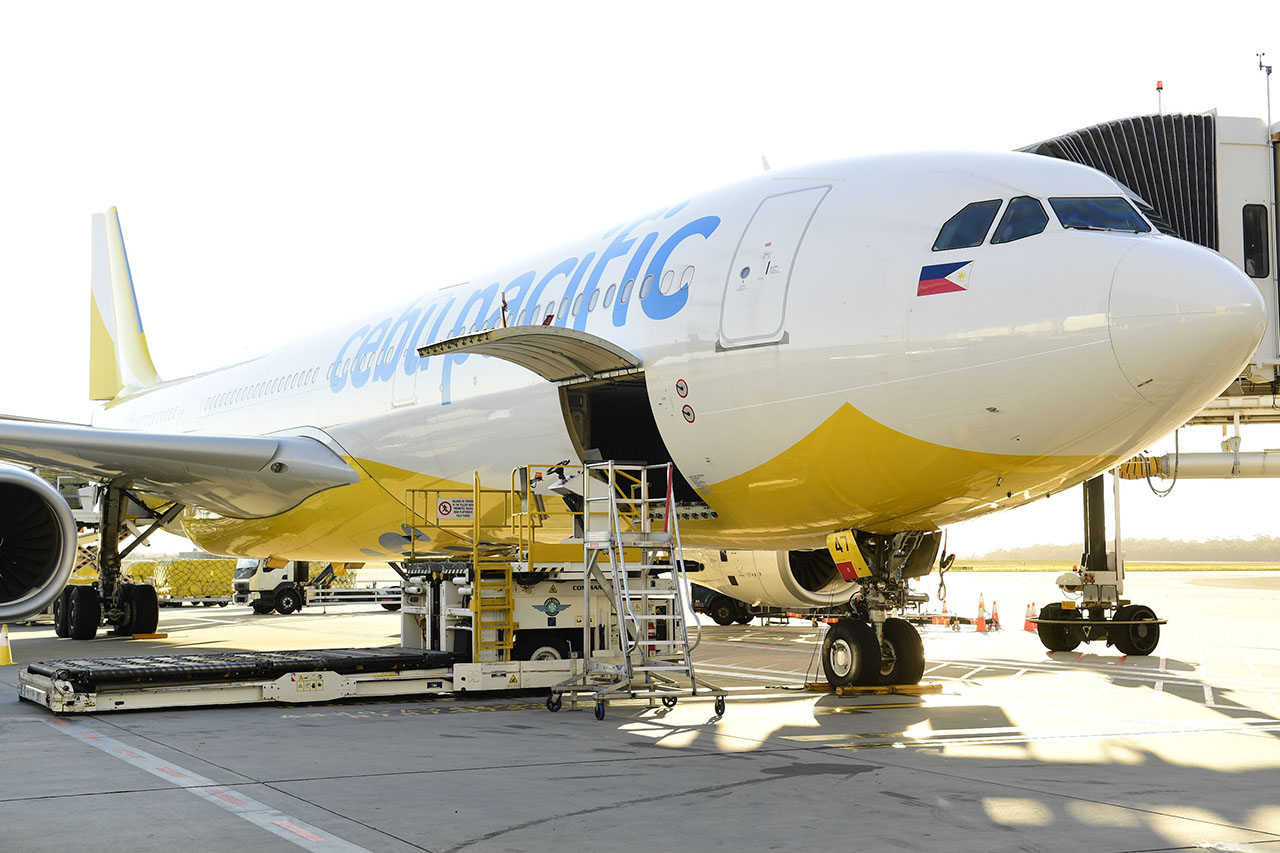
    Australian cities such as Perth and Cairns, as well as destinations in Japan and India, are on the radar for Philippines budget carrier Cebu Pacific as it expands its fleet of Airbus A321neos. Cebu, which already flies direct to Sydney and Melbourne from Manila, is stepping up its re-fleeting program and took delivery of the first of 32 A321neos at the end of January.

    It expects at least five more of the longer-range, fuel-efficient planes during 2019 to support its expansion plans.

    Cebu is known for packing seats into its bigger Airbus A330s and has followed that strategy with the smaller plane.

    The budget carrier has opted for the Airbus Cabin Flex fuselage modifications to give the A321neo 236 ergonomically-designed Recaro seats, slightly below the 244-seat Airbus maximum.

    It expects and Pratt & Whitney  GTF-powered planes to achieve a 20 percent savings in fuel costs as well as other advantages such as a significantly reduced noise footprint and lower maintenance requirements.

    The January delivery brought the total size of its fleet to 72 aircraft, including 43 Airbus A320s and A321s, eight A330s and 20 ATR turboprops.

    While the airline also has mid- and long-term plans for widebody aircraft, its primary focus is currently on the neos.  It is looking to grow its fleet to 83 aircraft in 2022, with 27 of those neos.

    “This year, we’re taking in 12 new aircraft, (the) bulk of it will be the A321neo,’’ Cebu vice president Lance Gokongwei told AirlineRatings.

    “We are continuously studying new routes and destinations, especially with the A321neo that has Northern Japan, India, and other cities in Australia like Perth and Cairns within its capabilities, but plans are not concrete for now.

    “While the A321neo will give us the capability to possibly service a direct route from the Philippines to Perth, we will make announcements on new routes and destinations in due time.”

    Cebu is the Philippines’ biggest carrier by passengers carried and claims a roughly 50 percent market share in terms of domestic travel and cargo.

    Competitor Philippine Airlines (PAL) is also expanding and received a boost in January when Japan’s All Nippon Airways announced it would invest $US95 million to a 9.5 percent stake in the Filipino carrier. PAL is already using the A321neo to service Brisbane.

    However, Cebu is unfazed by the deal and Gokongwei says it is good for the Philippines aviation industry.

    Gokongwei said the two had been partners for many years, including on code-sharing flights, and the investment was something Cebu had factored into its strategy.

    The low-cost carrier was also looking at tapping opportunities in Japan after establishing an office there in 2018.

    “As for the Philippines, we firmly believe that despite the massive growth in Philippine aviation over the past 20 years, there is still much room for expansion,” Gokongwei said.

    “Less than 50 percent of the Philippine population have traveled via air, as compared with Malaysia or Singapore.

    “People here are used to taking the bus and the boat–whereas air travel can be exponentially convenient and not as expensive as it used to be.”

    The airline executive sais there was still “much room”’ to develop Clark International Airport, the former US air base, as a secondary domestic hub.

    “There is also strong demand for inbound flights from North Asia into Cebu, which we have turned into our beach hub as we fly to key island destinations from there, ‘ he added.

    A key to Cebu’s low-cost model is the ability to offer fares that are up to 40 percent lower than those of its competitors, partly through its investment in new and more efficient aircraft and technology.

    But it isn’t all smooth sailing: net income for the airline’s first nine months of 2018 fell 36 percent to 2.78 billion pesos as it grappled with higher fuel costs and a weakening currency.

    “Despite challenges brought on by volatile fuel prices and the foreign exchange of the Philippine Peso, Cebu Pacific has managed to keep sound fundamentals,’’ Gokongwei said.

    “Revenues have been growing by 12 percent annually for the past eight years and we have maintained healthy operating margins.”

  • AirAsia becomes Brisbane Broncos Official Airline

    AirAsia becomes Brisbane Broncos Official Airline

    AirAsia has formalised a deal to become the Brisbane Broncos’ official airline, along with promotions held at every Broncos home game and special discounts for fans.

    The deal is centred around the launch of the new ‘The Buck Stops Here’ campaign, to celebrate AirAsia the airline’s new services from Brisbane to Bangkok, which are set to commence on 26 June.

    AirAsia Group Head of Branding, Rudy Khaw, said AirAsia is excited to partner with the Brisbane Broncos.

    “We are thrilled to partner with Queensland’s number one sports team, and National Rugby League favourites, the Brisbane Broncos.

    “Queensland is an integral part of our Australian network, and since commencing flights to the Gold Coast in November 2007, we’ve flown more than 2 million passengers through the sunshine state,” Mr Khaw said.

    “Our new services from Brisbane will soon become the most affordable and convenient way to travel to Thailand’s capital, and with the help of the Brisbane Broncos, we hope to see demand for these new flights grow even more.”

    As part of the partnership, AirAsia will run events and giveaways at Brisbane Broncos home games over the 2019 NRL season, as well as provide fans advanced notice on AirAsia promotional offers.

    Brisbane Broncos CEO, Paul White, said the partnership reflects a shared culture for both organisations.

    “Our partnership with AirAsia reflects a shared culture of delivering a fantastic experience at exceptional value for fans, whether it’s a night at the footy or choosing your next holiday.

    “The Broncos look forward to seeing how the beloved Buck is made part of this exciting plan to further enhance the fan experience and showcase AirAsia and their exciting destinations,” Mr White said.

    The deal, which was announced during the Broncos home game against the West Tigers at Suncorp Stadium last night, has already seen one fan receive return flights for two to Bangkok, Thailand.

  • Thai Airways revamps Royal Orchid Plus frequent flyer program

    Thai Airways revamps Royal Orchid Plus frequent flyer program

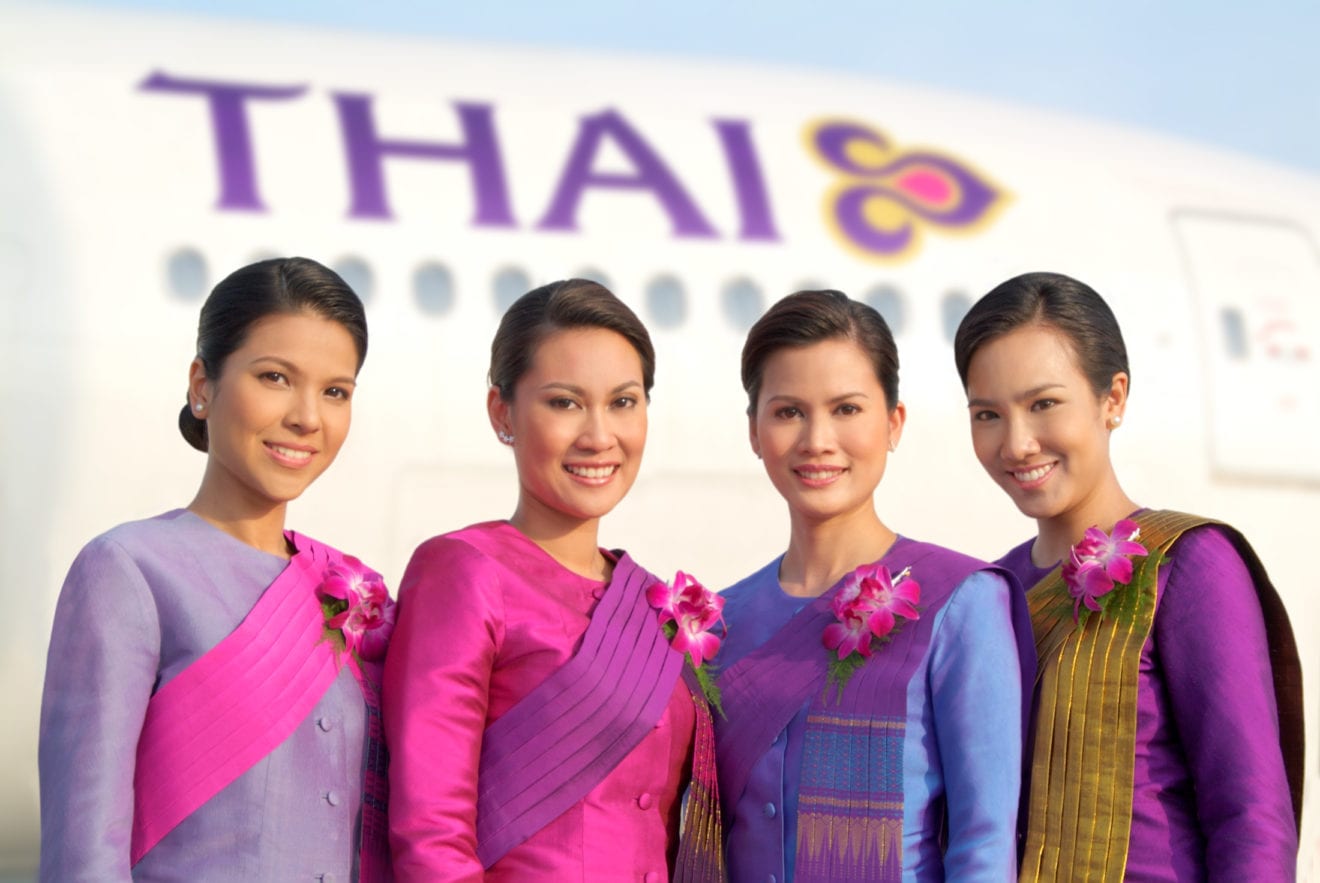
    Thai Airways is making significant changes to its Royal Orchid Plus frequent flyer program from October 1 2019, affecting how miles are both earned and redeemed on Thai Airways and Star Alliance flights across the globe.

    On the one hand, business class and first class passengers travelling with Thai Airways stand to earn more miles from the same flights – as do Silver, Gold and Platinum Royal Orchid Plus members – but in turn, the number of miles needed to book a flight or secure an upgrade is increasing dramatically: more than doubled in some cases.

    Here’s an outline of what’s changing, and how it affects you, the traveller.

    Earn extra Royal Orchid Plus miles on first class, business class travel

    Passengers travelling with Thai Airways on all paid first class fares, some business class tickets and the highest-priced flexible economy fares will earn more miles when they fly from October 1.

    Of the fare types that will award more miles, here’s a look at today’s earn rate – given as a percentage of the number of actual miles flown in the sky – compared to the earn rate coming into place for flights taken on and from October 1:

    Class of service
    Fare letter
    Today’s earn rate
    Earn from October 1
    First class
    F 150% 250%
    First class
    A, P 150% 200%
    Business class
    C, D 125% 150%
    Flexible economy
    Y, B 100% 110%

    For example, a non-stop flight from Sydney to Bangkok measures up at 4,679 miles, which today would provide first class travellers booked onto an ‘F’ fare approximately 7,018 Royal Orchid Plus miles at the 150% rate, being the distance flown (4,679 miles) multiplied by the 150% earning rate.

    Fast forward to October, and that same one-way journey would instead generate a higher 11,697 miles, when the earning rate climbs from 150% to 250% on the same fares.

    All other fare types, including J- and Z-class business class tickets, will continue earning miles at the same rate as today.

    Silver, Gold and Platinum Royal Orchid Plus status gets easier to earn

    Thai Airways uses ‘qualifying miles’ to determine which travellers have earned Silver, Gold and Platinum status in Royal Orchid Plus: and as travellers earn ‘qualifying miles’ at the same rate as spendable miles above, passengers booked on those higher-end fare types will reach the lofty heights of status faster than before.

    For instance, Royal Orchid Plus Silver status – equivalent to Star Alliance Silver – is awarded after earning 10,000 qualifying miles in a rolling 12-month period, or 15,000 qualifying miles over a rolling 24-month time frame.

    Using the same example above, that would be achievable with a single first class flight from Sydney to Bangkok, while the airline’s Royal Orchid Plus Gold level (Star Alliance Gold) would be unlocked after a single return first class flight from Sydney to London via Bangkok with Thai Airways.

    Royal Orchid Plus Platinum – a level that provides access to Thai Airways’ first class lounge in Bangkok regardless of fare type, complimentary flight upgrades and more – would also be achievable from two return treks between Sydney and London, flying first class (F class) on one trip and business class (C or D class) on the other.

    It’s not that the requirements for reaching Silver, Gold and Platinum status are being lowered, of course: it’s simply that the airline’s highest-priced fare types will earn more qualifying miles from October, being the Thai equivalent to status credits, which brings these memberships within easier reach of passengers booking those premium fare types.

    New ‘tier bonus’ for Royal Orchid Plus members on Thai Airways flights

    From October 1, Silver, Gold and Platinum Royal Orchid Plus cardholders will earn even more miles on Thai Airways flights, through the introduction of a ‘tier status bonus’.

    Silver members will earn 5% more miles, Gold members get 10% more miles and Platinum travellers will pocket 20% more miles, year-round.

    This bonus is calculated upon the full overall earning rate from each Thai Airways flight, making it highly rewarding for first and business class flyers, although the extra points awarded via this ‘tier bonus’ aren’t also counted as qualifying miles: merely, extra miles to be spent on flight bookings and upgrades.

    As an example, a return flight from Sydney to Bangkok clocks in at 9,358 miles flown, which would earn a base-level member 14,037 miles from October 1 when flying on a C or D business class fare, given the 150% earning rate applied to those fares.

    The tier bonus is then added on top, giving top-tier Platinum members a further 20% boost on that initial haul of 14,037 miles, for an all-out gain of 16,844 miles.

    More Royal Orchid Plus miles needed to book Thai Airways flights

    Currently, the number of miles needed to book a Thai Airways flight differs, depending on whether you’re making a one-way reservation or flying return, with return-trip points bookings presenting the best value, requiring fewer points than booking the journey as two one-way flights.

    However, that pricing difference is being removed as part of these changes – the cost of a return flight to become twice as many miles as a one-way ticket – with the overall number of miles needed also being amended, for new bookings made from October 1 2019.

    For passengers taking return trips, here’s how that plays out across a range of routes, including flights from Australia (Sydney, Melbourne, Brisbane and Perth) to Bangkok and beyond:

    Route, flying return
    First class *
    Business class
    Economy class
    SYD/MEL/BNE-Bangkok (today)
    150,000 miles 98,000 miles 55,000 miles
    SYD/MEL/BNE-Bangkok (1/10-)
    180,000 miles (+20%) 130,000 miles (+33%) 55,000 miles (no change)
    Perth-Bangkok (today)
    N/A 75,000 miles 45,000 miles
    Perth-Bangkok (1/10-)
    N/A 130,000 miles (+73%) 55,000 miles (+22%)
    Australia-Bangkok-Europe (today)
    230,000 miles 170,000 miles 90,000 miles
    Australia-Bangkok-Europe (1/10-)
    450,000 miles (+96%) 350,000 (+105%) 160,000 miles (+78%)
    Bangkok-Europe (today)
    185,000 miles 130,000 miles 70,000 miles
    Bangkok-Europe (1/10-)
    250,000 miles (+35%) 180,000 miles (+38%) 85,000 miles (+21%)

    * On Australian routes, first class only available to/from Sydney.

    Curiously, Thai’s new Royal Orchid Plus reward pricing makes it more attractive to plan a stopover in Bangkok than to merely connect through the airport, booking the Australia-Bangkok and Bangkok-Europe legs on separate tickets.

    For example, book a return business class trip from Australia to Europe after October 1 and you’d part with 350,000 Royal Orchid Plus miles – but book a return business trip between Australia and Bangkok (130,000 miles), and separately, a return business class trip between Bangkok and Europe (180,000 miles) and you’d pay only 310,000 miles overall: an easy saving of 40,000 miles, by booking your flights across two reservations instead of one.

    This works best when you’re genuinely breaking the journey in Bangkok, and shouldn’t be used for tight flight connections when you don’t plan to leave the airport, as the airline may not be able to check your bags all the way through, and if the first flight of your journey is delayed, you may not be ‘protected’ should you miss an onward flight, as would be the case when all flights are on a single ticket.

    Notably, the number of miles needed to fly solely between Perth and Bangkok also comes into line with the rates from Sydney, Melbourne and Brisbane as part of these changes.

    Booking Star Alliance flights also requires more miles

    Similarly for passengers using Royal Orchid Plus miles to book flights with Thai Airways’ Star Alliance partners, the number of miles needed is increasing across the board, with some flights requiring more than twice as many miles to book from October 1 as are needed today.

    While the changes impact travel in all classes, here’s how the increases shape up on a range of popular routes for passengers booking business class, based on a return trip for one person:

    From Australia to (return) Business class (today) Business class (1/10-) Increase in miles
    NZ, Fiji, Samoa, Tahiti, Vanuatu
    50,000 100,000 50,000 miles (+100%)
    China – Beijing
    150,000 210,000 60,000 miles (+40%)
    China – Shanghai 150,000 190,000 40,000 miles (+27%)
    India 127,000 210,000 83,000 miles (+65%)
    Japan, South Korea 150,000 210,000 60,000 miles (+40%)
    Canada, US mainland
    150,000 400,000 250,000 miles (+167%)
    Europe + Turkey
    170,000 350,000 180,000 miles (+106%)
    Middle East + Egypt
    140,000 210,000 70,000 miles (+50%)
    South America 175,000 400,000 225,000 miles (+129%)
    South Africa 180,000 350,000 170,000 miles (+94%)

    Travellers jetting from Australia to the United States and Canada are hardest-hit, requiring an extra 250,000 miles per return business class trip over and above today’s rates, meaning you’ll need a staggering 400,000 frequent flyer points to book a single return business class ticket, even on non-stop flights with the likes of Air Canada and United Airlines direct from Australia.

    Interestingly, the table above also mirrors how many miles will be needed to book Thai Airways international connecting flights from October 1 – 350,000 miles for return business class to Europe, for example – so there’s no difference in price whether you choose to fly with Thai Airways or a Star Alliance airline on these tickets, except when flying Thai Airways through Bangkok and breaking the journey, as previously described.

    Star Alliance round-the-world tickets also hiked

    Currently, you can fly round-the-world with Thai Airways and its Star Alliance partners for 480,000 Royal Orchid Plus miles in first class; 340,000 miles in business class or 220,000 miles in economy: but come October 1, those rates also jump astronomically.

    From that date, a round-the-world first class ticket will set you back a whopping 950,000 miles – almost twice as many miles as are needed today – while business class also climbs to 725,000 miles, more than double today’s rates.

    Booking an economy round-the-world ticket is similarly increased to 350,000 miles.

    To put it another way, with 350,000 Royal Orchid Plus miles in your Thai Airways account today, you could comfortably circle the planet in business class: but make that same booking from October 1 and you’d be stuck back in economy, and paying even more miles for the privilege!

    More miles needed to upgrade Thai Airways, Star Alliance flights

    Passengers flying Thai Airways from Sydney to Bangkok on the most common J, C and D business class airfares can currently secure a coveted first class upgrade for 52,000 Royal Orchid Plus miles, pending availability: but from October 1, that climbs to 81,000 miles for the same one-way upgrade.

    On longer legs such as between Bangkok and London, or most other European cities where Thai Airways’ first class service is available, that same first upgrade increases from 58,000 miles today to 112,500 miles from October 1, being almost twice as many miles needed to upgrade the same one-way flight.

    Using Royal Orchid Plus miles to upgrade Star Alliance partner flights will also require more miles from October, with most business-to-first-class upgrades from Asia to Europe bumped from 80,000 to 115,000 miles, such as from Hong Kong to Frankfurt aboard Star Alliance member Lufthansa.

    Similar increases apply when upgrading from economy and premium economy to business class with Thai Airways, and from economy to business class with Star Alliance partners.

    For further information about these and other Royal Orchid Plus changes, visit the Thai Airways website.
  • Turkish Airlines redesigns travel comfort with “Flow Sleeping Set”

    Turkish Airlines redesigns travel comfort with “Flow Sleeping Set”

    Bringing various innovations to the sky in order to ensure a perfect travel experience for its guests, Turkish Airlines now offers the new “Flow Sleeping Set” to passengers with its wondrous design. Available since 19th February, the new collection offered in Business Class promises sleep as comfortable as your home, only above the clouds.

    Produced with the successful collaboration between Turkish Airlines and Zorlu Tekstil while carrying the signature of expert designers, the collection aims to offer a healthier and higher quality sleep environment.

    Combining elegant lines with comfort, all of the new set’s pieces are developed considering the expectations of passengers who want to enjoy a relaxing sleep to finish their flights in a happy and fit state. The design of the collection reflects Turkish Airline’s “Flow” philosophy that represents the airlines’ dynamic brand identity and continuous service concept. Opting for contemporary and minimalist designs, the materials of the collection were all chosen for their comfort and ability to help sleep. The patterns of the collection are also visually compatible with the designs of the new cabin uniforms and cabin interiors.

    Chief aspects of the “Flow Sleeping Set” are its blanket, sleeping pad and pillow. The “blanket” of the collection features a two-sided design along with a soft texture. Thanks to its ability to support air flow, the product also helps maintain the ideal temperature during all four seasons. In addition to this, the “sleeping pad” provides an orthopedic surface for sleep and with its dense interior filling, it offers extra comfort and ease. In addition, the ‘pillow’, which can be used when sitting down or sleeping, are designed with an ideal size, classical form, and very comfortable materials.

    Sharing his views on this new sleeping set, Turkish Airlines Catering & Inflight Products SVP, Zeki Çukur stated: “With İstanbul Airport, our new home, we continue to add new innovations to the change we are going through. Our passengers will now experience the quality improvement, brought by these innovations, in their sleep with our ‘Flow Sleeping Set’. We prepared our new products after a lengthy R&D and design period as they offer a unique experience with their design and comfort. We are happy to host our Business Class passengers with the comfort of their homes during their intercontinental travels.”

  • AirAsia’s Penang-Melaka flights to start Early July

    AirAsia’s Penang-Melaka flights to start Early July

    AirAsia will begin its new direct flight from Penang to Melaka on July 1, 2019. The budget airline said the flights would boost tourist arrivals to Melaka, helping to support the state government’s target to attract 20 million visitors in 2019.

    In a statement today, AirAsia said in its quest to celebrate this milestone, the airline is offering free seats for the new route with all-in member fares from as low as RM12 for one-way travel.

    Chief executive officer Riad Asmat said with its Unesco world heritage listing and rich history, Melaka is a choice tourist destination in Malaysia.

    “This new route further strengthens our tourism footprint in Malaysia, providing more options for international visitors to travel between the states of Penang and Melaka.

    “We look forward to continuing our work to explore even more new routes to Melaka from other parts of our Asean network,” he said.

    To mark the occasion, AirAsia is offering its guests up to 50% off hotels in Melaka or Penang, and an extra 5% off using the promo code HOTEL5.

    To book, log in to airasia.com or the AirAsia mobile app from now until April 21, 2019 and travel from July 1, 2019 to June 2, 2020. “To book for hotel in Penang and Melaka, you can visit https://bagasi.my/hotel for more recommended stays.”

  • AirAsia adds Quanzhou to its Asian routes

    AirAsia adds Quanzhou to its Asian routes

    AirAsia will be flying direct daily from Kuala Lumpur to Quanzhou in Fujian, China.bOnce, one of the world’s biggest ports and the starting point of the Maritime Silk Road, Quanzhou was known to Arab traders as Zaiton and was praised by Marco Polo as the “one of the two greatest havens in the world for commerce”.

    Thanks to its status as a major trading port for more than three centuries, Quanzhou today remains a melting pot of diverse cultures and religions, and boasts many Buddhist and Hindu temples, mosques and churches, as well as museums celebrating its proud maritime heritage.

    Some of these must-visit sites include the Kaiyuan Temple, the largest Buddhist temple in Fujian, which was built over 1,300 years ago, as well as the Qingjing Mosque, China’s oldest Arab-style mosque, inspired by the Umayyad Mosque in Damascus.

    Then there is the Luoyang Bridge, one of the ‘four ancient bridges of China’, which resembles a silver dragon lying above the green waters of the Luoyang River.

    Another site is the largest stone carving of the famous Chinese sage Laozi made during the Song Dynasty, which is found at the foot of Mount Qingyuan.

    Meanwhile, the beautiful port city of Xiamen is only an hour away by high-speed train.

    AirAsia Malaysia CEO Riad Asmat said: “AirAsia has been championing connectivity to secondary cities in China such as Guilin, Shantou, and Nanning.

    “This Kuala Lumpur-Quanzhou service further grows our footprint of unique destinations in China, and will provide greater accessibility to Malaysian and Chinese travellers.

    “We look forward to exploring opportunities to connect our, other secondary hubs in Malaysia to China as well.”

    AirAsia currently is offering promotional all-in fares from RM99 for those who book flights from Kuala Lumpur to Quanzhou from now till Sunday at airasia.com or via the AirAsia mobile app, for travel from May 1 to Oct 26, 2019.

  • Tigerair Taiwan to open new route flying to Palawan in the Philippines

    Tigerair Taiwan to open new route flying to Palawan in the Philippines

    Tigerair Taiwan announced Monday plans to inaugurate a new flight route between Taoyuan in Taiwan and the Philippine city of Puerto Princesa on Palawan Island starting June 7, said reports.

    It will become the third route between Taoyuan and the Southeast Asian country following the announcement by the Singapore-headquartered budget airline that it would begin flying from Taoyuan to Kalibo, a major hub for the tourist destination of Boracay island, reported UDN.

    To promote the launch of the route, individuals who book tickets between 10:00 a.m. on April 10 and 11:59 p.m. on April 11 will enjoy a discounted price of NT$399 for each single journey ticket (excluding taxes). The departure dates must be between June 7 and Oct. 18, 2019.

    There new route will offer three flights a week, according to Tigerair.

    Puerto Princesa will become the fourth destination route targeting the Southeast Asian market offered by Tigerair Taiwan, which will soon be flying 29 international routes to 22 cities, the report wrote.

    Palawan, the fifth largest island of the Philippines, boasts a plethora of wildlife, jungle mountains, and white sandy beaches. In 2016, Palawan was ranked the “Most Beautiful Island in the World” by readers of Conde Nast Traveller.

  • CIMB IB Research expects higher operating costs

    CIMB IB Research expects higher operating costs

    CIMB Investment Bank Research (CIMB IB Research) has retained its “reduce” call on AirAsia Group Bhd as it forecasted the company to face higher operating costs and gearing levels until 2021.

    The research house lowered its target price for AirAsia to RM1.50, from RM1.82 previously, as it expects lower core earnings per share and dividend of 13 sen.

    At 11.00am, AirAsia was trading down 1 sen or 0.38% at RM2.64 with 1.55 million shares transacted. Its market capitalisation stood at RM8.86 billion.

    In a note today, CIMB IB Research analyst Raymond Yap pointed out that AirAsia had sold 79 aircraft to lessor BBAM Ltd Partnership in 2018 and is expected to sell a further 25 planes to lessor Castlelake LP by the third quarter of this year.

    Given this, Yap explained that together with other existing operating lease aircraft, AirAsia is expected to capitalise RM11.8 billion worth of borrowings related to the operating leases in financial year 2019, effectively bringing back to the balance sheet what had previously been off-balance sheet.

    “The impact would be to raise reported gross gearing of 19% in FY18 to 198% on a pro forma basis after MFRS 16.

    “The overall impact to P&L (profit and loss) earnings from the above sale and leasebacks (S&LB) is negative because AirAsia would have to pay for the lessors’ profit margin as well as provide for a higher level of maintenance charges based on lessors’ conditions for lease returns, which tend to be strict. The net result would be a squeeze on AirAsia’s profit margins,” he said.

    Yap added that with the squeeze in profitability, AirAsia will experience greater operating leverage from unexpected changes in fuel prices, exchange rates, competitive dynamics, and airport taxes and levies.

  • AirAsia takes partnership with World Surf League to new heights

    AirAsia takes partnership with World Surf League to new heights

    AirAsia and the World Surf League (WSL) Australia / Oceania are excited to announce the extension of their partnership to support the three Australian Championship Tour events in 2019.

    As the Official Airline Partner of the WSL, the world’s best low-cost airline has unveiled an AirAsia Beach Club and the AirAsia Flight Cam at each event, beginning with the Quiksilver Pro and Boost Mobile Pro Gold Coast this week, and continuing through to the Rip Curl Pro Bells Beach and Margaret River Pro.

    AirAsia will also extend its ‘Surfboards Fly Free’ initiative in 2019, meaning surfers from Australia will be able to travel with their surfboard with no excess luggage cost, to any of the surfing hotspots found in AirAsia’s network of more than 140 destinations.

    “We are really excited to be continuing our partnership with a company that keeps the dream of the perfect surfing holiday a reality for Australians from all walks of life. We’re really excited about the continuation of these programs but especially the engagement of our fans through this partnership,” said Andrew Stark, General Manager, WSL Australia and Oceania.

    “Partnering with the WSL is a natural fit for AirAsia. Since announcing the deal last year, we’ve been able to showcase the breadth and depth of our fast-growing network. Take Padang in Indonesia, for example – the gateway to the Mentawais – where we now see thousands of surfers each year travel with us. This is what makes the partnership so unique,” said AirAsia Group Head of Branding Rudy Khaw.

    To celebrate the renewed partnership, AirAsia and WSL are offering two lucky winners with the chance to see pro-surfing at its best, including access to corporate hospitality and multi-day passes for each event. To enter, simply follow @AirAsiaAustralia on Facebook and look out for the competition details.

    The AirAsia Beach Club is now open at the Quiksilver Pro and Boost Mobile Pro Gold Coast on at Snapper Rocks in Queensland, Australia

  • AirAsia X Wants To Launch A330neo Flights To Europe

    AirAsia X Wants To Launch A330neo Flights To Europe

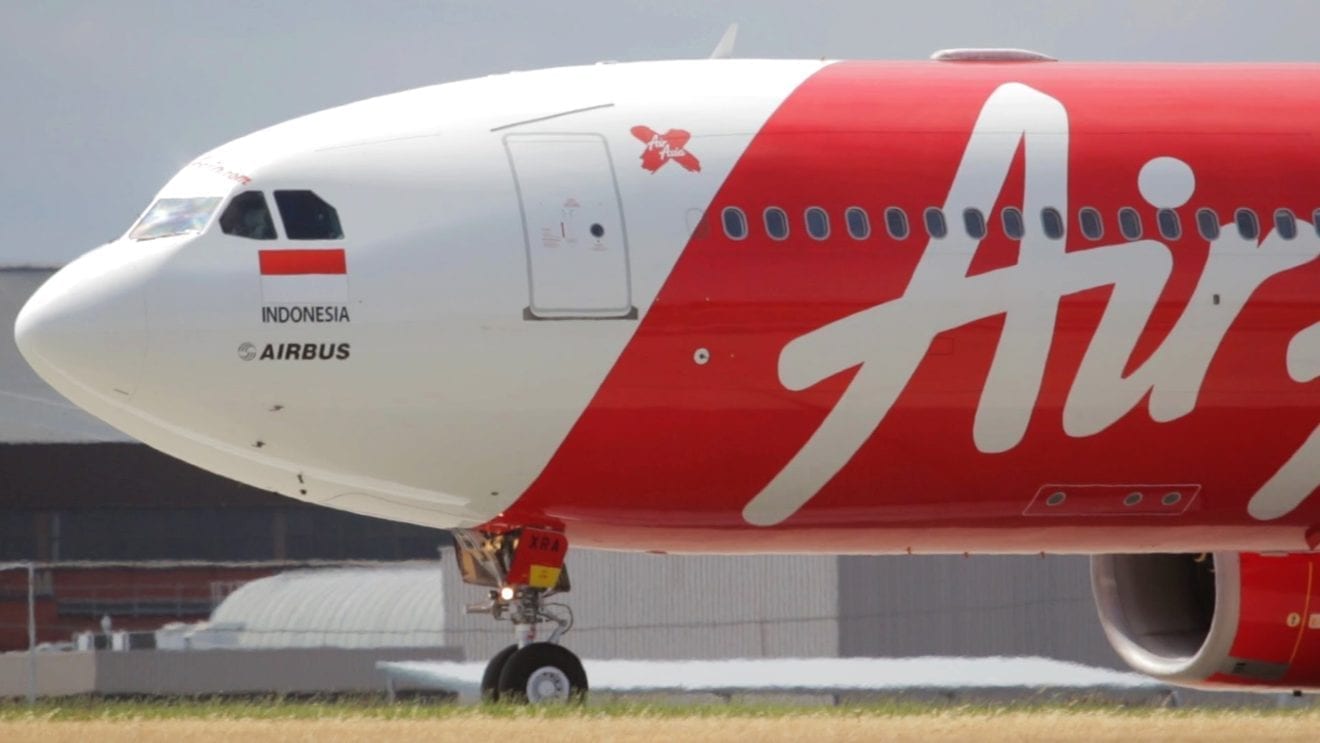
    AirAsia X is looking to launch flights to Europe using the Airbus A330neo. Flights could commence as soon as 2019, with the airline keen to reenter the market as quickly as possible.

    AirAsia X previously operated flights to Europe, but suspended these flights back in 2012. Now, it seems that the airline is ready to restart these flights. AirAsia X have 100 A330neo aircraft on order, with deliveries due to start later this year. As well as eyeing European service for these new planes, they may also look to start flying to the US too.

    Europe Again

    When AirAsia X abandoned their European flights in 2012, they said this was to “focus on markets where it can build a leadership position”. It seems that now they are happy with their place in the world, and are ready to start service to Europe once again.

    When it flew to Europe, AirAsia X flew to Paris’ Orly Airport (ORY), London’s Stansted Airport (STN), and London Gatwick Airport (LGW). Given the airline’s low-cost operation, it is likely that AirAsia would look at flying to Stansted Airport again. In September last year, the airport announced that it plans to launch direct services to at least 25 new long-haul destinations in the next five years. This includes services to Los Angeles, Shanghai, Vancouver, and Manila. As such, Flights to Malaysia with AirAsia X could be an attractive route for them.

    The A330neo

    The A330neo, the newest iteration of the family, would be used by AirAsia X for flights to Europe. The neo in its name stands for New Engine Option, as the aircraft are equipped with newer, more fuel-efficient engines.

    There are two models of the A330neo; the A330-800 and the A330-900. While the A330-900 has sold relatively well, the -800 has not sold well at all. In fact, as of January, only eight had been ordered in total, all by the same carrier, Kuwait Airlines.

    AirAsia has ordered a total of 100 A330-900 aircraft, with the most recent order being for 34 at the Farnborough Airshow in 2018. The airline will be the first airline in Asia to operate the A330neo, and deliveries of the aircraft are due to begin in late 2019. The total list price of the order was just short of $30billion.

  • AirAsia receives highest number of air traffic rights from Mavcom

    AirAsia receives highest number of air traffic rights from Mavcom

    Airasia received the highest number of approvals from the Malaysian Aviation Commission (Mavcom) for Air Traffic Rights (ATR) with 26 allocations, followed by Malindo Air with 15 allocations.

    This was revealed in an update release from Mavcom for the Commissions’ allocation of ATR to Malaysia’s local carriers for the period of Jan 1 to march 31, 2019.

    One hundred percent of Air Traffic Rights (ATR) applications by Malaysia’s local carriers for the period of Jan 1 to March 31, 2019 were approved by MAVCOM, with 53 allocations in total. Of these, 52 ATR applications were approved in full while one application was approved partially.

    As reference, for the year 2018, a total of 205 ATR were issued. AirAsia Group was recorded as the highest recipient with 98 ATR allocated, followed by Malindo Air with 52.

    Of the 53 applications, 32.1 per cent were for domestic routes while 67.9 per cent was for international routes. Mavcom approved ATRs for 17 domestic routes, 13 for routes to Asean destinations, 11 for destinations in China, two for destinations in India, five for destinations in Australasia and five for other Asian destinations.

    Breaking down the numbers further, a total of 26 international ATR were issued for flights originating from Kuala Lumpur International Airport, three for Kota Kinabalu International

    Airport, one each for Penang International Airport and Senai International Airport and five for other airports in Malaysia.

    In addition, 20 ATR that were previously approved by Mavcom were not utilised by the ATR recipient and were returned to the Commission during the period of Jan 1 to March 31, 2019.

    The highest number of unused ATR returned to the Commission was from the AirAsia Group with 13, followed by Malindo Air with five.

    “In allocating ATR, the Commission undertakes a thorough analysis, taking into consideration multiple aspects in order to facilitate orderly growth, competition and consumer choice over the long term as well as the prevention of consumer inconvenience,” Mavcom executive chairman Dr. Nungsari Ahmad Radhi said in a statement.

  • Lion Air to reduce Ticket Prices From April

    Lion Air to reduce Ticket Prices From April

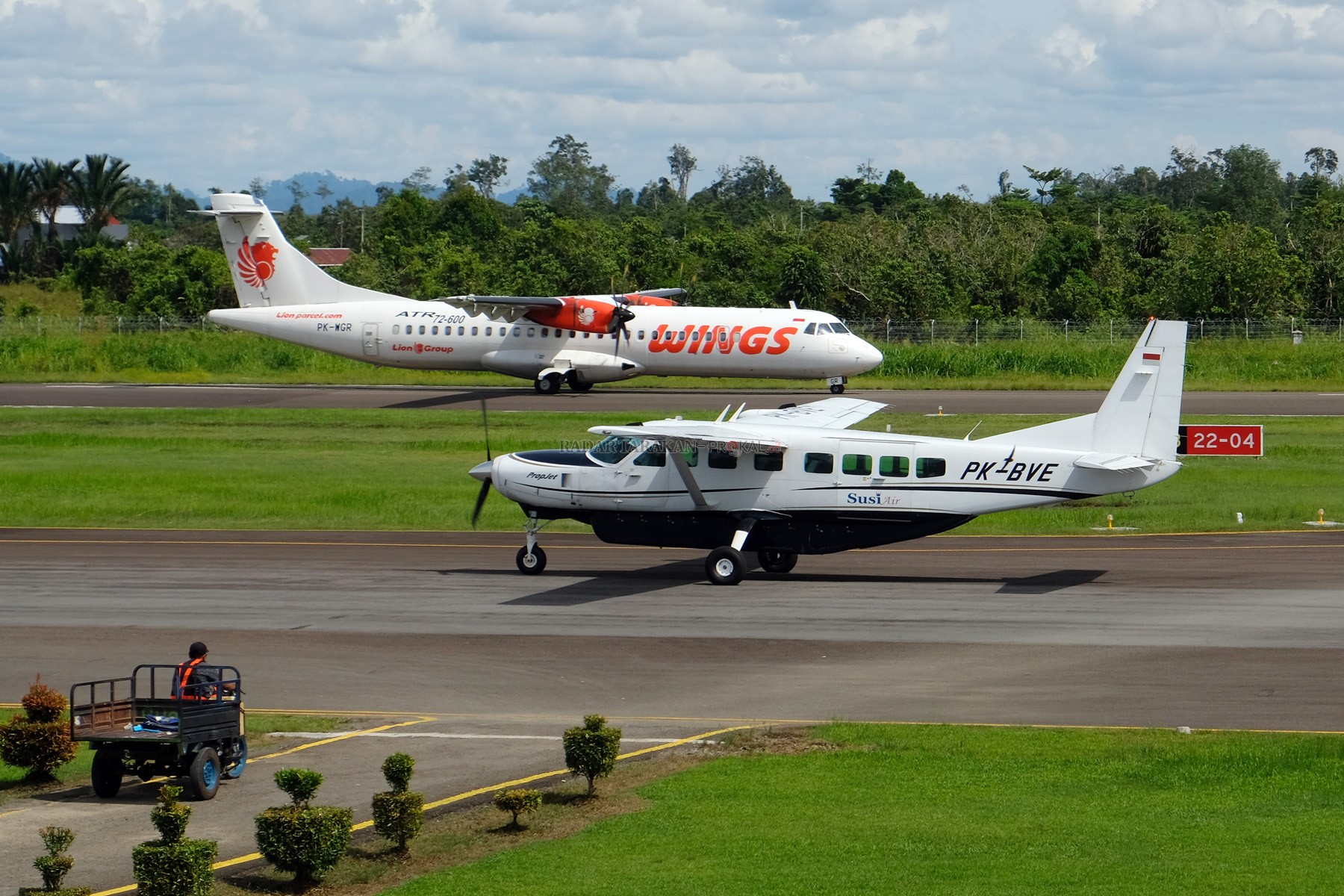
    Airlines under the Lion Air group, namely Lion Air, Wings Air and Batik Air, operate with reduced airfares on all routes starting Saturday.

    “The reduction in ticket prices is Lion Air group’s answer to challenges and opportunities in the travel business, and aims to accommodate demand for air travel while improving flight operations,” Lion Air spokesman Danang Mandala Prihantoro said in a release on Saturday.

    He went on to say that Lion Air was striving to provide convenience for passengers while prioritizing safety and comfort.

    Lion Air tickets with the new lower fares can be reserved through all travel agents and Lion Air’s website.