Retail News CRM

Tag: travelling

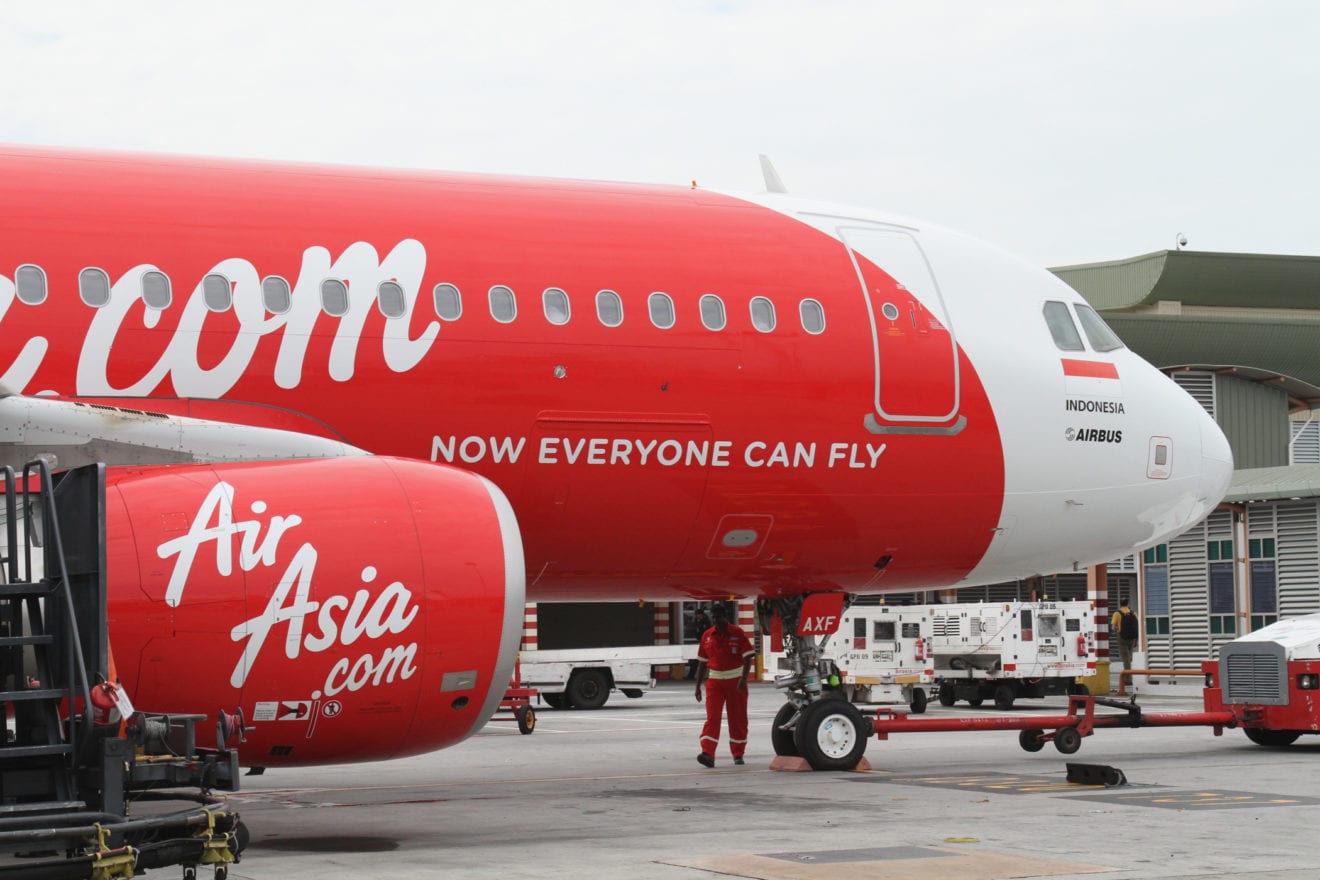
  • Lion Air offers discounted flight tickets from Jakarta to Medan

    Lion Air offers discounted flight tickets from Jakarta to Medan

    Following Garuda Indonesia’s recent decision to lower its ticket prices for flights connecting Jakarta and Palembang, South Sumatra, the country’s largest low-cost carrier, Lion Air Group, announced a promotional program called #liburanmakinmurah (vacationing gets cheaper)  that will start on Friday.

    According to Lion Air statement, the airline will offer 50 percent discounts on a number of domestic routes, with flights from Jakarta to Medan, North Sumatra, for example, starting from Rp 880,000 (US$62.54) and flights connecting Jakarta and Jayapura, Papua, starting from Rp. 2.28 million. These prices do not include both excluding passenger service charges (PSC), value-added taxes (PPN) and insurance.

    “This move is part of Lion Air’s efforts to support the government’s campaign to increase foreign and domestic tourist arrivals, therefore, boosting both the local and national economies,” the statement read.

    The promotional tickets can be purchased on the airline’s official website, Lionair.co.id, ticketing offices and travel agencies.

  • AirAsia announces ‘Red Hot’ sale started Monday

    AirAsia announces ‘Red Hot’ sale started Monday

    AirAsia Philippines said it would offer seats for selected domestic and international flights for as low as P16 starting on Monday.

    AirAsia will offer fares from as low as P16 for flights from Clark to Iloilo, Tacloban, Puerto Princesa, and Cagayan De Oro; P201 for flights from Manila to Kalibo, Cebu, Davao, Bangkok, and Kuala Lumpur; and P316 for flights from Cebu to Cagayan De Oro, Davao, Caticlan, Singapore and many more destinations.

    The sale will run from March 11 to 17 for travel from September 1, 2019 to June 2, 2020.

    AirAsia BIG members will also enjoy 24-hour priority access to the sale from March 10.

    Aside from discounted fares, AirAsia will also be offering discounts on its inflight meals and pick-a-seat options.

    Bookings can be made on AirAsia’s website and on its mobile app.

  • Entrepreneur looks to replace corporate travel agents

    Entrepreneur looks to replace corporate travel agents

    Auckland-based entrepreneur Hiten Parbhu has launched an online corporate travel booking app that makes finding and booking flights easier for small business owners, personal assistants and admin staff.

    The online app Rogue Travel, which launched today after a few months of beta testing, will “take the pain out of corporate travel booking”, Parbhu said.

    “The big travel amalgamators like Skyscanner make finding flights easy, but that’s about it. They give you lots of options, but then leave you on your own when it comes to the really tedious thing: entering passenger details.”

    “Plus, they send you all over the web to various providers instead of keeping all your bookings in one central place.”

    Rogue Travel, Parbhu said, does that and more.

    The web app keeps an organisation’s passenger details, like names, date of birth, passport numbers, frequent flyer memberships and so on, on the one platform.

    Users will simply search, just as they would on other travel websites, to find the cheapest and most convenient flights and hotels.

    They then select on the who’s travelling tab and all passenger details are automatically added.

    Parbhu said this would save hours of chasing individual people up for updated passport numbers and so on.

    Payment is made directly through the site and all trip details are kept through the one platform.

    “We’ve built a tool which effectively removes the need for a corporate travel agent.”

  • AirAsia Considers Prospects for Heavy Maintenance Facility

    AirAsia Considers Prospects for Heavy Maintenance Facility

    AirAsia is assessing whether to set up its own heavy maintenance operation to accommodate its fleet growth plans, and if so, where it would be located. While the LCC is yet to make a decision, it wants to handle some of its own base maintenance needs in the future, AirAsia head of group aircraft engineering Nantha Kumar said during the Aviation Week MRO Southeast Asia conference Mar. 6.

    AirAsia currently outsources all of its heavy maintenance to a range of providers such as Sepang Aircraft Engineering (SAE). Kumar stressed that AirAsia will continue to work with these providers, as the carrier will have an increasing MRO requirement that can be addressed with both insourced and outsourced work. It is still too early to say how the additional work would be divided between existing suppliers and AirAsia, Kumar said.

    There is no specific timeline for deciding about the heavy maintenance facility, although the group’s senior leadership envisages beginning operations within two years of making a decision, Kumar said. AirAsia will review whether “it makes business sense for us to invest” in an MRO facility.

    Any such operation would handle work for AirAsia and its various overseas affiliates, as well as widebody operator AirAsia X. The scope would potentially include airframe work up to C-checks, wheels and brakes and composite repair, but not engine work or components. While AirAsia would primarily be focused on its own fleet, there may be opportunities for third-party work in the long term, Kumar said.

    The new maintenance facility would likely start with one hangar, and at least 2-3 lines, Kumar said. The carrier would select one location, which could be in Thailand or Malaysia. AirAsia would consider establishing a partnership or joint venture with an existing MRO provider.

    AirAsia is interested in becoming one of the MRO providers in a new aerospace development in U-Tapao, Thailand, and group CEO Tony Fernandes in 2018 said AirAsia wanted to open a facility there. However, there is still much uncertainty about how the Thai government selection process will work and what benefits will be offered.

    This will be one of the factors in determining the timing of AirAsia’s own decisions about whether to proceed with heavy maintenance and where it will be located, Kumar said. Once more details about U-Tapao are known, AirAsia will be able to conduct a review and determine if the business case makes sense.

    If the carrier decides to establish an MRO base in Malaysia instead, it would be located either in Kuala Lumpur or in another part of the country. AirAsia’s main hub is at Kuala Lumpur International Airport, and major MRO provider SAE is also based there. However, various Malaysian state governments have been engaging with AirAsia to try to secure the MRO facility for their airports.

  • Grand Opening of Centara West Bay Residences & Suites Doha

    Grand Opening of Centara West Bay Residences & Suites Doha

    Centara Hotels & Resorts, Thailand’s leading hotel operator, has celebrated the grand opening of its dramatic new waterfront hotel in Doha, introducing the company’s elegant Thai hospitality to the State of Qatar for the first time.

    The 265-key Centara West Bay Residences & Suites Doha is a striking new hotel located in the city’s West Bay district, which is home to many of downtown Doha’s most stunning skyscrapers. Overlooking the Arabian Gulf, the hotel is just moments away from the lively Doha Corniche and 25-minutes’ drive from Qatar’s Hamad International Airport.

    The launch of this new landmark marks a major milestone for Centara, as the company continues to expand its international footprint. One of the Middle East’s most eagerly-anticipated new hotels, Centara West Bay Residences & Suites Doha harmoniously blends luxurious interiors and facilities with the timeless charm of Thai hospitality, while also showcasing authentic Qatari culture.

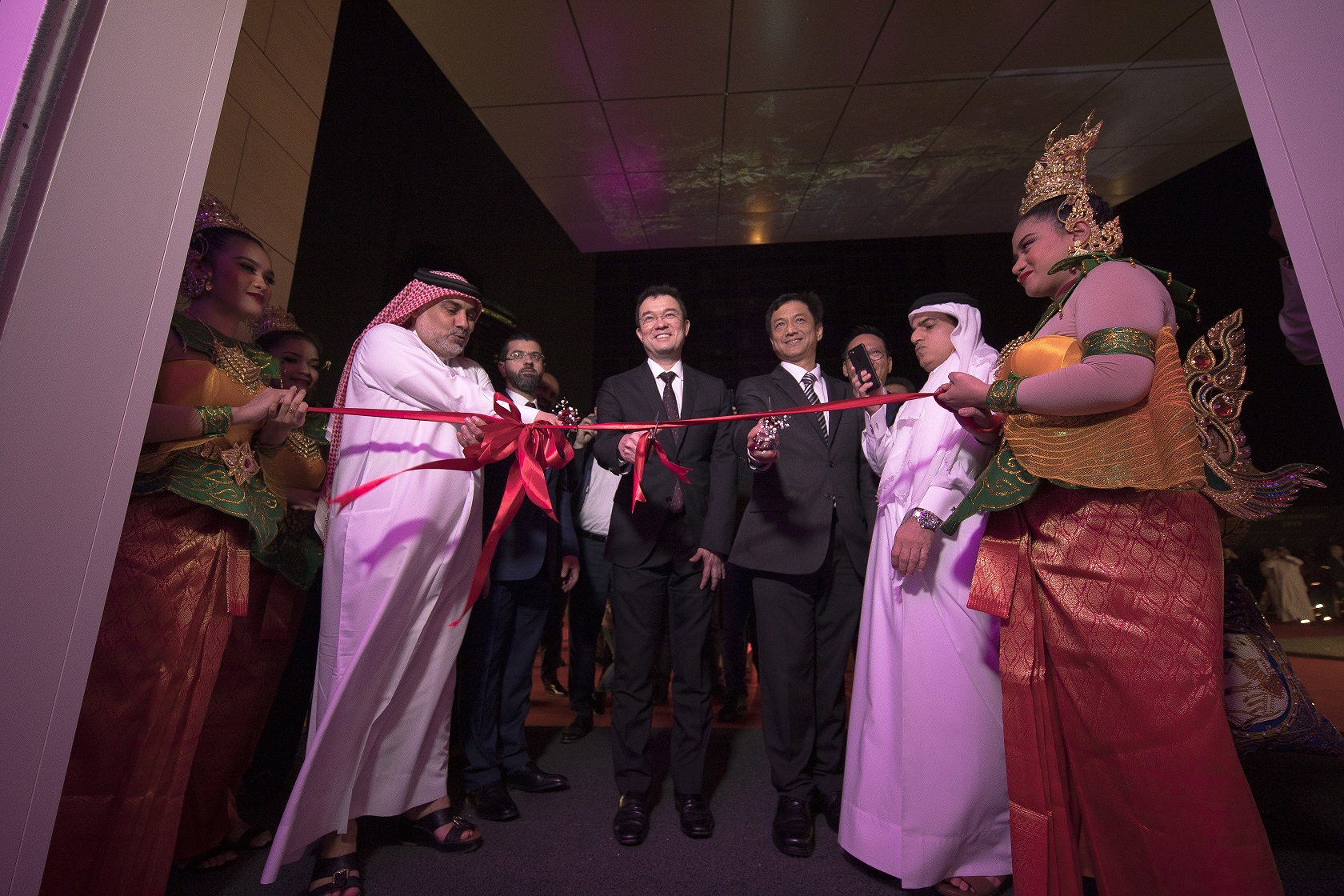
    The grand opening event featured traditional Thai and Qatari performances, including a falconry show, plus executive speeches, a ribbon-cutting ceremony and VIP dinner created by Michelin starred chef, Alfred Prasad.

    “Doha is one of the most dynamic destinations in the world today, and we are delighted to enter this important market with such a spectacular new hotel. Centara West Bay Residences & Suites Doha is an iconic addition to the city’s skyline. With spacious accommodation, luxurious facilities and gracious Thai service, this hotel will cater for all types of guest, from leisure visitors and large family groups to long-stay business travellers. We look forward to welcoming all guests to Doha in the future, as the city embarks on an exciting new era of international prominence and prosperity,” commented Thirayuth Chirathivat, Chief Executive Office, Centara Hotels and Resorts.

    Guests have a choice of stylish and spacious accommodation, comprising studios, suites, one- to three-bedroom apartments and four-bedroom penthouses, all featuring floor-to-ceiling windows with breath-taking views of the Gulf. Residences range in size from a generous 45 square metres to an opulent 365 square metres and come fully equipped with comfortable bedrooms, separate living and dining areas, kitchens, and cutting-edge technology, including Smart TVs.

    Centara West Bay Residences & Suites Doha features a collection of contemporary F&B outlets, including Caprice, a café-inspired restaurant showcasing exquisite Thai cuisine and international fare; Dalchini, which promises progressive Indian from creative Chef Alfred Prasad cuisine; plus a chic Lobby Lounge and a refreshing Pool Bar. In-room dining is also available and residences have their own cooking and dining facilities.

    There are many opportunities for relaxation, including an indoor pool with panoramic views of the Gulf, a spacious fitness centre and aerobics studio. There is also a kids’ club and children’s pool for younger guests, plus a gift shop, prayer room and two flexible meeting rooms.

    A key cultural and economic hub for the entire Middle East region, Doha is home to a wealth of cultural attractions including the historic Souq Waqif market, Museum of Islamic Art and State Grand Mosque, plus major shopping malls and soft sandy beaches. It is also rapidly emerging as a global sporting destination, hosting the annual season-opening Qatar Open tennis tournament, the 2019 IAAF World Athletics Championships and of course, the 2022 FIFA World Cup.

    The Middle East is a key strategic part of Centara’s five-year development plan, which aims to double the company’s global portfolio of hotels and resorts by 2022. Centara Muscat Hotel opened in 2017, and following this week’s grand opening of Centara West Bay Residences & Suites Doha, the group further plans to launch Centara Grand Hotel Doha in the first half of 2020.
  • AirAsia sets up venture capital fund to boost, Redbeat

    AirAsia sets up venture capital fund to boost, Redbeat

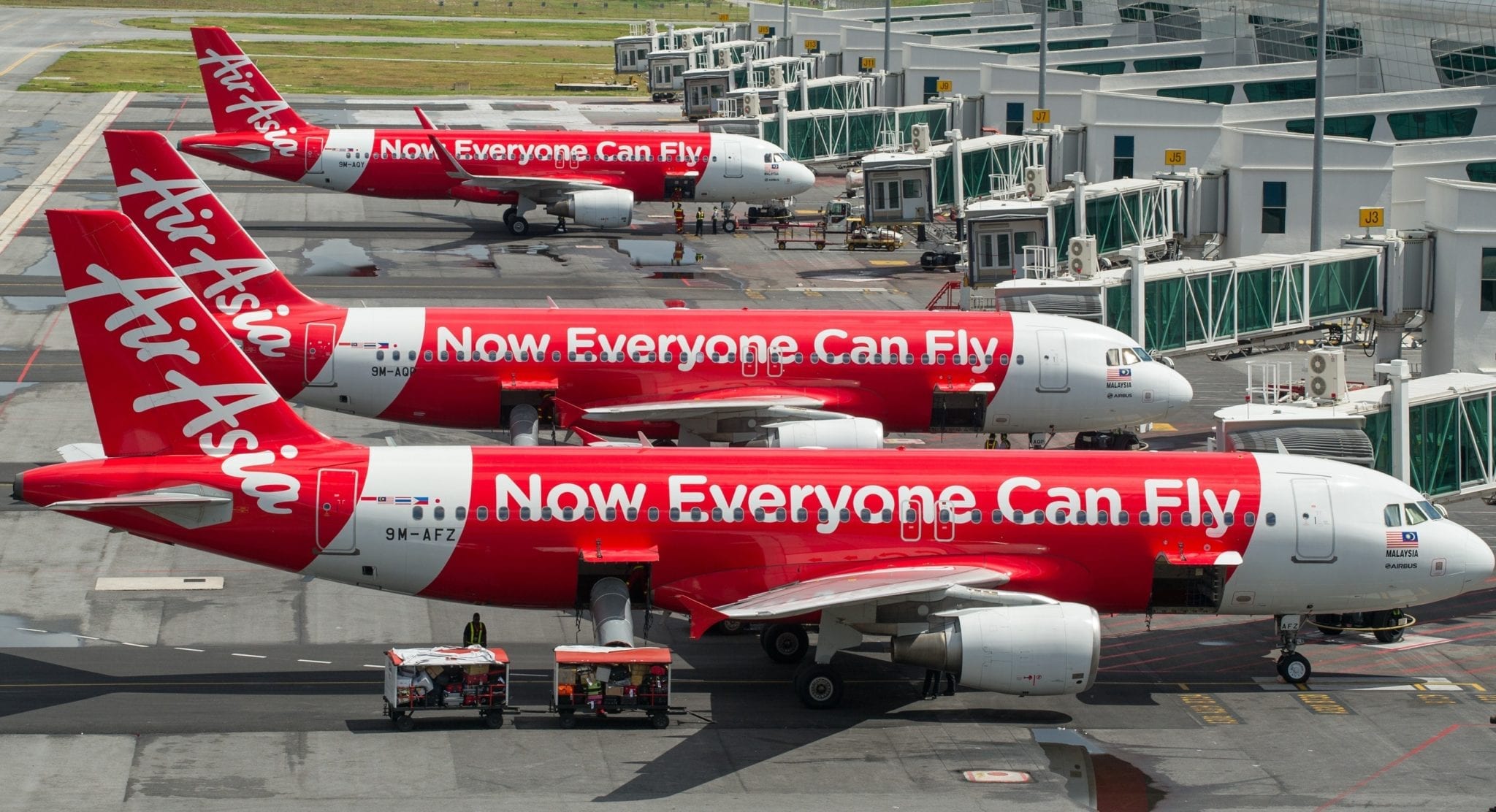
    AirAsia has launched a new venture capital fund, RedBeat Capital, to invest in start-up businesses that aims to boost the low-cost carrier’s ancillary segment. RedBeat Capital will work alongside San Francisco-based venture capital firm 500 Startups in supporting businesses seeking to enter or expand their presence in southeast Asia, with a particular focus on travel and lifestyle, logistics, and financial technology.

    It will also invest in digital streams as such artificial intelligence, the internet of things, and cyber security.

    AirAsia and RedBeat Capital are on the lookout for the world’s best and brightest to help us develop a travel technology ecosystem,” says AirAsia Group‘s chief executive Tony Fernandes.

    “We intend to operationalise this year… to identify and invest in startups that are willing to grow and expand, particularly into southeast Asia where we have the network, data and regional expertise to help accelerate their business.”

    AirAsia adds that the venture capital fund will complement and enhance the group carrier’s transformation into a travel technology company.

    In a separate interview, Fernandes tells FlightGlobal that AirAsiahas already invested over $10 million into RedBeat Capital.

    “One of the reasons we’re doing what we’re doing is because you can’t survive long-haul low-cost purely on an airfare, so there are lots of ancillary streams to supplement that,” he said.

    AirAsia‘s digital venture arm RedBeat Ventures will oversee RedBeat Capital. Aireen Omar, who is AirAsia Group‘s deputy chief executive for technology, also serves as the chief executive of RedBeat Ventures.

  • Vietjet Air offers 2.4 million cheap tickets to the fast ones

    Vietjet Air offers 2.4 million cheap tickets to the fast ones

    Budget airline Vietjet Air will offer 2.4 million tickets starting from 0 VND on March 6-8 to celebrate the International Women’s Day (March 8). Promotional tickets will be on sale from 12:00 to 14:00 for flights across Vietnam, Thailand and some other international ones.

    Meanwhile, low-cost tickets for some flights to Japan and Hong Kong (China) will be offered every hour of the three days. The tickets are valid for passengers travelling from May 7 to December 31 this year.

    The promotional tickets are available on all sales channels, including the website www.vietjetair.com

    Vietjet Air currently operates 40 domestic routes and 66 international ones.

  • AirAsia X fits Fukuoka as destination into its network

    AirAsia X fits Fukuoka as destination into its network

    AirAsia X launched its fourth Japanese route from Kuala Lumpur (KUL) on 28 February, beginning a four times weekly service to Fukuoka (FUK). The carrier already flies from the Malaysian hub to Osaka Kansai, Sapparo Chitose and Tokyo Haneda in Japan. The airline will operate the 4,545-kilometre route using its fleet of A330-300s, with it being the only carrier to fly the airport pair.

    “More than 156,000 seats per year will be available on this new route, providing guests with the opportunity to book low-cost travel to yet another amazing destination in Japan,” commented Benyamin Ismail, CEO of AirAsia X.

    “This new service signifies our commitment to accelerating our growth story in Japan, and we’re confident the route will deliver a significant boost to the local economy. We wish to thank our airport, tourism and local government partners and authorities for making this new route a reality.”

  • AirAsia withdraws flight tickets from Traveloka

    AirAsia withdraws flight tickets from Traveloka

    AirAsia has withdrawn its tickets from Traveloka. The move follows an incident in which the low-cost airline’s flights were unavailable on the sites of several online travel agents, namely Traveloka and Tiket.com.

    “As a group, AirAsia has discontinued the sales of all of our tickets on Traveloka. It’s based on our disappointment with them,” Dendy Kurniawan, president director of AirAsia Indonesia, said in a press conference on March 4 in South Jakarta. In the meantime, AirAsia is still waiting for official clarification from Tiket.com.

    AirAsia flights were missing from Traveloka and Tiket.com from Feb. 14 to 17. At the time, Traveloka told that it was due to the airline’s system upgrades, while Tiket.com had remained silent on the matter. However, Rifai Taberi, AirAsia Indonesia commercial director, wrote on his Facebook account that it was not caused by AirAsia’s system.

    The flights then reappeared on Feb. 18, but have been missing for the second time since March 2 on both sites.

    “We’ve been patient enough waiting for Traveloka’s official explanation – despite rumors that were spread at that time,” said Dendy. “If [they said] it’s because of the system – come on, they should’ve anticipated it. They could’ve contacted us directly.”

    Dendy said he had received reports that Traveloka had not provided a clear explanation about the unavailability to their customers and that the online travel agent had not directed AirAsia customers to the airline’s official website or app to book tickets. “But they suggested that people choose other airlines that were available on their website. We perceive this as something that hurts our good business relations with them,” said Dendy.

    Dendy added that the withdrawal could have a short-term impact on the airlines. “Perhaps [for] less than a month,” he said. “I believe our customers [will] check our website directly.”

    Also present at the press conference, Rifai agreed with Dendy’s statement. “Our sales in February were not affected by it at all,” said Rifai, adding that his side had emailed Traveloka five times since Saturday afternoon but had not received a response.

    Rifai confirmed the statement, but said Traveloka had contacted AirAsia through phone communication. “What we didn’t get was professional communication […] but we already responded to them,” he said.

    In a statement on Monday, Sufinitri Rahayu, public relations director for Traveloka, said the travel site highly prioritized continuous collaboration with all stakeholders and partners. “Since last weekend, we’ve asked for time to talk with AirAsia to come up with the best solutions for both parties,” Sufinitri said.

    Additionally, in February, Rifai once indicated an instruction forcing online travel agents to stop selling AirAsia tickets on his Facebook account, but Dendy said he did not want to make any speculation. “Just let the relevant agencies investigate it. We’re not going to cooperate with parties with the intention of unhealthy competition. That’s none of our business,” Dendy said.

  • Asiana and pilots reach safe operations agreement

    Asiana and pilots reach safe operations agreement

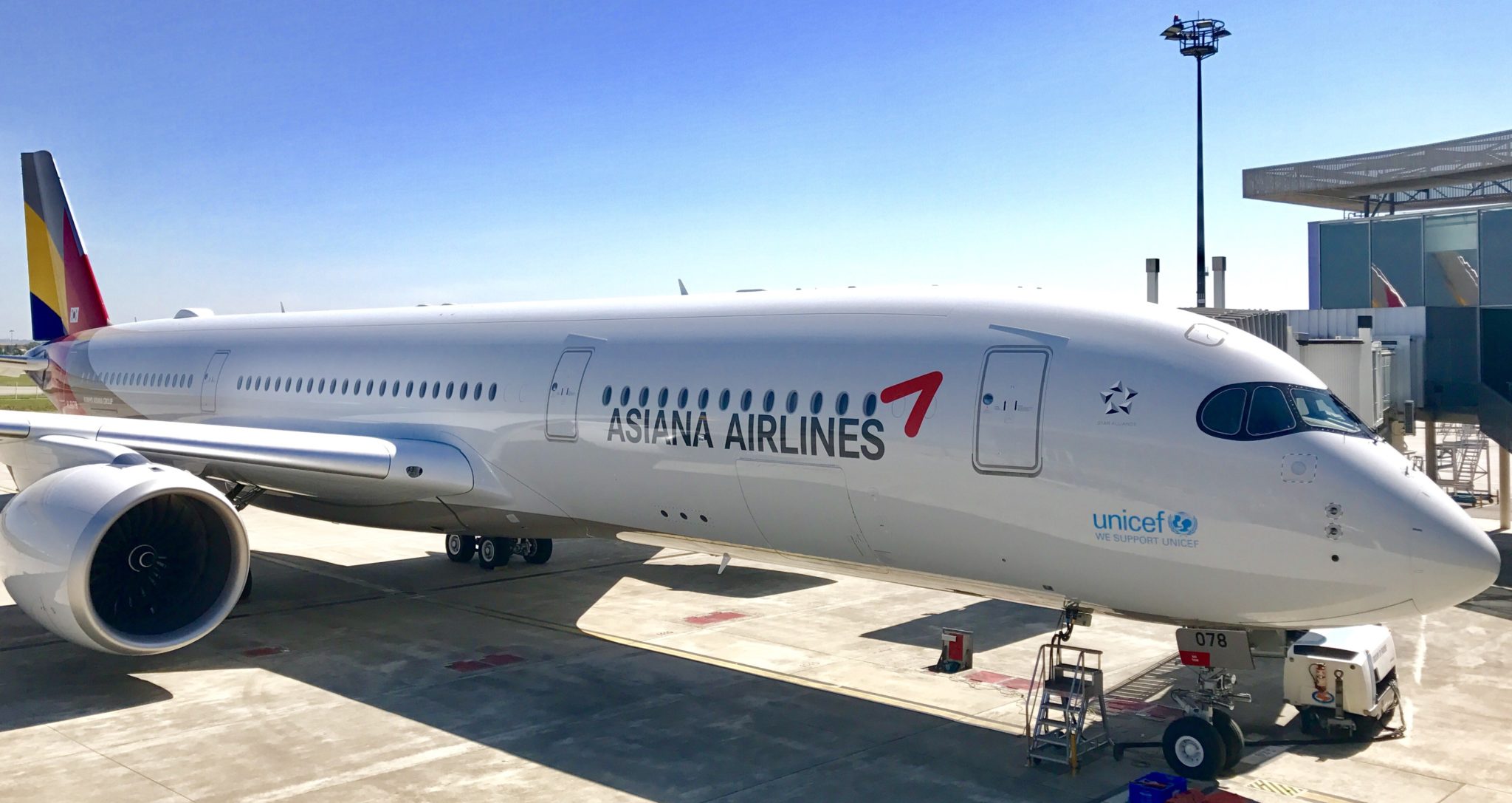
    Asiana Airlines and its pilot labor union jointly announced their vision for safe airline operations, the airline said Friday. During a ceremony held for the announcement Thursday, they vowed to strengthen communications for safe flight operations and cooperate in enhancing airline sustainability. The ceremony was held at the company headquarters in Gangseo District, western Seoul.

    Asiana Airlines CEO Han Chang-soo and Asiana Pilot Union head Kim Young-gone attended.

    The union requested the company establish a new team that will make sure there are no obstacles to safe flight and improve pilot rights and interests. The company agreed to fully support safe and secure flight operations.

    The two parties completed wage negotiations in September and have since worked toward cooperation.

  • Bamboo Airways to sign deal for 10 Boeing planes during Trump-Kim summit

    Bamboo Airways to sign deal for 10 Boeing planes during Trump-Kim summit

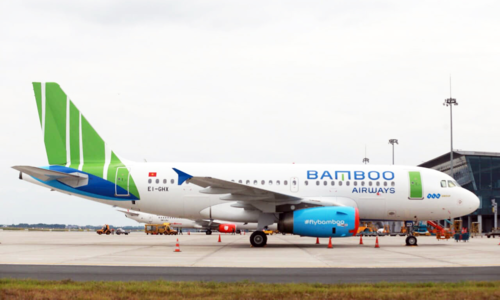
    Vietnam’s newest carrier, Bamboo Airways, which began flying last month, is set to sign a deal with Boeing to buy 10 aircraft. The signing will take place on the sidelines of the second summit between U.S. President Donald Trump and North Korean leader Kim Jong-un in Hanoi on Wednesday and Thursday, an unnamed airline executive said. In July last year the airline had signed a provisional deal to buy 20 Boeing 787-9 wide-body jets worth $5.6 billion at list prices.

    “We will sign with Boeing a deal to buy 10 Boeing 787s,” the executive said. “This is different from the deal signed earlier for 20 Boeing planes.”

    The U.S. Federal Aviation Administration (FAA) recently allowed Vietnam to operate direct flights to the U.S.

    Bamboo Airways and other Vietnamese airlines have expressed interest in operating direct flights to that country.

    Bamboo was set up by private conglomerate FLC in 2017 with a charter capital of VND700 billion ($30 million), which it recently increased to VND1.3 trillion ($55.68 million).

    Budget airline Vietjet also plans to sign on the sidelines of the summit a deal to buy 100 narrow-body Boeing aircraft.

    Vietnam’s aviation industry is booming demand. The country welcomed 12.5 million air passengers last year, up 14.4 percent from 2017, according to the General Statistics Office.

  • Sands China mall sales increase when land-based visitors return

    Sands China mall sales increase when land-based visitors return

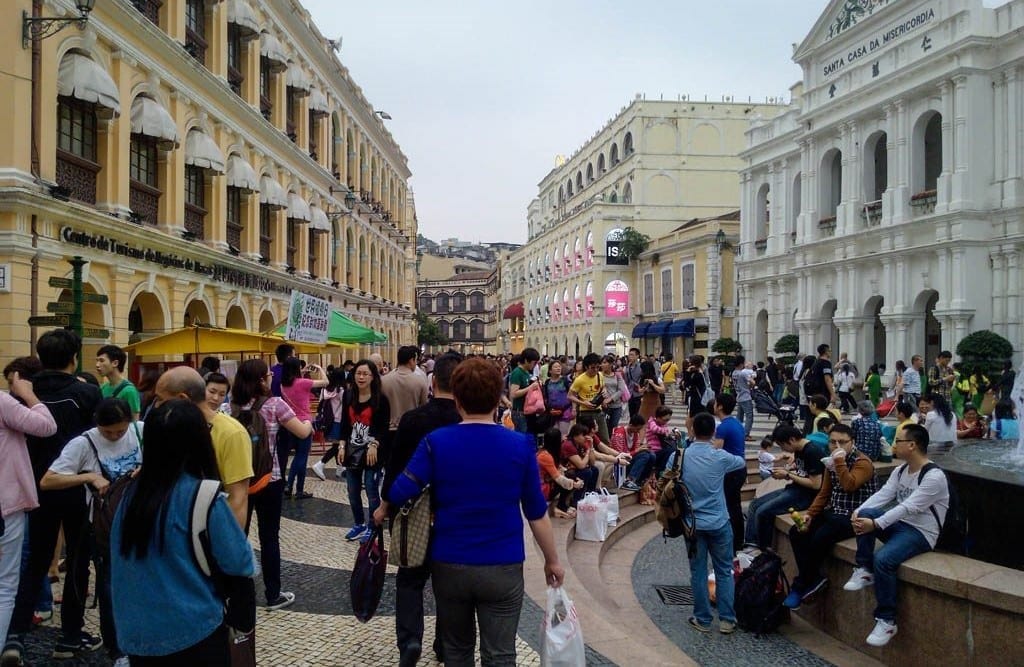
    Sands China mall revenue rose 5.8 per cent last year as Mainland China visitor numbers rebounded. Sands China owns The Venetian Macao, Sands Cotai Central, The Parisian Macao and The Plaza Macao shopping centres which boast a combined 1.87 million sqft of retail-mall space. They form a key part of the company’s giant gaming and resorts business in the territory, which combined posted US$8.67 billion in sales last year, up more than 14 per cent, and achieved a post-tax profit of $1.87 billion, up 17 per cent.

    The company says mall revenues for the year increased 5.8 per cent overall to $507 million, compared to $479 million the previous year.

    The increase was primarily driven by higher turnover fees from Shoppes at Four Seasons, Shoppes at Venetian and Shoppes at Cotai Central, and from additional retail space becoming available at Cotai Central.

    The strongest-performing mall complex was the smallest of the four, The Plaza Macao, which has the 241,548sqft gross leasable area (GLA). It achieved 99 per cent occupancy with a base rent of $460 per sqft and tenant sales of $4373 per sqft, contributing $145 million in revenue, up 10.7 per cent year on year.

    The weakest-performing mall was The Parisian Macao, with 89.8 per cent occupancy of its 295,915sqft GLA. Base rent per sqft was $156 and tenant sales per sqft $649. Revenue there fell 13.6 per cent year on year to just $57 million.

    The company’s largest Macau property, and its first, The Venetian Macao, has 813,376sqft of GLA. It achieved total mall revenues of $233 million last year – up 6.4 per cent – with 90.3 per cent occupancy, a base rent of $263 and tenant sales of $1746.

    Sands Cotai Central, with 519,681sqft GLA, achieved $69 million in revenue – up 9.5 per cent – and achieved 91.5 per cent occupancy. Base rent was $108 and tenant sales $892.

    Sands China said its food and beverage revenues rose 4.1 per cent last year to $304 million, driven primarily by increased foot traffic.

    Chairman Sheldon G Adelson said Macao’s development and evolution as Asia’s leading tourism destination accelerated during the year, with market-wide visitation from China reaching a record 25.2 million visits, an increase of 14 per cent compared to last year.

  • Where Chinese tourists go for shopping

    Where Chinese tourists go for shopping

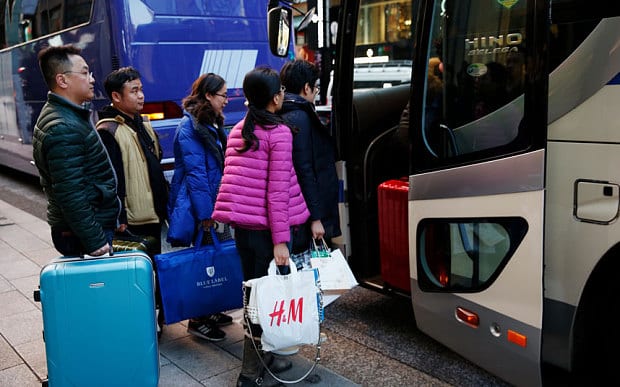
    Hong Kong, Tokyo, Seoul and Singapore were among the hottest shopping destinations for Chinese tourists last year, according to Ctrip. In the latest big-data report from the Chinese travel-services provider, Edinburgh, Singapore and San Francisco were also among the top 10. Last year, nearly 150 million overseas trips were made by Chinese tourists, who collectively spent US$120 billion.

    London was the city that saw the highest per-capita spending by Chinese tourists – more than US$4428 – followed by Paris, Macau, Dubai, Okinawa, Kyoto, Osaka, Nagoya, Hong Kong, Singapore and Fukuoka.

    Europe is still a hot destination for Chinese luxury goods buyers because prices there are much lower than the global average, and a tax-refund system also facilitates sales.

    Despite the recovery of the British pound last year, the UK remained a popular destination for Chinese tourists, said Ctrip.

    Experts noted that Chinese consumers would still be a focus of competition between shopping destinations this year, and many retailers internationally have upgraded their shopping facilities to lure Chinese tourists.

  • Vietnamese airlines continue to be plagued by pilot shortage

    Vietnamese airlines continue to be plagued by pilot shortage

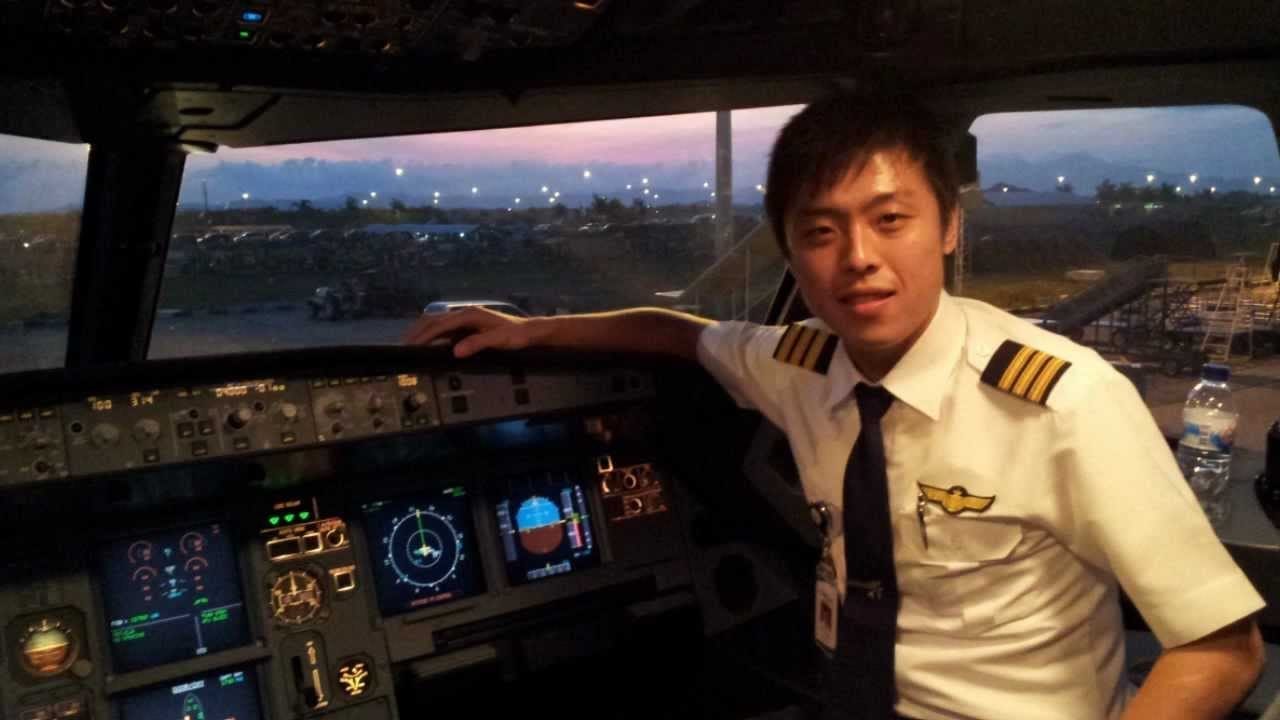
    With increasing demand for pilots as they expand, Vietnamese airlines have had to raise salaries, spend more on training and hire foreign pilots. Figures from the Civil Aviation Authority of Vietnam show that by 2020 Vietnam will need a total of 2,680 pilots for commercial flights, 1,320 more than now. Vietnam Airlines, the country’s flag carrier, needs to hire 193 more pilots to increase the number on its payroll to 1,293 pilots to meet demand in 2019, according to the carrier’s recent assessment report.

    The assessment forecast the demand to keep rising increasing to 1,340 by 2020 and 1,570 by 2025. This is a challenging number given the increasing shortage of pilots globally, according to industry insiders.

    According to a recent report from Boeing, the global aviation industry will need 790,000 new pilots by 2037, or double the current number, driven by an anticipated doubling of the commercial airplane fleet, record travel demand and tightening labor supply.

    Pilot training has always been extremely expensive, with stringent health and technical knowledge requirements, meaning that the number of pilots qualifying is always limited, according to industry insiders.

    A former Vietnam Airlines pilot revealed that because of the shortage, soon after he gave notice of termination he received many offers from airlines both domestic and foreign.

    He said many other pilots at Vietnam Airlines also constantly offered 15-25 percent higher salaries by head hunters.

    As a result the carrier has been focusing on hiring trainees. Duong Tri Thanh, its general director, said given the global shortage of pilots and carry out its expansion plans in time, Vietnam Airlines has been training internally and recruiting foreign pilots despite high costs.

    Similarly, Jetstar Pacific or Vietjet Air are facing difficulties filling their vacancies with pilots when trying to rapidly expand in South Korea, Japan, and other countries in Southeast Asia. Currently, the number of pilots at these firms is largely foreign due to limited domestic supply. Typically, at Jetstar Pacific, foreign pilots account for 80 percent of their fleet.

    However, foreign pilots can be hard to come by since many other companies in Asia can offer them better remuneration and working conditions.

    An aviation expert said airlines need to combat the pilot shortage by investing in training facilities and recruitment programs and subsidizing training for pilot trainees.

    Vietnam’s aviation industry has been growing rapidly in recent years. There were 12.5 million air passengers last year, up 14.4 percent from 2017.

    The number of flights in the country grew by 16 percent on average between 2010 and 2017, according to official data.

    Vienam’s five airlines are Vietnam Airlines, its low-cost carrier Jetstar Pacific, budget airline Vietjet Aviation, Bamboo Airways and Vietnam Air Services Co.

  • Higher fuel prices dent AirAsia X’s Q4 performance

    Higher fuel prices dent AirAsia X’s Q4 performance

    AirAsia X Bhd suffered a net loss of RM99.27 million in the fourth quarter ended Dec 31, 2018 compared with a net profit of RM84.42 million a year ago due to higher fuel prices. In a filing with Bursa Malaysia, the airline reported an increase in average fuel price to US$89 per barrel during the quarter from US$69 per barrel a year ago, which resulted in a lower net operating profit of RM27.4 million from RM120 million a year ago.

    In addition, the group provided an impairment on amount due from joint venture amounting to RM24 million during the quarter under review.

    During the quarter, the group reported a 1% improvement in cost per available seat kilometre (CASK) to 12.27 sen while CASK ex-fuel improved by 16% from 8.22 sen to 6.94 sen a year ago, due to enhanced cost management.

    Revenue for the quarter fell 5.93% to RM1.15 billion from RM1.22 billion a year ago.

    For the financial year ended Dec 31, 2018 (FY18), the group also swung into the red registering a net loss of RM312.7 million compared with a net profit of RM98.89 million a year ago while revenue fell marginally to RM4.54 billion from RM4.56 million a year ago.

    AirAsia X said its current forward booking trend and average fares for the first quarter of 2019 are within expectation and prospects are anticipated to remain encouraging.

    The airline will be adding up to five aircraft through operating leases this year via AirAsia X Thailand while AirAsia X Malaysia will remain with 24 aircraft.

    AirAsia X Malaysia will focus on maximising aircraft utilisation of its current fleet and leverage on the group’s strategy in new route launches as well as increasing frequencies of core routes.