Retail News CRM

Tag: travelling

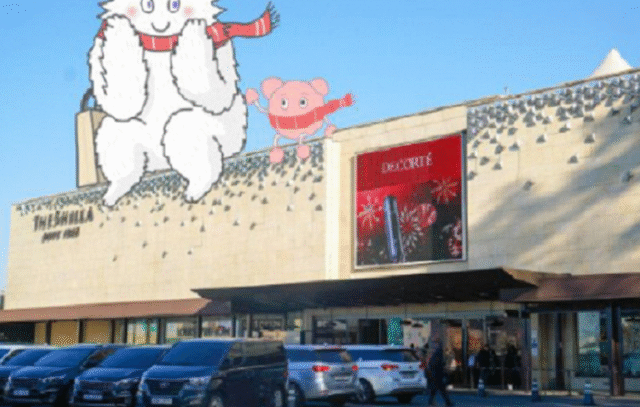
  • The Shilla Duty Free partners with comics strip artists

    The Shilla Duty Free partners with comics strip artists

    The Shilla Duty Free is partnering with popular Chinese webtoon artists to boost its appeal to travelling Chinese shoppers. The travel retailer said that this is the first marketing partnership of its kind in the Korean duty free industry. Webtoons have become an increasingly influential media tool to connect closely with consumers, Shilla noted. “Unlike traditional advertisements, webtoons use storytelling that is easily relatable while utilising artists’ existing fandom.”

    The partnership with two webtoon artists, Niu Hong Hong (牛轰轰) and Ruo Guan (弱冠), specifically targets Chinese women in their 20s to 30s – The Shilla Duty Free’s main customer base (as the charts below show, visitors between 21 and 40 made up 57.3 percent of Chinese arrivals in South Korea last year and those between 21 and 30 almost 31 percent).

    Shilla’s stores are being featured in webtoons and the contents promoted through each artist’s social media platforms.

    Real-time comments such as “I would like to shop there”; “I should visit there during my next visit to Korea”; and “I like the store interior” appear on the webtoons.

    Besides introducing The Shilla Duty Free shops, the webtoons also highlight nine local eateries near the retailer’s flagship Seoul Store, showcasing the surrounding area as a local attraction. Since 2016, The Shilla Duty Free has promoted its local communities by introducing nearby restaurants through various channels such as The Shilla Online Duty Free in Chinese and its official Weibo account.

    A spokesperson said, “The partnership with Chinese webtoon artists is a first in the industry. We expect to be able to connect better with Chinese customers. Creative marketing like this will be continued during the peak seasons such as Chinese Lunar New Year, the Mid-Autumn Festival and the National Day of China, to broaden the communication with our customers.”

  • Rimowa collaborates with Alex Israel for its latest suitcase

    Rimowa collaborates with Alex Israel for its latest suitcase

    Alexandre Arnault of Rimowa has just taken to Instagram to tease the luggage purveyor’s latest collaborative suitcase. Set for a full reveal at this year’s Frieze Art Fair, the suitcases are in collaboration with multimedia artist Alex Israel. Inspired by his home town of Los Angeles, the luggage sees the signature use of blue and red hues — inspired by the adored sunsets of the West Coast.

    The suitcases’ exterior shell and wheels are essentially treated with tones of blue, light purple, pink and light orange in a faded finish to reflect the colors of the vibrant sky in Los Angeles during sunset and sunrise.

    The suitcases will come in two color options. One will predominantly be in a gradient sky-blue – fading to flamingo-pink, while the other color option sees the complete opposite.

    Both suitcases will be officially unveiled at the Frieze Art Fair in Los Angeles via a pop-up beginning February 14.

  • Emirates to fill pilot gap with exodus from Etihad, Norwegian airlines

    Emirates to fill pilot gap with exodus from Etihad, Norwegian airlines

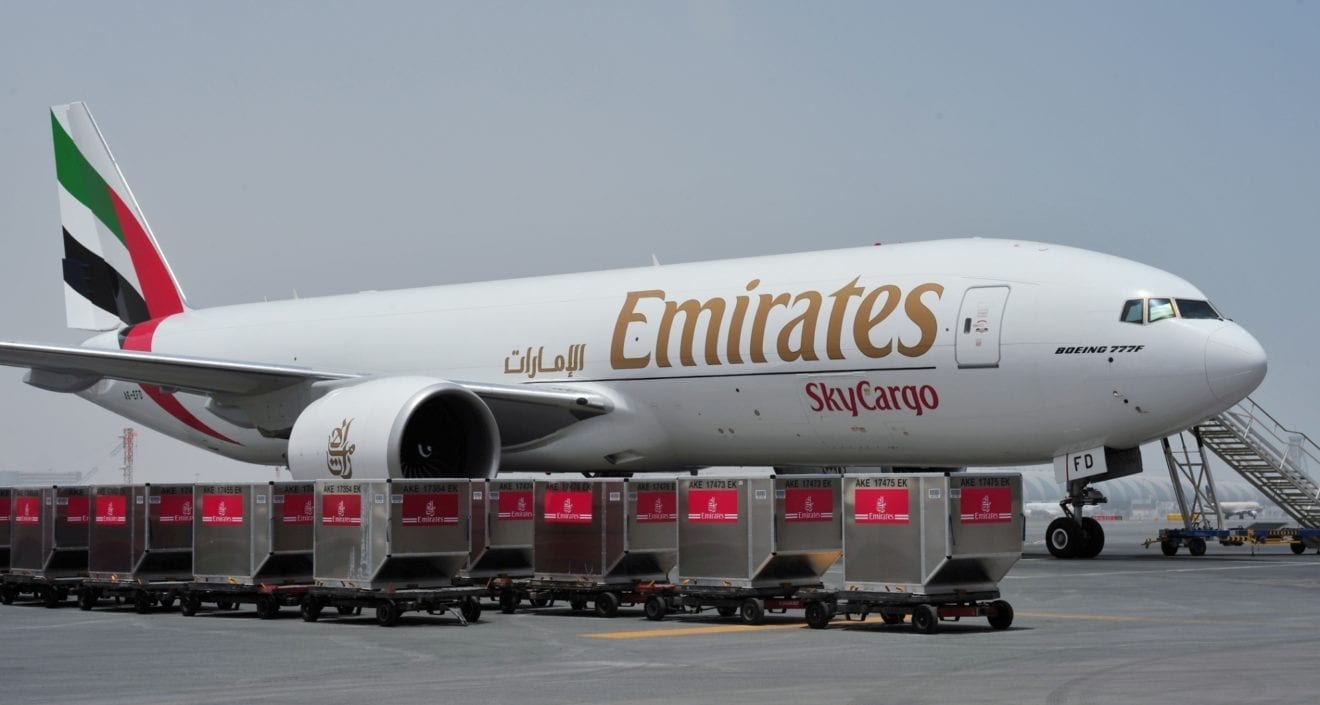
    Emirates, the world’s biggest long-haul airline, may feed its appetite for new pilots with recruits from ailing neighbor Etihad Airways and cash-strapped discounter Norwegian Air Shuttle ASA, according to an internal memo from the Gulf carrier. Hong Kong Airlines has also contacted Dubai-based Emirates about opportunities to temporarily transfer some cockpit crew, according to the document. Pilots at the unit of beleaguered HNA Group are Airbus SE-rated, meaning they could be trained to fly the Mideast company’s A380 superjumbos.

    “The current situation with several airlines in financial difficulty globally leaves Emirates in a good position to be sourcing and selecting good-quality pilots,” the memo says.

    It said the airline recruited 52 pilots last month, the highest number since August 2016, and that the number of viable applications it’s receiving “is higher than the number of candidates that can be invited.”

    Emirates declined to comment on the communication, which was dated Jan. 29 and appeared to be a meeting report. A spokeswoman said there are sufficient pilots for current operations, though the airline will “continue to welcome qualified candidates.”

    Norwegian Air said it’s not uncommon for members of any company’s workforce to seek opportunities elsewhere. Hong Kong Airlines couldn’t be reached during the Chinese New Year holiday, while Abu Dhabi-based Etihad didn’t respond to requests for comment.

    Hiring Challenge

    Emirates faces an annual hiring challenge to meet the needs of its expanding global network. President Tim Clark said last April that there would be a shortfall of 100 to 150 flight crew over 2018’s busy summer travel season.

    According to the memo, 499 crew have been deemed eligible to join from this coming April through the end of 2019.

    Applications from Norwegian Air and Etihad have been spurred by redundancies at the airlines, according to the Emirates memo.

    Norwegian, heavily indebted after one of the fastest growth spurts in aviation history, resorted to a 3 billion kroner ($354 million) rights issue last week after British Airways parent IAG SA walked away from a takeover bid.

    The Scandinavian carrier is also closing six bases and cutting routes to stem losses, proposing that pilots transfer to other locations.

    Etihad last June offered captains and first officers a two-year secondment, or temporary transfer, to Emirates. In January, it revealed plans to cut 50 pilot posts as it cancels jet orders and shrinks operations to stem losses.

    The Emirates memo said Hong Kong Air has identified a 10 percent surplus in pilot numbers. The carrier, whose debt-laden owner HNA is offloading $20 billion in assets, is being sued by a Macau-based lender for failing to pay $20 million in principal and interest, according to a court filing last month.


  • Chinese tourists prefer Australia, Japan and Singapore: Survey

    Chinese tourists prefer Australia, Japan and Singapore: Survey

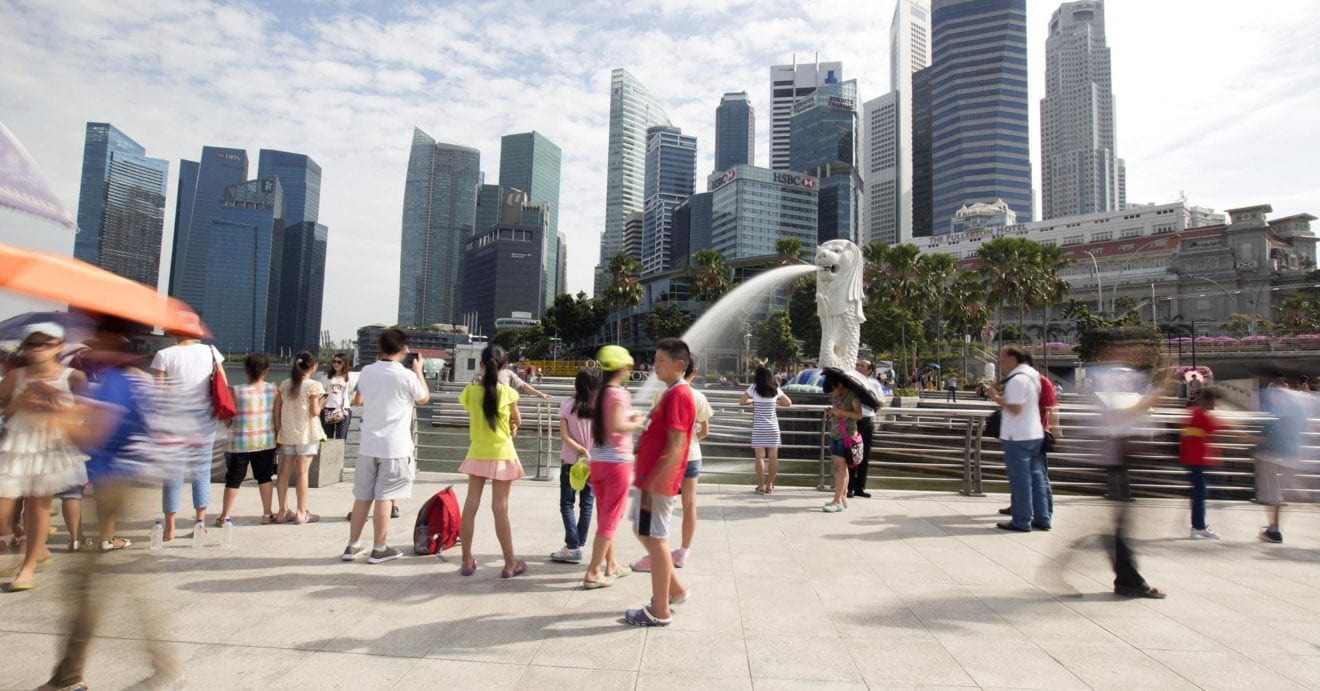
    Mainland Chinese tourists prefer visiting Australia, Japan and Singapore over Hong Kong, a survey has found, citing a preference for outdoor and nature activities in these places. Consultancy firm Kantar, which polled 300 people from Beijing, Shanghai, Guangzhou and Shenzhen, found that 52 per cent of respondents were interested in Australia as a holiday destination, followed by 40 per cent for Japan, 38 per cent for Singapore, and 35 per cent for Hong Kong.

    Some 22 per cent said they were keen to visit Taiwan, compared to 21 per cent who favoured South Korea, 15 per cent for Indonesia and 9 per cent for India.

    “Urban Chinese holidaymakers are looking for a diversity of experiences – nearly nine in 10 say that having lots to do is either important or very important to them,” stated the report, released last month.

    “The dominance of nature in the minds of urban Chinese leisure travellers may, at face value, present a challenge for retailers, malls, theme parks and other places.”

    The report stated that the trend could be an indication for businesses on potential growth directions.

    Despite Hong Kong not being the top destination for Chinese tourists in the poll, official figures showed visitor arrivals in the city – driven mainly by mainlanders – soared to a record high of 65.1 million last year, up 11.4 per cent from 2017.

    About 51 million tourists from across the border visited the city in 2018, a rise of 14.8 per cent from the previous year.

    But the Tourism Board has admitted that 2019 could be a “bumpy and unpredictable” year. Chinese tourists now see the city as a short-term destination, and they prefer Southeast Asia or Europe for long holidays.

    The board said Chinese tourists also craved “in-depth” travel in Hong Kong rather than the usual hotspots. One of the board’s strategies this year will be to attract mainland and overseas visitors to places such as the Geopark, the Ha Pak Nai mudflat in Yuen Long and Lau Fau Shan.

    The Kantar report also stated: “Hong Kong outperforms Singapore on most factors, but when it comes to perceptions of safety and cleanliness, Singapore dominates all [Asia-Pacific] markets, though it is held back by its lack of nature and outdoor [activities].”

    It acknowledged that Hong Kong had a “relative abundance of natural attractions” compared to the Lion City.

    On preferences for nature and outdoor activities in the eight destinations listed in the survey however, only 22 per cent of respondents indicated an interest in what Hong Kong had to offer, compared to 62 per cent for Australia, 42 per cent for Japan, 32 per cent for Indonesia, 31 per cent for Taiwan and 29 per cent for Singapore.

    In the category of sporting events, only 27 per cent said they were interested in those held in Hong Kong, with 47 per cent for Japan, 43 per cent for Australia, 30 per cent for Singapore, and 28 per cent for South Korea.

    Kantar’s group director, Mike Underhill, suggested that to boost Hong Kong’s attractiveness as a tourism haven, unique sporting events could be held, such as a mountain marathon.

    “I’m not saying it’s an easy thing to do, but if such an event is created, it will [capitalise on] an emerging trend among Chinese tourists to help grow a niche sector, thereby raising the perceived uniqueness of Hong Kong.”

    Jenny Zhang, 29, an accountant from Beijing, is among those for whom Hong Kong does not rate highly as a destination.

    “I would choose other places because I have visited Hong Kong several times already. But if I am in transit here to somewhere else, I would visit the city,” she said. “The world is huge and there are many places I have not been to. I love to see natural attractions and take in the culture of other places.”

    Asked to rank the eight destinations in the survey, Zhang placed Hong Kong in last place. Her top choices were Australia, Japan and Indonesia.

    But Chen Peng, 36, from Tianjin is among those who still enjoy coming to Hong Kong after visiting the city six times. This month, he took his daughter to Disneyland for the first time.

    “My wife loves Japan and so I would choose Japan as my top choice. For me though, Hong Kong is my No 1 choice,” he said.

    “When I come, I mostly go shopping with my wife and meet friends. I would go to Harbour City and Central.”

  • AirAsia X Wants To Launch Flights From The US West Coast To Japan

    AirAsia X Wants To Launch Flights From The US West Coast To Japan

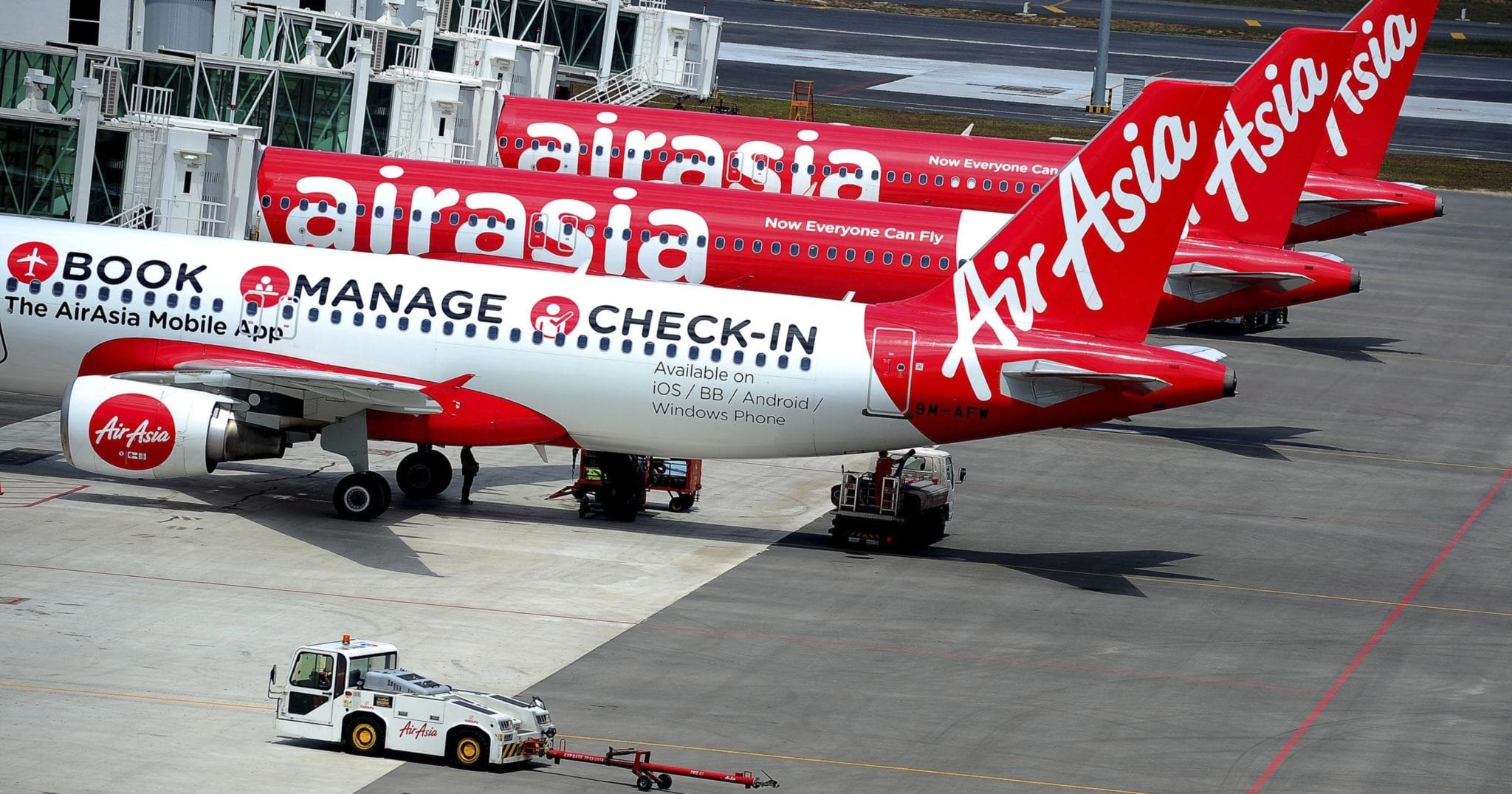
    Air Asia is the world’s largest and best low-cost carrier (They have won awards for the last 10 years). Air Asia X, their low-cost long haul carrier has built a route network spanning from the middle east to southern Australia. But many people in the US have never had a chance to fly on Air Asia, as the name would imply, have only ever been centered around South East Asia.

    Could Air Asia X routes from Japan to the US West Coast work?

    In a massive new rumor, Air Asia might be starting direct routes between Japan and the US West Coast onboard their fleet of brand new Airbus A330-900 aircraft. As none of the 66 new aircraft on order have been delivered yet, Air Asia X has been reluctant to place address the theory. They are however one of the first airlines to order the aircraft, and as deliveries have begun, we expect news sometime this year.

    Previously, the current fleet of older A330-300s has only been able to reach as far as Hawaii from Osaka, Japan (their range is 6,350 nmi (11,750 km)), limited by their ability to cross the Pacific ocean.

    But these new A330neo aircraft, with a range of 7,200nmi (13,334km), allow Air Asia X to reach destinations like Los Angeles and San Fransisco. This opens up a huge potential market for the company, and on the flip side, a cheap (and good) way for American’s to access Japan, and through transfer, South East Asia.

    What is the service like on Air Asia X?

    Whilst there has been no information yet on the fit out of the new Airbus A330-900 aircraft, we can hazard a guess based on their current A330-300 jets.

    There are three classes on board, a ‘premium’ business light class, a quiet zone and a normal economy class. There are also exit row seats scatted throughout.

    The business class features “flat beds” (They do not go entirely 90 degrees flat, but are more around 70-80 degrees), as well as included entertainment (via tablet), baggage allowance and food and beverages. They have around 60 inches of pitch and are 20 inches wide.

    There is every possibility that AirAsia will upgrade the seat truly lie flat in their newer aircraft.

    The quiet zone on board is a section of economy row seats at the front of the economy section that only allows adults and forbids loud noise. The economy section is laid out in a 3 by 2 by 3 configuration.

    Naturally, as it is a low-cost carrier, passengers will need to budget for seat selection, baggage, food and bring their own entertainment. The economy seats have 32 inches of pitch and are 16 1/2 inches wide.

    The real win, however, is the cost. Typically you would be looking at around $1000 USD return in economy to fly from Los Angeles to Osaka. Air Asia typically offers premium business for the cost of an economy ticket (which is well worth the upgrade) and economy for dirt cheap prices (through economies of scale). It is very likely that Air Asia will instantly undercut the market on these routes and be the cheapest to fly.

  • DFS Changi celebrates lunar new year with offers

    DFS Changi celebrates lunar new year with offers

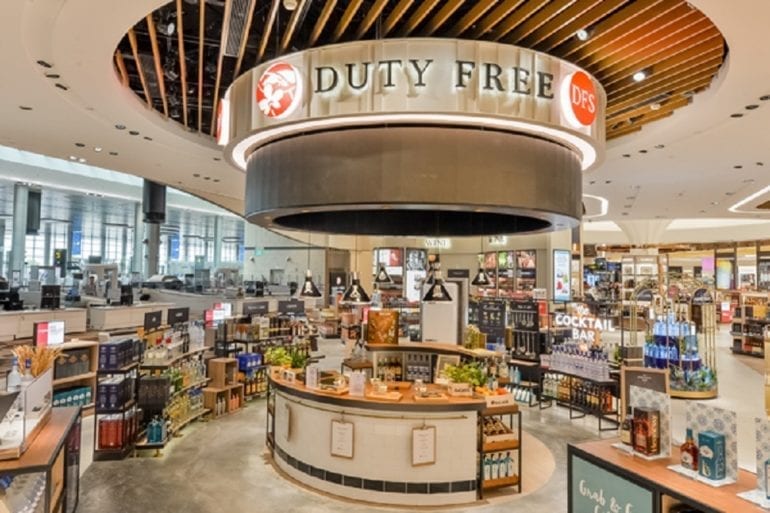
    DFS Group, the world’s leading luxury travel retailer, is celebrating Lunar New Year 2019, ‘The Year of the Pig’ with a series of exciting promotions, exclusive offers, personalization services and interactive activities at DFS, Singapore Changi Airport.

    Until 19 February, DFS has partnered with Moët Hennessy to celebrate the new year festivities with an exclusive Hennessy pop-up store at Changi Airport, the only one of its kind in the global travel retail sphere. Offering interactive consumer experiences and tastings, the pop-up features Hennessy’s first ever engraving station in travel retail for travelers who wish to add a personalized touch to their bottles. Hennessy partnered with contemporary artist, Guang-Yu Zhang to create an exclusive art piece, incorporating the zodiac symbol of the boar and Hennessy’s double distillation process. The artwork is featured on limited-edition festive packaging for Hennessy XO, Hennessy VSOP and James Hennessy.

    “Lunar New Year is one of the world’s most celebrated festivals and is a time for family, friends, giving, happiness and good fortune. As we welcome the Year of the Pig, we thank our loyal customers and look forward to welcoming new traveling customers to a luxurious shopping experience that only DFS can offer. Our Lunar New Year campaign enhances the pleasure of giving by offering an array of DFS exclusive products – for customers to show appreciation to loved ones or treat themselves to something extra special at this special time,” said Ariel Gentzbourger, DFS Group Executive Vice President Merchandising.

    Exclusive and limited-edition products available at DFS Changi include the Macallan Concept No.1, an Asia First Launch, the limited-edition Benedictine Dom Chinese New Year tin and the limited-edition Royal Salute 21 Year Old. All products are also readily available on www.iShopChangi.com, where travelling customers can browse and purchase products from 18 hours to 30 days before their flight. Purchased products can be collected at the departure terminals or arrival halls. Travelers can enjoy 10 per cent discount when they check out with the ‘CHEERS10” promocode now through until 31 March 2019.

    In preparation for festive feasts and celebrations, travelers arriving in Singapore during the festive period can enjoy an unlimited purchase of wines and champagnes. By absorbing all duties and taxes, DFS allows customers to purchase as many bottles as they wish from an extensive collection at an affordable price. Products range in cost and variety and start from as little as S$25, with travelers enjoying savings of up to 70% versus domestic prices.

    From now through 4 February, travelers at Changi Airport can try their hand at winning a 999 Pure Gold Bar (10 g) by playing the exclusive ‘Fortune Catcher’ claw machine. Located in each DFS departure store, travelers are able to use vouchers to play the claw machine – that offers an array of prizes with a minimum purchase of S$168 in store.

  • New shopping ambassadors at Hong Kong International Airport

    New shopping ambassadors at Hong Kong International Airport

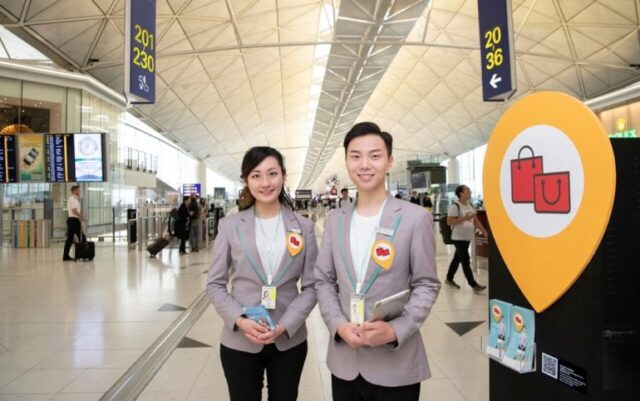
    Shopping for travelers will be even easier at Hong Kong International Airport (HKIA) with the introduction of Airport Shopping Ambassadors. The Airport Shopping Ambassadors are stationed at key locations within the airport’s retail areas. They are well acknowledged on shopping and dining offerings at HKIA, providing a friendly and personalized service to travelers. The ambassadors can provide helpful advice or last-minute shopping recommendations, as well as hot-picks, latest promotions and dining options from a wide range of global and local cuisine.

    Travelers can also receive personalised shopping and dining itineraries online, simply by filling in the Airport Shopping Ambassadors enquiry page on HKIA’s website https://www.hongkongairport.com. After completing the online request section, together with flight schedule and other information, travelers will be able to receive the ambassadors’ recommendations within 48 hours.

    HKIA is an international and regional aviation hub connecting about 220 destinations around the world, including 50 Mainland cities. HKIA achieved record-breaking passenger throughput of 74.7 million in 2018.

  • Indonesia Prepares New Strategy to Meet 2019 Tourist Arrival Target

    Indonesia Prepares New Strategy to Meet 2019 Tourist Arrival Target

    When President Joko “Jokowi” Widodo set out to double Indonesia’s foreign tourist arrivals within the five years of his presidency, many were skeptical. Now, the target seems to be within reach. Combined government efforts that included the massive development of airports and tourist destinations, aggressive digital promotions and a visa-free policy have, along with the weakening rupiah, attracted 16,2 million foreign tourists to Indonesia last year, which is 71 percent more than four years ago.

    Still, some setbacks were unavoidable. A series of volcanic eruptions, earthquakes and tsunamis over the past 12 months, as well as the tragic crash of Lion Air flight JT-610 into the Java Sea near Jakarta, resulted in the government missing its target to woo 17 million foreign tourists last year.

    Industry players worry that the bad image created by these disasters would take long to erase and thus undermine the country’s ability to attract 20 million foreign tourists this year.

    “Indonesia is situated on the Ring of Fire; we could not predict or prevent any disaster. What we need now, is to work extra hard to ensure that the world knows that when disaster strikes here, all tourists and local residents are well cared for,” said Elly Hutabarat, chairwoman of the Indonesian Travel Agent’s Association (Astindo).

    She cited Mexico as an example of a country that had just been hit by an earthquake, but still managed to quickly revive its tourism industry.

    “We see Mexico, which had just experienced an earthquake, is responsive and is able to give up-to-date information to the world. Such efforts are able to quickly revive their tourism industry,” Elly said.

    Border Tourism, Low-Cost Terminals

    The government has not given up, as the tourism industry could potentially generate $20 billion in foreign exchange revenue this year, which is crucial to plugging the country’s persistent current-account deficit.

    Guntur Sakti, head of communications at the Ministry of Tourism, said the government has implemented a strategy to meet this year’s tourist arrival target by developing border tourism, hub tourism and the renovation of airport terminals to cater to low-cost carriers.

    The government’s border tourism plan is aimed at making it easier, faster and cheaper for tourists to visit Indonesia from neighboring countries.

    Malaysia, Singapore and the Philippines also have a similar cultural heritage and history as Indonesia.

    “The potential from border tourism is massive, especially from neighboring countries,” Guntur said.

    Through the hub tourism strategy, the government expects to attract a larger number of foreign tourists that travel to the capitals of neighboring countries, specifically Bangkok, Kuala Lumpur and Singapore.

    The government estimates that more than 11 million foreign travelers – excluding Indonesians – transit at Singapore’s Changi Airport annually before continuing their travels to other countries for business or leisure. Guntur said this represents a massive potential for Indonesia.

    He added that tourists frequently transit in Singapore or other cities in the region because of limited direct flights to Indonesia from Europe, the United States and even parts of East Asia.

    For instance, about half of all Chinese tourists heading to Indonesia must transit in Singapore or Malaysia before reaching the archipelago, while 80 percent of tourists from Thailand and Malaysia are able to reach the country via direct flights.

    The government also plans to renovate several terminals at Soekarno-Hatta International Airport outside Jakarta to exclusively accommodate low-cost carriers.

    Terminal 1 at the airport will soon only cater to passengers of low-cost airlines traveling to domestic destinations, while Terminal 2 will cater to passengers of low-cost airlines on both domestic and international flights.

    Many countries have built terminals or even whole airports to specifically accommodate low-cost airlines. This lowers the airport’s operating budget, which in turn helps to reduce airport taxes and airline ticket prices, which ultimately attract more foreign tourists.

    Guntur said at least 70 percent of foreign tourists use low-cost carriers to travel to Indonesia.

    “To realize our strategy and attract more tourists, we are working with state-owned airport operator Angkasa Pura to renovate Terminal 1 and 2 at Soekarno-Hatta Airport. We’ve noticed many countries operate several terminals that cater to full-service carriers and low-cost carriers separately,” he added.

    The number of passengers traveling to Indonesia on low-cost carriers grows by about 55 percent annually, while the number of passengers arriving on full-service airlines only increases by about 7 percent per year, according to tourism ministry data.

    Ten New Balis

    The government also actively promoted its “10 New Balis” program last year to develop and promote several destinations beyond Bali, Indonesia’s most popular destination.

    The 10 New Balis include Mandalika in Nusa Tenggara, Thousand Islands in Jakarta, Tanjung Lesung in Banten, Tanjung Kelayang in Bangka Belitung, Borobudur Temple in Central Java, the Bromo Tengger Semeru National Park in East Java, Labuan Bajo in East Nusa Tenggara, Wakatobi in Southeast Sulawesi and Morotai in North Maluku.

    The project, spearheaded by the tourism ministry, has also established programs to develop each of the destinations by building 5,000 homestays, improving infrastructure, increasing financing for tourism to around Rp 2.5 trillion ($177 million), implementing sustainable tourism in 16 destinations, developing 10 special economic zones and developing nomadic tourism.
  • New integrated resort in China by Fosun

    New integrated resort in China by Fosun

    Fosun bets on integrated resorts to address the needs of Chinese travelers, who are showing interest in these types of experiences. Fresh from its Hong Kong initial public offering last month, Fosun Tourism Group is making good on its intention to use the proceeds to develop two new integrated resorts in China, announcing properties under the Thomas Cook Group brands Casa Cook and Sunwing.

    The two projects are in Lijiang, Yunnan province, famous for its UNESCO World Heritage old town, and Taicang, Jiangsu province, 30 minutes from Shanghai.

    Fosun Tourism chairman and CEO Jim Qian told Skift he is seeing different segments emerging in China’s domestic travel market. While this is already the norm in mature western markets, it’s just starting in China, and there’s a need to offer local travelers a choice of hotel brands and a variety of experiences, said Qian.

    In so doing, Fosun is turning to what’s in the family, its own Club Med and its Thomas Cook China joint venture. The Lijiang Albion International Resort will also have a Club Med, which has “a different positioning” from the boutique, design-led Casa Cook, he said.

    The whole development in Lijiang is spread over at 350,000 square meters (382,765 square yards). It is located near the Baisha old town, which lies closest to the majestic Yulong Snow Mountain, and is the only land permitted for massive development.

    How it will be sensitive to the tranquil and preserved ancient surroundings remains to be seen. For now, its website says it aims to attract mid- to high-profile guests by offering the total package, including a Club Med snow-themed resort, a guesthouses town, riverside shows, heritage towns, outdoor activities, health and wellness.

    “We will deliver a lot,” said Qian. “I believe in the future when a family goes on a holiday, they don’t just want to stay in the room.

    “Nowadays in China, we have more resort hotels in destinations such as Sanya, but most are actually business hotel brands moving from the city to the beach. I don’t think that kind of hotel is suitable for a family holiday. We will introduce the real beach or holiday resort to a destination.”

    Not much is known of Fosun’s other resort project in Taicang except that it is smaller at 145,000 square meters (158,570 square yards).

    Both are expected to be completed in stages from late 2020.

    Fosun Tourism, whose slogan is Everyday is Foliday (short for Fosun holiday), having tested destination development and management with its fully owned Atlantis Sanya, is keen to bring the experience to bear on the projects.

    “We have the experience in the construction of resort destinations, and we know how to make foreign brands suitable for the Chinese market,” said Qian.

    Fosun Tourism also believes the timing is good. It pointed out the per capita tourism expenditure in China in 2017 was about $575, which was below the global average of $741. “This implies the great potential for the growth of China’s tourism market,” it said.

    Besides, it claimed to be in a stronger position now, announcing ahead of its annual results to be released in March that it expects a net profit of at least 350 million yuan ($52 million) in 2018, compared with a net loss of 295 million yuan ($44 million) in 2017.

  • Vietjet to open Phu Quoc-Hong Kong route in April

    Vietjet to open Phu Quoc-Hong Kong route in April

    Budget airline Vietjet said Saturday it will launch direct flights between Phu Quoc Island and Hong Kong in April. The new route will operate four flights per week starting from April 19, Vietjet said. Each flight will take 2 hours and 45 minutes per leg. Dubbed “the Pearl Island”, Phu Quoc, located in the southern province of Kien Giang, has attracted strong investments in hotels and resorts in recent years.

    Vietjet said it wants to create traveling opportunities for locals and tourists, thereby contributing to trade growth between the two destinations. The largest private airline in Vietnam currently operates 40 domestic routes and 66 international routes.

    Vietnamese airlines have been launching new international flights in recent years, with the domestic market showing signs of saturation.

    The country’s aviation industry has seen increasing demand each year. It welcomed 12.5 million air passengers last year, up 14.4 percent from 2017, according to the General Statistics Office.

    Vietnam’s aviation traffic increased 16 percent on average each year from 2010 to 2017, data from the civil aviation regulator shows.

  • Vietnamese travel agency intends to invest in sixth airline: CEO

    Vietnamese travel agency intends to invest in sixth airline: CEO

    Vietravel is nurturing a plan to launch its own airline to meet the demand that it predicts will keep rising in the future. The company’s CEO Nguyen Quoc Ky said the domestic aviation market is still “full of potential.” With a population of more than 100 million and the number of foreign visitors rising steadily year after year, hitting the highest ever at 15.5 million last year, it is still modest for Vietnam to have only five airlines, he said recently.

    Vietravel wants to have its airline headquartered in the central town of Hue, he added.

    “The plan of Vietravel will help create more new flight routes to and from Hue, and thus connect the city with more tourists,” said Nguyen Van Phuc, deputy director of Thua Thien – Hue Province, home to the imperial town of Hue.

    This will also get along with a plan to upgrade Phu Bai International Airport in Hue to raise its annual capacity from 1.5 million passengers to 5 million.

    Vietravel has taken the first steps into the airline industry through organizing charter flights with its partners.

    For the past two years, it has operated around 300 charter flights both domestically and internationally each year.

    Vietnam’s newest airline, Bamboo Airway, recently completed its maiden flight.

    The four other carriers currently in Vietnam are Vietnam Airlines, Vietjet Air, Jetstar Pacific, and VASCO.

    Together, the four of them transport more than 50 million passengers last year, up 14 percent against 2017, according to the Civil Aviation Authority of Vietnam.

    The number of passengers through Vietnam airports during the year increased 12.9 percent to 106 million passengers.

    is nurturing a plan to launch its own airline to meet the demand that it predicts will keep rising in the future. The company’s CEO Nguyen Quoc Ky said the domestic aviation market is still “full of potential.” With a population of more than 100 million and the number of foreign visitors rising steadily year after year, hitting the highest ever at 15.5 million last year, it is still modest for Vietnam to have only five airlines, he said recently.

    Vietravel wants to have its airline headquartered in the central town of Hue, he added.

    “The plan of Vietravel will help create more new flight routes to and from Hue, and thus connect the city with more tourists,” said Nguyen Van Phuc, deputy director of Thua Thien – Hue Province, home to the imperial town of Hue.

    This will also get along with a plan to upgrade Phu Bai International Airport in Hue to raise its annual capacity from 1.5 million passengers to 5 million.

    Vietravel has taken the first steps into the airline industry through organizing charter flights with its partners.

    For the past two years, it has operated around 300 charter flights both domestically and internationally each year.

    Vietnam’s newest airline, Bamboo Airway, recently completed its maiden flight.

    The four other carriers currently in Vietnam are Vietnam Airlines, Vietjet Air, Jetstar Pacific, and VASCO.

    Together, the four of them transport more than 50 million passengers last year, up 14 percent against 2017, according to the Civil Aviation Authority of Vietnam.

    The number of passengers through Vietnam airports during the year increased 12.9 percent to 106 million passengers.

  • Korean Air swings to net loss in 2018 from 2017 profit

    Korean Air swings to net loss in 2018 from 2017 profit

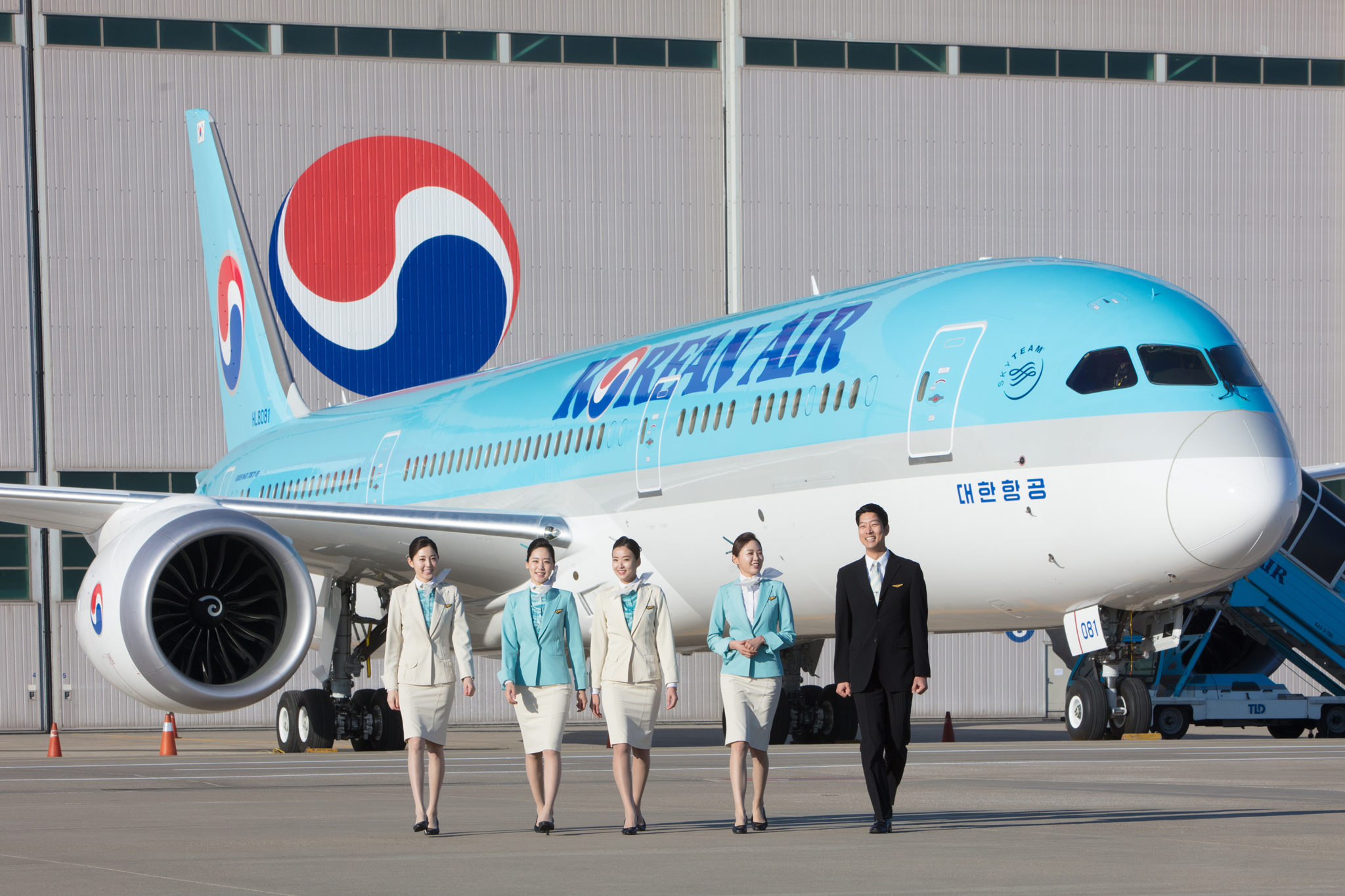
    Korean Air Lines said Tuesday it swung to a net loss in 2018 from a year earlier due to hefty foreign-exchange losses. The Korean flag carrier posted a net loss of 167.59 billion won ($150 million), after a net profit of 801.9 billion won a year earlier. As the dollar rose to 1,118.1 won at the end of 2018 from 1,071.4 won at the end of 2017, foreign-exchange translation losses reached 363.6 billion won and it cut into the annual earnings results, the statement said.

    The won’s weakness also drove up net interest costs to 454.8 billion won, up 55.5 billion won from the previous year, it said. Operating profit fell 28 percent to 676.33 billion won last year from 939.78 billion won a year ago. Sales climbed 7.7 percent.

  • The Sanctuary by Pure Yoga opens at HKIA

    The Sanctuary by Pure Yoga opens at HKIA

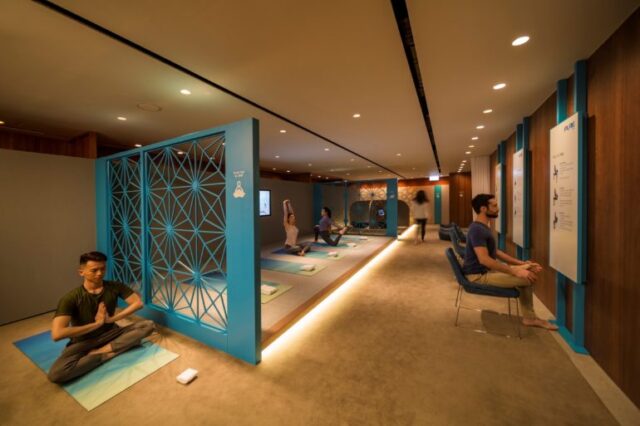
    A visit to Cathay Pacific’s Business Class lounge at The Pier in Hong Kong has just become even more beneficial for mind, body and soul following the opening of The Sanctuary by Pure Yoga. Designed in partnership with the Pure Group, The Sanctuary by Pure Yoga is a 700 square-foot area divided into two zones – The Body Sanctuary, which is dedicated to yoga, and The Mind Sanctuary, where travellers can meditate to focus and calm the mind.

    Cathay Pacific General Manager Customer Experience and Design, Vivian Lo said: “Wellness is becoming increasingly important to our customers and The Sanctuary by Pure Yoga in our Pier Business Class lounge is the perfect place for to relax before the flight. We listen to the needs of our customers and continuously evolve to improve their experience with us.

    “Whether it’s dining at our popular Noodle Bar, catching up with some work, or enjoying a drink at the bar or at the Teahouse, there are myriad ways for our customers to spend time at the lounge. Now they’ll also be encouraged to meditate and practice yoga before flying with us.”

    The Body Sanctuary

    Among the wellness offerings, The Body Sanctuary provides travellers with a space for gentle yoga with guided videos led by Pure Yoga teachers. There’s also a secluded space for self-practice. Seated stretching is an alternative option; chairs overlook instructions on how to stretch different parts of the body whilst seated. The exercises are designed to improve circulation, enhance joint mobility, and relax the mind for a comfortable and restful journey.

    The Mind Sanctuary

    Within The Mind Sanctuary there are two types of meditation on offer. The first is audio meditation: four cushioned pods are equipped with noise-cancelling headphones and iPads, and customers can listen to guided meditation sessions narrated by Pure Yoga’s expert teachers. The second is gazing meditation: comfortable cushions overlook graphics placed on the wall ahead and facilitate Trataka yoga practice.

    These practices help to improve focus, memory and visualisation skills, as well as centring the mind in a state of awareness and attention.

    Wellness on the ground and in the air

    The Sanctuary by Pure Yoga is the latest collaboration between Cathay Pacific and the Hong Kong-headquartered Pure Group following the January 2018 launch of ‘Travel Well with Yoga’, a series of inflight videos to help passengers ease into their journeys with meditation and yoga.

    Additionally, Diamond and Gold Marco Polo Club members arriving in Hong Kong on Cathay Pacific or Cathay Dragon flights are given complimentary one-day access to any Pure Fitness centre or a choice of any Pure Yoga class up to 12 times a year.

    Pure Group Regional Marketing Director Gary Wise said: “We’re delighted to extend this fantastic partnership between Pure Yoga and Cathay Pacific, giving people even more chance to feel the benefits of yoga and meditation on their travels. No matter how rushed the trip is, just a few minutes of calm can make all the difference.”

    The Sanctuary by Pure Yoga is open to travellers who have access to Cathay Pacific The Pier Business Class Lounge at Hong Kong International Airport, as well as Diamond, Gold and Silver Marco Polo Club members. Cathay Pacific and Cathay Dragon First and Business Class passengers will also be able to enjoy the new offering.

  • US set to green-light direct flights from Vietnam

    US set to green-light direct flights from Vietnam

    U.S. aviation authorities are expected to grant a Category 1 rating to Vietnam soon, allowing direct flights between the two countries. Two U.S. officials who asked not be named said that the permission should be issued in the coming weeks. Dinh Viet Thang, head of the Civil Aviation Authority of Vietnam (CAAV), said that the U.S. Federal Aviation Administration (FAA) completed safety assessments in December and was supposed to provide the results this month.

    “But as the U.S. government was closed, we couldn’t receive the results. We expect to have it soon,” he said.

    Local airlines including state-owned Vietnam Airlines, budget airline Vietjet and new private airline Bamboo Airways have already expressed interest in opening direct flights between Vietnam and the U.S.

    The direct route is expected to cater to the large demand for travel between both countries.

    Passengers travelling between Vietnam and the U.S. now have to transit through different countries and territories like China, Hong Kong and Japan.

    Vietnam has never held an FAA rating, unlike Thailand, which once had a Category 1 rating and is seeking to regain it after a downgrade to Category 2. The FAA determines whether a country has a 1 or 2 rating depending on its safety assessment of the country’s airlines.

    The Vietnamese government had early last year approved plans to expand the network of national carriers to major markets including Australia, China, Europe and the U.S.

    Under plan, Vietnam Airlines will go through with its proposal to open non-stop services to the U.S., starting with direct flights to San Francisco or Los Angeles.

    Vietnam and the U.S. signed an air transport agreement in 2003 to allow airlines to operate direct flights between the two countries.

    In 2004, national flag carrier Vietnam Airlines sought permission from the U.S. to provide direct services. However, the request was denied because the CAAV did not meet safety supervision requirements set by the FAA.

    Vietnam’s aviation industry has seen increasing demand in recent years. The country welcomed 12.5 million air passengers last year, up 14.4 percent from 2017, according to the General Statistics Office.

    The country’s aviation traffic increased 16 percent on average each year from 2010 to 2017, data from its civil aviation regulator shows.

  • AirAsia strengthens Malaysia-Thailand connectivity with new Chiang Rai hub

    AirAsia strengthens Malaysia-Thailand connectivity with new Chiang Rai hub

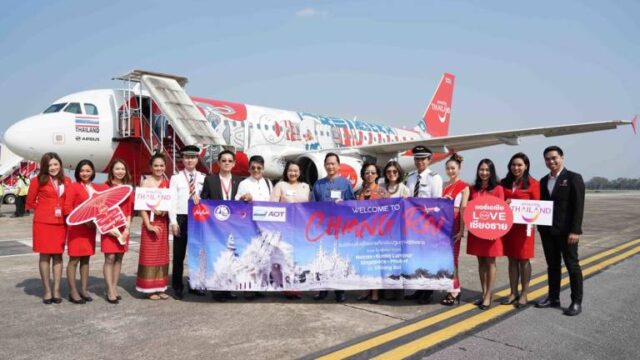
    AirAsia has further strengthened Malaysia-Thailand connectivity with the launch of a new route from Kuala Lumpur to Chiang Rai, its seventh and newest hub in Thailand. AirAsia Thailand, which will base an Airbus A320ceo at Chiang Rai’s Mae Fah Luang International Airport, will also operate new services to Phuket, Singapore and Macau, providing a massive boost to the local tourism and business communities, the airline said in a statement.

    AirAsia currently operates a total of six routes to and from the capital of Thailand’s northernmost province, including existing services from Bangkok Don Mueang and Hat Yai.

    AirAsia Thailand director of ground operations Witchunee Kuntapeng said the opening of its new hub in Chiang Rai is much like building a new home.

    “Chiang Rai has great potential to be one of the top tourism destinations in Thailand, with its unique Lanna culture and hill tribe way of life recently gaining global attention.

    “We believe it is a great time to promote Chiang Rai to travelers and are pleased to see that our four new routes between Chiang Rai and Phuket, Macau, Singapore and Kuala Lumpur have been well received. We’d like to thank the local community for their wonderful support,” Kuntapeng added.

    A welcoming ceremony led by Chiang Rai vice governor Paskorn Boonyalug, Tourism Authority of Thailand executive director for the East Asia region Titiporn Manenate and local travel agents was held at the new hub for each of AirAsia’s four inaugural flights from Phuket, Macau, Singapore and Kuala Lumpur between Jan 30 and Feb 1, 2019.

    The flight from Kuala Lumpur saw a load factor of 85% percent, proving the airline’s efforts to promote Chiang Rai as a leading destination for overseas visitors was off to a great start, it added.