Retail News CRM

Tag: travelling

  • Vietjet to ink $13 billion Boeing deal during Trump-Kim summit

    Vietjet to ink $13 billion Boeing deal during Trump-Kim summit

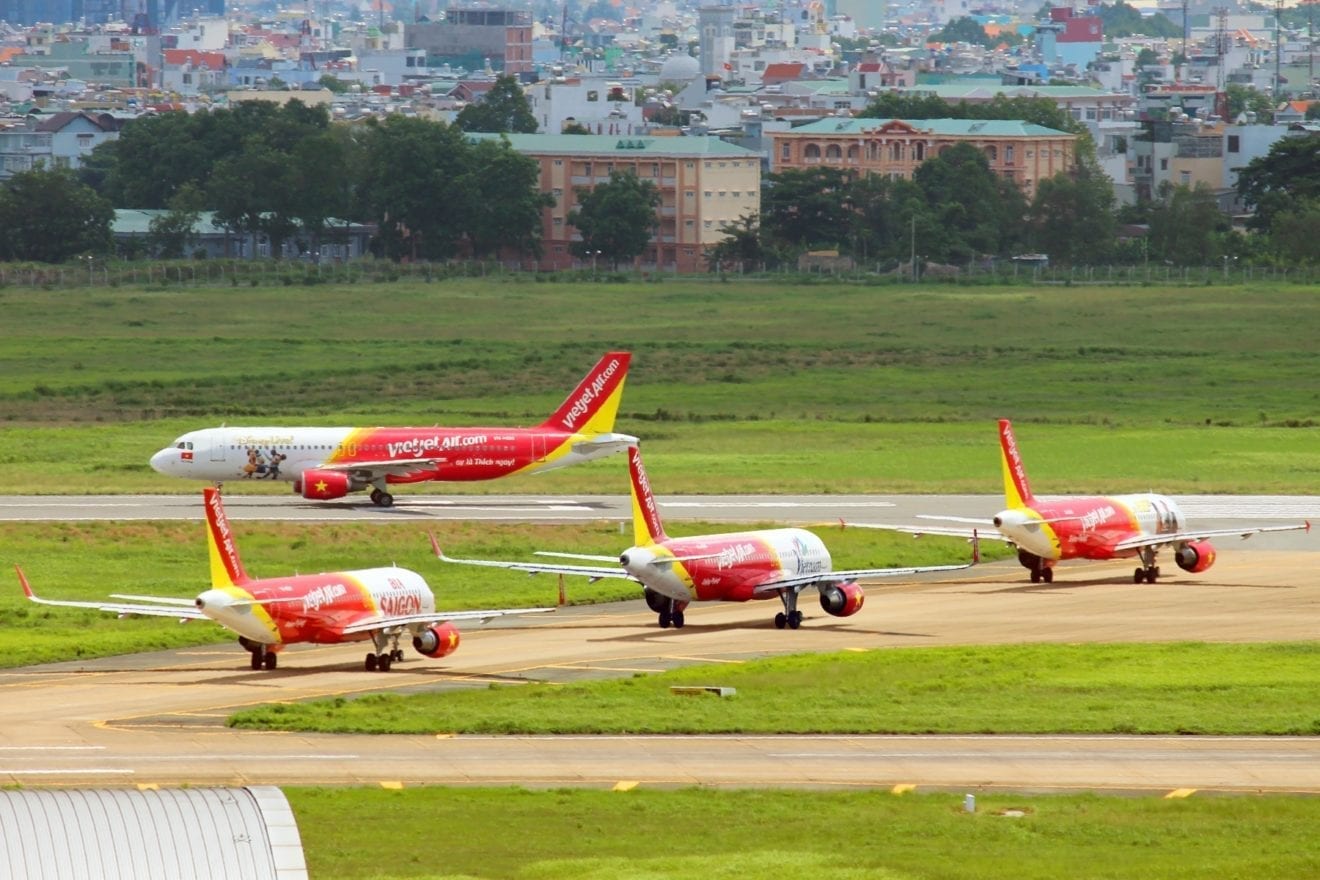
    Vietnamese budget airline Vietjet will sign next week a deal to buy 100 narrow-body Boeing aircraft. The signing will take place on the sidelines of the upcoming Trump-Kim summit, sources said. The sources also said Vietjet will finalize next week a provisional deal agreed last year to buy 100 narrow-body Boeing 737 MAX jets worth almost $13 billion at list prices.

    The U.S. Federal Aviation Administration (FAA) last week gave Vietnam a Category 1 safety rating, allowing local airlines to operate direct flights to the U.S.

    Vietjet, along with other local airlines, had previously expressed interest in operating direct flights to the U.S.

    The carrier, the largest private airline in Vietnam, had also signed a deal to buy Boeing 737 MAX narrow-body jets when former U.S. President Barack Obama visited Hanoi in 2016.

    It also finalized a deal in November last year with Airbus for 50 A321neo jets during a visit to Hanoi by French Prime Minister Edouard Philippe.

    Vietjet currently operates 40 domestic routes and 66 international routes. It has 385 flights daily within Vietnam and to places such as Japan, Hong Kong, South Korea, Taiwan, Singapore, mainland China, Thailand, Myanmar and Malaysia.

  • Korean Air plans to make 16 trillion won in sales by 2023

    Korean Air plans to make 16 trillion won in sales by 2023

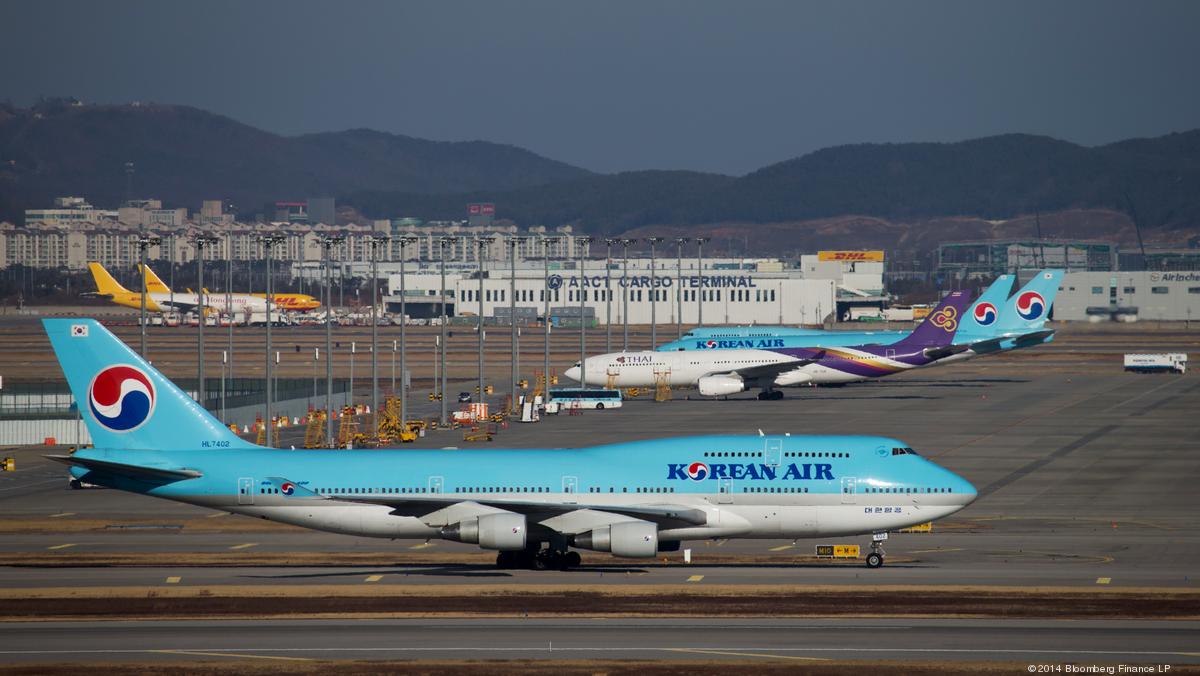
    Korean Air unveiled its mid-term business strategy Tuesday, saying it aims to record 16.2 trillion won ($14.4 billion) in sales by 2023. The goal comes as the airline’s March shareholders’ meeting draws near. Korean Air Chairman Cho Yang-ho’s term at the country’s largest airline ends this year and shareholders will vote on his re-election. To achieve the sales target, it needs to grow by an average 5.1 percent every year. Last year, the airline inked 12.7 trillion won in sales.

    Its operating profit target for 2023 is 1.7 trillion won, about 2.5 times more than last year’s 692.4 billion won.

    The company said it will work to raise the profitability of its business to reach a 10.6 percent profit to sales ratio. Last year, the ratio stood at 5.5 percent. Along with improved profits, the company plans to lower its debt ratio to below 400 percent from last year’s 699 percent.

    To expand sales, Korea’s largest full-service carrier plans to expand routes connecting America and Asia through a joint venture inked with U.S. airline Delta Air Lines last year. The partnership enables the two companies to share revenue, costs, flights and sales networks with antitrust immunity on their trans-Pacific operations.

    The airline also plans to open up new flight routes headed to Europe and Southeast Asia, both growing as popular travel destinations.

    As for its cargo business, the airline plans to bolster its business with emerging markets like Vietnam, India and Central and South America.

    In the aerospace business, the company said it will develop new technologies to build parts for passenger aircraft and start mass producing unmanned aerial vehicles to secure future growth engines.

    This year, Korean Air proposed a target of 13.2 trillion won in revenue and 1 trillion won in operating profits.

  • Incheon Airport to add AI to security systems

    Incheon Airport to add AI to security systems

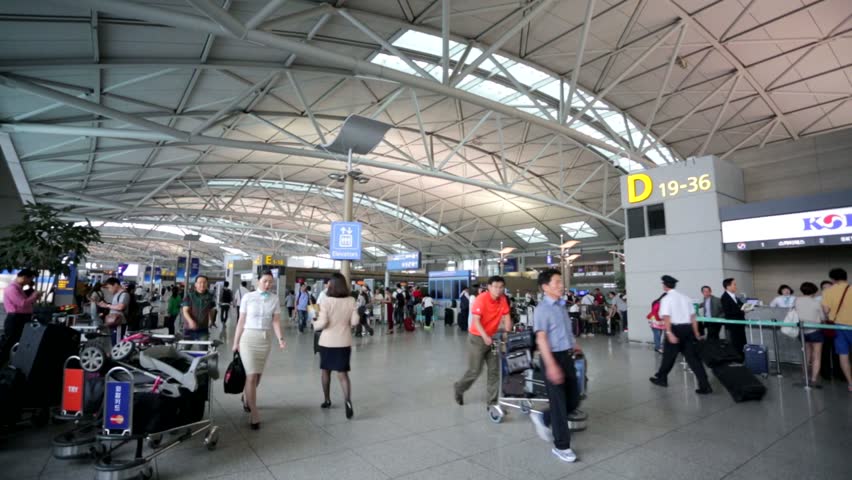
    Never mind airport security, artificial intelligence (AI) may also be rooting through your luggage in the near future at Incheon International Airport. Incheon International Airport Corporation said Wednesday it will incorporate AI into its security systems in a bid to improve accuracy in screening passenger luggage for prohibited items.

    The airport has already started working on the project to develop an AI-based X-ray screening system to be tested in the second half of next year.

    Instead of the existing system that relies on X-ray scanning, manual image checking by security officers and a final physical check, artificial intelligence will crosscheck the X-ray scan and the analysis will be available to officers along with the X-ray image.

    The first-stage AI scan is expected to complement and improve the accuracy of the security check as an officer will continue to be responsible for the final call to physically inspect luggage.

    The airport said it will apply deep-learning technology on over 600,000 pieces of footage of around 20 prohibited items and 20,000 commercially sold liquid products to develop an algorithm for imagery interpretation and improve the AI’s screening accuracy.

    The development project is expected to take two years overall, with a proof-of-concept system to take 10 months to develop.

    “By preemptively incorporating AI technology into security, [we] will strengthen airline security and plan to provide a safer and more convenient environment for passengers,” said Chung Il-young, CEO of Incheon International Airport Corporation.

    This will be the country’s first large-scale practical application of the technology, according to the airport.

    It is part of broader efforts to introduce a “Smart Security System” with the Ministry of Land, Infrastructure and Transport.

    The airport is also planning to introduce a tunnel security search system, the first of its kind, which will allow passengers to simply go through security checks by walking through a tunnel.

    The airport screened around 60 million pieces of luggage last year through the conventional X-ray system and found 3 million prohibited items such as firearms and swords.

  • Air France-KLM more than doubles profits in 2018 despite strikes

    Air France-KLM more than doubles profits in 2018 despite strikes

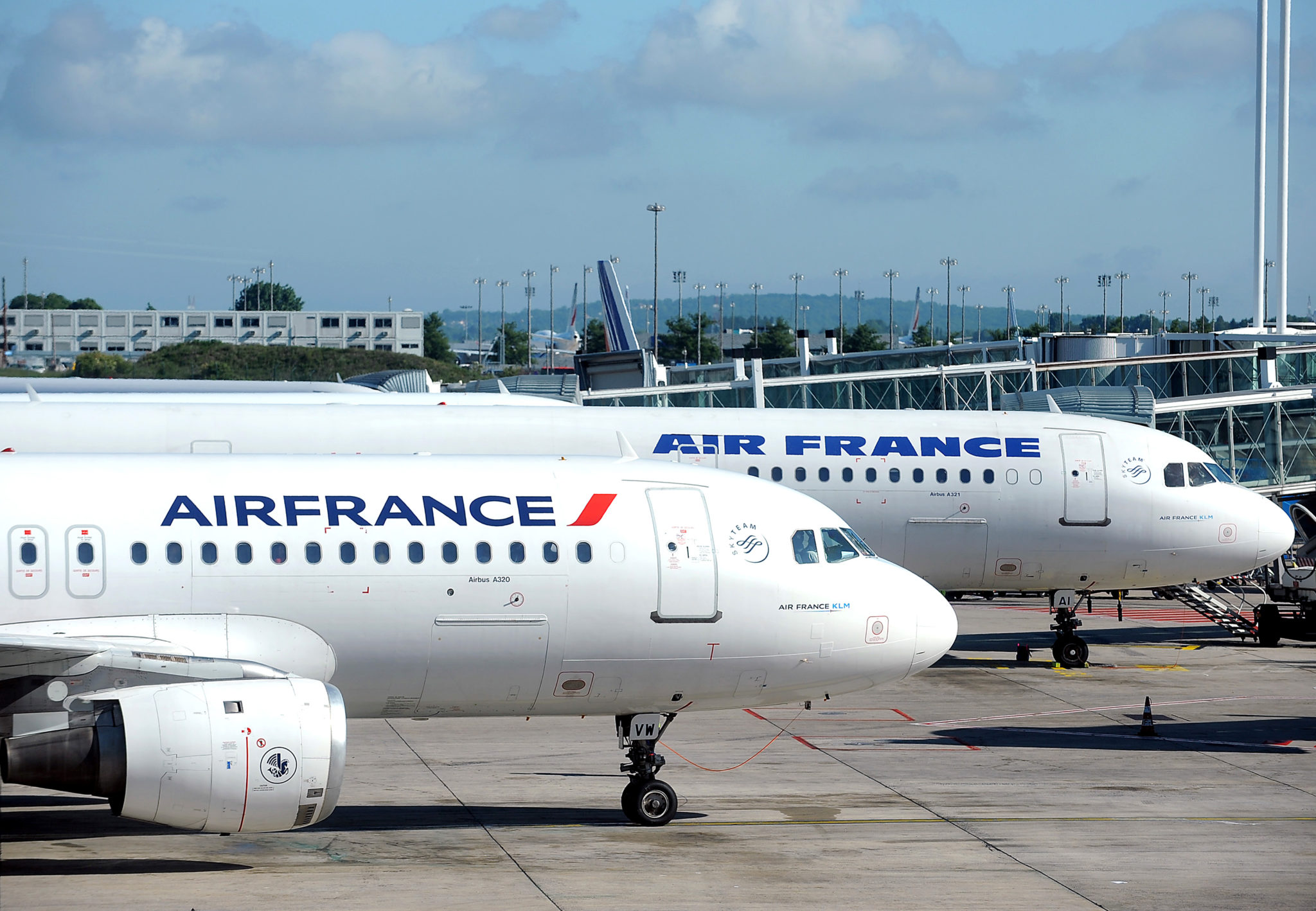
    Air France-KLM, which was badly hit last year by strikes and management upheaval, reported on Wednesday that its annual net profits rose by 150% to 409 million euros (US$463 million). “The strong performance of our front-line teams and continued cost control helped partly offset the impact of strikes at Air France in the first half of the year, as well as significant fuel headwinds,“ Benjamin Smith, the company’s new chief executive, said in a statement.

    The Canadian businessman took over in September following Jean-Marc Janaillac’s sudden exit in a bitter dispute over salaries in the group’s French wing.

    Fifteen days of strike cost the company 335 million euros, Air France said.

    On Tuesday, Air France pilots voted by 85% in favour of a new pay deal, concluding a series of long employee-management negotiations.

    Revenue growth last year was up in all business segments, with operating earnings coming in at of 1.3 billion euros, the Franco-Dutch airline group reported.

    The group said it had carried more than 100 million passengers last year, making it the leading European airline for long-haul traffic.

    Transavia, a low-coast subsidiary, carried 15.8 million passengers last year, an increase of 7.1% on 2017.

    Full year 2018 capacity increased by 2.1%, mainly driven by the South American, North Atlantic and Asian networks, with respective growth of 8.6%, 3.0% and 2.1%, Air France-KLM said.

    In 2019, the group will concentrate on “operational efficiency”, financial director Frederic Gagey said.

    “We can make a lot more money compared to last year,“ he said, adding that Air France-KLM would also be looking to renewing its fleet to replace some of its more fuel-guzzling planes.

  • Malaysia ranks second in SEA for Chinese tourist transactions during CNY

    Malaysia ranks second in SEA for Chinese tourist transactions during CNY

    Malaysia is the second largest market in Southeast Asia for Chinese tourists spending over the Chinese New Year holiday season, as recorded by Alipay, the digital payment and lifestyle platform offered by Ant Financial, an affiliate company of Alibaba Group. The transactions were recorded between Feb 4 and 10 this year. Malaysia saw a 16% increase in average per-capita spend by Chinese tourists this year, with a growth in transaction volume by 71% compared to 2018.

    What’s more, Chinese millennials can no longer claim to be the dominant user group spearheading spending while travelling, as 68% of Chinese tourists born between 1960 and 1979 were found to be the main driving force in outbound tourism and overseas consumption.

    Alipay head of business operation for cross-border business Janice Chen said this year’s findings highlight how mobile payment is taking root in China’s outbound tourism market, and it is excited to see the robust growth in the use of Alipay by overseas tourists from third-and-fourth tier cities and middle-aged vacationers.

    “While providing a better experience for Chinese travellers, Alipay is, at the same time, a huge drawcard for overseas merchants as a platform to help grow their business,” Chen said in a statement.

    This is in accordance to a recent report published by Nielsen and Alipay, called the 2018 Trends for Mobile Payment in Chinese Outbound Tourism.

    Chinese tourists are bringing their cashless lifestyles outside of China, paying for 32% of their overall travel transactions using mobile payment, overtaking their use of cash for the first time ever.

    The survey found that merchants offering Alipay as a payment option has experienced growth in both foot traffic (58%) and revenue (56%).

    Heinemann, a travel-retailer with a store in Kuala Lumpur International Airport 2 (KLIA2) has also reported an increase in sales. Its general manager for retail operations Alexander Maas said since implementing Alipay, it is now able to provide added convenience to its customers from China, and provide them with a familiar shopping experience, ultimately seeing over 20% of all its transactions completed on the Alipay app with Chinese tourists.

    With the increased popularity of Alipay among both young and old Chinese tourists, brick-and-mortar retailers across the region can continue to adopt Alipay as a payment option to further boost profitability moving forward.

  • No more loss for Hong Kong’s Cathay

    No more loss for Hong Kong’s Cathay

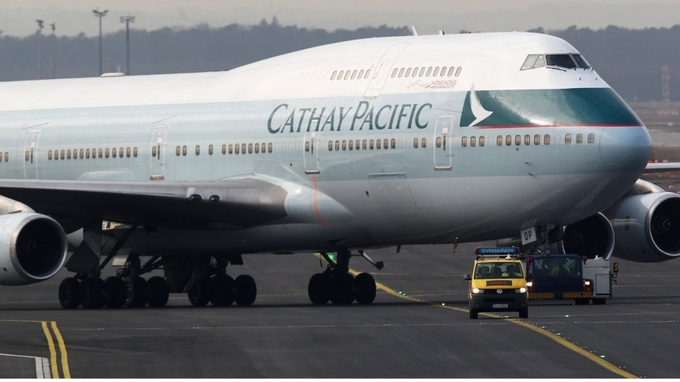
    Hong Kong flag carrier Cathay Pacific said on Wednesday it is expected to have swung back to profit in 2018, ending two successive losses as it embarks on a massive overhaul. The recovery also came in a year that saw it suffer an embarrassing data breach that dented its reputation and could could prove costly. The airline said it expects to record a consolidated profit of around US$293 million (RM 1.2 billion) for 2018, compared with US$160 million (RM651 million) losses the year before, according to a preliminary profit alert.

    The company’s share price jumped more than seven percent after the announcement as investors took comfort in the turnaround after two grim years for Asia’s largest carrier.

    “In 2018, the passenger business benefited from capacity growth, a focus on customer service and improved revenue management,“ the company said in a statement, adding its cargo sector was also “strong”.

    Cathay has been overhauling its business after posting its first losses in eight years in 2016, firing more than 600 workers and paring overseas offices and crew stations as it faced stiff competition from budget rivals on the mainland.

    It also added international routes and better services on board its flights in a bid to compete with well-heeled Middle Eastern long-distance carriers.

    The profit alert suggests those moves have paid off.

    The airline narrowed its losses to US$33.5 million for the first half of 2018 – a tenth of what their losses were for the same period in 2017. But the second half of the year appears to have brought Cathay squarely back into the black.

    Dickie Wong, an analyst with Kingston Securities, said Cathay is expected to further benefit from the end this year of costly fuel-hedging contracts.

    “I would say the unfavorable impact to Cathay would continue to reduce,“ he said.

    Wong said the introduction of premium economy had attracted new customers while ticket discounts helped it compete against budget carriers. But he said the company still had “much room to improve in their luxury classes” if it wants to take on Middle Eastern rivals.

    Cathay will announce its full-year result next month.

    But the year was not without trouble.

    In October it sparked outrage when it admitted to a massive breach five months after hackers made off with the data of 9.4 million customers, including some passport numbers and credit card details.

    The airline faces potentially steep payouts in Europe, which boasts strong protection laws and financial penalties for companies that do not swiftly own up to data breaches.

    British-based law firm SPG Law has already launched a group action against the carrier over the breach to help customers seek compensation.

    This year Cathay’s website mistakenly offered first and business class flights for a fraction of their value in two high-profile and costly blunders.

  • Vietnam aviation faces safety rating challenge

    Vietnam aviation faces safety rating challenge

    Vietnam might find it difficult to maintain its aviation safety rating due to a lack of qualified personnel, experts caution. The U.S. Federal Aviation Administration (FAA) Friday gave Vietnam a Category 1 safety rating, allowing local airlines to operate direct flights to the U.S. “Acquiring this rating is hard, keeping it is going to be even harder,” Dinh Viet Thang, head of the Civil Aviation Authority of Vietnam (CAAV) said.

    He said that the CAAV currently has only 30 aviation safety officers, meeting only 30 percent of the demand. They hire the rest from other airlines.

    The U.S. Federal Aviation Administration (FAA) has required that the CAAV has enough aviation safety officers on its own in upcoming years so that it doesn’t need to hire people from outside, and CAAV plans to meet this goal by 2025.

    However, training these officers is costly, with an individual bill costing over VND5 billion ($216,000).

    One of the biggest hiring difficulties is that aviation safety officers are attracted by the higher salaries offered by airlines compared to state-owned companies, Thang said.

    An aviation safety officer at CAAV earns only VND10 million ($432) a month, while local airlines pay them about VND300 million ($12,960).

    “The government gives us VND20-30 billion ($864,000-1.29 million) each year to hire aviation safety officers and VND10 billion ($432,000) to train new ones, but we really need more investment from the government to develop this team,” he noted.

    Another challenge is meeting FAA safety requirements as they conduct unannounced safety examinations. If Vietnam doesn’t meet these requirements, FAA will downgrade the rating to Category 2, meaning no direct flight to the U.S. is allowed.

    This has happened before in Thailand, Indonesia, Philippines and most recently India, he said.

    Local airlines, including state-owned Vietnam Airlines, budget airline Vietjet and new private airline Bamboo Airways, have previously expressed interest in operating direct flights to the U.S.

    Vietnam’s aviation industry has been growing rapidly in recent years. There were 12.5 million air passengers last year, up 14.4 percent from 2017.

    The number of flights in the country grew by 16 percent on average between 2010 and 2017, according to official data.

  • AirAsia opening restaurant based on its in-flight menu

    AirAsia opening restaurant based on its in-flight menu

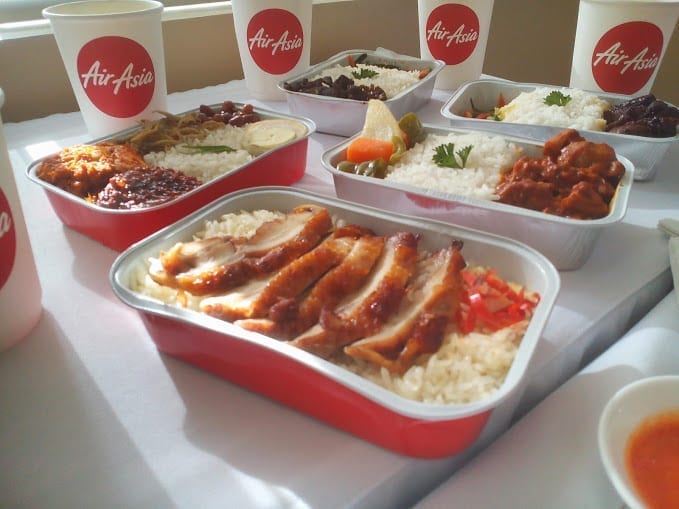
    Low-cost carrier AirAsia may launch restaurants serving its Santan “gourmet” in-flight menu on the ground. The proposal was revealed by AirAsia Group CEO Tony Fernandes while promoting his recent autobiography in an interview with US talk show host Larry King. “I think our food is fantastic,” said Fernandes in response to a question from the audience. “We believe in it so much we’re going to start a fast-food restaurant out of it.”

    But Fernandes gave no more details away about the plan, such as where the restaurants might be located or whether he favoured airport locations or city centres.

    News that AirAsia may launch restaurants on the ground may come as a surprise to travellers, but Fernandes has previously spun off new business concepts from the airline’s business model including a short-lived budget hotel chain where occupants paid extra for features such as air conditioning, towels and amenities, and a bus service connecting Kuala Lumpur Airport with downtown.

    AirAsia also made news recently for its new chatbot Ava (AirAsia Virtual Allstar) which, along with a new look for the firm’s website and mobile app, are designed to deliver a more seamless and user-friendly experience to customers.

    Fernandes has also indicated the airline will place increased focus on the Indonesian and Philippines markets in the near future.

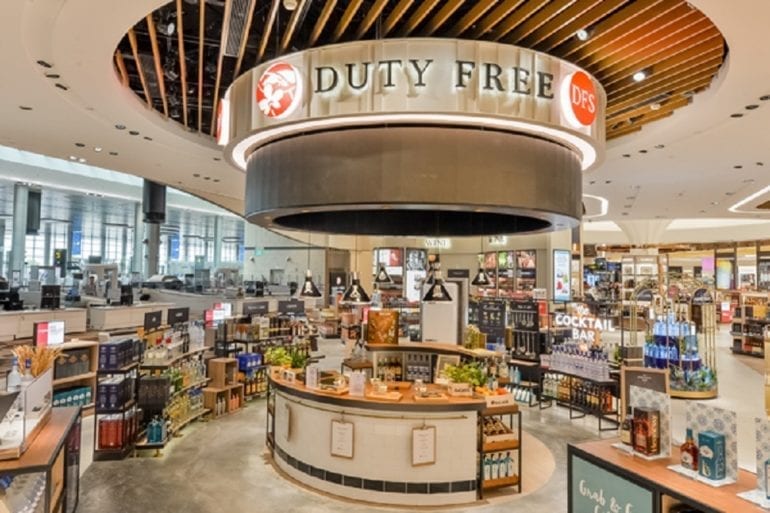
  • Smaller duty-free alcohol allowance and GST relief for overseas shopping

    Smaller duty-free alcohol allowance and GST relief for overseas shopping

    From midnight tonight, Singapore duty-free allowances will be cut by about a third for returning travellers. Other allowances have also been reduced. Travellers staying outside of Singapore for fewer than 48 hours will be liable for 7 per cent GST on items bought overseas worth more than SG$100 – down from the previous threshold of $150. For travellers outside the country for a period longer than 48 hours, the $600 threshold will similarly be lowered, to $500.

    The changes were announced yesterday by Finance Minister Heng Swee Keat as part of the nation’s new Budget. From April 1, the alcohol concession will also be lowered from three litres of wine or beer to two litres. The spirits cap remains at one litre.

    According to the Inland Revenue Authority of Singapore and Singapore Customs, the cuts to Singapore duty-free allowances are designed to support the city state’s existing tax intake in the face of increasing international travel.

    Returning travellers are required to declare taxable items on arrival, and have been advised to keep purchase receipts to assist in calculating any taxes due. Advance declaration and payment is available via the Customs @ SG mobile app or web portal. Failure to declare or a false declaration can incur a fine of $10,000 as well as up to a year in prison.

  • Agoda’s top Chinese New Year 2019 travel rankings

    Agoda’s top Chinese New Year 2019 travel rankings

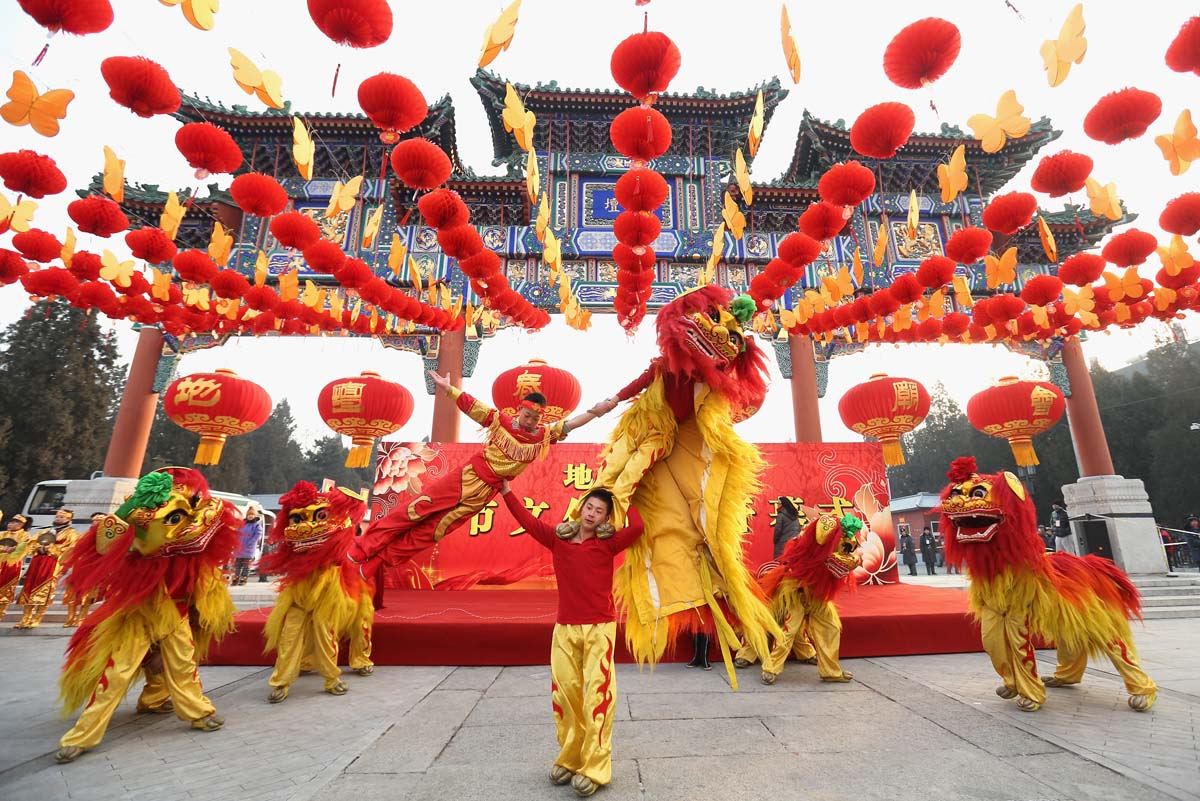
    Bangkok, Tokyo, and Taipei are the top three most popular destinations for Asia-Pacific travellers over the Lunar New Year period in 2019, according to booking data from Agoda. This year, Osaka, slips from the third spot in 2018 to sixth, while Taiwan scoops three of the top ten destinations, with Taipei in third, and Kaohsiung and Taichung in fifth and seventh respectively. Overall, Japan, Taiwan, and Thailand will benefit the most from travellers celebrating the Lunar New Year.

    Travels during the Spring Festival tend to be reserved for family bonding and indulging in food and leisure activities that the whole family can enjoy. It is thus not surprising that most travellers in the region have chosen gourmet and retail paradise in Bangkok, Tokyo, Taipei, Kuala Lumpur and Singapore among their top ten destinations.

    The Lunar New Year is celebrated in many cities across Asia, but Chinese travellers enjoy the longest holiday. With a week to spare, Chinese tourists are spending the new year in cities such as Hong Kong, Tokyo, and Bangkok.

    This year, HongKongers chose to change things up, travelling to Japan, Thailand, and Taiwan over the previously favoured Korea. In fact, Korea dropped out of the top three destinations altogether to settle at the fifth spot. Staycations have also risen in popularity, and Hong Kong has made its way into the top ten this year as well.

    Singaporeans prefer to travel to neighbouring countries for their relatively short Lunar New Year public holidays. For the first time, staycations have emerged as a popular choice for those who prefer staying behind to celebrate the festival.

    Taiwanese are travelling within the region for Chinese New Year, with Kaohsiung rising up to clinch the top position. For the first time in three years, Kyoto has slipped out of the top ten rankings.

    Malaysians continue to favour travelling within the region to celebrate Lunar New Year. In 2019, domestic destinations take up eight out of the top ten destinations. Thailand remains the only overseas destination in the top ten list for Malaysian travellers over the period.

    Indonesians are venturing further afield this year to celebrate the Lunar New Year, with Kuala Lumpur and Tokyo taking up two out of three of its top travel destinations. Japan is rising in popularity, as the region adds Sapporo – with its winter wonderland – into Indonesia’s top ten destinations.

  • Empire State Building Store sets tourist retail benchmark

    Empire State Building Store sets tourist retail benchmark

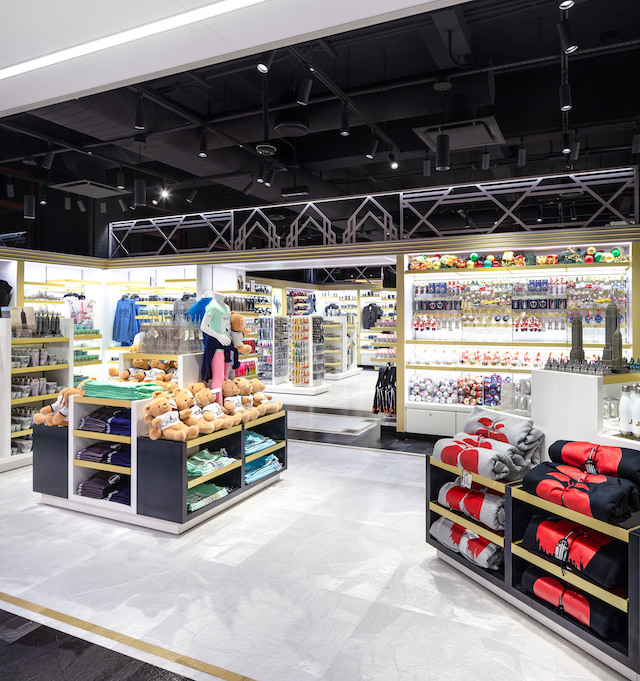
    North American travel retail firm Hudson Group has announced the unveiling of the Empire State Building Store, part of the reimagined Empire State Building Observatory experience. The newly renovated 4500sqft retail space offers more than 800 items exclusive to the property, including destination mementos, curated souvenirs, and modern luxury, as well as a new shop-in-shop experience, Empire on Fifth.

    “With our US$160 million Observatory upgrade, the redesign of the Empire State Building Store elevates the retail experience at the building and caters to our guest’s interests,” said senior VP of the Observatory Jean-Yves Ghazi.

    “From the King Kong section to exclusive merchandise from top brands Baccarat Crystal, Puma, Swarovski and more, there truly is something for everyone”.

    The Empire State Building Store is one of more than 300 specialty retail locations operated by Hudson Group.

    “Hudson Group is elevating the gift store experience in our properties across North America by bringing 30 years of travel retail experience to tourism,” said Hudson Group CEO Roger Fordyce. “We could not be prouder to partner with Empire State Realty Trust to offer this new amenity to visitors at the most recognised building in the world, the Empire State Building”.


  • The Macallan releases the first annual limited edition

    The Macallan releases the first annual limited edition

    The first in an annual, limited edition series, The Macallan Concept Number 1 was inspired by the whimsical world of surreal art, and celebrates world’s visionaries by daring to disrupt the whiskey making process. Following its Asia debut on 1st January 2019 in Singapore’s Changi International Airport, The Macallan Concept Number 1 will be made available in Hong Kong Hong Kong International Airport starting from 1st February 2019. Bringing together imagination and idealism to create a fantastical, sensorial world of whisky where anything and everything is possible, the label and packaging of The Macallan Concept Number 1 features a surrealistic interpretation of The Macallan’s Six Pillars -– the spiritual home, curiously small stills, the finest cut, exceptional oak casks, natural colour and peerless spirit.

    Created from whiskies matured first in sherry-seasoned oak casks and subsequently for an equal amount of time in ex-bourbon casks, The Macallan Concept Number 1 is a whisky crafted to explore maturation more imaginatively. Displaying characteristic notes of citrus fruits and ginger, it is a spirit that combines an unwavering passion for whisky with an unfailing mastery driven by bold and brave choices.

    Commenting on the uniqueness of this series, Macallan Master Distiller, Nick Savage says, “The Macallan Concept Number 1 is whisky reimagined, offering a compelling new sensory experience that rewards with every sip. The innovative process developed to produce this remarkable single malt pays tribute to the visionaries of the surreal art world and reflects our continuous search for excellence.”

    Adding further, Igor Boyadjian, Edrington Global Travel Retail Director, emphasises, “We’re proud to unveil the first release in The Macallan’s latest innovative travel retail-exclusive product range. By “breaking the norm”, The Macallan Concept Number 1 reinforces our commitment to offering exciting products to travellers and we’re confident this fresh innovation will prove attractive to travellers and collectors alike.”

    The Macallan Concept Number 1 is now available exclusively in Hong Kong, via duty free stores in Hong Kong International Airport, and in selected airports throughout Asia Pacific from February 2019 onwards.

  • Malaysia’s Malindo Air adjusts checked baggage allowance for economy class

    Malaysia’s Malindo Air adjusts checked baggage allowance for economy class

    Malindo Air has adjusted the checked baggage allowance for its economy class passengers under the Value and Flexi fare options effective last friday. The baggage allowance for Value fare option is now 15kg, and 30kg for Flexi fare option, from 25kg previously for both fare options. The baggage allowance for business class and its ATR flights remain as 40kg and 15kg respectively.

    Malindo Air CEO Chandran Rama Muthy said the business rationale to the adjustment is to keep up with the industry changes and passengers’ demand.

    “This option allows passengers who are cost-sensitive to enjoy more competitive airfare with services that fit their needs. We want to keep our products relevant to the market and bring better flying experience to our passengers,” he said in a statement.

    The airline will honour passengers who have made a booking before Feb 15, 2019 and flying on or after Feb 15, 2019 to enjoy the original baggage allowance upon booking, as reflected on their flight itinerary.

    Passengers may top up additional baggage allowance during the booking process, through “Manage My Booking”, Malindo Air ticketing offices, customer care centre and the airline’s preferred travel agents.

  • Vietnam’s Deputy PM wants Long Thanh airport construction to begin next year

    Vietnam’s Deputy PM wants Long Thanh airport construction to begin next year

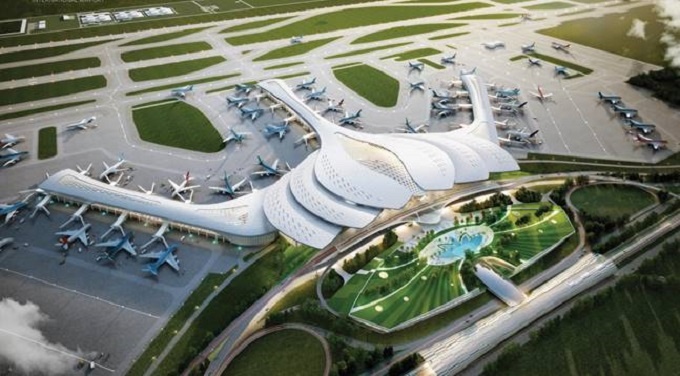
    Construction of Long Thanh International Airport should begin next year with private funding prioritized, Deputy PM Trinh Dinh Dung has said. It has reached the highest level of priority since Saigon’s Tan Son Nhat has become overloaded, he said at a recent meeting. The deputy prime minister wanted the giant new airport in Dong Nai Province near HCMC to become an aviation hub for Southeast Asia.

    “If we get companies with deep pockets into the project, costs would surely be lower than using public funds or loans.”

    The Airports Corporation of Vietnam (ACV) recently proposed it should be the main investor.

    The ACV, which operates 21 airports in the country, said it could bring in the $1-1.5 billion needed for the first phase of the airport.

    It is currently working with the Ministry of Transport and Dong Nai authorities to acquire 1,800 hectares of land for the first phase.

    The ministry reported at the meeting that the consultancy consortium of the airport is now completing the preliminary design, which would be submitted next April.

    The ministry has instructed the consortium, JFV, to complete an environmental impact report by next month.

    JFV, comprising three Japanese, one French and two Vietnamese companies, will also need to submit a feasibility report for the airport by June.

    The Long Thanh International Airport, to be built in three phases over three decades, will become Vietnam’s largest airport.

    The first part is scheduled for completion in 2025 with a capacity of 25 million passengers a year. The next two phases will run from 2030 to 2035 and from 2040 to 2050.

    The total cost is estimated at $16 billion. Experts have warned that the cost could double every five years in case of delays.

    Once completed, the airport will have an annual capacity of 100 million passengers and five million tons of cargo.

    The tourism surge in Vietnam in recent years has resulted in a demand for upgrades to existing airports and construction of new ones.

    The country received 12.5 million air passengers last year, up 14.4 percent from 2017, according to the General Statistics Office.

  • Vietnamese airlines excited, worried about direct US flights

    Vietnamese airlines excited, worried about direct US flights

    Vietnamese carriers are keen on operating direct flights to the US, but worried about recouping the large investments involved. The U.S. Federal Aviation Administration (FAA) is expected to grant a Category 1 rating to Vietnam soon, allowing direct flights between the two countries, reported earlier this month, citing two U.S. officials.

    Dinh Viet Thang, head of the Civil Aviation Authority of Vietnam (CAAV), said that direct routes to the U.S. would be a new market that Vietnamese airlines won’t have to face with strong competition from other foreign carriers. He did not elaborate.

    “Non-stop flights from Vietnam to the U.S. will be a brand-new market full of potential for local airlines, as no international airline has operated them so far,” he said.

    Local airlines are enthused about the possibility of operating direct routes. A Vietnam Airlines official who asked not be named said the carrier was considering the purchase of more airplanes which are capable of flying non-stop to the U.S.

    “None of our airplanes can fly directly, so we are considering the purchase of wide-body aircrafts such as Airbus 350-1000 or Boeing 787-8 Dreamliner,” the representative said.

    Budget airline Vietjet and new private airline Bamboo Airways have also said they are interested in opening direct flights between the two countries.

    The direct route is expected to cater to the large demand for travel between both countries. The number of tourists coming to Vietnam from the U.S. grew by 11.9 percent last year from 2017 to 687,000, according to the Ministry of Culture, Sports and Tourism.

    A Vietnamese population of over 2.1 million in the U.S., is also expected to be a stable source of travel demand, said industry insiders.

    Tourism companies are also having high hopes about prospects of direct flights. Nguyen Cong Hoan, vice general director of Hanoi Redtours, said that the number of customers travelling to the U.S. through his company has increased by 30 percent each year in the last few years.

    “A direct flight will make travel between the two countries much easier and reduce the time passengers have to wait in airports. We believe that our customers are willing to pay 20-40 percent more for a direct flight,” he said.

    Breaking even

    But there are also concerns about possible losses. Vietnam Airlines CEO Duong Tri Thanh had said earlier that the airline could face an average annual loss of $30 million in the first years of operation if it opens a direct route to the U.S.

    It would take at least five years for the national flag carrier to break even, he added.

    CAAV head Thang said that local airlines would need to purchase larger airplanes as most of the existing fleet cannot manage such long flights.

    Another option would be to reduce the number of passengers and/or cargo weight of existing aircraft to guarantee safety over a 13-hour flight, but this would reduce revenue, he added.

    The Vietnamese government had early last year approved plans to expand the network of national carriers to major markets including Australia, China, Europe and the U.S.

    Under these plans, Vietnam Airlines will go through with its proposal to open non-stop services to the U.S., starting with direct flights to San Francisco or Los Angeles.

    As Vietnam has never held an FAA rating, passengers travelling to the U.S. now have to transit through different countries and territories like China, Hong Kong and Japan, with a total time of 18-21 hours.

    In 2004, Vietnam Airlines sought permission from the U.S. to provide direct services. However, the request was denied because it was judged that the CAAV did not meet safety supervision requirements set by the FAA.

    Vietnam’s aviation industry has seen increasing demand in recent years. The country welcomed 12.5 million air passengers last year, up 14.4 percent from 2017, according to the General Statistics Office.

    The country’s aviation traffic increased 16 percent on average each year from 2010 to 2017, according to data from the civil aviation regulator.