Tag: Vietnam

  • Japan Bolsters Benefits to Retain Vietnamese Workforce Amid Economic Shifts

    Japan Bolsters Benefits to Retain Vietnamese Workforce Amid Economic Shifts

    Yoshihisa Tawara, a Japanese business owner, is taking measures to improve benefits for his Vietnamese employees in order to secure their continued employment. Tawara’s concerns arise from the fear that rapid economic development in Vietnam, combined with an increasing yen, may discourage Vietnamese workers from seeking employment in Japan.

    On the Frontline of Japan’s Canning Industry

    At the Choshi fishing port in Chiba Prefecture, Ho Thi Thuy Nhung begins her shift at eight in the morning. In a display of raw skill and concentration, she deftly cuts off fish heads and tails and sends them down the grill line. Initially, she found the intricacy of the process overwhelming but has since fully adapted.

    Nhung is one of 16 Vietnamese employees who work alongside 64 others at the canning factory. Tawara, the factory’s general director, asserts the indispensable role of migrant workers in the functioning of leading industries in Chiba – particularly within the canning sector. They tackle a vast range of tasks, from fishing to unloading and processing.

    The Complexity of Migrant Work

    Nonetheless, Tawara is increasingly concerned about whether employees like Nhung will choose to continue working in Japan. His worries are not baseless. Japan’s population is aging, and Southeast Asian nations, notably Vietnam, are making leaps in economic advancement and offering increasingly competitive salaries.

    Nhung moved to Japan for work last summer, leaving behind her family in Vietnam. Despite working strenuously for 14 hours each day in Vietnam, she was only earning US$500 a month, barely managing to cover her family’s living expenses. Her husband was also struggling financially.

    The decision to take a $3,800 loan and relocate to Japan for work was a significant risk for Nhung. Despite the challenges, she felt compelled to secure a better future for her son. Today, she earns approximately $830 a month (after taxes and other deductions) and sends $510 back home.

    Improving Conditions for Migrant Workers

    Recognizing the importance of migrant workers such as Nhung, Tawara has initiated significant changes to his business. He transformed a three-story townhouse into a fully furnished dormitory for his employees and furnished it with all necessary amenities, including cooking appliances. Over the past three years, he has prioritized hiring women over 30, valuing their resilience and professional dedication.

    In light of the current situation, Japanese authorities are planning to overhaul the existing technical internship program, criticized for labor exploitation, with a new scheme in 2027 that will offer more benefits to workers.

    Nhung hopes to achieve financial stability and return to Vietnam within the next three years. In contrast, her colleague, Nguyen Thi Kim Thuan, has decided to stay longer to support her two children through college.

    According to Tawara, migrant workers don’t just come to Japan for work – they have lives and the right to make their own decisions. If they elect to stay, he believes employers have a duty to offer support and companionship on their journey.

    Questions & Answers

    What does Yoshihisa Tawara attribute the success of his canning factory to?
    Tawara believes that the significant contribution of migrant workers is fundamental to the smooth functioning of his canning factory.

    What are the main factors causing concern about Vietnamese migrant labor in Japan?
    The rapid economic growth in Vietnam and the weakening yen in Japan are the main factors causing concern about the future of Vietnamese migrant labor in Japan.

    What steps has Yoshihisa Tawara taken to improve the conditions for his Vietnamese workers?
    Tawara has provided a fully furnished dormitory for his workers, equipped with all necessary amenities. Additionally, he has prioritized hiring women over 30, recognizing their perseverance and professional commitment.
  • Vietnamese Airlines Gear Up for Sky-High Competition in 2026: New Entrants and Fleet Expansions Set to Shake Up Aviation Industry

    Vietnamese Airlines Gear Up for Sky-High Competition in 2026: New Entrants and Fleet Expansions Set to Shake Up Aviation Industry

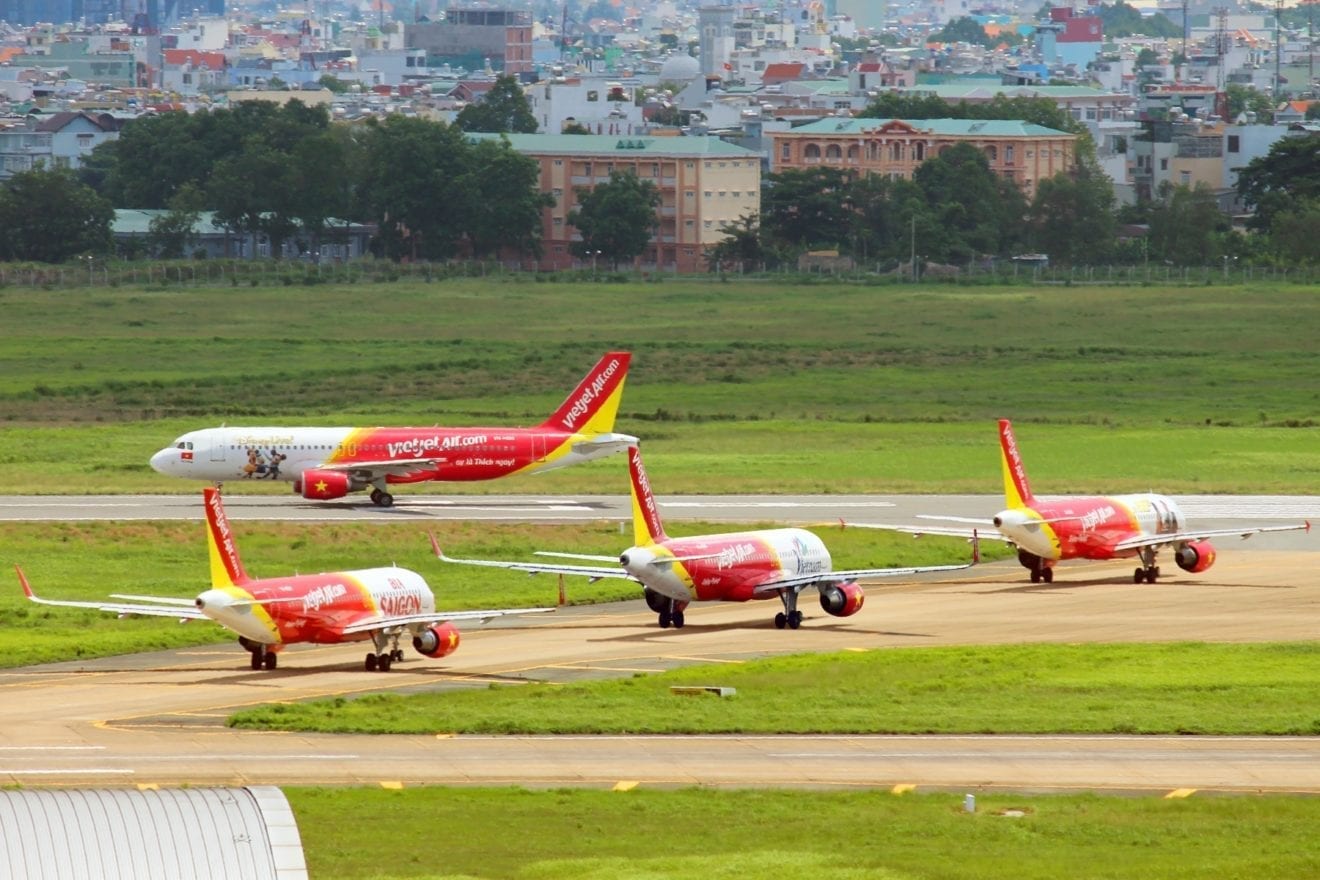
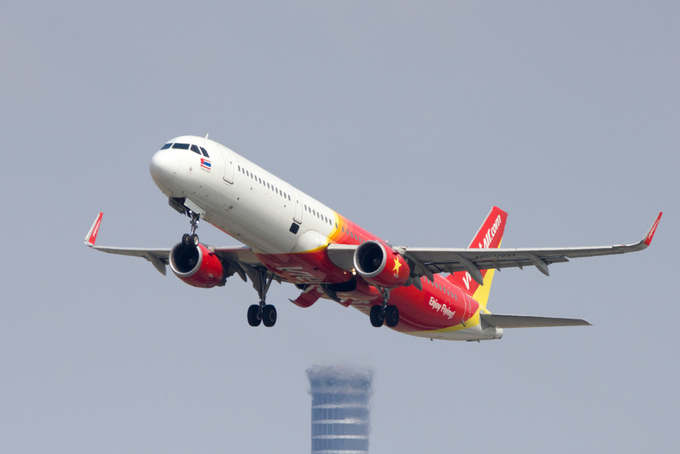
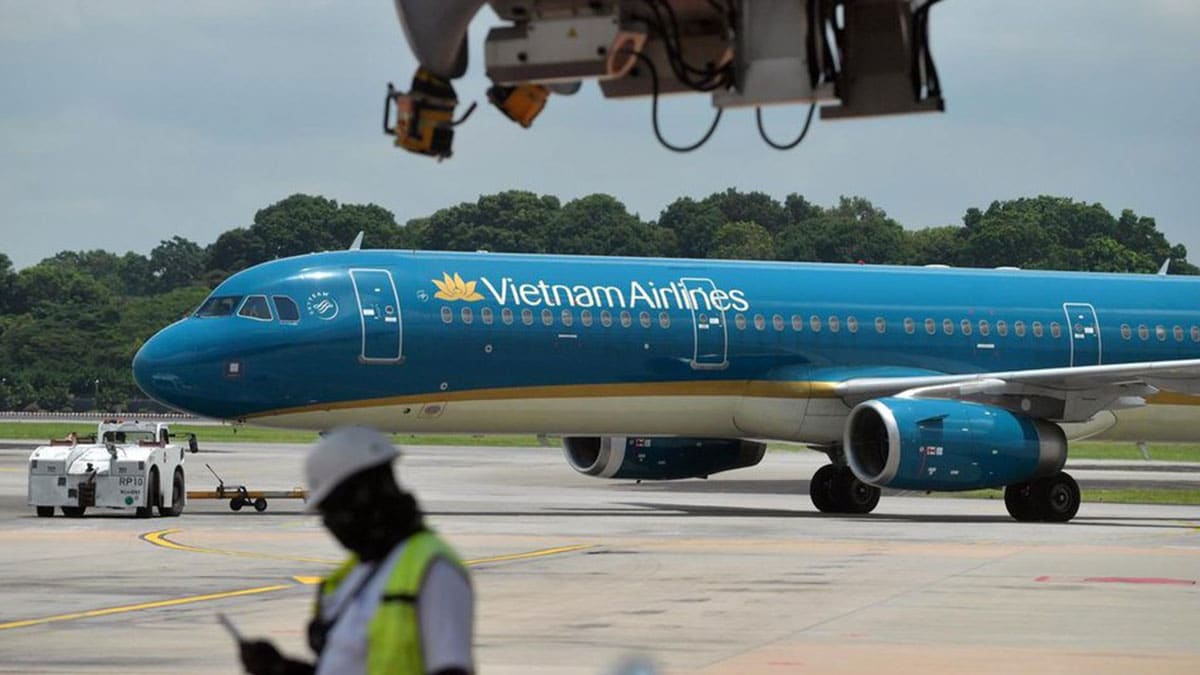
    The Vietnamese aviation sector is preparing for heightened competition this year, with the emergence of a new airline and the resurgence of one that was previously struggling. Sun PhuQuoc Airways, which commenced operations in November, along with low-cost airline Vietjet Air, have expanded their fleets this year, with Sun PhuQuoc boasting six jets and Vietjet owning over 100 jets, having added more than 20 just last month.

    Emerging Players in the Vietnamese Aviation Market

    Sun PhuQuoc, the new entrant, has been increasing its staff strength since its inception. Meanwhile, Bamboo Airways, which faced some difficulties, was acquired by property developer FLC Group in September and has been expanding its fleet since then. Market analysts from MBS predict that the expansion of Vietnamese airlines’ fleet will exceed passenger growth by 2026. They believe that the entrance of Sun PhuQuoc and the comeback of Bamboo Airways after restructuring will introduce competitive pressure on other industry players.

    In particular, intense competition is expected among the three smaller airlines, Sun PhuQuoc, Bamboo, and Vietravel Airlines. Sun PhuQuoc plans to increase its fleet to 20 aircraft and start international flights as early as this year. Bamboo Airways, with its current fleet of eight planes, plans to add eight to 10 more annually until 2030 and expand its network.

    Currently, the majority of its flights are between Hanoi, Da Nang, Ho Chi Minh City, and some other tourist spots. Vietravel Airlines, backed by T&T Group, has only three aircraft, falling short of its earlier plans to increase the count to 10 by the end of last year.

    Impact on Market Leaders

    MBS anticipates that this escalating competition will not significantly impact Vietjet and Vietnam Airlines, which together account for 90% of the aviation market. These prevailing market leaders are primarily focused on expanding their international networks. Over the past two years, Vietjet has added services to Northeast Asia, India, and Australia. In contrast, Vietnam Airlines launched long-haul flights to Europe.

    However, these two airlines must compete with foreign airlines. Several of these international competitors started operating flights to Vietnam last year, creating competition not only based on pricing but also on service quality. Of note, around 28 aircraft, mainly owned by these two dominant airlines, are currently under maintenance due to engine issues.

    Key Challenges & Opportunities

    Other possible challenges for Vietnamese airlines this year include geopolitical factors affecting fuel prices and international route networks, flight delays due to abnormal weather, and traffic congestion at major airports. Despite these potential obstacles, analysts indicate passenger numbers have increased over the past year and are projected to grow this year. According to aviation authority data, the total number of passengers last year was 83.5 million, including 44.6 million international passengers.

    Sheldon Hee, regional vice president of Asia-Pacific at the International Air Transport Association, stated that Vietnam has been one of the ten fastest-growing aviation markets in the region over the past decade. He also pointed out that Vietnamese airlines still have considerable potential for growth. Currently, the country has direct flights to about 30 countries, while Thailand and Singapore have connections with over 50 countries.

    Questions & Answers

    What is the current aviation market situation in Vietnam?
    The Vietnamese aviation market is set for heightened competition with the introduction of a new airline, Sun PhuQuoc Airways, and the resurgence of Bamboo Airways.

    What are the growth plans of these emerging airlines?
    Sun PhuQuoc plans to increase its fleet to 20 aircraft and start international flights this year. Bamboo Airways aims to add eight to 10 planes annually until 2030.

    Will the growing competition affect the market leaders?
    Analysts predict that the competition is unlikely to significantly impact Vietjet and Vietnam Airlines, which together control 90% of the aviation market. These airlines are primarily focusing on expanding their international networks.

  • Vietnam Hits Five-Year Low in Gasoline Prices: A Dive into the Market Factors

    Vietnam Hits Five-Year Low in Gasoline Prices: A Dive into the Market Factors

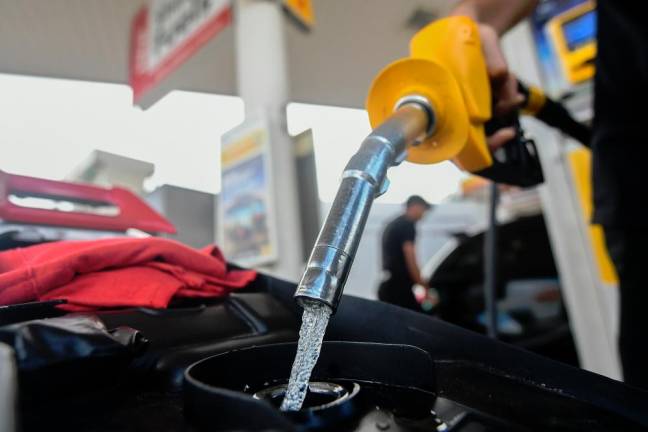
    As of Thursday, gasoline prices in Vietnam have significantly dropped, hitting a record low since February 2021. The highly preferred fuel, RON95, witnessed a decrease of about 1.85%, bringing its price down to VND18,560 (US$0.71) per liter.

    Likewise, Biofuel RON92 experienced a price reduction of around 1.08%, now costing VND18,230 per liter. Diesel fuel also saw a 1.10% decrease, lowering its price to VND17,060 per liter.

    According to the Ministry of Industry and Trade, these changes in the domestic petroleum market are a result of several influential factors in the global petroleum market. Notably, the decision by OPEC+ to maintain oil production output stable in the first quarter had a significant impact.

    In terms of international costs, the average price of RON95 fell by 2.4% to $72.2 per barrel. Diesel prices also fell, but by a slightly lesser margin of 1.3%, bringing the cost down to $78.85 per barrel.

    Questions & Answers

    What was the percentage decrease in the price of RON95 fuel in Vietnam recently?

    The price of RON95 fuel in Vietnam recently fell by about 1.85%.

    Which body made the decision to maintain oil production output stable for the first quarter and how did it impact the prices?

    OPEC+ decided to keep the oil production output stable for the first quarter. This decision significantly influenced the reduction in the domestic and global petroleum prices.

    What was the impact on the international costs of RON95 and diesel?

    Internationally, the average price of RON95 fell by 2.4% to $72.2 per barrel, while diesel prices decreased by 1.3% to $78.85 per barrel.

  • Vietnam Targets $11.5B from Seafood Exports in 2026: A Sustainable Growth Strategy

    Vietnam Targets $11.5B from Seafood Exports in 2026: A Sustainable Growth Strategy

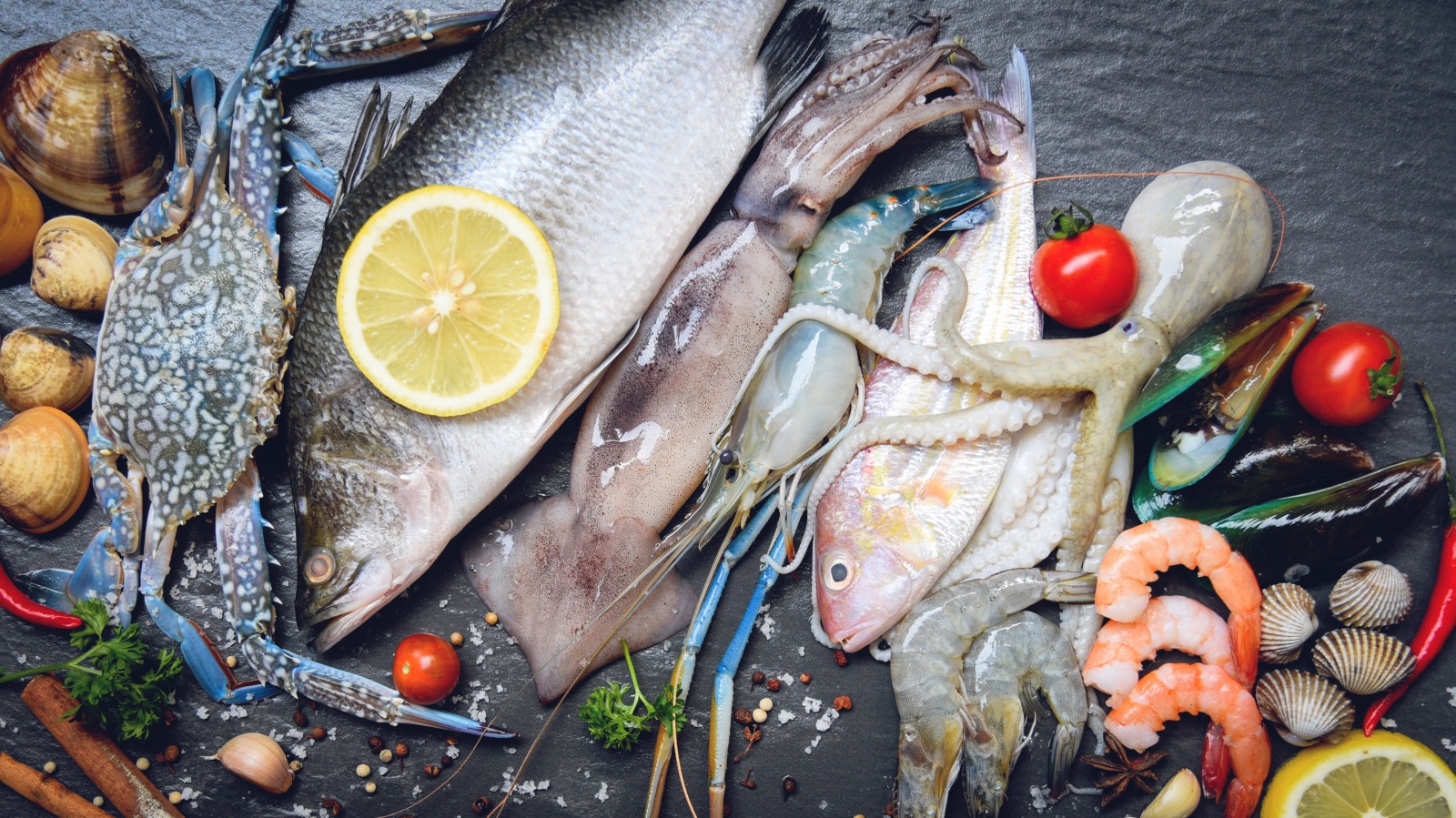
    Vietnam has set its sights on exporting more than 10 million tonnes of seafood, valued at $11.5 billion, in the course of the current year. This anticipated export volume signals a slight increase of 0.6% as compared to that of 2025, according to Pham Quang Toan, the deputy director general of the Department of Fisheries and Fisheries Surveillance who spoke at a recent conference.

    Understanding the Figures

    The forecast suggests that exports from capture fisheries may experience a slight decrease of 2.1%, landing at roughly 3.75 million tonnes. However, the aquaculture sector is projected to see an increase of 2.2%, amounting to approximately 6.25 million tonnes.

    The director general of the department, Tran Dinh Luan, shared insights into the future direction of Vietnam’s seafood sector. According to him, the sector is poised to progressively scale back capture fisheries while concurrently enhancing aquaculture practices. This transition is intended to be sustainable and resilient to climatic changes in order to boost competitiveness.

    Luan also emphasized a strategic shift from a production-oriented approach to a fisheries economy perspective. Moreover, the focus will be on moving from singular value growth towards integrated multi-value development.

    A Look at Past Performance

    Based on data from the Department of Fisheries and Fisheries Surveillance, the total output of seafood in 2025 was 9.95 million tonnes. This represents an increase of 3% from the previous year. Of this, capture fisheries contributed 3.83 million tonnes, which was almost identical to the volume in 2024. In contrast, the output from aquaculture rose by 5.1% to reach 6.1 million tonnes.

    The revenue from seafood exports was more than $11 billion last year, marking an impressive increase of 12.7%.

    Questions & Answers

    What is the projected seafood export volume for Vietnam in the current year?
    The anticipated seafood export volume for Vietnam is over 10 million tonnes.

    What changes are expected in the export volumes of capture fisheries and aquaculture?
    Capture fisheries exports are expected to decrease by 2.1%, while aquaculture exports are projected to increase by 2.2%.

    What was the seafood export turnover for Vietnam in 2025?
    The seafood export turnover for Vietnam in 2025 was estimated at over $11 billion.

  • HCMC Aims to Double Vietnam’s Average with $9,800 Per Capita Income in Ambitious 2026 Growth Plan

    HCMC Aims to Double Vietnam’s Average with $9,800 Per Capita Income in Ambitious 2026 Growth Plan

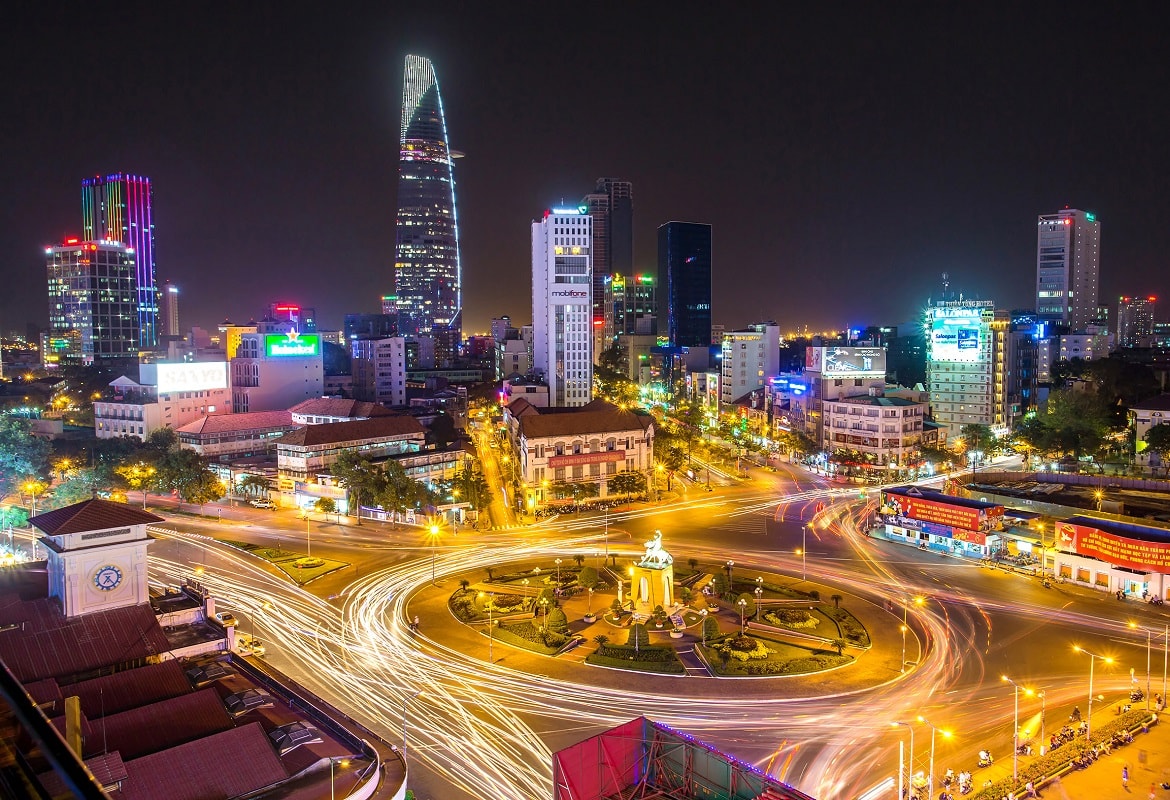
    Ho Chi Minh City (HCMC), Vietnam’s largest city, has outlined ambitious economic goals for the year ahead. The city plans to increase its per capita income by 12%, bringing it to $9,800, a figure that is twice the national average. This is a significant increase from last year’s per capita income in the city, which stood at $8,755, in comparison to the country’s overall average of $5,026.

    Economic Projections and Future Plans

    In terms of economic growth, HCMC is targeting a 10% increase in 2026, a substantial rise from the 8% growth reported last year. The chairman of the city, Nguyen Van Duoc, outlined the main drivers of this growth: manufacturing, consumption and exports. However, the city’s growth plans do not stop here.

    It is also looking to develop three additional areas. An international financial center is being planned, along with a seaport logistics system. Furthermore, the city aims to combine innovation with green and digital transformation for sustainable development.

    Addressing Infrastructure and Environmental Challenges

    Challenges that could potentially hinder the city’s economic growth have also been recognized. The issues identified include flooding, traffic congestion, and environmental pollution. These are referred to as the three “bottlenecks”, and the city has proposed several measures to overcome these problems.

    The city plans to upgrade its infrastructure, with projects such as the widening of National Highways 22 and 13 and Ring Road 4. There are also plans to construct the Can Gio and Thu Thiem bridges, as well as new metro lines. Chairman Duoc believes that if these projects are successfully implemented, they will significantly contribute to the city’s economic growth by surpassing public spending disbursement targets.

    However, this is not without its challenges. Last year, the disbursement was only 74% of the target, amounting to VND89 trillion ($3.39 billion). Despite this, the city remains optimistic about its ambitious economic targets and plans for development.

    Questions & Answers

    What does HCMC plan to increase its per capita income to?
    HCMC is planning to increase its per capita income by 12%, which will bring it to $9,800.

    What are the main drivers of economic growth for HCMC?
    The main drivers are manufacturing, consumption, and exports. However, the city also has plans to develop an international financial center, a seaport logistics system, and combine innovation with green and digital transformation.

    What challenges is HCMC planning to address to ensure its economic growth?
    HCMC plans to address the three “bottlenecks” that are currently holding back its growth. These are flooding, traffic congestion, and environmental pollution. The city plans to address these through various infrastructure projects.

  • Vietnam’s Stock Market Blazes into 2026: Skyrockets to Historical Highs in Opening Sessions

    Vietnam’s Stock Market Blazes into 2026: Skyrockets to Historical Highs in Opening Sessions

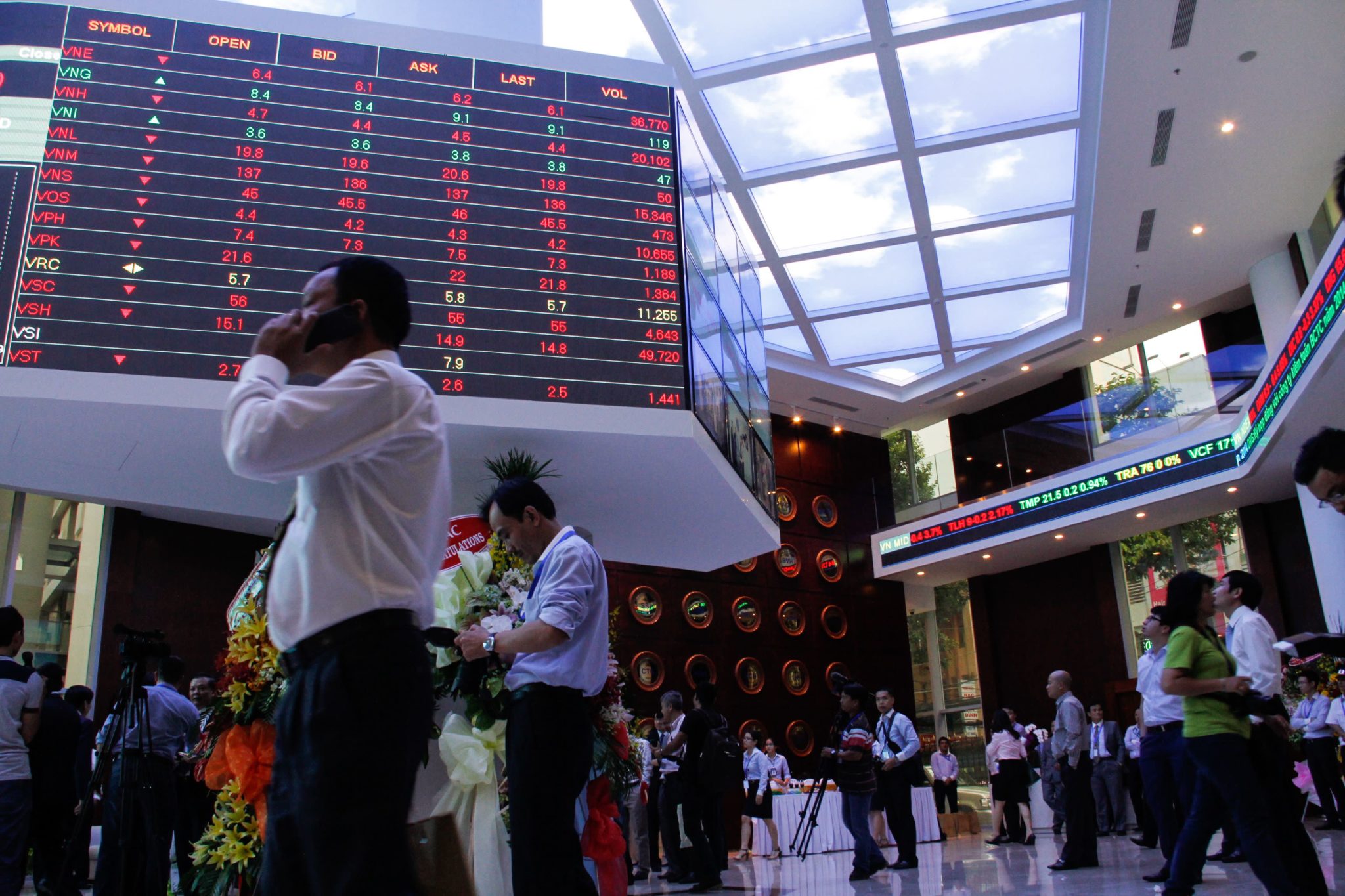
    The Vietnam stock market began the year on a high note, setting two new historic peaks within the first two trading sessions. The VN-Index, Vietnam’s benchmark stock index, closed at a record-breaking 1,788 points on Monday and escalated a further 1.56% to a fresh peak of 1,816 points on Tuesday. After closing the previous year 40% higher, it now ranks as the tenth best-performing stock index globally.

    The Ho Chi Minh Stock Exchange, the basis for the VN-Index, experienced a 6% gain in trading on Tuesday, reaching VND27.45 trillion (US$1.04 billion).

    On the other hand, the VN30 basket, which consists of the thirty largest capped stocks, saw 23 stock tickers rising. Leading the way was GAS, a state-owned Petrovietnam Gas, with a 7% increase, closely followed by property titan Vinhomes’ VHM, which climbed 6.9%.

    Fuel distributor Petrolimex’s PLX finished 6.7% higher, while MB’s MBB, a lending company, rose by 5.1%.

    However, two prominent stocks experienced a decline. Duc Giang Chemicals Group’s DGC dropped 3.8%, while Sacombank’s STB, a lender based in Ho Chi Minh City, fell by 2.1%.

    Foreign investors mainly sold off stocks of the private conglomerate Vingroup’s VIC and VHM, resulting in net sales of approximately VND387 billion.

    Meanwhile, the HNX-Index for stocks on the Hanoi Stock Exchange, which primarily consists of mid and small-cap stocks, fell by 0.09%. The UPCoM-Index for Unlisted Public Companies Market also experienced a drop, declining by 0.39%.

    Questions & Answers

    What were the new historic peaks for the Vietnam stock market at the beginning of the year?

    The VN-Index, Vietnam’s benchmark stock index, closed at a record-breaking 1,788 points on Monday and escalated a further 1.56% to a new peak of 1,816 points on Tuesday.

    Which were the top-performing stocks in the VN30 basket?

    Leading the way was GAS of state-owned Petrovietnam Gas with a 7% increase, followed closely by property giant Vinhomes’ VHM, which climbed 6.9%.

    Which stocks did foreign investors predominantly sell off?

    Foreign investors mainly sold off stocks of the private conglomerate, Vingroup’s VIC and VHM, resulting in net sales of approximately VND387 billion.

  • “Wings for Leaders”: Vietjet’s SkyBoss returns with a refined premium travel experience

    “Wings for Leaders”: Vietjet’s SkyBoss returns with a refined premium travel experience

    Vietjet is reintroducing its premium fare class, SkyBoss, offering Singapore passengers a refined and seamless travel experience on key routes between Singapore and Vietnam, including Hanoi, Ho Chi Minh City, Da Nang and Phu Quoc. Inspired by the spirit of “Wings for Leaders,” SkyBoss is designed for travellers who value comfort, efficiency and thoughtful service, whether flying for business or leisure.

    Available on routes to and from Vietnam, including Singapore-Vietnam routes, SkyBoss delivers a personalised journey from the ground to the sky, with every detail carefully curated to balance emotional comfort with operational convenience at every touchpoint.

    From the moment passengers arrive at the airport, the “Wings for Leaders” experience takes shape. Dedicated check-in counters, boarding, and access to premium lounges ensure each journey begins in a calm, relaxed, and well-prepared state.

    On board, the experience is further elevated with unlimited hot and freshly prepared meals, featuring familiar Vietnamese favourites such as Pho, Banh Mi, Vietnamese milk coffee, matcha latte, and more. Each meal goes beyond nourishment, offering a comforting sense of familiarity and attentive care throughout the flight.

    Completing the SkyBoss experience is Vietjet’s cabin crew, renowned for their warm, cheerful, and attentive service. Professional yet approachable, the crew are always present at the right moments, delivering thoughtful care that reflects Vietjet’s distinctive service spirit.

    Alongside its service excellence, Vietjet continues to build on its strengths in operating a high-frequency domestic and international network, particularly across key economic and tourism routes, including four Singapore-Vietnam direct services. This allows passengers greater control over their time and more efficient planning for both business and leisure travel.

    More than just a class fare, SkyBoss represents a premium travel experience focused on comfort, efficiency and thoughtful service at every stage of the journey.

    Applicable Routes

    All international routes to and from Vietnam, including routes between Singapore and Vietnam:Singapore Hanoi/Ho Chi Minh City/ Da Nang/ Phu Quoc

    All-inclusive fares for flights between Singapore and Vietnam
    – One-way fares starting from just SGD210/one-way (including taxes and fees) (varying by route and travel period)

    SkyBoss Service Privileges (Terms and Conditions Apply)
    – Carry-on baggage allowance up to 10kg
    – Checked baggage allowance up to 30kg plus one golf club set
    – Access to premium lounges at departure airports (during operational hours)
    – Priority for seat selection, check-in, and boarding
    – Unlimited hot and fresh inflight meals with beverages
    – Dedicated customer hotline: +84 1900 6896

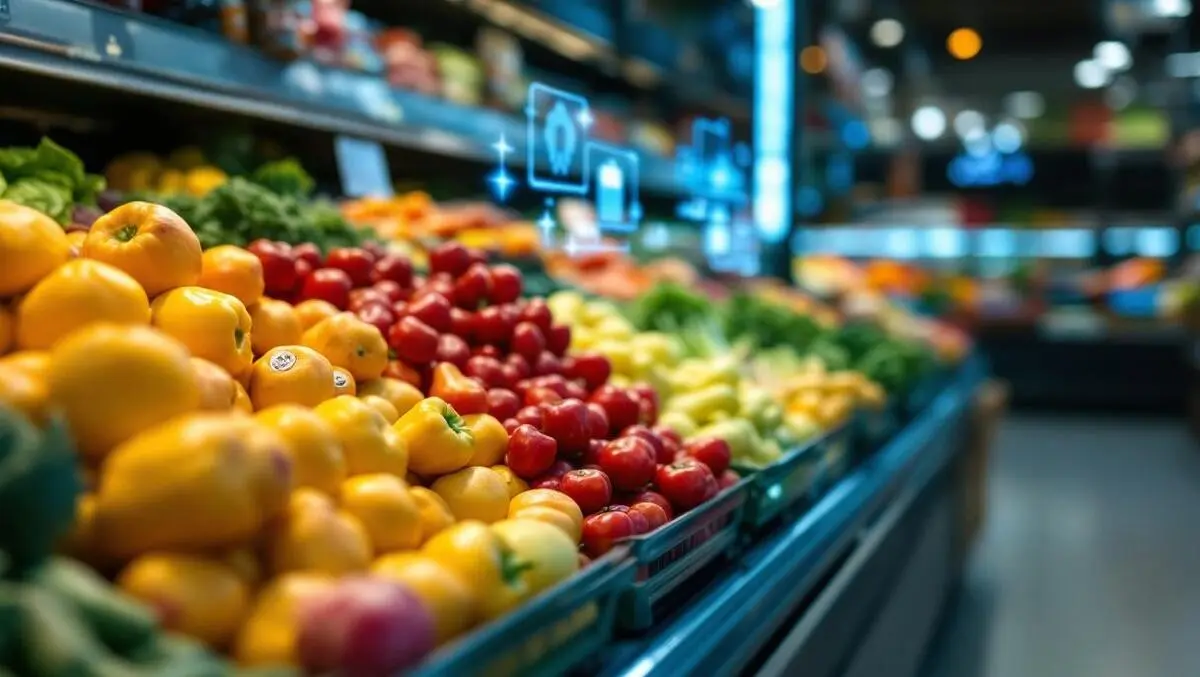
  • Vietnam’s Fruit and Vegetable Exports Soar: $10B Target in Sight for 2026 Amid Global Trade Growth

    Vietnam’s Fruit and Vegetable Exports Soar: $10B Target in Sight for 2026 Amid Global Trade Growth

    According to industry experts, Vietnam’s fruit and vegetable exports could hit the $10 billion mark as early as 2026, provided the current pace is sustained and structural issues are resolved. The total exports are projected to be in the range of $8-8.4 billion in 2025, marking a growth of 18% from the previous year, as reported by the Vietnam Fruit and Vegetable Association.

    Growth Amid Global Trade Volatility

    The resilience and growth of Vietnam’s fruit and vegetable export sector in spite of ongoing global trade instability underscore the enhanced competitiveness of the nation’s agricultural products in global markets. This remarkable performance can be attributed to an array of beneficial conditions, including substantial recovery of demand in major markets such as China, the U.S., South Korea, Japan and the European Union. Furthermore, an increase in official export approvals for Vietnamese fruits to high-demand markets has created new avenues for growth.

    Nguyen Thanh Binh, chairman of the association, indicated that the growth in exports in recent years has evolved from seasonal peaks into a consistent upward trend. An increased emphasis on quality, traceability, and compliance with market standards has aided Vietnamese produce in establishing a more stable presence within global supply chains.

    Despite being the largest market and accounting for a significant proportion of shipments, China also poses the greatest challenges to the industry, as Binh noted.

    Persistent Vulnerabilities

    While there has been a robust increase in export value, market volatility and policy changes continue to cause disruptions in shipments to China. Dr. Nguyen Dinh Bich, an expert in agricultural economics, pointed out that the sector’s greatest vulnerability is seen in production organization. Despite the speedy growth, it lacks a firm grounding and without stronger connections from raw material sources to processing and distribution, the industry could be susceptible to changes such as tightened standards or altered regulations by major markets.

    Learning from past instances of congestion at border gates remains crucial, particularly as importing countries continue to elevate their requirements regarding quarantine, food safety, and sustainability.

    Striving for the $10 Billion Goal

    Despite these challenges, the long-term prospects remain favorable. Riding on the wave of consistent double-digit growth in recent years and Vietnam’s position among the world’s top 25 trading nations, the association is confident that exports could reach $10 billion by 2026.

    Many businesses deem this target achievable if existing roadblocks are overcome. A representative from the Tien Giang Vegetables and Fruits Joint Stock Company said that there remains potential for processed goods and premium fresh fruit. However, businesses require stable policies regarding raw material zones, logistics, and market access.

    Logistics costs, particularly those related to cold-chain logistics, constitute a substantial portion of expenses, compromising competitiveness with regional counterparts.

    Experts emphasize the necessity for comprehensive, long-term solutions, including focused farming zones, standardized production unit codes, and packing facilities certified in line with market demand. Diversifying export markets and increasing the share of processed goods are also seen as essential.

    Binh further underscored that continued government support in areas such as market access, standardization, and credit and logistics infrastructure will be crucial to ensuring sustainable growth.

    Questions & Answers

    What are the main challenges to Vietnam’s fruit and vegetable export industry?
    The main challenges include market volatility, policy changes, high logistics costs, and the need for stronger connections from raw material sources to processing and distribution.

    What are the proposed solutions to these challenges?
    Proposed solutions include the creation of concentrated farming zones, standardization of production unit codes, certified packing facilities, diversification of export markets, and increased government support in various areas.

    What is the projected value of Vietnam’s fruit and vegetable exports in the near future?
    Industry experts believe that Vietnam’s fruit and vegetable exports could reach $10 billion as early as 2026, given the current pace of growth and provided structural issues are properly addressed.

  • Vietnam’s Economy Soars with 8.02% GDP Growth in 2025, Claiming Second Highest Spot in Two Decades

    Vietnam’s Economy Soars with 8.02% GDP Growth in 2025, Claiming Second Highest Spot in Two Decades

    The Vietnamese economy experienced significant growth in the last year, with an impressive rate of 8.02%, marking the second-highest growth rate in the past 15 years. This growth was primarily fueled by the services and industry sectors. In the final quarter of the year alone, the economy expanded by 8.46% on a year-on-year comparison, as per the data from the General Statistics Office.

    Steady Growth Amid Global Economic Volatility

    Vietnam has demonstrated a remarkable economic performance in the face of global economic instability. This instability has been particularly marked by trade tensions and reciprocal tariff policies from the United States. Despite these challenges, Vietnam’s growth rate was the highest amongst Southeast Asian nations and one of the highest globally. The last time the economy grew at a higher rate was in 2022, with an expansion of 8.12%, following the Covid-19 pandemic.

    Economic Indicators

    In 2025, the Gross Domestic Product (GDP) of Vietnam rose to US$514 billion, and the per capita income reached $5,026. These figures have positioned Vietnam as an upper-middle-income nation. Nevertheless, the inflation rate for the year experienced a slight increase, reaching 3.31%.

    The services sector emerged as the largest contributor to the Vietnamese economy, accounting for 51.1% of the total. The industry and construction sectors followed with a 43.6% contribution, while the remainder was made up by agriculture, forestry, and fisheries.

    In terms of trade, Vietnam hit a new record with a total value of $930 billion, reflecting an 18.2% rise from the previous year. The export value increased by 17%, totaling $475 billion.

    In the same year, there was a notable increase in enterprise registration and revival, with 297,500 businesses registered or revived, marking a 27.4% surge.

    Future Economic Prospects

    Looking forward, the National Assembly has set an ambitious GDP growth target of 10% for the upcoming year. Achieving this target will increase the per capita income to a range of $5,400 to $5,500.

    Questions & Answers

    What was the growth rate of the Vietnamese economy last year?
    The Vietnamese economy grew at a rate of 8.02% last year.

    What sectors mainly drove Vietnam’s economic growth?
    The growth of the Vietnamese economy was primarily driven by the services and industry sectors.

    What is the GDP growth target set by the National Assembly for the next year?
    The National Assembly has set a GDP growth target of 10% for the next year.

  • Thai Giant Central Retail Waves Goodbye to Vietnam’s Electronics Market, Selling Nguyen Kim Amid Mounting Losses

    Thai Giant Central Retail Waves Goodbye to Vietnam’s Electronics Market, Selling Nguyen Kim Amid Mounting Losses

    Thai conglomerate Central Retail has finalized the sale of its entire share in Nguyen Kim Electronics, signifying its departure from the consumer electronics industry in Vietnam following successive years of financial losses.

    Deal Details

    The transaction, which reached completion in the latter part of last year, resulted in the transfer of full ownership of Nguyen Kim to Pico Holdings, a domestic retailer. The deal’s value is believed to be approximately $36 million, equating to a $190 million loss in comparison to the original purchasing price Central Retail paid for the company, without considering any losses incurred through trading activities.

    Strategic Shift

    Insiders from Vietnam suggest that this sale aligns with Central Retail’s strategic vision to refocus its Vietnamese operations towards sectors with more promising growth trajectories. These sectors include supermarkets, food retail, and shopping center management. Central Retail is the parent company of the Go hypermarket and Tops supermarket brands.

    Historical Context

    Central Retail first penetrated the Vietnamese electronics sector over a decade ago. In 2015, the company acquired a 49% stake in Nguyen Kim, before ultimately gaining full control in 2020 after purchasing the remaining 51% of shares.

    Market Challenges

    Industry analysts have pointed out that the electronics chain has grappled with numerous challenges in recent years. These include intensified market competition and weakened consumer demand, both of which significantly contributed to Central Retail’s resolution to exit the market.

    Questions & Answers

    Why did Central Retail sell its stake in Nguyen Kim Electronics?
    Central Retail sold its stake in Nguyen Kim Electronics due to cumulative financial losses and the company’s decision to reorient its focus towards more profitable sectors in Vietnam such as supermarkets, food retail, and shopping center management.

    What was the financial impact of this deal?
    The deal’s estimated value is around $36 million, indicating a $190 million loss for Central Retail when compared to their initial investment, excluding any trading losses.

    What challenges did Central Retail face in Vietnam’s consumer electronics market?
    Central Retail faced numerous challenges in the Vietnamese electronics sector, including increased competition and a decline in consumer demand.

  • Vietnam’s Gold Prices Skyrocket Amid Global Market Uncertainties: A 83% YoY Leap

    Vietnam’s Gold Prices Skyrocket Amid Global Market Uncertainties: A 83% YoY Leap

    The price of gold in Vietnam experienced a significant surge on Tuesday morning, propelled by the precious metal’s global market gains and political uncertainties.

    Surge in Gold Prices

    Saigon Jewelry Company reported a 0.57% increase in the price of its gold bars, reaching VND158 million (US$6,011.49) per tael. A tael, a unit of weight commonly used in East Asia, is equivalent to 37.5 grams or 1.2 ounces.

    In addition to the rise in price of gold bars, the price of gold rings also saw a notable increase, jumping by 0.39% to VND154 million per tael. Over the past year, the price of gold in Vietnam has soared by 83%.

    Global Impact

    On a global scale, gold prices reached a one-week high following the U.S. strikes in Venezuela, which further enhanced the safe-haven appeal of bullion. Spot gold, or gold that is bought and sold for immediate delivery, saw an increase of 0.39% to $4,465.50 per ounce.

    According to Alexander Zumpfe, a precious metals trader at Heraeus Metals Germany, the situation in Venezuela has clearly stimulated safe-haven demand. This comes in addition to existing concerns related to geopolitics, energy supply, and monetary policy.

    Gold saw a remarkable 64% gain last year, driven by geopolitical flashpoints and the U.S. Federal Reserve’s cycle of easing interest rates. Expectations of even lower rates, combined with central bank purchases and Exchange-Traded Fund (ETF) flows, provided further support to gold’s rising prices.

    Questions & Answers

    What caused the rise in gold prices in Vietnam?
    The rise in gold prices in Vietnam was primarily driven by the precious metal’s global market gains and ongoing political uncertainties.

    How much did gold prices increase globally?
    Globally, spot gold experienced an increase of 0.39% to $4,465.50 per ounce.

    What factors contributed to the 64% gain in gold prices last year?
    The remarkable 64% gain in gold prices last year was propelled by geopolitical flashpoints, the U.S. Federal Reserve’s cycle of easing interest rates, and the expectation of even lower rates. Central bank purchases and ETF flows also provided additional support.

  • Vietnamese Dragon Fruit Exports Hit 11-Year Low Amidst Rising Global Competition

    Vietnamese Dragon Fruit Exports Hit 11-Year Low Amidst Rising Global Competition

    Dragon fruit exports from Vietnam, which historically garnered more than $1 billion annually, have plummeted to their lowest levels in over a decade. The first eleven months of last year saw exports decrease by 0.8% to $485.2 million, a low not seen since 2014, according to the Vietnam Customs.

    Dwindling Dragon Fruit Exports

    Annual exports between 2014 and 2018 regularly exceeded $1 billion, peaking at $1.3 billion in 2018. However, shifts in international competition and consumption markets led to a stagnation and eventual decline in dragon fruit exports.

    China remains the primary recipient of Vietnamese dragon fruit, with more than $301.7 million worth of exports recorded in the first 11 months, a figure that represents around 62% of total exports. Nevertheless, a decrease of 4.5% year on year revealed a slowing demand as China’s domestic supply becomes increasingly abundant.

    The Rise of New Markets

    While the key market dwindles, several new markets are demonstrating growth. Exports to India neared $41.8 million, marking a 6.4% increase, and exports to Thailand rocketed by 71.1% year on year. Despite this growth, the scale of these emerging markets is not yet sufficient to balance the decline in the main market.

    Exporters attribute the fall in exports to rapidly increasing global supply and intensifying competition. China has dramatically expanded its dragon fruit cultivation area, with an output of around 1.6 million tonnes annually, hundreds of thousands of tonnes more than Vietnam. This expansion has substantially reduced China’s import demand.

    Global Competition

    India is also emerging as a dragon fruit producer, with an estimated 3,000–4,000 hectares dedicated to its cultivation, according to the Indian Council of Agricultural Research and industry reports. While India’s current output is a modest 12,000 tonnes annually, it displays a clear upward trend.

    Mexico has successfully entered the dragon fruit market, directly contesting Vietnam’s dominance in the U.S. and Canadian markets. During the early 2010s, Vietnamese dragon fruit was smoothly exported to the U.S. However, Mexico’s geographic proximity to the North American market and expanded production from 2019 have significantly impacted Vietnam’s export of white-fleshed dragon fruit to these regions.

    Industry representatives predict that dragon fruit output and export revenues are unlikely to rebound quickly, especially if China and India continue to expand production. Dang Phuc Nguyen, secretary-general of the Vietnam Fruit and Vegetable Association, highlighted the need for farmers and businesses to reevaluate markets and competitive advantages. He recommended improvements in product quality and presentation and adjustments in cultivation timing to boost off-season production.

    Questions & Answers

    Why have dragon fruit exports from Vietnam decreased?
    Exports have fallen due to shifts in international competition and consumption markets, along with an increase in global supply, particularly from China and India.

    Which countries are emerging as new markets for Vietnamese dragon fruit?
    India and Thailand have demonstrated significant growth as new markets for Vietnamese dragon fruit.

    What strategies are being suggested to improve the dragon fruit sector in Vietnam?
    Industry experts advocate for improvements in product quality and presentation, reevaluating markets and competitive advantages, and adjusting cultivation timing to augment off-season production.

  • Vietjet Strengthens Regional Aviation Capacity with New Long Thanh Hangar, Launches Inaugural Flight to Vietnam’s Largest Airport

    Vietjet Strengthens Regional Aviation Capacity with New Long Thanh Hangar, Launches Inaugural Flight to Vietnam’s Largest Airport

    Vietjet has marked two significant milestones at Long Thanh International Airport with the topping-out of its international-standard aircraft maintenance hangar and the operation of its inaugural flight to the airport. Long Thanh International Airport is being developed as Vietnam’s largest international airport once fully completed supporting the country’s and Vietjet’s long-term aviation and connectivity needs. These milestones further strengthen regional connectivity and operations through Vietjet’s growing network, including key markets such as Singapore.

    The aircraft maintenance facility, which broke ground on 19 August 2025, forms part of the Aircraft Maintenance and Engineering Center complex at Long Thanh. Developed on an 8.4-hectare site with a total investment of up to USD100 million, the project comprises Hangars No. 3 and No. 4. The facility is designed, managed, and supervised by leading international consultants Mace (United Kingdom) and Apave (France).

    Once completed, the hangars will be able to accommodate up to six narrow-body and two wide-body aircraft simultaneously, or up to ten narrow-body aircraft. The project incorporates a long-span steel structure engineered to support large-scale aircraft maintenance operations and future fleet growth.

    The topping-out was completed on schedule despite complex construction conditions, reflecting close coordination between Vietjet and its international partners. When operational, the facility is expected to strengthen regional maintenance capacity, reduce reliance on overseas technical services, and improve cost-efficiency across the airline’s operations, while supporting skilled employment in the aviation sector.

    On the same day, Vietjet operated its inaugural flight, VJ038, from Tan Son Nhat International Airport to Long Thanh International Airport using an Airbus A321neo aircraft. The flight marks an early operational milestone as Long Thanh progressively transitions into a key hub for Vietnam’s international air traffic.

    With a modern fleet and an extensive regional network, Vietjet continues to invest in infrastructure and operational capability to support long-term growth and connectivity across Southeast Asia, as demand for air travel within the region continues to rise.

  • Vietjet Chairwoman Dr. Nguyen Thi Phuong Thao Conferred Vietnam’s Labor Hero Title

    Vietjet Chairwoman Dr. Nguyen Thi Phuong Thao Conferred Vietnam’s Labor Hero Title

    Dr. Nguyen Thi Phuong Thao, Chairwoman of Vietjet, has been awarded the title of Labor Hero, one of Vietnam’s highest state honours, recognising her sustained contributions to national development and regional economic integration.

    Over more than three decades, Dr. Nguyen Thi Phuong Thao has played a significant role in shaping Vietnam’s modern economic landscape across aviation, finance, investment, and technology. Her leadership has been marked by a consistent focus on disciplined growth, technology adoption, and governance frameworks aligned with long-term national and regional interests.

    As founder and leader of Vietjet, Vietnam’s first private airline, she has helped expand access to air travel while strengthening the country’s connectivity with major business and tourism hubs across Southeast Asia, Northeast Asia, Australia, and beyond. Vietjet has carried hundreds of millions of passengers, enabled millions of first-time flyers, and supported cross-border trade, investment, and cultural exchanges within the ASEAN region and beyond.

    For Singapore, Vietjet’s continued expansion has reinforced air links between Vietnam and one of Southeast Asia’s most important financial and commercial centres, supporting growing demand for business travel, tourism, and supply-chain mobility between the two markets.

    Reflecting on the honour, she said: “The past and the present come together as we move toward the future, connected by a shared will and belief in a prosperous Vietnam reaching out to the world. This honor is a meaningful source of pride and encouragement for tens of thousands of dedicated employees across our organisations.”

    Beyond aviation, Dr. Nguyen Thi Phuong Thao has been closely involved in addressing complex infrastructure and system-level challenges through technology-driven solutions. These include digital transformation initiatives in aviation operations, the adoption of biometric technologies to improve passenger processing efficiency, the rapid deployment of technology platforms during the Covid-19 pandemic, and the stabilisation of the Ho Chi Minh City Stock Exchange’s trading system at a critical moment for market confidence.

    In 2025, her international engagement expanded further through large-scale cooperation agreements with global partners, contributing to Vietnam’s trade balance, investment inflows and the growing credibility of Vietnamese enterprises within global financial and governance ecosystems.

    Alongside business leadership, Dr. Nguyen Thi Phuong Thao has remained active in humanitarian and community initiatives, with a long-standing focus on supporting women, children, students, and vulnerable communities. She has consistently emphasised that sustainable economic growth must be anchored in human development and social responsibility.

    As Southeast Asia’s first self-made female billionaire, Dr. Nguyen Thi Phuong Thao has received wide international recognition, including Bloomberg 50, Forbes’ World’s 100 Most Powerful Women, and Business Insider’s 100 People Transforming Business in Asia. She has also been awarded France’s Legion of Honour, the country’s highest civilian distinction, in recognition of her outstanding global contributions.

  • Unprecedented Silver Boom: Vietnam Witnesses Record-Breaking High Amid Global Supply Crunch

    Unprecedented Silver Boom: Vietnam Witnesses Record-Breaking High Amid Global Supply Crunch

    Vietnam’s silver prices reached record heights on Monday morning. This surge was triggered by a worldwide increase in the value of the precious metal due to a supply shortage. The selling price at the jewelry chain Phu Quy increased by 6% from Sunday, standing at VND3.07 million (US$117) per tael (37.5 grams). The rate has experienced a substantial increase of 169% within the year.

    Global Silver Prices

    On an international scale, the price of silver soared past the $80-per-ounce mark for the first time. However, it later saw a sharp decrease in a volatile trading environment on Monday.

    Charu Chanana, the Chief Investment Strategist at the investment bank Saxo, said precious metals have experienced a boost this year due to a potent combination of factors. These include rate-cut tailwinds and hedging against geopolitical and fiscal uncertainties. She noted, “Adding supply concerns to the mix has resulted in a parabolic movement. However, the abrupt spike towards the end of the year, particularly in silver prices, also points towards the possibility of greater volatility. In the short-term, the risk is primarily technical and positioning-led.”

    Investments in Silver and Other Alternatives

    Significant debt loads in major economies such as the U.S., France, and Japan, combined with a lack of political determination to address these issues, have encouraged some investors to turn to silver and other alternative assets this year.

    Moreover, the global production of silver from mines has been restricted due to decreasing ore grades and a lack of new project development.

    Questions & Answers

    What has driven the recent surge in silver prices in Vietnam?
    The recent upsurge in Vietnam’s silver prices has been driven by a global increase in the value of the precious metal due to supply shortages.

    What factors have boosted the value of precious metals this year?
    The value of precious metals has surged due to a combination of rate-cut tailwinds and hedging against geopolitical and fiscal uncertainties.

    Why have some investors been accumulating silver and other alternative assets this year?
    Significant debt loads in major economies, coupled with a lack of political will to address these issues, have prompted some investors to accumulate silver and other alternative assets.