Tag: Vietnam

  • Vinpearl CEO Dang Thanh Thuy Steps Down: A Turn of Tide in Vietnam’s Hospitality Giant

    Vinpearl CEO Dang Thanh Thuy Steps Down: A Turn of Tide in Vietnam’s Hospitality Giant

    Dang Thanh Thuy has stepped down from her position as chief executive officer of Vinpearl, Vingroup’s resort division. Despite her resignation, Thuy continues to hold a seat on the organization’s board. Vinpearl has not yet announced a successor or the reasons behind Thuy’s departure.

    Background of Dang Thanh Thuy

    Thuy, 56, holds a Bachelor’s degree in literature. She joined the ranks of Vinpearl in 2004 and has held significant positions in the company over the years. She served as the chairman of Vinpearl from January 2023 to March 2024, and from 2012 to 2016, she was the deputy CEO of Vingroup.

    Vinpearl’s Status in the Hospitality Industry

    Vinpearl stands as one of the foremost hospitality brands in Vietnam, boasting an impressive portfolio of 48 hotels, resorts, theme parks, and golf courses spread across 18 provinces and cities.

    Financial Performance

    In the third quarter of 2025, Vinpearl reported revenues of VND3.09 trillion (US$117.5 million), marking a 40.7% decrease year-on-year. The company’s post-tax profits stood at VND169 billion, falling 66.6%. Furthermore, its profits for the first nine months of the year saw a drastic decline, plummeting by 86%.

    Vinpearl is primarily owned by Vingroup, with an ownership stake of 85%. The conglomerate’s chairman is renowned billionaire, Pham Nhat Vuong.

    Questions & Answers

    Who was the previous CEO of Vinpearl?
    Dang Thanh Thuy was the former CEO of Vinpearl.

    What significant positions did Dang Thanh Thuy hold in Vinpearl and Vingroup?
    Dang Thanh Thuy served as the chairman of Vinpearl from January 2023 to March 2024 and was the deputy CEO of Vingroup from 2012 to 2016.

    What was the financial performance of Vinpearl in the third quarter of 2025?
    In the third quarter of 2025, Vinpearl reported revenues of VND3.09 trillion (US$117.5 million), a 40.7% decrease year-on-year. The company’s post-tax profits stood at VND169 billion, a decrease of 66.6%.

  • Vietnam Gasoline Prices Tumble: Global Market Shifts Trigger Unexpected Fuel Cost Decline

    Vietnam Gasoline Prices Tumble: Global Market Shifts Trigger Unexpected Fuel Cost Decline

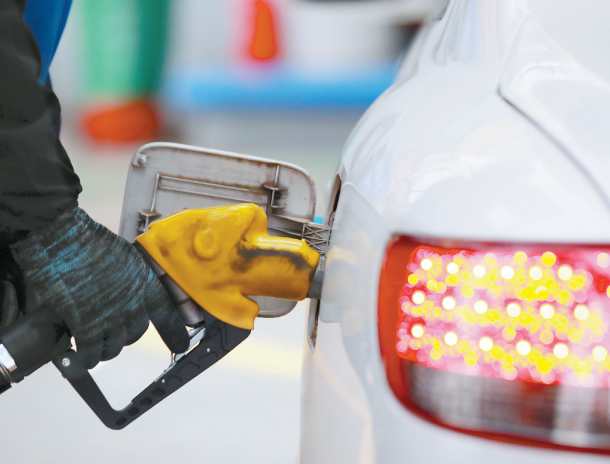
    On Thursday, Vietnam witnessed a decrease in gasoline prices, continuing the downward trend from the previous week, in line with the global slump in fuel costs. The nation’s common fuel, RON95, experienced a 3.16% decrease, bringing it down to VND19,000. Meanwhile, Biofuel E5 RON92 saw a reduction of 2.7%, lowering its price to VND18,710.

    Diesel Cost Also Declines

    Diesel, another commonly used fuel, wasn’t immune to the trend. The fuel’s price also tapered off, albeit at a slower pace. The cost of diesel fell by 1.26%, bringing it to VND17,250.

    Global Oil Market Influences

    The global oil market has been volatile over the past week. This volatility has been shaped by a number of geopolitical factors, including the potential for a peace agreement between Russia and Ukraine, as well as ongoing tensions between the U.S. and Venezuela. These factors have influenced fuel prices worldwide, including in Vietnam.

    Notably, the price of RON95 on the global market dropped by 4.1%, settling at $74.4 per barrel. Meanwhile, diesel saw a slightly smaller decrease of 1.5%.

    Questions & Answers

    What caused the drop in Vietnam’s fuel prices?
    The decline in fuel prices in Vietnam is a reflection of the global drop in fuel costs, influenced by factors such as potential peace talks between Russia and Ukraine and tensions between the U.S. and Venezuela.

    Which fuels have been most affected?
    The common fuel RON95 saw a significant decrease of 3.16%, while Biofuel E5 RON92 fell by 2.7%. Diesel also saw a decrease, though it was smaller, at 1.26%.

    What were the global price changes for these fuels?
    On the global market, RON95 dropped 4.1% to $74.4 per barrel, while the price of diesel fell by 1.5%.

  • Vietnamese Migrant Workers Struggle with Homecoming: An Inside Look at the Tough Transition

    Vietnamese Migrant Workers Struggle with Homecoming: An Inside Look at the Tough Transition

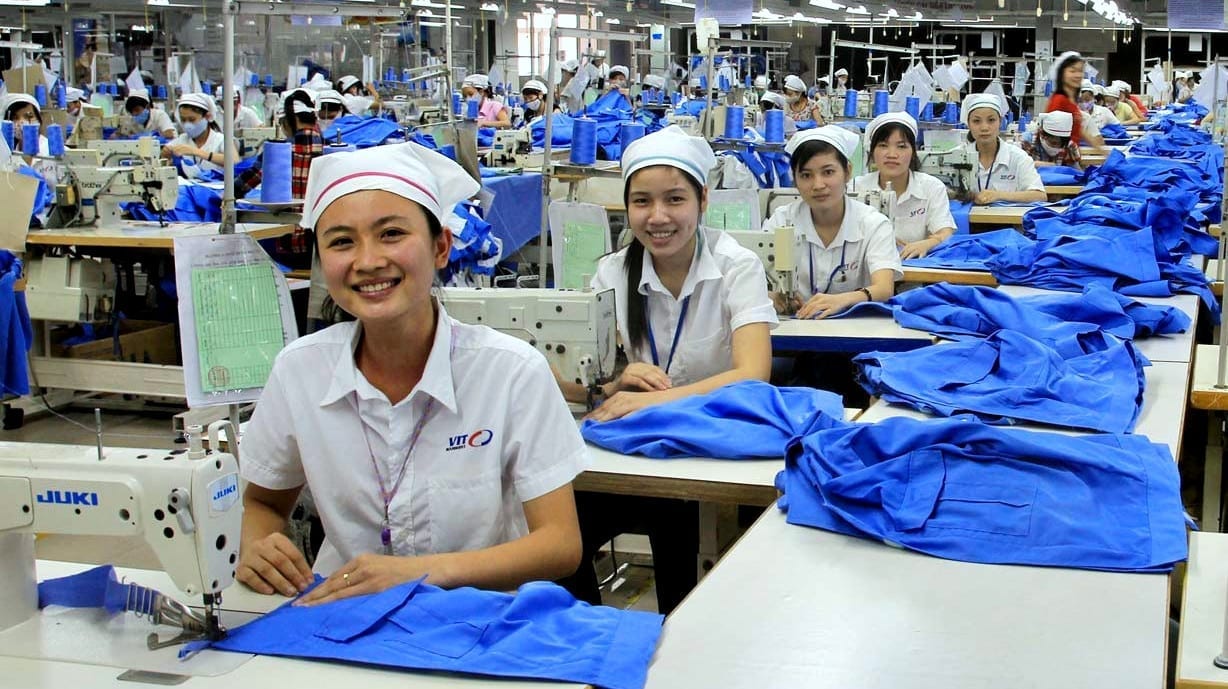
    Three years ago, Thanh Truc, a 33-year-old Vietnamese woman, returned home from Japan with a savings of VND200 million (approximately US$7,600). Now, she finds herself preparing to leave her homeland once more.

    From Beautician to Factory Worker

    Prior to leaving Vietnam in 2016, Truc was employed as an assistant beautician and earned a monthly wage of roughly VND5 million. As her parents’ health deteriorated, she found herself under increasing financial strain. In an attempt to alleviate this burden, Truc took out a bank loan and applied to Japan’s Technical Intern Training Program.

    She was accepted into the program and assigned to a component manufacturing factory in Aichi, Japan. There, Truc capitalized on overtime hours and a robust yen, earning between 150,000 and 160,000 yen (US$954–1,017) per month. After accounting for her living expenses, she was able to send a significant portion of her income back home, ending her financial woes within six months.

    Upon the conclusion of her contract in late 2019, she returned to Vietnam with a sizeable savings, intending to renovate her home and open her own beauty salon.

    Re-entry Struggles

    But reality had other plans for Truc. Finding employment proved immensely challenging and her cosmetology skills had become antiquated during her time in Japan. Standards, tools, and techniques within the industry had advanced considerably, and the cost of updating her skills through refresher courses was prohibitive.

    Employers showed a preference for younger workers, further compounding her difficulties. With her savings depleting rapidly, Truc relocated to Ho Chi Minh City, securing a job at a Japanese-owned packaging factory under the assumption that her language skills would prove advantageous. Unfortunately, even with overtime, she was only able to earn a monthly salary of about VND11 million – a fraction of what she used to earn in Japan.

    By the end of 2023, unable to establish a sustainable lifestyle in Vietnam, Truc resigned from her job and once again applied for a visa to Japan.

    The Challenges Faced by Returnees

    Truc’s experience is far from an anomaly. Data reveals that a mere 26.7% of Vietnamese citizens find steady employment upon their return home, even when they return with savings ranging from VND300–500 million.

    Returnees often face three major challenges. The first is the gap in income and skills. The typical blue-collar worker in Vietnam earns VND8–10 million per month, which is roughly one third of what they could earn in Japan. Moreover, their overseas factory experience often doesn’t prepare them for the white-collar or skilled occupations they aspire to.

    The second challenge is the psychological pressure. There is a societal expectation that returnees should be financially successful, having “made it” abroad, especially in rural regions where employment opportunities are scarce.

    The final challenge faced by returnees is the danger of unsuccessful entrepreneurship. Many invest their savings into small businesses or ventures without possessing the necessary knowledge, resulting in failure.

    A Cautionary Tale

    A case in point is 30-year-old Phan Van Thanh and his wife. After spending six years in Japan, they returned to Vietnam in mid-2023 with VND400 million, intending to be self-employed. They invested VND100 million in wedding decoration equipment, but found no profit in the venture.

    To offset losses, Thanh bought a car and started driving it for ride-hailing apps. Despite the fact their savings were running out, the couple considered going back to Japan. It took a year for their venture to stabilize, but as Thanh mentioned, “Still, compared to my life abroad, things are much tougher.”

    Experts advise migrant workers to plan their careers long-term, ideally five to ten years ahead, and to acquire skills and certifications that will be valuable in Vietnam before they return. The role of employers and labour agencies in providing transparent information and reintegration support is also crucial.

    Without proper preparation, many returnees find themselves starting over again, losing both time and accrued capital. Consequently, it is estimated that 60–70% of Vietnamese workers eventually choose to return to Japan.

    Questions & Answers

    What challenges do returning migrant workers face?
    Returning migrant workers often face an income and skills gap, psychological pressure, and the risk of failed entrepreneurship.

    What advice is given to migrant workers planning to return home?
    Migrant workers are advised to plan their careers long-term, ideally five to ten years ahead, and to acquire skills and certifications that are valuable in their home country before they return.

    What percentage of Vietnamese workers return to Japan?
    It is estimated that 60–70% of Vietnamese workers eventually return to Japan.

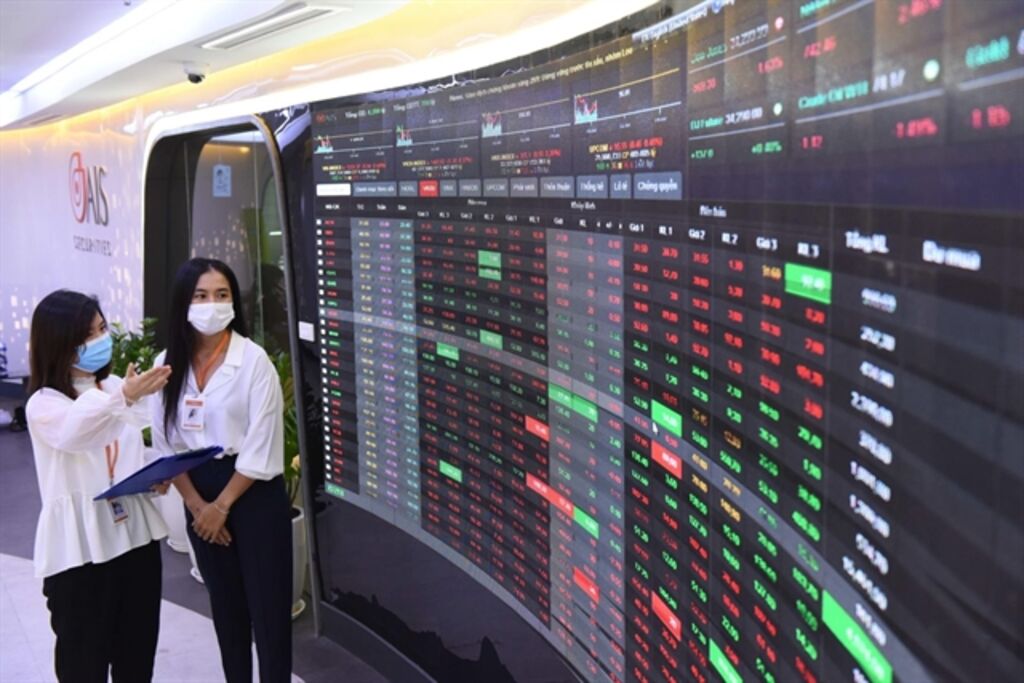
  • Vietnam’s Bold Leap: Launch of Innovative International Financial Center Marks New Era in Global Integration

    Vietnam’s Bold Leap: Launch of Innovative International Financial Center Marks New Era in Global Integration

    Prime Minister Pham Minh Chinh recently chaired a conference to declare the creation of an international financial center (IFC) in Vietnam. At the same time, the coordinating council for the IFC was launched, with the Permanent Deputy Prime Minister, Nguyen Hoa Binh, at its helm.

    Significance of the IFC

    Prime Minister Chinh underscored the importance of establishing the IFC, stating that it signifies a major turning point in Vietnam’s integration and development following 40 years of Doi moi (Renewal). The creation of the IFC is an urgent need based on Vietnam’s potential, advantages, and forward-thinking vision for rapid, sustainable progress. It is a strategic choice and an effective solution that reflects the need to restructure global investment flows and Vietnam’s ambition to achieve new heights during the nation’s ascent.

    Chinh emphasized that Vietnam is not seeking to compete with other IFCs worldwide but aims to forge its distinct path with unique, superior mechanisms and policies. This will result in a complementary, interconnected model, providing a cohesive, efficient, and sustainable financial ecosystem.

    According to Chinh, the IFC’s inception marks the start of an innovative process in the financial market development, with widespread implications for all sectors, institutions, and entities within the country.

    Expected Benefits of the IFC

    The IFC is anticipated to enhance Vietnam’s position, making it an essential part of the global financial security network. It will facilitate the mobilization of efficient, large-scale, and low-cost capital for strategic infrastructure development without increasing public debt. Moreover, it will serve as a platform for Vietnamese businesses to expand internationally and adhere to the most advanced governance standards.

    The IFC also represents an institutional breakthrough. The benefits of the IFC extend beyond monetary gains and include innovation in management thought and advanced technology. International competition is expected to drive administrative reforms towards greater transparency and comprehensive digitization.

    For the IFC to operate effectively, Prime Minister Chinh urged ministers, heads of sectors, chairpersons of the People’s Committees of HCM City and Da Nang, and relevant agencies to ensure decisive, collaborative, and productive execution of the assigned tasks and measures.

    Support for the IFC

    Chinh also encouraged partners, domestic and international businesses, and investors, to collaborate and support Vietnam throughout the IFC development process. He stressed the importance of reforming management mindset towards a more enabling and service-oriented approach, aligning socio-economic infrastructure and ecosystem with international standards.

    Chinh requested the supervisory body to operate independently and transparently, in line with international commitments to prevent money laundering and facilitate the flows of clean capital into Vietnam.

    He also advised Vietnamese businesses and investors to remain confident, resilient, and united, seize opportunities, and enhance cooperation to grow. He stated that the IFC is a stepping stone for them to expand their reach regionally and globally.

    Despite the challenges ahead, Chinh expressed confidence that with the consensus of the political system, the active involvement of the business community and people nationwide, and international support, Vietnam will successfully develop a free, digital, green, safe, transparent, competitive, efficient, and sustainable IFC. This will pave the way for the country to progress towards a new era of prosperity, civility, and happiness, and take firm steps towards socialism.

    Representatives of domestic and international businesses and investors lauded the establishment of the IFC and committed to helping attract international capital to Vietnam, implementing financial and banking mechanisms, and investing robustly in digital transformation, green finance, and inclusive finance.

    Questions & Answers

    What is the purpose of the International Financial Center (IFC) in Vietnam?
    The IFC is anticipated to function as a strategic and effective solution to restructure global investment flows, boost Vietnam’s position in the global financial security network, and serve as a platform for Vietnamese businesses to expand internationally.

    What is the expected impact of the IFC?
    The IFC is expected to drive innovation in the financial market and encourage administrative reforms towards greater transparency and comprehensive digitization. It will also facilitate the mobilization of efficient, large-scale, and low-cost capital for strategic infrastructure development without increasing public debt.

    How will the IFC benefit Vietnamese businesses and investors?
    The IFC will provide Vietnamese businesses and investors with a platform to expand their reach regionally and globally. Additionally, it will usher in increased cooperation, resilience, and confidence among businesses, paving the way for growth and prosperity.

  • Unprecedented Surge: Vietnam Gold Soars as Global Rates Smash Historic Records

    Unprecedented Surge: Vietnam Gold Soars as Global Rates Smash Historic Records

    On Monday, the price of gold in Vietnam increased as global rates reached an unprecedented level due to expectations of further reductions in interest rates. The Saigon Jewelry Company saw a 0.57% increase in the price of their gold bars, rising to VND157.5 million (US$5,983.58) per tael.

    Gold Rise Continues

    Furthermore, the cost of a gold ring also saw a surge of 0.20%, escalating to VND154.1 million per tael. One tael is equivalent to 37.5 grams or 1.2 ounces.

    On the global front, gold prices rocketed to a record high on Monday. This surge was fueled by growing expectations for further U.S. interest rate cuts and strong safe-haven demand. Silver also joined in this rally, recording an all-time high.

    Spot gold saw a 1.2% rise, reaching a record of $4,391.92 an ounce. At the same time, spot silver experienced a 2.7% increase, attaining a historic high of $69.23.

    Impressive Gains

    Bullion, or gold and silver in bulk form, has experienced an impressive 67% gain this year, breaking numerous records and surpassing the $3,000 and $4,000 per-ounce milestones for the first time. These gains indicate that it is on track for its largest annual increase since 1979.

    Questions & Answers

    What factors are contributing to the rise in gold prices?
    The rise in gold prices is due to expectations for further U.S. interest rate cuts and strong safe-haven demand.

    What other precious metal has seen significant growth recently?
    Silver has also seen significant growth recently, joining in the rally with gold to reach an all-time high.

    How have these price increases impacted bullion?
    Bullion, or gold and silver in bulk form, has seen an impressive 67% gain this year, surpassing the $3,000 and $4,000 per-ounce milestones for the first time.

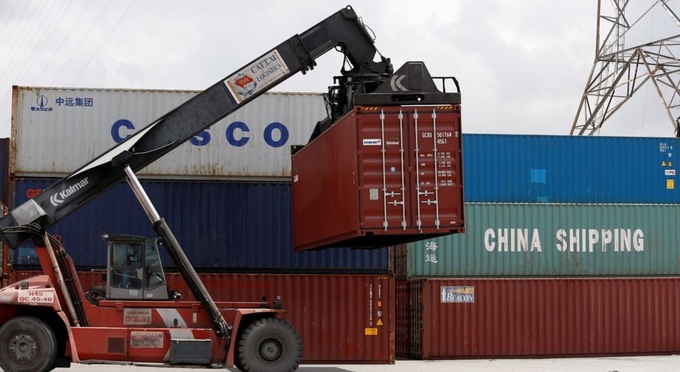
  • Vietnam-Singapore Trade Skyrockets to Historic $36B in 11 Months: A Booming Bilateral Success

    Vietnam-Singapore Trade Skyrockets to Historic $36B in 11 Months: A Booming Bilateral Success

    The trade relationship between Vietnam and Singapore has flourished, with bilateral trade hitting a new high of $27.8 billion in the first 11 months of this year. This marked a significant upsurge of 25.7% from the previous year and is 13.56% over the $31.67 billion reported for the entire of 2024. As a result, Vietnam has retained its position as the 10th largest trading partner of Singapore throughout this period.

    November Trade Growth

    In November alone, bilateral trade between the two nations totalled $2.9 billion, indicating a 15.8% rise from the corresponding month in the previous year. Singapore’s exports to Vietnam were valued at $1.8 billion, a marginal 0.1% increase year-on-year, while its imports from Vietnam saw a substantial surge of 55.2% to $1.1 billion. Among these, the value of domestically manufactured goods fell 13.4% to $450.3 million, while re-exports rose 5.6% to $1.4 billion.

    Impressive Year-to-Date Performance

    The 11-month period saw Singapore’s exports to Vietnam reach $24.5 billion, marking a 17.7% increase year-on-year. Meanwhile, its imports from Vietnam soared to $11.5 billion, posting a massive 47.2% growth. Domestically manufactured exports were valued at $6.6 billion, a 4.8% rise, while re-exports shot up 23.3% to $17.9 billion.

    In terms of trade accounting, Singapore recorded a trade surplus of approximately $13 billion with Vietnam, similar to the preceding year’s figure. However, as re-exports constituted more than 73% of Singapore’s exports to Vietnam, when considering only goods of Singaporean and Vietnamese origin, Vietnam ended up with a trade surplus of $4.88 billion.

    Key Trade Categories

    Machinery and electrical equipment parts, along with mineral fuels, oils and related products, continue to be the two largest export categories from Singapore to Vietnam. These represented a combined value of $16.5 billion, or 67.5% of total exports. Furthermore, machinery and electrical equipment emerged as the top import category from Vietnam for Singapore, with its value more than doubling year-on-year to nearly $5.9 billion.

    Cao Xuan Thang, the Trade Counselor of Vietnam in Singapore, noted that while Singapore’s economic growth in 2026 may decelerate compared to 2025, maintaining product quality, improving design and packaging, employing technology for enhanced efficiency, and protecting brand reputation will be crucial for Vietnamese businesses to sustain export growth in this important trans-shipment market.

    Questions & Answers

    What was the total amount of bilateral trade between Vietnam and Singapore in the first 11 months of the year?
    The total amount of bilateral trade between Vietnam and Singapore in the first 11 months of the year was $27.8 billion.

    What was the percentage increase in Singapore’s imports from Vietnam in the first 11 months compared to the previous year?
    Singapore’s imports from Vietnam witnessed a significant increase of 47.2% in the first 11 months compared to the previous year.

    Which were the two largest export categories from Singapore to Vietnam?
    The two largest export categories from Singapore to Vietnam were machinery and electrical equipment parts, along with mineral fuels, oils and related products.

  • Against The Clock: Inside Vietjet’s 32-Hour Race to Secure its A320 Fleet

    Against The Clock: Inside Vietjet’s 32-Hour Race to Secure its A320 Fleet

    A late-night Airbus alert triggered an emergency EASA directive, giving airlines just 32 hours to update critical flight-control software or face aircraft grounding.

    When Airbus issued an urgent technical alert at 11:00 p.m. on 28 November, Vietjet was thrust into one of the most time-critical operational challenges affecting its Airbus A320-series fleet.

    The alert was followed by a mandatory Emergency Airworthiness Directive (EAD) from the European Union Aviation Safety Agency (EASA), requiring ELAC (Elevator and Aileron Computer) flight-control software on all Airbus A319, A320, and A321 aircraft worldwide to be updated or replaced by 6:59 a.m. on 30 November.

    The directive addressed a specific technical risk. Under certain conditions, the software could be affected by solar radiation interference, potentially triggering uncommanded nose-down inputs. Nearly 6,000 aircraft globally were impacted. In Vietnam alone, 81 aircraft required urgent action, 69 of which were operated by Vietjet.

    The resulting 32-hour window marked an unprecedented operational challenge for Vietnam’s aviation sector, according to a report by Tuoi Tre News.

    Immediate activation of emergency operations

    Within hours of receiving Airbus’ alert, Vietjet activated its Emergency Response Committee, mobilising engineering, flight operations, scheduling, and technology teams across its network.

    Using its AMOS (Aircraft Maintenance and Engineering Operating System) maintenance management system, which integrates fleet data and predictive analysis, Vietjet conducted a real-time assessment of aircraft configurations, locations, and operational constraints. At the same time, contingency plans were developed to maintain network stability, including aircraft redeployment and schedule optimisation to minimise passenger disruption.

    Logistics added further complexity. Airbus estimated that each software update would typically take two to three hours per aircraft, while specialised equipment was limited and aircraft were operating across multiple domestic and international stations.

    A breakthrough on the hangar floor

    The operation reached a turning point in Da Nang, where Vietjet engineer Nguyen Van Trung, drawing on more than 15 years of operational experience, completed a full ELAC software update in just 45 minutes without bypassing any mandatory safety steps.

    Aircraft software updates are multi-layered procedures. Each aircraft has a unique configuration that must be verified, standardised, tested, and cross-checked. One engineer performs the update, while another independently monitors parameters and documentation.

    “Nothing can be skipped,” Trung was quoted as saying. “But experience allows you to know exactly where time can be optimised, and where it absolutely cannot.”

    The first aircraft to complete the update, VN-A644, became the reference point for the revised procedure. The optimised workflow was subsequently standardised and shared with engineering teams at Noi Bai, Tan Son Nhat, and international stations, accelerating progress across the fleet.

    Technology, teamwork, and contingency planning

    Alongside software updates, Vietjet prepared hardware contingency solutions, including pre-positioning ELAC units from grounded aircraft for immediate replacement if required.

    The airline also received support from Vietjet Thailand and other carriers, including Vietnam Airlines and Bamboo Airways, which provided additional equipment to help scale the operation.

    Digitalised technical documentation on iPads, standardised software libraries, and real-time fleet visibility enabled teams to compress administrative timelines while maintaining full compliance with Airbus and EASA safety requirements.

    Aircraft were scheduled for updates between flights at the airline’s main technical bases, allowing the airline to meet the regulatory deadline while maintaining operational continuity.

    Completed ahead of deadline

    By 3:00 a.m. on 30 November, all 69 affected Vietjet aircraft had completed the required software updates, nearly four hours ahead of the EASA deadline. No aircraft was grounded as a result of the issue, and flight operations continued throughout the operation.

    For Vietjet’s leadership, engineering, and operations team, the final hours of November were focused on execution under regulatory time pressure.

    As Vietjet’s Standing Vice President To Viet Thang noted, the 32-hour effort stands as a defining moment — one that transformed a standard three-hour procedure into a 45-minute benchmark under extreme pressure, while upholding uncompromising safety standards.

    A test of operational resilience

    According to Uong Viet Dung, Director General of the Civil Aviation Authority of Vietnam (CAAV), Vietnamese airlines responded proactively following Airbus’ alert.

    Despite the unusually large number of affected aircraft, Vietjet had prepared adequately in terms of technical capability, personnel, equipment, and digital systems, enabling the airline to meet the emergency airworthiness requirements within the mandated timeframe.

    The operation highlighted the airline’s ability to rapidly assess resources, deploy optimised technical solutions, and balance flight operations with mandatory maintenance requirements, in line with international safety standards and regulatory standards.

    Rather than a singular technical fix, the 32-hour response reflected coordinated planning, technical discipline, and cross-border collaboration. In an industry governed by strict safety margins and fixed deadlines, the episode underscored Vietjet’s operational readiness when responding to time-critical regulatory demands.

  • Vietjet Launches 3-Day Flash Sale With Up to 100% Off Fares for Your Next 2026 Travel to Vietnam

    Vietjet Launches 3-Day Flash Sale With Up to 100% Off Fares for Your Next 2026 Travel to Vietnam

    Vietjet has announced a 3-day flash sale offering Singaporean travellers the chance to book flights with discounts of up to 100% on base fares, as demand for Vietnam and regional travel continues to grow heading into 2026.

    From 01:00 on 17 December to 00:00 on 20 December 2025 (GMT+8), passengers booking Eco fares on www.vietjetair.com or the Vietjet Air mobile app can apply promo code BIGTHANKS to enjoy discounts of up to 100% on base fares (excluding taxes and fees). This promotion applies across all Vietjet’s routes, including routes connecting Singapore with key destinations in Vietnam, for travel between 5 January and 31 December 2026 (*), with fares from Singapore to Hanoi, Ho Chi Minh City, Da Nang, and Phu Quoc available from SGD 86/one-way (inclusive of taxes and fees), subject to availability.

    Additionally, Eco passengers travelling on international routes will receive 20kg of complimentary checked baggage (**) and a free SkyFi eSIM with 500MB of high-speed data for use in Vietnam, valid for 31 days from arrival (**). These additional benefits apply to bookings made up to 31 December 2025, subject to terms and conditions.

    Vietnam remains one of the most popular short-haul destinations for Singapore travellers, driven by its proximity, diverse leisure offerings, and growing appeal for blended leisure and business trips. Vietjet’s year-end promotion is positioned to support early planners looking to secure value for travel throughout 2026.

    Vietjet operates a modern fleet and offers a full onboard experience, including hot meals and Vietnamese favourites such as Pho, Banh mi, and iced milk coffee. Passengers can also earn and redeem rewards through the SkyJoy loyalty program, which provides access to offers from more than 250 brands across travel, dining, shopping, and lifestyle categories.

    With limited seats available during the promotion period, travellers are encouraged to book early to secure preferred travel dates and routes.

  • Vietnam Gold Prices Take a Dive Amid Global Decline: A Look at Market Dynamics and Upcoming US Economic Data

    Vietnam Gold Prices Take a Dive Amid Global Decline: A Look at Market Dynamics and Upcoming US Economic Data

    The cost of gold took a significant plunge in Vietnam on Tuesday afternoon in line with a global downtrend. Saigon Jewelry Company, for example, saw a decrease of 1.02% in the price of their gold bars, which fell to VND155.6 million (US$5,908.47) per tael.

    Simultaneously, the price of a gold ring saw a 1.1% drop, landing at VND152.7 million per tael. For reference, a tael is equivalent to 37.5 grams or 1.2 ounces.

    Despite this recent tumble, bullion prices in Vietnam have seen an impressive increase of 85% since the start of the year.

    Global Gold Prices

    The decline in Vietnam’s gold prices also mirrors a worldwide trend. On Tuesday, gold prices slipped internationally as investors adopted a cautious stance in anticipation of crucial U.S. employment and inflation data. This information is expected to provide indications for the Federal Reserve’s policy as we head into the new year.

    In particular, spot gold decreased by 0.3% to $4,290.33 per ounce. However, despite this decline, bullion has experienced a strong rally of 64% year-to-date, breaking multiple records along the way.

    According to Ilya Spivak, the head of global macro at Tastylive, the market is currently weighing whether there’s sufficient conviction to push prices higher, or if this is the point where momentum begins to wane.

    Silver Prices

    In other commodities, spot silver also experienced a decline, decreasing by 1.4% to $63.03 an ounce. This comes after it reached a record high of $64.65 on Friday.

    Questions & Answers

    What caused the decline in gold prices in Vietnam?
    The decline in gold prices in Vietnam is primarily due to a global decrease in gold prices.

    What is the impact of U.S. employment and inflation data on global gold prices?
    U.S. employment and inflation data are key indicators for the Federal Reserve’s policy. As such, they can influence investor sentiment and cause shifts in global gold prices.

    How has the price of bullion changed since the start of the year?
    Despite the recent downturn, bullion prices in Vietnam have increased by 85% since the beginning of the year. Similarly, globally, bullion has rallied 64% year-to-date.

  • Hanoi Apartment Flippers Struggle as Market Cools Amidst Surge in Affordable Housing Options

    Hanoi Apartment Flippers Struggle as Market Cools Amidst Surge in Affordable Housing Options

    In Hanoi, real estate speculators find themselves in difficulty as they attempt to sell apartments, even after dropping prices. The abundance of new, more affordable options coming into the market has caused homebuyers to hold off on purchases.

    Ngoc Huyen, from Hanoi’s Long Bien District, listed her apartment for VND6.2 billion (US$236,000) two weeks ago. Despite reducing her asking price substantially, she has yet to receive any inquiries. Huyen has already paid VND1.4 billion towards her bank mortgage and is currently trying to sell the apartment for VND1.1 billion. However, brokers have warned her that attracting buyers is currently a challenging task.

    Trung Hieu from Dong Anh Commune is facing a similar situation. Despite reducing the price of his VND10.2 billion apartment by VND300 million, he has been unable to find a buyer for over a month.

    The Current Market Landscape

    The market has cooled down significantly following a period of skyrocketing prices, making ‘flipping’ apartments more difficult for speculators. Duc Dung, a broker who specializes in apartments in eastern Hanoi, reveals that the number of sellers reaching out to him has increased by 30-40% from the third quarter. This starkly contrasts with the situation three months ago when most of his calls were from customers looking to buy.

    Vo Huynh Tuan Kiet, director of residential markets at a property consultancy in Vietnam, notes that this year, demand for apartments has been driven primarily by speculators, rather than end-users. Asking prices of more than VND100 million per square meter are considered too steep for buyers with actual residential needs.

    Nguyen Van Dinh, chairman of the Vietnam Association of Realtors, estimates that 70-80% of transactions are from investment and speculation. However, the recent cessation of low-interest mortgage packages by banks has made speculators more hesitant to apply for new loans, thereby reducing demand.

    The Impact of Increased Supply

    An anticipated increase in supply is also dampening the market. In this quarter alone, 11,000 new apartments are expected to enter the Hanoi market. This brings the total launches for the year to more than 32,300 units, surpassing the previous year’s number. Many of these new units are priced more reasonably at around VND50-60 million per square meter.

    Dinh notes that the discrepancy between housing prices and income is discouraging many potential buyers, particularly younger ones. Instead, they are choosing to rent apartments in the city or buy units in suburban areas, where prices are more affordable.

    Questions & Answers

    Why are speculators in Hanoi struggling to sell their apartments?
    Speculators are struggling to sell due to an increase in property supply and a cooling market, coupled with homebuyers waiting for more affordable options.

    What has been the primary driver of apartment demand this year?
    Apartment demand this year has largely been driven by speculators rather than end-users, contributing to the current market conditions.

    How is the anticipated increase in supply impacting the real estate market in Hanoi?
    The expected rise in supply is causing a dampening effect on the market. With more affordable options on the horizon, potential buyers are holding off on purchases, leading to a decrease in demand.

  • Billion-Dollar Boom: Vietnam’s Banana Exports Set to Topple Records

    Billion-Dollar Boom: Vietnam’s Banana Exports Set to Topple Records

    Vietnam’s banana exports could potentially surpass the US$1 billion threshold in the near future due to increased investment, value-chain-driven production, and expanded export markets, a number of experts and industry insiders have highlighted. They shared this optimistic outlook during a recent forum held in Ho Chi Minh City that focused on strategies for preventing and controlling Panama disease in bananas.

    Current Production and Future Prospects

    Assoc. Prof. Dr. Le Quoc Doanh, a previous deputy minister of Agriculture and Rural Development and current chairman of the Vietnam Gardening Association, shed light on the current state of banana production in Vietnam. He indicated that the country produces approximately 2.8 million tonnes of bananas annually.

    Doanh pointed out that both the acreage dedicated to banana cultivation and the resultant yields have been on an upward trend. This growth reflects an increasing market demand and the sector’s expanding production capacity.

    In 2024, bananas accounted for about $372-378 million of Vietnam’s total fruit exports, trailing behind durian, dragon fruit, and coconut. Nonetheless, Doanh believes the current contribution of bananas to the export economy is still quite modest relative to the sector’s production scale and overall potential.

    Pham Quoc Liem, chairman of U&I Agriculture Corporation, shared his insights from a business point of view. He mentioned that the global banana market was worth approximately $15.3 billion in 2024, and is projected to balloon to $21 billion by 2030. Vietnam, despite being the ninth largest banana producer globally, has a relatively low share in banana exports.

    Liem also highlighted that Vietnamese bananas command less than 40% market share in China, around 3% in Japan, and below 17% in South Korea. These figures suggest that there is a significant potential for growth in these markets.

    Challenges Ahead

    The banana industry in Vietnam, while having strong prospects, faces several challenges. Nguyen Quoc Manh, deputy director of the Department of Crop Production and Plant Protection, stated that producers have limited access to market information. This problem is compounded by sharp fluctuations in prices, especially for shipments that fail to meet official export standards.

    Furthermore, stricter technical barriers in some markets, particularly those related to plant quarantine and chemical residue limits, are intensifying pressure on both farmers and exporters.

    Doanh identified plant disease as the greatest threat facing the sector, with Panama disease being the most dangerous. He called for a comprehensive strategy that encompasses plant varieties, cultivation techniques, production organization, and market development.

    Tackling Panama Disease

    Panama disease has been a major global issue since the mid-20th century, inflicting an estimated $1 billion in losses each year. Vietnam has experienced the effects of this disease since 2016-2017, leading to significant reductions in Cavendish banana production and forcing farmers to switch to alternative crops.

    To mitigate the disease’s spread, Vietnam has participated in international cooperation programs such as the Asia-Pacific Banana Network. The country has also boosted its own research and training efforts.

    Dr. Tran Ngoc Hung from the Fruit and Vegetable Research Institute emphasized that the most sustainable solution is developing banana varieties that are resistant to Panama disease.

    Future Developments

    Experts have concurred that with effective disease control, sustainable production restructuring, and stronger value chains, Vietnam’s banana industry can potentially become a billion-dollar export in the near future.

    Manh projected that the total area dedicated to banana cultivation in Vietnam this year would be around 163,000-163,500 hectares, with an estimated annual output of 2.75 million tonnes.

    Questions & Answers

    – What is the current value of Vietnam’s banana exports?
    In 2024, Vietnam’s banana exports were worth approximately $372-378 million.

    – What challenges does the banana sector in Vietnam face?
    The key challenges include limited access to market information for producers, price fluctuations, increasingly strict technical barriers in export markets, and threats from plant diseases, particularly Panama disease.

    – What is the projected annual output of bananas in Vietnam?
    Vietnam is projected to produce an estimated 2.75 million tonnes of bananas annually.

  • Vietnam’s First $1.4bn LNG Power Cluster to Ignite New Era of Clean Energy in 2022

    Vietnam’s First $1.4bn LNG Power Cluster to Ignite New Era of Clean Energy in 2022

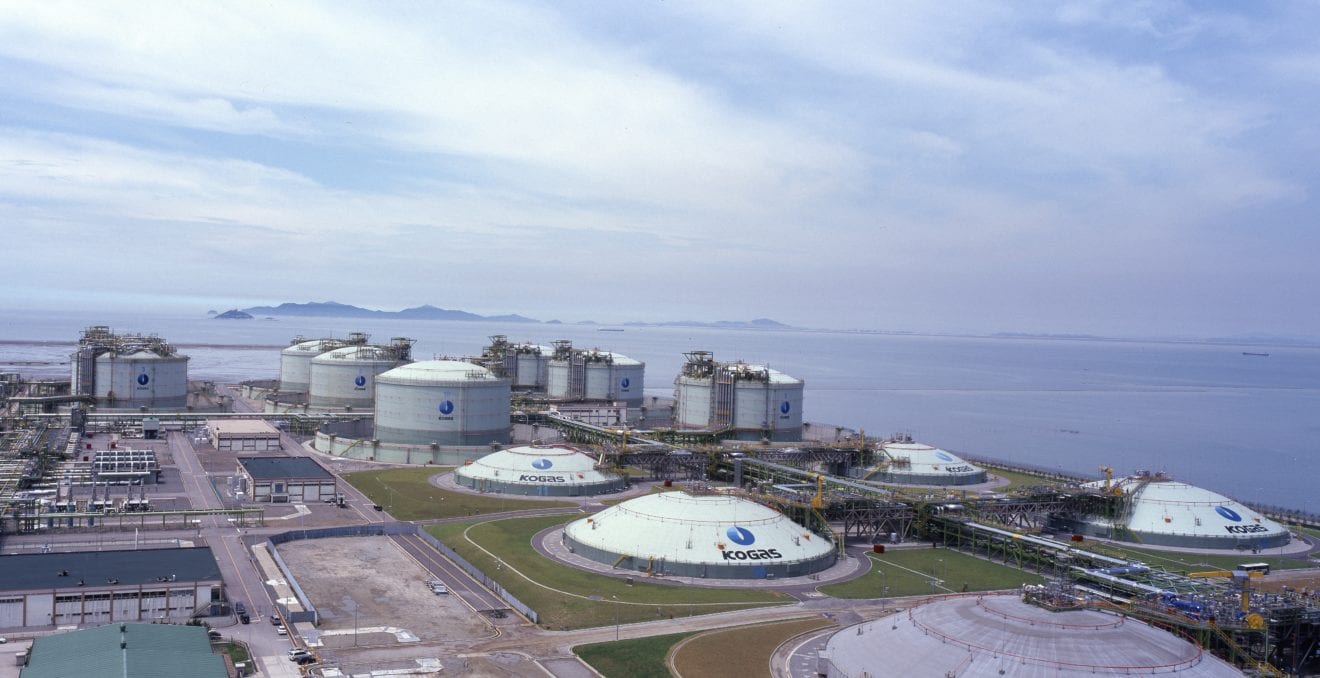
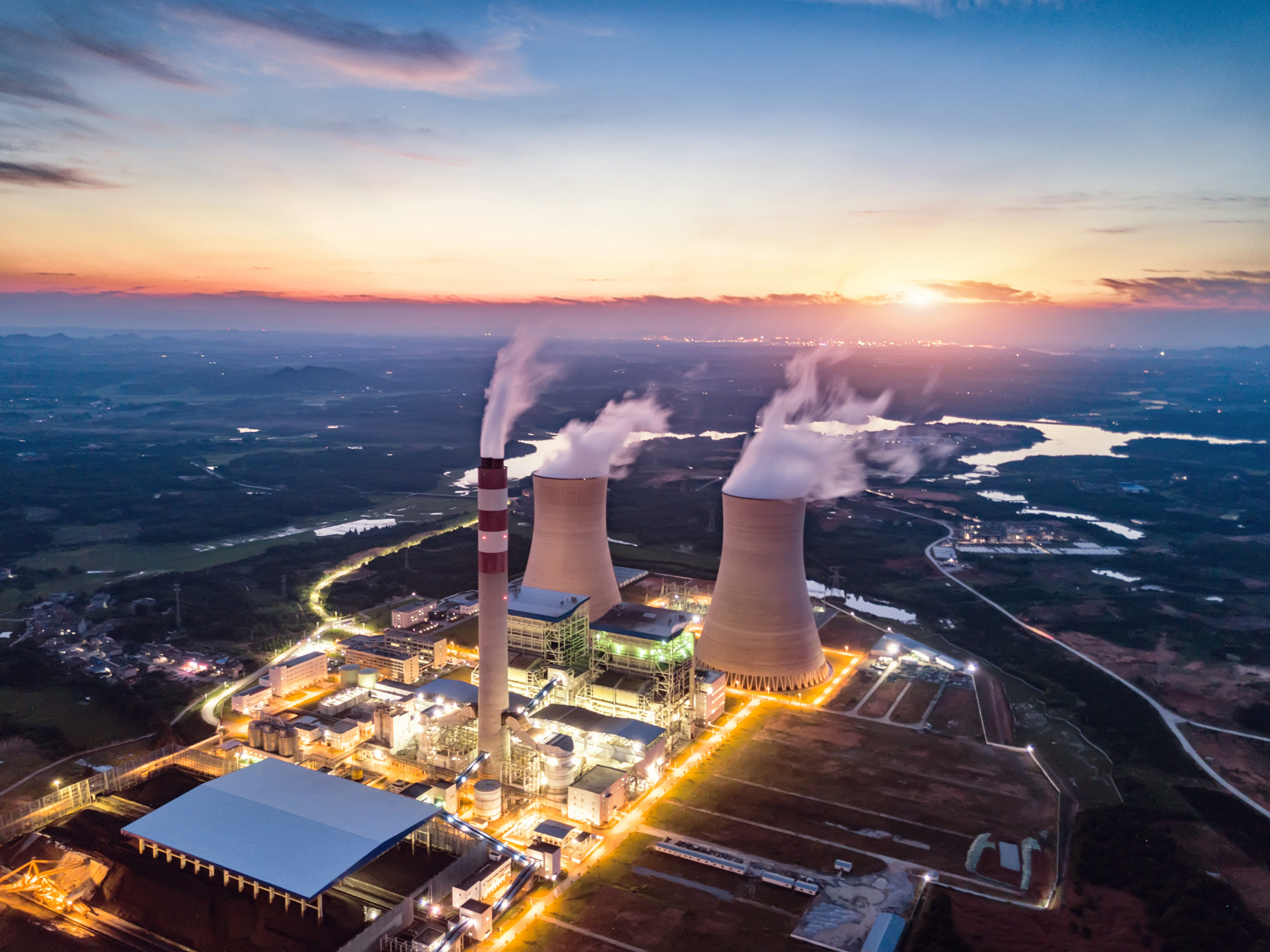
    Vietnam’s first liquefied natural gas (LNG) power cluster, constructed at a cost of US$1.4 billion, is set to commence commercial operations on January 1. The Nhon Trach 3 and 4 LNG-fired plants are located in the southern province of Dong Nai and were launched by state-owned PV Power on a recent Sunday.

    Specifications of the Power Plants

    The two plants, which are designed to utilize imported LNG, boast an annual capacity of generating nine billion kilowatt-hours of electricity. The testing phase of the plants has been concluded, and they have received the necessary licensing to supply power to the grid, according to Nguyen Duy Giang, the Deputy General Director of PV Power, a subsidiary of PetroVietnam.

    Vietnam Electricity has pledged to purchase a minimum of 65% of the plants’ power output for a span of 10 years. This agreement is expected to yield revenues of approximately US$950 million (VND25 trillion) each year for the power plants. Additionally, their technology is designed to facilitate the use of hydrogen, exclusively if required.

    Significance of the LNG Power Cluster

    In a statement, Prime Minister Pham Minh Chinh recognized the significant role that the LNG power cluster plays in bolstering national energy security. He further encouraged the exploration and development of clean energy sources as a means of powering the country’s proposed investments in data centers, digital transformation initiatives, and semiconductor plants.

    As part of Vietnam’s revised power development plan, which was approved in April, LNG-to-power capacity is set to reach 22.5 gigawatts by 2030, a significant increase from less than 1 GW at present. This capacity would account for approximately 10% of the nation’s power mix.

    Questions & Answers

    What is the expected annual capacity of the Nhon Trach 3 and 4 LNG-fired plants?
    The plants are expected to generate nine billion kilowatt-hours of electricity annually.

    What is the financial outlook for these plants?
    Vietnam Electricity has committed to buying at least 65% of the power output from these plants for 10 years, which could generate about US$950 million in revenue each year.

    What contribution is expected from LNG-to-power capacity as per Vietnam’s revised power development plan?
    According to the revised plan, by 2030, LNG-to-power capacity is projected to reach 22.5 gigawatts, contributing roughly 10% to the country’s power mix.

  • Rosatom’s Advanced Nuclear Power Tech to Fuel Vietnam’s Energy Future: New Combined Efforts Revealed

    Rosatom’s Advanced Nuclear Power Tech to Fuel Vietnam’s Energy Future: New Combined Efforts Revealed

    Rosatom, Russia’s state-owned nuclear company, has proposed offering its cutting-edge technology to assist in the construction of Vietnam’s Ninh Thuan 1 nuclear power plant. In a recent phone call, Rosatom’s CEO, Alexey Likhachev, assured Vietnamese Prime Minister Pham Minh Chinh of the company’s commitment to reinforce collaboration and achieve the high-level agreements set between both countries.

    Rosatom’s Planned Delegation to Vietnam

    Rosatom has expressed interest in sending a delegation to Vietnam. The objective of this initiative is to discuss the potential transfer and development of nuclear technology for peaceful applications. Lately, Vietnam has been engaged in discussions with Russia about the Ninh Thuan 1 plant’s construction. This plant is one of two nuclear facilities planned to be developed within the country over the next five years.

    Strengthening Bilateral Relations

    Prime Minister Chinh has previously met with Russian President Vladimir Putin and PM Mikhail Mishustin to discuss the partnership. During his call with Rosatom, Chinh acknowledged Russia’s valuable contributions to the energy sector in Vietnam. This includes the peaceful use of nuclear energy, the education of scientists and experts, and the establishment of an essential foundation for Vietnam’s current nuclear energy sector.

    According to Chinh, Vietnam regards its Comprehensive Strategic Partnership with Russia highly and considers Russia as one of its key partners. The nation hopes to continue collaborating with Russia in all areas, including the peaceful utilization of nuclear energy. This collaboration is targeted not only for mutual benefit, but also to stimulate regional and global development.

    Requested Assistance from Rosatom

    Chinh has sought Rosatom’s assistance for strategic initiatives such as the Ninh Thuan 1 nuclear power plant and the Centre for Nuclear Science and Technology Research. Additionally, he has asked for assistance in overcoming challenges that may hinder the progress of both countries. He also requested Rosatom’s help in training human resources and fortifying the management of the nuclear industry. This includes developing other essential nuclear energy applications like nuclear medicine and irradiation.

    Vietnam is planning to construct two nuclear power plants in Khanh Hoa’s central province as part of its efforts to diversify energy sources. This revives the plan to develop nuclear energy, a plan that was initially discarded in 2016.

    Questions & Answers

    What is the role of Rosatom in Vietnam’s nuclear energy development?
    Rosatom, Russia’s state-owned nuclear company, has proposed to assist in the construction of the Ninh Thuan 1 nuclear power plant in Vietnam, offering its advanced technology and expertise.

    What are the key components of the partnership between Vietnam and Russia?
    The partnership includes the peaceful use and development of nuclear energy, training of scientists and experts, and strategic initiatives like the Ninh Thuan 1 nuclear power plant and the Centre for Nuclear Science and Technology Research.

    What is Vietnam’s future plan for nuclear energy?
    Vietnam plans to develop two nuclear power plants in the central province of Khanh Hoa. This is part of its strategy to diversify its energy sources and revive its previous plans for nuclear energy development.

  • Vietnam Mobility Show 2025: Pioneering Green Technology In The Automotive Industry

    Vietnam Mobility Show 2025: Pioneering Green Technology In The Automotive Industry

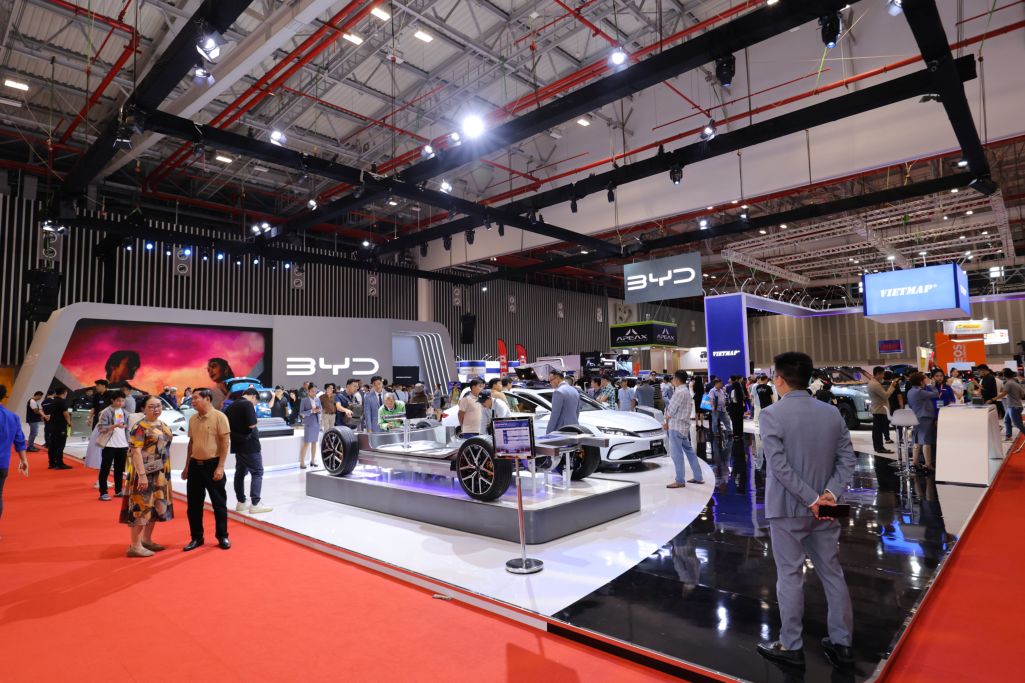
    The Vietnam Mobility Show 2025 is slated to take place in Hanoi from December 26 to 28. This event will present the latest models of cars, motorbikes, and accessories, showcasing cutting-edge technologies and sustainable practices in the automotive industry.

    Eco-friendly Focus

    The show will prominently feature car brands that are employing green technologies and utilizing environmentally friendly materials in an effort to decrease emission and fuel consumption. Aiming to address the pressing environmental issues of our time, the event will also host a seminar titled “Removing Barriers to Accessing Green Vehicles”. This session will gather car manufacturers, distributors, and authorities to discuss viable solutions, goals, and roadmaps for the widespread use and development of electric, hybrid, and other eco-friendly vehicles in Vietnam.

    Experience the Latest Models

    One of the most eagerly awaited components of the exhibition is the test-drive program. Visitors will have the opportunity to experience the latest models, especially those with high performance, on specially designed tracks. Each brand is set to bring a broad range of vehicles for test drives, minimizing wait times for participants.

    Highlighting Electric Motorbikes

    Electric motorbikes will be a vital part of the event, as cities like Hanoi and Ho Chi Minh City are planning to restrict the use of internal-combustion vehicles. This focus on sustainable transportation options aligns with the exhibition’s broader goal of assisting consumers in making educated decisions about their vehicle preferences by blending viewing with test-drive experiences.

    A Celebration for Enthusiasts

    Not just an exhibition, the Vietnam Mobility Show 2025 is also a festival for vehicle enthusiasts and families. The event will feature a dedicated zone for high-performance vehicles, alongside areas for services, accessories, and food. With safety and education in mind, demonstrations on safe charging and how to assist children in escaping from a locked car will be conducted. The event is expected to draw hundreds of thousands of visitors.

    Questions & Answers

    What is the aim of the Vietnam Mobility Show 2025?
    The show aims to present the latest models of cars and motorbikes, spotlighting brands that employ green technologies and sustainable materials. It also seeks to educate visitors, offering test-drive experiences and safety demonstrations.

    What is the focus of the seminar “Removing Barriers to Accessing Green Vehicles”?
    The seminar will bring together manufacturers, distributors, and authorities to discuss strategies, goals, and roadmaps for the development and adoption of electric, hybrid, and other eco-friendly vehicles in Vietnam.

    What experiences will be offered at the event?
    Visitors will have the opportunity to see and test drive the latest car and motorbike models, especially electric and high-performance vehicles. The show will also provide safety demonstrations and various services, accessories, and food options.

  • Vietnam Gold Bar Price Hits Record High amid Rising Global Bullion Rates

    Vietnam Gold Bar Price Hits Record High amid Rising Global Bullion Rates

    Gold bar prices in Vietnam experienced a significant increase on Monday morning, tracking the global rise in bullion rates. The price of Saigon Jewelry Company’s gold bars soared by 0.32%, reaching a record high of VND156.8 million (US$5,959.48) per tael. The same increase was also seen by other financial institutions such as the lender ACB and jewelers PNJ and Doji.

    Local Increases

    Local bullion rates have seen an impressive surge of 86.2% since the beginning of the year, and are now nearly VND20 million per tael higher than the international rates. The price of gold rings also rose by 0.26%, reaching VND154 million per tael. It’s worth noting that a tael is the equivalent of 37.5 grams or 1.2 ounces.

    Global Trends

    On the global front, gold continued to make gains on Monday, bolstered by a weaker US dollar and softer Treasury yields. Investors are closely watching the upcoming U.S. jobs data for indications of the Federal Reserve’s future policy direction. Meanwhile, the price of silver, which saw a record-breaking run last week, remained steady.

    Spot gold increased by 0.4% to reach $4,320.65 an ounce, marking a 64% rise so far this year. U.S. gold futures also rose, with a 0.6% gain to reach $4,354.00 an ounce.

    The dollar is currently near a two-month low, which makes bullion more attractive to international buyers. Experts predict that gold is likely to continue to perform well in light of upcoming U.S. non-farm payrolls data.

    Federal Reserve’s Impact

    Last week, the U.S. central bank implemented a 25-basis-point rate cut, a decision that was not unanimous. Two Federal Reserve officials who voted against this move argued that inflation was still too high to justify a more relaxed policy. This decision has significant implications for non-yielding assets like gold, which generally benefit from a lower interest rate environment.

    Questions & Answers

    How much did the Saigon Jewelry Company’s gold bar price increase?
    The price of Saigon Jewelry Company’s gold bars increased by 0.32%, reaching a record high of VND156.8 million (US$5,959.48) per tael.

    How is the weaker US dollar impacting the gold market?
    A weaker US dollar makes bullion more attractive to buyers outside the U.S., which in turn can drive up global gold prices.

    What was the impact of the U.S. central bank’s 25-basis-point rate cut?
    Interest rate cuts typically benefit non-yielding assets like gold. However, the recent rate cut was a contentious decision, with dissenting officials arguing that inflation was still too high to justify easing the policy.