Tag: Vietnam

  • Vietnam Stocks Plunge to Three-Week Low: VN-Index Slips Amid Massive Selloff

    Vietnam Stocks Plunge to Three-Week Low: VN-Index Slips Amid Massive Selloff

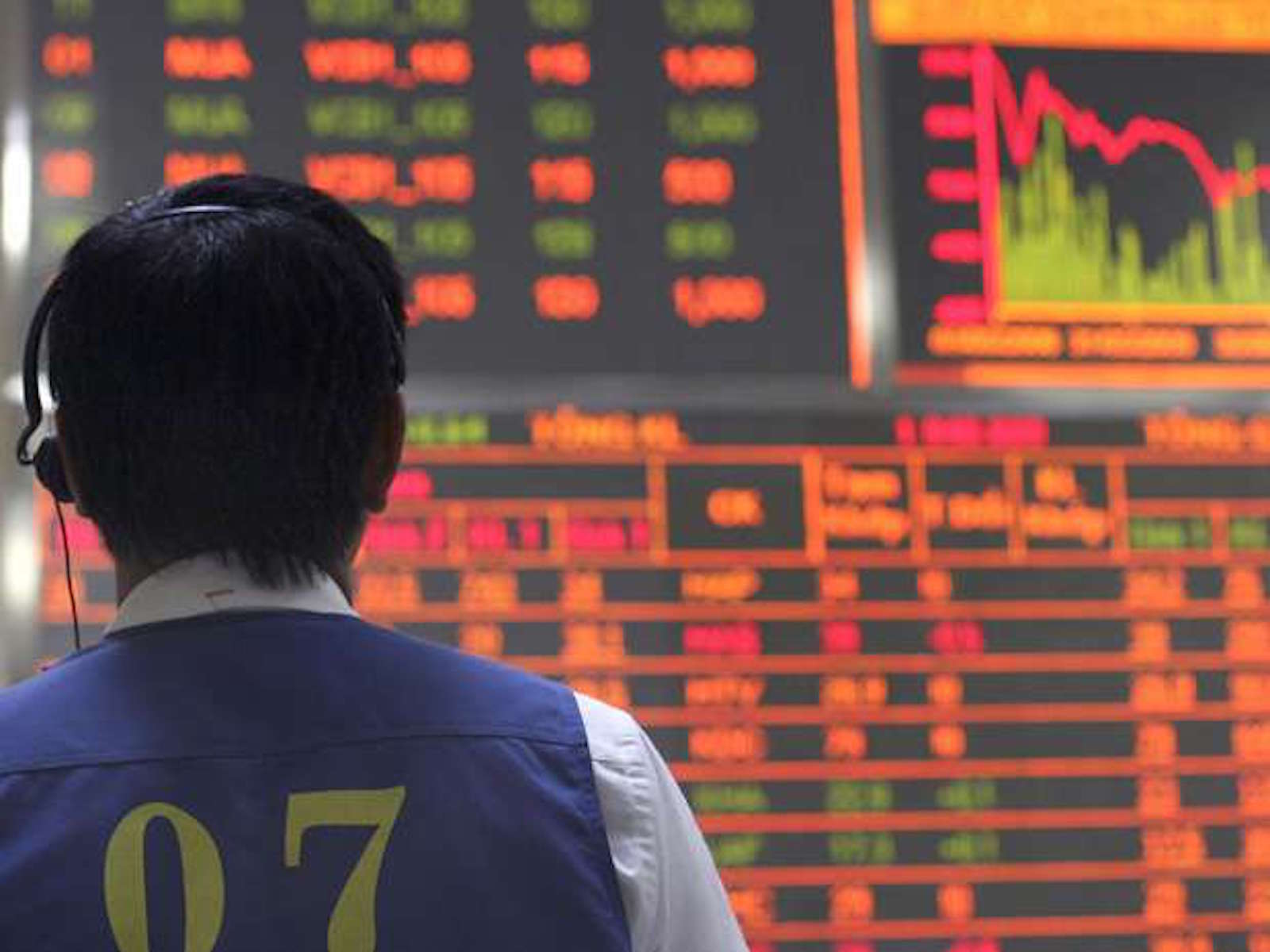
    On Friday, Vietnam’s key VN-Index experienced a significant drop of 3.06%, settling at 1,656.89 points, the lowest it’s seen since November 19. This marked the fourth consecutive session that the index has ended in negative territory.

    Trade Volume Soars on Ho Chi Minh Stock Exchange

    Trading on the Ho Chi Minh Stock Exchange, which forms the basis for the VN-Index, saw a significant increase in activity. The volume of trades surged by 52%, amounting to a total of VND24.7 trillion (US$938 million).

    Most Large Cap Stocks Experience Decline

    In the VN30 group, which encompasses the 30 largest capped stocks, 29 saw a decrease. Notably, Vinhomes, a real estate heavyweight, and Vincom Retail, a retail real estate subsidiary, experienced a substantial decline of 6.9%.

    Other major companies also experienced losses, including private lender VPBank, which saw a drop of 5.7%, and Vietnam Rubber Group, which fell by 5.1%.

    In contrast, Becamex Investment and Industrial Development was the only blue-chip stock that managed to stay in positive territory, albeit with a slight gain of 0.2%.

    Foreign Investors Continue Selling Trend

    Foreign investors continued their selling streak for the sixth session in a row, leading to a net sale of VND571 billion. The most significant sales were from private conglomerate Vingroup and state-owned lender Vietcombank.

    Other Indices Also See Decrease

    Other indices also experienced a decrease. The HNX-Index, which lists stocks on the Hanoi Stock Exchange, primarily those of mid and small-cap companies, decreased by 2.26%. Meanwhile, the UPCoM-Index for Unlisted Public Companies Market fell slightly by 0.61%.

    Questions & Answers

    What is the VN-Index?
    The VN-Index is a capitalization-weighted index of all the companies listed on the Ho Chi Minh Stock Exchange.

    What was the significant trade on Friday?
    On Friday, trading on the Ho Chi Minh Stock Exchange surged by 52%, reaching a total of VND24.7 trillion (US$938 million).

    Which stock experienced the greatest loss on Friday?
    Real estate giant Vinhomes and retail real estate arm Vincom Retail saw the most significant losses, both dipping by 6.9%.

  • Global Market Shifts Trigger Gasoline Price Plunge in Vietnam: A Dive into the Lower Fuel Costs

    Global Market Shifts Trigger Gasoline Price Plunge in Vietnam: A Dive into the Lower Fuel Costs

    In response to global trends, Vietnam witnessed a reduction in gasoline prices on Thursday afternoon. The well-known fuel RON95 observed a decrease of 1.86% from the previous week, resulting in a new price of VND20,080 (US$0.76) per liter.

    Biofuel and Diesel Prices

    There was also a decrease in the price of Biofuel E5 RON92, which dropped by 1.06%, settling at VND19,610. Diesel experienced a similar reduction, with prices falling by1.25% to a new low of VND18,150. This is the lowest price recorded since October 23.

    Global Petroleum Market Influence

    The global petroleum market has been notably influenced in the past week by several international events. These include the peace agreement between Russia and Ukraine and the decision by the U.S. Federal Reserve to lower interest rates, as reported by the Ministry of Industry and Trade.

    In line with these developments, RON95 experienced a drop of 2.4%, with prices now at $79.9 per barrel. Diesel also saw a decrease, declining 1.5% to $84.83 per barrel.

    Questions & Answers

    What led to the decrease in gasoline prices in Vietnam?
    The decrease in gasoline prices in Vietnam was influenced by the current global trends, notably the Russia-Ukraine peace agreement and the U.S. Federal Reserve’s decision to lower interest rates.

    What is the new price for RON95 and Diesel?
    The new price for RON95 is VND20,080 (US$0.76) per liter, and Diesel is VND18,150 per liter.

    What other fuel experienced a price drop?
    Biofuel E5 RON92 also saw a price reduction, dropping by 1.06% to VND19,610.

  • Vietnam Preps for Gold Trading Revolution: National Assembly Mandates Roadmap for Gold Exchange Amid Surging Prices

    Vietnam Preps for Gold Trading Revolution: National Assembly Mandates Roadmap for Gold Exchange Amid Surging Prices

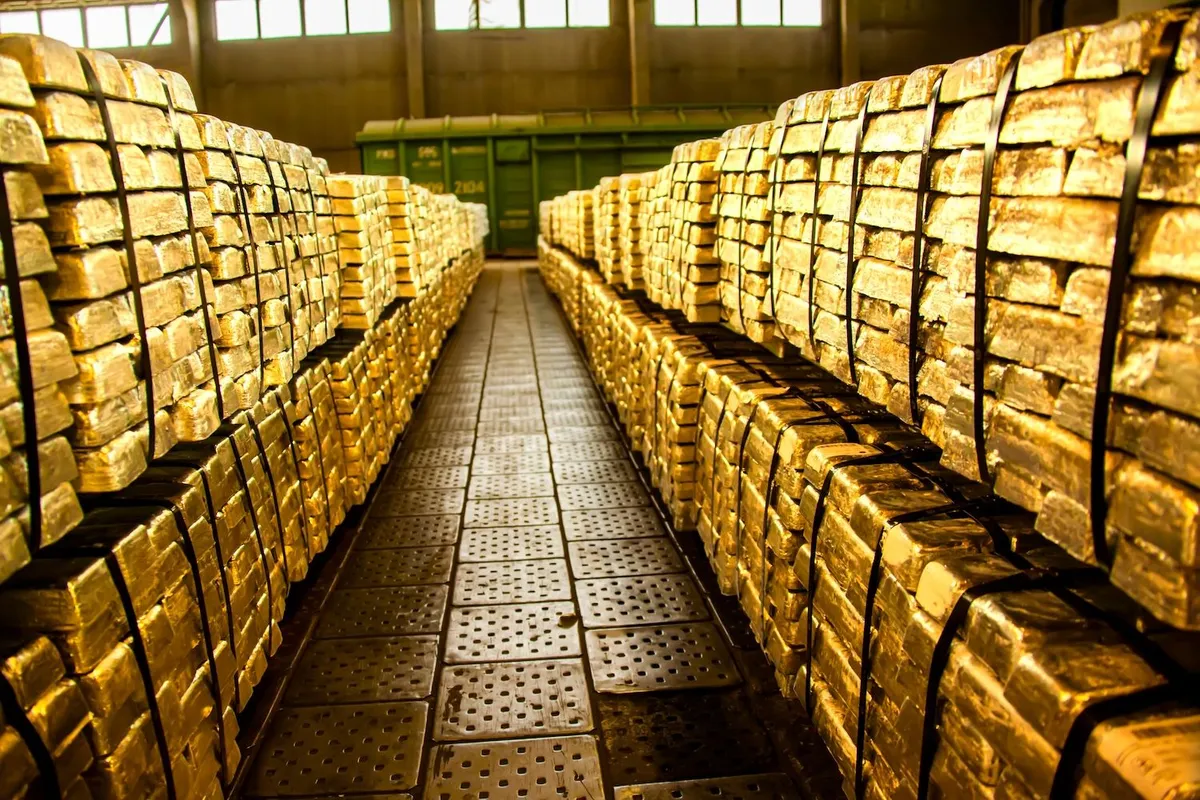
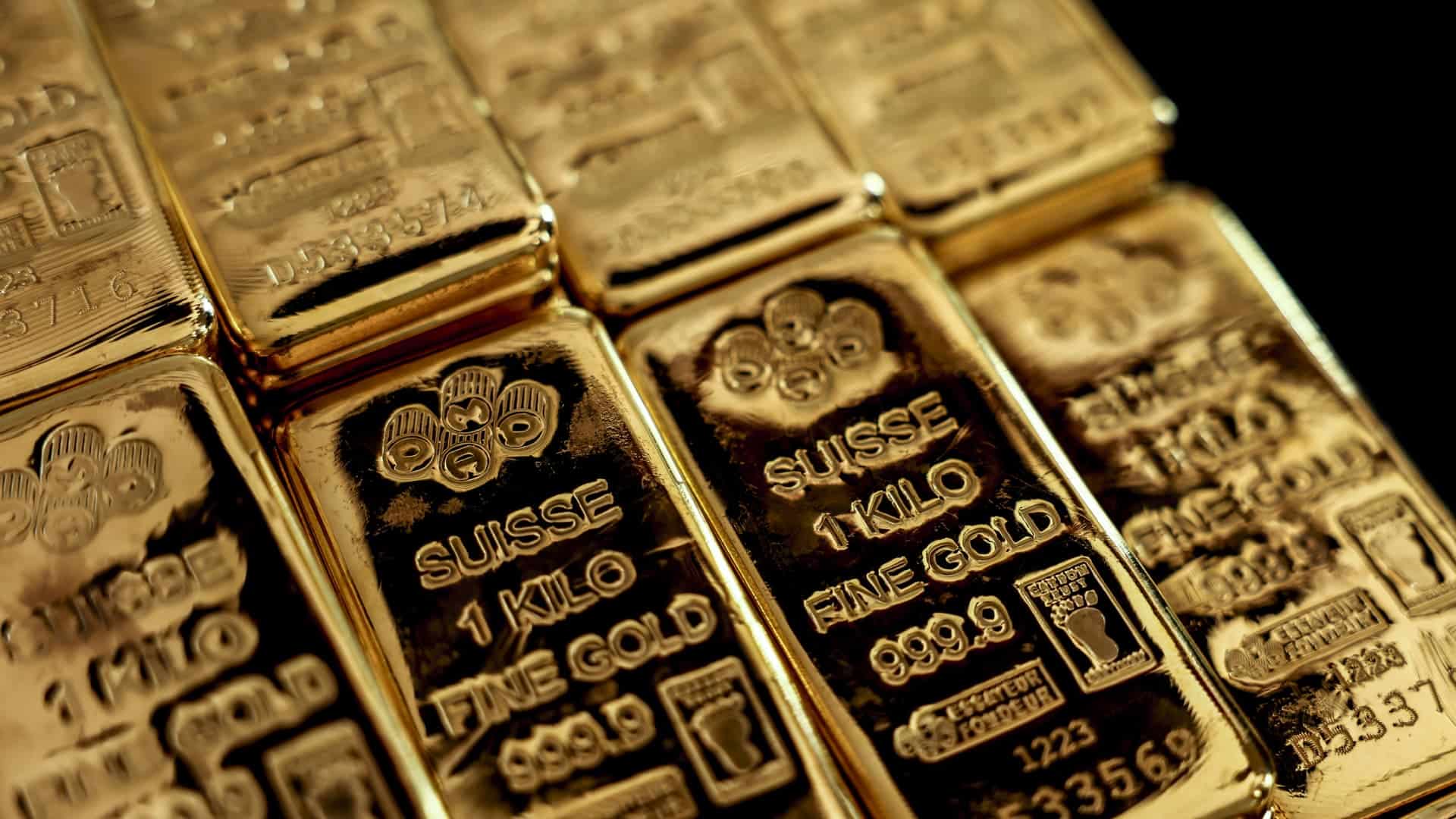
    The National Assembly of Vietnam has directed the government to construct a strategic plan for establishing a gold trading exchange. This endeavor is in response to the escalating prices of gold and aims to control and regulate the bullion market.

    The Need for a Gold Exchange

    Lawmakers have been emphasizing the importance of such an exchange in order to guarantee transparency in gold trading. This concern arises from the current market situation where the gold price in Vietnam is approximately 15% more than the global rates.

    The State Bank of Vietnam’s Plan

    The State Bank of Vietnam has introduced a plan to instigate a gold trading platform in three successive phases. The first phase involves trading raw gold, followed by trading gold bars in the second phase. The final phase will encompass trading gold certificates and derivatives.

    Current Gold Market in Vietnam

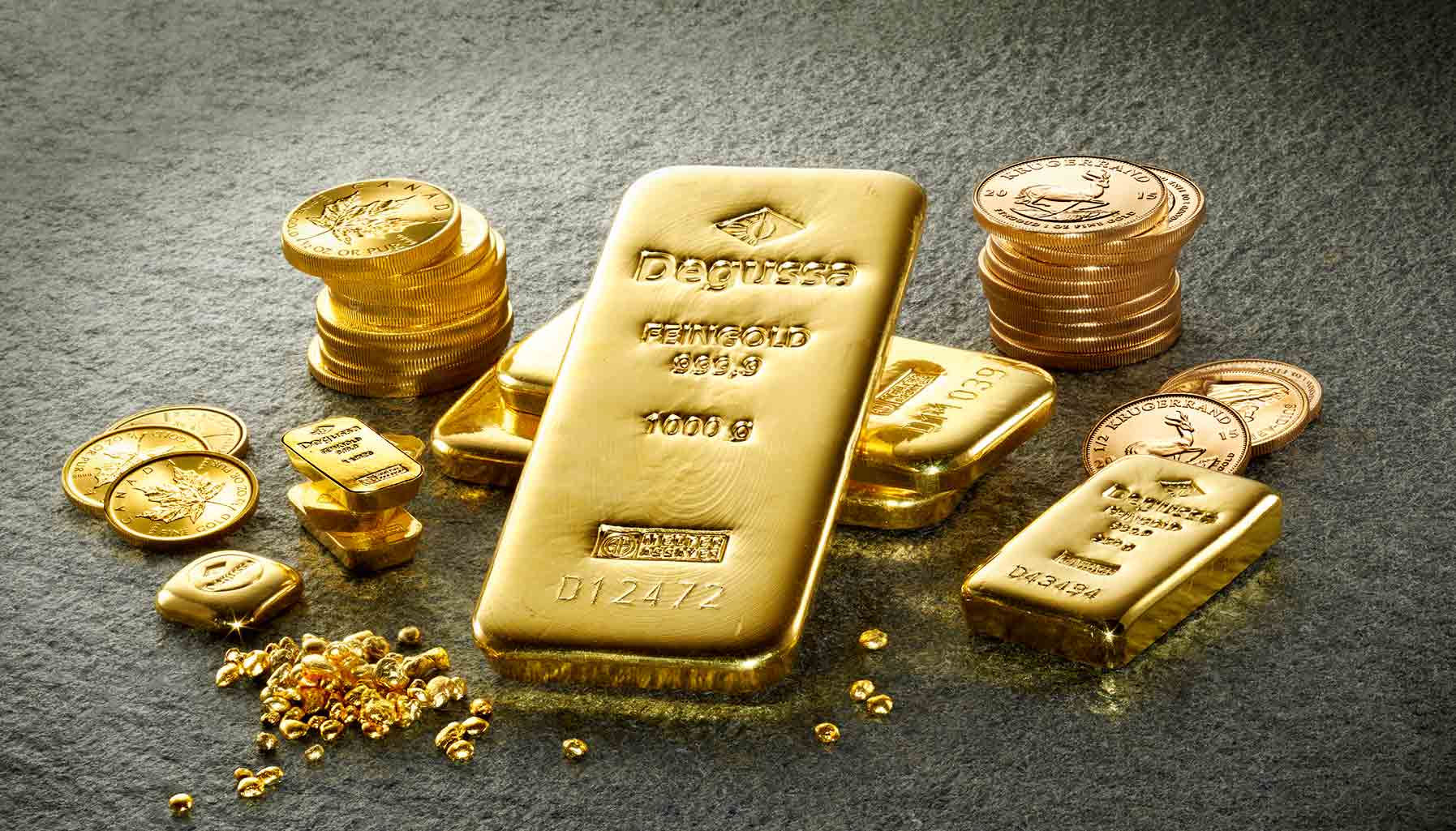
    The Saigon Jewelry Company recently listed the price of gold slightly lower than the highest peak recorded on Dec.1, at VND154.7 million (US$5,873.31) per tael of 37.5 grams. Furthermore, the price of gold in Vietnam has increased by more than 80% since the start of the year.

    In an effort to liberalize the market, the government in October lifted its monopoly on gold production. Private firms meeting specific financial criteria are now allowed to produce bullion.

    Questions & Answers

    What is the new directive given by The National Assembly of Vietnam?
    The National Assembly has directed the government to establish a gold trading exchange to control the bullion market and ensure transparency amid rising gold prices.

    What is the plan of the State Bank of Vietnam regarding the gold trading platform?
    The State Bank of Vietnam intends to set up a gold trading platform in three phases. These include trading raw gold initially, followed by gold bars, and finally gold certificates and derivatives.

    What changes have occurred in the gold market in Vietnam recently?
    Two significant changes have taken place. First, gold prices have risen by more than 80% since the start of the year. Second, the government has lifted its monopoly on gold production, now allowing private firms, that meet certain financial conditions, to produce bullion.

  • Aussie Kaimana Lychees: A Winter Delight in Vietnam at $30 per Kilo

    Aussie Kaimana Lychees: A Winter Delight in Vietnam at $30 per Kilo

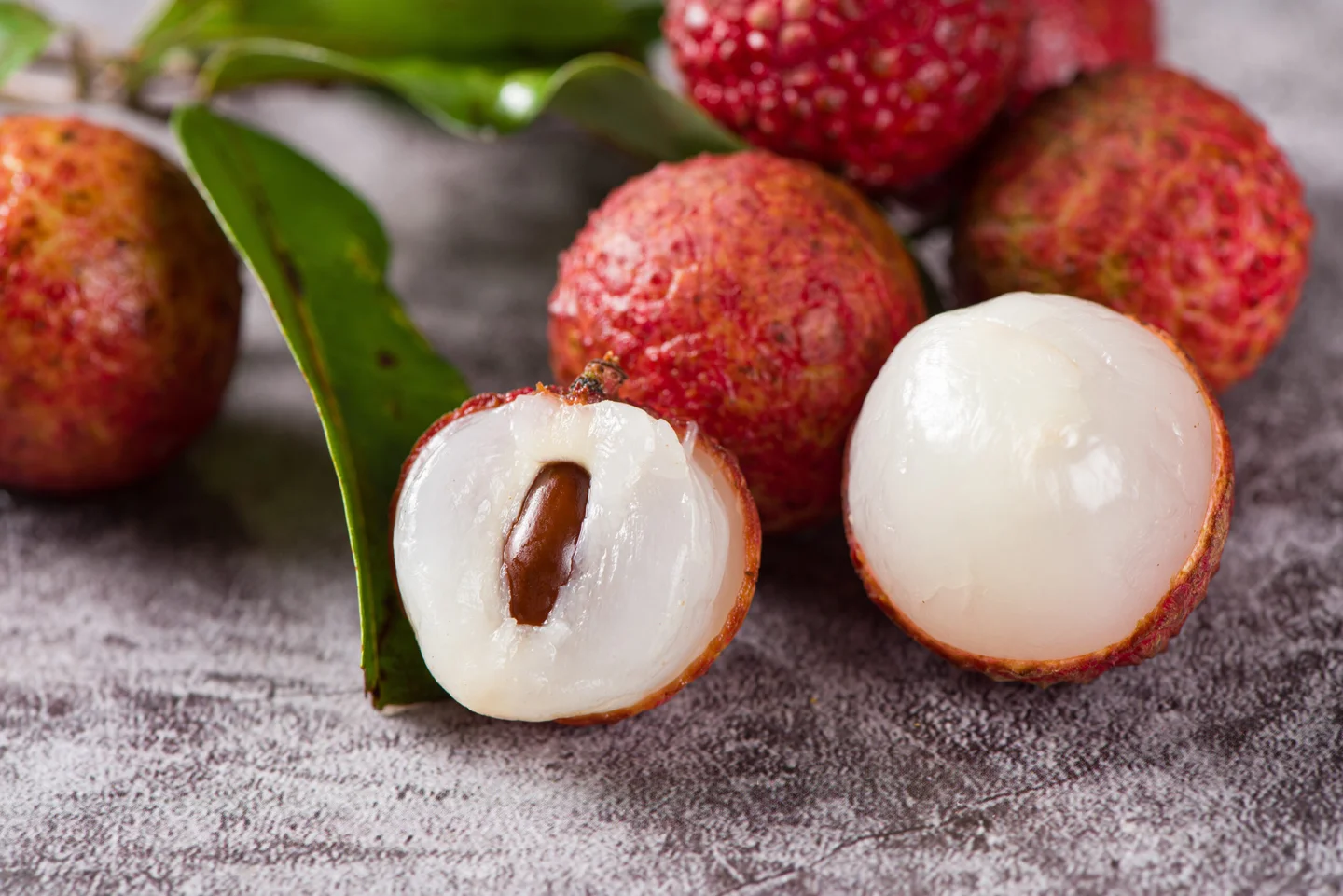
    Australian-imported Kaimana lychees are fast becoming a hot commodity in Vietnam, fetching as much as VND800,000 (US$30.35) per kilogram despite a scarcity of local varieties during the off-season.

    High Demand Despite High Prices

    Phuong, a fruit vendor in the Nha Be Commune of Ho Chi Minh City, reveals that she had recently imported 30 boxes of this coveted fruit. Each box, with a total weight of five kilograms, is going for a whopping VND4 million per box.

    Significantly, these prices are 20% lower than the previous year due to an increase in overall supply. However, they remain seven times higher than premium local varieties such as the Luc Ngan lychees from the Bac Giang Province.

    The Allure of Kaimana Lychees

    As Phuong explains, Kaimana lychees hold a premium status in Australia. They are known for their vibrant dark red skin, thick and crisp flesh, petite seeds, and a refreshing, sweet flavor.

    The fruit is harvested with stems intact and air-transported for maximum freshness upon arrival. This method of transportation ensures the fruit remains fresh and crisp upon reaching consumers.

    Selling Like Hotcakes

    Another fruit seller, Lan Anh of Binh Thanh Ward, shares that her store has sold approximately 100 five-kilogram boxes of this fruit since mid-November. She plans to further import before the supply begins to wane in January.

    Despite the high demand for Kaimana lychees, sellers like Lan Anh only import a few dozen boxes at a time due to the fruit’s short shelf life.

    Australian Lychees in Vietnam

    In the Australian market, premium lychee varieties are typically sold in five-kilogram boxes for US$80 each. Among the country’s 40 lychee varieties, Kaimana is the most common one exported to Vietnam.

    The popularity of Australian lychees in Vietnam can be attributed to their arrival a few months after the local supply has been exhausted post the main season which runs from April to July.

    Questions & Answers

    Why are Kaimana lychees from Australia popular in Vietnam?

    These lychees are popular due to their premium status, unique flavor, and their arrival in Vietnam at a time when local lychee supply is low.

    How are Kaimana lychees transported from Australia to Vietnam?

    These lychees are harvested with stems intact and air-freighted to Vietnam to maintain their freshness.

    Why do sellers import only a few dozen boxes of Kaimana lychees at a time?

    Due to the fruit’s short shelf life, sellers import only a limited quantity at a time to avoid wastage.

  • Vietnam’s Aquatic Exports Soar to Historic Heights, Anticipating $11.3B Record Despite Global Challenges

    Vietnam’s Aquatic Exports Soar to Historic Heights, Anticipating $11.3B Record Despite Global Challenges

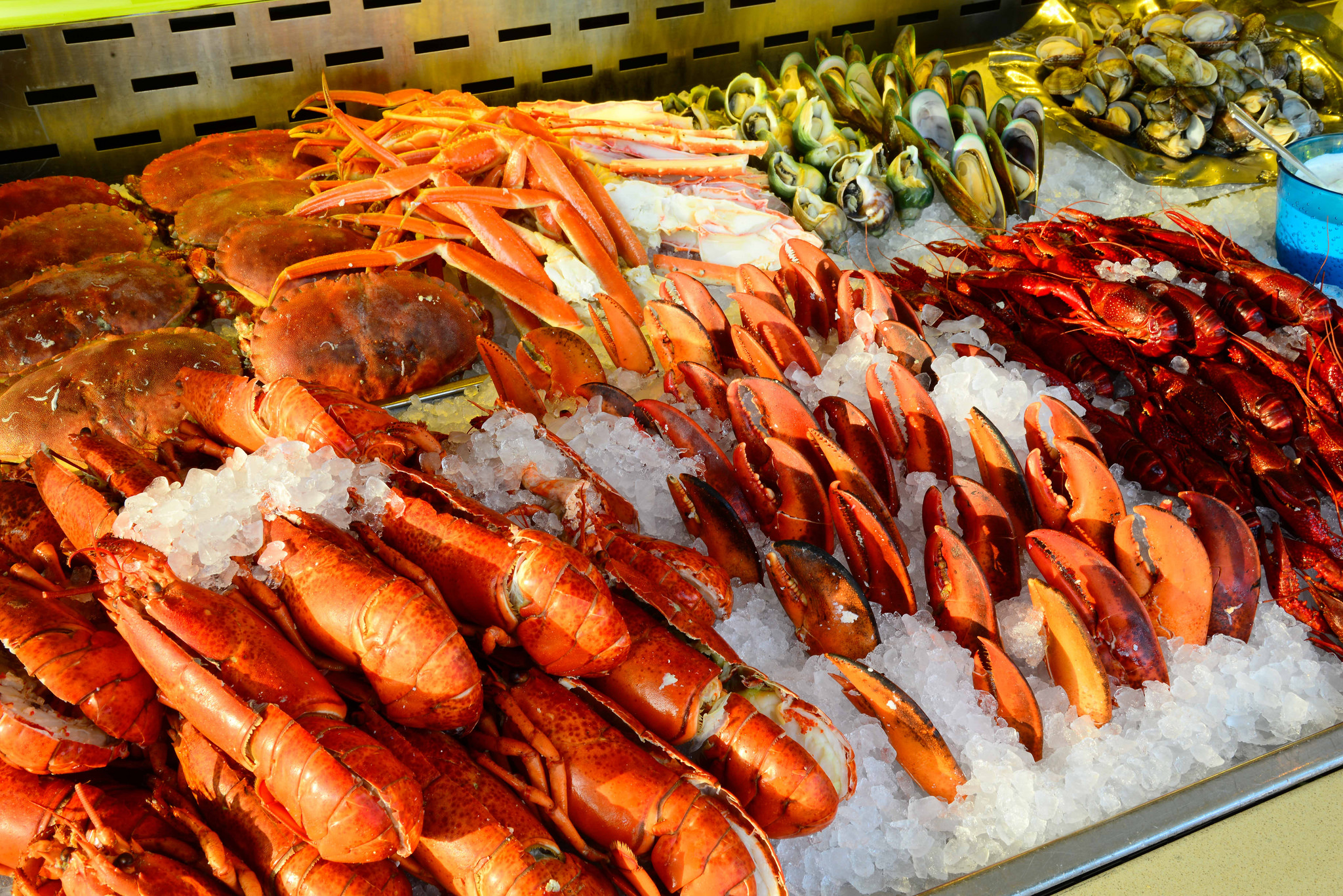
    Vietnam’s seafood exports have consistently shown strong growth, and they are on track to reach an unprecedented high this year, despite certain obstacles. In the initial 11 months of 2025, the total revenue from seafood shipments was over US$10.5 billion, marking an increase of 14.6% compared to the same period in the previous year, as reported by the Vietnam Association of Seafood Exporters and Producers.

    Breakdown of Seafood Exports

    Among the various types of seafood, shrimp was a significant contributor to the overall growth, generating $4.31 billion, representing a 21.2% increase year-on-year. Pangasius, a type of catfish, brought in over $2 billion, a rise of 9%, and tuna accounted for $855.7 million. Furthermore, molluscs, marine fish, and value-added products all experienced growth in the double digits.

    Major Export Markets

    Countries that are part of the Comprehensive and Progressive Agreement for Trans-Pacific Partnership (CPTPP) were the primary recipients of Vietnam’s seafood exports, accounting for 27.2% of total shipments. The volume of exports to these nations grew by 24.3% year-on-year.

    China and the EU also saw significant increases in shipments, with growth of 30.6% and 11.9% respectively. Additionally, exports to the U.S. increased by 8.1%, reaching $1.78 billion.

    Le Hang, the deputy general secretary of the association, observed that the success of Vietnam’s seafood exports, in spite of an unpredictable global market, is a testament to the strategies adopted by its exporters, which are both proactive and adaptable.

    Outlook for December and the Future

    The exports are expected to experience a minor decline in December due to seasonal impacts and a cautious approach from exporters dealing with the U.S., as several businesses have chosen to temporarily limit new orders from the U.S. due to the impending guidance on its Marine Mammal Protection Act. However, shrimp shipments may not be significantly affected due to steady demand from Japan, the EU, and CPTPP nations.

    Looking at the current data and end-of-year projections, it is anticipated that the annual revenue from seafood exports will reach somewhere between $11.2 and $11.3 billion, which would be the highest figure to date. Shrimp exports are projected to exceed $4.6 billion, thereby setting a new record, and it is forecasted that the shipments of pangasius will surpass $2.1 billion due to the recovering demand in Asia. Tuna exports are also estimated to surpass $900 million.

    Questions & Answers

    What factor contributed the most to the growth in Vietnam’s seafood exports?
    The largest contributing factor to the growth in Vietnam’s seafood exports was shrimp, which generated $4.31 billion and saw a 21.2% increase compared to the previous year.

    How have Vietnam’s seafood exports fared in the global market?
    Despite uncertainties in the global market, Vietnam’s seafood exports have shown consistent growth due to the proactive and adaptable strategies of its exporters.

    What is the projected revenue from Vietnam’s seafood exports this year?
    Based on current data and end-of-year predictions, the annual revenue from seafood exports will likely reach between $11.2 and $11.3 billion, which would be the highest figure to date.

  • Casino Operators Battle Proposed Doubling of Monthly Entry Fees to $1,900: A Game Changer?

    Casino Operators Battle Proposed Doubling of Monthly Entry Fees to $1,900: A Game Changer?

    Casino operators are voicing their concerns over a proposed plan by regulatory bodies to increase the monthly casino entry fee to VND50 million ($1,900). Some operators suggest this amount should instead be set as the annual entry fee.

    Increased Entry Prices

    The Ministry of Finance is currently inviting feedback on an initiative to raise the entry fees for casinos. The proposal also includes an increase in the price of a one-day ticket by 2.5 times to VND2.5 million. At the moment, there is no option to purchase annual tickets.

    The Ho Tram Project Company, the entity operating the Ho Tram Casino in Ho Chi Minh City, has put forward a suggestion for the introduction of an annual ticket at a cost of VND50 million, with no changes to the existing rates. This initiative would equate to approximately VND4.2 million per month, or 16.8% of the present VND25 million. The company states that this pricing structure aligns with that of Singapore, where visitors pay VND3 million for a 24-hour pass and VND60 million for an annual pass.

    The Corona Casino, located on Phu Quoc Island, has proposed fixing the one-day ticket price at VND1.5 million, with a VND35 million monthly pass. These prices are 30-40% lower than the new proposed rates.

    Opposition to the Proposal

    The ministry, however, has dismissed both proposals, arguing that increased pricing is necessary to dissuade individuals with insufficient funds from engaging in gambling activities. The Ministry of Justice previously stated that using entry prices as a measure of a player’s finances is not an effective approach.

    At present, Vietnamese citizens are permitted to enter three casinos, the third being the Van Don Casino in Quang Ninh province near the Chinese border. Vietnam has six other casinos; however, these are exclusively open to foreign visitors, as the government continues to maintain strict control over the gambling industry.

    The Phu Quoc casino, which is operated by a subsidiary of Vingroup, was the pioneer in allowing local entry through a pilot program initiated in 2016. The venue houses 1,470 slot machines and 147 gaming tables. Over the past five years, Vietnamese patrons have made up 52% of the casino’s clientele and contributed to 88% of its revenue. However, these figures have seen a downward trend following the Covid-19 pandemic, with local patronage dwindling to a mere 12% last year.

    Questions & Answers

    Why have casino operators objected to the proposed increase in entry prices?
    Casino operators argue that the suggested price hikes could deter visitors, leading to a decrease in revenue. They propose that these increased fees should instead be applied to annual tickets.

    Why does the Ministry of Finance believe higher entry prices are necessary?
    The Ministry of Finance maintains that increased entry prices are a means to discourage individuals who may not have sufficient financial resources from indulging in gambling activities.

    Why have the numbers of Vietnamese patrons at the Phu Quoc casino decreased since the onset of the Covid-19 pandemic?
    The reduction in local patronage may be due to factors such as economic hardship caused by the pandemic, increased health concerns, and the implementation of social distancing measures.

  • Vietnam Shakes Up Gold Market With New 0.1% Transaction Tax: Aiming for Level Playing Field in Asset Classes

    Vietnam Shakes Up Gold Market With New 0.1% Transaction Tax: Aiming for Level Playing Field in Asset Classes

    As per a newly enacted legislation on Wednesday, sales of gold bars will now be subjected to a 0.1% tax, as declared by the National Assembly. However, the responsibility of determining the tax threshold and the schedule of implementation has been delegated to the government.

    The Rationale Behind the Taxation

    The government has previously expressed its stance that taxing gold is a crucial measure in order to limit speculation and facilitate the redirection of more resources towards the economy. The establishment of a taxable threshold is aimed at excluding those individuals who engage in the buying and selling of gold as a form of investment rather than for speculation.

    Investment in gold is a common practice in Vietnam, and the act of selling gold has never been subjected to taxation in the past.

    Creating a Level Playing Field

    Industry analysts have voiced their opinions that the taxation of gold could potentially establish a more balanced environment for all asset classes. The domestic gold market has been a source of major concern for lawmakers due to its volatility, with gold prices witnessing a hike of over 80% since the beginning of the current year.

    At the time of publishing, the price of gold was hovering around VND153.7 million (equivalent to US$5,829.60) for a tael of 37.5 grams, marking 15% higher than the global rates.

    Questions & Answers

    Why has the government decided to tax gold sales?
    The government views this taxation as a necessary step to curb speculation and channel more resources into the economy.

    What does the establishment of a “taxable threshold” imply?
    The taxable threshold is intended to exempt individuals who buy and sell gold as an investment, not for speculation.

    How does this new tax regulation impact the domestic gold market?
    The new tax regulation could potentially create a more balanced field for all asset classes and help control the volatility in the domestic gold market.

  • Spicing Up Profits: Vietnam Rakes in $1.5B from Pepper Exports amid High Demand

    Spicing Up Profits: Vietnam Rakes in $1.5B from Pepper Exports amid High Demand

    By the end of November, Vietnam had exported approximately 225,000 tonnes of pepper, generating over US$1.5 billion in revenue. Despite a 4.4% year-on-year reduction in export volume, there was a 24.4% increase in revenue due to robust demand and consistently high export prices, as reported by the Vietnam Pepper and Spice Association (VPSA).

    Export Prices and Major Markets

    In the period from January to November, the average export price stood at $6,618 per tonne for black pepper and $8,636 per tonne for white pepper. This represented a rise of $767 and $2,175 respectively, compared to the same period the previous year.

    The U.S. continued to be Vietnam’s largest export market, accounting for 21.7% with 48,849 tonnes, despite a 28% decrease. This was followed by the United Arab Emirates (UAE) taking in 19,930 tonnes, China with 17,744 tonnes, India importing 11,750 tonnes, and Germany with 10,876 tonnes.

    November Trade Figures

    In November alone, Vietnam exported 18,582 tonnes of pepper, which included 16,322 tonnes of black pepper and 2,260 tonnes of white pepper. This resulted in earnings of $121.5 million. Compared to October, export volume decreased by 4.4% and value fell by 6.2%. However, compared to the previous year, there was a substantial increase of 16.5% in volume and 14.2% in value.

    The average export price in November was $6,519 per tonne for black pepper and $8,072 per tonne for white pepper. This represents a 1.2% increase for black pepper, but a 3.8% decrease for white pepper on a month-to-month basis.

    Imports of Pepper

    On the import front, Vietnam imported 2,459 tonnes of pepper in November, valued at $15.2 million. This was a significant 47.2% increase from October but a steep 43.9% decrease compared to November 2024. Cambodia was the largest supplier in that month, providing 1,506 tonnes (61.2%), followed by Brazil with 475 tonnes and Indonesia with 210 tonnes.

    By the close of November, Vietnam had spent a total of $252 million on importing 40,242 tonnes of pepper. The year-on-year increase in import volume was 22%, and the value rose by 62.3%, indicating stronger purchasing for re-export and processing. Brazil remained the largest supplier with 18,956 tonnes (an increase of 10.6%), followed by Cambodia with 11,211 tonnes (a surge of 65.5%). Meanwhile, Indonesia supplied 7,156 tonnes, a sharp decrease of 49.3%.

    Questions & Answers

    What was the total revenue from Vietnam’s pepper exports by the end of November?
    Vietnam generated over US$1.5 billion from pepper exports by the end of November.

    Which countries are the biggest importers of Vietnamese pepper?
    The U.S., the United Arab Emirates, China, India, and Germany are the major importers of Vietnamese pepper.

    Who are the main suppliers of pepper to Vietnam?
    Brazil, Cambodia, and Indonesia are the primary suppliers of pepper to Vietnam.

  • Vietnamese Automaker Thaco Joins Forces with Hyundai Rotem for Advanced Rail Tech Transfer

    Vietnamese Automaker Thaco Joins Forces with Hyundai Rotem for Advanced Rail Tech Transfer

    South Korean company Hyundai Rotem, a subsidiary of the Hyundai Motor Group, has entered into a technology transfer agreement with Thaco, a Vietnamese automaker. The deal will enable Thaco to manufacture rolling stock for metros and high-speed railway systems under its own brand, by using Hyundai Rotem’s advanced technologies.

    Integrated System Development

    In addition to the technology transfer, Hyundai Rotem will aid Thaco in the development of an integrated system encompassing signaling and communications, as well as mechanical and electrical components.

    Thaco’s Railway Industrial Complex

    As part of its expansion plans, Thaco aims to construct a railway industrial complex sprawling across 786 hectares in Ho Chi Minh City. The complex will include a manufacturing zone for rolling stock, a closed-loop test track system, and a repair center.

    Thaco’s agreement with Hyundai Rotem aligns with Vietnam’s current contemplation of strategies to advance its railway industry. Earlier this year, Prime Minister Pham Minh Chinh encouraged Thaco to be actively involved in research, technology transfer, and the production of carriages and locomotives for high-speed rail projects.

    Thaco’s Investment in High-Speed Rail Projects

    In May, Thaco proposed to construct the North-South high-speed rail link, with an estimated projected cost of US$61.35 billion. Thaco proposes to contribute 20% of the total cost, with the remaining funds to be borrowed from banks, with the backing of government interest subsidies.

    Thaco also revealed interest in developing the 47-kilometer Ben Thanh-Long Thanh rail line, which would connect downtown Ho Chi Minh City with the soon-to-be-completed Long Thanh International Airport.

    Established in 1997, Thaco has a diversified portfolio that includes the auto, agriculture, construction, and logistics sectors. The company assembles Kia, Mazda, and Peugeot cars and also manufactures trucks and buses under its own brand.

    Questions & Answers

    What is the significance of the technology transfer agreement between Hyundai Rotem and Thaco?
    The agreement will enable Thaco to use Hyundai Rotem’s cutting-edge technologies to manufacture rolling stock for metro and high-speed rail under its own brand.

    What is Thaco’s plan for the development of the railway industry in Vietnam?
    Thaco plans to construct a railway industrial complex in Ho Chi Minh City, which will include a manufacturing zone for rolling stock. They have also shown interest in developing high-speed rail projects, including the North-South rail link and the Ben Thanh-Long Thanh rail line.

    What sectors does Thaco operate in?
    Thaco has a diversified business portfolio, with interests in the auto, agriculture, construction, and logistics sectors. They assemble Kia, Mazda, and Peugeot cars and manufacture trucks and buses under its own brand.

  • Vietjet Enters Peak Travel Season with Record-Breaking Fleet Expansion of 22 Aircraft in One Month

    Vietjet Enters Peak Travel Season with Record-Breaking Fleet Expansion of 22 Aircraft in One Month

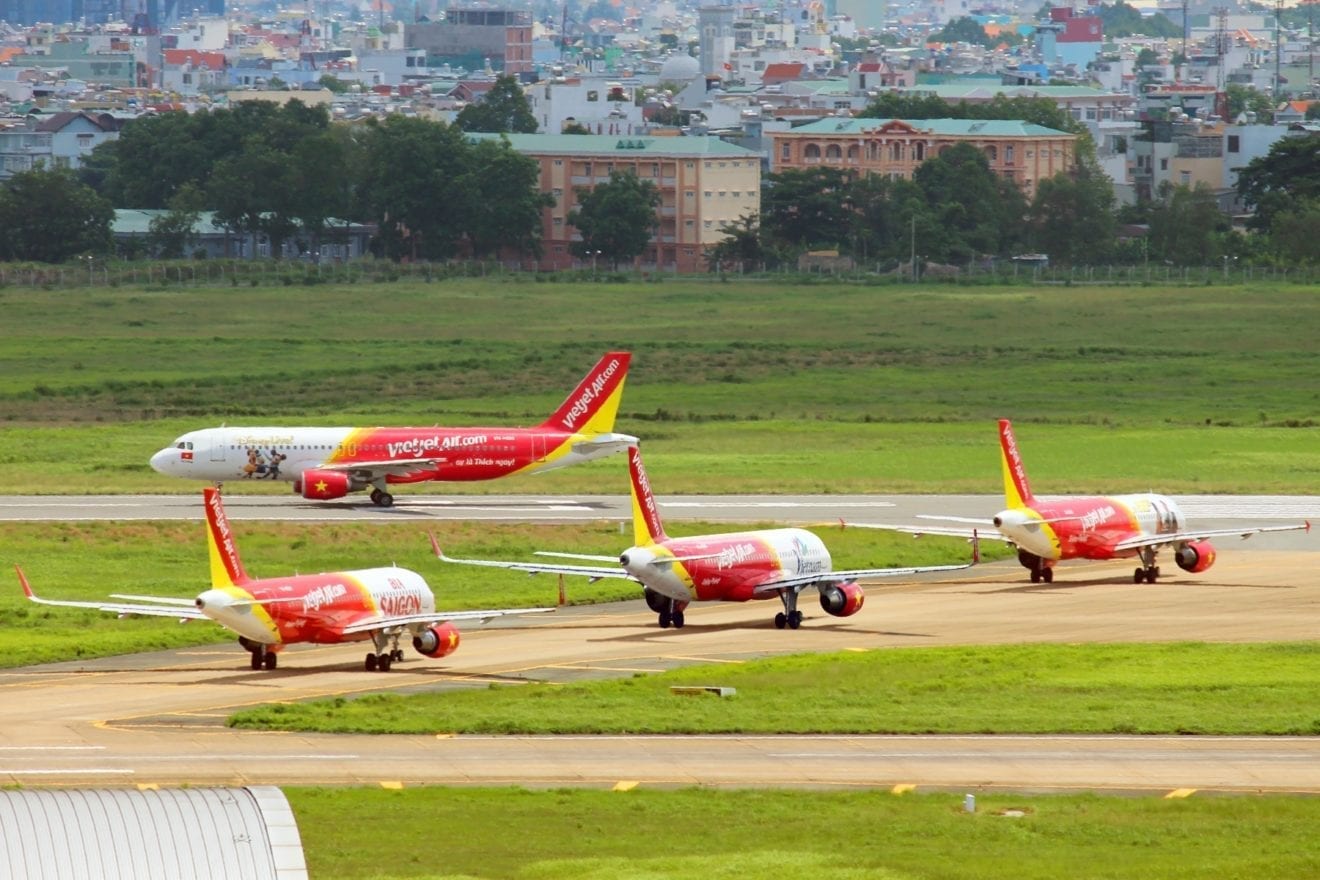
    Vietjet is stepping into the regional travel season with its strongest operational readiness to date, marked by the arrival of a new A321neo ACF, registered VN-A580, and the airline’s unprecedented milestone of taking delivery of 22 aircraft within a single month.

    As Asia gears up for one of its busiest travel periods, including the upcoming Lunar New Year 2026, Vietjet’s record-breaking fleet reinforcement signals a decisive move to ensure capacity, reliability, and network growth for travellers across the region, including four direct routes linking Singapore with Hanoi, Ho Chi Minh City, Da Nang and Phu Quoc.

    The one-month build-up – equivalent to the full fleet of a standalone carrier – represents the largest delivery milestone in the airline’s history and underscores its commitment to meeting heightened travel demand with improved aircraft availability and operational efficiency.

    The newly delivered and upcoming aircraft include:

    • 9 Boeing 737s for Vietjet Thailand;
    • 7 new-generation Airbus aircraft for Vietjet Group in Vietnam;
    • 4 wet-lease aircraft to support peak-season operations;
    • 2 COMAC aircraft currently operating on the Con Dao routes.

    At a time when many global carriers face aircraft shortages and prolonged delivery delays, Vietjet’s ability to secure and activate one of the fastest fleet build-ups in the industry reflects solid financial footing, and the confidence of international partners. With these new aircraft entering service, the airline is set to enhance schedule stability, expand frequencies on popular routes, and reinforce its international network ahead of the travel surge.

  • Vietnam’s Gold Bar Prices Soar Amid Stable Global Bullion Rates and Looming Fed Decision

    Vietnam’s Gold Bar Prices Soar Amid Stable Global Bullion Rates and Looming Fed Decision

    The price of gold bars in Vietnam witnessed a surge on last Friday morning, while global bullion rates continued to remain steady. The Saigon Jewelry Company saw a 0.72% increase in its gold bar pricing, reaching VND154.9 million (US$5,875.79) per tael. The same rate was quoted by PNJ and Doji jewelers as well.

    For this year so far, the bullion has observed a significant gain of 83.9%, and is currently valued at VND21 million per tael above the global rates. The price of gold rings also saw an increase of 0.39%, reaching VND152.5 million per tael. It is noteworthy that a tael is equivalent to 37.5 grams or 1.2 ounces.

    Performance of SJC Gold Bars

    The price of SJC gold bars was recorded to be VND 121.5 million per tael on April 24, 2025.

    Globally, the prices of gold remained largely unchanged on Friday. This stability can be attributed to the increase in U.S. Treasury yields offsetting the influence of a weaker dollar. Investors are keenly awaiting key inflation data, which could provide directional cues for the Federal Reserve’s policy roadmap ahead of its meeting next week.

    Spot gold remained steady at $4,215.92 per ounce, and was headed for a 0.3% weekly decline. The U.S. gold futures for December delivery saw a slight increase of 0.1%, reaching $4,245.70 per ounce.

    The dollar was close to a five-week low against major peers, which made gold priced in greenback more appealing to overseas buyers.

    Over 100 economists polled predict that the Federal Reserve is likely to reduce its key interest rate by 25 basis points in its upcoming meeting next week. This step is aimed at supporting a slowing labor market. Lower interest rates typically favor non-yielding assets like gold.

    According to Kunal Shah, head of research at Nirmal Bang Commodities, “the market is awaiting fresh triggers that might come in the form of the Federal Reserve’s actions. Gold is currently consolidating after a brief run in November, but the trend going forward appears to be on the rise.”

    Questions & Answers

    What was the recent rise in the price of gold bars in Vietnam?
    The price of gold bars in Vietnam rose by 0.72% recently.

    What is the current trend in the global gold market?
    The global gold market is currently experiencing a phase of consolidation, with a potential upward trend in the near future.

    How might the upcoming Federal Reserve meeting impact the gold market?
    Decisions made at the upcoming Federal Reserve meeting, particularly concerning interest rates, could provide fresh triggers for the gold market. A reduction in the key interest rate could favor non-yielding assets like gold.

  • Vietnamese Dong Gains Edge as U.S. Dollar Dips Near Five-Week Low: Fed Rate Cut in Sight?

    Vietnamese Dong Gains Edge as U.S. Dollar Dips Near Five-Week Low: Fed Rate Cut in Sight?

    On a recent Friday morning, the U.S. dollar experienced a minor depreciation against the Vietnamese dong, continuing its trend near a five-week low against major global currencies. Vietcombank, one of Vietnam’s most significant financial institutions, recorded the greenback’s trading value at VND26,408, marking a marginal decline of 0.004% from the previous day’s closing. Concurrently, the black market saw the U.S. dollar’s value slide by 0.05% to approximately VND27,402.

    The Exchange Rate Scenario

    Reflecting global trends, the State Bank of Vietnam adjusted its reference rate down by 0.004% to VND25,151. Globally, the U.S. dollar has been trading near a five-week low against its principal counterparts, contributing to expectations of a rate cut by the Federal Reserve in the following week.

    The dollar index, which gauges the U.S. currency against a basket of six significant rivals, remained static at 99.065 in the early Asian market hours. Earlier, it had dropped to a five-week low of 98.765, maintaining its trajectory for a 0.4% drop over the week.

    Performance Against Other Currencies

    Against the yen and the euro, the dollar’s performance was relatively unchanged at 155.18 yen and $1.1647 respectively. The British pound remained robust at $1.3326, despite retreating from a six-week high in the prior trading session.

    The Australian dollar stayed consistent at $0.6609, following its surge to a two-month peak of $0.6624 the previous day. The Canadian dollar, or loonie, mirrored this stability, registering little change at C$1.3961 per U.S. dollar. Meanwhile, the Swiss franc remained steady at 0.8035 per dollar, despite recoiling sharply from Wednesday’s high of 0.7992 in the overnight session.

    Future Expectations

    The U.S. dollar has faced additional devaluation pressure in recent times due to speculation regarding changes in the Federal Reserve’s leadership. Market participants are contemplating the implications of Kevin Hassett, the White House economic adviser, potentially succeeding Jerome Powell as the Federal Reserve Chair following the conclusion of Powell’s term in May. Hassett’s anticipated advocacy for further rate cuts is contributing to these market dynamics.

    Questions & Answers

    Why is the U.S. dollar weakening against the Vietnamese dong?
    The dollar’s depreciation can be attributed to global financial trends and expectations of a forthcoming rate cut by the Federal Reserve.

    What impact does the Federal Reserve chair’s potential succession have on the dollar?
    The potential appointment of Kevin Hassett, known for advocating further rate cuts, as the Federal Reserve chair has escalated speculation and heightened pressure on the U.S. dollar.

    How did other major currencies perform against the dollar?
    The dollar’s performance was relatively stable against the yen, euro, pound, Australian dollar, Canadian dollar, and Swiss franc.

  • US Dollar Dips to Five-Week Low: Anticipations Rise for Potential Federal Reserve Rate Cut

    US Dollar Dips to Five-Week Low: Anticipations Rise for Potential Federal Reserve Rate Cut

    On Friday morning, the strength of the U.S. dollar saw a slight decrease against the Vietnamese dong, trading near a five-week low against major currencies. The Vietnamese-based commercial bank, Vietcombank, traded the U.S. dollar at a rate of VND26,408, a marginal decrease of 0.004% from the previous day’s rate. Additionally, on the unofficial black market, the currency showed a 0.05% slip, trading at around VND27,402.

    Vietnam’s Central Bank Update

    The State Bank of Vietnam adjusted their reference rate down by 0.004% to VND25,151. This rate is the benchmark against which banks in the country can negotiate their exchange rates for the day’s transactions.

    Global Performance of U.S. Dollar

    Internationally, the U.S. dollar was hovering near a five-week low against its major competitors on Friday. This global performance has been primarily driven by the anticipation of a rate cut by the U.S. Federal Reserve in the following week.

    The dollar index, a measure of the U.S. currency against six key global currencies, was static at 99.065 early in Asia. This followed a previous downward shift that saw the index touch a five-week low of 98.765. The overall trend for the week indicates a likely 0.4% decrease in the index.

    Cross currency rates remained relatively stable. The U.S. dollar traded at 155.18 yen, while the euro stood steady at $1.1647. The British pound remained firm at $1.3326, after pulling back from a six-week high the previous day.

    The Australian dollar held steady at $0.6609, after reaching a two-month high of $0.6624 on Thursday. Meanwhile, the Canadian dollar was trading at C$1.3961 against the U.S. dollar, with the Swiss franc at 0.8035, following a significant pullback from Wednesday’s two-week high of 0.7992.

    Future Projections

    The U.S. dollar faced further pressure due to speculations surrounding potential changes in the Federal Reserve leadership. The current term of Jerome Powell, the Fed Chair, is set to end in May. Anticipations of White House economic advisor, Kevin Hassett, taking over the role are high, and he is expected to advocate for additional rate cuts.

    Questions & Answers

    What was the trading rate of the U.S. dollar at Vietcombank on Friday?
    The U.S. dollar was traded at VND26,408 at Vietcombank on Friday.

    What changes were observed in the U.S. dollar’s performance against major currencies?
    On Friday, the U.S. dollar was trading near a five-week low against major currencies.

    Who is expected to succeed Jerome Powell as the Fed Chair, and what is anticipated from his tenure?
    White House economic advisor, Kevin Hassett, is expected to succeed Jerome Powell. Hassett is likely to advocate for more rate cuts.

  • Vietnam’s Gasoline Prices Surge Amid Global Market Tensions, While Diesel Hits Six-Week Low

    Vietnam’s Gasoline Prices Surge Amid Global Market Tensions, While Diesel Hits Six-Week Low

    The cost of gasoline experienced a slight rise on Thursday afternoon, while the price of diesel continued to experience a significant decline. The widely used fuel, RON95, saw an increase of 2.3% from the previous week, resulting in a new price per litre of VND20,460, equivalent to USD 0.78.

    Biodiesel E5 RON92 saw a moderate increase of 2.8%, bringing its price to VND19,820. Contrary to the aforementioned fuels, diesel experienced a drop in price, falling 3% to VND18,890. This price marks the lowest cost for diesel in the last six weeks.

    Global Market Impact

    The global petroleum market has been influenced by various factors over the past week. Notably, escalating tensions between the U.S. and Venezuela have thrown this market into fluctuation. In addition to this, the inability of the U.S. and Russia to negotiate a resolution to the ongoing conflict in Ukraine has further affected the market, according to the Ministry of Industry and Trade.

    The price of RON95 increased by 2.9%, reaching $81.9 per barrel. Meanwhile, diesel prices fell by 2.7% to $86.1 per barrel.

    Questions & Answers

    What is the new price of RON95 and diesel?
    The new price of RON95 is USD 0.78 per litre, while diesel has fallen to VND18,890, equivalent to $86.1 per barrel.

    What factors have influenced the global petroleum market recently?
    The escalating tensions between the U.S. and Venezuela, and the ongoing conflict in Ukraine due to the failed agreement between the U.S. and Russia are the main factors influencing the global petroleum market.

    How has the price of biodiesel E5 RON92 changed?
    Biodiesel E5 RON92 has seen a moderate increase of 2.8%, resulting in a new price of VND19,820.

  • Vietnam’s Durian Domination: Record-Breaking Exports Propel Agriculture to New Heights

    Vietnam’s Durian Domination: Record-Breaking Exports Propel Agriculture to New Heights

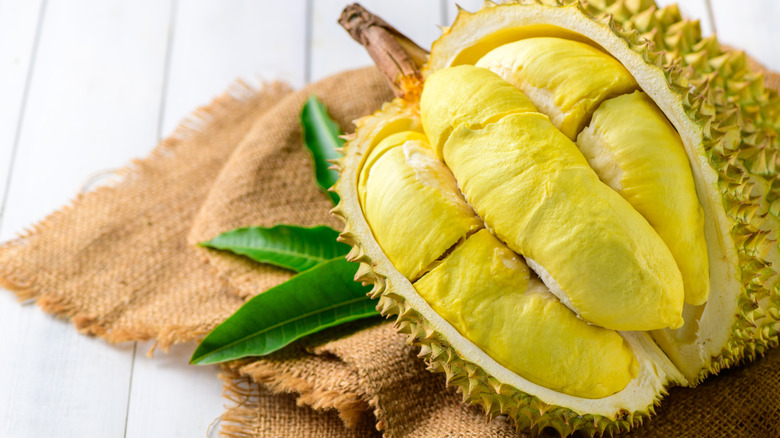
    In the first ten months of the current year, Vietnam experienced an unprecedented surge in durian exports, reaching a historic high of US$3.3 billion. This represents a 10.4% increase year-on-year. Vietnam Customs data shows that durian exports continue to play a dominant role in the nation’s agricultural export revenue.

    China: The Main Market for Vietnamese Durians

    A staggering 94% of all durian exports, equivalent to $3.14 billion, were shipped to China, marking a 14% increase year-on-year.

    Dang Phuc Nguyen, the General Secretary of the Vietnam Fruit and Vegetable Association, reported that Vietnamese durian exports have been experiencing robust growth despite stricter inspections by Chinese authorities for banned substances. This growth, he suggested, is attributed to the improved quality and competitive pricing of Vietnamese durians.

    On average, the export price for a ton of durian was $3,696, approximately 15% less than the price for Thai durians. This makes Vietnam the second largest durian exporter to China, following Thailand.

    Improvements and Investments in Quality Control

    In response to China’s tighter quality standards, many Vietnamese exporters have made considerable investments in cold storage and packaging facilities and have also taken steps to establish their own brands.

    The Ministry of Agriculture and Environment has responded by implementing a quality control process specifically for durian.

    Other Markets for Vietnamese Durians

    Apart from China, other markets have also demonstrated strong growth in their imports of Vietnamese durians. Hong Kong, for instance, increased its imports by nearly 89%, equating to over $45 million. Other countries including Papua New Guinea, Malaysia, Japan, and Canada have also notably increased their purchases of this fruit.

    Analysts’ Warnings

    Despite the remarkable figures, analysts have cautioned Vietnam against becoming too dependent on one single product like durian, which currently constitutes over half of its fruit and vegetable exports.

    In order to maintain growth and solidify its position in major markets, experts suggest that the nation’s agricultural sector diversify its products, enhance cold-chain systems, and implement stricter quarantine and storage quality standards.

    Nguyen remains optimistic about the future of durian exports, projecting that, given current growth trends and positive indications, they could reach a record-breaking $4 billion this year.

    Questions & Answers

    What was the value of Vietnam’s durian exports in the first ten months of this year?
    The value of Vietnam’s durian exports in the first ten months of this year was a historic US$3.3 billion.

    Who is the primary purchaser of Vietnamese durian?
    China is the primary purchaser of Vietnamese durian, accounting for 94% of all exports.

    What are analysts’ recommendations to sustain the growth of Vietnam’s agricultural sector?
    Analysts recommend that the agricultural sector diversify its products, improve its cold-chain systems, and enforce stricter quarantine and storage quality standards to sustain growth.