Tag: Vietnam

  • Beer companies enjoy recovery

    Beer companies enjoy recovery

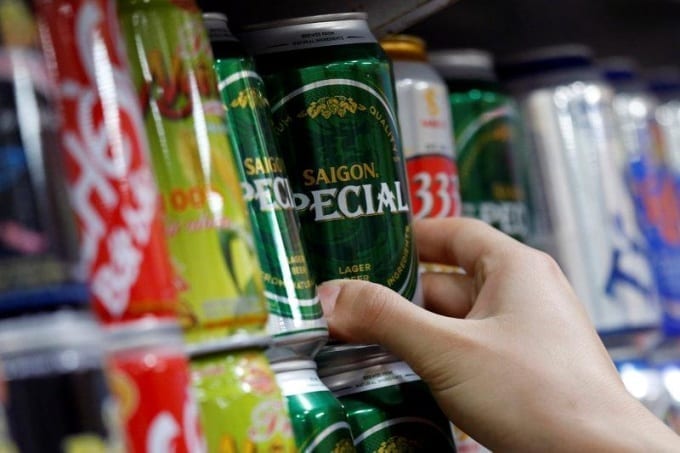
    Better second-quarter figures could indicate that the most challenging period for beer makers this year could have ended, a report says.

    Vietnam’s biggest brewer Sabeco saw a year-on-year revenue fall of 21 percent in the second quarter, smaller than the 47 percent recorded in the first quarter, according to a recent report from top brokerage SSI Securities Corporation.

    Its SAB shares’ prices have risen 66 percent from the lowest point it had reached this year on March 24 to VND191,500 ($8.26) Monday.

    The SSI analysts expect Sabeco sales to improve in the second half of the year if a nationwide social distancing campaign is not imposed as had happened in April.

    They also estimate that Sabeco’s revenues rise 23 percent over this year to VND33.3 trillion ($1.4 million) in 2021.

    A similar trend can be seen at the Hanoi Beer Alcohol and Beverage Jsc (Habeco), the report said. Its year-on-year revenues fell just 12.9 percent in the second quarter, compared to 50.6 percent the previous.

    Prices of Habeco’s BHN shares have risen 28 percent from its bottom on April 8 to VND52,400 ($2.2) Monday.

    However, the SSI analysts also said that beer consumption in Vietnam will take years to recover to levels recorded before the pandemic and imposition of tougher fines for drunk driving in January this year.

    Beer consumption in the first half of this year fell 12.7 percent year-on-year, according to a report by market research firm Nielsen. However, production in May rose 60 percent from the monthly average between February and April, it added.

    Vietnam consumed more than 4.6 billion liters of beer last year, up 10 percent from 2018, according to SSI.
  • Investors fail in plans to increase Vinamilk stake

    Investors fail in plans to increase Vinamilk stake

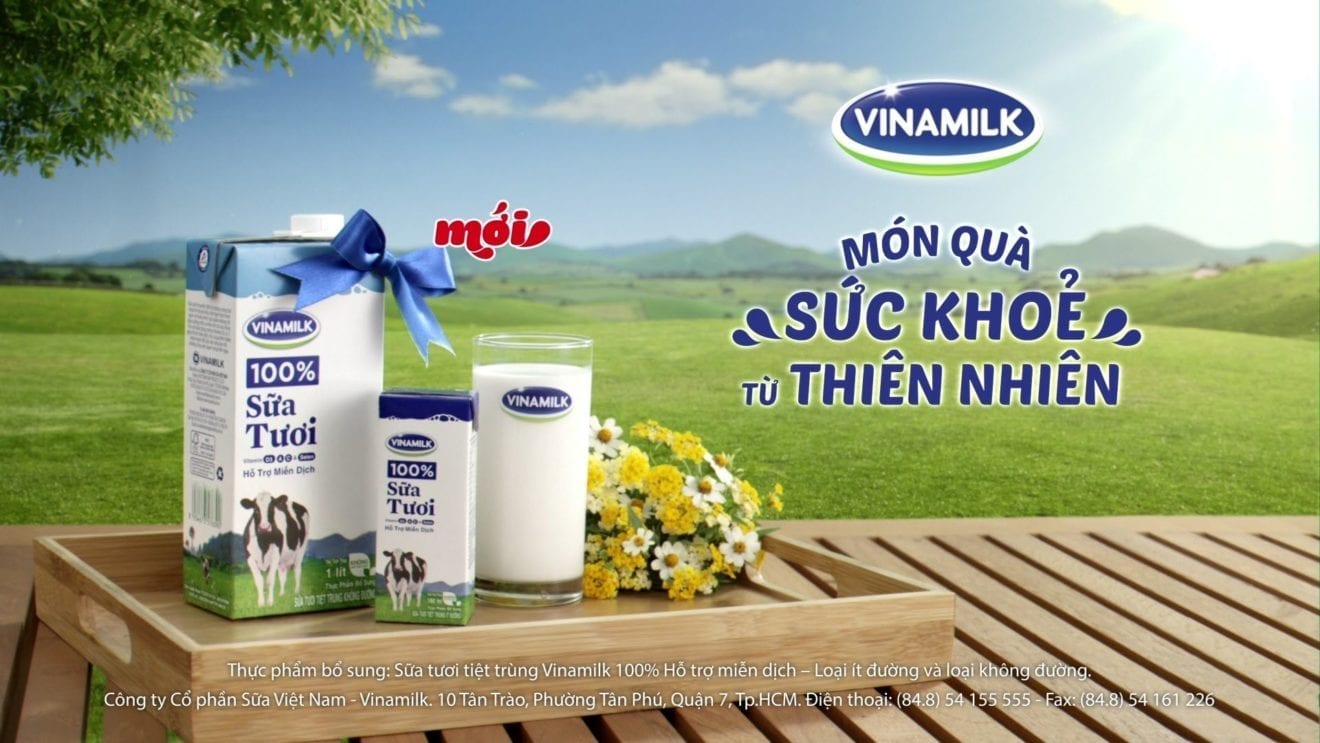
    Vietnam’s sovereign fund and two Singaporean investors failed to acquire stakes in dairy giant Vinamilk this month as they had planned. A subsidiary of the State Capital Investment Corporation (SCIC) was unable to buy 225,000 VNM shares, or a 0.01 percent stake, due to “market volatility”, according to a Vinamilk statement on Friday.

    SCIC is the largest shareholder in Vinamilk with a 36 percent stake. F&N Dairy Investments Pte Ltd failed to buy 17.41 million shares, or nearly 1 percent, between July 17 and August 14. It already owns 17.69 percent.

    Another company, Platinum Victory Pte Ltd, too failed to buy a nearly 1 percent stake and its ownership stays at 10.62 percent. Both Singaporean companies have registered again to buy in September. They have been seeking to increase their stakes in Vinamilk repeatedly since early 2018 but in vain.

    Vinamilk saw first-half pre-tax profit rise by 3 percent year-on-year to over VND7 trillion ($302 million). CEO Mai Kieu Lien said earlier the company had stocked ingredients so that it could have an advantage when the trade is disrupted by travel bans. The company, which holds half the Vietnamese dairy market, last year acquired a majority stake in a competitor, Moc Chau Milk, and has recently announced plans to set up a cafe chain in Vietnam and increase its investment in a Laotian subsidiary.

  • Green light for carrier KiteAir likely delayed until 2022

    Green light for carrier KiteAir likely delayed until 2022

    The Planning and Investment Ministry has suggested that the PM delays his approval to new carrier KiteAir’s investment proposal over Covid-19 impacts. The establishment of the new airline would add to the business woes wreaked on the local aviation industry by the pandemic, the ministry said in a document recently sent to Prime Minister Nguyen Xuan Phuc. “A suitable time for a new carrier would be 2022 when the market has recovered.”

    The ministry added that the current priority and focus should be the restoration of domestic and international aviation markets and support for existing carriers.

    Earlier, in July, the Transport Ministry (MoT) had also proposed that the government not license any new carrier, including KiteAir, till 2022, when the local aviation market is expected to recover.

    Based on the MoT’s proposal, Deputy PM Trinh Dinh Dung in July “agreed in principle” with the temporary suspension as proposed by the MoT. Dung, however, assigned the MPI, as an investment proposal appraisal agency, to report to the PM about the KiteAir investment proposal which was already submitted by hospitality group Thien Minh.

    The MPI had said earlier that KiteAir has a sufficient legal basis to have its investment proposal appraised. The MoT, meanwhile, had said the establishment of the new carrier was in line with the orientation and development plans of the industry.

    But in April, amid the Covid-19 pandemic, the PM requested ministries to review and consider the establishment of any new carrier, including KiteAir, given the new context.

    KiteAir, which planned to take off in the second quarter of 2020, was to be headquartered in the central province of Quang Nam with a charter capital of VND1 trillion ($43 million), invested in by Thien Minh, a leading Vietnamese hospitality group.

    It planned to operate six short-haul ATR-72 aircraft with a capacity of 78 seats in the first year of operation and expand the fleet to 30 jets by the fifth year, including 15 narrow-body Airbus A320/321 aircraft.

  • KFC most favored fast food chain in Vietnam

    KFC most favored fast food chain in Vietnam

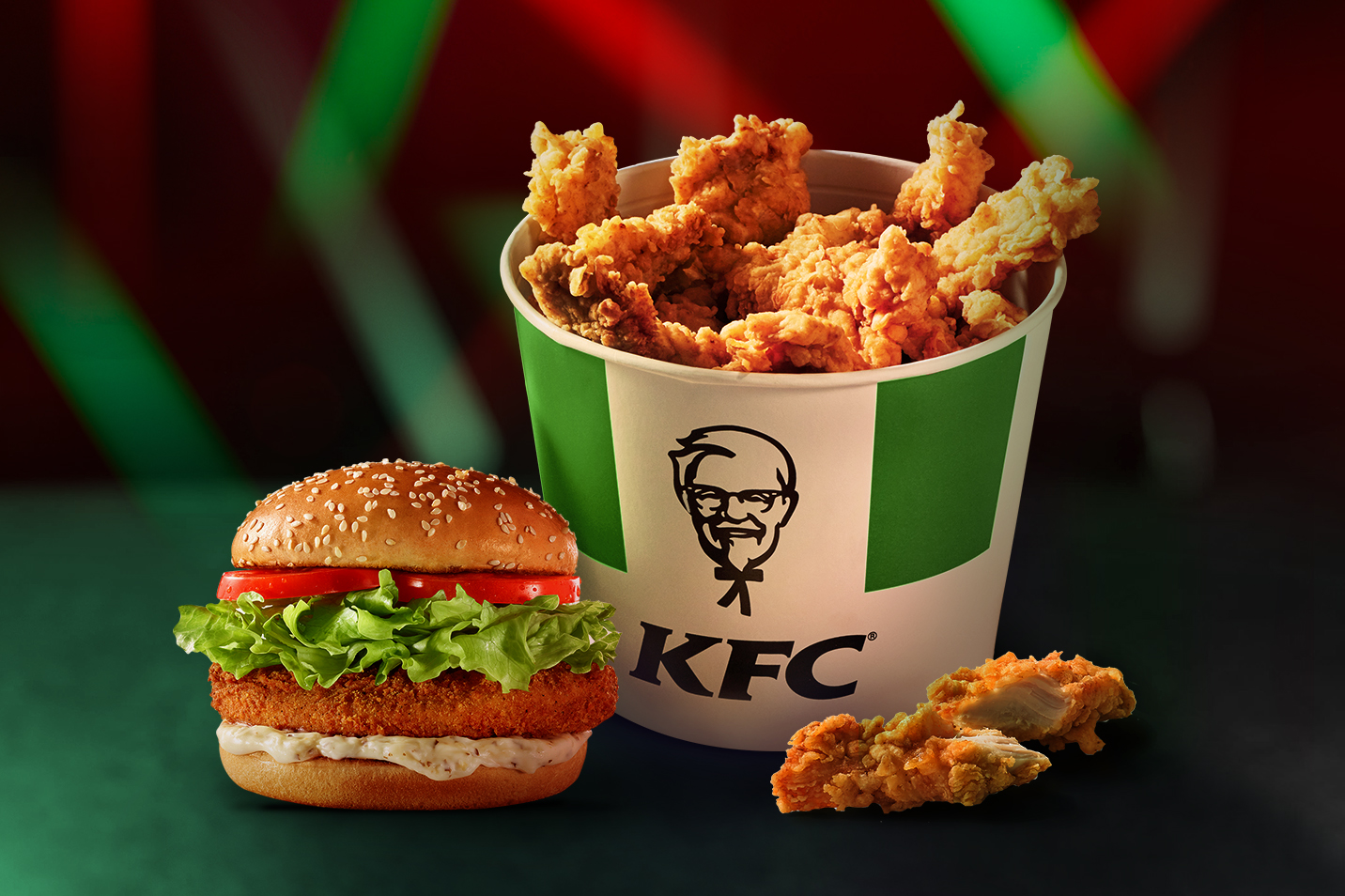
    American chain KFC is the most frequently visited fast food restaurant chain in Vietnam, with 45 percent of respondents visiting its stores often, a new survey found. It is followed by South Korea’s Lotteria with 17 percent of 600 respondents, and American restaurant chains Pizza Hut and McDonald’s both at 6 percent, according to the survey by Ho Chi Minh City-based market research firm Q&Me.

    Top reasons cited for favoring KFC were: delicious food (66 percent); convenient location (63 percent); suitable for family and the youth (60 percent); and variety on the menu (56 percent).

    The survey found 87 percent ordering food online from fast-food chains. Of these, KFC was the most ordered from at 52 percent, followed by Lotteria (30 percent) and Pizza Hut (21 percent).

    “Now” was the most popular delivery app for fast food online orders with 24 percent of the respondents opting for it, followed by GrabFood (20 percent). In Vietnam since 1997, KFC now has 135 outlets, mainly in HCMC and Hanoi, Vietnam’s two biggest metropolises, while Lotteria has around 200. Market research firm Euromonitor said in a recent report that international players dominate the limited-service restaurant market in Vietnam, since local independent chains are mostly small family-based businesses with insufficient resources to take on the big players.

    But, as a whole, fast food chains are experiencing slower growth. Market observers have said one of the reasons could be that the eating habits of Vietnamese are changing, with health being prioritized over convenience.In 2018, there were 7,000 fast food outlets in Vietnam, a relatively insignificant number considering there are around 540,000 food and beverage businesses comprised of 430,000 street vendors, 80,000 restaurants and 22,000 cafes and bars, according to Dcorp R- Keeper, a global company which provides technological solutions to food and beverage businesses.

  • Vietnam suffers most phishing attacks on small businesses in Southeast Asia

    Vietnam suffers most phishing attacks on small businesses in Southeast Asia

    Vietnam led Southeast Asia in the number of phishing attacks targeting small enterprises in the first half of this year. There were more than 1.6 million attacks on small and medium-sized enterprises with 50-250 employees in the region, up 39 percent from the same period last year, Russian cybersecurity firm Kaspersky Lab said a report it released on Tuesday.

    Vietnam accounted for 464,300, followed by Indonesia (406,200) and Malaysia (269,500). Singapore had the least number of attacks, but the number of cases was up 60.5 percent. On a global scale, Brazil topped followed by Russia, France, Columbia, and the U.S.

    The most common scams included using information about the novel coronavirus as bait, swindling people by offering to sell masks, seeking donations for vaccine research, and offering relief payments.

    The report also mentioned several other common phishing tricks such as evaluating job performance, important announcements from administrators, requesting emergency password checks, and urgent press releases.

    Yeo Siang Tiong, Kaspersky’s general manager for Southeast Asia, said the surge in attacks in Southeast Asia was due to the fact many companies let employees work from home since the end of March, resulting in a large number of users clicking on an infected link or attachment.

    Vietnam recorded 2,017 cyber attacks on its information systems in the first half of 2020, down 27.1 percent year-on-year, according to the Ministry of Information and Communications’ Department of Information Security.

  • Vietnam suffers most phishing attacks on small businesses in Southeast Asia

    Vietnam suffers most phishing attacks on small businesses in Southeast Asia

    Vietnam led Southeast Asia in the number of phishing attacks targeting small enterprises in the first half of this year.

    There were more than 1.6 million attacks on small and medium-sized enterprises with 50-250 employees in the region, up 39 percent from the same period last year, Russian cybersecurity firm Kaspersky Lab said a report it released on Tuesday.

    Vietnam accounted for 464,300, followed by Indonesia (406,200) and Malaysia (269,500). Singapore had the least number of attacks, but the number of cases was up 60.5 percent. On a global scale, Brazil topped followed by Russia, France, Columbia, and the U.S.

    The most common scams included using information about the novel coronavirus as bait, swindling people by offering to sell masks, seeking donations for vaccine research, and offering relief payments.

    The report also mentioned several other common phishing tricks such as evaluating job performance, important announcements from administrators, requesting emergency password checks, and urgent press releases.

    Many companies let employees work from home since the end of March, resulting in a large number of users clicking on an infected link or attachment.

    Vietnam recorded 2,017 cyber attacks on its information systems in the first half of 2020, down 27.1 percent year-on-year, according to the Ministry of Information and Communications’ Department of Information Security.

  • Vietnam casinos enjoy double-digit revenue growth

    Vietnam casinos enjoy double-digit revenue growth

    Eight casinos in Vietnam saw their combined revenues rise 60 percent from 2018 to VND2.5 trillion ($108 million) last year.

    These eight establishments were licensed before March 2017, when the government began a trial project allowing Vietnamese to gamble in local casinos, according to a recent report by the Ministry of Finance. Earlier, only foreigners were allowed to play at casinos in Vietnam.

    Five of the casinos are in the north, two in the central region, and one in the south. They contributed VND1.34 trillion ($58 million) to state’s coffers last year, up 49 percent year-on-year.

    But not all eight casinos recorded growth. Royal International Corporation (RIC), which operates the largest casino in the northern province of Quang Ninh, for example, saw revenues decline of 45 percent from 2018 to VND97.8 billion ($4.2 million) last year. It also recorded a loss of VND50.4 billion.

    The Aristo International Hotel Casino in the border province of Lao Cai, operated by Australian company Donaco International Limited, saw revenues falling 17 percent from 2018 to AUD21.5 million ($15.4 million) last year. Its profits dropped 44 percent to AUD4.8 million ($3.4 million).

    After March 2017, three more casinos were licensed in Vietnam, including Casino Corona on Phu Quoc Island off Vietnam’s southern coast, which began operation in January last year and was the first casino in Vietnam to allow locals to play.

    Its revenue from casino operations was VND1.38 trillion ($59.5 million) last year. It earned pre-tax profits of VND280 billion, serving 105,000 customers last year, of which 45 percent were Vietnamese.

  • Deutsche Bank Names Vietnam Country Chief

    Deutsche Bank Names Vietnam Country Chief

    He joins from Maritime Bank, a Vietnamese bank where he was CEO for four years before taking up its deputy chairman position earlier this year.

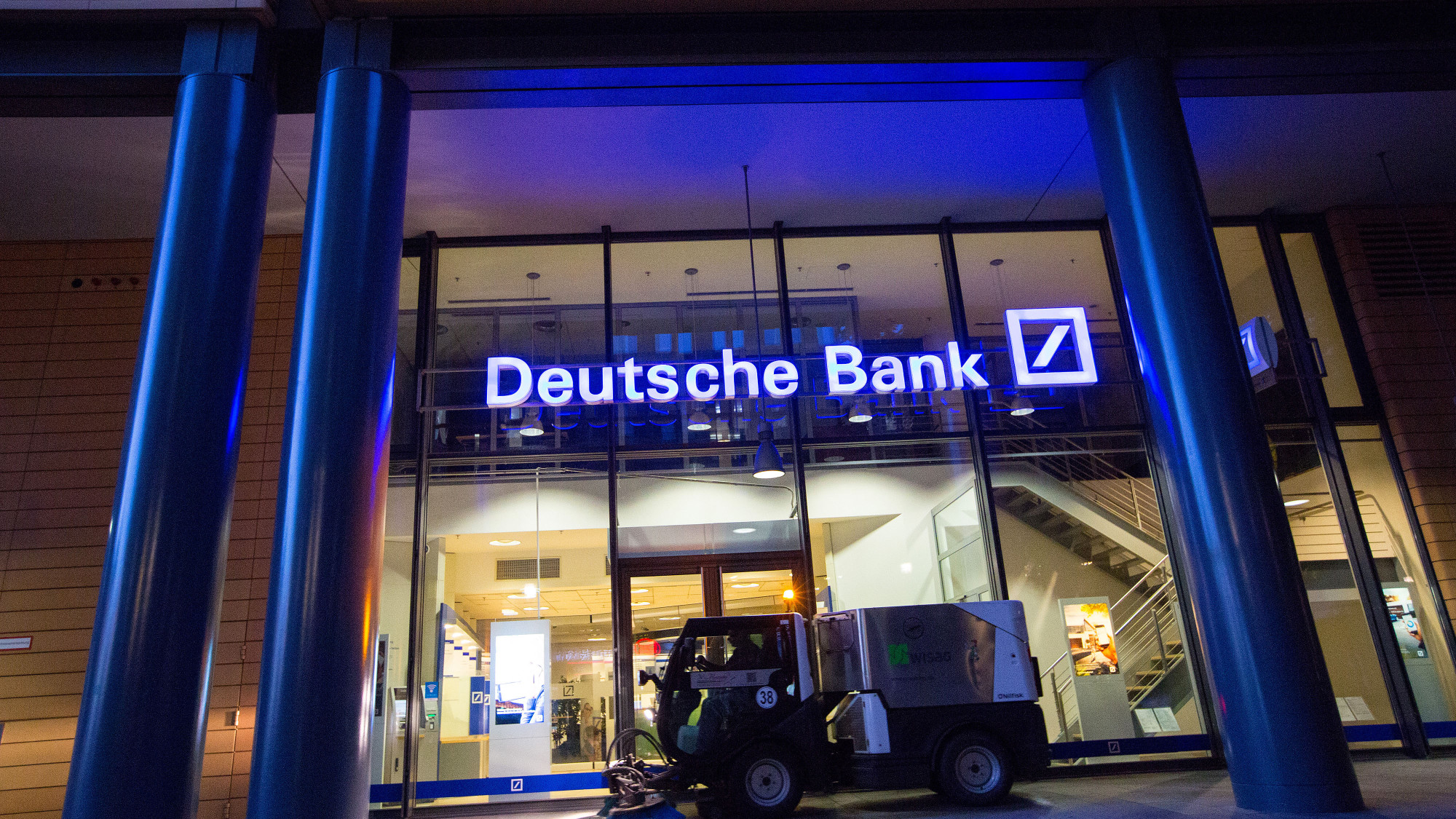
    Deutsche Bank has appointed seasoned banker Huynh Buu Quang to lead the bank’s expansion of its franchise in Vietnam, pending State Bank of Vietnam approval.

    As chief country officer Vietnam, Huang will be based in Ho Chi Minh City. He brings more than 25 years of experience in corporate banking, and has held local and regional leadership roles in Vietnam, Singapore, Hong Kong and Indonesia, across multiple banking functions spanning trade finance and credit risk management.

    Alexander von zur Muehlen, Deutsche Bank’s Asia Pacific CEO called Vietnam «a key growth market» for the bank in ASEAN, in a statement announcing the move.

    Deutsche Bank has operated in the country since 1992. Since 2017, the bank has raised more than $1 billion in debt, loan and equity capital annually for Vietnamese corporates.

    Earlier this year, Deutsche Bank announced that it would increase its investment in Vietnam, with the recently ratified EU-Vietnam Free Trade Agreement expected to boost trade flows.

  • Samsung denies moving part of Vietnam smartphone production to India

    Samsung denies moving part of Vietnam smartphone production to India

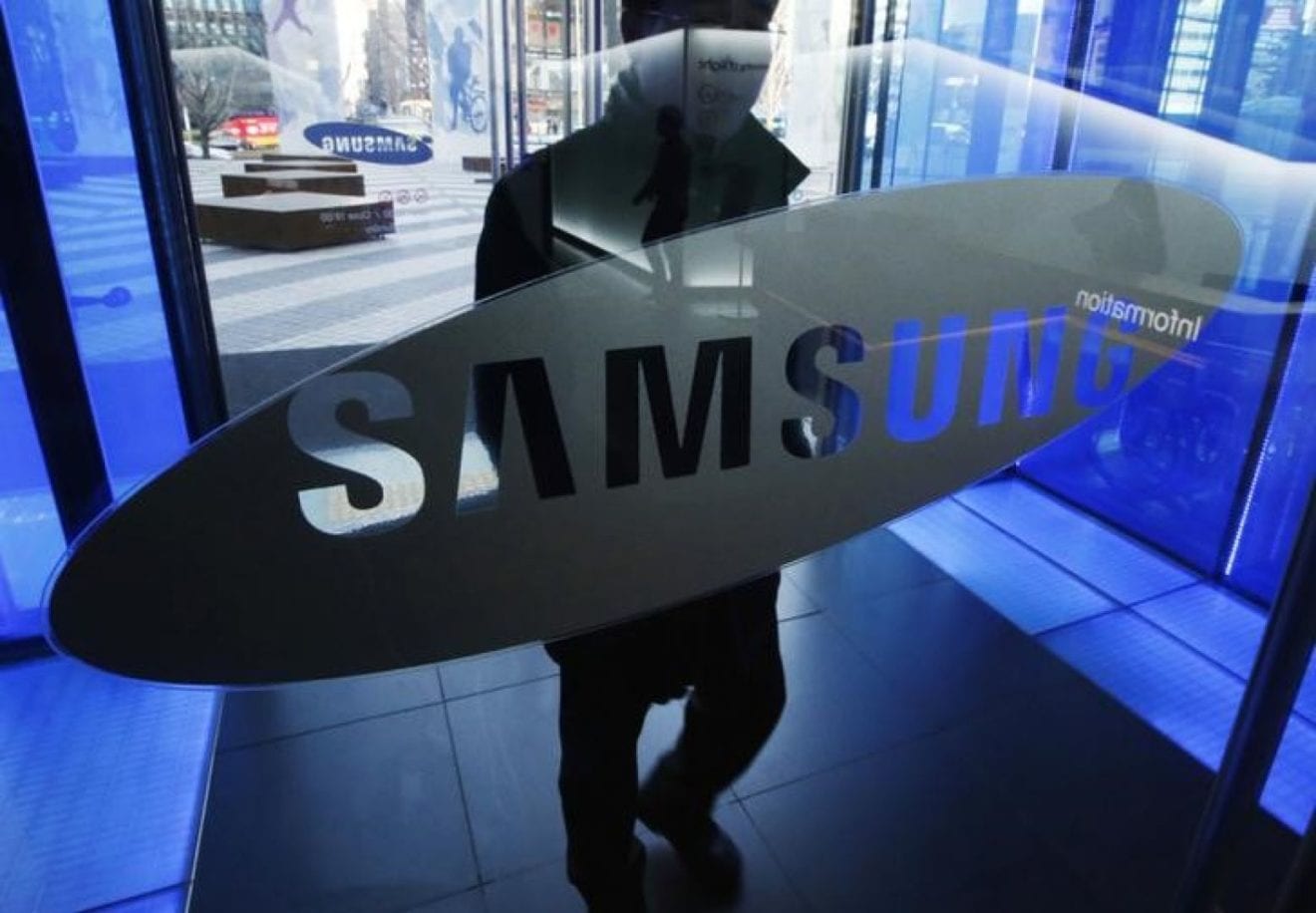
    Samsung has rebutted reports it plans to shift part of its smartphone production in Vietnam to India, saying the former will continue to be the group’s major manufacturing base.

    Samsung Vietnam said in a statement that its smartphone manufacturing factories in the northern provinces of Bac Ninh and Thai Nguyen are operating as usual.

    Vietnam will always be Samsung’s important production base in the world, it stated on Tuesday, adding that reports on the shift to India are “unfounded.”

    The statement came after India’s Economic Times on August 17 reported that Samsung “may shift a major part of its smartphone production to India from Vietnam and other countries,” citing sources.

    The report said the South Korean conglomerate had submitted estimates of making smartphones worth over $40 billion in the next five years to the Indian government.

    “Samsung is likely to diversify its production lines for making smartphones to India under the PLI (Production Linked Incentive) scheme and this will have an impact in its existing capabilities across various countries like Vietnam,” the English-language daily quoted a source “familiar with the matter” as saying.

    About half of Samsung’s smartphones are produced in Vietnam, where it has invested over $17 billion so far. Its first plant in the country was built in 2008.

  • Shopee dominates online shopping in Vietnam

    Shopee dominates online shopping in Vietnam

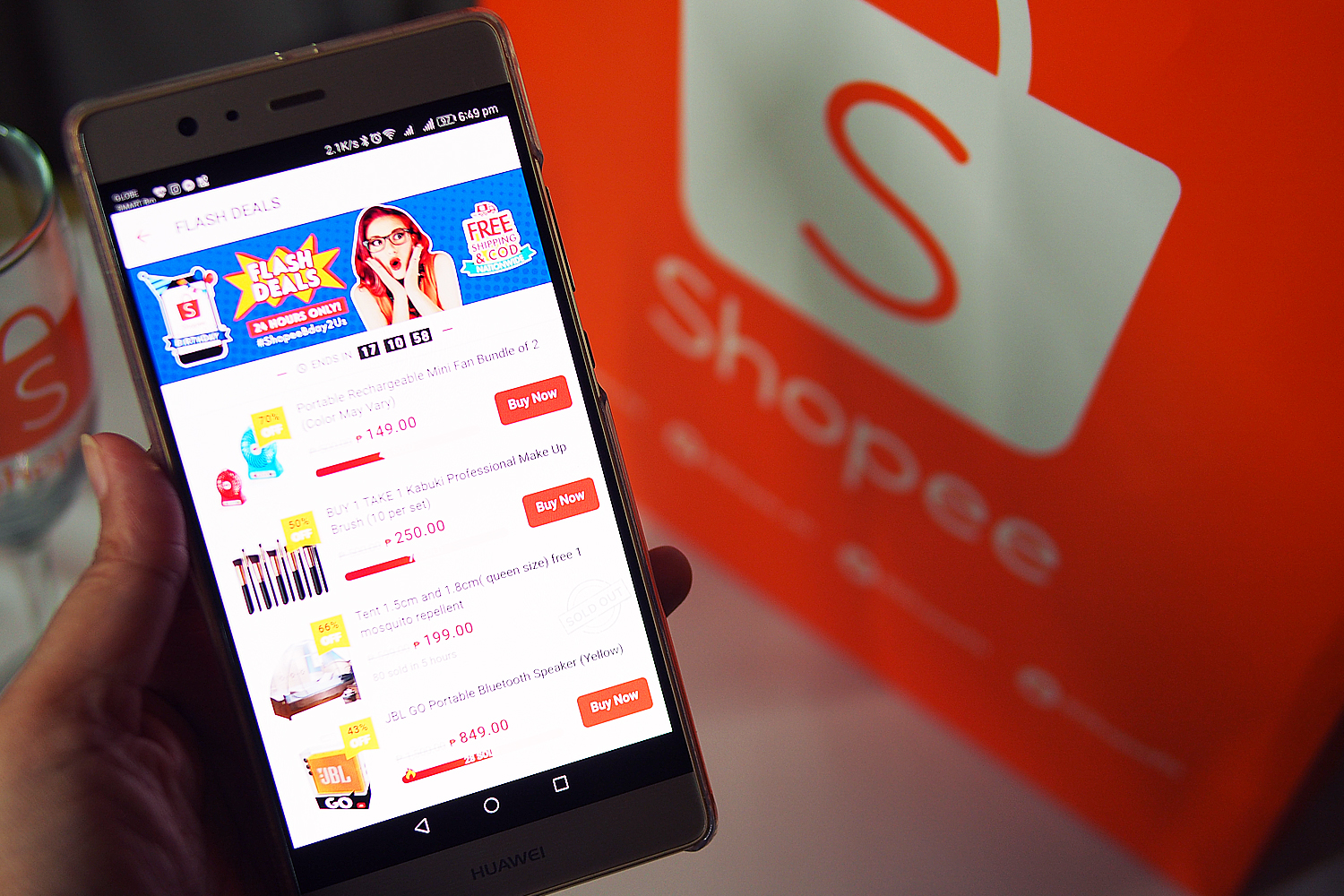
    Shopee reported a new web traffic record in Vietnam with 52.5 million monthly visits last quarter, exceeding Lazada’s previous record in 2017.

    The Singapore online shopping platform’s numbers exceeded those of the next two put together, Vietnamese companies Mobile World (25.1 million) and Tiki (21.1 million), according to data collated by Malaysian online shopping aggregator iPrice Group.

    Shopee achieved growth of 21.6 percent from the first quarter, while the three behind it, Mobile World, Tiki, and Singapore’s Lazada, saw declines of 6-12 percent.

    In the last quarter of 2017 Lazada reported 50.5 million monthly visits, but since then its numbers have declined — to 18.5 million in the second quarter of this year — as other players grabbed a bigger share of the market.

    Tiki and another homegrown player Sendo informed authorities in June that they planned to merge, but later decided to call off the deal due to disruptions caused by the Covid-19 pandemic and disagreements between their shareholders.

    Last year Vietnam’s Internet economy, which has been growing annually at 38 percent since 2015, was estimated to be worth $12 billion.

    It is expected to rise to $43 billion by 2025, according to the “e-Conomy Southeast Asia report 2019” by Google, Singapore investment firm Temasek and U.S. global management consultancy Bain.

  • Kerry Logistics Network’s subsidiary Kerry Apex ranked number one NVOCC from Asia to the US

    Kerry Logistics Network’s subsidiary Kerry Apex ranked number one NVOCC from Asia to the US

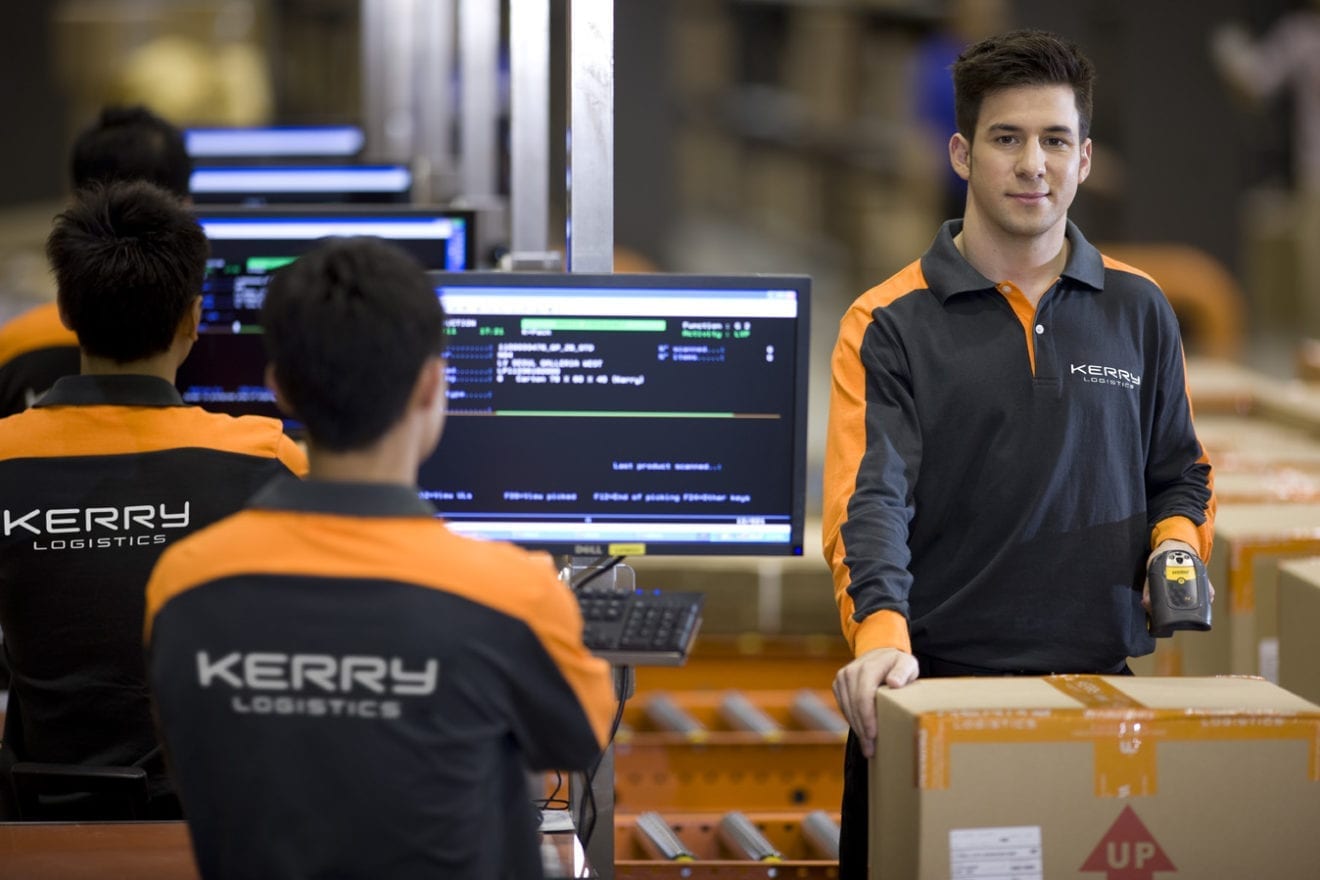
    Kerry Logistics Network Limited is pleased to announce that Kerry Apex, its indirect wholly-owned subsidiary, was the number one non-vessel operating common carrier (‘NVOCC’) from Asia to the US from January through July 2020, supported by a well-positioned team in Southeast Asia to capture the export volume shift from China to Asia.

    Kerry Apex was the third-largest NVOCC in terms of volume from Asia to the US in 2019. In the first seven months of 2020, Kerry Apex outperformed the market by recording a 6% growth in volume against the market trend of a 7% contraction in the same period.

    Kerry Apex shot to the top spot through capturing the volume shift from China to Southeast Asia by a strong regional team perfectly situated to handle the volume surge, earning additional origin-controlled shipments and winning new customers, on top of the increased demand from existing customers who restocked their inventory. Kerry Apex was also able to build on its long-standing relationships with ocean-carrier partners who helped it to secure the space needed to move its customers’ freight from Asia to the US. Kerry Apex’s achievement was made possible by the tremendous support from within Kerry Logistics’ global network both in origin and destination.

    Vicky Cheung, Executive Director of Kerry Logistics Network, said, “We are gratified to see that the efforts of our team in Southeast Asia and the relationships we have built with our partners have paid off. While the protracted US-China trade war and the as-yet-uncontained COVID-19 pandemic are clouding the horizon, we are confident that we will maintain our leading position in ocean freight for the rest of 2020.”

  • Car imports plummet nearly half

    Car imports plummet nearly half

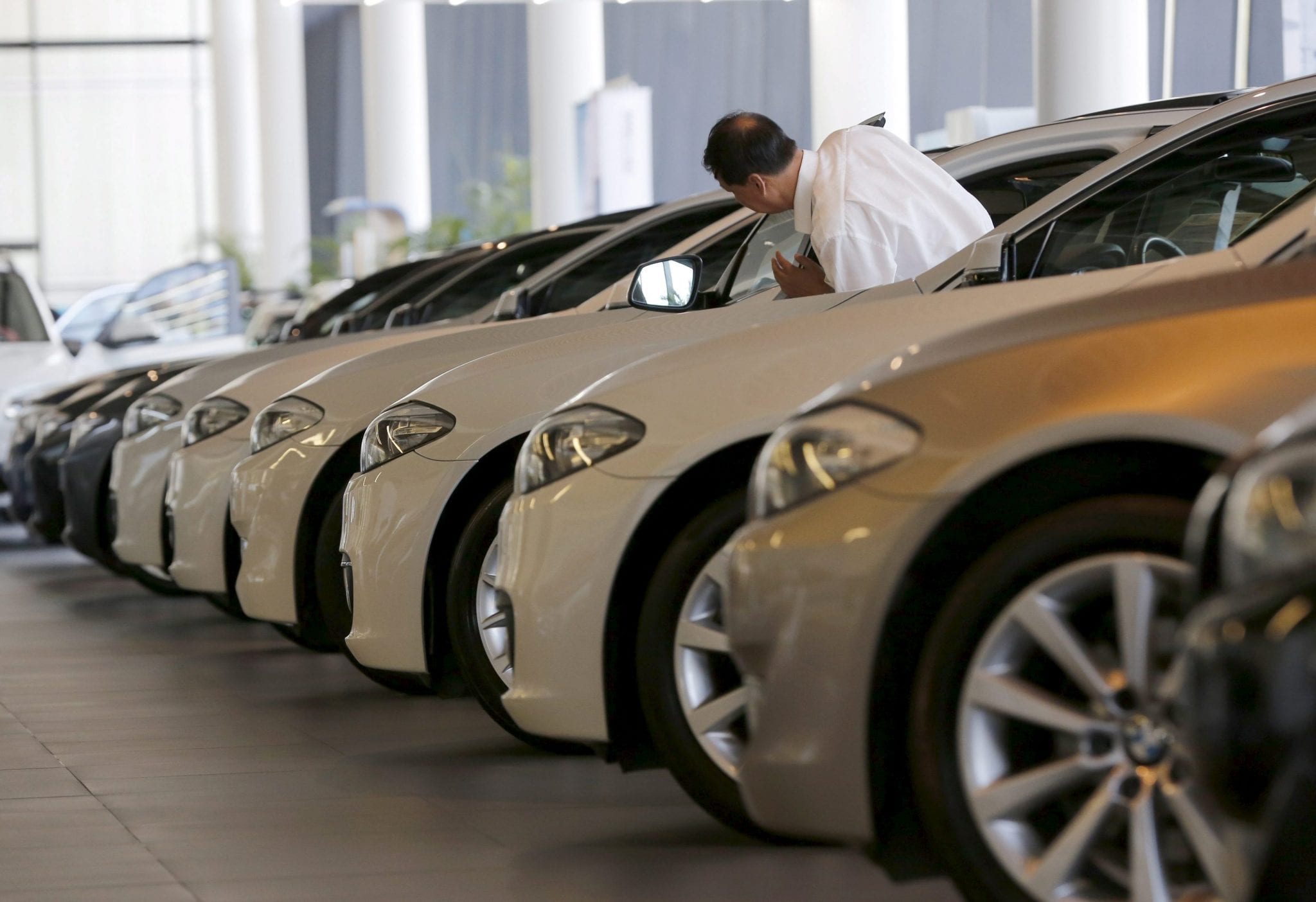
    Vietnam imported 44,973 cars in the first seven months, down 47.5 percent year-on-year amid a slump in auto demand due to Covid-19.

    The value of the cars was around $1 billion, falling by 47 percent year-on-year, according to Vietnam Customs. Over 80 percent of the cars were imported from Thailand and Indonesia, tax-free under the ASEAN Trade in Goods Agreement. Thailand accounted for 19,944 units and Indonesia for 17,723.

    July saw a recovery from the previous month to 4,760 cars worth $107.7 million, up 34 percent and 10 percent. Auto sales in the first seven months fell 28 percent year-on-year to 131,200 units, with the Vietnam Automobile Manufacturers Association (VAMA) blaming it on a fall in demand due to the pandemic.

  • Pacific Airlines gets new CEO

    Pacific Airlines gets new CEO

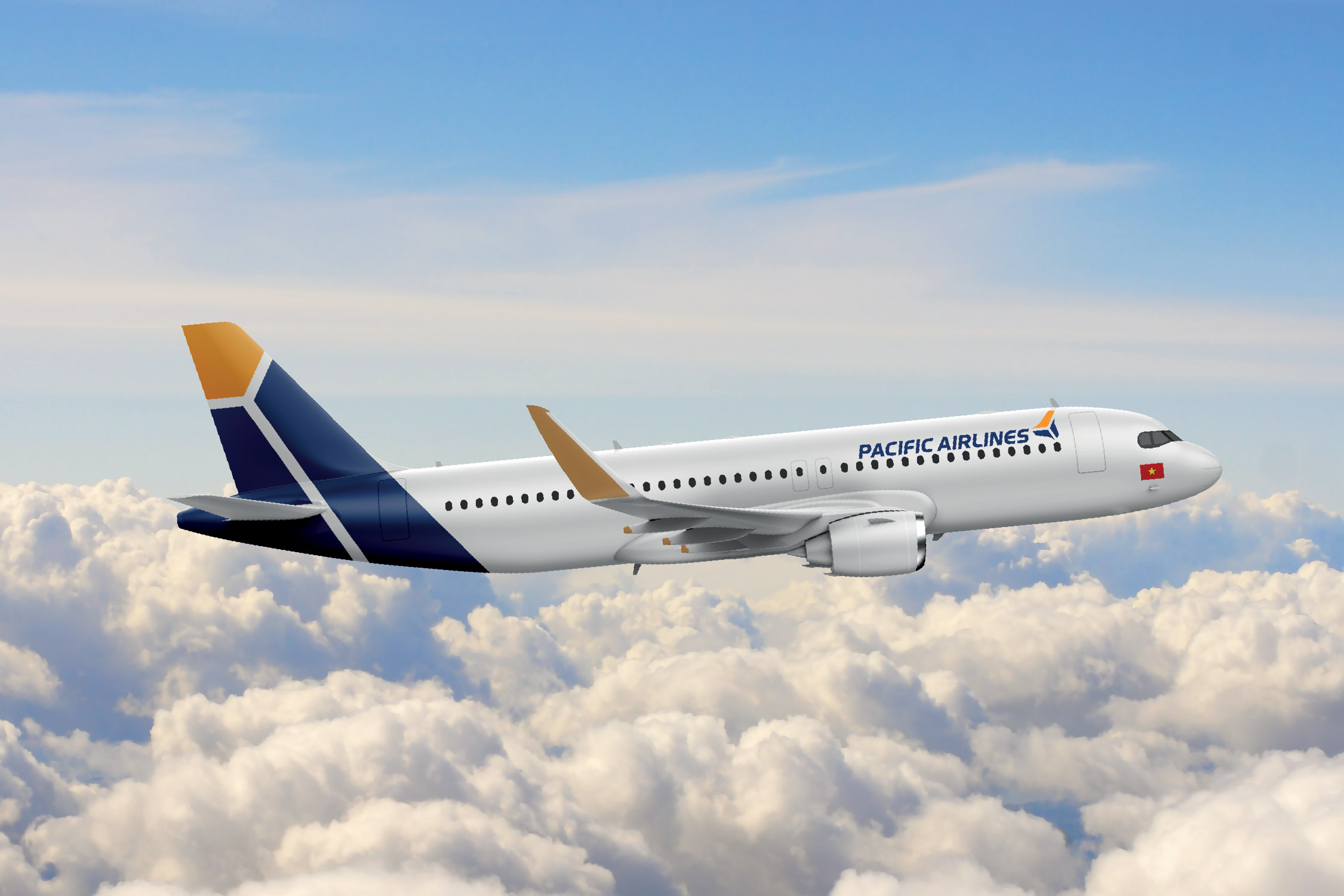
    The board of Vietnam Airlines has named a new CEO for subsidiary Pacific Airlines, formerly Jetstar Pacific.

    Dinh Van Tuan, 50, has taken from Nguyen Thuong Hoang Hai, who quit for personal reasons. Tuan was earlier the director of Vietnam Airlines’ operations center, and has served in various capacities at the carrier since 1996.

    Jetstar Pacific became Pacific Airlines on August 1 and got a new logo as Vietnam Airlines, which owns a 68.86 percent stake in it, seeks to buy another 30 percent stake from Australia’s Qantas.

    The first joint-stock airline in Vietnam was set up in 1991. In its 29 years, it has only reported profits for four years. It has major expansion plans, with the current fleet of 18 aircraft set to be increased to 50 by 2025.

  • Samsung tops Vietnamese smartphone market

    Samsung tops Vietnamese smartphone market

    Samsung increased its market share to 33 percent in the second quarter to become the largest smartphone brand in Vietnam. Despite the impact of the Covid-19 pandemic, the South Korean firm increased its sales by 4 percent year-on-year, Singaporean technology market analysis firm Canalys said in a recent report.

    China’s Oppo and Vivo followed with 17 percent and 12 percent share of the market, respectively. But their sales trends diverged wildly, with Oppo’s falling by 26 percent and Vivo’s increasing by 246 percent. VinSmart, a subsidiary of Vietnam’s largest listed company, Vingroup, was fourth with an 11 percent market share. It had launched its first product at the end of 2018, and produced its first 5G smartphones in collaboration with U.S. chip giant Qualcomm last month. VinSmart is focusing on the low-end segment with 12 offerings all priced at below VND5 million ($212).

    China’s Realme was in fifth place with a market share of 9 percent after growing at 63 percent. According to We Are Social, a social media marketing and advertising agency, around 75 million people, or almost 80 percent of the country’s population, use smartphones.

  • Vietnamese rice now more pricey than Thailand’s

    Vietnamese rice now more pricey than Thailand’s

    With the Thai baht weakening, Vietnamese rice is fetching 3 percent higher prices in global markets than varieties from Thailand.

    Vietnam’s 5-percent broken rice has been priced at $468-472 per ton since August 8, $15 more than its Thai rivals. The prices have risen by 6.8 percent since the beginning of this month.

    Vietnam was the third-largest rice exporter last year behind India and Thailand. In the first seven months of this year, it exported $1.9 billion worth of grains, up 10.9 percent year-on-year, with the Philippines being the top buyer, according to the Ministry of Agriculture and Rural Development.