Tag: Vietnam

  • Vietnam workers’ wage rises lowest in a decade

    Vietnam workers’ wage rises lowest in a decade

    Average wages at multinationals and domestic enterprises in Vietnam respectively rose 6.5 percent and 5.2 percent this year, the lowest levels in a decade.

    Over the past 10 years, average salaries in both groups had risen at least 8 percent a year, according to a report by human resources solutions firm Talentnet Vietnam and American human resources consulting firm Mercer.

    The report surveyed 600 businesses in 16 different industries including technology, consumer goods, pharmaceuticals and manufacturing. Average wages were calculated off the firms’ total salary budget for each year.

    According to the report, 14 percent of multinationals surveyed said there will be no increase in employee salaries this year, and 34 percent of domestic firms said the same. Six percent of multinationals and 3 percent of domestic enterprises also said they will continue to implement the same “austere” approach in wage policies next year.

    In 2020, the sectors with the highest wage growth have been insurance with 8.7 percent, hi-tech with 8.5 percent, and pharmaceuticals with 8.4 percent. These are sectors least affected by the Covid-19 pandemic, Talentnet said.

    Meanwhile, the oil and gas industry recorded the lowest salary growth rate at 2.1 percent, followed by banking with 5.6 percent, and processing with 6.5 percent.

    Although almost all companies said they were tightening their purse strings, many said they are willing to give special bonuses to employees who play a key role in their business. As many as 69 percent of companies surveyed said they will pay such bonuses in a lump sum by year-end, while 13 percent said they were doing this quarterly, and another 13 percent were doing it monthly.

    Due to specific industry characteristics, businesses surveyed in the financial sector including banks, consumer lending companies and fund management companies were handing out the highest performance-based rewards, with bonuses ranging between 20-20.4 percent of annual basic salary, the report said.

    As of last year, Vietnam had one of the lowest average wages in the Asia-Pacific Region. An average Vietnamese worker earned $242 per month in 2019, compared to the regional average of $1,801, according to recruitment firm ManpowerGroup’s annual Total Workforce Index 2019.

  • Vietnam fashion house Icon Denim to expand abroad

    Vietnam fashion house Icon Denim to expand abroad

    ICON DENIM Co., Ltd. officially launched its first store at 12-12 Bis Cach Mang Thang 8 Street, Ben Thanh Ward, District 1, Ho Chi Minh City.

    ICON DENIM brand was established in 2017, with the desire to bring the brand fashion closer to Vietnamese men. After 2019, ICON DENIM opened 3 large Flagship stores (showrooms) located in the front of the central districts: such as the store at Cach Mang Thang Tam Street – the junction of Phu Dong near New World Hotel, store at Su Van Hanh street – the busiest entertainment street for young people, store at Le Van Sy – the biggest fashion street in the city. The floor square of Flagship stores is from 150m2 to more than 200m2 to create a spacious and comfortable shopping area for customers. Founders of ICON DENIM Mr.

    Over the past year, ICON DENIM has affirmed its brand position, as well as created its own core values for the Vietnamese fashion communities. Aiming at the mid-range segment, ICON DENIM focuses on the “real value” of products, targeting customers who tend to shop for brands whose product prices are equivalent to the actual quality of goods. The models are diverse and are always in tune with world fashion trends. The company has ambition to create “real value” products in designing beautiful, trendy and diversified products; create high-quality, durable to high-end products with reasonable prices and value for money. That is ICON DENIM’s strategy in branding in the branded fashion market.

    To keep up with market trends, ICON DENIM always researches trend reports and consumer behavior reports of the industry to better understand the fashion needs of customers and listen to customers’ opinions. Since then, ICON DENIM has adjusted and developed its products to follow the market demand. Therefore, each month, this brand launches about 80 to 100 designs that follow the world’s trends, corresponding to thousands of products ranging from shirts, pants, accessories etc.

    With many years of experiences in the fashion industry and having a unique view on the fashion market, Mr. Tran Dai Duong – CEO of ICON DENIM said that the company is determined to build a men’s fashion brand with much diversity and differences in Vietnam. “Our key message is “Restyle. Reborn “is also the mission of ICON DENIM now as well as in the future – not only to become the choice of young Vietnamese people but also to reach to the level of international fashion brands.”

    The year 2020 also witnessed ICON DENIM’s efforts to perfect the Manufacturing Process, from design, production to image and display of the store. ICON DENIM always had a methodical process and strict control. With all dedication, when entering to any stores of ICON DENIM, customers will feel the difference of trendy fashion designs, new top styles, exclusive and the sincerity and enthusiasm given from each employee.

    Through a year of challenges and opportunities, ICON DENIM has been striving every day to improve its position in the hearts of customers. In Vietnam, in 2021, the brand will continue to open 4-5 stores in Ho Chi Minh City, and also expand to Hai PhongHanoi. The brand is also preparing to set up the first base for development in potential Southeast Asian countries such as ThailandCambodiaSingapore etc.

  • Vietnam Airlines losses soar as Covid-19 grounds flights

    Vietnam Airlines losses soar as Covid-19 grounds flights

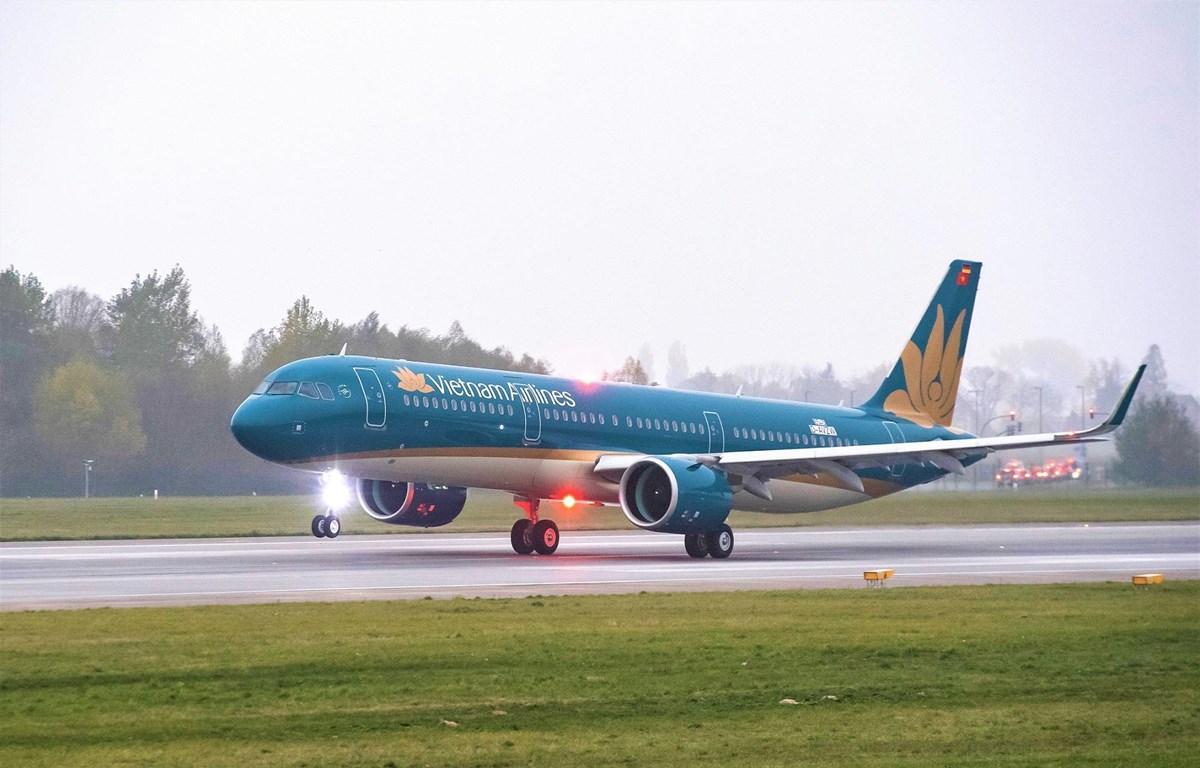
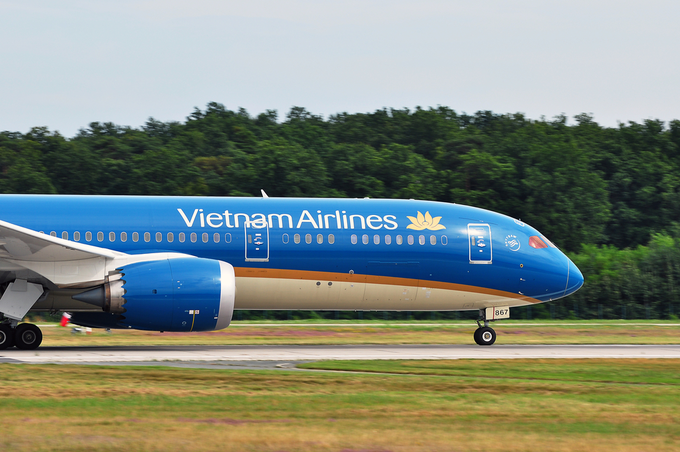
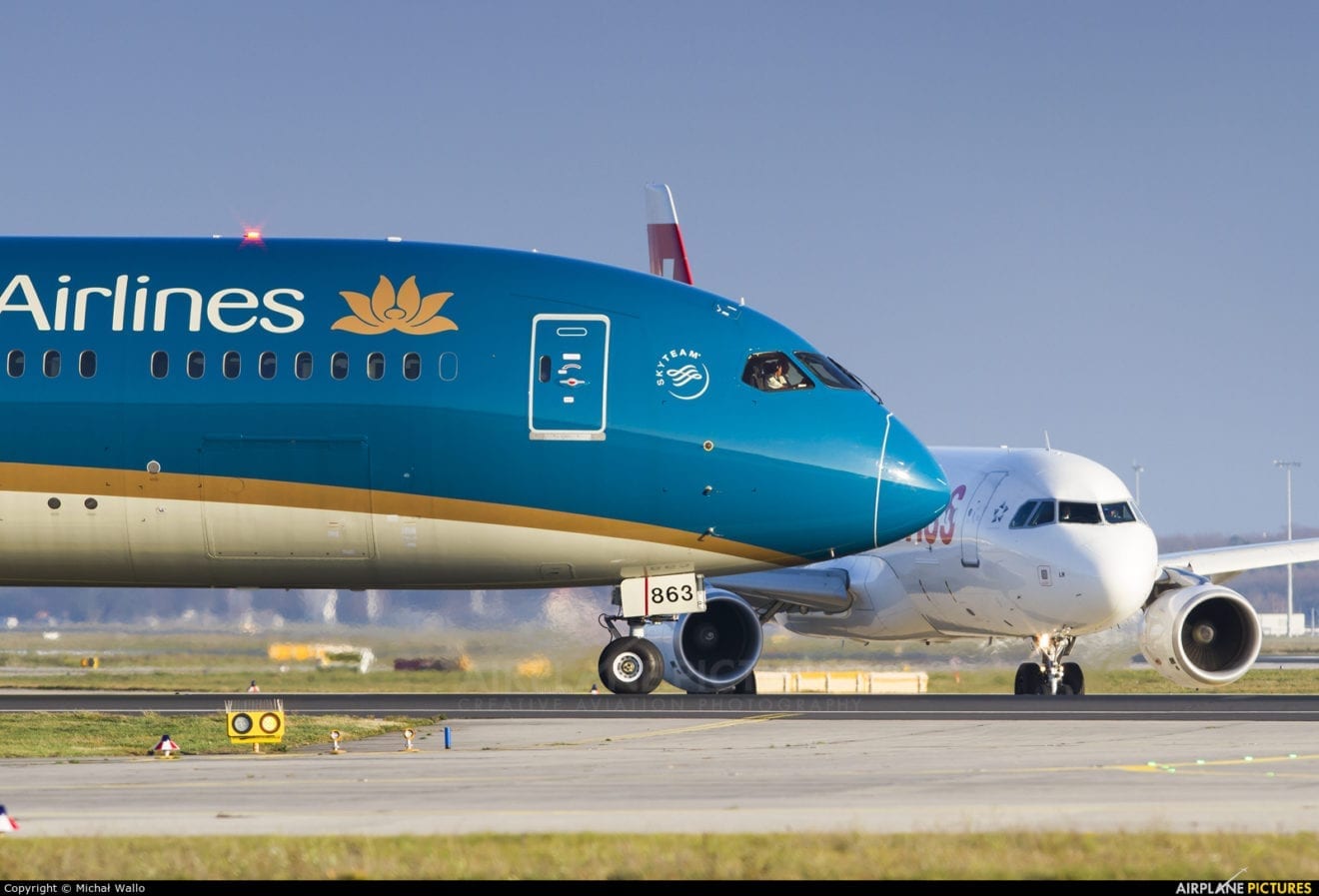
    Vietnam Airlines has reported losses of VND10.7 trillion ($464 million) in January-September, hit hard by Covid-19. The national flag carrier recorded revenues of VND23.9 trillion in the first nine months of this year, down 58.3 percent year-on-year, it said in a press release on Tuesday.

    During this period, the carrier transported 10.2 million passengers, down 41.2 percent from a year ago.

    The airline has blamed its loss on the pandemic’s impacts on the aviation industry. It said it has cut sales, financial and management expenses, reduced salaries of pilots and flight attendants as well as increased the operation of repatriation flights as part of efforts to reduce costs and boost incomes.

    The carrier’s third-quarter revenues fell 68 percent year-on-year after the second Covid-19 outbreak hit the country in late July, said Tran Thanh Hien, the airline’s chief accountant. The third quarter was usually the highest revenue earner of the year as summer travel peaked, Hien noted.

    The second outbreak forced Vietnam Airlines to cancel 22 new domestic routes during the peak period. So far, it has resumed 11 of these and is considering the viability of resuming the rest in the fourth quarter, always a low travel period.

    The national carrier currently operates more than 60 domestic routes with an average of 300 flights per day. It has resumed one-way flights to Japan and plans to reopen routes soon to mainland China, Taiwan, Laos, and Cambodia.

    As of last month, the airline said its cash reserves had gone down to just VND1.9 trillion.

    The airline has estimated this year’s total loss at around VND15.2 trillion on revenues of VND55.7 trillion.

  • Largest solar plant in Southeast Asia begins operating in Vietnam

    Largest solar plant in Southeast Asia begins operating in Vietnam

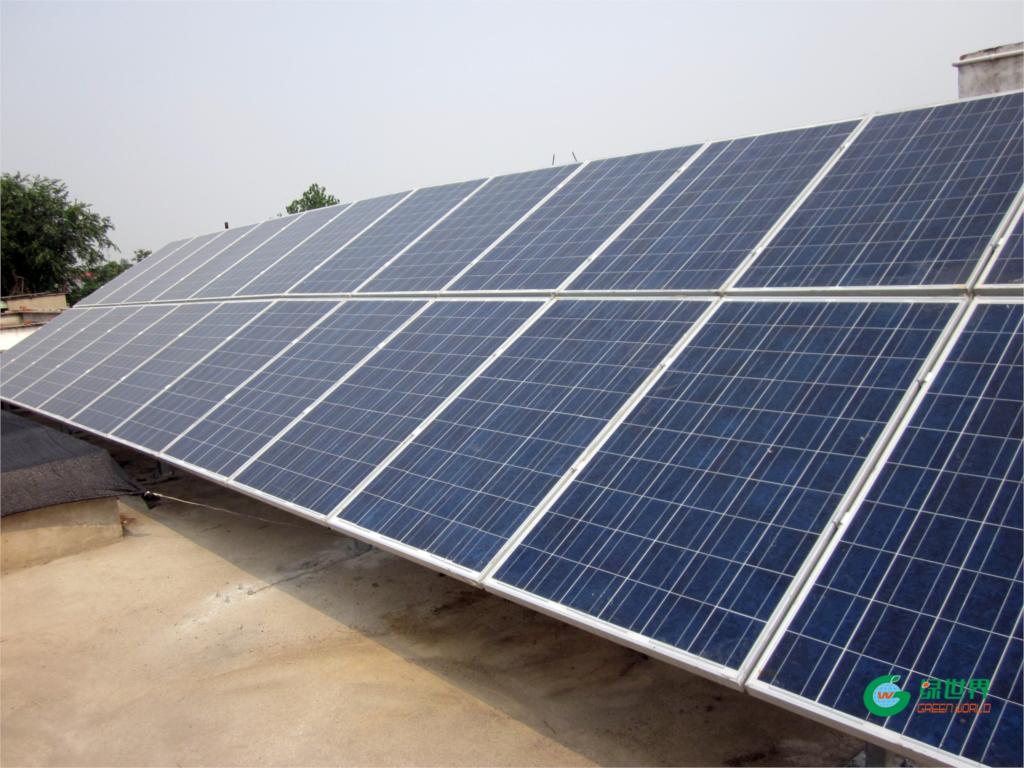
    The largest solar farm in Southeast Asia has been commissioned in Vietnam’s central province of Ninh Thuan.

    The 450 megawatt Trung Nam Thuan Nam Solar Power Plant, which spreads over an area of nearly 560 hectares in Thuan Nam District, went on stream on Monday evening, 102 days after construction began in mid-May.

    Built by Ho Chi Minh City-based energy firm Trungnam Group at a cost of VND12 trillion ($518 million), it has a plant that can produce over one billion kilowatt-hours of electricity a year and a 17-kilometer transmission line to connect it with the grid.

    This is the first time a private company has been allowed to install a transmission line, a preserve thus far of state-owned utility Vietnam Electricity (EVN).

    Laying transmission lines has become a critical task since the rising number of renewable energy plants is overloading existing ones.

    Trungnam has added a total of 1,064 megawatts capacity to the national grid comprising of hydropower and solar and wind power. It plans to have a renewable output of nearly 10,000 MW by 2027.

    There are over 100 solar power plants operating in the country with a total capacity of over 6,300 MWp.

    The Ministry of Industry and Trade is drafting a national power development plan for the next decade with a 80 GW addition to the generation capacity of which 37.5 percent will come from wind and solar power.

    Vietnam needs over $133 billion over the next decade for building new power plants and expanding the grid to fully meet its surging demand for electricity.

  • VinSmart produces smartphones for US mobile service provider

    VinSmart produces smartphones for US mobile service provider

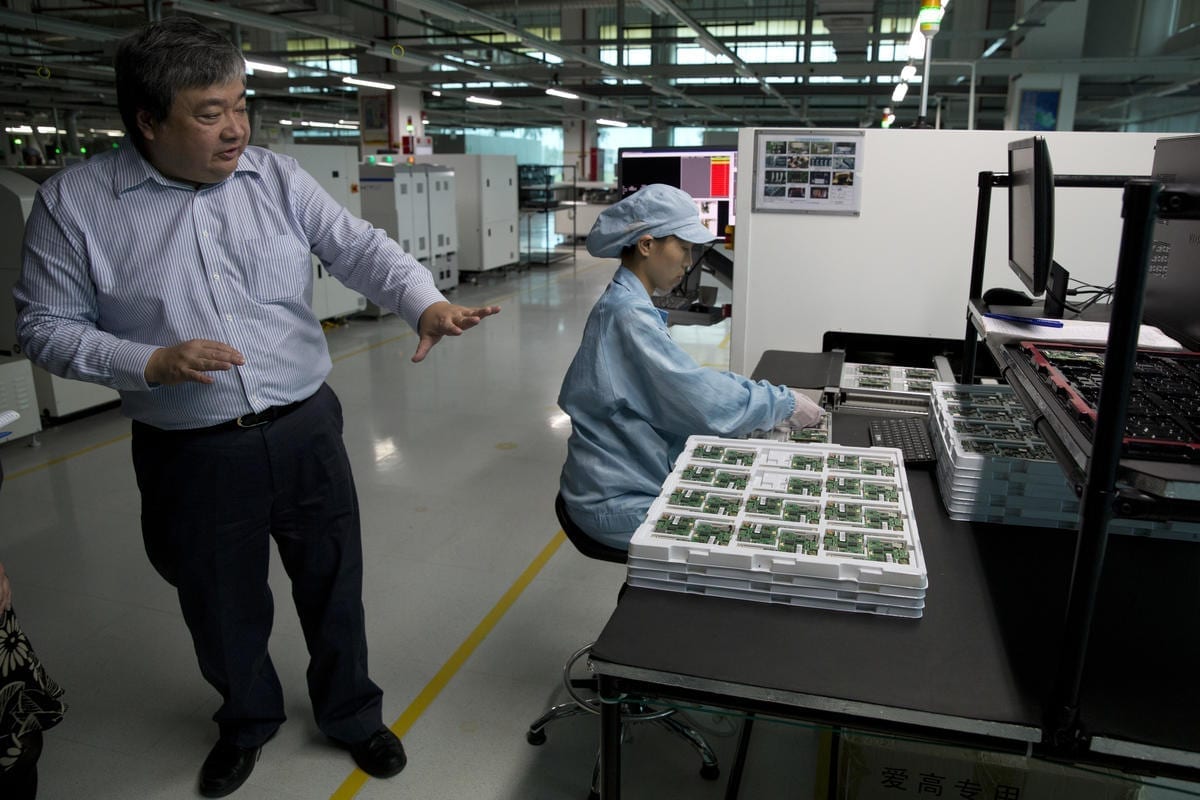
    VinSmart, a subsidiary of Vietnam’s largest listed company Vingroup, has received a contract manufacturing order for two million smartphones from a major U.S. carrier.

    Le Thi Thu Thuy, general director of VinSmart, without identifying the U.S. company, said Thursday at a press conference that the first consignment was sent a month ago. The phones carry the American service provider’s logo.

    “This is an important step in understanding the U.S. market… before taking Vsmart phones there in future,” Thuy said.

    The U.S. company has such stringent standards that despite having a team in Vietnam to supervise the VinSmart factory 24/7, it still thoroughly inspects the phones once they reach the U.S.

    The contract is for four models, all of them supporting 4G.

    A confidentiality agreement prohibits VinSmart from disclosing the name of its partner.

    VinSmart has a plant for manufacturing 125 million phones, IoT devices, and other smart devices per year at the Hoa Lac Hi-Tech Park in Hanoi.

    The brand is currently sold in three countries, Russia, Myanmar, and Spain, but the company expects to sell its Aris 5G in the U.S. by next year.

    VinSmart had a 16.7 percent market share in the first quarter and surpassed Apple to become the third-largest smartphone brand in Vietnam behind Samsung and China’s Oppo.

  • Korean firm invests in Vietnam car-wash chain

    Korean firm invests in Vietnam car-wash chain

    South Korean oil refiner GS Caltex Corp has bought an 11.56 percent stake in car-wash startup Vietwash for $1.7 million. Nguyen Thanh Duong, founder of Vietwash, said the money would be used to double the number of outlets to over 100 in the next few years.

    It now offers car and motorbike wash services at 51 locations in Ho Chi Minh City and central Da Nang City.

    Hur Joon-hong, GS Caltex executive vice president, said his company would help Vietwash develop an automatic car maintenance system and expand.

    Vietwash, which began operations in 2014, claims to be the first car-wash chain in Vietnam and serves 1.3 million customers a year.

    In 2016 it received an investment of $1 million from private-equity firm Vietnam Investments Group. GS Caltex has been selling vehicle lubricants in Vietnam since 2017.

  • Apple set to add Vietnamese to Siri

    Apple set to add Vietnamese to Siri

    Apple has placed an advertisement for a Vietnamese language specialist for its virtual assistant Siri team.

    According to the LinkedIn job post, the person will be based at Ang Mo Kio in Singapore. The 15 key qualifications applicants require include reading, writing, and comprehension skills in both English and Vietnamese, understanding verbal nuances in Vietnamese, and having an understanding of the Asia-Pacific region and cultural variations where the language is spoken.

    Analysts said the company might be seeking to develop Siri in the Vietnamese market. It currently supports 37 languages, but not Vietnamese.

    According to MacRumors forum, an aggregator of Apple-related rumors and reports on the web, Apple is also looking for Ukrainian, Hungarian, Slovak, Czech, Croatian, Greek, Flemish, Romanian, Polish, and Indonesian language specialists.

    If successful, it is possible these languages will be added to Siri in the iOS 15 update. Apple has gone on a hiring spree in Vietnam since the beginning of this year including from senior roles like regional operations.

  • Traditional matches producer to delist

    Traditional matches producer to delist

    Matches producer Thong Nhat Match Jsc will delist its shares this month since the number of its shareholders has fallen below the minimum requirement of 100.

    They will be delisted on October 21, the Hanoi Stock Exchange announced. It had only 45 shareholders as of the end of last year, according to the company’s annual report.

    The 64-year old company ceased matches production after sales slumped this year and instead switched to importing from India. It had said last year the popularity of lighters was largely to blame for falling demand for matches. Besides, the cost of wood was rising and its outdated equipment could no longer make matches cost-efficiently, it said.

    The company now focuses on producing lighters. Its profit fell 58 percent last year to VND920 million ($39,600). Thong Nhat Match was established in 1956 as a state-owned company with a factory in northern Vietnam. It was equitized in 2002, and has charter capital of VND22 trillion ($950 million).

    Like other traditional companies Thuy Ta Ice-cream and Thuong Dinh Footwear, all over 60 years old, it too has been struggling to grow in the modern competitive market.

  • 2nd airport proposed for Hanoi as air travel boom looms

    2nd airport proposed for Hanoi as air travel boom looms

    The Hanoi Department of Planning and Architecture has recommended the construction of a second airport in the city to cope with the rising demand for air travel. The new airport should be built in the southern district of Ung Hoa, 40 kilometers from the downtown, while the existing Noi Bai International Airport should be upgraded and have its capacity doubled to 100 million passengers a year, it said.

    Ung Hoa has several advantages such as good transport links with the city center since it is served by roads, rail, and waterway, and a large area of 1,300 hectares available for the airport, it explained.

    It could become a satellite town with an industrial zone and a logistics complex in the future, it said. Consultancy Transport Engineering Design Inc (TEDI) has said the number of air passengers could reach 150 million a year in the future, and a second airport should be built starting in 2035.

    The number of passengers and cargo passing through Noi Bai Airport has been growing by 10 percent a year reaching 29 million in 2019.

    Its designed capacity is for 25 million passengers. Vietnam generally saw demand for air travel rise before the Covid-19 outbreak, with its airports handling 116 million passengers last year, up 12 percent from 2018, according to the Airports Corporation of Vietnam (ACV).

  • MobiFone offers customers free data, calls to make up for disruption

    MobiFone offers customers free data, calls to make up for disruption

    Telecom operator MobiFone has promised free data, calling, and text credit to customers affected by a network error lasting hours on Tuesday. It will offer 7.5 gigabytes of data for free to subscribers using smartphones and 1,000 minutes of calls in case of feature phones.

    On Tuesday many subscribers complained they were unable to make phone calls, send text messages or access the Internet from around 4.30 p.m. The issue was fixed the same evening. A spokesperson for the state-owned company said Wednesday it was still trying to determine how many subscribers were affected by the issue.

    Many people have expressed indignation that the problem occurred and the fact the operator was slow in notifying them about it. They were unable to contact the operator either during the disruption. In 2005, 2010, 2011, and 2016 too similar problems occurred.

    On December 6, 2018, many MobiFone subscribers in Hanoi and Ho Chi Minh City were unable to connect to the Internet. MobiFone is the third-largest network operator in Vietnam behind Viettel and VNPT.

  • Starbucks struggles to beat Vietnamese coffee chains

    Starbucks struggles to beat Vietnamese coffee chains

    Despite recording double-digit growth last year, the American coffee chain Starbucks remained in third place in revenues behind two local competitors.

    Its 2019 revenue of VND780 billion ($33.6 million), up 32 percent year-on-year, was behind market leader Highlands Coffee at VND2.2 trillion and The Coffee House at VND863 billion.

    This makes the international coffee shop chain rank third in revenues for the second year in a row after securing second place behind Highlands Coffee in 2017.

    It also stood in the third place in terms of growth rate behind Phuc Long’s 65 percent and Highlands Coffee’s 35 percent. Although Starbucks, the only foreign brand in Vietnam’s top five coffee chains, has been established in the country for seven years, the number of outlets in four localities (60) remains small compared to main competitors. Highlands Coffee has 336 outlets and The Coffee House has over 150.

    The number of outlets is less than one-fifth of its presence in other Southeast Asian markets. Starbucks Thailand has 336 outlets and Starbucks Indonesia more than 320. In terms of gross margin, Starbuck’s rate of 19 percent is smaller than 60-70 percent for Highlands Coffee and The Coffee House and 35 percent for Phuc Long.

    One of the reasons for the lower margin is that Starbucks sources its coffee from the U.S. to ensure the same quality globally, so its costs are higher than those making local procurements.

    The brand, however, is among a few that remain in the market even as several other foreign brands have left, including Australia-headquartered Gloria Jean’s Coffees and Singapore’s New York Dessert Coffee (NYDC).

    Another foreign brand, U.S.-based The Coffee Bean & Tea Leaf, saw revenues in Vietnam dropping 30 percent year-on-year to VND71 billion last year.

  • Steel exports to China multiplies 19 times

    Steel exports to China multiplies 19 times

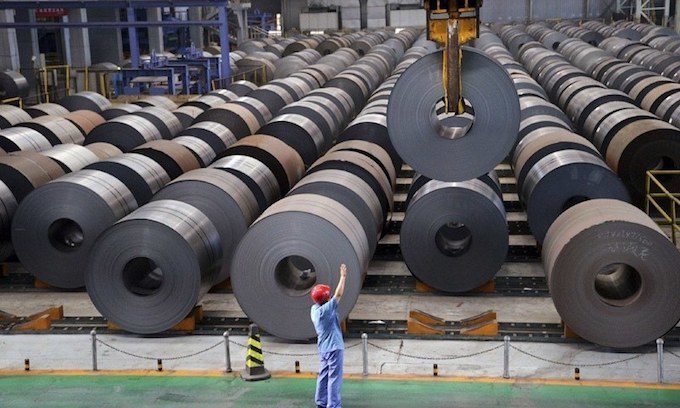
    Vietnam’s steel exports to China surged 19 times to 2.07 million tonnes between January and August on the strength of rising demand in a recovering economy.

    This was nearly 35 percent of Vietnam’s total steel exports in the period, and its value rose 15 times to $844.5 million, according to Vietnam Customs.

    China’s customs data shows that steel imports in the first eight months rose 11 percent year-on-year to 759.9 million tonnes.

    The country, the largest steel producer in the world, became a net steel importer in June for the first time since the last global recession in 2009 as demand overshot supply in the rapidly recovering economy.

    The surge in domestic demand for steel has been driven by infrastructure projects and the property market, the report said, citing China’s commodity price reporting agency.

    Vietnam’s steel exports in the first eight months to all markets rose nearly 37 percent year-on-year to 5.96 million tonnes, with increases of 195 percent to Brazil and 143 percent to Germany.

  • Domestic aviation on the road to recovery

    Domestic aviation on the road to recovery

    Vietnam’s aviation industry is gradually recovering with passenger numbers heading toward pre-pandemic levels after a months-long slump. Noi Bai International Airport in Hanoi handled 29,000 passengers daily during the weekend, nearly triple the daily average of August when there was a Covid-19 resurgence.

    To Tu Ha, deputy director of the airport, said there has been a weekly increase of 15 percent since the beginning of September. “As Vietnam is doing well in controlling the pandemic, we expect domestic travel growth to be maintained for the rest of the year as traveling abroad is mostly limited.”

    International flights have been halted since March. Vietnam Airlines currently operates 200 flights a day, with the number of passengers rising from 17,500 in August to nearly 40,000 now.

    It resumed services on six domestic routes this month and increased the frequency of eight others. It plans to resume flying on six more routes next month, including popular travel destinations Da Lat in the Central Highlands and Nha Trang and Da Nang in the central region.

    “The growth in a number of passengers will help us pare trillions of dong in losses from our earlier forecast,” a spokesperson said. The airline had forecast a loss of VND13 trillion ($560 million). Bamboo Airways is also recovering with the number of passengers doubling this month to 12,000-15,000.

    “We expect strong growth in the routes between Hanoi and Ho Chi Minh City and Con Dao Island,” a spokesperson said. Budget airline Vietjet said passenger numbers have risen by 30 percent since last month though still less than in September last year.

    A spokesperson for Vietjet said: “As the aviation market recovers, losses are being reduced. But airlines continue to face difficulties and we still need government support with taxes and fees.”

    Vietnamese carriers are also expecting a revenue boost from the resumption of flights to seven destinations including Japan, South Korea, China, and Thailand, a proposal the government has approved.

    But Dinh Viet Thang, head of the Civil Aviation Authority of Vietnam, said Tuesday that flights to these destinations have not resumed due to the need for Vietnam and these countries to first reach agreement over-testing, immigration, and quarantine protocols.

    Another challenge is that both Vietnamese and foreign carriers are having trouble identifying businesspeople and “experts,” the only categories of non-diplomatic passengers allowed to enter Vietnam, he added.

    The CAAV wants the Ministry of Public Security and Ministry of Foreign Affairs to take this into consideration when issuing visas so that airlines could sell tickets to the right passengers.

    Vietnamese airlines carried 24.2 million passengers in the first eight months, down 35.1 percent year-on-year, according to the General Statistics Office.

  • Vietnam opens anti-dumping probe into sugar imports from Thailand

    Vietnam opens anti-dumping probe into sugar imports from Thailand

    The Ministry of Industry and Trade has initiated an anti-dumping investigation into sugar imports from Thailand, which have increased six-fold this year.

    The probe follows complaints by Vietnamese sugar producers that Thai exporters, with a subsidy from their government, are dumping their products in Vietnam and causing damage to the local sugar industry, the Trade Remedies Authority of Vietnam said in a statement.

    The import of sugar from Thailand increased six times year-on-year in the first eight months of this year to nearly 950,000 tonnes, it said.

    Vietnamese producers, represented by six major companies, said the surging imports hit their production, causing it to fall by 33 percent to 800,000 tonnes in the 2019-2020 crop.

    They have sought an anti-dumping duty of 37.9 percent. Vietnam removed import duties on sugar imported from ASEAN countries this year in accordance with the commitments of the ASEAN Trade in Goods Agreement (ATIGA).

  • Police investigate Saigon Beer copycat

    Police investigate Saigon Beer copycat

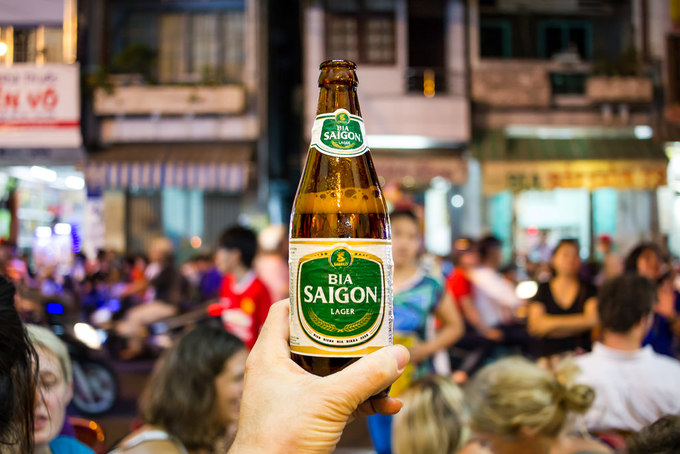
    Police in Ba Ria-Vung Tau Province are investigating a copyright infringement involving Saigon Beer by a former employee of its brewer, Sabeco. They found over 9,000 boxes of the Saigon Vietnam Beer with the brand name and packaging similar to that of the 43-year old Saigon Beer brand produced by Sabeco, the largest brewer in Vietnam.

    The beer is distributed by the Saigon Vietnam Beer Group Jsc., not a subsidiary of Sabeco. Its CEO, Le Dinh Trung, held several positions in Sabeco for years, including assistant to the deputy CEO and head of its legal department.

    Another person involved in the copyright infringement is Tran Thi Ai Loan, a distributor of Sabeco beer for the last four years.

    The original headquarter address of Saigon Vietnam Beer Group Jsc was registered at Floor 9, Vincom Building, 72 Le Thanh Ton, District 1, Ho Chi Minh City, the same as Sabeco. Although the Saigon Vietnam Beer Group Jsc. later changed its headquarters to a different location in Binh Thanh District, its beer packaging carried the old address, confusing customers.

    Authorities said Loan, as a legal representative, had signed a contract with BiVa Beer Brewer in southern Ba Ria–Vung Tau Province to produce the Saigon Vietnam Beer and started distributing the product in May.

    The same month, Sabeco requested the Vietnam Intellectual Property Research Institute to inspect the similarities between the packaging and brand name of the two beers. The institute concluded in June that there were signs of copyright infringement, following which Sabeco requested market authorities to intervene.

    Authorities later found thousands of Saigon Vietnam Beer boxes in the southern localities of Ba Ria-Vung Tau, Binh Phuoc, Soc Trang and Can Tho as well as the Central Highlands province of Dak Lak. Each box was being sold at VND159,300 ($6.91), nearly 12 percent lower than that of Sabeco’s Saigon Beer.

    Vu Tuan Chau, owner of BiVa Beer Brewer, told authorities that they had distributed a total of 4,400 boxes so far. Chau said they only produced the beer to the requirements of Saigon Beer Vietnam and was not aware of any copyright infringement. A lawyer representing Sabeco said that the infringement has damaged their brand’s reputation and misled customers into purchasing the wrong product. Sabeco is working with authorities to continue the investigation, the lawyer said.

    No comments were available from the representatives of Saigon Beer Vietnam at the time of going to print.