Tag: Vietnam

  • Economy VN-Index gains for fourth consecutive session

    Economy VN-Index gains for fourth consecutive session

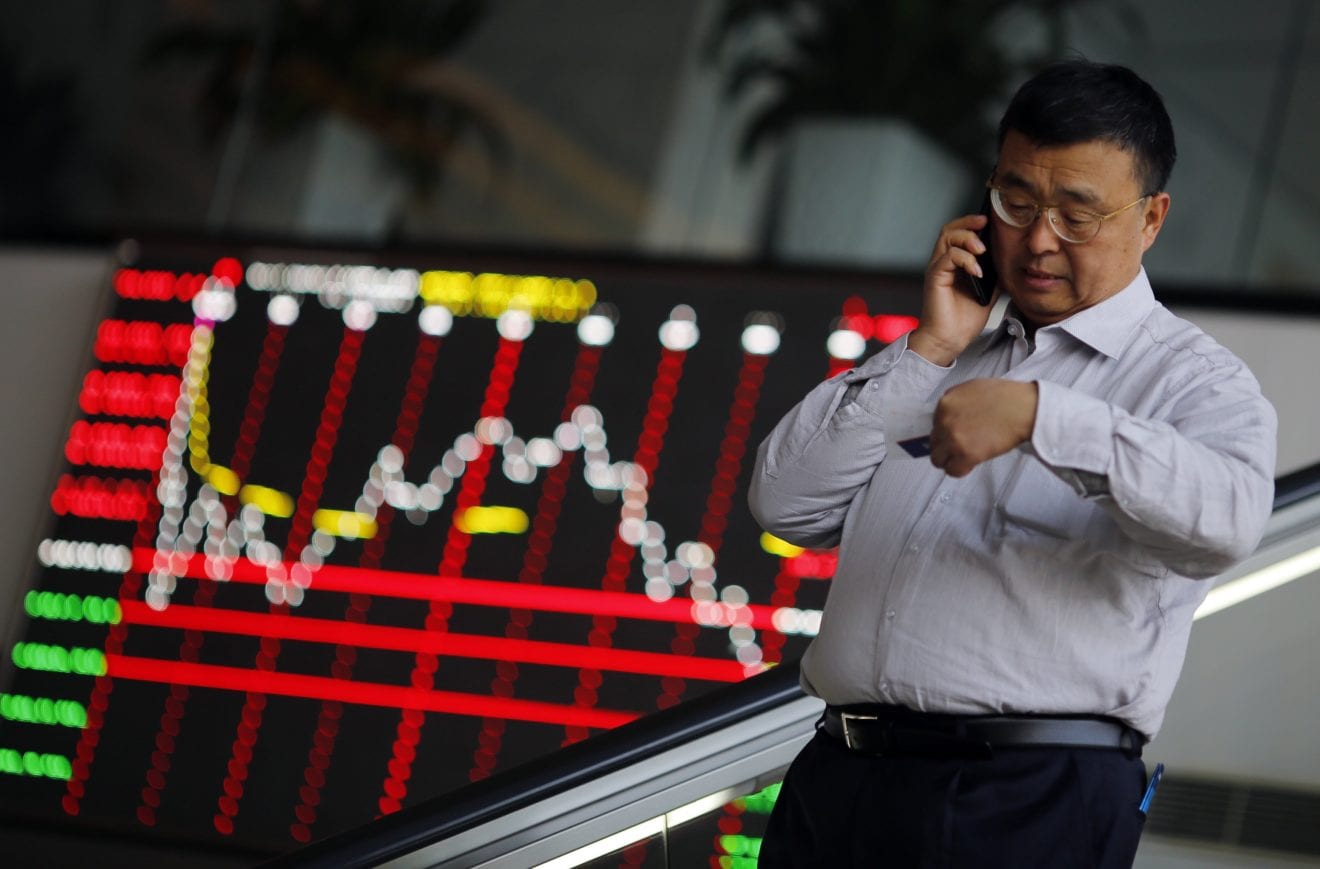
    The VN-Index edged up 0.14 percent to 897.47 points Wednesday, with trading volume significantly down compared to the last several sessions. The Ho Chi Minh Stock Exchange (HoSE), on which the VN-Index is based, saw a fairly balanced session with 183 stocks gaining and 198 losings.

    Total trading volume fell around 20 percent compared to the previous session, to VND5.05 trillion ($217.57 million), after two weeks when daily liquidity consistently surpassed the VND6 trillion mark.

    Although the benchmark VN-Index had been in the red for most of the session, a surge in buy orders within the final 15 minutes of trading, also known as at-the-close orders, brought the index up above its opening.

    The VN30-Index for HoSE’s largest caps also rose 0.14 percent, with 11 tickers gaining and 11 losings.

    Topping gains was PLX of petroleum distributor Petrolimex, up 2.6 percent. Results in the oil and gas sector were mixed, with POW of electricity generator PetroVietnam Power keeping its opening price, while GAS of energy giant PetroVietnam Gas shed 0.4 percent.

    Of the VN30, most oil and gas stocks rose Wednesday. PVC of PetroVietnam Chemical and Services surged 7 percent, PVB of PetroVietnam Coating added 5.4 percent, OIL of PetroVietnam Oil 2.6 percent, and PVD of PetroVietnam Drilling 2.25 percent.

    Gains in this sector seem to be in line with the rise in global oil prices. The threat of a hurricane to America’s coastal refineries is causing oil prices to surge on the threat to fuel supplies. As of 5.13 p.m., U.S. benchmarks WTI Crude and Brent Crude were up 2.27 percent and 2.10 percent respectively, to $39.15 and $41.38 a barrel.

    On the VN30, the next major gainers were MWG of electronics retailer Mobile World, up 1.8 percent, PNJ of jewelry retailer Phu Nhuan Jewelry, up 1.3 percent, FPT of IT services group FPT, 1 percent, and SSI of top brokerage Saigon Securities Inc., 0.6 percent.

    VIC of private conglomerate Vingroup, the HoSE’s largest cap, added 0.5 percent this session. VHM of its real estate arm Vinhomes also gained 0.5 percent, while VRE of retail arm Vincom Retail remained flat.

    Leading losses this session was MSN of food conglomerate Masan Group, down 0.9 percent.

    Most banking tickers were in the red this session. CTG and BID of state-owned banking giants VietinBank and BIDV slipped 0.8 percent and 0.5 percent respectively.

    In the private sector, STB of Sacombank, VPB of VPBank, and HDB of HDBank dropped 0.4 percent, 0.2 percent and 0.2 percent respectively.

    Other major losers were VNM of dairy firm Vinamilk, TCH of truck dealer Hoang Huy Group, and ROS of construction firm FLC Faros, all down 0.5 percent.

    Meanwhile, the HNX-Index for the Hanoi Stock Exchange, home to mid- and small-capped stocks, fell 0.05 percent, and the UPCoM-Index for the Unlisted Public Companies Market rose 0.34 percent.

    Foreign investors were net sellers again, to the tune of VND202 billion on all three bourses. The most net sold stocks were VHM of Vinhomes and VNM of Vinamilk.

  • Nissan ends partnership with current Vietnam distributor

    Nissan ends partnership with current Vietnam distributor

    Japanese carmaker Nissan has announced it will officially cut ties with its current distributor in Vietnam, Tan Chong, at the end of September.

    Both sides said they will part ways on September 30, ending all their partnerships in the production and distribution of Nissan vehicles for the Vietnamese market.

    Before ending ties with Malaysian-owned Tan Chong Motor Holdings, the automaker put Nissan X-Trail and Sunny models on clearance discount to try and sell its remaining inventory of vehicles assembled in Da Nang City.

    Tan Chong, a multinational corporation based in Malaysia, is not only the official distributor of Nissan in Malaysia and Vietnam, but also in Laos, Cambodia, and Myanmar.

    A representative of Tan Chong in Vietnam told local media that sales of Nissan models in Vietnam will still happen as usual until the official termination of the joint venture. Local dealerships will continue to provide warranty and technical support services for customers post-purchase.

  • Bamboo Airways poised to expand international services

    Bamboo Airways poised to expand international services

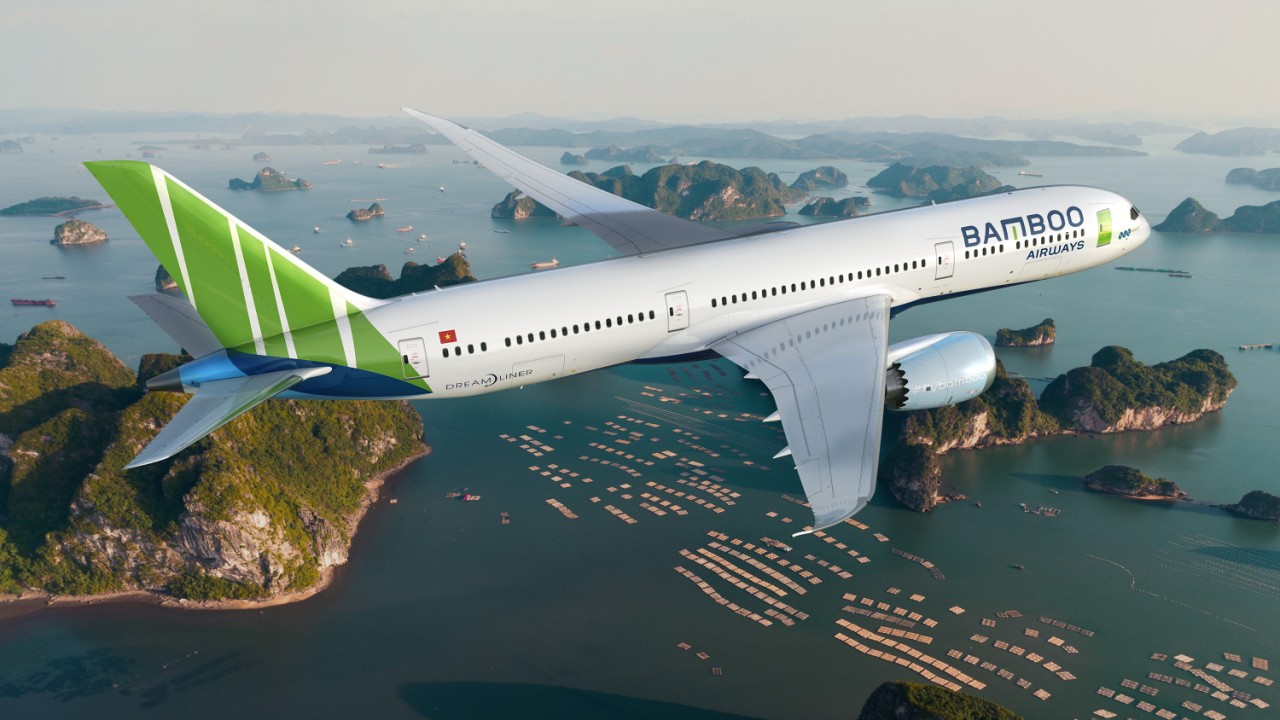
    Bamboo Airways plans to launch more new routes to Asian destinations like Japan, Singapore, and Australia besides resuming services to Taiwan and South Korea.

    It will resume flights from Hanoi to Taipei in Taiwan on September 29 and Seoul in South Korea on October 7. There will be one weekly round trip to begin with.

    The airline will begin to fly on the HCMC-Tokyo sector from November 1 and the Hanoi-Tokyo sector from December.

    It will also begin service between the northern port city of Hai Phong and Singapore besides direct flights from Hanoi and HCMC to Melbourne, Australia, in the fourth quarter.

    A spokesperson for the airline said wide-body Boeing 787-9 Dreamliner aircraft would be used for long-haul flights, adding preparations are underway to fly to Europe once Covid-19 is contained globally.

    It is scheduled to start services from Hanoi and HCMC to London in the U.K. and Munich/Frankfurt in Germany in the first quarter of 2021 and is awaiting approval.

    Nguyen Ngoc Trong, the deputy CEO of Bamboo Airways, said there are long-term plans to fly to 27 European destinations. Vietnam suspended all international flights on March 25.

    Bamboo Airways, launched in January last year, was operating on 40 domestic and international routes before the pandemic struck in January. It reported a pre-tax profit of VND303 billion ($13 million) in 2019.

  • 60,000 file for unemployment benefits in Hanoi

    60,000 file for unemployment benefits in Hanoi

    The number of applications for unemployment benefits in Hanoi as of September 10 has risen 22 percent year-on-year to nearly 60,000 as a fallout of the coronavirus pandemic.

    Last month the Hanoi Center for Employment Services (HCES) received 9,000 applications, down from the monthly peak of 10,000 in June, Vu Quang Thanh, deputy director of the center, said Monday.

    Half the applicants said they were affected by the impacts of Covid-19, he said. The second wave of the disease last month did not have as severe impact as in the second quarter because the government did not impose social distancing, he explained.

    With nearly 4,000 businesses resuming operations last month, the labor market is less affected, he added.

    Hundreds of people queued up for tokens at HCES in Cau Giay District on Monday, and of them, Hao was lucky to get one. The 34-year old mother is now looking forward to the VND2.8 million ($121) monthly support after losing her human resources job in April after nine years of service.

    Tai, a 28-year old man in the queue, said the VND2.5 million unemployment support would be a third of his family’s income after losing his lobby manager’s job at a downtown hotel in May.

    With a baby expected by the end of this month, he now works as a driver for a motorbike ride-hailing company.

    Thanh of HCES said that the number of applications would rise or fall in the remaining months of the year depending on the Covid-19 situation. If there is a surge in the number of cases, 90 percent of businesses would be affected, and monthly applications could double to 20,000, he added.

    In the first eight months, nearly 34,300 companies nationwide suspended business, up 70.8 percent year-on-year, according to the General Statistics Office.

  • Miniso sees positive and steady development in Vietnam market

    Miniso sees positive and steady development in Vietnam market

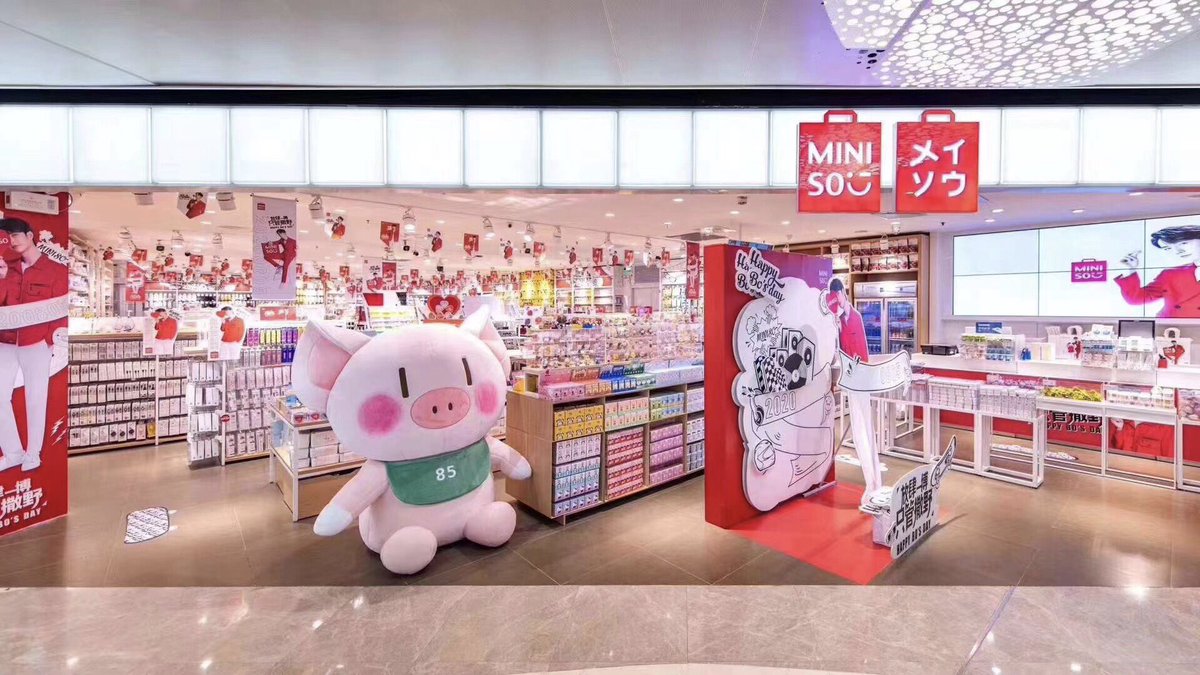
    Chinese discount retailer Miniso has opened more than 40 stores in Vietnam, four years since it launched in the market.

    Miniso entered Vietnam with its first store in Hanoi in 2016. Since then, the brand has been the local’s favorite destination for discount merchandise. Miniso now has more than 700,000 fans following its Facebook account.

    Miniso operates in key cities in the country and has a presence at major shopping malls including Aeon, Lotte, and Vincom.

    During the early stages of entering Vietnam, Miniso showed its understanding of the market by choosing local top star Son Tung M-TP as a brand ambassador. The brand also teamed with well-known Vietnamese host Sam to launch a beauty line called Sam Skin and Makeup.

    “The Vietnamese market has always shown great potential for development,” the company said in a statement. “Even under the epidemic, the market’s increasing demand for consumer experience and cost-effective products have made Miniso very confident in the future development of the Vietnamese market.”

    Miniso has not only joined several e-commerce channels, including Shopee, Lazada, and Tiki, but also created Shopify to provide “a barrier-free shopping environment”.

  • Vinpearl loss triples as pandemic hits tourism

    Vinpearl loss triples as pandemic hits tourism

    Vinpearl Jsc, the hospitality and entertainment arm of conglomerate Vingroup, saw first-half losses triple year-on-year due to the impacts of the coronavirus pandemic.

    The operator of premium resorts and theme parks recorded a loss of nearly VND5.1 trillion ($220 million), up from VND1.69 trillion.

    Its debt to equity ratio rose to 22.57 at the end of H1 from 2.2 a year earlier.

    The rising loss and debts were the result of the pandemic crippling the tourism and hospitality industries in Vietnam since the first quarter.

    In March Vinpearl shut down some of its resorts and golf courses amid travel restrictions and dwindling demand.

    The company recently raised VND865 billion through three-year bonds. In 2018 and 2019 it had issued a total of VND14.3 trillion worth of bonds.

    The company operates 43 resorts and hotels nationwide with over 17,000 rooms, golf courses, theme parks, and a safari park.

  • HCMC requests tax incentives for Samsung subsidiary

    HCMC requests tax incentives for Samsung subsidiary

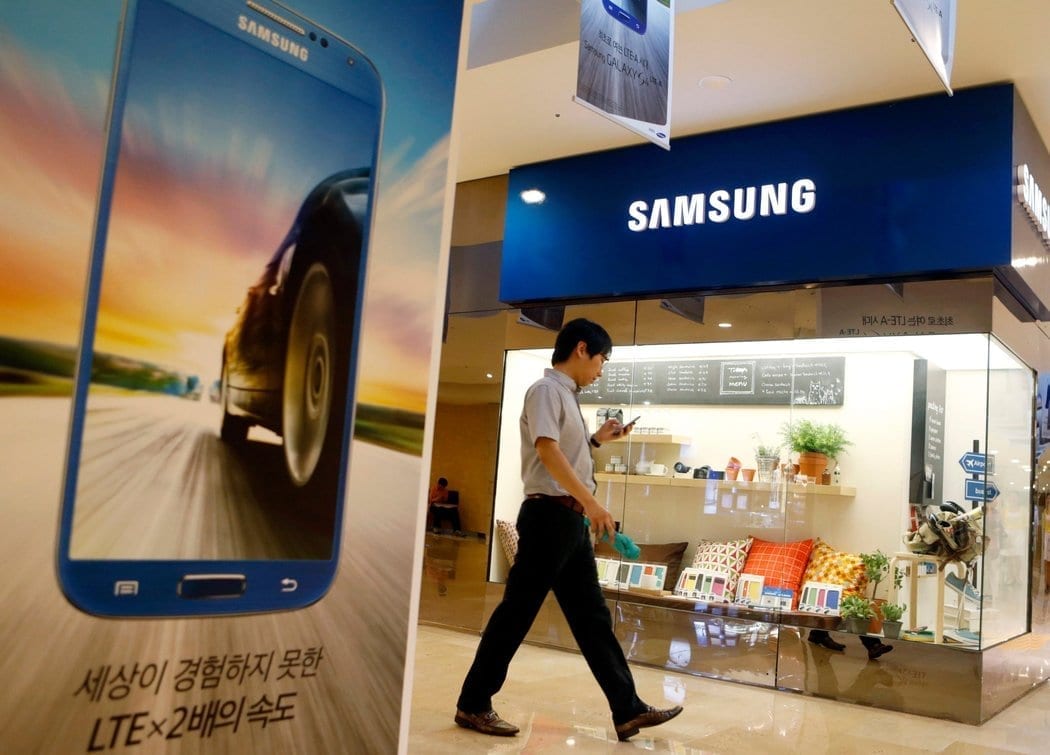
    HCMC has proposed that a subsidiary of Samsung be defined as an export processing enterprise to enjoy zero import and export duties.

    The city said in a recent proposal to Prime Minister Nguyen Xuan Phuc that switching the label of TV screen producer Samsung Electronics HCMC CE Complex (SEHC) from a manufacturing enterprise to an export processing one will fulfill the city’s commitment to creating a favorable investment environment for the South Korean conglomerate.

    This will place Vietnam as an export base for Samsung to the global market and in turn benefit local suppliers to the South Korean giant, it said.

    Vietnam allows export processing enterprises to enjoy zero import and export duties and other tax incentives, but a company needs to have 90 percent of its revenue coming from exports to be able to achieve this status.

    SEHC forecasts its revenue from exports to reach $4.4 billion this year out of the total $4.9 billion, a ratio of 90 percent.

    In 2018, the management board of the Saigon Hi-Tech Park in District 9, where SEHC is based, had made the same proposal. However, this was denied by the Ministry of Finance because the export revenue ratio of SEHC between January 2016 and June 2018 was 75 percent.

    Another reason for the rejection was that SEHC operated in a hi-tech industrial park, not an export processing zone or an industrial or economic zone.

    SEHC, which began operations in June 2016, produces and assembles smart TVs and LED screens.

    Samsung is a major foreign direct investment company in Vietnam. About half of its smartphones are produced in the country, where it has invested over $17 billion so far. Its first plant in the country was built in 2008.

  • Vietnam electronics tycoon sets up new investment group

    Vietnam electronics tycoon sets up new investment group

    Pham Van Tam, the founder of electronics firm Asanzo, has set up the Winsan Group, a $43 million enterprise to invest in electronics, dental, and food ventures.

    Tam recently announced a new role as chairman of the Winsan Group Investment Joint Stock Company, which will function as a financial investment company for small and medium enterprises (SMEs).

    Winsan is like a ‘power pump’ for businesses that have great potential for scaling but lack financial resources and management experience, he said.

    Unlike the model launched by Asanzo last year with a focus on electronics and hardware startups, Winsan expands the portfolio to other areas including dentistry, consumables, and food and beverages.

    In addition to funding, the group will also support SMEs to recruit talented employees and leading experts for senior positions, facilitating breakthroughs and reducing the failure rate in a competitive market.

    Tam said that Winsan was a step towards expanding the ecosystem out of household electronics. The name Winsan is inspired by the term win-win concept in modern business, hoping to bring victory for both sides when cooperating, he explained.

    The company’s initial capital is estimated at VND1 trillion ($43 million), 70 percent of which will be invested in technology – electronics businesses.

    In the first phase, we will select SMEs with products serving the majority of average consumers, low-income employees. This tight criterion will help optimize capital investments, Tam said.

    Industrial real estate and logistics are also important investment portfolios that Winsan will promote in the near future, he added.

    E-commerce presents great opportunities amid the ongoing Covid-19 pandemic, creating added momentum for industrial real estate and logistics to meet the need to lease factories and warehouses. The shift by multinationals to produce in Vietnam is another positive sign, he said.

    The Asanzo founder said that he’d been covering the investment group model for about three years as he witnessed the increase in business efficiency when empowering young directors to manage production.

    Many of these people are trained abroad in the corporate governance of developed industries with the capacity to formulate medium and long-term strategies. In addition to capable personnel, market data analysis helps accurately forecast business situations, reduce inventory lines, and cut costs while ensuring a proactive supply of goods corresponding to market demand.

    At first traditional distributors complained about challenging import regulations when applying new quality and processes. But after a while, they found that these adjustments bring positive effects. The goods are shipped quickly and meet customers’ taste, creating satisfaction on both sides, Tam said.

    Tam also appreciated young talents when interacting with them through start-up projects, like the Startup Viet competition organized by VnExpress, which urged him to establish this investment model instead of concentrating on just one enterprise.

    Tam also aims to draw in foreign partners who have worked with Asanzo for several years, thereby creating a large-scale investment fund, accessing and supporting a variety of business models.

    With a strong capital base, we will enhance the search for suitable products with local elements, understanding local consumers, then create new brands that make a real mark on the market.

  • Companies Carmaker VinFast posts $284 mln loss

    Companies Carmaker VinFast posts $284 mln loss

    Vietnamese automaker VinFast posted a loss of nearly VND6.6 trillion ($284 million) in the first half, up four times year-on-year.

    The subsidiary of Vietnam’s largest private conglomerate Vingroup saw owner’s equity rising 10.8 percent year-on-year to VND28.1 trillion ($1.2 billion) by the end of June. Its asset value by the same date was over VND100 trillion.

    Pham Nhat Vuong, chairman of Vingroup, had earlier said that losses were expected for both automaker VinFast and smartphone producer VinSmart over the next three to five years as they work to increase their market share.

    Vingroup recorded H1 revenues of VND6.58 trillion from cars, electric bikes and smartphone sales, triple that of last year.

    VinFast has recently entered the luxury market with its new SUV, VinFast President. The company sold over 5,100 cars in the first quarter to rank fifth among auto brands in Vietnam.

  • Vietnam currency to remain stable throughout the year

    Vietnam currency to remain stable throughout the year

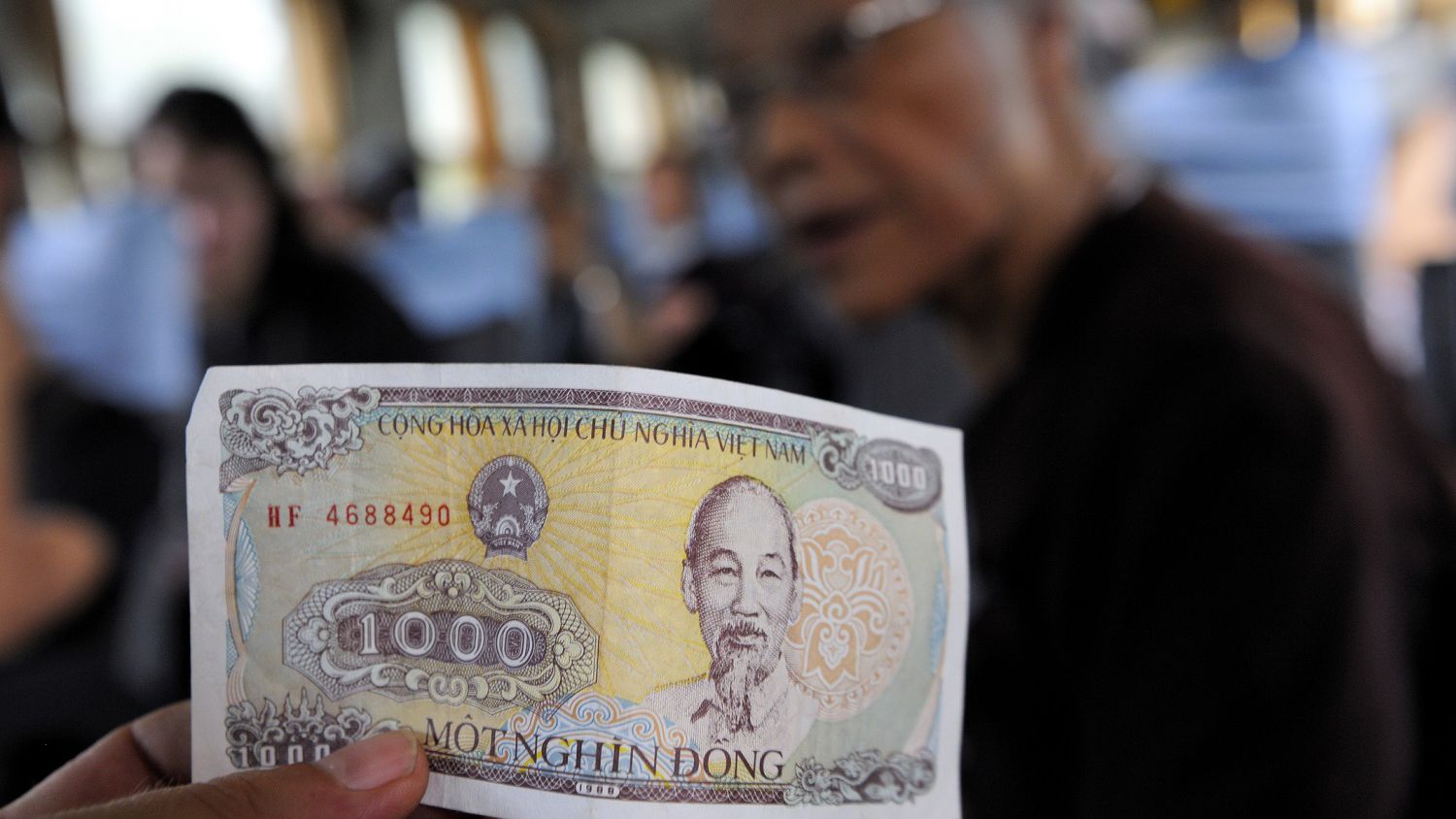
    Vietnam’s currency will likely remain stable this year as the greenback weakens and foreign exchange reserves rise, experts say. The reference rate set by the State Bank of Vietnam (SBV) has remained mostly stable this year and was at VND23,205 Tuesday.

    Rates at commercial banks for the last two months have also been stable. Vietcombank was selling the dollar for VND23,270 Tuesday morning. Ngo Dang Khoa, head of global markets at HSBC Vietnam, said that the VND/USD exchange rate will remain stable for the last four months thanks to a weakened dollar, Vietnam’s record-high trade surplus in the first eight months, and the record-high currency exchange reserves of the SBV.

    A poll of 75 foreign exchange strategists showed that 45 of them, or 60 percent, said the dollar would weaken slightly over the coming year. Analysts said the U.S. Federal Reserve’s policies have been the main reason for the dollar weakening sharply over the last four or five months. The Fed announced last week that it would tolerate periods of higher inflation and focus on employment.

    “So they’ve basically slashed rates to zero, that yield differential in America over the rest of the world is compressed and that obviously helped keep the dollar at such strong levels in previous years, which is no longer the case,”  quoted currency economist Lee Hardman as saying.

    Vietnam’s trade surplus climbed to a new peak of $11.9 billion in the first eight months as imports declined due to the fallout of the novel coronavirus pandemic, according to the General Statistics Office. A trade surplus increases the country’s supply of foreign currency.

    Prime Minister Nguyen Xuan Phuc on September 4 said that Vietnam’s foreign exchange reserves were at nearly $92 billion and could reach $100 billion by the end of the year.

    However, analysts from brokerage Bao Viet Securities said the SBV could slightly weaken the dong in the upcoming months amid the U.S. watching several countries, including Vietnam, for currency manipulation, or the use of unfair currency practices to gain trade advantages.

    A Vietnamese currency expert who asked not to be identified said that although Vietnam’s currency reserves have been increasing, it was still lower than other countries.

    The government has also been working closely with American authorities to prove that Vietnam is not intentionally using currency as a tool to boost exports, he added.

    Vietnamese authorities have repeatedly affirmed that the country does not use monetary policies to unfairly compete with trading partners.

  • Bamboo Airways eyes direct route to Australia

    Bamboo Airways eyes direct route to Australia

    Bamboo Airways plans to open a direct regular route between Hanoi and Melbourne early next year using the wide-body aircraft Boeing 787-9 Dreamliner.

    The airline made this announcement after conducting its first flight to Australia last Sunday to carry nearly 300 Vietnamese workers and students home. Nguyen Ngoc Trong, the deputy CEO of Bamboo Airways, said in a statement that Australia was one of the most important aviation markets for Vietnam.

    The airline is preparing to operate international flights once the Covid-19 situation has been contained globally. It is eyeing in particular flights connecting Vietnam with destinations in Oceania, Southeast Asia, and Asia.

    For the remaining months of this year, Bamboo Airways will continue to operate charter flights to international destinations like South Korea, Australia, Malaysia, Singapore, Taiwan, mainland China, Prague, and the U.S., Trong said.

    The airline was launched in January last year and was operating 40 domestic and international routes before the pandemic struck Vietnam this January.

    It conducted 2,040 flights last month, up 21 percent year-on-year, according to the Civil Aviation Authority of Vietnam (CAAV).

  • Textile firms survive on weekly export orders

    Textile firms survive on weekly export orders

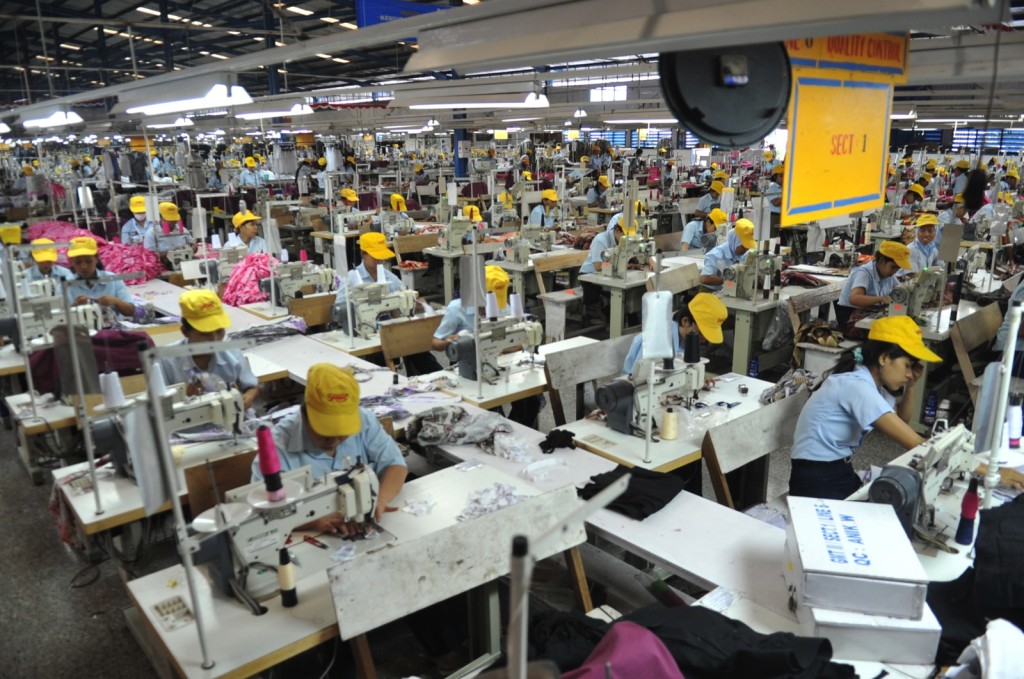
    The textile and garment industry continues to be hurt by the Covid-19 pandemic with only weekly orders coming in due to uncertain demand. Shipments of textile and garment, Vietnam’s third-largest export earner, fell 11.6 percent year-on-year in the first eight months to $19.6 billion because of the pandemic, the Ministry of Industry and Trade said in a recent report.

    Producers receive orders by the month or even week because of the plunging global demand due to Covid-19, whereas in previous years by this time they would have received orders for the first half of the following year, the report said.

    Some producers have seen September orders drop by 40-50 percent, while orders have not been confirmed for the rest of the year and 2021, it added.

    Global demand for textile and garment products in the third quarter has not shown signs of reviving, as consumer confidence remains low in the U.S., the E.U. and Japan, three of Vietnam’s largest buyers.

    This has affected producers like Vietnam National Textile and Garment Group (Vinatex). Cao Huu Hieu, its deputy CEO, said the company forecasts a 20 percent fall in revenues this year.

    “We have barely received orders for the last quarter, which is a major challenge for our production plans. Prices of masks have dropped to just enough to cover costs.”

    Companies are doing all they can to survive. Garment 10 Corporation Jsc (Garco10) is working to get long-term orders to ensure cash flows and retain jobs, while Vinatex seeks to boost domestic sales.

    Truong Van Cam, deputy chairman of the Vietnam Textile and Apparel Association (VITAS), said the domestic market is promising amid the pandemic though revenues from it would not be high since consumers are also trying to cut down spending.

    Companies want the government to delay loan repayments to banks.

    There are around 6,800 textile and garment businesses in the country. Last year their exports were worth $32.85 billion, increasing 7.8 percent year-on-year.

  • Vietnam advised to restart nuclear energy program

    Vietnam advised to restart nuclear energy program

    With its energy deficit rising every year, several experts are advising Vietnam to reconsider the shelved nuclear power program. Nuclear energy is one of the recommendations made by experts as the Industry and Trade Ministry (MoIT) gathers public inputs for its 2021-2030 National Energy Master Plan.

    Tran Xuan Hoa, Chairman of the Vietnam Mining Technology Association, said that as Vietnam’s net energy imports continue to rise, it is getting harder and harder to find sources that would allow the country to access stable energy sources to meet its socio-economic development goals.

    A restart of the nuclear development program should be included in the national master plan, he said, adding that compared to other types of energy currently available, nuclear energy was “still relatively safer and low-priced”.

    This is the first time that Vietnam is working on a comprehensive national energy master plan. Prior to this, energy plans were made on a piecemeal basis, that is, for each individual energy sector.

    Hoa said Vietnam had in 2016 approved a nuclear power development plan which would build two plants with a designed capacity of 4,000 MW per year in the southern province of Ninh Thuan. Work on the plants was set to start the same year.

    However, in November 2016, the National Assembly decided to suspend all nuclear development until 2030, saying it wanted to allocate capital for coal and gas, modernizing infrastructure to boost socio-economic development and adapting to climate change.

    Nuclear energy is mentioned in the draft master plan released for receiving feedback, but it envisages the development of this energy to begin after 2035. The draft envisages national nuclear power capacity reaching 1,000 MW by 2040 and 5,000 MW by 2045.

    “We have halted nuclear production for many reasons, but a restart should now be considered. Unfortunately, in the short term, the national energy plan has not mentioned anything about nuclear development,” Hoa said.

    Nguyen Anh Duc of the MoIT’s Institute of Petroleum said tapping alternative sources of energy should be a key consideration as coal, oil and gas reserves get depleted.

    Since 2015, Vietnam has shifted from being a net exporter to a net importer of energy. Imports of coal, and oil and gas, two sources of raw materials that account for a major proportion of the country’s primary energy supply, have been rising steadily during this period, an MoIT report has said.

    While Vietnam targets extraction of 50-56 million tons of coal per year, the Vietnam National Coal and Mineral Industries Group (TKV) has only been able to achieve 45 million tons per year as it is having to dig deeper and deeper to access the mineral. The rest is imported to ensure sufficient supply for electricity development, consumption, and production needs.

    Vietnam has spent around $2.6 billion on importing 36.5 million tons of coal in the first seven months of this year, up 50 percent in volume year-on-year, according to Vietnam Customs.

    As for gas, currently most 2020 targets have been met or exceeded, save for liquefied petroleum gas (LPG) production, at only 50 percent; while processing, storage and distribution providers have only been able to meet 25 percent of the country’s petrochemical processing demand this year, Duc said.

    Production is currently at around 9-10 billion cubic meters, but this is expected to decrease after 2023 when output declines at most oil and gas fields being exploited now.

    To resolve this, the government needs to find ways to ease bottlenecks for investment in gas exploitation. “Procedures, legal corridors, and policy mechanisms for the oil and gas sub-sector need to be set out in detail in this comprehensive energy plan to attract investment in exploration in deep and remote waters,” Duc said.

    Vietnam will have to import 1-4 billion cubic meters of liquefied natural gas a year in 2021-2025 to meet growing power demand, the MoIT assessed in a report released last year.

    Hoa said that two years ago, the solar power feed-in-tariff (FIT) was very attractive at a fixed 9.35 cents a kWh. Now, it has decreased to 7.09-8.38 cents per kWh, depending on the type of investment. Given falling renewable energy prices, the national master plan should promote the development of this type of energy over others, he added.

    Data released by national utility Vietnam Electricity (EVN) shows that as of June-end this year, 5,482 MW of solar power capacity had been installed, accounting for 9.5 percent of the country’s power sources. By mid-August, there were nearly 45,300 rooftop solar power projects operating with a total capacity of 1,029 MWp, an output of about 500,692 MWh.

    According to Tai Anh, Deputy General Director of EVN, as long as renewable energy accounts for less than 20 percent of national capacity, the power grid will not need additional investment.

    But if it does, then the system will require many new solutions such as additional storage batteries to maintain balance, and money would have to be set aside to deal with environmental impacts when renewable energy machinery expires, inflating costs, he said.

    “If Vietnam wants to raise its renewable energy capacity, how much we can afford to subsidize and how much the economy can withstand are factors needed to be considered carefully before making an appropriate choice,” he said.

    Dr. Nguyen Ngoc Hung of the MoIT’s Institute of Energy said Vietnam’s new comprehensive national energy plan also needs to set up clear incentivizing mechanisms, especially in terms of energy prices, if the country wants to attract private sector investment.

    “Most businesses dare not invest in coal mines, deeming the risks too great,” he said.

    Nguyen Thuong Lang of the MoIT’s Institute of Commerce said energy prices are set by the Ministry of Finance, and unless businesses are allowed to set prices according to market forces, it would be very difficult to make effective feasibility appraisals of potential energy projects.

    So far, no market price mechanism has been mentioned in the MoIT’s draft energy master plan, he noted. Lang said that the roles of the state and the private sector will have to be redefined and the market allowed to decide prices, which will be more efficient. As Vietnam’s economy transforms rapidly, prices should be allowed to match changes in the country’s economic structure, he added.

    Pointing to the fact that no truly large-scale energy project has been started in the last five years, Hoa said that the reason why businesses do not dare to invest is the lack of a market mechanism, with many energy sectors still having prices set by the Ministry of Finance.

    “Therefore, it is necessary to get the energy sub-sectors to coordinate with the Government, localities and enterprises to resolve this issue,” Hoa said.

    Deputy Prime Minister Trinh Dinh Dung had said at the Vietnam Energy Summit 2020 in July that Vietnam needs another 5,000 MW in power plant capacity by 2025, which will cost it around $7-10 billion each year.

    Vietnam currently relies largely on hydropower and thermal power for its electricity needs, but its hydropower potential is almost fully exploited and oil and gas reserves are running low.

    Coal-powered plants accounted for 36.1 percent of electricity supply last year, followed by hydropower at 30.8 percent, according to the Vietnam Energy Association.

    The MoIT plans to incorporate feedback on the draft National Energy Master Plan and submit its final version to the Government by the end of this year.

  • International flights resumption fails to enthuse Vietnam tourism firms

    International flights resumption fails to enthuse Vietnam tourism firms

    Vietnamese tourism companies are not enthused about the possibility of flight resumption to six Asian destinations because they don’t expect large numbers of tourists to board these flights.

    Nguyen Cong Hoan, deputy CEO of Hanoi Redtours, said that flights to these destinations will mostly serve businesspeople, workers and students and not tourists.

    “Although this shows that the Vietnamese government is opening up the doors to other countries, tourism will not see immediate benefits because the mandatory 14-day quarantine policy will discourage tourists,” he said.

    Hoan was commenting on a plan by Vietnam aviation authorities to resume commercial flights to Guangzhou (mainland China), Seoul (South Korea), Tokyo (Japan), Taipei (Taiwan), and Cambodia and Laos as early as later this month.

    The Civil Aviation Authority of Vietnam (CAAV) said this plan, if approved, will bring in about 5,000 passengers a week to Ho Chi Minh City, Hanoi and Can Tho City.

    Phan Dinh Hue, CEO of Ho Chi Minh City-based tourism firm VietCircle, said people only travel when they feel safe, and amid the ongoing pandemic, not many are willing to take the risk contracting the virus on a flight.

    People also do not want to be “trapped” in a destination if it is locked down, as happened to many last month when there was an outbreak in Da Nang City, he added.

    What tourism companies want now is a chance to reboot domestic travel. Nguyen Quoc Ky, chairman of leading tourism company Vietravel, said authorities need to establish a map of safe travel destinations in the country to boost demand and help tourism companies survive.

    Hoan of Hanoi Redtours proposed that authorities in each locality assess the Covid-19 situation in their area and make appropriate decisions.

    If there were no Covid-19 cases recorded in a locality, tourism and entertainment activities should be allowed, he said.

    He added that in the long run, if the resumption of international flights does not result in a surge of community transmissions of the novel coronavirus, the government could remove the 14-day quarantine policy. Only then would tourism companies be able resume their international operations.

    The Covid-19 pandemic has seriously damaged Vietnam’s tourism sector. Tourism revenues in the first eight months fell over 54 percent year-on-year to VND13.1 trillion ($569 million), according to the General Statistics Office.

    Foreign arrivals fell 67 percent to 3.77 million in the period.

    Last year, Vietnam welcomed 18 million foreign tourists, up 16.2 percent year-on-year.

  • Alibaba.com initiative helps Vietnamese SMEs venture abroad

    Alibaba.com initiative helps Vietnamese SMEs venture abroad

    Alibaba.com, the global B2B e-commerce platform of Alibaba Group, launched a landmark initiative Monday to help companies in Vietnam go online and reach an enormous pool of qualified global buyers.

    As an international extension of the 2020 Spring Thunder program initiated by Alibaba Group, Alibaba.com’s ‘Project Sprout Up’ is a timely and tailored digital solution aimed at helping local SMEs compete through digitization amid the re-surfacing Covid-19 epidemic in Vietnam.

    The initiative will support Vietnamese SMEs in three key areas – faster onboarding onto the Alibaba.com platform for establishing a global reach, access to solutions designed to accelerate business growth, and tailored services to help SMEs deepen their online trade capabilities. These tailor-made services and a specially developed local program are bespoke to Vietnamese sellers on the Alibaba.com platform.

    “Vietnam has been gaining a strong reputation amongst global buyers with its manufacturing capabilities, high-quality products, competitive pricing and focus on exports. While the B2C segment has adopted e-commerce more instinctively, some entrepreneurs have also established global B2B trading using digital channels,” said Zhang Kuo, general manager of Alibaba.com.

    “This year even more businesses have felt the need for sustainable business models. We believe that global trade through B2B e-commerce can provide that opportunity and enable more SMEs to recover and even generate sustained growth,” Kuo added.

    A survey by Alibaba.com shows 65 percent of global buyers are now using online platforms to source products in place of on-site visits. There are now more than 20 million active buyers from over 190 countries and regions and an average of 300,000 inquiries made daily for goods ranging from raw materials to finished products on the platform. Over 600,000 products from Vietnamese sellers are currently listed on the Alibaba.com platform, including items from key local industries like food & beverage, furniture, home & garden, agriculture, and apparel.

    Alibaba Group’s 2020 Spring Thunder initiative was launched in April 2020 by Daniel Zhang, Chairman, and CEO of Alibaba Group. The program deploys the power of commerce and technology Alibaba Group has harnessed over the past two decades to create new supply chains, stimulate new demand, and promote new trade through a series of key measures.

    As an extension to this initiative, Alibaba.com’s ‘Project Sprout Up’ aims to help SME suppliers in Vietnam create sustainable business models through customized solutions.

    As part of the ‘Project Sprout Up’ initiative, Alibaba.com will offer its suppliers a complete 90-day onboarding service covering a range of features including online store set-up, support on product postings, understanding of keyword advertising, and support on traffic management and inquiries.

    This is backed by the use of AI to match buyers and sellers rapidly and more accurately on the Alibaba.com platform, coupled with the sheer number of inquiries each day from buyers around the world.

    With the aim of facilitating digital transformation awareness across the country, enabling local SMEs, and helping them to recover, the Alibaba.com platform has identified several changes in global consumer trends. The changes include increasing acceptance of e-commerce and the emergence of new e-commerce models, growing focus on health awareness led consumption, the popularity of products suited for in-home consumption while oriented towards value and purpose-driven consumption.

    Understanding these trends can create significant opportunities for Vietnamese sellers in the global arena. To give SMEs more confidence when participating in global trade, Alibaba.com will make it’s Smart Marketing Solution, an intelligent keyword advertising tool, available to suppliers in Vietnam.

    The tool draws on insights from the platform and AI algorithms to help suppliers market their products with intelligent pricing without additional labor or investment required. This solution will also enable businesses to understand the demand for a product category, offer pricing suggestions for their keyword bids to acquire new customer traffic and fine-tune their business strategies via a simple and basic interface, even for businesses new to the Alibaba.com platform.

    Vietnam has weathered the Covid-19 pandemic relatively well recently, however, one of the biggest challenges facing Vietnamese SMEs today is the lack of online trading skills.

    To address the issue, Alibaba.com will offer tailor-made training programs, which will highlight adaptable practices for all kinds of enterprise structures. Through systematic customer training sessions and service support programs, the ‘Project Sprout Up’ initiative will aim to create a successful roadmap for its members.

    Alibaba.com has been enabling the growth of SMEs since 1999 with tools designed specifically for B2B trade. Supplier members on the Alibaba.com platform are entitled to a suite of tools and services including a customized digital storefront, buyer analytics, targeted advertising, and support in the form of online courses as well as live customer support, among others.

    SMEs interested in learning more about ‘Project Sprout Up’ can click here to fill in a survey, after which a representative of Alibaba.com will reach out with further details.

    The first business of Alibaba Group, Alibaba.com was China’s largest integrated international online wholesale marketplace in 2019 by revenue, according to Analysys.

    It connects Chinese and overseas suppliers to international wholesale buyers, who are typically trading agents, wholesalers, retailers, manufacturers, and SMEs engaged in the import and export business. It provides them sourcing, online transaction, digital marketing, digital supply chain fulfillment, and financial services.

    In the 12 months ending March 31, 2020, over 20 million buyers from approximately 190 countries had sourced business opportunities or completed transactions on Alibaba.com.