Tag: Vietnam

  • Most Vietnamese graduates interested in startups: survey

    Most Vietnamese graduates interested in startups: survey

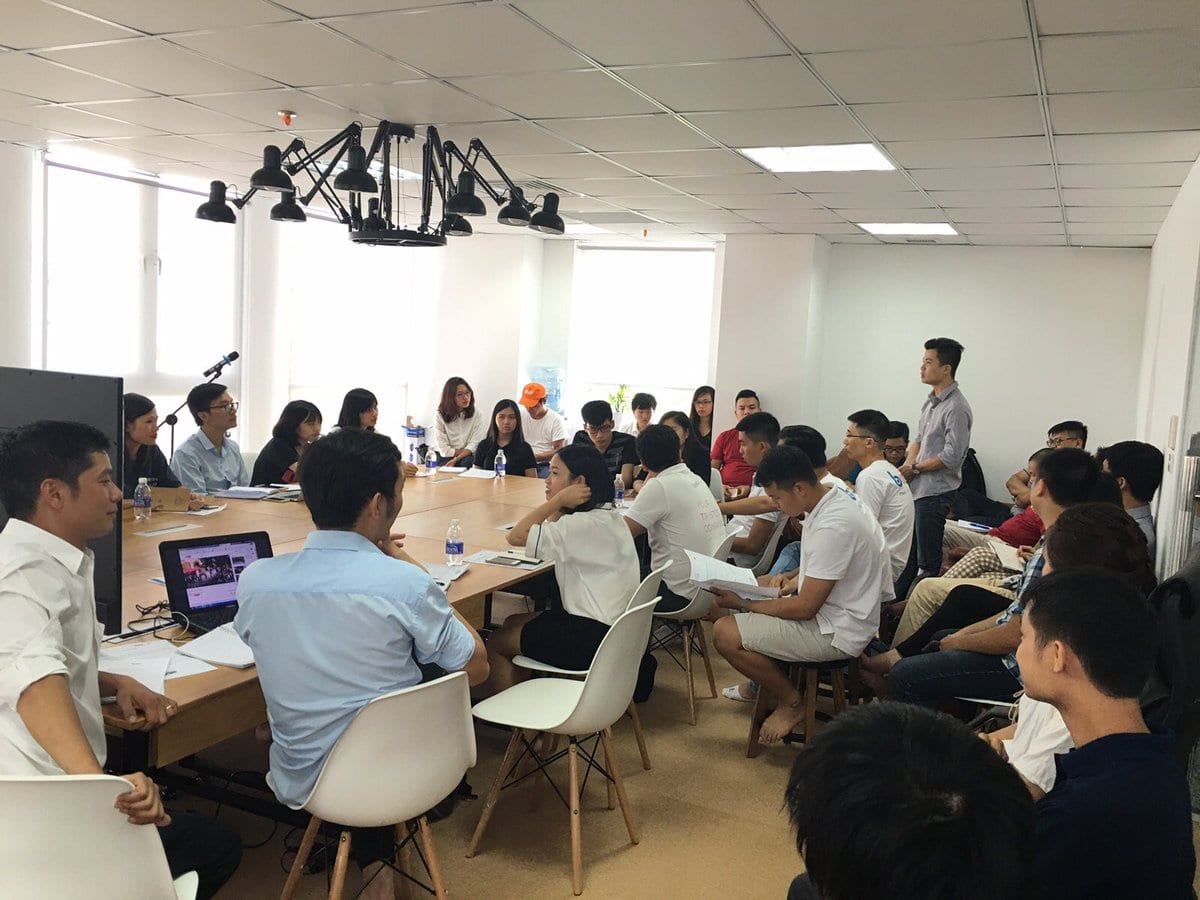
    About 75 percent of Vietnamese graduates have either started their own business or are interested in opening one. A survey released Tuesday by Navigos, a leading provider of executive search services in Vietnam, also found hat 52 percent of fresh graduates want to attempt a startup in the near future.

    One in five respondents, or 22 percent, said they have attempted a startup at least once before. Only 26 percent said that they have no plans for a start-up. The survey polled over 1,600 fresh graduates with less than two years of working experience.

    It found that a high number of fresh graduates are not satisfied with their current salaries, incentives and promotion opportunities.

    On a scale of five, they rated their satisfaction with salary at 2.95, and incentives at 2.99. Long-term development opportunities scored lowest at 2.88.

    Salaries and incentives are important factors for graduates in choosing their first jobs. Seventy percent of respondents selected “income and welfare policies” as one of the top criteria for job selection.

    Compatibility with personal strengths came second at 55 percent, while career prospects and opportunities for development come third and fourth at 53 percent and 52 percent respectively.

    The majority of fresh graduates, 34 percent, make VND5-7 million ($215-300) a month. Twenty-nine percent said their monthly salaries were VND7-10 million ($300-430). Only 12 percent made VND10 million ($430) or higher.

    The survey also found that candidates who are proficient in foreign languages have higher salaries. Only five percent of those whose jobs don’t require foreign language skills earn VND10 million ($430) or higher, while this figure is 37 percent among candidates who can speak another language.

    Young employees changed jobs more frequently, posing a retention challenge for employers. Eighty-one percent of the respondents said that “jumping jobs” helps them avoid wasting time on unsuitable or unsatisfactory positions.

    Forty-three percent claimed that switching jobs helped them gain diverse working experience and expand networks.

    Although young candidates value high salaries and benefit packages when choosing jobs, 57 percent said higher earnings was not the motivation for jumping jobs.

    Of the respondents who’d quit their jobs, 45 percent said the reason was personal plans like education or family issues.

    Four out of ten graduates said that they quit because they didn’t like their daily tasks, while almost one in four said they could not fit in with the corporate culture.

  • FastGo can’t go, say Vietnamese authorities

    FastGo can’t go, say Vietnamese authorities

    Vietnamese ride-hailing firm FastGo, at odds with authorities over its legal status, asserts it is going by the book. According to the Ministry of Transport and the Ministry of Industry and Trade, FastGo is not yet eligible to be approved for a pilot phase, nor is it registered as a tech platform.

    In a written reply to the Da Nang Department of Transport’s proposal to permit FastGo to operate, the Ministry of Transport has said that the application falls under the category of “electronic contract service based – management support platform.”

    But, the ministry adds, it is yet to receive a proposal to launch the app directly from FastGo Vietnam JSC, which means the application is not yet ready to be approved for a pilot phase.

    The ministry has also requested the Da Nang Department of Transport to inform cab companies not to use FastGo if the app is offered to them. Furthermore, FastGo is not allowed to provide its services directly to taxi drivers, it says.

    However, Nguyen Huu Tuat, FastGo CEO, is adamant that the app is not violating any law. He said that he has not received a written response the ministry or from the Da Nang Department of Transportation.

    Tuat clarified that FastGo does not provide transport support management services to individual drivers in Da Nang. It only services drivers of local transport cooperatives.

    “FastGo has filed the information and sent a request for approval for a pilot phase, but has not received a response from the Ministry of Transport,” said Tuat.

    He said Fastgo is neither defined as a transport service provider nor is it a transport cooperative. It is merely an application connecting drivers with customers. Tuat said that he was waiting for new transport regulations on this issue, following which the company will determine the specific business category for registering its app.

    FastGo has been functioning in Vietnam’s major cities since June. It is only after six months that regulators have backtracked and declared that its registration is incomplete.

    A representative of the Department of E-Commerce and Digital Economy under the Ministry of Industry and Trade said: “FastGo has not registered its tech platform with the Ministry of Industry and Trade. Therefore, it is unlawful for FastGo to engage with drivers or operate a transport management platform.”

    In response to this comment, Tuat asserted that he has submitted this proposal, but is yet to receive a reply.

    Launched in June 2018, FastGo now operates in Hanoi, Ho Chi Minh City and Da Nang with more than 30,000 drivers. At the end of August, the local company received funding from VinaCapital, and is planning to mobilize up to $50 million for a second expansion phase that will target Indonesia and Myanmar.

    FastGo Vietnam Joint Stock Company was established in April 2018 with its headquarters in Hanoi. The company belongs to a wide network of services provided by Nextech, a leading tech firm in Vietnam.

    A Nikkei Asian Review report quoted the company as saying it hopes to make its service available in 20 cities in Vietnam and five other Southeast Asian markets, including the Philippines, Cambodia and Thailand, by the end of next year.

  • Haidilao hot pot debuts in Vietnam

    Haidilao hot pot debuts in Vietnam

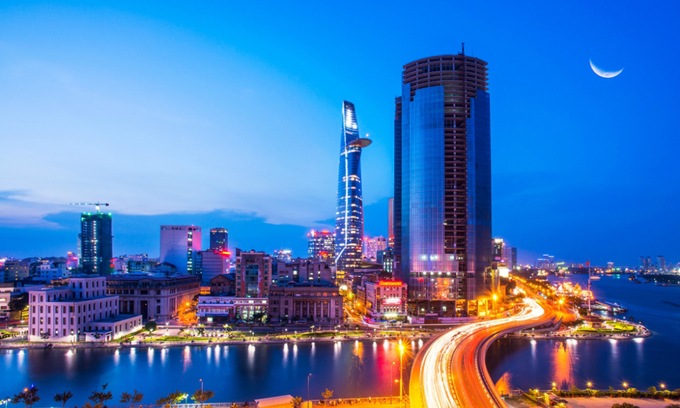
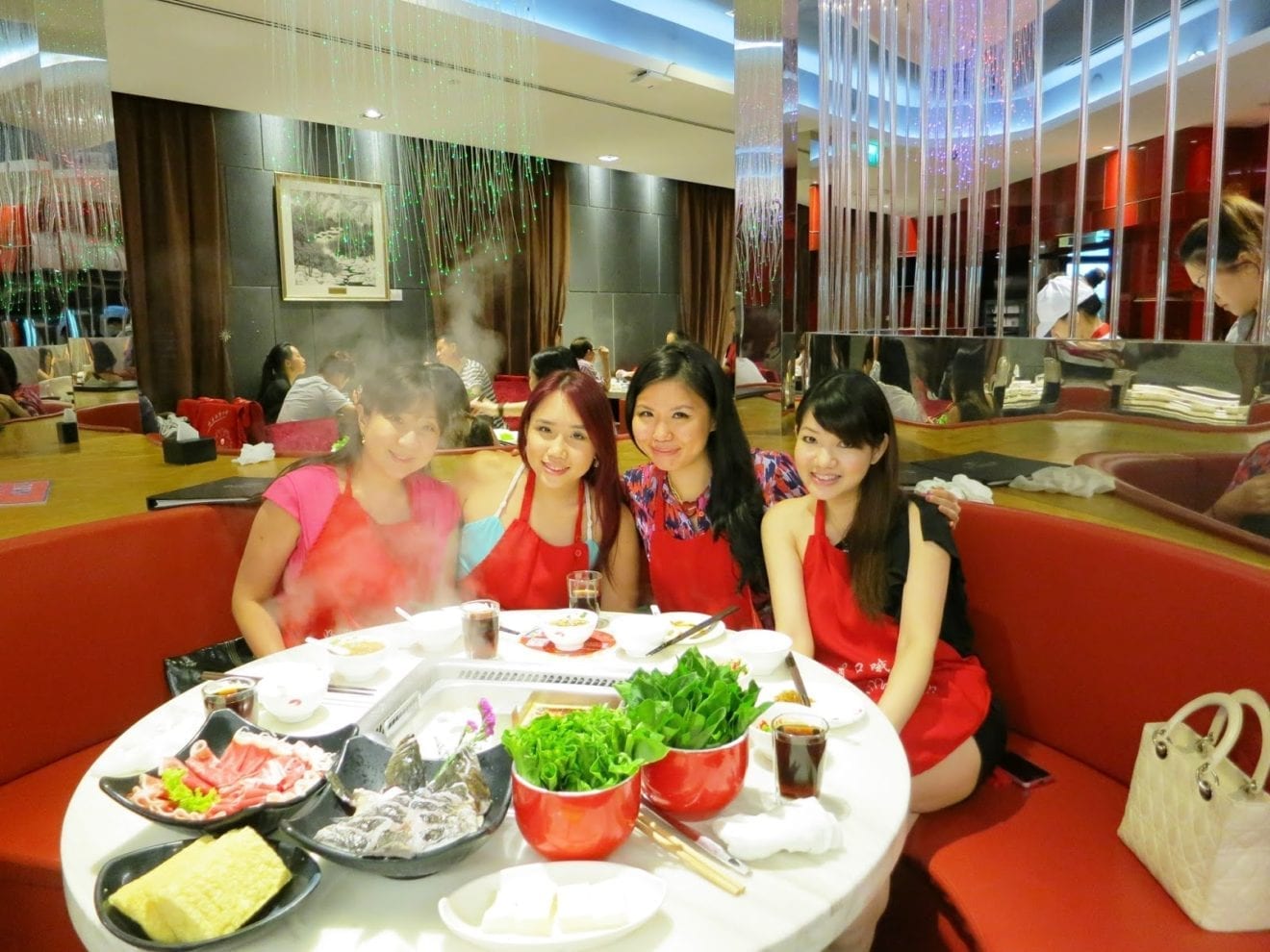
    Chinese hot-pot chain Haidilao is to open its first outlet in Vietnam. The outlet is located on the second floor of the 68-story Bitexco building in Ho Chi Minh City. Without revealing the opening date, the company has been recruiting office staff and restaurant crews for its Vietnam debut. Hai Di Lao Viet Nam Holdings Company was established in August, headquartered in Hanoi.

    Founded in 1994, Haidilao serves Sichuan-style hot pot integrating features from all over China. Until now, the chain has opened 29 restaurants overseas, including in Japan, Singapore, South Korea, and the US.

  • Vietnamese consumers among the most optimistic in the world

    Vietnamese consumers among the most optimistic in the world

    Vietnamese consumer confidence has reached a global high thanks to optimism over jobs and personal finances. The Vietnam Consumer Confidence Index has risen by nine points from the second quarter to reach an all-time high at 129 points in the third quarter of 2018, according to the Global Consumer Confidence Survey.

    The survey results have been released by research association The Conference Board in collaboration with global market research company Nielsen.

    The survey ranks the country in second place in the world in terms of consumer confidence, behind India at 130 points.

    While most Asian economies are vulnerable to the ongoing trade dispute between China and the U.S., Vietnam is a possible exception, as it may attract parts of the global value chain that currently run through China, the report said.

    The rise in the confidence index is also due to greater optimism about employment prospects, personal finances and the level of willingness to spend.

    Eight out of ten Vietnamese surveyed said that they were positive about their job prospects, up nine percentage points from the second quarter.

    Eighty-two percent of respondents expected their personal finances will be good or excellent over the next 12 months, up 6 percentage points from the second quarter.

    The majority of them, 63 percent, said that the next 12 months are a good time for them to buy the things that they want and need, 8 percentage points higher than the second quarter.

    Concerns about having a stable job and health (both at 40 percent) remained the top concerns among Vietnamese consumers. The national economy came in third at 27 percent, 5 percentage points higher than the previous quarter.

    Vietnamese consumers continue to take the lead globally when it comes to saving, the survey found. Seventy-two percent of respondents said that they would save their spare cash, up two percent from the second quarter.

    But Vietnamese people are also more willing to spend on big-ticket items. The percentage of people who would spend their spare cash on home improvements increased 10 percent from the second quarter to 48 percent.

    Over half of them, 53 percent, want to spend the money on new clothes, up 7 percentage points from the second quarter.

    Nguyen Huong Quynh, managing director of Nielsen Vietnam, said that when consumers faced multiple concerns, their purchasing decisions will be affected and businesses should always keep a close track on changes in the spending habits of consumers.

  • Ashley HomeStore adds stores in Vietnam and more

    Ashley HomeStore adds stores in Vietnam and more

    American furniture store chain Ashley HomeStore has expanded globally with new stores in Vietnam, Thailand and New Zealand. In support of the move, the company has established a 400,000sqft consolidation warehouse in Vietnam’s Ho Chi Minh City. The new facility will allow a faster order response time.

    The firm’s president and CEO Todd Wanek said: “As a company, we’ve achieved many milestones this year. The largest has been the growth of our global footprint, which exceeds 900 HomeStores worldwide. This major accomplishment stands as a true testament to our global brand recognition.”

    HomeStore now operates in 54 countries with 310 locations.

  • Vietnamese carriers get busy with early holiday plans

    Vietnamese carriers get busy with early holiday plans

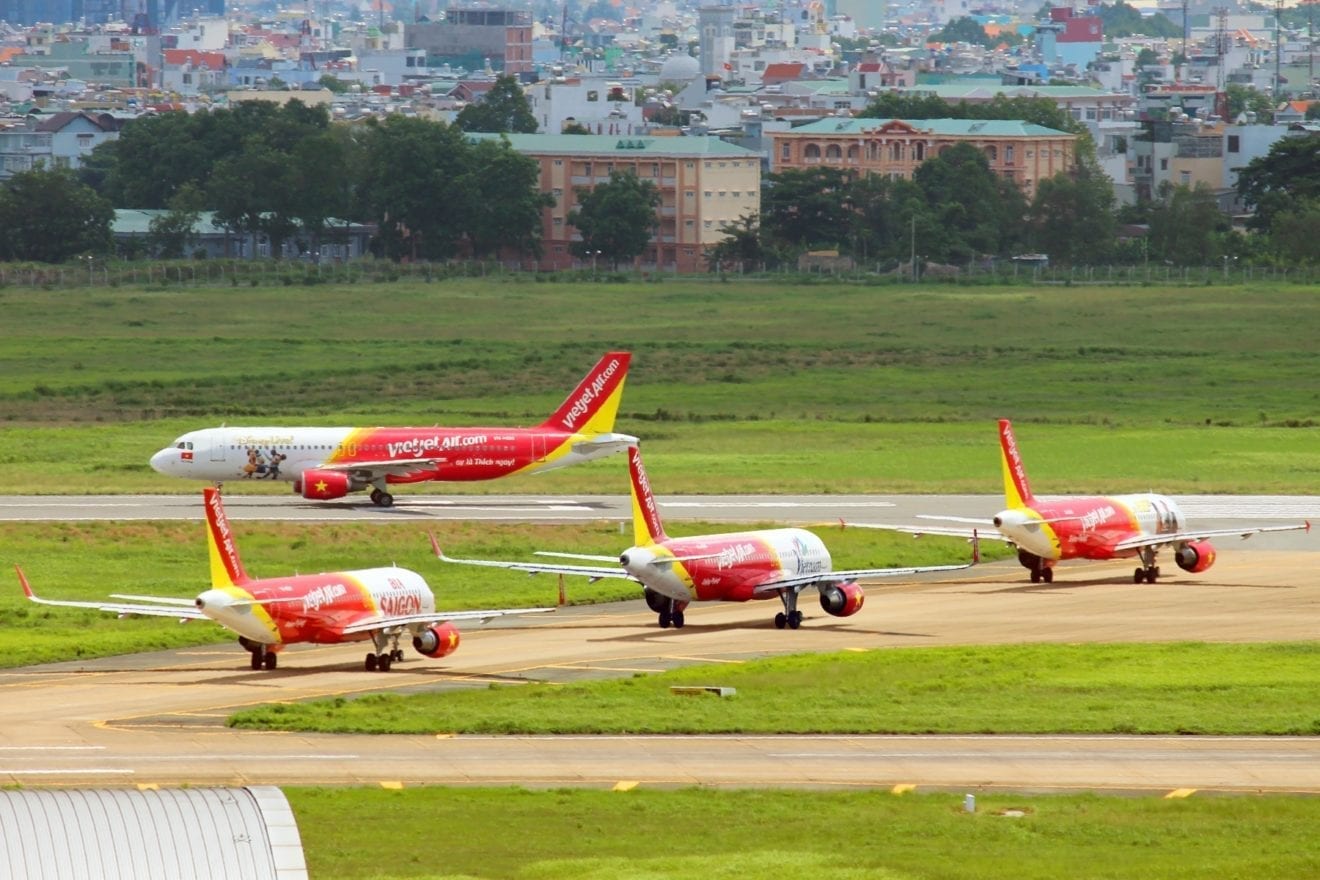
    With six weeks to go for Tet, the Lunar New Year festival, Vietnamese carriers are bracing for the upsurge in demand. Jetstar Pacific, the low-cost arm of flag carrier Vietnam Airlines, announced Tuesday that it would increase the number seats on local routes by 80,000.

    It has also opened a new route from Hanoi to the southern city of Can Tho to meet travel demand between the two destinations before and after the Tet holiday, which falls February 2-10 next year.

    Earlier, the carrier had announced plans to operate 3,210 flights, or 600,000 seats, to serve customers for the Tet holiday.

    Vietnamese people traditionally move from the cities to their hometowns and villages all over the country to reunite with their families before the Lunar Near Year begins.

    State-owned Vietnam Airlines has also raised its number of seats from January 20 to February 19 to 1.4 million, 100,000 higher than the same period last year. This involves an addition of 566 more flights, to serve customers in Tet.

    The flag carrier has also announced that it will open a new route from Ho Chi Minh City to the new Van Don International Airport near Ha Long Bay in Quang Ninh Province. It will start operating one flight a day between the two destinations starting December 30.

    About 90 percent of flights between Ho Chi Minh City and Hanoi, central cities of Vinh and Da Nang have already been booked, a Vietnam Airlines representative said.

    As there are signs of the demand increasing further, the largest airline in the country by passengers carried plans to open another 56,000 seats in the next few days.

    Many VietJet Air agents have confirmed that VietJet has opened ticket sales from Ho Chi Minh City to Van Don Airport in Quang Ninh Province starting January 20. The Van Don International Airport, the first private airport in the country, is set to open for business on December 25, 2018.

    Dinh Viet Thang, head of the Civil Aviation Administration of Vietnam (CAAV), said at a conference last month that the number of airplanes will increase by 32 to 180 to meet the high travel demand around Tet time. This means that the transport capability of the Vietnamese aviation sector will increase by 20 percent, he added.

    The number of air passengers for the upcoming New Year’s Eve and Tet holidays is expected to increase by 11 percent year-on-year, according to the Civil Aviation Administration of Vietnam (CAAV).

    It also says that local airlines have registered to increase the number of flights by 2,611 to 19 airports for Tet. The number of passengers during the holiday is expected to increase by around 280,000 over normal days.

    The highest holiday surge in the number of passengers will be seen on the HCMC-Hanoi route, which will have 519 additional flights, or 20 percent of the total increase. The corresponding numbers for the HCMC-Da Nang route will be 354 flights and 14 percent; HCMC-Vinh, 306 flights and 12 percent; and Hanoi-Phu Quoc, 24 flights and one percent.

    Vietnamese carriers have served almost 45.1 million passengers in the country in the first 11 months of this year, up 11.9 percent from a year ago, according to the General Statistics Office.

  • Vietnam’s car imports down 20 pct in 2018

    Vietnam’s car imports down 20 pct in 2018

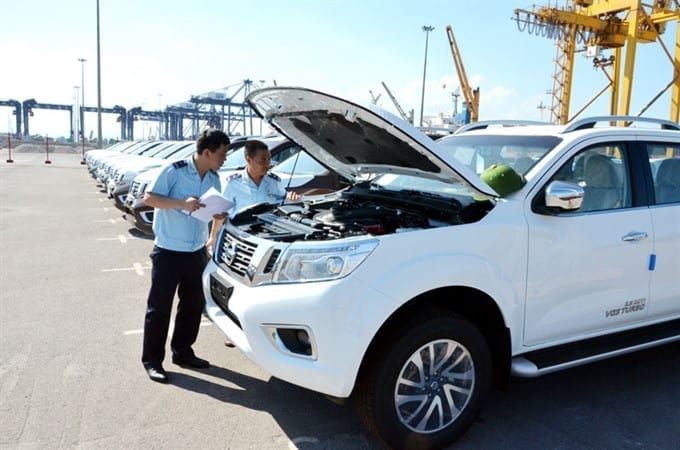
    Vietnam imported 72,650 cars this year, down nearly 20 percent over 2017, according to the Vietnam Customs. The import value of cars exceeded $1.64 billion this year, up 21 percent year-on-year, the agency said. Thailand and Indonesia remain major suppliers of Vietnam’s imported cars. From Thailand alone, Vietnam has imported more than 52,170 vehicles worth a combined $1.04 billion since the beginning of the year.

    According to customs data, from December 7-13, car imports slowed down by 701 units from the previous week, totaling 2,833 vehicles. Total import value is reported to be $67 million.

    Vietnam’s population is around 93 million, larger than South Korea, but car consumption is only around 300,000 units a year, Mike Dunne, an independent industry analyst who has spent more than three decades in Asia, told U.S. television channel CNBC recently.

    Most cars sold in Vietnam are foreign brands assembled in the country from kits. But a series of free trade agreements have reduced import duties and are opening up the market. A 30 percent import tax on cars from other Association of Southeast Asian Nations (ASEAN) countries was scrapped this year.

    There are only 358 businesses in the auto industry in Vietnam compared to 2,500 in Thailand, according to the Ministry of Industry and Trade. The ministry also said that Vietnam imports over 90 percent of auto parts.

  • Almost all Vietnamese internet users shop online

    Almost all Vietnamese internet users shop online

    Up to 98 percent of internet users in Vietnam have made purchases online, up one percentage point over 2017. Increasing effectiveness of the online retail ecosystem in meeting the convenience of its shopper base has strengthened the online shopping habit, according to the 2018 Nielsen Connected Commerce Report.

    Fashion, travel, books and music continue to account for the largest proportion of online transactions in consumer goods, with 59 percent, 52 percent and 51 percent of Vietnamese consumer respondents saying they have purchased goods in the above categories in the respective order.

    These are also considered typical categories for the first-time online shoppers.

    Nguyen Anh Dung, director and head of Retail Measurement Services for Nielsen Vietnam, said that as levels of familiarity, comfort and confidence grow, consumers are likely to move on to purchasing items such as beauty products, personal care, packaged food or fresh groceries.

    For relatively new products, about two in three consumers said that return policies for products not of satisfactory quality have encouraged them to shop online.

    The other concern of consumers is free or same day delivery services.

    Vietnam has targeted that 30 percent of its population shop online between 2016 and 2020, with yearly sales value of approximately $350 per person.

    The country’s e-commerce value climbed to about $4 billion in 2016, becoming one of the fastest-growing markets in the world.

    Revenue from online retail in Vietnam is forecast to hit $10 billion by 2020, accounting for five percent of the country’s retail market.

  • Nissan terminates contract with Vietnamese distributor

    Nissan terminates contract with Vietnamese distributor

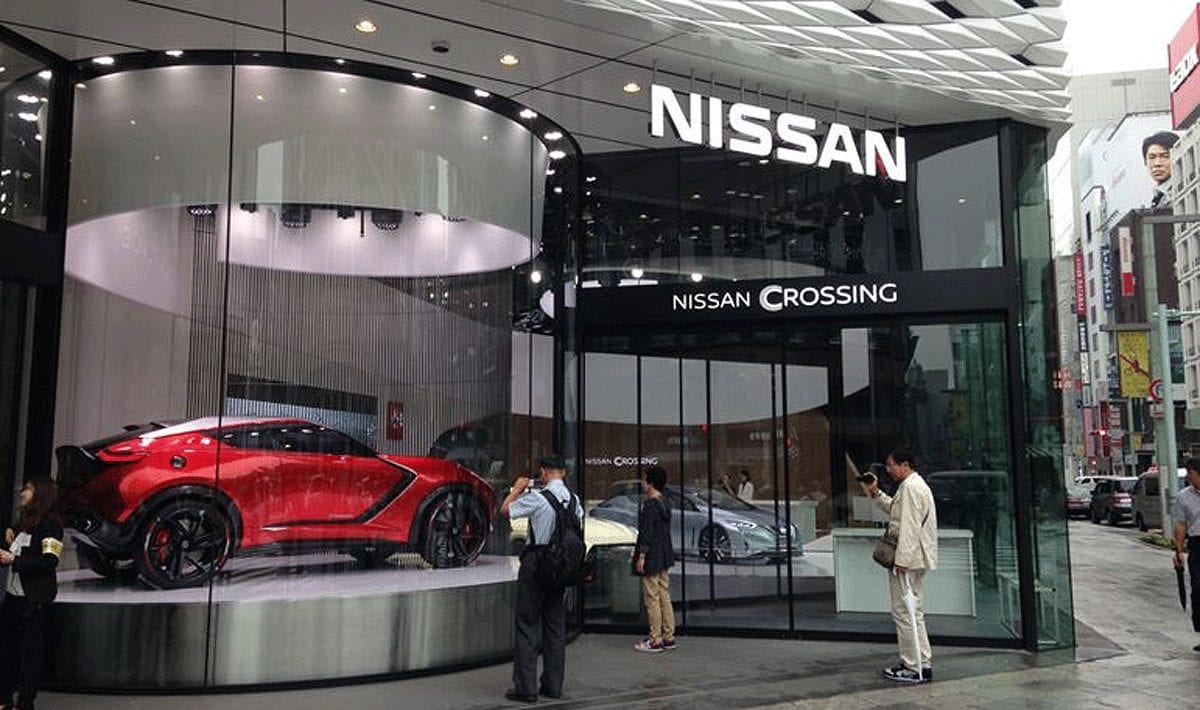
    Japanese carmaker Nissan announced it has ended its tie-up with its distributor in Vietnam, Tan Chong, without disclosing the reason. Malaysian-owned Tan Chong Motor Holdings Bhd, said it would stop importing and distributing Nissan vehicles and parts in Vietnam from September 10 next year.

    Tan Chong said it “remains open to further discussion with Nissan to explore alternative solutions and business opportunities for mutual benefit in Vietnam.”

    Nissan said: “The termination of the joint venture with Tan Chong will not affect the sales of Nissan cars in Vietnam.”

    Its business operations would remain unchanged in the near future, it said. It is set to debut its seven-seat SUV Terra in Vietnam on December 18.

    Tan Chong, a multinational corporation based in Malaysia, is not only the official distributor of Nissan in Malaysia and Vietnam, but also in Laos, Cambodia and Myanmar.

    In Malaysia, it also distributes cars by Opel, Renault and Foton. Its subsidiary, Motor Image, also owns the rights to produce and distribute Subaru vehicles in Southeast Asia, including Vietnam.

  • Flood of new passengers to stoke demand for jet fuel in Vietnam

    Flood of new passengers to stoke demand for jet fuel in Vietnam

    Vietnam’s jet fuel demand will surge to a record this year as its tourism booms and the country’s airlines are rapidly expanding. The country is on track to have 38 million international passengers and 16 million visitors this year, according to data from CAPA Centre for Aviation. That is up from 18 million passengers and 8 million visitors in 2015, according to the data.

    “Aviation demand in Vietnam is booming… Fuel consumption in Vietnam will reach a record high this year and will keep rising for the years to come,” said Tran Hoai Nam, vice president of Vietjet, Vietnam’s biggest private airline.

    He added Vietnam’s growth in foreign arrivals was the highest in Southeast Asia, rising 8.7 percent annually.

    The surge in traffic has translated into a rush of jet fuel demand in Vietnam. Through November, the country has imported 1.87 million tonnes of the fuel, according to customs data, equal to 14.8 million barrels, and up 18 percent from the same period last year.

    “For 2018, jet fuel demand in Vietnam is estimated to be increased by about 20 to 25 percent in comparison with 2017, mostly due to the increase in consumption of the international flights,” said a Hanoi-based trader at one of country’s jet fuel suppliers, who asked to remain unidentified due to company policy.

    Vietnam currently consumes about 18 million barrels of jet fuel per year, according to data from Petrolimex Aviation.

    By 2035, Vietnam will have 150 million airline passengers per year, nearly four times what it was in 2015, according to a 20-year forecast from the International Air Transport Association (IATA).

    Over the same period, India will have 442 million passengers, 3.6 times what it was in 2015, while China will have 1.3 billion passengers, 2.7 times what it was in 2015, IATA said.

    In November, Vietnam issued an aviation licence to Bamboo Airways, which would be the country’s fifth airline after Vietnam Airlines, Jetstar Pacific Airlines, Vietjet Aviation VJC.HM and Vietnam Air Services Co.

    Bamboo is expected to launch its first flights within weeks. It signed a provisional deal in July to buy 20 of the wide-body 787-9 jets from U.S. manufacturer Boeing and agreed a memorandum of understanding with Europe’s Airbus for up to 24 of the narrow-body A320neo jets in March.

    VietJet, which currently operates 60 Airbus jets, has signed a $6.5 billion (5.2 billion pounds) agreement to buy 50 new jets.

    Vietnam’s jet fuel imports will continue to surge as the country only has two refineries, Dung Quat in the central province of Quang Ngai and Nghi Son in Thanh Hoa Province, near to the capital Hanoi, which only started operations this year.

    “Both Dung Quat and Nghi Son refineries are primarily catered towards the production of gasoline and diesel, and thus, jet fuel yield is relatively low at 5 percent,” said Peter Lee, an analyst at Fitch Solutions Macro Research.

    Nghi Son, once fully operational, will produce about 4.6 million barrels of jet fuel per year, said a source at the refinery. Dung Quat can produce as much as 2.3 million barrels per year, according to the company website.

    “Vietnam will be reliant on imports to meet most of its jet fuel demand going forward,” Lee added.

    Vietnam imports most its jet fuel from refineries in Singapore, Thailand and China, trade data showed.

    Despite the steep growth outlook for Vietnam’s aviation sector, passenger growth might may be uneven as the country grapples with capacity constraints at its airports.

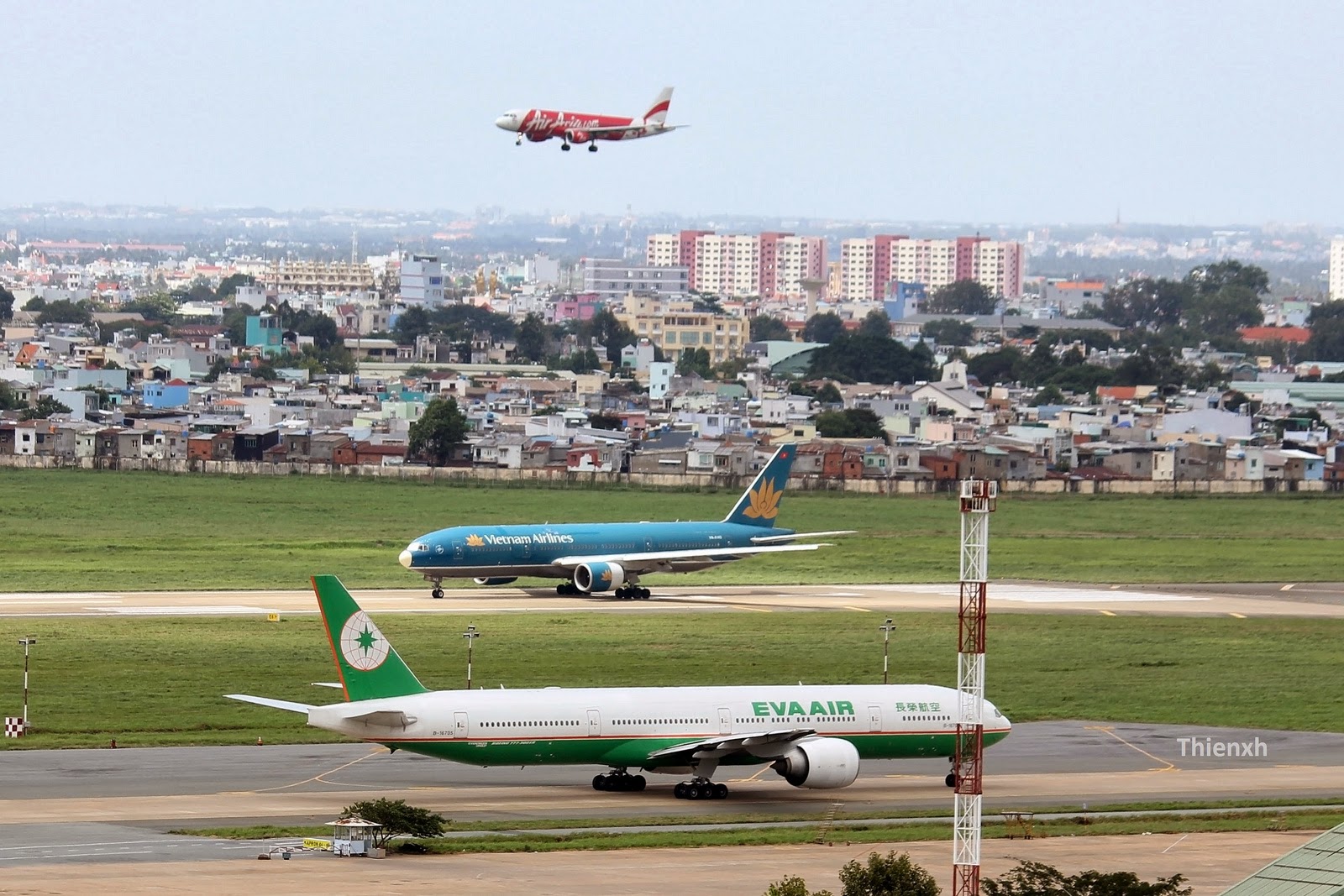
    Vietnam’s biggest airport Tan Son Nhat, serving Ho Chi Minh city in the south, receives about 10 million more passengers per year than it is designed to serve.

    The government is planning a second international airport at Long Thanh, 40 km (24 miles) east of Ho Chi Minh City, that will serve 25 million passengers a year starting in 2025.

  • Japanese Summit supermarket open store in Vietnam

    Japanese Summit supermarket open store in Vietnam

    Japan’s Summit supermarket will open first outlet in Vietnam’s capital city Hanoi this month, with two more stores expected to open next year. The Vietnamese Summit stores will be operated by Fujimart Vietnam Retail, a joint venture between Summit parent Sumitomo and real estate conglomerate BRG Group.

    BRG Group says Sumitomo will select the president and send personnel from Japanese unit while BRG will control the company operations.

    Targeting middle class consumers in the city, the stores will following the Japanese model – using the Summit supermarket group’s point-of-sale system and loyalty program to analyse customer shopping habits and plan product ranges.

  • Vietjet CEO becomes first Vietnamese Bloomberg game changer

    Vietjet CEO becomes first Vietnamese Bloomberg game changer

    Nguyen Thi Phuong Thao is in Bloomberg’s list of 50 people who’ve been business game changers in 2018. Thao is the first Vietnamese citizen to be named in the Bloomberg list, which highlights key players in all fields, from finance to fashion, media to manufacturing, banking to biotech, politics to philanthropy, entertainment to energy. The founder and CEO of budget carrier Vietjet Air wants to take on regional giants like Indonesia’s Lion Air and Malaysia’s AirAsia Group Bhd.

    The carrier has forecast that the number of passengers it serves this year will rise 40 percent to 24 million, as it begins to tap into Vietnam’s growing middle class by expanding overseas routes.

    The expansion further changes the face of Vietnam’s aviation market that has been long dominated by state-owned Vietnam Airlines JSC, as VietJet offers millions of Vietnamese customers who have never flown the chance to buy a cheap ticket, Bloomberg says.

    Thao, 48, has extensive experience in doing business in Vietnam and abroad in many fields, including finance, banking, aviation, realestate, and retail.

    She launched Vietjet in 2011. The airline now leads the domestic market with a 45 percent share. It operates 385 flights daily within Vietnam and to Japan, Hong Kong, South Korea, Taiwan, Singapore, mainland China, Thailand, Myanmar, and Malaysia.

    The carrier made an IPO on the Ho Chi Minh City Stock Exchange on February last year, becoming the first airline in Vietnam to list publicly.

    Thao also has interests in banking and real estate, which includes owning three beach resorts.

    Bloomberg says it comes up with the list by utilizing its worldwide resources, including the work of 2,400 journalists and unique, proprietary data and analytics.

    Also on the list this year are Jerome Powell, the U.S. Federal Reserve chairman, Amy Hood, chief financial officer at Microsoft Corp, and Ryan Coogler, director of Maverl’s movie Black Panther.

    Just last week, Thao was named the 44th most powerful woman in the world byForbes, up 11 places from last year.

    Forbes estimated the richest woman in Vietnam to have a net worth of around $2.6 billion.

  • Bamboo Airways receives first aircraft, to take off earlier than planned

    Bamboo Airways receives first aircraft, to take off earlier than planned

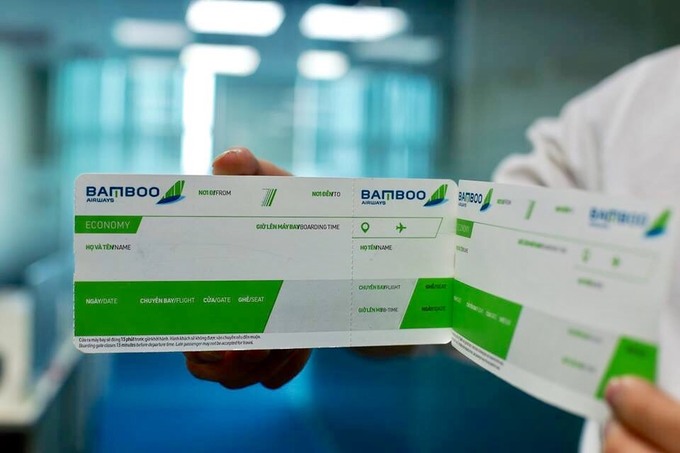
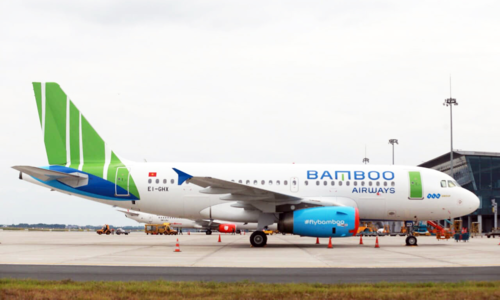
    Vietnam’s newest airline, Bamboo Airways, has advanced its maiden flight by two days to December 27, its CEO said Sunday. Dang Tat Thanh said the private carrier’s first aircraft, an Airbus A319 leased from an Irish company, has arrived in Hanoi.

    Earlier, Trinh Van Quyet, chairman of FLC, the company that owns the airline, had said the first flight would be on December 29.

    Bamboo Airways received the aviation license to become Vietnam’s fifth airline early last month. But it is still awaiting an aircraft operator certificate and permissions for parking and selling tickets.

    It is also leasing an Airbus A320 from the same Irish company, and the airplane is expected to arrive later this month or early next month.

    Bamboo Airways is allowed to operate 10 aircraft on both domestic and international routes and to carry passengers and cargo on its flights.

    It plans to fly on 100 routes, connecting Vietnam’s major cities with popular domestic and international tourist destinations.

    The carrier was founded with a charter capital of VND700 billion ($30 million), which it increased recently to VND1.3 trillion ($55.68 million).

    It has signed deals to buy 24 Airbus A320neo and 20 Boeing B787-9 Dreamliner aircraft worth a total of $8.6 billion.

    The other four carriers in Vietnam are Vietnam Airlines, Vietjet Air, Jetstar Pacific and VASCO.

  • Number of Chinese buying high-end Saigon apartments skyrockets

    Number of Chinese buying high-end Saigon apartments skyrockets

    Attractive prices and returns have seen the number of Chinese customers buying high-end apartments in HCMC soar this year. Duong Thuy Dung, senior director of real estate market research firm CBRE Vietnam, said at a recent forum that 31 percent of high-end apartment buyers in HCMC in the first nine months were Chinese. This figure increased from only 2 percent in 2016 and 4 percent last year.

    In the last two years, Chinese were sixth among all buyers, but this year, they have surpassed Vietnamese to rank first.

    Only 24 percent of high-end home buyers are Vietnamese, CBRE data shows.

    Stephen Wyatt, country head of property service firm JLL Vietnam, said the number of Chinese buyers has been increasing because Vietnam has an attractive price compared to other markets like Hong Kong, Japan, Singapore, South Korea and Taiwan.

    Chinese people often compare prices in Vietnam with Shanghai when they buy properties, he said, adding that they hope to gain profit from higher property prices in Vietnam in the future.

    A high-end apartment in the city costs around $5,000 per square meter, but the same one in Hong Kong could cost four times, said Nguyen Khanh Duy, director of residential sales at real estate service provider Savills HCMC.

    Nguyen Hoang, director of research and development at real estate firm DKRA, said that the number of Chinese and South Korean buyers in HCMC started to increase last year.

    Chinese from Shanghai and Hong Kong are buying properties as investments (not to stay in). “Most projects that foreigners bought in the last two years are under construction,” he said.

    Other industry insiders said that the high returns that HCMC high-end apartments offer is attracting many foreign buyers.

    The rate of return is 5-6.5 percent in Thao Dien ward and Thu Thiem Peninsula in District 2, while in other Asian countries, this rate is only 3.7-5.2 percent, Duy said.

    CBRE senior director Dung added that it was not just Chinese, but foreign buyers in general who are showing an increasing interest in HCMC real estate.

    Dung said that each foreigner group has a different preference for high-end apartments. Customers from mainland China, Hong Kong and Taiwan prefer large-scale projects near the downtown HCMC.

    South Koreans like to buy apartments in the southern District 7 that hosts a large community of South Koreans, while Western buyers often look for a quieter lifestyle in eastern District 2.

    Dung said HCMC is estimated to receive 40,000 new apartments in the 2018-2020 period, 60-70 percent of these in the high-end segment.

    In the last three years 35,000 luxury apartments have come into the market, CBRE said.

    This is a major increase from 2012-2014 when fewer than 10,000 units were on offer, CBRE said.

  • Yamaha to invest $150 million in Grab Vietnam

    Yamaha to invest $150 million in Grab Vietnam

    Yamaha Motors has announced a $150 million investment in Grab to collaborate on motorcycle ride-haling. The collaboration will be for Southeast Asia in general and Indonesia in particular. Through this partnership, Yamaha Motors and Grab aim to “develop next-generation mobility services by implementing solutions and innovations,” Grab said in a press release issued Thursday.

    The two companies aim to leverage Yamaha Motor’s technology and knowhow to boost safety as well as make it easier for Grab’s driver partners to buy motorbikes.

    Yamaha Motors also aims to leverage Grab’s customer base in Southeast Asia and knowledge of the motorcycle ride-hailing business for future product development.

    The Southeast Asian ride-hailing firm is teaming up with global investors to expand its reach after forcing Uber out of Southeast Asia earlier this year.

    Toyota Motor Corp. had said in June it was investing $1 billion in Grab, and Hyundai Motor Co. last month agreed to put an additional $250 million into the company as well as sell Grab a fleet of electronic vehicles.

    The focus on Indonesia may mean that Grab is intensifying its push against local ride-hailing platform Go-Jek. Both companies now compete in the Vietnamese market after the Jakarta-based start-up commenced operations in Vietnam under the name Go-Viet some months ago.

    Grab entered Vietnam early in 2014, but is currently under an antitrust investigation after acquiring Uber’s services in March.