Tag: Vietnam

  • Grab Vietnam says Uber deal ‘no breach of competition laws’

    Grab Vietnam says Uber deal ‘no breach of competition laws’

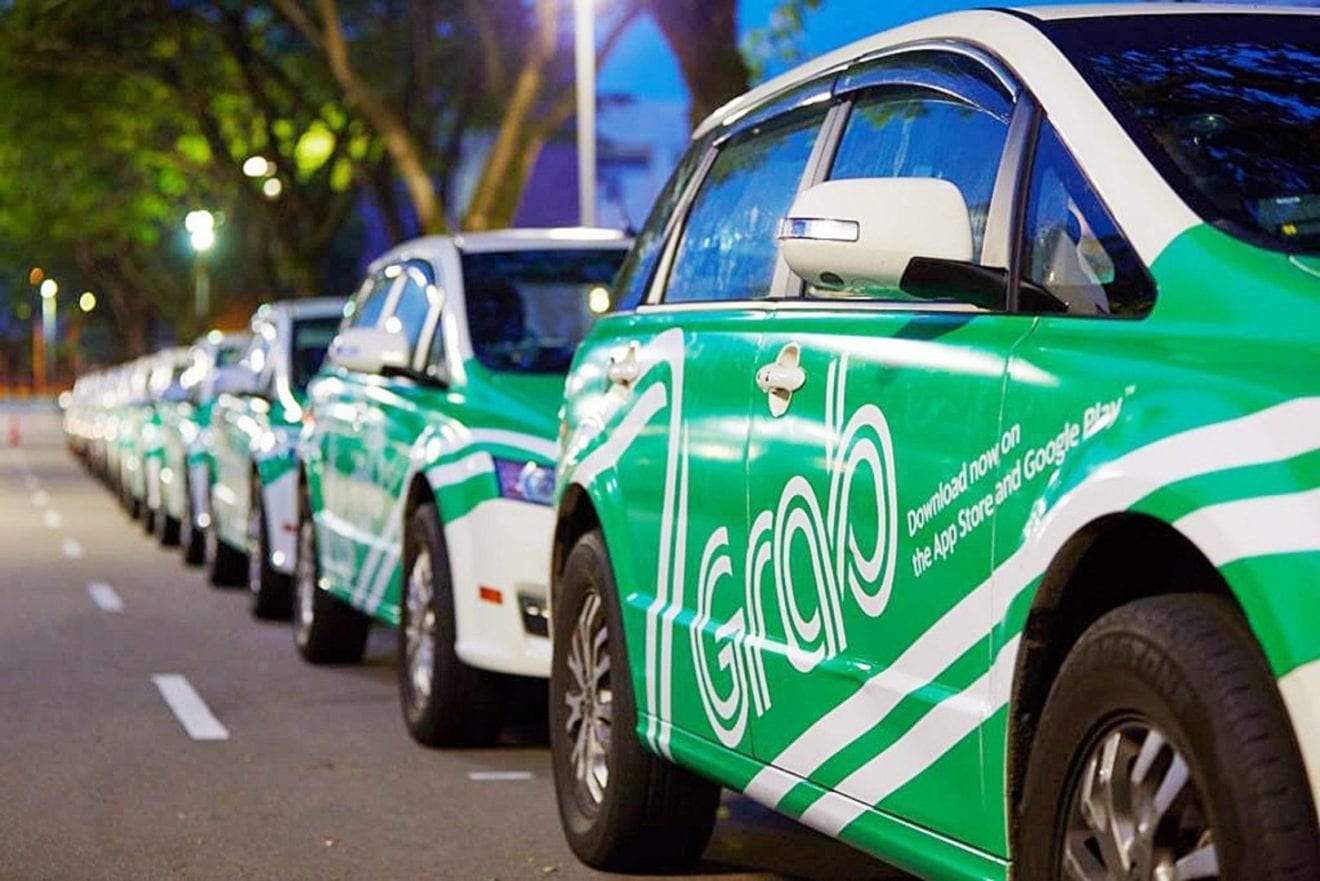
    Ride-hailing firm Grab has asserted that it did not breach Vietnam’s competition laws, contesting authorities’ definitions and interpretations. The assertion was a response to the Ministry of Industry and Trade, which said Wednesday that it had evidence that Grab’s acquisition of Uber violated Vietnam’s Competition Law .

    In a statement released Thursday, Jerry Lim, country head of Grab Vietnam, said that the transaction between Grab and Uber earlier this year was conducted “in the good faith belief that there is no breach of competition laws, after diligent consultation with legal counsels.”

    Lim explained that the issue has become contentious because of differences in the authorities’ and Grab’s definitions of relevant market and what constitutes a competitive playing field.

    He said that the entrance of new ride-hailing companies into Vietnam shows that they believe there is a chance to succeed, with some of them claiming high market shares.

    In June, Vietnam’s first ride-hailing services FastGo and Aber were launched. Go-Viet, an affiliate of Indonesia’s Go-Jek, entered Vietnam in August, claiming to take 15 percent of the market share in Ho Chi Minh City within two weeks of launching.

    Vietnam’s top taxi operator Mai Linh and second-ranked Vinasun have also invested in a ride-hailing service to compete with Grab.

    Grab said that a ride-hailing app was just one of many options for customers. It cited a third-party survey, without revealing details, which said more than 59 percent of Vietnamese car ride-hailing users and 62 percent of motorbike ride-hailing users surveyed would switch to a different transport service other than ride-hailing if there was a 10 percent increase in prices.

    Lim also said that Grab was not the only ride-hailing company in the market, as the Vietnamese government has granted ride-hailing pilot licenses to nine other companies, including established taxi companies, to operate services in five cities and provinces.

    Both customers and drivers can respectively decide to switch to other forms of transport and join other companies if prevailing conditions such as pricing and income are not favorable to them.

    “The power of choice remains in the hands of customers,” Lim said.

    He said Grab has fully cooperated with the Vietnamese authorities for the purpose of a fair investigation and recommendation. “We fully understand that all governments seek to protect the best interests of consumers. Grab truly shares the same goals.”

    Lim said he hopes that the final verdict of the Vietnam Competition Committee will take into account the “vibrancy and contestability of the current Vietnamese market landscape and support the competitive business environment brought about by technology application and innovation.”

    Singapore-based Grab acquired Uber in Southeast Asia in return for a 27.5 percent stake in the U.S. company, with Uber CEO Dara Khosrowshahi joining Grab’s board.

    The 2004 Competition Law requires any merger or acquisition that results in a company gaining a 30 percent market share to be reported to competition authorities.

    If a company gains a 50 percent market share from the deal, it can only be implemented with express permission from the authorities.

    Preliminary investigations by Vietnamese authorities have found that Grab’s market share in Vietnam was in excess of 50 percent after Uber quit the market last April.

    But Grab has countered this, saying that since its combined market share with Uber in Vietnam was less than 30 percent, it did not have to “inform the competition authority before proceeding and completing this transaction in the country.”


  • Vietnam’s Vsmart global market

    Vietnam’s Vsmart global market

    Vietnam’s largest private firm Vingroup launched four new phone models Friday, saying it aims to sell them internationally. The four new Vsmart phones, manufactured at the group’s VinSmart factory in Vietnam’s northern city of Hai Phong, are priced from 2.49 million ($107.18) to 6.29 million ($270.76) in the introductory phase. The prices will later increase to VND2.59-6.59 million ($111.49-283.67).

    Tran Minh Trung, CEO of VinSmart, said at the launching event that his company wants to branch out to markets outside of Vietnam.

    “We will not stop at the Vietnam market. We will bring out products to the world with five business departments in five continents. A sixth department will be in charge of e-commerce. We are capable of competing and we want to be accepted in both local and international markets,” he said.

    VinSmart is set to be a new competitor in the Vietnam market of 95 million people, currently dominated by Samsung and Apple phones.VinSmart acquired the intellectual property rights for the four phones from Spanish technology firm BQ, in which VinSmart owns a 51 percent stake.

    Vietnam is the largest smartphone production base for Samsung, while key Apple supplier Foxconn is also considering setting up a factory in the country.

    The launching of the phones has happened at rapid speed, just six months after Vingroup established the VinSmart company in June to produce smartphones and other smart electronic devices with a registered capital of VND3 trillion ($131.54 million).

    Vingroup, once a real estate and retail focused conglomerate, also became the country’s first full-fledged domestic car maker in October, introducing three new car models.

    VinSmart factory is capable of making five million phones a year in its first phase of operations, the company has said.

    It has also said that the factory will produce smart TVs and other smart products in the future. VinSmart also signed a multimode global patent license deal on Friday with chip producer Qualcomm.

  • Go-Viet, Grab Vietnam to face tight competition

    Go-Viet, Grab Vietnam to face tight competition

    Vietnamese technology startup Be Group Corporation officially launched its ride-hailing platform Thursday, with beBike and beCar. The latest entrant to a market dominated by the likes of Grab and Go Viet has set an ambitious target of partnering with 10,000 drivers in a few weeks, by the end of 2018, and 100,000 drivers next year. Unlike the current ride-hailing firms, Be Group has registers its service as a transportation business.

    “We have gathered a lot of talent, and I personally have experience running start-ups for many years. With thousands of billions of dong ($1= VND23,287) mobilised, we are confident our platform can compete in this fierce market,” Be Group CEO Tran Thanh Hai said at the launch.

    Be Group apps will start operating in Hanoi and Ho Chi Minh City from December 17. The company has announced an initial 25-percent royalty for beBike and beCar drivers, while specific prices and discount schemes for customers have not been revealed.

    Be Group hopes to become a big player like Grab or Go Viet with a comprehensive super-app. In 2019, the company plans to roll out delivery and payment services. It aims to attract tens of millions of users in the next three years.

    Vietnam’s ride-hailing market has seen new entrants after Uber’s departure early this year, including Vietnamese firm FastGo, GoViet – a subsidiary of Indonesia’s Go-Jek, Aber and the latest Be Group.

    Grab, which counts Chinese ride-hailing firm Didi Chuxing and Japan’s SoftBank Group Corp among its backers, had 175,000 drivers and bikers in Vietnam as of September and is the most prominent player in Vietnam after it pushed out Uber, according to Reuters.

    Rival GoJek entered Vietnam in August eyeing to grab a share of the fast-growing market. Vietnam has 95 million people and many use smartphones.

    A number of local taxi companies in Vietnam have come together to compete against ride-hailing firms, while Grab has been in a legal battle for more than a year with local taxi firm Vinasun Corp.

  • Google plans a representative office in Vietnam

    Google plans a representative office in Vietnam

    A senior Google official says the tech behemoth is studying the process of opening a representative office in Vietnam. Google senior vice president Kent Walker told Deputy Prime Minister Vuong Dinh Hue at a meeting Tuesday that the opening of a rep office in the country would follow the principle of ensuring that host country regulations do not contradict the firm’s international commitments.

    A report on the government website chinhphu.vn also quoted Walker as saying that he agreed with the Vietnamese government on the need for cyber-security to ensure a stable society. Google will cooperate with authorities in achieving this goal, he said.

    The rep office announcement came as Vietnam’s cybersecurity law is set to take effect next month. The law requires digital businesses like Facebook and Google to open a representative office in Vietnam.

    Deputy PM Hue said that he appreciated Google’s contribution to a draft decree on guidelines to implement the law and ensure cyber-safety and security.

    “Vietnam’s market advantages and the adaptability of its young workforce will be attractive factors for Google to open a representative office in Vietnam,” he said.

    Meanwhile, a Google spokesperson said on Wednesday: “We remain very excited to see how technology is being used by businesses and people in Vietnam. There are a number of different factors we look at before opening an office, but we have nothing to announce at this time.”

    Vietnam’s Cybersecurity Law, which was passed in June, requires tech businesses to store the data of Vietnamese users in Vietnam, and to provide this data to the Ministry of Public Security upon receipt of requests in writing, in cases where any infringement of the cybersecurity law is being investigated.

    Seventeen U.S. lawmakers in July urged the CEOs of tech giants Facebook and Google to resist changes stipulated by the law.

    However, Vietnam’s Ministry of Foreign Affairs reasserted that the cybersecurity law is designed to protect rights of organizations and individuals.

  • South Korea’s Kookmin Bank licensed to open Vietnam branch

    South Korea’s Kookmin Bank licensed to open Vietnam branch

    The State Bank of Vietnam has licensed South Korea’s Kookmin Bank to open a branch in Hanoi, the government said on Tuesday. The branch has a chartered capital of $35 million and the contract runs for 99 years, the government said in a statement.

    South Korea is the largest source of foreign direct investment in Vietnam and the Southeast Asian country’s second largest trading partner.

  • Tech, engineering to have great demand for workers in Vietnam: survey

    Tech, engineering to have great demand for workers in Vietnam: survey

    The technology and engineering sectors will see strong growth in human resources demand in Vietnam in the next five years. The growth is forecast by 90 percent of experts polled in a survey recently released by online recruitment website VietnamWorks.

    The survey was done in the second half of this year by polling more than 200 human resources professionals in management positions at multinationals and top Vietnamese companies.

    According to the survey, 62 percent forecast increased demand for arts, design, entertainment, sports, and media workers.

    Forty-two percent said there would be a decline in administrative and clerical work in five years though these are among the top three in terms of demand this year. VietnamWorks said this is because repetitive jobs like these are likely be replaced by machines.

    Fifty-nine percent of respondents believed developments in automation and information technology would be the most influential factors in the labour market in the next five years.

    Mobile Internet and cloud technology would be the next major factor, according to 57 percent, and processing power and big data, according to 54 percent.

    Forty percent said privacy issues and greater awareness of environmental responsibilities would have a great impact on the labor market demand.

    As socio-economic factors alter the nature of jobs, employers will require more sophisticated skills and abilities. The respondents expected cooperating with others, people management, emotional intelligence, and judgement and decision making to be the top cross-functional skills needed in future.

    Gaku Echizenya, general director of Navigos Group, which owns VietnamWorks, said: “The market is experiencing major changes with the fourth industrial revolution. Therefore, businesses need to keep up-to-date with market information from reputable sources to respond promptly to changes, allowing them to set out a strategy to recruit and attract talented people.”

    Employees need to actively educate themselves in IT and digital knowledge, and develop crucial skills such as cooperation with others and people management to increase their competitiveness, he added.

  • New Hanoi taxi merger to fight Grab on the streets

    New Hanoi taxi merger to fight Grab on the streets

    Three Hanoi operators have banded together to create the largest taxi business in the capital and compete with Grab. The union, named G7 Taxi, has been able to undercut the fares of Grab, at least over short distances, and it may be looking to bring still more players into its group.

    G7 was formed in October by Thanh Cong, Ba Sao, and Sao Hanoi. Together, they have about 3,000 cars, accounting for around 20 percent of taxis in the Hanoi area.

    The G7 base fare is VND9,900 (43 U.S. cents) for the first one km, while Grab charges VND20,000 (86 U.S. cents) for the first two km.

    The entrance of the new brand is expected to increase competition between traditional taxis and raid hailing firms like Grab.

    Earlier, Nguyen Cong Hung, chairman of the Hanoi Taxi Association, had said: “Traditional taxis, each with their own app, are now trying to compete with Grab. But we are divided, therefore we need to unite.”

    Before Thanh Cong, Ba Sao, and Sao Hanoi teamed up, annual sales at the three companies had declined by 10-15 percent on average over the past few years.

    The number of taxi companies in Hanoi has also fallen down to 70 taxi now, from 115 in 2010.

    Joining the fight

    The taxi trio is not alone in pushing back against the ride-hailing industry.

    In March, southern taxi firms ComfortDelgro Savico and Vinataxi had merged with the same purpose.

    Vinataxi, the third largest taxi firm in HCMC, was confident the merger would increase its growth six-fold this year.

    Mai Linh, Vietnam’s No. 1 taxi operator, has developed a smartphone app similar to that of Grab. Meanwhile, second-ranked Vinasun has launched a ride-hailing service using Facebook’s Messenger app, enabling customers to hail cars and make complaints and requests directly, much like Grab.

    But Grab, the dominant player in the ride-hailing business in Vietnam, is also working on strategies to compete better with local taxi firms.

    Several months ago, it introduced Grab for Business in Vietnam, a service that helps a company track the trips its employees make to limit unnecessary trips and control expenses.

    Grab is also deploying various policies to attract drivers by offering bonuses and opening stops with free wifi and coffee.

  • AirAsia’s Vietnam venture set to fly in August

    AirAsia’s Vietnam venture set to fly in August

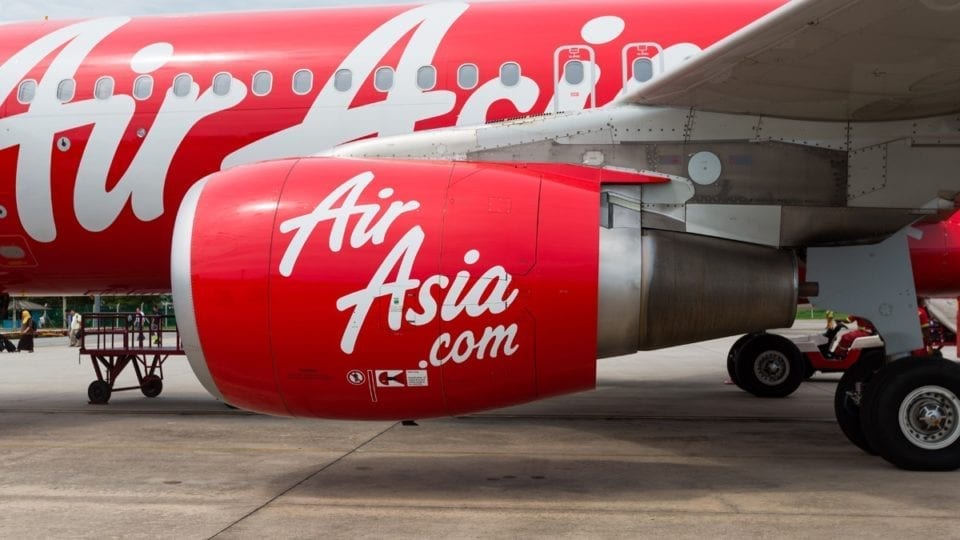
    A new Vietnam-based airline set up by Malaysian budget carrier AirAsia and a local company is expected to fly by next August. Tran Trong Kien, CEO of Hanoi-based resort ooperator Thien Minh Group, AirAsia’s partner, said that applications for aviation licenses would be made next February and likely obtained in six months.

    Vietnam will become the newest market for AirAsia, the largest low-cost carrier in Southeast Asia, which has affiliates in India, Indonesia, Malaysia, the Philippines, and Thailand.

    Kien said Prime Minister Nguyen Xuan Phuc had expressed support for the airline, which has yet to be named.

    The airline plans to deploy five or six Airbus SE A320 and A321 aircraft on domestic and regional routes, and expand the fleet to 30 within three years, he added.

    Last week Thien Minh Group signed a memorandum of understanding with AirAsia for setting up the new airline with a capital of VND1 trillion ($44 million).

    AirAsia will hold a 30 percent stake in it, and Thien Minh, 70 percent.

    The new airline would be a direct competitor to Vietnam’s budget carriers Vietjet Aviation and Jetstar Pacific, according to industry insiders.

    Vietnam Airlines is currently the biggest airline in terms of passengers carried.

    Bamboo Airways, owned by private corporation FLC, last month received a license and expects to make its maiden flight on December 29. It is allowed to operate 10 aircraft on domestic and international routes.

    There are five carriers in Vietnam: Vietnam Airlines, Vietjet Air, Bamboo Airways, Jetstar Pacific and VASCO. Vietnam Airlines owns VASCO and has a 70 percent stake in Jetstar Pacific.

    Vietnam received 14.12 million foreigners in the first 11 months of the year, up 21.3 per cent year-on-year, according to the General Statistics Office. Eighty percent of foreign tourists arrive by air.

    Vietnam’s aviation market has averaged 17.4 percentage growth in the past decade, far higher than the 7.9 percent rate for the Asia-Pacific, according to the International Air Transport Association.

    AirAsia almost struck a deal with Vietjet, but in 2010 the deal collapsed.

  • Real estate in Saigon the most sought after in Vietnam

    Real estate in Saigon the most sought after in Vietnam

    Saigon leads Vietnam in real estate interest, drawing 300 million internet searches in the last 12 months. According to a report recently issued by Batdongsan.com.vn, one of the biggest property portals in Vietnam, Hanoi is the second most searched city when users look up real estate at 170 million searches.

    The two cities are followed by central Da Nang City, southern Bien Hoa Town, northern Hai Phong City, central Nha Trang Town, and Vung Tau Town and Can Tho City in the south in terms of popularity.

    Overall, the leading position of Saigon real estate is predicted to continue to remain the same because its housing market is still seeing a lot of actions.

    Consumer data collected from Internet queries also showed the level of interest given to real estate in each specific area.

    Saigon attracted the highest level of interest, at 41.8 percent of recorded consumers, the largest in Vietnam, while Hanoi had 29.7 percent. Central Khanh Hoa Province, Da Nang, and southern provinces of Dong Nai and Binh Duong recorded modest numbers, fluctuating between 3 to 4.5 percent. Interest is measured by saved searches, favorites and number of queries.

    The report also reveals that budget and midrange apartments in Saigon and Hanoi, which are priced between VND20-30 million ($860.47 – $1,290) per square meter, with an area of around 60-70 square meters are the type of high-rise apartments that attracts the most attention from Internet users.

    Meanwhile, in regards to content posted on the website of this organisation, foundation land (land serving as the foundation for housing projects to be built on) tops the board in the number of posts published, at 1.2 million posts.

    The land is also the most indulgent hunting with nearly 120 million searches, showing the habit of clinging to land, ownership of real estate in the territory of the Vietnamese, said the report.

    In addition, separate houses attached to land are also highly sought after, at nearly 120 million searchers. This shows the Vietnamese consumers’ preference to own land, or possess properties attached to land, according to the report.

  • HCMC a top 20 Asia Pacific office rental market

    HCMC a top 20 Asia Pacific office rental market

    With office rents rising constantly for several years, HCMC has moved into the top 20 Asia-Pacific office rent markets. Grade-A office rents in Ho Chi Minh City have reached a five-year peak of $936 per square meter a year, according to property service firm JLL. The HCMC market has come under the spotlight in a premium office rent report for the Asia-Pacific region just released by the US-based global company.

    The report said that HCMC, an emerging market, saw annual gross premium office rents rising to $635 per square meter, a year-on-year increase of nearly seven percent, placing the city in the list of top 20 office rent markets in the Asia-Pacific region.

    It highlighted the case one unnamed building in the inner city, where a record rent level of $936 per square meter a year was registered, a peak unseen for many years.

    JLL assumes that the HCMC office market is heating up with increasing investment inflow from many multinational firms.

    The US firm added that the total supply of office space in HCMC has increased to two million square meters, a five-fold hike compared to Bangkok. The scarcity of premium office space in HCMC has constantly pushed up rents.

    Financial corporations are willing to pay for high-end office space in HCMC, while banking and financial firms were keen on premium office space, topping the list of 72 key tenant categories.

    Meanwhile, JLL said in the Global Premium Office Rent Tracker Q4 2018 that Ho Chi Minh City and Manila, the two more affordable cities in Southeast Asia, are attracting significant corporate interest, along with European cities like Amsterdam, Berlin and Warsaw.

    The firm said that growth in occupation costs is likely to slow down in 2019 as new supply comes through; however, while rental growth is expected to decelerate, there are very few major markets where a downward correction is projected for 2019. In fact, the delivery of new premium buildings will set fresh rental benchmarks in several markets, it predicts.

    Total occupancy costs are calculated by combining the net effective rent with additional costs, including service charges and taxes.

    JLL’s Global Premium Office Rent Tracker 2018 compares occupancy costs for premium office buildings across the world’s leading real estate markets. This fourth edition includes 72 office submarkets across 61 cities.

    The report includes the key elements of occupancy costs – net effective rent, service charges and government tax on rent – all standardized to enable true international comparisons.

  • Vietnamese currency falls to new low, could go lower

    Vietnamese currency falls to new low, could go lower

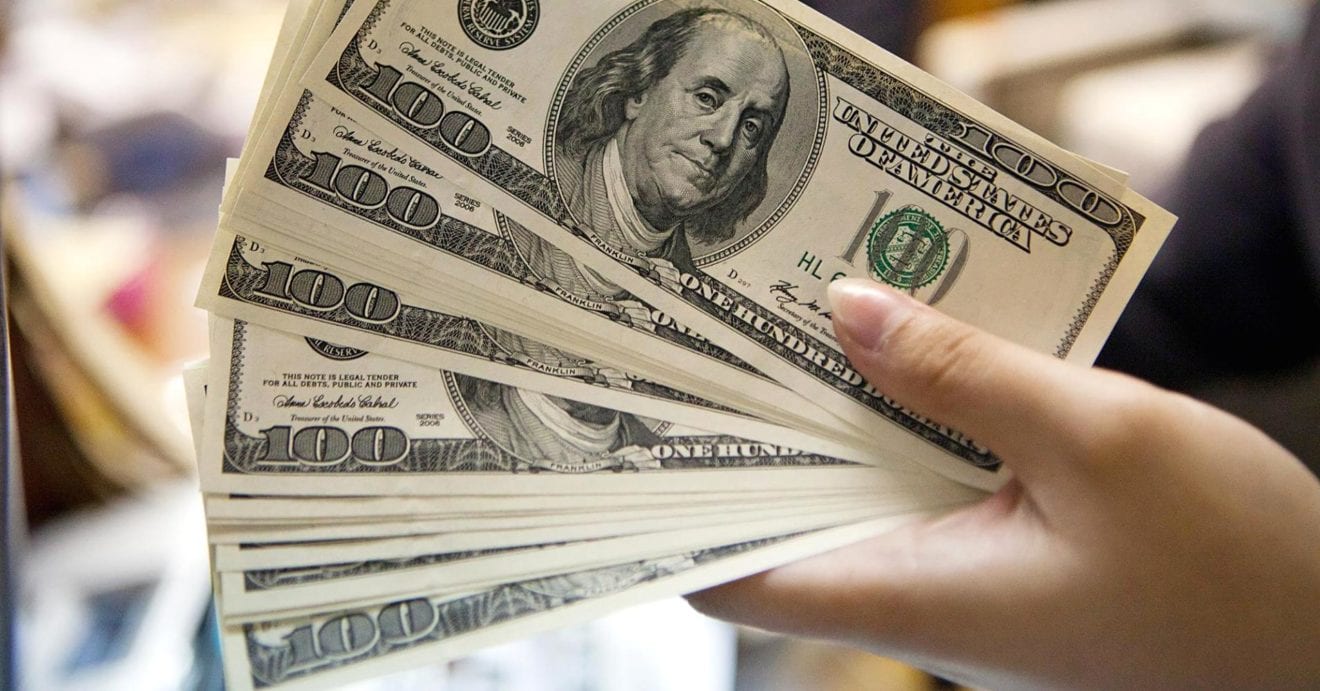
    The official exchange rate between Vietnamese dong and U.S. dollar reached its highest this year Wednesday, and  experts said the dong could depreciate further. The State Bank of Vietnam set a central exchange rate of VND22,757 on Wednesday, the sixth time the rate has gone up in the last two weeks.

    The dong has fallen by VND352, or 1.57 percent, against the greenback since the beginning of the year.

    The dollar’s value increased at commercial banks. At 3p.m. Wednesday, Vietcombank sold the dollar for VND23,350, VND15 higher than Tuesday.

    Vietinbank also sold its dollar for VND23,350, VND17 higher than Tuesday, while BIDV sold it at VND23,355, VND25 higher.

    The dollar also inched up on the free market. At 11.30 a.m. Wednesday, it was selling for VND23,360-23,410, VND10-20 higher than on Tuesday.

    Economist Nguyen Tri Hieu said that the reason for the hike was high demand for dollars toward the end of the year as businesses often import large amounts of materials needed for manufacturing.

    The ongoing U.S.-China trade war continues to exert exchange rate pressures, despite the U.S. announcing a 90-day halt on additional tariffs on Chinese goods starting next year, as there is no certainty that tensions will decline, he said.

    “There is a high possibility that the dong’s value will continue to fall this year,” Hieu said.

    Hieu said that the government should also devaluate the dong against the Chinese yuan so that the trade deficit between Vietnam and China can be reduced.

    Vietnam relies heavily on China for materials and equipment for its labor-intensive manufacturing sector.

    As the yuan’s value has fallen by 9 percent to the dollar since the beginning of this year, some experts have said that the dong should be devaluated even more to avoid impacts a cheaper yuan. Cheap made-in-China goods could be imported in large quantities to Vietnam and compete with domestic products, they said.

    But economist Tran Dinh Thien said that the dong should be kept at a balanced rate between the U.S. dollar and the Chinese yuan. A 2-3 percent band a year is acceptable, he added.

    A stronger dollar will benefit exporters, but will also create stronger pressure on inflation and interest rates which will increase business costs in a country with high imports and public debt, Thien said at a recent conference.

    He added that the fluctuation of the dong should be controlled to help local companies conduct their business with greater certainty.

    The government doesn’t want businesses to suffer shocks, he said.

    Prime Minister Nguyen Xuan Phuc had said in August that the devaluation of the dong needs to be kept within a 2-percent band this year compared with the end of last year.

  • Apple assembler Foxconn considering iPhone factory in Vietnam

    Apple assembler Foxconn considering iPhone factory in Vietnam

    Apple’s biggest iPhone assembler Foxconn is considering setting up a factory in Vietnam to mitigate any impact of the ongoing trade war. The report from Vietnamese state media comes after several executives interviewed last week singled out Vietnam and neighboring Thailand as preferred destinations should they need to shelter operations from the trade war, braving hurdles such a lack of skilled labor and inadequate infrastructure.

    Foxconn Group and the Hanoi People’s Committee are working together to open an iPhone manufacturing facility in Vietnam to negate the impacts of the U.S.-China trade war.

    Vu Tien Loc, head of the Vietnam Chamber of Commerce and Industry, raised the matter with Prime Minister Nguyen Xuan Phuc at a meeting on Nov. 22.

    “We are discussing the possibility of this with Foxconn,” Loc said, without elaborating. Hanoi People’s Committee Chairman Nguyen Duc Chung declined to comment.

    Taiwan’s Foxconn, formally Hon Hai Precision Industry Co Ltd said it “follows a strict company policy of not commenting on any matters related to current or potential customers, or any of their products”.

    In trade talks on Saturday, U.S. President Donald Trump and Chinese President Xi Jinping agreed not to introduce any tariffs for 90 days as negotiations continue.

  • Vietnam eyes $10,000 per capita income by 2035

    Vietnam eyes $10,000 per capita income by 2035

    Vietnam has set target of increasing GDP per capita to $6,500 in 2030, and $10,000, or four times the current value, in 2035. The GDP in those years would then be $670 billion and $1.05 trillion, according to an economic policy framework for the period up to 2035 recently issued by the Ministry of Planning and Investment. This will make Vietnam an upper middle-income country.

    Vietnam has also targeted to reduce its poverty rate to 1 percent and increasing the middle-class rate to 50 percent by 2035.

    The middle and affluent class now is categorized as those earning $714 a month or more, according to the Boston Consulting Group.

    According to the document, encouraging the continued development of the private sector and developing human resources and innovations taking advantage of the Fourth Industrial Revolution would be two of the driving forces for economic growth.

    The country hopes to have two million private businesses that contribute 50 percent of its GDP by 2020 and 60-65 percent by 2030.

    The reforms to achieve these goals will focus on modernizing the economy and developing the private sector, building innovation capacity, improving economic efficiency of urbanization, and building modern institutions and efficient governance.

    Vietnam also aims to ensure its development is environmentally sustainable and equitable, promote social inclusion and enhance its adaptability to climate change.

    Minister of Planning and Investment Nguyen Chi Dung said strong reforms are needed to continue developing and not fall behind the times.

    Speaking to Vietnam’s development partners at a forum on reform and development Wednesday, Prime Minister Nguyen Xuan Phuc said: “We have the aspiration to become a prosperous economy, but we are fully aware that the road will be uneven with many challenges. Those are the challenges from both within the economy and the impacts caused by fluctuations in the global economy.”

    To address these issues he pledged his government would soon speed up administrative reform and establish an economic system that enables all economic entities to have the right to participate in making development plans and policies.

    “Vietnam will focus on building its soft and digital infrastructure to convert the economy into a digital one, reform its recruitment mechanism and focus on training human resources to make use of the fourth industrial revolution as a driving force for growth.”

    According to World Bank Group statistics, Vietnam’s GDP per capita in 2017 is $2,343. The figure for Singapore is $57,714, Malaysia ($9,945), Thailand ($6,594), the Philippines ($2,989) and Myanmar ($1,298).

    Minister Dung estimated that Vietnam’s GDP would grow by 6.57 percent on average in the 2016-2018 period, meeting the National’s Assembly target of 6.5-6.7 percent growth.

    In the first nine months this year, Vietnam’s GDP grew by 6.98 percent, the highest nine-month growth rate since 2011. The economy grew by 6.81 percent last year, the highest rate in a decade.

  • Vietjet CEO climbs Forbes list of World’s Most Powerful Women

    Vietjet CEO climbs Forbes list of World’s Most Powerful Women

    Nguyen Thi Phuong Thao has been named the 44th most powerful woman in the world by Forbes, up 11 places from last year. Thao is the only Vietnamese to make the magazine’s list of 100 most powerful women this year. Forbes estimated the CEO of budget carrier Vietjet Air and the richest woman in Vietnam to have a net worth of around $2.6 billion.

    Forbes compiles the list based on assets, impact, spheres of influence, media presence, and social media power.

    Thao has extensive experience in doing business in Vietnam and abroad in multiple fields such as finance, banking, aviation, real estate, and retail.

    She launched Vietjet in 2011. The airline leads the domestic market with a 45 percent share. It operates 385 flights daily within Vietnam and to Japan, Hong Kong, South Korea, Taiwan, Singapore, mainland China, Thailand, Myanmar, and Malaysia.

    Thao also has interests in banking and real estate, which includes owning three beach resorts.

    Topping the list of the most powerful women in the world, for an astonishing eighth year, was German Chancellor Angela Merkel.

    She was followed by British Prime Minister Theresa May, former U.S. Federal Reserve Chairwoman Janet Yellen and General Motors CEO Mary Barra.

    The list comprises business leaders, politicians, investors, scientists, philanthropists, and people who are finding solutions to the world’s most difficult problems or have the most global impact.

  • Vietnam solar power investment rush poses an overload risk

    Vietnam solar power investment rush poses an overload risk

    The investment rush in solar energy could end up testing Vietnam’s weak power infrastructure, experts say. They say that both transmission capacity and the ability of grids to absorb the energy produced by new projects are suspect, as of now. The 9.35 U.S. cents per kWh Feed in Tariff (FIT) for solar power in Vietnam has sparked an investment rush.

    The latest project to be completed is the 49MW Krong Pa plant in the Central Highlands province of Gia Lai. It began operations last week.

    The investor, TTC Group, a corporation that invests in real estate, energy and education projects, has 19 other solar power projects underway.

    Other corporations have also been rolling out ambitious plans. The Xuan Cau Group plans to invest in a 2,000MW solar power project in southern Tay Ninh Province, while the Xuan Thien Corporation plans a 3,000MW project in the Central Highlands province of Dak Lak.

    September statistics from the Ministry of Industry and Trade show that 121 solar power projects been approved, which are expected to add 6,100 MW of output by 2020 and another 7,200 MW by 2030.

    Of these, 25 have signed power purchase agreements with Vietnam’s biggest power producer and sole distributor, Vietnam Electricity (EVN).

    In addition, another 221 projects await authorization, with a combined 13,000 MW of potential output.

    At this rate, the combined solar power output would accounts for 60 percent of Vietnam’s total output from all power sources kinds of power. It also far exceeds the country’s plan for solar energy output of 850MW by 2020, and 4,000 MW in the 4 following years.

    “There is an investment boom in solar power projects, but this is not good,” said Toby Couture, an expert of the German Corporation for International Cooperation (GIZ).

    He said authorities should come up with a balanced forecasting framework, rather than letting the market overheat.

    On top of the race to get projects completed before June 30, 2019 to enjoy the preferential FIT, the explosion of investment in solar power is also raising concerns over overloading of the power grid once the projects become operational.

    According to Vu Ngoc Duc of the Energy Institute under the Ministry of Industry and Trade, the fact that most projects are concentrated in central provinces of Ninh Thuan and Binh Thuan, and Dak Lak carries the risk of overloading the current power grid.

    Power plants cannot be plugged in without considering the capacity of each power transmission line, he said.

    Dinh Quang Tri, acting general director of EVN, admitted that 9.5 cents a kWh was still cheaper than electricity from oil, but the main problems the utility faces are infrastructural.

    Central Vietnam has relatively weak electricity infrastructure because of low consumption, but it is where the new renewable energy projects will be concentrated, he said.

    “The lines cannot take thousands of megawatts at the same time,” said Tri, adding that EVN had petitioned the government to plan and approve additional transmission lines.

    However, the procedures for planning, land clearance and construction will take a long time, so the existing grid will not be able to keep up with capacity of new solar plants.

    “This is a huge challenge. If we don’t purchase electricity from these solar plants, there will be a shortage. But if these projects are completed too quickly, the grid will not be able to load it all,” Tri said.

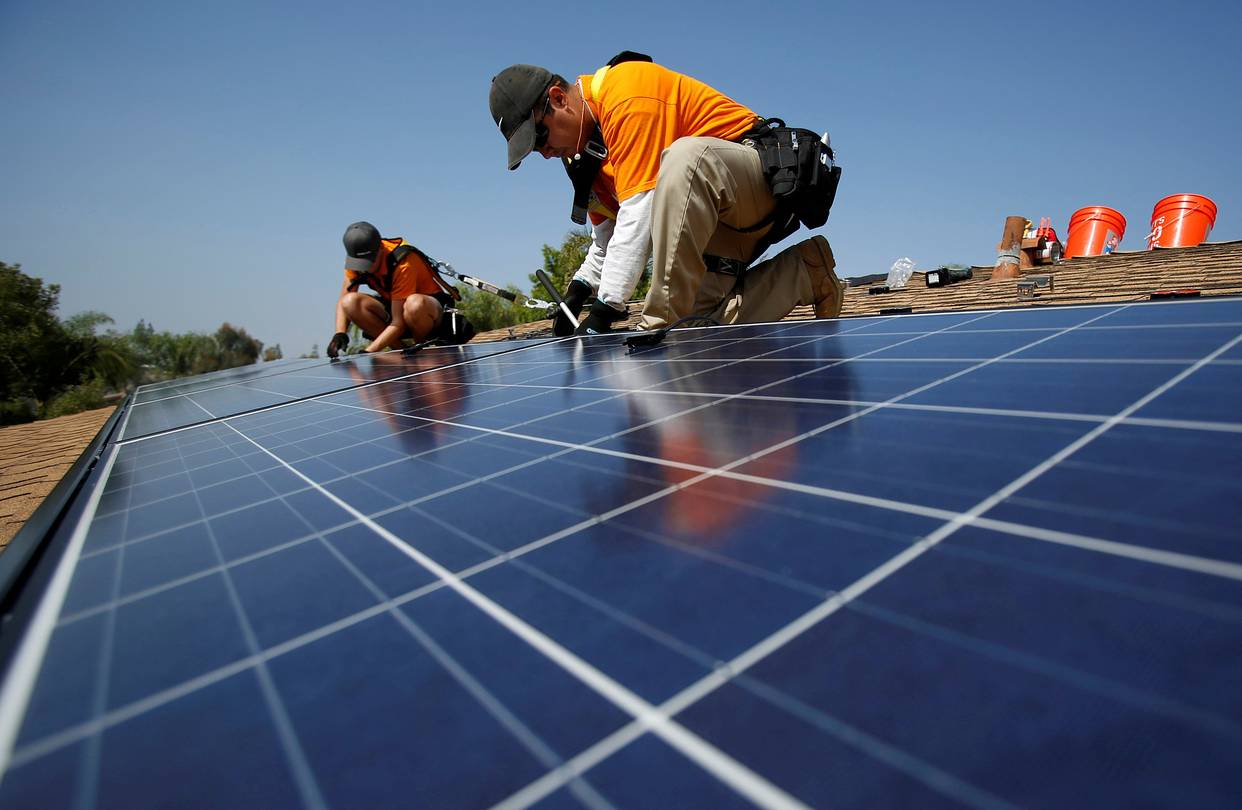
    He said that to avoid overloading the transmission grid, the Government should promote household solar panels, suitable for the low voltage grid, so that no additional investment into the transmission grid is required.

    Deputy Minister of Industry and Trade Dang Hoang An said that the ministry was directing the re-planning of local and national power development. It is assigning grid development units the task of resolving infrastructural bottlenecks to support approved solar power projects, he added.

    Solar power currently accounts for just 0.01 percent of the country’s total power output, but the government plans to increase the ratio to 3.3 percent by 2030 and 20 percent by 2050.