Tag: Vietnam

  • Vietnamese network providers ready for 5G rollout

    Vietnamese network providers ready for 5G rollout

    Vietnamese telecom firms are seeking a head start in the 5G race as the country becomes an early adopter of the technology. State-owned Vietnam Posts and Telecommunications Group (VNPT) recently signed a deal with Finnish telecom firm Nokia to develop 5G solutions and technology for the Internet of Things. The three-year deal is worth $15 million.

    The country’s third largest mobile service provider is seeking permission from the Ministry of Information and Communications for its Vinaphone network to beta test 5G, chairman Tran Manh Hung said at a conference last month.

    He said the test would help VNPT master the technology and prepare to produce 5G equipment, adding Vinaphone is ready to provide 5G services as soon as it gets the ministry green light.

    Military-run Viettel Group has also announced it is ready to beta test 5G next year. Its deputy director, Tao Duc Thang, said its installation of infrastructure for 4G even in remote areas allows Viettel to be ready for the new network.

    5G is said to offer speeds 100 times faster than 4G, primarily used for smartphones and other similar devices. The former is also expected to support new applications like remote medical procedures and autonomous driving.

    Thang said Viettel, the country’s largest mobile service provider, is working with partners to manufacture 5G equipment.

    “I think Vietnamese operators are ready for 5G with the existing infrastructure. When the market, equipment and users are ready, developing 5G will be possible.”

    The company, which has been working on 5G plans since 2015, will start installing infrastructure early next year and introduce the service first in big cities like Hanoi and HCMC.

    The country’s second biggest mobile service provider, MobiFone, which trailed its competitors in deploying 4G, earlier this year signed an agreement with Samsung Electronics for engineering and commercial cooperation on 4G and 5G networks.

    Vietnamobile, a joint venture between Hanoi Telecom and Hongkong-based Hutchison Asia Telecommunications, has also announced its interest in offering 5G services.

    VNPT, Viettel, MobiFone, and Vietnamobile are expected to receive 5G testing licenses in January.

    Last month Minister of Information and Communications Nguyen Manh Hung said at a conference that Vietnam should test 5G next year and ensure nationwide coverage by 2020.

    “Vietnam should be one of the first to launch the network, at least in Hanoi and HCMC.” The country had been one of the last in Southeast Asia to roll out 4G.

    This time Vietnam would be able to produce the required equipment before it launches the network, whereas for 4G the country had to wait for eight years before being able to do so, and for 2G and 3G all the equipment had to be imported, he said.

    “5G is not only an opportunity for connection services and going up the telecommunications ladder, but also an opportunity for developing the country’s information and communications technology industry.”

    The International Telecommunication Union last year ranked Vietnam 115th out of 193 economies in terms of mobile teledensity, but Hung wants the country to have 100 percent subscription by 2020 and be among top 30-50 countries in the world in data spending per capita.

    Vietnam’s telecom market was estimated at more than $16 billion in 2016, with the three state-owned providers, Viettel, MobiFone, and VNPT, accounting for 95 percent of the market.

    Viettel had the largest share with 46.7 percent, followed by MobiFone with 26.1 percent and VNPT with 22.2 percent.

    While MobiFone and VNPT are on the list of state-owned companies slated for privatization by 2020, Viettel will remain in government hands.

  • Vietnam’s wind power tariffs attractive, but concern rises

    Vietnam’s wind power tariffs attractive, but concern rises

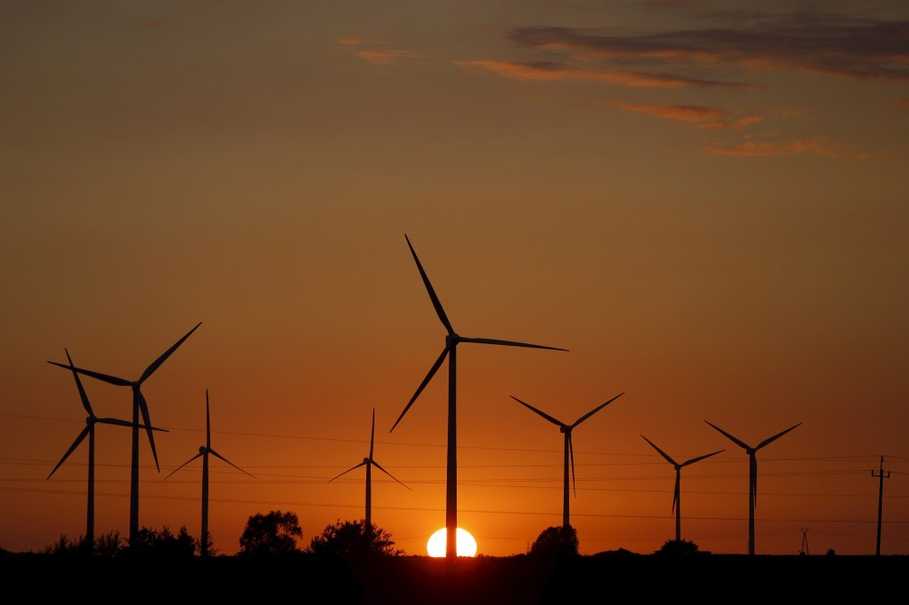
    Vietnam’s new feed-in tariffs are attracting great interest in wind power, but investors are concerned about grid connection and purchase agreements. The new feed-in tariffs (FIT) are expected to be attractive to domestic and foreign investors, Tommaso Rovatti Studihard, South East Asia sales director for wind power developer Vestas Asia Pacific said.

    The government recently approved tariff revisions under Decision 39 on support mechanisms for the development of wind power.

    The decision, effective from November 1 this year, raises the tariffs from 7.8 US cents per kWh to 8.5 US cents for onshore and 9.8 US cents for offshore generation respectively.

    “Electricity demand will grow at an estimated 8 – 10 percent a year from now to 2030. This represents realistic opportunities for investors,” Studihard said.

    Conjecturing that the national plan envisages adding 1,000 MW of wind power by 2020 and 6,000 MW by 2030, he said the targets are achievable.

    “Vestas is excited about the Vietnamese market, probably this is the most promising market in the Asian region with very good wind resources,” he said.

    Vestas has so far put three wind power projects into operation in Vietnam and plans to have another project come online by 2019 and “do a lot more in the future.”

    Studihard noted that over the next three to five years there are huge opportunities in Vietnam to have some gigawatts of wind power, but the bankability of the power purchase agreement (PPA) remains an issue with many investors, especially international investors, and banks finding it a little difficult to be comfortable with.

    There are no clear termination and force majeure clauses in the PPA, which hinders the attraction of foreign investment, especially from banks and credit institutions, he explained.

    “One more problem is Vietnam’s weak grid capacity, which would become a bottleneck for developing wind and other renewables. The grid needs to be upgraded to tap the great potential Vietnam has for offerable, sustainable and reliable wind power.”

    Bui Van Thinh, CEO of the Thuan Binh Wind Power JSC (TBW), said having gained success in developing the 24MW Phu Lac wind power project in the central province of Binh Thuan, TBW is completing procedures to start construction of a 30MW wind power project in neighboring Ninh Thuan Province.

    But the weak grid capacity is the biggest challenge to expanding renewables like wind and solar power, he said.

    The transmission line near Phu Lac site could handle 100MW, compatible with two 50MW wind power projects.

    Overload capacity is imminent once a solar power project connects with the transmission line, Thinh noted, citing the concerning fact that there are eight solar power projects in the locality approved to connect with the grid.

    “The government should instruct the state-run Electricity of Vietnam (EVN) to install transmission lines to cope with the renewable power projects across the country, especially those in Ninh Thuan and Binh Thuan.”

    Ninh Thuan and Binh Thuan are central provinces that have the greatest potential for renewable energy in the country.

    While 2,000 MW of solar power are proposed to be generated in Ninh Thuan, the local transmission line can only handle a few hundred megawatts. Thus, 110 kV or 220 kV transmission lines need to be installed before pushing the power to the 500kV transmission line and sending it to Ho Chi Minh City or Danang City, Thinh added.

    Nguyen Van Thanh, deputy head of the Ministry of Industry and Trade’s Electricity and Renewable Energy Authority, said demand for energy, wind power in particular, has been growing rapidly.

    The need for ensuring energy security but also sustainable development has changed Vietnam from an energy seller to buyer, with the country’s dependence on imported energy sources also rising, he said.

    Vietnam also faces a shortage of primary energy, with coal imports posing many risks related to supply, price and transportation, he noted.

    “Given that, efficient exploitation of new and renewable sources would play a key role in the country’s socio-economic development, energy security and sustainable development.

    “The country is working diligently to draft policies for the efficient and economical use of energy, diversification of energy sources and increasing application of new and eco-friendly technologies,” Thanh added.

    Under the revised Power Development Plan VII, power stations in the country are expected to generate a total of 60,000 MW by 2020. Of these, coal-fired stations would make the largest proportion of 42.7 percent, followed by hydropower (30.1 percent), gas-fired plants (14.9 percent) and renewable energy sources (9.9 percent).

    By 2030, the total capacity would soar to 129,500 MW, with coal and gas-fired plants accounting for 42.6 percent and 14.7 percent respectively, similar to the figures set for 2020. But the ratio of renewable energy sources is set to double to 21 percent by then.

  • Cashless services explode in Vietnam

    Cashless services explode in Vietnam

    Vietnam’s central bank says the value of cashless transactions more than doubled over the first three quarters of 2018. The Department of Payments at the State Bank of Vietnam reported a strong rise in payments over electronic channels between January and September, compared to the same period last year. Accordingly, the value of online payments rose by 18.3 percent, while transactions over mobile apps and e-wallets rose by 126 percent and 161 percent respectively.

    The number of transactions over Internet, mobile and e-wallet channels also rose 33 percent, 30 percent and 28 percent respectively.

    “Mobile payment is becoming a new trend with the rise of technologies such as QR codes, contact and contactless payments, and the tokenization of card information,” said Nghiem Thanh Son, deputy director of the department.

    The first months of 2018 saw the number of users and the value of transactions through electronic channels such as online, mobile and e-wallets rocket at many banks.

    At Sacombank, statistics show that as of October, the number of registrations for online banking reached over 1.3 million accounts and for mobile banking 1.1 million accounts. The total value of transactions per month through both channels exceeded VND108 trillion ($4.63 billion).

    For VietinBank, the country’s second largest lender by assets, the number of internet banking users in the first half of this year surged 114 percent over the same period last year to a total of 1.5 million accounts and VND44.26 trillion ($1.90 billion) in total transaction value.

    Its mobile banking users also reached 1.5 million, engaging in transactions totalling VND64.35 trillion ($2.76 billion) between January and June.

    Over 7 million people are using digital services provided by MBBank. The average transaction value per month reached VND27.4 trillion ($1.17 billion), with digital transactions making up approximately 2.6 million out of 3 million total monthly transactions seen at this bank.

    Nguyen Hoang Minh, deputy director of the State Bank’s HCMC branch, noted that the number of online banking customers has seen average annual increase of 20 percent in recent years.

    Minh said that in order to continue developing non-cash payment channels, credit institutions should pay attention to linking their cashless systems with the public sector, specifically in areas like health, education, payroll and utilities.

    Cashless services should also expand to include online payment options for public services like buses, trains and other smart urban solutions, he said.

  • Vietnam Airlines eyes stock market listing in 2019

    Vietnam Airlines eyes stock market listing in 2019

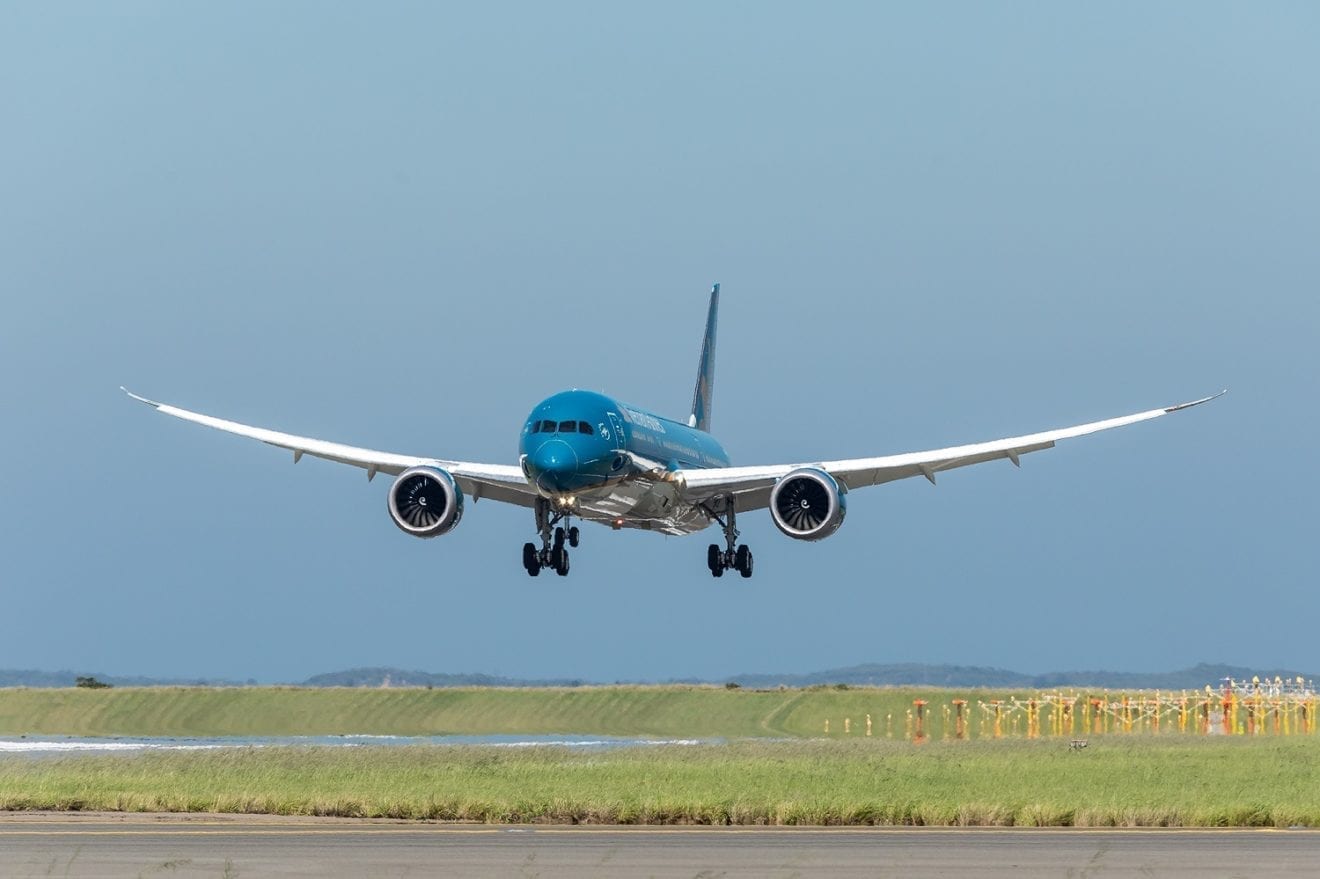
    Vietnam Airlines plans to list its shares on the Ho Chi Minh City Stock Exchange next year amidst rising competition of low-cost carriers. “Vietnam Airlines will go public in the first quarter of next year,” its chief executive, Duong Tri Thanh said. “We are making our target the first quarter of next year, and I think it is feasible.”

    But he admitted the final decision rests with the government.

    The carrier’s shares are traded on Hanoi’s Unlisted Public Company Market (UPCoM) and it has a market capitalization of more than $2 billion.

    The government currently owns around 86 percent of Vietnam Airlines, but has said it wants to reduce this to 51 percent by 2020.

    The country’s largest airline by passengers carried now faces rising competition from budget carrier VietJet Aviation and others. Last month Vietjet became the second most valuable airline in Southeast Asia by market cap behind only Singapore Airlines.

    With the domestic market showing signs of saturation, Vietnam Airlines seeks to expand overseas. In October it started a daily service from central Da Nang City to Osaka City to add to the 70 weekly flights from Vietnam to Japan. In 2020 it plans to begin a direct service to the U.S.

    Vietjet launched a daily service from Hanoi to Osaka last month to take its total number of international routes to 64 in 11 countries. It plans to add two more routes to Japan by next month.

    Other airlines are also jostling for market share. Bamboo Airways, Vietnam’s newest airline, received a license last month and is set to make its maiden flight on December 29.

    Experts said the listing of Vietnam Airlines would allow it to compete with other carriers by attracting more investors.

    “This would be a major Vietnamese company joining the stock exchange, which would interest international investors and potentially enable Vietnam Airlines to raise funds more easily to compete with the likes of VietJet and Bamboo,” the Financial Times quoted Tony Foster, a partner at Hanoi law firm Freshfields, as saying.

    Vietnam’s international aviation market, driven by the rapid growth in tourism, has been expanding at more than 30 percent a year, according to the CAPA Centre for Aviation, an Australian consultancy.

    Vietnam welcomed 14.1 million international tourists from January to November, up 21.3 percent year-on-year, according to the General Statistics Office. As many as 11.4 million of them came by plane, up 15.3 percent, it added.

    Vietnamese carriers transported 45.1 million passengers between January and November, up 11.9 percent year-on-year, and 369.2 million tons of goods, up 18.6 percent, according to the General Statistics Office.

    There are five carriers in Vietnam: Vietnam Airlines, Vietjet Air, Bamboo Airways, Jetstar Pacific and VASCO. Vietnam Airlines owns VASCO and has a 70 percent stake in Jetstar Pacific.

  • Vingroup’s smartphone launched soon

    Vingroup’s smartphone launched soon

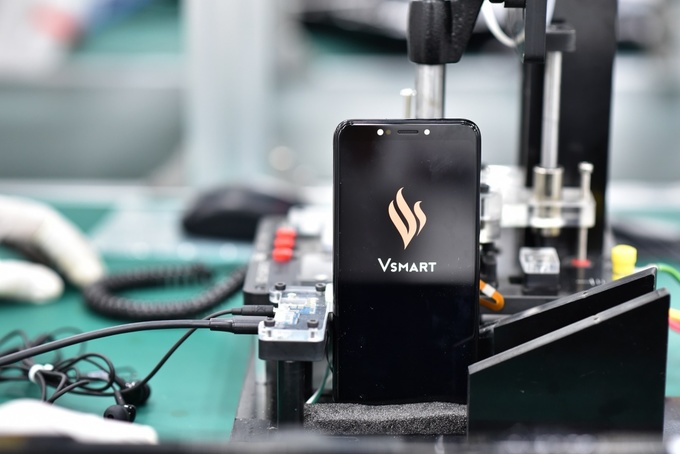
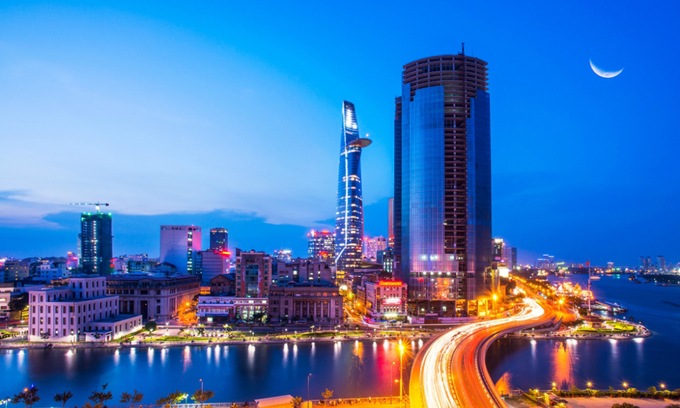
    Vietnam’s largest private conglomerate, Vingroup, will introduce its first smartphones on December 14 as part of its tech expansion. The company will launch four new models under the brand name “Vsmart,” at the Landmark 81 skyscraper in Ho Chi Minh City.

    The phones are produced at Vingroup’s factory in the northern city of Hai Phong, which is capable of making five million phones a year in its first phase of operations, a Vingroup statement said.

    The company will utilize Spanish experts for product development as it owns 51 percent of Spanish technology firm BQ.

    “We hope that Vsmart phones, alongside VinFast cars, will contribute to the development of Vietnam industry and bring Vietnamese brands to the world,” said Nguyen Viet Quang, vice chairman and chief executive officer of Vingroup.

    Vingroup became the country’s first full-fledged domestic car maker two months ago, introducing three new car models. In June, it established the VinSmart Co. to produce smartphones and other smart electronic devices with a registered capital of VND3 trillion ($131.54 million).

    VinSmart is also working with Qualcomm and Google’s Alphabet Inc to “update to the most advanced technology in the smartphone sector,” the statement said.

    The company will be the newest phone maker seeking success in Vietnam, a country of 95 million people. The market is currently dominated by Samsung and Apple phones. Vietnam is the largest smartphone production base for Samsung Electronics.

    Vingroup said its VinSmart factory will also produce smart TVs and other smart products in the future.

  • Vietnam must avoid power cuts next year: PM

    Vietnam must avoid power cuts next year: PM

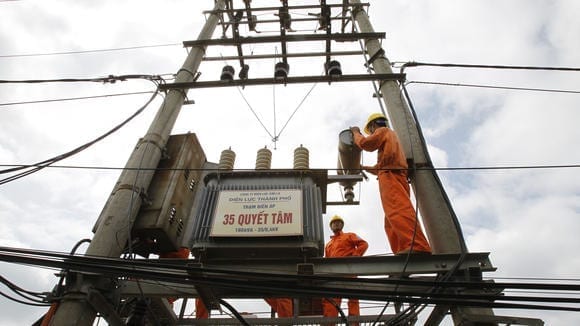
    Prime Minister Vietnam Nguyen Xuan Phuc has ordered agencies to ensure that the country won’t suffer power shortages in 2019. The Prime Minister has communicated this to relevant agencies several times, Mai Tien Dung, Minister and Chairman of the Government Office, said at the government’s regular press conference on Monday.

    The communiqués have instructed the agencies to ensure that there’s no electricity shortage for both industrial and domestic uses, emphasizing they would be held responsible for failures, Dung said.

    The PM has also tasked relevant agencies with definitively resolving the ongoing issue of coal shortage for thermal power plants, which Vietnam Electricity (EVN) has warned could lead to power cuts early next year.

    The national power utility said in a recent report to Deputy Prime Minister Trinh Dinh Dung that the country will need over 54 million tons of coal for electricity production next year, of which 43.4 million tons will come from domestic production and 10.68 million tons will be imported.

    But the country’s only two suppliers, Vietnam National Coal-Mineral Industries Corporation (Vinacomin) and the North-Eastern Company (NECO) under the Ministry of Defense, will only be able to produce 37.21 million tons of coal next year, 6.19 million tons lower than estimated demand, EVN said.

    Speaking at the press conference, Deputy Minister of Industry and Trade Do Thang Hai said a total of four different electricity supply plans have been drafted, all of which designed to ensure there would be no power shortages next year.

    However, in certain cases, Vietnam would still need to produce 2-7 billion kWh of electricity from expensive oil-powered generators.

    “If we want to have enough electricity then we must increase the production of electricity by oil, which would be more expensive,” he said, asking consumers to make plans to save electricity.

    Regarding the issue of coal shortage, Hai asserted that Vinacomin and NECO have both supplied enough coal for thermal power plants as committed.

    “The two major coal suppliers have tried their best. If coal from domestic sources is not enough to supply [thermal power plants] then we will import more,” he said.

    The deputy minister also said a scenario for regulating electricity prices next year would be reported to the government later this month.

    “The electricity price for next year is being carefully considered and the scenario is being built in accordance with regulations, including factoring in the effect on inflation,” he said.

    Vietnam currently relies largely on hydropower and thermal power plants for its electricity needs. However, its hydropower potential is almost fully exploited and its oil and gas reserves are running low.

    Thermal energy is expected to account for over 48 percent of the country’s power production next year.

    Vietnam, one of Asia’s fastest-growing economies, has been struggling to develop its energy industry, and its heavy reliance on non renewable sources could prove problematic in the future, experts say.

    World Bank country director for Vietnam Ousmane Dione said at a recent forum that Vietnam will need to raise up $150 billion by 2030 to develop its energy sector; that electricity demand in the country will grow by about 8 percent a year for the next decade.

  • Central Premium Mall Vietnam plans to open next year

    Central Premium Mall Vietnam plans to open next year

    Ho Chi Minh City is getting a new shopping centre, Central Premium Mall, in District 8, next year. Set to open in the third quarter of next year, the six-storey mall spans 40,000sqm, and is expected to welcome more than 3 million visitors annually.

    The first and second levels will host 200 kiosks from fashion retailers, a supermarket and luxury cafes.

    The third level is for dining, with more than 30 restaurants, including China’s Melie Dimsum, America’s HolyCow, Korean BBQ Gangnam, together with sushi and buffet restaurants.


    The fourth and fifth floors are for entertainment with a children’s playground Kid World, spas, Mexican-style Ritacita Bar, Beer Club Vuvuzela, Bar Redbull and Bar Rocco, among others.

    A cinema will occupy the whole 4000sqm sixth floor.

    Project owner Quoc Cuong Gia Lai says the shopping centre will be managed by a reputable international company, whose identity has yet to be revealed.

    The mall has cost VND1 trillion (US$43 million) to build.

    Central Premium Mall occupies the lower levels of the Central Premium apartment complex currently under construction. A roof-topping ceremony was held recently and apartments are expected to be handed over to residents by the third quarter of next year. It will be managed by Savills Vietnam.

  • Samsung is still top smartphone producer

    Samsung is still top smartphone producer

    Samsung Electronics managed to retain its position as the No. 1 smartphone maker in the world in the third quarter, but it may have a fight on its hands in the fourth quarter as Apple is expected to lower prices and increase production, according to a recent report from TrendForce.

    The report said Samsung was the top smartphone vendor in the third quarter with quarterly shipments of 74.5 million units, or almost 20 percent of the market.

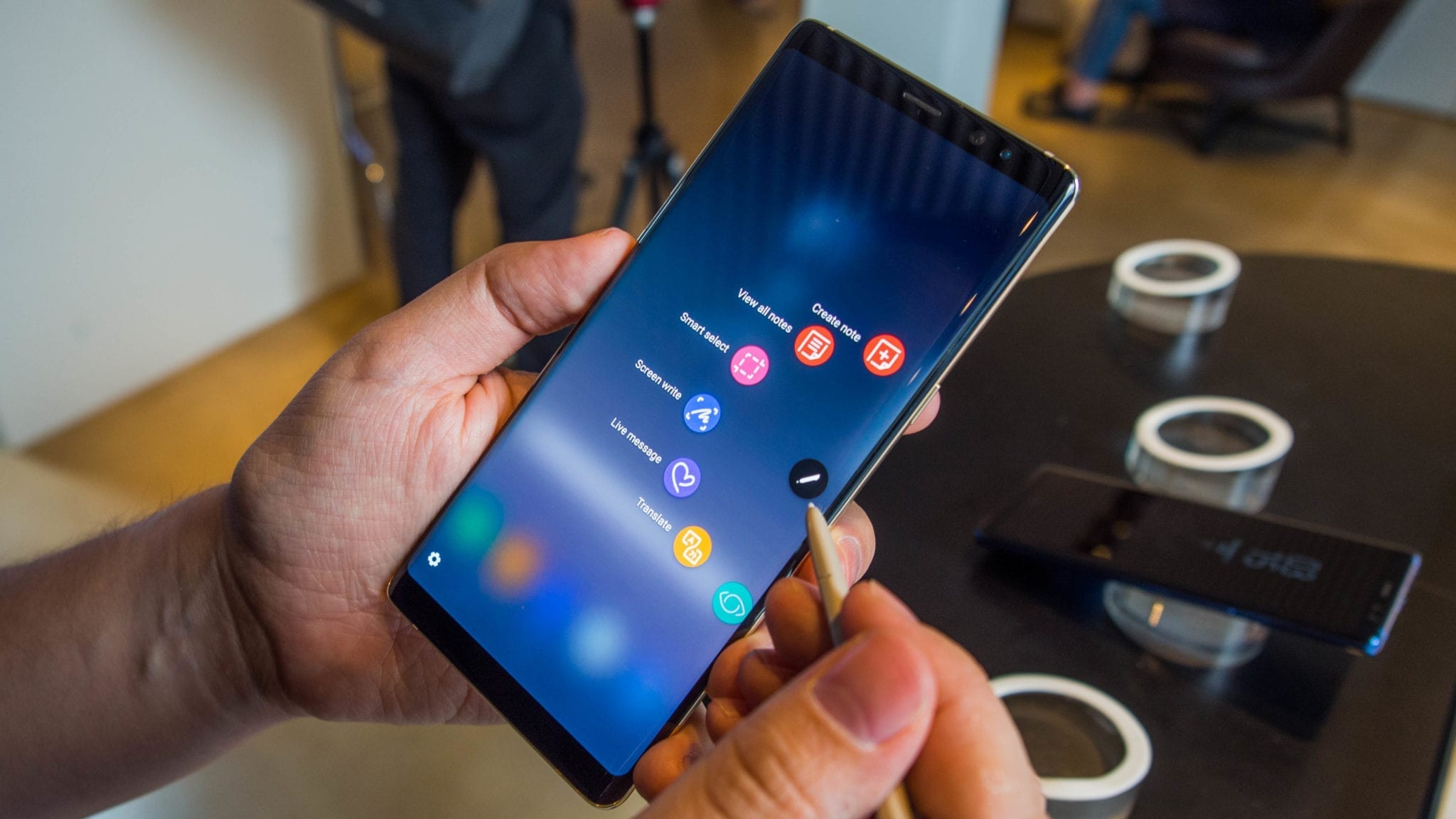
    “While Samsung grew its sales by releasing its flagship Galaxy Note 9 ahead of schedule, the device was not a significant upgrade from last year’s Note 8 and made limited contribution to the brand’s total volume in Q3,” said the report.

    The Galaxy J series, on the other hand, was still instrumental in sustaining the brand’s overall production, the report noted. Samsung has also been promoting the Galaxy A devices, emphasizing their improved cost-to-performance ratios and cameras since the beginning of the fourth quarter.

    In the fourth quarter, however, iPhone production is estimated to reach around 76 million units, which would see it surpass Huawei and compete with Samsung for the top position, the report noted. Samsung’s volume in the last quarter is estimated to reach around 75 million units, in line with the company’s target for the period.

    Huawei was the world’s second largest smartphone producer in the third quarter, beating Apple for the second consecutive quarter. The firm’s production volume stood at a new high of 55.5 million units. iPhone production for the third quarter totaled 47.1 million units.

    “Huawei’s in-house research and development capabilities and extensive product lines across all market segments have benefitted its expansions in overseas markets during the recent years,” the report said.

  • Biggest car rental company heading to Vietnam

    Biggest car rental company heading to Vietnam

    Vietnam is the first stop for Enterprise Rent-A-Car in Asia, after 85 locations in Europe and the Americas. The world’s largest car rental servicer, Enterprise Holdings, recently announced that its Enterprise Rent-A-Car service is now available in Vietnam. The move is part of Enterprise Holdings’ goal to expand its car rental services across the Asia Pacific region.

    Enterprise Rent-A-Car will operate in Vietnam through its Vietnamese franchise partner MP Logistics.

    Cuong Dang, general director of Enterprise Rent-A-Car Vietnam, said the company currently has 300 rental cars, from 5 to 47 seaters, available in Ho Chi Minh City. The service is scheduled to be expanded to Hanoi and central Da Nang City in the first quarter of 2019.

    Rent-A-Car’s initial strategy will be to grow a base of corporate customers, foreign employees of multinational companies with operations in Vietnam. The initial emphasis will be on long-term rentals with a chauffeur.

    Later, it will expand its services to include short-term, chauffeur-driven options, self-drive rentals and leisure hire at popular tourist destinations likes Da Nang.

    Cuong said he believes that there is great demand in Vietnam’s car rental market but inadequate supply, and that in the future, this market will thrive.

    There are two reasons Vietnam’s car rental market will grow, he said.

    First, FDI growth will be maintained for the next 10 years, which will attract an increasing number of foreign workers.

    Second, the middle class is seeing strong growth. The younger generation does not accord much priority to saving to buying luxurious cars and big homes, but tend to pay more attention to quality of life and experiences, and as such would be more willing to rent cars.

    However, Cuong noted that the Rent-A-Car model brought to Vietnam would take longer to recoup capital and profits than in the U.S.

    “The price of buying a car in Vietnam is twice that in the U.S., but the rental price is the same in both markets, so the business risk will be higher,” Cuong said.

    Todd Prister, regional director for the Enterprise Franchise Asia-Pacific said that the company is excited about the potential of Vietnam’s economy.

    “Vietnam not only has one of the highest growth rates in the world as well as attractive business markets, but also is a prominent destination in Southeast Asia. Combining these factors, Vietnam will be a brilliant opportunity for us,” said Todd.

    Enterprise is the largest car rental company in the U.S. and is the 13th largest private enterprise in the country.

    Todd Prister said Enterprise is also the largest car rental company in the world in terms of vehicles owned, employees and sales.

    The company is present in 85 countries, 10,000 locations, owns over two million vehicles and has an average annual turnover of about $22 billion.

  • Vietnam to experience power cuts early 2019

    Vietnam to experience power cuts early 2019

    The ongoing coal shortage could lead to power cuts in Vietnam early next year, Vietnam Electricity (EVN) has warned. The national power utility said in a recent report to Deputy Prime Minister Trinh Dinh Dung that the country will need over 54 million tons of coal for electricity production next year, of which 43.4 million tons will come from domestic production and 10.68 million tons will be imported.

    But the country’s only two suppliers, Vietnam National Coal-Mineral Industries Corporation (Vinacomin) and the North-Eastern Company (NECO) under the Ministry of Defense, will only be able to produce 37.21 million tons of coal next year, 6.19 million tons lower than estimated demand, EVN said.

    “The lack of coal will lead to a shutdown of thermal power plants, seriously affecting the national power grid and EVN might have to cut electricity in the first months of 2019,” it added.

    EVN estimated that power generation will be reduced by 2,300 MW, which is the average electricity consumption of 13 central provinces.

    EVN said that Vinacomin and NECO had promised to provide enough coal for plants this year, but the amount provided by Vinacomin until this month was 690,000 tons lower than contracted.

    The power utility estimates that the country will need 2.55 million tons of coal of electricity in December, but the two coal producers plan to deliver only 2.05 million tons, which is 500,000 tons short.

    Due to the coal shortage, the Quang Ninh Thermal Power Company has shut down two out of four turbines since November 17.

    The Hai Phong Thermal Power Company shut down one turbine on November 22, and the Nghi Son Thermal Power Plant  reduced its two turbines to minimum operation the same day. The Ninh Binh Thermal Power Company is running low on inventory.

    Vietnam currently relies largely on hydropower and thermal power plants for its electricity needs. However, its hydropower potential is almost fully exploited and its oil and gas reserves are running low. Thermal energy is expected to account for over 48 percent of the country’s power production next year.

    Vietnam, one of Asia’s fastest-growing economies, has been struggling to develop its energy industry.

    World Bank country director for Vietnam Ousmane Dione said at a forum Monday that Vietnam will need to raise up $150 billion by 2030 to develop its energy sector.

    Dione added that electricity demand in the country will grow by about 8 percent a year for the next decade, as reported.

  • Vietnamese government will share risks with startups, PM assures

    Vietnamese government will share risks with startups, PM assures

    The Vietnamese government is willing to make changes in regulations to facilitate timely funding of startups, Prime Minister Nguyen Xuan Phuc said. Addressing at the Youth Startups Forum 2018 in Hanoi on Thursday, he acknowledged the challenges that Vietnamese startups have highlighted, saying that it is the task of authorities to find a breakthrough solution for creative entrepreneurs to start and run a business.

    He asked the Ministry of Planning and Investment, the Ministry of Science and Technology, the Ministry of Finance and the State Bank of Vietnam to create more favorable conditions for startups by making changes in the legal framework.

    “We need a breakthrough innovation in policies from government bodies to help startups succeed with their ideas,” he told the forum, which attracted 300 entrepreneurs from across the country.

    The government is willing to share a part of the risks with startups, the PM added.

    He asked relevant ministries and other agencies to report in detail next month on the solutions they have identified for the problems that industry insiders have highlighted.

    Vietnam has seen an increasing number of startups in recent years. The country’s speed of startup development ranks third among ASEAN members. But regulatory obstructions are hindering their ability to attract funds they need to establish themselves and thrive in the market, entrepreneurs said at the forum.

    Thach Le Anh, founder of Vietnam Silicon Valley, a government-backed organization aiming to stimulate the growth of startups, said that angel investors are reluctant to invest due to a lack of incentives in tax and policies. Angel investors are people who inject money into a new business in the early stage.

    The early financial support is crucial for a startup to succeed, Anh said.

    Nguyen Manh Dung, a representative of the investment fund CyberAgent Veuntures in Vietnam, also said that many investors want to invest in Vietnam’s startups, as larger markets like the U.S., Japan and China require bigger capital and fewer opportunities.

    Investors are also reluctant about later stage investments, when profits can be extracted, because of slow administration procedures, he said.

    Disbursement procedures in Vietnam could take from six months to a year while the very nature of startups is that they need to act fast, he added.

    Dung also said that divestment was one the main concerns that investors have.

    “These challenges take opportunities away from startups,” he said.

    Dam Quang Thang, CEO of AgriTech Village, a company which assists local startups in agriculture, said that although startups often use new technological solutions, they have to go through a traditional testing method, which is more time consuming than it should be.

    A representative of Vietinbank, Vietnam’s fourth-biggest listed bank by market capitalization, said tight bidding procedures and long financial checks were preventing the bank from investing in a tech startup.

    “Startups struggle to sell their products to investors as they have to go through the traditional process. There must be a better way for them to sell their new solutions,” the representative said.

    Last year, Vietnamese startups received $300 million in investments in 92 different deals, according to startup accelerator program Topica Founder Institute (TFI).

  • Investors dominate sales of Vietnam’s high-end homes

    Investors dominate sales of Vietnam’s high-end homes

    Investors buy a high percentage of high-end residence purchases in Vietnam, while occupiers take most of the low-end ones. A recent report by real estate market research firm Savills Vietnam, Vietnam Residential Spotlight, says over 70 percent of grade A (high-end) residence buyers in Hanoi are investors. The ratio in Ho Chi Minh City is just as high at 65 percent, says the report, which used data for the 2013-2017 period.

    For the grade B (middle-end) segment in Hanoi, investors accounted for 40 percent of sales, occupiers, 55 percent, and the remaining 5 percent, speculators. The corresponding ratio in HCMC is 45 percent, 50 percent and 5 percent.

    The data indicates that high-end and middle-end residences have become main interests of investors in recent years. They evince almost no interest in grade C (low-end) residences where occupiers make up 85-90 percent of transactions.

    There has been a continuous downwards momentum in residential apartment supply between January and October this year, the Ho Chi Minh City Real Estate Association (HoREA) said in a recent report.

    During this period, total housing supply in the Ho Chi Minh City market fell 39.2 percent. The biggest decrease in supply was in the low-priced apartment segment, which was down 68 percent, while that of high-end apartments fell 9.6 percent and mid-range went down 37.5 percent.

    The association warned that the structure of real estate supply showed a serious disequilibrium in the market, with low priced apartments taking up only 19.3 percent of total supply while luxury apartments took up a third.

    This showed a mismatch between demand and supply, posing a risk to sustainable development and social welfare, it said.

    However, Savills forecasts that low-end residences will dominate HCMC’s supply in 2020 at 61 percent, while in Hanoi, the middle-end segment will lead the market, taking over half of the supply. At this time, Hanoi will have a higher high-end supply at 15 percent, compared to HCMC at 8 percent.

  • Vietnam Jan-Nov coffee exports up 23 pct, rice 4.8 pct

    Vietnam Jan-Nov coffee exports up 23 pct, rice 4.8 pct

    Vietnam’s coffee export volumes from January to November have grown 23 percent year-on-year and rice exports have risen by 4.8 percent, official data shows.

    Coffee

    Coffee exports from Vietnam will climb an estimated 23 percent between January and November from a year ago to 1.725 million tonnes, equal to 28.75 million 60-kg bags, the General Statistics Office said in a report on Thursday.

    Coffee export revenue for Vietnam, the world’s biggest producer of the robusta bean, will edge up 2.9 percent to $3.3 billion in the 11-month period, the report said.

    November coffee exports were estimated at 140,000 tonnes, worth $264 million.

    Rice

    Rice exports in January-November from Vietnam were forecast to rise 4.8 percent from a year ago to 5.7 million tonnes. Revenue from rice exports in the period was expected to grow 16.8 percent year-on-year to $2.86 billion.

    November rice exports from Vietnam, the world’s third-largest shipper of the grain, were estimated at 450,000 tonnes, worth $218 million.

    Energy

    Vietnam’s January-November crude oil exports were seen plunging 42.5 percent year-on-year to an estimated 3.6 million tonnes.

    Crude oil export revenue in the first 11 months of 2018 were expected to decline 20.4 percent to $2.1 billion.

    Oil product imports in the 11-month period were estimated at 10.7 million tonnes, falling 8.1 percent from the same period last year, while the value of product imports rose 15.4 percent to $7.3 billion.

    Vietnam’s January-to-November liquefied petroleum gas imports were seen increasing 1.5 percent from a year earlier to 1.3 million tonnes.

  • Vietnam’s food processing industry an appetizing option for investors

    Vietnam’s food processing industry an appetizing option for investors

    With huge untapped potential and steady growth, Vietnam’s food processing industry promises much for foreign investors, officials say. In Ho Chi Minh City, Vietnam’s biggest city, the food processing industry grew by 8.7 percent and the beverage production sector grew by 4.6 percent in the first ten months of this year, according to the municipal trade department.

    The industry’s products are sold at 2,280 convenience stores in the city, up 507 stores over 2017, it said.

    In the past five years, Vietnam’s annual consumption of processed food and beverages has grown at an average of 9.68 percent and 6.66 percent respectively, says data compiled by the Ministry of Industry and Trade.

    In 2013-2017, the industrial production index grew by an average 6.8 percent per year for processed food and 9.7 percent for drinks, Deputy Minister of Industry and Trade Do Thang Hai said at a recent seminar in HCMC.

    The country’s annual food consumption value is estimated to make up 15 percent of its gross domestic product, he said, adding that the figure is about to grow bigger thanks to higher annual incomes and the increasing trend of consuming ready-to-eat food, especially organic ones.

    In the first nine months this year, the consumption index grew by 8 percent and 10.2 percent against the same period last year for processed food and drinks, respectively, according to the Vietnam Report Joint Stock Company, a Hanoi-based market research and business assessment firm.

    The Business Monitor International (BMI) projected earlier this year that Vietnam’s food industry will grow by 10.9 percent each year between 2015 and 2020.

    Tran Kim Oanh, director of the Investment Promotion Center for Industry under the Vietnam Trade Promotion Agency, said that in the 2010-2016 period, the number of companies operating in the sector made up two percent of the total, but their total revenue accounted for 7.3 percent, or $54 billion.

    With more than half of a population of 95 million of working age, Vietnam’s food processing industry has a lot of room to grow, said experts.

    Food and beverages currently account for the highest proportion of monthly consumer spending in Vietnam, accounting for about 35 percent of the total, she said.

    Opportunities

    Food processing is one of the industries Vietnam is giving priority to in its growth plans until 2025 with vision until 2035.

    Vu Van Chung, deputy head of the Foreign Investment Agency under the Ministry of Planning and Investment, said that so far, foreign investment in the food processing industry of Vietnam was $11.2 billion in 717 projects, excluding those formed through merger-acquisition deals.

    Most foreign investment has flowed into processing agricultural produce, seafood and producing beverages.

    The food processing industry in Vietnam is considered attractive thanks to tax preferential policies including an import tax exemption for technologies to upgrade the production chain in Vietnam.

    “Despite preferential policies for investors, Vietnam’s food processing industry has not been able to attract investments from markets that strong in this field, like Japan, the U.S., Australia and the EU,” Chung said.

    The biggest obstacle for the sector right now is that domestic material supply is unable to meet production chain demands.

    For example, domestic materials supply can only meet 25 percent of inputs for the dairy sector, and up to 90 percent of materials to make cooking oil is imported, he said.

    But deputy minister Hai was hopeful that things would improve when the free trade agreements that Vietnam has signed come into effect, opening a broader consumption market for investors in Vietnam in general and investors in the food processing industry in particular.

  • US, China trade war finally (temporary) stops

    US, China trade war finally (temporary) stops

    China and the United States agreed to a ceasefire in their bitter trade war on Saturday after high-stakes talks in Argentina between US President Donald Trump and Chinese President Xi Jinping, including no escalated tariffs on Jan 1. Trump will leave tariffs on US$200 billion (RM835.8 billion) worth of Chinese imports at 10% at the beginning of the new year, agreeing to not raise them to 25% “at this time”, the White House said in a statement.

    “China will agree to purchase a not yet agreed upon, but very substantial, amount of agricultural, energy, industrial, and other product from the United States to reduce the trade imbalance between our two countries,“ it said.

    “China has agreed to start purchasing agricultural product from our farmers immediately.”

    The two leaders also agreed to immediately start talks on structural changes with respect to forced technology transfers, intellectual property protection, non-tariff barriers, cyber intrusions and cyber theft, services and agriculture, the White House said.

    Both countries agreed they will try to have this “transaction” completed within the next 90 days, but if this does not happen then the 10% tariffs will be raised to 25%, it added.

    The Chinese government’s top diplomat, state councillor Wang Yi, said the negotiations were conducted in a “friendly and candid atmosphere”.

    “The two presidents agreed that the two sides can and must get bilateral relations right,“ Wang said adding they agreed to further exchanges at appropriate times.

    “Discussion on economic and trade issues was very positive and constructive. The two heads of state reached consensus to halt the mutual increase of new tariffs,“ Wang said.

    “China is willing to increase imports in accordance with the needs of its domestic market and the people’s needs, including marketable products from the United States, to gradually ease the imbalance in two-way trade.”

    “The two sides agreed to mutually open their markets, and as China advances a new round of reforms, the United States’ legitimate concerns can be progressively resolved.”

    The two sides would “step up negotiations” toward full elimination of all additional tariffs, Wang said.

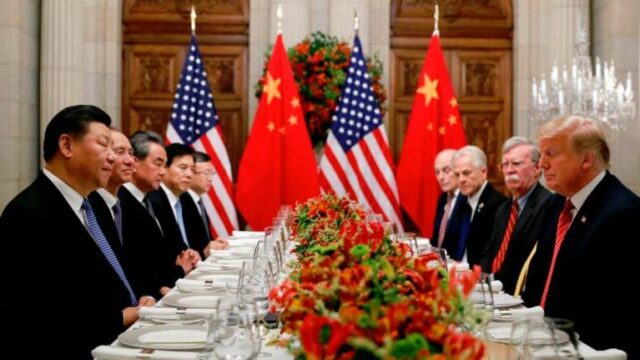
    The announcements came after Trump and Xi sat down with their aides for a working dinner at the end of a two-day gathering of world leaders in Buenos Aires, their dispute having unnerved global financial markets and weighed on the world economy.

    After the 2½ hour meeting, White House chief economist Larry Kudlow said the talks went “very well,“ but offered no specifics as he boarded Air Force One headed home to Washington with Trump.

    China’s goal was to persuade Trump to abandon plans to raise tariffs on US$200 billion of Chinese goods to 25% in January, from 10% at present. Trump had threatened to do that, and possibly add tariffs on US$267 billion of imports, if there was no progress in the talks.

    With the United States and China clashing over commerce, financial markets will take their lead from the results of the talks, widely seen as the most important meeting of US and Chinese leaders in years.

    The encounter came shortly after the Group of 20 industrialised nations backed an overhaul of the World Trade Organisation, which regulates international trade disputes, marking a victory for Trump, a sharp critic of the organisation.

    Trump told Xi at the start of their meeting he hoped they would achieve “something great” on trade for both countries. He struck a positive note as he sat across from Xi, despite the US president’s earlier threats to impose new tariffs on Chinese imports as early as the next year.

    He suggested that the “incredible relationship” he and Xi had established would be “the very primary reason” they could make progress on trade.