Tag: Vietnam

  • Costa Coffee Vietnam makes debut at airport

    Costa Coffee Vietnam makes debut at airport

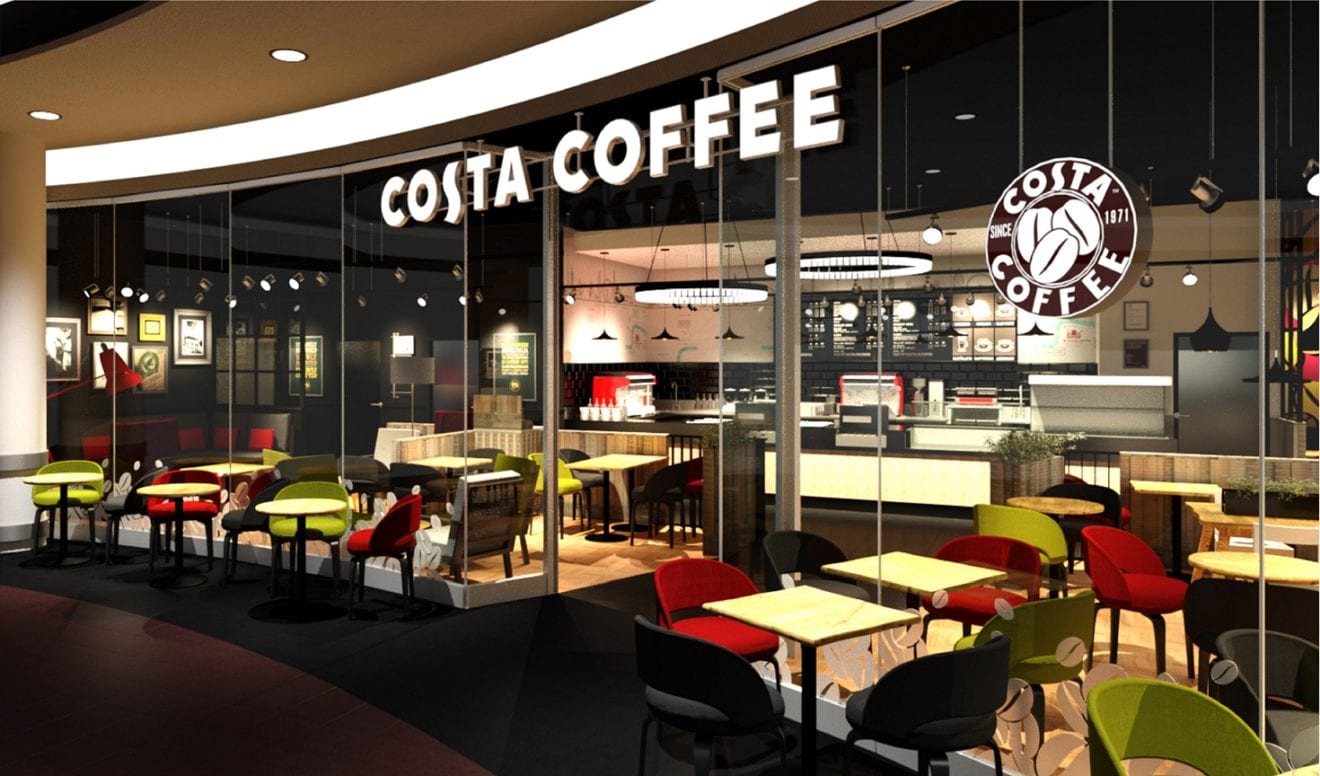
    Costa Coffee Vietnam has made its debut with an outlet at Da Nang International Airport.

    The outlet has been opened by British multinational coffeehouse company’s global partner, Italian catering company Autogrill.

    Costa Coffee says the store is part of its expansion in Southeast Asia. It opened a store in Jakarta last month, with a second to open in the next few months.

    For Vietnam, the menu includes its range of blended iced drinks and creamy Frostinos, such as the Double Chocolate Cookie Mocha. There are also Costa classics such as salads, toasties and sandwiches, European and Southeast Asian cakes, desserts and healthy treats.

    “Costa is all about great people and great handcrafted coffee,” says Costa Coffee Southeast Asia head Matt Kenley.

    Founded in London in 1971, Costa has more than 2200 coffee shops in the UK and more than 1200 in 29 international markets.

  • Alibaba chairman Jack Ma to speak at e-payment forum in Hanoi

    Alibaba chairman Jack Ma to speak at e-payment forum in Hanoi

    Now in its third year, the forum is the country’s biggest e-payment event. World famous billionaire and Alibaba chairman Jack Ma is expected to visit Hanoi next month to attend a forum on e-payment services.

    Now in its third year, the annual Vietnam E-Payment Forum, provides an opportunity for the government, experts and businesses to sit down together and discuss the latest trends in e-payment services and the best ways to apply them in Vietnam.

    This year, mobile payment will be in the spotlight.

    As a speaker at the event, Jack Ma, founder and executive chairman of Chinese e-commerce giant Alibaba, will talk about his experiences of developing e-commerce and mobile payment services in China.

    According to iResearch, the leading provider of online audience measurement and consumer insights in China, the mobile payment market was valued at $5.5 trillion last year in China, nearly 50 times greater than that of the U.S., and Ant Financial Service, a subsidiary of Alibaba, contributed a lion’s share of 54 percent.E-payment has gradually replaced cash in Vietnam’s northern neighbor, and these days, most Chinese people pay for products and services using their smartphones.

  • Berli Jucker eyeing Asean expansion

    Berli Jucker eyeing Asean expansion

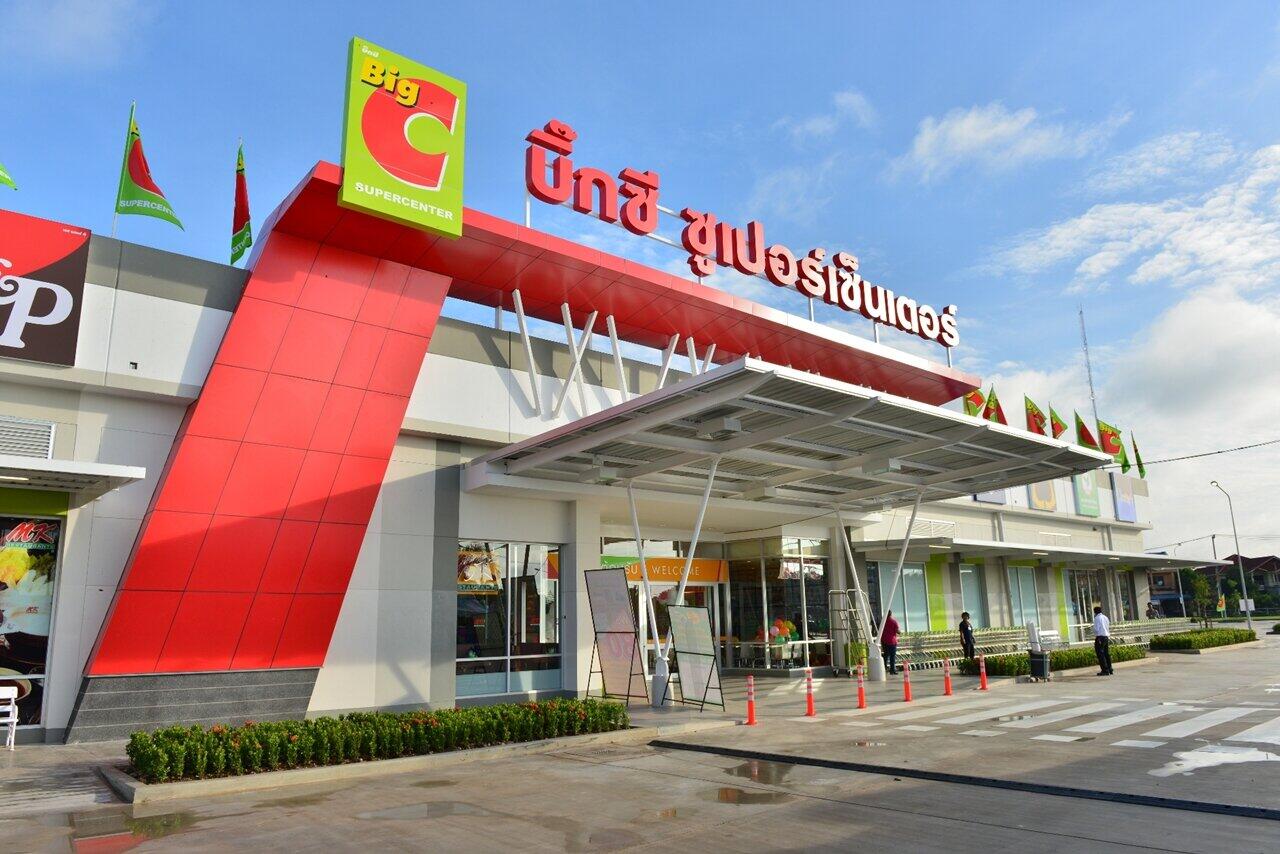
    Thai company Berli Jucker (BJC) plans an aggressive expansion of its retail network in the Asean region.

    The push will include its hypermarkets and convenience stores, including the opening of Big C hypermarkets in Malaysia.

    BJC president/CEO Asawin Techajareonvikul says the company is evaluating whether to give Malaysia or Vietnam priority in its retail network expansion.

    Described by the company as “downstream business”, the expansion will help its main interests, manufacturing, distribution and logistics.

    Group chairman Charoen Sirivadhanabhakdi says BJC has had a foothold in Malaysia since acquiring a glass factory there in 1966. Big C stores would be the group’s first retail venture there.

    However, Asawin says there are already many competitors in Malaysia. “Meanwhile, in Vietnam, we already have 19 MM Mega Market hypermarkets as well as 173 B’s Mart convenience stores. The market has a lot of potential.”

    He says that between 200 and 300 hypermarkets are run by different companies in Thailand, but with about 90 million people in Vietnam, the number of hypermarkets there is quite small.

    “Our strategy is to build ‘connectivity’ within our retail network,” says Asawin. “Our Big C stores now cover all major provinces throughout the kingdom, but the transportation lead time from one store to another is currently about three hours. We want to reduce this to only one hour, and that means we need to open more stores to fill the gap, especially in cities in border areas.”

    BJC has 1200 retail outlets in Thailand, Laos and Vietnam under different brands, including Big C in Thailand, MM Mega Market and B’s Mart in Vietnam, and M-Point Mart in Laos. The group also has more than 10 factories in Asean.

  • Bonia Vietnam moves south with second store

    Bonia Vietnam moves south with second store

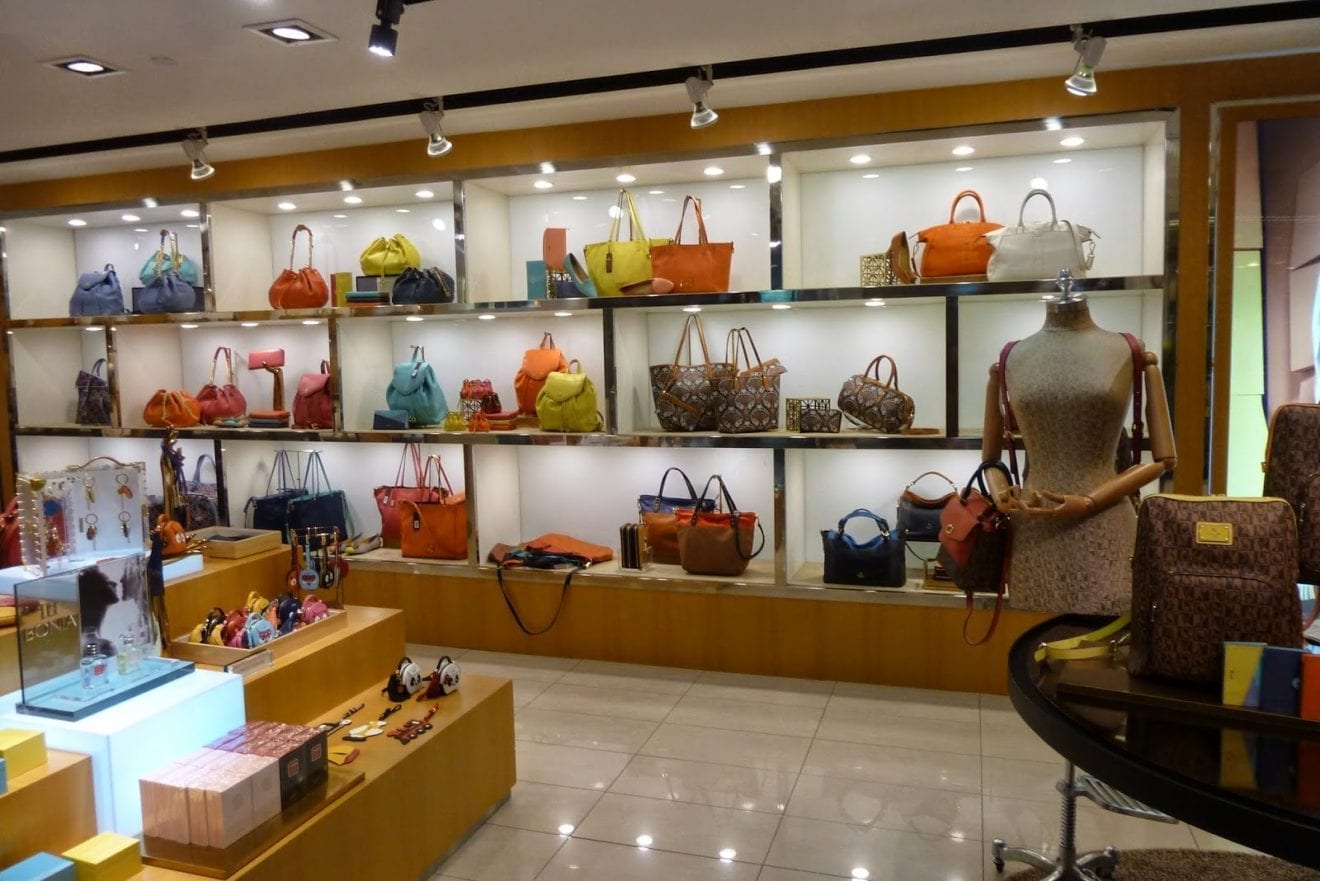
    Leathergoods retailer Bonia Vietnam has opened its first Ho Chi Minh City boutique, at Crescent Mall.

    Covering 192sqm on the mall’s second floor, the store has a simple design featuring timber and bright colours as a background to the brand’s latest items.

    Celebrities attending the grand opening included actress/director Ngo Thanh Van, who joined Bonia representatives in cutting the opening ribbon.

    It is the Malaysian brand’s second store in Vietnam, the first being at Vincom Hanoi.

  • Uber Vietnam CEO leaves post, reasons unknown

    Uber Vietnam CEO leaves post, reasons unknown

    The company had to pay nearly $3 million in back-taxes and fines last month, but it is unclear if this had any bearing on the decision. Uber Vietnam has announced that its CEO Dang Viet Dung has left the company. No information about the reasons for his departure or who will replace him has been revealed.

    Dung, 32, took the helm of Uber Vietnam when the U.S.-based firm first entered the country in 2014.

    A graduate from Amherst College in the U.S., he took the post after halting a master program at Harvard Business School.

    Late last month, tax authorities in Ho Chi Minh City collected VND66.68 billion ($2.93 million) in arrears from Uber Vietnam, including fines for faulty declarations and late payments.

    Following the incident, rumors started to spread that Uber would be leaving Vietnam. The company was quick to dismiss this.

    As of August, Uber had four million users in Vietnam, according to official company data.

  • Foody Vietnam sold to Singaporean firm

    Foody Vietnam sold to Singaporean firm

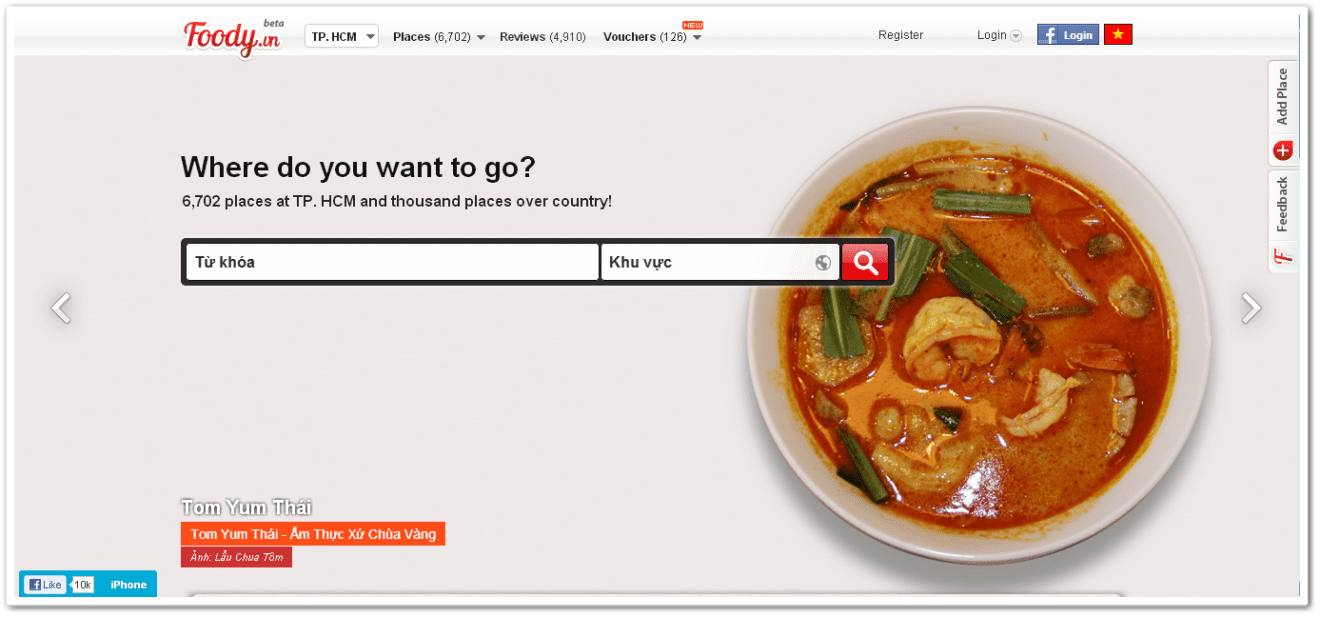
    Online restaurant directory Foody Vietnam has sold a majority stake to consumer internet group Sea Limited.

    Worth about US$64 million, the transfer was announced on a NYSE listing by Sea.

    Foody, which also accepts meal bookings and runs a delivery service, has announced that foreign entity Airview Investment of Singapore has taken an 82 per cent shareholding.

    Sea says it has acquired a Vietnamese food-delivery platform to help expand its payment platform AirPay, launched in Vietnam in 2014.

    “We intend to pursue strategic investment and acquisition opportunities in order to grow our user base, deepen our market penetration and further expand our offerings, including complementary services and products,” says Sea.

    Foody Vietnam was founded in 2012. Sea, valued at $3.75 billion, has already invested in Foody, as series-B investor in July 2015.

  • Vietnam’s incumbent cellcos testing MNP

    Vietnam’s incumbent cellcos testing MNP

    Vietnam’s three largest mobile operators have started testing mobile number portability ahead of its planned implementation in the nation by the end of the year.

    Viettel, VinaPhone and MobiFone are conducting preparations for the introduction of MNP as part of a communications ministry edict to introduce the capability.

    The ministry approved the MNP project in 2013, and the plan calls for its introduction this year in order to benefit consumers and stimulate competitiveness in the mobile market.

    A mobile switching center has now been established to facilitate number porting and Vietnam’s Authority of Telecommunications plans to introduce a detailed implementation plan early next month.

    According to ministerial guidelines, only mobile subscribers with numbers activated for at least 90 days will be able to port their numbers to other networks.

    Vietnam has around 126.5 million mobile customers, so the MNP facilities that are introduced may need to be able to manage large volumes of switching requests.

  • How fast fashion is emerging at pace in Vietnam

    How fast fashion is emerging at pace in Vietnam

    Vietnam is one of the fastest developing countries in the world with a huge population, and the number of middle and high income shoppers and consumers is steadily increasing.

    As a result, international brands such as Zara, H&M and Uniqlo have spotted a great opportunity for them to roll out new concepts and increase sales. Today, this is happening in a lot of industries, and fashion is one of them.

    Vietnamese people (especially women) take a lot of pride in their appearance, and with a growing middle class, more consumers have the cash to pay more for quality international brands and up-to-date products.

    Of course, price remains the most important factor when it comes to making a purchasing decision for most people in Vietnam, but fashion products also convey image and status which are very important in Vietnamese culture.

    The millennials (aged 15-35 years old), accounting for a third of the population, are now the country’s driving force, and have higher standards of fashion and higher exposure to global trends via internet/social media and travel experiences.

    This young population is key to the development of international fashion brands since they have the desire to buy, the money to do so, and are already sold on these brands as most of them know them and sometimes buy their products from overseas.

    These factors offer a good perspective for the entrance and development of international fashion brands in Vietnam and a platform to acquire new customers.

    Can foreign fashion brands really change the way Vietnamese consumers shop?

    Vietnam is following the global trend of standardization. These brands want to offer the same customer experience everywhere in the world, so they have strict guidelines to meet customer demands and roll-out concepts that are proven to work in multiple countries.

    This potential roll-out in Vietnam is a real opportunity for Vietnamese people to gain access to these products, some of which they are already aware of.

    Vietnam is a country where local brands and local makers can offer more unique and individualized products, but what Vietnamese want today, especially the younger generation, is to have international brands that offer modernity and a feeling of being part of the wider world.

    These brands may be offering mass market products, but that’s what young shoppers are aspiring to, and new store openings will likely drive increased traffic to the numerous shopping malls that have popped up in key cities.

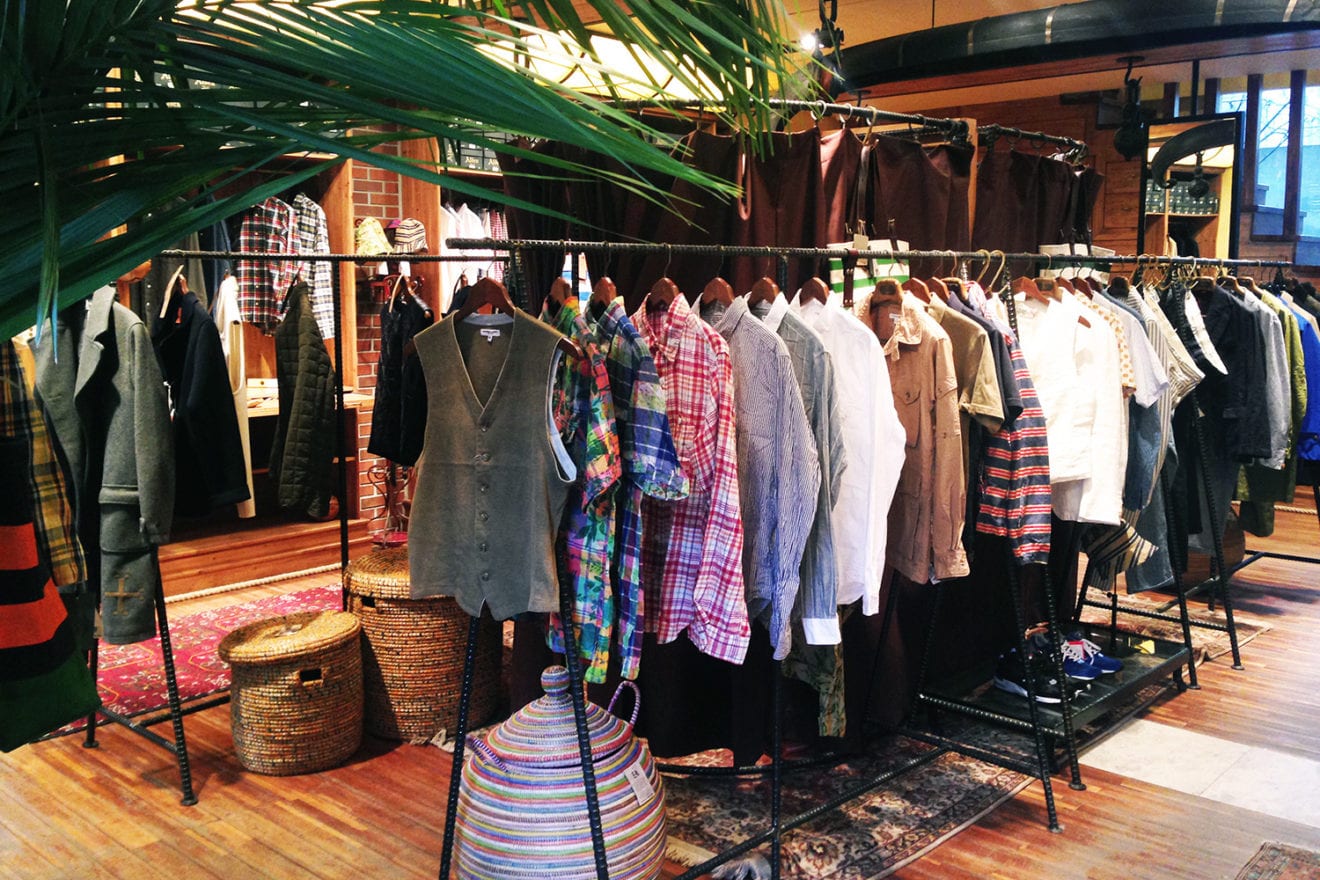
    At a basic level, they will raise the shopping experience in Vietnam by offering a comfortable, spacious and premium shopping area with a clean store lay-out and iconic shopping bags to make the shopping experience easier and more interesting. Expect trendy music and cool staff to greet shoppers when they enter the store.

    Beyond this, another advancement we can expect from international brands is the adoption of technology to enhance the shopping experience.

    Fashion, as an industry, is continually evolving and fashion retailers must constantly innnovate to stay relevant. These brands have the financial backing and experience to roll out new technologies quickly, which will reshape the way Vietnamese shop for fashion. Expect to see iPads in the hands of staff helping customers to track down what they want, and even customers doing it for themselves at pop-up kiosks.

    Social media interaction, fashion competitions and mobile app membership could all be used by international retailers to drive interest in their stores. We can also expect their e-commerce websites to start offering a link between bricks and mortar and online. This will help reach a wider customer base (nationwide) when it’s hard to find spacious and affordable locations in Vietnam.

    Consumer expectations of foreign brands

    The fashion market is very scattered in Vietnam. Branded products account for a very small part of the total fashion/clothes market and are mainly targeted at the upper class.

    Currently most of the population buy either unbranded products made by local tailors, products from local fashion brands, or imported products from Thailand or even China. When international brands enter Vietnam, it is unlikely that they will be adopted by the major part of the population.

    Even if disposable incomes ares increasing, the low and middle classes are not ready to change their purchasing behavior to buy much more expensive products all the time.

    While these international fashion brands can be considered mainstream by global standards, they will probably be more considered “affordable premium” or even “premium” by most Vietnamese shoppers.

    If these brands want to make a real mark on the market, they must make themselves affordable to most of the population. However, if they do this they risk losing their main target consumers. As such it will be difficult for them to find the right positioning.

    There are some major mistakes these brands will have to avoid in Vietnam.

    The first mistake would be charging more for the same products than in other countries. Vietnamese consumers are connected/informed and will buy from overseas if the price in Vietnam is higher. We have already seen affordable brands become luxury brands when they entered Vietnam.

    The second mistake they have to avoid is to believe that Vietnam is a country where they can sell their collections from previous years: Vietnamese are looking for the latest trends and do not want old stock from other countries. These international brands will provide a new alternative to young consumers and will probably have great success in the short term if the price is not too disconnected from what they currently pay for local brands. The only question is whether these brands will fully replace what people currently buy or if they will just be bought as a treat, as an add-on to the current purchases of a specific demograph only.

    To sum-up, they should be affordable enough not just to attract a very small part of the population, not too cheap to stay aspirational, showcase the latest collections, offer an “international” look and feel, and take into consideration local tastes and sizes.

  • AirAsia to start offering Manila–Ho Chi Minh City flights in November

    AirAsia to start offering Manila–Ho Chi Minh City flights in November

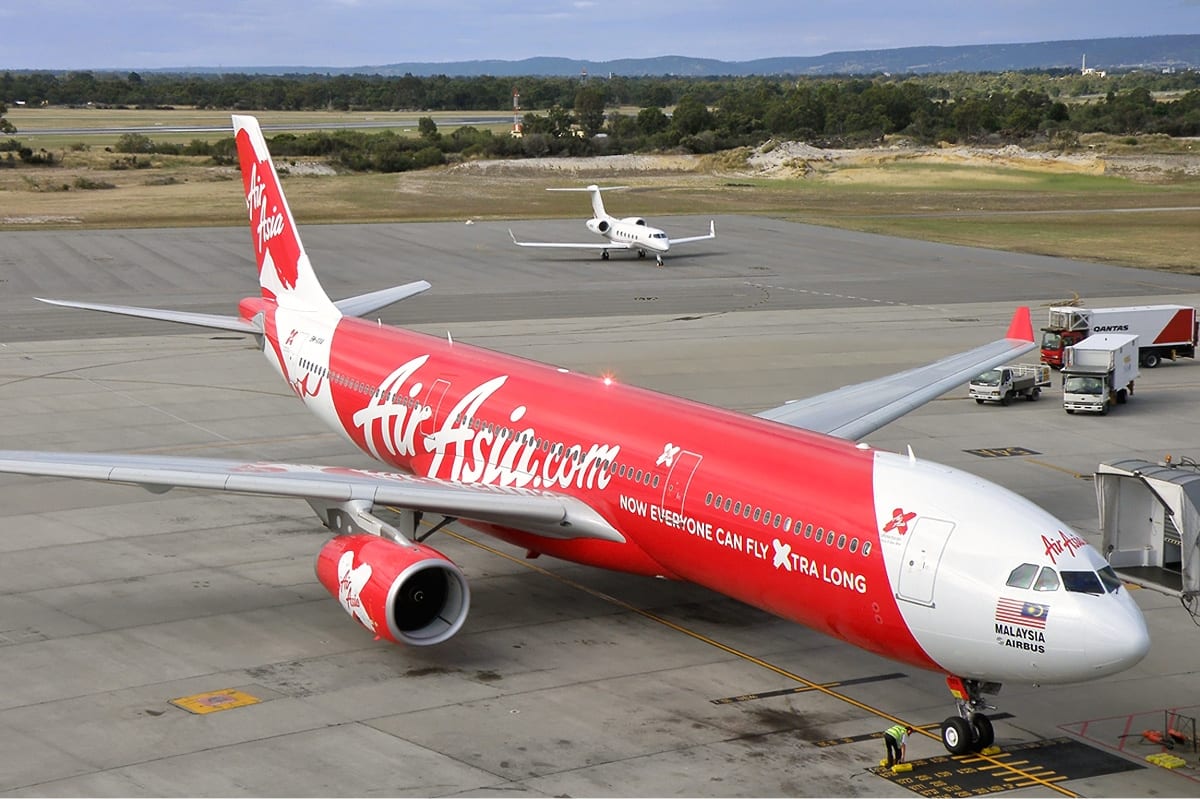
    Budget carrier AirAsia Philippines on Tuesday announced it will begin offering direct flights from Manila to Ho Chi Minh City, Vietnam in November.

    “We are thrilled to announce that we will start servicing direct flights from Manila to Ho Chi Minh in November as part of our commitment to continue bringing the Philippines closer to neighboring cities within the Asean region,” AirAsia Philippines CEO Dexter Comendador said in a statement.

    AirAsia is offering an introductory promo fare of P990 for the Manila-Ho Chi Minh route. The promo is available for booking from September 19 to October 18 on AirAsia’s website and mobile app.

    The promo fares are available for travel period from November 17, 2017 to November 21, 2018.

    AirAsia will fly three times a week from Manila to Ho Chi Minh, every Tuesday, Friday, and Sunday.

  • H&M cuts prices to shift leftover summer clothes

    H&M cuts prices to shift leftover summer clothes

    ‘The rapid shift from offline to online in the young value fashion market has been one factor behind disappointing sales trends in the past couple of years.’

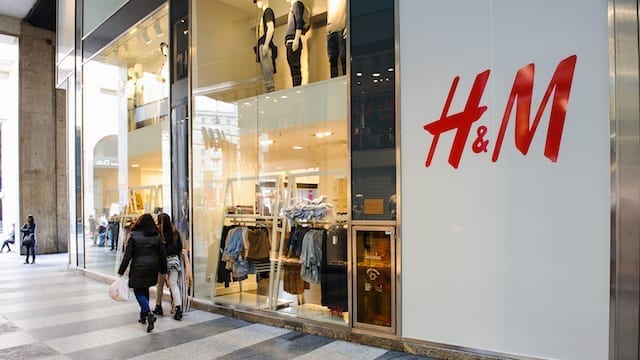
    Budget fashion group H&M has slashed prices to shift unsold summerwear, in the latest sign the Swedish company is struggling to keep pace with rivals as young buyers move online.

    Seemingly unstoppable for decades, H&M has been hit by tougher competition in the past couple of years from cut-price brick-and-mortar rivals. It is also trying to improve its e-commerce offering to counter new online-only players.

    H&M entered its third quarter with higher-than-usual inventories that needed to be sold before autumn collections arrived. On top of that, overall demand has been sluggish in some of its key markets, such as Germany.

    “The rapid shift from offline to online in the young value fashion market has been one factor behind disappointing sales trends in the past couple of years,” said Societe Generale analyst Anne Critchlow, who has a “sell” rating on H&M’s shares.

    “In most countries, online is not yet integrated with the stores and free delivery and free returns are not available.”

    Sales at H&M, the world’s second-largest clothing retailer after Zara owner Inditex, reached 51.2 billion crowns ($6.4 billion) in its June-to-August financial quarter against a forecast 51.6 billion in a Reuters poll.

    Local-currency growth was 4 percent, just below forecast.

    H&M said the aggressive summer markdowns had led to an improved inventory position ahead of the fourth quarter and that autumn sales were off to a good start.

    H&M’s shares, which have tumbled from all-time highs near 370 crowns in 2015, were up 2.2 percent to 218.10 crowns at 1400 GMT.

    The company has launched several independent and mostly higher-end brands in recent years to broaden its customer base in the face of growing competition in its budget segment, but the core H&M chain still accounts for the bulk of its sales.

    H&M is also intensifying efforts to catch up with services offered by pure-online players such as Asos and Zalando as shopper behaviour and expectations transform even faster than H&M had expected.

    It is now testing “click-and-collect” – picking up items bought online in stores – in Britain, and rolling out faster delivery options and online returns in stores in some markets.

    RBC Capital Markets Richard Chamberlain with an “outperform” rating on H&M, said he expects sales and gross margin trends to improve next year helped by the online improvements. ($1 = 7.9924 Swedish crowns)

  • Hotels told to cough up for playing music on TV by Vietnam’s copyright watchdog

    Hotels told to cough up for playing music on TV by Vietnam’s copyright watchdog

    Collection of the controversial royalty fees will resume after a three-month break following a public backlash.Vietnam’s music copyright watchdog has announced that it will resume charging hotels across the country royalty fees for playing music on TV.

    The Vietnam Center for Protection of Music Copyright (VCPMC) will be charging all hotels VND25,000 ($1.1) per year for each room equipped with a TV.

    The amount is based on similar fees charged in other countries based on information provided by the International Confederation of Societies of Authors and Composers (CISAC) and adjusted to Vietnam’s economy, the center stated.

    At a press conference on Monday, the VCPMC cited Vietnam’s intellectual property law to reaffirm its right to collect royalty fees from hotels that play music.The culture ministry has asked the VCPMC to start collecting fees again after they were put on hold in May following a public backlash, according to Pho Duc Phuong, the center’s director.

    The center also said that 80 percent of the royalties would go to the copyright holders and it would only retain 20 percent to cover its operating costs, Tuoi Tre (Youth) newspaper reported.

    The collection process will be public and transparent, and the royalties will be paid to the copyright holders every three months, said Nguyen Hoang Giang, director of the VCPMC’s northern chapter.

    “The hotels will supply us with lists of songs they frequently play, and after subtracting administrative expenses, we will split the royalties equally among copyright holders,” Giang said.

    However, the VCPMC did not explain how the hotels will be able to compile these lists, or how it will verify them.

    In May, the center’s southern chapter started asking 1, 2 and 3-star hotels in Da Nang to pay music royalty fees and threatened to take legal action against those that refused to cooperate. Many hotel owners were surprised to learn about the new fees and were quick to protest, claiming most visitors don’t use their TVs to play music and not all hotels play music in their lounges.

    However, the VCPMC has been charging 4 and 5-star hotels music licensing fees for the last 10 years, and has been organizing conferences since 2013 to inform all hotel owners of copyright laws and regulations, Tuoi Tre quoted Dinh Trung Can, the VCPMC’s deputy director, as saying.

    Following the public backlash in May, the Copyright Office of Vietnam instructed the VCPMC to temporarily stop collecting music royalty fees until it could devise a more transparent and appropriate roadmap for the collection process.

    The VCPMC is a non-governmental and non-profit collective copyright management organization. It claims to represent nearly 4,000 songwriters and copyright holders of Vietnamese songs, and more than 4 million international writers.

  • Vietnamobile achieves nationwide 3G coverage

    Vietnamobile achieves nationwide 3G coverage

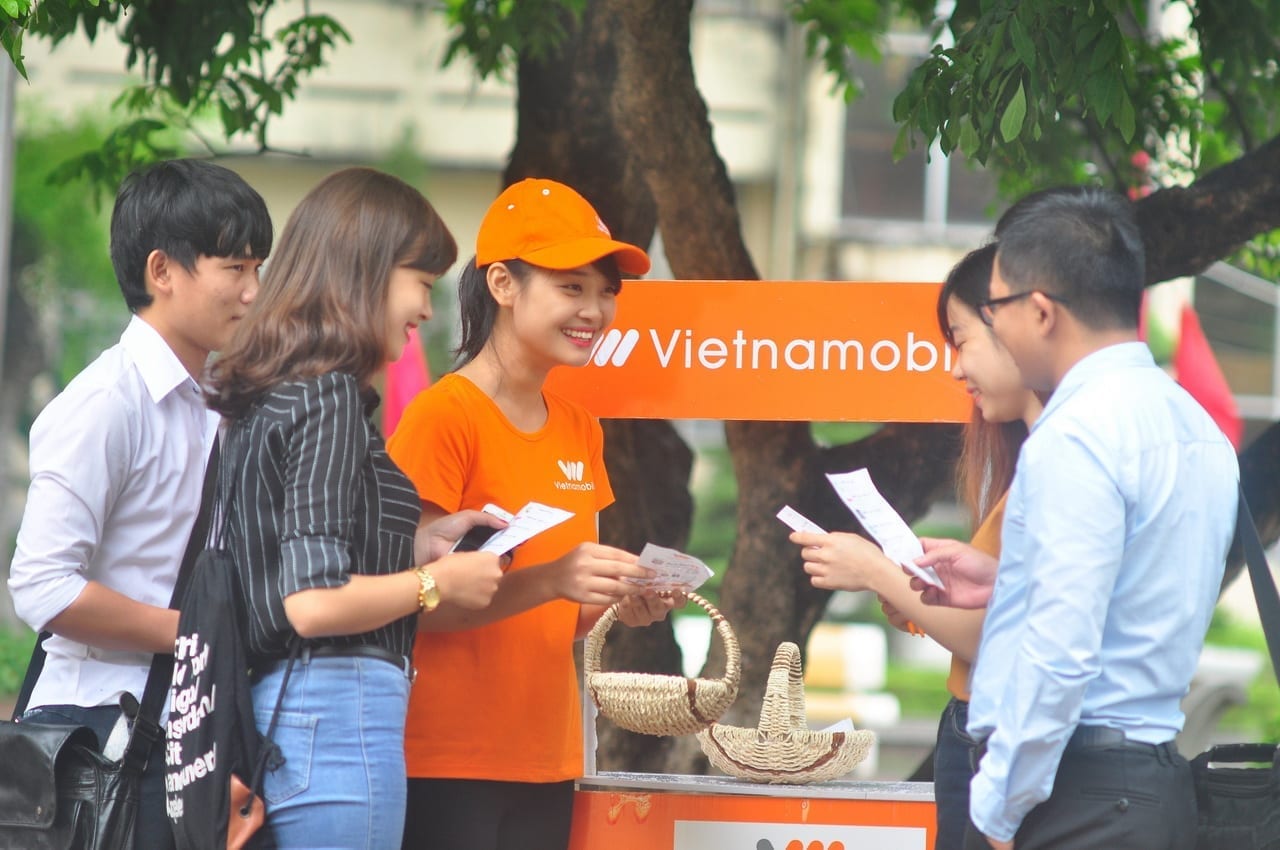
    Vietnam’s fourth largest mobile operator Vietnamobile has announced it has achieved 90% population coverage with its 3G network following a year of heavy infrastructure investments.

    The company’s 3G network now covers all 63 cities and provinces in the country.

    When the operator first announced plans to achieve nationwide 3G coverage a year ago, its 3G network only covered 12 of these cities and provinces.

    Vietnamobile has been differentiating itself from its larger rivals by focusing on the needs of Vietnamese youth across the nation.

    To celebrate the milestone, Vietnobile is introducing two new data packages for young customers, including a pay-as-you-go data pla starting at 1Gbps  for 15,000 dong ($0.66), upgradeable to 5GB.

    Meanwhile the second plan will offer 1GB of data per day for 50,000 dong per month, subject to a cap of 30GB per month.

    Vietnamobile is also introducing a dedicated iOS and Android app to help customers monitor and manage their accounts.

    Vietnamobile launched in 2009 as a joint venture between Hanoi Telecom Joint Stock Company and Hutchison Asia Telecommunications Group (formerly Hutchison Telecommunications International). The company has historically faced challenges competing with its more established rivals due to a spectrum shortfall.

  • Vietnam retail sales soar this year

    Vietnam retail sales soar this year

    Vietnam retail sales soared 10.3 per cent in the first eight months of this year, according to figures released by the General Statistics Office.

    Even after the effects of inflation were removed from the data, sales were up by 8.9 per cent, total spending estimated at US$114.7 billion.

    The rise was higher than for the same period last year and underline the significant improvement in the local population’s disposable income levels.

    Excluding hospitality and catering sales from the data, Vietnam retail sales totalled $86.1 billion, three quarters of the total trade. Strongly performing categories included apparel, appliances and food, up 14 per cent, 11.6 per cent and 10.6 per cent respectively.

    Vietnam’s total retail market is forecast by the Association of Vietnam Retailers to reach US$179 billion by 2020.

  • Domestic gold prices fall sharply

    Domestic gold prices fall sharply

    Gold prices slumped in the Vietnamese market on Tuesday morning. On the Hà Nội market, selling price of one tael, or 1.205 ounces, of State-owned SJC’s gold declined by VNĐ190,000 (US$8.3) to VNĐ36.75 million.

    On the buying side, the price of each tael also fell VNĐ160,000, trading at VNĐ36.53 million.

    In the southern cities of HCM and Cần Thơ and central Đà Nẵng City, one tael of SJC’s gold declined VNĐ250,000 during selling, trading at VNĐ36.73 million. Meanwhile, one tael was being bought at VNĐ36.53 million.

    Bảo Tín Minh Châu Gold Jewellery Company and Doji Gold and Jewellery Corporation (DOJI) listed their selling prices at VNĐ36.68 million and VNĐ36.70 million, respectively. Buying rates of their gold were listed at VNĐ36.62 million and VNĐ36.60 million, respectively.

    On the Asian market, gold is trading at some $1,325 per ounce, equivalent to VNĐ36.36 million per tael.

    On global gold trading website Kitco.com, the price of gold slipped 1.2 per cent per ounce to end at $1,330.24 per ounce, the largest drop since July 3. Last Friday, global gold price hit a yearly peak of $1,357.54 per ounce.

    Thus, the price of one tael of gold in Việt Nam is some VNĐ410,000 higher than that on the world market.

    Global gold prices declined due to an upward trend in the dollar rate following an uptick in risk appetite fuelled by relief that North Korea did not test-fire missiles or conduct nuclear tests over the weekend as some had feared, Reuters reported.

    Assets traded primarily in dollars, such as gold, are very sensitive to currency fluctuations. An increase in the dollar rate will lead to gold becoming more expensive compared with other currencies and the demand for gold also decreases, the website said.

    Meanwhile, the worst-case scenario due to Hurricane Irma’s impact, the most powerful hurricane ever recorded in the Atlantic, looked to have been avoided, easing concerns of investors about the negative impact of the storm on the US economy.

  • Vietnam’s government steps in to suspend sweeping new tax hikes

    Vietnam’s government steps in to suspend sweeping new tax hikes

    The proposed increases would make it harder for the country to hit its ambitious economic growth target this year.

    The Vietnamese government has instructed the Ministry of Finance to put on hold a series of proposed tax hikes to make life easier for local businesses and the growth target more achievable.

    The ministry is planning to increase a number of different taxes and fees, including raising value-added tax (VAT) from 10 percent to 12 percent.

    It insists that raising indirect taxes such as VAT is essential and an international norm, according to the ministry. The higher taxes were designed to make up for an inevitable shortfall that would occur when Vietnam fulfils its commitments to free trade agreements and removes import tariffs, and will also help tackle rising public debt, the ministry said.

    However, the government has said that in order for the country to reach its economic growth target of 6.7 percent this year, a goal that some experts say is unrealistic, taxes should remain unchanged for now.

    Vietnam has been working hard to realize its growth target.

    The central bank in July reduced its lending interest rate by 0.25 percent to 6.25 percent for the first time in three years to boost economic growth, as many Vietnamese companies still rely heavily on bank loans.

    In early June, the government put forward fresh plans to tap more oil and gas, despite warnings from lawmakers of becoming over-reliant on the mining industry to fuel growth.

    The Ministry of Industry and Trade will increase the amount of crude oil exploited this year by 8 percent to 13.28 million tons, and gas by 10.4 percent to 10.6 billion cubic meters. This will help add around 0.25 percent to economic growth.

    But outsiders view Vietnam’s economic prospects a bit differently.

    In July, HSBC revised down its previous forecast of 6.4 percent, saying the country’s economy is likely to grow by only 6 percent this year.

    Earlier, the Asian Development Bank raised its forecast for Vietnam’s economic growth this year from 6.3 percent to 6.5 percent, while the World Bank reversed its prediction from 6.5 percent to 6.3 percent, and the International Monetary Fund also lowered its forecast to 6.3 percent.