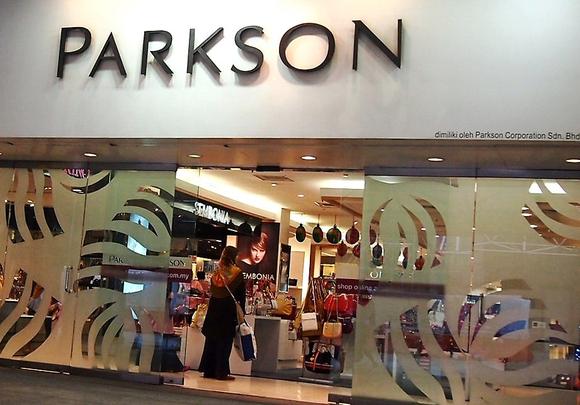
Tag: Vietnam

  • Desire for cheap luxury drives counterfeit market in Vietnam

    Desire for cheap luxury drives counterfeit market in Vietnam

    Le Thu Trang recently switched from a Gucci bag to a Prada design for a fresh look, but the decision did not put a massive dent in her bank account.

    Both of her bags are counterfeits and cost 20 times less than the originals that can be found in the stores of luxury Italian brands.

    “I like to carry Gucci and Prada bags, but buying luxury goods is not easy because they’re expensive and fashion trends change quickly,” Trang said. “In that respect, fake bags are very appealing. They’re nice and quite cheap.”

    Trang’s case illustrates a trend among consumers, especially young people in Vietnam, who like buying fake products ranging from eyewear and shoes to garments and handbags. Their desire for cheap luxury has helped counterfeiters thrive in the country.

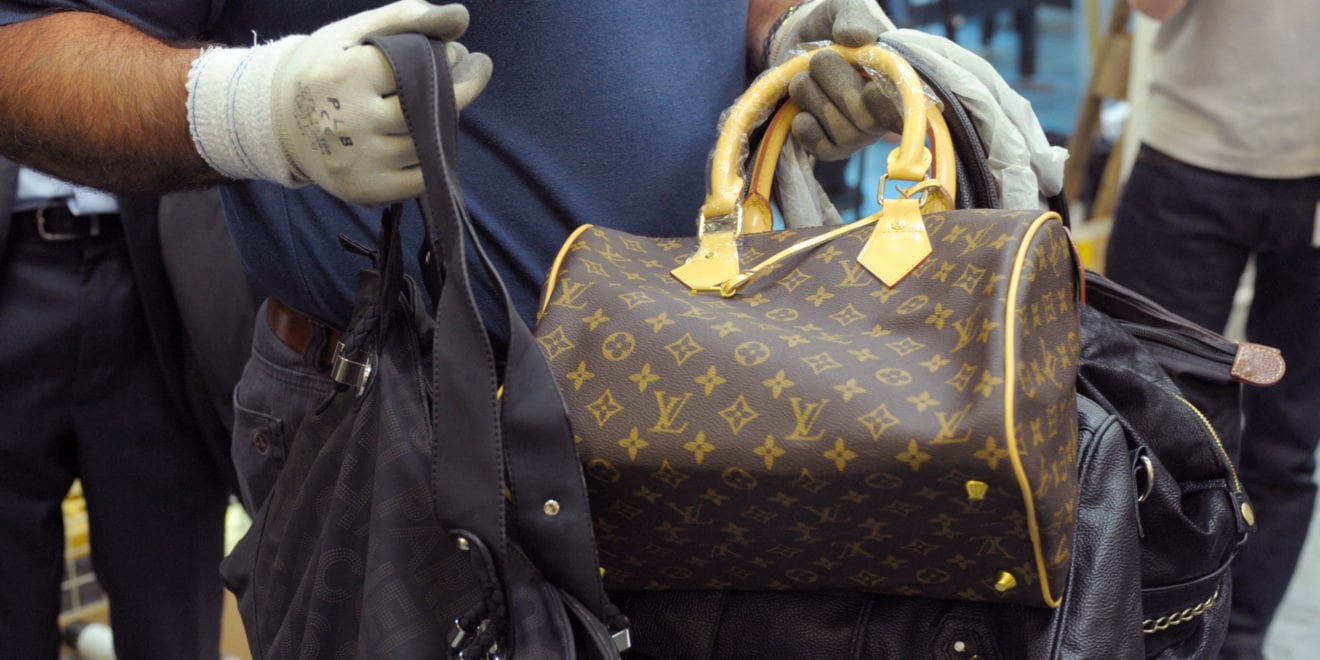
    On the streets of Hanoi and in some of its glistening air-conditioned malls, countless fake Hermes and Louis Vuitton handbags, Rolex watches and Gucci fashion accessories are openly on sale.

    Consumers who want an expensive logo or style can pick up goods for surprisingly cheap prices, even though they know the goods are illegal and might be confiscated by international customs agents who can impose heavy fines.

    Wealthy businessmen, savvy importers and even enthusiastic housewives are looking to make a profit from selling fakes from bricks and mortar stores or online, despite efforts to stop intellectual property right infringements.

    Retailers are also unconcerned about selling fake goods. “This is a knock-off, but no problem,” a woman said, pointing to a white polo shirt emblazoned with a Louis Vuitton logo.

    “Why should I have to worry about the police? I don’t sell drugs. I didn’t steal this shirt,” she said in a store on Hanoi’s Hang Ngang Street. “Lots of people here sell fake goods like me.”

    In a nearby handbag store, fake products with Chanel, Gucci and Louis Vuitton logos on them are on sale for $20-50.

    “The originals cost thousands of U.S. dollars,” the dealer said, convincing customers that her handbags look like the genuine article. “Same design. Same material. This one is made in China.”

    Fake products such as garments, footwear, eyewear, shampoo, body lotions and pharmaceuticals can be found all over Vietnam, from high-end shopping malls to street-side markets.

    Most of the knock-offs are smuggled in from China, Phan Hoan Kiem, head of the Market Surveillance Agency in Ho Chi Minh City, said at a recent meeting.

    However, some counterfeit products are made in Vietnam. Many households in Lich Dong Village, Thai Binh Province produce glasses and label them with famous international brands such as Ray-Ban, Gucci and Chanel, while Thao Noi Village in Hanoi is notorious for producing fake Chanel, Hermes and Louis Vuitton handbags.

    Without drastic measures to combat fake products, Vietnam could become a major counterfeiting center in the future, an official from the Department of the Intellectual Property under the Ministry of Science and Technology warned. Many handicraft villages that specialize in counterfeit goods have sprung up as farmland disappears as a result of the industrialization and urbanization process, he said.

    Vietnam has detected over 44,500 cases related to counterfeiting and piracy since 2014, said Truong Van Ba, a member of National Steering Committee 389, the government’s anti-smuggling body.

    Lack of enforcement

    Experts say Vietnam is not doing enough to stop the trend. Current laws do not impose fines on people who use counterfeit goods, but in many other countries buying and using these products is considered a crime.

    Hoang Van Truc, deputy director of the Investigation Bureau of Economic Crimes, said that only one in seven cases related to fake goods is prosecuted, while the rest receive administrative fines.

    Truc added that there’s a lack of cooperation between authorities, especially in border provinces, to prevent fake products from entering the local market. Many laws on counterfeiting and piracy overlap, while the current penalties aren’t enough of a deterrent.

    In addition, the fight against fake goods is made more difficult by the fact that some products are imported into the local market in the form of spare parts rather than finished products, making it almost impossible for authorities to identify them.

    Many enterprises also offer fake items that are 90 percent genuine, posing another problem for law enforcement officers.

    Even anti-counterfeiting stamps, which are used to protect trademarks, are being faked.

    The growing taste among local consumers for fake products has contributed to the market’s development in Vietnam, said Phan Thi Viet Thu, vice chairwoman of the Consumer Protection Association in Ho Chi Minh City.

    Her association rarely receives complaints about counterfeit products. “If consumers don’t say “no” to counterfeit goods, the trade will continue expanding.”

    Despite the warning, Trang is still happy with her fake bags. “I’ll buy genuine goods when I’m rich. For now, the cheap ones are still my best option.”

  • Vietnam’s love for instant noodles rises to near-boiling point

    Vietnam’s love for instant noodles rises to near-boiling point

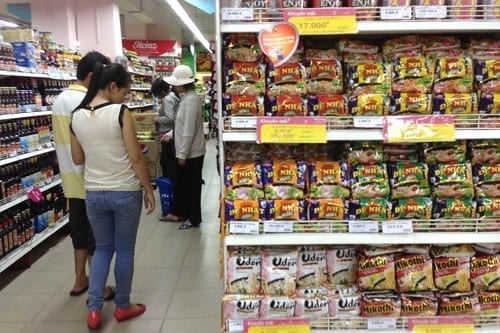
    Vietnamese people consumed more than 4.9 million packs of instant noodles last year, behind China, Indonesia and Japan, new data shows.

    Vienam has held fourth spot since 2012 in the rankings compiled annually by the World Instant Noodle Associations (WINA).

    On a per capita level with a population of over 93 million, the average Vietnamese person gobbled 53 packs of instant noodles in 2016, higher than Indonesians at 49, Japanese at 44 and Chinese people at 38.

    WINA said Vietnam’s instant noodle market recovered last year thanks to more diverse products that offer a wider range of choices for customers.

    Kajiwara Junichi, CEO of noodle producer Acecook Vietnam, said that the company’s revenue from instant noodles rose 5-20 percent during the second half of this year.

    Meanwhile, Masan Consumer and Asia Foods have been suffering from falling revenue.

    The three firms are the three biggest instant noodle producers in Vietnam and make up 70 percent of the domestic market share.

    Last year, The Washington Post cited a South Korean study that pointed out how harmful instant noodles can be for the health.

    “Although instant noodles are a convenient and delicious food, there could be an increased risk for metabolic syndrome given [the food’s] high sodium, unhealthy saturated fat and glycemic loads,” said Hyun Shin, a doctoral candidate at the Harvard School of Public Health and a co-author of the study.

    Doctor Dang Huy Quoc from the Ho Chi Minh City Oncology Hospital told Tuoi Trenewspaper that no studies have concluded that instant noodles can cause cancer, but high consumption of fat and salt can cause cancer and other heart diseases.

    Other experts suggest that people should only eat one or two packs of instant noodles per week.

    Many Vietnamese people are well aware of the harmful effects of instant noodles, but it’s common in Vietnam for people to snack on a pack of instant noodles between breakfast, lunch and dinner.

    The noodles are popular among college students, who often live far from home and lack the facilities to cook themselves a proper meal.

  • Experience a tree-covered sky villa in southern Saigon with the EverGreen Project

    Experience a tree-covered sky villa in southern Saigon with the EverGreen Project

    experience-a-tree-covered-sky-villa-in-southern-saigon-with-the-evergreen-project

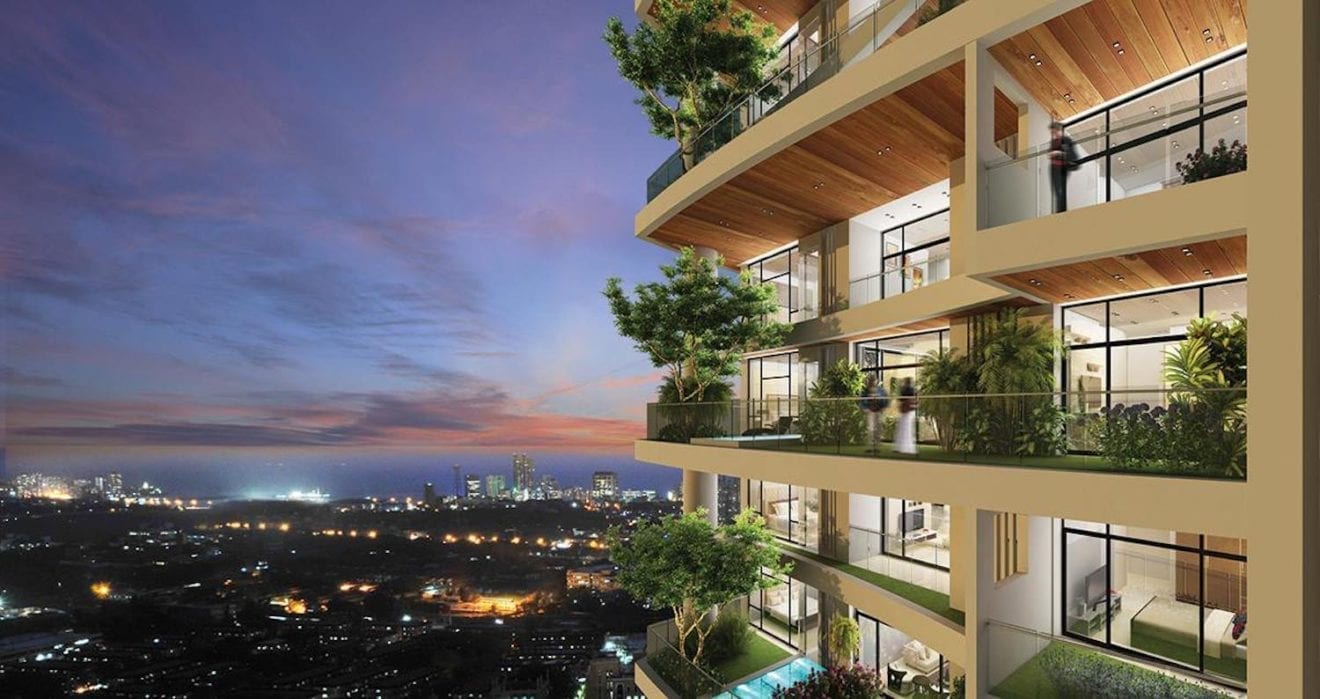
    Sky Villas Tower is at the heart of the EverGreen Project, ideally located on Nguyen Luong Bang Street in Phu My Ward, District 7 with 3 sides facing rivers. The project’s main investor is Tai Nguyen Company with total investment capital of about VND8 trillion ($350 million) for 208 villas. Spanning the area of 74,000 square meters, the project’s building density is 45 percent, land-use factor is at 2.0, creating a residential area for a maximum of 1,100 persons. The project has three kind of areas: Sky Villas, City Villas and Garden Villas. The apartments are designed based on a sky villas model to be as comfortable as a presidential suite in a 5-star hotel. Each villa has an average area of 250-280 square meters (300-335 square yards) with 2-5 parking spaces in the underground parking lot. Prices are projected at nearly $1 million each.

    experience-a-tree-covered-sky-villa-in-southern-saigon-with-the-evergreen-project-1

    The apartments’ winding balconies will be covered in trees, making the whole tower look like a waterfall. Every time the wind blows, the lines of ferns will sway gently, giving the impression that the entire tower is reaching out to the sky.

    experience-a-tree-covered-sky-villa-in-southern-saigon-with-the-evergreen-project-2

    The main investor has selected ferns to cover the entire front, back and roof of the tower, providing a green and effective cooling solution for the building.

    experience-a-tree-covered-sky-villa-in-southern-saigon-with-the-evergreen-project-3

    Ferns are suitable for the city’s humid tropical climate, where they can grow well without the need for frequent watering. It is therefore guaranteed that the apartments will enjoy a green space all year round without any significant effort from their owners.

    experience-a-tree-covered-sky-villa-in-southern-saigon-with-the-evergreen-project-4

    The architects drew inspiration from the patterns found on ferns to bring a touch of elegance and style to the balconies with strands of white concrete. All these decorative concrete strands have been imported from aboard.

    experience-a-tree-covered-sky-villa-in-southern-saigon-with-the-evergreen-project-5

    Each sky villa is spacious and isolated, ensuring privacy for their occupants. The villas have a wide open space with large glass doors, giving a full view of the outside. Depending on personal preferences, homeowners can also decorate their rooms with global brands such as Hermes, Jojo Armani or Versace.

    experience-a-tree-covered-sky-villa-in-southern-saigon-with-the-evergreen-project-6

    Another unique feature of the building is each villa has a separate floor. The height difference between two consecutive floors is 75 centimeters (29.5 inches), creating a soundproof space between villas. This unique feature allows homeowners to choose which direction their rooms are facing without affecting the general structure of the building.

    experience-a-tree-covered-sky-villa-in-southern-saigon-with-the-evergreen-project-7

    The complex also includes a wide variety of facilities with three community areas built over thousands of square meters. The Sky Club houses meeting rooms, conference halls, a children’s playground as well as wedding and family gathering halls. Marina Club, with the Bird’s Nest Restaurant as its highlight, is the perfect venue for hosting parties that require luxury and privacy. Finally, City Club is the complex’s central square, where everyone in the community can hang out and socialize.

    Outside Sky Villas is a USD18 million marina, which is built according to international standards and offers yacht maintenance services. This marine is built by Tai Nguyen company to meet the needs of EverGreen residents, who like to own a yacht.

    On November 25, EverGreen project will be open to interested buyers.

    experience-a-tree-covered-sky-villa-in-southern-saigon-with-the-evergreen-project-8
  • Vietnam’s richest man makes huge jump up global billionaires list

    Vietnam’s richest man makes huge jump up global billionaires list

    Pham Nhat Vuong, Vietnam’s first billionaire and owner of giant conglomerate Vingroup, has leapt 97 positions to become the 543rd richest person in the world, released on Tuesday.

    The magazine’s real-time list of the world’s billionaires showed that Vuong’s assets had expanded by more than 14 percent to $4 billion in just 13 days.

    He’d already marked a milestone on November 8 by climbing 227 places in eight months to 640th on the list, with his net worth growing by more than $1 billion.

    His rise came following the IPO of Vingroup’s retail unit Vincom early this month, which was hailed as the biggest IPO debut ever in the country after raising nearly $709 million and valuing the mall operator at around $3.4 billion.

    Vingroup’s shares have also gained nearly 100 percent since mid-2017, closing at VND77,000 ($3.40) on Tuesday. Vuong, 49, owned more than a 27 percent stake in Vingroup as of June this year.

    Vingroup is one of Vietnam’s largest real estate conglomerates, and has been expanding rapidly into retail, logistics, agriculture, education and healthcare. As of the end of September, its subsidiary Vincom Retail was managing, operating and renting 41 shopping malls with a total area of over 1.1 million square meters (272 acres). It also has 22 projects under construction and another 50 in early development.

    Nguyen Thi Phuong Thao, the only other Vietnamese billionaire and owner of budget carrier Vietjet, now ranks 1,177th on the Forbes list with assets worth around $2 billion.

    At the top of the list are Amazon’s founder Jeff Bezos with a net worth of $94.9 billion, followed by Microsoft co-founder Bill Gates with $89 billion and Warren Buffet with $77.9 billion.

  • Dolce & Gabbana Vietnam flagship store opens

    Dolce & Gabbana Vietnam flagship store opens

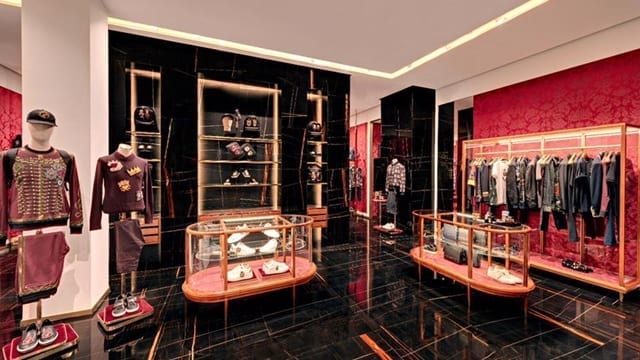
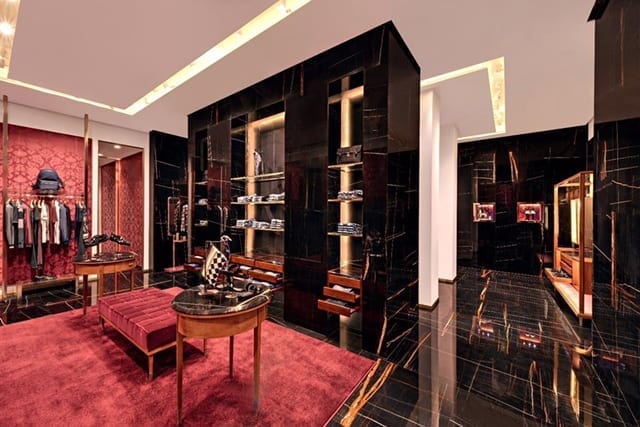
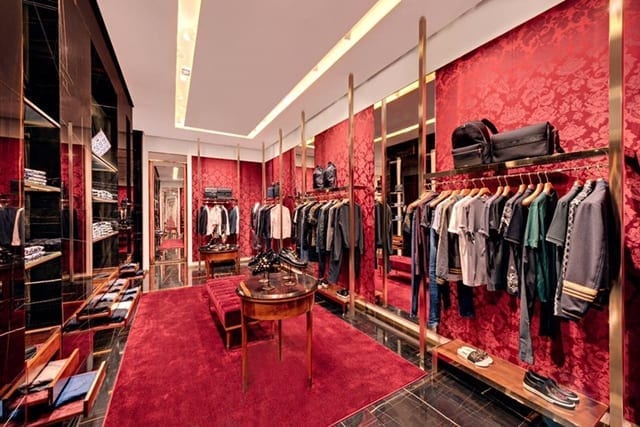
    Dolce & Gabbana Vietnam has officially opened its flagship store after testing the market with a pop-up in January.

    In Rex Arcade inside Ho Chi Minh City’s Rex Hotel, the Italian luxury fashion brand’s store offers women’s and men’s ready-to-wear, shoes and accessories.

    Dolce & Gabbana was brought to Vietnam by ACFC, a subsidiary of distribution company Imex Pan Pacific (IPP) Group, which also handles such brands as Burberry, Chanel, CK and Salvatore Ferragamo.

    To celebrate the flagship’s opening, Dolce & Gabbana Vietnam hosted a party attended by D&G CEO Alfonso Dolce and senior VP for Asia Pacific Grace Zhao, plus IPP executives and celebrities.

    Along with the opening, D&G introduced its international campaign #DGclone to Vietnam. The campaign is built around a world tour by the brand’s two mascots – lifesize characters representing D&G founders Domenico Dolce and Stefano Gabbana.

  • Vietnam’s top taxi firm wheels out motorbike service in the race against online taxi

    Vietnam’s top taxi firm wheels out motorbike service in the race against online taxi

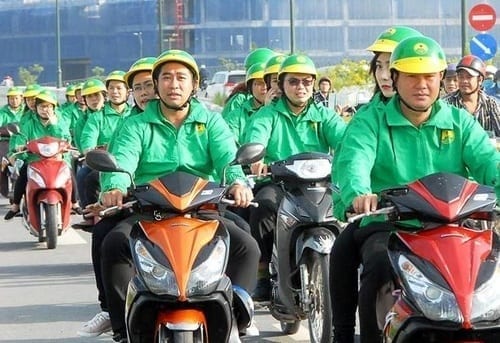
    Major Vietnamese taxi company Mai Linh on Monday launched its own motorbike hailing app in its latest attempt to claw back customers from Uber and Grab, the ride-hailing firms from the U.S. and Malaysia that have been outshining local cab firms.

    The app, Taxi Mai Linh, is now available in Ho Chi Minh City, Hanoi and Da Nang, and has around 5,500 drivers.

    Ho Huy, Mai Linh’s chairman, said what makes his company’s new service different from Uber and Grab is that the fare is kept constant at VND11,000 (48 cents) for the first two kilometers and then drops to VND3,800 per kilometer from the third kilometer onwards.

    Uber and Grab charge their passengers similar rates but raise fares during rush hours and bad weather.

    He also said the company will run a campaign to encourage traditional xe om drivers to join its team in an effort to avoid fights between them and tech-savvy drivers, something that both Grab and Uber have experienced.

    So far, the strategy seems to be working, and many Uber and Grab drivers have shown up at Mai Linh’s door to switch sides.

    “I applied because I heard Mai Linh is offering a better deal for its drivers,” said Cuong, who has worked as a GrabBike driver for over a year.

    “My income has fallen because Grab now deducts up to 20 percent of the fares that drivers receive from passengers instead of 15 percent as before, and more and more people are working as GrabBike drivers, which means more competition,” he said.

    Uber takes a cut of 25 percent from its drivers.

    Mai Linh’s drivers will not have to hand over any of their earnings for the first two months, after which time the company will take a 15 percent share.

    Mai Linh reported that it lost 6,000 employees in the first half of this year, or 20 percent of its total drivers.

    Its business results did not read much better during the same period, with revenue falling more than 5 percent on-year to VND1.72 trillion ($75.8 million).

    In all, Mai Linh suffered a loss of VND47.5 billion from its taxi business, twice as much as last year, the company said.

    Its rival Vinasun, the biggest taxi firm in Vietnam, lost 10,000 employees in the first nine month, and its  revenue in that period only reached 58 percent of the company’s annual target.

    They have both pointed the finger at Uber and Grab, saying the two foreign firms enjoy preferential policies as they are classed as transport software providers which, unlike traditional taxis, are not accountable for passenger and traffic safety.

    In its latest attempt to battle Uber and Grab, Vinasun has rolled out a hailing servicevia Facebook Messenger.

  • Global coal price hike could cost Vietnam $1.27 billion per year

    Global coal price hike could cost Vietnam $1.27 billion per year

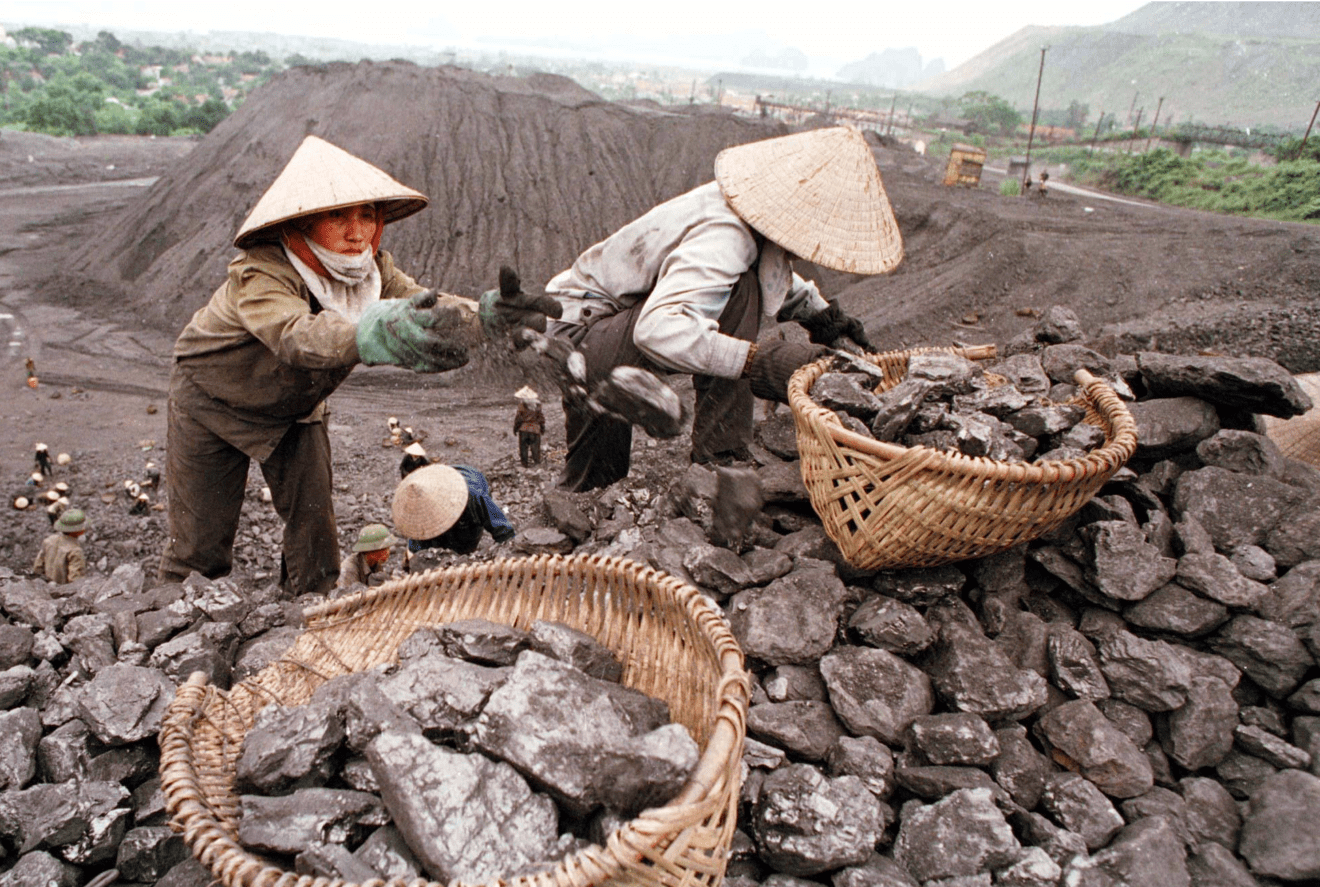
    The global price of coal has doubled since the beginning of 2016 and could result in Vietnam spending an additional $1.27 billion per year on the fuel by 2021, new analysis has revealed.

    The current market price of thermal coal has risen to $100 per ton, twice the amount recorded earlier last year, according to research from the Australia-based Institute for Energy Economics and Financial Analysis (IEEFA).

    Last year, Vietnam imported a net volume of 12 million tons of coal, a staggering increase of 131 percent against 2015, and the country’s net coal imports will stand at 35 million tons per year by 2021, according to the International Energy Agency (IEA).

    At current market prices, that would cost Vietnam $3.5 billion per year.

    Compared with projections made last year, which said Vietnam would have to spend $2.8 billion at a predicted price of $80 per ton, the country will end up spending an extra $1.27 billion every year on importing foreign coal by 2021, the IEEFA calculated.

    According to the institute, rising coal imports create commodity price and currency risks for Vietnamese electricity consumers that have a negative impact on the current account deficit.

    “The doubling of the coal price from $50 in January 2016 to almost $100 today is largely as a result of a Chinese policy aimed at an orderly coal market transition by maintaining a degree of profitability for domestic Chinese coal miners, while the central government forges ahead with an accelerating transition to clean energy. China is set to install 50 gigawatts of solar in 2017 alone, a global record for a single country in a single year,” it said.

    “The fluctuating market of 2017 illustrates the extent to which coal is a major threat to the health of the Vietnamese budget,” said Tim Buckley, director of Energy Finance Studies at the IEEFA.

    “For countries experiencing significant sustained economic growth, it also further validates the imperative to diversify Vietnam’s electricity sector generation base to incorporate more alternative sources of domestic supply, namely renewable energy infrastructure, which continues to see cost reductions of more than 10 percent every year,” he was quoted as saying in a statement released on Wednesday by the IEEFA.

    In Vietnam, which has switched from a coal exporter to a coal importer over the years due to overexploitation, the development of green-power projects has only just started and investors are still struggling due to low buying prices.

    The Ministry of Industry and Trade in September asked the government to raise the buying price for wind power in an effort to help investors cover high input costs.

    Tran Vinh Thong, an official from Thuan Binh Wind Power Joint Stock Company that operates a wind power plant in south-central Vietnam, told VnExpress in September that “the biggest problem about investing in wind farms is the low buying prices and the time it takes to recover the investment”.

    The ministry suggested that the price should be lifted to 8.7 cents per kilowatt-hour (kWh) for wind energy projects on land and 9.95 cents per kWh for offshore plants.

    Since 2011, the buying price for wind energy has stood at 7.8 cents for all land-based projects in Vietnam, with 6.8 cents paid by State-run power monopoly Vietnam Electricity (EVN) and the rest coming from the country’s Environment Protection Fund.

    For the country’s only offshore plant in the southern province of Bac Lieu, the current price is 9.8 cents per kWh.

    The total wind power capacity in Vietnam is predicted to reach 206MW this year, 456MW next year and 800MW in 2020.

    The country is trying to generate enough energy to sustain national growth and to connect the millions of people who still do not have access to power, while gradually shifting towards clean and low-carbon energy.

    Last year, the government revised down its output target for coal-fired power plants to 53.2 percent of the country’s total power generation by 2030 from the 56.4 percent previously projected.

    Vietnam is aiming to produce 10.7 percent of its total electricity through renewable energy by 2030, mainly through solar and wind energy, up from 6 percent as previously planned.

    Nguyen Anh Tuan, a senior energy official at the industry and trade ministry, told VnExpress in June that the government had raised the buying price for solar power from 7.8 cents to 9.35 cents per kWh, offered investors tax incentives and cut land use fees in an effort to reach this goal.

    He said investors in wind power projects will likely have the same incentives in the near future.

  • Singaporean auto firm ups stake in Vinamilk

    Singaporean auto firm ups stake in Vinamilk

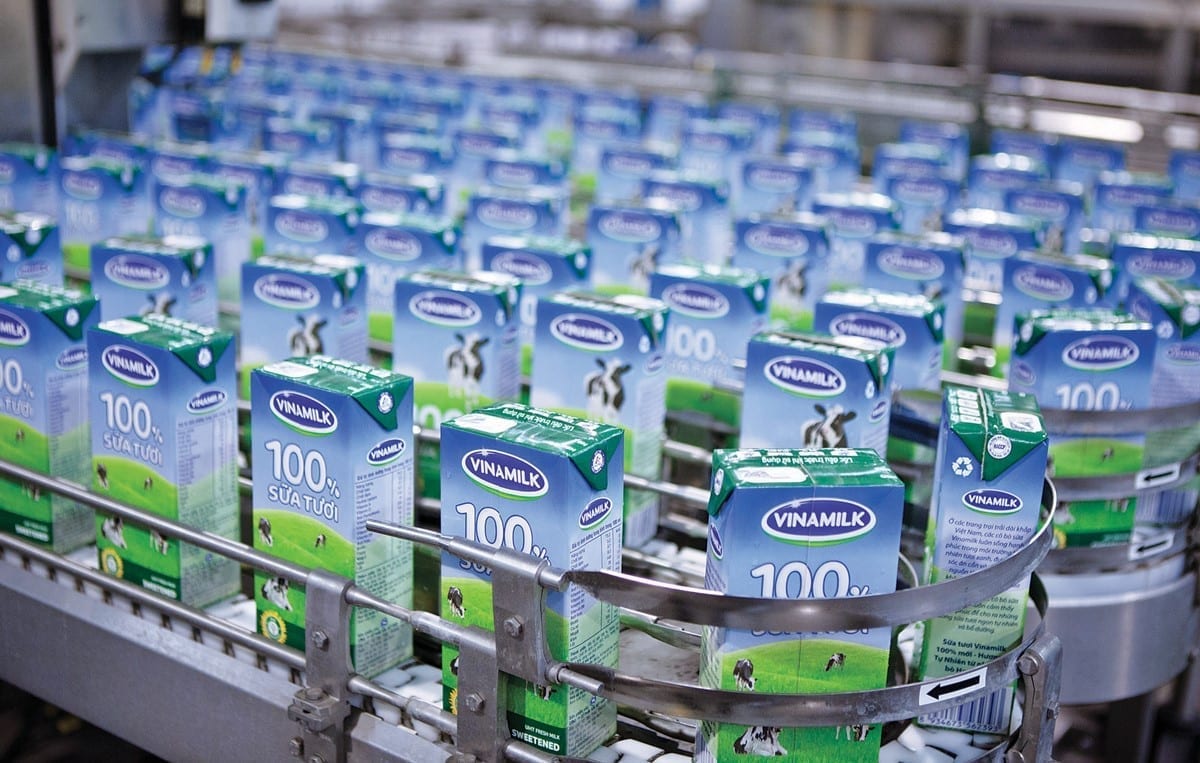
    Singapore’s biggest auto group Jardine Cycle & Carriage has bought an additional 1.1 percent stake in Vietnamese dairy firm Vinamilk, raising its current share in Vietnam’s biggest listed company to 10 percent.

    The investor bought 16.4 million more shares for VND3.1 trillion ($136.5 million) over the weekend.

    Last Monday, Jardine Cycle & Carriage spent $400 million on 48.8 million shares in Vinamilk after purchasing 48.3 million of shares for $396 million on November 10.

    The two deals gained it a 8.9 percent stake in the company, and with the latest deal it now owns 145.6 million Vinamilk shares, representing a 10 percent stake, the company announced on its website.

    Foreign investors currently hold a 56.4 percent stake in the dairy firm.

    Jardine Cycle & Carriage is now the third biggest shareholder after Singapore’s Fraser&Neave, which has a 18.74 percent stake.

    Vietnam’s State Capital Investment Corporation holds the majority share with a 36 percent stake.

    The government is trying to divest from hundreds of state-owned enterprises, including brewers Hanoi Beer Alcohol and Beverage JSC (Habeco) and Saigon Beer Alcohol Beverage Corp (Sabeco) in which it owns a combined $7.8 billion worth of shares by market value.

  • Vietnam approves Alibaba’s online payment platform

    Vietnam approves Alibaba’s online payment platform

    Chinese e-commerce conglomerate Alibaba has signed an agreement with the National Payment Corporation of Vietnam (NAPAS) that will allow Chinese tourists to use its online payment platform in Vietnam.

    The agreement with Ant Financial, Alibaba’s financial services arm, will enable Chinese travelers to use the Alipay platform throughout Vietnam via NAPAS member banks and its intermediary payment service networks, according to business technology websites.

    Under the agreement, people with cards issued by NAPAS member banks in Vietnam will be able to use Alipay to make purchases on Alibaba’s websites, such as AliExpress and Taobao.

    NAPAS is the only intermediary payment service provider licensed by the central bank to provide electronic payment services in Vietnam. The corporation operates an inter-bank connection system with tens of thousands of ATMs run by 43 banks, including Vietnam’s top lenders Vietcombank, Vietinbank and BIDV.

    “The collaboration with Alipay is part of our strategy to expand international cooperation and to explore new payment solutions,” NASPAS chairwoman Nguyen Tu Anh said.

    Official figures showed that more than 3.2 million Chinese tourists visited Vietnam in the first 10 months this year, up 45.6 percent from a year ago and accounting for nearly a third of foreign arrivals. Alipay, which has more than 520 million daily users globally, has been expanding its global presence along with China’s rising outbound travel. A Bloomberg report last December, citing Credit Suisse figures, said a 30 percent increase in spending by Chinese tourists would boost Vietnam’s gross domestic product by nearly 1 percentage point.

    The payment service entered the Australian market late last year under a similar agreement with the Commonwealth Bank of Australia.

    News of the deal with NAPAS comes a week after Alibaba founder Jack Ma visited Hanoi and spoke at a prominent e-payment forum co-hosted by NAPAS.

    At a meeting with Vietnamese Prime Minister Nguyen Xuan Phuc, Ma said he would consider establishing a store for Vietnam on Alibaba’s e-commerce app.

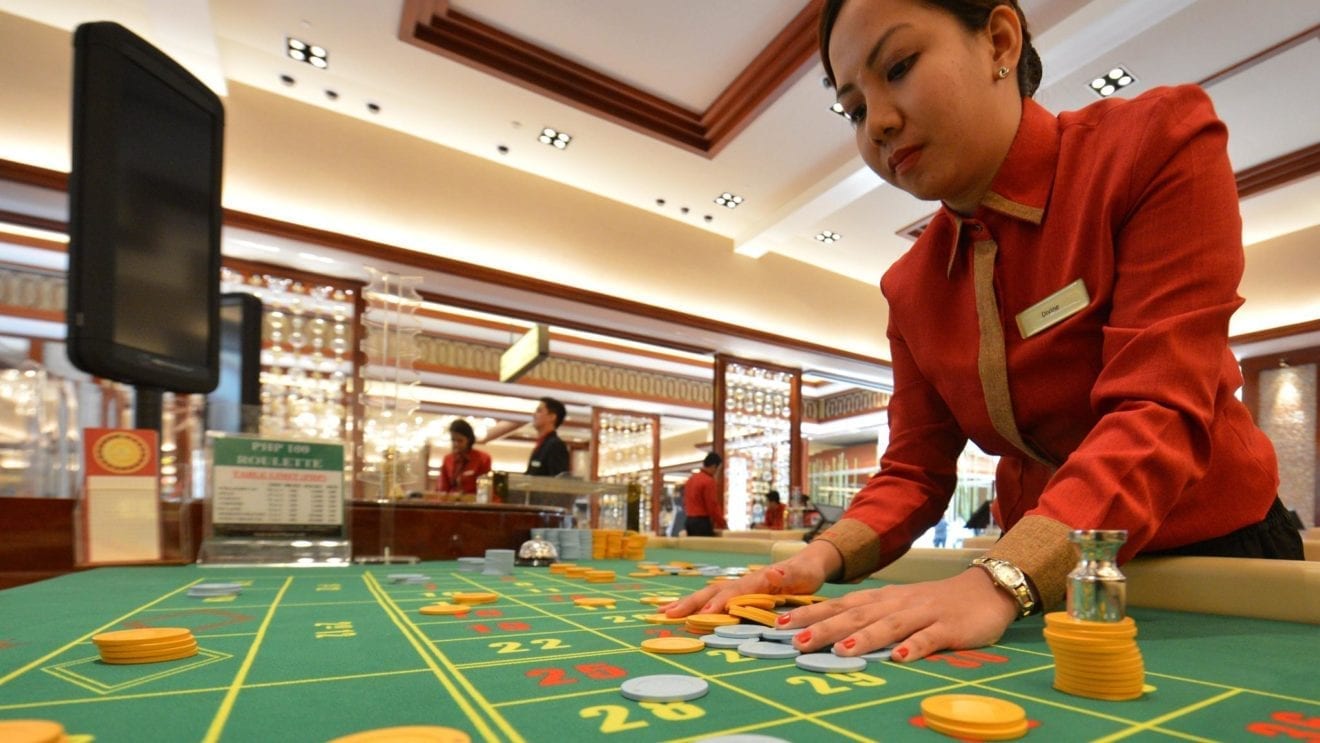
  • Casino investors counting on a full house in Vietnam’s fledgling gaming industry

    Casino investors counting on a full house in Vietnam’s fledgling gaming industry

    Macau’s biggest junket operator Suncity Group plans to pour billions of dollars into building a resort in Vietnam’s popular resort town of Hoi An, Bloomberg reported.

    The group has teamed up with Vietnam-based closed end fund VinaCapital and Hong Kong-based conglomerate Chow Tai Fook to build the $4 billion integrated resort and casino in the coastal town, which is scheduled to open in 2019.

    Suncity owns 34 percent of the coastal project through its Hong Kong-listed subsidiary and has a management contract to operate the casino.

    The group is one of a number of companies that have been eying Vietnam’s gaming business expansion, especially now the country has loosened regulations on gambling.

    Singaporean resort developer Banyan Tree Holdings has also asked the government to license a casino at the Laguna Lang Co resort development.

    The resort, located about an hour by road north of Da Nang International Airport, has more than 300 hotel rooms and villas plus a golf course, spas, residences and a conference center. The second phase of development at the complex will include more hotel rooms, residences and a casino, if permission is granted.

    Vietnam’s decision to allow locals to roll the dice in casinos for the first time is one of the reasons for the surge in gaming investment. Before the law was changed only foreigners were allowed in casinos.

    Earlier this year, the Vietnamese government announced that from mid-March and for a three-year trial period, citizens aged over 21 with a monthly income of at least VND10 million ($445) will be allowed to gamble in local casinos. Similar to rules governing gambling in Singapore, Vietnamese people are charged VND1 million per day or VND25 million per month as an entry fee.

    The country’s average annual income was around $2,200 last year.

    Vietnamese people are big fans of gambling, so the new regulation was expected to help casinos attract more customers.

    A study by Augustine Ha Ton Vinh, an academic who has researched Vietnam’s gaming industry extensively, showed Vietnamese spend an estimated $800 million each year gambling abroad in places such as Macau, Singapore and just across the border in Cambodia.

    Hoping to tap tourists and possibly domestic gamblers, local property conglomerate FLC Group has plans to build a casino resort in the Van Don Special Economic Zone in northern Vietnam. Quang Ninh Province’s People’s Committee has recently given the firm the go-ahead to build the 4,000-ha complex, including a casino, five-star hotel, convention center and golf course on the islands of Ngoc Vung and Van Canh at a cost of $2 billion.

    Gaming companies are interested in the casino business in Vietnam because the industry is still new and there’s little competition, said Nguyen Ngoc Thanh, vice chairman of the Vietnam Property Association.

    Those that arrive here first could easily dominate the market and maximize their profits, he added.

    In addition, the Vietnamese government has recently reduced obstacles for would-be casino developers. Hanoi used to require a minimum investment threshold of $4 billion, but that figure has been revised down to $2 billion as part of a recent decree.

    With about 30 gaming facilities, Vietnam could generate as much as $1.2 billion in gross gaming revenue each year, according to a Grant Govertsen, an analyst with Macau-based Union Gaming Securities Asia.

    Vietnam’s eight recently-licensed casinos, mostly small, generate an estimated $300 million in gaming revenue, according to Forbes magazine.

    Vietnam unwavering on casino ban for locals

    Motorists ride past a sign for Do Son Casino, made of images of playing cards, in Vietnam’s northern port city of Hai Phong.

    Not a surefire bet

    Despite investors’ eagerness to open casinos in Vietnam, it has not been that easy to attract gamblers, and many casinos have been performing below expectations.

    The Grand Ho Tram Strip is an example.

    In 2016, the Ba Ria-Vung Tau-based resort, which opened in July 2013 with 541 hotel rooms and a casino with 90 tables and about 500 gaming machines, was losing up to $3 million a month, Nikkei Asian Review quoted Ben Lee, who acted as a consultant for Ho Tram in its early stages, as saying.

    Former head of the Foreign Investment Agency under the Ministry of Planning and Investment Phan Huu Thang said casino complexes have failed to attract gamblers because of poor services.

    Most casino complexes in Vietnam are small-scale and only offer gaming. They do not provide entertainment or shopping services, he said.

    Meanwhile, some casino managers have blamed their losses for a lack of Chinese gamblers, the main clientele for most casinos in Vietnam, citing the case of the Royal International Corporation.

    The firm, which runs the only casino in Vietnam’s famous Ha Long Bay, said in a new financial report that its losses in the third quarter had jumped 23 times from a year ago to more than VND69 billion ($3.04 million).

    That added to a VND100 billion ($4.4 million) loss in the first nine months, a fourfold increase from 2016, the company said.

    Most of the losses were incurred by its casino operation, but its villa business also played a small part, it said.

    Some experts have warned that Vietnam needs to carefully consider licensing more new casinos as they could saturate the market.

  • Vietnam to tighten credit for high-end property developments

    Vietnam to tighten credit for high-end property developments

     Vietnam’s central bank plans to issue a circular to the country’s commercial banks instructing them to prioritize credit for low-cost housing and social housing projects while slashing loans for high-end and mid-level developments.

    Governor of the State Bank of Vietnam Le Minh Hung made the remark at a National Assembly Q&A session on Friday.

    Banks will be allowed to use no more than 50 percent of their short-term funds for medium- to long-term purposes including mortgages until the end of this year. The ratio will be slashed to 45 percent in 2018 and 40 percent in 2019, according to the draft circular revised by the central bank.

    According to the central bank, long and medium-term credit accounts for 53-55 percent of the total loans offered by commercial banks, while long and medium-term funds make up only 13-15 percent of their total mobilized capital. The unbalance in using short-term funds for medium-to long-term purposes could pose huge risks to banks, said experts.

    The central bank has also raised the risk ratio of property loans at commercial banks to 200 percent from 150 percent.

    Property loans have reached VND400 trillion ($176.12 million), accounting for 6.5 percent of total outstanding loans in the country, Hung said.

    Some legislatures have expressed concerns that banks could offer more property loans in a bid to reach the credit growth target for this year. Governor Hung quashed these remarks, saying the target was set by the government and banks are not under pressure to reach it at all costs.

    Credit growth reached 10.6 percent in the first nine months of this year, leaving the annual growth target of 18-20 percent seemingly out of reach.

  • In search of Arabica in Vietnam’s war-scarred soil

    In search of Arabica in Vietnam’s war-scarred soil

    Quang Tri is one of the poorest provinces in Vietnam. Straddling the D.M.Z. that cut Vietnam in half during the American War, the province was pounded by one of the heaviest bombardments in history, and 80 percent of its soil was poisoned with landmines.

    Much has changed over the decades, but Quang Tri’s residents continue to fight the legacy of the war as well as the poverty that overshadows the lives of many.

    Bordered by the sea on one side and the Sepon River separating Vietnam and Laos on the other, Quang Tri’s driving force for economic development is agriculture. But farmers here frequently bear the brunt of the harsh monsoon season, and the rugged terrain only makes it harder to grow crops.

    Up in the highland district of Huong Hoa, which witnessed some of the deadliest days of the war during the battle of Khe Sanh, hundreds of farmers are joining forces to produce premium arabica beans, a surprisingly rare move in a country widely seen as a coffee giant.

    Growing arabica in Vietnam

    Coffee production has contributed greatly to Vietnam’s economic transformation in the post Doi Moi (renovation) period since 1986. Vietnam is now the second largest coffee exporter in the world after Brazil.

    But statistics from Vietnam’s General Customs Department last year showed that robusta accounted for nearly 80 percent of exports, while arabica staggered to less than 5 percent.

    Robusta beans, though considered cheaper and of lower quality than arabica, are hardier and can still thrive in difficult conditions, making them ideal for cultivation in Vietnam. But robusta beans, mainly ground to make instant coffee, are not often found in high-end chains across the world, which favor the high-quality arabica.

    In the world’s second biggest robusta producer, arabica can only be found in the northern and central highlands due to the tough requirements in terms of altitude, soil and temperature required to cultivate the variety.

    Will Frith, a coffee specialist who has done much research on Vietnamese arabica coffee, said robusta dominates Vietnam’s exports as it is much easier to grow at low elevations, has higher disease and pest resistance and has much higher crop yield.

    “Robusta has easier requirements on the market, so defects are more tolerated by buyers, who are usually buying for large commodity companies not looking for high quality,” he said.

    “Arabica is more susceptible to disease and pests, and as the highlands begin to warm up, these pests will travel up to higher elevations and make it more difficult to manage good quality arabica plants. Only the most quality-oriented growers who have good buyers will continue to grow quality arabica,” Will added.

    In Vietnam, unskilled and fragmented labor are major hurdles to growing coffee that meets international requirements. At the same time, shifting cultivation can also be a problem in Vietnam’s rural areas, as it takes an average of three years to harvest coffee, which can prompt poor farmers to abandon it for other short-term alternatives.

    According to an annual coffee country report released last May by the USDA’s Foreign Agriculture Service, as coffee prices fall, more Vietnamese coffee farmers will switch to cash crops such as black pepper, avocado or passion fruit to generate higher incomes.

    Smallholdings are also struggling to reach out to buyers. Many coffee roasters have strict requirements about the quality of the coffee beans, and traders can reject deliveries if they do not meet the 4C standard, which is a baseline level aimed at sustainable coffee production and sourcing. While most 4C robusta beans come from Vietnam, 4C arabica beans are mainly sourced from Brazil or Columbia.

    Land of arabica

    In Quang Tri, coffee accounts for a third of the province’s total plantations at nearly 5,000 hectares, according to a report released last April by the provincial People’s Committee. In just a decade, Quang Tri has been transformed into a hub for arabica coffee, accounting for one seventh of the country’s total arabica production.

    In Huong Hoa District alone, 90 percent of families rely on coffee to make a living.

    Coffee plants were originally brought to Quang Tri by the French, said Nguyen Nhat An, project team leader of the Vietnam branch of the Mekong Institute. “In the beginning, they grew liberica, then residents here switched to robusta. Liberica has a low value yield, while robusta cannot thrive in this soil. Out of the three beans, arabica has proven to be the most suitable.”

    The Mekong Institute (MI), an intergovernmental organization that supports sustainable economic and social development in the Greater Mekong Sub-region, came up with an initiative to support coffee farmers in Quang Tri under the Regional and Local Economic Development – East West Economic Corridor project (RLED-EWEC), by building a model that connects farmers with a fertilizer company, a processing company and an agricultural bank in order to produce coffee that reaches the 4C standard.

    The goal is to bring “systemic and sustainable changes in the coffee sector” in Quang Tri, the MI says, as the project targets poor provinces along the economic corridor under a masterplan to help them integrate into the ASEAN Economic Community.

    An said the group’s focus on coffee is based on its potential to transform local economic development. At the same time, “sustainable coffee production” is part of Quang Tri’s strategic agricultural plan, drawing a state budget of up to $11 million within the period from 2017 to 2025.

    After a few years of research in the area, the MI decided to launch the project that promises to transform the lives of Quang Tri’s coffee farmers. It started off with 40 farmers in 2014, and later expanded to 470 in 2017, with around 22 percent of its members coming from poor families and nearly one third from the Pacoh and Bru-Van Kieu ethnic minorities.

    Ho La Ngang, a Pacoh farmer in Huong Phung Commune, Huong Hoa, said some of the difficulties that farmers often face are capital and fertilizer, which can account for up to 35 percent of total production costs.

    “Just five or six years ago, I was working in the field and only making enough for a subsistent living,” he added. “But then in 2002, after being employed at another plantation, I followed other families and started growing coffee on my own 10 hectares of land.”

    Smallholding farmers often relied on loans to buy fertilizer, which can be harmful due to the high interest rates.

    The MI’s model helps farmers access loans from an agricultural bank at low interest rates that enable them to buy the fertilizer they need from a partner company. These companies are also providing training on the proper use of fertilizer.

    Le Tuan Dung, director of Binh Dien Fertilizer JSC, said his company delivers fertilizer directly to farmers in remote areas, selling for around $417 per ton, while the market price stands at $456/ton. “But it’s more like a win-win model,” he said. “The distribution chain used to be very cumbersome, and farmers suffered. The MI’s intervention helps them cut indirect costs.”

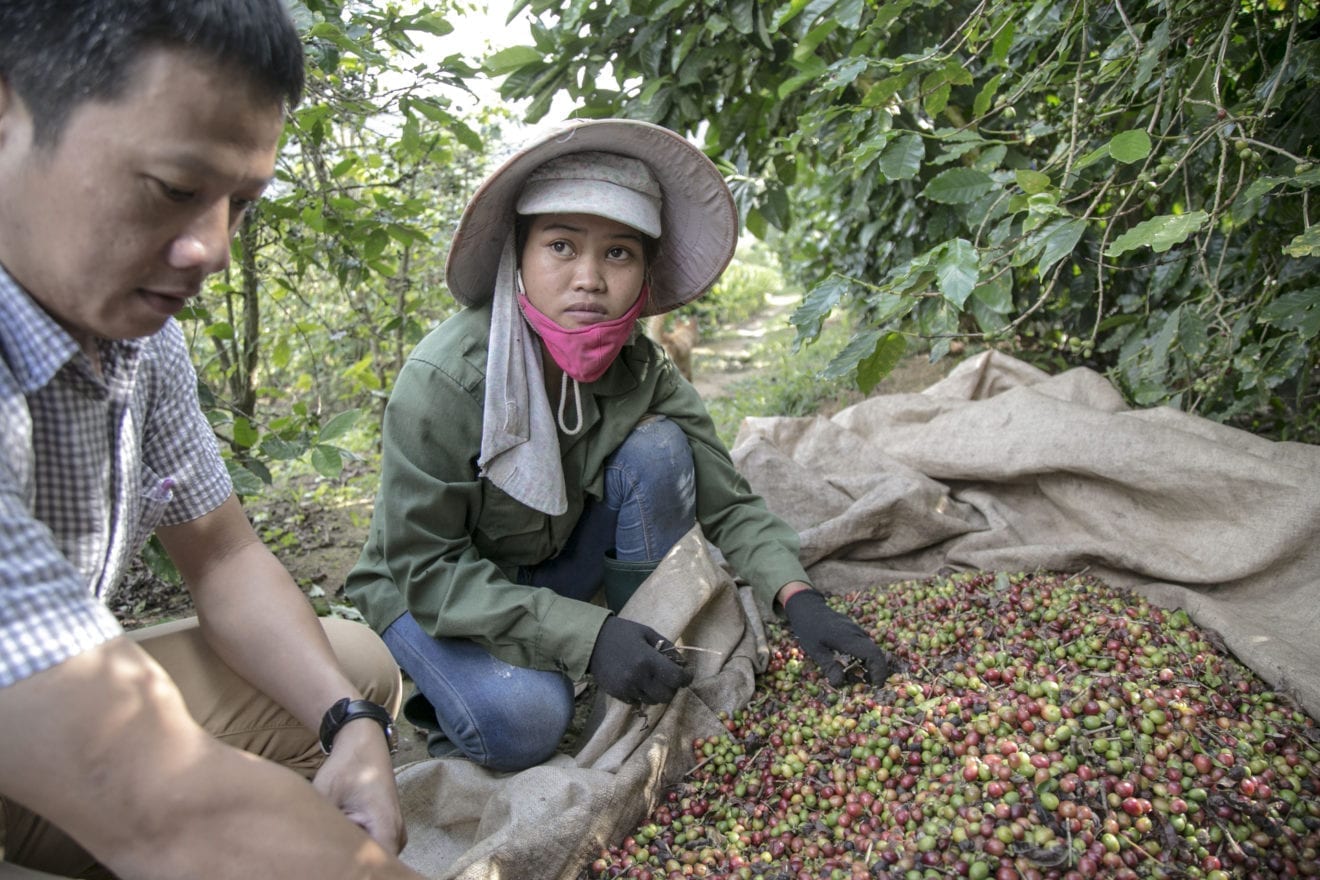
    “Traders used to come to us directly but would only offer below market price for our coffee,” said 58-year-old farmer Nguyen Huu Xao. Xao said the MI is encouraging smallholders in his commune to work in groups while offering training to produce clean coffee cherries and helping farmers to sell them directly to processors rather than traders.

    The initiative may be new as it only started in 2014, but farmers have been reporting certain changes to their coffee output and practices. “I’m able to sell my coffee for 5-8 percent more now,” Xao said, adding that he had no experience of growing coffee before he moved to Huong Hoa.

    “After joining the farmers group, I was trained about market prices and fertilizer costs, and was able to get a loan from the bank,” he added.

    According to the MI’s 2016 report, the initiative to establish a four-party cooperative model capitalizes on the interdependencies between actors in the value chain, enabling 99 farmers to take out bank loans and increasing incomes for both farmers and processors.

    But more importantly, by aiming at a sustainable sourcing and production chain, the ultimate objective is to ensure food security in the region.

    “In 2015 we suffered major losses. The coffee cherries were threatened by pests and there were a lot of droughts, so productivity was low and the coffee price fluctuated,” said Tran Ngoc Vu, 42, a coffee plantation owner.

    A viable option? 

    In reality, it might take years to see more radical transformations to the lives of farmers in Huong Hoa, as most still struggle to make ends meet growing arabica in a robusta-dominated country.

    “The reasons could be that the quality of the coffee here only stops at being acceptable, mainly due to the low altitude,” An said. “Additionally, the arabica we grow here is the catimor strain, which is the lowest quality variety of arabica.”

    As part of the coffee value chain, Dung’s fertilizer company also relies on farmers’ coffee output to protect his company’s profits. “Unlike other countries in the region, our farmers are not supported by protectionist policies, and as a result, Vietnamese farmers often have to sell their crops at really low prices.”

    “Not to mention how climate change can also have a huge impact on productivity,” he added.

    In 2015, Vietnam’s coffee farmers suffered major losses as exports dropped by 40 percent due to rising temperatures and drought. Intensive pesticide use, deforestation and monocropping have also left coffee crops more vulnerable to climate change, land degradation and depleted water resources, according to the Guardian.

    The prolonged drought had a major impact on provinces across the Central Highlands, which produces 60 percent of Vietnam’s coffee exports.

    Quang Tri’s farmers did not escape the fall-out, Nguyen Huu Hao shared, and many growers in Huong Hoa fell into debt and were forced to switch to turmeric, ginger or black pepper.

    “Most farmers are still in debt with the banks, and many do not know if they’ll be able to take out more loans due to the losses from previous crops ,” An said. “So what the MI wants to achieve is to support sustainable development by making the market work for the poor.”

    Yet within the market, Quang Tri coffee is still traded at lower prices in compared with arabica in Da Lat or Son La, experts say.

    Will, the coffee specialist, said Quang Tri has favorable conditions to grow coffee but has not yet been as developed in terms of quality compared with Da Lat or Son La, and it is also more difficult to access. But there is “good quality arabica from Quang Tri,” he emphasized. “4C standards are nearly impossible to achieve at the prices that buyers are willing to pay, so it’s not worth it to the majority of growers.”

    “Until price corrections are made in the market, this problem will remain for all growing areas. Training is lacking and inconsistent, so it’s difficult to collect a consistent supply of high quality arabica, thus compounding the problem in a vicious cycle,” Will said.

    “I earn VND4 mln/month ($176) harvesting coffee cherries. But normally, I’m a farmer in the plains,” said Nguyen Thi Lien, 59.

    Huong Phung farmers are being taught how to produce “clean coffee” that reaches the 4C standard, which includes avoiding soaking or mixing foreign matters to increase the weight, practices that can affect the quality of the coffee beans, and explain why Vietnamese coffee beans are sold at low prices internationally.

    Nearly half of the families in Huong Hoa District come from ethnic minority groups including the Pacoh and Bru-Van Kieu. Most are poor or extremely poor and, for a long time, have been accustomed to switching crops. But Ho La Ngang, a Pacoh coffee farmer, says 70 percent of the Pacoh here are now growing coffee thanks to encouragement from local authorities.

    Trucks are sent to collect harvested cherries and deliver them to processors, which saves the farmers time and money.

    One of the reasons why Quang Tri coffee only fetches a low price is because there are only a few local processing factories. An said the Mekong Institute’s long-term goal is to boost trade and investment in the region to help farmers gain access to regional and international markets.

    Inside a coffee processing factory in Quang Tri. The coffee cherries will later be transported to Hanoi for roasting and packaging.
  • Dairy Farm sales stagnate

    Dairy Farm sales stagnate

    Dairy Farm sales were described as “flat” in the third quarter to September 30.

    The Hong Kong-headquartered company said improved performances in health and beauty, Ikea, restaurants and Yonghui were offset by lower sales in the food and grocery division.

    “The lower food division sales, together with new store pre-opening costs in home furnishings, (Ikea) led to underlying profits being marginally below the same period in the prior year,” the company said in a statement issued in London, where it has a secondary listing. “Similar trading conditions are expected to continue for the remainder of the year.”

    Dairy Farm said the weakness seen in food and grocery sales was principally driven by difficult trading for the hypermarket and supermarket operations in Southeast Asia, where it operates Giant hypermarkets and Cold Storage supermarkets. It says reviews of “a number of the businesses” are being undertaken.

    The results from greater China (including its Hong Kong Wellcome supermarkets) showed improvement over the same period last year. Convenience store operations (including 7-Eleven stores in Hong Kong and Singapore) produced improved sales and profitability.

    Yonghui reported a strong 20 per cent  growth in revenue and 131 per cent increase in profit in the quarter.

    Improved sales in the health and beauty division (Manning’s, Guardian and Rose Pharmacy) were driven principally by a strong performance in Hong Kong and Macau. Home Furnishings (Dairy Farm has the Ikea franchises in Hong Kong and Taiwan) traded well, although profitability was reduced due to pre-opening expenses for the new store in Hong Kong.

    Maxim’s (which also includes Starbucks operations in Hong Kong, Vietnam and Cambodia) had a seasonally strong quarter in both sales and profit, benefiting from record mooncake sales during the Mid-Autumn Festival period. In September, Maxim’s acquired the existing business and exclusive rights to operate and develop Starbucks franchise stores in Singapore.

    In August, the group completed the acquisition of the remaining 34 per cent interest in Rustan’s in the Philippines from its joint venture partner.

  • Parkson Retail Asia 1Q Net Loss Widens On Year As Sales Decline

    Parkson Retail Asia 1Q Net Loss Widens On Year As Sales Decline

    Parkson Retail Asia has had a lacklustre start to its fiscal year, its unaudited first-quarter figures show.

    Gross sales proceeds fell by 8.3 per cent year on year to S$202.4 million (US$148.9 million) for the quarter.

    Total merchandise sales generated $198.1 million, with concessionaire sales contributing 74.2 per cent, down from 77.9 per cent for the same period last year, and direct sales contributing the balance of 25.8 per cent.

    Attributable net losses to the owners of the company for the period, to September 30, reached $12.9 million. The group also had net current liabilities of $67.9 million at the end of September, the result of investments in new stores and ventures yet to reach optimal level. This was an increase of 22.5 per cent from its June 30 position.

    Same-store sales in Indonesia and Malaysia were impacted during the quarter by the absence of Lebaran/Hari Raya festival buying following a shift in the calendar.

    Malaysia remained challenging, with the country’s consumer sentiment index, at 77.1, continuing to register below the 100-point confidence threshold for the 13th consecutive quarter.

    Consumer spending appears to have also softened in Indonesia, where retail spending has been declining, while Parkson’s same-store sales in Vietnam dropped by 7.8 per cent. This is attributed to the “fading of novelty effects” arising from the entry into the market of such international players as H&M, Takashimaya and Zara.

    “Competition in Vietnam’s retail market remained intense,” says Parkson.

    In Myanmar, the group closed its store at FMI Centre, Yangon, in January with a new store at Junction Square in the city opening two months later.

    Parkson says its performance in the next quarter is expected to benefit from year-end school holidays and festive buying. However, it expects challenges with fragile consumer sentiment and stiff competition.

  • Vietnam’s corruption-prone public sector to receive 7 pct pay rise next year

    Vietnam’s corruption-prone public sector to receive 7 pct pay rise next year

    Vietnamese lawmakers have approved a 7 percent pay rise for workers in the public sector, an area critics say is prone to corruption due to low official salaries.

    The basic wage in the sector will be raised to VND1.39 million ($61.20) a month from July next year from the current VND1.3 million.

    In Vietnam, the minimum monthly pay for civil servants and public employees is calculated by multiplying the basic wage with a coefficient determined by qualifications and experience. The coefficient for a new subdistrict-level civil servant with a bachelor’s degree, for example, is 2.34.

    Vietnam’s government has 2.8 million people on its payroll, according to local media.

    Many in the public sector have been complaining for years that their earnings are too low. In May last year, Vietnam raised the minimum wage in the sector by 5 percent, the first hike in three years. It received another 7.4 percent bump last July.

    Economists have blamed low wages in the sector for increasing levels of corruption.

    At a conference last year, experts also said the current wages for many officials only cover 60 percent of basic living costs at best, but most still manage to afford nice houses and cars.