Tag: Vietnam

  • Uber-inspired Vietnamese start-up wins golden ticket to Silicon Valley

    Uber-inspired Vietnamese start-up wins golden ticket to Silicon Valley

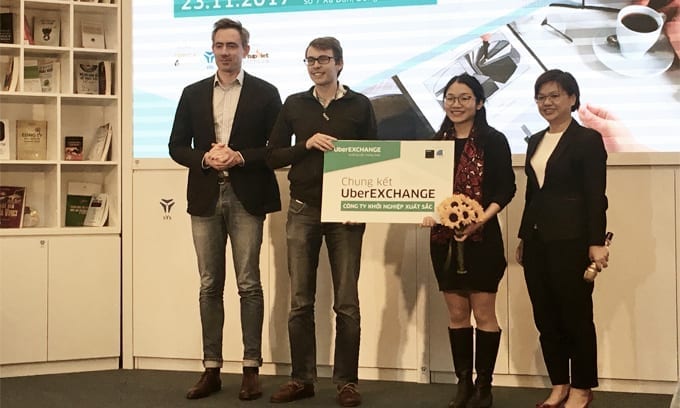
    Ten aspiring Vietnamese start-ups went head-to-head on Thursday at the final of UberEXCHANGE, a nationwide competition offering a $4,400 prize and two tickets to visit Silicon Valley.

    Logivan, a two-month-old start-up, emerged as the winner with its plan to ‘Uberise’ Vietnam’s road freight market.

    “From my house I can see lots of empty trucks returning to their depots after completing their deliveries,” said CEO Linh Pham. “It’s a huge problem.”

    The start-up already works with 300 trucks and ships up to 28,800 tons of freight per year.

    Logivan hopes to step up in the giant market that will be worth an estimated $9 billion in 2017.

    “If you bought something, a truck brought it!” the slogan says.

    Last year, the Vietnamese government set a target of reaching one million new firms by 2020, turning the country into a start-up nation.

    In the cozy conference room, both experts and competitors were positive about the country’s start-up scene.

    “People say that Vietnamese start-ups are not tech-related, and that might have been true a few years ago when most people were focused on commercial start-ups,” Nguyen Thi Thu Van, said board member and vice president of the Vietnam Youth Union.

    “But this year we’ve seen two clear tech trends: bio and information technology.

    “I don’t think the government’s target is out of reach,” Van continued. “Since the plan was announced, remote provinces like Kon Tum have been the most supportive for start-ups.”

    Diep Que Anh, head of communications for Uber Vietnam, shared Van’s optimistic view.

    “We’ve seen a number of them reaching international markets in their very early stages,” Anh said. “So I think there’s a lot of reasons to be optimistic and excited about.”

    Vietnam, particularly its biggest economic hub Ho Chi Minh City, has long been known to the global tech market as an outsourcing haven, but the nation is yet to register on the global startup map.

    In the Global Startup Ecosystem Report 2017 released by U.S. research organization Genome, Ho Chi Minh City was not mentioned in its top 20.

    Geektime, one of the biggest tech blogs that focuses on global innovation, estimated the number of tech start-ups in Vietnam stood between 1,400 and 3,000 in 2016, making the country the third largest ecosystem in Southeast Asia. However, around 95 percent of start-ups die within 3-5 years.

    But Vietnam’s start-up spirit, its young, tech-savvy generation, and recently, ambitious leadership, make the country an attractive new ecosystem.

    What Vietnamese start-ups are missing is access to experienced professionals.

    “Even the best teams we’ve seen today don’t have the necessary presentational and persuasive skills,” said board member Van Nguyen.

    “It helps to receive mentorship from successful startups to learn about management skills,” Van stressed.

    Diep Que Anh, head of communications for Uber Vietnam, offered more advice.

    “It’s always important to understand the landscape in which you are competing,” Anh said. “They need to look regionally and globally, not to solve just Vietnam’s problems.”

    Despite all these problems, Phan Nguyen, CEO of another finalist, said it was a good start. “It’s good to see the quantity first, then the quality will improve.”

    Uber’s Que Anh agreed.

    “If these are the indications, then the future is very bright,” she said
  • Lotte Duty Free plans expansion in Nha Trang

    Lotte Duty Free plans expansion in Nha Trang

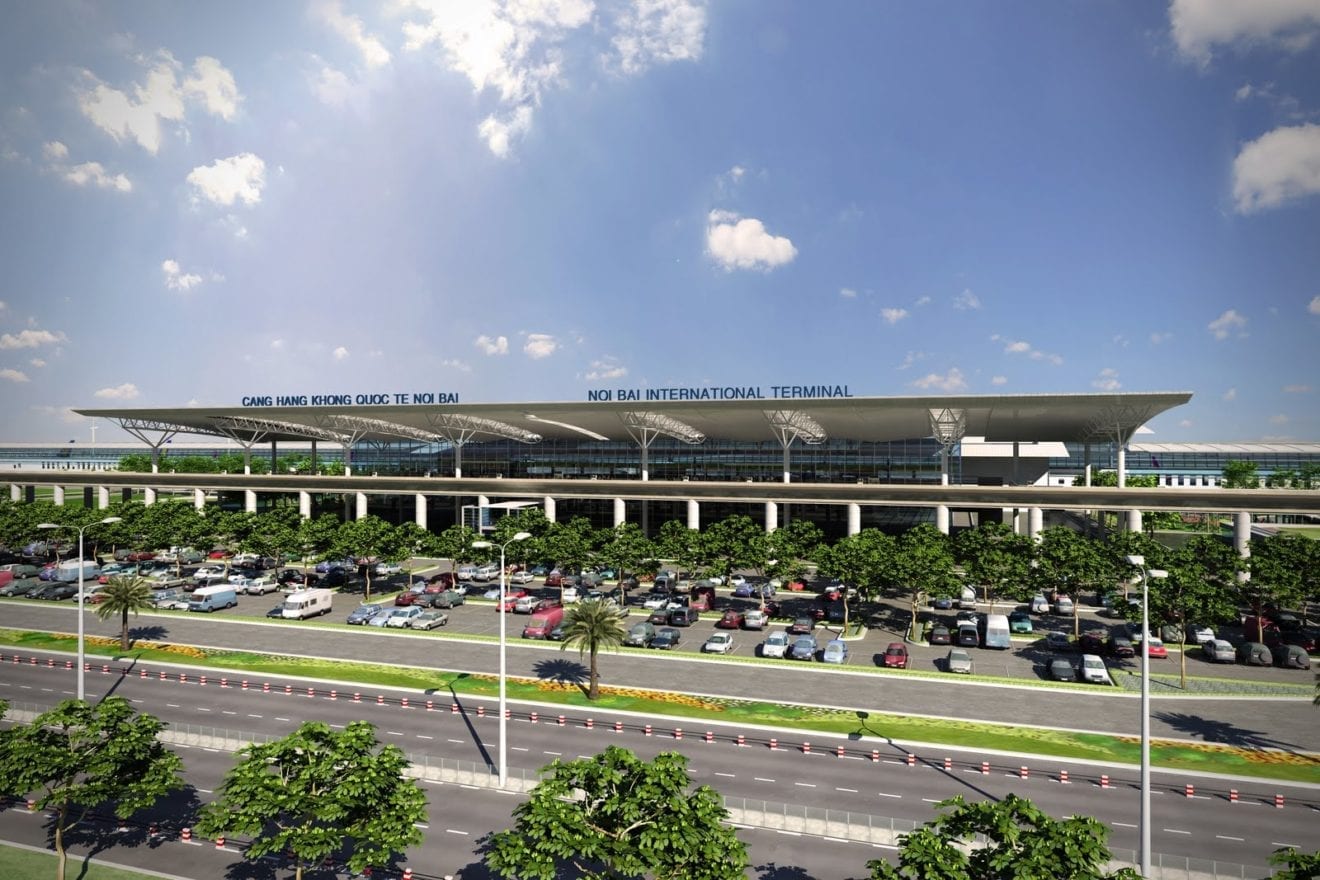
    Korea’s Lotte Duty Free will open its second Vietnam airport store in Nha Trang next year.

    The store is set to locate at Cam Ranh International Airport’s new terminal which is now under construction, and on track to be complete in first half of 2018.

    The operator expects to gain US$644 million in sales from the new store over the next 10 years.

    The operator has recently completed its first airport store in Da Nang, with a part re-launched in May.

  • Calvin Klein Vietnam opens Hanoi store

    Calvin Klein Vietnam opens Hanoi store

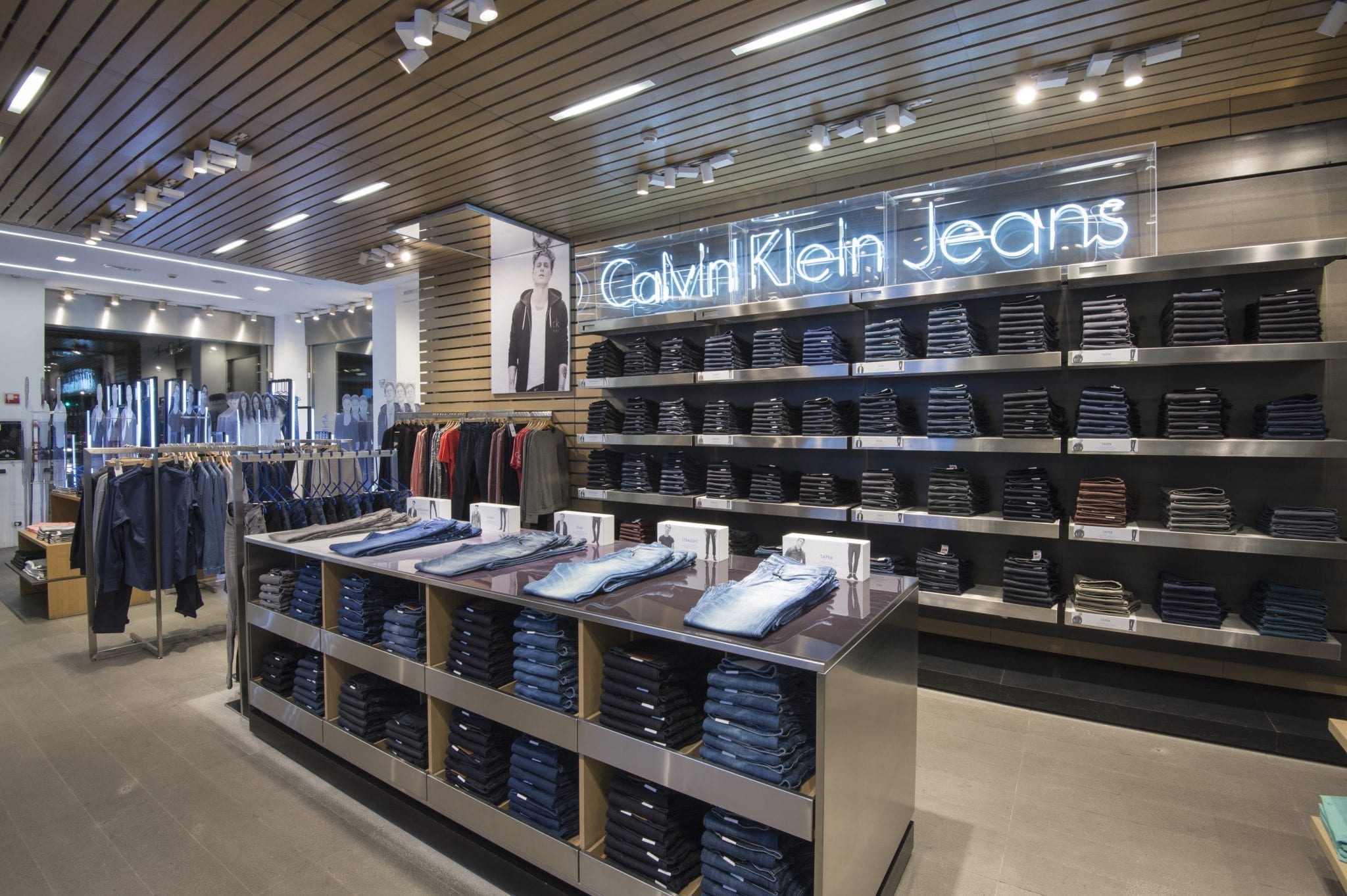
    Fashion house Calvin Klein Vietnam has opened a store in Vincom Ba Trieu, Hanoi.

    The store is located on level two of the shopping centre, and offers items from latest collections including jeans, underwear and accessories for women and men.

    Calvin Klein store Ha Noi Vietnam

    Inside the 147sqm shop, the interior is designed with neutral colors and “Simply as possible” spirit of the brand.

    Calvin Klein was brought to Vietnam in 2009 by IPP’s subsidiary ACFC.

    It now has 20 stores nationwide.

  • New Thai Vietjet route launches to bring more passenger traffic

    New Thai Vietjet route launches to bring more passenger traffic

    New route launches by Thai Vietjet is expected to bring significant increases in passenger traffic between Thailand and Vietnam starting next month. This follows the official announcement that Thai Vietjet has just received the recertified AOC (Air Operator Certificate) from the Civil Aviation Authority of Thailand (CAAT).

    The new certificate, bestowed to the airline by Transport Minister Arkhom Termpittayapaisit, is in line with ICAO (International Civil Aviation Organization) standards. It was presented to Vietjet during a special ceremony with the theme “Let’s Enjoy A New Journey” on November 8.

    The airline also announced a new international route from Bangkok to Dalat – known as the ‘City of Flowers’ and a much-loved mountainous retreat for local and international travelers, particularly from Thailand. Earlier, Thai Vietjet announced that it will introduce two new international routes connecting Phuket and Chiang Mai with Vietnam’s largest tourism and economic hub of Ho Chi Minh City.

    “We believe that the recertification will further reassure the confidence of travelers across the globe in our services and the Thai airline industry as well,” said Ms. Nguyen Thi Thuy Binh, Thai Vietjet’s management representative. “To further deliver our promise to contribute to the growth of Thai tourism, today I am also pleased to announce the opening of Thai Vietjet’s new international route from Bangkok to Dalat in the Central Highlands of Vietnam. The new flight will be launched just before the International Flower Festival of Dalat, which is held in December this year. I am delighted that people from these two countries can now enjoy their neighboring country even more through our expanding flight network.”

    The Transport Minister of Thailand, Mr. Arkhom Termpittayapaisit, said: “Thai Vietjet is the 12th carrier to pass the recertification process since CAAT started to recertify the AOC for airlines. I have witnessed the airline’s dedication on preparing and improving itself to successfully pass the overall operational standards of ICAO. And the new AOC, bestowed to Thai Vietjet today, is a remarkable milestone for the carrier to further prove its safety and services as it spreads its wings and continues to fly further and higher on this journey of sustainable development.”

    Commencing 18 December, 2017, the new Bangkok – Dalat route will be operated by an Airbus A320 with four return flights per week, flying every Monday, Wednesday, Friday and Sunday. The flight departs at 10:45am from Bangkok and returns at 12:45pm from Dalat with a flight time of one hour 45 minutes. One-way fares start from only THB 99 (HKD $23.33) (excluding tax and charges).

    Dalat is the capital city of Lam Dong province, located in the Lang Biang highlands – part of the Central Highlands region of Vietnam – 1,500 meters above sea level. Boasting thick pine forests and verdant valleys of postcard beauty as well charming old French villas, beautiful waterfalls and gorgeous lakes, the city of Dalat has become one of the most favorite destinations in the country and the region, particularly when it comes to winter where flowers blossom in full colors all over the city. Therefore, the city is known to Vietnamese by many lovely names such as Little Paris, the City of Love, the City of Poetry, the Green City.

    Following the newly-launched route to Dalat in December 2017, Thai Vietjet and Vietjet Group will operate a total of six direct routes between Thailand and Vietnam, including Bangkok to Hanoi/ Hai Phong/ Ho Chi Minh City and Dalat and Phuket/Chiang Mai to Ho Chi Minh City.

  • $1 billion plan taxis onto runway to upgrade int’l airports in Vietnam

    $1 billion plan taxis onto runway to upgrade int’l airports in Vietnam

    Vietnam’s aviation agency has proposed a plan to upgrade three international airports near popular tourist destinations Ha Long, Hoi An and Hue over the next three years.

    The project is expected to cost VND23.3 trillion (more than $1 billion) and includes new passenger and cargo terminals, buildings and runway upgrades, the Civil Aviation Authority of Vietnam (CAAV) said in its proposal to the transport ministry.

    It said the money would be spent at Cat Bi Airport, which is 70 kilometers (43 miles) from Ha Long Bay, Phu Bai Airport just outside the former royal capital Hue, and Chu Lai Airport, 77 kilometers south of Hoi An.

    The CAAV said Phu Bai and Chu Lai were operating far above capacity last year, while Cat Bi, which offers the shortest route to Hai Phong, is likely to be overloaded next year.

    Vietnam’s aviation market is growing at the third fastest pace in Asia-Pacific and the country is grappling with an acute dearth of airport capacity.

    Aviation authorities estimated that the number of passengers on domestic flights soared 35 percent to 28 million in 2016, accounting for more than half of the total air travel in the country.

    Airports across the country served more than 55 million passengers during the first seven months of this year, according to the CAAV. The number in July alone reached 9.1 million, up 12.2 percent against the same month last year.

    In March, the Airports Corporation of Vietnam asked for VND32 trillion ($1.4 billion) from the state budget to upgrade large airports across the country.

  • More street food zones in the making for downtown Saigon

    More street food zones in the making for downtown Saigon

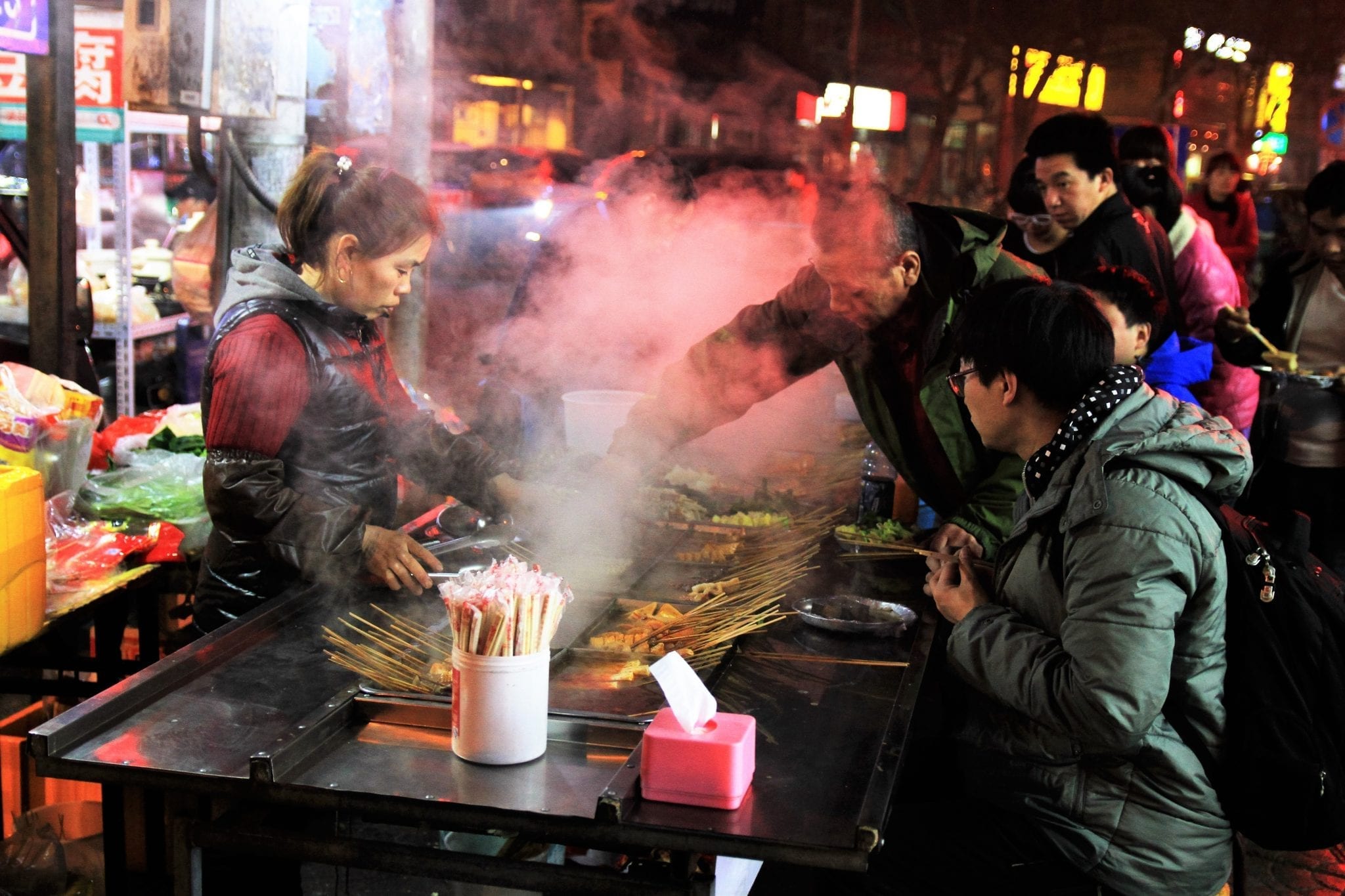
    People with a literal taste for the outdoors will be pleased to know that more street food zones are expected to open in downtown Saigon following the success of the first two areas and the need to keep the city’s sidewalks in order.

    Seven out of ten wards in District 1 want to set up street food zones, Tran The Thuan, the district chairman, said at a meeting Tuesday.

    The new zones will include two on Nguyen Thai Hoc Street and one on Phan Van Truong Street.

    Before the new zones are opened, District 1 will offer food safety training for vendors as it did at the first and second zones, which are located on Nguyen Van Chiem Street near Notre-Dame Cathedral and in Bach Tung Diep Park near Reunification Palace.

    The first two zones are open from 6 a.m. to 9 a.m. and from 11 a.m. to 2 p.m.. The district administration has said it is looking at plans to extend the opening times for the new zones.

    Vendors in the new zones will be selected from those who have been barred from selling their wares on the sidewalks in recent months in the same way as the first two zones, where vendors say they have finally found peace after years of playing cat and mouse with officers.

    District 1 has been making efforts to clean up its sidewalks since February.

    Led by the district’s vice chairman Doan Ngoc Hai, aka Captain Sidewalk, the campaign has taken a zero-tolerance approach to cars, bikes, vendors and structures that invade the sidewalks and rob pedestrians of their space.

    It has been widely applauded by locals, but has also raised concerns for being too extreme.

    Hai has been told by city leaders to tread carefully around diplomatic cars, and has also received death threats that warranted police protection.

    City leaders eventually stepped in to set up a new task force that will only react when complaints are made, essentially undercutting Captain Sidewalk’s authority.

    The move was welcomed by street vendors who have been left devastated, with many seen crying and yelling when police or soldiers seize their food stands.

  • Desire for cheap luxury drives counterfeit market in Vietnam

    Desire for cheap luxury drives counterfeit market in Vietnam

    Le Thu Trang recently switched from a Gucci bag to a Prada design for a fresh look, but the decision did not put a massive dent in her bank account.

    Both of her bags are counterfeits and cost 20 times less than the originals that can be found in the stores of luxury Italian brands.

    “I like to carry Gucci and Prada bags, but buying luxury goods is not easy because they’re expensive and fashion trends change quickly,” Trang said. “In that respect, fake bags are very appealing. They’re nice and quite cheap.”

    Trang’s case illustrates a trend among consumers, especially young people in Vietnam, who like buying fake products ranging from eyewear and shoes to garments and handbags. Their desire for cheap luxury has helped counterfeiters thrive in the country.

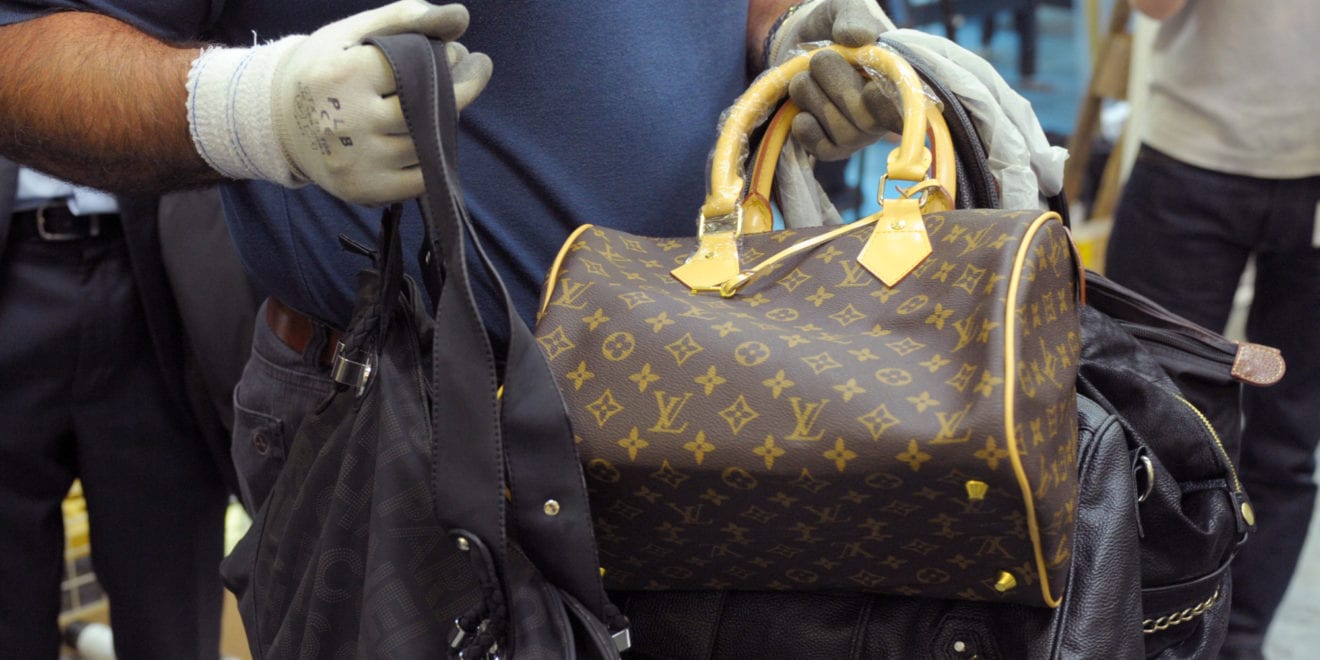
    On the streets of Hanoi and in some of its glistening air-conditioned malls, countless fake Hermes and Louis Vuitton handbags, Rolex watches and Gucci fashion accessories are openly on sale.

    Consumers who want an expensive logo or style can pick up goods for surprisingly cheap prices, even though they know the goods are illegal and might be confiscated by international customs agents who can impose heavy fines.

    Wealthy businessmen, savvy importers and even enthusiastic housewives are looking to make a profit from selling fakes from bricks and mortar stores or online, despite efforts to stop intellectual property right infringements.

    Retailers are also unconcerned about selling fake goods. “This is a knock-off, but no problem,” a woman said, pointing to a white polo shirt emblazoned with a Louis Vuitton logo.

    “Why should I have to worry about the police? I don’t sell drugs. I didn’t steal this shirt,” she said in a store on Hanoi’s Hang Ngang Street. “Lots of people here sell fake goods like me.”

    In a nearby handbag store, fake products with Chanel, Gucci and Louis Vuitton logos on them are on sale for $20-50.

    “The originals cost thousands of U.S. dollars,” the dealer said, convincing customers that her handbags look like the genuine article. “Same design. Same material. This one is made in China.”

    Fake products such as garments, footwear, eyewear, shampoo, body lotions and pharmaceuticals can be found all over Vietnam, from high-end shopping malls to street-side markets.

    Most of the knock-offs are smuggled in from China, Phan Hoan Kiem, head of the Market Surveillance Agency in Ho Chi Minh City, said at a recent meeting.

    However, some counterfeit products are made in Vietnam. Many households in Lich Dong Village, Thai Binh Province produce glasses and label them with famous international brands such as Ray-Ban, Gucci and Chanel, while Thao Noi Village in Hanoi is notorious for producing fake Chanel, Hermes and Louis Vuitton handbags.

    Without drastic measures to combat fake products, Vietnam could become a major counterfeiting center in the future, an official from the Department of the Intellectual Property under the Ministry of Science and Technology warned. Many handicraft villages that specialize in counterfeit goods have sprung up as farmland disappears as a result of the industrialization and urbanization process, he said.

    Vietnam has detected over 44,500 cases related to counterfeiting and piracy since 2014, said Truong Van Ba, a member of National Steering Committee 389, the government’s anti-smuggling body.

    Lack of enforcement

    Experts say Vietnam is not doing enough to stop the trend. Current laws do not impose fines on people who use counterfeit goods, but in many other countries buying and using these products is considered a crime.

    Hoang Van Truc, deputy director of the Investigation Bureau of Economic Crimes, said that only one in seven cases related to fake goods is prosecuted, while the rest receive administrative fines.

    Truc added that there’s a lack of cooperation between authorities, especially in border provinces, to prevent fake products from entering the local market. Many laws on counterfeiting and piracy overlap, while the current penalties aren’t enough of a deterrent.

    In addition, the fight against fake goods is made more difficult by the fact that some products are imported into the local market in the form of spare parts rather than finished products, making it almost impossible for authorities to identify them.

    Many enterprises also offer fake items that are 90 percent genuine, posing another problem for law enforcement officers.

    Even anti-counterfeiting stamps, which are used to protect trademarks, are being faked.

    The growing taste among local consumers for fake products has contributed to the market’s development in Vietnam, said Phan Thi Viet Thu, vice chairwoman of the Consumer Protection Association in Ho Chi Minh City.

    Her association rarely receives complaints about counterfeit products. “If consumers don’t say “no” to counterfeit goods, the trade will continue expanding.”

    Despite the warning, Trang is still happy with her fake bags. “I’ll buy genuine goods when I’m rich. For now, the cheap ones are still my best option.”

  • Vietnam’s love for instant noodles rises to near-boiling point

    Vietnam’s love for instant noodles rises to near-boiling point

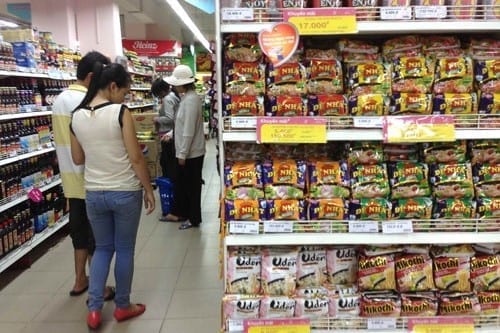
    Vietnamese people consumed more than 4.9 million packs of instant noodles last year, behind China, Indonesia and Japan, new data shows.

    Vienam has held fourth spot since 2012 in the rankings compiled annually by the World Instant Noodle Associations (WINA).

    On a per capita level with a population of over 93 million, the average Vietnamese person gobbled 53 packs of instant noodles in 2016, higher than Indonesians at 49, Japanese at 44 and Chinese people at 38.

    WINA said Vietnam’s instant noodle market recovered last year thanks to more diverse products that offer a wider range of choices for customers.

    Kajiwara Junichi, CEO of noodle producer Acecook Vietnam, said that the company’s revenue from instant noodles rose 5-20 percent during the second half of this year.

    Meanwhile, Masan Consumer and Asia Foods have been suffering from falling revenue.

    The three firms are the three biggest instant noodle producers in Vietnam and make up 70 percent of the domestic market share.

    Last year, The Washington Post cited a South Korean study that pointed out how harmful instant noodles can be for the health.

    “Although instant noodles are a convenient and delicious food, there could be an increased risk for metabolic syndrome given [the food’s] high sodium, unhealthy saturated fat and glycemic loads,” said Hyun Shin, a doctoral candidate at the Harvard School of Public Health and a co-author of the study.

    Doctor Dang Huy Quoc from the Ho Chi Minh City Oncology Hospital told Tuoi Trenewspaper that no studies have concluded that instant noodles can cause cancer, but high consumption of fat and salt can cause cancer and other heart diseases.

    Other experts suggest that people should only eat one or two packs of instant noodles per week.

    Many Vietnamese people are well aware of the harmful effects of instant noodles, but it’s common in Vietnam for people to snack on a pack of instant noodles between breakfast, lunch and dinner.

    The noodles are popular among college students, who often live far from home and lack the facilities to cook themselves a proper meal.

  • Experience a tree-covered sky villa in southern Saigon with the EverGreen Project

    Experience a tree-covered sky villa in southern Saigon with the EverGreen Project

    experience-a-tree-covered-sky-villa-in-southern-saigon-with-the-evergreen-project

    Sky Villas Tower is at the heart of the EverGreen Project, ideally located on Nguyen Luong Bang Street in Phu My Ward, District 7 with 3 sides facing rivers. The project’s main investor is Tai Nguyen Company with total investment capital of about VND8 trillion ($350 million) for 208 villas. Spanning the area of 74,000 square meters, the project’s building density is 45 percent, land-use factor is at 2.0, creating a residential area for a maximum of 1,100 persons. The project has three kind of areas: Sky Villas, City Villas and Garden Villas. The apartments are designed based on a sky villas model to be as comfortable as a presidential suite in a 5-star hotel. Each villa has an average area of 250-280 square meters (300-335 square yards) with 2-5 parking spaces in the underground parking lot. Prices are projected at nearly $1 million each.

    experience-a-tree-covered-sky-villa-in-southern-saigon-with-the-evergreen-project-1

    The apartments’ winding balconies will be covered in trees, making the whole tower look like a waterfall. Every time the wind blows, the lines of ferns will sway gently, giving the impression that the entire tower is reaching out to the sky.

    experience-a-tree-covered-sky-villa-in-southern-saigon-with-the-evergreen-project-2

    The main investor has selected ferns to cover the entire front, back and roof of the tower, providing a green and effective cooling solution for the building.

    experience-a-tree-covered-sky-villa-in-southern-saigon-with-the-evergreen-project-3

    Ferns are suitable for the city’s humid tropical climate, where they can grow well without the need for frequent watering. It is therefore guaranteed that the apartments will enjoy a green space all year round without any significant effort from their owners.

    experience-a-tree-covered-sky-villa-in-southern-saigon-with-the-evergreen-project-4

    The architects drew inspiration from the patterns found on ferns to bring a touch of elegance and style to the balconies with strands of white concrete. All these decorative concrete strands have been imported from aboard.

    experience-a-tree-covered-sky-villa-in-southern-saigon-with-the-evergreen-project-5

    Each sky villa is spacious and isolated, ensuring privacy for their occupants. The villas have a wide open space with large glass doors, giving a full view of the outside. Depending on personal preferences, homeowners can also decorate their rooms with global brands such as Hermes, Jojo Armani or Versace.

    experience-a-tree-covered-sky-villa-in-southern-saigon-with-the-evergreen-project-6

    Another unique feature of the building is each villa has a separate floor. The height difference between two consecutive floors is 75 centimeters (29.5 inches), creating a soundproof space between villas. This unique feature allows homeowners to choose which direction their rooms are facing without affecting the general structure of the building.

    experience-a-tree-covered-sky-villa-in-southern-saigon-with-the-evergreen-project-7

    The complex also includes a wide variety of facilities with three community areas built over thousands of square meters. The Sky Club houses meeting rooms, conference halls, a children’s playground as well as wedding and family gathering halls. Marina Club, with the Bird’s Nest Restaurant as its highlight, is the perfect venue for hosting parties that require luxury and privacy. Finally, City Club is the complex’s central square, where everyone in the community can hang out and socialize.

    Outside Sky Villas is a USD18 million marina, which is built according to international standards and offers yacht maintenance services. This marine is built by Tai Nguyen company to meet the needs of EverGreen residents, who like to own a yacht.

    On November 25, EverGreen project will be open to interested buyers.

    experience-a-tree-covered-sky-villa-in-southern-saigon-with-the-evergreen-project-8
  • Vietnam’s richest man makes huge jump up global billionaires list

    Vietnam’s richest man makes huge jump up global billionaires list

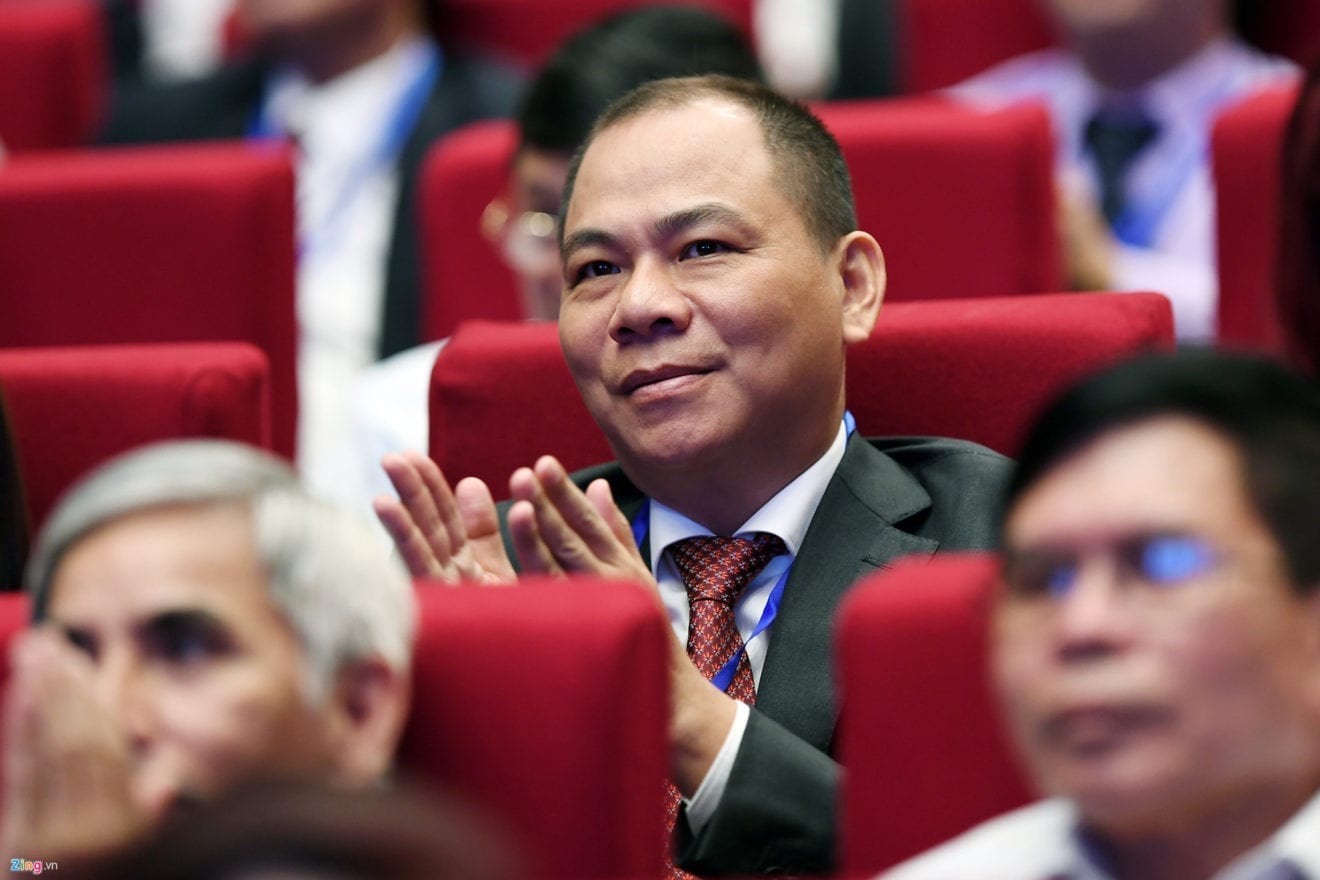
    Pham Nhat Vuong, Vietnam’s first billionaire and owner of giant conglomerate Vingroup, has leapt 97 positions to become the 543rd richest person in the world, released on Tuesday.

    The magazine’s real-time list of the world’s billionaires showed that Vuong’s assets had expanded by more than 14 percent to $4 billion in just 13 days.

    He’d already marked a milestone on November 8 by climbing 227 places in eight months to 640th on the list, with his net worth growing by more than $1 billion.

    His rise came following the IPO of Vingroup’s retail unit Vincom early this month, which was hailed as the biggest IPO debut ever in the country after raising nearly $709 million and valuing the mall operator at around $3.4 billion.

    Vingroup’s shares have also gained nearly 100 percent since mid-2017, closing at VND77,000 ($3.40) on Tuesday. Vuong, 49, owned more than a 27 percent stake in Vingroup as of June this year.

    Vingroup is one of Vietnam’s largest real estate conglomerates, and has been expanding rapidly into retail, logistics, agriculture, education and healthcare. As of the end of September, its subsidiary Vincom Retail was managing, operating and renting 41 shopping malls with a total area of over 1.1 million square meters (272 acres). It also has 22 projects under construction and another 50 in early development.

    Nguyen Thi Phuong Thao, the only other Vietnamese billionaire and owner of budget carrier Vietjet, now ranks 1,177th on the Forbes list with assets worth around $2 billion.

    At the top of the list are Amazon’s founder Jeff Bezos with a net worth of $94.9 billion, followed by Microsoft co-founder Bill Gates with $89 billion and Warren Buffet with $77.9 billion.

  • Dolce & Gabbana Vietnam flagship store opens

    Dolce & Gabbana Vietnam flagship store opens

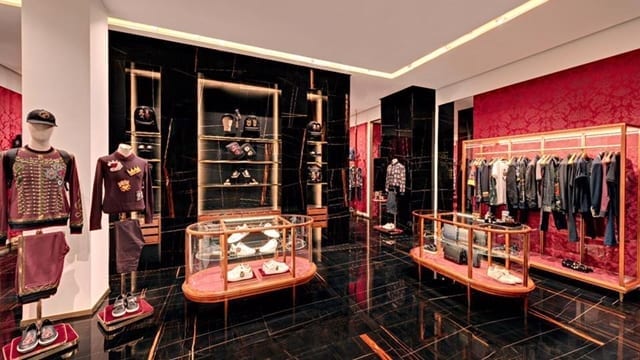
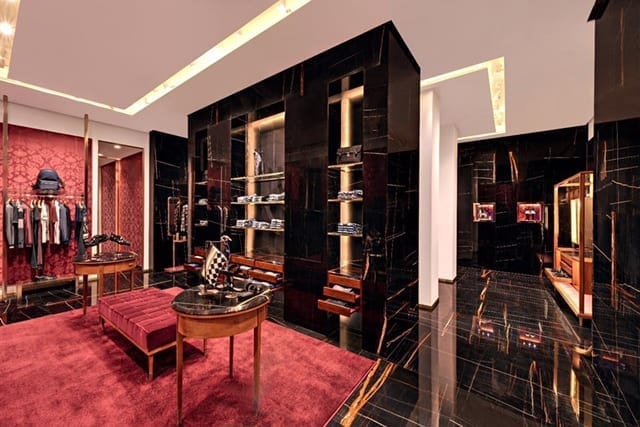
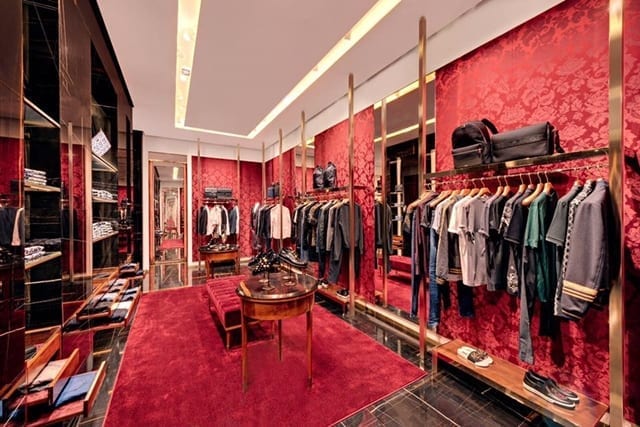
    Dolce & Gabbana Vietnam has officially opened its flagship store after testing the market with a pop-up in January.

    In Rex Arcade inside Ho Chi Minh City’s Rex Hotel, the Italian luxury fashion brand’s store offers women’s and men’s ready-to-wear, shoes and accessories.

    Dolce & Gabbana was brought to Vietnam by ACFC, a subsidiary of distribution company Imex Pan Pacific (IPP) Group, which also handles such brands as Burberry, Chanel, CK and Salvatore Ferragamo.

    To celebrate the flagship’s opening, Dolce & Gabbana Vietnam hosted a party attended by D&G CEO Alfonso Dolce and senior VP for Asia Pacific Grace Zhao, plus IPP executives and celebrities.

    Along with the opening, D&G introduced its international campaign #DGclone to Vietnam. The campaign is built around a world tour by the brand’s two mascots – lifesize characters representing D&G founders Domenico Dolce and Stefano Gabbana.

  • Vietnam’s top taxi firm wheels out motorbike service in the race against online taxi

    Vietnam’s top taxi firm wheels out motorbike service in the race against online taxi

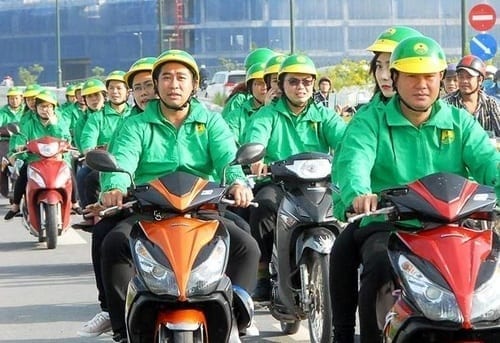
    Major Vietnamese taxi company Mai Linh on Monday launched its own motorbike hailing app in its latest attempt to claw back customers from Uber and Grab, the ride-hailing firms from the U.S. and Malaysia that have been outshining local cab firms.

    The app, Taxi Mai Linh, is now available in Ho Chi Minh City, Hanoi and Da Nang, and has around 5,500 drivers.

    Ho Huy, Mai Linh’s chairman, said what makes his company’s new service different from Uber and Grab is that the fare is kept constant at VND11,000 (48 cents) for the first two kilometers and then drops to VND3,800 per kilometer from the third kilometer onwards.

    Uber and Grab charge their passengers similar rates but raise fares during rush hours and bad weather.

    He also said the company will run a campaign to encourage traditional xe om drivers to join its team in an effort to avoid fights between them and tech-savvy drivers, something that both Grab and Uber have experienced.

    So far, the strategy seems to be working, and many Uber and Grab drivers have shown up at Mai Linh’s door to switch sides.

    “I applied because I heard Mai Linh is offering a better deal for its drivers,” said Cuong, who has worked as a GrabBike driver for over a year.

    “My income has fallen because Grab now deducts up to 20 percent of the fares that drivers receive from passengers instead of 15 percent as before, and more and more people are working as GrabBike drivers, which means more competition,” he said.

    Uber takes a cut of 25 percent from its drivers.

    Mai Linh’s drivers will not have to hand over any of their earnings for the first two months, after which time the company will take a 15 percent share.

    Mai Linh reported that it lost 6,000 employees in the first half of this year, or 20 percent of its total drivers.

    Its business results did not read much better during the same period, with revenue falling more than 5 percent on-year to VND1.72 trillion ($75.8 million).

    In all, Mai Linh suffered a loss of VND47.5 billion from its taxi business, twice as much as last year, the company said.

    Its rival Vinasun, the biggest taxi firm in Vietnam, lost 10,000 employees in the first nine month, and its  revenue in that period only reached 58 percent of the company’s annual target.

    They have both pointed the finger at Uber and Grab, saying the two foreign firms enjoy preferential policies as they are classed as transport software providers which, unlike traditional taxis, are not accountable for passenger and traffic safety.

    In its latest attempt to battle Uber and Grab, Vinasun has rolled out a hailing servicevia Facebook Messenger.

  • Global coal price hike could cost Vietnam $1.27 billion per year

    Global coal price hike could cost Vietnam $1.27 billion per year

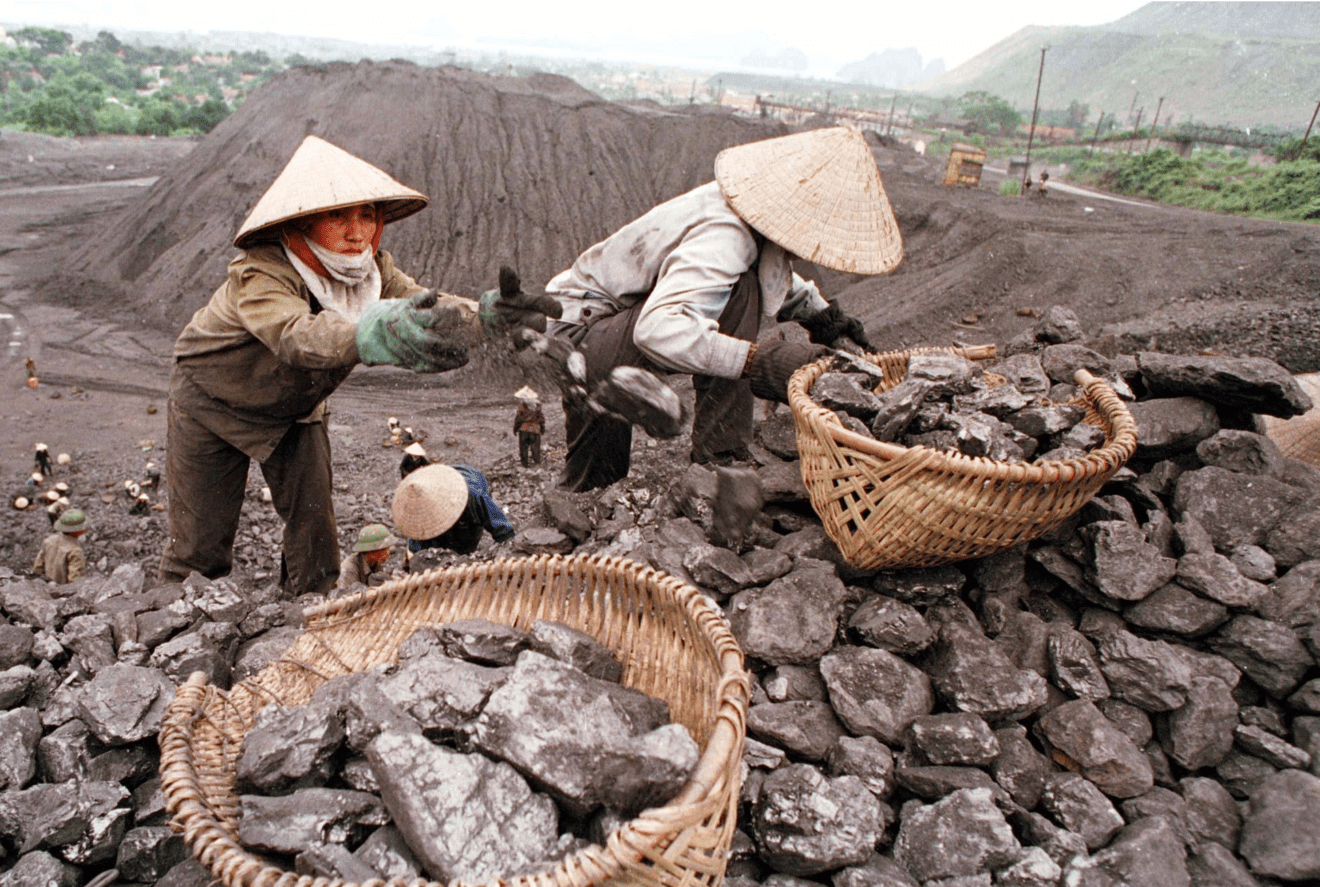
    The global price of coal has doubled since the beginning of 2016 and could result in Vietnam spending an additional $1.27 billion per year on the fuel by 2021, new analysis has revealed.

    The current market price of thermal coal has risen to $100 per ton, twice the amount recorded earlier last year, according to research from the Australia-based Institute for Energy Economics and Financial Analysis (IEEFA).

    Last year, Vietnam imported a net volume of 12 million tons of coal, a staggering increase of 131 percent against 2015, and the country’s net coal imports will stand at 35 million tons per year by 2021, according to the International Energy Agency (IEA).

    At current market prices, that would cost Vietnam $3.5 billion per year.

    Compared with projections made last year, which said Vietnam would have to spend $2.8 billion at a predicted price of $80 per ton, the country will end up spending an extra $1.27 billion every year on importing foreign coal by 2021, the IEEFA calculated.

    According to the institute, rising coal imports create commodity price and currency risks for Vietnamese electricity consumers that have a negative impact on the current account deficit.

    “The doubling of the coal price from $50 in January 2016 to almost $100 today is largely as a result of a Chinese policy aimed at an orderly coal market transition by maintaining a degree of profitability for domestic Chinese coal miners, while the central government forges ahead with an accelerating transition to clean energy. China is set to install 50 gigawatts of solar in 2017 alone, a global record for a single country in a single year,” it said.

    “The fluctuating market of 2017 illustrates the extent to which coal is a major threat to the health of the Vietnamese budget,” said Tim Buckley, director of Energy Finance Studies at the IEEFA.

    “For countries experiencing significant sustained economic growth, it also further validates the imperative to diversify Vietnam’s electricity sector generation base to incorporate more alternative sources of domestic supply, namely renewable energy infrastructure, which continues to see cost reductions of more than 10 percent every year,” he was quoted as saying in a statement released on Wednesday by the IEEFA.

    In Vietnam, which has switched from a coal exporter to a coal importer over the years due to overexploitation, the development of green-power projects has only just started and investors are still struggling due to low buying prices.

    The Ministry of Industry and Trade in September asked the government to raise the buying price for wind power in an effort to help investors cover high input costs.

    Tran Vinh Thong, an official from Thuan Binh Wind Power Joint Stock Company that operates a wind power plant in south-central Vietnam, told VnExpress in September that “the biggest problem about investing in wind farms is the low buying prices and the time it takes to recover the investment”.

    The ministry suggested that the price should be lifted to 8.7 cents per kilowatt-hour (kWh) for wind energy projects on land and 9.95 cents per kWh for offshore plants.

    Since 2011, the buying price for wind energy has stood at 7.8 cents for all land-based projects in Vietnam, with 6.8 cents paid by State-run power monopoly Vietnam Electricity (EVN) and the rest coming from the country’s Environment Protection Fund.

    For the country’s only offshore plant in the southern province of Bac Lieu, the current price is 9.8 cents per kWh.

    The total wind power capacity in Vietnam is predicted to reach 206MW this year, 456MW next year and 800MW in 2020.

    The country is trying to generate enough energy to sustain national growth and to connect the millions of people who still do not have access to power, while gradually shifting towards clean and low-carbon energy.

    Last year, the government revised down its output target for coal-fired power plants to 53.2 percent of the country’s total power generation by 2030 from the 56.4 percent previously projected.

    Vietnam is aiming to produce 10.7 percent of its total electricity through renewable energy by 2030, mainly through solar and wind energy, up from 6 percent as previously planned.

    Nguyen Anh Tuan, a senior energy official at the industry and trade ministry, told VnExpress in June that the government had raised the buying price for solar power from 7.8 cents to 9.35 cents per kWh, offered investors tax incentives and cut land use fees in an effort to reach this goal.

    He said investors in wind power projects will likely have the same incentives in the near future.

  • Singaporean auto firm ups stake in Vinamilk

    Singaporean auto firm ups stake in Vinamilk

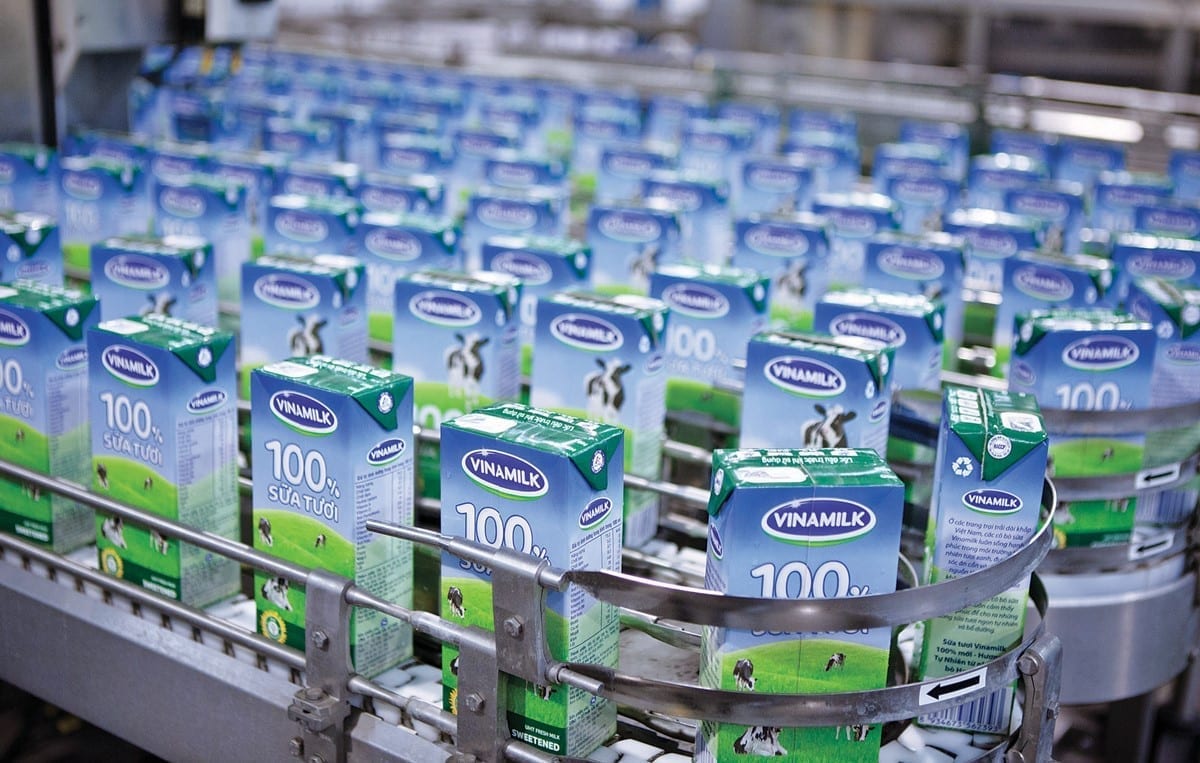
    Singapore’s biggest auto group Jardine Cycle & Carriage has bought an additional 1.1 percent stake in Vietnamese dairy firm Vinamilk, raising its current share in Vietnam’s biggest listed company to 10 percent.

    The investor bought 16.4 million more shares for VND3.1 trillion ($136.5 million) over the weekend.

    Last Monday, Jardine Cycle & Carriage spent $400 million on 48.8 million shares in Vinamilk after purchasing 48.3 million of shares for $396 million on November 10.

    The two deals gained it a 8.9 percent stake in the company, and with the latest deal it now owns 145.6 million Vinamilk shares, representing a 10 percent stake, the company announced on its website.

    Foreign investors currently hold a 56.4 percent stake in the dairy firm.

    Jardine Cycle & Carriage is now the third biggest shareholder after Singapore’s Fraser&Neave, which has a 18.74 percent stake.

    Vietnam’s State Capital Investment Corporation holds the majority share with a 36 percent stake.

    The government is trying to divest from hundreds of state-owned enterprises, including brewers Hanoi Beer Alcohol and Beverage JSC (Habeco) and Saigon Beer Alcohol Beverage Corp (Sabeco) in which it owns a combined $7.8 billion worth of shares by market value.

  • Vietnam approves Alibaba’s online payment platform

    Vietnam approves Alibaba’s online payment platform

    Chinese e-commerce conglomerate Alibaba has signed an agreement with the National Payment Corporation of Vietnam (NAPAS) that will allow Chinese tourists to use its online payment platform in Vietnam.

    The agreement with Ant Financial, Alibaba’s financial services arm, will enable Chinese travelers to use the Alipay platform throughout Vietnam via NAPAS member banks and its intermediary payment service networks, according to business technology websites.

    Under the agreement, people with cards issued by NAPAS member banks in Vietnam will be able to use Alipay to make purchases on Alibaba’s websites, such as AliExpress and Taobao.

    NAPAS is the only intermediary payment service provider licensed by the central bank to provide electronic payment services in Vietnam. The corporation operates an inter-bank connection system with tens of thousands of ATMs run by 43 banks, including Vietnam’s top lenders Vietcombank, Vietinbank and BIDV.

    “The collaboration with Alipay is part of our strategy to expand international cooperation and to explore new payment solutions,” NASPAS chairwoman Nguyen Tu Anh said.

    Official figures showed that more than 3.2 million Chinese tourists visited Vietnam in the first 10 months this year, up 45.6 percent from a year ago and accounting for nearly a third of foreign arrivals. Alipay, which has more than 520 million daily users globally, has been expanding its global presence along with China’s rising outbound travel. A Bloomberg report last December, citing Credit Suisse figures, said a 30 percent increase in spending by Chinese tourists would boost Vietnam’s gross domestic product by nearly 1 percentage point.

    The payment service entered the Australian market late last year under a similar agreement with the Commonwealth Bank of Australia.

    News of the deal with NAPAS comes a week after Alibaba founder Jack Ma visited Hanoi and spoke at a prominent e-payment forum co-hosted by NAPAS.

    At a meeting with Vietnamese Prime Minister Nguyen Xuan Phuc, Ma said he would consider establishing a store for Vietnam on Alibaba’s e-commerce app.