Tag: Vietnam

  • Monthly salaries in Vietnam rise fastest in Southeast Asia

    Monthly salaries in Vietnam rise fastest in Southeast Asia

    Salaries in Vietnam are rising faster than in any other Southeast Asian country, according to a recent survey released by employment website Jobstreet.com.

    The average annual growth rate of Vietnam’s payroll stands at 20-24 percent, compared to 14-20 percent in Thailand, the Philippines, Indonesia, Myanmar and Singapore.

    In Vietnam, management and executive salaries grew fastest, at 26 and 35 percent respectively.

    The survey found that 68 percent of companies operating in Vietnam want to expand their businesses in the future, so they have high recruitment demands. Jobstreetforecast that salary growth will continue with this demand.

    Vietnam’s minimum wage, however, doesn’t enjoy such a large jump. On Monday, the prime minister signed off on a decree raising the minimum wage for 2018 by 6.5 percent, the lowest nominal bump in 11 years.

    The rise brings the minimum wage for Region I to VND3.98 million ($175) a month. Region II to VND3.53 million, Region III to VND3.09 million and Region IV to VND2.76 million.

    In Vietnam, there are four different minimum wage regions, which are supposed to reflect the cost of living in each area. Region I, including Hanoi and Ho Chi Minh City, has the highest minimum wage, while region IV, which is for rural areas, has the lowest.

  • Net giants ‘must pay for news’ from which they make billions

    Net giants ‘must pay for news’ from which they make billions

    Nine European press agencies, including AFP, called Wednesday on internet giants to be forced to pay copyright for using news content on which they make vast profits.

    The call comes as the EU is debating a directive to make Facebook, Google, Twitter and other major players pay for the millions of news articles they use or link to.

    “Facebook has become the biggest media in the world,” the agencies said in a plea published in the French daily Le Monde.

    “Yet neither Facebook nor Google have a newsroom… They do not have journalists in Syria risking their lives, nor a bureau in Zimbabwe investigating Mugabe’s departure, nor editors to check and verify information sent in by reporters on the ground.”

    “Access to free information is supposedly one of the great victories of the internet. But it is a myth,” the agencies argued.

    “At the end of the chain, informing the public costs a lot of money.”

    News, the declaration added, is the second reason after catching up on family and friends for people to log onto Facebook, which tripled its profits to $10 billion (8.5 billion) last year.

    Yet it is the giants of the net who are reaping vast profits “from other people’s work” by soaking up between 60 and 70 percent of advertising revenue, with Google’s jumping by a fifth in a year.

    Meanwhile, ad revenue for news media fell nine percent in France alone last year, “a disaster for the industry”.

    ‘Pillar of democracy at risk’ 

    “Years have passed (without anything being done) and free and reliable newsgathering is now threatened because the media will simply no longer be able to pay for it,” the news agencies added.

    “Diverse and reliable news sources, a pillar of democracy, risk being undermined.”

    Attempts by news outlets in France, Germany and Spain to force internet giants to pay have only resulted in them coughing up a “few symbolic crumbs”, they added.

    The press agencies insisted that some of the vast imbalance could be rectified if the EU gives them and other media “related rights” copyright to their work.

    However, some European Parliament members were worried that the proposed directive would threaten free access to news for internet users.

    But that would not be the case, the agencies insisted.

    “Internet users would not be touched… simply those who now pocket a disproportionate part of advertising revenue would have to share a significant part of it with those who actually produce the information” on which the money is made.

    The appeal was signed by AFP; the German agency DPA; Britain’s Press Association; the Spanish agency EFE; Italy’s Ansa; the Swedish agency TT; Belga of Belgium, Austria’s APA, and the Dutch agency ANP.

  • Google opens AI center in China as competition heats up

    Google opens AI center in China as competition heats up

    Google announced Wednesday that it will open a new artificial intelligence research centre in Beijing, tapping China’s talent pool in the promising technology despite the US search giant’s exclusion from the country’s internet.

    Artificial intelligence, especially machine learning, has been an area of intense focus for American tech stalwarts Google, Microsoft and Facebook, and their Chinese competitors Alibaba, Tencent and Baidu as they bid to master what many consider is the future of computing.

    AI research has the potential to boost developments in self-driving cars and automated factories, translation products and facial recognition software, among others.

    Google’s move to open a Beijing office focused on fundamental research is an indication of China’s AI talent, widely seen as being neck-and-neck with the United States in research capability.

    “Chinese authors contributed 43 percent of all content in the top 100 AI journals in 2015,” Li Feifei, a researcher leading the new center, wrote in a blog post on Google’s website.

    “We’ve already hired some top experts, and will be working to build the team in the months ahead.”

    Li noted that Chinese engineers formed the backbones of the winning teams in the past three ImageNet Challenges, an international AI competition to test which computing technology is better at recognizing and categorizing pictures.

    Chinese search engine Baidu’s team was banned for a year for breaking the rules during the 2015 competition.

    The country’s large population and strong mathematics and sciences education has nurtured a slew of engineering talent.

    Google operates two offices in China, with roughly half of its 600 employees working on global products, said company spokesman Taj Meadows.

    Its job board in China shows about a dozen openings in the AI field. The China center will join Google’s other research facilities outside of its Silicon Valley hub, including in New York, Toronto, London and Zurich.

    Google’s search engine and many of its services are blocked by China’s Great Firewall, but internet regulators have recently allowed access to its translation product, one that has made leaps and bounds in accuracy by incorporating the company’s AI research.

  • Vietjet Honored as the Most Favorite Airline

    Vietjet Honored as the Most Favorite Airline

    Vietjet was recently honoured with the title of “Most Favourite Airline” at the “2017 Trust and Use Award” ceremony organised by the Vietnam Economic Times – the leading economic publication in Vietnam.

    This marks the airline’s second consecutive year of receiving the award, a true testament of Vietjet’s commitment towards providing top-notch service for its customers. Driven by the theme “Connecting consumption, sharing values”, the 2017 Trust and Use Award surveyed reliable, high-quality goods and services that have been greatly appreciated by consumers.

    Launched in 2006, the annual Trust and Use Awards aims to recognise enterprises with top quality products and services that are trusted and used by consumers. It nominates outstanding products and services within seven main fields namely, Finance – Banking – Insurance; Food and Retail; Fashion – Cosmetics – Beauty Services; Household Appliances – Interior Décor; Pharmaceuticals and Healthcare; Tourism – Resorts – Real Estate, and Telecommunications – Technology.

    Since its inception in 2007, Vietjet has established a favourable reputation not only for offering reasonable fares but also creating breakthroughs within the Vietnam aviation industry. Currently servicing a total of 73 international and domestic routes, the airline has bridged the gap in easing air travel, connecting passengers to a colourful selection of interesting destinations across the globe.

    Offering one of the most modern and brand-new fleets in the region, Vietjet has also been recognised for its services over the years through a number of prestigious international and domestic awards including ‘The Best Asian Low Cost Carrier’, ‘Asia’s Best Employer Brand’ and ‘The Best Place to Work in Vietnam’.

  • Vietnam plans to raise over $570 million through IPOs in energy firms

    Vietnam plans to raise over $570 million through IPOs in energy firms

    Vietnam hopes to raise a total of more than $570 million by selling stakes in an oil refinery, an oil distribution firm and a power company, the government website said on Saturday.

    The country has accelerated its privatization program in recent weeks, partly because of the need to fund a budget deficit and in the face of growing public debt.

    Vietnam aims to raise at least $297 million by selling a 20 percent stake in PetroVietnam Power Corporation and at least $155 million by selling 7.79 percent of the Binh Son Refining and Petrochemical company, the government said.

    In addition to the sale of those shares in initial public offerings (IPOs), the government said it planned to sell a 28.9 percent stake in the power company and a 49 percent stake in the refinery to strategic investors.

    The government also approved an earlier planned IPO in oil distribution firm PetroVietnam Oil Corp (PV Oil), aiming to raise at least $122 million by selling a 20 percent stake.

    The three share sales are expected within three months, the government said, without giving more precise details of the timing.

    Last month, Vietnam unveiled plans to sell a stake of up to 54 percent, worth $5 billion, in the nation’s biggest brewer, Sabeco, in what is set to be the country’s largest privatization yet.

  • World Bank raises Vietnam’s growth forecast for 2017

    World Bank raises Vietnam’s growth forecast for 2017

    The World Bank (WB) has increased its growth forecast for Vietnam this year from the 6.3 percent it projected in October to 6.7 percent, matching the government’s annual target following steady progress during the first nine months.

    Stronger domestic demand, robust export-oriented manufacturing and a gradual recovery of the agricultural sector are driving Vietnam’s economy, according to Taking Stock, the World Bank’s bi-annual economic report released on Monday.

    The manufacturing and services sectors respectively grew by 12.8 percent and 7.3 percent between January and September, the report said.

    “Growth momentum picked up across major economies and global trade recovered in 2017,” said Ousmane Dione, World Bank Country Director for Vietnam. “With incomes rising and poverty falling, Vietnam’s economy had another good year of strong growth and broad macroeconomic stability.”

    Vietnam expects economic growth of 6.5-6.7 percent next year, and thinks that the target of 6.7 percent set for this year is within reach, Prime Minister Nguyen Xuan Phuc said at a recent session of the legislative National Assembly.

    Low inflation and rising wages sustained buoyant domestic demand and private consumption, while the stronger global economy has helped Vietnam’s export-oriented manufacturing and agricultural sectors.

    Job growth has continued, with 1.6 million new jobs added in the manufacturing sector over the past three years, and 700,000 additional jobs in the construction, retail, and hospitality sectors, leading to higher aggregate labor productivity.

    Despite progress in resolving non-performing loans, risks remain, including the lack of robust capital buffers in some banks, especially amidst rapid credit growth.

    Fiscal tightening is underway, according to the report, and has led to a leaner budget deficit and containment of public debt accumulation. However, the decline in public investment – falling to 16 percent of total spending in the first nine months of 2017 compared with an average of 25 percent in recent years – may not be sustainable over time, as Vietnam needs significant investment in infrastructure to support future growth.

    A slow-down in structural reforms could also impact the ongoing recovery, especially given the weaker growth in investment.  Enhancing macroeconomic resilience and structural reforms could lift Vietnam’s growth potential over the medium term.

    “Structural reform remains a central priority in view of tepid productivity growth,” said Sebastian Eckardt, the World Bank Lead Economist for Vietnam.

    “Building on progress already made, Vietnam can further lift productivity growth through investments in needed infrastructure and skills as well as deeper reforms of the business environment, state-owned enterprise (SOE) and banking sector.”

    Over the medium term, growth is projected to stabilize at around 6.5 percent, while inflation is projected to remain low.

  • Tous Les Jours Vietnam rolls out new look

    Tous Les Jours Vietnam rolls out new look

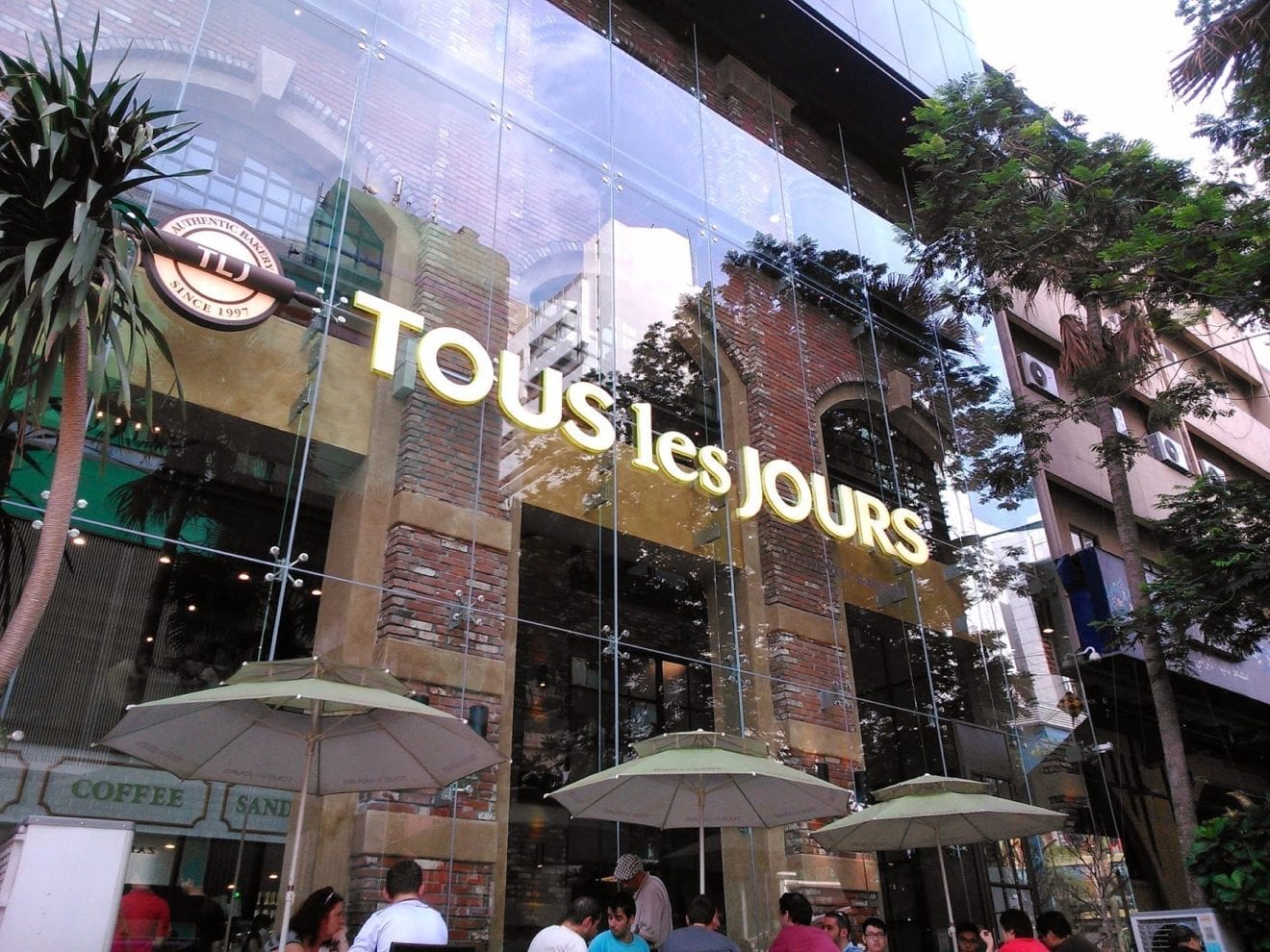
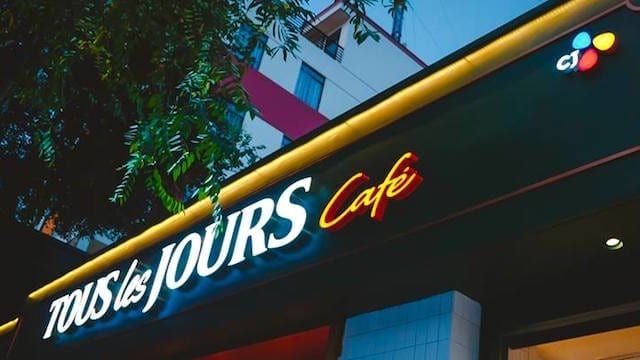
    Bakery cafe Tous Les Jours Vietnam has launched a new brand identity at its Hai Ba Trung outlet in Ho Chi Minh City’s District 1.

    Months in preparation, the refreshed store features a cafe-inspired interior and takes its inspiration from the “just baked” concept, reports the Vietnam Economic Times.

    Tous Les Jours Vietnam - new concept 1


    Tous Les Jours (every day) is a South Korean bakery franchise owned by CJ Foodville Corporation in the US. CJ Foodville Vietnam CEO Kim Gun Pyo says more new outlets are planned “in the near future”.

    He says the company is committed to ethical business practices that strengthen its partnership with local businesses and contribute to the community. He says Tous Les Jours uses Fairtrade-certified coffee beans grown in Vietnam.

    Tous Les Jours Vietnam - new concept 2

    With 36 outlets in Vietnam, the company plans to reach 100 by 2020 and double that by 2025.

    Tous Les Jours is a French-Asian bakery that serves baked goods and beverages. The brand was launched in the US in 2004 and also has stores in Cambodia, China, Indonesia, Malaysia and the Philippines, with plans to enter Singapore as well.

  • Thai Beverage unit to bid for at least 25 percent of Sabeco

    Thai Beverage unit to bid for at least 25 percent of Sabeco

    A unit of Thai Beverage (TBEV.SI) has emerged as the only prospective bidder for state-owned shares in Sabeco (SAB.HM) that has declared that it could lead to it owning 25 percent or more of Vietnam’s biggest brewer, the Trade Ministry said on Monday.

    The auction of up to 54 percent of Sabeco worth at least $5 billion, in what is set to be Vietnam’s biggest privatization, offers brewers access to a fast-growing market with a youthful population and beer drinking culture.

    Investors who want shares that would lead to an ownership of 25 percent or more in Sabeco have to inform the local authorities and publicize the information a week before the auction date, which is set for December 18, according to the rules of the offer.

    Other brewing groups including Anheuser-Busch InBev and Kirin Holdings have been preparing to bid for a stake, people familiar with the matter have said.

    But the trade ministry said in a statement on its website that as of 1100 GMT on Monday the one prospective investor which has registered an interest in buying 25 percent or more of Sabeco that has publicized the information is Vietnam Beverage Company Limited.

    Vietnam Beverage Company Limited is owned by Vietnam F&B Alliance Investment Company, which is 49-percent owned by BeerCo Limited, an indirect but wholly-owned subsidiary of Thai Beverage, official documents about the companies showed.

    Foreign ownership in Sabeco is limited to 49 percent. That means overseas bidders can only bid for a minority stake of as much as 39 percent as foreign entities already own 10 percent.

    Lack of control and the unorthodox way in which the Sabeco stake is being sold could put off some possible bidders, bankers, investors and lawyers familiar with the matter said.

    The Vietnam trade ministry, which represents state shares in Sabeco, said foreign investors can link up with Vietnamese firms to buy shares in Sabeco, but have to comply with local laws and regulations.

  • Vietnam fuel distributors to shift to ethanol blend this week

    Vietnam fuel distributors to shift to ethanol blend this week

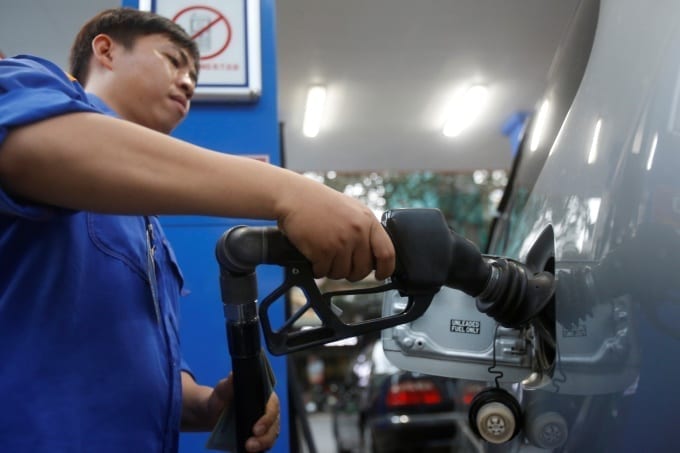
    Vietnam’s biggest fuel distributors said they would complete a shift to an ethanol-blended product by Friday as part of a government program to promote a more eco-friendly fuel.

    State-owned PetroVietnam Oil Corp (PV Oil), which sells oil and fuels, will replace RON 92 fuel at all of its fuel stations with E5, a mixture of 95 percent of RON 92 and 5 percent of ethanol, by December 15, its parent firm PetroVietnam said on its website on Monday.

    Top fuel importer and distributor Petrolimex said on its website last week that its 2,400 stations across the country would have shifted to the ethanol-blended fuel by the end of this week.

    Vietnam has been pushing for the E5 mixture as ethanol can be produced from cassava, making it renewable. Several factories have been set up specifically to process cassava into ethanol.

    But critics and drivers argue the mixture could cause fire or damage vehicles’ engines and parts. The government has said the mixture is safe, adding that drivers should use vehicles from a certain year of production, depending on the model, to ensure they are safe.

    Another type of non-ethanol fuel, RON 95, is still on sale, but in smaller volumes.

    Vietnam plans to complete the shift to the E5 mixer across all fuel stations by January 1 next year.

  • Time to win for Vietnam Tax Department on Facebook e-commerce case

    Time to win for Vietnam Tax Department on Facebook e-commerce case

    Ho Chi Minh City’s tax department has handed a bill of VND9.1 billion ($401,300) to a Facebook retailer in a rare successful attempt to levy sales on social media.

    A source from the department said that the tax declaration submitted by the cosmetics retailer was millions of dollars short compared to information acquired from the retailer’s banks.

    Le Thi Thu Huong, deputy director of the department, said the sum was the biggest amount ever to be claimed by her agency from an online retailer for tax evasion.

    The department contacted nearly 13,800 Facebook accounts earlier this year asking them to pay tax for businesses they were running on the social network, but few complied.

    Facebook is the most popular social network in Vietnam with more than 52 million active accounts, and is also used as an e-commerce platform that tax authorities have struggled to keep track of.

    Vietnam levies a 0.5 percent income tax and a 1 percent value added tax on sales of more than VND100 million ($4,400) per year.

    Local tax authorities have recently stepped up efforts to collect taxes from online businesses that use Facebook and other social media sites such as Instagram and YouTube.

    Tax departments in both Hanoi and Ho Chi Minh City have sent out tax demands to around 27,000 Facebook retailers in a move to target tax avoidance by online businesses.

    Online sales in Vietnam have expanded rapidly in recent years, currently accounting for 3.39 percent of the country’s retail market. The total retail market grew 10.2 percent last year to $118 billion, mainly fueled by a growing middle-class with expanding disposable incomes and an increasing number of internet users.

    In an effort to minimize tax losses, the Ministry of Finance is considering a plan to impose value added tax and income tax on sales with a value of VND1 million ($44) upwards, or multiple sales of a lesser value.

  • Foreign convenience store chains expansion plans

    Foreign convenience store chains expansion plans

    Nguyen Thu Ha has abandoned traditional markets on her afternoon shopping trips in favor of a more convenient option.

    Uncomfortable with the crowds and dubious origins of the food, the 35-year-old from Hanoi now prefers to spend her money in the convenience stores that are mushrooming across the city.

    “The quality in convenience stores is guaranteed, unlike grocery shops and traditional markets,” she said. “That’s why I go to them now.”

    Like Ha, many shoppers are turning to convenience stores, encouraging foreign retailers to expand their presence in the market.

    The number of convenience stores had increased to over 1,500 as of June 2016, according to market research firm Nielsen Vietnam. Famous foreign brands now occupy 70 percent of the market.

    In June, Seven & i Holdings, which operates Japan’s biggest convenience store chain 7-Eleven, opened its first outlet in Ho Chi Minh City.

    A company representative said that it plans to open 100 stores in Vietnam within three years and expand the number to 1,000 in the next decade.

    American chain Circle K has around 250 stores, mostly in the country’s two biggest cities, Ho Chi Minh and Hanoi.

    FamilyMart, Japan’s second largest convenience store chain, has a combined 130 stores in Ho Chi Minh City, the nearby resort town of Vung Tau and Binh Duong Province.

    Southeast Asian chains Shop&Go and B’s mart are running another 300 stores.

    South Korea’s GS Retail also plans to enter the market in the near future with the first outlet bearing its GS25 convenience store brand in Ho Chi Minh City.

    GS25, which will be the first Korean convenience store chain operator to enter the Vietnamese market, is expected to open 2,500 outlets in the next 10 years.

    “We have received requests from many countries, including China and other Southeast Asian countries, to export our brand,” said a GS Retail spokesman. “After months of research, we concluded that Vietnam had the largest potential for growth.”

    A.T. Kearney’s Global Retail Development Index this month named Vietnam the sixth most attractive retail market in the world. The country made headlines worldwide when it topped the list in 2008.

    International market research organization IGD forecasts double-digit compound annual growth rate over the next four years in Vietnam, reaching 37.4 percent in 2021.

    “Convenience stores in Vietnam have become popular destinations for young consumers to shop and hang out, as the stores provide them with an air-conditioned environment, well-organized shelves and seating areas, high quality products and, in some stores, free Wi-Fi,” said Nick Miles, head of Asia-Pacific at IGD. “It is also easier to get licenses for stores under 500sq.m, which is why retailers have been expanding to gain market share.”

    Vu Vinh Phu, former chairman of the Hanoi Association of Supermarkets, said convenience stores have expanded with the growing middle class, who are increasingly willing to pay a little more for the convenience of mini-marts that are open for longer hours and can be found in more locations.

    Economists say Vietnam has great potential for convenience store expansion, considering the number of existing stores now is still small compared to the population.

    There is one convenience store for every 2,100 residents in South Korea, 2,300 in Japan, and 24,900 in China. The ratio in Vietnam is one per 54,400 residents, according to a recent report by international property research firm Savills.

    Vietnam’s trade ministry has projected the country’s retail market will hit $179 billion by 2020, a jump of 52 percent from last year.

    Uneasy to earn

    Despite bright prospects for convenience stores in Vietnam, their development has not always been smooth, as in the case of FamilyMart. Japan’s second largest convenience store chain plans to stay focused on its domestic market after reporting losses in several Southeast Asian countries, including Vietnam.

    Koji Takayanagi, the company’s president, said the firm is reviewing its loss-making businesses in Indonesia, Thailand and Vietnam. “If we can get them to rally we will, but we cannot continue to pour in resources,”

    Another example is the case of a joint venture between Ministop, an affiliate of Japan’s second largest retailer AEON, and G7, an arm of local coffee producer Trung Nguyen. The joint venture aimed to develop 500 convenience stores across the country within five years from 2011. However, the partnership ended in 2015 when Trung Nguyen withdrew from the deal after only 17 stores had been opened. The venture reportedly failed to reach the target because of difficulties in finding premises in Hanoi and Ho Chi Minh City.

    Ministop now has only 80 convenience stores in Ho Chi Minh City and Binh Duong Province.

    As well as the difficulties they face finding retail space, convenience stores must also compete with other retail channels, which are also expanding rapidly, especially online shopping, said head of the Association of Vietnam Retailers, Dinh Thi My Loan.

    Explaining why retailers are continuing to expand in the convenience store market, despite losses, an industry insider said their current goals is to stretch their influence in the market. Retailers often suffer losses in the first four to seven years, he said. “It’s not time to make a profit yet. It’s time to grab more market share.”

  • FPT Retail to hold IPO in mid-December

    FPT Retail to hold IPO in mid-December

    FPT Digital Retail is set to launch an IPO on the Ho Chi Minh City Stock Exchange on Friday week.

    Details of the IPO pricing have not been disclosed, but the retail arm of Vietnam’s largest IT company plans to use the proceeds over the next three years to open 100 stores officially licensed by Apple.

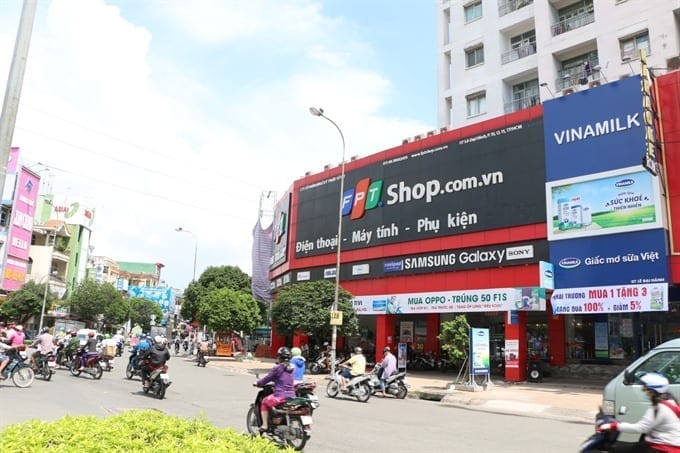
    FPT secured the nation’s first licence from Apple in 2012 to set up a store network specialising in such products as the iPhone and Macbook under the brand F.Studio. There are now 10 outlets run by FPT Digital Retail. Apple products make up 40 per cent of the the chain’s offerings, and the retailer plans to increase the network tenfold.

    Meanwhile, a survey has shown that more than a third of Apple products in the Vietnam market are “unauthorized” and do not have a guarantee from the manufacturer.

    While Apple has a representative office in Vietnam, there is yet to be an official Apple Store. Sales of Apple products in the Vietnam are currently valued at $1 billion annually. Apple iPhones accounted for 7 per cent of the total 14 million smartphones sold in Vietnam last year, ranking third after Samsung Electronics (28 per cent) and Oppo (25 per cent), according to IDC Vietnam.

    Vietnam has 15 Apple-authorized stores run by local retailers, including the 10 F.Studio outlets and those of Mobile World Group. This compares with 527 authorised stores in Singapore, 480 in Thailand and 364 in Indonesia.

    FPT Retail general director Nguyen Bach Diep has told an investor roadshow in Ho Chi Minh City that the market listing date will be no later than April 30.

    CEO Nguyen Viet Anh says the company expects total revenues of about US$600 million this year, 10 per cent of this from online sales, while its profit is estimated to be VND293 billion (about US$13 million) by year-end.

    Splitting from FPT’s retail and distribution sector in 2012, FPT Retail is now the second-largest information and communications technology retailer in Vietnam, holding 18 per cent market share after Mobile World Group with 45 per cent.

    FPT Retail’s nationwide store network will reach 480 outlets by the end of this year, up 25 per cent year on year.

  • Saigon scores high on global property growth index

    Saigon scores high on global property growth index

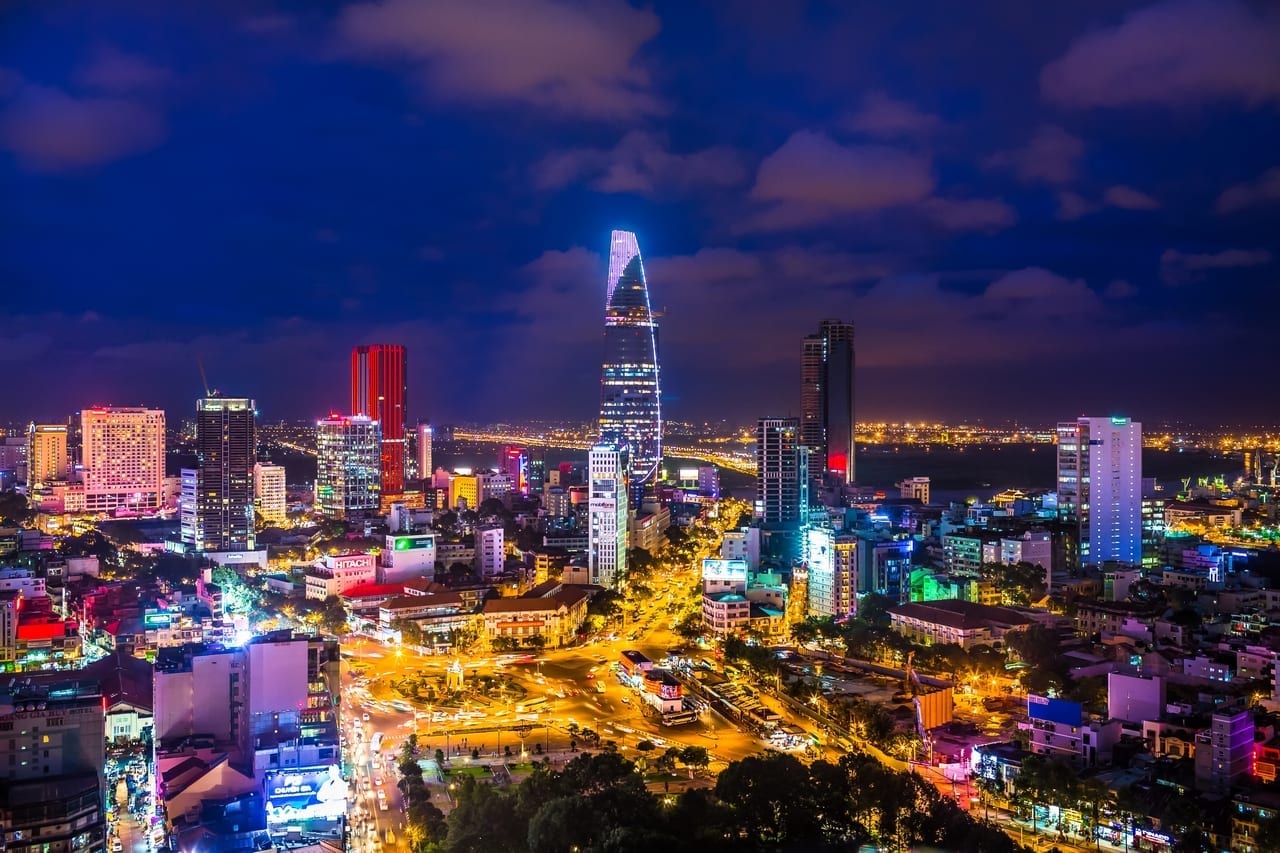
    Ho Chi Minh City has been ranked third in a survey of 50 cities worldwide for property rental growth.

    The survey, conducted by real estate firm Savills, also ranked Vietnam’s southern metropolis fifth in terms of investment prospects, and second for development prospects.

    In its new publication, “Impacts: the future of global real estate”, Savills said cities that are resource rich, young and fast-growing, economic powerhouses, or at low risk from natural disasters, are the ones to watch for over the next decade.

    Troy Griffiths, deputy managing director of Savills Vietnam, said: “This is an annual, long-running survey across a multitude of sophisticated property investors that demonstrates the strong sentiment towards Ho Chi Minh City and Vietnam as a highly favorable investment destination.”

    “This is underwritten by the first position across all surveyed cities as buy options for office, retail, industrial and residential assets,” he added.

    According to another report, “Emerging Trends in Real Estate Asia Pacific 2016”, jointly published by the Urban Land Institute and consulting firm PwC, foreign investors, mainly from Japan, South Korea and Singapore, are interested in the city’s property market on expectations of an annual return of between 20 and 25 percent.

    The city is an attractive destination to investors mainly due to the government’s efforts to stabilize the local currency, control inflation, ease property lending regulations and improve market access for foreigners.

    Global investors prefer entering Vietnam’s real estate market through mergers and acquisitions. Many are eying beach resorts, serviced apartments, residential buildings and hotels, mostly in Hanoi, Ho Chi Minh City and Da Nang.

  • HCMC plans to stop tax dodgers by enforcing card payments in restaurants

    HCMC plans to stop tax dodgers by enforcing card payments in restaurants

    Ho Chi Minh City’s Tax Department has suggested that customers should pay for restaurants and other high-end services using bank cards rather than cash to make it easier to collect tax revenue.

    Tran Ngoc Tam, the department director, said the proposal could help manage tax payments for high-end services.

    His unit is working with other agencies before submitting the plan to the city’s government for approval.

    Tam said that cash payments are no longer popular. Vietnam does not allow cash paymentss worth VND20 million ($880) or more, and that threshold is likely to go down to VND5 million soon “when we have the infrastructure to boost electronic payments,” he said.

    The role of cash in all payments across Vietnam fell from 14 percent in 2010 to 11.5 percent in August 2017, according to figures from the central bank.

    HCMC’s tax office raised the card payment proposal amid reports that the department is likely to miss its target this year.

    The department was set to bring in nearly VND239 trillion ($10.5 billion) in taxes, but has so far only reached 87 percent of the target.

    Legislators in the city, the biggest contributor to the state budget, earlier this week also suggested that celebrities who advertise products on Facebook should be taxed.

    Facebook is the most popular social network in Vietnam with more than 52 million active accounts to advertisers, and is also used as a e-commerce platform that tax authorities have struggled to keep track of.

  • New Leica boutique opens in Hanoi

    New Leica boutique opens in Hanoi

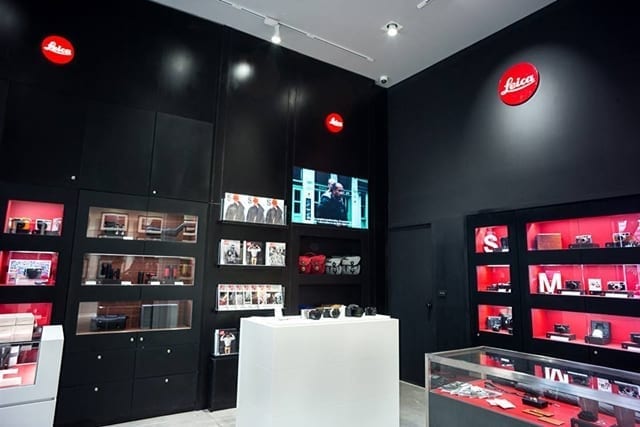
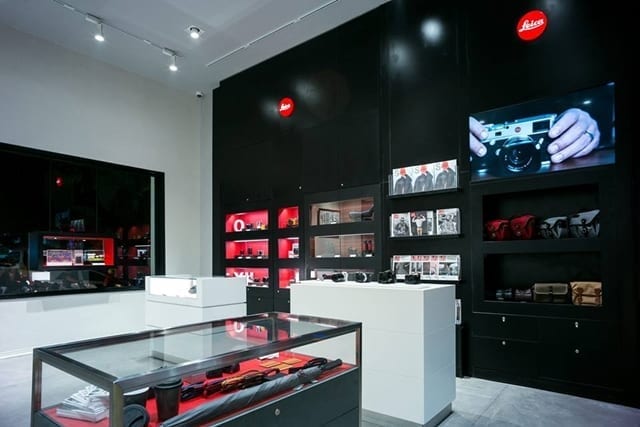
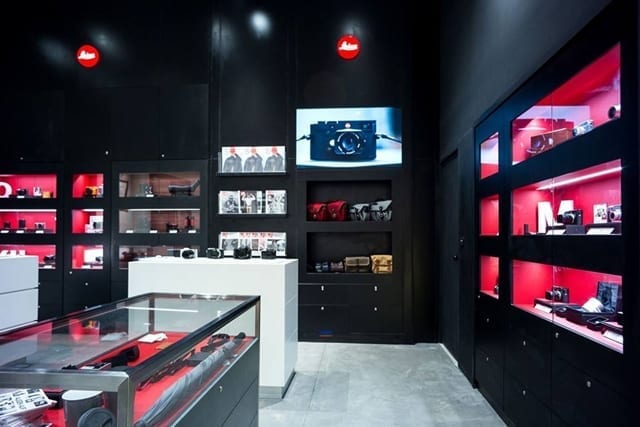
    Leica Vietnam has introduced its high-end cameras and sports optics in its first boutique, in Hanoi.

    As well as offering the German brand’s entire range, including its signature Leica Akademie and Leica Galerie, the Leica Boutique also aims to become a community for local photographers where they can share their passion and learn techniques from experts, says Leica Asia Pacific CEO Sunil Kaul.

    Over its first days the store hosted an exhibition, The Beauty of Light, and introduced the latest Leica camera.

    A Ho Chi Minh store will be opened next year.