Tag: Vietnam

  • Pharmacity to open 500 more stores in Vietnam

    Pharmacity to open 500 more stores in Vietnam

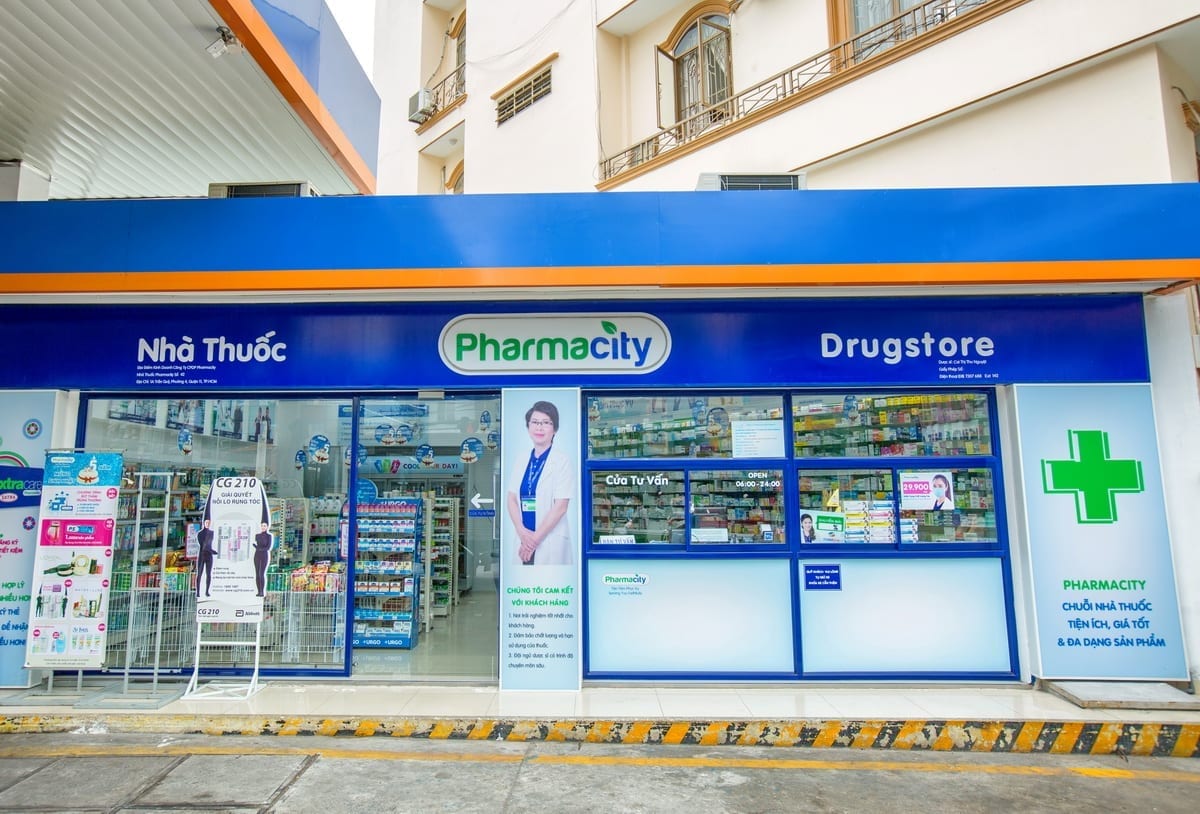
    Vietnam’s retail drugstore chain Pharmacity plans to open 500 stores by 2023.

    It has opened six more stores in Ho Chi Minh City this month, expanding its network to 71 to become the largest pharmacy chain in Vietnam.

    Over the next two years, Pharmacity plans to boost its store numbers to 200. It also has an online store.

    Modern retail drugstores have become popular in Vietnam, according to a new report from VN Research. It says Phano Pharmacy is the second-largest chain with 60 stores, Medicare has 59 while Dairy Farm-owned Guardian has 49.

    Mobile device retail giant Mobile World (The Gioi Di Dong) last month acquired a 40 per cent stake in the Phuc An Khang pharmacy chain, changing the name to An Khang. Mobile World plans to raise its ownership to 60 per cent and open up to 500 stores nationwide.

  • Vietnam Airlines concerned about US direct flights

    Vietnam Airlines concerned about US direct flights

    General Director of Vietnam Airlines Duong Tri Thanh said that it would take a long time to break even or make profit through direct flights to the US.

    He spoke about the opening the Vietnam-US direct air route which was approved by Prime Minister Nguyen Xuan Phuc.

    According to Thanh, it would not be easy to complete legal procedures for the air route. It was already quite difficult just to export dragon fruit and litchi into the US, so it would be much harder to open the flights to the country due to the strict security requirements.

    Federal Aviation Administration (FAA) worked with Vietnam Airlines for many times and said that the carrier has met requirements to open flights to the US. So, Thanh hoped FAA would approve the CAT1 aviation safety rating for Vietnam Airlines this year.

    However, Thanh added that, it would be impossible to launch Vietnam-US direct flights this year as many procedures need to be completed. He expected that the air route would be opened by late 2019 or early 2020.

    He also expressed the concerns about the loss possibility, noting that it would take five years to break even for the air route. “The national carrier flag would suffer from loss of USD30 million a year for the first five years of operation, so we need to figure out how to reduce the losses to below USD30 million annually.”

    This air route is very competitive with low-priced tickets but high costs, he explained. Thanh mentioned co-operation with other airlines to operate the route.

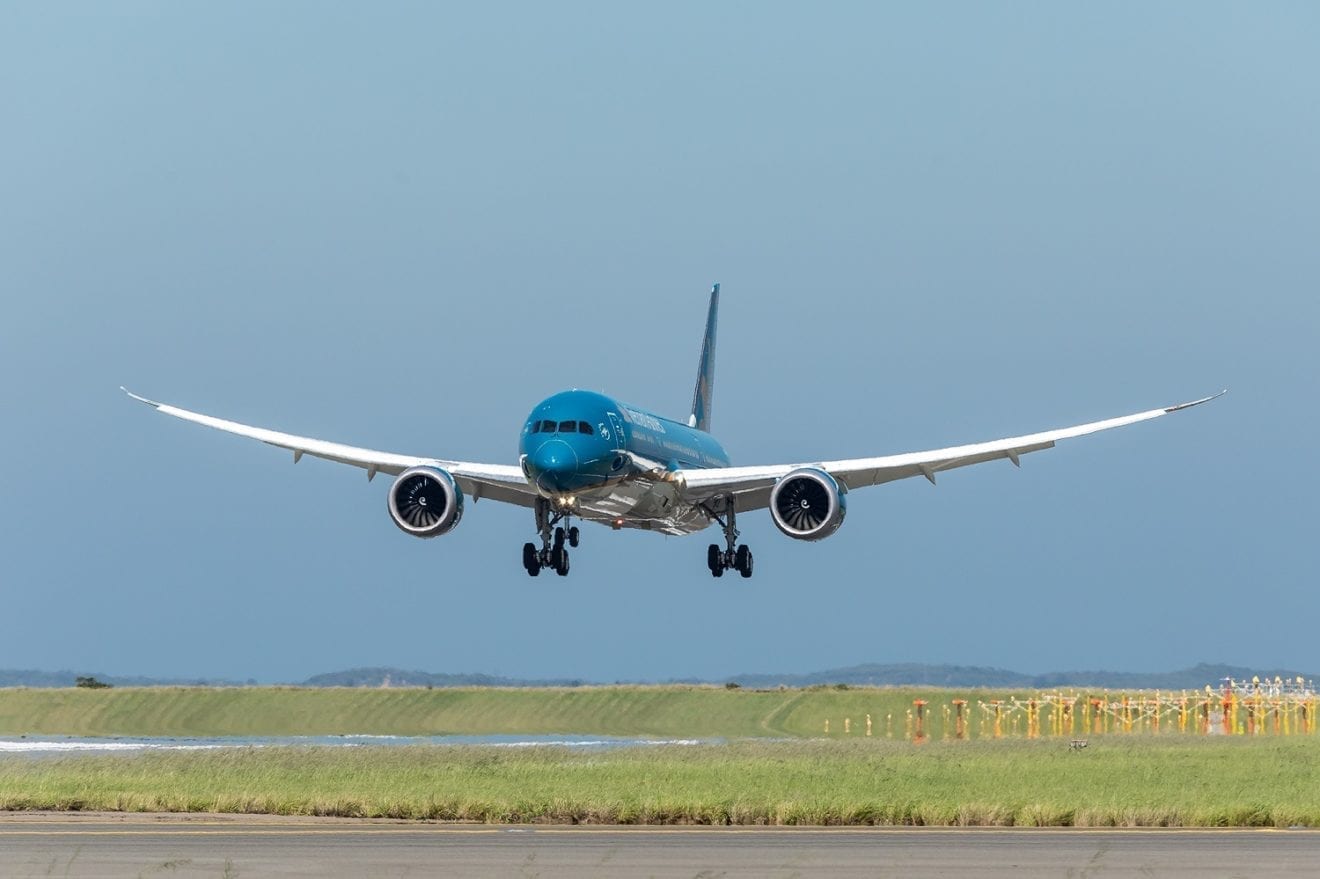
    Vietnam’s current Boeing 787 Dreamliner and Airbus A350-900 XWB can’t be used for direct flights to the US, and still require stops. In the coming time, it is expected that more modern airplanes will be produced to meet this demand.

    Regarding flight frequency, Thanh said that at least 3-4 flights a week on the route will be conducted and then will be raised.

    At present, dozens of airlines such as Singapore Airlines, Japan Airlines, Cathay Pacific, China Airlines, ANA and Eva are providing flights to the US, so tickets on this route are very competitive.

    The target passengers for the air route are American Vietnamese, Vietnamese people who work and study in the US, American tourists and business people.

    Thanh said that the American Vietnamese community know about Vietnam Airlines and the carrier is trying to develop brand recognition among other Americans.

  • JD.com widens Southeast Asia presence by investing in Vietnam’s Tiki.vn

    JD.com widens Southeast Asia presence by investing in Vietnam’s Tiki.vn

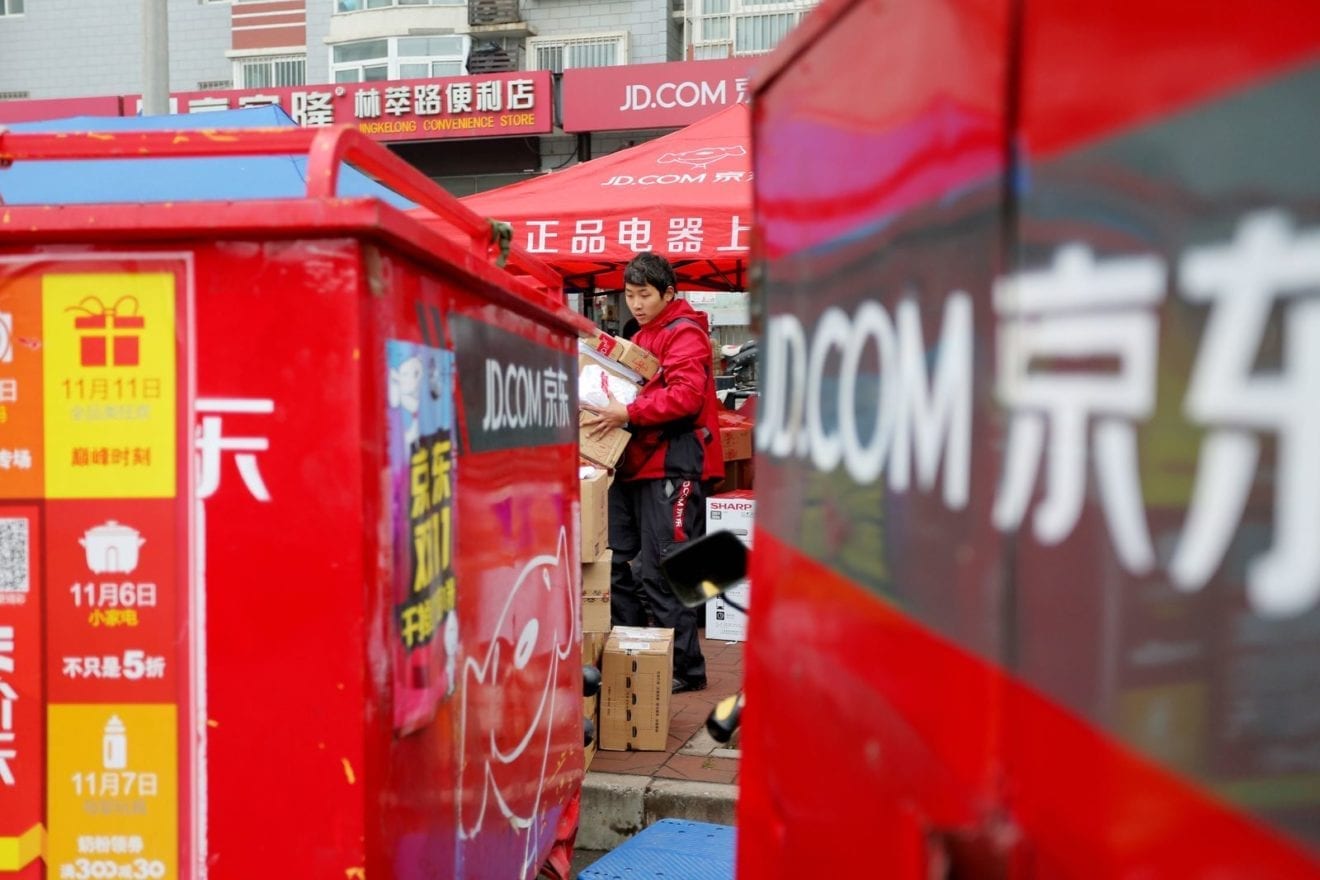
    Chinese online retailer JD.com Inc has made an investment in Vietnamese e-commerce firm Tiki.vn, expanding its Southeast Asia business amid growing competition in the region from Alibaba Group Holding Ltd and Amazon.com Inc.

    JD.com co-led the financing with Vietnamese entertainment and social media firm VNG Corp, which is an existing investor, China’s second-biggest e-commerce firm behind Alibaba said in a statement on Tuesday.

    The firm did not disclose the size of the funding but said that JD.com will become one of Tiki’s largest shareholders alongside VNG following the deal.

    Vietnamese media had reported in November that the round was worth roughly 1 trillion dong ($44.04 million). JD.com declined to give a dollar number for the investment.

    “With JD’s expertise in leveraging social media for e-commerce, Tiki.vn’s partnership with VNG in social network and mobile payments is a natural fit,” Winston Cheng, president of JD.com’s international business, said in the statement.

    Vietnam is the latest focal point in JD.com’s strategic push into Southeast Asia, where Alibaba and Amazon have also made significant investments in the past year.

    JD.com will tap Tiki.vn’s warehousing and delivery system, as well as its technology and payments capabilities.

    Tiki.vn and VNG’s tie-up has similarities to the partnership between JD.com Inc and internet giant Tencent Holdings Ltd, which is an investor in JD.com and Asia’s largest tech firm by market cap.

    JD.com leverages data and payments from Tencent’s WeChat, China’s most popular social media app, and will seek to build similar capabilities with VNG and Tiki.vn, Cheng said.

    While Southeast Asia’s e-commerce market is still nascent compared to the China‘s, improvement in internet services and an increase in mobile-based payments have attracted large international e-commerce firms to the region.

    Alibaba has invested heavily in payment and e-commerce ventures in Thailand, Singapore, Indonesia and Malaysia. U.S. retailer Amazon also launched its subscription-based Prime service in Singapore last month in a bid to challenge Alibaba-backed online retailer Lazada Group in Southeast Asia.

    JD.com launched a local online retail business in Indonesia two years ago, and now claims to be the country’ largest retailer by revenue. It also formed a $500 million e-commerce venture with Thai retailer Central Group.

    Besides VNG, Tiki.vn’s previous investors include Seedcom, Sumitomo Corp and CyberAgent Ventures.

  • Thai tycoons’ deals in Vietnam pose risks to domestic market

    Thai tycoons’ deals in Vietnam pose risks to domestic market

    Thai tycoons have been seeking business opportunities in Vietnam’s beverage, retail and construction materials markets over the past five years in a bid to take advantage of the country’s 95 million population and expanding middle class, according to experts.

    Local consumers consider the products more affordable than imports from Japan and South Korea, and better quality than cheaper items from China.

    Among the leading investors from Thailand is the beer-to-property empire of Thai magnate Charoen Sirivadhanabhakd.

    Most recently, the tycoon’s Thai Beverage bought a majority stake worth $4.84 billion in Vietnam’s top brewer, Sabeco SAB.HM.

    Thai Bev’s local unit, Vietnam Beverage Co Ltd, won the 54 percent Sabeco stake on offer at an auction last month after global brewing giants stayed away.

    The deal is a big step for Charoen, the son of a Bangkok street vendor, who is emerging as one of Asia’s biggest power players in brewing.

    The Sabeco deal is expected to help Thai Bev tap into Vietnam’s beer market, worth about $6.48 billion last year, where a young population and booming economy counter the drawbacks of political resistance, a high minimum bid price and a cap on foreign ownership.

    In Vietnam, Charoen already owns nearly 20 percent in the country’s biggest-listed firm Vinamilk VNM.HM through Fraser & Neave. He has also acquired the Metro supermarket chain as well as other consumer goods and convenience stores in the country.

    Together with Charoen, many other tycoons from Thailand have bought stakes in Vietnamese businesses.

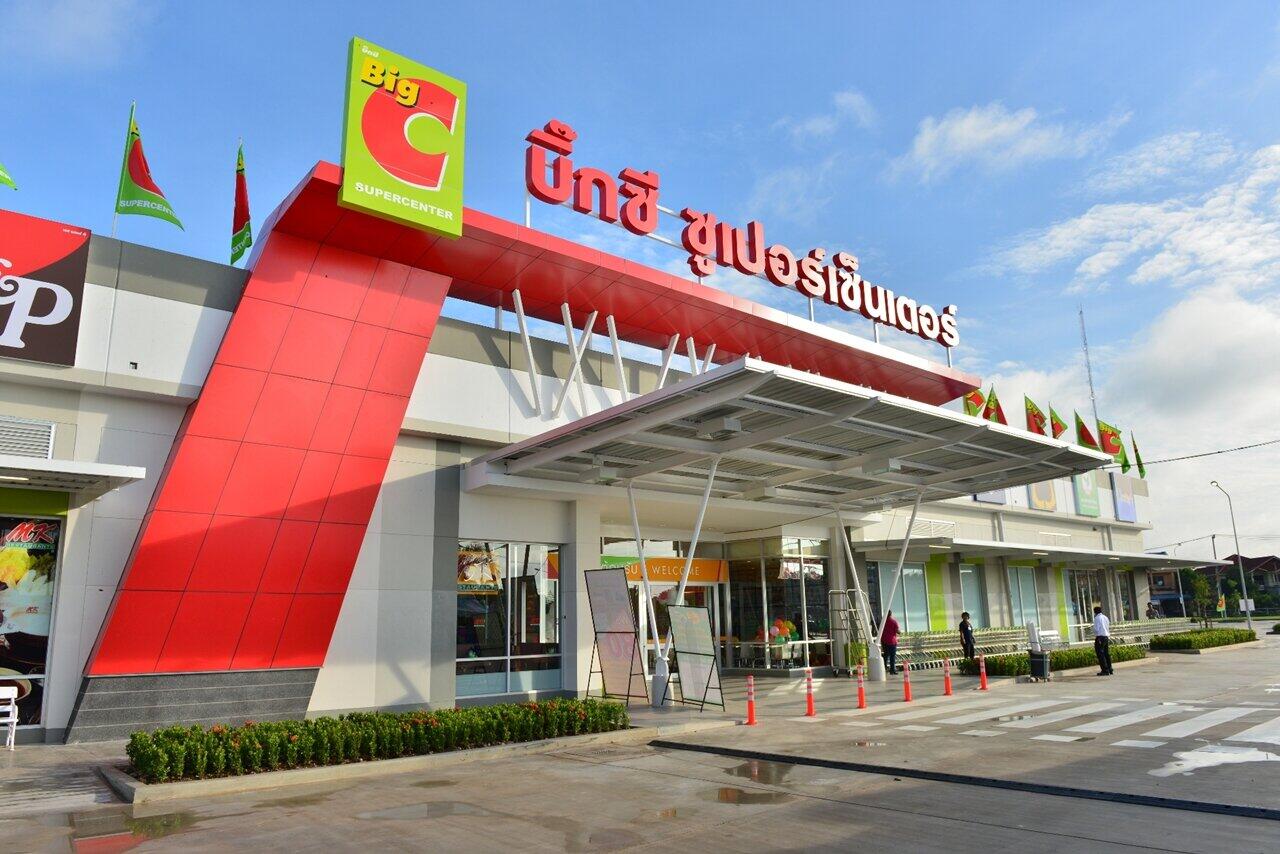
    In April 2016, Central Group sealed a deal to acquire Big C Vietnam, one of the biggest supermarket chains in the country, which pulls in more than 50 million customers annually.

    France’s Casino Group sold its entire stake in Big C to Central for 1 billion euros ($1.14 billion), according to the French retailer.

    In 2015, Central Group also acquired a 49 percent stake in major Vietnamese electronics retailer Nguyen Kim, which has a network of 21 stores across the country and posted sales of $400 million in 2014.

    The Thai conglomerate has also purchased online fashion marketplace Zalora’s operations in Vietnam in a move to combine e-commerce with its existing department stores, supermarket chains and shopping malls around the country.

    This investment interest stems from the Vietnam’s economic expansion, rising middle class and market potential, experts said.

    The so-called “middle and affluent class” earning $714 a month or more in Vietnam will double to 33 million people, about a third of the population, by 2020, the Nikkei Asian Review reported, citing Boston Consulting Group.

    Economist Vu Vinh Phu said the local retail market holds a lot of potential for Thai investors. While Thailand’s modern retail system is saturated, accounting for 65 percent of the market, the proportion is just 20 percent in Vietnam, he said.

    The deals have helped Thailand become one of the biggest foreign players in Vietnam’s mergers and acquisitions (M&A) market. Vietnam’s M&A market attracted a 10-year record in foreign investment by reaching $5.2 billion in 2015, and rose again to over $ 5.8 billion in 2016, according to the latest data from the Vietnam M&A Forum.

    However, expanding Thai investment also poses risks to Vietnam’s economy, economists said.

    Economist Le Dang Doanh said that Thai retailers obviously give priority to suppliers from their own country, and can overcharge commissions and fees to Vietnamese suppliers, pulling local products off the shelves.

    “This is a risk to our economy, and we should be more cautious,” he said.

    Echoing Doanh, economist Phu said Thai investors could push their own products by expanding their businesses in a closed system from production to distribution in Vietnam.

    “Most families in Hanoi and Ho Chi Minh City use Thai products ranging from home appliances to electronic products,” he said. “It is a threat to Vietnam, as the domestic market may be lost to Thai retailers.”
  • H:Connect brings Korean style to Vietnam

    H:Connect brings Korean style to Vietnam

    Korean fast-fashion brand H:Connect has expanded into Vietnam, opening two stores.

    H:Connect Vietnam’s first store opened two weeks ago in Hanoi.

    Now a second store has opened in Crescent Mall in Ho Chi Minh City’s District 7, taking up more than 450sqm. Both shops offer trendy clothing designed in Korea for both men and women.

    Vietnam has long been on the radar of the brand thanks to the huge popularity of Korean wave there, as well as the country’s large Korean expat community.

    Founded in 2006, H:Connect now has stores in China, Hong Kong, Korea, Malaysia, Singapore, and Taiwan.

  • Vietnam ministries against tax on sugary drinks

    Vietnam ministries against tax on sugary drinks

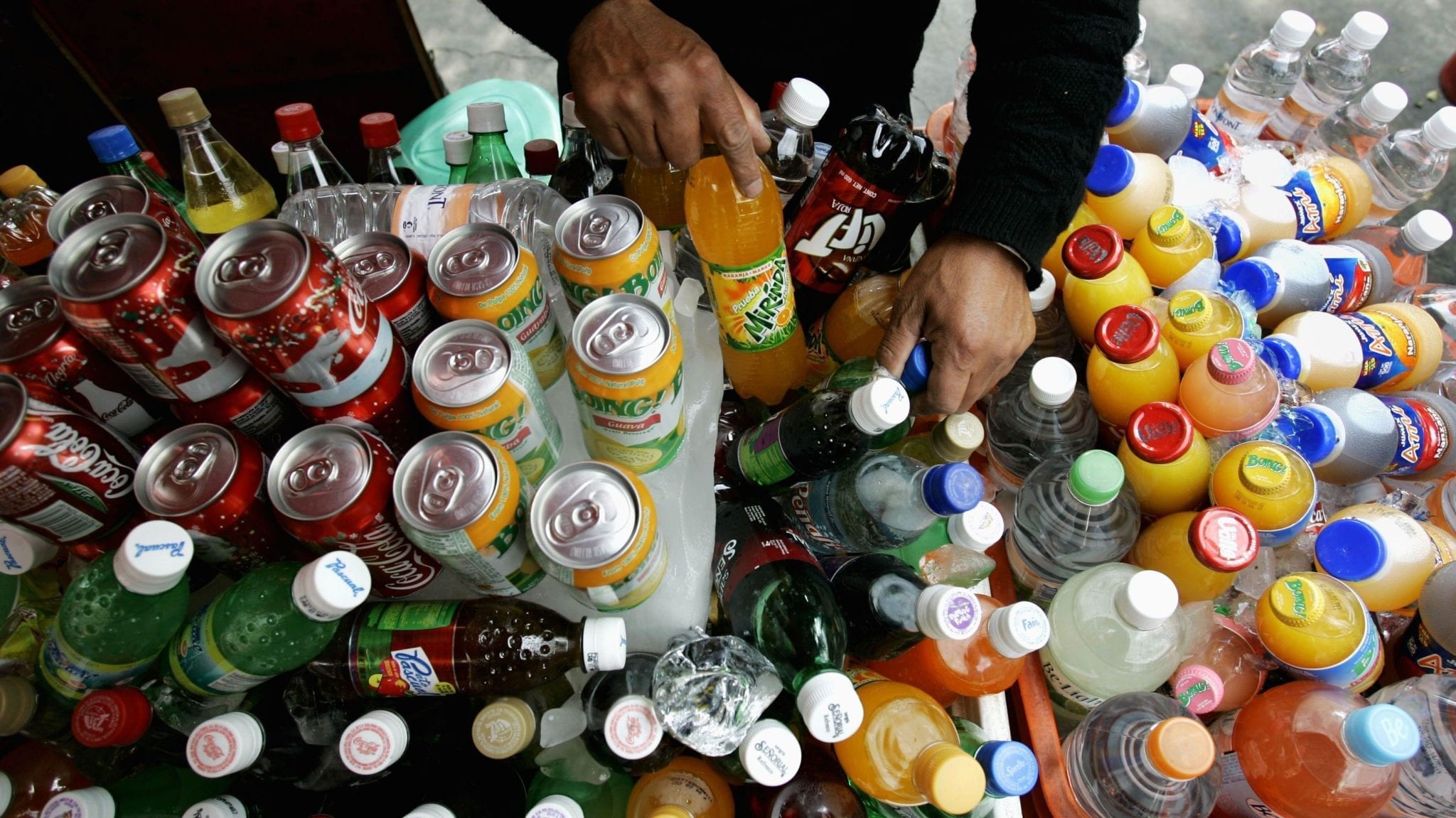
    Vietnam’s Finance Ministry has proposed a special consumption tax on some soft drinks that it claims contain an unhealthy amount of sugar, but its argument has been dismissed by other ministries.

    The Ministry of Industry and Trade said in a statement that imposing a special consumption tax on soft drinks because they contain sugar is not a convincing enough reason.

    It said the finance ministry needs to give a clearer explanation as to why soft drinks should be subject to higher taxes and why their consumption should be restricted.

    The trade ministry was repeating the same argument made by the Vietnam Chamber of Commerce and Industry (VCCI), which represents thousands of businesses in Vietnam.

    The VCCI said last October that a special tax should only be imposed after adequate studies have been made on the drinks’ impacts on consumer health and how much the tax could help reduce the risks.

    The Ministry of Agriculture and Rural Development has also demanded scientific evidence of why instant tea and coffee should be subject to the tax.

    “No study has found that the abuse of sweetened tea or coffee causes obesity, diabetes or cardiovascular diseases in Vietnam,” it said.

    The Ministry of Planning and Investment is also against the proposal, which it says could affect the beverage industry and its large workforce.

    In Vietnam, special consumption taxes are levied on items and services considered unhealthy or luxurious such as tobacco, alcoholic drinks and cars.

    The finance ministry has suggested a tax rate of 10-20 percent on sugary drinks from 2019. “The tax will help regulate the consumption of sweetened beverages, and it’s also an international norm,” it said last August.

    A letter from the World Health Organization (WHO) last September endorsed the proposed tax, which is effective in around 40 other countries, it said.

    “The WHO recommends Vietnam impose a tax that can increase the market prices of soft drinks by 20 percent,” it said.

    The ministry also cited a WHO report that shows excessive consumption of sugary drinks can lead to obesity which has been linked to many health risks such as cardiovascular disease, hypertension and strokes.

    A study unveiled in June last year found that about 25 percent of Vietnamese adults are overweight or obese. The obesity rate among children under five years old is also rising fast.

    Many Southeast Asian countries have already imposed taxes on sugary drinks, according to the ministry. The current rate is 20-25 percent in Thailand, 5-10 percent in Laos and 10 percent in Cambodia.

    Myanmar, the Philippines and Indonesia are considering a similar tax.i

  • India, Vietnam race in rice market

    India, Vietnam race in rice market

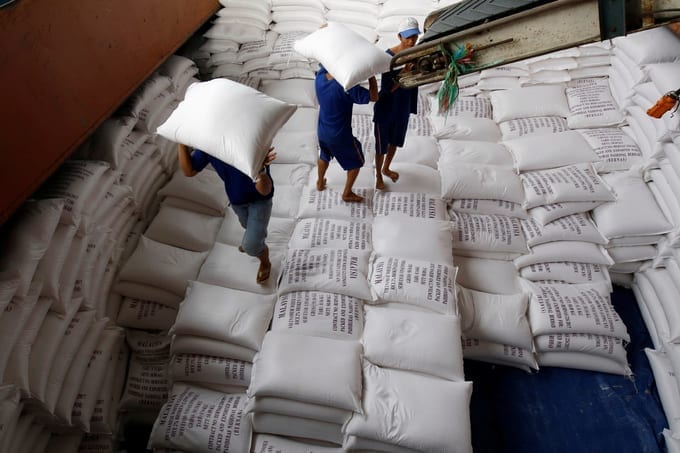
    Rice prices gained this week in India as Bangladesh continued to lap up the staple grain from its neighbour, while prospects of deals with the Philippines saw rates climb for the first time in three weeks in a relatively quiet Vietnamese market.

    In Vietnam, benchmark 5 percent broken rice rose to $400 a ton, free-on-board (FOB) Saigon, ending a three-week flat trend within the $390-$395 range, and boosted by prospects of deals with the Philippines, traders said.

    “Prices edged up on market talk that the Philippines would invite tenders to buy 250,000 tonnes at the end of January,” a trader in Ho Chi Minh City said.

    However, trading remained thin due to depleted stocks in the world’s third-largest rice exporter, while Vietnam’s major winter-spring crop would be ready only by the end of February, traders said.

    Vietnam plans to sell close to a 23 percent stake in the country’s main rice exporter Vinafood II through an initial public offering.

    Top exporter India’s 5 percent broken parboiled rice prices rose by about $2 per tonne this week to $423-$427.

    Traders from Bangladesh are aggressively buying new-season crop since prices in Bangladesh are still elevated, said an exporter based in Kakinada in the southern state of Andhra Pradesh.

    India’s rice exports likely jumped 22 percent in 2017 to a record 12.3 million tonnes as Bangladesh ramped up purchases after flooding damaged its crops.

    As of the end of December, farmers in India had cultivated winter-sown rice on 1.88 million hectares, 44 percent higher than a year earlier.

    Prices were also higher in another major Asian exporter, Thailand, with the country’s benchmark 5 percent broken rice gaining to $395-$410, FOB Bangkok, from $393-$396 last week on an appreciating baht and lower supplies.

    The baht has gained 1.6 percent versus the U.S. dollar so far this year and been Asia’s best-performing currency.

    “Rice prices have increased due to a stronger baht, lower supplies due to the effects of floods, as well as a recent 200,000-tonne export deal with Indonesia,” a Bangkok-based rice trader said.

    The Ministry of Commerce forecast Thailand to export 9.5 million tonnes of rice, worth $4.7 billion, in 2018.

    “I think this target is achievable. It’s lower than last year’s record figure of over 11 million tonnes probably due to a stronger Thai baht and bad weather conditions affecting supplies,” said another trader based in Bangkok, adding, “Demand has remained fairly constant.”

    Thai prices are likely to be on an upward trend over the next few weeks, traders said.

  • Korea’s Caffe Bene sees the end

    Korea’s Caffe Bene sees the end

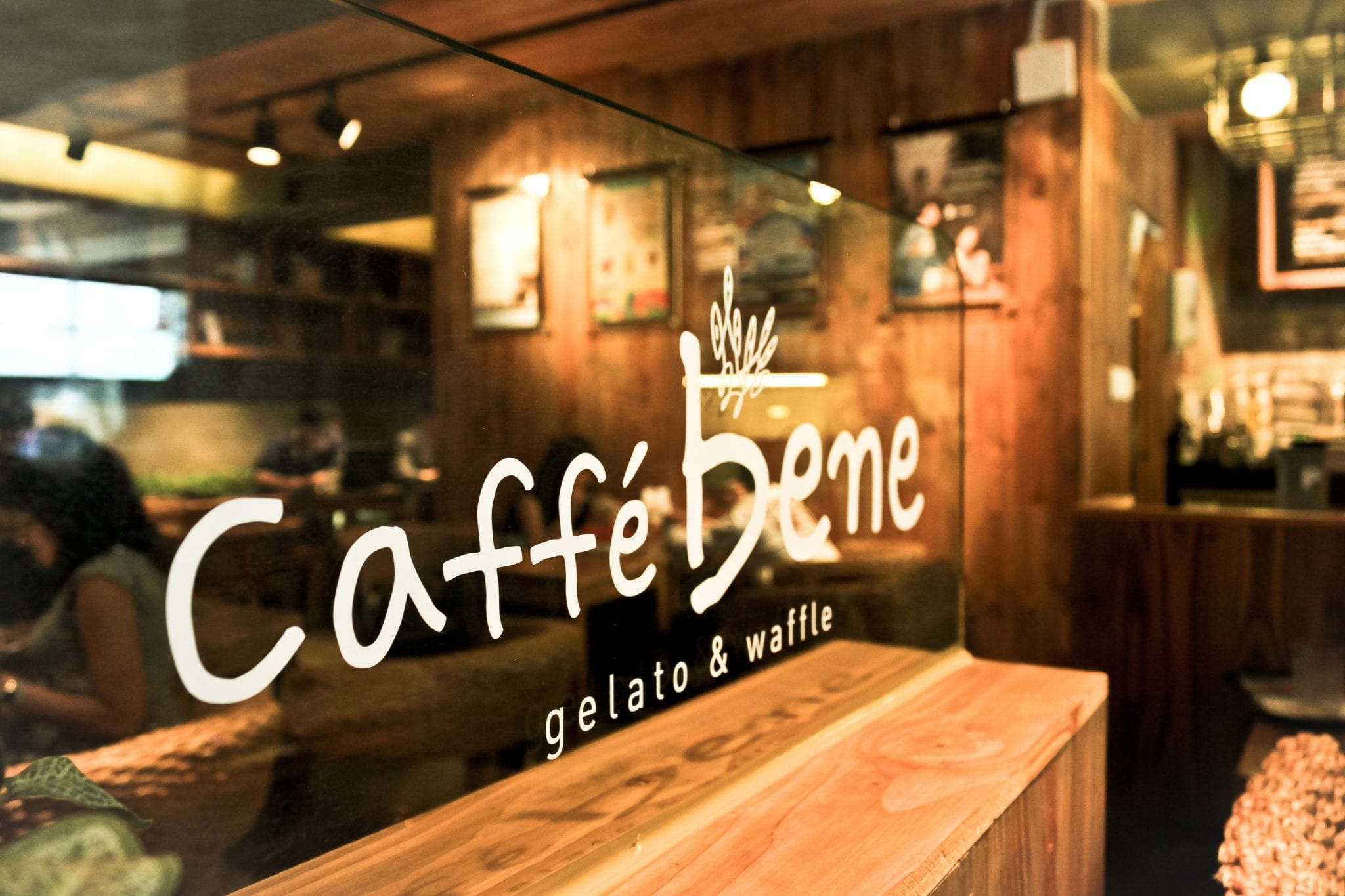
    Korean coffee chain Caffe Bene has collapsed, filing for a court-led restructuring scheme on Friday.

    Yonhap news service reports the court will soon decide whether to put the ailing coffee chain under its receivership or commence liquidation.

    The legal move follows a protracted slump and mounting losses, the company said. In 2016, the company lost about US$32 million on sales of $73 million, down 32 per cent on the previous year. At that time it operated 800 stores in Korea, a figure it said would shrink as it restructured, and about 50 in the US.

    Launched in 2008, Caffe Bene expanded to become one of South Korea’s largest coffee franchises, opening more than 1000 stores in five years, but lost ground in the saturated coffee market. While its US website claims it has opened 1600 stores worldwide, the exact number still trading is difficult to ascertain. It has opened in Vietnam, the US, China, Canada, Brunei, Singapore, Japan, Indonesia, the Philippines, Saudi Arabia, Malaysia, Cambodia and Mongolia.

    But the international foray has met with mixed success. The Cambodian store has already closed and the last Facebook post by the Singapore cafe is dated February last year. In Vietnam several stores have opened and closed, including its downtown flagship which drew huge queues when it opened in 2014. Three outlets remain trading there, but it is not clear if they are franchised or company-owned.

    The company also appears to have exited the Canadian market.

    While rapid growth in the consumption of brewed coffee drove up the Korean coffee industry’s overall expansion, Caffe Bene was unable to match the growth rate at home.

  • Red Wok invests in Quan Ut Ut chains

    Red Wok invests in Quan Ut Ut chains

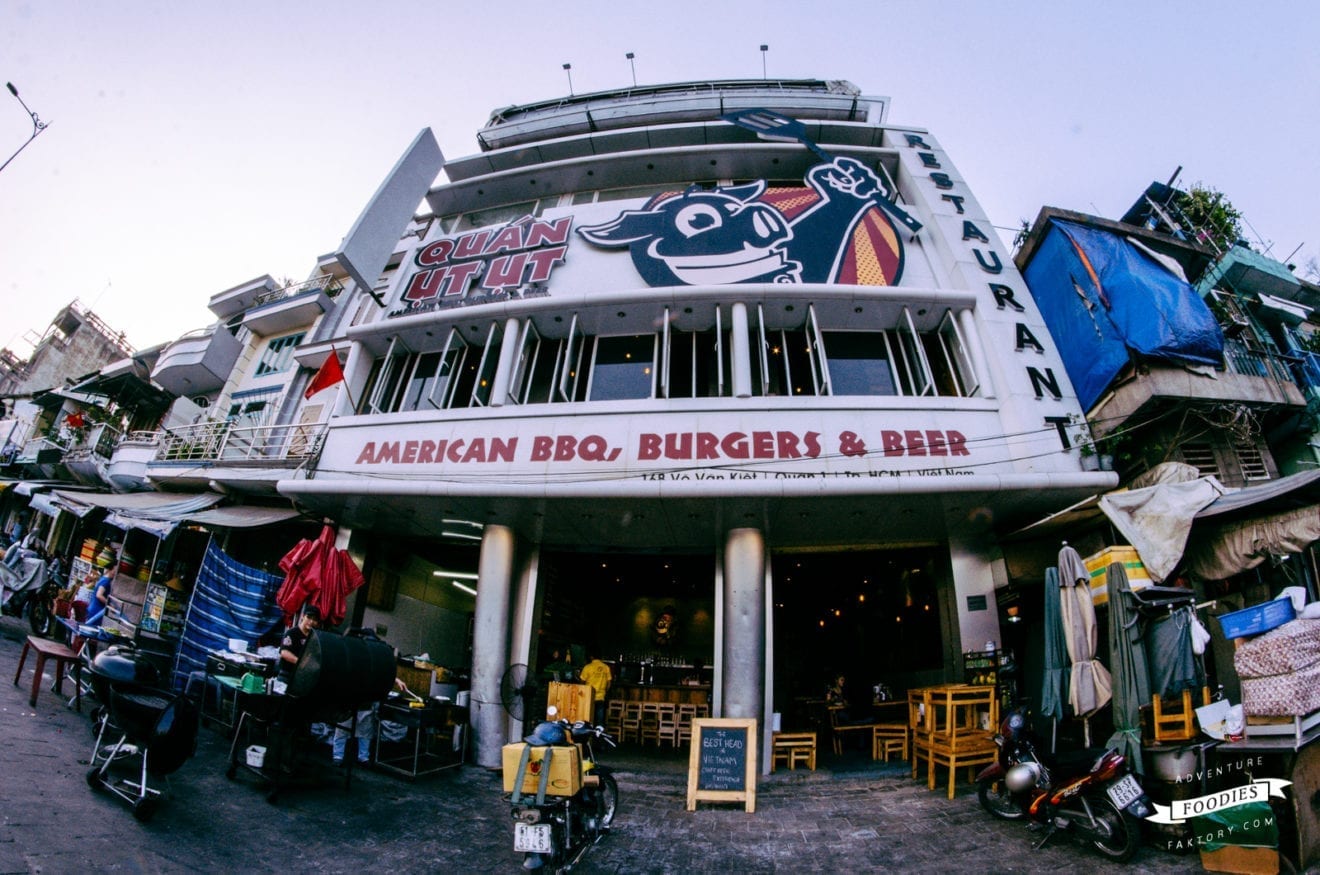
    Vietnam’s F&B group Red Wok has invested in Quan Ut Ut Barbecue, which owns the American-style restaurant of the same name as well as craft-beer brand BiaCraft.

    Red Wok will support Quan Ut Ut with business services, technology and marketing management with the aim of helping it to expand. The level of investment has not been disclosed.

    Backed by Mekong Capital, Red Wok plans to invest in small-scale dining chains, with fewer than 10 restaurants, over the next three years. It so far has interests in Wrap & Roll, Cuon Viet and Lau Bo Sai Gon Vivu, which has 25 locations nationwide and six franchised outlets in Singapore and Shanghai.

    Founded in 2014, Quan Ut Ut Barbecue has four branches in Ho Chi Minh City.

  • Vietnam to celebrate its new retail sales highest record US$129 billion

    Vietnam to celebrate its new retail sales highest record US$129 billion

    Spurred by a rising middle class and influx of international retailers, Vietnam retail sales hit a record US$129.6 billion last year.

    This was growth of 10.9 per cent over 2016, according to the Vietnam General Statistics Office (GSO).

    Vietnam’s largest real estate company, Vingroup, starting expanding its Vinmart Plus convenience store chain in 2016 and has already topped 1000 stores – it opened 100 last month alone. It is predicted the store network could reach 3000 this year.

    Meanwhile, Vietnam last year saw the arrival of a slew of foreign retail brands, headed by Japan’s Seven & I Holdings opening its first Vietnamese 7-Eleven convenience store in Ho Chi Minh City in June.

    Swedish fast-fashion brand H&M followed in September with a store in the same city, while Zara, the chain of Spanish rival Inditex, opened its second Vietnam location in Hanoi in November (its first store, covering two levels, launched at Vincom Centre Dong Khoi in Ho Chi Minh City in September 2016).

    Thailand’s Central Group has made several acquisitions in Vietnam, including the Big C supermarket chain and electronics retailer Nguyen Kim Trading. It also launched its first stationery and office supplies store in Vietnam last year.

    South Korea’s GS Retail partnered with Vietnam’s Son Kim Group 12 months ago to open the first of their convenience stores in Ho Chi Minh City this month. They plan to open 2000 locations within 10 years.

    Double-digit growth

    Since joining the World Trade Organisation in 2007 and opening up to foreign goods and businesses, Vietnam has seen continued double-digit growth, led by a 31.5 per cent spike in 2008. With the Association of Southeast Asian Nations Economic Community taking full effect this month, Vietnam has eliminated nearly all tariffs on goods from within the region.

    Meanwhile, supermarkets and convenience stores are selling meat and vegetables at prices that are 20 to 30 per cent higher than at traditional markets, and the number of specialty shops selling organic vegetables is growing.

    Spending on cars, home electronics and other consumer durables is also brisk, with 70 per cent of Vietnam’s GDP coming from personal consumption.

    The GSO says auto sales grew by 14 per cent in value, gemstone and precious metals by 13.2 per cent, food and foodstuffs by 11.1 per cent, cultural and educational products by 10.2 per cent, apparel by 9.6 per cent, and home products by 8.5 per cent.

    Vietnam still has room for growth as modern retail channels like supermarkets and shopping centres account for only a quarter of total retail sales, and most of these businesses are in big cities, reports VIetnamNet. By 2020, the proportion of modern retail channels is forecast to rise to 45 per cent.

  • Vietnam to tighten tax control as it legalizes Grab, Uber after 2-year trial

    Vietnam to tighten tax control as it legalizes Grab, Uber after 2-year trial

    Ride-hailing apps Grab and Uber are to be officially authorized in Vietnam after completing trial runs, but the government has pledged to impose the stricter controls it currently imposes on local transport firms.

    The phone-based transport services have created healthy competition but they need to be regulated, the Ministry of Transport said.

    Director of the ministry’s transport department, Tran Bao Ngoc, said that ride-hailing services will have to register their businesses with investment authorities and the transport ministry and the tax authorities.

    “Tax agencies will keep track of fares so management can be more transparent,” said Ngoc.

    Ho Chi Minh City’s Tax Department is looking to collect more than VND53 billion ($2.34 million) in suspected back taxes from Uber by January 10. The department has asked five commercial banks to help retrieve the money.

    Uber Vietnam, a subsidiary of Uber International Services Holding B.V. based in the Netherlands, filed a lawsuit last month, saying that it is not subject to taxes according to Vietnam’s agreement on double taxation avoidance with the Netherlands.

    But the city court dismissed the lawsuit earlier this week, saying Uber Vietnam does not have the legal status for such action.

    Grab and Uber arrived in 2014 and operate both car and motorbike taxi services. The two services have been running on a trial basis since early 2016, but have been caught up in a war with traditional taxi drivers.

    Many taxi firms have accused Grab and Uber of “unfair competition” that has hindered their businesses and caused thousands of drivers to quit.

    Last September, Hanoi Taxi Association said Uber and Grab had been transferring around $150 million overseas every year to evade taxes. Grab denied the accusation.

  • Vietnam’s credit growth hit 18.17 pct in 2017

    Vietnam’s credit growth hit 18.17 pct in 2017

    Vietnam’s banking sector posted an estimated 18.17 percent in loan growth in 2017, the Ministry of Finance said on Monday.

    On December 29, Vietnam’s General Statistics Office said that credit expanded by an estimated 16.96 percent during the year.

    At the same time, the statistics office announced that Vietnam’s economy grew by 6.81 percent during 2017, compared with 6.61 percent the year before, the highest in a decade.

  • Vietjet converts order for 42 A320neo to A321neo

    Vietjet converts order for 42 A320neo to A321neo

    Vietjet will convert its existing order for 42 A320neo to the superior and larger A321neo, bringing to a total of 73 A321neo and 11 A321ceo on order for future delivery. The agreement was signed recently by Vietjet President and CEO Nguyen Thi Phuong Thao and Fabrice Brégier, Airbus Chief Operating Officer and President Commercial Aircraft.

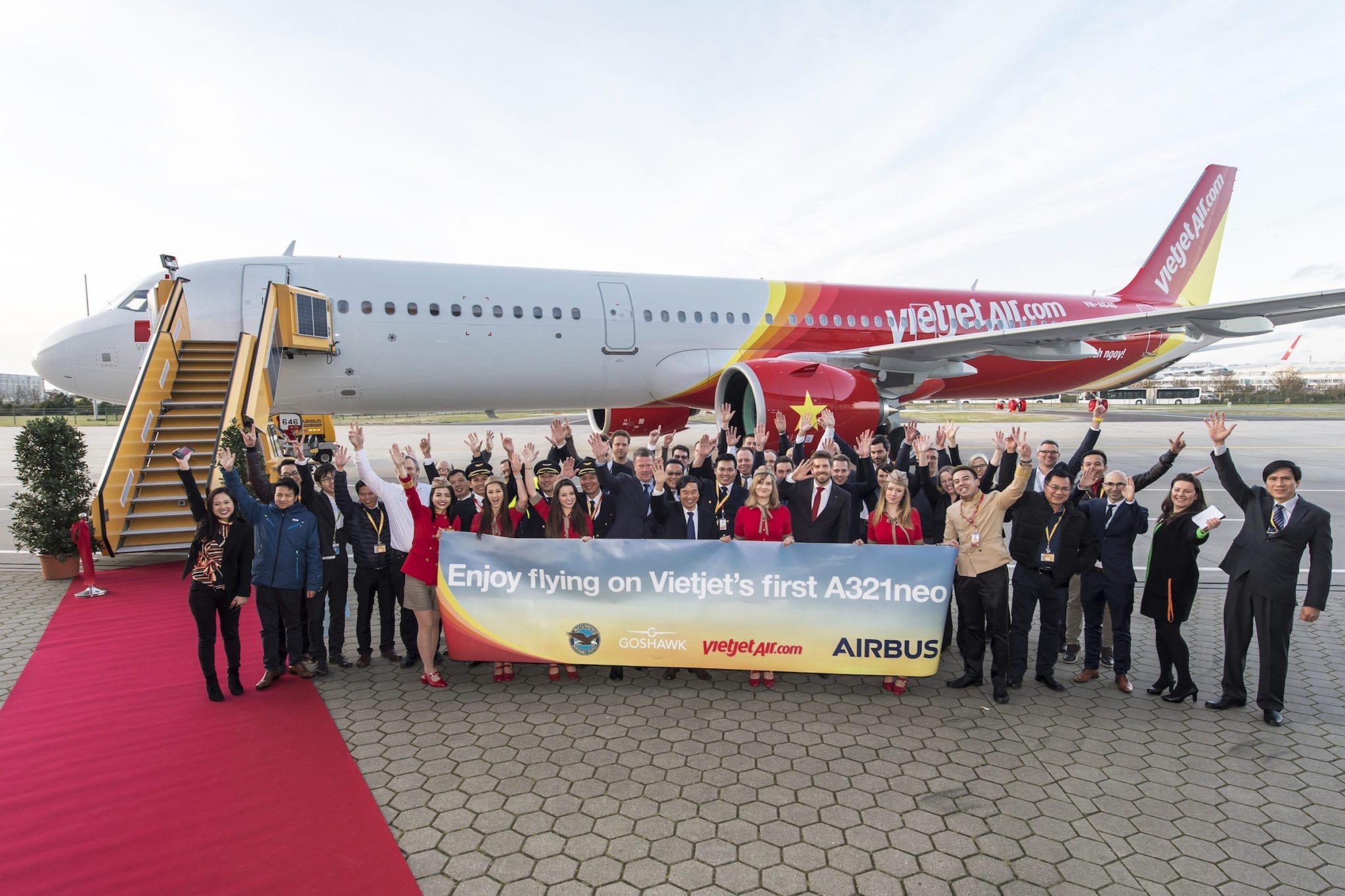
    The first A321neo “new engine option”, registered as VN-646, has also arrived at Tan Son Nhat International Airport from Hamburg recently, marking a major milestone for Vietjet as it has become the first airline in Southeast Asia to operate the Airbus aircraft powered by Pratt & Whitney’s latest-generation GTF engines.

    Fitted out with 230 comfy leather-covered seats and high-quality carpeting, the first five rows of Vietjet’s spacious new A321neo have been especially designed to accommodate passengers flying Skyboss, the airline’s premium service. The aircraft’s interior also features a unique color-changing LED light system and striking décor to create a comfortable and refreshing ambience throughout the whole cabin.

    The brand new A321neo incorporates the latest in engine design, advanced aerodynamics and cabin innovations. According to the aircraft manufacturer, its GTF engines offer a significant reduction in fuel consumption — at least 16 percent from day one and 20 percent by 2020 — as well 75% reduction in noise and 50% in emissions.

    The A321neo is also the 17th aircraft Vietjet has received in 2017 alone, increasing its total fleet to 55. The new aircraft has begun operating on domestic and international routes to and from Vietnam as of January 2018.
    “We are proud when a dynamic airline like Vietjet endorses our products,” said Fabrice Brégier, Airbus Chief Operating Officer and President Commercial Aircraft. “The A321neo combines higher capacity with the lowest operating costs in its class, offering unbeatable efficiency. This aircraft will be a real asset in Vietjet’s expansion plans in such a fast-growing market. We look forward to seeing the A321neo flying in Vietjet colours.”

    “The A320 family aircraft has greatly contributed to Vietjet’s impressive operation performances with the airline’s technical reliability rate standing at 99.6% in 2017. The aircraft have also helped us maintain some of the lowest operating costs in the airline world,” said Nguyen Thi Phuong Thao, Vietjet President and CEO. “The upgraded A321neo deal once again emphazises Vietjet’s ceaseless efforts to modernize our fleet. We believe that the technical reliability rate and other operation and safety indexes will continue to go up in order to bring maximum comfort, joy and safety to our valued passengers.”

    The A320 Family is the world’s best-selling single-aisle product line and comprises four models (A318, A319, A320, A321) seating from 100 to 240 seats. With more than 5,300 orders received from 95 customers since its launch in 2010, the A320neo family has captured some 60 percent share of the market.

  • Vietjet introduces first A321neo “new-engine option” aircraft to Southeast Asia

    Vietjet introduces first A321neo “new-engine option” aircraft to Southeast Asia

    New-age carrier Vietjet has become the first airline in Southeast Asia to take delivery of an A321neo (new engine option) after the Airbus aircraft landed at Tan Son Nhat International Airport from Hamburg, Germany. The A321neo, registered as VN-646, is powered by Pratt & Whitney’s latest-generation GTF engines.

    Fitted out with 230 comfy leather-covered seats and high-quality carpeting, the first five rows of Vietjet’s spacious new A321neo have been especially designed to accommodate passengers flying Skyboss, the airline’s premium service. The aircraft’s interior also features a unique color-changing LED light system and striking décor to create a comfortable and refreshing ambience through the whole cabin.

    The brand new A321neo incorporates the latest in engine design, advanced aerodynamics and cabin innovations. According to the aircraft manufacturer, its GTF engines offer a significant reduction in fuel consumption — at least 16 percent from day one and 20 percent by 2020 — as well 75% reduction in noise and 50% in emissions. The engines were first introduced by Pratt & Whitney in 2016. Vietjet is one of the very first airlines in the world to incorporate the engines to its aircraft. The A321neo is also the 17th aircraft delivered to Vietjet from Airbus in 2017.

    The new aircraft will begin operating on domestic and international routes to and from Vietnam in January 2018. On receiving the aircraft, Vietjet also announced its decision to upgrade an existing order for 42 A320neo aircraft to the superior, and larger, A321neo models. Accordingly, the airline now has a total of 73 A321neo and 11 A321ceo on order for future delivery.

    “We are proud when a dynamic airline like Vietjet endorses our products,” said Fabrice Brégier, Airbus Chief Operating Officer and President Commercial Aircraft. “The A321neo combines higher capacity with the lowest operating costs in its class, offering unbeatable efficiency. This aircraft will be a real asset in Vietjet’s expansion plans in such a competitive market. We look forward to seeing the A321neo flying in Vietjet colours.”

    “The A320 family aircraft has greatly contributed to Vietjet’s impressive operation performances with the airline’s technical reliability rate standing at 99.6% in 2017. The aircraft have also helped us maintain some of the lowest operating costs in the airline world,” said Nguyen Thi Phuong Thao, Vietjet President and CEO. “The upgraded A321neo deal once again emphazises Vietjet’s ceaseless efforts to modernize our fleet. We believe that the technical reliability rate and other operation and safety indexes will continue to go up in order to bring maximum comfort, joy and safety to our valued passengers.”

    The A320 Family is the world’s best-selling single-aisle product line and comprises four models (A318, A319, A320, A321) seating from 100 to 240 seats. With more than 5,300 orders received from 95 customers since its launch in 2010, the A320neo family has captured some 60 percent share of the market.

  • H&M to open its third store in Vietnam

    H&M to open its third store in Vietnam

    H&M Vietnam is opening its third store, at Ho Chi Minh City’s Vincom Mega Mall Thao Dien.

    The fast-fashion outlet will open on January 27 with limited-edition gifts for its first customers.

    The Swedish brand arrived in Vietnam four months ago, launching at Vincom Dong Khoi in Ho Chi Minh City. A second store followed at Vincom Mega Mall Royal City Hanoi, with more planned to open across Vietnam in the next two years.

    H&M has more than 4500 stores in more than 63 countries.