Tag: Vietnam

  • ASEAN companies face US$750b risk from cyberattacks

    ASEAN companies face US$750b risk from cyberattacks

    Companies across the ASEAN bloc face a growing risk of cyberattacks, which can expose the region’s top-listed firms to a US$750 billion erosion in current market capitalisation.

    This was revealed on Tuesday in a new research commissioned by Cisco.

    Conducted by global management consulting firm A.T. Kearney, the research underlines that ASEAN’s growing strategic relevance, driven by economic expansion and ongoing digital adoption, make it a prime target for cyberattacks.

    A combination of nascent policy preparedness, absence of a unifying regional governance framework, shortage of skilled talent, underestimation of risk and lack of adequate investment are among the factors contributing to the heightened risk.

    The research report, titled “Cybersecurity in ASEAN: An Urgent Call to Action”, emphasises that cyber-security risk across the bloc will continue to escalate as the bloc gets more digitally interconnected.

    ASEAN countries underspend on cyber security. The region currently spends an average of 0.07 per cent of its collective gross domestic product (GDP) on cyber security annually. It will need to increase the spending to 0.35-0.61 per cent of GDP between 2017 and 2025 to be in line with the best benchmark (based on spending levels as percentage of GDP for Israel).

    The research estimates that this translates to $171 billion in collective spending needed across ASEAN countries during the period. Limited sharing of threat intelligence, often because of mistrust and a lack of transparency, will lead to even more porous cyber-defence mechanisms.

    Naveen Menon, ASEAN President at Cisco, said: “Digital innovation and adoption are central pillars of economic growth for ASEAN. Its success hinges in large part on the bloc’s ability to combat cyber threats. Cyber security needs to be an integral part of policy discussions at the semi-annual ASEAN Summit, with the aim of developing a unified policy framework for the region. The corporate sector also needs to start treating cyber security as a business wide issue that can only be tackled by adopting a risk-centric approach to building resilience, rather than just an IT problem.”

    Lương Thị Lệ Thuỷ, general director of Cisco Việt Nam, said: “Việt Nam has fallen to rank 101 among 195 countries in the Global Security Index 2017 compiled by the UN International Telecommunication Union, down 25 places from 2016.”

    “The National Assembly (NA) has been discussing the need to formulate a law on cyber security. It has been put under consideration at the fourth session of the 14th NA. However, all stakeholders need to work together to help build cyber-security capabilities in Việt Nam to ensure that we are able to combat these threats,” Thủy said.

     

  • South Korean group acquires Prudential Finance in Việt Nam

    South Korean group acquires Prudential Finance in Việt Nam

    Prudential on Tuesday announced that it had reached an agreement to sell 100 per cent of its Prudential Vietnam Finance Company (PVFC) to Shinhan Card Co Ltd, a subsidiary of the Shinhan Financial Group (Shinhan), at a cost of US$151 million.

    The United Kingdom-based financial services group’s PVFC was launched in 2006 as the first foreign non-bank financial institution licensed for consumer finance lending in Việt Nam. Today, it is the fourth-largest consumer finance company by outstanding loan balance.

    “Prudential and Shinhan will work closely to ensure a smooth transition of the business. PVFC remains committed to all of its customer obligations and operations will continue as normal until the transaction has been completed,” Prudential said in a statement.

    It remains fully committed to the Vietnamese market through its life insurance business, Prudential Vietnam Assurance Private Limited, and asset management business, Eastspring Investments Fund Management Company.

    “PVFC is a high-quality business, but it is not core to our strategy in Việt Nam. We are delighted that Shinhan will be able to lead this consumer finance business through to the next stage of its development. Việt Nam remains an attractive and important market to Prudential where we have high-quality and fast-growing life insurance and asset management operations,” Nic Nicandrou, Chief Executive of Prudential Corporation Asia, said.

    “As part of this transaction, we are further expanding our regional platform through the new long-term bancassurance partnership with Shinhan in both Việt Nam and Indonesia to continue serving the growing savings and protection needs of the Asian population,” he said.

    Shinhan is a financial institution in South Korea with a diversified business portfolio across banking, credit cards, securities brokerage, life insurance, asset management and leasing. It is one of the largest financial institutions by market capitalisation in Korea, and Shinhan Card is the largest credit card company in the country. Shinhan has had a presence in Việt Nam since 1993.

    Last year, Shinhan Bank Vietnam, a wholly owned unit of Shinhan Bank, also acquired the retail division of ANZ, a major Australian bank, in Việt Nam.

    Currently, Prudential Finance Vietnam, FE Credit, HomeCredit and HDSaigon are four companies ruling the Vietnamese consumer finance market. According to StoxPlus, the total outstanding loan of consumer finance companies was more than VNĐ56 trillion ($2.47 billion) at the end of 2016.


  • Vietcombank to sell 7.6 million Vietnam Airlines’ shares

    Vietcombank to sell 7.6 million Vietnam Airlines’ shares

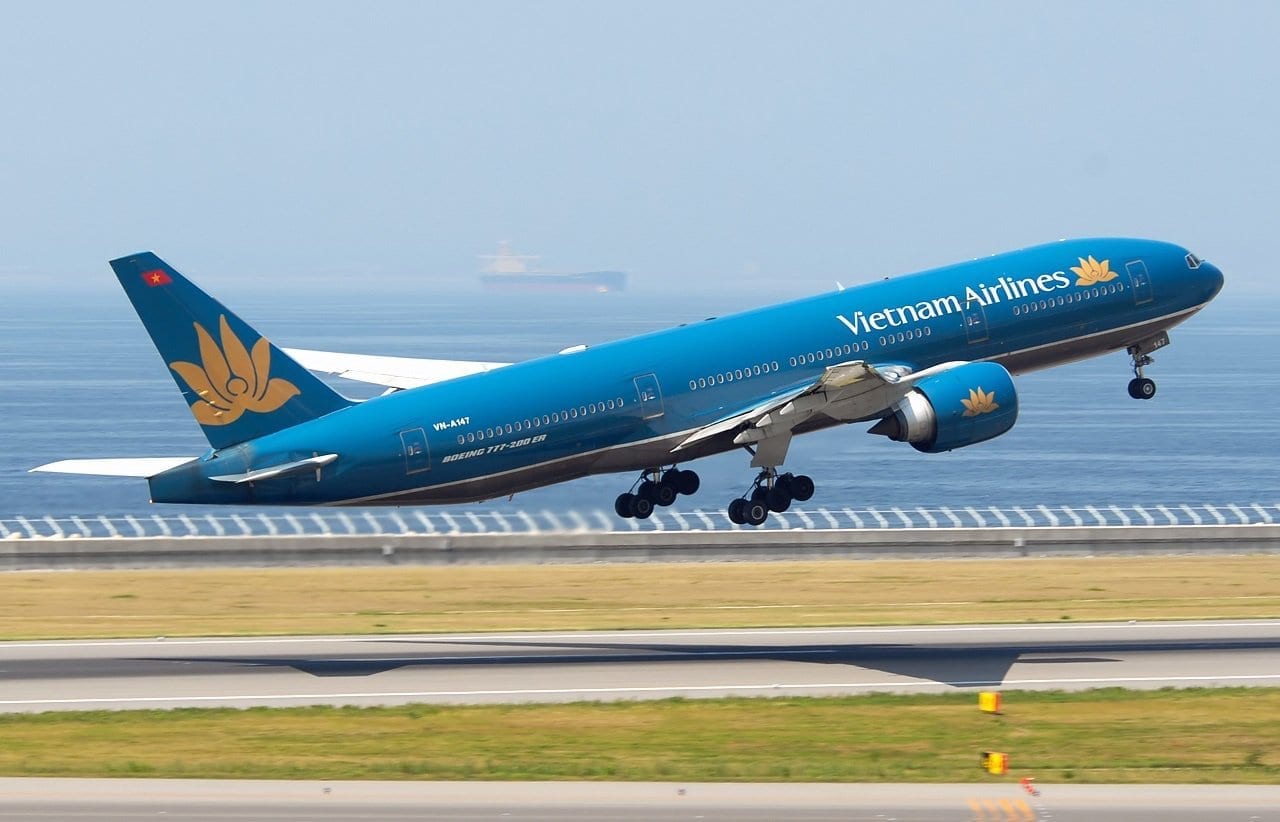
    Joint Stock Commercial Bank for Foreign Trade of Việt Nam (Vietcombank) has registered to sell 7.6 million shares of Vietnam Airlines Corporation, which is listed as HVN on the stock market.

    The transaction is expected to take place from January 24-February 22.

    This is part of more than 22.4 million shares, equivalent to 1.8 per cent of charter capital of Vietnam Airlines that Vietcombank bought in the airline’s initial public offering in late 2014. The bank spent VNĐ544.12 billion (US$23.9 million) to buy the shares, or VNĐ22,300 for each share.

    At the current market price of Vietnam Airlines’ shares at some VNĐ63,700 each, Vietcombank can earn an estimated VNĐ484 billion from the sale of its 7.6 million shares after more than two years of holding. Compared to six months ago, the stock has nearly tripled in terms of market value.

    If successful, Vietcombank’s holdings at Vietnam Airlines will reduce to 1.2 per cent.

    The shares of Vietnam Airlines and VJC shares of budget carrier Vietjet Air are two aviation stocks that have grown fast in the past few months. The growth of share prices comes mainly from positive business results in late 2017 and early 2018 in the aviation industry.

    Last year, Vietnam Airlines Corporation, including Jetstar Pacific and Vietnam Air Services Company (VASCO), recorded a consolidated revenue of VNĐ88.4 trillion (US$3.88 billion) and pre-tax profit of more than VNĐ2.8 trillion, exceeding 72 per cent of its plan and up 8.3 per cent year on year, respectively. This is the highest level of revenue and profitability the firm has made in its history.

    According to stock investors, the increasing demand for air transportation during Tết (Lunar New Year) holiday is another reason for the acceleration in prices of aviation shares in recent times.

    Vietnam Airlines has traded more than 1.2 billion shares on UpCOM, making it a large-scale public company in the leading group of capitalisation value in the stock market. The airline plans to put all of its shares on HCM Stock Exchange (HOSE) in the second quarter of this year.

    Meanwhile, it will continue to issue additional shares to existing shareholders to increase charter capital and reduce State ownership. Accordingly, in the first quarter of this year, Vietnam Airlines plans to increase charter capital by issuing additional 191 million shares at VNĐ10,000 each to existing shareholders.

    Vietnam Airlines has a charter capital of nearly VNĐ12.28 trillion, of which the State holds 1.057 billion shares, equivalent to 86 per cent of charter capital. Of the remaining shareholders, ANA Holdings Inc., Japan’s largest aviation group, holds 107 million shares, representing nearly 8.8 per cent of charter capital.


  • Vietjet Offers 500,000 Promotional Tickets to International Destinations

    Vietjet Offers 500,000 Promotional Tickets to International Destinations

    In continuation of Vietjet’s biggest promotional program of the year – “Enjoy Sky Festival”, the airline is offering 500,000 tickets priced from only VND0 (*) for three golden days starting 24 to 26 January 2018.

    The promotion is applied for all international routes flying from Ho Chi Minh City to Kuala Lumpur (Malaysia); Seoul, Busan (South Korea); Hong Kong; Kaoshiung, Taipei, Taichung, Tainan (Taiwan); Singapore; Bangkok, Phuket, Chiang Mai (Thailand);  Yangon (Myanmar); Phnom Penh and Siem Reap (Cambodia) from 1 March to 31 December 2018 (**).

    Passengers flying with Vietjet from now until 28 February 2018 will stand a chance to win a host of attractive prizes with a total value of up to VND1 billion. Moreover, lucky passengers on board selected flights will also have a chance to participate in a lucky draw and walk away with special prizes such as free domestic return tickets, “lucky money” prizes worth VND10,000,000 as well as a special cash prize worth VND100,000,000.

    On top of that, from 30 January to 28 February 2018, passengers will also have an additional opportunity to win domestic and international return tickets via the “Vietjet Sky Fun” game which can be downloaded from the Apple App Store and Google Play Store.


  • Jollibee celebrates 100th store in Vietnam 

    Jollibee celebrates 100th store in Vietnam 

    Jollibee Vietnam is celebrating the opening of its 100th store, in the Mekong Delta city of Can Tho.

    “Vietnam is home to our largest Jollibee network outside of the Philippines, and as such will always hold a special place in Jollibee’s history,” says Jollibee Foods Corporation (JFC) CEO Ernesto Tanmantiong. “From our humble beginnings as an ice-cream parlor in the Philippines, it gives us joy that more and more people are loving Jollibee, helping us grow to become one of the major global foodservice companies.”

    To mark the milestone, Jollibee Vietnam is giving away 100 buckets of its chicken, branded ‘Chickenjoy’ and other freebies at all of its outlets in the country.

    “Our business in Vietnam has been a core pillar of our international work and will continue to be one of our most important markets globally,” says JFC head of international business Dennis Flores.

    Jollibee opened its first branch in Ho Chi Minh City in 2005, and is now one of the three largest convenience-food chains in Vietnam.

    With a home network of 1000 stores, Jollibee Foods Corporation is the largest Asian foodservice company and the largest restaurant owner in the Philippines. It has has more than 3600 stores globally as well as investments in such brands as 12 Hotpot, Highlands Coffee, Pho 24, Dunkin Donuts in China, and US-based burger chain Smashburger.

  • Vietnamese tourism to be showcased in Thailand

    Vietnamese tourism to be showcased in Thailand

    Việt Nam will participate in an ASEAN Tourism Forum (ATF) in Chiang Mai, Thailand, from January 22-26 by hosting artistic performance to promote Việt Nam tourism.

    This will help promote Việt Nam’s integration into ASEAN, helping define its role as an active member state of the eastern community.

    The involvement also aims to promote Việt Nam as a safe, friendly and attractive destination to ASEAN countries and help prepare the country’s role in hosting ATF 2019.

    The Chiang Mai forum is also an opportunity for localities and Việt Nam tourism agencies to work with international tourism agencies and organisations.

    Việt Nam will join a series of activities, including a meeting of ASEAN national tourism organisations with China, Japan and South Korea, talking to ASEAN tourism ministers, and meeting with consultation teams from Russia and India.

    The Việt Nam Department of Tourism will co-operate with localities and businesses to organise a Việt Nam tourism booth in a Travel Exchange (TRAVEX) trade fair.

    Việt Nam will also host a press briefing on its tourism and services as well as promoting the Hà Nội – Ninh Bình – Hạ Long triangle. The event introduces Việt Nam as the host of the forum next year in Hạ Long city.

    The Ministry of Culture, Sports and Tourism will also host a Việt Nam Night for more than 700 people. Traditional arts performance and an áo dài catwalk show will be featured.

    ATF is hosted on a rotational basis among the ASEAN countries.


  • Little movement forecast for Vietnamese stocks

    Little movement forecast for Vietnamese stocks

    Vietnamese shares are forecast to move marginally this week as investors could realise their earnings after having priced in the growth prospects of both the market and local stocks.

    The benchmark VN Index on the HCM Stock Exchange gained 1.13 per cent to close at 1,062.07 points. After the last two sessions, it has almost regained a loss of 2.66 per cent on Wednesday.

    The minor HNX Index on the Ha Noi Stock Exchange edged up 0.41 per cent to end at 122.39 points. The northern market index has increased a total 1.6 per cent in the last two days.

    Both stock indices posted weekly growth this week with the VN Index rising 1.1 per cent after the last five trading sessions. The figure for the HNX Index is 1.3 per cent.

    More than 387.4 million shares were traded in each session last week, worth VNĐ9.44 trillion (US$420 million).

    The trading figures fell 4.5 per cent in volume but increased by 1.9 per cent in value compared to the previous week.

    The stock market indices increased on a weekly basis as investors were optimistic about the companies’ quarterly and yearly earnings reports and the market outlook this year.

    Strong confidence kept market trading liquidity high as investors continued to look for opportunities in stocks that declined on Wednesday.

    According to analysts and securities firms, the stock market will continue to grow in the coming week but the growth will be narrow as investors try to lock in gains after the indices performed well in recent weeks.

    The benchmark VN Index has moved up a total 7.9 per cent since the beginning of the year and the HNX Index has increased by 4.7 per cent.

    Investors have made big profits as they purchased stocks when the benchmark index was rising in the first two weeks. “They tended to lock in profits when bad news appeared and threatened their profitability,” Ngô Thế Hiển, a lead analyst at Sài Gòn-Hà Nội Securities Company (SHS) said.

    Nguyễn Hồng Khanh, head of market analysis at Sacombank Securities Company (SBS) said investors had priced in local stocks on expectations that both the market and corporations would perform well.

    However, they remained defensive and were willing to offload their portfolios if they saw any news that could hurt the market, Khanh said.

    “It’s a normal market sentiment at the moment, especially when the stock market is recording strong gains recently,” he said.

    The stock market would need to settle at the range of 1,020-1,070 points before making a further improvement, Hiển at SHS said.

    “The benchmark VN Index is accumulating at the range of 1,020 and 1,070 points, which were also the lowest and highest levels of the benchmark last week,” he said.

    A positive signal for investors was high trading liquidity, which proved investors were still attracted to the prospects of the market and stocks and they were willing to bottom-fish stocks that decline, Hiển said.

    However, he warned that investors should stay calm and avoid making new investment decisions as the stock indices were near their resistant levels and the market would become volatile in the near future.

    Khanh at SBS said the growth momentum of the market had mainly come from investors’ confidence in corporate earnings and such expectations had priced in stocks.

    “When the companies are about to release their earnings reports, stocks will be mixed and the market will grow slowly,” he said.


  • Vietnam Airlines is one of top 10 companies in Vietnam

    Vietnam Airlines is one of top 10 companies in Vietnam

    Vietnam Airlines Corporation has ranked 9th in the Top 50 Vietnam The Best.

    This was revealed at the launch of Việt Nam’s Top 500 largest enterprises (VNR500) in 2017 held in Hà Nội on Friday.

    Last year, the total consolidated revenue of the corporation was estimated at VNĐ88.4 trillion, marking a record pre-tax consolidated profit of VNĐ2.8 trillion, exceeding 72 per cent of the plan and up 8.3 per cent compared with the same period last year.

    The ranking has affirmed Vietnam Airlines’ leading role in the country’s aviation industry as well as its position as a global four-star international airline.

    The firm last year ranked 10th in the same list.

    To feature in the list of Top 50, an enterprise has to be named for three consecutive years in the VNR500 ranking in terms of revenue. Criteria such as good capital use, efficiency, stable profit growth potential and good social and community responsibility are also used for referencing and evaluating.

    VNR500 is based on the Fortune 500 model, which lists the top 500 US companies by revenue of the previous year. In Việt Nam, the ranking of 500 largest enterprises is based on the results of independent research and evaluation as per international standards of the Vietnam Report Company. It has been announced annually since 2007, with the advice of domestic and international experts, especially GS. John Quelch, former vice president of Harvard Business School.

    The VNR500 rankings give people an idea of Vietnamese businesses and let the local business community recognise its position in the context of global integration, business strategy and corporate governance. Basing on this reality, enterprises can set up plans to reach out large businesses in the region and around the world.


  • Vietnam-China trade likely to reach $100 billion

    Vietnam-China trade likely to reach $100 billion

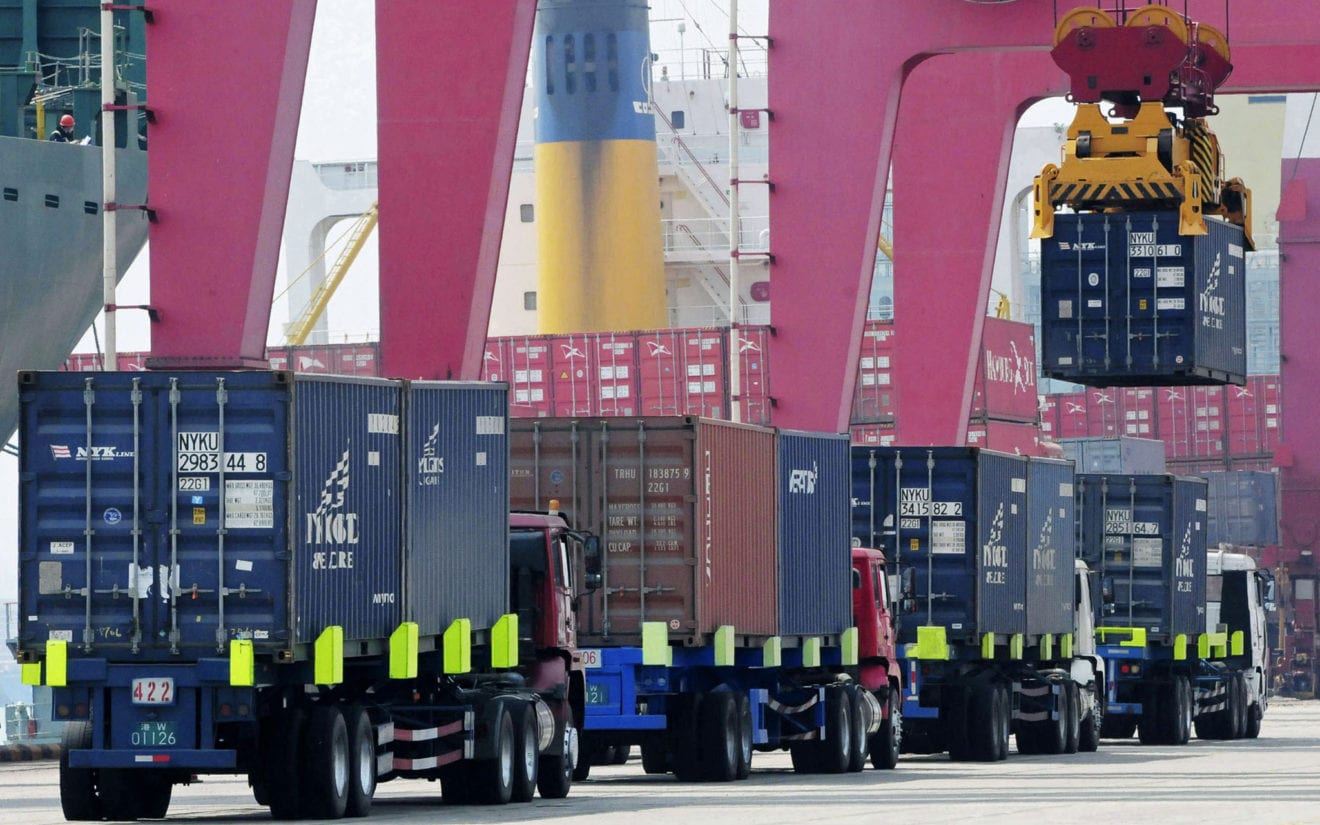
    Bilateral trade between Việt Nam and China will touch a record high of US$100 billion this year, after reaching $93.69 billion last year, experts predict.

    Last year’s two-way trade was $21.79 billion higher than in 2016 and accounted for 22 per cent of Việt Nam’s total import-export value, according to statistics from the General Department of Customs.

    Vietnamese exports to China experienced a significant yearly increase of 61.5 per cent to over $35.46 billion. That helped to reduce Việt Nam’s trade deficit with China to $22.76 billion last year from $28 billion in 2016.

    Telephones, a major item of export, recorded the highest turnover of $7.15 billion, up $6.35 billion compared to that of the previous year, according to the latest data.

    Last year also saw 13 staple products with export earnings of more than $1 billion, up by six staples against the previous year. The new items include seafood, with nearly $1.1 billion in export earnings, rice ($1.02 billion), rubber ($1.44 billion) and footwear ($1.14 billion).

    The Ministry of Industry and Trade says bilateral trade ties between the two countries have been growing in the past few years.

    China is one of Việt Nam’s largest trade partners and is also a key export market, the ministry said.

    Besides trade, China is currently one of the 10 biggest foreign investors in Việt Nam, with a total registered investment capital of more than $12.1 billion.

    During a visit to China last May, President Trần Đại Quang urged Vietnamese and Chinese firms to continue initiating innovative ideas to create a new momentum for bilateral economic partnership.

    He suggested Chinese companies invest in infrastructure, logistics and electronics and support industries while protecting the environment and engaging in social activities in Việt Nam.

    President Quang asked the two sides to facilitate access to each other’s markets.


  • Vietnam is world’s second largest shoes exporter

    Vietnam is world’s second largest shoes exporter

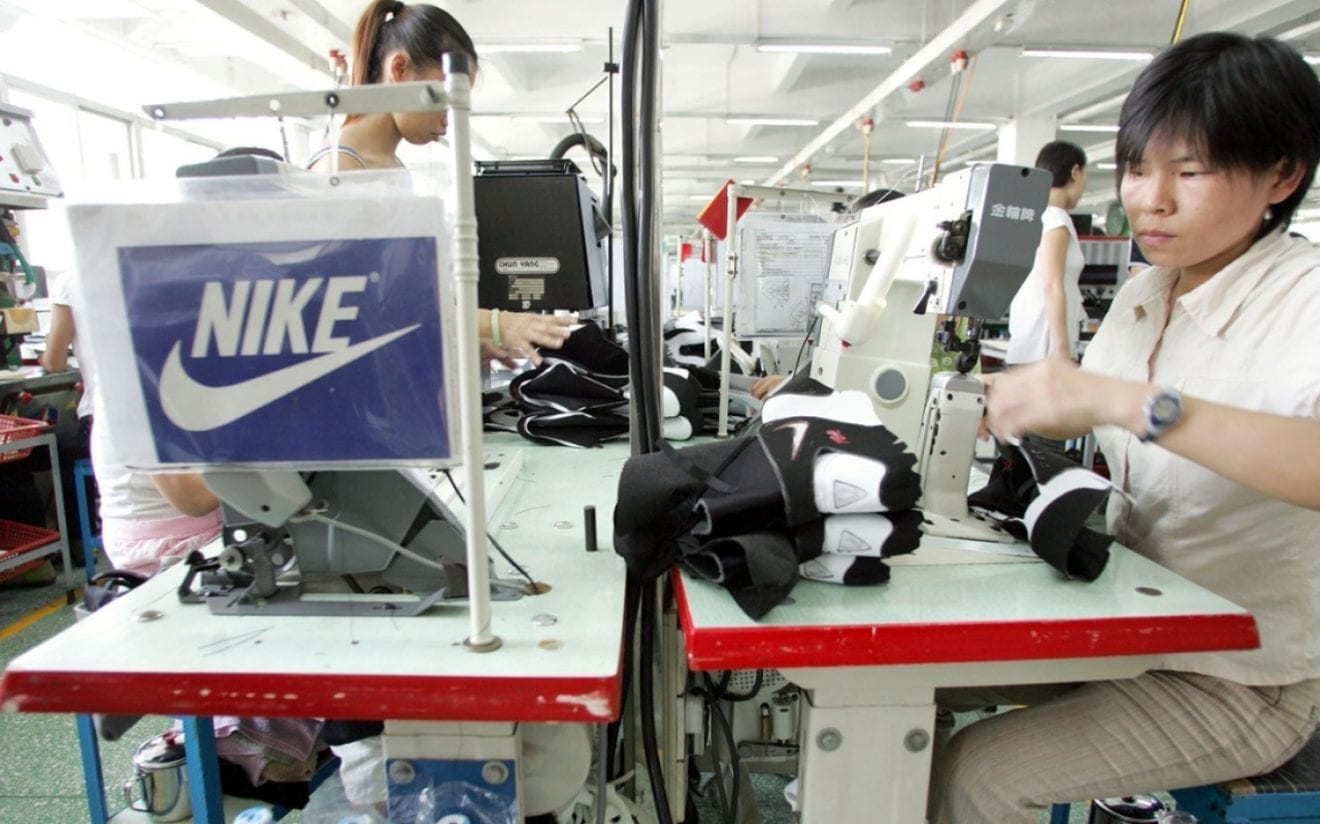
    Of 23 billion pairs of shoes sold worldwide in 2017, Việt Nam exported over one billion pairs, continuing to maintain the second position (after China) in shoes export.

    According to the latest statistics of the World Footwear Magazine in 2017, Việt Nam continued to rank second among the top 10 largest footwear exporters, with 1.02 billion pairs of shoes, equivalent to 7.4 per cent of the global footwear supply, said Diệp Thành Kiệt, vice chairman of the Việt Nam Leather, Footwear and Handbag Association (LEFASO).

    China still maintained the top position in exporting shoes, with 9.31 billion pairs, representing 67.3 per cent of the total 23 billion pairs of shoes the world consumed in 2017.

    Asia continued to be recognised as the world’s leading region in the production and consumption of footwear throughout the world.

    Meanwhile, the United States was the largest footwear importer; the country imported 2.34 billion pairs of shoes last year, accounting for 19.6 per cent of global footwear consumption.

    Export of Việt Nam’s backpacks and handbags continued to rise, to make it to the top five countries exporting these products in the world today.

    In 2017, the export turnover of backpacks and handbags in Việt Nam was estimated at US$3.3 billion, accounting for 5.5 per cent of global production, but only about one-seventh as compared to China’s supply.

    Kiệt said the biggest challenge for the domestic footwear-handbags industry was the low level of technology application in management and production, as compared to regional and foreign direct investment (FDI) enterprises.

    The labour productivity of domestic enterprises was only equal to 60-70 per cent of FDI enterprises. Most domestic firms have not joined the global supply chain; meanwhile, international brands usually tend to deeply control the global supply chain. In addition, labour costs in Việt Nam were rising significantly, Kiệt added.

    Not only interfering in the price of the goods, importers were now gradually intervening in the traceability of raw materials and factories supplying machinery for production.

    On the other hand, the time taken for supplying goods, product confidentiality, the level of technology used, and advantages of raw material supply are given priority to help consumers select where to place an order and process production, Kiệt said.


  • First GS25 convenience store opens in HCMC

    First GS25 convenience store opens in HCMC

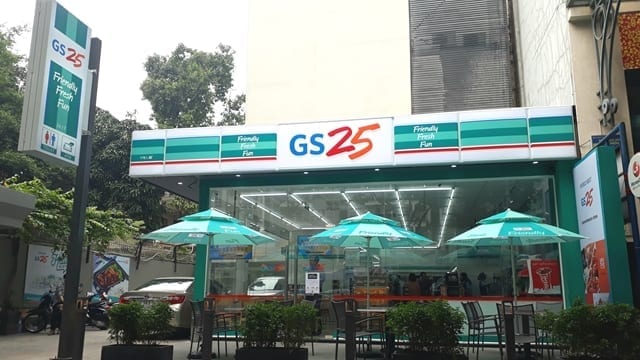
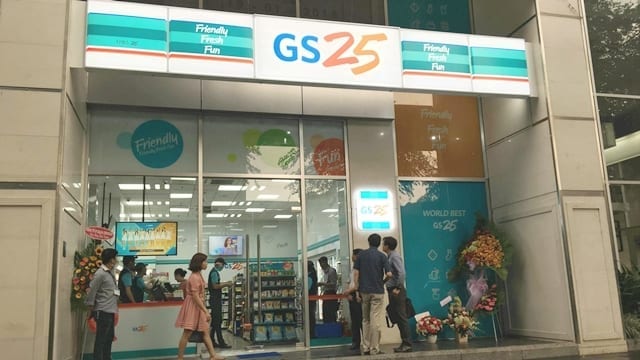
    Convenience store GS25 Vietnam officially opened the doors of its first store in Ho Chi Minh City today.

    Spread over 87sqm, the store is located on the ground floor of Empress Tower on Hai Ba Trung Street in District 3, close to the city’s CBD.

    Three more stores will open this month, including on sites at Truong Dinh Street, inside M Plaza, and Viettel Tower.


    Targeting Vietnamese customers in their 20s and 30s who are familiar with Hallyu, GS25 offers Korean food and products.

    All the stores have cooking and eating stations and sell food including Korean-style fried chicken, dumplings, cup rice, and tteokbokki (spicy rice cakes), as well as boxed lunches.

    Local dishes such as banh mi and sticky rice, and freshly brewed coffee will also be served.

    All dishes are made at a local factory overseen by GS25 standards.

    GS25 CEO Cho Yoon Sung believes Vietnam’s high economic growth rate makes it a good starting point for the company’s overseas expansion.

    The chain also plans to launch in other Asian markets, such as Cambodia and China.

    GS25 Vietnam is a joint venture between Korea’s GS Retail and Vietnam’s Son Kim Group.

  • Phú Yên ready for an explosion of tourism

    Phú Yên ready for an explosion of tourism

    Investors should turn the potential of central coastal Phú Yên Province into money, Prime Minister Nguyễn Xuân Phúc said on Friday.

    Speaking at the largest investment promotion conference held in the province, Phúc asked the locality to continue to use tourism as its development momentum.

    “The province should attract big and prestigious investors while diversifying and improving tourism quality,” he said. “It should also enhance links with other localities inside and outside the country.”

    Phú Yên has a north-south road system, railway, airways and seaway. It also has diversified natural resources, including sea economic sectors, hi-tech agriculture, agro-forestry, minerals and renewable energies.

    Phúc highlighted the advantages of the province and its dynamic authorities in welcoming “sunrise” development.

    The PM said he valued the province’s efforts in developing economic infrastructure and improving the investment environment.

    “With its advantages and hard-working people, Phú Yên can surely achieve sustainable and rapid development in the central and Central Highlands regions,” he said.

    Phúc urged Phú Yên to ensure stability, transparency and equal competition in accessing resources and business opportunities. It should also pay attention to start-ups, especially by young people in the rural areas.

    “Phú Yên was requested to follow the country’s reform flow as well as taking advantages of the Fourth Industrial Revolution in management, building e-governance and removing bureaucracy,” he added.

    The province was asked to quickly resolve investment barriers, while improving its provincial competitiveness index (PCI) and public administrative performance index (PAPI) and become known as trustworthy.

    He said Phú Yên should enhance regional associations, especially with Bình Định, Khánh Hòa, Lâm Đồng and Đắk Lắk which could supplement advantages for the province.

    It could also mobilise social resources to attract investment of clean and hi-tech industries.

    He expected the province to develop seafood and prevent illegal exploitation. Businesses and investors should protect the environment and traditional culture.

    Secretary of the provincial Party Committee, Huỳnh Tấn Việt, said the province had strong commitments to helping investors.

    Between 2011-17, Phú Yên received 284 investment projects, including 19 foreign direct investments with total registered capital of US$6 billion.

    “The province will give priorities to sea eco-tourism, culture and building distinctive tourism products,” Việt said.

    “Phú Yên will also focus on key sectors of finance, logistics, information and telecommunications; support industries, energy and agro-forestry processing.”

    Việt added that the province would seek investment in urban infrastructure, housing and real estate and establish special cultivation areas with post-harvest and processing technologies.“Investors in the province are our citizens. Their success will be ours,” he added.

    At the event, the provincial People’s Committee approved 17 investment licences worth a total of  VNĐ12.4 trillion ($558 million) and signed memoranda of understanding with others.

    These have been big scale projects, contributing to the province’s development and providing jobs for local people.

    On the same day, PM Phúc attended the inauguration of the Đà Rằng- Sông Chùa Bridges to ease congestion at the south of Tuy Hòa City and expanding Phú Yên Urban Area.

    The Ministry of Culture, Sports and Tourism also announced the PM’s decision to approve development planning of Xuân Đài Bay National Tourism Area by 2030.

    Accordingly, Phú Yên will develop the area based on its advantages of the Gành Đá Đĩa (Sea Cliff of Stone Plates) to develop national tourism products.

    More than 500 delegates, including those from 260 domestic and international enterprises attended the conference.


  • MoF tightens casino supervision

    MoF tightens casino supervision

    Casino establishments in Việt Nam must soon equip their venues with features like a working camera system to aid the Ministry of Finance (MoF) in supervising the casinos’ operations, as part of the MoF’s plans to legalise casino activities for Vietnamese people.

    The MoF’s Decree No 03 will take effect starting February 12, 2018, with the purpose of ensuring that casinos are run properly and winnings are reported regularly for tax collection purposes. Accordingly, eligible casinos in the country must follow the decree’s regulations on management of money, conventional currency and organisation.

    The regulation stipulates that businesses are only allowed to exchange and return conventional currency at the cashier for players before they start playing. The management of foreign exchange for casino business activities shall comply with the guidance of the State Bank of Việt Nam.

    All transactions related to domestic, foreign and conventional currency must be monitored by computer software. The data from the software must be collected and put into revenue summaries. At the same time, any monetary transactions must be recorded and reported to the relevant State management agencies.

    Furthermore, the MoF instructed casinos to arrange specialised containers to hold cash or conventional currency, which will then be sealed immediately after being removed from the game tables and before being taken out of their vault.

    Casino businesses shall declare and pay taxes in accordance with the Law on Tax Administration, the Law on Value Added Tax, the Law on Special Consumption Tax, the Law on Corporate Income Tax and other sub-law documents guiding the implementation thereof.


  • Rubber giant plans IPO

    Rubber giant plans IPO

    Việt Nam Rubber Group is expected to list its shares on the HCM Stock Exchange in June or July after its initial public offering on February 2.

    Phạm Văn Thành, head of VRG’s planning and investment department, revealed the IPO road map at an event on January 18.

    The corporation will auction 475 million shares, equivalent to 11.88 per cent of its total chartered capital of VNĐ40 trillion (US$1.76 billion).

    A similar number will be offered to strategic investors with 831,000 shares earmarked for employees and the trade union.

    The State will retain three billion shares or 75 per cent of the capital after equitisation. The minimum price for the auction has been set at VNĐ13,000.

    Investors have to submit their bids by January 31.

    A month after the IPO, VRG would list on UPCoM, and by June or July at the latest in HCM Stock Exchange, Thành said.

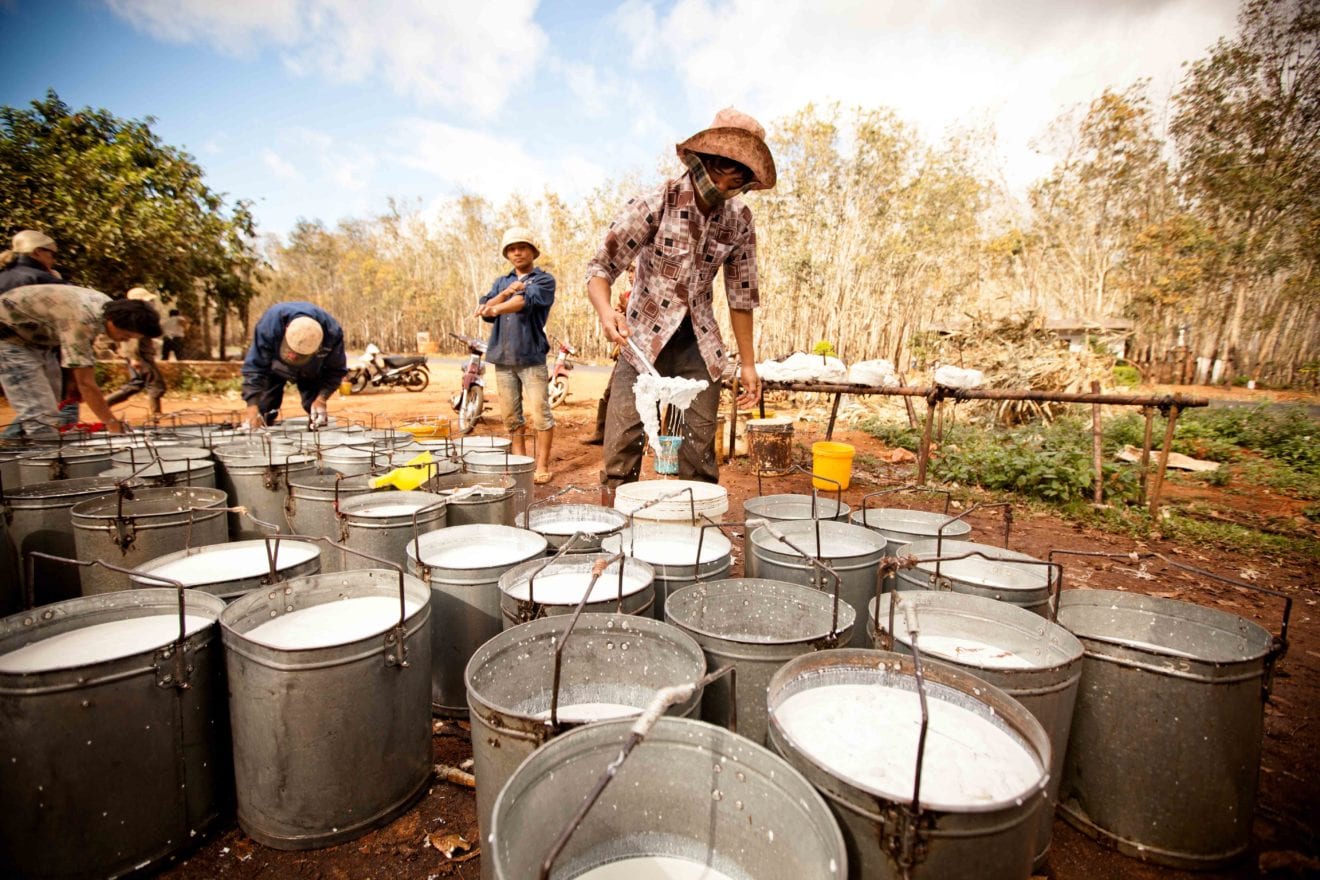
    Last year, the group achieved VNĐ3.6 trillion in net profit on revenues of VNĐ19 trillion, easily achieving the targets it had set at the beginning of last year. The group’s core business is natural rubber, which brings around 70 per cent of its total revenues.

    According to a Vietcombank Securities (VCBS) report, VRG enjoyed a good year in 2017 thanks to the strong global recovery in natural rubber prices.

    VCBS has a positive outlook for the group in 2018 since the price of rubber will still remain high.

    Besides, old rubber trees would be a large source of income, the report said.

    VCBS has recommended a reasonable price of VNĐ16,660 for the share in the IPO.

  • Vietnam car market slump continues

    Vietnam car market slump continues

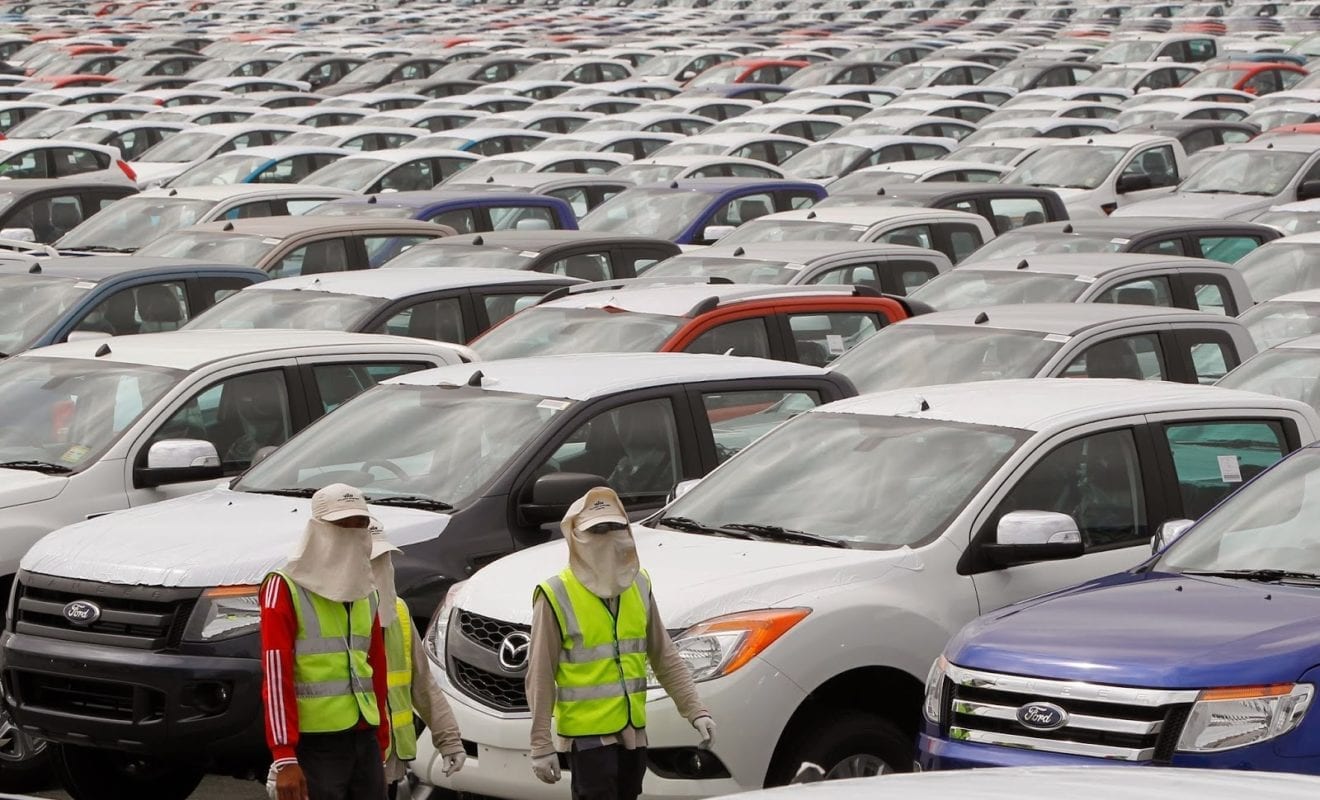
    Việt Nam spent more than US$2.15 billion importing 94,000 cars last year, marking a year-on-year decrease of 16.8 per cent in volume and 9.6 per cent in value.

    This was revealed by the General Statistics Office.

    The domestic automobile market witnessed many uncertainties last year. Notably, in the first half of the year, after the tax rate of complete built-up units (CBUs) import from ASEAN countries dropped to 30 per cent, the auto import turnover remained constantly high. However, in the second half of the year, the import turnover fell to low levels in both quantity and value.

    The uncertainty of CBUs auto import turnover in 2017 clearly reflects the evolution of the market.

    The decline in turnover shows a paradox. The car import market in 2017 benefited from the import tax of Southeast Asian-origin vehicles down by 10 per cent (to 30 per cent) and car import tax from countries enjoying the status of the Most Favoured Nation decreased by five per cent. With such a decrease, the auto import turnover should have accelerated; however, the figures remarkably reduced.

    Meanwhile, the tax rate of CBUs imported from ASEAN countries has officially reduced to zero per cent from January 1. But the market is yet to recover.

    According to Nikkei Asian Review, Toyota said on Tuesday that it has halted all production for export to the Vietnamese market. The Japanese automaker manufactures locally in Việt Nam, but imports from Thailand, Indonesia and Japan account for some one-fifth of what it sells in the market, or 1,000 units every month. Models imported include the Hilux pickup trucks, Yaris subcompacts, sports utility vehicle Fortuner and luxury car Lexus.

    “The Vietnamese market slowed down last year clearly because consumers refrained from buying as they waited for the tariff removal at the end of 2017,” Toyota Motors Thailand President Michinobu Sugata told reporters in Bangkok.

    Indeed, auto sales in Việt Nam between January and November last year slumped 10 per cent to 245,000 units. “We were anticipating a big jump in 2018, but due to the non-tariff barriers set by the Vietnamese government we cannot export to the market at all,” he said.

    Announced in October, Decree 116 requires emission and safety tests to be conducted on every batch of automobile to be imported. In the past, only the first shipment of each model would be tested. One emission test could take two months and cost up to $10,000, according to a statement of the Japanese Chamber of Commerce and Industry in Việt Nam.

    The decree also requires all models to obtain a Vehicle Type Approval certification issued by authorities of the exporting country. VTA certifications are to show that the vehicle meets standards of the country it will be sold in and is normally issued by domestic entities of the exporting country.

    Since the decree was announced, major exporters from Japan, Thailand and the United States have expressed concerns that it would become impossible for them to sell in Việt Nam.

    Phạm Anh Tuấn, head of the Vietnam Automobile Manufacturers’ Association (VAMA)’s Policy Subcommittee, told Việt Nam News that car manufacturers had not imported cars since January 1. The Vietnamese automobile market currently had only a few vehicles that were imported by the end of 2017, he said.

    For Toyota Motor Việt Nam, the latest import was towards the end of October last year.

    Tuấn also said VAMA had sent a letter of petition four times to the government regarding the content related to Decree 116.

    “VAMA would like the Government to delay the enforcement of the regulations on the import of cars in Decree 116 for six months to help its members prepare well in time. In addition to this, VAMA also proposed to revise the regulation that requires auto importers to submit Vehicle Type Approval certification of automakers as well as changing the requirements for conducting tests on each batch of imported cars,” said Tuấn.