Tag: Vietnam

  • SmartOSC Joins Hands with UrbanFox to Promote End-to-End Ecommerce

    SmartOSC Joins Hands with UrbanFox to Promote End-to-End Ecommerce

    SmartOSC, a leading ecommerce agency, has joined hands with UrbanFox, an omnichannel logistics and channel management solutions brand, and a subsidiary of Singapore mainboard-listed Keppel Telecommunications & Transportation, to jointly promote their end-to-end ecommerce services to retailers across Southeast Asia.

    In recent years, several brands, including Club21 and Times Publishing Group, have chosen SmartOSC and UrbanFox as strategic partners for their ecommerce needs. The partnership promises to bring retailers seamless omnichannel solutions, backed by SmartOSC’s consulting, user experience and platform implementation practices, together with UrbanFox’s logistics services and omnichannel management.

    Retailers in the region have been looking to create a more seamless shopping experience for their customers in tandem with their changing shopping habits. According to recent research published in the Harvard Business Review, the omnichannel shopping generation spent an average of 4% more on every shopping occasion in-store and 10% more online than single-channel customers. Even more compelling is that, with every additional channel they used, the shoppers spent more money in the store.

    SmartOSC has leveraged its strong ecommerce expertise, technical capability and scalable resources to meet the rapidly evolving needs of global brands and retailers. Today, major consumer brands such as COURTS Singapore, Lotte, Nestlé and Friso have partnered with SmartOSC to implement effective ecommerce solutions, which has enabled the brands to get to market faster, as well as optimise sales.

    Thai Son, CEO of SmartOSC shared, “We’ve seen raving demand from clients in Europe and North America for implementing omnichannel solutions to catch up with the new shopper generation. The same trend is happening across Southeast Asia, and our partnership will help retailers in the region to implement the best practice for their new retail strategy.”

    Answering the needs at the other end of the ecommerce supply chain is UrbanFox, which is part of Keppel Logistics. By incorporating omnichannel strategies as part of their services provided for B2C and B2B brands, UrbanFox is able to enhance the efficiency of the brands’ supply chains.

    Channel management is another key service in which UrbanFox is seeing strong pick-up. In this area, UrbanFox helps retailers manage multiple sales channels and distribution from the initial order through to the last mile delivery, by using a centralised inventory management model. UrbanFox counts many major companies among their clients, such as Kao Singapore and Mondelez.

    Joe Choa, Managing Director of UrbanFox shared, “UrbanFox has helped retailers respond to the ecommerce trend by integrating their online and offline channels onto one unified platform where inventory, sales and promotional campaigns can be managed across various marketplaces with ease. Following our initial success with clients in Singapore, we hope to offer our effective logistic solutions throughout Southeast Asia together with e-commerce veterans SmartOSC.”

    Both SmartOSC and UrbanFox will be present at the Last Mile Fulfilment Asia 2018 event in Singapore from March 15-16, to share successful case studies and showcase how retailers can benefit from their joint offering.

    The abovementioned transaction is not expected to have any material impact on the net tangible assets or earnings per share of Keppel Telecommunications & Transportation for the current financial year.

  • Vietnam to revise automobile industry laws

    Vietnam to revise automobile industry laws

    The Ministry of Industry and Trade (MoIT) has asked the Ministry of Finance to remove the special consumption tax for locally-manufactured auto parts.

    This is part of a recommendation document that MoIT sent to the finance ministry in order to revitalise domestic automobile industry in the future and reduce the import of autos.

    The MoIT said that it is needed to have more measures to help local automakers cut production cost and accelerate the product’s competition capacity as well as revising policies on tax and fees.

    The ministry wanted the finance ministry to exempt the import tax on materials for part and components manufacturers who invest in Việt Nam, which should be in association with their commitment on long-term investment, volume of products, technology transfer and use of local labour force.

    The MoIT also recommends the application of a tax payment guarantee for a period of eight months instead of the current 30 days.

    The MoIT expected the finance ministry to study to amend and supplement a number of the above contents, which were proposed by Thành Công Group, with regard to laws on value-added tax, special consumption tax, and corporate income tax, in addition to personal income tax and natural resources protection tax.

    Earlier, at the review conference of the industry and trade sector held in Hà Nội on January 15, General Director of Hyundai Thành Công Lê Ngọc Đức proposed that the MoIT, in co-ordination with the finance ministry, consider several recommendations as those mentioned above.

    According to Đức, in order to achieve the goal of developing the automobile industry in Việt Nam, the Government has issued decrees such as Decree 116 on conditions for production, assembly, import and business of warranty service, car maintenance, and Decree 125 that regulates the roadmap for import duty exemptions of parts and components for manufacturers who meet conditions such as emission standards, engine displacement capacity for the car with nine seats and less, passenger car and truck.

    However, he said such privileges were not strong enough to be of significant priority for locally-assembled autos to help them compete with complete built-up units imported from ASEAN.

    Under the ASEAN Free Trade Agreement (AFTA) commitments, a zero per cent tax has been applied on cars imported from the bloc with a localisation rate of 40 per cent or more in the country of origin from January 1.

    A MoIT report showed that the price of an automobile in Việt Nam is currently high in the region but its quality is lower than an imported one.

    “Locally-assembled autos in Việt Nam have a similar price doubling as those seen in regional countries and much higher than other countries which have a stable automobile industry such as Japan and the United States,” said the report.

    “The domestic automobile industry has not yet reached the standards of the real automobile industry because most are at the level of simple assembly; the production line mainly consists of four key stages including welding, painting, assembly and inspection. There is no co-operation, linkage and specialisation between automakers and assemblers and part suppliers. There is no such system used by material suppliers and large-scale parts and components makers.

    “The localisation rate of new autos is only between 7 per cent and 10 per cent on average (compared to the target of 40 per cent in 2005 and 60 per cent in 2010). Currently, locally-produced products with very low technological content are tubes, tires, chairs, mirrors, cables, plastic products and batteries,” the report pointed out.

    MoIT has on numerous occasions warned that if such privileges and incentives were not approved, the domestic automobile industry would find it difficult to compete with imported cars.


  • Vietnam plastics export turnover to increase by 15%

    Vietnam plastics export turnover to increase by 15%

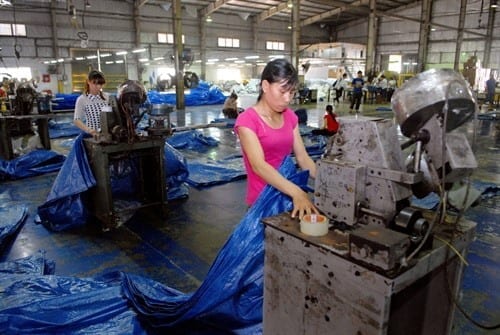
    Exports of plastics are expected to grow by 12–15 per cent this year, according to the Việt Nam Plastics Association (VPA).

    Hồ Đức Lam, chairman of the association, said the country’s key export markets this year would be Japan and the US, which has high demand.

    Other markets such as China, Laos, Cambodia and Myanmar are expected to become new export markets for plastics in the future.

    Plastic bags made in Việt Nam are still subject to anti-dumping taxes in the US market, but the US imposition of anti-dumping duties has had almost no impact on exports of the sector, according to Lam.

    Every year, the average US import turnover is more than US$50 billion for plastics and plastic products, accounting for 9.1 per cent of the world’s total import of plastics, according to VPA.

    The largest plastic export market is Japan, with an average growth rate of 20–25 per cent per year. Việt Nam now ranks sixth in the top 10 countries exporting plastics to Japan, which is one of the most difficult markets with many strict regulations on the quality of goods. Vietnamese plastic exporters have been urged to improve quality, design and trade promotions to enter this market.

    Lam recommended that Vietnamese plastic producers prepare long-term strategies and invest in market research to increase their penetration into the Japanese market.

    In addition, the EU’s demand for plastic products imported from Việt Nam is high, especially plastic pipes.

    Việt Nam’s plastic products are not subject to anti-dumping duties in the EU markets like other Asian countries (the average tax rate is from 8-30 per cent). Thus, Vietnamese producers are also urged to seek new export markets.

    Despite the high export prospects and strong development in recent years, the plastics industry is still known only as part of the plastic processing industry.

    More than 80 per cent of raw materials are still imported from other countries.

    Each year, the plastic industry needs an average of four million tonnes of raw materials, but only manages to produce about 900,000 tonnes, with the rest imported.

    Experts have said that a shortage of raw materials will reduce the competitiveness of exporters.

    Because of regulations on the origin of goods, it is difficult to take advantage of tax incentives in free trade agreements.

    Exporters also need to focus on environmentally-friendly and safe products for sustainable growth.

    Việt Nam’s plastics industry earned $3 billion last year, posting a 17.3 per cent increase over 2016, according to VPA.


  • Supermarkets in HCM City gear up for Lunar New Year

    Supermarkets in HCM City gear up for Lunar New Year

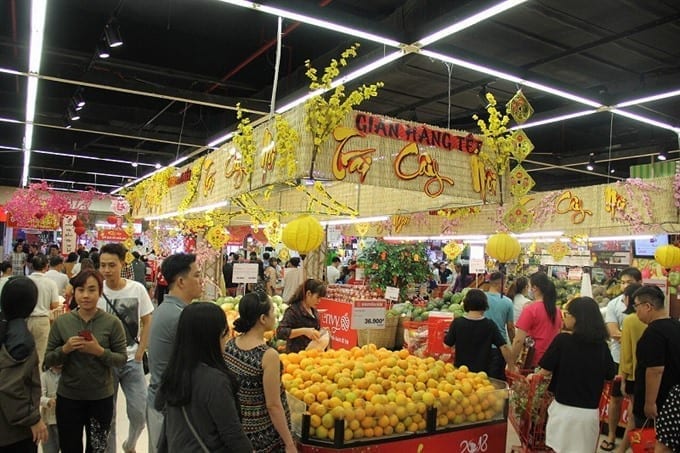
    Many supermarkets are launching attractive promotion programmes in the days ahead of Tết (Lunar New Year) to attract customers. Tết falls on February 16 this year.

    In addition to cutting prices on more than 5,000 essential items from January 11 to February 14, Co.opmart and Co.opXtra have teamed up with suppliers for another programme under which they will cut prices of many kinds of fresh food by the maximum possible rates for seven days starting just before Tết.

    They have also applied “Super discounts” and “Buy more, get more discounts” on the weekend and incentive programmes for their loyal customers such as offering high reward points.

    Similarly, Korean retailer Lotte Mart also launched three consecutive promotion programmes: The “Tết comes to Lotte Mart” programme takes place from January 24 to February 15, with discounts between 5-49 per cent on more than 1,200 products; “For a full Tết” from February 7 to 15 with discounts on over 80 Tết-featured products; and “Starting a desired spring” programme from February 13 to 21 with hundreds of products discounted between 5-49 per cent.

    Supermarket chain Big C is offering a discount of up to 40 per cent on 13 types of fruit. Imported fruits like Egyptian oranges, Korean pears, French kiwis and South African grapes are priced at VNĐ30,000-83,000 (US$1.32-3.64) for a kilo until February 15.

    Moreover, for the first time, French and US green and red apples will be sold at the same price of VNĐ29,900 a kilo.

    In addition to this, Big C will launch two “unprecedented price shock” programmes applicable to its food and fresh goods until New Year’s Eve on February 15.

    According to insiders, the closer to Tết, retailers increasing apply promotion programmes to enhance competitiveness in attracting customers.

    Market movements in the peak shopping days for Tết usually change quickly. Therefore, retailers need to keep a close eye on up-to-date figures to identify changes for timely responses.

    Wholesale markets

    Goods transported to the city’s two wholesales markets have increased strongly to meet peak shopping demand for the New Year from February 11 to 15.

    Nguyễn Văn Huây, director of Thủ Đức Wholesale Market Management and Trade Company, said goods volume entering the market can reach up to 7,500 tonnes a day, an increase of 10 per cent over last year’s Tết.

    Vegetable volume at the market fluctuates between 2,700 tonnes to 3,000 tonnes a day, while fruits are between 4,300-4,500 tonnes a day.

    At Hóc Môn wholesale market, the amount of goods entering the market from February 12 (four days ahead of Tết) may go up to 5,500 tonnes per day, up 100 per cent compared to normal days.

    According to traders at the two wholesales markets, the supply of popular fruits for Tet such as grapefruits, mangos, tangerines and dragon fruits may be not much higher due to unfavourable weather last year.

    About 150-170 tonnes of grapefruits and 100-120 tonnes of mango are expected to enter Thủ Đức Market a day on days near Tết, but their prices will rise sharply if there is a surge in demand.

    Thủ Đức Wholesale Market’s management board forecasted that grapefruits can be priced at VNĐ60,000-65,000 per kilo for green skin grapefruit and VNĐ28,000-30,000 a kilo for Năm Roi grapefruit, while it is VNĐ130,000-150,000 for a kilo of Hòa Lộc mango, VNĐ45,000-50,000 per kilo of sweet tangerine and VNĐ80,000-100,000 per kilo of custard-apple.

    Nguyễn Huỳnh Trang, deputy director of the HCM City Department of Industry and Trade, has asked the management boards of the two wholesale markets to keep track of markets and update supply-demand and pricing situations, in order to quickly report to the department and relevant agencies if there is a sudden fluctuation.


  • G&M Cosmetics expansion plans into Vietnam

    G&M Cosmetics expansion plans into Vietnam

    Australian skincare brand G&M Cosmetics has expanded into Vietnam, with a presence in Aeon supermarkets and at Ho Chi Minh City’s airport.

    This follows the company exporting to Asian markets such as China, Hong Kong, Taiwan, Thailand and Singapore in the past few years.

    The company has also opened a showroom and sales office in Ho Chi Minh City, and plans to open up to five of its own branded retail outlets in Vietnam.

    “We have always had a high demand and interest in Southeast Asia and believe the time is right to enter the Vietnam market, with a population of more than 90 million and a growing middle and upper class, making it an ideal export market,” says G&M Cosmetics global marketing and sales manager Peter Bosevski.

    “Vietnam also give us access to the wider growing Southeast Asian markets of Cambodia, Laos and Myanmar.”

    To promote its launch in Vietnam, G&M has secured Miss Globe as brand ambassador.

  • Vietcombank sign agreement to provide converting bank service

    Vietcombank sign agreement to provide converting bank service

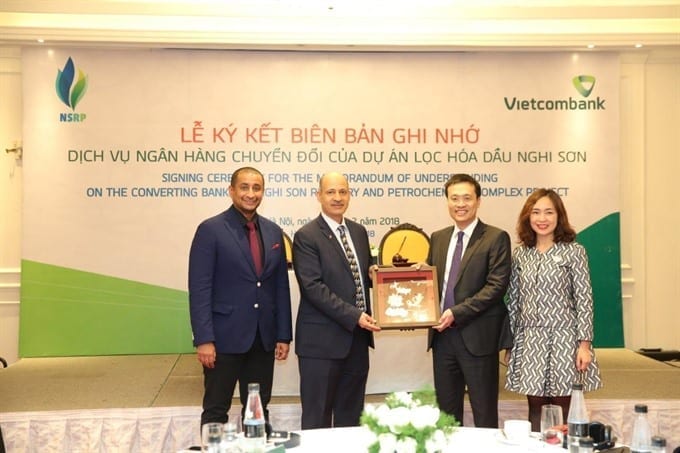
    Joint Stock Commercial Bank for Foreign Trade of Việt Nam (Vietcombank) and Nghi Sơn Petrochemical and Refinery LLC (NSRP) on Thursday signed a Memorandum of Understanding (MoU) on converting bank service.

    Under the MoU, Vietcombank will be the sole bank to provide the service of foreign currency converting bank for the Nghi Sơn Petrochemical and Refinery Project.

    Phạm Quang Dũng, CEO of Vietcombank, said the signing of the MoU would acceleratethe negotiation process towards agreeing on the official contents of agreements on foreign currency conversion.

    Ahmad Aljemaz, vice president of Kuwait Petroleum International Ltd, one of NSRP’s investors, said the provision of the converting bank service by Vietcombank is significant to the operation and success of NSRP.

    Turki Alajmi, acting CEO of NSRP,  expressed confidence in this cooperation with Vietcombank. “The converting bank is one of the elements which plays a vital role in the financial success of the project. NSRP is confident that Vietcombank, as the leading joint stock commercial bank in Việt Nam, with the highest support of the Government, will be able to perform this function successfully and most effectively,” he said.

    Nghi Sơn Petrochemical and Refinery Project is a key petrochemical and refinery project of national importance, which is being implemented in Nghi Sơn Economic Zone in Tĩnh Gia District, Thanh Hóa Province.

    The refinery has a total investment of over US$9 billion, intended capacity of 10 million tonnes a year in maximum operation and scope of producing 200,000 barrels of crude oil a day. Upon operation, it is expected to meet approximately 40 per cent demand of the domestic petroleum market and export millions of tonnes of petrochemical products.


  • Vietnam leads in phone e-commerce growth

    Vietnam leads in phone e-commerce growth

    Vietnam is the fastest-growing market in South East Asia in terms of mobile e-commerce growth, says the latest report on Southeast Asia’s 2017 e-commerce status by iPrice.

    In the past 12 months, mobile phone usage in Việt Nam has grown on an average of 19 per cent, accounting for 72 per cent of the overall e-commerce Web traffic. In comparison to other Southeast Asian countries, Việt Nam enjoyed the steepest growth at 26 per cent.

    However, in absolute terms, Indonesia is leading mobile e-commerce, with 87 per cent of the traffic coming from mobile phones. Meanwhile, traffic via personal computers is less than 30 per cent in all countries in the region.

    Việt Nam is also the leader in website conversion rate, which measures the percentage of website visitors that turn into customers, with a conversion rate of up to 65 per cent, closely followed by Singapore and Indonesia.

    Meanwhile, with the low use of credit cards (except in Singapore), e-commerce merchants are offering more payment options to reach out to shoppers.

    In Việt Nam, 86 per cent of merchants offer online payment, while cash on delivery is offered by more than 80 per cent of the players. Besides this, in both Việt Nam and Thailand, almost 50 per cent of the merchants offer offline point of sales.

    This is due to the popularity of online to offline e-commerce models, such as Thế giới di động (Vietnam Mobile World), FPT Shop and Nguyễn Kim, the report said.

    However, due to lower gross domestic product per capita (US$6,880) compared to other countries in the region, Việt Nam has the lowest basket size, with an average order value of just $23.

    iPrice’s data was collected from over 1,000 e-commerce players operating in the six largest Southeast Asian markets, including Indonesia, Malaysia, Singapore, Thailand, the Philippines and Việt Nam.


  • Vietnam talks trade promotion in tough markets

    Vietnam talks trade promotion in tough markets

    Trade promotion in Việt Nam is facing many difficulties as many importers, such as the US, China, Japan and the European Union, were now protecting their own farm production.

    Trần Văn Công, deputy director of the Agro Processing and Market Development Authority under the Ministry of Agriculture and Rural Development (MARD), made the statement at a trade counsellors’ meeting in Hà Nội on February 8 to discuss strategies for enhancing farm exports.

    The agricultural sector targeted a growth rate of about 3 per cent and export revenues of US$40 billion in 2018.

    The quality and food safety standards in these countries have become stricter. As a result, it took more time, five to seven years on average, for Việt Nam to negotiate with them to open markets for farm produce, according to Công.

    Công said in 2018, the agricultural sector would work to enhance market analysis and forecast capacity to ensure smooth consumption of farm produce and increase the marketing of key Vietnamese products in big and potential markets.

    It would also tighten links with domestic and foreign agricultural businesses, remove technical barriers and solve payment difficulties for exports to Africa and the Middle East.

    Agricultural Minister, Nguyễn Xuân Cường, said that as Việt Nam’s farm production had surpassed demand, the task was to maximise global markets and produce farm products of the highest quality.

    Trade counsellor in Japan, Tạ Đức Minh, said Japanese people highly valued many Vietnamese farm products, particularly mangoes and bananas.

    The shipment of the first chicken meat to Japan also proved that Vietnamese products satisfied the demanding market. However, he noted, export prices were still high, especially for fruits, since they spoiled easily and shipment costs were high. He asked for solutions to reduce shipment cost in order to boost Vietnamese products’ competitiveness.

    Meanwhile, trade counsellor to Australia, Nguyễn Hoàng Thuý, said the opening of the southern market was a long and difficult process. For example, it took up to 12 years for lychees to enter this market. Therefore, she said, it was necessary to hasten negotiations.

    She said there was a need for better co-ordination between the ministry and the trade office to promote negotiations.

    Minister Cường also asked trade counsellors to not only promote trade, but to also provide more information on technology, culture and market trends, which he said was crucial for the agricultural sector to expand markets.

    Deputy Minister of Industry and Trade Hoàng Quốc Vượng asked the MARD to co-operate with the Ministry of Industry and Trade’s departments in expanding markets and organising exhibitions.

    Vượng asked trade counsellors to provide information regularly. They should also regularly share market information with each other.

    He said they should also study new technologies and help introduce them to Vietnamese firms handling agricultural products.

    Aquatic exports

    On the sideline of the trade counsellers’ meeting, Trade Counsellor to Russia Dương Hoàng Minh said that more Vietnamese businesses may soon be allowed to export aquatic products to Russia this year after a Russian working group made a fact-finding tour of Vietnamese exporters.

    Minh said Việt Nam’s trade office in Russia had earlier held a working session with local agencies. The move was made after Việt Nam was given a “yellow card” warning by the European Commission last September for failing to fight illegal fishing, which could lead to a drop in aquatic exports to the EU and other markets.

    The counsellor said exports to Russia had encountered difficulties since the Eurasian Economic Union (EAEU), of which it is a member, limited aquatic product imports.

    Currently, only 21 Vietnamese companies are allowed to ship products to Russia. However, he said there were more than 500 Vietnamese businesses eligible to export to the EU and other demanding markets at present.

    Therefore, the trade office of Việt Nam in Russia has worked with the MARD to persuade Russian agencies to lift barriers to Vietnamese aquatic products.

    It also invited relevant agencies of Russia and the EAEU to make fact-finding tours to Việt Nam in an effort to have more companies be allowed to ship aquatic products to these markets, Minh added.

    In 2017, Việt Nam exported $2.2 billion worth of goods to Russia, up 35 per cent year on year. Commodities with high export growth included vegetables, fruits, cashew nuts, textiles-garments, wood products, machinery and spare parts.

    The counsellor said the Vietnamese trade office in Russia will now focus on helping businesses boost shipments to capitalise on the Việt Nam-EAEU Free Trade Agreement.

    It will also continue working to understand regulations and commitments in the World Trade Organisation and free trade agreements, as well as possible trade barriers.


  • Vietnam paper imports up last year

    Vietnam paper imports up last year

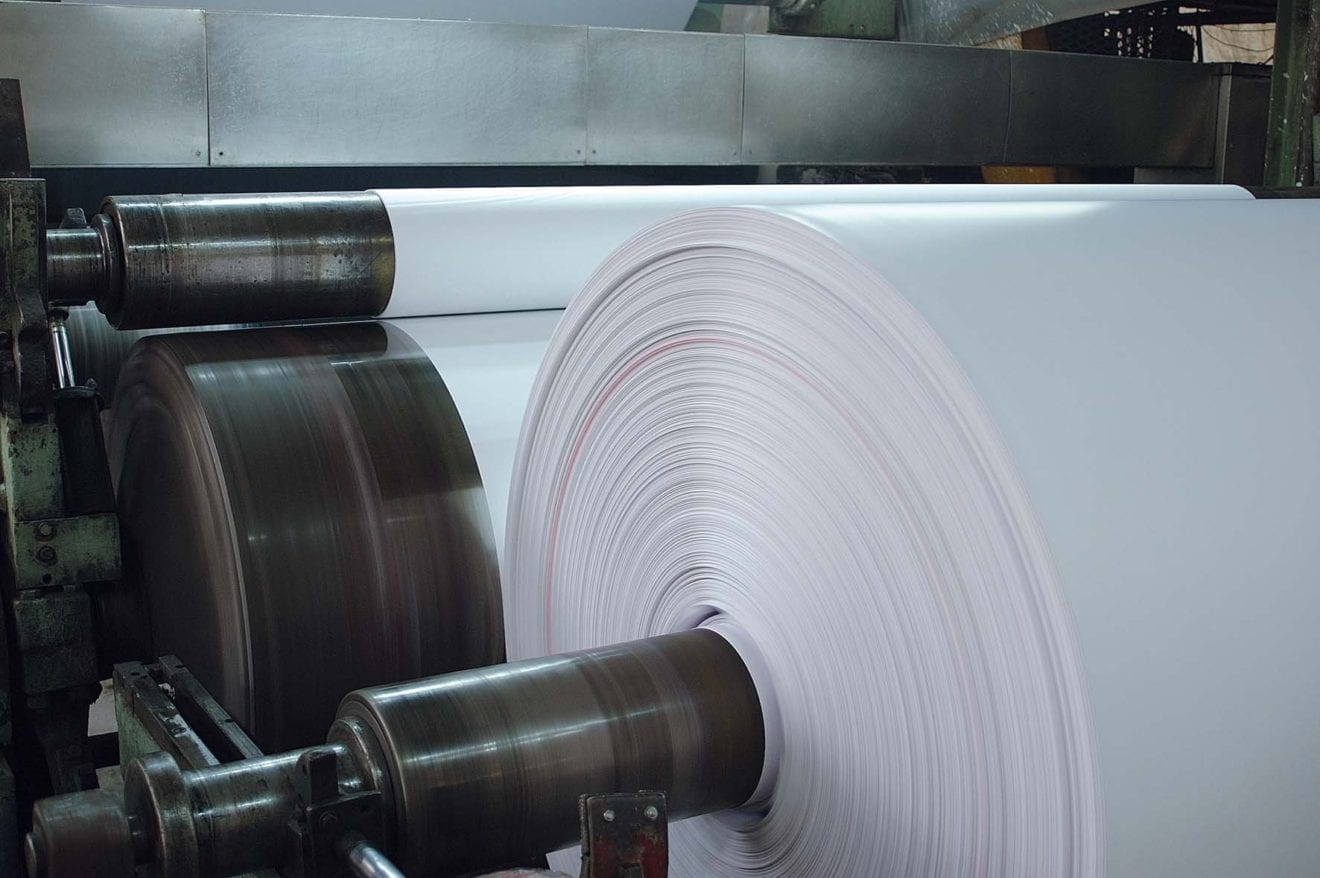
    Việt Nam imported US$682.1 million worth of paper products last year, a year-on-year increase of 10.86 per cent, reported the Việt Nam General Department of Customs.

    In December 2017 alone, Việt Nam imported $58.8 million worth of paper products, down 10 per cent compared to November, the first drop in three consecutive months.

    Vietnamese paper products are mainly imported from China, accounting for 42 per cent of total turnover, reaching $285 million in 2017 and increasing 19.95 per cent against 2016. The second largest import market was Thailand with $91.1 million, up 9.35 per cent compared to the previous year, followed by the Republic of Korea and Japan with $59.5 million and $50.3 million, respectively.

    In addition to these markets, Việt Nam also imports from other markets such as Hong Kong, Taiwan, Indonesia and Malaysia, as well the United States, Germany and Singapore.

    In general, last year, the import turnover of paper products from all markets grew significantly, compared to 2016 and accounted for 72.2 per cent.

    Particularly, imports from the German market increased sharply. Although Germany is not the main import market, it accounted for only 0.7 per cent of the country’s total import turnover; compared to 2016, this result increased 1.3 times. Besides, imports from Indonesia and Japan were also up sharply, rising by 33.16 per cent and 19.09 per cent, respectively.

    In contrast to markets with strong increases, imports from Singapore, Malaysia and Hong Kong decreased 12.01 per cent, 10.4 per cent and 1.26 per cent, respectively.


  • Vietnamese taxi company sues Grab for unfair business practices

    Vietnamese taxi company sues Grab for unfair business practices

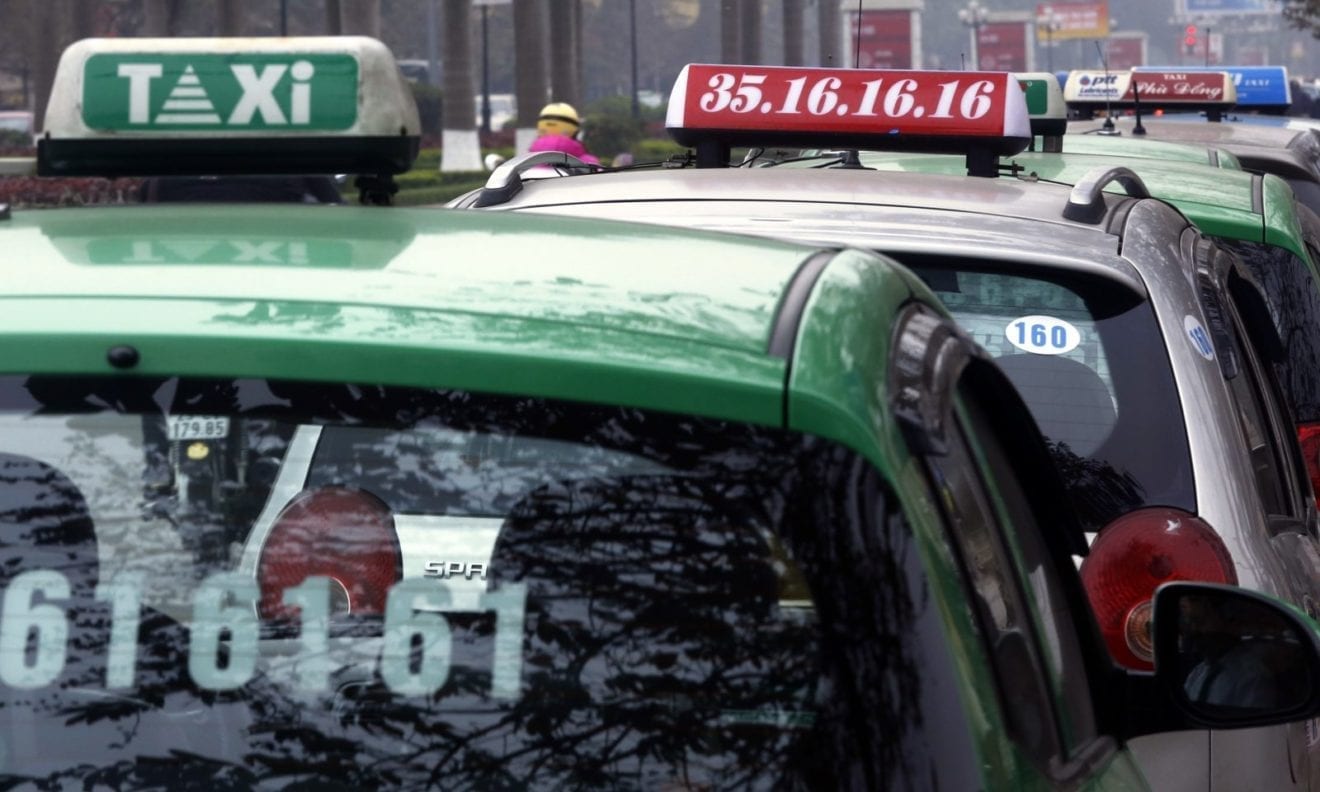
    HCM City People’s Court commenced trial looking into the suit initiated by the local domestic taxi operator Vinasun against the popular ride hailing service, Grab, on accusations of unfair business practices.

    Vinasun, once a dominant player in taxi transport in the southern region, has seen its market share gradually eaten away by Uber and Grab as they continue to gain popularity, especially as the number of smartphone users in the country rises.

    Vinasun claims the ‘illegal operations’ of Grab in Việt Nam are to blame for the company’s falling revenues in 2016 and 2017 – a VNĐ40 billion (US$1.756 million).

    Trương Đình Quý, deputy director-general of Vinasun, based their complaint on the trade law and government’s Decree 37 issued in 2006, which clearly states that the duration of total promotion deals in a year must not exceed 90 days and each promotion programme is not to last beyond 40 days. In addition, businesses that want to hold promotion events must register with the municipal or provincial commerce department.

    Quý alleged that in recent times, exploiting the pilot window that the transport ministry granted for software-based transport services, Grab has conducted “rampant” promotion deals and discounts, akin to the practice of “dumping” of manufactured goods.

    Vinasun also claimed that the company needs to observe 13 regulations, while Grab only has to follow three, creating unfair competition in the field of passenger transport.

    “Industry 4.0 apps are an inevitable trend. However, being just an app-based ride hailing service, Grab has disrupted the taxi transport sector, causing several implications to State management activities in tax collection and ensuring social security for those work for Grab,” Quý said.

    “In addition, Grab drivers themselves are encountering difficulties when the company collects up to 25-28 per cent from the taxi drivers’ earnings as commissions. Even more concerning, Grab Việt Nam reported charter capital of VNĐ40 billion while they claimed they turned a loss of VNĐ938 billion, which earned them special supervision by the finance ministry,” Quý said.

    Quý said that the company has prepared for the case over the last year and is ready to fight against Grab and Uber to the end in a “legally transparent” manner.

    Grab’s lawyers, on the other hand, contended that Vinasun’s allegations are baseless and that their software solution has actually created fair grounds for competition between conventional taxi operators. They also argued that Vinasun’s evidences and methods of loss calculations are all questionable. On these grounds, Grab asks the court to either suspend the lawsuit or reject Vinasun’s case entirely.

    The trial yesterday morning attracted a crowd of taxi drivers from Vinasun and Mai Linh, another well-known taxi company in the country, anxiously awaiting the outcome that could determine the course of their futures.

    Former supreme judge Phạm Công Hùng said that the outcome of the case depends on who has the weightier evidence in court.

    “With that being said, I fully support Vietnamese businesses’ wanting to take matters to court if they see their interests have been violated. This is a totally civilised way of settling business disputes,” Hùng said.

    This is the first time the increasing tension between conventional taxi operators and their app-based counterparts took to the fight to the courtroom, all while Vietnamese lawmakers seek to construct appropriate legal tools to effectively regulate these emerging services.

    A new draft decree is in the works, which would require Grab and Uber offices in Việt Nam to register for licences as an enterprise doing ‘electronic business’ and transport cars must have easily identifiable logos on both front and back windows.


  • 2018 rice export to hit 6m tonnes

    2018 rice export to hit 6m tonnes

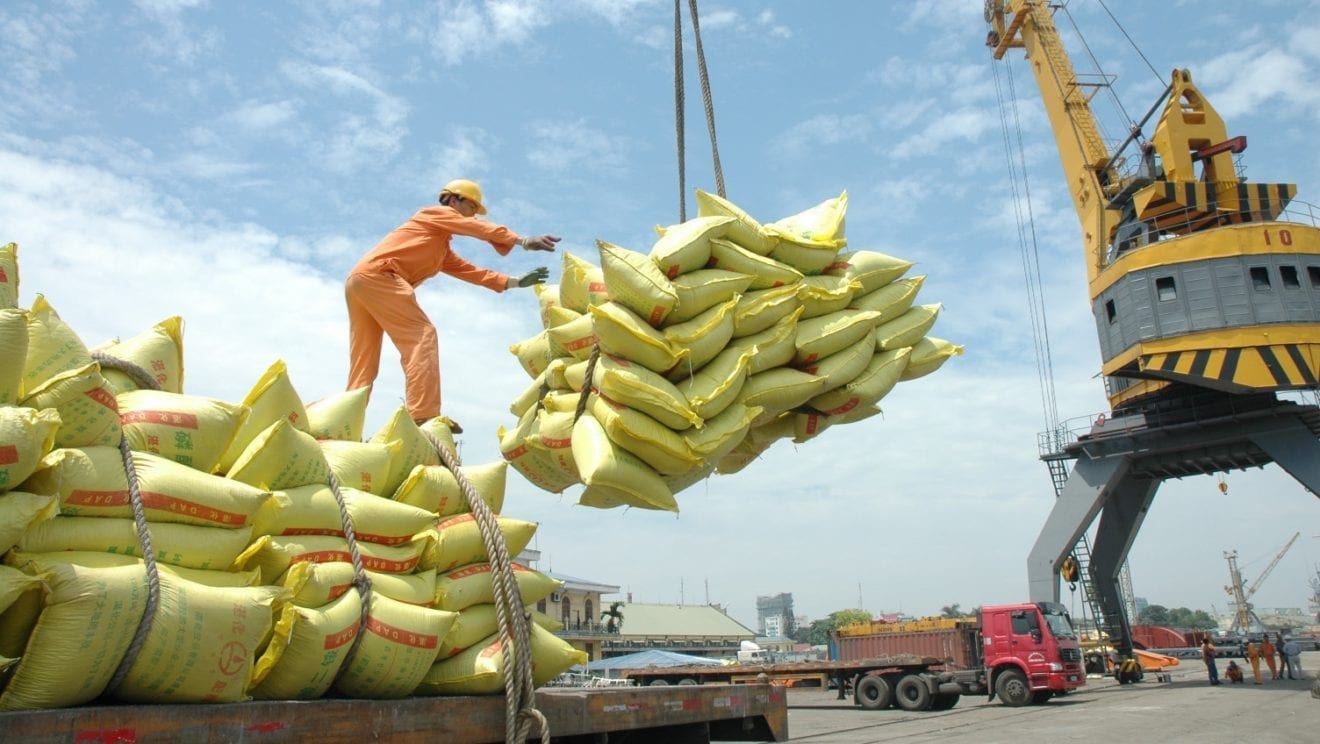
    Việt Nam’s rice export volume in 2018 is expected to increase by 400,000 tonnes from 2017 to reach 6 million tonnes, due to increased demand from Southeast Asia, especially from the Philippines, with China expected to be the country’s largest rice market.

    The Vietnam Food Association (VFA), in a report earlier in January, said countries in Southeast Asia will import a large amount of rice from Việt Nam, helping boost the country’s turnover this year.

    The VFA said Indonesia will import rice from Việt Nam and Thailand again in 2018 to increase reserves, as Indonesia’s rice price has been rising, almost double the floor price.

    Similarly, the National Food Board of the Philippines approved of up to 250,000 tonnes of imported rice to offset declining inventories, due to unfavourable weather in 2017.

    These developments are encouraging for Việt Nam’s rice export market, said the VFA’s report, with export price of 5 per cent broken rice rising to US$400 per tonne from $390.

    Domestic rice price also increased, with the average price between to $267 to $293 per tonne as of January’s end, having increased by $13 to $15 per tonne from December 2017’s price.

    According to the VFA’s data, throughout 2017, the country exported 5.7 million tonnes of rice worth $2.54 billion.

    As mentioned by the US Department of Agriculture (USDA)’s 2018 world rice production forecast, issued late 2017, the main factor behind this year’s rice trade expansion is increased output from Việt Nam, Pakistan and Myanmar, three of the world’s top six rice exporting countries.

    The USDA’s report stated that though 2017 global rice output fell by 20 per cent from 2016’s number, as a result of weak outlook for grain products, long, heavy rainfall and spring floods and other unfavourable weather, meaning there should be positive signals from traditional rice importing markets in Southeast Asia in early 2018.

    In Bangladesh and Sri Lanka, whose rice crops were heavily influenced by harsh weather, demand for rice imports will also increase in 2018. Rising import demand is supported by increased purchasing power in Africa and the Middle East, while China continues to be a leading importer of rice from neighbouring regions.

    As such, Việt Nam will witness an increase in revenue from rice exports to several large consumer markets.

    According to the Department of Crop Production under the Ministry of Agriculture and Rural Development, in early January 2018, the Mekong Delta’s rice producers harvested 860,000 hectares of rice, with an average yield of 5.3 tonnes per hectare.

    Nonetheless, problems remain for national rice production, the majority of which stem from farmers’ ignorance.

    Talking to Vietnam News Agency during a late 2017 agricultural conference in the Mekong Delta, Võ Tòng Xuân, former vice rector of Cần Thơ University and rice expert, emphasised growing competition in global rice markets.

    Xuân warned that Việt Nam needs to find ways to make its rice exports stand out if it wants to achieve export targets.

    Regarding export rice quality, he was convinced that since rice merchants often mix different batches from different farmers into one large batch, there is virtually no way to completely track the origin of any batch.

    Without clear origin, there are no certain product quality controls, and no major national rice brand for Việt Nam, Xuân added.

    He suggested issuing contracts between rice farmers and processing plants for sustainable production, via agricultural co-operatives instead of relying on middlemen.

    Xuân also said that there remain regulations acting as barriers to small and medium enterprises from entering the rice market. Exporting low quality rice and fragrant rice without a brand name is becoming increasingly difficult for Việt Nam, especially in finding niche markets to sell several thousand tonnes.


  • Vietnam, Cambodia’s bilateral trade surged 30% in 2017

    Vietnam, Cambodia’s bilateral trade surged 30% in 2017

    Bilateral trade between Việt Nam and Cambodia last year surged 29.7 per cent against the previous year to nearly US$3.8 billion, the General Department of Customs reported.

    Of the total, Việt Nam’s export turnover to this market was $2.77 billion, rising 26.1 per cent against the previous year. Vietnamese key export goods to Cambodia last year included steel and iron products ($521 million, up 69.7 per cent year-on-year) and oil and petrol ($375 million, up 30 per cent year-on-year).

    Meanwhile, Việt Nam’s imports from Cambodia reached $1 billion, a year-on-year increase of 40.6 per cent, mainly with timber and wood products ($214 million, up 16.9 per cent), cashews ($168 million, up 46 per cent) and rubber ($138 million, up 64 per cent).

    The leaders of Việt Nam and Cambodia have agreed to enhance the comprehensive co-operation between the two nations and raise the bilateral trade value to $5 billion. Việt Nam is currently the third largest trade partner and the fifth largest foreign investor in Cambodia.

    According to the Asia-Pacific Market Department, under the Ministry of Industry and Trade, trade across the border of the two nations has become easier, contributing to making Cambodia the 16th largest export market of Việt Nam.

    In recent years, the economic co-operation between the two nations has seen strong development. Statistics showed that the two-way trade between Việt Nam and Cambodia jumped from only $184 million in 2001 to $3 billion in 2016.

    Major export products of Việt Nam to Cambodia included steel, fertilisers, garments, machinery and plastic products.

    The two countries also expect to soon sign agreements on avoidance of double taxation, border trade and labour co-operation along with a memorandum of understanding on transport cooperation strategy for 2017-25 with a vision to 2030, which will help advance the trade relationship between the two sides to higher levels.


  • Vietnam’s auto imports in record drop in January

    Vietnam’s auto imports in record drop in January

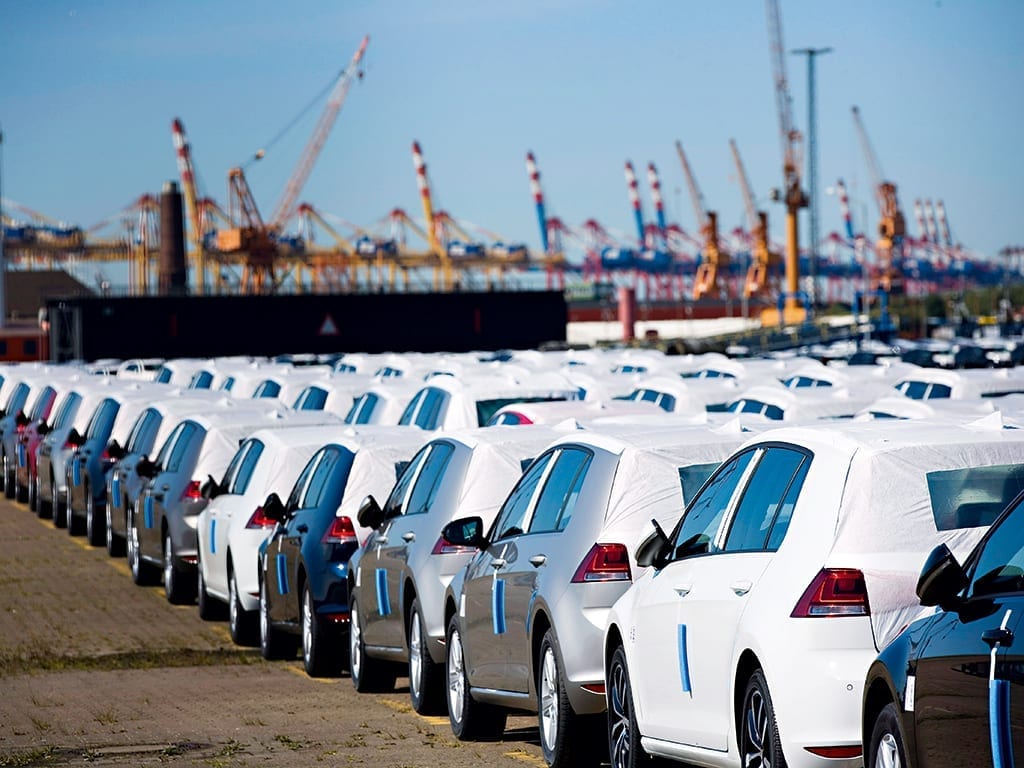
    Some 1,000 cars worth US$94 million were imported to the Vietnamese market in January, reports the General Statistics Office.

    This marks a record drop of 86.2 per cent in volume and 38 per cent in value compared to the previous month.

    The drop comes after auto businesses, including Toyota Motors Vietnam and Honda, stopped importing autos due to the government’s Decree 116, which tightens control over quality, technical safety and environment protection of imported autos.

    Speaking at the government’s monthly press conference on February 2, minister and chairman of the Government Office Mai Tiến Dũng, said a number of embassies and organisations had sent letters to the Prime Minister proposing him to direct relevant ministries and sectors to reconsider the decree.

    Dũng said the Vietnam Automobile Manufacturers’ Association had submitted four letters of recommendation to the government to remove difficulties, saying that the provisions in the decree were inappropriate.

    Meanwhile, several associations, such as Japan Business Association in Việt Nam, and foreign direct investment joint ventures have repeatedly proposed the government to delay the implementation of Decree 116 by at least six months.

    Dũng said there were three major issues arising out of the decree troubling auto businesses and organisations.

    The first is that the importers must obtain a Vehicle Type Approval (VTA) certificate issued by authorities in the exporting country. Dũng explained that VTA was not a certificate of the State body but of authorised agencies or associations of the exporting countries, which aimed to ensure the origin, quality and value of the vehicle.

    Such authorised agencies and associations will also be responsible for recalling the vehicles if they have faults during the production process. This is to ensure the rights and interests of automakers and consumers alike, Dũng said.

    As for the second issue, Dũng said the decree states that the inspection agency will randomly select one unit of each batch to check. The check will be conducted on every batch of imported autos. This regulation will prove to be more costly and time-consuming in testing vehicles. And it is the customer who will have to incur the cost as businesses will ensure their profit.

    Dũng said the government was considering the issue.

    The third problem posed by Decree 116 is that it requires automakers to have a testing route of 800m, with minimum 400m straight, before rolling out the vehicles in the market. According to automakers, this condition will require them to pay more, including registration fee, cost of land and cost of building testing routes.

    Dũng said Prime Minister Nguyễn Xuân Phúc had assigned the Government Office and relevant ministries and sectors to consider the above-mentioned problems. The recommendations would not only ensure the government’s demand on domestic auto production but also the country’s implementation of international standards that Việt Nam was committed to, Dũng said.

    Decree 116’s regulations are being evaluated as a technical barrier for auto importers to overcome. Dũng, however, said all countries were applying necessary measures to ensure the quality of imported products as well as the rights and interests of consumers.

    Further explaining the issue, Dũng said a batch of BMW autos previously imported to Việt Nam was found with a lot of problems related to procedure and origin of the vehicles, in addition to the fact that they were used cars. “If we do not check them carefully, the consumers will be the most vulnerable,” he said.


  • Saudi Arabia to temporarily suspend Vietnamese fish imports

    Saudi Arabia to temporarily suspend Vietnamese fish imports

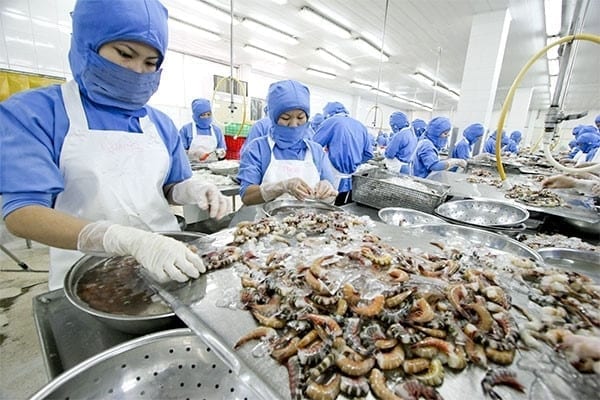
    Saudi Food and Drug Authority (SFDA) has decided to temporarily suspend the import of fish and shrimps from Việt Nam.

    The ban, effective from March 1, is in accordance with the regulatory procedure for fish and other aquaculture export establishments of SFDA, according to a note published on the Saudi Aquaculture Society’s website.

    The decision came after a delegation of several regulators, including SFDA, Ministry of Environment, Water and Agriculture and Saudi Aquaculture Society conducted an inspection tour last month to 24 Vietnamese facilities that exported to Saudi Arabia.

    The delegation found that only nine facilities met the hygiene requirements of Saudia Arabia.

    The suspension will be in place until the facilities complied to Saudi Arabia’s requirements.

    This is one of the most serious actions by Saudi Arabia against Vietnamese exporting firms.

    The Việt Nam Sanitary and Phytosanitary Notification Authority and Enquiry Point under the Ministry of Agriculture and Rural Development on January 30 also announced the SFDA’s notice about the temporary ban.

    The notice said that Saudi Arabia was instituting the emergency measure to prevent the introduction of white sport disease and acute hepatopancreatic necrosis disease into the country.

    The Việt Nam Sanitary and Phytosanitary Notification Authority and Enquiry Point urged relevant agencies to raise appropriate measures to tackle this problem.

    SFDA has also temporarily suspended the import of aquaculture products from Bangladesh and Myanmar and farmed fish from India, according to Saudi Aquaculture Society.


  • UniFriend Vietnam plans to expand in Ho Chi Minh City

    UniFriend Vietnam plans to expand in Ho Chi Minh City

    Korean childrenswear brand UniFriend Vietnam is planning expansion into Ho Chi Minh City via franchising.

    After opening three stores in Hanoi towards the end of last year, the brand is seeking franchisees and agents to sell its products in Ho Chi Minh City and other cities.

    Targeting children under 12 years old, UniFriend opens stores on main streets and department stores.

    All stock is manufactured in Indonesia or Vietnam.

    Founded in 2002, UniFriend now has more than 100 stores in Korea and other markets, including China, Malaysia, Singapore and Thailand.