Tag: Vietnam

  • Lucky Vietjet Passenger wins VND100,000,000  in “Enjoy Sky Festival” campaign

    Lucky Vietjet Passenger wins VND100,000,000 in “Enjoy Sky Festival” campaign

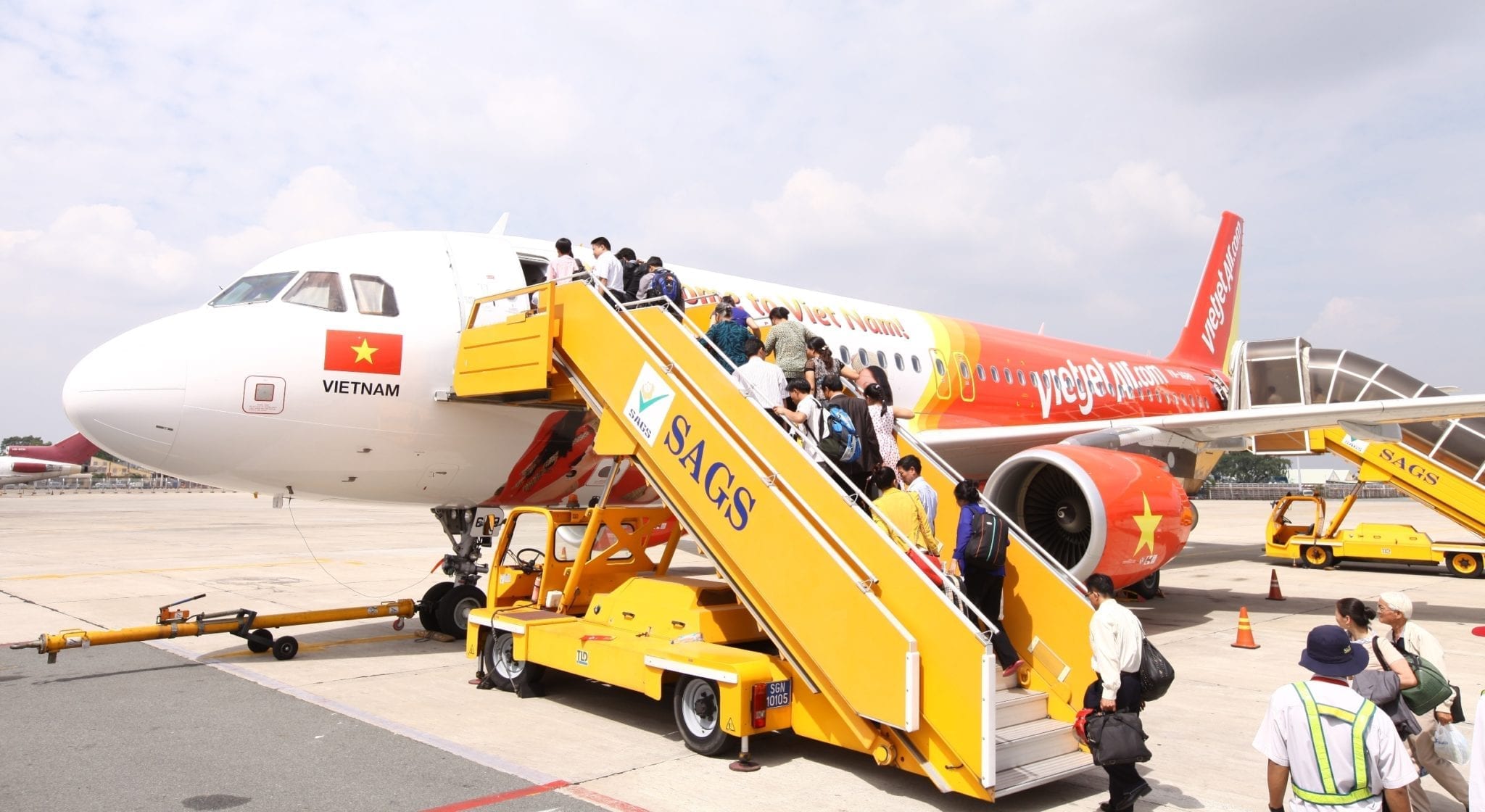
    Travelling on flight VJ378 from Ho Chi Minh City to Chu Lai (Quang Nam Province) on 13 February 2018 proved to be an auspicious day for Mr Nguyen Hong Quang, when the lucky passenger won VND100,000,000 in cash thanks to Vietjet’s “Enjoy Sky Festival” campaign.

    The two-month campaign which ran from 28 December 2017 to 28 February 2018, received tremendous support from passengers as super promotional tickets priced from only VND0 were offered during the golden hours of 1pm – 3pm (Malaysian time). On top of that, a whole host of freebies valued at up to VND1 billion were also up for grabs including free domestic and international return tickets, “lucky money” prizes worth VND10, 000,000, as well as other Vietjet merchandise.

    Modeling itself as a ‘Consumer Airline’, Vietjet will continue to meet the growing demands of consumers by opening new routes, expanding its fleet, investing in modern technology, and offering greater value-added products and services. The airline also prides itself in offering diverse promotional programs on tickets and entertainment especially during the festive seasons.

    Vietjet is favored and known as a pioneer for its many interesting entertainment activities and special promotions during the festive seasons. With its high-quality services, special low-fare tickets and diverse ticket classes, Vietjet offers passengers enjoyable flights with a dynamic and friendly flight crew, comfy seats, amazing hot meals and special surprises from the airline’s inflight activities.

  • Vietjet announces route expansion plan with  direct flights and Bangkok – Krabi route

    Vietjet announces route expansion plan with direct flights and Bangkok – Krabi route

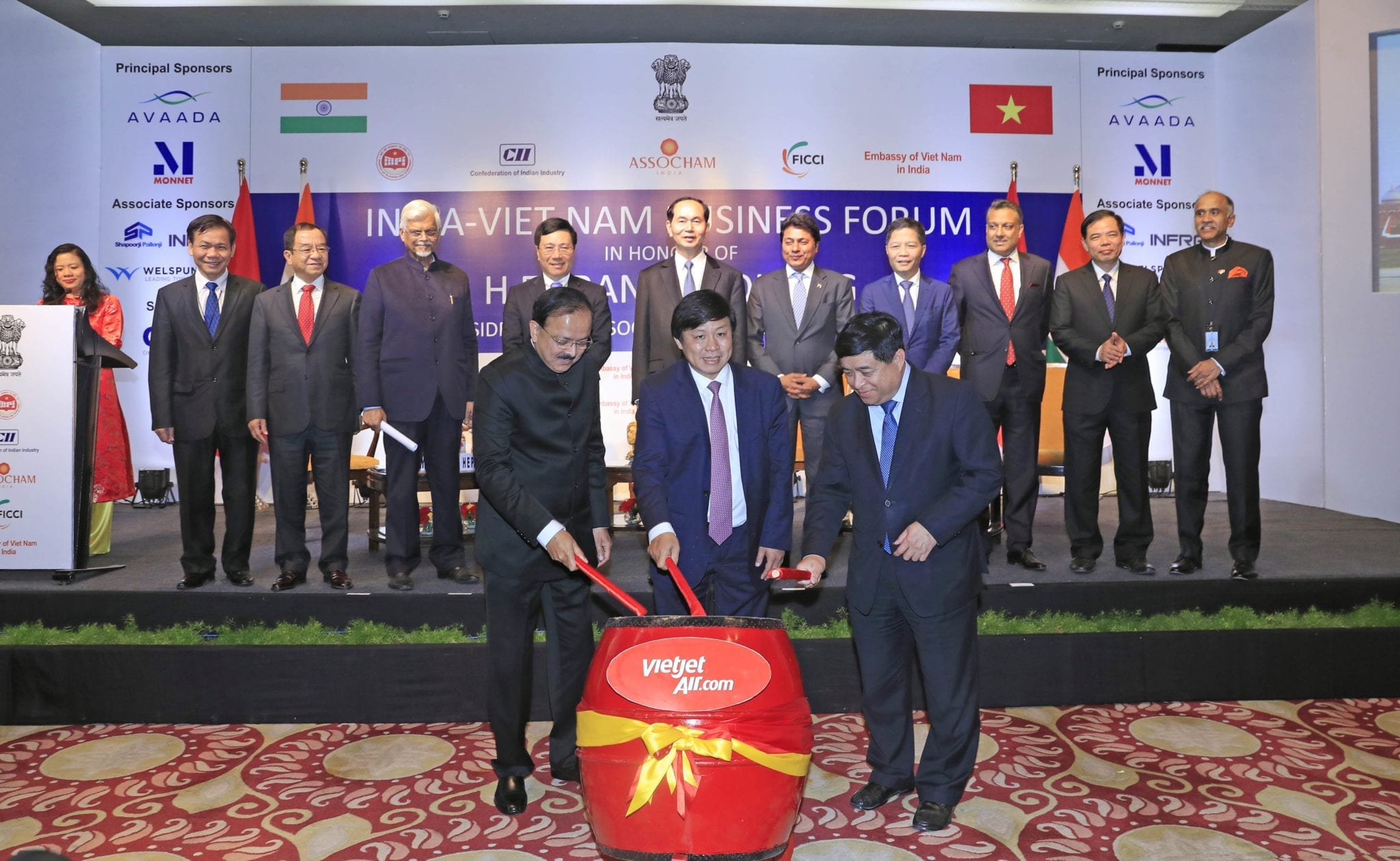
    Vietjet has announced its plan to operate direct flights connecting Vietnam and India, while its subsidiary, Thai Vietjet, is to launch a new direct domestic service between Bangkok and Krabi from April 5, 2018. Both plans are designed to become part of Vietjet’s long term development program to be a “Consumer Airline” that serves all demands of its customers.

    The India route will connect Ho Chi Minh City with New Delhi with four flights a week, serving the growing travel demands of the two peoples and contributing to the region’s integration and trade exchange. The announcement was made at the Vietnam – India Business Forum which was witnessed by Vietnam President Tran Dai Quang and senior leaders of Vietnam and India. It also came as a highlight of the 45th anniversary of the establishment of Vietnam – India diplomatic relationship and the 10th anniversary of strategic partnership between Vietnam and India.

    India, the country with the world’s second largest population, is famous for its diversified culture, religions, cuisine and tourism. Also, the country is well-known for its marvelous nature and grand architectures that are certified as world heritages. Among them are the Valley of Flowers National Park (Uttarakhand), Lotus Temple (New Delhi), Taj Mahal (Uttar Pradesh), Red Fort (New Delhi), etc.

    For the Thailand route, Thai Vietjet will launch a new direct domestic service between Bangkok (Suvarnabhumi) and Krabi, starting from April 5, 2018. The service will operate with two daily return flights and a flight duration of one hour twenty minutes per leg. Departure times from Bangkok (Suvarnabhumi) are 07:10, 19:25 and departure times from Krabi are 09:05, 21:20. Thai Vietjet will deploy an A320 aircraft with 180 seats for the route, representing the airline’s determination to meet passenger demand for popular routes. Krabi is an eternally popular holiday destination, offering great beaches, clean air, beautiful temples, stunning views of both lush mountains and stunning coastlines. It is also a getaway for Bangkok residents to escape the city smog for some clean coastal relaxation. Krabi is also renowned for its world class seafood, beach barbeques and popular nightlife attractions in Krabi Town. With the new Bangkok (Suvarnabhumi) to Krabi flight addition, the airline will be flying five Thailand domestic routes, including Bangkok (Suvarnabhumi) to Chiang Mai, Chiang Rai, Phuket, Krabi and a daily direct flight connecting Phuket and Chiang Rai.

  • Vietjet entices more B-leisure travellers into Vietnam with its expanding flight routes

    Vietjet entices more B-leisure travellers into Vietnam with its expanding flight routes

    When it comes to the MICE (Meetings, Incentives, Conferences and Events) sector, Singapore and Malaysia are widely regarded as the “MICE tigers” of the Southeast Asian region. Hot on their heels is another rapidly-rising economy in this region, Vietnam, which envisions emerging as a serious threat in the coming years.

    According to the Vietnam National Administration of Tourism (VNAT), MICE tourism brings in up to four or five times more than other types of tourism, because this segment of travellers tend to spend more. This has made MICE a catalyst for development in countries like Singapore, Malaysia and Thailand.

    Vietnam has also cast its eyes on this lucrative pie having played host to many big events such as APEC (Asia Pacific Economic Cooperation) 2017, ASEAN Summit 2010, and ASEAN Tourism Forum-ATF 2009.

    The International Congress and Convention Association (ICCA) has stated that Vietnam is emerging as a safe destination in the world and an attractive place for foreign investors. The country’s tourism sector is also actively looking into refining their infrastructure and services to improve their ability to host large-scale MICE events.

    While the major cities of Hanoi and Ho Chi Minh have been the obvious go-to destinations for corporate companies and business travellers to Vietnam in the past, cities in the central region such as Danang, Hoi An and Nha Trang are becoming increasingly affable choices.

    In 2016, Vietnamese cities like Hanoi, Danang, Nha Trang and Ho Chi Minh added to their array of 4 and 5-star international hotels. Nha Trang’s airport was also recently expanded to include more regional and international flights.

    “Business travellers typically outspend the holiday traveller by four or fivefold. So we see plenty of opportunities in MICE tourism, and with the world economy getting back on its feet, there is a renewed demand for exhibitions, meetings and events. Vietnam has great potential in MICE tourism which we have to actively and strategically explore, in order to entice more international organisations to host their events on our shores,” said Vietjet founder and CEO, Nguyen Thi Phuong Thao.

    One way to do this, she adds, is to improve accessibility into Vietnam’s major cities apart from Hanoi and Ho Chi Minh City, which offer greater unexplored natural beauty and cultural experiences for travellers seeking more authentic experiences in business and leisure (B-leisure).

    In hopes to entice more travellers to visit the less-explored cities of Vietnam, Vietjet continues to expand its wings within the country and internationally. The airline currently operates over 350 flights per day connecting passengers to 38 local destinations including Nha Trang, Danang, Hanoi and Ho Chi Minh City, among others, as well as 35 international routes including Kuala Lumpur. In the coming months, Vietjet will continue adding new routes to its ever-expanding list of destinations, connecting passengers to even more destinations across the globe.

    Its innovative in-flight activities and seamless travel experience has garnered many fans across the region, making Vietjet one of Southeast Asia’s increasingly popular airlines for business and leisure.

    There is no denying the vast potential of Vietnam’s MICE industry. The country’s ancient, traditional culture, friendly and hospitable people, safe environment, rich natural resources and beach resorts certainly offer great opportunities for the country to tap into, as it surges ahead to take its place as a favourite MICE destination in this region.

  • Vietnam commercial banks boost retail banking segment

    Vietnam commercial banks boost retail banking segment

    Commercial banks have adjusted their service fees to individual customers since beginning of the year in order to focus on the retail segment.

    For money transfer services in the same banking system, some commercial banks, such as VIB, VietinBank and Techcombank, do not charge for individual customers when using electronic services.

    These banks charge VNĐ8,800 for the maintenance of their accounts. In addition, the fee for money transfer services among different banks is VNĐ9,900 or higher per transaction, or as a percentage of the transaction amount ranging from 0.1 to 0.3 per cent.

    The Joint Stock Commercial Bank for Foreign Trade of Việt Nam (Vietcombank) has increased its service fees since the beginning of this month.

    The monthly fee of its SMS banking service increased from VNĐ8,800 to VNĐ11,000, including VAT (value-added tax).

    Vietcombank has begun charging VNĐ2,200 per transaction from Vietcombank account holders via its mobile banking app from March 1.

    For internet banking service, Vietcombank’s customers will have to pay VNĐ2,200 for each transaction worth less than VNĐ50 million (US$2,196) and VNĐ5,500 for each transaction worth more than VNĐ50 million.

    The fee for an inter-bank transaction of below VNĐ10 million is VNĐ7,700, and when the amount is more than VNĐ10 million, it charges 0.02 per cent of the total amount per transaction.

    Financial expert Bùi Quang Tín said that the competition among bank service fees was quite fierce as some banks offered free of charge inter-bank money transfer services in order to attract more customers.

    “The recent increase in banking service fees at several commercial banks is understandable as the banks must invest more money to ensure security systems to meet stricter requirements from customers,” he said.

    According to the State Bank of Việt Nam, commercial banks issued 132 million cards as of the end of last year.

    Last year, the number of transactions, including withdrawals and transfers, via ATMs was over 206 million transactions valued at VNĐ563 trillion; while there were 43.5 million POS and EDC transactions with a total value of VNĐ95 trillion.

    As for domestic transactions for non-cash payments, bank cards ranked second in terms of the number of transactions.

    Individual deposit account balances increased by VNĐ42.6 trillion to VNĐ325 trillion in the fourth quarter of last year.

    With a population of more than 93 million and rising consumption, Việt Nam is considered a destination in the retail banking segment.


  • First Vietnam’s duty-free cars arrive from Thailand

    First Vietnam’s duty-free cars arrive from Thailand

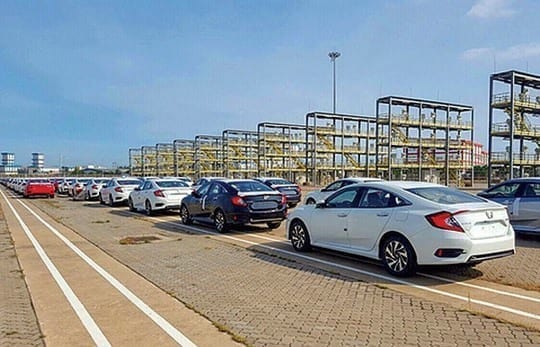
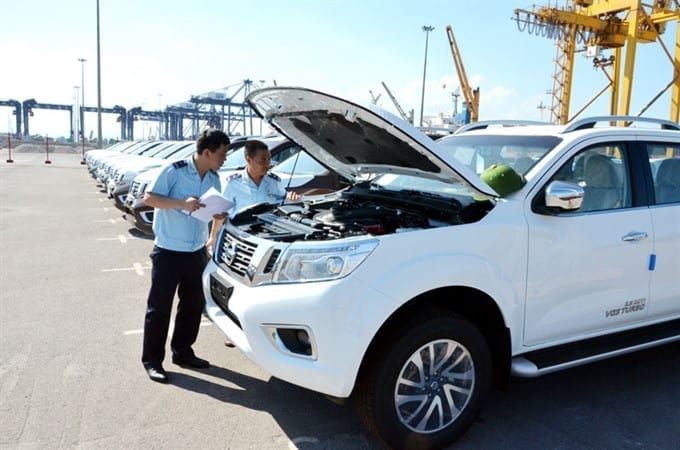
    Over 2,000 Honda cars from Thailand—the  first batches of cars to enjoy zero per cent import duty under the ASEAN Free Trade Agreement (AFTA)—have been imported to Việt Nam.

    Under the AFTA commitments, a zero per cent tax is applicable to cars imported from the bloc, with a localisation rate of 40 per cent or more in the country of origin, starting January 1 this year.

    The current batch has Jazz, Accord, CR-V and Civic models.

    A representative of Honda Vietnam said that to import the autos to Việt Nam, the firm had completed procedures to meet the requirements of Việt Nam’s Decree 116 on the conditions for production, assembly, import, business of warranty service, car maintenance and particularly the Vehicle Type Approval certificate granted by the Thailand Department of Land Transport.

    A consulting staff member at Honda’s Mỹ Đình agent said that the new vehicles would be rolled out to the market in May or early June, as it will take one or two months to complete checks on emission, quality and technical safety at ports.

    “The price of each car is expected to fall by more than VNĐ200 million.  This will be a turning point in the Vietnamese automobile market,” said the staff member.

    Earlier, the insiders calculated that with the zero per cent import tax, the price of imported cars from ASEAN countries to Việt Nam would fall by 20-25 per cent.

    Toyota Motor Vietnam and Ford Việt Nam are completing procedures to meet the requirements of the Decree 116 to import cars which are favourites in Việt Nam, such as the Ford Explorer, Everest, Ranger, Toyota Fortuner and Yaris.


  • Acquisition threat real for Vietnam FMCG brands

    Acquisition threat real for Vietnam FMCG brands

    The Sa Giang Import and Export Joint Stock Company has reported a net profit of VNĐ30.5 billion ($1.34 million) on a turnover of VNĐ290.7 billion (US$12.8 million) last year.

    They were almost 4 per cent and 11 per cent up respectively.

    For Sagrimexco, as the company is known, the biggest earner was bánh phồng tôm (shrimp crackers).

    The Sài Gòn Food Joint Stock Company (Sài Gòn Food) also achieved positive business results with domestic sales soaring by 30 per cent.

    Hotpot was its main product.

    Sagrimexco and Sài Gòn Food are among many domestic companies that are leading the Vietnamese fast moving consumer goods (FMCG) market.

    Reports released recently by market analysis firms also show that in the FMCG sector, Vietnamese brands hold the upper hand over their rivals from multinational corporations in both rural and urban markets.

    Kantar Worldpanel’s Asia Brand Power report released on January 15 said in rural areas, Vietnamese brands hold a 78 per cent market share. In large cities, the figure is 71 per cent.

    Kantar Worldpanel’s David Anjoubault said the strengths of Vietnamese brands lie in good understanding of local markets and distribution networks.

    The success is also attributed to their close co-operation with retailers.

    After analysing the four largest market segments — food, beverages, home care and personal care products — Nielsen came to the conclusion that Vietnamese manufacturers earned 42 per cent of the FMCG sector’s total revenues.

    In the food and beverage segments, Vietnamese enterprises have a market share of 69 per cent and 45 per cent respectively. In the home care and personal care segments, multinational brands have advantages, but their growth rates are lower than those of domestic ones.

    Analysts said Vietnamese brands’ domination is easy to understand since they possess many advantages.

    Their quality has improved recently and their prices have become more competitive while they have always had large distribution networks that take them to consumers in the remotest areas.

    More and more modern retail chains are also becoming distributors for local FCMG manufacturers, thus actively helping them expand their market share.
    Besides a good understanding of consumers’ customs and tastes, the local players also understand the importance of investing in technology and being flexible, all of which have helped them quickly capture the imagination of the fickle modern consumer.

    With the current low consumption level in the Vietnamese market, the FCMG sector still offers huge prospects to investors.
    Many analysts fear however that their impressive achievements have put many local FMCG enterprises on the radar of foreign investors, who could easily buy them lock, stock and barrel.

    For instance, in just the last seven months South Korean conglomerate CJ Corp acquired over 70 per cent shares of food processor Cầu Tre Foods and 100 per cent of kimchi distributor Ong Kim.

    In March last year it had shelled out $13.44 million to acquire a controlling interest in Minh Đạt Food.

    CJ also bought a 4 per cent stake in Việt Nam’s leading meat processor, Vissan, when the State giant held an IPO in March 2016.

    To help ward off predatory foreign investors while not violating the country’s World Trade Organsiation commitments, the analysts said the Government should have practical support policies.

    They also stressed the need to simplify administrative procedures to create a fair and healthy competitive environment and help enterprises cut down unnecessary costs.

    In the meantime, the Government should create conditions that enable local FMCG businesses to access loans with preferential interest rates.

    Bank loans remain out of agricultural businesses’ reach

    According to the State Bank of Việt Nam (SBV)’s credit department, as of June 2016 bank loans outstanding to the agricultural sector had been worth over VNĐ1.1 quadrillion (US$48.5 billion), accounting for nearly 20 per cent of the total loans outstanding.

    Loans from Agribank alone made up almost 50 per cent of the total, with the remaining banks accounting for only VNĐ500 trillion ($22.03 billion).

    But a study by the Ministry of Agriculture and Rural Development (MARD) found that 70.1 per cent of enterprises involved in agriculture have faced difficulties in getting bank loans, with 49.4 per cent unable to borrow at all.

    Why do companies in the farm sector find it difficult to get bank loans?

    According to some businesses, the process of borrowing capital from banks remains very complicated with many stringent requirements, one of which is that borrowers have to put up assets for collateral.

    An SBV official said many agricultural enterprises are unable to borrow because of this requirement since they do not have assets.

    Though the central bank has instructed banks to offer unsecured loans to agricultural businesses, they still make up of only 20 per cent of the outstanding loans to this sector, he said.

    Analysts said banks remain apprehensive about lending without collateral despite the Government’s many support policies.

    For instance, it issued Decision No.68/2013/QĐ-TTg on fully subsidising interest on loans for buying machinery and equipment to reduce agricultural losses.

    But a banker revealed that the central bank is tardy in paying the interest subsidies.

    Agricultural companies said the biggest problem for them in getting bank loans are the interest rates.

    Though the rates for loans to agricultural projects with high feasibility are only 6-6.5 per cent, even these are too high for them because the profitability of these projects is very modest, they said.

    Concurring with this, analysts suggested the Government should continue to slash interest rates and bring them down to 3.5-4 per cent.

    MARD has proposed some measures in a draft decree to be submitted to the Government for approval to resolve collateral-related problems for agricultural enterprises and improve their access to bank loans.

    The decree also includes interest rate support policies for them, one of which is that the rates should be 1.5-2.5 per cent lower than for other sectors.

    The Government would bridge the difference in interest rates.

    Analysts said it is imperative to lower interest rates for enterprises involved in agriculture and industry, thus attracting more investors to these sectors.


  • Fewer sales, but more profit for Bonia

    Fewer sales, but more profit for Bonia

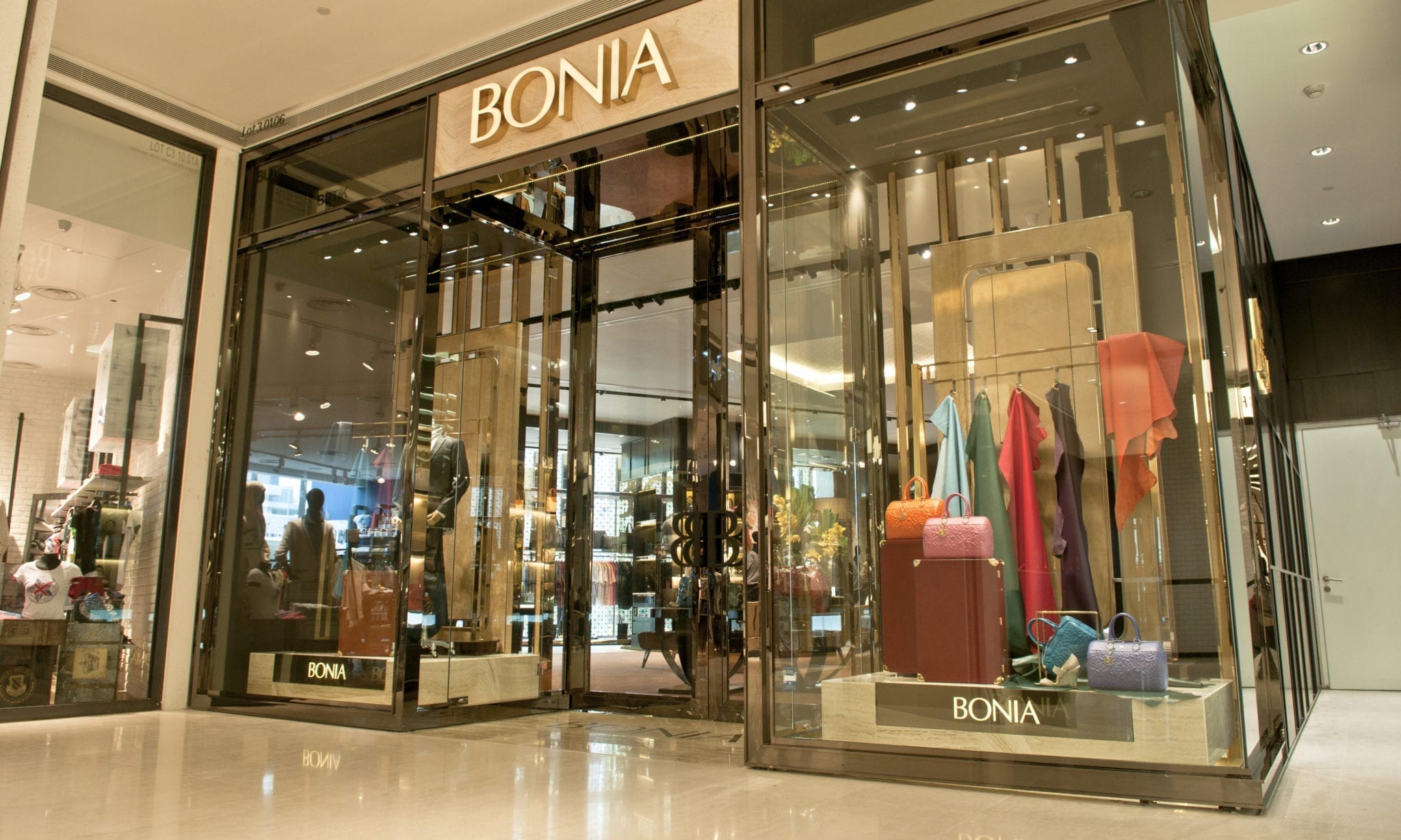
    While Malaysian fashion retailer Bonia sold fewer handbags in its second quarter, it did manage to grow its net profit.

    It achieved a net profit of RM11.99 million (US$3 million) for the period, to the end of December, up 8 per cent. It attributes the upswing to lower running costs and improved gross profit margins.

    Quarterly revenue dropped 7 per cent to RM160.34 million, Bonia saying this had been anticipated because of the closure of counters as part of a rationalisation process.

    However, the lower revenue was offset by improved gross profit margins, up 5 per cent.

    Year-end sales and the festive season boosted revenue and operating profit to RM15.35 million.
    Business in Indonesia, Singapore and Vietnam was hit by weak consumer sentiment.

    Still, the quarterly growth was not enough to stem the fall on its half-year earnings, which saw net profit slide 31 per cent to RM13.3 million. Revenue contracted by 10 per cent to RM279.23 million.

  • CapitaLand accelerates growth momentum in Vietnam with massive investments

    CapitaLand accelerates growth momentum in Vietnam with massive investments

    CapitaLand Vietnam plans its first mixed-use project for Hanoi.

    In Tay Ho district with West Lake views, the US$217 million project will comprise 19,000sqm of retail space, about 213,000sqm of office space and 380 residences including SoHo apartments.

    Its 0.9ha site connects to both the new and old business districts and is close to the diplomatic district and new government offices as well as the expatriate enclave of Xuan Dieu. It is less than 20 minutes’ drive from Noi Bai International Airport.

    “This mixed-use development allows us to strategically diversify and optimise our Vietnam portfolio with both good trading returns and a strong recurring income stream,” says CapitaLand president/group CEO Lim Ming Yan.

    The Singapore-based group has also set up its second commercial fund in Vietnam, CapitaLand Vietnam Commercial Value-Added Fund (CVCVF), which has closed at $130 million and will have a life span of eight years. CapitaLand and EA Commercial Holdings each hold a half interest in CVCVF, which will focus on grade-A commercial properties.

    After Singapore and Malaysia, Vietnam is the third-largest Southeast Asian market for CapitaLand. At the end of December it had $717 million worth of gross assets under management in Vietnam.

  • Vietjet to Operate International Flights at Terminal 4, Changi International Airport

    Vietjet to Operate International Flights at Terminal 4, Changi International Airport

    Vietjet will soon shift its operation of international flights from Terminal 3 to Terminal 4 (T4) of Changi International Airport, Singapore beginning 6 March 2018.

    The forthcoming shift in operation marks the expansion and growth of Vietjet in Singapore’s Changi Airport – the world’s best 5-star international airport in the five consecutive years and also helps to reduce travel time by bus from the aircraft parking area to the terminal.

    Since launching its first flights from Ho Chi Minh City in 2014, Vietjet has continually increased its frequency and launched new routes from Hanoi to Changi, serving the rapidly growing travel demands between the two countries which contributes to promoting regional trade and intergration.

    Officially launched on 31 October 2017, T4 – Changi International Airport has since received over 1.6 million passengers and covered more than 9,400 flights.

    The areas serving Vietjet’s inbound and outbound flights are synchronously designed, equipped with modern equipment and prominent branding signs. Vietjet’s check-in counters are located in the same area making ticket counters accessible and convenient for passengers. The opening time of check-in counters for international flights remains at 3 hours before departure time and the closing time is 50 minutes before departure time. Passengers should be aware of the operational change to the new terminal to ensure all travel formalities including check-in, immigration, customs clearance and security procedures are cleared on time.

    Modeling itself as a ‘Consumer Airline’, Vietjet continues to open new routes, expand its fleet, invest in modern technology and offer more value-added products and services to serve the demands of customers. The airline also offers diverse promotional programs on tickets and entertainment especially during the festive seasons.

  • Vietnam focuses on divestment in oil and gas sector

    Vietnam focuses on divestment in oil and gas sector

    Vietnam Oil and Gas Group (Petro Vietnam or PVN) plans to reduce its ownership of Petro Vietnam Gas Joint Stock Company (PV Gas) from the current 97 per cent to 65 per cent.

    The divestment, scheduled for 2018-20, follows Government instructions for the company to pare its stakes in three State-owned companies to a minimum of 51 per cent by 2020, the other two being Petro Việt Nam Fertiliser and Chemicals Corporation (DPM) and Petro Vietnam Cà Mau Fertiliser Joint Stock Company (DCM).

    The PV Gas divestment is expected to attract many large investors who would be eager to buy into a company that reportedly contribute 30 per cent of PVN’s profits.

    PetroVietnam, established in 1977, through its various companies including wholly-owned subsidiaries, now covers the entire gamut from oil and gas exploration and production to storage, processing, transportation, distribution, and services.

    At an interaction with the media in late January PV Gas chairman Lê Như Linh said the divestment would be done very carefully to identify appropriate strategic shareholders.

    A detailed plan would be submitted to PVN and then to the Government for approval, he said.

    He expected the stake sale to not only be hugely profitable for the Government but also secure access to advanced technologies and modern management from strategic investors from the west, Japan and South Korea.

    By 2019 PVN will also have to entirely divest its stake in PVI Holdings, Phước An Port Investment and Exploitation Oil and Gas JSC, Green Indochina Development JSC, SSG Real Estate JSC, Petro Vietnam Trade Union Finance JSC, Petro Vietnam Construction joint Stock Corporation, and Petro Vietnam Maintenance and Repair JSC.

    In the first quarter of this year PVN successfully equitised three of its companies, Petrol Vietnam Oil Corporation (PV Oil), Bình Sơn Refining and Petrochemical Co Ltd (BSR) and Petro Vietnam Power Corporation (PV Power), reducing its ownership to below 50 per cent.

    The three companies made successful initial public offerings.

    In fact, the BSR IPO netted the Government 60 per cent more money than it had expected.

    BSR had expected to sell 241.6 million shares, or 7.79 per cent of its chartered capital, to the public at VNĐ14,600 per share ($0.64).

    At this price, BSR would have been valued at almost $2 billion, making it the largest firm ever to hold an IPO.

    A maximum of 49 per cent is expected to be sold to strategic investors three months after the IPO, with PetroVietnam retaining 43 per cent. Some 0.21 per cent of the shares will be offered to the company’s employees.

    But to return to the IPO, the Government earned VNĐ5.5 trillion ($244.5 million) through the sale. The highest bid was VNĐ35,000 per share, the lowest was VNĐ14,600 per share and the average was VNĐ23,043, 56 per cent higher than the reserve price.

    The auction saw 3,964 individuals and 115 organisations register to buy 652 million shares.

    The Government raised VNĐ6.99 trillion ($307.8 million) from selling 468.37 million shares of PV Power, or 20 per cent of its chartered capital through an IPO on January 31.

    The average price was VNĐ14,938, with the highest and lowest successful bids being VNĐ28,000 ($1.23) and VNĐ14,500 ($0.64).

    The company is now valued at $1.48 billion.

    PV Power’s success came as no surprise because it has been reporting profitable operations year after year, and the offer price was thought to be attractive.

    Established in 2007, the company operates one coal-fired thermal power plant, three gas-powered plants and three hydropower plants. Its annual output is more than 4,208 MW, or 10 per cent of the country’s entire capacity.

    Last year it reported net revenues of VNĐ31.5 trillion, an increase of 12 per cent, and post-tax profit of VNĐ1.9 trillion, a 25 per cent increase.

    In PV Oil’s IPO on January 25 all 207 million shares, or 20 per cent of its chartered capital, were snapped up for a total of $190 million. The average successful bid was VNĐ20,196 ($0.89) per share. The lowest was VNĐ19,200, VNĐ5,800 higher than the reserve price.

    Foreign investors only bought 68.47 million shares.

    The Government has instructed PVN to retain its current ownership in some other subsidiaries and associate companies such as Petro Vietnam Technical Services Corporation, the Vietnam Russia Joint Venture Vietsopetro and Petro Vietnam Drilling and Well Services Corporation.

    PVN owns respectively 51.4 per cent, 51 per cent and 50.4 per cent stakes in them.

    But despite all this, analysts said the PVN’s divestment and privatisation remain lower than expected due to several factors.

    For one, its subsidiaries are too large for strategic shareholders.

    For another, foreign investors expect transparent financial reports, which is lacking at many Vietnamese firms including oil companies.

    Thus, for many, valuation is a difficult and slow process.

    Oil companies have difficulty identifying the ideal management model after their IPO.

    Central bank wary of lending to high-risk sectors

    In late January the State Bank of Việt Nam (SBV) instructed banks to limit lending to the real estate, securities and consumer sectors amid reports of alarming credit growth rates.

    It told them to constantly monitor the progress of property projects and their developers’ financial health, and have measures in place to handle any defaults.

    It said the pace of their stock market lending investment should be curtailed to mitigate risk.

    As for consumer credit, banks have been told to evaluate and process loan applications carefully and ensure borrowers refrain from using the loans to invest in property or stocks.

    Market observers said while it is not new for the central bank to instruct lenders to tighten credit for real estate and stocks, this is the first time it has told banks to monitor consumer credit quality.

    Why?

    Though consumer lending yields big profits to banks, the central bank is definitely worried about the high risks it involves.

    According to data from the National Financial Supervision Committee, consumer lending has been expanding rapidly since 2015. Last year growth was a whopping 65 per cent, up from 50.2 per cent in 2016, and these loans accounted for 18 per cent of the total lending for the year.

    Lending for house renovation and repairs accounted for 53.8 per cent of the total consumer credit, loans for buying home appliances for 15.3, and vehicle loans for 8.3 per cent.

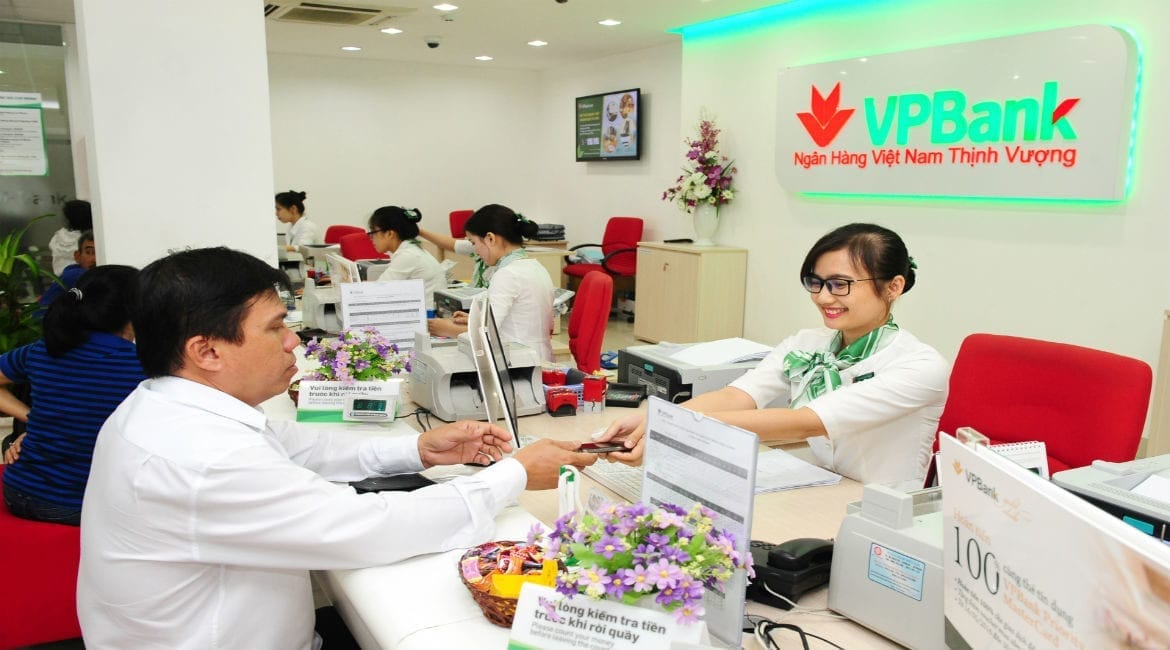
    VP Bank reported recently that its 2017 pre-tax profit of VNĐ8.1 trillion included a full 50 per cent from FE Credit, its finance arm.

    The latter’s credit growth was 39 percent.

    VP Bank CEO Nguyễn Đức Vinh said consumer credit would keep expanding in the next 10 years.

    According to Rồng Việt Securities banks had accounted for $23.27 billion, or 87.6 percent, of consumer loans in 2016. Finance companies had provided the rest.

    VDSC analysts, while believing consumer credit would have a positive impact on economic growth, still warn against risks.

    The biggest risk is people borrowing beyond their means. After analysing consumer behaviour trends, VDSC said many consumers had excessive optimism about their future income.

    A deputy director of a bank in Hà Nội, who asked not to be named, agreed with VDSC experts, adding that many borrowers use consumer loans for buying property, which often requires long-term funds.

    Besides, consumer loans often have interest rates that that could be three times the rates on other loans.

    A VP Bank official said the high growth rates in consumer credit are associated with increased risks of default.

    In a report on VP Bank, HSC Securities has forecast that FE Credit has to make 20.82 percent higher provision for risks.

    Nguyễn Quốc Hùng, director of the central bank’s credit department, said lending in 2017 had mainly focused on priority sectors related to production and distribution.

    The central bank sought to closely monitor lending to high-risk sectors like real estate and stocks and consumer credit, and advised banks to focus on genuine consumer lending to ensure effective and sustainable credit growth and support economic development.


     

  • Vietnam auto imports plummet over Government’s Decree 116

    Vietnam auto imports plummet over Government’s Decree 116

    Automobile imports in Việt Nam plummeted in the first month of 2018, also the time before Tết (Lunar New Year) holiday.

    Only 337 cars of all kinds were shipped to the country, according to data of the General Department of Customs.

    Of the imports, there were only 17 passenger cars with nine seats or less, amounting to US$567,000. Notably, no cars were imported from Indonesia and India.

    In 2017, Indonesia was among the top countries after Thailand with the highest number of exported cars to Việt Nam. India too had a relatively large number of exported vehicles in 2016. However, in January this year, both the countries did not export any car to Việt Nam. Meanwhile, Thailand lost its recognition as the largest import car market in Việt Nam, with only 36 vehicles exported to the country since the beginning of the year.

    Among the automobile export markets to Việt Nam in January 2018, Russia suddenly rose to the top, with 159 vehicles being exported, worth VNĐ274 billion (US$12.03 million), equivalent to VNĐ1.7 billion each. Under a deal on autos signed between Minister of Industry and Trade Trần Tuấn Anh and the Russian Ambassador to Việt Nam Konstantin V.Vnukov in Hà Nội  in December last year, Russia’s joint ventures in Việt Nam are allowed to import duty-free 2,550 complete built-up units and 13,500 sets of automobile parts from 2018 to 2022 as a way of exploring the capacity and tastes of the market.

    China (65 cars) and the United States (42 cars) ranked second and third in exports, respectively.

    According to The Jakarta Post, Indonesia’s four-wheel car manufacturers face a bleak future in exports following a new regulation of Việt Nam, which is poised to build its own automotive industry.

    The Vietnamese Government in November issued Decree No. 116/2017/ND-CP on car manufacturing, assembly, importation and warranty offering, a move that came into effect from January 1, 2018, and tightened car imports. According to Vietnamese Ministry of Industry and Trade (MoIT), Decree 116 is a supportive measure for domestic companies as it sets up a number of technical barriers to limit the import of cars. The decree comes at a time when the import tax of automobiles from within the ASEAN bloc is zero per cent, which also became effective from January 1, 2018.

    Under the decree, car importers in Việt Nam are required to obtain a Vehicle Type Approval (VTA) certification, which details the imported vehicles’ quality, safety and environmental protection. The VTA must be issued by authorities in exporting countries. In addition to this, one sample will be selected from every batch of imported cars for emission, quality and technical safety tests. The inspection will be repeated in the next shipment, even on the same car models.

    “The new rule creates additional costs; a complete inspection may take one to two months, while other cars from the shipment will have to stay at the port and be charged daily for storage,” Kukuh Kumara, Indonesian Automotive Manufacturers Association (Gaikindo) secretary-general said.

    The new rule prompted Gaikindo to send a letter to the MoIT on January 27. The letter claimed that four automakers—Toyota, Suzuki, Daihatsu and Hino—had stopped the planned production of 9,337 vehicles bound for Việt Nam. The units were supposed to be manufactured in the December-March period.

    Kukuh said that Indonesia sent some 30,000 cars to Việt Nam annually, with the four automakers being the biggest exporters.

    According to data of the Central Statistics Agency, Indonesian passenger car exports to Việt Nam from January to November last year was valued at $241.2 million, up significantly from $17.78 million in 2016. Indonesia is also ranked among the top three passenger car exporters to Việt Nam, along with Thailand and China, with a market share of 13.12 per cent.

    Oke Nurwan, international trade director general at Indonesia’s Trade Ministry, said if manufacturers were reluctant to export their cars to Việt Nam, Indonesia could lose some US$85 million between December and March.

    He said the Indonesian government had decided to take a soft approach on the matter by sending on February 26 a delegation to lobby with its Vietnamese counterpart.


  • SCIC Vietnam to sell stake in Bình Minh Plastic JSC

    SCIC Vietnam to sell stake in Bình Minh Plastic JSC

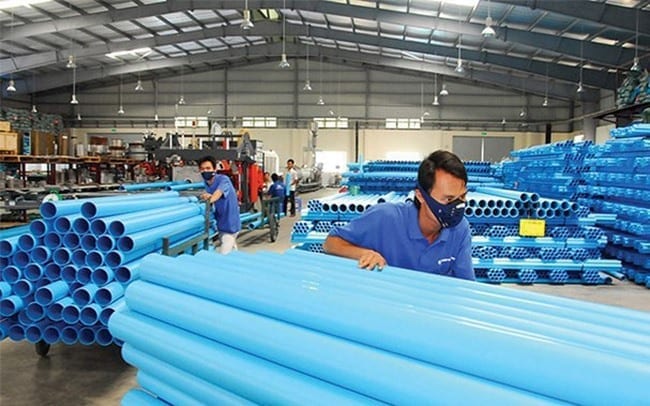
    The State Capital Investment Corporation (SCIC) plans to sell nearly 30 per cent of its stake in Bình Minh Plastic JSC or 24.1 million shares on March 9 on the HCM Stock Exchange.

    The 24.1 million shares will be sold via competitive bidding and each investor must register to buy at least 20,000 shares.

    The starting price will be announced on February 28. The bidding price must be above both the starting level and the daily decreasing band of Bình Minh Plastic Company’s share price on March 9.

    For example, if the shares are sold at the starting price of VNĐ100,000 (US$4.44) per share and the decreasing band of the shares is VNĐ95,000 per share, then the bidding price must be above VNĐ100,000 per share.

    If the decreasing band of the shares is VNĐ105,000 per share, then the bidding price must be above VNĐ105,000 per share.

    If investors forecast the required bidding price as unreasonable compared to their expectations, then they can cancel their bidding by 4pm on March 8.

    Investors must deposit at least 10 per cent of their purchase value based on the starting bidding price.

    Bình Minh Plastic JSC is listed on the HCM Stock Exchange with code BMP. The company shares jumped 4.6 per cent on Friday to VNĐ93,400.


  • Vietnam seeing a boom in renewable energy projects

    Vietnam seeing a boom in renewable energy projects

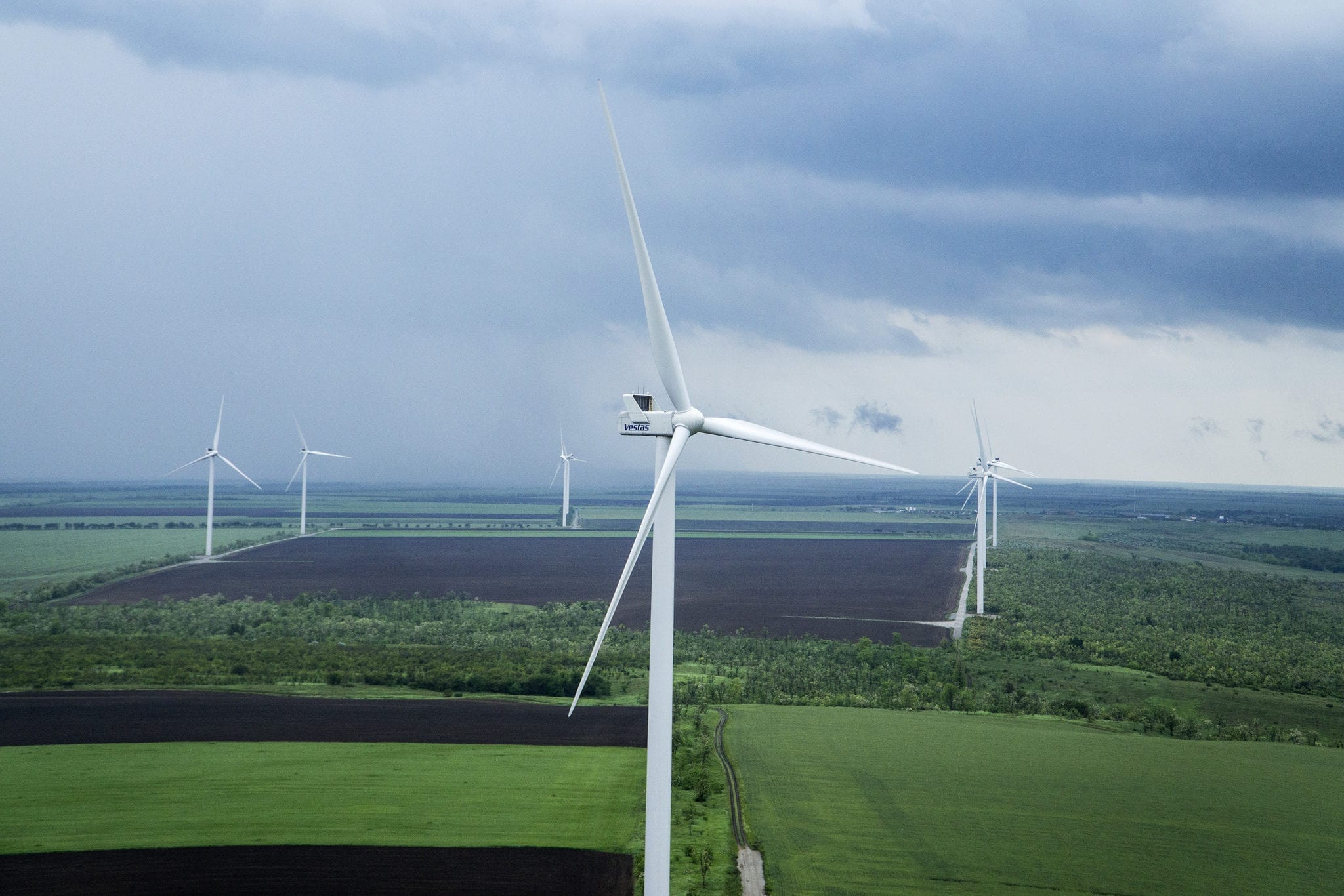
    Vietnam has seen a boom in renewable energy projects, in a bid to meet the nation’s future demands for power, after the Government scrapped plans to build a nuclear power plant in Ninh Thuận Province.

    Experts have noted that this is a golden opportunity for the country, which is confronted by environmental issues, to develop renewable energy, given the huge potential of wind and solar power.

    In 2015, the Prime Minister approved a renewable energy development strategy by 2030 with a vision to 2050, which targeted an increase in the ratio of power generated from renewable energy to 32 per cent by 2030 and 43 per cent by 2050.

    The national project for power development in 2011-20 also identified developing renewable energy as a breakthrough to ensure the security of the nation’s energy supplies, and reduce the negative impact of generating power on the environment.

    This could be regarded as a launching pad to promote investment in developing renewable energy in Việt Nam, according to Võ Tân Thành, deputy chairman of the Việt Nam Chamber of Commerce and Industry.

    There were some 50 wind power, and more than 100 solar power projects, along with a number of biomass projects being developed in the country.

    Hundreds of solar projects have been registered, as of July 2017, allowing them to seek investors, with a total capacity of up to 17,000 MW, according to an estimate by the Energy Programme’s officer under the US Agency for International Development.

    Also, many investors recently announced very large investments in renewable energy projects in Việt Nam.

    Thiên Tân Group announced it would invest US$2 billion in building five solar power projects in Ninh Thuận Province by 2020. The group also seeks to develop some 20 large-scale solar power plants in the northern provinces by 2020.

    In late January, BIM Group began construction of the BIM 1 solar power project in Ninh Thuận Province, with a planned annual electricity output of 50 million kWh, in cooperation with AC Energy, a subsidiary of Philippines’ Ayala Group.

    The group planned to develop the largest clean energy farm in Việt Nam in Ninh Thuận Province, with a total capacity of 300 MW, by the first quarter of 2019, with a target of producing 1,000 MW of clean energy by 2025.

    Besides Ninh Thuận, investors were also keen on developing solar power projects in other provinces, with a potential for generating solar power in Phú Yên, Bình Phước and Khánh Hòa.

    Recently, Asia infornet INC, a member of Japan’s AIN Group, began working with Bình Phước Province on the feasibility of developing a solar power project in Becamex Industrial – Urban Zone.

    The Phú Yên People’s Committee said that it allowed 17 investors to carry out field surveys and study the possible development of solar power projects, with a total capacity of 1,310 MW, in the province.

    Besides solar power, wind energy projects are also being developed, such as a 98 MW wind power plant by Super Wind Energy Công Lý Sóc Trăng in Sóc Trăng Province, the 373 million kWh Bạc Liêu wind power plant phase three, and phase two of the Đầm Nại wind power project in Ninh Thuận Province.

    Read more at https://vietnamnews.vn/economy/422909/vn-seeing-a-boom-in-renewable-energy-projects.html#72dOEXroH8LmVOYq.99

  • Fees, retail services to be banks’ main income

    Fees, retail services to be banks’ main income

    Commercial banks are expecting the revenue from fees and retail banking services to become their main income sources this year, as a result of rising market demands.

    According to Nguyễn Đức Vinh, general director of VP Bank, after years of investing in the financial company FE Credit, his bank was expecting to receive a large profit from the company in 2018.

    FE Credit started to gain profits from the retail banking segment in 2016, and the profit improved continuously last year. VP Bank’s financial reports showed that the bank’s profits last year hit a record high of more than VNĐ6.43 trillion (US$283.25 million), of which FE Credit made up some 51 per cent.

    Vietcombank also expects to better exploit the potential retail banking segment this year, as it recruited Thomas William Tobin, a Canadian foreign senior expert in retail banking, last year, to be its retail banking director. It was the first time the State-owned bank appointed a foreigner in its management board, showing its priority for the retail banking segment.

    Vietcombank’s chairman Nghiêm Xuân Thành hoped that the expert, who has expertise in global and Vietnamese finance, will help the bank make a leap in the retail banking segment.

    Vietcombank is targeting to become the country’s leading bank in retail segment in 2020, Thành said.

    According to Nguyễn Đình Tùng, general director of the Orient Commercial Joint Stock Bank, his bank is expected to earn a pre-tax profit of more than VNĐ1 trillion in 2018, thanks to specific strategies in the sales of financial products, especially in non-credit services.

    Some other banks have also planned to better exploit the potential business segment in 2018 through mergers and acquisitions last year. Typically, Shinhan Bank Vietnam acquired ANZ’s retail banking services or the Vietnam International Bank (VIB) acquired the HCM City’s branch of Commonwealth Bank of Australia.

    According to experts, banks are investing significantly in retail banking services, instead of only focusing on corporate lending in the hope of gaining higher profits from the potential segment this year.

    With more than 93 million people and sharply increasing consumption, Việt Nam is considered a hot destination for the retail banking segment, which is why banks have strategically planned to boost the segment.

    In fact, the in-cash habit of Vietnamese people is no longer an obstacle to the development of card network and non-credit services. Thus, several banks are aiming to give their customers a variety of non-traditional credit services, such as savings and transactional accounts, mortgages, personal loans, debit and credit cards.

    Notably from the beginning of this year, many banks have considerably improved the quality of their retail banking services to enhance competitiveness in the market. They are also focussing on other aspects such as marketing, technology and human resources to attract more individual customers to non-credit services.

    The move was decided after the retail banking segment contributed to a large amount of the total profits of many banks last year. BIDV and MB Bank, for example, gained high profits last year, thanks to a 34 per cent to 35 per cent rise in retail banking services.

    Nguyễn Thanh Nhung, general director of VietBank, said retail banking services would be a key to making a sustained and stable profit for the banking sector this year. The development of non-credit services contributes to diversifying bank’s services, thereby bringing more customers. This type of service will also disperse risks and create higher profits for commercial banks, said Nhung.

    According to Trần Du Lịch, a member of the National Financial and Monetary Policy Advisory Council, banks currently not only gain profits from lending but also from retail banking services, so the move to invest in retail services is inevitable in the future.

    Based on the results gained, leaders of commercial banks said they would continually apply this business strategy, with a focus on retail banking services next time.


  • Vietnam enjoys bright prospects for e-logistics development

    Vietnam enjoys bright prospects for e-logistics development

    As one of the fastest growing e-commerce countries in the world, Việt Nam is considered a high-potential market for e-logistics, analysts have said.

    Việt Nam has an average annual growth rate of 35 per cent.

    The boom in online shopping and home delivery in the country in recent years have also created many opportunities for e-logistics operators, they said.

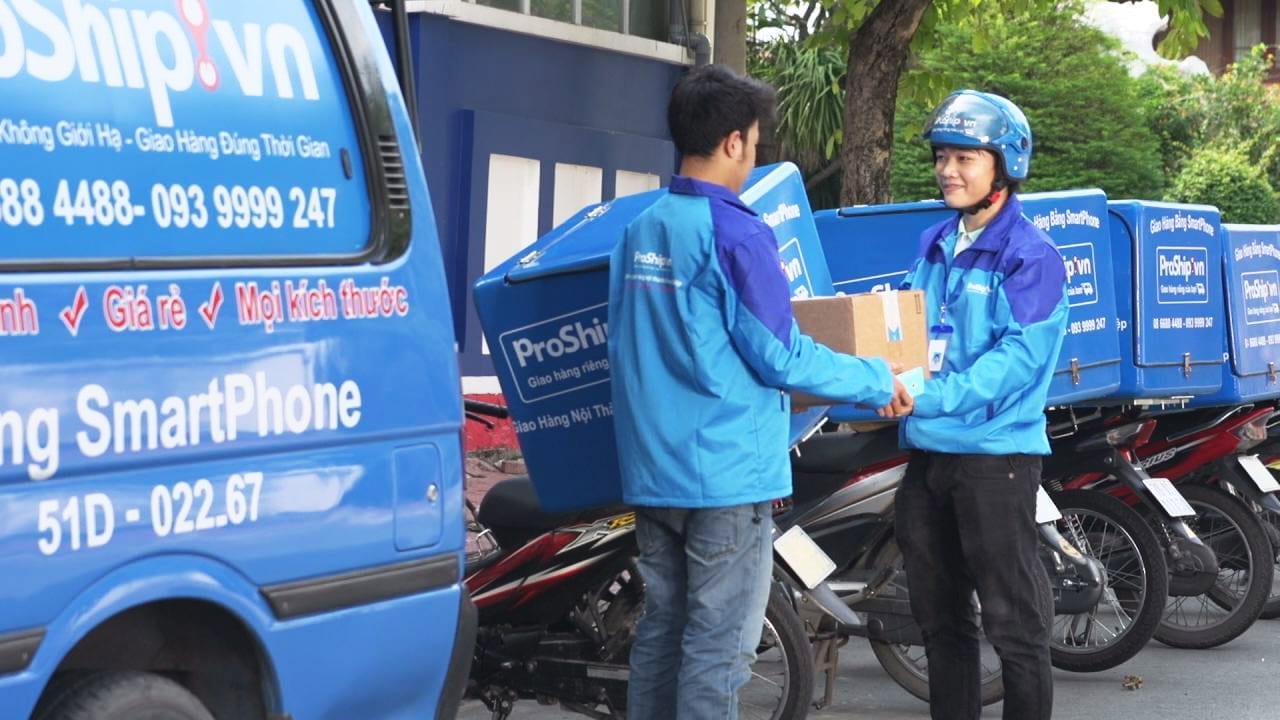
    In 2017 alone, over 50 domestic and foreign e-logistics providers entered the market, which is predicted to reach US$200 million by 2020. They include Lazada, Giaohangnhanh or Grab Express or Speedlink.

    The combination of local and international expertise has created a tailored, unique solution for the Vietnamese e-logistics sector, paving the way for endless e-commerce growth, Fabian Wandt, country manager of Lazada eLogistics said.

    Another delivery operator, Giaohangnhanh, is also upbeat about the prospect of the delivery market reaching a three-fold annual increase, particularly with investments from both local and foreign players to enhance their technology, network and offerings.

    Giaohangnhanh CEO Nguyễn Trần Thi said that his company planned to expand its operations by more than double this year and targeted to reach 1,500 customer collection points by the end of 2018.

    Backed by State regulations

    According to analysts, opportunities for companies providing e-logistics services are brighter, especially since new regulations aimed at enhancing the competitiveness of the logistics sector will soon come into force. Decision No 200/QĐ-TTg, which will provide the action plan to develop and raise the competitiveness of the logistics industry in Việt Nam until 2025, will have a positive impact on the development of logistics companies.

    With the State’s assistance in information technology, human resource training and operation cost reduction, the new decree is expected to help logistics companies, especially those providing e-logistics services, to sharpen their competitiveness in the time to come, analysts said.

    Meanwhile, the Prime Minister has also issued Decree No 163 on logistics services, which will come into force on February 20. The decree is expected to open up the e-logistics market to foreign investments. Under certain circumstances, foreign investors can establish enterprises or contribute capital to Vietnamese businesses engaged in maritime freight transport (excluding inland transportation), container handling services as part of maritime transport support services, freight transport services as part of inland waterway transport services and freight transport services as part of road transport services.