Tag: Vietnam

  • Van Don airport Vietnam aims to serve 5m passengers

    Van Don airport Vietnam aims to serve 5m passengers

    The Ministry of Transport on Saturday announced a detailed plan for Van Don International Airport in the north-eastern province of Quảng Ninh for the 2020-30 period.

    Earlier, the Prime Minister had approved the airport’s plan to become one of the country’s top 10 international airports after he gave his nod to develop Van Don into a special administrative-economic unit (special economic zone) in the northern region.

    Under the detailed plan, the airport will be designed to serve both civil and military flights and will be able to receive 2-2.5 million passengers every year by 2020 as well as large aircrafts such as B777, B787, B747-400 and A350. The airfield will be expanded to serve five million passengers annually by 2030.

    The airport will be able to handle at least 51,000 tonnes of goods per year by 2030.

    By 2020, the airport’s runway will be 3.6km long and 45m wide. This will make it the longest runway in Việt Nam.

    Speaking at the announcement ceremony, Deputy Minister of Transport Lê Đình Thọ said the project was the result of the strong determination shown by the Government and ministries of the province in ensuring necessary infrastructure for its socio-economic development.

    Thọ has asked the concerned departments and units to inspect and manage the project.

    Nguyễn Văn Thành, vice chairman of the People’s Committee of Quảng Ninh Province, affirmed that the provincial authorities will ask the investor to speed up the construction process in accordance with the plan approved by the Prime Minister.

    Van Don International Airport will be built on 290ha in Đoàn Kết Commune, Van Don District, under the build-operate-transfer format, with an estimated investment capital of VNĐ7.5 trillion (US$351.8 million). This will include some VNĐ640 billion for site clearance. The project will be divided into three phases. In the first phase, the total investment will be VNĐ3.9 trillion.

    Sun Group has been chosen as the strategic investor for the project, which began in 2015 and is expected to become operational in the second quarter of 2018.

    Van Don International Airport will be the first airport where a province has mobilised capital by itself.


     

  • Audit asks Vietnam’s Sabeco to pay $111m

    Audit asks Vietnam’s Sabeco to pay $111m

    The State Audit of Vietnam has proposed the Saigon Beer-Alcohol-Beverage Corporation (Sabeco) pay the State Budget nearly VND2.5 trillion (US$110.9 million) worth of dividends, taken from the brewer’s undistributed profit for the period prior to 2016.

    The amount that brewer Sabeco should pay to the State Budget was calculated based on the State’s ownership ratio of 89.59 per cent at Sabeco as of December 31, 2016.

    According to Sabeco’s financial report audited by PwC Vietnam Co Ltd, the undistributed profit for the prior-2016 period was more than VND2.9 trillion and the distributed profit was VND2.78 trillion.

    For the dividends of the remaining profits that had not been distributed before 2016, the representative of the Government in managing the State capital in Sabeco on November 4, 2016 sent a letter to the Ministry of Industry and Trade (MoIT) for guidance.

    In response, MoIT has not had a plan to make dividend payment out of Sabeco’s profits. The ministry asked the State capital representative at Sabeco to deliver financial reports each year since it started operating until the end of 2016 and asked for the opinions of the Prime Minister about the remaining undistributed profit.

    In addition, the State Audit of Vietnam demanded MoIT clarify individual and collective responsibilities for miscalculating the valuation of Sabeco Pearl, a subsidiary of Sabeco.

    In June 2016, Sabeco sold its entire 14.7 million shares or 26 per cent stake in Sabeco Pearl on a full-package deal at the price of VND13,247 per share, and the bidding price was VND13,347 per share.

    The deal has remained confidential and the buyer has remained unknown.

    According to the State audit agency, the valuation of Sabeco Pearl showed some mistakes and miscalculations, which reduced the value of Sabeco Pearl and resulted in the loss of State capital.

    Losses in 10 other firms

    The State Audit of Vietnam reported that Sabeco had made a provision fund for its financial losses in 10 long-term investment projects, in which Sabeco had 20 per cent of total charter capital.

    The provision was calculated at 77.8 per cent of the total investment value, including aVND154 billion investment in the Orient Commercial Joint Stock Bank (OCB) and Đông Á Joint Stock Commercial Bank (DongA Bank).

    Most of those investment deals were not Sabeco’s core businesses and the State Audit asked the MoIT to “clarify the causes and consider individual and collective responsibilities that were involved in the 10 investment deals.”

  • Singapore firms eye Vietnam food industry

    Singapore firms eye Vietnam food industry

    Many Singaporean firms are interested in investing in food, agriculture, and dining services in Vietnam as they forecast that these sectors will thrive in the near future amidst broader ASEAN integration.

    The statement was made by Andy Yun, Secretary General of Singapore Manufacturing Federation, representing more than 3,000 members operating in automation, biology, construction, heavy industry and more, during the second Vietnam – Singapore business exchange held in the island state last week.

    Yun described Vietnam as a major market in the region with huge potential in agriculture and the food industry. Meanwhile, Singaporean enterprises are strong in technology, supply chains and logistics – a supplementary factor to the bilateral partnership.

    Nguyễn Văn Thân, Chairman of the Vietnam Association of Small and Medium-sized Enterprises, led a delegation of over 100 Vietnamese firms, many of them start-ups, to the event.

    He said many Singaporean enterprises actively connected with Vietnamese ones at the event, proving that bilateral cooperation potential is huge.

    Accounting for over 97 percent of the total, Vietnamese SMEs contribute nearly 40 per cent of the gross domestic product, 33 per cent of industrial production value, 30 per cent of export value and attract more than half of the workforce, he said.

    Singapore is now the sixth largest trade partner of Vietnam in the world and the second largest in ASEAN. Vietnam is also the 12th largest trade partner of Singapore. Two-way trade has grown 12-15 per cent annually over the past years.


  • Converse starts selling online on Lazada

    Converse starts selling online on Lazada

    Lazada has launched the first official Converse online store in Singapore and Malaysia.

    The two companies say they have created “a curated brand experience” which showcases a diverse product offering.
    The store opened on Friday and will expand later this year into Indonesia, Thailand, the Philippines and Vietnam.

    “We look forward to providing Southeast Asian consumers with the broadest selection of Converse products and an elevated shopping experience via our Converse Official Store,” said Dan Brausch, VP of global partner markets with Converse.

    Robin Mah, chief business officer with Lazada Group, said the store allows local fans of the brand to browse and purchase hundreds of styles for men and women.

    Popular Converse ranges including the Chuck Taylor All Star, One Star and Chuck 70’s are all available in assorted colours, patterns and materials.

  • PM Vietnam expects huge investments from Australia

    PM Vietnam expects huge investments from Australia

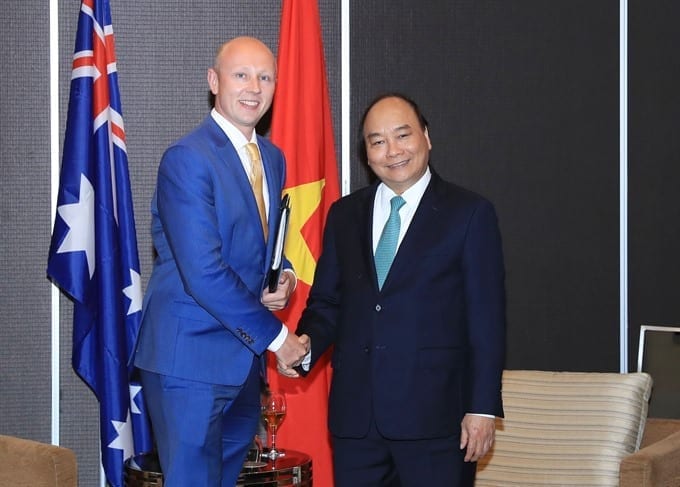
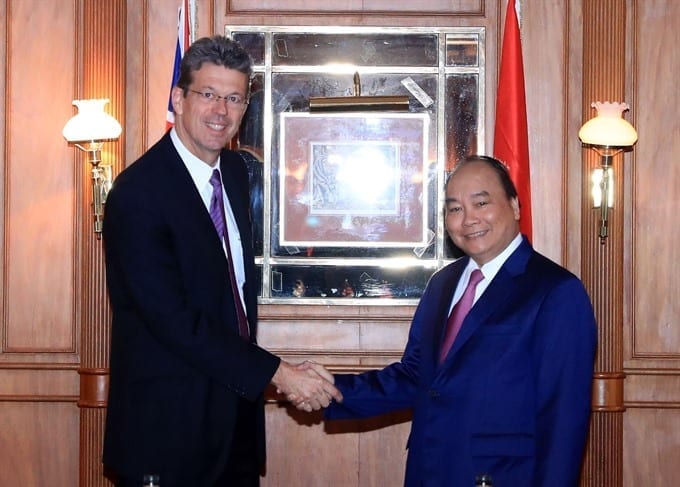
    Prime Minister Vietnam Nguyễn Xuân Phúc said he expected a new wave of investments, both direct and indirect, from Australia to land in Việt Nam for win-win benefits.

    His statement comes after the newly established strategic partnership of which the two countries are the members.

    Phúc said the partnership would provide a favourable environment for Australian investors to enter Việt Nam faster and would create a crucial foundation for Việt Nam and Australia to lift their cross-the-board co-operation to the next level.

    He said this at a working session with leading financial groups and investors from both Australia and Việt Nam in Sydney on March 16.

    The session was presided by 12 groups, finance investment funds and businesses managing an investment capital of worth over US$500 billion with keen interests in the Vietnamese market, along with nine prestigious financial groups of Việt Nam. The session was organised by VinaCapital and Macquarie Group.

    Macquarie Group Chairman Peter Warne showed great interest in Việt Nam’s priorities in infrastructure development. He said Việt Nam was urbanising strongly and thus its need for infrastructure, roads, transport and electricity was high.

    Meanwhile, VinaCapital CEO Don Lam said the Vietnamese Government had made great efforts to reform institutions and speed upequitisation of State-owned enterprises (SOEs). He hailed the Vietnamese Prime Minister for actively working to draw businesses and investment into the country.

    He said, as a result, Việt Nam’s business and investment environment had improved considerably, and the country’s market had become more attractive to international investors.

    PM Phúc welcomed the Australian groups’ interests in Việt Nam and spoke highly of the organisation of the session by VinaCapital and Macquarie.

    He told investors that 2017 was a successful year for Việt Nam as the country posted a growth rate of 6.81per cent, a record high in many years, maintained a stable exchange rate, soundly reined in inflation and achieved a record foreign reserve. The country also attracted $37 billion in foreign direct investment, the highest in a decade, and its stock market achieved a growth rate of 48 per cent, one of the highest rates in the global market.

    PM affirmed that the Vietnamese Government had undertaken many policies to ensure the sustainable development of the economy and safeguarding of the rights and benefits of investors.

    He further said Việt Nam had targeted to achieve a fast but sustainable growth on the basis of defending the rights of people and investors, and that the country had been persistent in pursuing the goal of building a facilitating, transparent and efficient government and continuing to improve the investment and business environment to meet OECD (Organisation for Economic Co-operation and Development) standards.

    He also told investors that the country would continue transforming its growth model, restructuring its economy, SOEs, human resources and other sectors.

    “Việt Nam is concentrating on developing a sustainable and healthy finance market that is friendly to investors,” he added.

    The country has so far signed 12 free trade agreements and the latest Comprehensive and Progressive Agreement for Trans-Pacific Partnership with Australia and is negotiating the Regional Comprehensive Economic Partnership with the aim of forming a large market to attract investors.

    During the intensive and extensive economic integration, Việt Nam had unceasingly worked to facilitate the development of the private economy, the Prime Minister told investors.

    At the session, Phúc, along with ministry and sector officials from Việt Nam, fielded questions pertaining to Việt Nam’s foreign investment attraction and agriculture development policies as well as its priorities in infrastructure development.

    Later, Phúc will chair the Việt Nam-Australia Business Forum.


  • Vietnam tech firms to expand in Japan

    Vietnam tech firms to expand in Japan

    Japan, one of the global leaders in implementing the 4.0 industrial revolution, is witnessing strong investment from Vietnam’s information technology (IT) firms.

    Currently, there are some 20 IT companies in Vietnam with branches in Japan.

    The Japanese market holds tremendous potential for Vietnam’s information technology (IT) sector, said Trương Gia Bình, chairman of FPT Corporation.

    He said this at the inauguration ceremony of the firm’s sixth representative office in Japan’s Hamamatsu, Shizuoka Prefecture on Tuesday.

    Vietnam’s software exports turnover to Japan is expected to increase from US$300 million to $1 billion by 2020, while the number of programmers working for the Japanese market in the future may increase from 10,000 to 300,000, Bình said.

    For FPT, the Japanese market accounts for more than half of the company’s global sales.

    At present, FPT has more than 400 Japanese customers, including 50 companies on the list of the largest enterprises in the world. FPT’s annual growth rate in Japan is consistently around 30 per cent.

    The Vietnam Software and IT Services Association is encouraging the trend, which will hopefully lay the foundation for turning Vietnam into a software-export country, according to Bình.

    Regarding Vietnam’s advantages when investing in Japan, Bình said “the two countries have similar cultures and strong political and socio-economic relations”. Moreover, “Vietnam, with its young population and low-wage human resources, can help Japan rejuvenate its work force in the software industry. Vietnam is also the source for many Japanese companies in the latest technology fields, such as artificial intelligence, robotics and data analysis”.

    On November 7, 2017, the CMC Corporation opened its first office in Yokohama City, Kanagawa Prefecture. It is expected that by 2020, there will be some 1,000 Vietnamese employees working for the Japanese market.

    Smaller businesses, such as NAL Vietnam Joint Stock Company, are also planning to expand in Tokai after opening representative offices in Tokyo and Nagoya.

    “Vietnam has been the second-largest partner of Japan in software and service outsourcing since 2014”, FPT Software CEO Hoàng Nam Tiến spoke at the recent Việt Nam IT Day 2018 in Japan.

    According to statistics from the Japanese Ministry of Economy, Trade and Industry, the country lacks 100,000 technicians in the fields of information safety, cloud computing and mobile technology.

    In terms of new technology, including artificial intelligence, big data, Internet of Things and robotics, the country is estimated to be short of 600,000 information technology professionals by 2030.

    “It is a huge opportunity for Vietnamese enterprises to join hands with their Japanese counterparts to solve the problem of inadequate human resources in this field,” Tiến added.


  • Vietnam e-commerce grows but taxes hard to collect

    Vietnam e-commerce grows but taxes hard to collect

    Experts have recommended amending e-commerce regulations that would allow authorities to better manage and collect tax as well as develop the sector.

    Mạch Thị Tuyết Mai from the General Department of Taxation’s policy division, said: “We have encountered difficulties in tax collection.”

    The issuance of business licenses for e-commerce firms remains confusing because some kinds of e-commerce are not included on the tax list. Therefore, it is hard for tax authorities to determine the appropriate tax collection form.

    Most businesses in Việt Nam still use paper invoices, while some businesses have used e-invoices but do not have a system to connect with the tax agency.

    As a result, tax agencies found it hard to identify the revenue of these businesses, she told the Vietnam Online Business Forum held in HCM City on March 17.

    “We are now conducting an electronic invoice project to submit to the Government. The project will encourage all businesses to use e-invoices connected to tax agencies. This will make management easier and we will have to avoid using fake invoices,” she said.

    Another issue is tax collection from cross-border service providers and organisations that have income in Việt Nam, according to the official.

    The sale of products on Facebook, Zalo and websites has grown strongly, but sellers do not issue invoices and declare their revenue, leaving difficulties for tax agencies to collect tax.

    Nguyễn Thanh Hưng, deputy chairman of the Việt Nam E-Commerce Association, said that a number of significant issues in public administration occurred last year.

    He said that it was time for policy and law makers to create a more favourable macroeconomic environment for e-commerce to develop.

    The challenges for policymakers are clearly very different from than those in previous years, according to Hưng.

    Since e-transactions are now commonly used, direct participation of most government departments in developing e-commerce policies and laws is needed.

    “Along with development technology, many new and different kinds of businesses are based on cloud computing, mobile technology, big data, social networks, the Internet of Things, and blockchain technology,” he said, adding that these are all available in the country.

    He said Vietnam should urgently promote research on and application of blockchain technology, and at the same time, should not manage virtual currencies simply by prohibiting and then punishing violators.

    Virtual currencies should be controlled under methods that are in line with the market economy during the interim period as the business community waits for new legal documents on management of virtual assets and digital and virtual currencies, Hưng added.

    At the same time, accepting the experimental use of cryptocurrency in a few international transactions might be a careful but advantageous approach for the policy amendment process, he said.

    “If organisations and enterprises do not participate, they may become too slow in conducting research about and investing in blockchain applications, and Việt Nam could be quickly left behind if cryptocurrency becomes a significant payment method for e-commerce.”

    “In addition, Việt Nam needs to conduct research on the benefits of the sharing economy and make appropriate policies to encourage enterprises as well as other organisations to provide such services for the common purpose of raising socio-economic efficiency,” he said.

    Last year, the Ministry of Finance made public a draft of a proposal submitted to the Government to amend the Law on Tax Administration, which calls the law to be simple, clear, transparent, convenient and systematic.

    The proposal, which requires the use of international standards, electronic tax administration, and a more favourable environment for taxpayers, was an important first step in tax administration for e-commerce.


  • Vietjet announces plan to open direct flights from Vietnam to Australia

    Vietjet announces plan to open direct flights from Vietnam to Australia

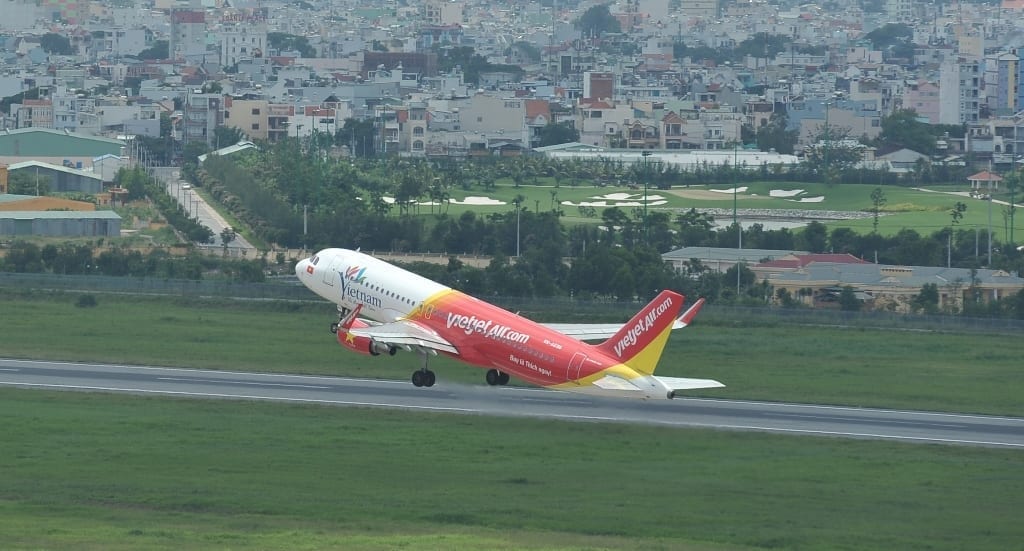
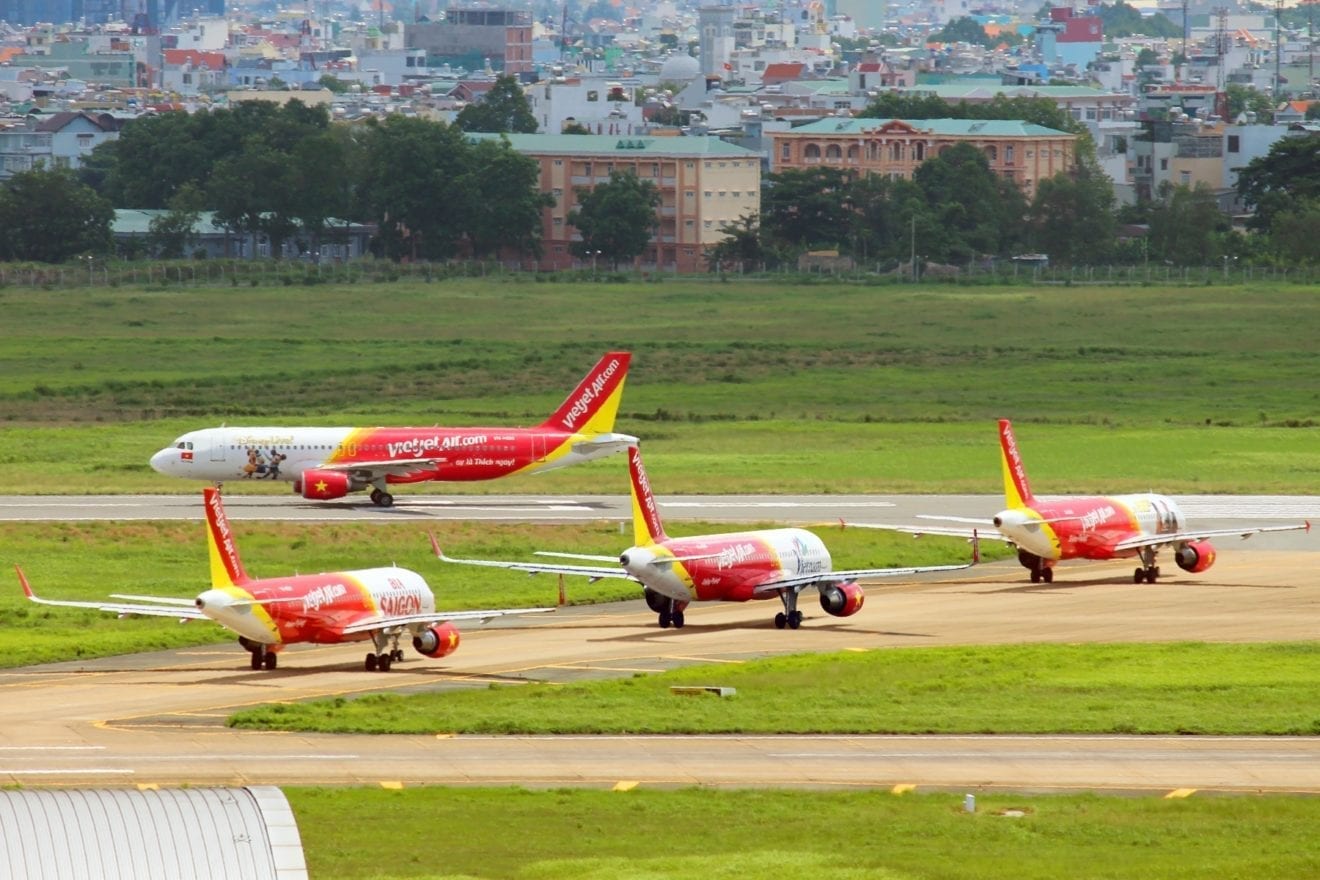
    Vietjet is set to make Brisbane its first Australian long haul destination following the signing of a Memorandum of Understanding (MoU) between the airline and Brisbane Airport Corporation (BAC), Queensland, Australia.

    Scheduled to commence in 2019, the non-stop service between Ho Chi Minh City and Brisbane is expected to boost trade integration and exchange, a move that will greatly serve the interests of the region.

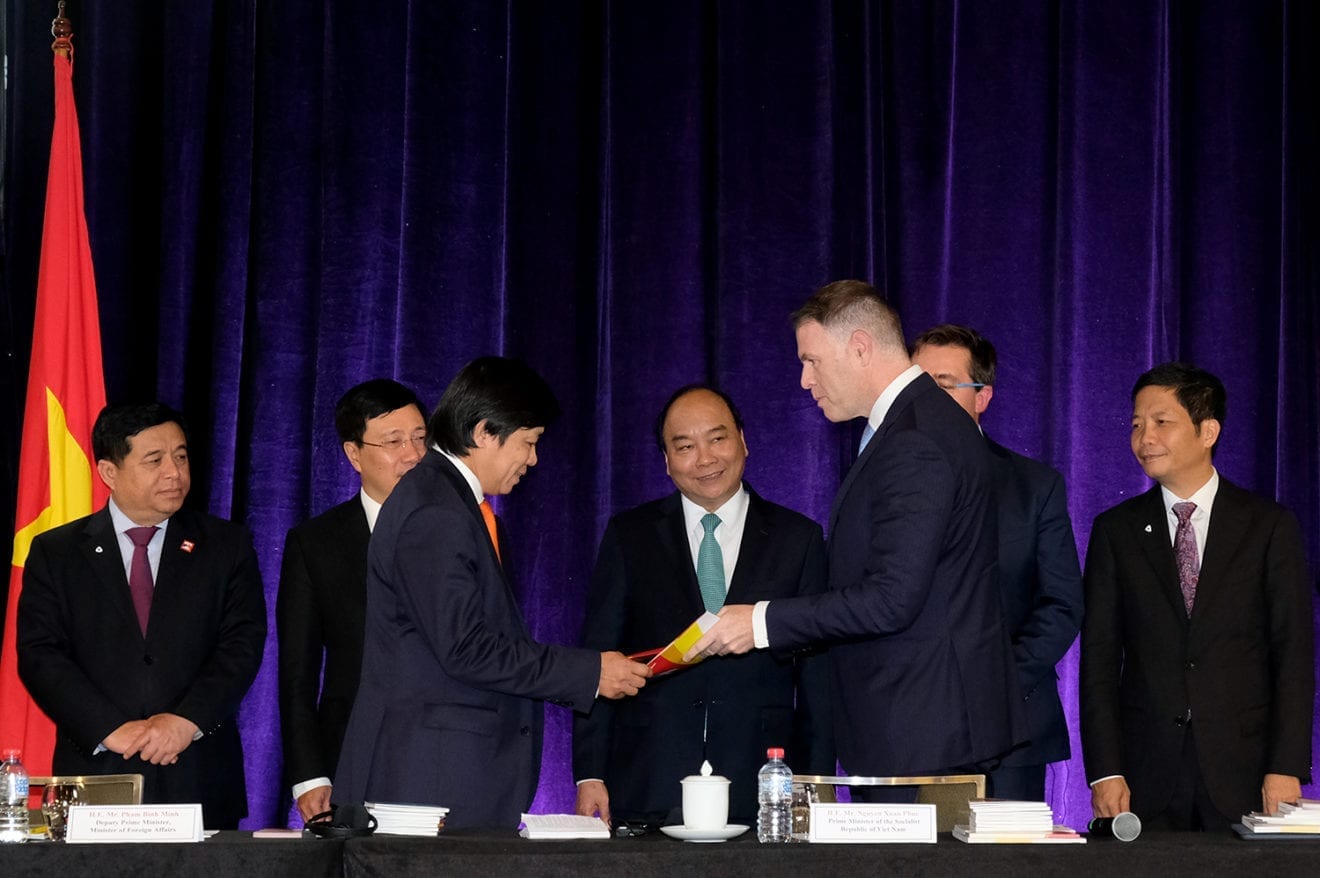
    The signing ceremony which took place in Sydney was witnessed by Vietnam Prime Minister Nguyen Xuan Phuc and other senior leaders of Vietnam and Australia. During which, Vietjet also signed a MoU worth US$609 million with Investec Bank PLC to finance the purchase of five Airbus A321 aircraft at manufacturers’ list price.

    Julieanne Alroe, CEO and Managing Director of BAC said travel between Queensland and Vietnam has been growing at an average 8 per cent per annum over the last five years and this new service would further stimulate the market. “It makes perfect sense for Vietjet to choose Brisbane, Queensland as its very first Australian port for direct flights given Ho Chi Minh City is one of Brisbane’s top five markets without non-stop services. We look forward to welcoming Vietjet to the Brisbane Airport family and further strengthening the ties between Queensland and Vietnam,” she said.

    Vietjet Vice President Nguyen Thi Thuy Binh said, “Vietjet has been well prepared with comfortable, high-quality and friendly services to expand its international flight network to top destinations, connecting Vietnam’s economic and tourism hubs with Asia Pacific countries, including Australia – a popular tourist and business hotspot”.

    “This new route addition presents us with an opportunity to better serve the demands of travelers in Vietnam and the region. We are proud to be the pioneer airline to operate direct services from Vietnam to Brisbane, a dynamic business centre that boasts friendly people, pleasant weather and living conditions that is very attractive for international travelers.”

    Located in Southeast Australia, Brisbane – the capital of the Sunshine State, boasts a population of over 2 million people, making it the third-largest city in Australia. Brisbane’s year-round idyllic subtropical weather, award-winning food and wine, adventurous activities and spectacular scenery has been a major draw-card for many domestic and international travelers, especially those from the Asia Pacific region, including Vietnam.

  • Vietjet Bags ‘Best Vietnam Deal’ Award for its Successful IPO in 2017

    Vietjet Bags ‘Best Vietnam Deal’ Award for its Successful IPO in 2017

    Vietjet Aviation Joint Stock Company (HOSE: VJC) was recently presented the ‘Best Vietnam Deal’ award in recognition of its successful IPO held in early 2017 by Finance Asia, Asia’s leading finance publication.

    A true testament to Vietjet’s well executed IPO as well as the airline’s subsequent accomplishments throughout the year, the award successfully lifts Vietjet and other Vietnam based companies’ position in the global capital market.

    The Finance Asia Awards, one of the world’s leading awards in the regional finance industry, recognises the region’s most significant transactions and the financial institutions that advised on them. Mr. Chu Viet Cuong, a member of Vietjet’s Board of Directors, received the award on behalf of the airline.

    Valued at a total of US$164 million, Vietjet’s IPO was executed under the guidance of widely acclaimed law firms and financial institutions over a period of nearly 800 days (listed on HOSE on 28 February 2017) and followed all international Regulation S IPO standards.

    Earlier last year, Vietjet was also honoured at the M&A Awards 2016-2017 as “The IPO Deal of the Year 2017” and “The Company with the Best M&A Information Disclosure” as part of the Vietnam M&A Forum 2017.

    Furthermore, Vietjet’s 2016 annual report also received the Platinum Award at the Vision Awards 2016 held by the League of American Communications Professionals (LACP) in the beginning of 2017. The airline ranked fourth amongst the nominees in the Asia Pacific region and 11th out of 100 worldwide participating businesses. Entitled ‘The Flight to the Future’, the 150-paged annual report, was graded with top scores under the criteria for First Impression, Letter to Shareholders, Report Financials, and sustainable development programs.

  • Vietjet to Operate Direct Flights Connecting Vietnam and India

    Vietjet to Operate Direct Flights Connecting Vietnam and India

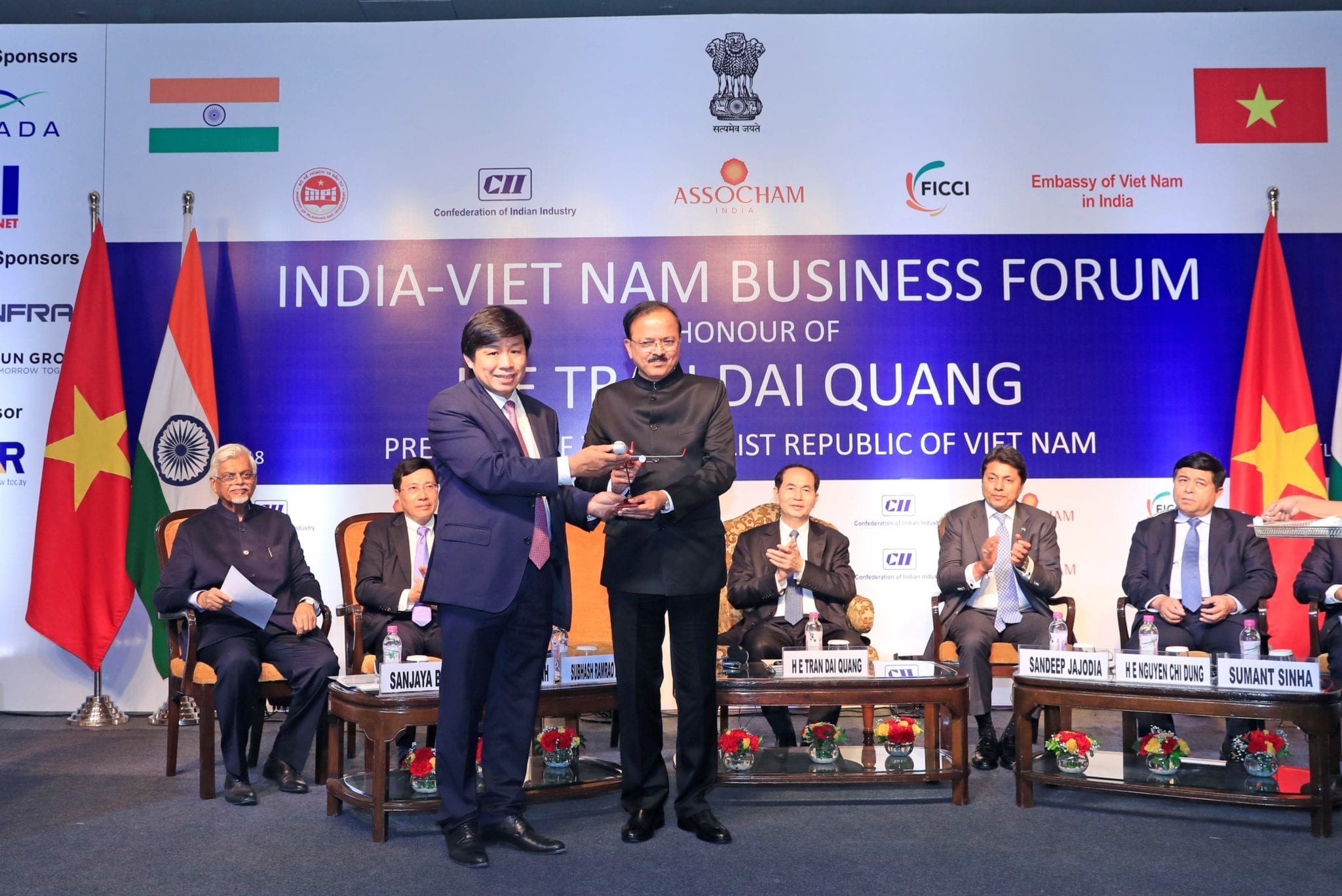
    In the third quarter of 2018, travelers from India will be able to fly direct to Vietnam and vice versa following an announcement made at the recent Vietnam – India Business Forum. The move is set to create bigger opportunities for the airline as there are currently no direct flights from India to Vietnam.

    The announcement which was witnessed by H.E Vietnam President Tran Dai Quang and senior leaders of Vietnam and India also marks a significant milestone for the country especially in light of the 45th anniversary of diplomatic relations between Vietnam and India and the 10th anniversary of strategic partnership between the two countries.

    The first route is scheduled to connect Ho Chi Minh City with New Delhi on a basis of four flights per week.

    Located in Southern Asia, India has the second largest population in the world, making it a huge potential market for Vietjet in the future. It is an extremely diverse country, with vast differences in geography, climate, culture, language and ethnicity. The country is also blessed with marvelous natural landscapes and grand architectures which have been listed in UNESCO’s World Heritage List including The Great Himalayan National Park Conservation Area, Ajanta Caves, Taj Mahal and Humayun’s Tomb to name a few.

    Vietnam on the other hand, is a bustling country that possesses an eclectic mix of local hotspots. From crystal-blue beaches to misty mountains and buzzing cities with mouthwatering cuisines, Vietnam is certainly a place that caters to the whims and fancy of any type of traveler. Some of the must-see destinations in Vietnam include Hanoi, the country’s cultural capital; Hue, a romantic citadel; the magnificent Da Nang, one of Vietnam’s most important port cities, and Ho Chi Minh City, Vietnam’s economic hub.

    The introduction of the new route thus presents Vietjet with an opportunity to not only tap into the growing tourism market but also facilitate trade integration and exchange between Vietnam and India.

    Modeling itself as a ‘Consumer Airline’, Vietjet will continue to meet the growing demands of consumers by introducing new routes, expanding its fleet, investing in modern technology, and offering greater value-added products and services. The airline also prides itself in offering diverse promotional programs on tickets and entertainment especially during the festive seasons.

    Vietjet is favored and known as a pioneer for its many interesting entertainment activities and special promotions during the festive seasons. With its high-quality services, special low-fare tickets and diverse ticket classes, Vietjet offers passengers enjoyable flights with a dynamic and friendly flight crew, comfy seats, amazing hot meals and special surprises from the airline’s inflight activities.

  • Property market expected to be stable in 2018

    Property market expected to be stable in 2018

    The country’s real estate market in 2018 will maintain mid-term stability, while merger and acquisition in the sector will continue to see strong development.

    This was revealed in the Top 10 Reputable Property Developers, Building Material Companies and Contractors 2018.

    The surveyed top 10 firms said real estate developers would enjoy opportunities of high economic growth rate, newly-signed Comprehensive and Progressive Agreement for Trans-Pacific Partnership trade agreement to attract more foreign investment and approval for establishment of special administrative economic zones.

    However, the survey also said local property developers would face challenges of macro-economic instability in the region, State divestment making capital dispute more severe and virtual money affecting the market and condotel, officetel and hometel segments with potential risks due to lack of clear management policies.

    The firms said special administrative economic zones would continue to be promising lands to lure large real estate projects.

    The estate, construction and building material sectors will be linked to the Fourth Industrial Revolution.

    The survey revealed that in addition to traditional marketing methods, customers were increasingly getting access to property information through internet.

    More than half the surveyed people said they sought information on websites specialising in real estate and on social networks.

    When the requirements of home buyers become stricter, information in the market will become more transparent. Investors and contractors will pay attention to the sustainability and life span of projects and construction buildings.

    According to experts, the quality of estates in 2017 improved due to the pressure of competition. They said property developers were required to improve their ability while enhancing professionalism and quality in projects.

    Last year, the real estate market saw positive changes in all segments. In Hà Nội and HCM City alone, there were 64,263 successful deals. A range of new products, such as condotel, officetel and hometel were developed, making the real estate market more attractive.

    According to report, prestige was one of the top three reasons for customers in choosing a product in the real estate sector.

    Vingroup and Novaland top the list of the 10 most reputable property developers in 2018.Vingroup has been leading the market with diversified products such as apartment buildings, offices, resorts, shophouses, condotel and officetel.

    Novaland, on the other hand, has been a popular brand in the south, with strong financial abilities and large land funds.

    Coteccons Construction Joint Stock Company and Hòa Bình Corporation occupy the first and second positions in the list of top 10 reputable contractors in 2018.

    Hòa Phát Steel Joint Stock Company and Viglacera Corporation Joint Stock Company top the list of the 10 most reputable building material companies in 2018. Both are large-scale companies in the building material sector with hundreds of construction projects every year throughout the country.

    The award ceremony will be organised on April 18 at the Việt Nam National Convention Centre in Hà Nội.

    Read more at https://vietnamnews.vn/economy/424330/property-market-expected-to-be-stable-in-2018.html#EeieWe0sOIEGm5YD.99

  • Japan bank mulls PetroVietnam plan

    Japan bank mulls PetroVietnam plan

    The Japan Bank for International Cooperation (JBIC) is considering funding the Block B&52/97 project of the Việt Nam Oil and Gas Group (PetrolVietnam) with loans without a government guarantee.

    General Director of PetroVietnam Nguyễn Vũ Trường Sơn recently worked with JBIC representatives on the financial arrangements for the project.

    According to PetroVietnam, the project, worth nearly US$10 billion, is one of the two largest gas projects in Việt Nam. The capital arrangement for the project is one of the main concerns of foreign partners involved in the project.

    The Block B&52/97 project’s oilfield development report was approved by contractors and the State appraisal council, while its environmental impact assessment report was ratified by the Ministry of Natural Resources and Environment. The quantitative risk assessment report was also submitted to the Ministry of Industry and Trade.

    As scheduled, the contract will be awarded in June 2018, and the signing of Engineering Procurement Construction and Installation (EPCI) contracts for the project will be done in July.

    The Block B&52/97 project includes two sub-projects. The first aims to develop the Block B oilfield, with PetroVietnam owning maximum capital in the project (42.896 per cent). Other investors are PetroVietnam Exploration and Production Corporation (26.788 per cent), Mitsui Oil Exploration Company (MOECO) of Japan (22.575 per cent), and Thailand’s PTT Exploration and Production Public Company Limited (PTTEP) (7.741 per cent).

    The second is to build the Block B-Ô Môn gas pipeline having a total length of 430km. PetroVietnam, PetroVietnam Gas Corporation (PV Gas), MOECO and PTTEP have invested in this project.

    The Block B&52/97 project is expected to bring ashore 5.06 billion cu.m of gas per year within 20 years, meeting the gas demand of power plants in the south.

    It is expected to contribute some $18 billion to the State budget.


  • Vietnam Prime Minister meets New Zealand’s milk firms

    Vietnam Prime Minister meets New Zealand’s milk firms

    Prime Minister Nguyễn Xuân Phúc said his Government encouraged foreign firms in milk production and processing to expand production, upgrade technology and apply energy-saving solutions in the country.

    He said this during his meeting with the representatives of some milk companies in New Zealand in Auckland on March 13 as part of his official visit to the country.

    During his reception for Lukas Paravicini, chief executive of Fonterra Cooperative Group Ltd – the leading milk exporter of New Zealand, Phúc said Việt Nam appreciated the cooperation of the firm with its Vietnamese partners. He highlighted the development of Việt Nam’s dairy and nutritional food market, saying the 93-million-strong market was considered one of the most attractive market groups in the world.

    Talking about the vast opportunities brought by the newly signed Comprehensive and Progressive Agreement for Trans-Pacific Partnership, Phúc expressed hope that Fonterra and other enterprises in New Zealand would fully tap those opportunities to increase investment in Việt Nam with the aim of expanding their market to other ASEAN member nations.

    He said the Vietnamese Government would promote investment in developing the dairy sector as well as create favourable conditions for enterprises to foster production in the field, contributing to generating more jobs and improving social welfare.

    On his part, Paravicini affirmed his firm’s interest in the Vietnamese market and said Fonterra had cooperated with many Vietnamese dairy firms.

    He said the group was providing dairy material for Việt Nam’s dairy, beverage and nutritional food companies and was selling high-quality products in the Vietnamese market.

    Fonterra pledged to further boost cooperation with Vietnamese enterprises, broadening its investment for production and business in Việt Nam, Paravicini said.

    The same day, Phúc received Kim Willoughby, director of Deosan Company, and Victor Trương, director of Richmond Company.

    Expressing their pleasure to meet the Vietnamese leader, the representatives of the two companies said they had worked with a number of Vietnamese partners with the intention of assisting Vietnamese firms in producing and processing dairy, contributing to improving the capacity of Vietnamese dairy companies.

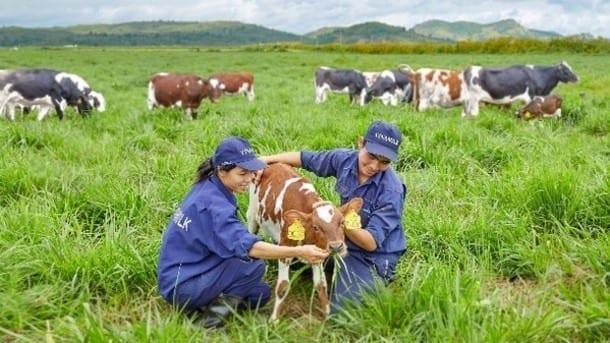
    Willoughby spoke highly of the development potential of leading dairy businesses in Việt Nam, such as Vinamilk and TH True Milk. He said Deosan had cooperated with Vietnamese farmers processing milk and planned to invest in the dairy industry in Việt Nam.

    He also said Deosan would support Việt Nam’s dairy farms by providing suitable products and services, such as milking equipment and consumer goods, veterinary services, farm design management and quality management.

    Phúc said he highly valued Deosan’s assistance to Vietnamese dairy companies and affirmed that the Vietnamese Government always supported business and cooperation with local firms.

    Việt Nam is developing its dairy-processing industry in a modern and comprehensive direction, aiming to improve its competitiveness for regional and global integration, Phúc said.


  • Vietnam seeks more non-cash payments for public services

    Vietnam seeks more non-cash payments for public services

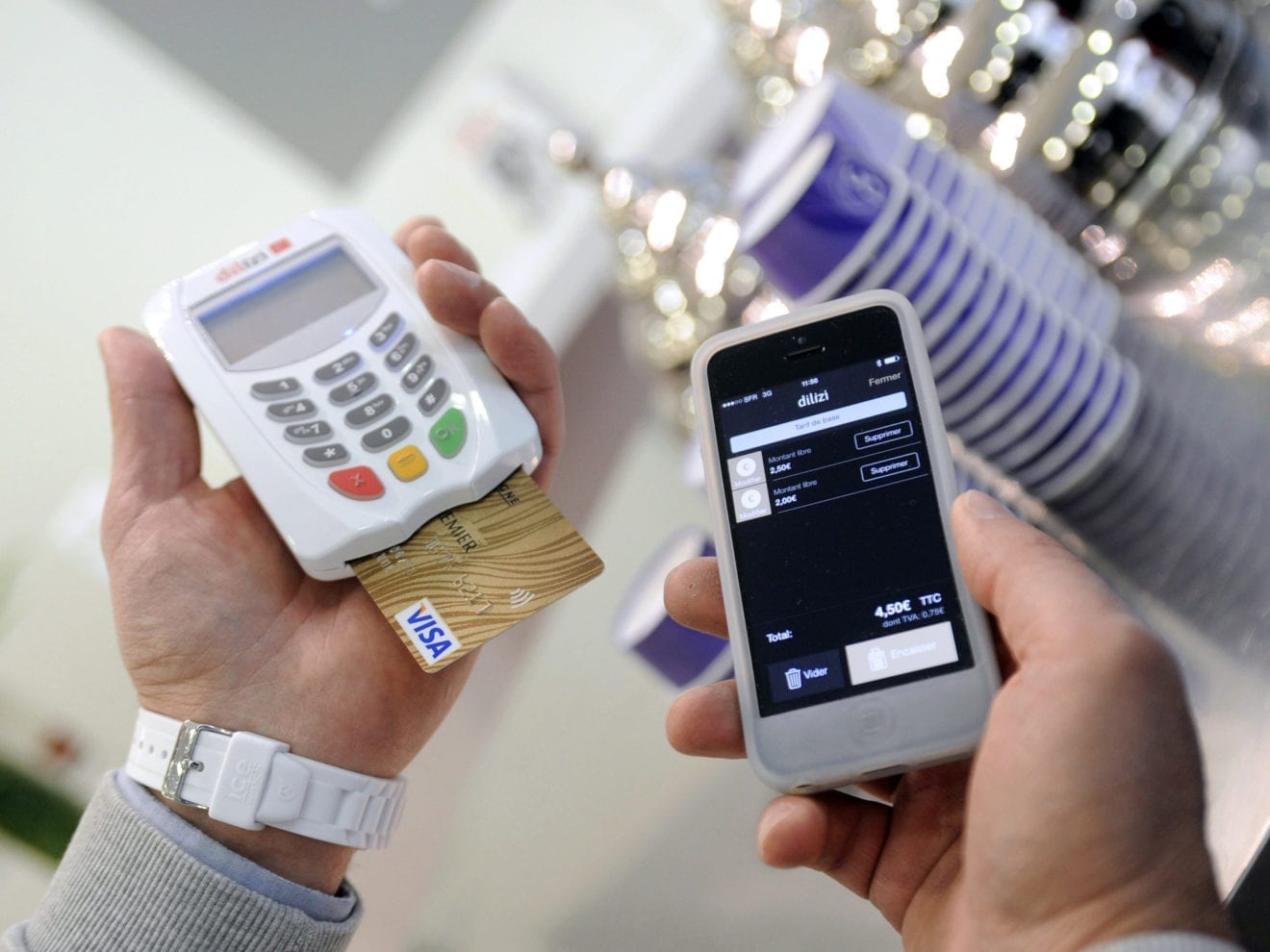
    The Government has set itself a target of collecting 80 percent of tax payments in cities through banks and enabling treasuries in all provinces and cities to have cashless payment systems by 2020.

    This has been announced in the Prime Minister’s Decision No 241/QD-TTg on fostering non-cash payments for public services like water and electricity and transactions related to social welfare.

    Non-cash payments are expected to be accepted by 70 per cent each of electricity and water suppliers, all universities and colleges, and 50 per cent of hospitals in major cities.

    Around 20 per cent of social welfare payments will be made through banks.

    According to a State Bank of Vietnam’s report, non-cash payments have been becoming a trend in recent years.

    The Government plans to develop modern means of bank payments and accept bank cards at treasuries, hospitals, and schools.

    It has instructed banks to offer cards with multiple methods of use so that they can be used to pay directly, through smart phones and others.

    It has encouraged co-operation between banks and other organisations to offer more forms of non-cash payments, especially for making payments related to social welfare.

    But it has made it clear that these forms should be user-friendly so that even people in rural and remote places without bank accounts can use them.


  • Vietnam cement consumption on the rise

    Vietnam cement consumption on the rise

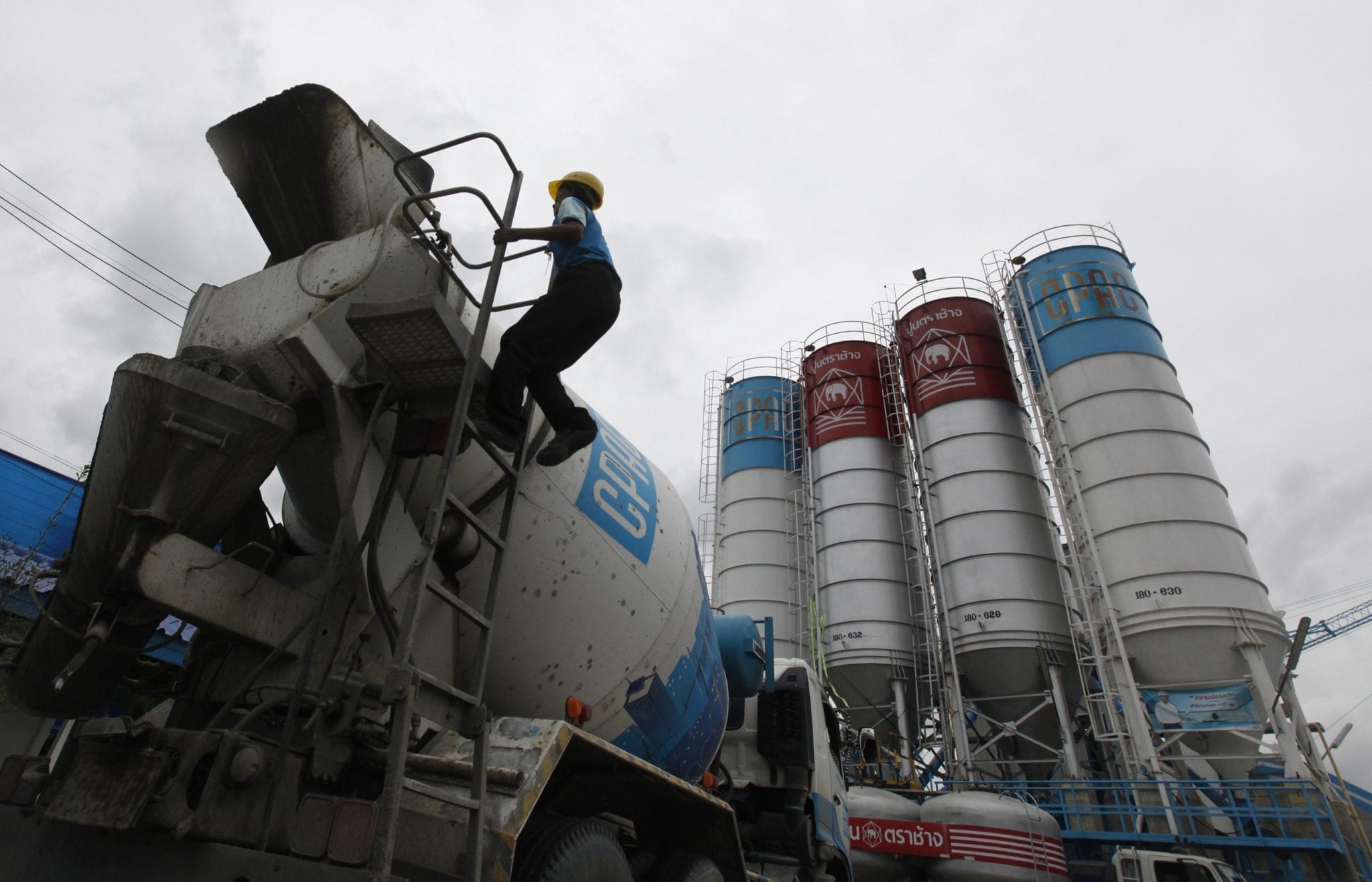
    The country’s cement consumption in the first two months of the year posted a year-on-year increase of 85 per cent to reach 18.55 million tonnes.

    According to statistics of the Department of Building Materials under the Ministry of Construction, cement consumption in the period had surged both in local and export markets. The department attributed this to a halt in cement production in China.

    In February alone, cement consumption reached 7.62 million tonnes, increasing by 38 per cent compared to the same period last year and meeting 23 per cent of the annual target.

    Cement sold in the domestic market rose by 11 per cent over the corresponding period last year to 5.02 million tonnes. The country exported 2.6 million tonnes of cement in February, increasing 30 per cent from last year.

    Cement exports in the first two months of the year reached 5.5 million tonnes, representing a year-on-year increase of 121 per cent.

    Cement prices were stable last month.