Tag: Vietnam

  • Hanoi retail development spreading beyond CBD, says CBRE

    Hanoi retail development spreading beyond CBD, says CBRE

    Hanoi’s retail supply is growing outside the CBD area, reports real-estate company CBRE.

    With a total of 157,000sqm of retail coming from eight projects under development in fast-growing residential areas with good connecting infrastructure, CBRE says the suburban growth is expected to be attractive to both retailers and consumers.

    Malls inside residential complexes will continue to thrive, thanks to a high level of supply in the condominium market. Eight out of 12 future projects up to 2020 are retail podiums. “This format has certain advantages such as potential customers on site and increased traffic because of the residential component, providing extra services and amenities, and improving the image for the whole project,” says the CBRE report.

    The company predicts an emerging CBD will soon form in the western area of Hanoi. As the largest retail cluster outside the CBD with 41 per cent of total supply, the Cau Giay, Tu Liem and Thanh Xuan district will maintain its position in the next few years with 83,300sqm of supply in the pipeline.

    In the next three years, Aeon Mall Ha Dong, FLC and Vincom shopping centres will supply space to the east, while the north will have a new project from Lotte.

    The CBRE report also shows that only 7 per cent of total retail supply in Hanoi is in the CBD, and there has been nothing new since 2013. As a result, retailers have been finding alternatives in shop houses and old buildings around Hoan Kiem Lake (such as the first McDonald’s Hanoi), creating demand for more space.

    The CBD’s retail rent is predicted to rise in the coming years.

  • Vietjet launches Summer Promotion with 500,000 tickets

    Vietjet launches Summer Promotion with 500,000 tickets

    Vietjet is to launch a 3 golden days promotion from April 4 to 6, 2018, with half a million tickets priced from HKD0. Available on its website www.vietjetair.com, the promotion is part of Vietjet’s Summer Promotion.

    The promotion applies for international route flying from Ho Chi Minh City to Hong Kong and all other international services from Vietnam to Seoul, Busan (South Korea)/ Kaohsiung, Taipei, Taichung, Tainan (Taiwan)/ Singapore/ Kuala Lumpur (Malaysia)/ Bangkok, Phuket, Chiang Mai (Thailand)/ Yangon (Myanmar) and Phnom Penh, Siem Reap (Cambodia). The flight period of this promotion is from May 5 to December 31, 2018(**).

    Vietjet’s three golden days promotion will offer passengers the opportunity to experience the native traditions of the new year of Southeast Asian countries, while planning for their summer vacations in many attractive international destinations.

    The promotional tickets are available during the golden hours from 13:00 to 15:00 (GMT+8) on their website. Payment can be easily made with debit and credit cards of Visa/ MasterCard/ AMEX/ JCB and KCP.

    Aiming to become a “Consumer Airline”, Vietjet is continually opening new routes, adding more aircraft, investing in modern technology and offering more added-on products and services to serve all demands of customers. Vietjet is a pioneering airline that is loved by many for its exciting promotional and entertainment programs, especially during the festive season. With high-quality services, diverse ticket classes and special low-fare tickets, Vietjet offers its passengers flying experiences on new aircraft with comfy seats, delicious hot meals, beautiful and friendly cabin crews, and other interesting added-on services.

  • Alipay expands footprint in SEA

    Alipay expands footprint in SEA

    Mobile payments platform Alipay is expanding its cross-border footprint with new outposts Cambodia, Myanmar, Laos and the Philippines.

    The deployment is aimed at connecting merchants with an estimated 520 million active users in China through its Alipay’s in-app marketing platform while they are traveling overseas.

    The company says Alipay is now accepted in Phnom Penh, Siem Reap and Sihanoukville across shopping, F&B, entertainment and hospitality sectors. Notable merchants include Sajibumi, which operates the food and beverage concessions at Siem Reap International Airport and Phnom Penh International Airport, Sokimex petrol kiosks, and Legend cinemas.

    Alipay will also be rolled out in duty free stores managed by DUFRY at Phnom Penh International Airport, Siem Reap International Airport, and NagaWorld, the largest entertainment complex in Cambodia.

    Mobile payment is gaining momentum among Chinese travelers overseas. According to the recent Nielsen report, 65% of Chinese tourists used mobile payment platforms during their overseas travels, more than six times in comparison to non-Chinese tourists (11%).

    Over 90% of Chinese tourists would consider using mobile payments when traveling overseas if more overseas merchants accepted it.

  • Expert urges Vietnamese firms to explore other markets

    Expert urges Vietnamese firms to explore other markets

    Vietnamese firms should expand their partnership to at least three markets to avoid sole dependence on a particular market, said economist Phạm Chi Lan.

    She also urged the firms to provide clear and transparent filings to meet the standards of exporting markets.

    Vietnamese enterprises must prove that they do not enjoy protectionism of the government and do not sell products at a dumping price level to ensure they are not affected by the anti-dumping tax policies of the exporting markets, she said.

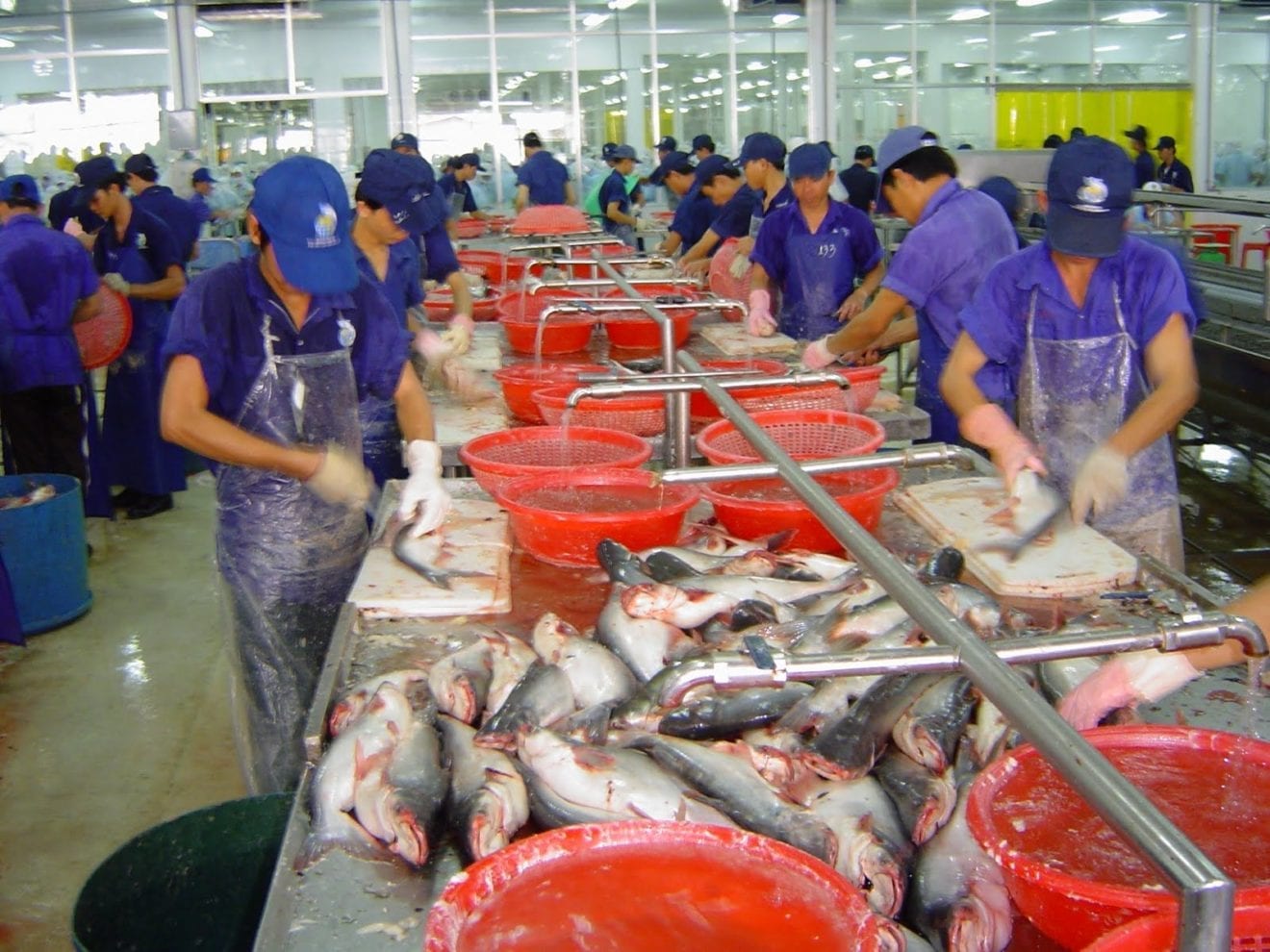
    Given the context in which US regulators have planned to impose anti-dumping taxes on Vietnamese exports to protect their local fishery and steel industries, Lan suggested firms to explore other markets and diversify their targeted markets to ensure less reliance on a sole, large market.

    “A three-market strategy will ensure that a company’s export is balanced and that business will not depend on any particular market,” Lan said.

    Such business strategy will help Vietnamese firms to survive and exploit new opportunities in the context of a rising global trade war, following intense statements from China and the United States against each other, she said on the sidelines of a conference co-organised by the Vietnam Executive MBA Programme in Hà Nội, University of Hawai’i, and the European Chamber of Commerce in Vietnam last week.

    The United States announced a US$60 billion tariff bill on Chinese imports last week. China, in return, filed a list of 128 US products for retaliation, raising global concerns about a possible trade war.

    According to Jack Suyderhoud, professor of Business Economics at the Shidler College of Business, University of Hawai’i at Manoa, recent actions of the US government are aimed at protecting its local industries, such as fisheries and steel, against threats from cheaper imports from China and Việt Nam.

    Rising protectionism will encounter objection from those benefiting from free trade, Jack said, adding that the US government should notice how important the win-win principle is and how it exists in every trade deal.

    Lan urged local firms to strengthen their competency so that they can take advantage of benefits brought about by free trade agreements, to which Việt Nam must comply, and encounter less negative impacts from a possible global trade war.

    Besides the US and China, Vietnamese firms should increase its influence in other markets, such as the European Union, reducing its dependence on the world’s two largest markets, Lan said.

    “There are no winners in a trade war,” she said, adding that the United States and China are two of the largest trading partners of Việt Nam, thus, “we need to expand our trade relations to different markets to boost the country’s economy”.

    “The establishment of the CPTPP (Comprehensive and Progressive Trans-Pacific Partnership), signed on March 8 without the United States’ participation, is a good way to deal with the unpredictable policies of the United States and China at the moment,” Lan said.

    The CPTPP deal will help other economies to get to know each other, increase their cooperation and protect their economies, offsetting the damages caused by US protectionism and China’s responses, she added.

    “CPTPP is proving to be attractive to other economies that are not partners to the deal, such as South Korea and the United Kingdom,” she said.


  • Vietnam’s tourism needs urgent reform to take off

    Vietnam’s tourism needs urgent reform to take off

    Vietnam’s tourism industry is booming and is fast becoming the driving force behind economic growth – but it also faces calls for reform to keep up with high standards.

    The “smoke-free” industry has witnessed spectacular success in the past few years with higher growth rate every year.

    Last year, nearly 13 million foreign visitors came to our shores, earning the country more than VNĐ500 trillion (US$22 billion). That’s up 30 per cent and 20 per cent year-on-year, respectively.

    Over the decade, the number of international visitors to Việt Nam has tripled while revenue has increased by nine times.

    Việt Nam’s tourism ranked sixth in the top 10 fastest growing tourism destinations globally and was crowned the best performer in Asia in 2017. The industry last year contributed 7.5 per cent to the nation’s GDP.

    With such impressive achievements, tourism has been identified a key economic sector by 2020. It can help boost the development of other sectors including construction, real estate, retail, education and job opportunities

    A Politburo resolution on developing tourism and seeing it evolve into a major player in Việt Nam’s economy was introduced last year.

    The nation hopes to welcome 17-20 million foreign arrivals and 82 million domestic tourists by 2020. Tourism revenue is expected to reach $35 billion, contributing 10 per cent to the country’s GDP by then, and the industry may create four million jobs, including 1.6 million direct jobs.

    Bottlenecks

    Tourism is forecast to maintain strong development in the next few years thanks to the Government’s support policies, determination of provincial authorities and dynamic development of both businesses and communities.

    However, such rapid expansion is exposing many challenges and if the industry cannot be restructured to break bottlenecks it could be beaten by overdevelopment.

    “Rapid increase in the number of visitors to Việt Nam in the short term is putting the industry under great pressure of transport infrastructure, human resource and destination management capacity,” said Nguyễn Quý Phương, director of Travel Management Department under the Việt Nam National Administration of Tourism.

    Phương said infrastructure deficiencies, particularly overloaded airports, will likely make tourists worn out due to long waiting while the lack of adequate human resource and public management capacity in destinations will affect service quality.

    In reality, airports in major cities such as Hà Nội, HCM City, Huế and Đà Nẵng, are facing the overload trouble.

    Half of the people who visited from overseas last year flew into Tân Sơn Nhất International Airport in HCM City. It was built to accommodate 25 million passengers per  year, but in 2016, 32 million came through its doors.

    According to Travel and Tourism Competitiveness Index 2017 of the World Economic Forum, Việt Nam’s tourist service infrastructure ranked 113th out of 136 economies, airport infrastructure 61st, ground traffic 71st, IT platform 80th, clean and safe environment 82nd and international openness (mainly visas) 73rd.

    “Urgent attention should be paid to upgrade of transport infrastructure, including seaports in the context of increasing demand for cruise tourism, as well as improvements in visa and immigration procedures,” Phương said.

    Vũ Thế Bình, deputy chairman of Việt Nam Tourism Association, also stressed the need to create a greater experience for visitors, highlighting the problems with visas.

    Việt Nam has granted visa waivers for visitors from 24 countries while applying electronic visa to citizens of 46 countries. However, according to Bình, these numbers are still feeble compared with Thailand which awards free-visa for tourists of 67 countries and Indonesia which waives visa for citizens of 169 countries and territories.

    “Not only that, also procedure of visa exemption applied for foreigners is quite complicated, creating inconvenience and displeasure for both foreign visitors and travel companies,” Bình was quoted as saying on the Thời báo kinh tế Việt Nam.

    Collective economic sector

    For a long time, Việt Nam’s tourism has been developed in a spontaneous manner.

    Individuality is key, and many regions hope to promote their own unique brands to showcase to the world but they mostly do so in keeping with the national strategy.

    Important things to consider include tourists’ needs, promotional campaigns, infrastructure, human resources and management.

    According to Trịnh Thị Mỹ Nghệ, vice chairman of Hà Nội City Tourism Association, tourism is not a  single industry but a collective one relating to other sectors and subjects.

    “Good infrastructure, management, safety, hygiene and friendly citizens are all surface factors to attract visitors,” Nghệ said.

    “Travel companies design and sell products to tourists and the local authorities are responsible for organisation and management of destinations.

    “Apart from visiting beautiful landscape, foreign tourists coming to Việt Nam want to learn more about Vietnamese culture, meet and experience the local living,” she said, adding that responsibility of businesses and community is to study customer demand to design attractive products.

    Tourism development also requires inter-regional coordination. Việt Nam has developed several successful regional tourism brands such as the connection of the eight Northwestern provinces and cluster of the three central provinces (Thừa Thiên-Huế, Đà Nẵng and Quảng Nam).

    The Government is also urged to improve the business environment to ensure the deep participation of private businesses and community in the national tourism development strategy.

    Việt Nam hopes for around 16 million foreign visitors, 80 million domestic arrivals and VNĐ620 trillion in total tourism revenue in 2018. These are considered achievable goals but collective efforts among management agencies, businesses, communities and professional organisations are needed to ensure sustainable development in the future.

    But as the country evolves, one thing that each and everyone can do, is welcome our visitors with the traditionally Vietnamese smile.


  • Savico Vietnam shuts down taxi company

    Savico Vietnam shuts down taxi company

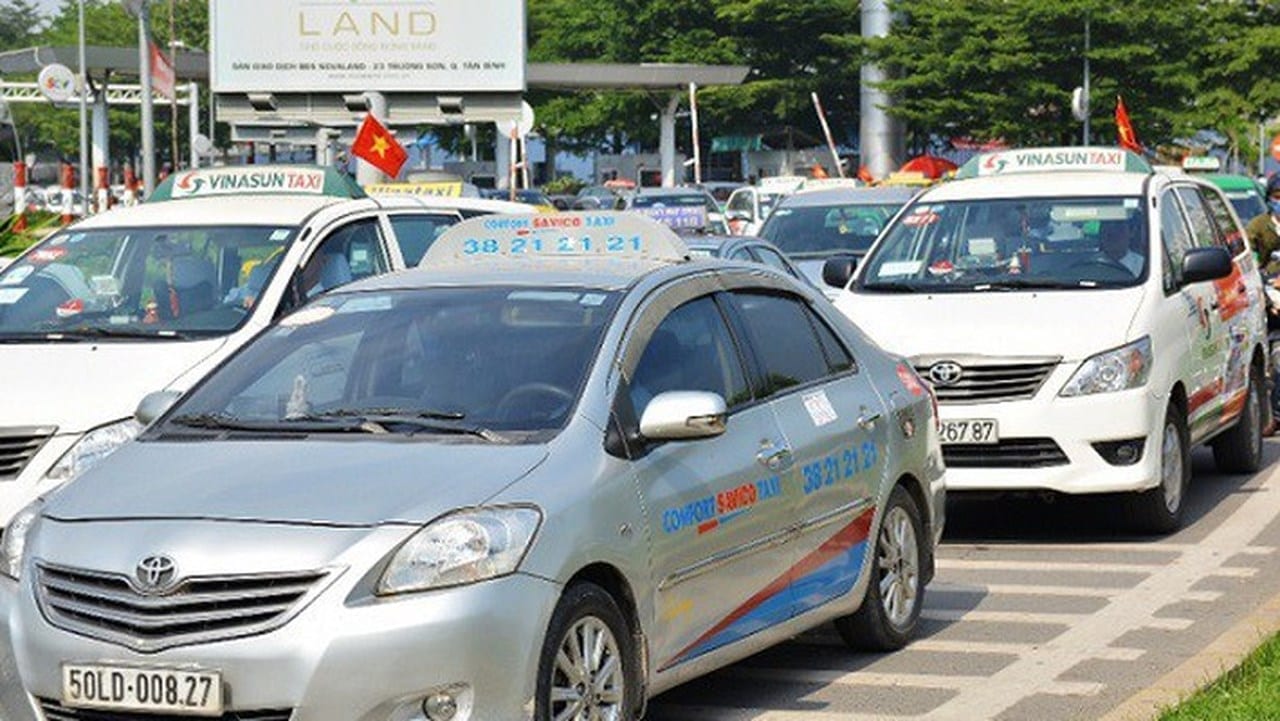
    Saigon General Service Corporation (Savico) announced to the State Security Commission of Việt Nam and HCM City Stock Exchange that its taxi brand – ComfortDelgro Savico Taxi – has been closed to preserve funds and reengineer its taxi-related business plans.

    ComfortDelgro Savico Taxi was opened in 2005 as a joint venture between Savico and ComfortDelGro Corporation Limited, a Singaporean multinational land transport company.

    Even though ComfortDelgro Savico Taxi has operated in HCM City for a long time, its market share has always been relatively modest, with a fleet of only around 400 cars, compared to Vinasun Taxi’s fleet of more than 6,000 cars.

    For the past few years the taxi company has incurred high costs due to constant improvement of its cars and service quality. However, tough competition from Grab and Uber has caused the company to struggle to make much profit from the investment.

    According to Savico’s 2017 report, ComfortDelgro Savico Taxi only made around VNĐ235 million (US$10,300) of profit, down from around VNĐ3.3 billion (US$145,000) in 2016 and nearly VNĐ7 billion (US$307,000) in 2015.

    On March 16, ComfortDelGro said that ComfortDelgro Savico Taxi has merged with Vinataxi (70 per cent of whose shares are owned by ComfortDelGro).

    According to statistics from the city’s Department of Transport, as of 2017, there were around 35,000 taxis in HCM City, including around 24,000 Grab and Uber taxis.

    Many of Việt Nam’s traditional taxi companies are struggling to compete with Grab and Uber.


  • Vietnam condotel market promises to boom this year

    Vietnam condotel market promises to boom this year

    Condotels are becoming a hot development target in the real estate market, as international tourists flock to Việt Nam with increasing speed. Condominiums that are operated as hotels, with owners allowed to make their units available for short-term rentals, the properties are attractive for tourists and business visitors.

    The condotel market is forecast to keep booming in 2018. But the rapid development has left many concerned about oversupply.

    Supply exceeding demand?

    According to data from the Việt Nam Real Estate Association (VNREA), in 2017 condotels became the brightest star in the resort real estate sector. The investment in condotel projects has accounted for more than half of total inflows into the real estate market. The supply of condotel products hit 22,837 units across developments throughout the country. Successful transactions account for 65-70 per cent of the volume offered.

    The above numbers show the excitement focused on this segment of the real estate as well as the potential for investors. This year, it is forecast that there will be 29,000-33,000 condotel units available for sale.

    Stephen Wyatt, CEO of global real estate services firm JLL Việt Nam, said the development of this type of resort condominium is in direct proportion to the accommodation needs of tourists. As tourists’ demand grows, this type of asset has a positive future.

    The Việt Nam National Administration of Tourism reported that international visitors to Việt Nam in 2017 reached nearly 13 million, a sharp increase of 29.1 per cent over the previous year. The most attractive tourist destinations include HCM City, Hà Nội, Đà Nẵng, Nha Trang and Phú Quốc.

    In addition, according to the Law on Tourism 2017 approved by the National Assembly, the Government expects the tourism industry to develop into a key economic sector in the future. Supporting policies and investment incentives will create momentum for resort real estate.

    In addition, Việt Nam’s hosting of regional and international conferences also contributes to the development of tourism. For example, hosting APEC 2017 in Đà Nẵng City led the city to perfect its tourism infrastructure as well as attract the attention of visitors and investors from around the world.

    With this foundation, 2018 is expected to be another exciting year for resort real estate as investors simultaneously introduce their projects to capture the wave of development of Việt Nam’s tourism industry, Wyatt said to baotintuc.vn.

    As for the question of whether condotel developments have crossed the threshold into oversupply, Wyatt said the answer was uncertain and depends on the overall future of the tourism industry. And at the moment, tourism was a promising sector thanks to the Government’s commitments to playing a supportive role.

    It is necessary to focus on quality, business strategy and commitment to profitability in order to adapt to the growing market and increasingly tight legal framework of this market, Wyatt suggested.

    Need a plan

    According to Wyatt, there are three main reasons this type of vacation apartment attracts investors.

    First, resort condominiums hit the investment market within the last three years, so the competitiveness of this sector is still low compared to other markets such as apartments, townhouses, villas and land plots. In addition, this type of real estate is attractive to investors because developers typically promise that investors will receive a certain amount of profits.

    Second, like other types of real estate for sale, this type of product offers a rapid return on investment.

    Third, the 2017 Tourism Law identifying tourism as a key economic sector in the future will create momentum for the development of resort real estate.

    However, many management agencies and experts say the condotel boom demands strategy and planning.

    Nguyễn Trần Nam, chairman of VNREA, emphasised that it was necessary to have a soft, flexible plan for condotel development and investment.

    The planning should be based on demand and must be designed to create demand. Some localities report they have experienced dramatic increases in tourism after a condotel is built. Quy Nhơn City in the central coast province of Bình Định is one example, Nam said.


  • Clean-up makes Vietnam banks attractive to foreign investors

    Clean-up makes Vietnam banks attractive to foreign investors

    Since last year there has been a churn in the banking sector with some foreign investors selling their stakes in local banks and others buying in.

    France’s BNP Paribas, HSBC and Australia’s Commonwealth Bank have been among those pulling out.

    ANZ sold its retail banking division to Korea’s Shinhan Bank and Standard Chartered Bank sold its entire 8.75 per cent stake in Asia Commercial Bank.

    Analysts said foreign banks are merely pulling out to invest in more profitable markets.

    Some pointed out that Asian banks which enter Việt Nam seem to be more successful than their western counterparts. They attributed this to their better understanding of the local market and business culture.

    But even in the case of western funds, the flow is not one-way: Just this month Việt Nam Technological and Commercial Joint Stock Bank (Techcombank) revealed it is selling stakes worth over US$370 million to US private equity firm Warburg Pincus.

    In December Hồ Chí Minh Development Joint Stock Commercial Bank (HDBank) had sold stakes to more than 76 foreign investors before listing.

    The investors include some familiar names like VinaCapital, Dragon Capital, Deutsche Bank AG, JPMorgan Vietnam Opportunities Fund and financial institutions like CAM Bank (Japan), RWC Frontier Markets Opportunity Master Fund (UK), Macquarie Bank (Australia), and Charlemagne (UK).

    HDBank’s partner in the consumer finance division, Credit Saison (Japan), also bought a stake.

    In all investors paid $300 million for a 21.5 per cent stake in HDBank.

    Finnish independent fund management company PYN Fund Management recently completed acquisition of a 4.99 per cent stake in Tiền Phong Commercial Joint Stock Bank (TPBank) for $40 million, marking its largest investment yet in Việt Nam.

    With a total portfolio value of 417 million euros, PYN is now the third largest foreign investment fund in Việt Nam.

    South-Korean based Hana Financial Group has acquired a stake in the Bank for Investment and Development of Vietnam (BIDV).

    The banking sector is at an historic point now, with a cleaning up of books well under way. The real estate market is booming, meaning banks’ bad debts are being settled increasingly and their revenues are increasing.

    But for analysts the most important factor is that the Government is forcing banks to meet Basel II standards.

    They said foreign investors recognise the potential of Việt Nam’s financial market, especially on mobile platforms, since the country has 53 million mobile subscribers and 40 million users.

    The Government is making policy changes that would help the industry overcome its limitations in technology, capital and management, making foreign investors feel secure.

    While foreign investors would like to woo Vietnamese banks, they are hamstrung by the fact that most of the latter have reached or are close to reaching foreign ownership caps.

    Vietnamese law allows maximum ownership of a bank by a single foreign investor of 20 per cent and combined ownership by foreign entities of 30 per cent.

    Based on these numbers, only a few banks remain below the threshold, most of them still in the process of restructuring, including SCB, BacA Bank, VietABank, and Sacombank.

    Many lenders have suggested that the State Bank of Việt Nam should increase the foreign ownership caps to 35-40 per cent in case of State-owned banks and 49-51 per cent in case of private banks.

    Foreign investors want the ratio to be increased to 50 per cent or even 65 per cent.

    Traditional grocers lose out to modern retail

    Hai Hương, 66, owns a small grocery store in an alley off Huỳnh Đình Hai Street in HCM City’s Bình Thạnh District. The shop has helped her run her family for the last 20-odd years.

    But now she plans to close it following a terminal slump and bad losses in recent times.

    “Business has dropped day after day,” she said.

    Most of her once-regular customers have switched to convenience stores or mini supermarkets, which are mushrooming in that area.

    But she admitted their choice was easy to understand because the modern retail stores have a huge range of products, a majority of them of high quality, and routinely offer promotions.

    “I cannot compete with them,” she said.

    Thousands of these so-called mom and pop shops in cities and towns around the country face a similar fate as modern retail shops spring up everywhere.

    According to a recent survey by the Việt Nam High Quality Goods Association, traditional grocery shops’ share of business has gone down from 17 per cent in 2011 to 9 per cent now.

    From just two supermarkets in HCM City in the late 1990s growth has been dizzying and now there are thousands of modern stores of all types around the country. By 2015 there were round 2,000 convenience stores and mini supermarkets.

    Vinmart+ for instance entered the retail business only three years ago but has already become the biggest convenience store chain in the country with 1,000 outlets.

    According to IDG research Việt Nam’s convenience store market is expected to grow at 37.4 per cent annually, the highest rate in Asia.

    A recent report by Kantar Worldpanel said the modern retail channel is growing at 15 per cent, a much higher rate than traditional channels like wet markets and grocery shops.

    Experts said the reasons for the strong growth of the modern retail sector can in fact be linked to the limitations of pop and mom stores.

    Most of the latter are small, measuring under 20 square metres on average, meaning the area for displaying goods is limited, a major factor in shopping.

    Many of the products sold at these traditional stores do not have clear information with regard to product origin, expiry date, quality and usage instructions.

    Việt Nam’s strong economic growth, a rapidly growing middle class with higher disposable incomes, frenetic urbanisation and increasing concern about hygiene and food safety are major factors fuelling the rapid growth of modern retail.

    The country also has a growing number of sophisticated consumers, especially young urban consumers, and middle-class shoppers who have little time to shop daily for food.

    It also has a large number of women in the workforce with rising disposable incomes, who buy higher value consumer items for their children and families.

    Products sold at modern retail stores are perceived as safer than those sold in wet markets and traditional grocery shops.

    Food safety and hygiene have an increasingly important influence over consumers’ food purchasing decisions. As a result, many are willing to pay a premium for perceived quality, nutrition and hygiene in their food and drinks.

    The US’s A.T. Kearney says 24-hour convenience stores and mini supermarkets are now the most favoured shopping outlets among Vietnamese consumers.

    There is a dizzying range of chains now — Circle K, B’s mart, Family Mart, MiniStop, Shop&Go and 7-Eleven owned by foreigners and CoopFood, Co.op Smile, SatraFoods, Vinmart+, Hapro and Vissan owned by Vietnamese companies — with all of them having a presence all over the nation.

    The rapid development of the modern retail channel is also thanks to Government policies, which are always favourable to it.

    For instance, according to the Ministry of Industry and Trade’s Circular No.08/2013, in case of setting up a retail establishment of  foreign retailers with area of less than 500 square meters in area planned for goods trading activities by central-affiliated cities and provinces and already finished construction of infrastructure, it is not required to perform provision on checking the economic demand.
     

  • Vietnam exports hit $200b last year

    Vietnam exports hit $200b last year

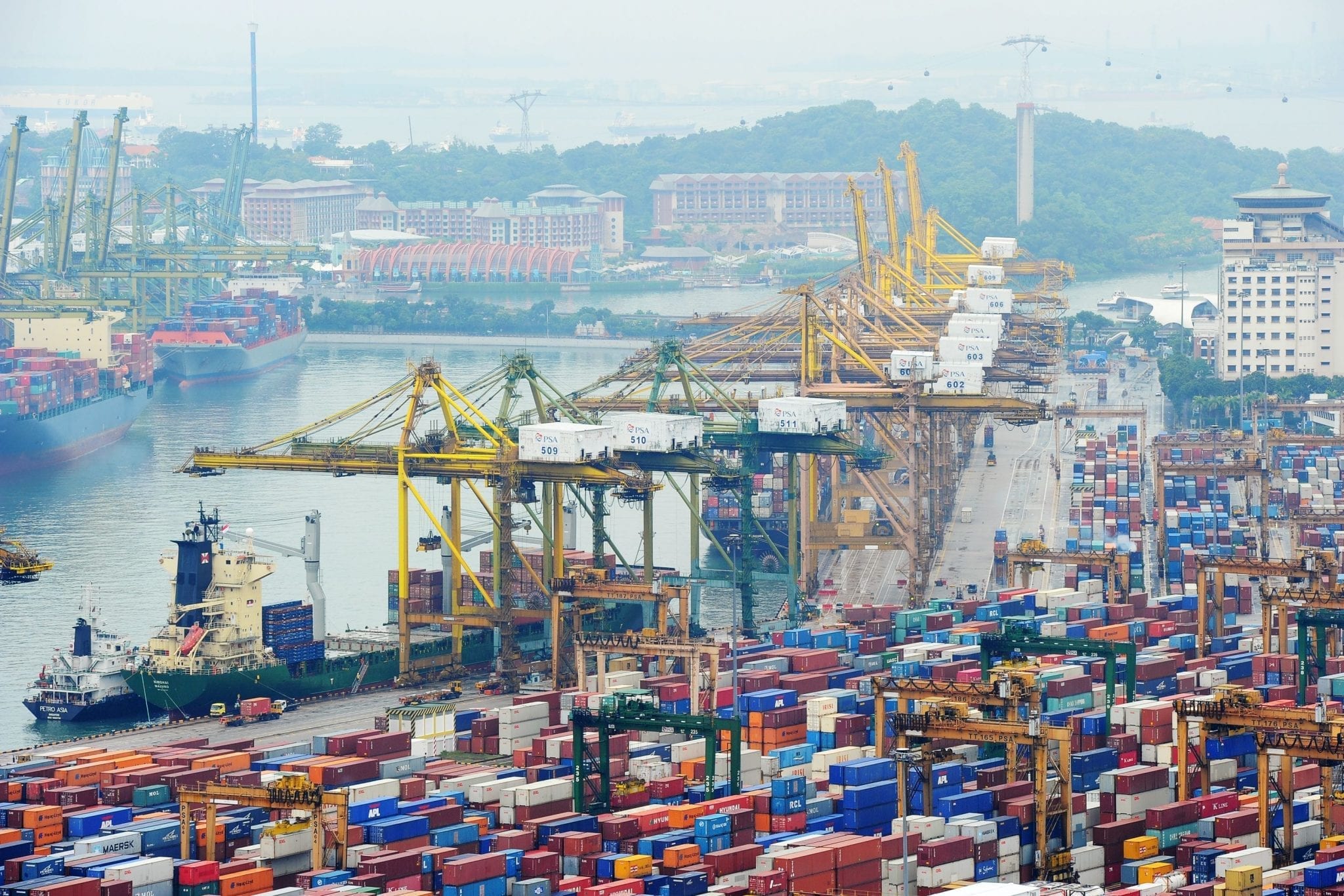
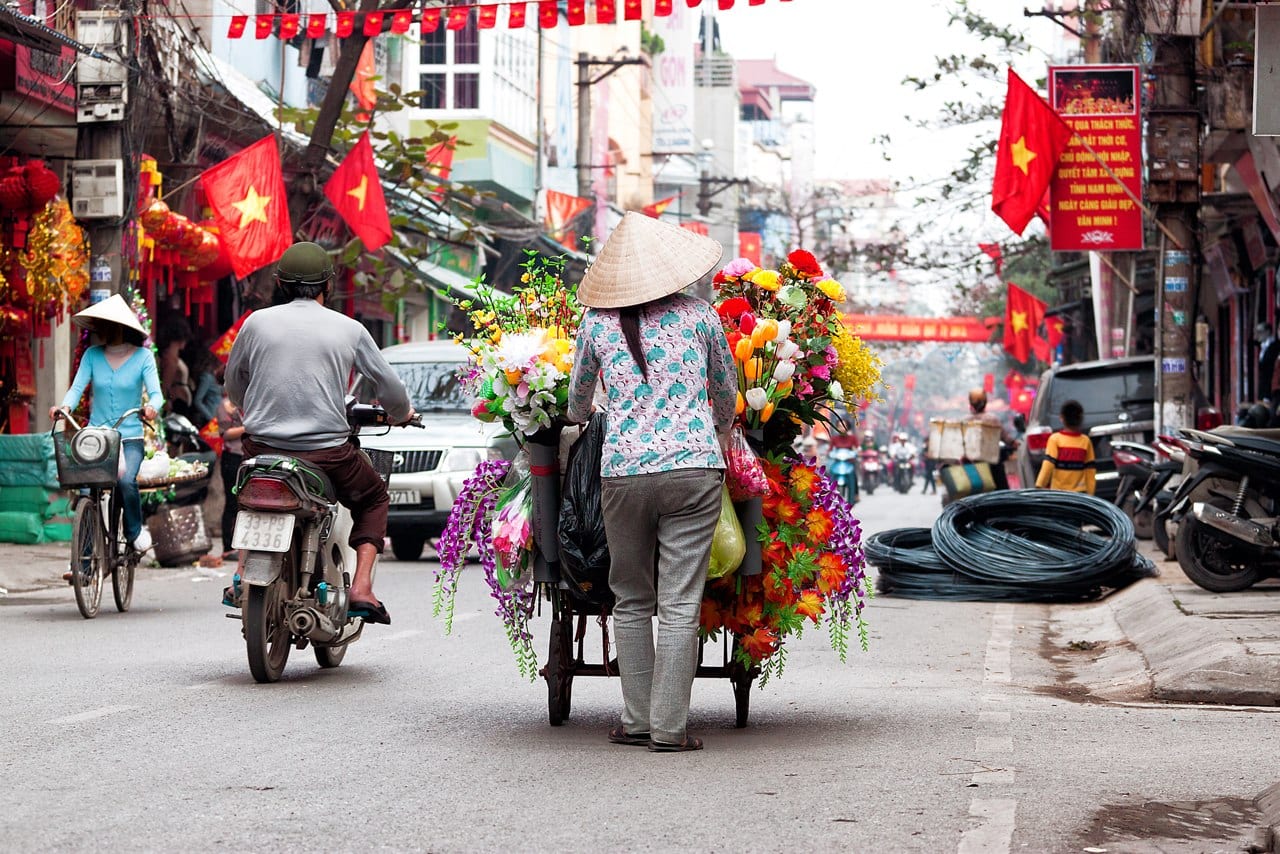
    A report on last year’s imports and exports was released on March 22 by the Ministry of Industry and Trade to provide accurate information on the country’s trade to management agencies, policymakers and businesses.

    It includes an overview of the Vietnamese and global economy, Việt Nam’s import-export situation, its markets, in addition to import-export policies and mechanisms and information on free trade agreements.

    Speaking at the launch ceremony, Deputy Minister Trần Quốc Khánh said compared to the first ever report released last year, this year it provided more details on import-export targets for each product and market and was also more scientifically arranged.

    The report is a basic database to help enterprises make strategic plans, expand their trade, enhance their competitiveness and integrate with the global market, he said.

    Last year was a good one for Việt Nam with its exports crossing the US$200 billion mark for the first time and ending at $214.02 billion, a year-on-year increase of 21.2 per cent and well above the Government’s target.

    Besides improving the trade balance, it also helped promote production and create jobs, he said.

    The deputy minister said last year marked a transition in exports from raw materials to manufactured and processed goods.

    This is in line with the target set under the import-export strategy for 2011-20, with a vision to 2030, he said.

    Exports of processed goods accounted for over 81 per cent, followed by agricultural and fisheries items with over 12 per cent, he said.

    Trần Thanh Hải, deputy director of the ministry’s import – export department, said last year’s trade surplus of $2.92 billion was the highest ever.

    The surplus was mainly with developed countries like the US, EU and Australia, which have strict requirements for imports.

    Trương Đình Hòe, general secretary of the Việt Nam Association of Seafood Exporters and Producers, hailed the report, saying it greatly helps businesses, industries and business groups orient their export and business activities.

    He called on the ministry to include more information on trade protectionism and barriers, and offer solutions and recommendations to overcome them.

    The fisheries sector also needs information about the Chinese market, a promising one for Vietnamese firms, he said.

    Trần Việt Anh, vice chairman of the HCM City Union of Business Association, said the report compilers should provide statistics on the key import and export items of each province and city to help them make plans for developing their products and sectors.

    This would also help investors choose their ideal investment destination, he pointed out.


  • Facebook Vietnam appoints new general director

    Facebook Vietnam appoints new general director

    Social networking site Facebook has confirmed the appointment of Lê Diệp Kiều Trang (Christy Lê) as director of Facebook Việt Nam. She will work at the company’s headquarters in Singapore.

    According to Kenneth Bishop, Facebook’s managing director for Southeast Asia, with over 60 million Facebook users in Việt Nam every month, the company is investing heavily in resources and workforce to better support the community, including local businesses, partners and marketers. He said with her extensive experience, Christy Lê would help businesses in Việt Nam to develop and succeed.

    Born in 1980, Trang won a scholarship to the UK’s University of Oxford and Massachusetts Institute of Technology (MIT) in the United States.

    After leaving MIT, Trang worked for strategic consulting firm McKinsey. Later, she and her husband, Sonny Vu, founded Misfit Wearables, a start-up specialising in healthwear and body-measuring equipment.

    In 2015, Misfit Wearables was acquired by Fossil Group for US$260 million, but Trang continued as the CEO of Fossil Việt Nam. She unexpectedly resigned on March 9 this year, following which she was offered the position of director of Facebook Việt Nam.


  • European Commission to help Vietnam fight IUU fishing

    European Commission to help Vietnam fight IUU fishing

    The European Commission is willing to cooperate with and support Vietnamese authorities in their reforms to fight illegal, unreported and unregulated (IUU) fishing.

    This was said by Karmenu Vella, Commissioner of the European Union for Environment, Maritime Affairs and Fisheries.

    In an interview, Vella said the European Commission welcomed the high-level commitments of the Vietnamese authorities, notably the plan adopted by the Ministry of Agriculture and Rural Development, to implement urgent measures to overcome the yellow card adopted in October 2017.

    Minister of Agriculture and Rural Development Nguyễn Xuân Cường is currently on a working visit to the European Union from March 20-24 to promote the removal of “yellow card measure” for Việt Nam in IUU fishing.

    “Nonetheless, the European Commission reiterates its concerns as regards the translation of such commitments into tangible measures aimed at addressing the serious shortcomings that led the Commission to adopt the yellow card,” Vella said.

    According to him, the adoption of pre-identification (yellow card) of Việt Nam as a non-cooperating country in fighting IUU fishing in October 2017 is the formalisation of a dialogue in place since 2012. This step is just a warning and does not imply any kind of trade-related measures, he said.

    “The objective of the European Union’s IUU policy is to enter into a cooperation with competent authorities in third-world countries to ensure they align their legal and administrative frameworks with international obligations to fight against IUU fishing and establish adequate control mechanisms,” Vella said.

    By April 2018, six months after the adoption of the yellow card, Vietnamese authorities are expected to provide a progress report addressing the implementation of the action plan, he said, adding the European Commission will evaluate, including by means of visits to the country, the content of the action plan in light of the shortcomings established in the Commission’s decision of October 23, 2017.

    Talking about the possibility of removing the yellow card for Việt Nam, Vella said any decision would follow a careful analysis of the actions undertaken by the authorities to remedy the deficiencies that led to the yellow card.

    “The revocation of the yellow card will only be possible if all the mentioned deficiencies are sufficiently addressed,” he said.

    In case the situation does not improve, the European Commission may proceed with the identification of the country as non-cooperating in fighting IUU fishing (red card) and submit the proposal to the Council of the European Union to list Viet Nam as non-cooperating in fighting IUU fishing, Vella said.


  • Sovico registers to buy 13.7 million Vietjet shares

    Sovico registers to buy 13.7 million Vietjet shares

    Sovico Holdings Company registered to purchase nearly 13.7 million shares of Vietjet Aviation Joint Stock Company (VJC) between March 26 and April 25.

    Sovico is a founding shareholder of the budget airline, owning 4.56 per cent of Vietjet’s capital. If the transaction is successful, Sovico will increase its ownership to 34.3 million shares, equivalent to 7.59 per cent, and become a major shareholder in Vietjet.

    Currently, Nguyễn Thị Phương Thảo, Vietjet’s general director and chairman of Sovio, holds 8.76 per cent of Vietjet’s capital. Her private company, Hướng Dương Sunny Investment Co Ltd, is the largest stakeholder with 28.57 per cent.

    HDBank, where Thảo is vice president, owns another 4.95 per cent, while her relatives possess a combined 2 per cent.

    Thus, after the transaction, Thảo and her related companies and individuals will likely hold nearly 52 per cent of Vietjet’s capital.

    At the end of 2017, the airline’s revenue totaled VNĐ42.3 trillion, up 53.7 per cent year-on-year. Its pre-tax profit reached nearly VNĐ4.8 trillion, up 75.9 per cent over last year and surpassing the yearly target by 26 per cent.

    Vietjet increased the dividend ratio for 2017 from 50 per cent to 60 per cent and had paid VNĐ1.35 trillion to pay 30 per cent dividends last year.


  • Vietnam footwear boasts strong development prospects

    Vietnam footwear boasts strong development prospects

    Vietnam’s leather and footwear industry will continue to develop in the coming years, according to the Vietnam Leather, Footwear and Handbag Association (Lefaso).

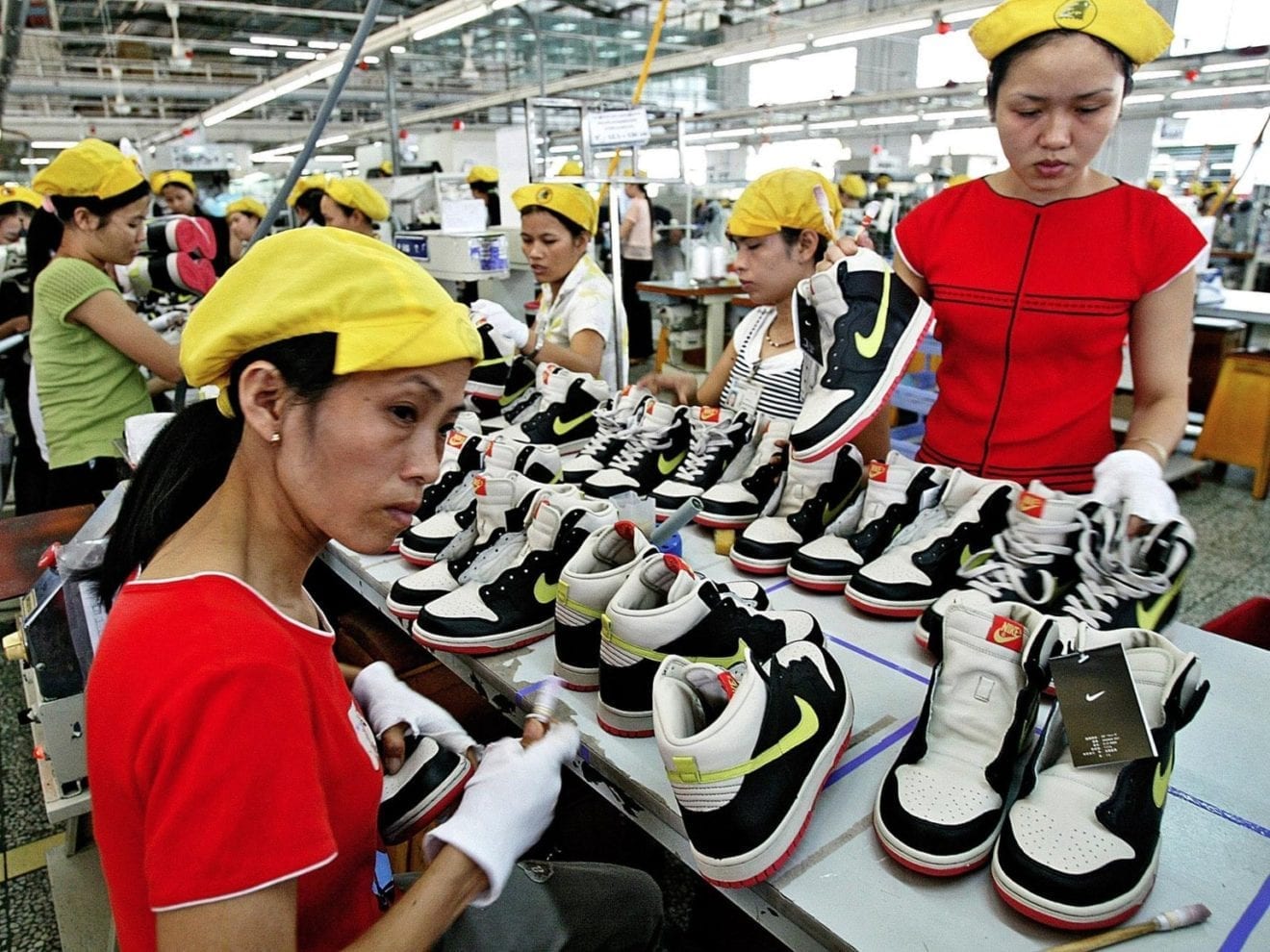
    Speaking at the two-day Vietnam Footwear Summit which opened in HCM City yesterday, Diệp Thành Kiệt, Lefaso’s deputy chairman, said exports of footwear and bags increased to US$18.1 billion last year from $16.2 billion in 2016.

    There are opportunities for the industry to continue developing, he said.

    Vietnam has free trade agreements with most major markets like Japan, the Customs Union of Russia, Kazakhstan and Belarus, South Korea, and ASEAN in addition to the Comprehensive and Progressive Agreement for Trans-Pacific Partnership and an agreement with the EU, he said.

    “We have a golden demographic ratio with 66.9 per cent of the population being of working age, providing an abundant supply of cheap and skilled workers.

    “ Vietnam can supply materials for the footwear industry and becomes a destination for large producers.”

    The country has succeeded in producing and exporting high-value products, he said.

    “This is a big opportunity for the industry. If we continue to promote the export of high-value products, the industry will develop strongly.”

    Replying to a question on the impact of the US’s withdrawal from the TPP on the footwear industry, he said this would not affect Vietnam’s footwear exports to the US much.

    Matt Priest, president and CEO of the Footwear Distributors and Retailers of America, said the US imported 2.39 billion pairs of footwear last year.

    “Per capita spending on footwear climbed to a record last year,” he said.

    China was the biggest exporter to the market, but China’s share is declining and Vietnam’s is increasing, he added.

    Talking about the EU- Vietnam FTA, Nguyễn Thị Xuân Thùy, a researcher at the Vietnam Institute of Industrial and Trade Policy and Strategy, said all tariff lines on leather, cases and bags and 37 per cent of tariffs on footwear would be removed immediately when the FTA comes into effect.

    To enjoy tariff incentives, the products must meet rules of origin and technical barriers to trade commitments with regard to labelling, conformity assessment, and market surveillance, increasing compliance costs, she said.

    Challenges

    Kiệt also spoke about the challenges faced by the industry such as increasing labour costs, automation, protectionism, and competition from other countries.

    Pointing out that between 2010 to 2017 the minimum wage increased 3.02 times while GDP per capita only increased by 2.04 times, he said: “If we had not improved productivity, labour costs will be high.

    “Large customers tend to shift orders to countries with cheaper labour costs, especially for simple and manual items. This initially will not have a great impact on Vietnamese footwear, but in the long term, if we do not adjust our strategy, we will lose orders to Cambodia, Myanmar, Bangladesh, and Ethiopia.”

    The application of automation and Industry 4.0 technologies will help raise productivity. But more than 75 per cent of footwear enterprises are small firms, and it is difficult for them to afford automation.

    Duncan Scott of New Balance Athletic Shoe, Inc, said countries moving up the value chain could stop making footwear and those continuing to make footwear would need “sophistication”.

    Low cost labour alone would not ensure success, and firms need to continue to drive efficiency and digital connectivity among others, he said.

    Delegates said proper use of automation could eliminate redundant workers and make factories much more efficient and profitable.

    The industry’s development plans target rapid, sustainable development and better use of the country’s FTAs to expand exports.

    It plans to restructure production to add value to products, increase local content, improve designs, and focus on medium- and high-quality products for the domestic and export markets.

    John Graebin from US footwear company Deckers Brands said: “More and more automation solutions will be used. I think that is a real opportunity for Vietnam so that the country can compete in a few more decades.”

    There are 939 enterprises in the footwear industry in Vietnam, which is the third largest producer and second largest exporter in the world.

    The US was the largest importer of Vietnamese footwear and bags (accounting for 35.9 per cent), followed by the EU (30.6 per cent), China (6.4 per cent), Japan (6.3 per cent), and South Korea (2.8 per cent).

  • Government approves rights to purchase Vietnam Airlines’ shares

    Government approves rights to purchase Vietnam Airlines’ shares

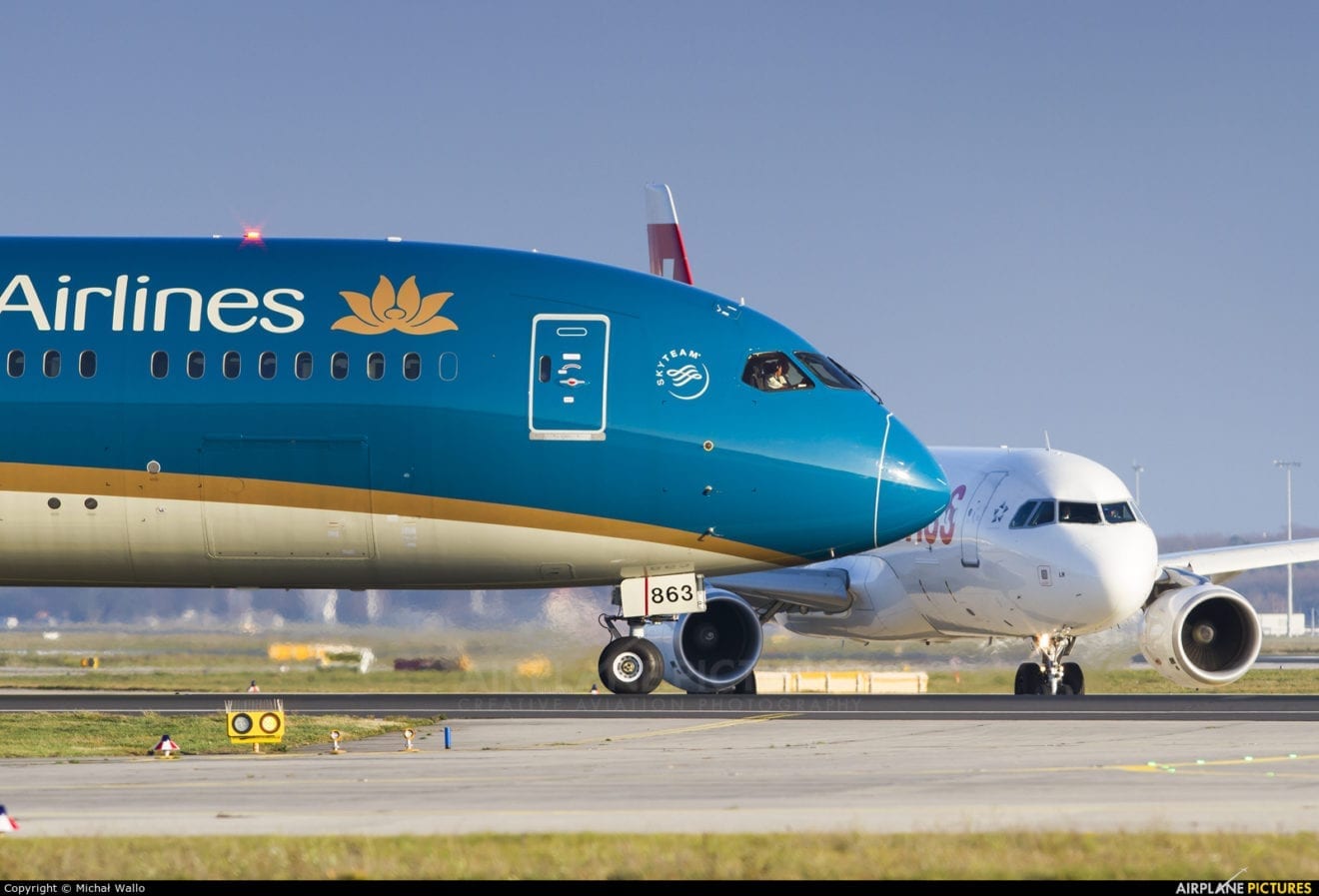
    The Ministry of Transport (MoT) will transfer its rights to purchase shares additionally issued by the Vietnam Airlines Corporation through auction at the Hà Nội Stock Exchange.

    Under its plan, the ministry, as Vietnam Airlines’ State stakeholder, will auction 371.5 million share purchase rights, an equivalent to 57.9 million additional shares in Vietnam Airlines’ upcoming share issue.

    Individual and organisations, including overseas Vietnamese and foreigners who meet the conditions as prescribed by the law, will be eligible to buy the rights.

    In July 2017, Vietnam Airlines decided to issue over 191 million shares to existing shareholders at the ratio of 15.57 per cent to raise charter capital. The issue, expected in the last quarter of 2017, however has yet to be implemented.

    The State now holds 86.16 per cent of Vietnam Airlines charter capital which is nearly VNĐ12.3 trilion after equitisation. If the State shareholder do not exercise their rights to purchase shares in Vietnam Airlines’ upcoming share issue, the State ownership in the national flag carriers will decrease.

    Vietnam Airlines shares, trading on the Unlisted Public Company Market (UPCoM) under the sticker HVN, close Tuesday’s trade at VNĐ48,100 (US$2.11) per share, down 5.9 per cent from the previous session.


  • HCMC Vietnam plans trading floor for pork

    HCMC Vietnam plans trading floor for pork

    HCM City plans to form a pork trading floor which will have advanced technology and careful control of pork origin to ensure quality.

    The city’s Department of Industry and Trade is working on forming the trading floor, which will allow direct purchases, without intermediaries, from pig farmers.

    Large, growing pork markets such as China and Japan have not bought pork from Việt Nam through large scale exporting, but instead through small border trade as international trade requires higher food safety standards.

    The city has begun a programme to keep better track of pork origin to ensure higher-quality products.

    By the end of 2017, 2,644 pig farms and 38 slaughterhouses had joined the programme, according to the city’s Department of Industry and Trade. The department has also held around 85 training sessions for farmers.

    As part of the programme, traders and consumers can look up information about the pork they have bought and their origin by scanning the QR code on each pork package which  has quality stamps.

    In HCM City, 7,500 to 8,000 pigs are supplied with a clear source of origin each day.

    The city plans to replace all manual slaughtering activities with machinery by the end of 2018, and make sure every slaughterhouse is equipped with freezers to store pork.

    According to the department, the city consumes US$500 million worth of pork every year.