Tag: Vietnam

  • Vietnamese startups pour $129 million into financial tech scene

    Vietnamese startups pour $129 million into financial tech scene

    Widespread smartphone usage, increased consumer spending and a low unemployment rate have spurred investment. Vietnamese startups have invested $129 million into financial technologies, with investors saying the country has high potential for tech development, a conference in Hanoi heard last week.

    Vietnam is one of the best markets for financial technologies given its widespread smartphone usage, increased consumer spending and low unemployment rate, Varun Mittal, Ernst & Young’s ASEAN FinTech head, said at the conference.

    FinTech (financial technologies) are technological innovations created to support or enable banking and financial services such as AI-powered trading.

    “Foreign investors are interested in and even willing to buy FinTech from Vietnam due to the country’s markets being attractive for FinTech development,” Mittal said.

    The company said there are almost 80 FinTech firms currently operating in Vietnam, with about 47 percent specializing in payment services. This is partly due to the fact that most Vietnamese people still conduct transactions in cash.

    Mittal also said that several banks want to collaborate with FinTech firms to develop digital banking software instead of developing the software themselves, citing lower costs.

    Korea-based financial group Keb Hana’s chairman Kim Jung Tai said that the group is working with a Vietnamese bank on the development of FinTech during a meeting with Vietnam’s Deputy PM Vuong Dinh Hue in Hanoi back in January.

    However, obstacles still remain. Vietnam’s financial services country leader for Ernst & Young, Nguyen Thuy Duong, said the Southeast Asian nation does not yet have an official policy regarding cooperation between banks and FinTech firms. The fact that many FinTech companies are just fledgling startups with limited capital, workforces and experience doesn’t help either.

    Duong added that the State Bank of Vietnam is working on developing a legal framework to experiment with FinTech before applying it on a larger scale.
  • Rising costs in China make entrepreneurs look to Vietnam

    Rising costs in China make entrepreneurs look to Vietnam

    ‘People are starting to wonder if doing business in China is worth it.’ African nations have been turning to Vietnam as the business environment in China becomes increasingly more difficult. African businesses started flooding to Guangzhou City after China joined the World Trade Organization in 2001.

    Migration from Africa has risen as China “has stepped up its diplomatic links and investments with the continent,” the newspaper explained.

    In 2009, local media put the African population in Guangzhou at 100,000, including those who had overstayed their visas, it said.

    Guangzhou draws merchants who come to buy goods such as jewelry and electronics in bulk, which they ship back to their homelands.

    A part of the city has even been given the name “Little Africa.”

    But things have changed.

    The city’s African population had dropped to 10,344 in February last year, citing the municipal bureau of public security as saying, though Liang Yucheng, a professor of social sciences and humanities at Sun Yat-sen University, told the newspaper that there were still nearly 20,000 African traders in Guangzhou.

    Felly Mwamba, a leader of the Congolese community in Guangzhou, said one of the main reasons for this was rising costs, listing visa fees air tickets and other living expenses.

    “Most African trade with China is basic goods, like clothes, shoes, electrical appliances and low-end smartphones. Prices, logistics and living costs are all soaring in China,” a Kenyan trader identified as Don said.

    “Every day among the African community in Guangzhou, more and more have people started talking about going home or exploring new markets like India, Vietnam and Cambodia,” he said.

    The other reason for the falling African population in Guangzhou, as pointed out by Xinhua news agency in January, is that “police have tightened enforcement on illegal immigration.”

    Long-time African residents told that they have seen their compatriots lapse into “illegal” status after struggling with visa renewal requirements.

    Nigerians must submit criminal record checks for all work and student visas, and no African countries are eligible for 72-hour or 144-hour transit visa exemptions, unlike visitors from many other nations.

    “My friend had to go home to give fingerprints for a criminal record check. A return flight costs $2,000. By the time he got all his documents in order, his visa had expired,” said Akubakarr Sajor Barrie, director of an import-export company.

    “For a small business owner, this is really hard. People are starting to wonder if doing business in China is worth it and they’re going to countries like Turkey and Vietnam instead,” he was quoted as saying.

    Official data from the labor ministry showed the number of foreign workers in Vietnam grew by more than 12,600 in 2004 to 83,500 in 2015, and 93 percent of them are legal.

    Those foreigners come from 110 different markets, and most of them are from China, South Korea, and Taiwan.

    Vietnam was named among the top 10 destinations for expats in a ranking released in March to aim at guiding the world’s rising number of modern nomads.

    The country was placed ninth on the InterNations’ 2018 Expat Insider survey, climbing three spots from last year.

    More than four in five expats, or 81 percent, described the Vietnamese people as welcoming, and 73 percent said it was easy to settle down in the country, the survey found.

    Of the expats questioned, 56 percent said they had found it easy to make friends with locals, and 16 percent said they planned to stay forever.

  • Vietjet reports first quarter profits of over USD65 million

    Vietjet reports first quarter profits of over USD65 million

    Vietjet Aviation Joint Stock Company (HOSE: VJC) has just released its consolidated financial statement for the first quarter of 2018 with significant growth for the airline that exceeds expectations.

    The airline’s revenue stood at VND12,560 billion (USD552 million), a year-on-year increase of 146% that is attributed to growth in passenger transport, ancillary service and sales and leaseback revenue.

    The airline’s fleet expansion, coupled with the opening of new international routes, raised its transport revenue to VND6,035 billion (USD265 million), an increase of 52% over the same period last year, and 10% higher than the company’s target. Vietjet’s core business profit was increased to nearly VND737 billion (USD32 million), a 74% jump over the previous year’s figure. Ancillary revenue also increased to VND1,825 billion (USD80 million), a rise of 64% year-on-year.

    The positive results in revenue growth contributed significantly to the company’s gross profit of VND1,810 billion (USD79 million), a 135% increase year-on-year. At the same time, sales and management costs also increased at a lower rate compared to revenue growth. Therefore, Vietjet’s profit before tax in this quarter stood at VND1,480 billion (USD65 million), an increase of 254% compared to Q1 2017. After-tax profit of the parent company’s shareholders stood at VND1,366 billion (USD60 million), a 263% increase. Earnings per share in this quarter stood at VND3,026 (USD0.13), one of the highest EPS on the Vietnamese stock market.

    Vietjet’s Q1 results were 25.5% over the airline’s original target of VND50,970 billion (USD2.24 billion) in revenue and VND5,806 billion (USD255 million) in profit before tax for 2018.

    In the first quarter of 2018, Vietjet operated 28,830 safe flights with the technical reliability rate of 99.7%, and with the safety performance indicators of flight as well as ground operation amongst the top in the region. The on-time performance in the first quarter stood at 83.4%. During Q1, Vietjet also announced plans to open international routes to India and Australia in line with its plans to expand its international flight network after having achieved full coverage on the domestic network.

    The airline’s stellar Q1 performance was further buoyed by the naming of Vietjet as the region’s top fastest growing airline by Singapore’s Changi Airport.

    As of March 31, 2018, Vietjet’s undistributed profit after tax was VND6,724 billion (USD295 million). The company will pay a cash dividend of 10% on May 25, 2018 to its shareholders and is on its way to finalizing the necessary procedures at the State Securities Commission of Vietnam to settle the remaining 20% dividend of 2017 by shares. Earlier last week at the 2018 General Shareholders Meeting, the shareholders also agreed with a proposal to pay dividends of 50% of its profits in 2018.

  • Shrinking profit for Sabeco’s Vietnam

    Shrinking profit for Sabeco’s Vietnam

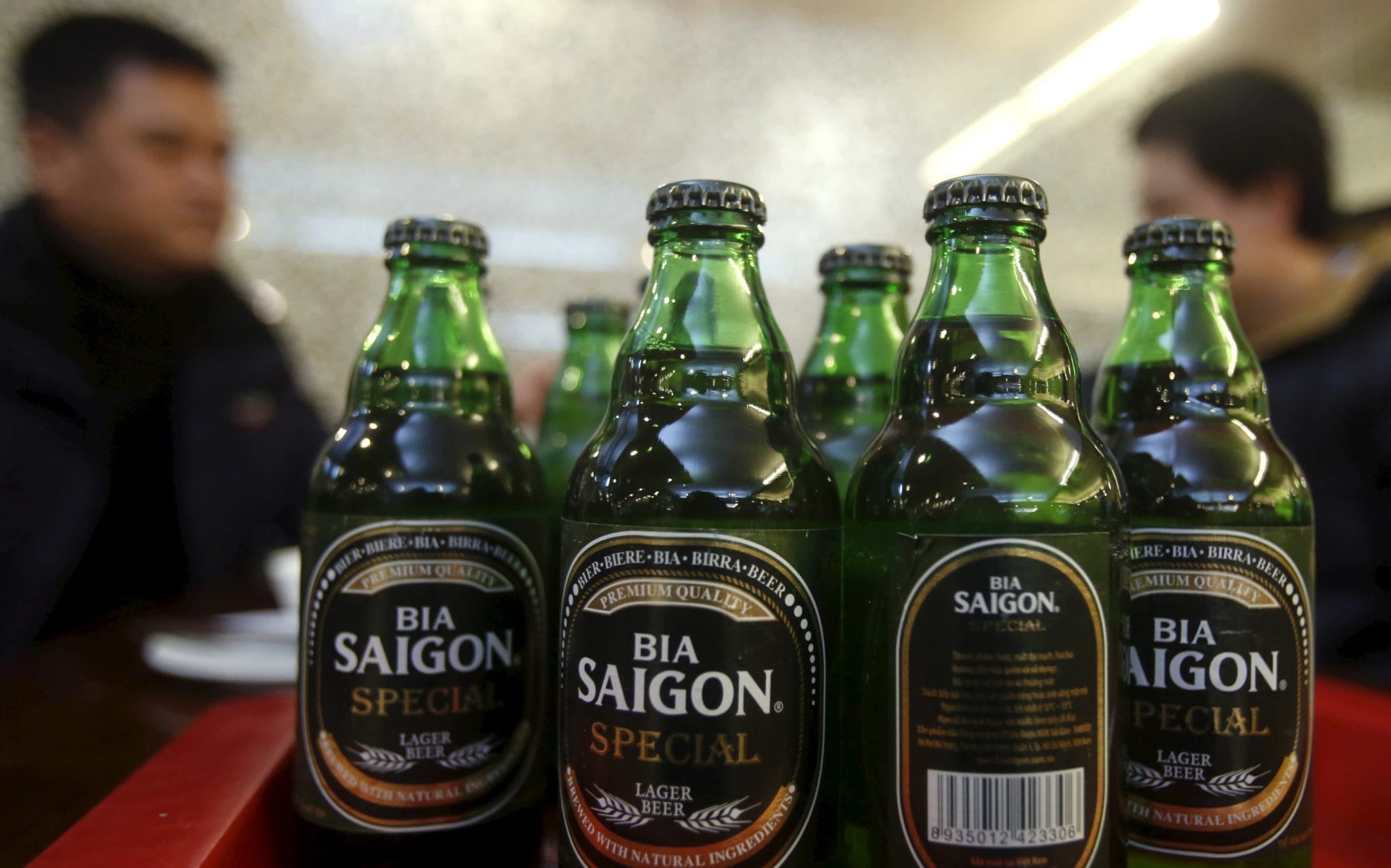
    Saigon Beer, Alcohol and Beverage Corporation (Sabeco) has released its consolidated financial statement for the first quarter of this year. Accordingly, Sabeco reported an increase in revenue but a decrease in profit.

    Notably, its consolidated net revenue was VND7.81 trillion ($343.1 million), up 4.6 per cent on-year, after-tax profit decreased by 2.7 per cent to VND1.16 trillion ($50.96 million).

    Besides, as of March 31, the firm’s asset value reached VND20.76 trillion ($912.09 million), down 6 per cent against the beginning of the year.

    Meanwhile sales expense decreased by 13 per cent to VND594 billion ($26.18 million) due to decreases in expenditure for administrative and marketing programmes.

    Along with the decline in profit, Sabeco’s share plunged after hitting the record VND334,500 ($14.69) in late November 2017. Notably, on May 4, Sabeco’s shares were at VND219,000 ($9.62).

    Previously, the April 23 extraordinary general shareholders’ meeting voted to add three new foreign members to the management board, including one from Thai Beverage Public Co., Ltd.

    The first is Koh Poh Tiong, chairman of Thai Beverage-owned Beer Group, which owns a 49 per cent stake in Vietnam Beverage.

    This year, Sabeco estimated earnings of VND35.98 trillion ($1.58 billion) in revenue and VND4.8 trillion ($210.86 million) in after-tax profit, signifying increases of 4.4 and 2.2 per cent, respectively.

    The others are Malcolm Tan Tiang Hing, CEO of Shanghai-based alcoholic beverages distributor Dxcel International, and Sunyaluck Chaikajornawat from Thai law firm Weerawong Chinnavat & Partners Ltd. They were elected as independent members.

    Speaking at the meeting, Koh Poh Tiong stated that the new members will co-operate with the existing members to help Sabeco maintain its leading position in Vietnam. Besides, the new members will try to take the Sabeco and 333 Beer brands abroad. Singapore will be the first destination and the next stop Thailand, before other countries.

    It will take massive funds to realise the above promise, which seems even more unlikely in light of the consecutive decreases in Sabeco’s profit.

  • Vietnam’s e-commerce market sees many new players

    Vietnam’s e-commerce market sees many new players

    Vietnam is among the fastest growing commerce markets. E-commerce makes up 0.5 percent of value of the FMCG (fast moving consumer goods) sector in the four largest cities, while the number of online shoppers increased from 5.4 percent to 8.8 percent in urban areas within one year. The value of one online shopping cart triples the value of a traditional shopping cart.

    The recent report of Kantar Worldpanel says that Vietnam’s e-commerce activities grew by 69 percent in 2017. Meanwhile, Frost & Sullivan predicted that Vietnam’s market value would rise from $1.7 billion in 2016 to $3.7 billion in 2030, or an annual growth rate of 45 percent.

    Chinese firms

    Analysts warned that Chinese online retailers are penetrating the Vietnamese market, putting pressure on domestically made products.

    JD earlier this year announced investment in Tiki to become one of the biggest shareholder of the e-commerce firm. While JD declined to reveal the amount of capital, Tiki has said that it had raised $50 million worth of funds to expand its business.

    Prior to that, Alibaba launched in Vietnam in April 2016 after it wrapped up the takeover of Lazada in SE Asia.

    Headquartered in Singapore, Shopee is still listed among Chinese firms in Vietnam as 40 percent of Shopee shares are held by Tencent, a Chinese technology group.

    All three Chinese ecommerce markets entered the Vietnamese market through mergers and acquisitions.

    According to Google, Lazada, Shopee and Tiki are three out of four most searched e-commerce websites in Vietnam.

    Chinese not the only foreign players

    However, with investors from the US and Japan entering the field recently, the worry about the dominance of Chinese firms has been lifted.

    Most recently, Japanese Scroll acquired 26.9 percent of shares of Cat Dong, the company that owns cungmua.com, nhommua.com and Shipto.vn. This is the second time that Cat Dong transferred capital during its 8-year operation.

    Prior to that, Cat Dong received investment from ACA Investment, a Japanese ifund belonging to Sumitomo which once poured money into Bibomart and Son Kim Land.

    In early March, the e-commerce market welcomed Amazon. The US giant, instead of making investment deals, decided to join hands with the Vietnam E-commerce Association. With the cooperation, Amazon wants to help Vietnamese businesses export their products on the Amazon platform.

  • Vietnamese concerned as biofuel proposed to replace regular fuel

    Vietnamese concerned as biofuel proposed to replace regular fuel

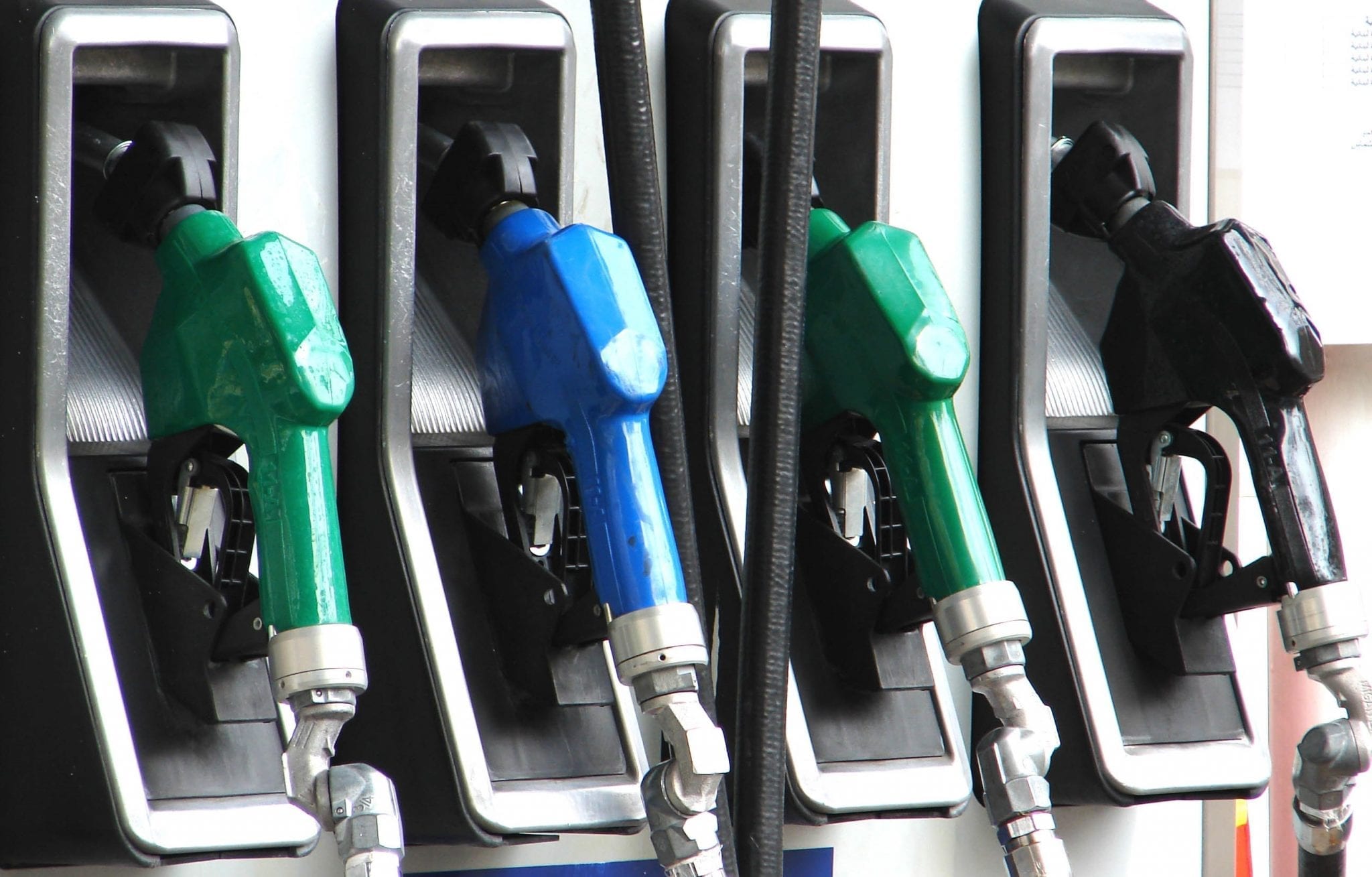
    People fear that they are being forced to buy a product they are not interested in. A new proposal to replace the most popular gasoline in Vietnam with biofuel is raising concerns among experts and consumers who said it will force them to buy a lesser product.

    The idea of replacing the current 95-octane gasoline A95 with E5 biofuel was proposed by Tran Minh Ha, deputy director of Saigon Petro at a meeting between fuel companies and the Ministry of Industry and Trade on Wednesday.

    E5 is a locally-produced biofuel that the government has been trying to promote for years. Starting from January 1, the government has officially replaced the 92-octane A92 with the ethanol-blended E5, which is a mixture of 95 percent of A92 and 5 percent of ethanol.

    With prospects of A95 being wiped off the market, drivers feel they are being forced to switch to the E5 biofuel, which they don’t want.

    Although studies conducted by Hanoi University of Technology have found that the E5 mixture is good for engines while producing fewer emissions, Vietnamese drivers are still hesitant because they fear that it can cause fire or damage their vehicles’ engine and parts.

    “No policy should compel people to purchase a product. Authorities need to make careful calculations with the public’s preference taken into consideration,” said Ngo Tri Long, former director of Market Research Institute under the Ministry of Finance.

    Although E5 is reportedly used by 42 percent of drivers, the quality of this mixture has not convinced the public, Long said.

    As there is currently only one company producing E100 alcohol in Vietnam, an ingredient of the E5 mixture, there won’t be enough supply to produce biofuel should A95 be taken off the market, he added.

    Local fuel businesses have been trying to promote ethanol fuel by lowering its price. However, the price difference between E5 biofuel and the popular A95 is not substantial enough to attract drivers, according to Tran Ngoc Nam, deputy general director of Vietnam Petroleum Group (Petrolimex).

    In a VnExpress survey of over 13,000 readers, 88 percent said they do not want the familiar A95 to be withdrawn from the market.

    The Ministry of Industry and Trade said on Thursday that they will take the matter into consideration and ask for directions from the government.

    Most countries in the world still offer consumers a choice between ethanol and gasoline. The United States, Brazil and European Union are leading the change in biofuel usage, producing and consuming about 80 percent of the world’s total, according to Bioenergy Australia. Thailand plans to increase its biofuel consumption from 7 percent of total fuel energy use to 25 percent by 2036.

  • Vietnam to cut black pepper farm area

    Vietnam to cut black pepper farm area

    The surge in world pepper prices in the 2013-2015 period led local growers to expand their farms uncontrollably. Vietnam plans to slash its black pepper growing area by 26.7 percent in response to falling global prices, the chairman of the country’s pepper association said Tuesday.

    Vietnam is the world’s largest black pepper exporter, accounting for 60-65 percent of global trade, and nearly half of global output.

    “We will cut the area to 110,000 hectares from 150,000 hectares over the coming years by encouraging local farmers to grow other crops and remove pepper farms with poor quality,” said Vietnam Pepper Association Chairman Nguyen Nam Hai.

    Hai said the surge in world pepper prices in the 2013-2015 period led local growers to expand their farms uncontrollably, from 50,000 hectares in 2013 to the current of 150,000 hectares.

    “Now with the increased output, prices have fallen and we need to cut the area,” Hai said.

    Vietnam’s black pepper exports in the first quarter rose 17.5 percent from a year earlier to 60,033 tons, but export revenue in the period fell 31.4 percent to $221 million, according to official customs data.

    Hai said exports for the entire 2018 are forecast to stay flat from last year at around 215,000 tonnes.

    Vietnam’s key markets for the spices include the United States, India, China and Europe.

  • MobiFone refunded after failed pay TV investment deal

    MobiFone refunded after failed pay TV investment deal

    The telecommunications giant has not repaid AVG investors. MobiFone has confirmed to authorities that it has been refunded in full from a private pay TV firm after the deal between these companies fell through.

    The state-run telecommunications giant said that a total of VND8.9 trillion ($390 million), equivalent to a 95 percent stake in Audio Visual Global JSC. (AVG), had been returned to the company on April 26.

    MobiFone has yet to return shares to AVG shareholders, and is now waiting for government inspectors to confirm the transfer before proceeding, the statement said.

    In early 2016, MobiFone announced that it was breaking into the pay TV market through the acquisition of a 95 percent stake in AVG, without revealing any information about the deal.

    After investigating the deal, the Government Inspectorate concluded that MobiFone’s deal to acquire AVG had violated investment laws and caused a loss of about VND7 trillion ($307 million) to the state.

    Multiple ministries, including the information ministry, were also found responsible for a number of wrongdoings relating to the deal.

    The canceled acquisition was brought up last week when Communist Party General Secretary Nguyen Phu Trong said at a committee meeting that the government was determined to fight corruption without exception.

  • Vietnam Airlines considers creating cargo unit

    Vietnam Airlines considers creating cargo unit

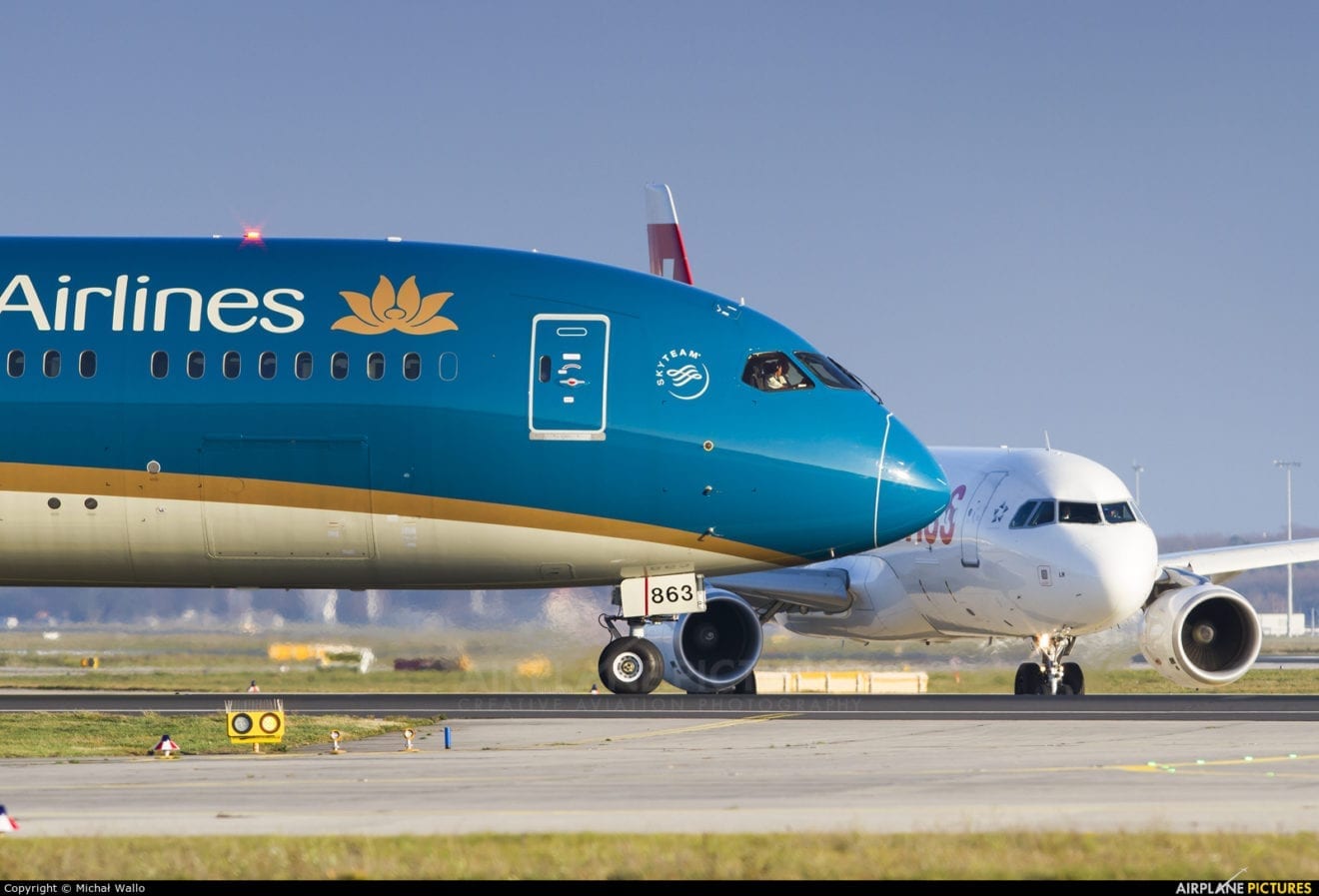
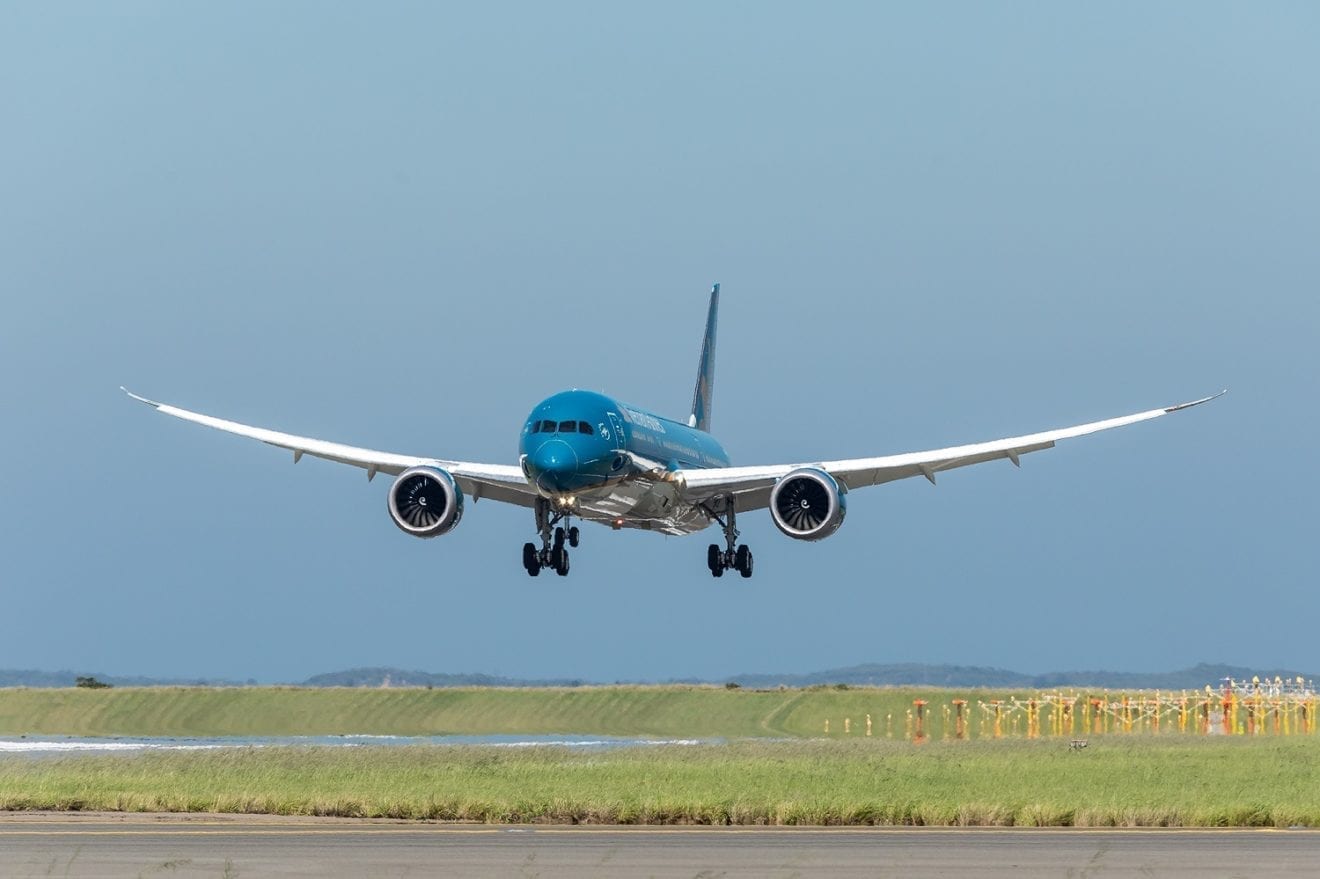
    Vietnam has become a major manufacturing hub, providing an air freight opportunity for the state-owned carrier. Vietnam Airlines is looking to boost growth by starting a dedicated cargo unit, according to a company official.

    With companies such as Samsung annually producing billions of dollars worth of devices, there is an air freight opportunity for the national carrier, Vietnam Airlines CEO Duong Tri Thanh told.

    Investments by companies such as Samsung, LG and Nestle have fueled the country’s manufacturing sector and driven it to become one of the fastest growing in the region.

    Vietnam’s economy expanded by 7.38 percent in the first quarter of this year, the highest rate in a decade, according to the General Statistics Office. The country is looking to attract more visitors and develop tourism as a key industry.

    “We expect a higher number of international passengers, especially from Japan and Korea, and more middle-class passengers domestically, thanks to Vietnam’s fast economic growth,” Thanh said.

    The airline was rated among the 11 best major airlines in Asia by the 2018 Traveler’s Choice Awards, which collects travelers’ ratings from the past year in terms of legroom, customer service, cleanliness, food and beverages, comfort, value for money, check-in and boarding, and in-flight entertainment.

    Competing with the nation’s largest private carrier, VietJet, the state-owned airline is also focusing on attracting premium passengers at the front-end as faster economic growth drives incomes higher.

    Vietnam Airlines is planning a route to Los Angeles by late 2019 or early 2020. Last year, it formed a venture with Air France to add 17 more destinations in Europe to the existing three.

  • Vietnam’s e-commerce companies face logistics and price challenges

    Vietnam’s e-commerce companies face logistics and price challenges

    Shipping costs are forcing prices up and driving potential customers away. Vietnam’s e-commerce industry is facing challenges due to poor logistics and consumer price-sensitivity.

    “The challenge for commerce in Southeast Asia in general, and Vietnam in particular, is logistics,” said Vu Duc Thinh, country manager for the logistics arm of Lazada, a Singapore-based e-commerce company which also operates in Vietnam.

    Vietnam’s logistics costs accounted for 20.9 percent of GDP in 2016, according to the World Bank, and were higher than regional peers China, Thailand and Japan.

    Inflated logistics costs are putting a strain on local businesses and need to be cut in order to make firms more competitive, said Prime Minister Nguyen Xuan Phuc during a conference held by the Ministry of Industry and Trade in Hanoi earlier this month.

    The reason for this is the cost of transporting goods via land, Phuc said. In Vietnam, transportation via land accounts for 59 percent of all logistics costs, which is 9.7 times more than via water and 2.5 times more than by train, said Deputy Minister Nguyen Van Cong during the conference.

    Insufficient infrastructure development is to blame for the disparity, with rail links lacking connections to storage depots, and waterway transport taking from 3-5 times longer than by land, according to experts.

    Another factor hindering the advancement of Vietnamese e-commerce companies is consumer price-sensitivity, which is proving to be a challenge when it comes to taking into account shipping fees when companies set their prices.

    “If Vietnamese e-commerce companies want to win customers here, they have to come up with the best prices,” Huynh Mai, 25, a Vietnamese online shopper.

    Online sales in Vietnam have expanded rapidly in recent years, currently accounting for 3.39 percent of the country’s retail market. The total retail market grew 10.9 percent last year to $173.27 billion, as reported by local media.

    The World Bank forecasts that Vietnam’s $200 billion economy is likely to grow to a trillion dollars by 2035. More than half of its population, compared with only 11 percent today, is expected to join the ranks of the global middle class with consumption of $15 a day or more.

    According to one estimate, about 30 percent of the population will be buying goods and services over the internet in 2020, with each shopper spending an average of $350 per year.

  • Fashion reigns as Vietnam’s online shopping queen

    Fashion reigns as Vietnam’s online shopping queen

    With busy schedules occupying people’s lives, e-commerce sites are catching up with the rising demand. With e-commerce booming in Vietnam, shopaholics have been switching from walking from store to store to just sitting back and relaxing with their computers and phones to choose their favorite fashion items.

    Despite spending almost ten hours per day at work, Ha, an office worker in Binh Thanh District, HCMC, can still find the time to buy herself new clothes every month.

    Her computer is bombarded by advertisements for new fashion items that stream from the social media channel she uses to the news sites she usually follows since she searched online for a new dress.

    “I don’t have much free time to stop by every store to find the clothes I want, but I can easily do it online. Of course there are risks buying clothes online, but if I order products from shop and receive exactly what I expected, then I go back to that shop,” she said.

    The trend has become so popular that many Vietnamese women say they spend time almost every night watching online retailers livestreaming their products on Facebook.

    A survey released in October last year by Vietnamese market research firm Q&Me showed fashion standing on top of all products purchased online in Vietnam, followed by IT products, cosmetics, food and beverages, and books and stationary.

    Out of a pool of 966 respondents aged between 18 and 39, 73 percent said they went online to buy fashion products, the survey found.

    Tapping into this trend in Vietnam, online shopping platform Lazada has launched a partnership with Au Chau Fashion and Cosmetic Co. Ltd (ACFC), a distributor of world-leading brands such as Calvin Klein Jeans, Levi’s, Dune and Diesel.

    Lazada said the move expresses its ambition to boost the development of its clothing and cosmetics sector, and its target to become the leader in Vietnam’s e-commerce market by 2020.

    “Last year, Lazada’s revenue from fashion products doubled, and the number of fashion providers registering on its platform rose 4.5 times,” said Nguyen Thanh Thuy, director of brand marketing solutions at Lazada Vietnam.

    Vietnam’s e-commerce market grew by 25 percent last year and is expected to maintain its growth in the next three years, according to the Vietnam E-Commerce Association.

    Revenue from online retail is forecast to hit $10 billion by 2020, accounting for 5 percent of the country’s retail market, it said.

    The thriving market has attracted global giants.

    American e-commerce giant Amazon month entered the Vietnamese market last month, just four months after Chinese e-commerce conglomerate Alibaba officially entered Vietnam by investing in Lazada.

    Earlier this year, China’s second biggest online e-commerce firm JD.com Inc announced plans to invest in Tiki, a Vietnam-based online retailer that it intends to help with fulfillment, logistics and more. JD.com co-led the financing with Vietnamese entertainment and social media firm VNG Corp.

  • New deep-sea port to boost logistics capacity in Vietnam

    New deep-sea port to boost logistics capacity in Vietnam

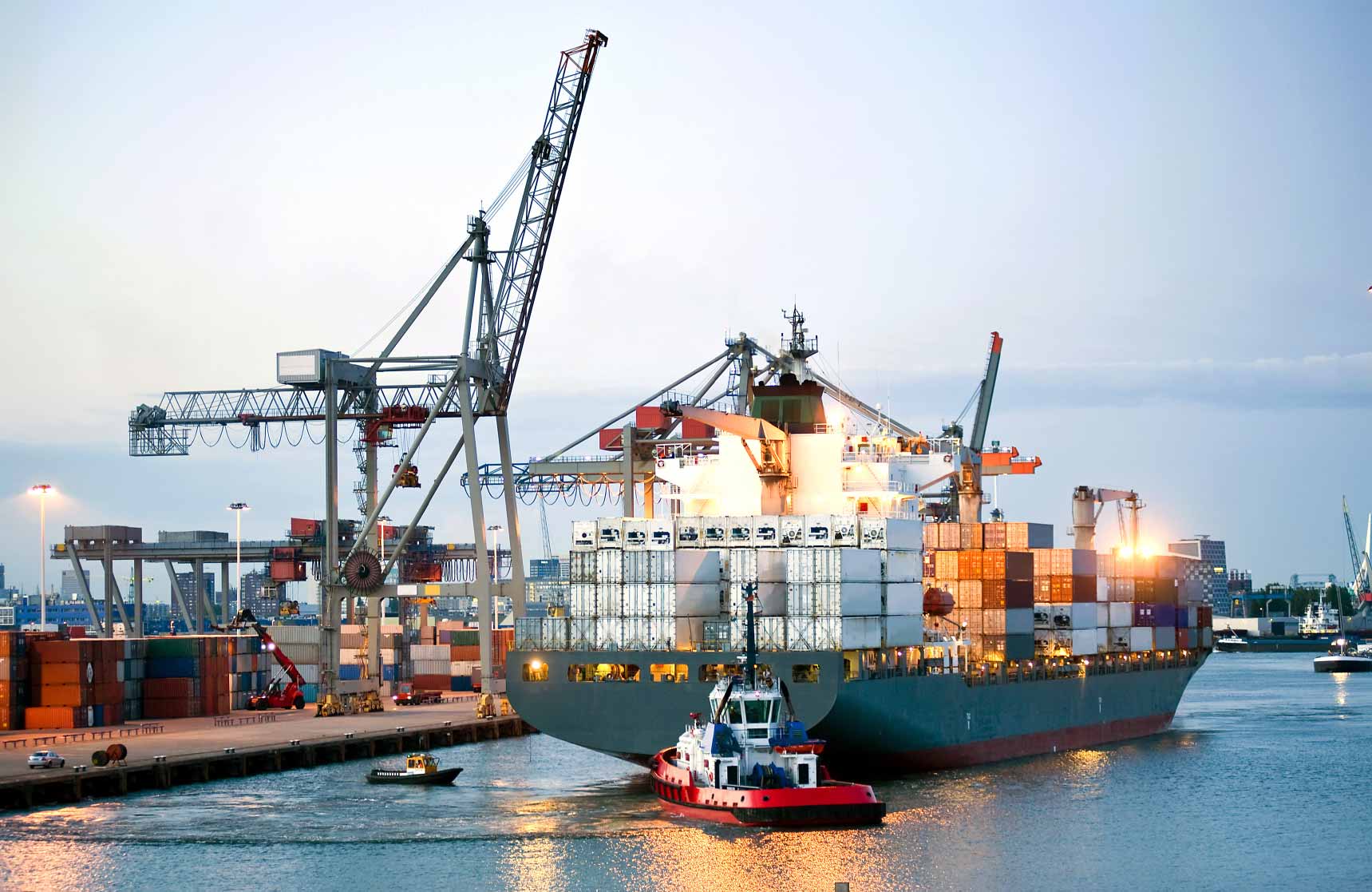
    The new terminal will double the current loading capacity of the biggest port in northern Vietnam. A new deep-water port is set to open this month in Vietnam’s northern city of Hai Phong.

    The city is a major sea gateway for Vietnam, but the existing port cannot receive large container ships as it lies on the Cam River, which is only seven meters deep.

    The new Lach Huyen International Gateway Port faces the sea, where the water is 14 meters deep.

    It stretches 750 meters (2,460 feet), which is double the length of Hai Phong Port, and has two container cranes.

    Work started on Lach Huyen Port in 2013 at an estimated cost of $1 billion, and when the first phase is completed on May 13, it will be able to handle around 300,000 20-foot equivalent units, or TEUs.

    That figure will rise to between 2-3 million TEUs in 2019, which is double the current capacity of Hai Phong Port.

    At a ceremony to mark the construction of Lach Huyen’s second phase in 2016, Prime Minister Nguyen Xuan Phuc said the new port “holds a key role in Vietnam’s maritime strategy”.

    Infrastructure to support the operation of the port has been taking shape, including an expressway connecting Hai Phong with the capital Hanoi that cuts travel time by half to roughly 90 minutes, and Southeast Asia’s longest cross-sea bridge, which opened to traffic in September last year.

    Spanning 15.63 kilometers (10 miles), the $523-million bridge connects Tan Vu Port to the new Lach Huyen Port.

    At a government meeting in Hanoi last month, PM Phuc said Vietnam’s logistics costs are putting a strain on local businesses and need to be cut in order to make firms more competitive.

    Vietnam’s logistics costs accounted for 20.9 percent of GDP in 2016, according to the World Bank, and were higher than regional peers China, Thailand and Japan.

    The reason for this is the cost of transporting goods via land, he said.

    In Vietnam, transportation accounts for 59 percent of all logistics costs, Deputy Minister of Industry and Trade Nguyen Van Cong told the meeting.

    The cost of transporting a 40-foot container by land from Hanoi to HCMC is about VND40 million ($1,785), which is 9.7 times more than transporting it by water and 2.5 times more than moving it by train, he said.

    According to a 2016 report released by the ministry, 77.2 percent of goods are transported by land in Vietnam, while just 5.22 percent go via water and 0.42 percent by train.

  • Vietnam’s biggest carriers see higher profits

    Vietnam’s biggest carriers see higher profits

    VietJet plans to add routes to more countries while Vietnam Airlines reports high number of passengers. Vietnam’s two biggest airlines reported strong growth in domestic and international markets on Thursday, fuelling profits and talk of expansion plans.

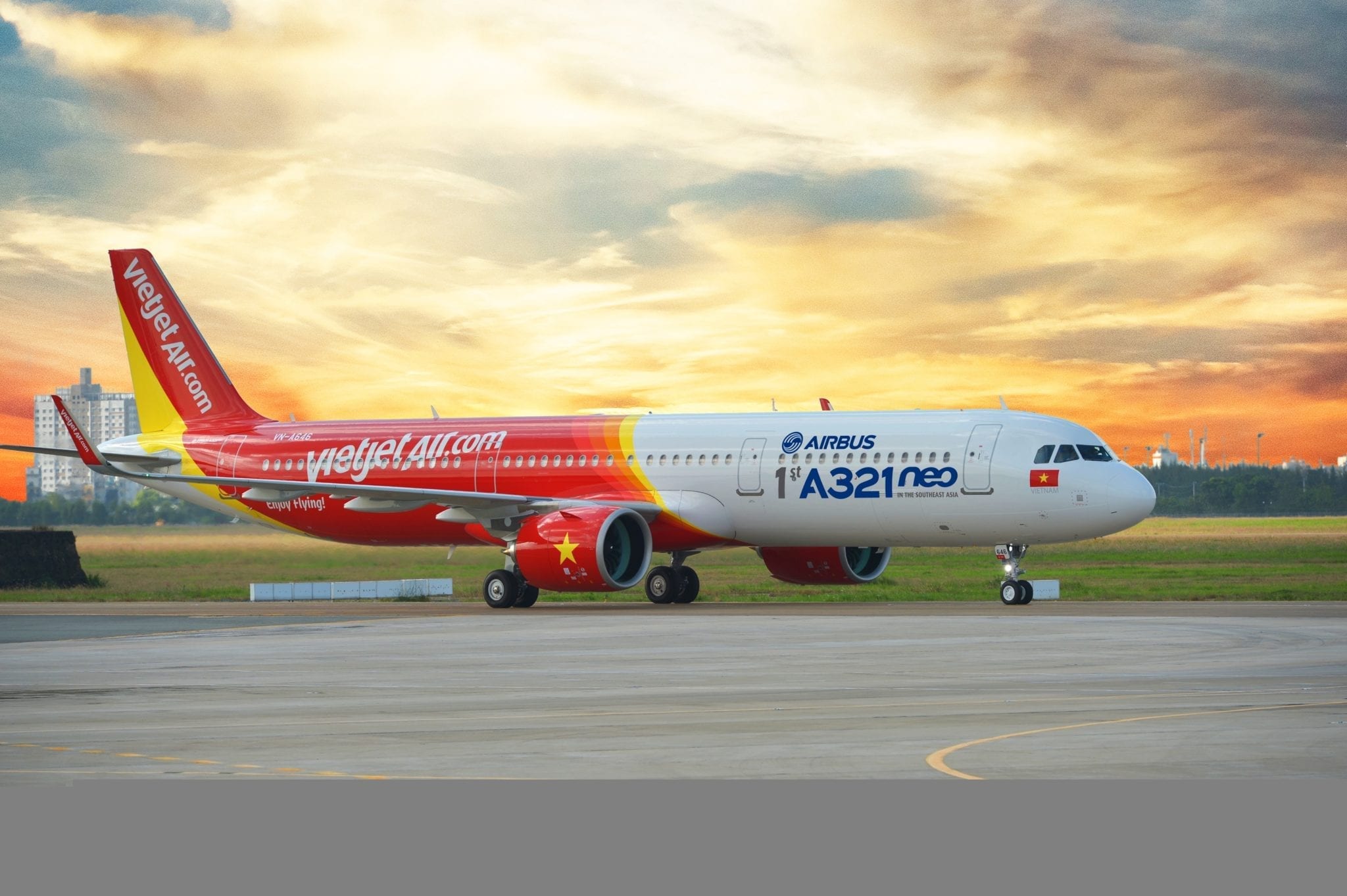
    VietJet, the biggest private airline in the Southeast Asian nation, said it was adding routes to Japan, India and Australia as part of its strategy to become a global airline.

    Hanoi-based VietJet currently operates 38 domestic and 44 international routes. VietJet added 17 new aircraft last year to boost its fleet to 51 planes.

    VietJet said on Thursday it expected pre-tax profit to rise to VND5.8 trillion this year, up 9.4 percent from 2017. It also targeted a 20.5 percent rise in revenue to VND50.97 trillion from a year earlier.

    Its state-owned rival, Vietnam Airlines, said on Thursday its pre-tax profit jumped 71 percent in the first quarter as growth on domestic and international routes exceeded its forecasts.

    Pre-tax profit during the January-March quarter rose to VND1.46 trillion ($64.13 million), the airline said in a statement, up from 854 billion dong in the same period a year earlier.

    Vietnam Airlines said it carried five million passengers in the quarter, up five percent from the same period last year.

    “Demand remains high in Northeast Asian markets (Japan, South Korea), together with the implementation of market-driven solutions in the condition of high fuel prices,” the airline said, adding it will take delivery of its 12th Airbus A350 in the second quarter.

    Vietnam Airlines could launch non-stop flights to the United States in 2019, Chief Executive Officer Duong Tri Thanh said in February, but it would struggle to be profitable on U.S. routes due to the lack of business travellers.

  • Vietnamese willing to Spend huge Amounts of Money on Super Cars

    Vietnamese willing to Spend huge Amounts of Money on Super Cars

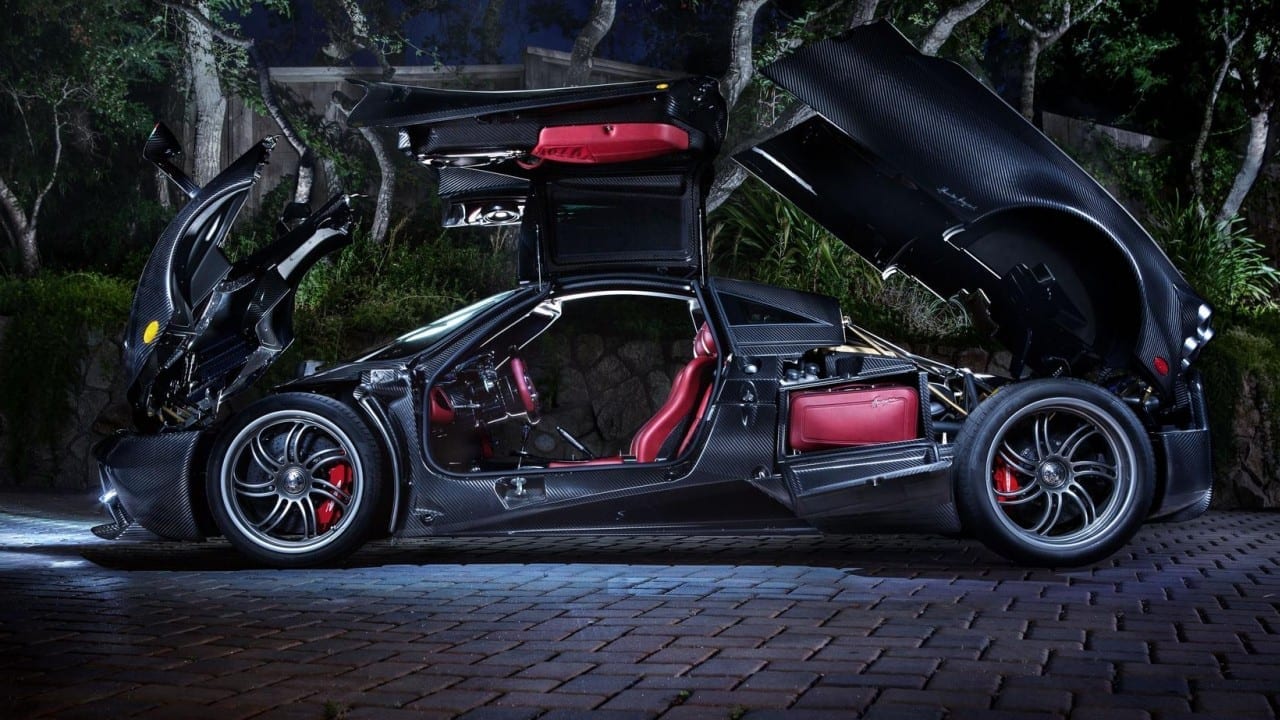
    As many as  8,670 luxury cars of different kinds were sold in Vietnam in 2017, a decrease of 15 percent from 2016, according to one report. However, the amount of money spent on the cars was VND20 trillion.

    According to Choi Duk June, CEO of Mercedes Benz Vietnam, 150 Maybachs were delivered to Vietnamese buyers in 2017. The sales of Maybach in Vietnam are the highest in Southeast Asia.

    This is a luxury model of Mercedes-Benz with three versions in distribution in Vietnam, including Maybach S 400 priced at VND6.899 billion, Maybach S 500 VND10.999 billion and Maybach S 600 VND14.169 billion.

    When launching Maybach S 600 into the market in January 2015, Mercedes Benz then hoped it could sell 10 products a year. However, to its surprise, over 50 products were sold in the year.

    The figure was over 100 in 2016, and Vietnam remained the biggest buyer of Maybachs in 2017, leaving Indonesia, Thailand, Malaysia and Singapore far behind.

    It is estimated that over 300 Maybachs are rolling on Vietnam’s streets.

    The other luxury models also had very good sales. Over 500 S-Class products, priced at VND4-10 billion, were sold in 2017.

    However, the highest growth rate belonged to mid-end luxury models, priced at VND1.5-3 billion. A record number of 2,500 GLCs priced at VND1.939-2.209 billion was sold in 2017, placing GLC as one of the 15 best sellers in the market.

    The other luxury models which sold very well in 2017 included BMW’s Seri 3 and Seri 5, Audi’s A4 and Q5 and Lexus’ ES 250 and NX 200T.

    Car dealers in Vietnam say there is a switch in consumption from common products to mid-end products. A survey by Mercedes Benz found that car buyers tend to be younger.

    In 2014, the average age of car buyers was 42, while it was 39 in 2016 and 38 in 2017.

    Boston Consulting Group’s (BCG) survey showed that Vietnam is getting wealthy thanks to the strong rise of the middle class which has been growing more quickly than any other place in South East Asia.

    Those who have monthly income of $714 and more are classified as middle class. Vietnam expects to have 33 million middle class people by 2020.

    According to the Vietnam Automobile Manufacturers’ Association (VAMA), a total of 272,750 automobile units were sold in 2017, down 10 percent yearly.

  • Vietnam exempts import tax for Emirates Airline

    Vietnam exempts import tax for Emirates Airline

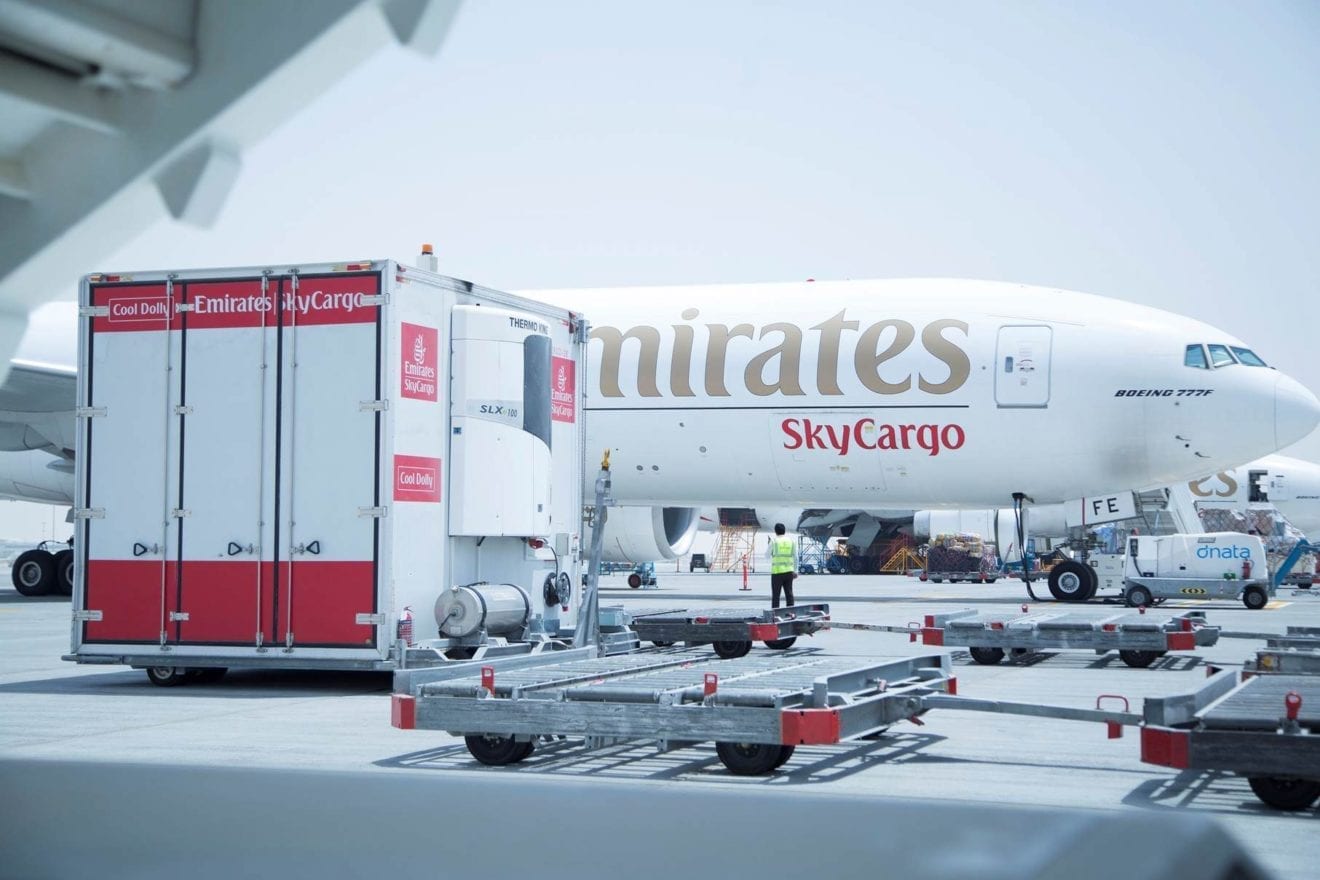
    Deputy Prime Minister Vuong Dinh Hue has agreed with the Ministry of Finance’s proposal to exempt tax on imported goods of Emirates Airline.

    Hue assigned the Ministry of Finance to implement the proposal and has instructed the customs forces to supervise and closely control the import and use of duty-free goods of the airline to ensure that they are used for right purposes and in line with the law.

    Under the direction of the Deputy PM, the import and use of duty-free goods by Emirates must be for the right purposes as described in Article 6 of the Agreement on Air Transport, signed between the Governments of Vietnam and the United Arab Emirates.

    It is the fifth airline to receive exemption from import tax. Previously, the Deputy PM had agree to exempt the tax for imported goods of Hong Kong Dragon, Cathay Pacific Airways, Federal Express Corporation and Japan Airlines.