Tag: Vietnam

  • Mumuso Vietnam accused of fraud

    Mumuso Vietnam accused of fraud

    Fashion and lifestyle goods retailer Mumuso Vietnam has been accused of selling Chinese goods as Korean products.

    The allegation surfaced on South Korean SBS News, which reported that the Shanghai-based company has been duping customers into thinking it is a South Korean store chain selling South Korean goods. The news channel also said Mumuso’s registered office in Seoul could not be found.

    Legal representatives of Mumuso Vietnam say the company registered its brand under the protection of the Korean Intellectual Property Office without any production activities there. It also has a branch in Shanghai, redesignated as its headquarters.

    Mumuso authorised its Shanghai office to take over its business activities, including production and brand management.

    Mumuso’s business in Vietnam is under a franchise contract.

    “Mumuso wants to strengthen its brand overseas before returning home, where competition is fierce,” says Mumuso Vietnam director Nham Phi Khanh.

    He admits that no Mumuso merchandise has undergone quality inspections in Korea, but is imported directly from China. “Our products meet standards and regulations set by the Drug Administration of Vietnam and the Department for Food Safety and Hygiene under the Ministry of Health.”

    Mumuso Vietnam has 27 outlets, mostly in Hanoi and Ho Chi Minh City. The stores sell a wide range of goods, from cosmetics to household items, all labeled as “Mumuso – Korea”, with product information mainly written in Korean and Chinese, and prices ranging from VND22,000 (US$1). All come with a “Made in China” tag.

    The Mumuso retail concept is loosely based on that of another Chinese company Miniso, which has drawn criticism for marketing its products as Japanese.

    Meanwhile, Mumuso Vietnam has announced it intends to increase the number of its outlets in Ho Chi Minh City and Hanoi to 80.
  • AirAsia now flies directly from Penang to Hanoi and Phuket

    AirAsia now flies directly from Penang to Hanoi and Phuket

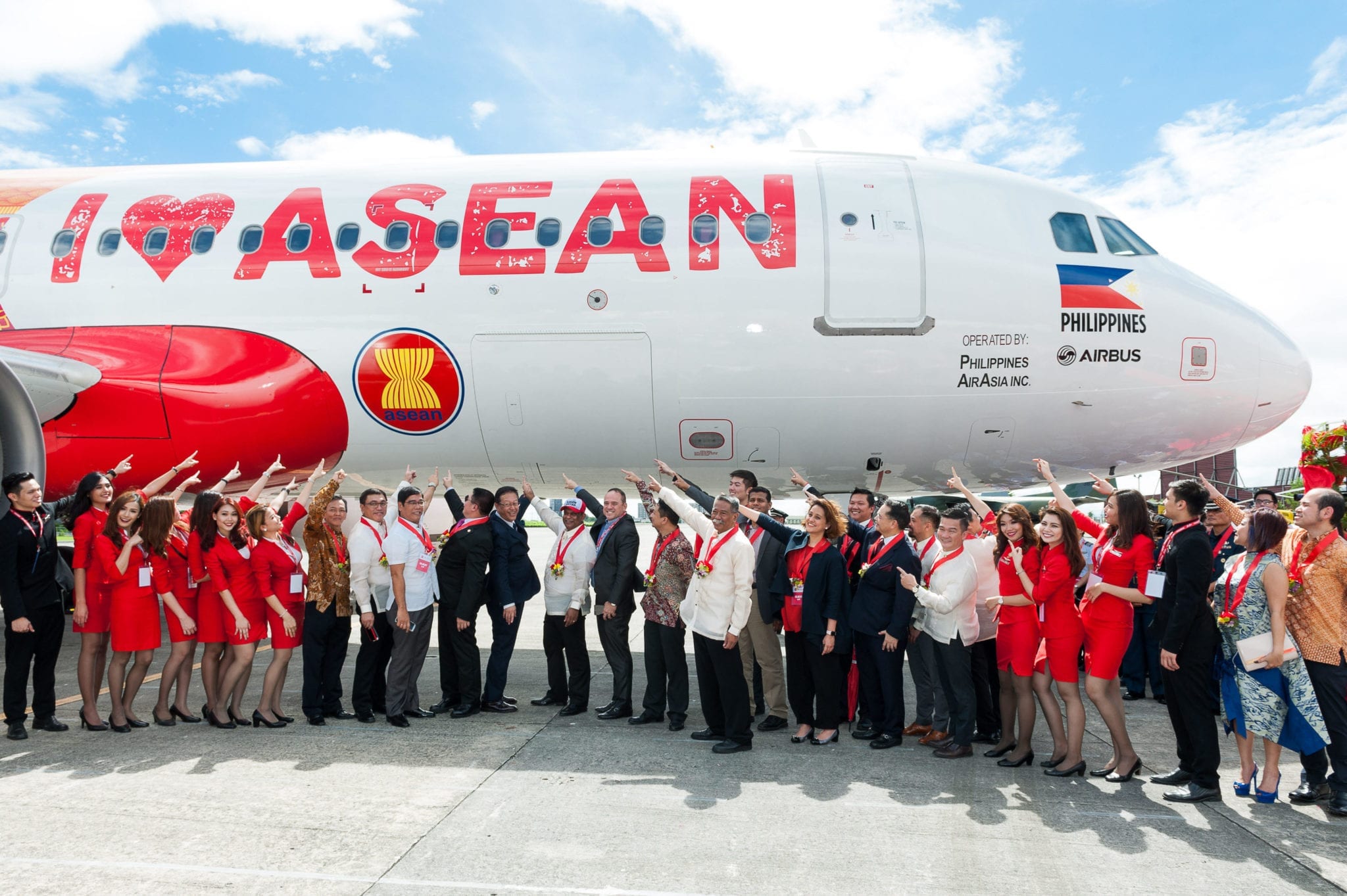
    AirAsia is flying directly to two popular Asean destinations from Penang – bringing the popular Malaysian state closer to Hanoi in Vietnam and Phuket in Thailand. Starting from July 1, flights to Hanoi will operate four times weekly while flights to Phuket will operate daily.

    AirAsia Malaysia commercial head Spencer Lee said Penang is a great tourism hub due to its Unesco World Heritage status, vibrant cultures and beautiful architecture.

    “More importantly, its strategic location at the crossroads in the region has helped boost the growing inbound and outbound travel demand that saw seven million tourist arrivals via air travel last year,” he said.

    Lee added that the new routes will improve the tourism sector in the region. “We are positive that the latest routes will significantly contribute to the tourism sectors of all three countries to become a desirable tourism region for travellers across the world,” he said.

    Hanoi is one of Vietnam’s main cultural centres and is steeped in rich history. The capital city boasts a bustling yet laid back atmosphere with attractions easily explored on foot such as the Hoan Kiem Lake with its famous red bridge that will lead you to the Ngoc Son or Temple of Jade Mountain located on Jade Island.

    Travellers can soak up the emerald green beauty of Halong Bay that is made up of over 3,000 limestone islets and home to caves and grottos as well as fishing villages.

    The picturesque town of Sapa in the north also awaits travellers with its rugged scenery of rice terraces and lush greenery popular for mountain trails or cycling expeditions. In addition to Sapa, travellers can also opt for other parts of northern Vietnam such as Son La and Bac Ha.

    A tour around Phuket’s town will uncover many charming old world architecture.

    Meanwhile, Phuket is more than Patong’s endless beach umbrellas and Soi Bangla’s nightlife. There are several beautiful beaches, breathtaking viewpoints, and both relaxing and extreme activities to fill your itinerary.

    A winding road leads to the top of Nakkerd Hill, where the Big Buddha marble statue looks over the island. Then, move into the interior of Old Phuket Town for a walking tour of this once-neglected district.

    Also, don’t miss the islands of Phang Nga Bay. Whether paddling into lagoons within limestone cliffs on a kayak or taking a speedboat tour of James Bond Island and the village-on-stilts Koh Panyee, you’re bound to have a memorable day cruising around these dreamy islands.

  • Ringer Hut opening in Vietnam

    Ringer Hut opening in Vietnam

    Japanese fast-food brand Ringer Hut will arrive in Vietnam in the next four months.

    Vietnamese instant-noodle manufacturer AceCook has signed a franchise agreement to run the chain in Vietnam.

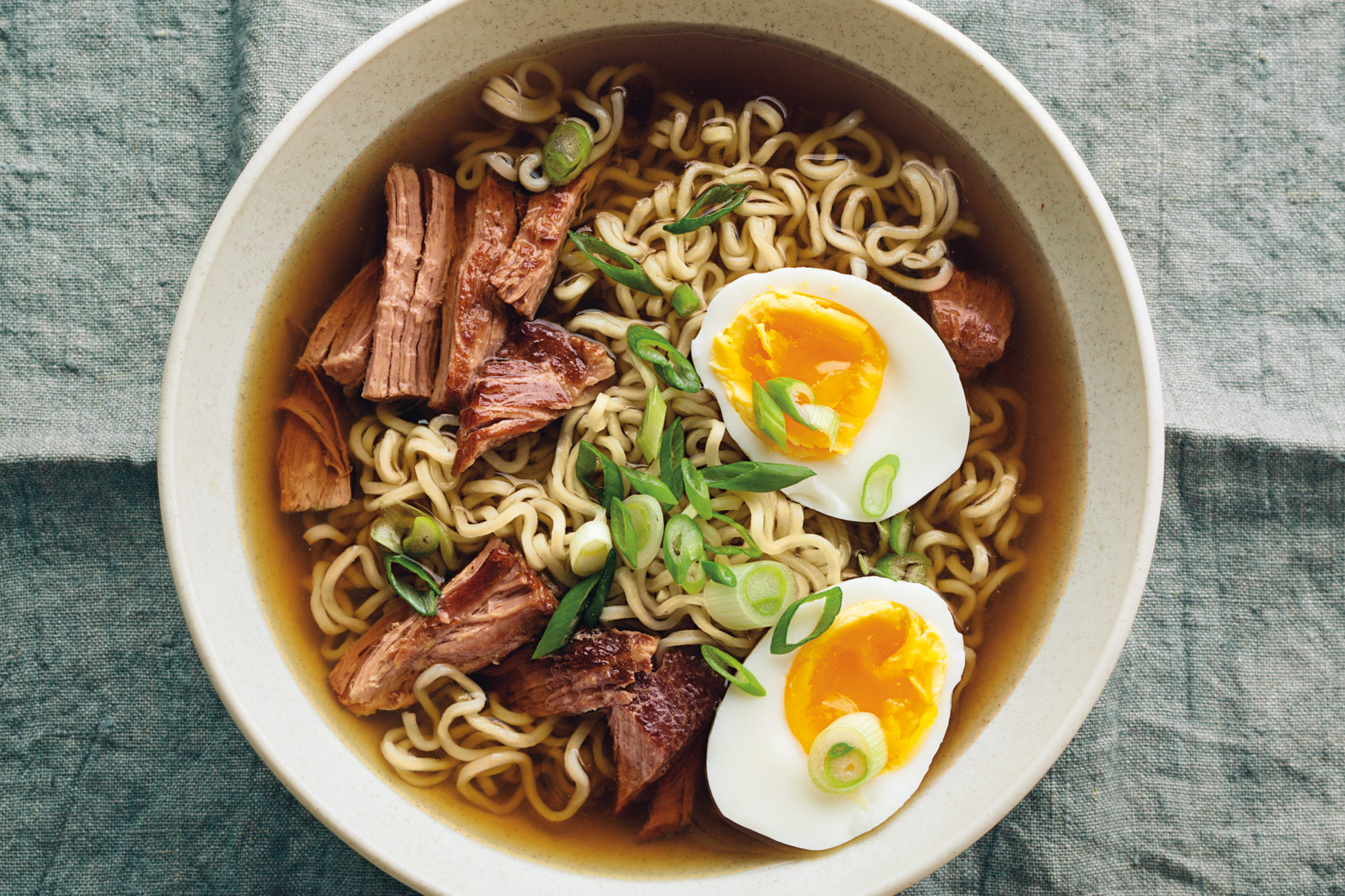
    Ringer Hut Vietnam will serve the original Japanese menu including its Nagasaki Champon and Nagasaki Sara Udon.

    Established in 1962, Ringer Hut has more than 750 restaurants, with Vietnam being its 15th market.

  • GrabFood deliveries kicks off in Vietnam

    GrabFood deliveries kicks off in Vietnam

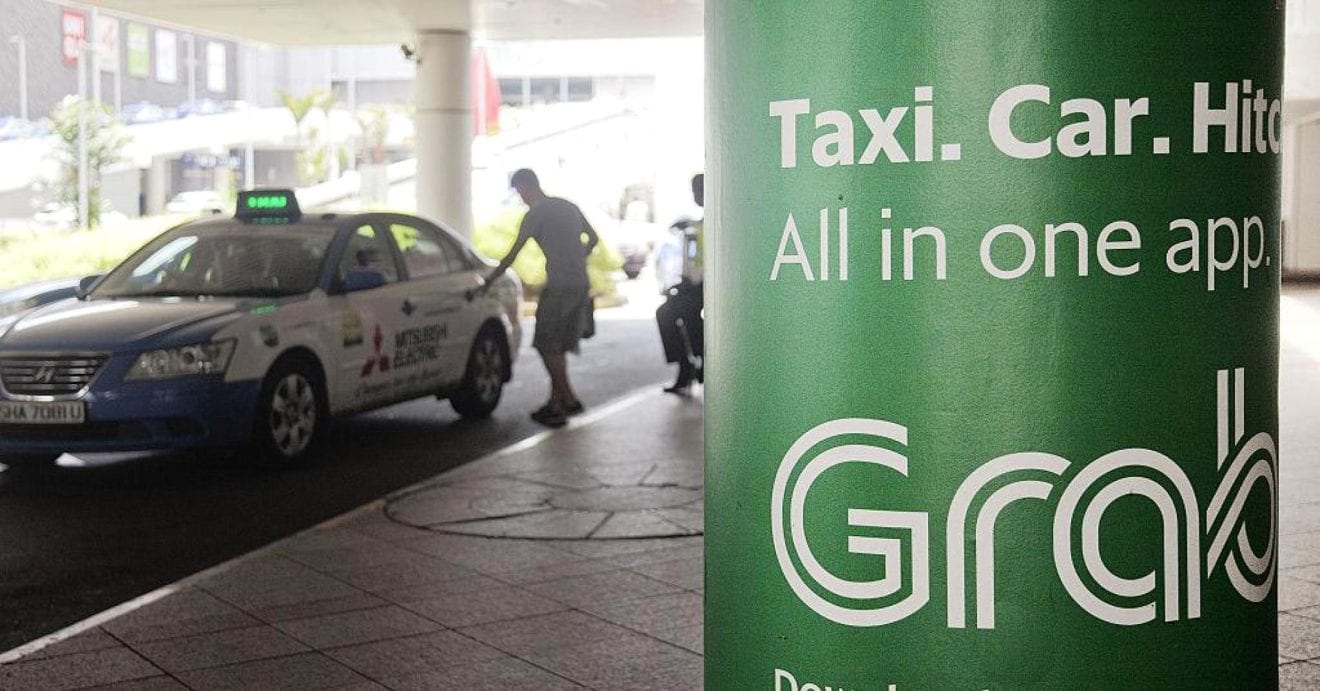
    Grab Vietnam is the first ride-hailing service in Southeast Asia to expand to GrabFood deliveries.

    Starting today in Ho Chi Minh City, the service enables consumers to order food from nearby restaurants that have signed up to the new app. Merchant partners have an online storefront, and there is no minimum order requirement. The app also features promotions and recommendations.

    The roll-out follows in such cities as Hanoi, Danang, Ha Long and Nha Trang.

    “Food delivery is a natural extension of our transport offerings,” says Grab Vietnam country head Jerry Lim. “Each day, millions of people in Southeast Asia rely on ride-hailing services, while food-delivery services save them time.”

    Meanwhile, in Indonesia and Singapore, the company will also add UberEats, which runs until end of this month, to its business.

    GrabFood was launched in Jakarta in 2016, with Bangkok having a beta test last year. It is also currently in beta phase within the Singapore CBD.

  • Vietnam’s April car sales fall 4 pct on-year

    Vietnam’s April car sales fall 4 pct on-year

    Toyota remained the leading brand last month, with sales rising 3 percent from a year earlier to 4,234 units. Vietnam’s car sales fell slightly in April, declining 4 percent from a year earlier to 20,557 units, according to data released by the Vietnam Automotive Manufacturers Association (VAMA).

    Sales in April were 2 percent lower than in March, VAMA said in a statement.

    Toyota remained the leading brand last month, with sales rising 3 percent from a year earlier to 4,234 units.

    Truong Hai (Thaco) group, the local assembler and distributor of brands such as Kia, Mazda, Peugeot and Hyundai and a significant player in the commercial vehicle segment, reported a 0.5 percent rise in group sales to 8,679 units in April.

    Ford’s sales were 47 percent lower at 1,359 units in April while Honda sales rose four-fold to 2,815 units.

    For the first four months of this year, total car sales in the country fell 2 percent from a year earlier to 79,115 units, VAMA said.

  • Adidas sees ongoing shift from China to Vietnam

    Adidas sees ongoing shift from China to Vietnam

    Factories in Vietnam produced 44 percent of Adidas footwear volume in 2017, up from 31 percent in 2012.

    The chief executive of Adidas expects a shift in its sourcing of footwear from China to Vietnam to continue although he shrugged off concerns on Wednesday about the possible imposition of U.S. tariffs on Chinese-made shoe.

    Factories in Vietnam produced 44 percent of Adidas footwear volume in 2017, up from 31 percent in 2012, while Chinese suppliers made 19 percent, down from more than 30 percent in 2012, Kasper Rorsted told a annual meeting of shareholders.

    “I’m not going to rule out that this trend is going to continue,” he said, adding: “China is still an important procurement market, irrespective of trade duties.”

    Rorsted noted that there was still a lot of uncertainty over what sectors could face new U.S. tariffs. “We might be hit by import duties but it will also apply to our competitors.”

    German rival Puma, which makes about a third of its products in China, said last month that it is working on contingency plans to move some production from China to other Asian markets if U.S. tariffs are imposed.

  • Expats confused over Vietnam’s profile picture requirement for phone users

    Expats confused over Vietnam’s profile picture requirement for phone users

    Some have no idea about the requirement, others find it invasive while network providers can’t guarantee help in English. Expats are having issues with Vietnam’s new regulation which asks phone users to submit a profile picture to their network provider.

    The Ministry of Information and Communications requires mobile subscribers to provide photographic proof of their identities before April 24, or they will be locked out of their network.

    Ryan, 28, is a Briton working in Hanoi. He had no ideas about the new regulation until we contacted him because the profile photo request was sent to his phone in Vietnamese.

    “I’ve never had to do this in the U.K. or in any other countries I’ve travelled through,” Ryan said, adding that he finds the requirement “invasive”.

    In light of recent data breaches by companies as large as Facebook, Ryan is concerned that his information could fall into the wrong hands. “I don’t know if I could trust my network provider with my information,” he said.

    The government claims the requirement will result in better control of network subscribers and prevent spam accounts.

    But while network providers claim user data will only be used to manage subscribers as stated by law, experts believe the regulation has loopholes that could be taken advantage of.

    The images could slip through the network security holes, a scenario in which the responsibility of the network provider has not yet been clearly defined, said lawyer Vu Tien Vinh.

    A photo taken by a customer and sent to a network provider cannot be authenticated, Vinh added.

    Having been to many Asian countries, Mark from Canada finds the regulation odd. “Why would a phone company need my photo?” he said.

    Ryan and Mark are not the only expats who are having issues with the regulation. Many foreigners are also confused as local mobile operators don’t seem to provide the assistance they need.

    On Saturday, customer service centers of all major network providers were packed with customers coming in to have their photos taken.

    Amid the chaos, employees at the centers suggested that foreigners could bring in their passport, or take a photo of their passport and submit it to the companies’ websites. But, they could not guarantee there would be anyone who speaks English available to help.

    Vietnam has 118.7 million mobile subscriptions, according to official data and there are 82,000 foreigners living and working in the country. As of last week, at least 38 million mobile phone users have not provided adequate personal information to network providers, said Nguyen Duc Trung, a senior telecommunications official at the Ministry of Information and Communications.

    Mark is one of them. The 35-year-old is not planning to do anything yet. “I’ll see if they actually lock my account,” he said.

  • Vietnamese government fines illegal Bitcoin trading site

    Vietnamese government fines illegal Bitcoin trading site

    The firm claimed to have a license to trade the cryptocurrency, but was hit by a $1,750 fine. Vietnam’s information ministry has fined a company that claimed to be the first website to be certified to exchange bitcoin in Vietnam for illegal social networking and setting up an illegal site.

    Bitcoin Vietnam, which is based in District 4, Ho Chi Minh City, received a VND40 million ($1,750) penalty from the Vietnam Radio, Television and Electronic Information Department under the Ministry of Information and Communications.

    Nguyen Tran Bao Phuong, the legal representative for Bitcoin Vietnam, said they were looking into the charges.

    The company is in a transition period, so its business registration code had been revoked before the decision was made, she said .

    “Bitcoin Vietnam is a cryptocurrency exchange. We do not yet have a license to offer intermediate services, but we are not operating illegally. The company is closely following any new regulations about Bitcoin, and is willing to comply with any new law,” Phuong said.

    The company opened in 2013 and is certified to buy and sell Bitcoin, according the company’s website.

    However, in a recent interview, a representative admitted that the company’s license is only for “financial advisory” purposes.

    Over the last four years, the company has launched a number of websites such as bitcoin.vn and vbtc.vn.

    The State Bank of Vietnam does not recognise virtual currencies as a legal form of payment, and distribution or use of digital currencies is not protected by law.

  • Truly Viet restaurant opening in Melbourne

    Truly Viet restaurant opening in Melbourne

    Vietnamese restaurant chain Truly Viet has arrived in Australia under a franchise model.

    The chain, owned by Vietnamese RedSun and operated by a joint venture between RedSun and an Australian partner, has opened its first outlet in Melbourne.

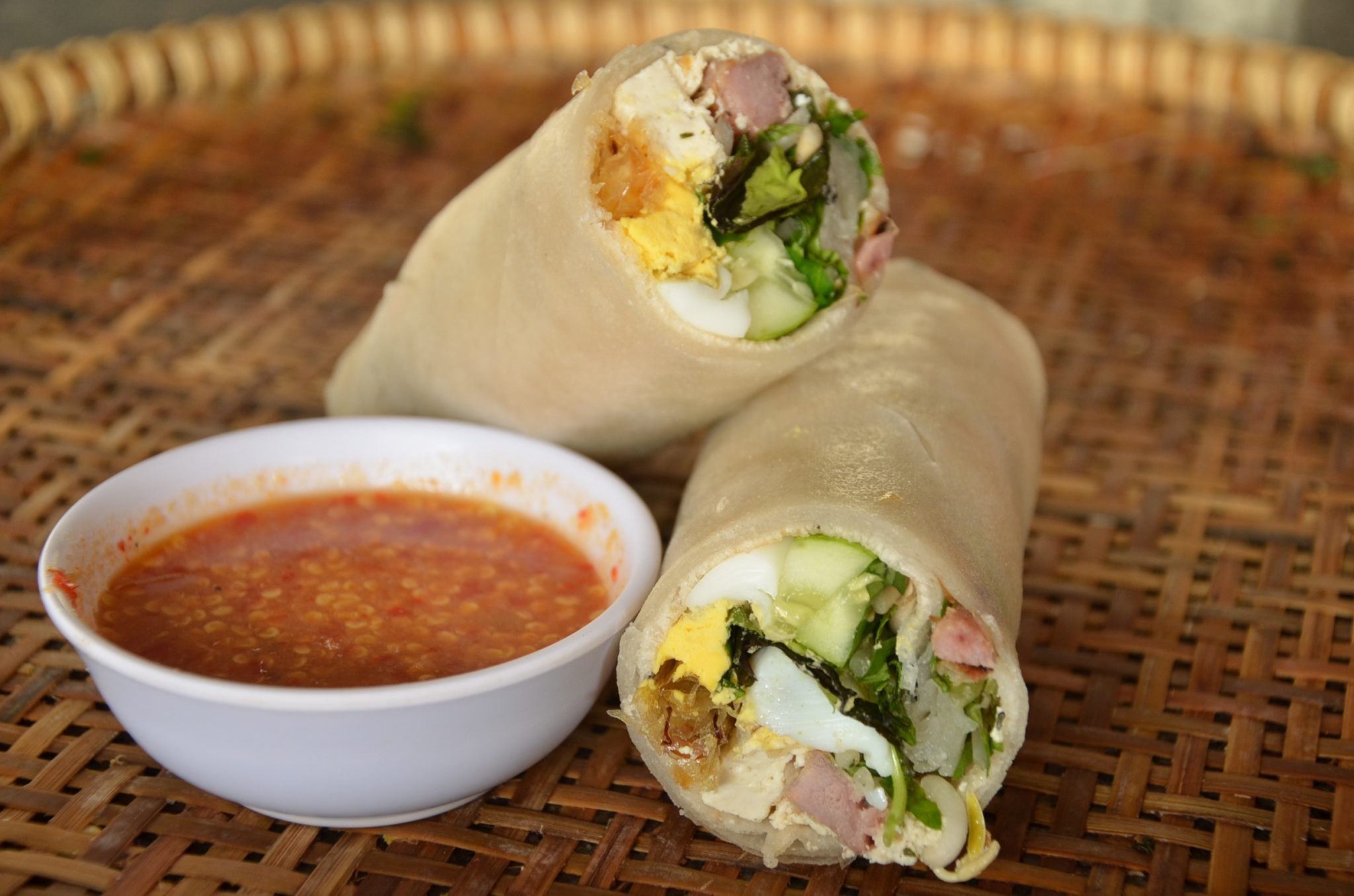
    The menu features four popular traditional Vietnamese dishes – fresh spring roll, Pho, Banh Mi (Vietnamese sandwiches), and vermicelli with grilled pork and fresh herbs – which have been tweaked to suit local palates.

    RedSun deputy director Le Vu Minh reveals the chain plans to open 450 outlets internationally by 2021.

    Apart from Truly Viet, RedSun has already negotiated with partners in Laos to franchise King BBQ restaurants there.

    Founded in 2008, RedSun now operates several restaurant brands: King BBQ, King BBQ Buffet, Thai Express, Seoul Garden, Khao Lao, Hotpot Story, Sushi Kei and Capricciosa. It has 140 restaurants throughout Vietnam.

    Before RedSun, Wrap & Roll’s parent company Red Wok successfully franchised four Wrap & Roll restaurants in Singapore, and two in China.

    It plans to open six more restaurants in Shanghai in the next two years.

  • Vietnamese labor productivity among lowest in Asia

    Vietnamese labor productivity among lowest in Asia

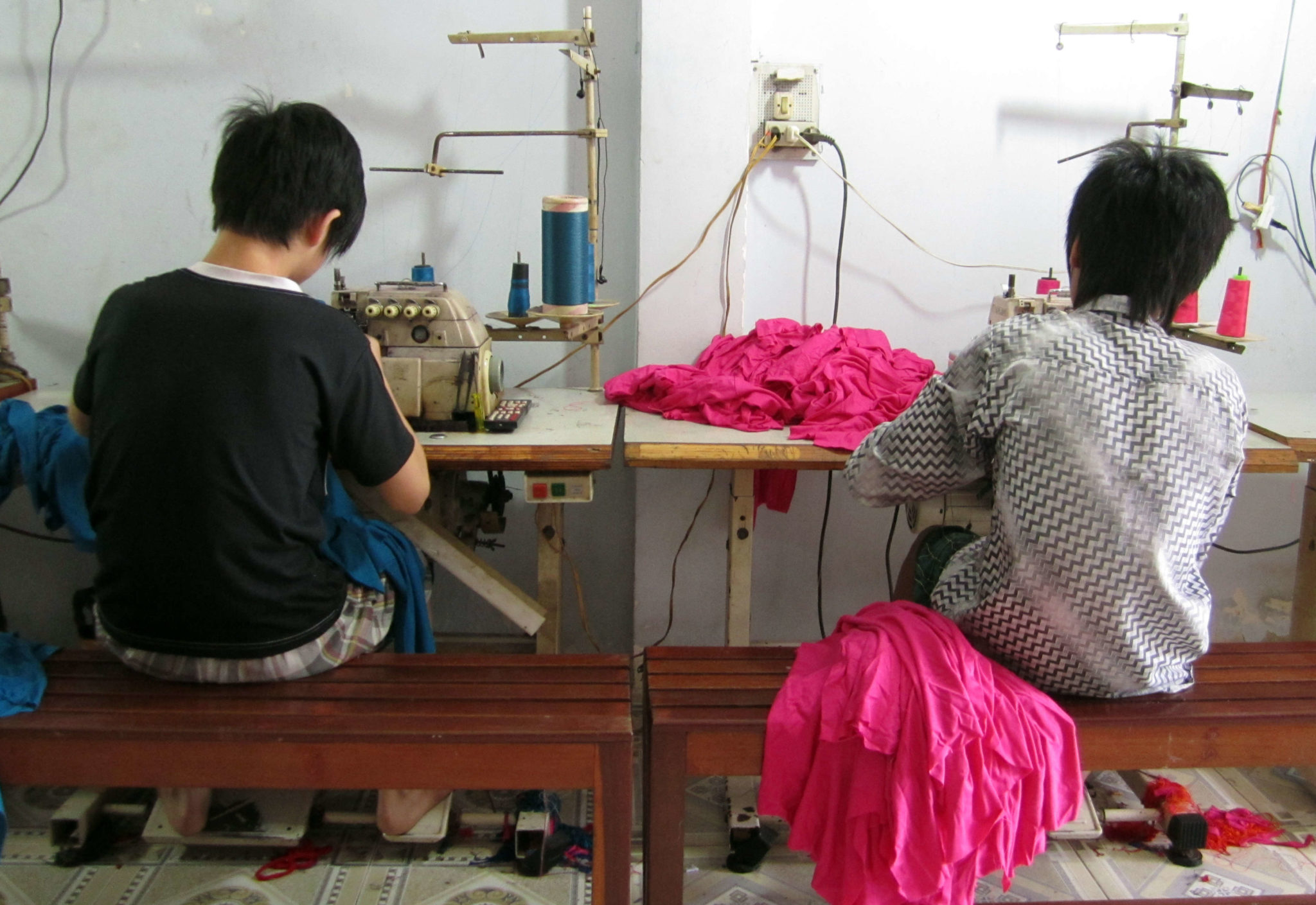
    Productivity is rising, but not as fast as wages, creating the risk of an economic imbalance. Vietnam’s labor productivity last year was among the lowest in Asia despite showing growth, according to a report published on Tuesday.

    Average productivity in Vietnam increased by 36 percent from VND38.64 million per worker in 2006 to VND60.73 million ($1,660 to $2,600) in 2017, according to the Vietnam Annual Economic Report 2018.

    However, the level is still below Japan, South Korea, China, Singapore, Thailand, Malaysia, the Philippines, Indonesia and Cambodia, according to researchers from the Vietnam Institute for Economic and Policy.

    Vietnam’s labor productivity was lower than Cambodia’s in the manufacturing, construction and transportation-storage-communications sectors. The country’s productivity ranked second lowest of the countries reviewed, and was only higher than Cambodia in agriculture, electricity-water-gas and wholesale-retail-repair, the report said.The General Statistics Office says that Vietnam’s labor productivity is only 1/18th of Singapore, 1/16th of Malaysia and 1/3 of Thailand and China.

    In order for Vietnam to surpass neighboring countries such as Cambodia in terms of productivity and economic growth, the country needs stronger reforms, researchers said.

    The link between labor productivity and wage growth was also mentioned in the report. Vietnam’s current minimum wage is set from VND2.76 to 3.98 million ($121-175) per month, depending on each region.

    Vietnam’s wage growth of 6.7 percent exceeded labor productivity growth of 5 percent between 2004 and 2015, and researchers are concerned it could create an imbalance if the pattern persists.

    The study also outlined issues with the country’s young workforce, as 60 percent of young laborers with lower and upper secondary education are working in the informal sector (for example, a family business), which are generally considered areas of low productivity, precarious employment and unstable incomes.

    Nearly a half of young workers have a qualification mismatch, and 33 percent are not qualified for what they do, the report said. Around 70 percent of young workers do not have social insurance, but wages continue to  increase rapidly, it added.

    Vietnam is currently riding on a wave of high growth, and some researchers forecast that GDP growth will reach 6.83 percent this year, exceeding the National Assembly’s target of 6.7 percent. However, there is the possible risk of inflation exceeding 4 percent due to pressure from price adjustments for public services and petroleum, they added.

  • Free up your summer with two million Vietjet HK$0 tickets

    Free up your summer with two million Vietjet HK$0 tickets

    Welcome the coming of summer with Vietjet’s biggest promotion of the year, “Free up your summer with Vietjet”, which comes with millions of super promotional tickets priced from only HK$0 during the period of May 9 to July 31, 2018.

    On the first week of this exciting campaign, Vietjet will run a three-golden-day promotion offering 2,000,000 tickets priced from only HK$0 from May 9 to May 11 at www.vietjetair.com. The promotional tickets are available for Vietjet’s all domestic routes in Vietnam, Hong Kong–Ho Chi Minh City route and the airline’s other international routes from Seoul, Busan, Daegu (South Korea)/ Kaohsiung, Taipei, Taichung, Tainan (Taiwan)/ Singapore/ Bangkok, Phuket, Chiang Mai (Thailand)/ Kuala Lumpur (Malaysia)/ Yangon (Myanmar)/ Phnom Penh, Siem Reap (Cambodia) to Vietnam with flight period from August 20 to December 31, 2018?

    Summer is the season of joy, excitement and adventure. It is also the perfect time to “fly” with a youthful spirit, leaving behind all worries.Let’s fly with your family, friends across Vietnam and overseas destinations… with many exciting in-flight services this summer.

    Aiming to be a “Consumer Airline”, Vietjet is continually opening new routes, adding more aircraft, investing in modern technology and offering more added-on products and services to serve all demands of customers. Vietjet is a pioneering airline that is loved by many for its exciting promotional and entertainment programs, especially during the festive season. With high-quality services, diverse ticket classes and special low-fare tickets, Vietjet offers its passengers flying experience on new aircraft with comfy seats, delicious hot meals, beautiful and friendly cabin crew, and other interesting added-on services.

  • Vietnam tightens control over cryptocurrencies

    Vietnam tightens control over cryptocurrencies

    The central bank has cited tax evasion, fraud and money laundering as the reason for the move. The State Bank of Vietnam has directed banks and payment organizations to remain vigilant and keep a watch over all cryptocurrency-related activities.

    The directive follows a cryptocurrency ponzi scheme operated by a Vietnamese IT firm that made headlines last week for allegedly scamming investors out of VND15 trillion ($650 million).

    Tax evasion, fraud and money laundering were cited as the reasons for the directive.

    Vietnam’s financial and payment organizations are not allowed to provide cryptocurrency transaction services such as credit cards or currency conversion or transfer, the directive stated.

    The same organizations have been instructed to report any cryptocurrency transactions and take measures to deal with such cases in accordance with Vietnamese law.

    The State Bank also told its branches to cooperate with government agencies to develop a legal framework to deal with the distribution and transaction of cryptocurrencies.

    The IT firm that came under fire and sparked the move was Modern Tech, based in HCMC. The company is alleged to have held several conferences to encourage participants to invest in its cryptocurrencies, iFan and Pincoin.

    According to the disgruntled investors, the virtual currencies had operated in a similar way to a multi-level business model, or pyramid platform.

    In the beginning, Modern Tech paid investors via bank transfers. However, it quickly switched to using its own virtual currencies, while at the same time increasing its minimum investment limit, forcing investors to pour more money in.

    At the end of 2017, when interest payments started to come in late, investors started to catch wind of what was happening and staged a protest in front of the firm’s headquarters in HCMC.

    Modern Tech representatives have not responded to the accusations, and its founders have remained off the radar.

  • Vietnam’s HDBank to absorb PGBank

    Vietnam’s HDBank to absorb PGBank

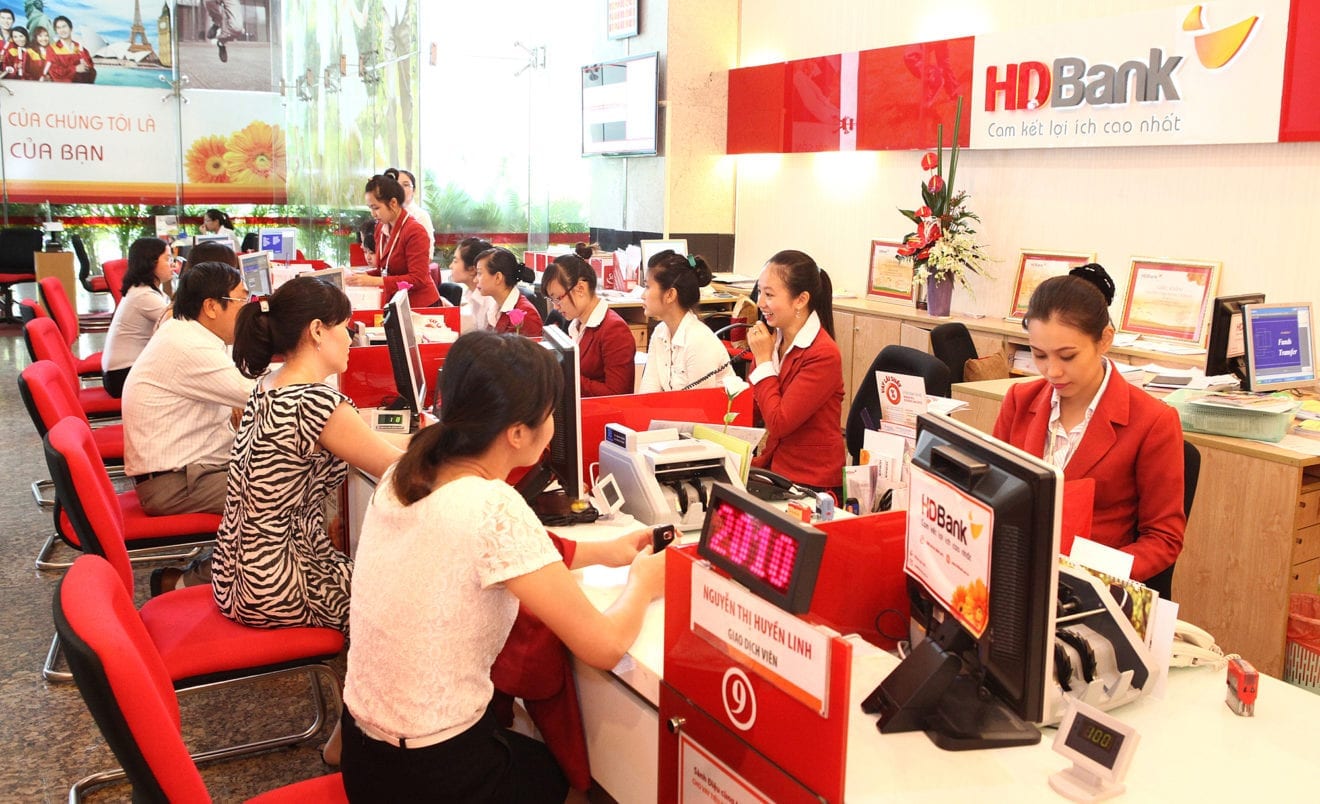
    Each share of PGBank will be converted into 0.621 HDBank share. Vietnam’s Ho Chi Minh City Development Joint Stock Bank, better known as HDBank, said its shareholders approved on Saturday a plan to merge with the unlisted Petrolimex Group Commercial Joint Stock Bank as it seeks to expand operations in the country.

    The merger is scheduled to take place by August this year, the bank said in a statement.

    Each share of Petrolimex Group Commercial Joint Stock Bank, or PGBank, will be converted into 0.621 HDBank share, it said, adding that HDBank will issue 300 million new shares for the conversion.

    The merger will enable HDBank to expand its client base, including with Vietnam National Petroleum Group, which holds a 40 percent stake in PGBank and a share of around 50 percent of Vietnam’s retail-transport fuel market.

    The shareholders also approved a pretax profit target of VND3.92 trillion ($172.15 million) for this year, a 62.2 percent increase from last year.

    HDBank, a retail bank whose vice chairwoman is Nguyen Thi Phuong Thao, the billionaire founder and chairwoman of Vietjet Aviation, is targeting to grow total assets to VND242.87 trillion by the end of this year, up 28.3 percent from end-2017.

    HDBank, which listed its shares on the Ho Chi Minh Stock Exchange in January following a $300 million IPO in November, reported pretax profit of 1.045 trillion dong in the first quarter this year, up 170 percent from a year earlier. ($1 = 22,771 dong)

  • Grab refuses to release details of Uber buy-out

    Grab refuses to release details of Uber buy-out

    The deal has left tax payments unresolved and questions remaining about a potential market monopoly. Tax authorities in Ho Chi Minh City have once again sent a request to Grab in Vietnam asking the company to provide details concerning its recent acquisition of rival Uber’s Southeast Asia business.

    The reason for the request is due to the fact that Grab is legally obliged to pay tax on the transfer of capital and business market share following the deal.

    Vietnam’s tax law states that all income generated by foreign companies operating in the country should be subject to tax, regardless of where they are based.

    Organizations and individuals that receive capital from foreign organizations are required to declare and pay tax on behalf of those foreign organization, tax authorities cited the law as saying.

    With details of the Uber- Grab deal remaining undisclosed, authorities are still unsure how to calculate how much the latter owes in tax.

    Uber also allegedly still owes Vietnam’s government $2.3 million in taxes required, but claims that according to Vietnam’s agreement on double taxation avoidance with the Netherlands, that figure is inflated.

    Grab has previously said that the $2.3 million is down to Uber, and has refused to pay the firm’s outstanding debt.

    Grab’s decision violates Vietnamese law and international practices, said lawyer Doan Van Hau, chairman of the Vietnam Lawyers’ Commercial Arbitration Center.

    Quoting Vietnamese law, Hau said that Grab was responsible for paying all of Uber’s back taxes.

    Ho Chi Minh’s tax department previously asked five local commercial banks to help it collect the outstanding sum from Uber, but failed to do so as the company did not have a bank account in Vietnam.

    Uber has since filed two lawsuits against Ho Chi Minh’s tax department.

    Grab is also under investigation by Vietnam’s Ministry of Industry and Trade for violating the Competition Law in its acquisition of Uber.

    Malaysia, the Philippines and Singapore are all requesting details of the acquisition.

  • Samsung Electronics to expand production in Vietnam

    Samsung Electronics to expand production in Vietnam

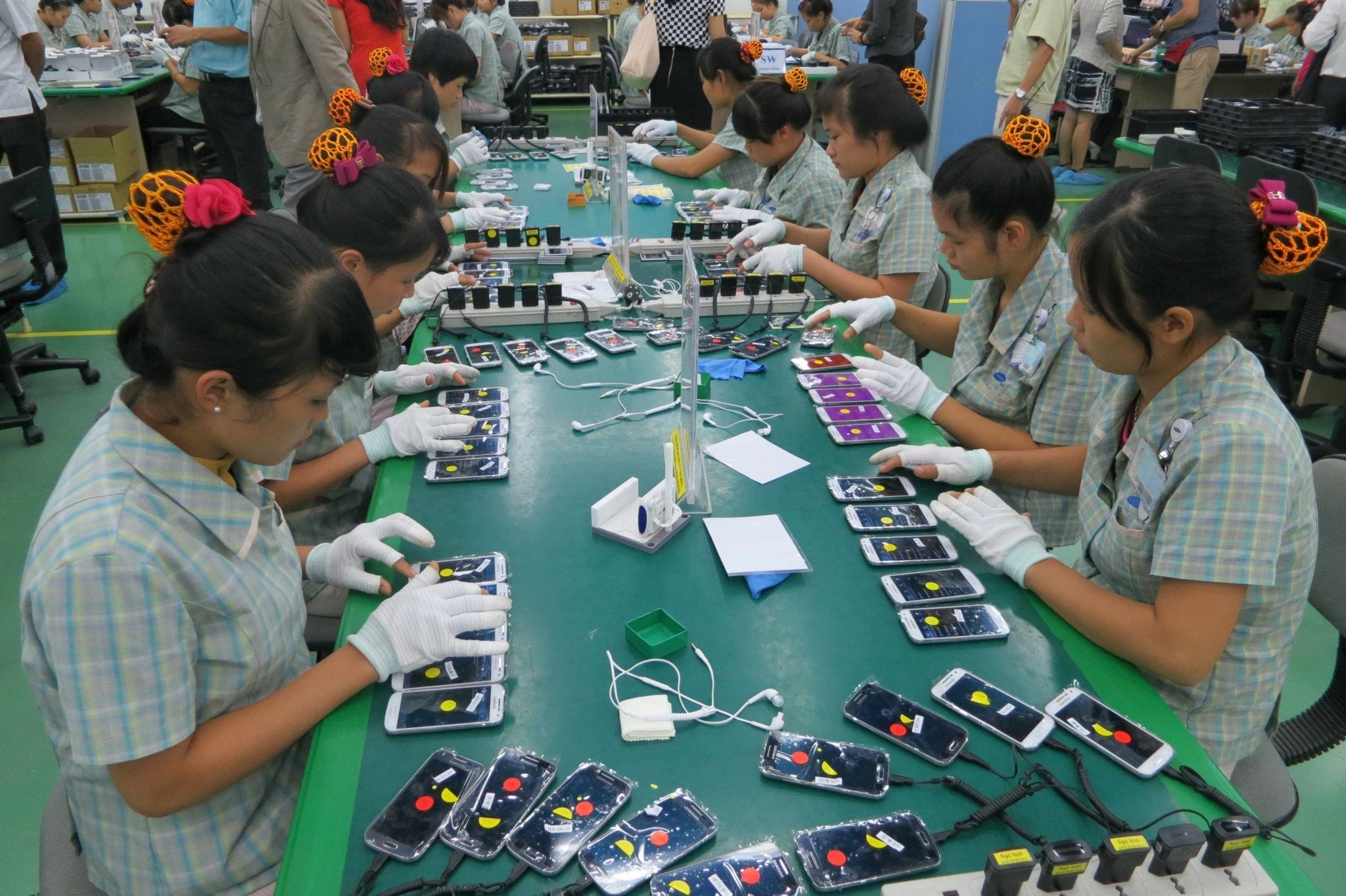
    Samsung is the largest foreign investor in Vietnam and accounts for around a quarter of the country’s total export revenue. Samsung Electronics Co. is determined to further expand production in Vietnam, co-CEO Koh Dong-jin told Vietnamese Prime Minister Nguyen Xuan Phuc on Friday.

    Samsung will recruit more Vietnamese employees and develop electronics in smart cities in Bac Ninh province and other places, according to a statement posted on the government’s website.

    Samsung is the largest foreign investor in Vietnam and accounts for around a quarter of the country’s total export revenue.

    Phuc told Koh that Vietnam is always willing to create the most favorable conditions for Samsung to develop in the country, the statement said.

    Samsung has invested $17.3 billion in eight factories and one research and development center in Vietnam, turning the country into its largest smart phone production base, the government said.

    Exports from Samsung Electronics’ factories in Vietnam totaled $54 billion last year, it said.