Tag: Vietnam

  • Fuel price hike propels Vietnam’s May inflation to record high

    Fuel price hike propels Vietnam’s May inflation to record high

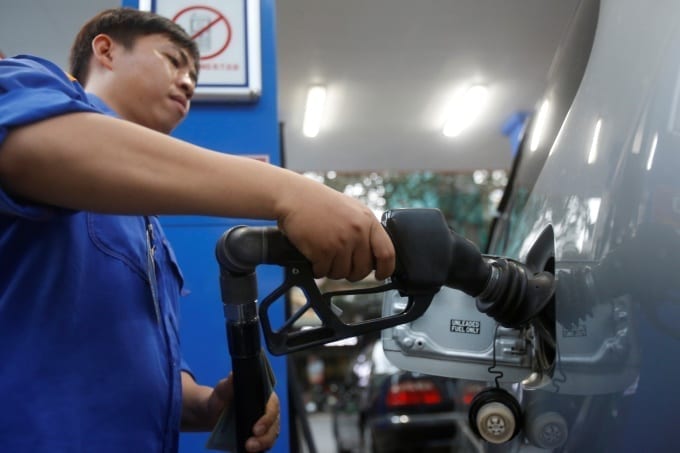
    Recent fuel price hikes have kicked up Vietnam’s Consumer Price Index (CPI) this month by 3.86 percent year on year, the General Statistics Office has reported.

    The hike was led by traffic and transportation services, which rose 1.72 percent over last month, followed by food and beverages by 0.88 percent and housing, construction and utilities by 0.34 percent.

    The increase in CPI this month is attributed to the fuel price hikes on May 8 and May 23, in which A95 and E5 fuel prices went up by VND1,010 per liter (4 cents), while diesel prices increased by VND960 per liter.

    The new gasoline prices have, in turn, pushed up the fares of transport services, said Huynh Quoc Thinh, CEO of the Phu My transport company. Fuel costs for containers and heavy trucks account for 40 percent of the total revenue. For other types of vehicles, the ratio is 30 percent.

    Higher transport tariffs could lead to higher general consumer prices, economists say.

    “Most of the products will have to suffer higher transportation costs, directly or indirectly, and therefore, the people will have to take the ‘full force’ of this increase,” economist Ngo Tri Long said.

    In addition to fuel price hikes, the plan to raise environment taxes on fuels starting in July could further increase inflation and hurt businesses in the country, the economists have warned.

    Under a Finance Ministry proposal being reviewed by the Standing Committee of the legislative National Assembly, the environment tax on gasoline will increase by 33 percent to VND4,000 per liter (17 cent).

    If approved, the tax increase would raise inflation by 0.11 to 0.15 percentage points in 2018. Vietnam has set an inflation target of 4 percent for this year.

    During a cabinet meeting last month, PM Nguyen Xuan Phuc warned that inflation could increase further as global prices of crude oil and basic commodities rose.

    “We cannot be careless when it comes to inflation,” he said.

  • Cheers convenience store set expansion plan in Vietnam

    Cheers convenience store set expansion plan in Vietnam

    Singapore-Vietnam convenience store joint venture Cheers has opened its third store, on Dinh Tien Hoang Street in downtown Ho Chi Minh City.

    Operated by Vietnam’s supermarket operator Saigon Co-op and Singapore’s NTUC FairPrice grocery network, Cheers is open 24 hours, selling fast-moving consumer goods, mostly imported, along with payment services for utilities. The stores offer dine-in areas with free wifi.

    Nguyen Anh Duc, deputy general director of Saigon Co-op, said Cheers’ links with his company’s other businesses,including Co-opmart, Co-op Food and Co-opXtra, allows customers to earn and spend loyalty points across the network.

    The first Cheers store opened on Hoa Hao Street, in District 10, last December. The partnership plans to have 50 stores trading in Vietnam by the end of this year.

    Saigon Co-op also partnered with NTUC FairPrice in its Co-opXtra hypermarket stores.

  • Mobile payment firms struggle to dethrone cash in Southeast Asia

    Mobile payment firms struggle to dethrone cash in Southeast Asia

    Bui Mai Phuong is an avid online shopper, ordering anything from clothing to personal-care products from her smartphone. But she prefers to pay with cash.

    She is among hundreds of millions of people whom firms such as Softbank Group-backed Grab and China’s Tencent want to win over as they try to tap into Southeast Asia’s burgeoning internet sector.

    More than 70 percent of the region’s 600 million-plus people do not use banks – higher than the global average of about 30 percent – and e-commerce is projected to hit $88 billion by 2025.

    But convincing consumers like Phuong, who lives in Hanoi, could be tricky.

    “I have never tried using mobile payments because I don’t know how to use it and it seems a bit complicated to use,” said Phuong, 36, a manager at a construction material supplier in Vietnam.

    Mobile payments are ubiquitous in China; a consumer can spend a day without using cash at all in Beijing or Shanghai, and even some beggars accept mobile payments. But cash remains king in Southeast Asia.

    Hard currency, paid on delivery, accounted for 44 percent of total e-commerce transactions last year and is likely to remain the most popular payment option for at least the next three years, according to data by research firm IDC.

    “The biggest challenge for users and merchants to adopt cashless is the fact that cash remains ubiquitous, easy to use and inexpensive,” said ride-hailing firm Grab, which has ventured into e-wallets.

    And the mobile payment marketplace in Southeast Asia remains wide open, with no dominant players.

    Indonesia’s ride-hailing firm Go-Jek’s Go-Pay, Singapore-based Grab’s GrabPay, Japan’s messaging app Line’s Line Pay, Momo e-wallet owner M_Service in Vietnam and Voyager Innovations, which operates Paymaya in the Philippines, have all entered the fray. The gaming company Razer Inc has also indicated it is eager to play a role.

    Cash on delivery costs e-commerce businesses more than other payment methods, said Alibaba Group Holding-backed e-retailer Lazada Group.

    For example, sometimes a customer does not have enough cash on hand, or is not home to pay for the delivery. In those cases, the product must be sent back to the seller, adding logistical costs, Lazada said.

    Mobile payments address some of those problems. They can also benefit buyers by keeping payment in escrow and releasing it only on delivery.

    But it can be difficult to persuade users to switch from cash when they earn about $200 on average a month in economies like Vietnam and Indonesia, according to economic data provider CEIC.

    “To break habits of using cash, Grab is creating more daily use cases for cashless payment – commuting, food delivery, paying at food and retail stalls – to drive more usage of the GrabPay e-wallet,” Grab said in an email.

    Mobile payment companies bet they can transform their platforms into financial supermarkets, offering everything from loans to insurance on top of payment options.

    Slow going

    At the moment, usage is spotty. E-wallets will account for 16 percent of total e-commerce transactions in Southeast Asia by 2021, up from last year’s 9 percent, according to IDC.

    In countries like Vietnam, where the informal economy has long been a key part of the social fabric, many consumers do not bother to get a bank account.

    Some want to stay under the taxman’s radar or, like Quang Thi Si, simply do not see the need for a bank.

    Si, a 48-year-old scrap collector near Ho Chi Minh City, said her business is all cash.

    “Sometimes I need to send money to my relatives at home, and I often send in cash through my friends,” she said. “I don’t think I will have a bank account in the future because I don’t think I need it.”

    But Si does have a smartphone. More than 90 percent of Southeast Asia’s internet access comes through mobile devices, according to a Google-Temasek study.

    Even so, in countries like the Philippines, which is known for having some of the slowest Internet speeds in Asia-Pacific, connectivity is a major hurdle for digital payments to clear.

    ‘Late to the party’ 

    Such challenges are likely to pose a setback to Ant Financial and Tencent, which are looking outside China for growth.

    Ant, which has 600 million customers and aims to reach 2 billion worldwide in the next decade, has stepped up investments in the region, including a stake in Thai financial technology firm Ascend Money.

    But its services are largely limited to Chinese tourists.

    “Most of our customers are from China and they are usually very happy to know that we accept AliPay and WeChat Pay. This makes them more willing to spend money too,” said Daphne Tan, a staff member at a shop selling durian-flavored coffee and snacks in Singapore’s Chinatown.

    Tencent plans to make its first foray outside China with an e-payment license in Malaysia for local transactions.

    The Chinese players are “kind of late to the party,” said Michael Yeo, research manager for IDC.

    “By the time they come in with a local version, if they do, the local players will have a significant advantage,” said Yeo.

    Razer, which said last month it would buy the remaining stake in payments processor MOL Global that it did not already own, also signed a deal with Singtel to link its e-payments network with that of the telco.

    Other recent deals in the sector include Go-Jek’s acquisition of three financial technology businesses, while Grab’s purchase of a handful of companies as well.

    “It’s a highly fragmented market. Later on, there will be acquisitions, there will be shutdowns, there will be mergers,” IDC’s Yeo said. “The market will consolidate.”

  • Investment in Vietnamese startups booming

    Investment in Vietnamese startups booming

    A total of 92 Vietnamese startups raised $291 million in funding last year, said Mai Duy Quang of the Vietnam Software and IT Services Association at the opening of K-Startup Grand Challenge on Thursday.

    That’s a 45 percent increase in number of startups from 2016 and a 42 percent hike in total investment, according to a report by Topica Founder Institute (TFI), an annual program which trains and connects startups with potential investors.

    The biggest deal last year was Foody, a food social network startup, which was acquired for $64 million by Singapore-based SEA Group, one of the most valuable startups in Southeast Asia.

    Another major winner was popular e-commerce site Tiki.vn which received a $54 million investment from JD.com, China’s second biggest online retailer, despite reports of losses in recent years.

    The three most invested startup categories in Vietnam last year were e-commerce at $83 million, food technology at $65 million and financial technology at $57 million, TFI’s report said.

  • Vietnam’s Techcombank readies for market debut after raising $922 mln

    Vietnam’s Techcombank readies for market debut after raising $922 mln

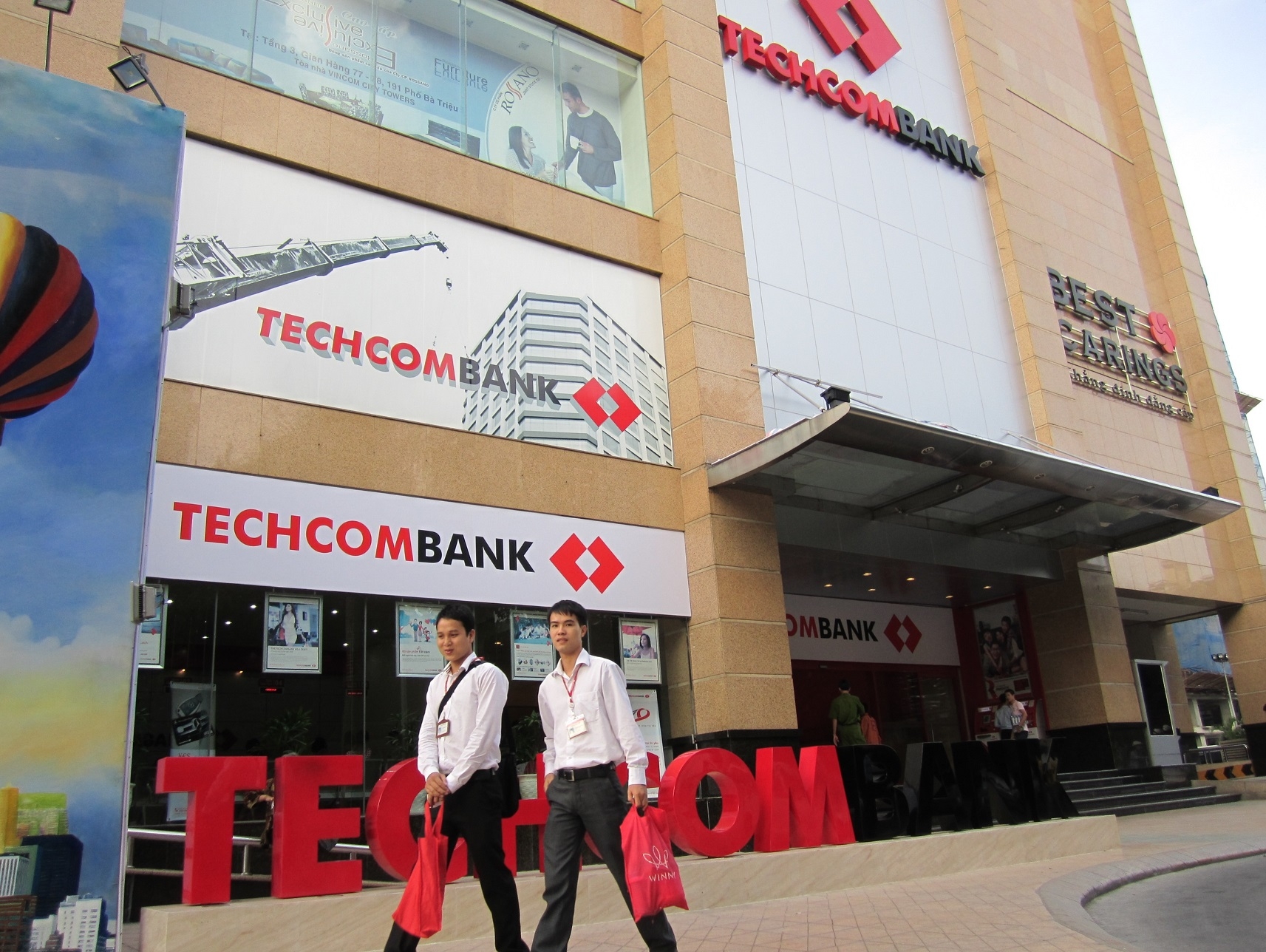
    Vietnamese lender Techcombank will list its shares on the Ho Chi Minh Stock Exchange next month, the bank said on Wednesday, making it the country’s seventh biggest firm by market value.

    Techcombank raised $922 million last month in one of the country’s biggest initial public offerings. Its cornerstone investors are Singapore sovereign wealth fund GIC, Fidelity Management and Research, and local fund Dragon Capital.

    The Hanoi-based lender said it would list on June 4 at a reference price of VND128,000 ($5.62), valuing the bank at $6.5 billion and making it Vietnam’s second-biggest listed bank after state-controlled Vietcombank.

    The shares will be allowed to move 20 percent higher or lower than the reference price on the first day of listing, according to exchange trading rules.

    Techcombank provides a broad range of banking products and services to more than 5.4 million customers in Vietnam through a network of 315 branches.

    The bank’s Chief Executive Officer Nguyen Le Quoc Anh said 2018 was a year of robust activity for Vietnam’s stock market as the economy showed strong growth momentum.

    “We believe this is a suitable time to list Techcombank after two years of preparation,” he said in a statement.

    Techcombank aimed to increase retail lending to 50-55 percent of total loans, up from 40 percent, in the coming years, while reducing the proportion of corporate loans, said Nguyen Xuan Minh, chairman of Techcombank Securities and head of Techcombank’s investment banking division.

    The bank aimed to increase its registered capital by nearly three times this year to better compete with regional rivals.

    “As the ASEAN Economic Community forms, our competitors are not only local banks but also banks from Thailand, Malaysia, Singapore. That’s our goal,” Quoc Anh said on Wednesday, referring to the group of Southeast Asian nations.

    Foreign investors own 22.5 percent of Techcombank. Vietnam limits foreign ownership in local banks to 30 percent.

  • Vietnamese carriers far from world’s cheapest, high fuel costs to blame

    Vietnamese carriers far from world’s cheapest, high fuel costs to blame

    None of Vietnam’s carriers made it to the top 50 list of cheapest airlines by average ticket price per kilometer, according to a 2018 report on global flight price by Melbourne-based transport search engine Rome2Rio.

    The report analyzed about 1.5 million price points for economy-class airfares from Europe, Americas and Asia Pacific as displayed by Rome2Rio during this year’s first two months.

    At the top of the list were Australia’s Tigerair Australia, Malaysia’s AirAsia X and Indonesia’s Indonesia AirAsia at $0.06, $0.07 and $0.08 per kilometer, respectively.

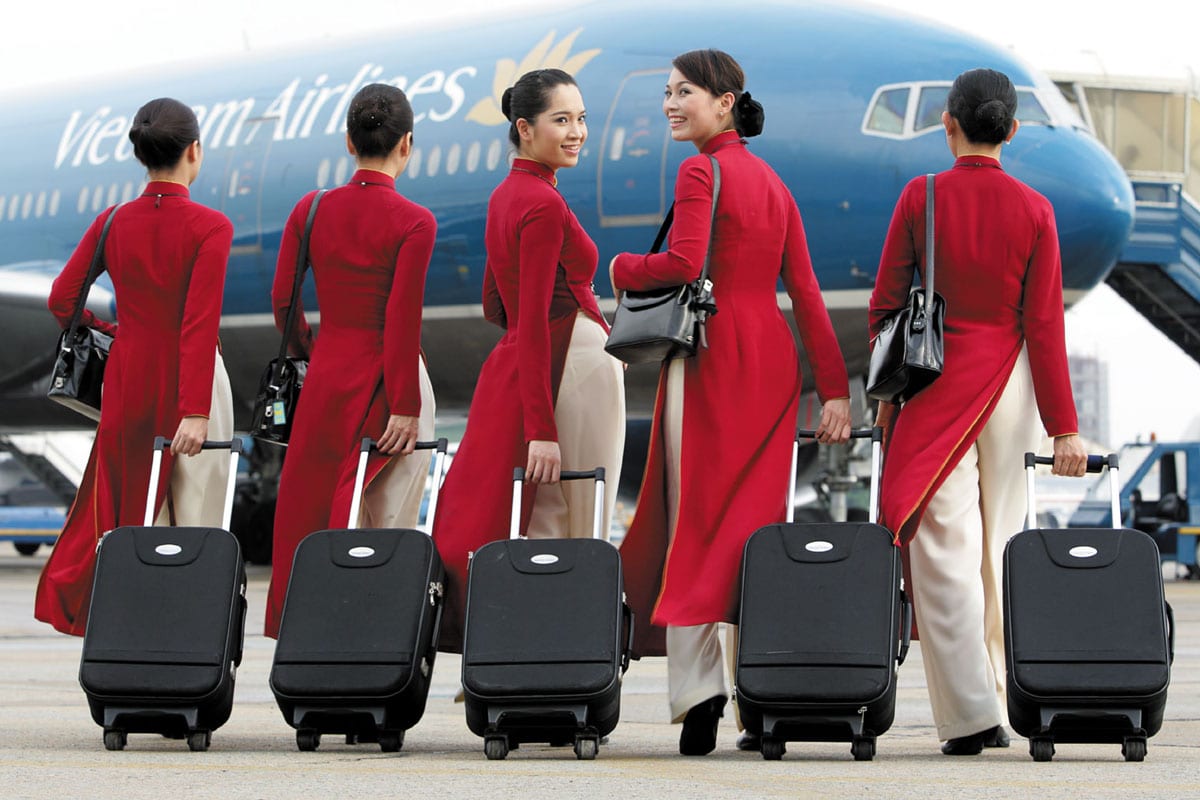
    Meanwhile, Vietnamese carriers are falling behind, with Vietjet Air, Jetstar Pacific and Vietnam Airlines priced at $0.14, $0.15 and $0.30 per kilometer, respectively.

    The report also shows that Vietnam is ranked 15th in the list of cheapest average airfare per kilometer ranked by country.

    Vietnamese carriers’ higher-than-average airfares were due to high fuel costs, said an airline representative.

    “Vietnam’s fuel costs are 20 to 30 percent higher than other countries’,” the representative said. This representative also noted that fuel costs represent the highest percentage in an airline’s total operational costs, at 30 to 40 percent.

    Despite Vietnam’s status as a crude oil exporter, the country still heavily depends on importing refined oil from other countries.

    “Vietnam will not be free of imports of refined fuels, although combined diesel and gasoline imports will halve from about 200,000 barrels per day in 2016,” said Suresh Sivanandam, analyst at energy consultancy Wood Mackenzie.

  • Cheap real estate in Vietnam draws scores of Chinese buyers

    Cheap real estate in Vietnam draws scores of Chinese buyers

    Vietnam has become an up and coming property investment destination among Chinese and Hong Kong buyers with real estate prices lower than in other Southeast Asian countries.

    Demand for properties in Vietnam among Chinese buyers surged 300 percent year-on-year in the first quarter of 2018, Chief Executive Carrie Law of Juwai, one of the biggest international property portal in China said.

    “Many investors from mainland China are hoping to see these cities [Ho Chi Minh City, Hanoi] replicate the same growth as Beijing and Shanghai,” said Stephen Wyatt, the country head of JLL Vietnam.

    Buyers from mainland China, Taiwan and Hong Kong last year accounted for 25 per cent of the Southeast Asian nation’s total transactions by foreign buyers, up from 21 per cent in 2016, according to data from real estate company CBRE Vietnam.

    Analysts say relatively low prices in Vietnam, one of world’s fastest growing economies, and the desire for Chinese buyers to diversify their portfolios given their limited assets overseas, make markets like Ho Chi Minh City, Hanoi particularly attractive.

    A high end property in central Ho Chi Minh City costs $3,000 to $6,000 per square meter. However, its equivalent in Bangkok costs around $7,000 to $9,000 per square meter, and still less than 10 percent of the value of Hong Kong properties.

    Vietnam’s relaxed restrictions on foreign property ownership are also believed to have facilitated the surge in Chinese and Hong Kong buyers, but to a lesser extent because bureaucracy remains a strong barrier.

    The 2015 Housing Law allows foreign investment funds, foreigners with valid visas, international firms with operations in Vietnam and overseas Vietnamese to buy residential properties with leaseholds of 50 years.

    And developers are allowed to sell only 30 percent of the units in each building to foreigners, meaning eligible apartments need to be advertised.

    However, analysts warned about the possibility of a real estate bubble in Vietnam, which is similar to the historic one in 2008.

    Eight out of 10 signs of a real estate bubble have been identified in the Vietnamese market, said Tran Kim Chung, deputy director of the Central Institute for Economic Management (CIEM) at a conference last week.

    Local residents and real estate agents said the price doubled last year’s, and has climbed a further 30-50 percent so far this year.

  • Made-in-Vietnam woodwork conquering international premium markets

    Made-in-Vietnam woodwork conquering international premium markets

    With high quality and reasonable price, made-in-Vietnam woodwork has made its presence felt in luxury interior design projects worldwide.

    Last year, a team of 70 workers from Vietnam of design and construction company AA Corp were sent to the Caribbean to construct the interior of the luxury Park Hyatt St. Kitts resort. The $16 million project included components on interior design, millwork and loose furniture.

    Dubai based airline Emirates, the largest in the Middle East, also used Vietnamese-made woodwork for the interior of their first class cabins.

    “The U.S., Japan, Dubai, Singapore, Myanmar and Laos all have premium constructions with signature material from Vietnam,” said Nguyen Quoc Khanh, chairman of the Handicraft and Wood Industry Association of Ho Chi Minh City (HAWA).

    Premium hotel and resort corporations in the world such as Starwood, Accor, IHG, Marriott, Hilton and Fairmont all want to select Vietnamese businesses to design and construct the interior of their buildings, Khanh said, adding that these companies like made-in-Vietnam wood products because of their high quality and reasonable prices.

    With world class craftsmanship, Vietnamese wood businesses can now offer complete five-star woodwork instead of just selling individual products, said Nguyen Chanh Phuong, CEO of Danh Moc Limited Company, which designs kitchens.

    Approaching the high-end segment of the market is what local businesses have been aiming for for years, Phuong said, adding that with improved customer service and advertising, Vietnam can penetrate even further into the premium market.

    Vietnamese wood companies also need to thrive to achieve better product value instead of running after revenue goals and export targets, said Tran Viet Tien, CEO of Lavanto Home Décor, which manufactures a variety of home products.

    Businesses also need to invest more in automation, human resources and design to reach new heights, Tien said.

    Vietnam is currently world’s top five exporter of wood, behind China, Germany, Italy and Poland. Last year, Vietnam exported $8 billion worth of wood and forest products and the country aims to reach a $9 billion target this year.

  • Vietnam’s The Gioi Di Dong closed stores

    Vietnam’s The Gioi Di Dong closed stores

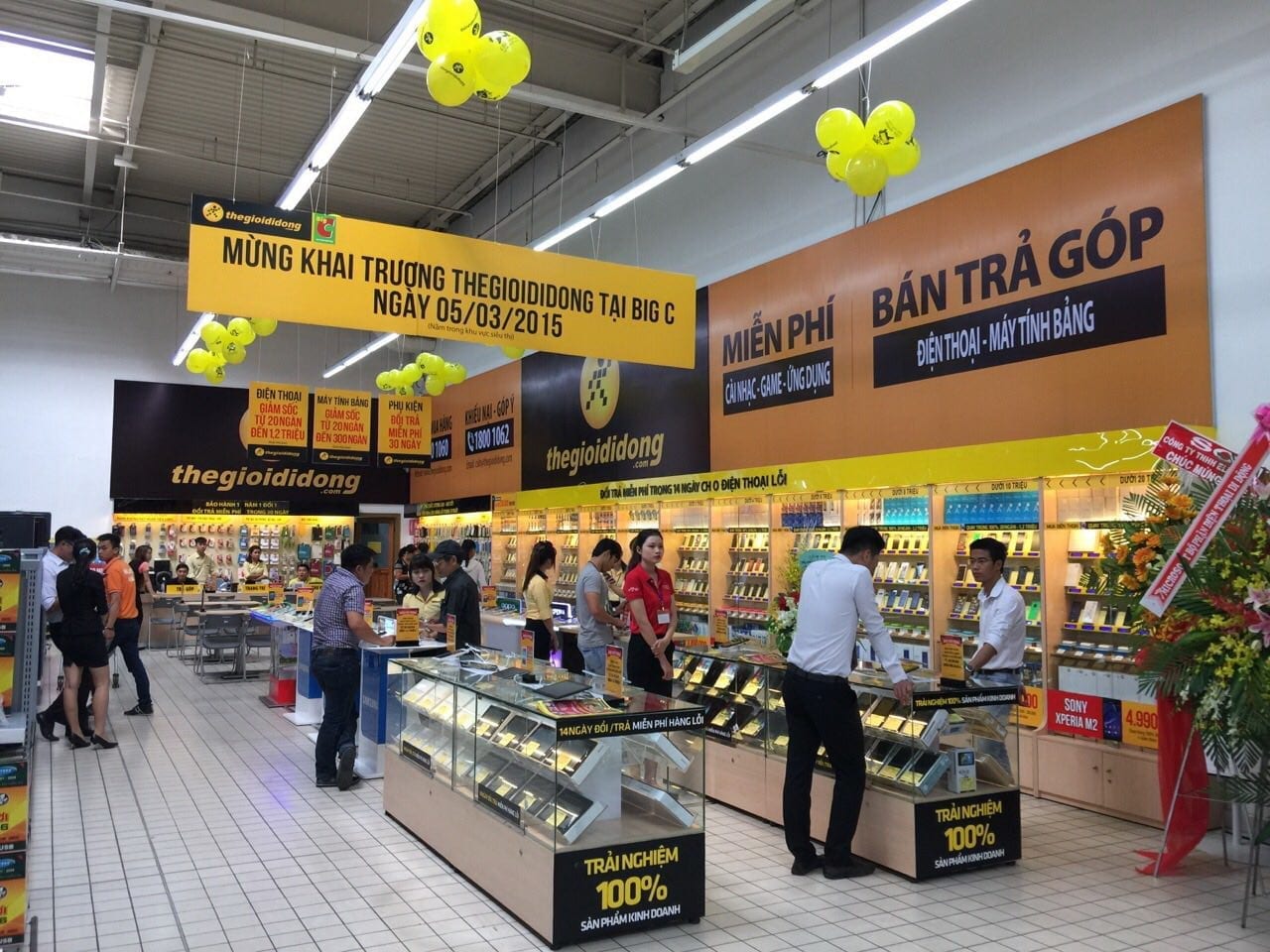
    Despite revenue growth, Vietnam retailer Mobile World has shuttered six The Gioi Di Dong stores.

    It closed the outlets last month following one earlier closure with a plan to maintain 1065 stores nationwide. The company says it has decided not to expand its store network to focus on revenue growth, but with the closing spree revenue for The Gioi Di Dong last month dropped 5 per cent from a year earlier to US$126.85 million.

    Now The Gioi Di Dong looks set to open only 500 locations by the end of this year instead of the previous goal of 1000 stores, according to chairman Nguyen Duc Tai.

    Mobile World is also struggling with its grocery business, Bach Hoa Xanh, which has added only 3 per cent to the company’s profit.

    In the first quarter of this year, revenue reached $1.31 billion, up 43 per cent year on year, to produce profit of $45.94 million, up 44 per cent.

  • Takashimaya is more losing money than profit

    Takashimaya is more losing money than profit

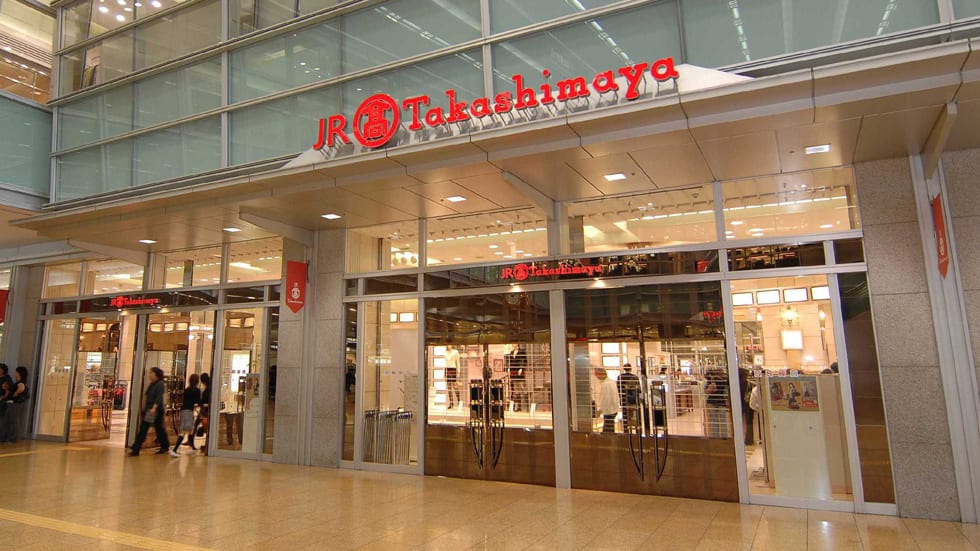
    Just one of Japanese department store chain Takashimaya’s three overseas stores is currently trading at a profit.

    But the company says it believes it can make them all profitable by 2023, including a fourth store set to open in Bangkok late this year.

    The successful store is on Singapore’s Orchard Road, which opened in 1993 and is reportedly earning more than 3 billion yen (US$27.2 million) annually.

    The chain’s Shanghai store, which opened in 2012, has been hampered by delays in the completion of neighbouring projects which would have drawn higher visitor numbers, along with administration costs running over budget. According to a report published by Nikkei, the store is expected to post its seventh consecutive loss in the 12 months to February next year, but should make money in 2020.

    The Ho Chi Minh City store in Vietnam, which opened in 2016, has “struggled from the start” according to Nikkei, its offer apparently too expensive for middle-class Vietnamese consumers. The company plans to boost sales by “broadening offerings of everyday items for families” which it hopes will lead it into profit in the 2022 year.

    The planned Siam Takashimaya store will be one of the anchors of Siam Piwat’s IconSiam, currently under construction and scheduled to open late this year – possibly in October.

    Takashimaya anticipates the Bangkok store to be profitable in its first year, thanks to rent concessions.

    The company’s president, Shigeru Kimoto, said it plans to continue Southeast Asian expansion, despite the challenges to date because it sees potential in the region.

    “In the long term, we seek to capitalise on Asia’s growth,” he said.

  • China no longer ‘easy’ on Vietnamese agricultural produce

    China no longer ‘easy’ on Vietnamese agricultural produce

    Vietnam should expand its agricultural exports to other markets instead of being dependant on China where standards on export items are being tightened, a meeting heard on Tuesday.

    China is now following international practices, tracing food origins and performing quality checks on imported agricultural produce, including those from Vietnam, said Tran Tuan Anh, Minister of Industry and Trade at the National Assembly meeting.

    The northern neighbor used to allow 100 Vietnamese businesses to export rice, but now only 27 of them are permitted, Anh said.

    For years, China’s fluctuating agricultural demand has also been hurting Vietnamese farmers. Many Chinese dealers have cancelled their deals with Vietnamese farmers, resulting in an oversupply of seasonal produce that are often exported to China through informal channels like watermelon and chili.

    Last year, volunteers in Hanoi had to start “rescue campaigns” to sell nearly 300 tons of watermelons which were being left to rot as there was a lack of demand.

    “If we keep focusing on the Chinese market and don’t look for alternatives, the consequences will be grave,” the minister said, adding that Vietnam should have new policies to remove export barriers.

    China is by far the biggest importer of Vietnam’s agricultural produce, accounting for 77 percent of total export turnover in the first four months of this year, whereas the U.S. only made up about 2.8 percent and Japan 2.7 percent.

    Large population, proximity and established trade relations explain China’s dominance. The country is also known to offer Vietnamese farmers attractive incentives.

    Vietnam exported about $36.37 billion worth of agriculture and fisheries products last year, according to the Ministry of Agriculture and Rural Development.

  • Experts fear potential real estate bubble in Vietnam

    Experts fear potential real estate bubble in Vietnam

    Recent reports of land fevers have raised concerns over the possibility of a real estate bubble in Vietnam similar to the historic one in 2008.

    Eight out of 10 signs of a real estate bubble have been identified in the Vietnamese market, said Tran Kim Chung, deputy director of the Central Institute for Economic Management (CIEM) at a conference last week.

    They are increased numbers of transactions, new constructions, areas under development, participants in the market; rising prices; and presence of projects that are bigger in terms of scale, value and funding.

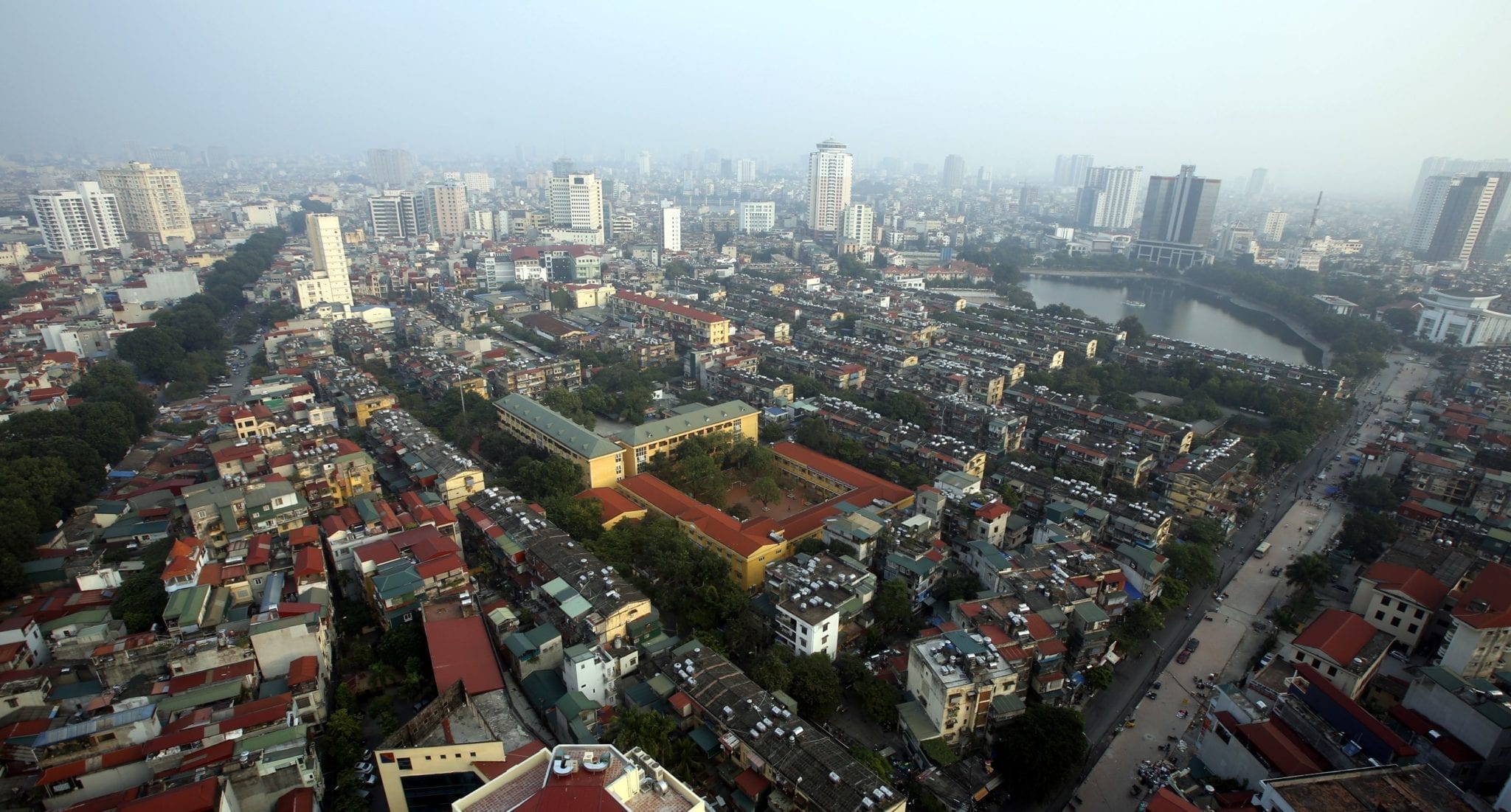
    The real estate market in Vietnam has seen a rush for land from late last year in Ho Chi Minh City and neighboring areas. Land in Dong Nai Province, northeast of Ho Chi Minh City, costs from VND72-90 million per square meter ($3,150-$3,980), which is nearly equal to some urban areas in HCMC.

    Local residents and real estate agents said the price doubled last year’s, and has climbed a further 30-50 percent so far this year.

    Land prices have also increased rapidly in three areas which are poised to become Vietnam’s special economic zones (SEZs) with promising benefits for investors. These areas include Phu Quoc Island in the far south, Bac Van Phong in central Khanh Hoa province and Van Don in the northern Quang Ninh province.

    On Phu Quoc Island, land prices in April were 10 times higher than in February, according to local invetsors. A square meter of land on the island can now fetch from VND20-60 million ($875 to $2,625), the Vietnam Real Estate Agency (VREA) said.

    The two remaining signs that would nail down a real estate bubble are a hike in public investment and housing capital, Chung said. But since these factors are currently actually counteracting market overheating, the worst is yet to come.

    Echoing Chung, chairman of Vietnam Real Estate Brokerage Association (VREBA) Nguyen Manh Ha said that the land fever in the first few months of the year, if not contained, will result in a land bubble.

    Some experts, however, beg to differ.

    The real estate market is actually stable and recovering, said Nguyen Van Dinh, vice chairman of VREBA adding that the current land fever is the result of short-term speculative trading that’s pushing up the price, which has destabilized the market.

    Amidst the land fever, Vietnam’s central bank has recently ordered lenders to tighten control over investment loans intended for the stock and real estate markets, warning of bad debt risks.

    Authorities of the three areas earmarked to be SEZs need to take control of the land market and prevent speculartors from creating instability, Vietnam’s Prime Minister Nguyen Xuan Phuc said last month.

  • Ride-Hailing Firm Go-Jek to Expand Abroad

    Ride-Hailing Firm Go-Jek to Expand Abroad

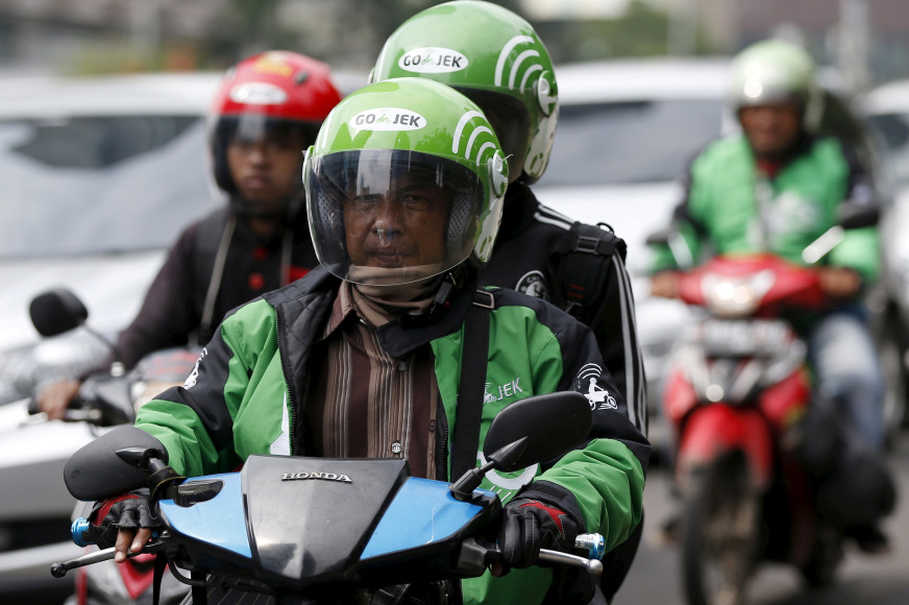
    Indonesian ride-hailing and online payment firm Go-Jek on Thursday said it would enter Vietnam, Thailand, Singapore and the Philippines in the next few months, investing $500 million in its international push.

    The move will start with ride-hailing services before expanding to other sectors, Go-Jek said in a statement.

    “People in Vietnam, Thailand, Singapore and the Philippines don’t feel that they’re getting enough [choice] when it comes to ride-hailing,” chief executive Nadiem Makarim said in the statement.

    The announcement comes after Uber Technologies Inc sold its Southeast Asian operations to local competitor Grab.

    Go-Jek said it was working with regulators and other stakeholders across the region to prepare for the new operations.

    The expansion follows Go-Jek’s latest round of fundraising, which brought investment from companies including Astra International, JD.COM, Tencent and Temasek.

  • Vietjet offers 1 million tickets for summer celebrations in Vietnam

    Vietjet offers 1 million tickets for summer celebrations in Vietnam

    Continuing the biggest promotion of the year “Free up your summer with Vietjet”, Vietjet offers a three-day series from today to May 25, 2018 with 1,000,000 tickets priced only from HKD0 during the golden hours of 13:00 to 15:00 (GMT+8) on its website. The promotional tickets are applied on all Vietjet domestic routes in Vietnam with the flight period from August 20 to December 31, 2018.

    The tickets are available on all channels during the golden hours of the “12pm, It’s time to Vietjet!” promotion program on the website www.vietjetair.com, or www.facebook.com/VietjetHongKong; payment can be easily made with debit and credit cards of Visa/ MasterCard/ AMEX/ JCB/ KCP.

    Aiming to be a “Consumer Airline”, Vietjet is continually opening new routes, adding more aircraft, investing in modern technology and offering more added-on products and services to serve all demands of customers. Vietjet is a pioneering airline that is loved by many for its exciting promotional and entertainment programs, especially during the festive season. With high-quality services, diverse ticket classes and special low-fare tickets, Vietjet offers its passengers flying experience on new aircraft with comfy seats, delicious hot meals, beautiful and friendly cabin crew, and other interesting added-on services.

  • Multiple Vietnamese banks report bad investments

    Multiple Vietnamese banks report bad investments

    Multiple banks in Vietnam have made bad investment decisions in recent years, according to a new report by the State Audit Office of Vietnam (SAV).

    Nine major financial organizations and banks were audited by the SAV in terms of management and use of state capital and property in 2016.

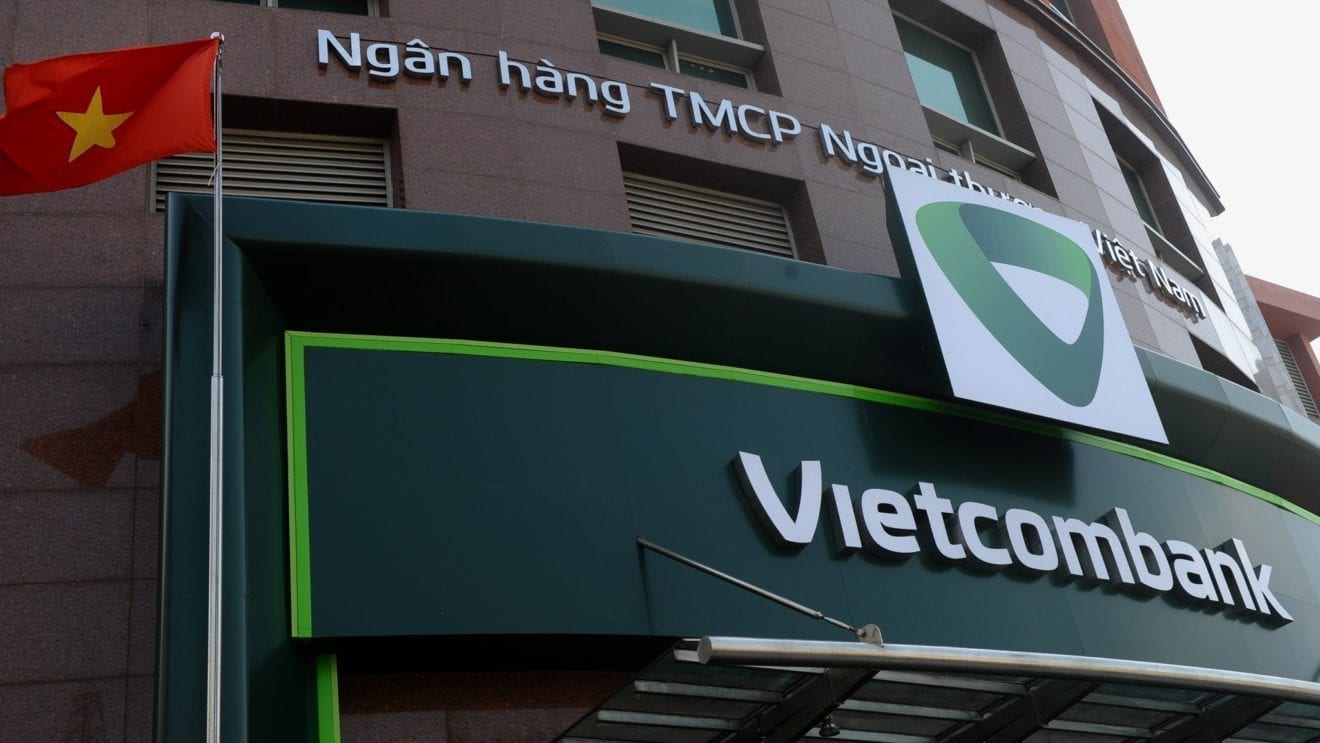
    The Joint Stock Commercial Bank for Foreign Trade of Vietnam (Vietcombank) reported a loss of $5.34 million by the end of 2016 in their $9.62-million investment into their remittance company. The bank lost another $563,000 in a $5.9-million investment in its Vietcombank Fund Management company, the report said.

    The report also pointed out that the Joint Stock Commercial Bank for Investment and Development of Vietnam (BIDV) had invested a total of VND3.1 trillion ($137.8 million) in three subsidiaries and another 12 long-term loans worth VND280 billion. However, the state-owned bank had not earned any dividends from these investments.

    Another loss-making investment was made by the Co-operative Bank of Vietnam (Co-opBank) as a fixed-term deposit of VND585 billion ($25 million) in a stock company. The bank is having difficulties retrieving the money, the report said.

    Three other banks, which were bought by the State Bank of Vietnam for a zero-dollar price tag, were also reported to have poor credit management and accumulated a lot of bad debt. GPBank, OceanBank and CB Bank had a total of VND35 trillion ($1.5 billion) in bad debt, according to the report.