Tag: Vietnam

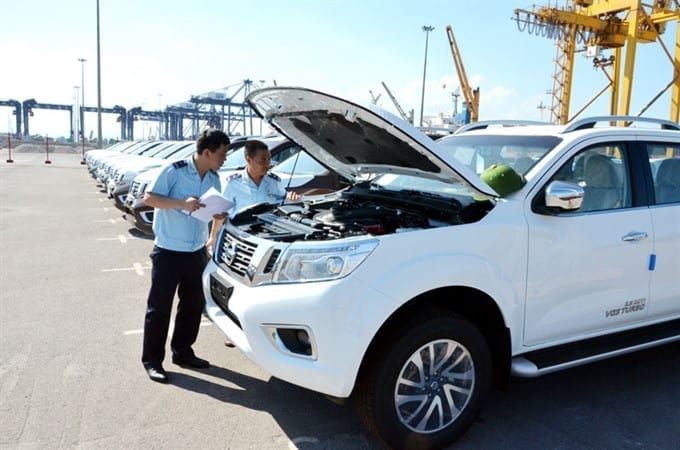
  • Vietnam’s May auto sales slip 0.7 percent year-on-year

    Vietnam’s May auto sales slip 0.7 percent year-on-year

    Vietnam’s total vehicle sales edged down 0.7 percent to 23,065 units in May from a year ago, the Vietnam Automobile Manufacturers’ Association (VAMA) said on Monday.

    Sales by VAMA member-manufacturers edged up 2 percent to 22,374 units in May from the year-ago period, including commercial vehicles, passenger cars and special-purpose vehicles.

    Vietnam’s Truong Hai Auto Corp, which assembles sedans, trucks and buses, led the sales in May, followed by Toyota Motor Corp.

    May sales of passenger cars by VAMA members climbed 20 percent month-on-month, while commercial vehicle sales dropped 18 percent and special-purpose vehicles slumped 40 percent, VAMA said in a report.

  • Vietnamese stocks fall after 8 sessions of gain, Thailand extends rise

    Vietnamese stocks fall after 8 sessions of gain, Thailand extends rise

    Vietnam shares fell on Tuesday after eight consecutive sessions of gains, while Thai shares rose for a second straight day on the back of energy and consumer staples stocks.

    Broader Asian markets were choppy as the historic U.S.-N.Korea summit started in Singapore amid hopes that it could pave the way to ending a nuclear stand-off on the Korean peninsula.

    The fixation with the summit is as much about whether the two sides will strike a deal as it is about what would comprise a deal, Mizuho Bank analysts said in a note.

    “It appears that the term ‘de-nuclearization’ must be thrown into the mix somewhere, but strictly with wiggle room for both parties… and in return, the United States may offer some conditional reprieve on sanctions with sunset clauses,” Mizuho Bank said.

    Vietnam shares fell as much as 3.3 percent, snapping eight sessions on gains, with Vietnam Technological and Commercial Joint Stock Bank (Techcombank) down 4.5 percent and Vingroup JSC 3.5 percent lower.

    Malaysian shares were down for a third straight session, declining as much as 0.4 percent. Malayan Banking Bhd declined up to 1.3 percent and was headed for a third straight session of fall.

    CIMB Group extended its fall into a third session with a drop of up to 1.8 percent.

    An analyst said there is no immediate catalyst for the local market to see an upward trend as investors are still evaluating the policies of the new government.

    Investors are taking profit on whatever strengths they can find, said the analyst, adding that: “If the (U.S.-N.Korea summit) goes well, it could lead to slight optimism in the local market.”

    Thai shares rose as much as 0.7 percent as convenience stores operator CP All PCL gained 2.2 percent, while PTT PCL rose nearly 2 percent and PTT Exploration and Production PCL added 1.9 percent as oil prices edged higher.

    Indonesian financial markets are closed until June 19 for Eid Al-Fitr, while the Philippines was closed on Tuesday for Independence Day.

  • Vietnam importing bitcoin diggers in large numbers

    Vietnam importing bitcoin diggers in large numbers

    It is illegal to use cryptocurrency in Vietnam, but that has not stopped the import of large numbers of bitcoin diggers.

    From the beginning of this year until June 10, 3,664 mining systems were shipped to Ho Chi Minh City, according to the municipal Customs Department.

    Of these, over 3,000 systems were purchased by four companies, with one of them, just eight months old, getting almost 2,300, the department said.

    A total of 6,400 cryptocurrency mining systems have been imported in the first four months of the year.

    The Ministry of Finance recently proposed that the government bans the import of these machines, saying that the rigs were being used to try and create new currencies and forms of payment that were difficult to regulate.

    It referred to an alleged fraud in April, when dozens of people descended on the headquarters of Vietnamese IT firm Modern Tech in Ho Chi Minh City demanding refunds from the company for the cryptocurrencies it claimed to represent.

    Investors said this company, which has only 9 staff members, scammed VND15 trillion ($650 million) from them in a cryptocurrency ponzi scheme.

    As legislators debated the legal framework of Bitcoin in a National Assembly session on June 6, deputy Prime Minister Vuong Dinh Hue called for more research on this new form of currency.

    “The Government is directing the Ministry of Justice and the State Bank of Vietnam to research the experience of other countries in handling Bitcoin so we can come up with an appropriate policy,” the deputy PM said.

    Vietnam imported over 9,300 cryptocurrency diggers last year, which were mostly distributed in Hanoi, Ho Chi Minh City and Da Nang.

  • Vincom Retail to expand business this year, masively

    Vincom Retail to expand business this year, masively

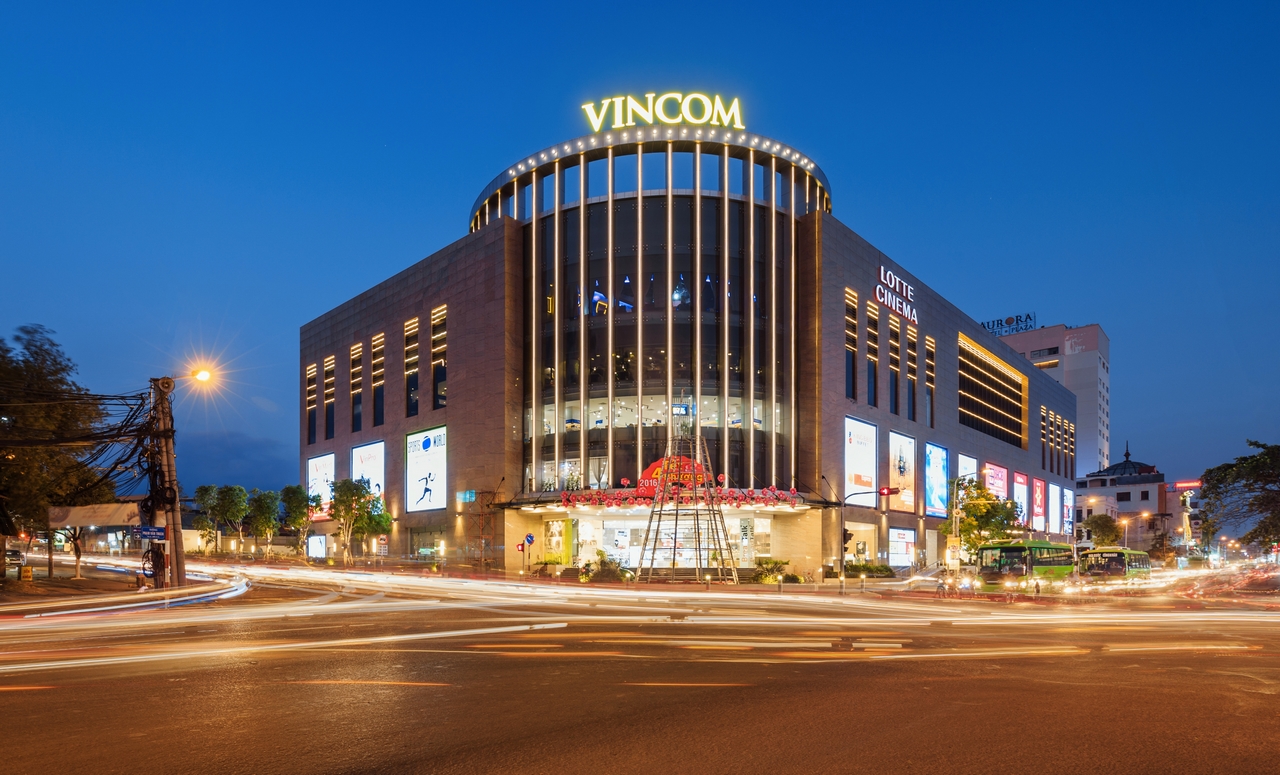
    Vincom Retail plans to open 30 more shopping centres in Vietnam this year, increasing its mall network to 200 by 2021.

    To fund the plan, the retail subsidiary of Vingroup will raise US$500 million.

    The first of the new malls to open will be Vincom Center Landmark 81 and Vincom Center Lieu Giai in Hanoi.

    Other malls will be launched around Vietnam under Vincom Plaza and Vincom + formats.

    Vincom Retail launched an IPO last October. Its total revenue last year was VND4455 billion (US$195 billion), up 17 per cent year-on-year.

    It currently operates 51 shopping malls across Vietnam.

  • As plastic sector booms, Vietnamese firms are easy prey

    As plastic sector booms, Vietnamese firms are easy prey

    Major Vietnamese plastics firms are being taken over in a big way by foreign firms from Thailand, Japan and South Korea.

    In April, Thai business conglomerate Siam Cement Group (SCG) acquired over 50 percent of shares in Binh Minh Plastics (BMP), a big player in Vietnam’s plastics industry. Previously, SCG had already poured in $121 million to acquire seven other Vietnamese plastics firms, according to a report.

    Japan is also gearing up to conquer Vietnam’s plastics sector. Japan-based Sekisui Chemical has become a strategic partner in Tien Phong Plastics, acquiring 25 percent of the company’s shares last year, and Japan’s Meiwa Pax Group has paid $16.5 million to buy HCMC-based packaging firm Sapaco.

    South Korea firms have also jumped into the fray, with packaging firm Dongwon Systems acquiring over 97 percent of Tan Tien Plastics in 2016. Tan Tien is a frontrunner in Vietnam’s packaging industry, and a major partner for several big companies operating in Vietnam, such as Unilever, Ajinomoto, Trung Nguyen or Vinamilk.

    Vietnam has become a ripe destination for foreign firms because the plastics industry has been booming. For the last 3 years, it has grown by 15-17 percent each year.

    In 2016, Vietnam housed over 2,000 firms in the country. The annual per capita consumption of plastics in Vietnam is around 41 kilograms, according to Vietnamese securities firm Vietcombank Securities. That number is projected to increase to 45 kilograms per person in 2020, according to the Vietnam Plastics Association.

    “Vietnam’s plastics sector has great potential to grow,” said Kubo Hajime, a management board member of Sekisui Chemicals.

    Vietnam’s cheap labor and material costs is also an advantage, economist Dinh The Hien said. He said the fact that Vietnam is part of several trade agreements, most notably the Comprehensive and Progressive Agreement for Trans-Pacific Partnership, helps.

    Vietnamese plastics firms lack the necessary capital, technology and high-skilled labor required to compete in an increasingly tougher market, said Ho Duc Lam, President of Vietnam Plastics Association.

    “Another problem for Vietnamese plastics firms would be high production costs, which leads to high prices,” he said.

    Vietnam needs to focus more on targeting the right customers with the right products to compete, an unnamed representative of a Vietnamese plastics firm said.

    “We would also need to invest more in technology and machinery to upgrade our assembly chains, thus increase our product quality and reduce production costs,” he said.

    Last year, the plastic sector recorded an export value of over $3 billion, a year-on-year increase of 17.6 percent.

  • Collectivize, industrialize, Vietnam farmers urged

    Collectivize, industrialize, Vietnam farmers urged

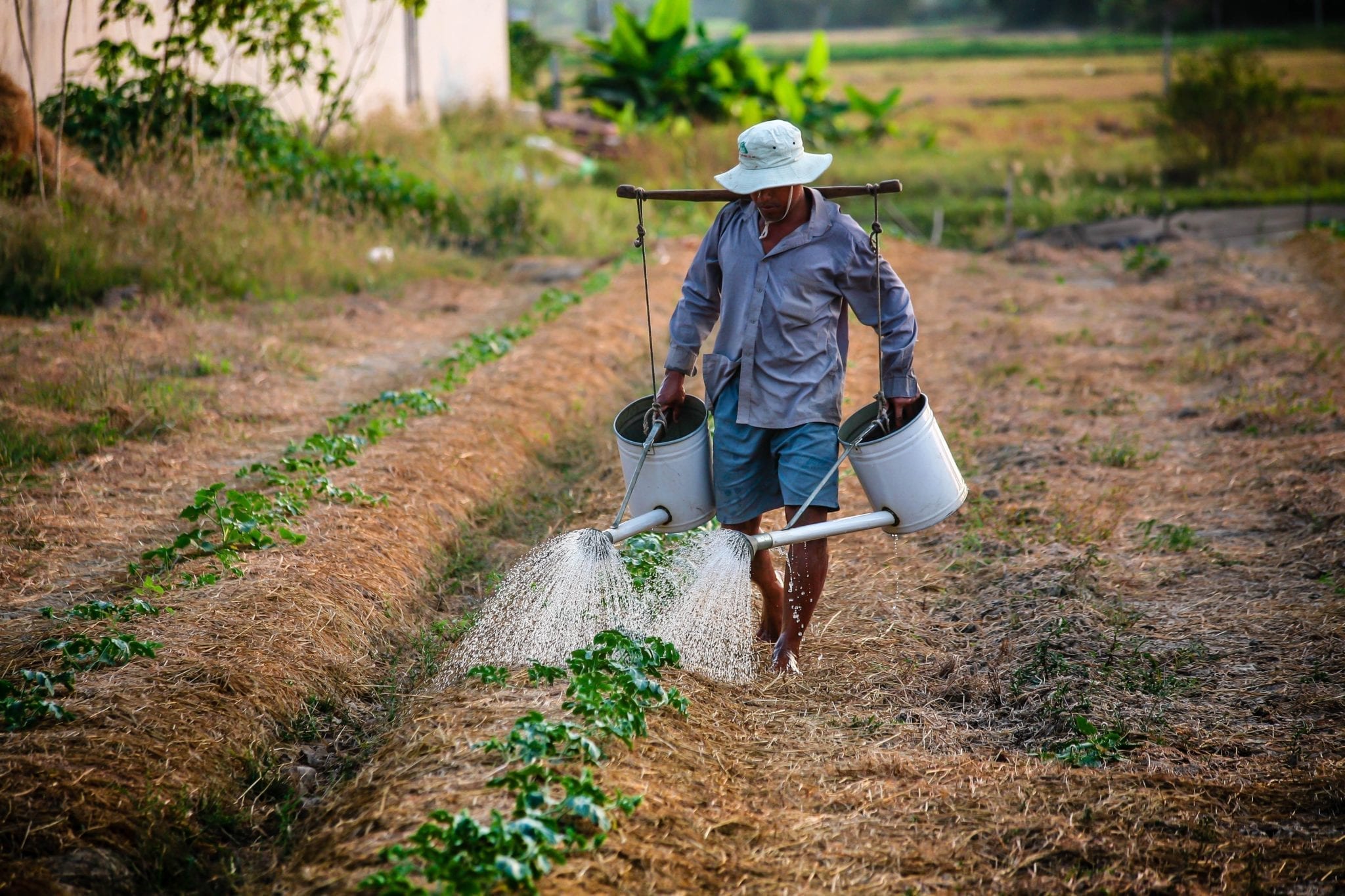
    Instead of working individually, Vietnamese farmers should band together and become “industrial workers,” an expert says.

    Dang Kim Son, former director of research with the Ministry of Agriculture and Rural Development, said at the Vietnam Economic Forum on Tuesday that farmers need to join forces to take Vietnamese agriculture to the next level, applying advanced technology and engaging in large scale production.

    He said farmers need to work together under a co-operative system where their combined produce is sold by one representative organization, which will give them greater control over both input and output, Son said.

    Vietnam also needs to establish a research institute that provides data helping farmers to focus on cultivating the most productive fruits, he added.

    One of the downsides of Vietnamese agriculture is that produce quality is not guaranteed, said Tran Thanh Hai, deputy director of the Import-Export Department under the Ministry of Industry and Trade.

    “When farmers industrialize agriculture, manufacturing costs will be lower and produce quality higher,” Hai said.

    Technology, especially blockchain technology, should be applied in farming, said Vu Truong Ca, CEO of Lina Network.

    He said a standardized supply chain should be applied in growing fruits to yield higher value, Ca added.

    Other experts at the forum reiterated what they’ve been saying for many years now, that Vietnam needs to reduce export of raw produce and focus more on processing produce after harvest.

    With 90 percent of exports being raw material, the country’s produce value will continue to be low, said Nguyen Quoc Toan, acting director of the Department of Processing and Market Development of Agricultural Products.

    “Produce like lychee have short cycles, so we need to improve processing before exporting,” Toan said.

    Vietnam’s agriculture export-import turnover reached $17.5 billion last year, an increase of 16 percent from 2016. Vegetable, fruits and cashew each account for 20 percent of total agriculture produce exports, while coffee makes up 19 percent, according to Vietnam Customs.

  • Vietnam retailers bristle at coercive rules

    Vietnam retailers bristle at coercive rules

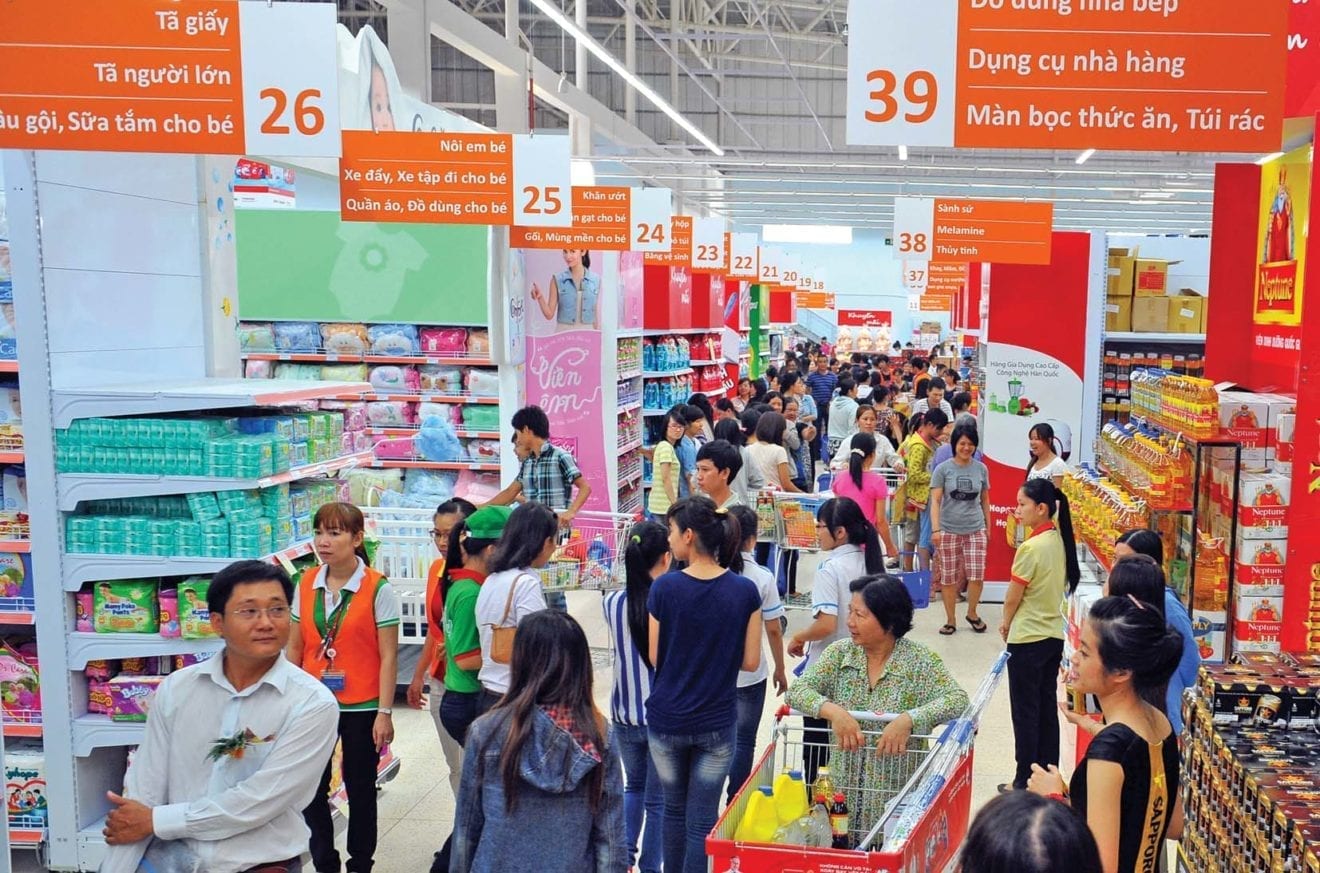
    A draft law requiring all supermarkets in Vietnam to open through holidays and provide online sales and delivery services has angered retailers.

    They say rules cannot set for marketing strategies that are decided by businesses based on their own assessment of market conditions.

    The provision in the Decree of Development and Distribution Management, proposed by the Ministry of Industry and Trade, will apply to retail outlets that have an area of at least 250 square meters (2,690 square feet), and malls with more than 10,000 square meters (over 107,600 square feet).

    The new rules also say supermarkets and malls can only have a maximum of three discount events a year, with 30 days at the most for each event, and 70 percent of all items must be discounted at such events.

    Supermarkets and malls also need to open from 10 a.m. to 10 p.m. every day, including holidays. They must offer delivery service and online shopping to customers, the bill says.

    Whether a supermarket offers delivery service and online sales or not depends on the strategy that a business chooses to employ, said Dinh Thi My Loan, president of the Association of Vietnamese Retailers (AVR).

    The number of discount events and their nature should be for the retailers to decide, she stressed, adding that the regulation should be removed from the bill, she said.

    Experience from other countries in the region shows it is not practical for the government to pack too many goals into a draft law, she said, adding: “The stated goals are too broad and unconvincing.”

    Previously, the Vietnam Chamber of Commerce and Industry (VCCI) also called this provision “coercive” in a letter sent to the Ministry of Industry and Trade.

    The bill intervenes too deeply in the right of businesses to operate the way they want, and does not engage with the larger picture of the distribution system in the country, the letter said.

    VCCI suggested that existing problems and potentials for the national distribution system should be studied in more detail before drafting new rules.

    The Ministry of Industry and Trade has said that it will continue to research and listen to suggestions while completing the draft law.

    As of last year, Vietnam had 800 supermarkets, 150 malls and 9,000 traditional markets, apart from 2.2 million or so convenient stores.

    Vietnam is considered an emerging market for retail expansion and was ranked 6th last year in the Global Retail Development Index by consulting firm A.T. Kearney.

  • Vietjet Partners with Shinhan Bankto Offer Cashback deals

    Vietjet Partners with Shinhan Bankto Offer Cashback deals

    Get ready to be infected by the travel bug as summer is soon to kick in full swing! For all you globetrotters out there, now’s your chance to make the most of your travel plans as Vietnamese carrier – Vietjet is offering irresistable cashback deals in celebration of the summer.

    Starting 8 June to 5 July 2018, Vietjet is partnering with Shinhan Bank to offer an amazing VND500,000 cashback for the first 400 card holders when a minimum of VND5,000,000 is spent on Vietjet tickets via Shinhan/ANZ credit cards.

    The promotion will be spread across four phases namely, 8 to 14 June; 15 to 21 June; 22 to 28 June and 29 June to 5 July 2018, with cashbacks offered to the first 100 early-bird customers who meet the promotion requirements. The cashback will be credited to the card holders’ payment accounts before 26 July 2018.

    An award-winning and pioneering airline, Vietjet is much loved by travelers for its exciting promotional and entertainment programs, especially during festive seasons. With high-quality services, diverse travel categories and special low-fare tickets, the airline offers its passengers memorable flying experiences on new aircrafts with comfy seats, delicious hot meals served by beautiful and friendly cabin crew, and many other interesting added-on services.

  • Vietnamese coffee prices keep dipping

    Vietnamese coffee prices keep dipping

    Coffee prices in the Central Highlands have been decreasing since the beginning of the year, and are not likely to recover any time soon, according to the Ministry of Agriculture and Rural Development.

    The price stands at VND35,100–35,500 ($1.55-1.56) per kilogram, down VND400–600 from the end of last year.

    This is the lowest price in the last two months and Vietnamese farmers are holding on to their stock without selling, a ministry report said.

    It attributed the price to favorable weather in Brazil, the world’s top coffee exporter; and the start of a new season in Indonesia, another major producer and exporter.

    With global supply remaining high, a price rise is unlikely to happen soon.

    However, Vietnam still enjoyed a positive export situation in the first four months of the year, exporting 41,700 tons of coffee worth $161 million, an increase of 23.5 percent in volume and 19.6 percent in value.

    Germany and the U.S. remain the largest markets for Vietnamese coffee, respectively accounting for 13 and 11 percent of total exports, according to the agriculture ministry.

  • Founder Bak Kut Teh lands in Vietnam

    Founder Bak Kut Teh lands in Vietnam

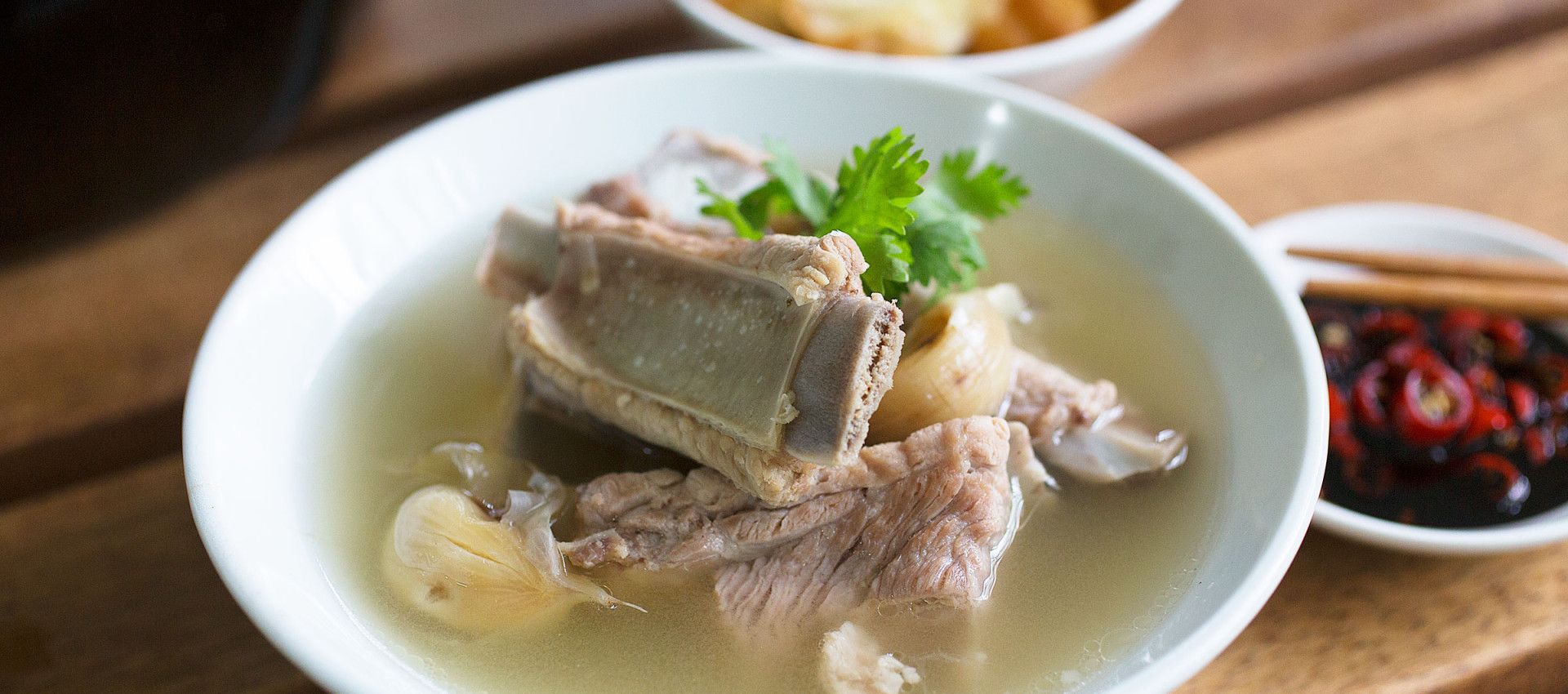
    Singapore’s pork ribs restaurant chain Founder Bak Kut Teh has opened its first outlet in Vietnam.

    Located on the ground floor of Ho Chi Minh City’s RomeA shopping centre in District 3, Founder Bak Kut Teh Vietnam offers the original Singapore menu.

    The brand’s founder Chua Chwee Whatt visited Vietnam for the grand opening and personally prepared the dishes for diners.

    Established in 1978, Founder Bak Kut Teh has two branches in Singapore and one in Jakarta, Indonesia.

    The brand launched in Vietnam under a franchise agreement with local Foodjoy company.

  • World Bank raises 2018 growth forecast for Vietnam

    World Bank raises 2018 growth forecast for Vietnam

    Vietnam’s economy might expand by 6.8 percent this year, the World Bank (WB) says in a new report, revising upwards its previous forecast of 6.5 percent in April.

    It estimates GDP at 6.6 percent in 2019 and 6.5 percent in 2020.

    The bank explained its upward revision on better prospects for the expansion of agriculture and production for exports, continued inflow of foreign direct investment thanks to bright economic prospects.

    If the actual growth rate matches projection, it will be the same as last year, which was the highest in a decade.

    In the first quarter this year, the economy expanded 7.38 percent, also a 10-year record, thanks to the strong growth in agriculture, industry-construction and service sectors.

    In an interview in April, Prime Minister Nguyen Xuan Phuc had said Vietnam will maintain its current economic growth until 2020 by giving private firms more room to grow and driving positive change in rural areas.

    He said Vietnam will facilitate an economic environment conducive for private firms to thrive, noting that they account for 43 percent of the nation’s GDP.

    The Vietnamese government will help by developing new policies, distributing resources, encouraging the creation of new enterprises and giving firms more opportunities to use modern technologies, said Phuc.

    “We will try to put in place the most favorable policies and create the most favorable environment so that by 2020, we will have in operation over one million businesses, accounting for 50 percent of Vietnam’s GDP, up from 43 percent at present,” he’d said.

  • Vietnam a dream destination for expats

    Vietnam a dream destination for expats

    Getting a job is easy, cost of living is low, and quality of life is high.

    It sounded too good to be true, but Samantha Beukes decided to check the place out. Friends had been raving on Facebook about living the good life in Vietnam. It was true.

    When she first came to Vietnam from South Africa, Beukes spent a month traveling around the most famous destinations in the country.

    And then, almost effortlessly, the 25-year-old found a job that she was very happy with. Opportunities to work in Vietnam, she realized, were more easily available here than in her own country.

    The abundance of job opportunities in several fields that Vietnam needs to tap international expertise in has been attracting many expats from all over the world. Between 2004 and 2015, the number of foreigners working in the country surged by more than six times, according to the Ministry of Labor, Invalids and Social Affairs.

    Vietnam has been named among the top 10 destinations for expats in the world in the 2018 Expat Insider survey of InterNations, a global expat network with 3.1 million members.

    An overwhelming majority – 81 percent – of surveyed expats described the Vietnamese people as welcoming, and 73 percent said it was easy to settle down in the country.

    Official data shows that there are now 83,500 expats working in the country, a number that has been increasing steadily since Vietnam launched its Doi Moi or renovation policy in 1986, firmly putting behind the long years of war and its aftermath.

    While many expats come here because finding jobs is very difficult for them back home, many are also drawn by the vibrant life they can enjoy even as they earn and save.

    High demand

    Vietnam’s rapid growth after years of relative isolation has also led to high demand for expertise in various areas, and this is most visible in the need for English teachers from kindergarten to university level.

    “Expats are just a quick Facebook search away from finding many high paid jobs, including teaching,” Samantha said. Currently, Samantha teaches at an international school, and four out of five foreigners she knows in the country are doing the same job.

    While English teaching jobs are most sought after by expats without much experience or advanced education, Vietnam also offers jobs aplenty in other sectors.

    Manufacturing, banking and retails are sectors that have a high demand for expats in the country, according to Ngo Thi Ngoc Lan, regional director of Navigos Search, which provides executive search services in Vietnam.

    In a survey by Navigos Group in 2017, 50 percent of business respondents in the retail sector said they had a policy to recruit foreigners. Among them, 56 percent of employers preferred candidates from Southeast Asia, and 22 percent from Europe, the survey found.

    Apart from the availability of jobs, high pay is another factor that lures many foreigners to the country. Expats in Vietnam made around $88,000 a year on average in 2017, according to the Expat Explorer survey done by London-based lender HSBC. Some 72 percent of expat respondents said they were able to save more money in Vietnam compared to other countries.

    “An expat is paid 30 to 50 percent more than a Vietnamese national,” Lan from Navigos said. In the areas of education and manufacturing, an expat can be paid two or three times higher than a Vietnamese employee to match the wages they would receive in their home country, she said.

    For high-ranking positions, businesses need to provide their expat workers with other perks like tuition fees for their children, rent, private driver and airfare travel for the whole family, Lan said.

    Comfortable lifestyle

    Given the low cost of living in Vietnam, the salary expats receive allow them to have a very comfortable life in the country.

    Having worked in Vietnam for over two years, Frenchman Benjamin Durand is very satisfied with the $2,500 paycheck he gets each month as a software engineer in Hanoi.

    This salary, which is roughly what an average Vietnamese makes a year, allows him to spend generously. In the weekends, Durand often goes climbing in the mountains around Hanoi or dancing in pubs where many foreigners gather to have fun. “Living in Vietnam is a great experience,” he said.

    ‘Live like a king’

    As of June 2018, the cost of living in two biggest cities in Vietnam are among the cheapest in the world, according to Numbeo, a collaborative online database which enables users to submit and compare living costs between cities.

    Hanoi ranks 7th and Ho Chi Minh City 9th in the index, with lower costs of living than Philippines’ Manila, Malaysia’s Kuala Lumpur and Thailand’s Bangkok.

    Megan, an English tutor in Hanoi who asked that her last name is not used, spends only half what she used to in the United States. Furthermore, she is able to save much more in Vietnam than in South Korea, where she lived for a year before coming to Hanoi.

    “You can really live like a king or queen in Vietnam if you want to,” she said.

    In areas of expertise where expats are in high demand, local businesses compete to give them attractive benefits that most locals don’t get. Apollo English, one of the most popular English teaching brands in Vietnam with 30 facilities in the country, provides incentives like airfare to the country, free accommodation for the first week and assistance in getting visas and work permits.

    Cleverlearn, another English teaching center, offers its foreign teachers salaries of up to $2,000 a month. The center also promises to provide assistance to expat teachers in finding housing and other needs when they first come to Vietnam.

    Visible privilege

    While many businesses hire foreigners to meet actual demand for human resource, there are those which employ them for the mere purpose of marketing, taking advantage of Vietnamese people’s preference for all things foreign.

    Advertisement agencies often employ expats to promote a product as they believe the appearance of a foreigner, especially a Western one, will attract more customers.

    This preference might not be well placed, sociologists say. “Many Vietnamese think that foreigners are wealthy and skilled in their profession, but that’s not always true,” said Dr Trinh Hoa Binh, deputy secretary of the Vietnam Academy of Social Sciences.

    The phenomenon reflects a lack of confidence of Vietnamese people in their own distinct culture, Binh said. He added that when Vietnamese people are more educated, they will start to see the true value of foreign labor in the country.

    But for now, such perceptions don’t bother expats happily enjoying their lives and privilege in Vietnam.

    Samantha, the English teacher from South Africa, says Vietnam will continue to be her second home in the foreseeable future as she has a very satisfying income in a culture where people are friendly and work opportunities are abundant.

    “I know of people back in my country who want to come over for work too”, Samantha said.
  • Vietnam considers blanket ban on import of cryptocurrency mining rigs

    Vietnam considers blanket ban on import of cryptocurrency mining rigs

    Vietnam’s Finance Ministry wants a complete ban on the import of cryptocurrency mining rigs, saying many of them are being used to launch new virtual currencies and forms of payment.

    Such operations are very difficult to regulate, the ministry says.

    The proposal for a blanket ban was made on Monday, with the ministry saying that the rigs were being used to try and create new currencies and forms of payment that were difficult to regulate.

    It referred to the fraud that happened in Saigon in April, when 32,000 people lost VND1.5 trillion after investing in a company mining iFan and Pincoin coins.

    Prime Minister Nguyen Xuan Phuc had earlier called for strict management of all activities involving cryptocurrencies after many companies began trying to attract people into investing in new cryptocurrency ventures – Initial Coin Offerings (ICOs).

    As of April 2018, Vietnam had imported more than 6,300 crypto currency mining rigs, with 4,300 machines going to Hanoi and 2,009 to Saigon.

    In 2017, more than 9,300 cryptocurrency mining rigs were imported. Of these, 2,300 went to Hanoi, around 7,000 to Saigon, and the rest to Da Nang, the ministry said.

    Cryptocurrency is illegal in Vietnam.

  • Most SE Asian stocks gain; Singapore, Indonesia up nearly 1 percent

    Most SE Asian stocks gain; Singapore, Indonesia up nearly 1 percent

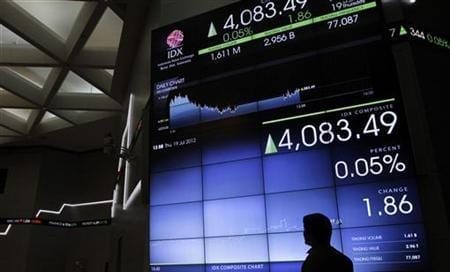
    Most Southeast Asian stock markets rose on Monday, with Singapore gaining nearly 1 percent as upbeat sentiment following positive U.S. jobs data pushed global equities higher.

    Asia ex-Japan shares rose 1 percent to their highest level since May 17.

    Data on Friday showed that U.S. job growth accelerated in May and unemployment rate dropped to an 18-year low.

    “We are following the bullish sentiment on Friday on U.S. after job data,” said Linus Loo, Head of research at Lim & Tan Securities.

    “Because we (South-east Asia) are export-driven, especially Singapore, we tend to track the U.S.,” he added.

    Singapore shares rose 0.9 percent in early trade. Financials drove gains, as heavyweights DBS Group Holdings and Oversea-Chinese Banking Corp gained 1.2 percent each.

    Indonesian shares rose 0.8 percent led by financials and telecommunication stocks.

    Indonesia’s annual inflation rate in May was 3.41 percent, slightly below the median forecast of 3.28 percent in a Reuters poll, data from the statistics bureau showed on Monday.

    An index of the country’s 45 most liquid stocks rose about 1.3 percent.

    Vietnam stocks rose as much as 0.9 percent, as materials and industrials extended gains from last week. Vietjet Aviation climbed nearly 7 percent while Vietcombank rose as much as 2.5 percent.

    Meanwhile, Philippine shares fell 0.9 percent, dragged lower by industrial on caution ahead of inflation data due on Tuesday.

    Philippine inflation likely accelerated for the fifth straight month in May, a Reuterspoll showed, but analysts were divided over when the central bank will again raise interest rates.

    Aboitiz Equity Ventures slumped 3.8 percent while SM Investments Corp fell 2.7 percent.

    Malaysian and Thai shares were largely unchanged in early trade.

  • Thailand, not Vietnam, is exporting ‘pho’ to the US

    Thailand, not Vietnam, is exporting ‘pho’ to the US

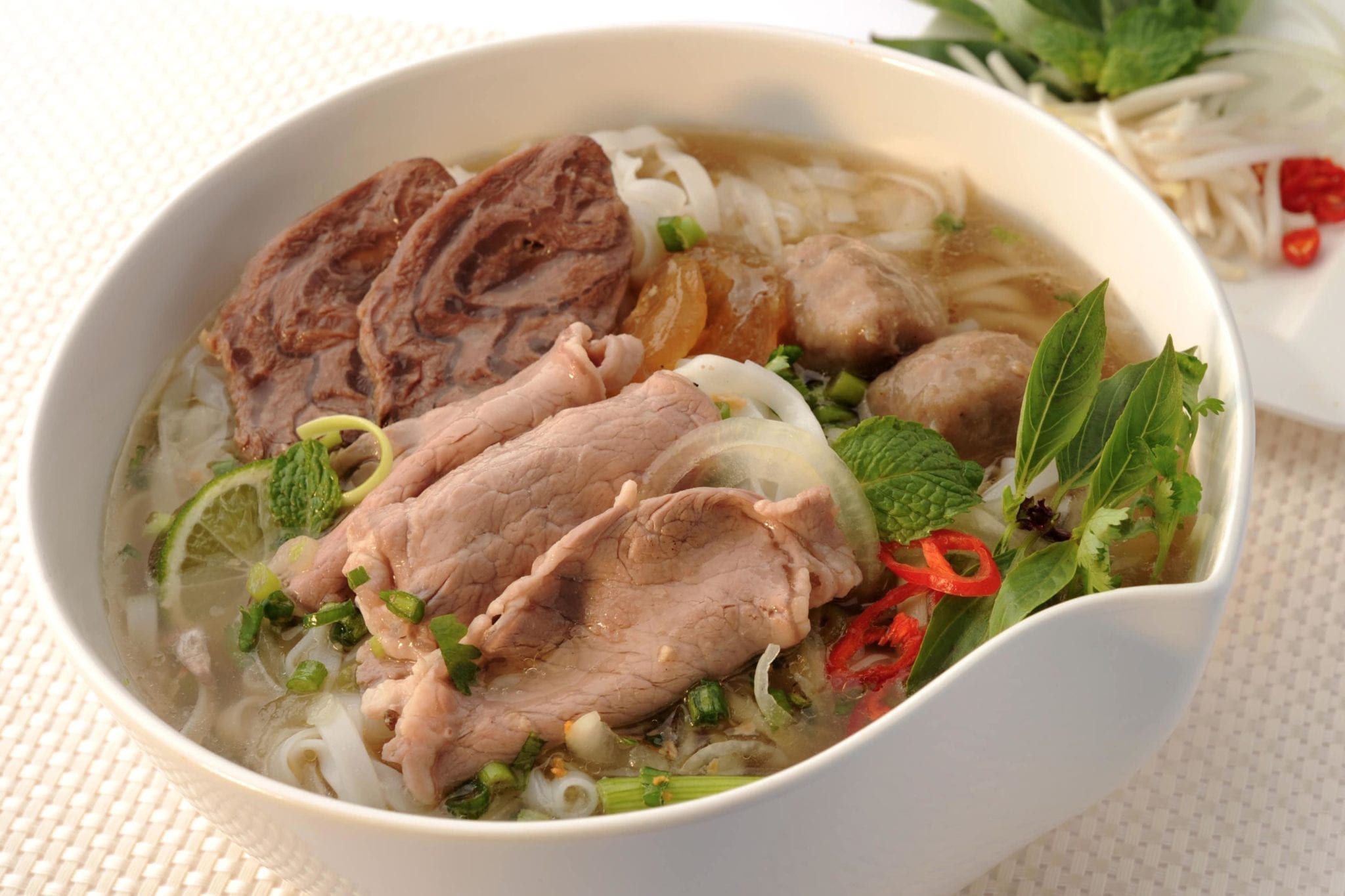
    Pho, the fragrant flat rice noodles soup served with beef or chicken, has given Vietnamese cuisine an iconic status. But the company making money by exporting an instant version of the soup to the US is based in Thailand.

    A representative of Charoen Pokphan Foods Plc (CPF) said at a recent meeting with Vietnamese businesses that the company’s Authentic Asian Chicken Pho Noodle Soup is enjoying great sales in the US.

    The number of restaurants that serve Vietnamese pho in the U.S. reached 8,900 in 2014 and is increasing, the CPF representative said, citing a study by the Institute for Immigration Research.

    Vietnamese businesses at the meeting were surprised that CPF’s factory in Thailand is able to produce 200,000 ready-to-eat pho products a day, using a workforce of just 10 workers.

    CPF said its factory in Thailand was powered by artificial intelligence, and the manufacturing process was completely automatic. Some production lines only require two workers operating via computers, the company said.

    This manufacturing process results in a “beautiful and easy-to-use package,” said Vu Kim Hanh, president of the Business Association of Vietnam High Quality Goods.

    With a shelf life of 18 months, CPF’s pho, which requires just two minutes in a microwave, is very convenient for customers, Hanh added.

    “Vietnam still needs to make many changes to catch up with its immediate Southeast Asian competitors in the agricultural products and foodstuffs industries,” she said.

    Currently, the number of businesses in Viet Nam’s fresh packed food market is still low, despite some new products from Saigon Food, which produces 100,000 packages each day.

    CJ Cau Tre offers cooked Vietnamese Hue noodle soup and spaghetti, and the Minh Hung group plans to use high pressure processing to produce fresh fruit juice.