Tag: Vietnam

  • GM to transfer Vietnam operation to Vingroup’s car arm, eyes sales boost

    GM to transfer Vietnam operation to Vingroup’s car arm, eyes sales boost

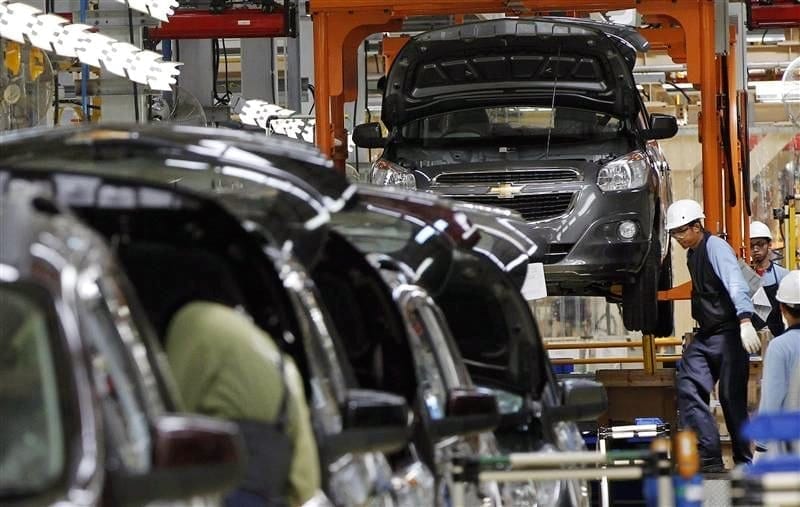
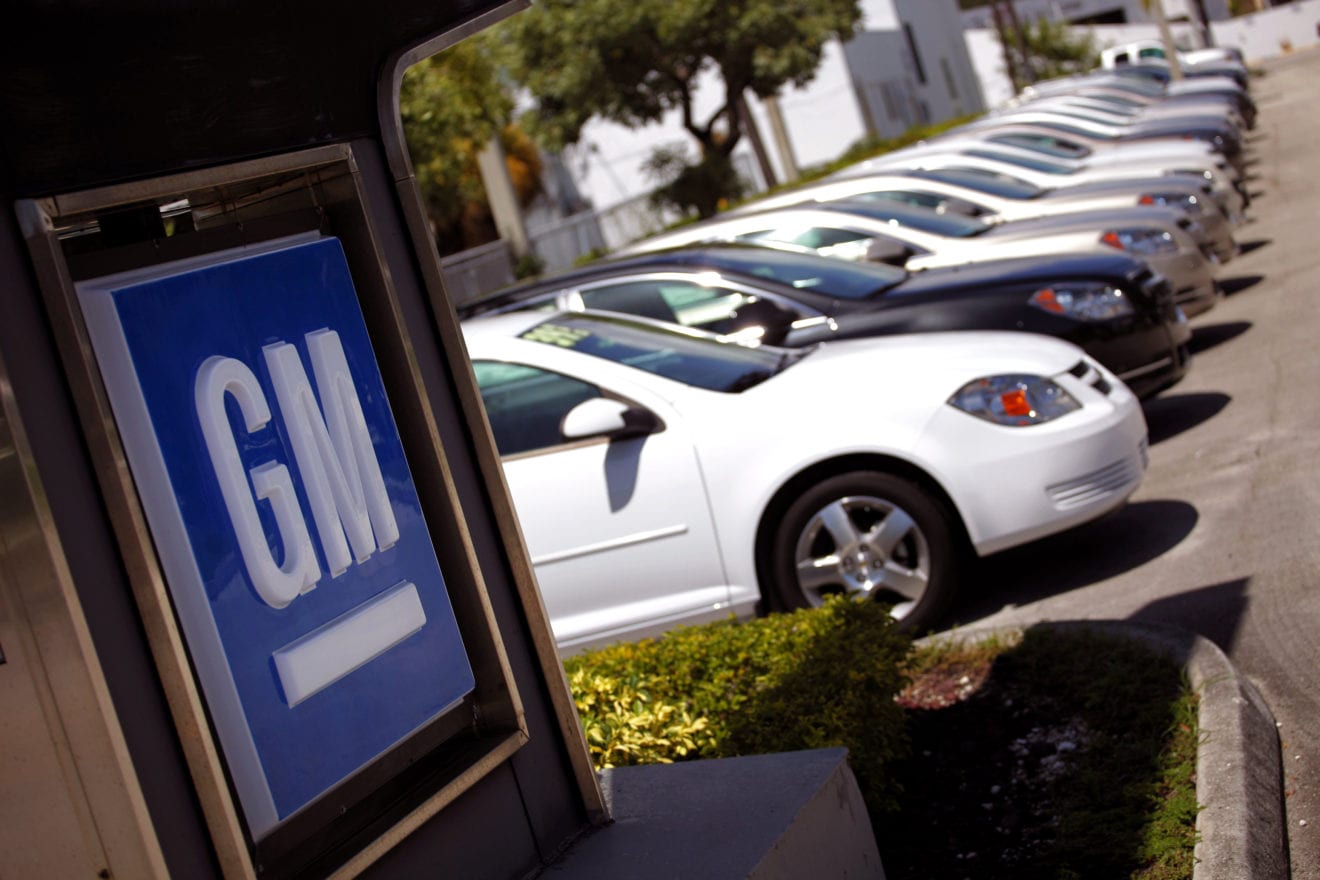
    General Motors (GM.N) has agreed to transfer its Vietnamese operation to VinFast Trading and Production LLC and distribute Chevrolet cars through the local carmaker, in a move that could help drive up its modest sales in the country.

    The U.S. automaker will transfer full ownership of its Hanoi factory to VinFast for the Vietnamese firm to produce small cars under a GM global license from 2019, the companies said in a statement on Thursday, without disclosing a value for the deal.

    As part of the deal, VinFast, a unit of Vietnam’s biggest private conglomerate – Vingroup JSC VIC.HM, will be the exclusive distributor of the Chevrolet in Vietnam.

    “The GM-VinFast strategic partnership will best position the Chevrolet brand and dealer network for long-term growth in Vietnam by leveraging GM’s global scale and expertise, married with VinFast’s domestic strength and insight,” said Barry Engle, executive vice president and president of GM International.

    The transfer, which includes GM’s Hanoi plant, dealer network and employee base, is expected to be conducted by the end of 2018, the companies said in the statement.

    GM used its Hanoi plant to assemble Chevrolets with parts imported from South Korea – a country where the U.S. automaker came close to bankruptcy as it struggled to turn around its debt-laden unit. GM Korea is GM’s biggest production base in Asia excluding China.

    The plant will be used solely to produce VinFast cars after the transfer, while Chevrolet cars will be imported.

    VinFast said this partnership with GM was “integral” to its plan to “launch a portfolio of five VinFast vehicles in 2019”.

    It is building a $1.5 billion factory in the northern province of Hai Phong and plans to launch a sedan and sport-utility vehicle in the third quarter of 2019, and a small car, electric car and electric bus by end-2019.

    “Our vision is to build an automobile manufacturing eco-system that will include assembly plants, local automotive suppliers and dealers, and a string of supporting industries,” said VinFast CEO Jim DeLuca.

    Vietnam’s automobile sales grew 24 percent in 2016 but fell 10 percent last year to 272,750 units, data from the Vietnam Automobile Manufacturers’ Association (VAMA) showed. Sales fell 6 percent in the first five months of 2018.

    While GM’s sales in Vietnam have been rising since 2014, its numbers last year were only an eighth of the country’s market leader, local Truong Hai Auto Corp, and a sixth of runner up Japanese rival Toyota Motor Corp (7203.T), VAMA data showed.

    Sales of the Chevrolet, the only vehicle GM offers in Vietnam, grew 8.5 percent to 10,576 units in 2017, lagging gains of 34.5 percent in Indonesia and 25.7 percent in Thailand.
  • Hugo Boss Men Vietnam introduces new concept

    Hugo Boss Men Vietnam introduces new concept

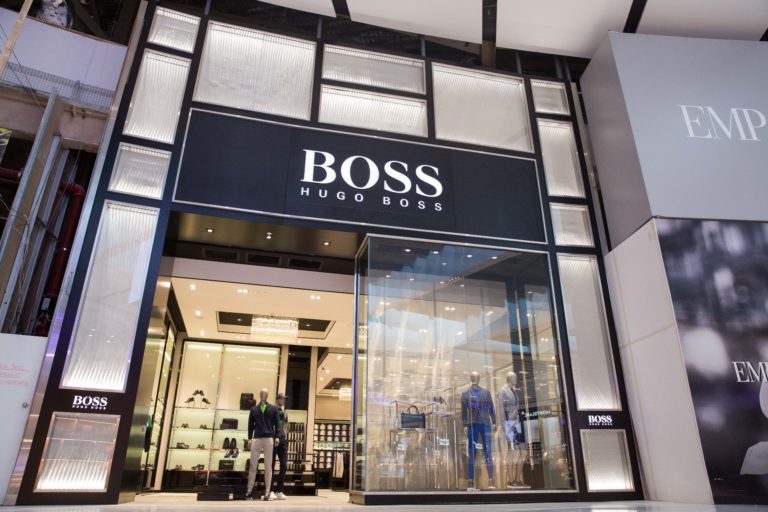
    Hugo Boss Vietnam has opened its first standalone store for men – Hugo – at Vincom Ba Trieu, Hanoi.

    Located at the front of the Vincom shopping centre, the 100sqm store displays basic items from the brand’s business and casual collections, along with Hugo’s Spring-Summer 2018 range.

    According to insider, Vietnam is the first market to get this new concept, with Singapore to follow in September.

  • Grab now has more rivals than ever before

    Grab now has more rivals than ever before

    From an e-hailing app, Grab has made great steps forward, providing many different services. Most recently, it started the payment service GrabPay and lending service Grab Financial.

    The consumer lending market in South East Asia is very large. As estimated by the World Bank, about 2 billion people in the world cannot access bank services, and most of them are in Asia Pacific.

    The non-cash payment market, according to Grab, is worth $500 billion in South East Asia.

    An analyst commented that Grab is wise taking a ‘roundabout’ approach to consumer lending (it conquered the transport market first before aiming for the consumer credit market).

    Consumer lending is a fertile business field for Chinese e-commerce firms. The firms offer online payment apps to users to ‘learn’ about their financial capability.

    Grab, as an app, quickly attracted users, especially investors. Just within six years, Grab became an unicorn company, i.e. an unlisted technology firm with valuation of $1 billion and higher, in South East Asia. Analysts estimate that Grab is valued at $6 billion.

    The total number of Grab downloads has reached 95 million all over South East Asia. This could serve as the launch pad for it to conquer the consumer lending market.

    The challenges 

    “GrabPay e-wallet will be used for both transport and food delivery services, two of the most used services in South East Asia,” said Jerry Lim, director of Grab Vietnam.

    However, the analyst said, by expanding its business, Grab would have to compete with more rivals who are ‘powers’ in their fields. In online payment, for example, it will have to compete not only with AirPay (Sea) and Alipay (Alibaba Group), but also with local firms such as ZaloPay (VNG) and MoMo.

    In Indonesia, Grab bought an e-commerce platform, Kudo, in April 2017. Grab believes that this is the factor which can help expand GrabPay. However, in Vietnam, Grab’s two big rivals – Sea and Alibaba — both have strong support from two popular e-commerce floors – Shopee Vietnam and Lazada Vietnam.

    Similarly, GrabFood has rivals in the food delivery sector, where Sea’s Now, which inherited the large custom from Foody, is the leader.

  • Japan leads foreign investors in Vietnam in year’s first half

    Japan leads foreign investors in Vietnam in year’s first half

    Foreign investors invested a total of over 20 billion USD in 1,366 new projects and 507 existing ones as well as in contributing capital and buying shares in domestic company in the reviewed period.

    With 5.06 billion USD, the Republic of Korea was Vietnam’s second biggest investor, followed by Singapore with 2.39 billion USD.

    During January-June, foreign investors poured their capital into 55 provinces and cities, in which Hanoi ranked first with 5.87 billion USD. The capital city was followed by Ho Chi Minh City (3.68 billion USD), and Ba Ria-Vung Tau province (1.93 billion USD).

    Manufacturing-processing industry continued to attract the most foreign direct investment (FDI) in Vietnam in the first half of 2018, with 7.91 billion USD, accounting for 38.9 percent of the total registered capital.

    It was followed by real estate, with 5.54 billion USD, and the wholesale and retail sector with 1.5 billion USD, making up 27.3 percent and 7.4 percent of the total, respectively.

    To date, Vietnam has attracted nearly 26,000 projects with a registered capital of 326 billion USD. Disbursement is estimated at 180 billion USD.

    Foreign investment accounts for 25 percent of the country’s total investments and contributes 20 percent of GDP. Last year, the sector contributed nearly 8 billion USD to the State budget, 14.4 percent of total revenue.

    At present, 58 percent of foreign investments focus on processing and manufacturing, generating half of industrial production value.

  • Thai investors acquiring more retail market share in Vietnam

    Thai investors acquiring more retail market share in Vietnam

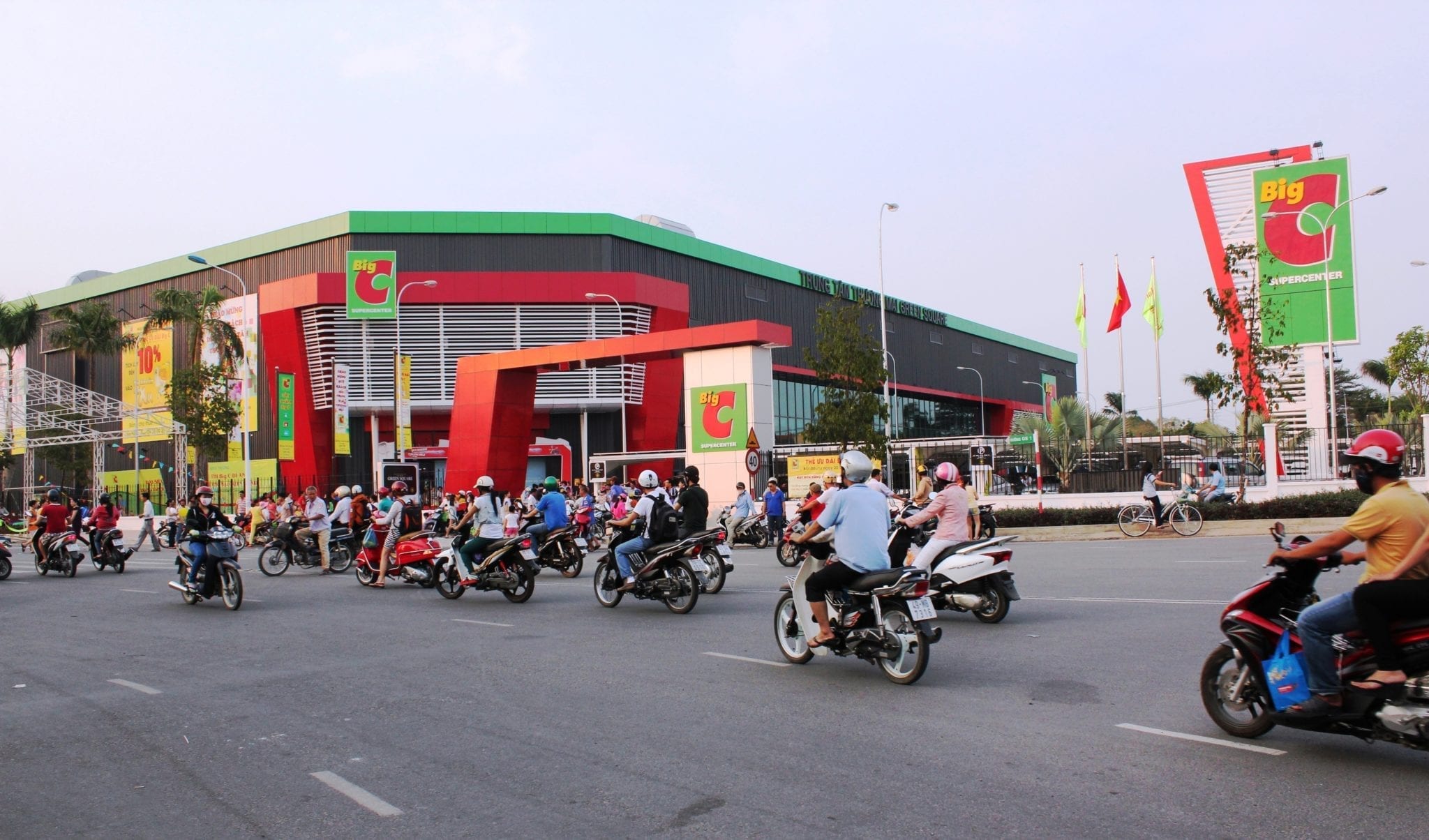
    In 2015, just after four years of establishment, Central Group Vietnam (CGV), acquired 49 percent of stake of Nguyen Kim. In 2016 alone, CGV acquired two big brands – Big C Vietnam and Lan Chi Mart. Through M&A deals, CGV has also brought other brands from Thailand and other countries to Vietnam.

    BJC, a subsidiary of TCC Holdings, has also been expanding in Vietnam. With MM Mega Market alone, BJC has 19 shopping centers, 3 entrepots in Da Lat (fresh vegetables and fruits), Dong Nai (fresh pork), Can Tho (seafood) and two general storehouses that provide fresh food. Besides, it also has B’s Mart with the network covering large cities.

    In 2016, after wrapping up the deal of taking over Metro Cash & Carry, BJC renamed the supermarket chain as MM Mega Market Vietnam, and since then, it has been following the business strategy with B2B (70 percent) and B2C (30 percent) Investment modes.

    Phidsanu Pongwatana, managing director of MM Mega Market, said the company is building the first pork entrepot in the north. It plans to open one to three distribution centers in the north next year, which will create 700 jobs.

    In 2017, CGV announced investment of $30 million to increase retail premises in Vietnam to 470,000 square meters.

    Meanwhile, the holding company in Thailand plans to invest $6.4 billion more in the next five years to expand the domestic and overseas markets, especially Vietnam, which is a key part in its plan to expand operation in the retail and hotel fields.

    Vietnam is considered a potential market, expected to bring to the group turnover four times higher in the next five years. It strives for revenue of $13 billion this year, an increase of 14 percent over 2017. Tos Chirathivat, CEO of Central Group, said the group would open 500 more shops in Vietnam by 2022.

    An analyst said Thai investors are now eyeing Vietnam because the market is witnessing development like Thailand did some decades ago with the rapid increase of the middle class and high economic growth rates.

    He also said the young population, increased consumption level, and the tariff cut to zero percent all have turned Vietnam into a vast market in ASEAN.

    According to the Foreign Investment Agency, the accumulative capital registered by Thai investors in Vietnam by March 2018 had reached $9.3 billion.

    With 490 projects, Thailand now ranks 10th among 126 countries and territories having FDI in Vietnam.

  • VN’s seafood exports to face difficulties following EC’s warning extension

    VN’s seafood exports to face difficulties following EC’s warning extension

    Truong Dinh Hoe, general secretary of the Vietnam Association of Seafood Exporters and Producers (VASEP), noted that the seafood volume sent to the European Union (EU) will drop as both exporters and importers will suffer from more time-consuming customs clearance procedures, resulting in higher costs.

    VASEP deputy general secretary Nguyen Hoai Nam pointed out that the EC will return to Vietnam next year to check whether the country has clamped down on illegal, unreported and unregulated fishing.

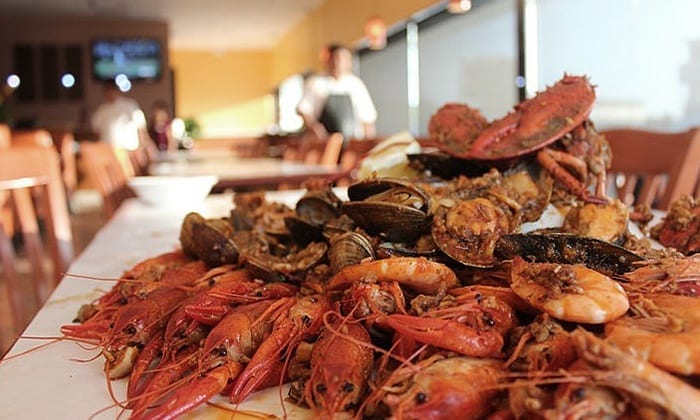
    Meanwhile, the country’s management of fishing and origin traceability remains inadequate. Vietnam currently has nearly 110,000 fishing boats, with 33,000 of them specializing in offshore fishing. However, only some 3,000 boats have satellite-positioning devices installed.

    Although the EC’s recommendations have been included in the 2017 fisheries law, decrees and guiding documents, law enforcement needs to be strengthened at the local level.

    Answering a question by Retail News on the possibility of a red card for Vietnam’s seafood, which would entail a complete ban on Vietnamese seafood exports, if the country fails to fix the situation as requested by the EC, Hoe said the EC is not likely to issue a red card as the local seafood sector is striving to cope with its shortcomings and comply with the EC’s recommendations.

    However, it is not easy to resolve the existing problems over the short term. Thailand, for example, has had a yellow card for several years, Hoe added.

    Nguyen Thi Trang Nhung, deputy director of the Department of Science, Technology and International Cooperation under the Directorate of Fisheries of the Ministry of Agriculture and Rural Development, said that the department will hold a press conference on the problem on July 3.

    The EC on October 23, 2017 announced a yellow card for Vietnam’s seafood exports to the EU market.

    The nine recommendations given to Vietnam to act on within the six-month period from October 23 last year to April 23, include ensuring the effective adoption of revised laws; enhancing the effective execution of international regulations and management measures; increasing the traceability of seafood products; preventing sales of products from illegal, unreported and unregulated fishing; and promoting cooperation with other countries.

  • Vietnam’s Mobile World sales rises

    Vietnam’s Mobile World sales rises

    Vietnam’s Mobile World saw a 43 per cent jump in revenue in the first five months of this year.

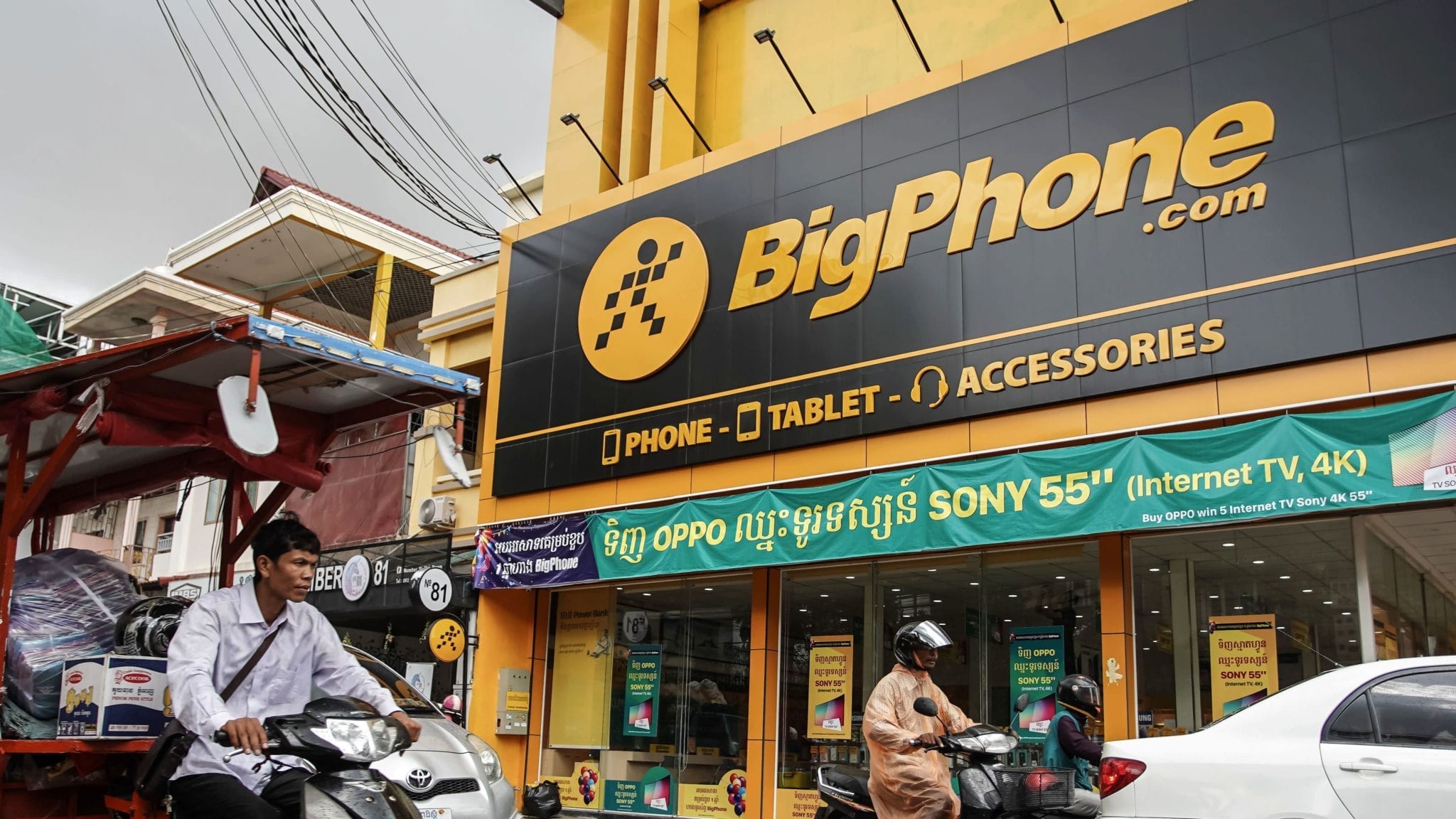
    The mobile device and consumer electronics retailer posted net sales of VND37 trillion (US$1.61 billion) and an after-tax profit of $55.8 million, 44 per cent up year-on-year.

    Of its divisions, electronic retail arm Dien May Xanh accounted for 56 per cent, mobile phone retail chain The Gioi Di Dong 41 per cent, and its fledgling grocery chain Bach Hoa Xanh 3 per cent.

    According to Mobile World’s CEO Tran Kinh Doanh, the company plans to expand Bach Hoa Xanh to 1000 stores in Ho Chi Minh City, and more in other provinces.

    The Gioi Di Dong chain has scaled down its network to 500 stores this year after closing six stores.

  • Vietnam’s Bamboo Airways commits to 20 Boeing aircraft

    Vietnam’s Bamboo Airways commits to 20 Boeing aircraft

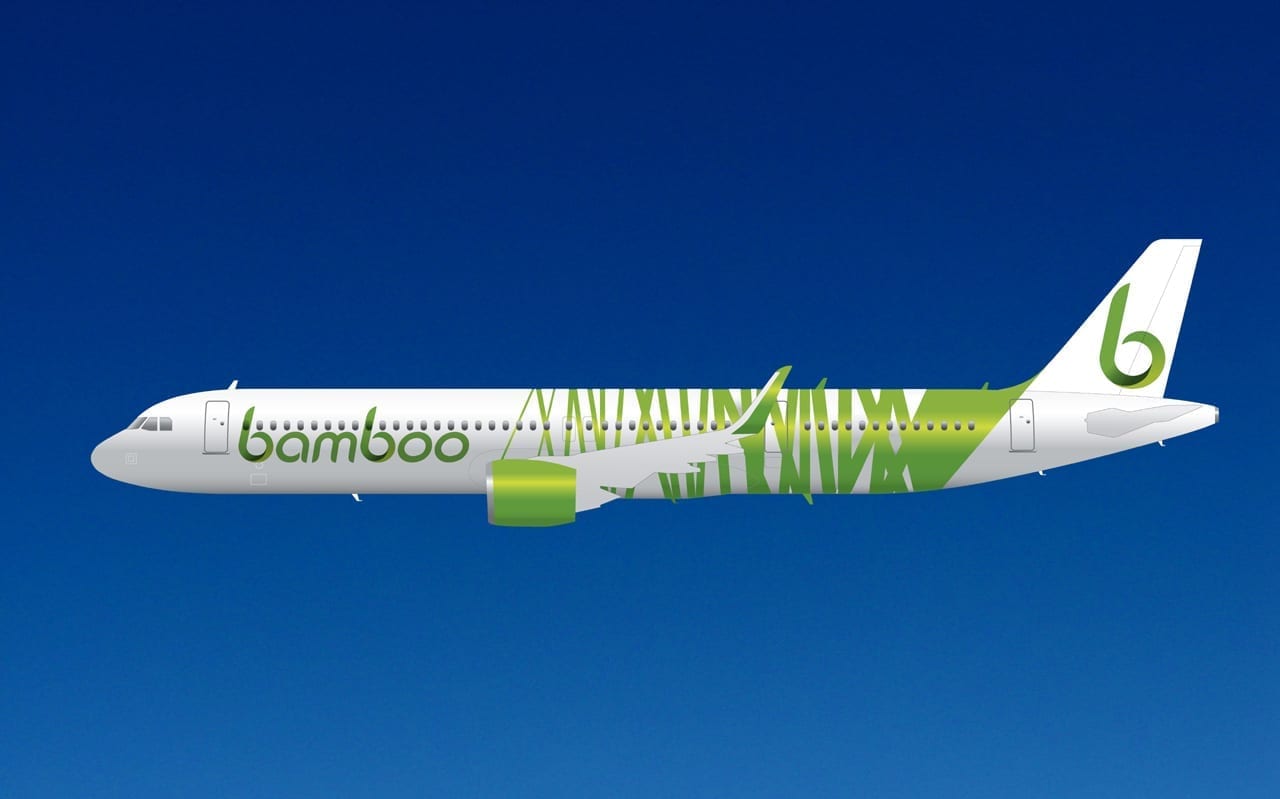
    Boeing Co (BA.N) said on Monday entered into an agreement to sell 20 of its widebody long-haul aircraft to Vietnamese startup Bamboo Airways in a $5.6 billion deal at current list prices.

    As part of the deal, which is yet to be finalized, FLC Group-owned FLC.HM Bamboo Airways has made a deposit in mid-June to reserve the 787-9 Dreamliners, whose delivery is likely to begin from April 2020, through 2021, Boeing said.

    Bamboo Airways plans to begin commercial operations next year out of Hanoi.

    FLC Group has also signed an initial agreement with Airbus SE (AIR.PA) in March for up to 24 A321neo aircraft.

  • Go-Jek to launch ride-hailing services in Vietnam

    Go-Jek to launch ride-hailing services in Vietnam

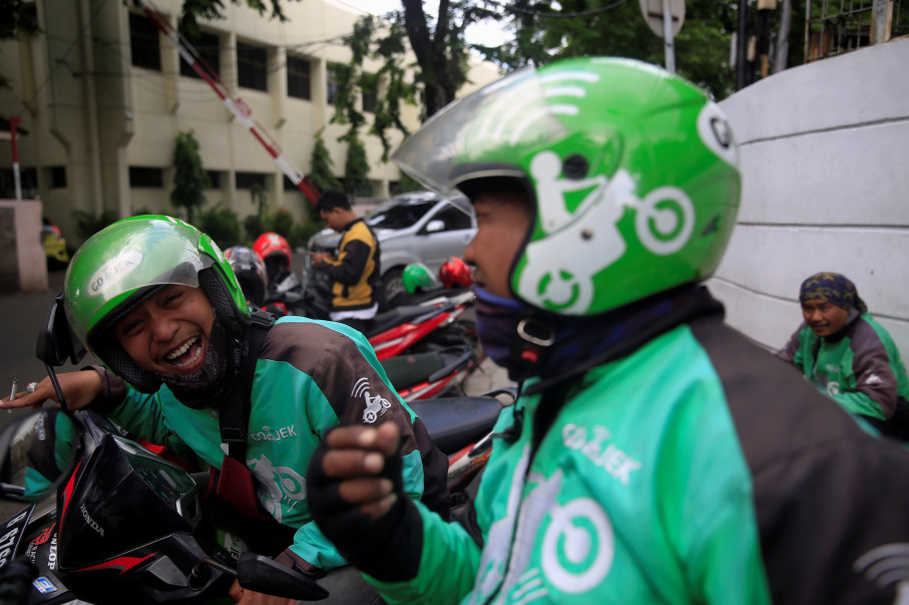
    Indonesian ride-hailing app Go-Jek will officially launch in Vietnam this July under the brand name of Go-Viet.

    The firm will be run by a group of Vietnamese managers.

    Go-Jek will provide Go-Viet with financial and technological backing, as well managerial inputs.

    “We believe that these in-country teams have the knowledge and experience to make the businesses in Vietnam a huge success,” said Nadiem Makarim, Go-Jek CEO and founder.

    He said local teams will have in-depth knowledge and expertise to operate in Vietnamese market.

    The app would first offer ride-hailing and on-demand logistics services to customers in HCMC before expanding to other cities and provinces with food delivery and other services.

    The launch of Go-Viet in Vietnam is part of Go-Jek’s plan to expand to Southeast Asian markets, including Vietnam, Thailand, Singapore and Philippines.

    Founded in 2010, Go-Jek has raised over $1.5 billion from investors like Google and China’s Tencent Holdings.

    Starting out as a phone-based motorbike ride-hailing app, Go-Jek is now a digital platform which offers transportation, logistics and delivery services.

    Go-Jek isn’t the only firm vying for a spot in Vietnam’s transport market. Singapore based blockchain-powered ride-hailing app MVL is also on the verge of entering.

    Ever since Uber left Vietnam in April, Grab has dominated the local market, and authorities are investigating possible breaches of anti-trust laws.

  • Vietnam’s Vinalines to go public in September

    Vietnam’s Vinalines to go public in September

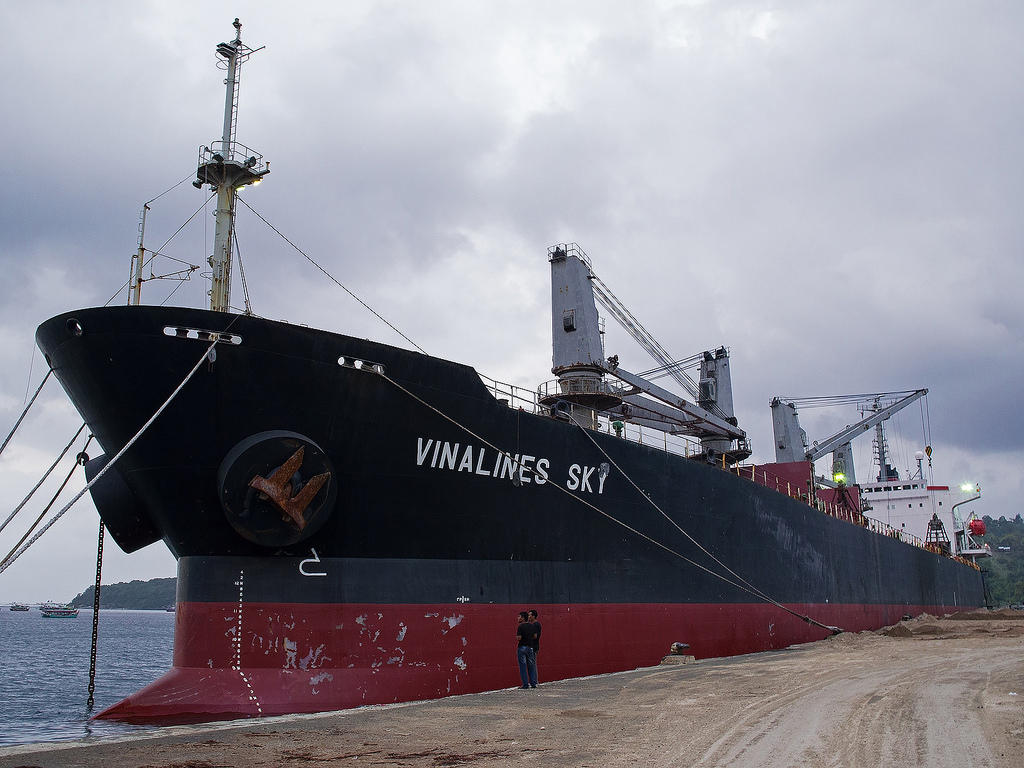
    Vietnam’s largest shipping firm and port operator has been given the go-ahead by the Prime Minister to hold its initial public offering (IPO) later this year.

    The equitization plan of State-owned Vinalines, or Vietnam National Shipping Lines, is a combination of divestment and share issuance.

    Nguyen Canh Tinh, acting general director of Vinalines, said the company will auction more than 280 million shares, equal to 20 percent of its total chartered capital of VND14.04 trillion ($616.6 million), on the Hanoi Stock Exchange in September. The shares will carry the code VLG.

    Around 207 million shares, or 14 percent of the capital after equitization, will be offered to strategic investors, and another 2 percent stake earmarked for employees and the trade union as preferred shares.

    The State will retain a 65 percent stake in the company, equal to nearly 913 million shares.

    Vinalines has been in talks with several investment funds, and some multinational companies and shipping firms from Japan, Thailand and South Korea about the share sale. South Korean automaker Hyundai Motor has expressed its interest in buying Vinalines shares.

    Vinalines, under the management of the Ministry of Transport, engages in shipping, port management and maritime service, and logistics activities in Vietnam and international markets.

    It posted a consolidated revenue of VND16 trillion in 2017, beating its annual target by 15 percent, resulting in a net profit of VND515 billion. Of that revenue, over VND4.4 trillion came from port services and VND7.1 trillion from transport services.

    Its assets were valued at more than VND18 trillion last year.

  • WHO backs Vietnam’s new tax proposal on sugary drinks

    WHO backs Vietnam’s new tax proposal on sugary drinks

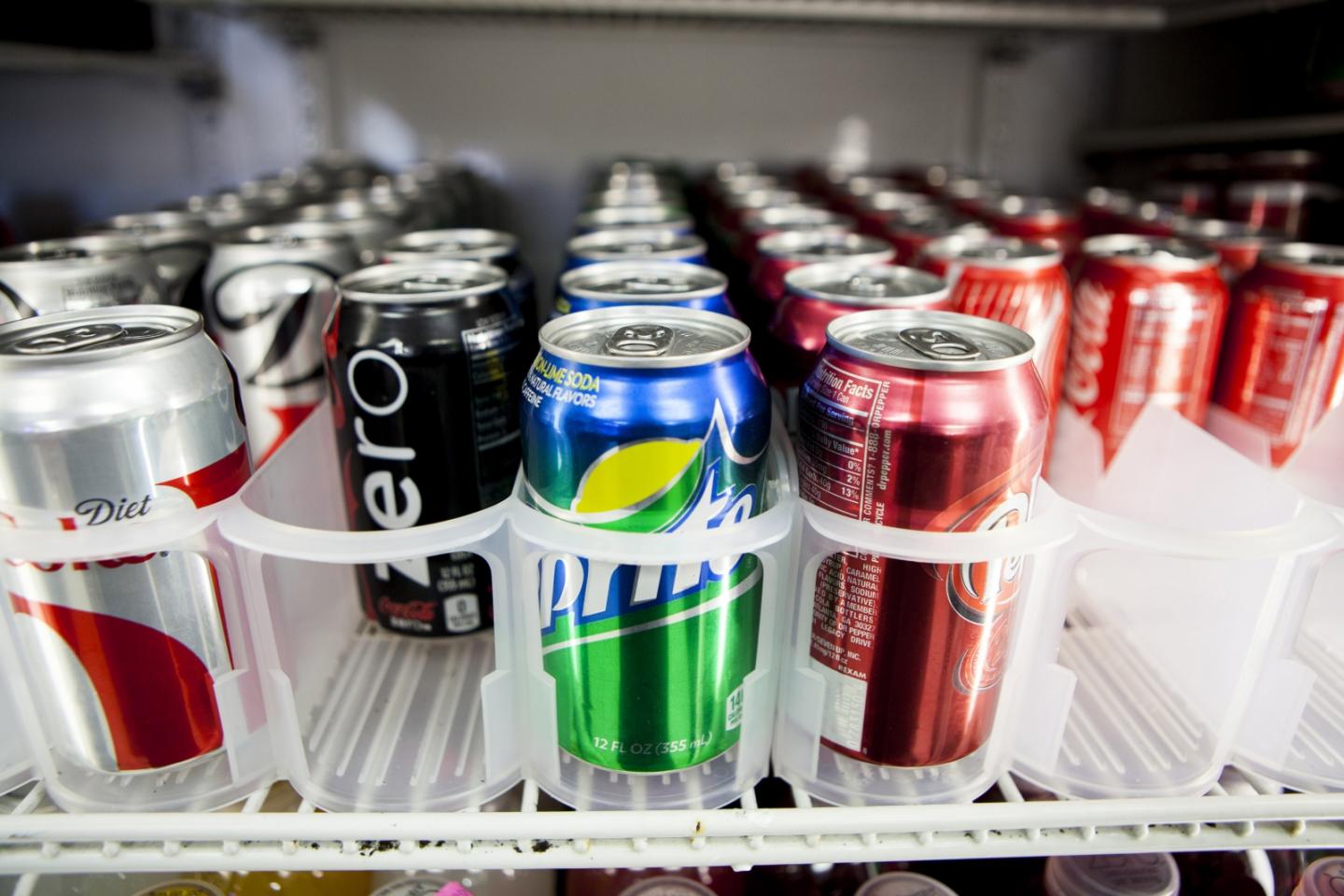
    World Health Organization (WHO) experts have expressed strong support for a new tax on sugary drinks proposed by the Ministry of Finance.

    The proposal, which will go into effect in 2019 if passed, will impose a 10 percent special consumption tax on different type of beverages, including sweetened drinks.

    While the tax aims to prompt a shift from unhealthy consumption habits, it has been criticized by business representatives and experts who say the industry is already taxed heavily.

    The tax proposal comes in the wake of Vietnam being put on high alert over its consumption of sugary drinks, which has skyrocketed over the last 15 years.

    The WHO noted that a fourth of Vietnam’s population was already obese or overweight.

    Guilermo Paraje, a WHO consultant, said the 10 percent special consumption tax will increase the average price of sweetened drinks in the Vietnamese market by 5 percent, and provide a VND4 trillion ($173.9 million) boost to the state budget.

    He further suggested three tax proposals that would increase the tax contribution to VND12 trillion – one liter of sweetened beverages will be taxed VND3,500; VND35 per gram of sugar in every 100 milliliters of a drink; or a 40 percent tax on factory price. All three options will increase average soda prices by 20 percent.

    “People will substitute sugary drinks with water or other products, leading to alternative jobs. The industry has also experienced industrialization so there are not many job opportunities in this sector,” Paraje said.

    Dr. Jun Nakagawa, WHO representative in Vietnam, said excessive consumption of sugar was the leading cause of overweight and obesity, which are linked to many health risks such as diabetes, heart disease and gout.

    Vietnam has added sugary drinks to the list of items to be placed under stricter control and tax regulations, along with cigarettes and alcohol.

    The government has banned the sale of soft drinks in all school canteens across Vietnam.

    Truong Tuyet Mai, deputy director of the National Institute of Nutrition, said that Vietnamese people are forecast to consume over 5 billion liters of sweetened drinks in 2018, nine times more than in 2000, and the figure is estimated to reach 11 billion by 2025.

    The new 10 percent special consumption tax would also accrue to other beverages, including carbonated or non-carbonated soft drinks, juices, flavored water, energy drinks, instant tea, pre-packed coffee and flavored milk.

  • Vietnam slams brakes on GrabTaxi plan to expand operations

    Vietnam slams brakes on GrabTaxi plan to expand operations

    The Transport Ministry has shot down a GrabTaxi plan to extend its services to provinces like Ninh Thuan, Dong Thap and Gia Lai.

    The ride-hailing firm now is allowed to operate in the five cities and provinces of Hanoi, Ho Chi Minh, Da Nang, Khanh Hoa and Quang Ninh.

    However, the firm said its GrabTaxi service is quite different from the GrabCar, so GrabTaxi should be allowed to operate nationwide.

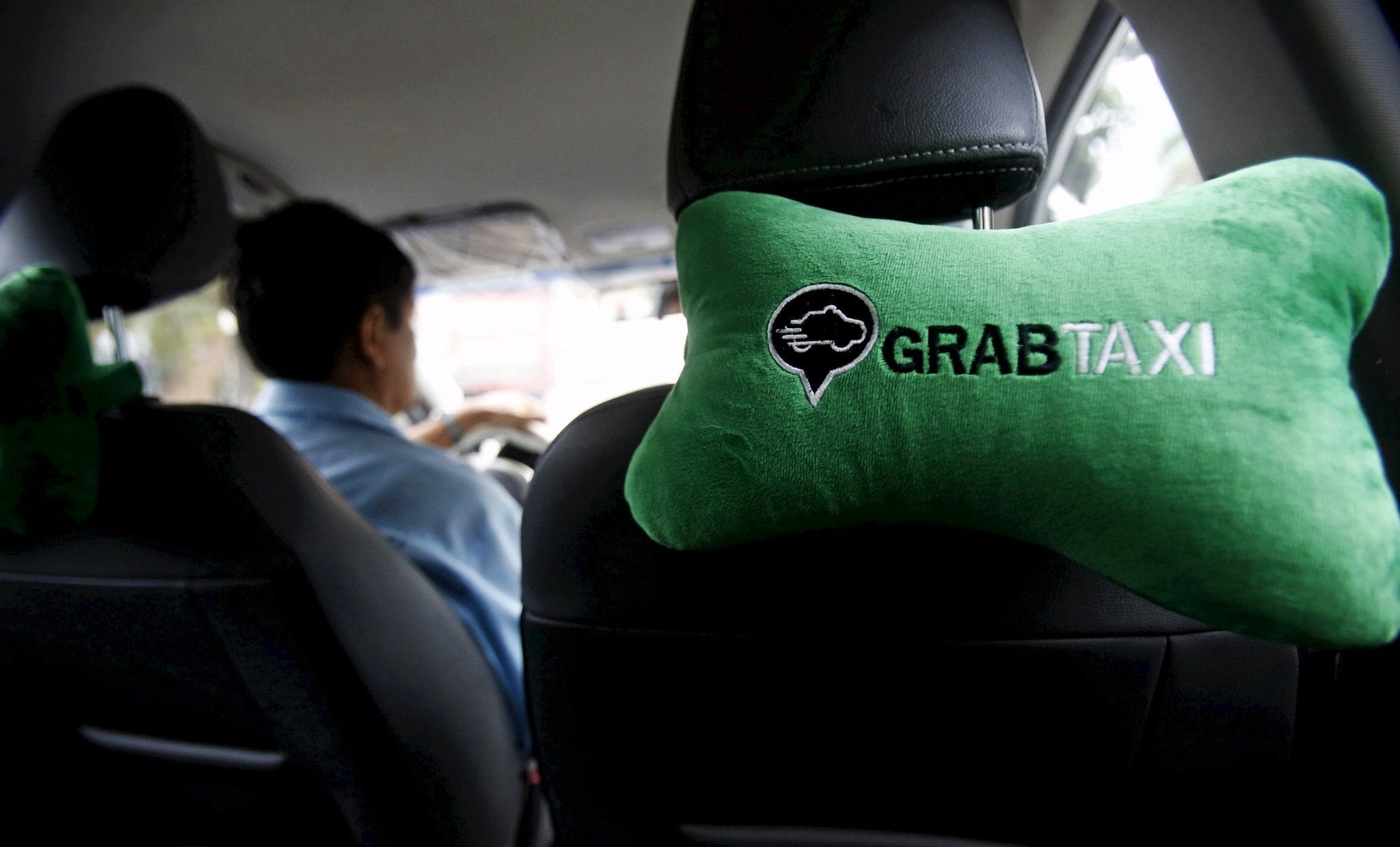
    Both GrabTaxi and GrabCar operate under the same Grab application, but GrabTaxi offers a run-of-the mill taxi service, while GrabCar is a service which connects customers with private cars for ride-hailing purposes.

    In January, a GrabTaxi representative said: “The firm always abides the law and we do not allow GrabCar to operate outside the Ministry of Transport’s designated cities and provinces.”

    Grab is currently under an investigation by Vietnamese authorities after its acquisition of Uber’s Southeast Asia operations shows signs of breaching local antitrust laws.

    The investigation, which began on May 18, is estimated to take 180 days and can be extended by another 120 days, said the Vietnam Competition Authority (VCA) under the Ministry of Industry and Trade.

    Prior to the statement, a VCA investigation had found that Grab’s market share in Vietnam had exceeded 50 percent since its ride-hailing rival Uber left the Southeast Asian market in April.

    Vietnam’s 2004 Competition Law requires that all mergers and acquisitions (M&As) that result in a company gaining over 30 percent of market share must be reported to competition authorities.

    M&As that result in a company gaining over 50 percent of market share are restricted.

  • Imports driving Vietnam cattle farmers out of business

    Imports driving Vietnam cattle farmers out of business

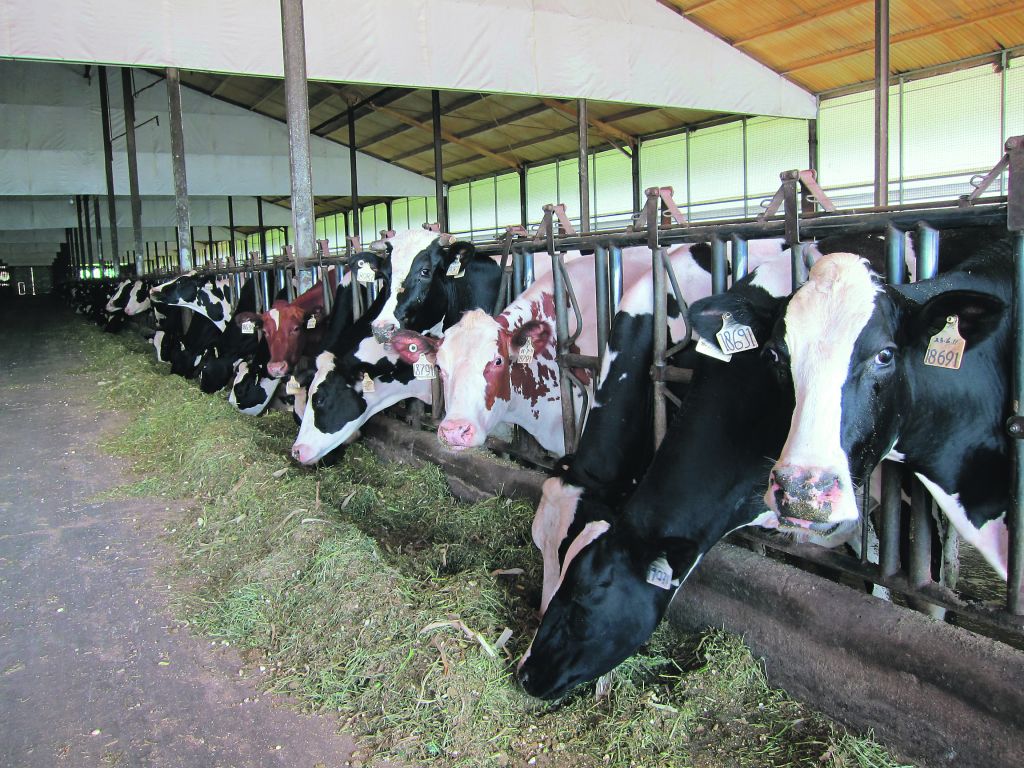
    Vietnamese beef prices have been falling because of a market glut, while imported beef is flexing its competitive muscles, offering higher quality for similar prices.

    In the central province of Ninh Thuan, dealers are buying a head of cattle from farmers for just VND7-8 million ($304.3-347.8), a third of the VND20-21 million price it fetched two years ago.

    Dealers in the southern province of Soc Trang province are also giving farmers a hard time, buying beef at VND40,000 per kilogram, 40 percent of the price in 2016.

    “I have never seen beef prices so low,” livestock farmer Lam Sanh said, adding that he might have to quit and find another way to make a living.

    With prices falling over the last two years, small-scaled cattle farmers have been switching to different vocations, a husbandry official in An Giang province said.

    The number of cows and buffaloes raised in Vietnam has fallen to five million now from nearly seven million in 2006, according to the Vietnam Animal Husbandry Association.

    Vietnamese beef is having a difficult time competing with imported beef, which comes in abundance and is priced reasonably, Tong Xuan Chinh, deputy head of the Animal Husbandry Department said.

    Last year, the country imported more than 262,300 heads of cattle, and nearly 42,000 tons of beef and buffalo meat, valued at more than $410 million, according to the Animal Husbandry Department under the Ministry of Agriculture and Rural Development.

    Dealers are putting pressure on farmers to sell their cows at a low price because beef imported from the U.S. and Australia are abundantly available in supermarkets and sold at the same price as local beef at VND250,000–400,000.

    At this price, imported beef is being favored by consumers concerned about safety issues that have plagued the Vietnamese food market in recent years.

    The Vietnamese government has issued policies to assist local cattle farmers but these have not led to raising the scale of production and ability to provide better quality at lower prices.

    “The competition between local beef and imported beef will continue to be intense,” Chinh said.

  • Higher oil prices boost profits for Vietnam’s PV Gas

    Higher oil prices boost profits for Vietnam’s PV Gas

    PetroVietnam Gas Corporation, Vietnam’s biggest listed energy firm, posted first half net revenues of VND37.5 trillion ($1.65 billion), equal to 66 percent of its annual target.

    Its pre-tax profit jumped to VND6.6 trillion ($290 million), representing 82 percent of the year’s target.

    The booming results were driven by higher global oil prices which traded around $71 per barrel in the first six months of the year, exceeding the company’s expectations by 42 percent, and increased production of light oil, LPG and condensate.

    Le Nhu Linh, Chairman of the Ho Chi Minh-based company, also known as PV Gas, said the company is undertaking 24 projects this year, including pipelines that transport natural gas directly to consumers.

    “To ensure gas supply, our company is negotiating with international partners to import gas from Indonesia and Malaysia through pipelines,” he said.

    The company is also building infrastructure for liquefied natural gas (LNG) imports and seeking contractors for an LNG storage facility that can hold 1 million tons per annum.

    Furthermore, PV Gas is looking to raise its stakes in two associate companies – PetroVietnam Southern Gas JSC and PetroVietnam Northern Gas JSC – to 51 percent in the second half of the year. It is also working on a plan for PetroVietnam, its parent company, to cut its ownership in PV Gas.

    The company targets VND55.7 trillion ($2.4 billion) in total revenue in 2018 and VND6.4 trillion ($281 million) in post-tax profit, down 3.5 and 33.5 percent respectively from last year. These figures are based on expectations of crude priced at $50 a barrel and lower output this year.

    PV GAS stock closed up 5.75 percent at VND92,000 per share on the southern stock exchange last week.

  • Southeast Asia’s largest solar project to be built in Vietnam

    Southeast Asia’s largest solar project to be built in Vietnam

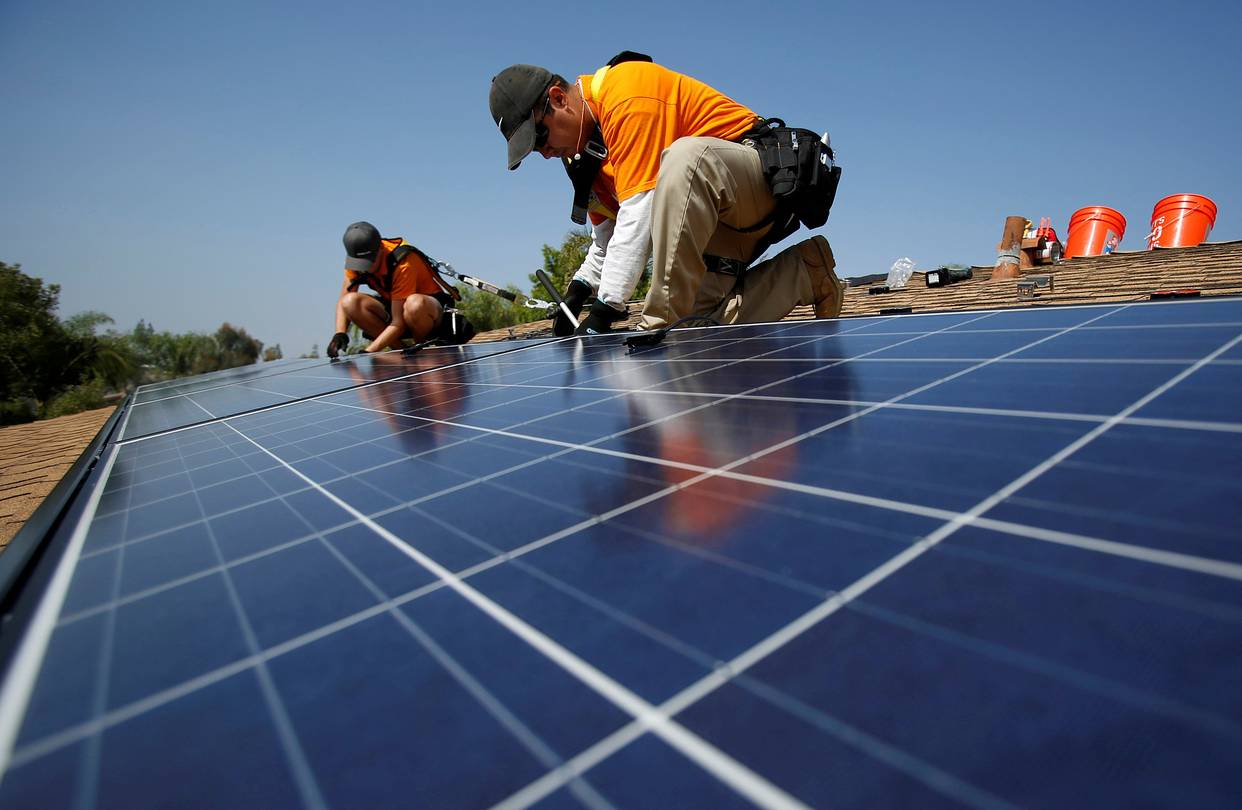
    Vietnamese construction firm Xuan Cau and Thailand conglomerate B.Grimm have teamed up to build Southeast Asia’s largest solar power plant in Tay Ninh Province.

    The signing of the joint venture agreement in Bangkok was witnessed by the prime ministers of both countries.

    The $420 million, 420MW project is set to be commissioned in June 2019, said Preeyanart Soontornwata, CEO of the B.Grimm Power Public Company.

    With Vietnam’s electricity demand growing significantly, B.Grimm estimates that the project will eventually account for 30 percent the company’s total income.

    Solar power currently accounts for 0.01 percent of the country’s total power output, but the government plans to increase the ratio to 3.3 percent by 2030 and 20 percent by 2050.

    Vietnam depends largely on hydropower and thermal power plants for its electricity demands, but the projects have often drawn criticism from both local and international communities due to environmental concerns.

    Vietnam is aiming to produce 10.7 percent of its electricity through renewable energy by 2030, mainly through solar and wind energy.

    Earlier this month, Prime Minister Nguyen Xuan Phuc said that Vietnam aimed to increase the number of households using solar energy from the current 4.3 percent to 26 percent by 2030.