Tag: Vietnam

  • Wealthy Vietnamese foot big bills for high-end furniture

    Wealthy Vietnamese foot big bills for high-end furniture

    Affluent Vietnamese have become big spenders on interior goods and Italian furniture is particularly favoured, industry insiders say.

    Research and consulting firm Concetti says Vietnamese consumers spent $15.6 million on luxury furniture from Italy in 2017.

    “With enhanced living conditions and developed taste, many wealthy Vietnamese are buying high-end, imported furniture from European countries,” said Pham Tu, Vice President of HCMC Architecture Federation.

    He was backed by Paolo Lemma, Italian Trade Commissioner to Vietnam, who said: “Over the last three years, import of furniture to Vietnam grew at an average rate of 33 percent. Italy ranks first among European countries exporting to Vietnam and the third worldwide, covering seven percent of Vietnamese market.

    Italian interiors are also popular among the well-heeled, and price is not a major factor when they make purchasing decisions.

    “Our prices range from $1,500 to $23,000 and can go even higher for customized products. We mainly focus on rich and upper class customers in Vietnam,” said Leonardo Cangioli, representative of an Italian lamp-making company.

    “We know the prices are not low, but we are confident that our products are going to sell well in Vietnam, because the number of moneyed and affluent people here is on the rise, as is the demand for imported goods,” Cangioli said.

    Below the top rung of luxury interiors, China remains the leading exporter of furniture to Vietnam, because its products are more diverse and cheaper.

    The “middle and affluent class” in Vietnam, categorized as those earning $714 a month or more, will double to 33 million people, about a third of the population, between 2014 and 2020, citing the Boston Consulting Group.

    Meanwhile, market research firm Nielsen estimates that the number of middle and affluent class Vietnamese citizens will reach 44 million by 2020 and 95 million by 2030.
  • Vietnam’s first driver-less car gets the green light

    Vietnam’s first driver-less car gets the green light

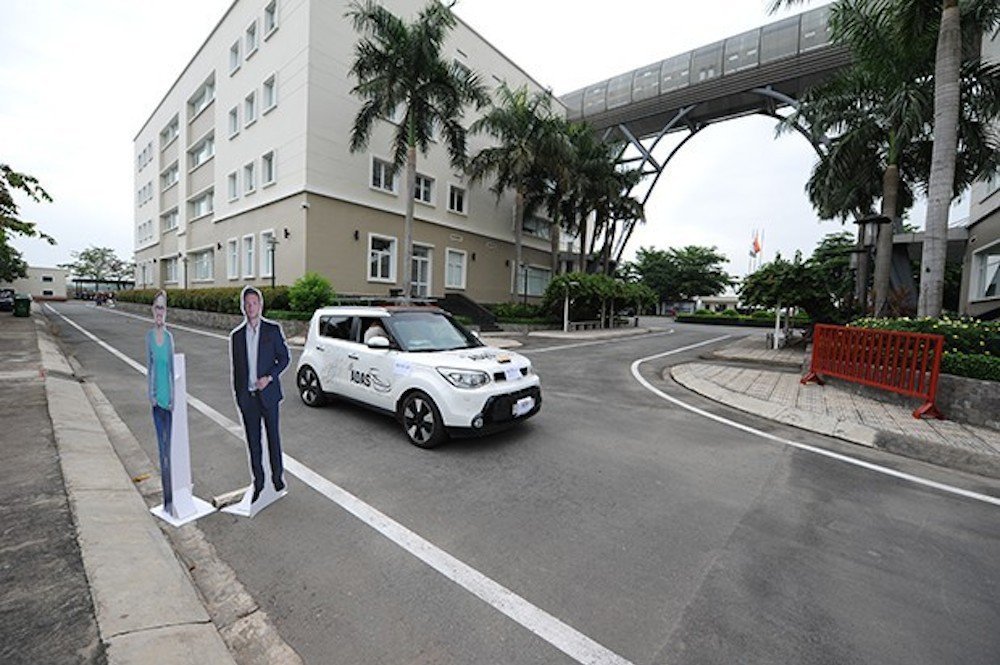
    An FPT Software request to pilot its self-driving cars in Vietnam’s hi-tech zones and software parks has received a positive response from the Transport Ministry.

    The ministry said it supports FPT’s plan because it was in line with global trends and confirmed to the Government’s agenda to foster the fourth industrial revolution (Industry 4.0).

    It instructed FPT to seek authorization from the high tech parks’ management board before testing the autonomous cars on internal roads of the Saigon High Tech Park in Ho Chi Minh City’s District 9 and take responsibility for traffic security during the trial.

    The tech giant has also been asked to report on tests carried out with the driver-less car and propose solutions to tackle any possible problems that may arise once it is put to test on public roads.

    Pham Minh Tuan, general director of FPT Software, said that the company had established two years ago a strategic unit specializing in automotive technology solutions.

    FPT Global Automotive (FGA) has three main focuses: self-propelled car, safety system, and entertainment system, he said.

    The unit now has a 2,000-person team dedicated to hardware and software development, and mechanical design. It is ready to develop most of the car’s functions, he said.

    FPT had introduced the first self-propelled car in Vietnam on October 31, 2017.

    The Hanoi-based company has been operating autonomous cars around the FPT complexes in the central city of Da Nang and F-town campus within the Saigon High Tech Park.

    The self-driving vehicles have an average speed of 20-25kph and can reach up to 40kph on straight stretches. They can self-align, change lanes and avoid obstacles or tripping when needed. The vehicles have had over 1,000 hours of self-steering, with no problems in weathering different conditions including sunshine, rain and low light.

    FPT is working to perfect the vehicle’s brake system and other functions like GPS, direction guide and built-in voice response control.

    The new initiative builds on FPT Software’s work in implementing more than 150 projects in the automotive industry for more than 20 clients in Japan, South Korea, Europe and the United States.

    It aims to reach $200 million in automotive-related sales by 2020, including software, design, analysis and IC design.

    The corporation also aims to supply 10 per cent of the world’s self-propelled automotive software by 2025.

  • Vietnam textile firm bets on eco-friendly products

    Vietnam textile firm bets on eco-friendly products

    For price conscious Vietnamese consumers, an organic product more expensive than its normal version is not an attractive option, but one firm has decided to be persistent.

    The Phong Phu Textile and Garment Company introduced its made-in-Vietnam eco-friendly towel brand last December, attracting media attention as one of the first firms in the country to produce an organic textile product.

    The Mollis Organic towels are made from 100 percent organic cotton. No genetically modified organism, chemical fertilizer or pesticides are used in the making of this product, the company asserts.

    The company would strive to bring organic products to its customers although their production costs are high and profits uncertain, Pham Xuan Trinh, CEO of the Phong Phu Textile and Garment Company said.

    The company prices its organic towels from VND60,000-250,000 ($2.62-$10.91) depending on the size, about 20 percent higher than conventional products, while made-in-China towels are sold for just VND15,000 ($0.65).

    Since awareness of the importance and advantages of organic products is relatively low among a majority of Vietnamese consumers, Phong Phu is struggling to sell its organic towels to local customers.

    “We’ll continue to invest in organic products despite low profits with the hope that one day Vietnamese customers will see the true value of organic products,” he said.

    The company spent VND4 billion ($174,600) last year on research and development for its organic products.

    As Vietnam’s conditions are not currently suitable for growing organic cotton, the company imports its material from Bangladesh, India and Israel. The processing and manufacturing processes happen in Vietnam.

    The company has so far exported its organic towels to Japan and South Korea, aiming at the high-income customers in these countries.

    Phong Phu recorded a profit of VND149 billion ($6.5 million) in the first half this year, a growth of 7 percent from the same time last year, but most of it came from conventional non-organic products, including towels and denim jeans.

  • Vietnam stock market hits new low, could go lower

    Vietnam stock market hits new low, could go lower

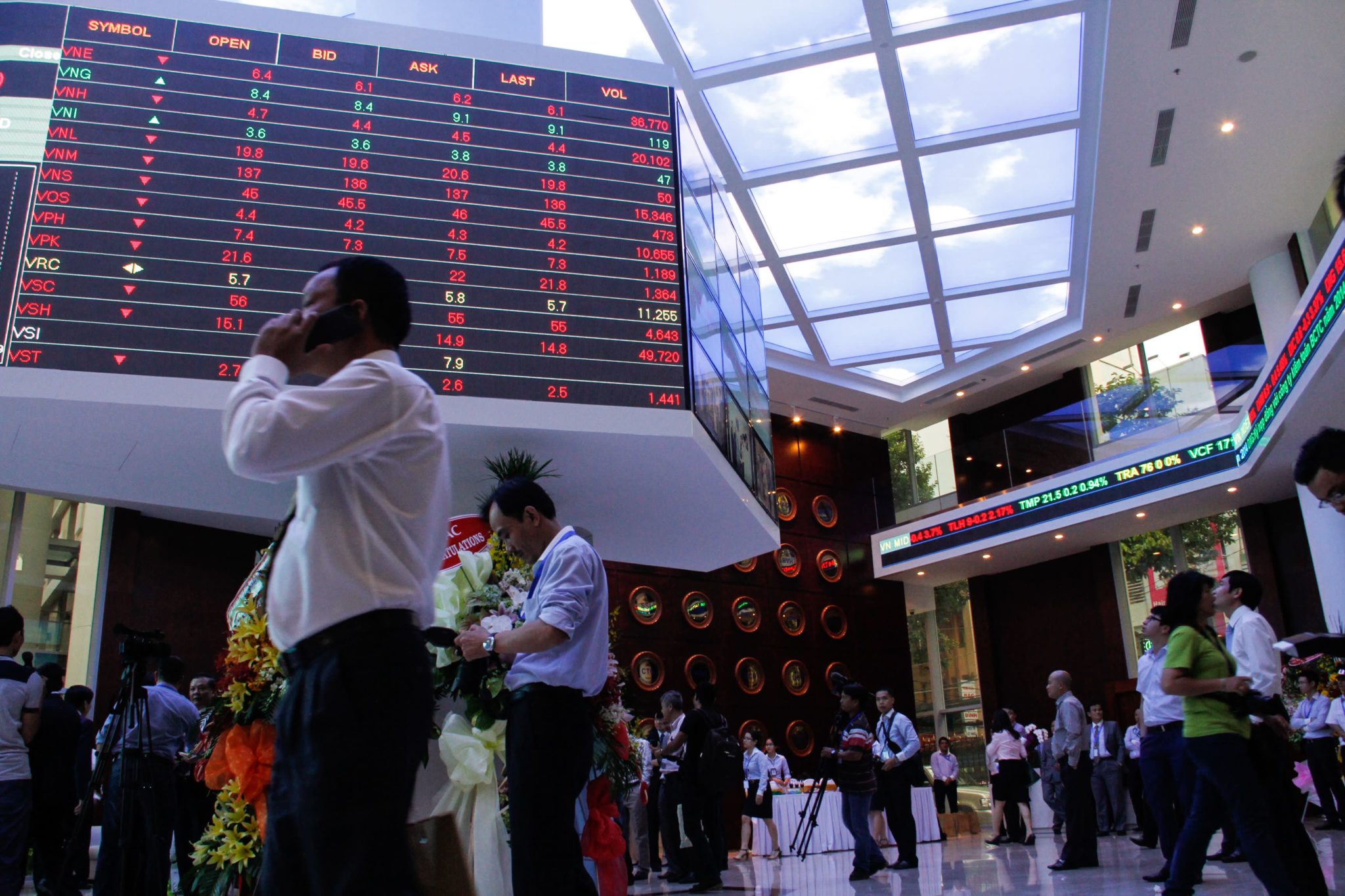
    Vietnam’s stock market fell 4.11 percent on Tuesday afternoon, hitting its lowest point this year, following a dramatic plunge in the second quarter.

    The country’s benchmark stock index, VN-Index, fell 39 points to 908.26 by 2:25 p.m. Tuesday, while the VN30-Index, representing a group of 30 largest capitalization stocks in the country, also fell by 3.7 percent to 895.86.

    The smaller HNX-Index on the Hanoi Stock Exchange and the UPCoM-Index for unlisted companies also dipped 3.7 percent and more than two percent, respectively.

    Shares of banks, including Vietcombank and ACB, plunged 4-5 percent.

    Meanwhile, blue chip stocks like Vinhomes JSC (VHM), Vingroup JSC (VIC), and steelmaker Hoa Sen Group (HSG) were being sold en masse, driving down the entire market.

    This marks a further drop in Vietnam’s stock market after it plunged 18.19 percent in the second quarter this year, making it the worst-performing market in the world.

    Local stock companies have anticipated that the VN-Index could fall to 900 points and even further.

    Vietnam’s stock market had experienced its heyday since last year, when it hit a 10-year high and reached 984.24 points in the last trading session of 2017. It had not broken the 800-point barrier since 2008.

    Continuing its good run, the VN-Index grew 19.33 percent in the first three months of this year, becoming the best-performing market in the world.

    It passed the 1,200-point level on April 9, and has hovered at above 900 since then.

  • Innisfree Vietnam, Malaysia to go bigger

    Innisfree Vietnam, Malaysia to go bigger

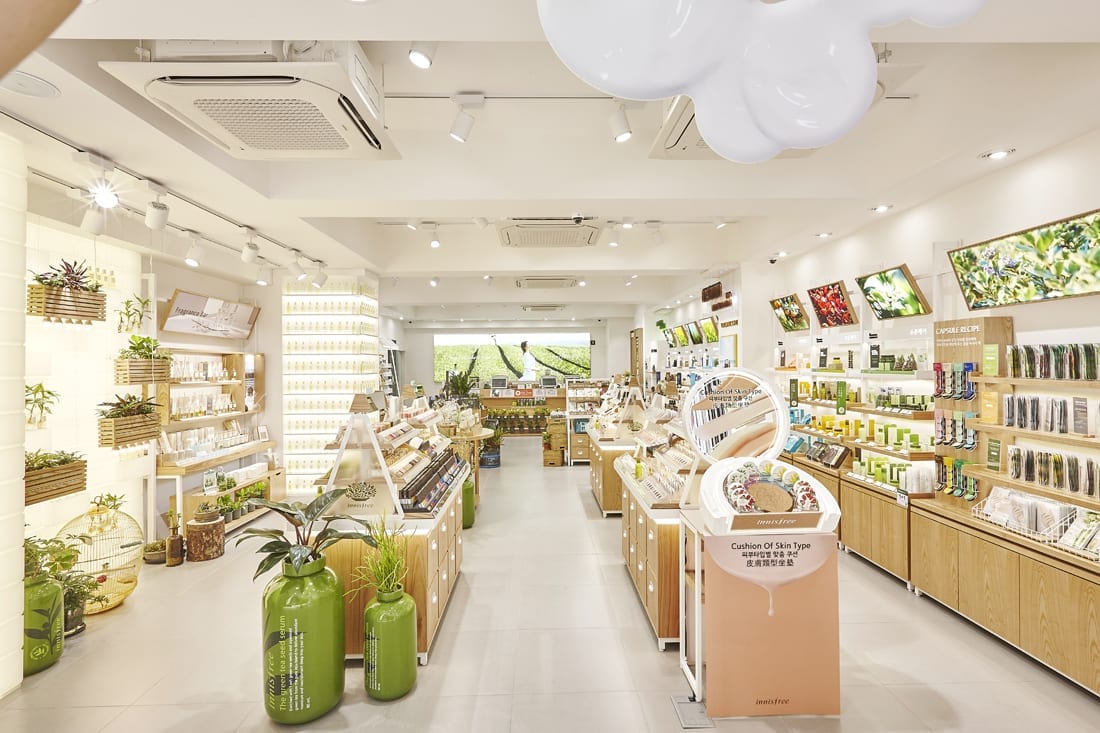
    Amorepacific-owned Innisfree Vietnam has opened its first store in Hanoi, the brand’s fifth in the country.

    Located at 290 Ba Trieu Street, Innisfree Hanoi ranges skincare and makeup products for men and women.

    Opening day saw long queues of the brand’s fans who had been looking forward to the brand having a Hanoi presence for two years.

    In Malaysia, Innisfree has teamed with travel retailer Dimensi Eksklusif to make its debut at Kuala Lumpur International Airport.

    KLIA is Innisfree’s latest airport store outside Korea after Singapore’s Changi and Hong Kong International Airport.

    Sales of perfumes and cosmetics at KLIA in the first quarter of this year grew by 29 per cent and are expected to continue to grow, attracting more world-renowned brands to open there.

    Innisfree has nine stores in Malaysia.

  • Vietnamese consumers among world’s most positive

    Vietnamese consumers among world’s most positive

    Vietnamese consumer confidence index achieved its highest score in the last decade, placing it as the fourth most optimistic country in the world, according to market research firm Nielsen.

    The index reached 124 points in the first quarter of 2018, up 9 points over the same period last year.

    “The great economic growth across industries, combined with strong foreign investment flows, increasing household incomes and proper government policies have resulted in optimism among consumers,” said Nguyen Huong Quynh, Managing Director of Nielsen Vietnam.

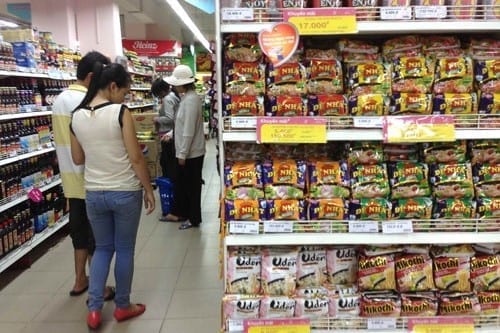
    “However, positive sentiments did not lead to strong fast moving consumer goods (FMCG) sales in Vietnam, with the market up just 1.8 percent in Q1. The growth was slower than expected and reflected the characteristic of FMCG industry in Vietnam, possibly due to changing consumer behaviors,” Quynh added.

    Having a stable job and good health remains key concerns of Vietnamese consumers. In this quarter, the top five concerns of Vietnamese consumers remained the same as last year. Job security topped the list with 43 percent, followed by health and wellness (41 percent). Other concerns included work-life balance and economic status with both at 23 percent.

    The Nielsen report said Southeast Asia and North America showed the highest level of consumer confidence. The confidence score of consumers in Southeast Asia increased 2 points from 119 in fourth quarter of 2017 to 121 in first quarter of this year.

  • Vietnam H1 seafood exports up 12.3 pct

    Vietnam H1 seafood exports up 12.3 pct

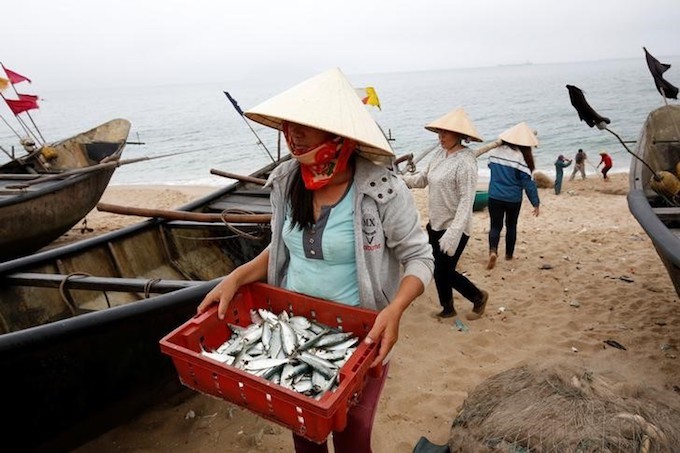
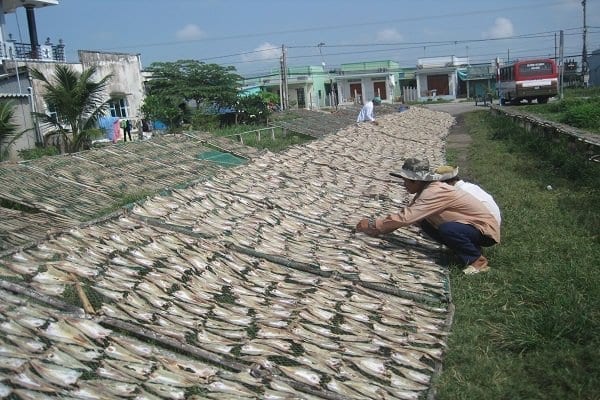
    Seafood export value rose 12.3 percent year-on-year in the first half of 2018 to reach $4 billion, according to the Vietnam Association of Seafood Exporters and Producers (VASEP).

    Shrimp led the export earnings with $1.6 billion, followed by catfish and tuna. Catfish export value experienced the most significant increase by reaching $1 billion, a 21 percent increase over the same period last year.

    Except for the European Union (EU), catfish exports to other markets saw positive growth, especially China and the United States. VASEP expects catfish exports increase dramatically throughout the year.

    The U.S. remained the biggest importer of Vietnamese seafood at $620 million in the first six months, followed by Japan and China. Mexico was the fastest growing market with $50 million, an increase of nearly 77 percent over the same period last year.

    Previously, the EU “yellow card”, a warning to Vietnam seafood about export bans if it failed to tackle illegal fishing, had disrupted tuna and other seafood exports in the first 3-4 months of the year, causing total exports to the European market to slow down. However, exports to this market are forecast to rebound in the second half of the year.

    Vietnam ranks among the top ten seafood producers in the world, according to the FAO, the U.N. food and agriculture organisation.

    Vietnam exported $8.32 billion worth of seafood last year, an 18 percent growth over 2016, said the VASEP.

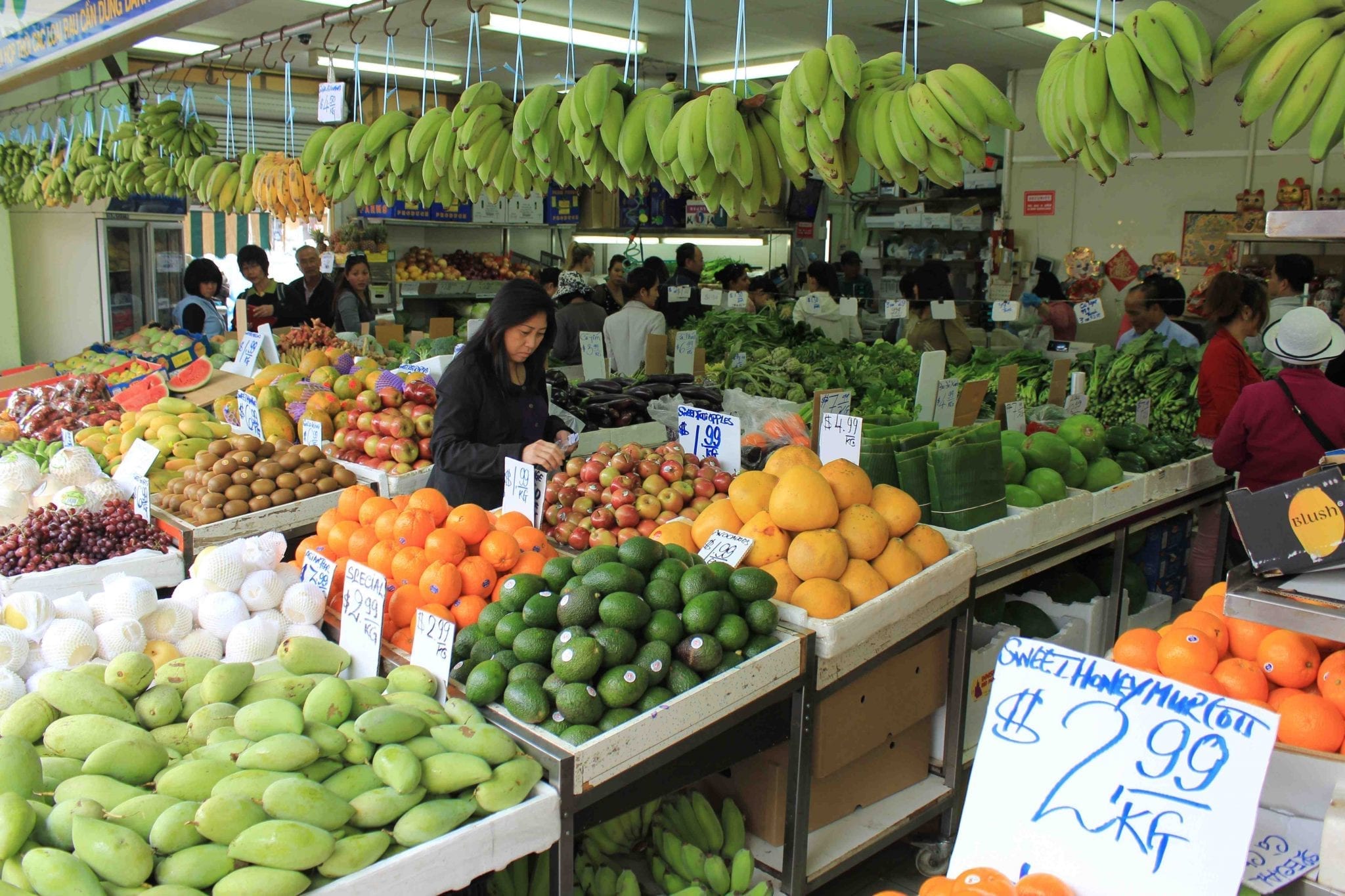
  • US to import Vietnamese mangoes

    US to import Vietnamese mangoes

    The United States is completing procedures to approve import of Vietnamese mangoes, U.S. Secretary of Agriculture Stephen Censky said at a meeting in Washington D.C. on Tueday.

    The U.S. will also start importing star apples form Vietnam soon, Censky told Vietnamese Deputy Minister Vuong Dinh Hue, who is on an official visit to the U.S.

    Censky proposed that Vietnam considers importing fruits like blueberry and several citrus varieties from the U.S.

    At the meeting, Hue said that the U.S., as one of Vietnam’s top trade partners, should increase its agriculture cooperation with Vietnam towards supporting low emission production models.

    He also suggested that the U.S. considers importing grapefruit and other fruits from Vietnam.

    Vietnam’s exports to the U.S. last year reached $41.61 billion, an increase of 8.2 percent in over 2016. Fruit exports of $102 million accounted for just 0.2 percent of total export to the U.S., according to Vietnam Customs.

    The U.S. was Vietnam’s third largest trade partner last year, behind Korea in second place and China at the top.

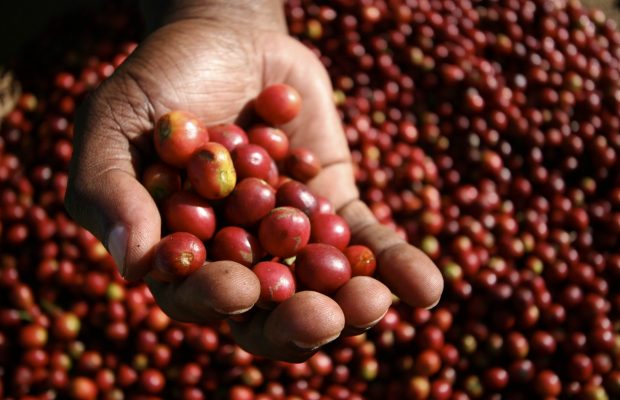
  • Vietnamese coffee maker gets an energy boost

    Vietnamese coffee maker gets an energy boost

    Vinacafe Bien Hoa (HoSE: VCF) is placed among the top three instant coffee producers in Vietnam, alongside Trung Nguyen and Nestle.

    After reaching its peak in 2014, however, the company’s coffee segment went through a stiff drop in revenue which was recorded at VND1.7 trillion ($74.6 million) last year, a decline of VND300 billion year-on-year and VND550 billion compared to the record high in 2014.

    Its portion of revenue generated by instant coffee has plummeted from 80 percent to 50 percent.

    This trend is not unique, as revenues of Trung Nguyen, its major rival, have stayed flat in the last three years at around VND3.8 trillion ($166.8 million).

    According to several market research firms, the market share of caffeine drinks is now being eaten up by energy-boosting alternatives to coffee, like energy drinks and bottled tea.

    This trend has helped Vinacafe offset sluggish sales of instant coffee. It introduced the coffee-flavored energy drink under Wake-up brand in 2014. The new product quickly gained popularity in a market dominated by Thailand’s Red Bull, PepsiCo’s Sting and local Number 1.

    Revenue of Wake-up 247 has gone up four-fold in three years. Last year, it was recorded at more than VND1.2 trillion ($52.7 million), an in crease of 55.5 percent from 2016. The gross profit of the energy drink was VND557 billion, corresponding to a gross profit margin of 45.5 percent, higher than the figure of coffee by 12 percentage points.

    Vinacafe has targeted VND3.1-3.3 trillion in revenue this year, a 5 percent year-on-year decline. However, it aims at higher post-tax profit of VND450-500 billion, up 21-35 percent from 2017.

    To achieve these targets, the company will focus on rebuilding its instant coffee brands by relaunching some products with new makeovers. For the energy drink, it seeks to expand production and distribution.

    At the general meeting last April, Nguyen Tan Ky, general director of Vinacafe, said the company has changed its distribution model to secure a two-digit growth rate in face of stiff competition.

    Its products are now sold through a nationwide network of its parent company Masan Beverage, a wholly owned subsidiary of consumer goods giant Masan Consumer under Masan Group.

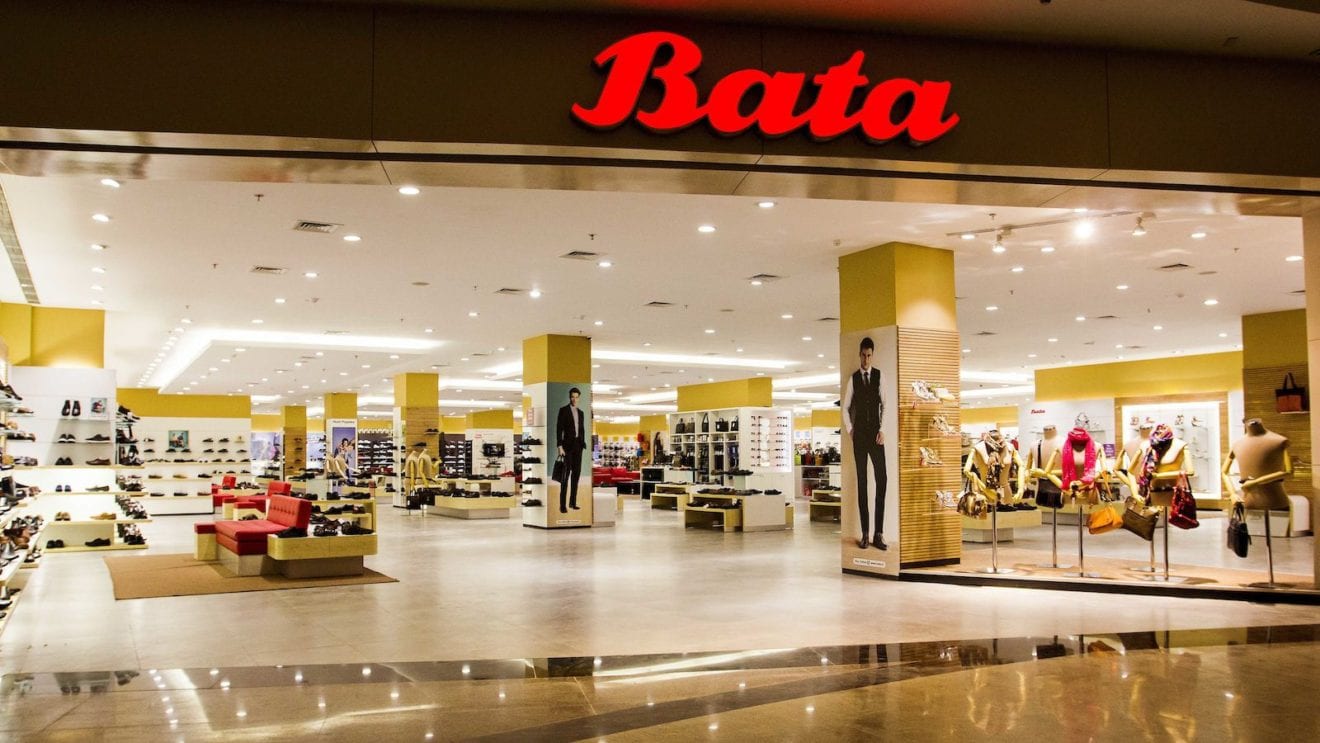
  • Capillary Technologies Leads Bata’s Omnichannel CRM Journey to New Markets in Southeast Asia

    Capillary Technologies Leads Bata’s Omnichannel CRM Journey to New Markets in Southeast Asia

    Capillary Technologies, a Singapore-based company that provides consumer insights, personalised engagement, omnichannel commerce and loyalty solutions, has been appointed as a strategic partner of Bata, a leading shoe brand. The partnership will help Bata strengthen their omnichannel CRM strategies in Philippines and Vietnam.

    Beyond these two markets, for more than three years Capillary has been acting as Bata’s CRM partner in six Asian countries including Singapore, Malaysia, Indonesia, Thailand, India, Bangladesh and also three African countries – Kenya, Zambia, and Zimbabwe.

    Capillary powers Bata’s loyalty program, develops targeted & personalised, omnichannel campaigns, and performs in-depth consumer and business analytics for over 2,000 stores across these markets. With the goal to provide a unified CRM platform for all its markets, Bata will be kicking off its game plan for Philippines and Vietnam in the second half of 2018.

    “We want to bring together exceptional products, and best-in-class retail technology to realise our passion for customer delight and deliver an exceptional customer experience. To really improve our brand-customer relationships, we feel it is imperative for us to find ways to walk and talk with our consumers across the various channels and touch points they use in their buying journey. The engagement had to be consistent, connected and seamless.” said Roberto Longo, President, Asia Pacific, at Bata. “Capillary has helped us achieve this, having been our trusted partner across six countries in Asia. There was no doubt about banking on Capillary’s expertise and innovative technology to take us ahead in Philippines and Vietnam.”

    With Capillary, Bata has been able to achieve 2.2X higher returns from targeted campaigns in Singapore and as high as 57X ROI from Facebook campaigns in Malaysia. In other markets as well, the brand has seen 10X increase in ROI from its overall CRM investments. With Capillary’s assistance, the brand has won multiple awards, most recently for the best use of analytics and also for their CRM and Loyalty program in Singapore and Malaysia respectively, in 2018.

    “We didn’t want to be just another shoe brand to our consumers. A brand they might be buying from once in a while. Instead, we wanted to build a close relationship with them and become a part of their lives. Thanks to Capillary, through targeted campaigns, insight backed CRM decisions, and omnichannel engagement, we believe we have made some lifelong customers” added Longo.

    Abhijeet Vijayvergiya, President & Managing Director, Global Accounts and Asia Pacific, at Capillary Technologies, also expressed Capillary’s delight in propelling Bata’s expansion into new markets: “This year, we foresee that Capillary will continue to grow exponentially across the globe. Our association with leading brands like Bata, who have partnered with us in many markets, reinforces the fact that the trajectory we have chosen for the company is the right one. We are definitely thrilled to help Bata in expanding its footprint in the Asia region.”

    In Southeast Asia, Capillary is working with 14 million customers and has more than 14 hundred stores active on its platform, including Mitra10, Bata, Caring Pharmacy, TungLok Group and McDonald’s. Fresh off a US$20m funding round led by existing blue chip investors Warburg Pincus and Sequoia Capital, Capillary also plans to use some of the new funds in strengthening its presence in Southeast Asia, including Indonesia, after achieving a threefold growth in the region.


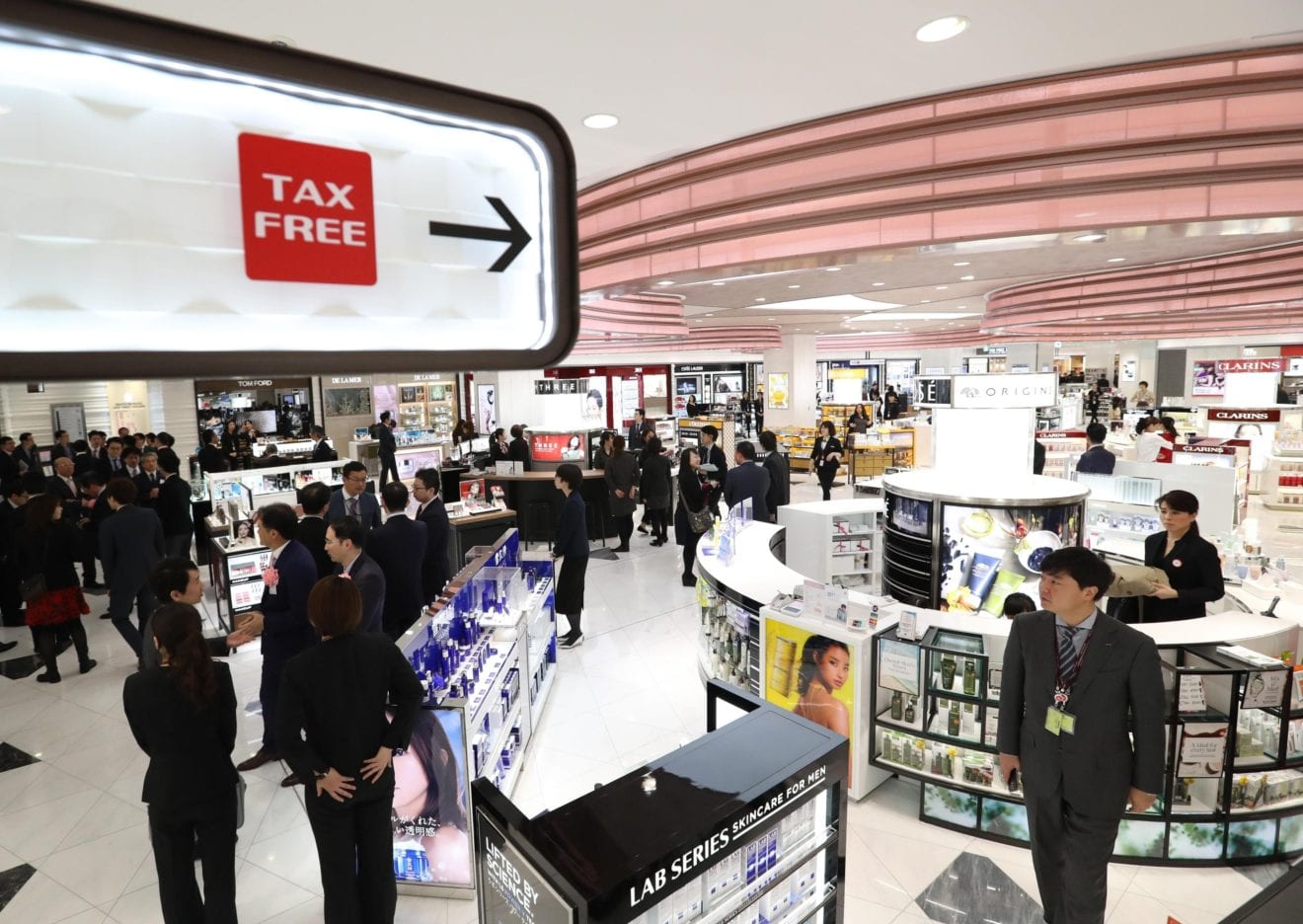
  • Lotte Duty Free to open its second store in Vietnam

    Lotte Duty Free to open its second store in Vietnam

    Lotte Duty Free said Sunday that it has opened its second store in Vietnam at Nha Trang Cam Ranh International Airport as it strives to expand its presence in the Asian market and better serve Chinese and Russian visitors.

    The company, a major player in the duty-free business, said its new store started operating Saturday, as the new passenger terminal at the airport opened for business. It said Lotte has the sole rights to operate the duty-free store at the airport until 2028.

    The airport serves the Nha Trang area in the central part of the Southeast Asian country, with both domestic and international flights being offered to users.

  • EU set to lift ‘yellow card’ on Vietnam fisheries next year

    EU set to lift ‘yellow card’ on Vietnam fisheries next year

    Vietnam will have to wait another six months for the European Union to consider lifting a ‘yellow card’ restriction slapped last year because of illegal fishing.

    After an evaluation done May 15-24 this year, the EC decided that they would consider lifting the yellow card in January next year, as Vietnam has shown “improvement,” according to a statement issued by the Directorate of Fisheries under the Ministry of Agriculture and Rural Development.

    The European Commission (EC), executive body of the 28-nation bloc (including the U.K.), had issued an official warning on October 23 last year that it would ban seafood imports from Vietnam unless Hanoi did more to tackle illegal fishing carried out by Vietnamese vessels in other countries’ territories.

    The directorate, however, admitted that problems continued to dog the sector, especially in controls of fishing and tracing origins.

    Vietnam currently has around 33,000 offshore fishing vessels, but only 3,000 of them, or 9 percent, are equipped with satellite navigation devices, it said, adding that the high cost of installation was a constraining factor.

    Though Vietnam has acted on suggestions from EC last year to improve controls over offshore fishing in the 2017 Fishery Law, there was still room for improvement in the actual implementation process at local provinces, the directorate said.

    Vietnam ranks among the top ten seafood producers in the world, according to the FAO, the U.N. food and agriculture organisation.

    The E.U., the world’s biggest fish importer, adopted a regulation that took effect in 2010, aiming to avoid complicity in illegal fishing and promote sustainable use of the sea resources.

    The EC estimates that each year, between 11 and 26 million tons of fish, at least 15 percent of the global catch worth 8 and 19 billion euros, are caught illegally.

  • Mandatory addition of micronutrients hurting Vietnam’s food industry

    Mandatory addition of micronutrients hurting Vietnam’s food industry

    A decree requiring the addition of micronutrients to food products is making them unattractive and more difficult to sell, industry insiders say.

    The decree, which went into effect last year, requires businesses to include iodine in salt and iron and zinc in wheat flour.

    Asahira Keita, deputy marketing director of food firm Acecook Vietnam, said the mandatory inclusion of minerals like iron or zinc in flour has hurt his company.

    Keita said the resulting flour has a darker color than normal flour. Its texture also changes and makes the end product less appealing to customers, he added.

    “To make our food products more appealing, we would have to research new recipes, which would certainly cost us more,” he said.

    Keita had other concerns too. Several countries don’t allow the inclusion of micro-nutrients in food products, so Vietnamese food firms would need to go through lengthy procedures to export food products with micronutrients into such countries. Foreign customers are also not fond of food products with micro-nutrients, he said.

    “This is a tough challenge for businesses like ours. We might even have to stop exporting products into these long-time partner countries, just because they don’t have the same requirements as Vietnam does,” Keita said.

    He said one solution could be to create two types of flour separately; one for domestic use and another to be exported. But doing so would be too costly and expensive, as the firm, which is currently deploying an automation-focused production model, can only afford one automated system. Right now, it is being used to make flour infused with iron and zinc for domestic use.

    Therefore, flour without iron or zinc that is used for export products, must be manually packaged.

    “This is too costly, time-consuming and inefficient,” said Keita.

    Processing challenges

    Businesses are also finding it hard to follow the decree’s guidelines as the processing method could change the levels of micro-nutrients in the products.

    Lam Ba Nhi, quality control director of Vietnamese meat processing firm Vissan, said the application of heat during food processing could destroy the iodine included in food products.

    Therefore, when food products are tested, levels of iodine present could be lower than the decree’s mandates, Nhi said.

    Lam proposed that the inclusion of iodized salt should not be made compulsory in food processing.

    Last month, the government had said the Health Ministry should carry out further research so that appropriate changes can be made to the decree, in which the inclusion of micro-nutrients in food products should only be encouraged, and not made compulsory.

    The Ministry of Health has not responded since.

    “We want the Ministry of Health to take action and follow the government’s suggestion,” said Nguyen Hoai Nam, deputy general secretary of Vietnam Association of Seafood and Producers.

    The decree came in the wake of advice from the Iodine Global Network, which ranks Vietnam among the top 19 iodine-deficient countries.

    The network had advised that Vietnamese people use iodized salt directly in food seasoning, food processing, and livestock feeding.

    Prolonged iodine deficiency can cause nerve damage among infants and children; and make pregnant women suffer miscarriages or go into preterm labor. Adults can also suffer goiter, nerve damage and mental illness.

  • Honor debuts in Vietnam with first offline store

    Honor debuts in Vietnam with first offline store

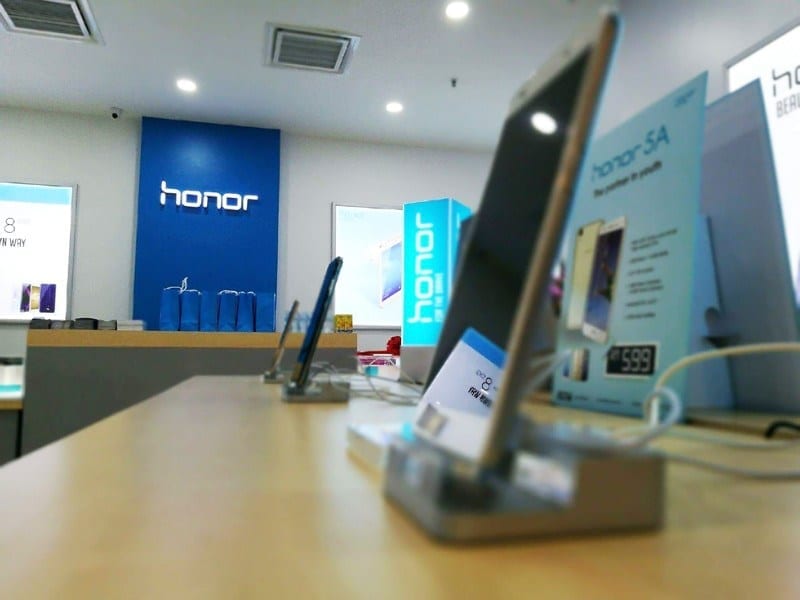
    Huawei sub-brand Honor Vietnam has opened its first physical store in the country after three years selling online and via distributors.

    Located on Nguyen Hue Street in downtown, the new store attracted hundreds of Honor’s fans from the early morning.

    Apart from products already on sale in the country, Honor introduced its newest lines, including the Honor MagicBook.

    Vietnam is a part of Honor’s overseas expansion in Asia Pacific, along with Europe and the Middle East.

    Zhao Ming, Honor president, said overseas sales have doubled during the past five months, and he expects them to rise further in the second half of the year.

    The brand entered the Philippines last month.

  • GrabTaxi reiterates Vietnam-wide operations completely legal

    GrabTaxi reiterates Vietnam-wide operations completely legal

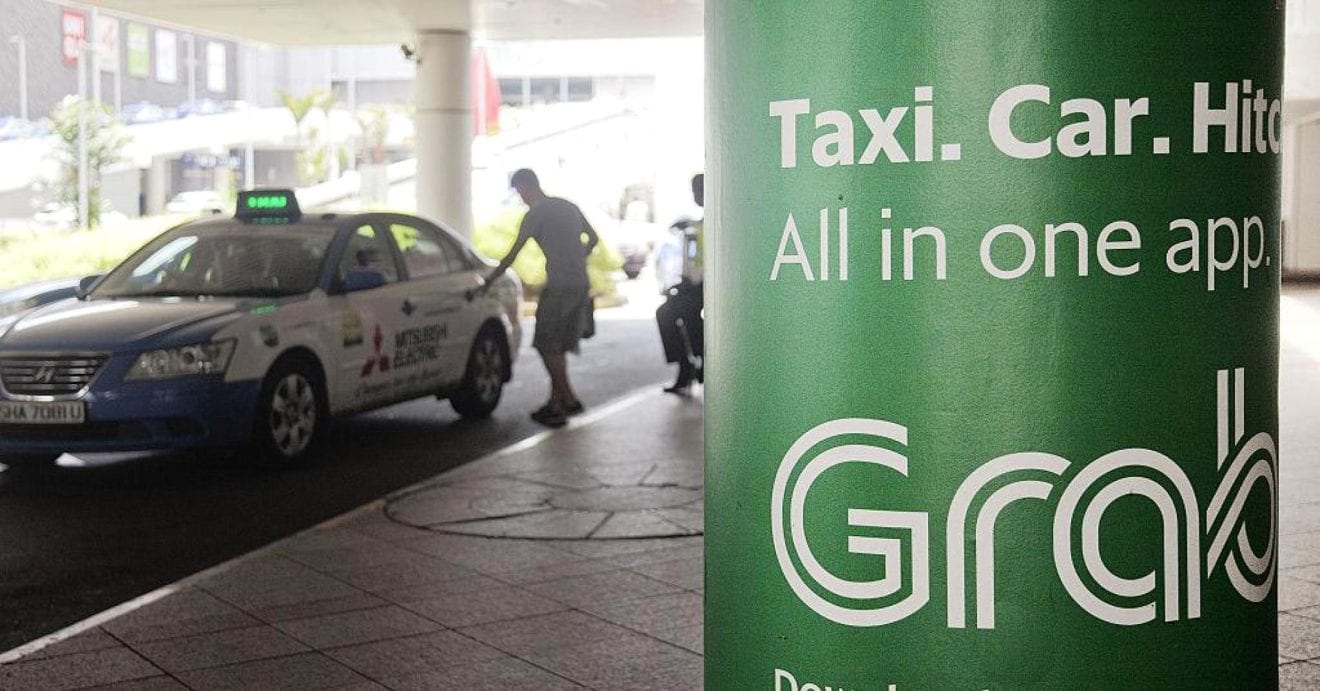
    Ride-hailing firm Grab Vietnam insists that its GrabTaxi service is legally allowed to operate nationwide.

    Grab Vietnam countered that GrabTaxi is an app for an e-commerce platform, so its operations would be in accordance with the government’s e-commerce laws.

    Grab Vietnam made the statement after the Transport Ministry has recently shot down a GrabTaxi plan to extend its services to provinces like Ninh Thuan, Dong Thap and Gia Lai. The ride-hailing firm now is allowed to operate in the five cities and provinces of Hanoi, Ho Chi Minh, Da Nang, Khanh Hoa and Quang Ninh.

    However, the firm said its GrabTaxi service is quite different from the GrabCar, which operates in the five above-mentioned provinces and cities, as a part of the ministry’s pilot plan for tech-based transportation services.

    Both GrabTaxi and GrabCar operate under the same Grab application, but GrabTaxi offers a run-of-the mill taxi service, while GrabCar is a service which connects customers with private cars for ride-hailing purposes.

    Therefore, GrabTaxi should be allowed to operate nationwide, stressed the firm.

    This isn’t the first time the ride-hailing firm has clashed with the Transport Ministry. In January, when Grab Vietnam wanted to extend its GrabTaxi service to provinces like Thua Thien Hue, Ba Ria – Vung Tau and Lam Dong, the firm also released a similar statement.

    Grab is currently under an investigation by Vietnamese authorities who say that its acquisition of Uber’s Southeast Asia operations shows signs of breaching local antitrust laws.

    A Vietnam Competition Authority (VCA) investigation found that Grab’s market share in Vietnam had exceeded 50 percent after its ride-hailing rival Uber left the Southeast Asian market in April.

    Under Vietnamese law, mergers and acquitions that result in a company gaining over 50 percent of the market share are restricted in Vietnam.

    The investigation, which began on May 18, is estimated to take 180 days and can be extended for another 120 days.