Tag: Vietnam

  • Vietnam part of attractive Southeast Asian start-up scene

    Vietnam part of attractive Southeast Asian start-up scene

    The trend of investing in Southeast Asia start-ups gained momentum in 2016-17, including in Vietnam, though the country has yet to get its “unicorn,” or a privately held start-up with a valuation of $1 billion or more.

    “I think one of the reasons start-ups in Southeast Asia get such attention from foreign investors is the ‘unicorn’ companies, which attract talent from other countries to the region,” KK Fund’s general partner, Kuan Hsu, said.

    “In contrast to Vietnam and Malaysia, which are yet to have any unicorns, Indonesia already has four companies in this category.”

    Vietnamese start-ups received $61.5 million worth of investments last year. But Topica Founder Institute (TFI) said it is much higher than that, with $300 million invested in 92 different deals, and potentially even higher.

    Hsu said that Vietnam and Indonesia are favored destinations for anyone looking to start companies because they have big populations on top of large numbers of young people, and thus have huge consumption potential.

    Nikhil Kapur, head of South Asia, GREE Ventures, agreed with that view, saying Vietnam shows many promising signs of becoming a start-up nation though it is still at an early stage.

    “We will evaluate annually to determine Vietnam’s potential growth for start-ups. But at the moment, we need more time to carefully study the market because Vietnam is different from other countries in the region. Some businesses are on the right path to becoming a successful company.”

    Research shows there is a new start-up for every 57,982 people in Vietnam. According to the website Worldometers, the country had roughly 1,664 start-ups.

    But Hsu said the nationality of founders does not matter when counting the number of start-ups in a country, only where the businesses are registered.

    For instance, Loi Luu, a Vietnamese entrepreneur and the CEO of Kyber Network, registered the business’ headquarters in Singapore. As a result, this successful company, listed among the 50 most successful start-ups in Southeast Asia in terms of attracting investments, is considered Singaporean.

    Now e-commerce is the most popular sector with foreign investors.

    The Vietnam E-commerce Association said the country’s e-commerce market grew by 25 percent last year and this rate is expected to continue through 2020.

    Last year the sector saw 21 deals worth $83 million, the highest of all sectors.

    It was followed by culinary technology, financial technology, communications, transportation, and online travel.

    The start-up to attract the highest funding was Foody, which received $198 million from Sea Group for an 82 percent stake.

    Sea Group also bought two unnamed companies in logistics and financial technology for $64 million and $50 million.

    Rounding off the top six were Tiki ($54 million from JD.com Inc), an unnamed company ($20 million from TNB Ventures) and Vntrip ($10 million from Hendale Capital).
  • Vietnam postpones plans to increase fuel tax

    Vietnam postpones plans to increase fuel tax

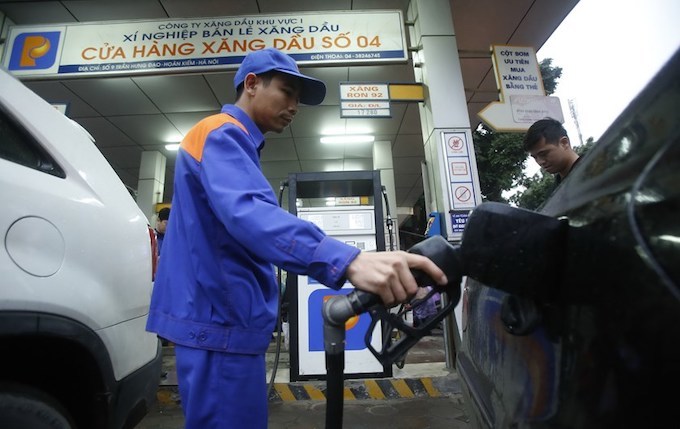
    Top legislator Nguyen Thi Kim Ngan on Thursday approved the delay after listening to experts’ concerns that the tax will affect Vietnam’s goal to contain inflation below four percent this year.

    “Although increasing the environmental tax on fuel will bring trillions of Vietnamese dong to the state budget,” there is uncertainty in price changes for the rest of the year,” Ngan said.

    As the trade tension between the U.S. and China has been escalating, and the fact that stormy weather during the second half of the year often increase commodity prices in Vietnam, it would be more appropriate to raise the fuel tax at a later time, said Nguyen Van Giau, chairman of the External Affairs Committee of the National Assembly.

    Giau proposed that the tax be imposed two months after the next Vietnamese Lunar New Year, which will fall on February 2019.

    Earlier this year, Vietnam’s Finance Ministry proposed that the environmental tax on petrol and diesel be increased by 33 percent, or VND4,000 (17 cents) per liter for petrol and VND2,000 per liter for diesel.

    The proposed hike, which is the highest rate permitted in Vietnam, has met with strong public opposition. But the ministry defended its proposal by saying that it was supported by many ministries and departments, and that fuel prices in Vietnam is still lower than in 120 other economies in the world.

    The proposed tax can bring VND57.3 trillion ($2.4 billion) each year to state coffers, an annual increase of VND15.7 trillion ($650 million) from current collections, it said.

    The Standing Committee of the National Assembly will discuss the proposal again in August.

  • H1 car imports slow down to a crawl in Vietnam

    H1 car imports slow down to a crawl in Vietnam

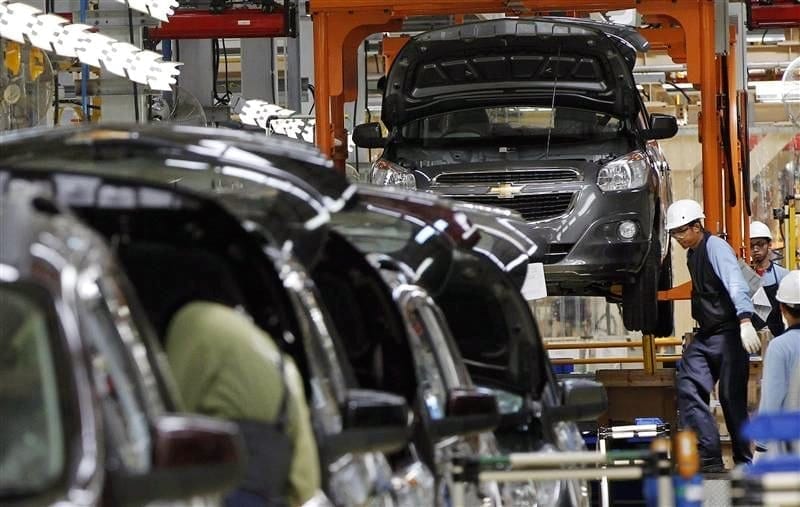
    More than 126,000 autos were sold in Vietnam in the first half of the year, 106,600 of them locally assembled and over 19,000 imported ones.

    The Vietnam Automobile Manufacturers’ Association (VAMA) says that sales of locally assembled cars increased 10 percent over the same period last year, while that of imported cars plunged 49 percent.

    As a whole, sales were down 2 percent over H1 in 2017, VAMA said.

    It noted that the decline in sales of imported cars was mainly because of a government decree that took effect this year, setting tough conditions for car imports.

    The decree stipulates that traders will only be permitted to import automobiles if they can provide valid vehicle registration certificates issued by authorities from the countries of origin.

    Original quality control certificates for each vehicle and letters of authorization regarding recalls of defective vehicles from the manufacturers are also be required, along with copies of quality assurance certificates provided by the countries of origin.

    The regulation also requires importers to have one car from each batch shipped to Vietnam to go through emissions and safety tests.

    The decree was met with strong opposition from importers who said that it cost them more time and money, but the Ministry of Industry and Trade countered it by saying the new rules would protect consumers and facilitate fair competition.

    However, in March this year, the government removed the condition for local testing of autos, and June auto imports saw a 45.6 percent surge dominated by Thailand.

  • Vietnam’s ‘Coffee Queen’ to launch 1,000 King Coffee cafés

    Vietnam’s ‘Coffee Queen’ to launch 1,000 King Coffee cafés

    Le Hoang Diep Thao says they plan to open a thousand such establishments nationwide.

    The 1,200 square meter cafe in Gia Lai Province is divided into two areas, one for appreciating the art of coffee and another to enjoy the beverage.

    King Coffee is a brand launched by Thao’s Trung Nguyen International, the overseas branch of coffee giant Trung Nguyen.

    Thao said the cafés, which would cater to different tastes, would be the stepping stones for Trung Nguyen International to conquer the domestic market and reach foreign markets like the U.S., China and Singapore through franchising.

    Last month, the Trung Nguyen Group, co-founded by Thao and her husband Dang Le Nguyen Vu and currently headed by Vu, also launched a project to enhance its brand recognition, particularly its coffee houses.

    The Trung Nguyen Legend Cafe on Alexandre de Rhodes Street in Ho Chi Minh City has became the project’s pilot venture. Its area has been expanded two or threefold and it has 50 employees now. A library with over 16,000 books and a reading space has been added and its furniture designed in the style of the Nguyen Dynasty (1802-1945).

    If successful, the new model will be applied to all 80 Trung Nguyen cafés, and by the end of this year, the company plans to have 100 coffee houses across the country.

    Shortly after Vu and his wife’s marriage broke and divorce proceedings were launched, the husband disappeared from public view for several years.

    He resurfaced earlier this year in an unexpected appearance at a company event and said that he’d spent a lot of time meditating in the mountains, and had found answers to everything.

  • Lotte Mart’s ‘Be Goods by Busan’ in Vietnam

    Lotte Mart’s ‘Be Goods by Busan’ in Vietnam

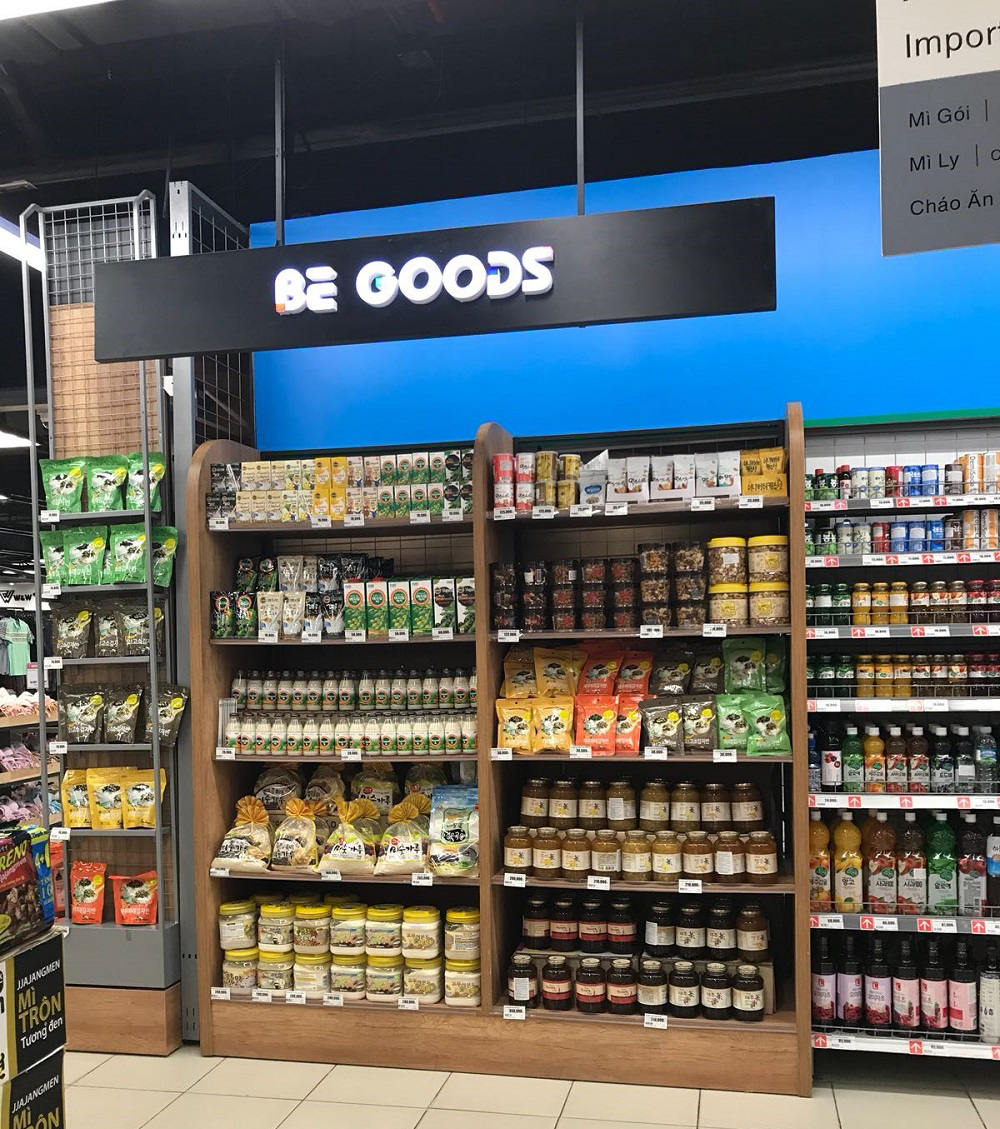
    Lotte Mart Vietnam will promote products from South Korean SMEs in its Go Vap outlet in Ho Chi Minh City.

    The retailer will add a special sales zone called Be Goods by Busan, to sell 70 products from 13 companies based in Busan.

    Lotte has selected products including fruit and vegetable drinks, frying pans and shampoos, items it believes will appeal to local Vietnamese consumers. More items are to follow.

    The retailer is also planning to provide online and offline marketing support for the products.

    This is the second time Lotte Mart has opened a Be Goods store.

    Last October, Lotte Mart Nguyen Van Linh hosted 196 products of 23 Korean SMEs, and earned 240 million won (US$215,827) in sales over seven months.

    Vietnam is Korea’s third largest export market and Lotte Mart believes it is the best place for Korean SMEs to test and export their products.

    Last month, another Korean retailer E-Mart also promoted Korean SME’s products in Singapore.

  • Vietnam to suffer collateral damage in China-US trade war

    Vietnam to suffer collateral damage in China-US trade war

    The first salvo in the latest trade war between the U.S. and China was fired by the former last Friday, when it slapped a 25 percent duty on about $34 billion worth of Chinese goods.

    China retaliated “immediately” with a similar action, the country’s foreign ministry said.

    However, the tariffs that the U.S. has slapped on China will likely see Chinese products “flood into Vietnam,” including textiles, garments and wood products, said Tran Tuan Anh, Minister of Industry and Trade.

    This is not only a trade war but also “a war on power, technology and currency policy between the world’s two largest economies,” Anh said at a recent government meeting.

    Cheaper yuan

    The trade war will have negative impacts on Vietnam’s economy as China will take the opportunity to export in large quantities to Vietnam, according to local economists.

    The Chinese yuan has lost 4.18 percent against the U.S. dollar over the last two weeks, while the Vietnamese dong has only lost a little above one percent, so Chinese goods will be 3 percent cheaper than before when exported to Vietnam. This will increase Chinese exports and gradually take away jobs and manufacturing facilities in Vietnam, they said.

    Another worrying aspect of the situation is that low quality products from China, which are labeled as residual inventory of exports to the U.S., will rush into Vietnam and be bought by Vietnamese consumers, said Robert Tran, CEO of global business advisory firm RBNC.

    Some experts also fear that Vietnam might be one of the next targets of the U.S.

    When the world’s two largest economies slap tariffs on each other, other countries will be affected in trade, said Dr. Pham Sy Thanh of the Chinese Economic Studies department under the Vietnam Institute for Economic and Policy Research.

    “When Vietnamese exports to the U.S. originate from China, the U.S. can also impose the same tariffs on Vietnam,” Thanh said.

    This will be a big challenge for Vietnam as the U.S. is one of Vietnam’s top export markets, he added.

    Industry leaders in Vietnam have also expressed similar concerns. Many Chinese clothes, shoes or bags are entering Vietnam illegally to be exported to the U.S., said Pham Xuan Hong, chairman of HCMC Association of Garment, Textile, Embroidery and Knitting (AGTEK).

    “Local firms should not buy these items for short-term benefits as the reputation of Vietnam’s textile industry will be affected,” Hong said.

    The Vietnamese government should get involved in preventing local firms from importing Chinese products to export to the U.S., he added.

    The bright side

    Beyond the potential threats, Vietnamese business leaders also see great opportunities in the trade war.

    AGTEK chairman Hong noted that Chinese textile is one of the items affected by the U.S. tariffs, so there are chances that foreign investors will transfer orders to Vietnamese firms.

    The animal husbandry sector is also looking at the bright side of the trade war.

    With China saying it will impose an additional 25 percent tariff, on U.S. pork, the total tariff will rise to 71 percent, exclusive of VAT, said Doan Xuan Truc, vice chairman of the Animal Husbandry Association of Vietnam (AHAV).

    “This will definitely be a great opportunity for Vietnam, as China has huge demand for pork,” Truc said, adding that it imports over 2 million tons of pork each year.

    Exports to the U.S. reached $41.6 billion last year, accounting for 20 percent of Vietnam’s total exports, according to Vietnam Customs.

    Meanwhile, it exported $35.4 billion worth of goods to China, a growth of 61.5 percent from 2016.

  • Tiki.vn attracts investors despite $26 million in accumulated losses

    Tiki.vn attracts investors despite $26 million in accumulated losses

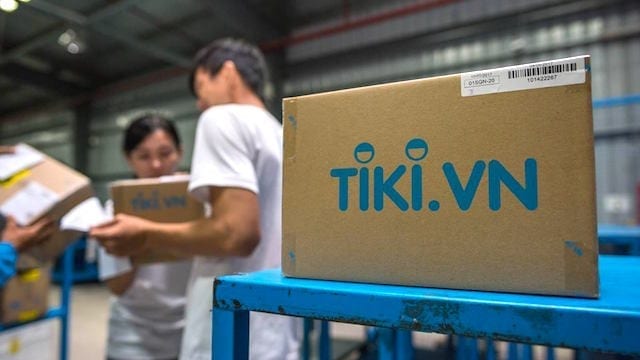
    A prominent case in instance is that of Tiki.vn, a popular e-commerce platform in the country.

    Tiki Jsc. (Tiki) started off as an online book store in 2010 before venturing into e-commerce. Just six years later, the firm was valued at $45 million, following domestic tech firm VNG injecting some $17 million in a 38 percent stake acquisition deal.

    However, at the end of that year, 2016, Tiki’s financial statement showed accumulated losses of nearly VND308 billion ($13.39 million). Tiki had posted revenues of nearly VND62.4 billion ($2.71 million) in 2016, a six-fold increase over 2015. However, this was accompanied by a loss of around VND179 billion ($7.78 million) because of high operational costs.

    In its annual report for 2017, VNG showed Tiki making a loss of VND282 billion ($12.26 million) for the year, raising its aggregate losses to VND590 billion ($25.65 million).

    Despite its losses, Tiki has remained attractive to investors as a leading brand in the market. In mid-January this year, JD.com Inc., a giant retailer in China, injected an unspecified sum into Tiki. The Chinese firm had announced last November that it would pump $44 million into the Vietnamese e-commerce platform, making it Tiki’s largest shareholder.

    Unlike other types of firms, startups like Tiki are not valued on the profit it makes, but on other key elements like market growth, market share, sales, average purchase value, and customer retention rates.

    Tiki, which ships goods across the length and breadth of Vietnam, has annual sales of about $240 million, according to the Financial Times. And it is not the only e-commerce firm recording continual losses in Vietnam.

    Ralf Matthes, managing director of market research company Infocus Mekong said that e-commerce platforms are in the red largely because of their fragmented logistics chains.

    He said that with up to 80 percent of consumers paying cash on delivery, the logistics required in just collecting payment leads to losses.

    E-commerce firms in the country were also drawn into a cash-burning battle as they spent on massive sales and marketing campaigns to promote their platforms, he said.

    The Vietnam E-commerce Association (VECOM) said that the local e-commerce market grew 25 percent last year and that this growth is expected to continue through 2020.

  • Vietnam’s Bamboo Airways moves a step closer to starting operations

    Vietnam’s Bamboo Airways moves a step closer to starting operations

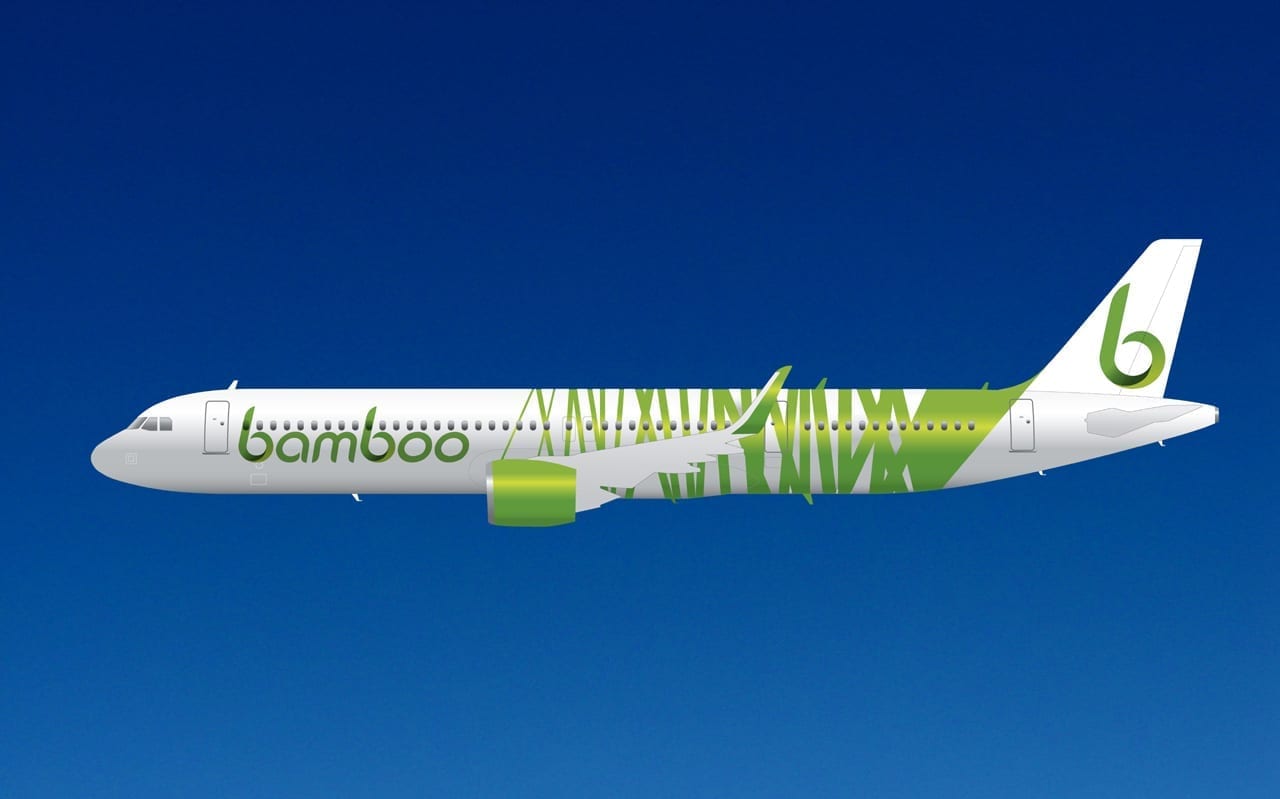
    Privately owned FLC Group last month agreed a $5.6 billion deal to buy 20 Boeing Co planes at current list prices and in March signed a memorandum of understanding with Airbus for up to 24 planes.

    The government said on Tuesday that Bamboo Airways will invest 700 billion dong ($30 million) during 2019-2023 on 10 Airbus or Boeing planes, but it was unclear whether it would rent or buy planes initially.

    It will become Vietnam’s fifth airline. It has yet to receive an aviation licence but the government said in a statement on Tuesday that it had authorised “The Ministry of Transportation to evaluate and issue an air transport business license in accordance with the law.”

    FLC has said it expects the airline to begin operations in 2019 and launch direct flights to the United States and Europe and position itself as a hybrid airline, combining traditional and low–cost models, the company said in a statement on Tuesday.

    Vietnam’s four airlines are flag carrier Vietnam Airlines; budget operator Jetstar Pacific Airlines which is partly owned by Vietnam Airlines; budget carrier Vietjet Aviation and Vietnam Air Services Co.

    The country’s airport capacity has been reaching its limits as fast economic growth means more people in the nation of 90 million are taking flights.

    Hanoi-based FLC, whose main businesses are housing, resorts and golfing, had said it planned to operate international flights through Bamboo Airways to tourist spots in Vietnam including where FLC has properties and also plans domestic flights.

  • Vietnam can import beef from Brazil again, says Deputy PM

    Vietnam can import beef from Brazil again, says Deputy PM

    Vietnam will consider importing beef from Brazil again if food safety conditions are ensured, Deputy Prime Minister Vuong Dinh Hue has said.

    At the recent Vietnam-Brazil Trade and Investment Forum attended by around 100 enterprises in Sao Paulo, Brazil, he also said Vietnam could become the top importer of corn and soybeans.

    A quality control scandal in Brazil early last year led to 20 countries, including Vietnam, suspending the import of Brazilian meat. Many countries have since resumed imports after receiving explanations and commitments from the Brazilian government.

    It was said the forum that Brazil will also increase import of coffee, catfish and shrimp from Vietnam.

    Hue noted that in 10 years of trading and investment relations, import-export turnover of Vietnam and Brazil has reached $4 billion, most of it from agricultural products.

    Vietnam’s imports from Brazil in 2017 reached $1.8 billion, according to the General Statistics Office of Vietnam.

  • Rentals rise in downtown Saigon as supply stagnates

    Rentals rise in downtown Saigon as supply stagnates

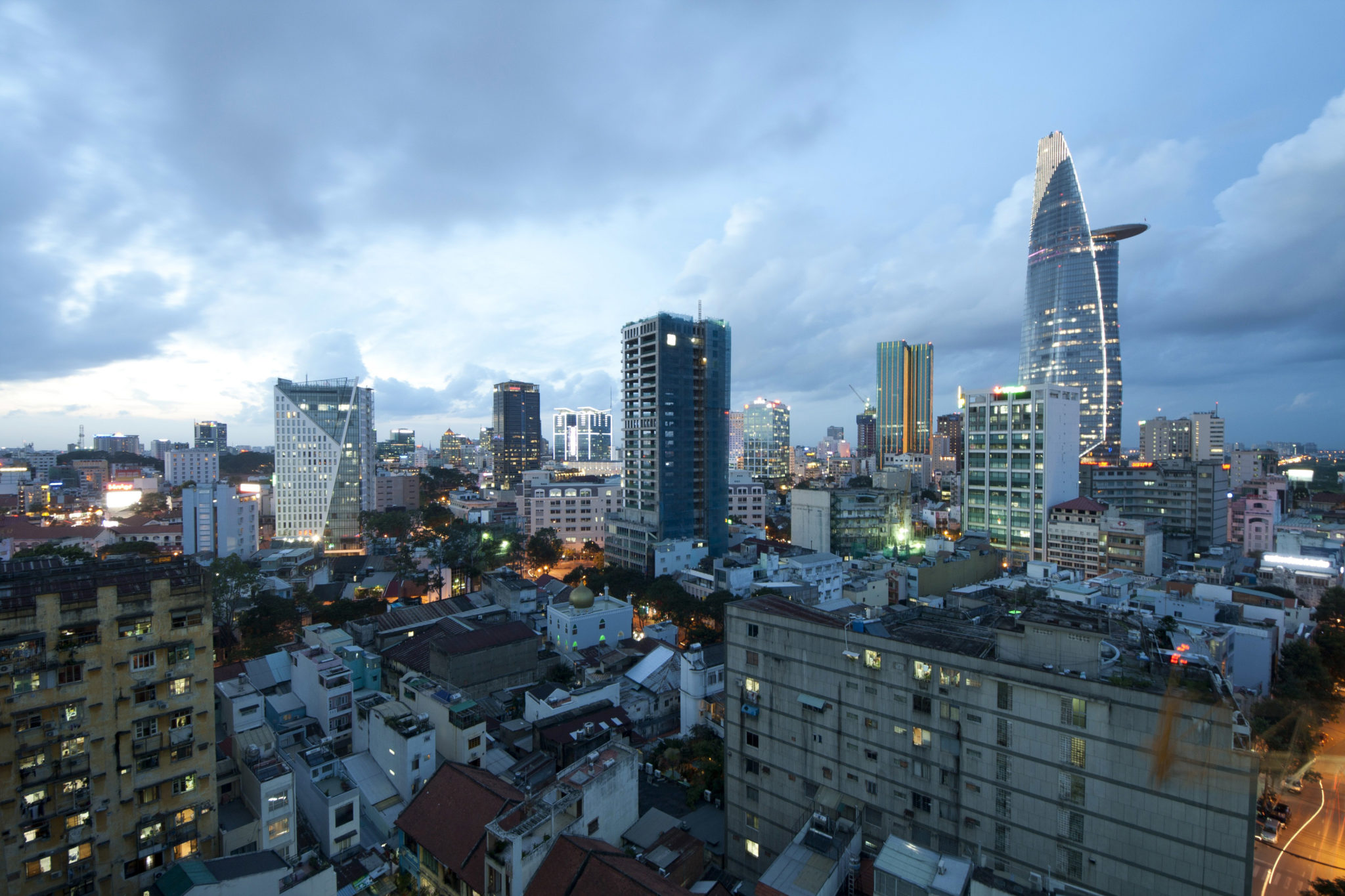
    Office rentals in downtown Ho Chi Minh City have been rising steadily over the last three months, a new report says.

    Grade A office rent has seen a 7 percent increase in the second quarter over the first quarter and 17 percent increase over the same period last year, the report said.

    A similar increase, of 7.3 percent over last year, has also been seen in Grade B office rentals.

    The report attributes the rice in prices to high demand and limited supply.

    In the last one year, office vacancies in new buildings have been rapidly filled, with vacancy rates for both Grade A and B offices at below 5 percent, the report says.

    In the second quarter of 2018, the HCMC market has not received new office space supply. Total Grade A office supply remained unchanged at 382,763 square meters, while Grade B office space rose slightly by 968 square meters to 814,330 square meters.

    Dang Phuong Hang, managing director of CBRE Vietnam, predicted that Grade A office rents would continue to increase through 2019 or early 2020, with supply remaining limited. Office vacancies will become increasingly scarce, she said.

  • Soft drink firms make big money, pay small taxes in Vietnam

    Soft drink firms make big money, pay small taxes in Vietnam

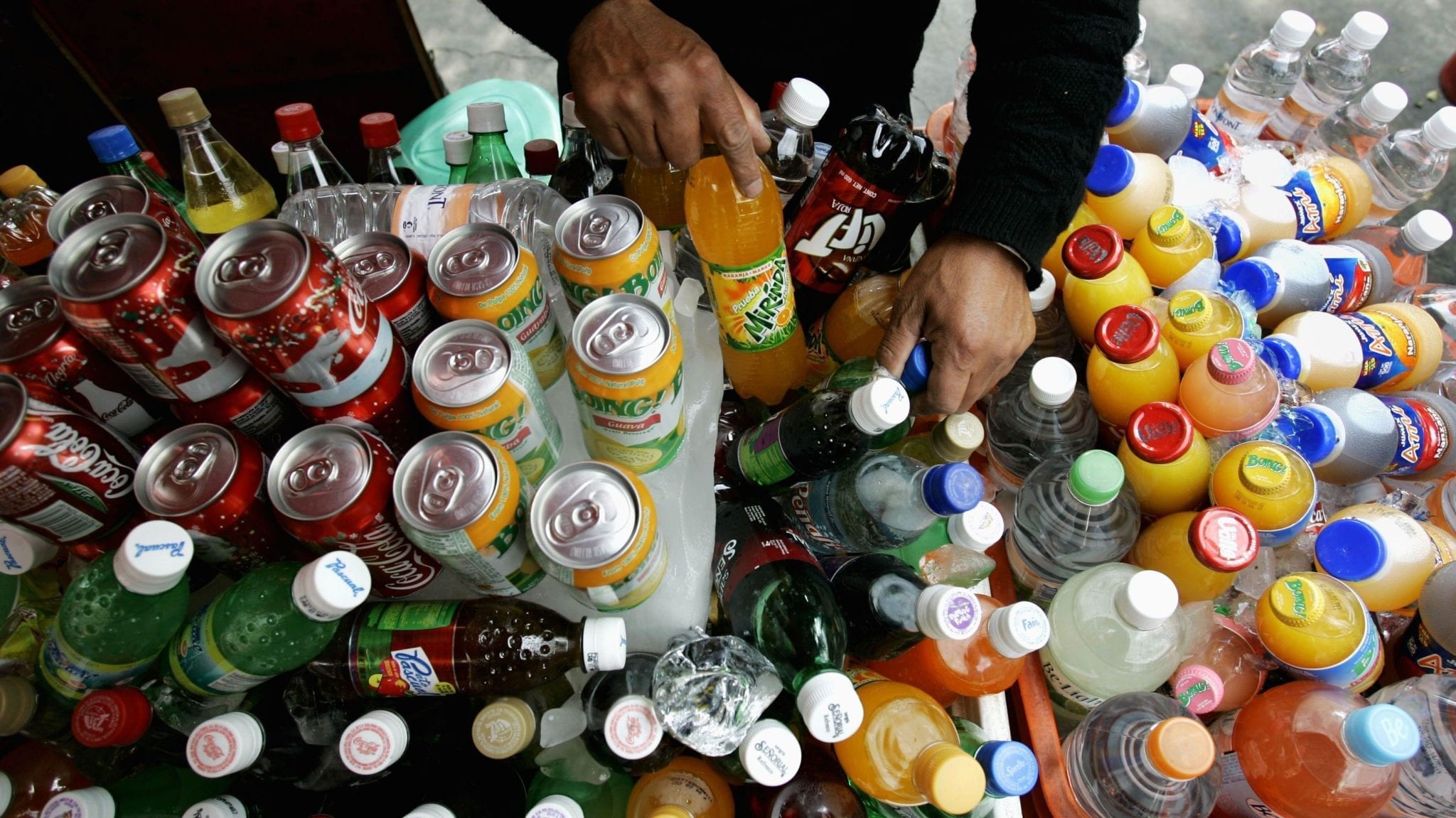
    Business has been sweet for the four major companies that dominate Vietnam’s soft drinks market, but they pay a relative pittance in taxes.

    The big 4 in Vietnam’s sweetened beverage market are: Coca-cola Vietnam, an arm of American Coca-cola, Suntory Pepsico, a fully foreign owned joint venture between U.S. PepsiCo Inc. and Japan’s Suntory Holdings Limited, URC Vietnam based in the Philippines, and Vietnamese firm Tan Hiep Phat.

    High consumption in Vietnam has boosted revenues for these firms, Suntory Pepsico leading the way.

    Truong Tuyet Mai, deputy director of the National Institute of Nutrition, said in June that Vietnamese people are forecast to consume over 5 billion liters of sweetened drinks in 2018, nine times more than in 2000, and the figure is estimated to reach 11 billion by 2025.

    According to Vietnam Association of Liquor, Beer and Beverages, a Vietnamese person currently consume more than 23 liters of soft drinks per year and the figure will keep rising in the future.

    To date, Vietnam has not imposed a special consumption tax on sweetened drinks, collecting just corporate income tax. The tax paid by firms making the sweetened drinks has, therefore, been quite modest, compared to their revenues.

    Economist Vu Dinh Anh said on Friday that “there might be two reasons for the low income of these companies: one is transfer pricing and the other is the high expenditure on advertisement.”

    As for advertisement, it is easy to understand that those companies have to spend a big sum each year on all media channels for their products, Anh said.

    Vietnam used to put a cap on the spending for advertisement but that policy is no longer applied, said Anh.

    Those two reasons might result in the low income and lead to the low corporate income tax payment, he added.

    The Ministry of Finance has proposed a 10 percent special consumption tax on different type of beverages, including sweetened drinks.

    If passed, the proposal will go into effect in 2019.

  • Vietnam government urged to limit petrol imports

    Vietnam government urged to limit petrol imports

    The Nghi Son Refinery, which is now in its trial phase, is burdened by unsold inventories, Chairman of Thanh Hoa Provincial People’s Committee Nguyen Dinh Xung said at a recent government meeting.

    The unsold inventories signal challenges in product sale when the oil refinery commercially operates this August/September. If the current situation continues, it will cause difficulties for enterprises and negatively affect the province’s budget, says Xung.

    Thanh Hoa’s authorities suggested that the Government and the Ministry of Industry and Trade set up a mechanism to consume all products from the refinery.

    “We suggest that the government issues policies to limit petrol imports and prioritize products from Nghi Son refinery,” Xung said.

    A month ago, the $9 billion refinery produced its first commercial gasoline product – more than 5,000 cubic meters of RON92 gasoline.

    According to Thanh Hoa authorities, during the trial period, Nghi Son oil refinery has produced 14 percent of the province’s total industrial production value. With a planned production of 4-4.3 million tons of gasoline when commercial operations officially begin in August or September 2018, the plant is expected to contribute more than 15 percent to the province’s growth.

    The Nghi Son Refinery, located in the Nghi Son Open Economic zone in Thanh Hoa province, will have a capacity of 200,000 barrels of crude oil per day in the first operational phase, equaling 10 million tons of crude oil per year. This is almost double that of the Dung Quat oil refinery in Quang Ngai Province.

    This project has been invested in by 4 domestic and international investors: Vietnam National Oil and Gas Group (PetroVietnam), Kuwait Petroleum International (Kuwait), Idemitsu Kosan and Mitsui Chemicals (Japan). Total investment for the project is $9 billion.

    It is expected that the Nghi Son and Dung Quat refineries will together meet 80 percent of Vietnam’s fuel demand.

  • Big players hit hard by unstable stock market in Vietnam

    Big players hit hard by unstable stock market in Vietnam

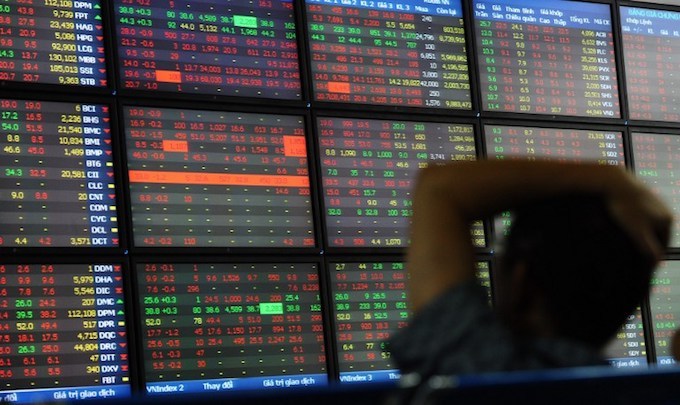
    In the first half of 2018, at least 13 major funds and investors on Vietnam’s stock market suffered negative growth rate in their net asset value (NAV), which is value per share of a fund on a specific date or time.

    Leading this was Hanoi-based Hestia Joint Stock Company registered on the Unlisted Public Company Market (UPCoM) on the Hanoi Stock Exchange (HNX), which saw its NAV falling by 19.4 percent.

    Thien Viet Securities Joint Stock Company came second with its Thien Viet Growth Fund 2 (TVAM TVGF2) on the Ho Chi Minh stock exchange (VN-Index) dropping 11.6 percent.

    Other funds and investors in the negative growth list include U.S.-based VanEck Vectors Vietnam ETF (VNM ETF), Passion Investment, Pyn Elite Fund, the TCEF fund of Techcom Capital Co. Ltd, SSI Sustainable Competitive Advantage Fund (SSI SCA), VCBF Leading Investment Fund (VCBF-BCF), Vietfund Management Company (VMFVF4) and Vietnam Enterprise Investment Limited (VEIL), managed by Dragon Capital Group.

    Why this happened to these major investors is not so difficult to understand, market observers say.

    It is common that big investors tend to pour investments into blue chip stocks, and from the second half of 2017 to the first few months of 2018, it was those blue chips that pushed the Vietnam stock market up high, and the investors profited, duly.

    The country’s stock market hit a 10-year high and reached 984.24 points in the last trading session of 2017. It had not broken the 800-point barrier since 2008.

    Continuing its good run, the VN-Index, the benchmark stock index of Vietnam, grew 19.33 percent in the first three months of this year, becoming the best-performing market in the world.

    It passed the 1,200-point level on April 9 and has stayed at 900 something before things started to turn bad in the second quarter when the market plunged 18.19 percent, making it the worst-performing market in the world.

    In such a reversal, it was the blue chips investors that suffered the most, and now, have to face the consequences.

    A typical example is Passion Investment.

    This fund spent almost 95 percent of its total VND220 billion ($9.5 million) acquiring 3.24 million shares of the Vietnam Prosperity Joint Stock Commercial Bank (VPBank), as shown it its Q1 report.

    The price of VPBank’s shares kept rising from the year’s beginning to early April when it reached the peak of nearly VND70,000 ($3) per share.

    Then it dropped to VND50,000 and fell nonstop to around VND25,000 recently.

    “When all investors are pinning their hopes too high and the stock market is pushed for a long time, a small impact can worry investors and make them scatter,” an expert said as he explained the plunge.

    Nguyen The Minh, director of analysis at Yaunta Securities Vietnam Company, said that many investors had started selling their stocks back in the first quarter.

    Other experts said the global situation, from the tensions in Syria when the U.S.-led air strikes targeted Syrian military sites to the U.S.-China trade war and worries about global capital movements as the U.S.’s Federal Reserve System raised interest rates, might have affected the stock exchange in the second quarter.

  • Vietnam’s inflation target under pressure: experts

    Vietnam’s inflation target under pressure: experts

    Several economic factors including high commodity and fuel prices will make it difficult for Vietnam to keep its inflation within targeted limits this year, economists say.

    The country’s consumer price index (CPI) in June increased 0.61 percent from May, the highest such increase in the last seven years, according to the General Statistics Office (GSO).

    The CPI in June was 4.67 percent higher than the same month last year, and CPI in the first six months was 3.29 percent higher, the GSO said.

    The National Assembly, Vietnam’s parliament, has set a target of inflation not rising beyond 4 percent this year.

    Several economists believe that the target can be met but also express their concern over factors that can spoil set plans.

    The rise in world oil prices is one factor. Crude oil is now at $72.94 a barrel, higher than the estimate of $70 when the parliament set the target.

    Higher oil prices will see fuel prices rise, leading to a higher CPI, said economist Ngo Tri Long, former director of Research Institute of Market Price under the Ministry of Finance.

    Vietnamese fuel prices in the first six months went up year-on-year by 13.95 per cent, resulting in a 0.59-percent increase in CPI, according to the GSO.

    If global oil prices continue to climb, this year’s CPI increase will be higher than that of last year, Long said.

    Other experts are concerned about the new environmental tax on fuel that is set to be imposed this October. The tax will certainly impact the average CPI this year, increasing it by 0.11-0.15 percent, Deputy Minister of Finance Vu Thi Mai said in March.

    The tax will be discussed at a meeting of the Standing Committee of the National Assembly next week. Should it pass, it will affect the transportation and production costs of local goods, weakening their competitiveness, said Vu Vinh Phu, former chairman of the Hanoi Supermarket Association.

    Phu said he was also concerned about current commodity prices in the country. In local supermarkets, rice was being sold at VND16,000-18,000 ($0.70-0.78) per kilogram, 44 percent higher than their export price.

    Sugar is being sold at VND21,000-23,000 per kilogram, twice as much as export price, Phu said. “If the retail prices of essential commodities keep rising, CPI will definitely be impacted,” he added.

    Echoing Phu, economist Long said he believed that with pork prices being high in the first 6 months, they are likely to increase further in the second half of the year.

    As the country is often hit by storms in the second half of the year, prices will climb up, making CPI increases even higher, Long added.

    Within reach

    However, Long also saw potential for achieving the National Assembly’s inflation target.

    Thanks to new government policies starting this July, citizens will enjoy lower prices for certain health services, and the Prime Minister has ordered no increase in electricity prices for the rest of the year.

    These are positive factors for keeping inflation in check, he said.

    Vietnam’s control of inflation in the first half this year has been a notable positive achievement, said Dr. Vu Dinh Anh with the Economy and Finance Academy.

    Although fuel prices will be higher, with good policy and management, the target of keeping CPI increase under 4 percent will “not be impossible,” he said

    Vietnam’s GDP in the first half of 2018 increased 7.08 percent, the highest ever recorded in the same period since 2011. The Asian Development Bank estimates annual growth at 7.1 percent.

  • Vietnam fuel tax set to rise to highest level

    Vietnam fuel tax set to rise to highest level

    Prime Minister Nguyen Xuan Phuc will persist with a controversial plan to increase environmental tax on fuel to the highest level permitted, a source said.

    A Finance Ministry official who did not want to be named said the plan will be discussed at the meeting of the Standing Committee of the National Assembly, Vietnam’s parliament, which is scheduled on July 11-13.

    Should it pass, the new tax will take effect starting this October, three months later than the original schedule.

    The reason for the delay, the official said, was that the Finance Ministry did not want to impose the tax in September, as a majority of students would be starting a new school year then.

    The ensuing surge in transportation could affect the consumer price index, the source explained.

    Under the proposal, the environmental tax on petrol and diesel will increase by 33 percent, or VND4,000 (17 cents) per liter and VND2,000 per liter respectively.