Tag: Vietnam

  • Hanoi to go modern, install 1,000 public vending machines

    Hanoi to go modern, install 1,000 public vending machines

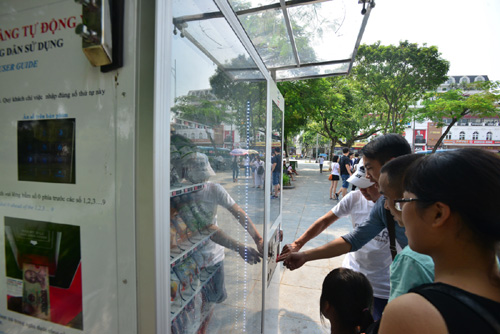
    Recently the city people’s committee approved the installation of around 1,000 vending machines in public locations under its own supervision.

    They are expected to provide a wide variety of beverages, snacks and fresh fruits besides customer assistance, especially to seniors, children and disabled people.

    The locations include parks, botanical gardens, hospitals, schools, and train and bus stations, which meet the space requirement of 2-3 square meters.

    They will be located at 500-1,000 metres away from each other with a maximum of four installed in close proximity if the specific needs of an area so demands.

    Thong Nhat Park (Lenin Park) will have the largest number — 10.

    The machines will be capable of returning correct change to customers besides also accepting other payment methods such as cards and QR codes.

    The people’s committee said the objective is to modernize retail sales in the city.

    There are now 161 public vending machines in the capital.

  • Vincom Centre Landmark 81 launched

    Vincom Centre Landmark 81 launched

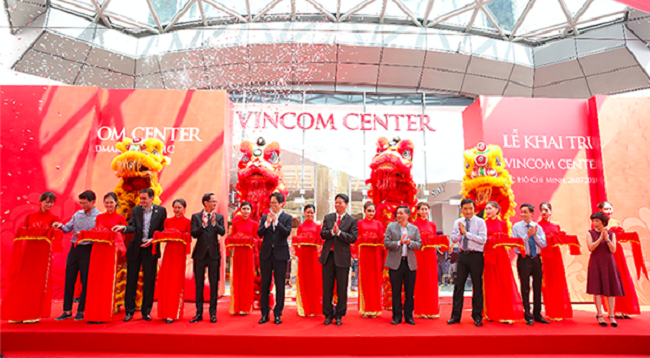
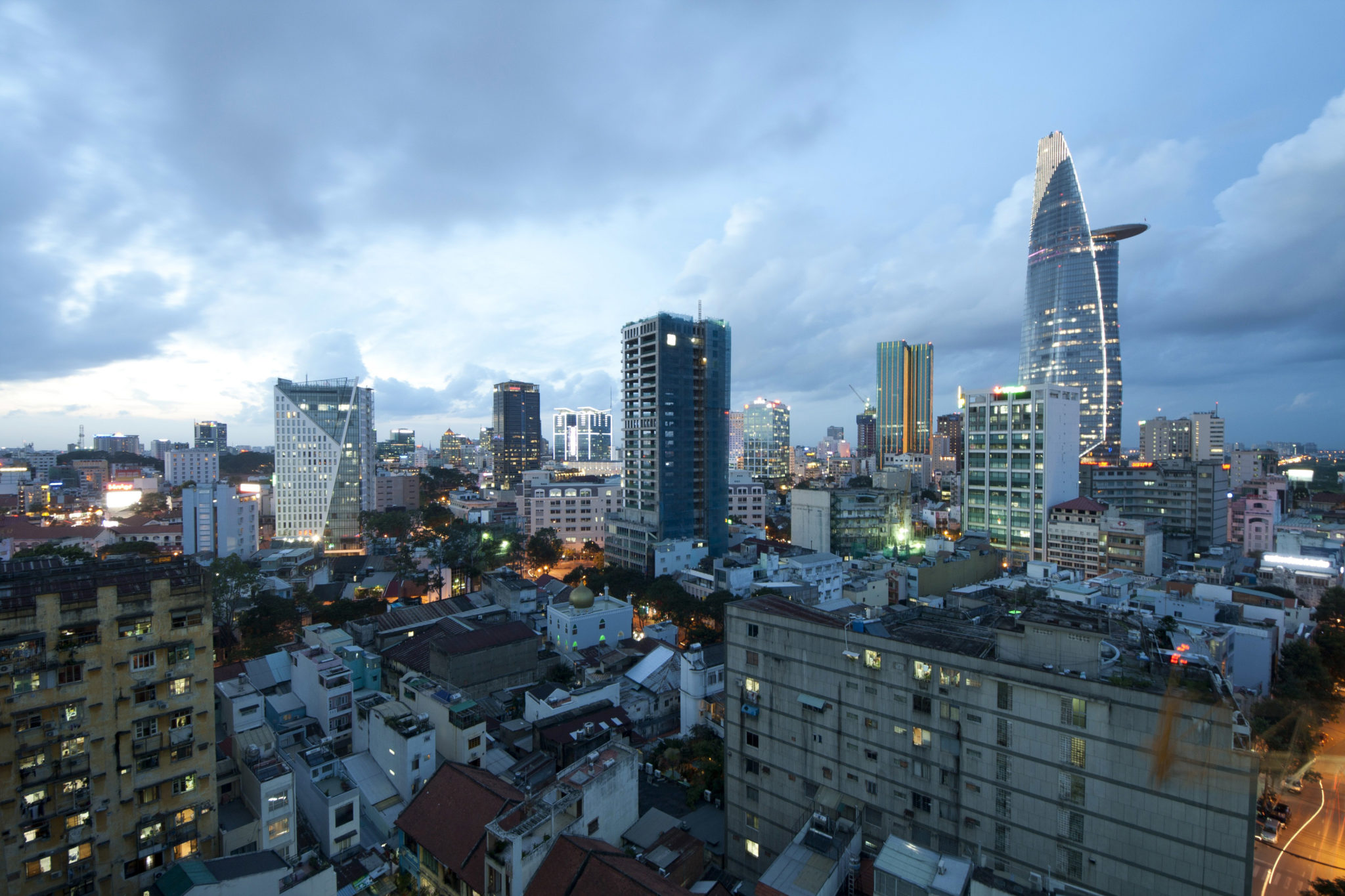
    Vingroup has opened its 55th shopping centre, The Vincom Center Landmark 81 mall, in Ho Chi Minh City’s Binh Thanh district.

    The 50,000sqm shopping centre occupies six of the skyscraper’s 81 storeys, housing 100 domestic and international brands in cosmetics, fashion, F&B, and entertainment.

    Fashion brands include Versace Jeans, Calvin Klein, Adidas, Tommy Hilfiger, Lacoste, French Connection, Kimmay, Superdry, H:Connect; Cole Haan, Ecco, Dune London, Parfois, Aldo, Pandora, Longines, OWL and Nike.

    The 7000sqm food and beverage area features 30 restaurants, including China’s Peach Garden, Japan’s Dozo Sushi, Vietnamese restaurants Delights, Di Mai, and coffee shops including Starbucks’ largest Vietnam outlet and Highlands Coffee.

    In the entertainment area, there is a 2000sqm Vincom Ice Rink, Vietnam’s largest, and a CGV cinema complex including an Imax screen, as well as a tiNiWorld entertainment complex and an indoor games centre.

    Vingroup’s food arm VinMart operates a supermarket there.

  • Dairy Farm restructures after recent result

    Dairy Farm restructures after recent result

    “Underperforming” subsidiaries and rising rent and labour costs are disturbing the chairman of Hong Kong-listed multinational retailer Dairy Farm International – but those factors failed to prevent a solid second-half year performance.

    Dairy Farm’s total sales rose 17 per cent to US$12.215 billion in the six months to June 30 and profit attributable to shareholders was $215 million, up 6 per cent. The increased sales came largely from the Yonghui supermarket operation and Maxim’s which owns food retail channels and the Starbucks business in Hong Kong, Singapore, Vietnam and Cambodia.

    Chairman Ben Keswick said the health and beauty business in Hong Kong and Macau drove strong results in North Asia, but the Southeast Asian food businesses continued to face challenges producing a weaker overall performance.

    “While the outlook for the remainder of the year is expected to remain challenging for the Food businesses, particularly in Southeast Asia, the group’s other businesses should continue to make steady progress. Significant management and structural changes have been made to address the issues the group faces in a number of areas, but time will be needed to deliver sustainable improvement.”

    The company has consolidated its trading operations into a more centralised structure with two main trading divisions: North Asia and Southeast Asia, in addition to the standalone business of Home Furnishings (essentially Ikea) and Maxim’s.

    Keswick says five strategic priorities have been identified: building capability, growing presence in Mainland China, protecting the group’s Hong Kong business, revitalising the Southeast Asia operations and driving digital innovation. “A series of programs are underway to support these priorities across all of the group’s businesses,” he said in the earnings statement.

    In North Asia, overall sales within the food businesses were ahead of prior year, but profits declined, mainly due to higher rent and labour costs in Hong Kong. “The health and beauty business in Hong Kong and Macau delivered very strong sales and profit growth, driven by a significant increase in business from higher numbers of mainland Chinese tourists.”

    Southeast Asia challenges

    However, in Southeast Asia, challenging trading conditions continued for Dairy Farm’s food businesses.

    “The group saw lower sales and profits in Singapore, Malaysia and Indonesia, while in the Philippines, sales were higher but profits lower, due to increased operating costs resulting from more store openings. Generally, these businesses have suffered from a lack of investment in infrastructure, range and competitive pricing for some time, while competition in each market has been increasing.

    “Turning these food businesses around and becoming more relevant to the changing demands of customers will take significant effort. Appropriate plans are now being put in place following the strategic review, but will require time to take effect,” said Keswick.

    He said the improving performance of the majority of the group’s health and beauty businesses in Southeast Asia is encouraging, with Malaysia, Indonesia and Vietnam reporting better underlying results.

    Dairy Farm’s convenience store operations (7-Eleven) performed well, with Hong Kong and Macau trading in line with last year.

    “In Singapore, overall convenience store sales were slightly lower than last year due to the termination of a multi-site agreement, but profitability improved following the closure of some underperforming stores. Like-for-like sales increases and store expansion in Mainland China continued to underpin growth in this sector.

    “In Home Furnishings, Ikea performed ahead of last year in Taiwan and Indonesia, with sales and profits growth. Hong Kong reported higher sales, helped by a contribution from the new store which opened in October last year, but associated higher operating costs resulted in reduced reduction in profits. Progress continues to be made on new store development in both Taiwan and Indonesia, with several sites under development. Meanwhile, e-commerce activities are showing increased results in all markets but from a small base.

    Keswick said Maxim’s delivered another good performance and is continuing to expand its presence across Mainland China and Southeast Asia. In Hong Kong, Maxim’s opened its first Shake Shack in May with “encouraging initial results”.

    Supermarket chain Yonghui reported strong sales growth and underlying profits from the core food business remained strong, but total profits were behind prior year due to the investment in new technology formats and the introduction of an employee incentive scheme announced earlier this year.

    Philippines restructure

    Meanwhile, back in March, the group announced it had agreed to partner with Robinsons Retail Holdings Inc. (‘RRHI’), the third largest retailer in the Philippines, to build a leading food retail business in that market. Dairy Farm will combine its Rustan Supercenters operations with RRHI to build on the combined strengths of both businesses, creating a new platform for growth. Following completion of the transaction, Dairy Farm would own 18.25 per cent of RRHI. The transaction, which is subject to certain regulatory approvals, is expected to be completed in the fourth quarter.

    As at June 30, Dairy Farm, including associates and joint ventures, operated more than 7400 outlets across all formats, compared with 7181 at the end of last year.
  • Vietnam’s motorbike market bucks saturation forecasts

    Vietnam’s motorbike market bucks saturation forecasts

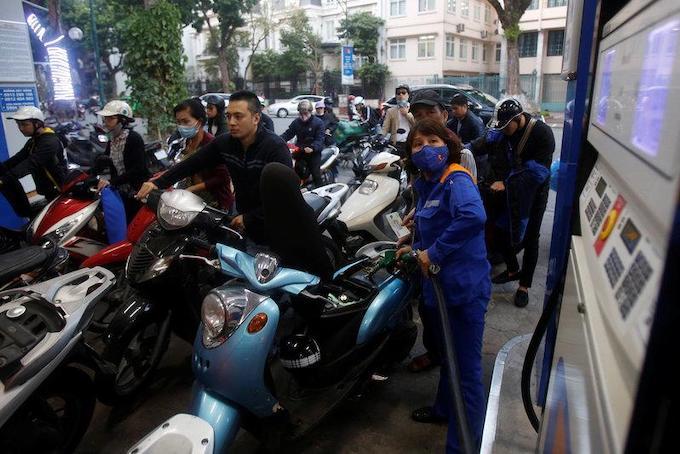
    In the first six months this year, the top five popular brands in the country sold almost 1.6 million motorbikes, the Vietnam Association of Motorcycle Manufacturers (VAMM) reports.

    This is a growth of 4 percent over the same period last year, said VAMM, which represents Honda, Piaggio, Suzuki, SYM and Yamaha in Vietnam.

    Motorbike consumption in the first half this year was 12 times that of cars, which went down two percent year-on-year, it added

    Honda remained the largest player in the motorbike market, accounting for 72.5 percent of 3.28 million motorbikes sold by VAMM members from April last year to March this year, the company informed a conference in May.

    Although semi-automatic motorbikes are still dominant, Vietnamese are showing greater inclination towards scooters. Last year, 48 percent of motorbikes sold in the country were scooters, a three percent increase from 2016, the VAMM report said.

    It said companies have also been producing more sports bikes as they discern greater interest in them from increasing numbers of young Vietnamese men.

    The motorbike market in Vietnam is still growing because people have a demand for this type of transport. High taxes and infrastructure limitations are constraints for cars, VAMM said.

    “Although the market will not see remarkable changes in the future, it will continue to grow steadily with 3-3.5 million motorbikes sold each year,” VAMM said.

    Motorbike market share in Vietnamin percentage; by March 2018HondaOtherHonda

    Last year, a study done by Germany-based Dalia Research found that Vietnam ranked top in the world for having with highest number of people using motorbikes for daily transportation.

    Seventy-nine percent of Vietnamese use motorbikes for commuting, while the number is just 10 percent globally, the study found.

    By the end of 2016, there were 45 million registered motorbikes in Vietnam, a country of over 92 million people, according to the Ministry of Transport.

  • Vingroup to take over Vien Thong A

    Vingroup to take over Vien Thong A

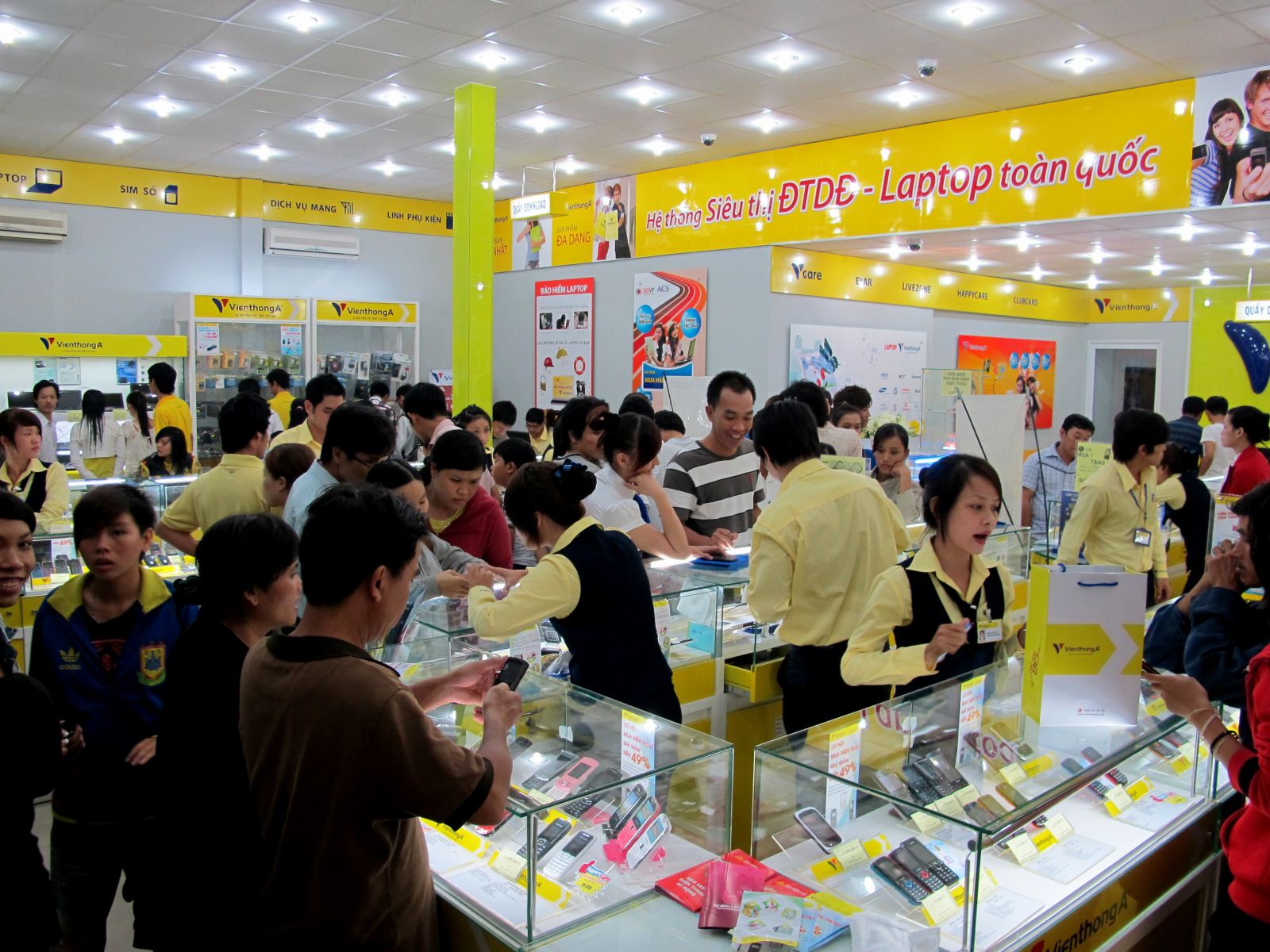
    Vietnamese conglomerate Vingroup’s electronics retailing arm VinPro is set to acquire mobile retail chain Vien Thong A next month.

    A source said that staff have been informed about the deal, and a merger process has commenced.

    However, Vien Thong A’s vice GM Huynh Viet Anh responded to a question about the report’s accuracy: “That can not be disclosed now.”

    Vien Thong A is one of the largest mobile device retailers in Vietnam. Founded in 1997, tit has 200 stores across the country.

    The deal is said to have been on and off since early this year, before being deferred to the second quarter. According to the report, VinPro, which has 35 outlets nationwide, would buy 71 per cent of Vien Thong A, and rebrand its stores to VinPro+.

    VinGroup, meanwhile, recently unveiled its first smartphone, branded the Vsmart.

  • Real estate giant shakes up market with yet another business

    Real estate giant shakes up market with yet another business

    Vingroup has invested VND2.4 trillion ($103.2 million) for an 80 percent stake in payment intermediary services firm VINID Joint Stock Company, according to a statement on the National Business Registration Portal.

    VINID, incorporated this week, has a charter capital of VND3 trillion ($129 million) and its other two founding shareholders are Hanoi-based VICARE Corporation (19 percent) and a person named Nguyen Minh Hong (1 percent).

    VINID sought to operate in 12 different areas of business, and received a registration certificate from the Hanoi Department of Planning and Investment.

    The payment services business must wait for State Bank of Vietnam permission, but the company has indicated it intends to begin as soon as it gets the green light.

    VINID is running Vingroup’s customer loyalty program, issuing VinID cards to customers of all of Vingroup’s subsidiaries.

    The firm takes care of four million card holders, Pham Nhat Vuong, chairman of Vingroup, told the 2018 annual general meeting held in May.

    The entry into the payments industry is meant to take advantage of Vingroup’s huge range of products, the company stated.

    The entry into payments comes on the heels of a slew of announcements the company has made about new business plans this year.

    In June Vingroup had said it would make electronic goods with the Vsmart brand of smartphones getting priority.

    It has set up VinSmart company with a charter capital of VND3 trillion ($129 million) to produce smart electronic products including phones and carry out R&D into artificial intelligence, automation, and next-generation materials.

    It will build a plant at the Dinh Vu – Cat Hai Economic Zone in the northern port city of Hai Phong.

    In April Vingroup revealed plans to enter the pharmaceutical industry and set up a medical research and production facility in the northern province of Bac Ninh.

    It would invest VND2.2 trillion ($94.6 million) in the first phase of the project, the company said.

    Vingroup is the largest listed company in the Vietnamese stock market with its market capitalization reaching $13.62 billion, the group stated on its website in April.

    Last year it raked in net revenues of VND89.350 trillion ($3.84 billion), a 55.1 percent increase year-on-year.

  • PM Vietnam warns against allowing in global waste

    PM Vietnam warns against allowing in global waste

    “Authorities need to work in co-ordination to stop scrap from entering Vietnam and affecting the environment and people’s lives,” he said at a meeting of the government’s standing committee on importing scrap Wednesday.

    They need to investigate the scrap containers that have entered the country without anyone accepting delivery so far and occupying huge space at ports, he said.

    They need to take legal action against violations of environmental laws and illegal imports of scrap, he said.

    They should not permit businesses to import scrap, he warned further.

    The Prime Minister approved a proposal to issue a directive on controlling scrap imports, which will be an important legal basis for the Ministry of Natural Resources and Environment to stop their imports.

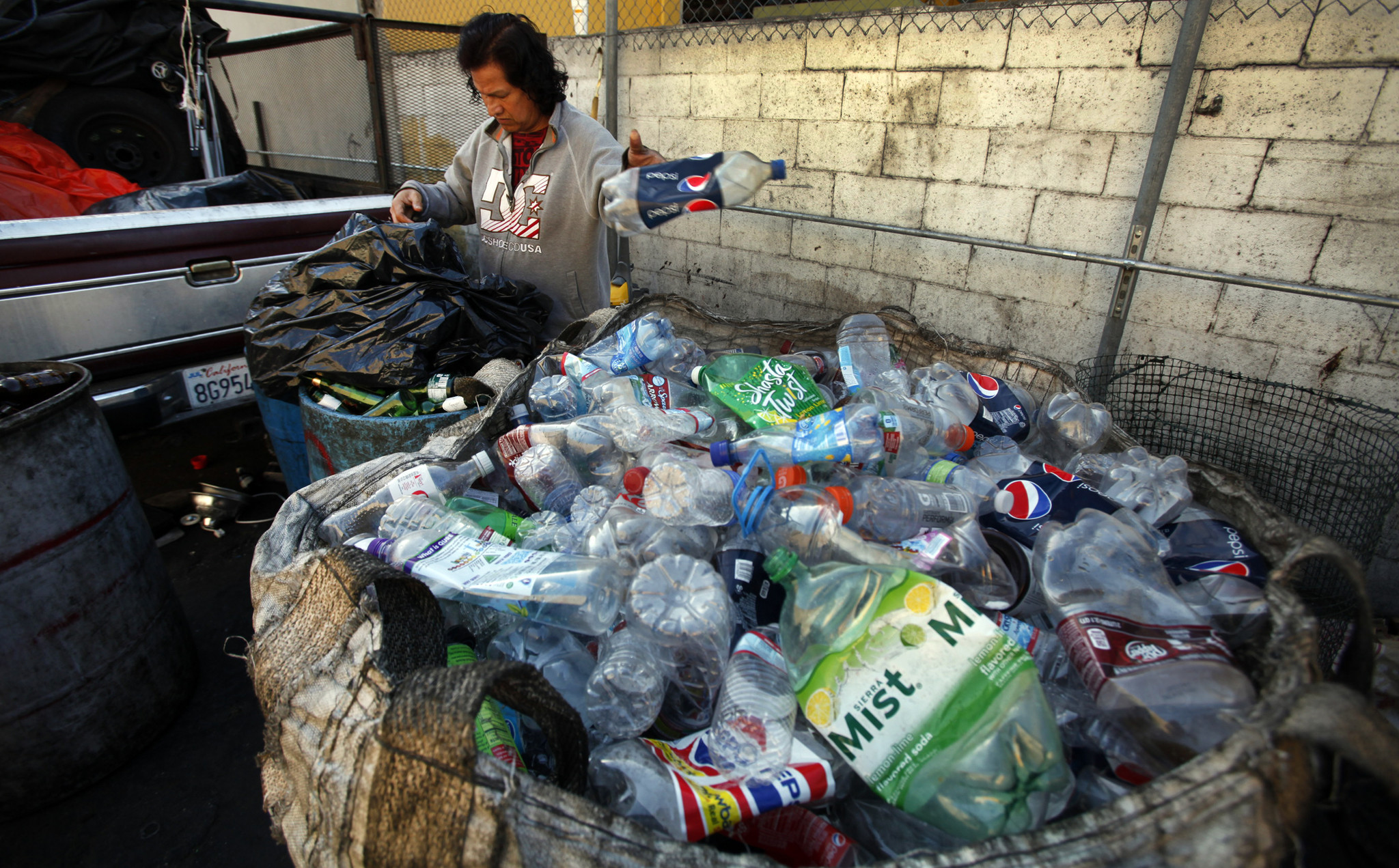
    Since China announced last year it would stop allowing imports of waste as part of its “war on pollution” Vietnamese experts and officials have been concerned this country could become the next dumping ground for the world’s scrap.

    Over 900 Vietnamese firms import paper, plastic and metal scrap for use in manufacturing, according to Vietnam Customs.

    In the first six months 8,000 containers of scrap arrived at Cat Lai port in Ho Chi Minh City, said its operator, Saigon Newport Corporation.

    A third have remained at the port for over 90 days without anyone carrying out clearance procedures for them, it added.

    This year Vietnam had imported 2.28 million tons of metal scrap for over $816 million as of June 15, an increase of 55 percent year-on-year, according to customs.

  • Vietnam labor unions, businesses remain locked in minimum wage dispute

    Vietnam labor unions, businesses remain locked in minimum wage dispute

    The National Salary Board met for the second time this month to discuss whether or not to raise the minimum wage of Vietnamese workers next year.

    The previous meeting had failed to reach an agreement.

    On Thursday, the Vietnam General Confederation of Labor (VGCL), which represents the laborers, repeat its demand for an eight percent increase in minimum wage, or by VND220,000-330,000 ($9.4-14.6) per month, depending on the area.

    This increase will meet 95 percent of laborers’ living costs, it said.

    However, the Vietnam Chamber of Commerce and Industry (VCCI), which represents businesses, disagreed, saying there should be no increase in minimum wage next year.

    Most business associations in the country don’t agree with the proposal to increase minimum wages next year, said Hoang Quang Phong, vice chairman of the VCCI.

    One of the reasons the two organizations have not been able to come up to an agreement is that they have different methods of determining minimum living costs, said Ngo Duy Hieu, head of the Department of Labor Relations under the VGCL.

    In order that Vietnamese laborers get a minimum wage that completely covers their minimum living costs, there should be an increase in their remuneration over the next two years that is suitable for businesses but also matches the contribution of laborers, he said.

    VGCL recently published a study on minimum wage and cost of living after surveying over 3,000 laborers in 150 different businesses in the country.

    26.5 percent said they were “barely getting by,” while 12.5 percent said their incomes were not enough to support their families, and have to work overtime or extra jobs to make ends meet.

    The study found that an average worker’s minimum spending is VND6.5 million ($290) each month, while the average base salary is just VND4.6 million.

    Thus laborers need to work on average an extra 28 hours a month just to make ends meet, the study found.

  • Central bank allows dong to slide against greenback

    Central bank allows dong to slide against greenback

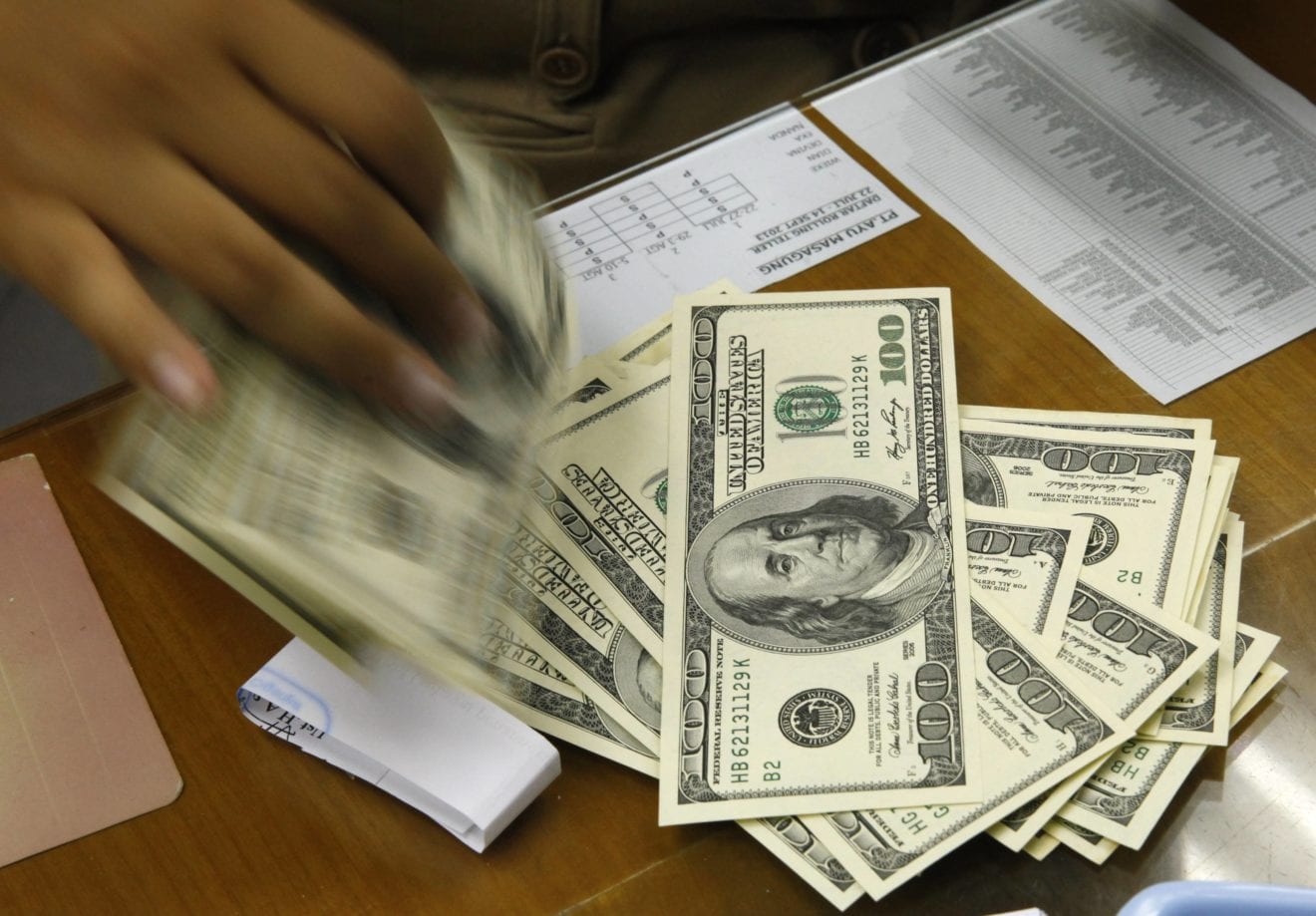
    The State Bank of Vietnam sold the greenback at VND23,284 on Wednesday, down from VND23,050 last  Friday.

    It fixed a central rate of VND22,654 on Wednesday compared to VND22,634 on Monday, and banks too sold dollars at higher rates, Vietcombank at VND23,250 and Eximbank at 23,260.

    The higher dollar rates are likely to affect importers, according to industry insiders.

    When the dong depreciates against the dollar, steel businesses have to pay higher prices for feedstock, a source from the Vietnam Steel Association, who asked not be named said.

    “But it’s too early now to say how this weakening of the dong will affect steel firms.”

    Economist Nguyen Tri Hieu said that import firms would continue to suffer because of a strong USD and he estimated it to strengthen by 1-3 percent this year against the Vietnamese currency.

    But export businesses would enjoy the stronger dollar, he said.

    They should seek to expand and take foreign currency loans since interest rates are currently low, he added.

    The SBV said it allowed the dong to weaken against the greenback to keep the market stable.

    Pham Thanh Ha, head of its monetary policy department, said the recent increase in the central bank’s dollar selling was to stabilize the market.

    Its monetary policy would remain unchanged to control inflation and stabilize the economy, he said in a statement.

  • Vietnam steel faces protectionism in Canada, EU

    Vietnam steel faces protectionism in Canada, EU

    The EU and Canada are taking safeguard measures to protect their steel companies from exports from Vietnam.

    The EU claimed it is taking the protective measures due to a surge in imports from many countries in recent years.

    Imports of steel products had been 18.8 million tons in 2013 but jumped to 30.5 million last year, according to the Official Journal of the European Nation published on July 18.

    Vietnam is listed among the developing countries which face provisional measures lasting 200 days starting July 19.

    Three of its products – non-alloy and other alloy cold-rolled sheets, metallic coated sheets and stainless cold-rolled sheets and strips — now attract a 25 percent additional tax.

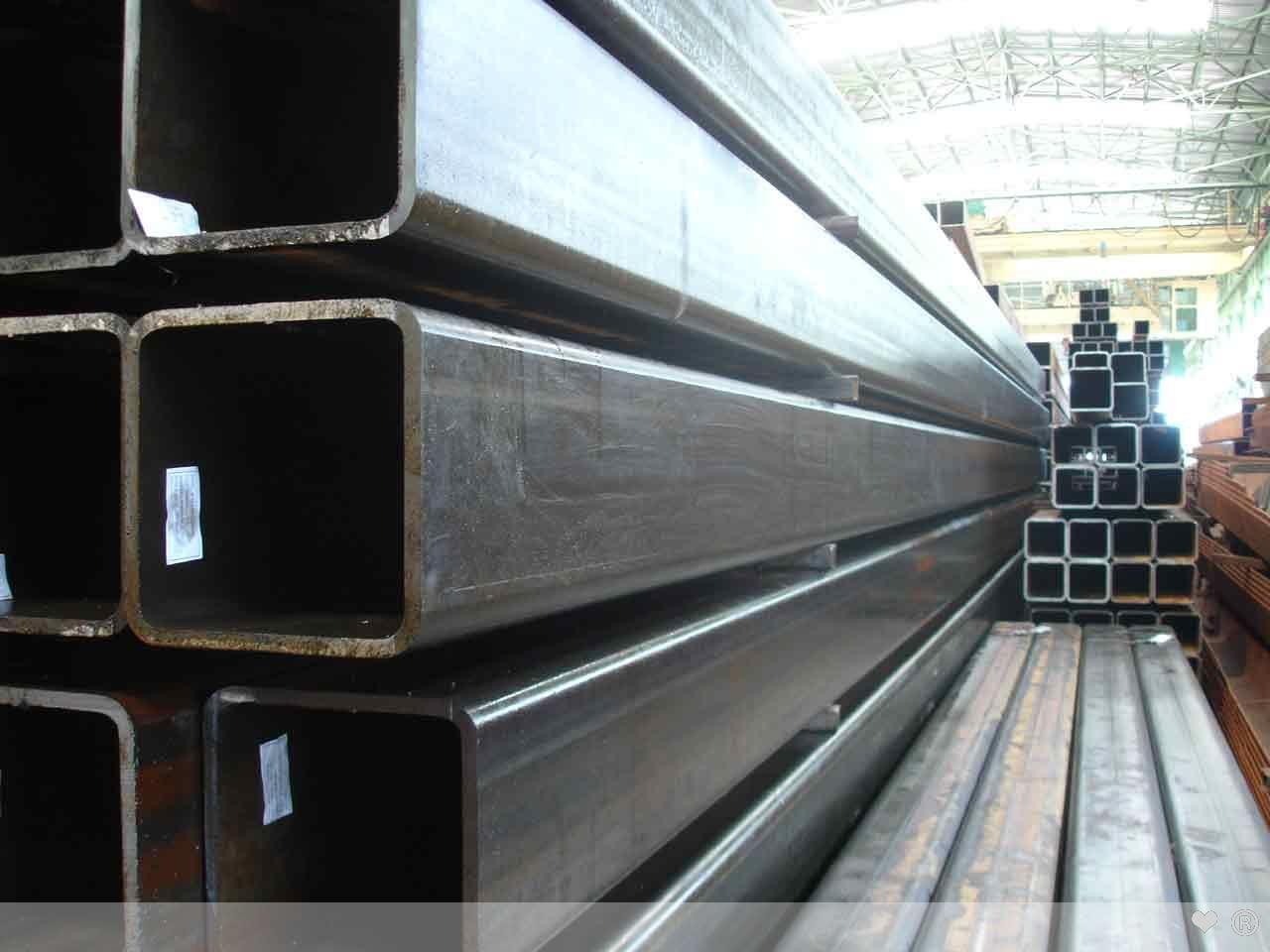
    The Canada Border Services Agency (CBSA) said it is considering if Vietnamese carbon steel-welded pipes are being sold at unreasonable prices making it harder for local companies to compete.

    Other countries are also being investigated, including Pakistan, the Philippines and Turkey.

    The investigation, which began on July 20, came after Novamerican Steel Inc. in Montreal city alleged that local steel companies could not compete because of price undercutting by the countries listed subsequently.

    The CBSA will work with local authorities to investigate and expects to release its preliminary evaluation on October 18.

    Vietnam exported 4.71 million tons of steel worth $3.15 billion last year, 35.6 percent and 55.1 percent up from 2016 in terms of volume and value.

    ASEAN member countries are its main importers, accounting for 59.2 percent of exports, and the U.S. ranks second at 11 percent, a Vietnam Steel Association report said earlier this year.

  • Vietnamese firms get the hang of mergers, acquisitions

    Vietnamese firms get the hang of mergers, acquisitions

    A new report by the annual Vietnam M&A Forum shows that 17.72 percent of the total value of M&As in H1 2018 involved Vietnamese buyers. The corresponding figure last year was 8.2 per cent.

    Such a rise shows Vietnamese investors are and would be “more active” acquirers though foreign investors will continue to lead the market, it said.

    In H1 2018, M&As reached $3.35 billion, up 39 per cent year-on-year.

    Dang Xuan Minh, general director of AVM Vietnam, one of the organisers of the Vietnam M&A Forum, said many Vietnamese firms like Kido, Vingroup, Masan, FPT, Viettel, Pan Group, and Vinamilk are using M&As as a ticket to growth.

    They have all done some 4-5 deals on average either as a seller or buyer, he said.

    Nguyen Van Thinh, CEO of Deloitte Vietnam, said he has seen a sharp rise in the involvement of Vietnamese firms in M&As, especially by bigger private firms like Vingroup.

    “Vietnamese firms will be a major driving force of M&As in Vietnam along with foreign investors in the coming years,” he said at a press conference on the Vietnam M&A Forum 2018, scheduled to take place in HCMC in August.

    Four thousand M&As deals worth $48.8 billion took place in Vietnam in 2009-2018, according to the M&A Vietnam Forum report.

    In 2017 the value had risen 10 fold from 2009 to $10.2 billion as Thailand’s TCC Group acquired 53.59 per cent of Vietnam’s number one brewer Sabeco for $4.89 billion.

    This year M&As deals are expected to fall to $6.5-6.9 billion since there are no large deals like Sabeco on the horizon, the report said.

    Most future deals would be seen in the real estate and consumer goods sectors, while telecom, energy, infrastructure, pharma and education are also likely to attract funds.

  • Online Food Order Vietnam Rally

    Online Food Order Vietnam Rally

    The Association of Vietnam Retailers says that there has been an exponential increase in the number of people ordering food online in Hanoi and HCMC in the last few years, and it is foreign firms that are cashing in on delivering it.

    The food delivery market is now dominated by Delivery Now, and Vietnammm.com.

    Delivery Now is a product of Foody Corporation, once a Vietnamese food service startup that was acquired by Singapore-based internet firm Sea LTD last year, while Vietnammm.com is a subsidiary of Takeaway.com, one of the world’s largest online food ordering websites based in the Netherlands.

    Invested in by Ho Chi Minh City-based Scommerce Group, an information technology and services firm, Lala is considered a rising star in food delivery sector by industry insiders, having the advantage of hi-tech knowhow from its parent firm.

    Lala connects its users directly with restaurants before its shippers from Ahamove, also a child of Scommerce Group, delivers food.

    Delivery Now has already gained great popularity in the country and GrabFood poses a serious threat, Vu Hoang Tam, co-founder and director of Lala, said.

    “Obviously, GrabFood is already equipped with an army of drivers, which makes it so easy for its delivery service” he said.

    Two months ago, Malaysia-based ride-hailing firm Grab launched GrabFood in Ho Chi Minh City.

    Apart from Malaysia and Vietnam, GrabFood is now available in six others countries in Southeast Asia: Singapore, Indonesia, Cambodia, Myanmar, the Philippines and Thailand.

    GrabFood has partnered with more than 1,000 restaurants around HCMC and is expected to expand its service to Hanoi in late September and Da Nang later this year.

    But GrabFood also has certain weaknesses as it does not link customers with restaurants. Its drivers are simply hired to go to the restaurants and bring back the food requested by customers.

    There is an element of risk involved for the drivers, who have to pay for the food first and collect payment from customers later.

    Currently invested in by Hanoi-based tech firm VCCorp, eat.vn and chonmon.vn are the two names getting known in the food delivery market these days.

    While chonmon.vn targets local customers, eat.vn focuses on serving expats and foreign visitors to Vietnam.

    “If a fierce battle started around 4 years ago for the ride-hailing service in Vietnam, it is time now for a yet another battle in the food delivery market,” a company representative said.

    However there are fears that despite the strong growth of the industry, local firms could be pushed out of the game, leaving the field exclusively for foreign investors.

    Do Xuan Quang, deputy head of Vietnam Logistics Business Association, said Vietnam was the fastest growing e-commerce market in Southeast Asia, and along with the strong growth of the logistics industry at 15-20 percent, a similar movement in the delivery market is not surprising.

    In 5-10 years, the delivery market in Vietnam will be valued at around $10 billion, he said.

    This is clearly a fertile ground for businesses but if Vietnamese firms do not prepare themselves for the race, they will repeat the failure of the logistics sector, allowing foreign companies to take over the market, he added.

    U.K.-based market research firm EuroMonitor International values the food delivery market in Vietnam at around $33 million this year and at more than $38 million in 2020.

    It also puts the annual growth rate of the market at 11 percent.

  • Mothercare Vietnam opens second store

    Mothercare Vietnam opens second store

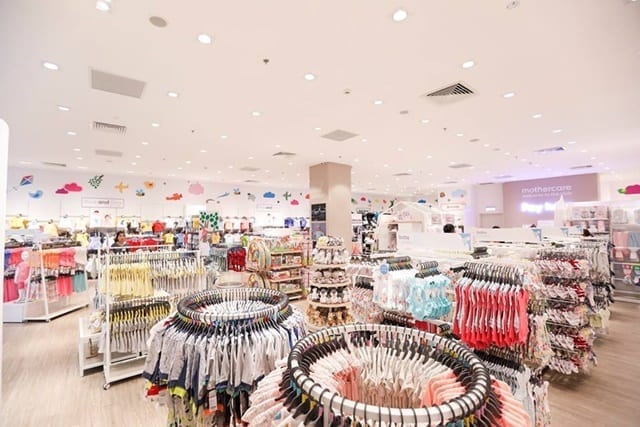
    UK-based baby-goods retailer Mothercare Vietnam is opening its second store, inside the newly-opened Vincom Landmark 81 in Ho Chi Minh City.

    Opened three months after the first store at Crescent Mall, the new 286sqm shop offers a full range of products for mothers, and for kids under five years old.

    The brand plans to open a third store by the end of this year at another, as yet unidentified, shopping mall.

    The baby goods retailer was brought to Vietnam under franchise agreement between Mothercare UK and IPP Group’s subsidiary ACFC, which also manages Gap, Nike, Old Navy, and Tommy Hilfiger.

    While expanding in international markets, the UK brand has shuttered stores in an effort to survive in its home market.

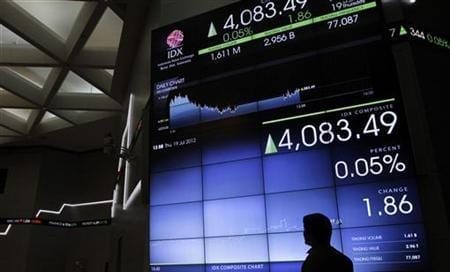
  • SE Asia Stocks: Indonesia, Vietnam rise; others subdued

    SE Asia Stocks: Indonesia, Vietnam rise; others subdued

    Investors’ risk appetite soured on fears of more trade protectionist measures from the United States as U.S. President Donald Trump said on Friday he was ready to impose tariffs on all $500 billion of imported goods from China, threatening to escalate a clash over trade policy that has unnerved financial markets.

    The dollar declined against major currencies after Trump criticised the Federal Reserve’s monetary tightening policy.

    “Market players will likely closely monitor China’s policy reaction, especially on the RMB front in the interim. Asian markets are likely to also trade with a cautious tone today,” OCBC said in a note.

    Singapore shares were down after four straight sessions of gains ahead of June inflation data.

    The annual headline inflation rate is expected to have risen in June from the previous month, according to a Reuters poll.

    Financials were among the biggest drag with index heavyweights DBS Group Holdings, Oversea-Chinese Banking Corp and United Overseas Bank shedding between 0.9 percent and 1 percent.

    Indonesian shares rose 0.9 percent with all sectors but materials in positive territory.

    Financials led the charge, with Bank Central Asia Tbk PT rising 1.7 percent to its highest in more than three months, while Bank Mandiri (Persero) Tbk PT gained nearly 2 percent.

    The impact of U.S.-China trade tensions on Indonesia is “not a lot” as exports to these countries are not the biggest parts of Indonesia’s economy, said Nomura Indonesia analyst Elvira Tjandrawinata.

    “Indonesia is instead affected through the impact global events have on the local currency, which pours into general sentiment in the economy,” she said.

    Last week, the central bank kept its benchmark interest rate unchanged as expected, taking a pause in its monetary tightening cycle.

    Vietnam shares jumped 1.4 percent, driven by gains in real estate and financial stocks. Vingroup JSC and Petrovietnam Gas Joint Stock Corp were the top gainers.

  • Beauty Garage launches in Singapore

    Beauty Garage launches in Singapore

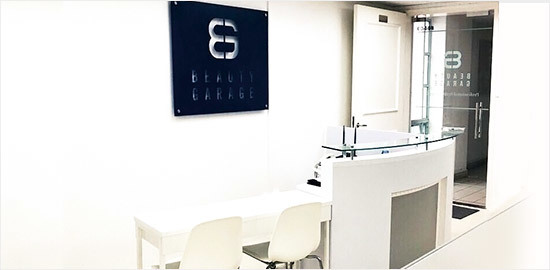
    Japanese beauty product mail order service Beauty Garage has opened e-commerce sites and showrooms in Singapore and Malaysia.

    Beauty Garage Online Shop Singapore, the company’s first overseas base, opened mid July as an e-commerce platform and a showroom store selling wholesale merchandise. The Singapore service was established by partnering with beauty merchandise wholesale/seminar business Haru Singapore into a group company through third party allotment of capital increase. Haru’s roadside shop has been renovated to house the new showroom.

    A spokesperson for the company said “In the future, we will use the experience and expertise that Beauty Garage has cultivated in the Japanese market [over] a long time, not only to aggressively develop new customers and expand our handling products, but also [to] establish logistic bases in the Southeast Asian market. We will develop the strength of ‘IT × logistics’ as a trading company globally.”

    Beauty Garage Malaysia plans to open e-commerce sites and showroom stores in August.