Tag: Vietnam

  • East Saigon running out of apartments for sale to foreigners

    East Saigon running out of apartments for sale to foreigners

    An ownership cap is preventing foreigners from buying high-end apartments in Saigon, especially its eastern part.

    Thien’s apartment was in a prime area with a view of the Saigon River in Ho Chi Minh City’s Thao Dien Ward, District 2.

    He could have sold it for VND5.5 billion ($236,000) to a foreign buyer, but had to sell to a local investor for VND5 billion ($215,000) because the 30 percent cap of foreign ownership had already been reached.

    Like Thien, Luong bought a high-end apartment on Ha Noi Highway, District 2, in 2017, and sold it to a foreigner early 2018. It was after the contract was signed that he learnt that the foreign ownership cap had been reached. It took him another month to find a Vietnamese buyer for lower profits.

    The amended Housing Law 2014 expanded foreigners’ rights to buy housing in Vietnam but stipulates a foreign ownership cap of 30 percent in each project.

    Savills Vietnam director Matthew Powell said that many apartment projects in HCMC have reached the 30 percent foreign ownership limit since last year, especially in expat dense areas.

    Song Hai, an experienced real estate broker, said many foreigners find property in the east of the city, like District 2, especially in Thao Dien ward, more attractive as it has been an expatriate haunt for some time.

    Earlier, in the third quarter of 2017, a property project located in a prime location in District 1, accessible via the Thu Thiem Tunnel, was so attractive to a group of individual Korean investors that they were willing to take 50-year leases if they could not buy apartments outright as a result of the foreign ownership limit.

    Nguyen Xuan Quang, Chairman of Nam Long Investment Joint Stock Company, said the participation of such individual foreign investors was a positive sign for the market at a time when apartment sales were slowing.

    “Foreign investors might see good market prospects here as returns from property in the city could be better compared to other countries,” he said.

    Nguyen Loc Hanh, deputy general director of sales and marketing at Danh Khoi Real Estate Joint Stock Company (DKR), said quite a few apartment projects in the eastern part of the city have reached the 30 percent foreign ownership limit, especially high-end projects with fewer than 500 apartments typically preferred by foreigners.

    Luxury apartments in the city are still much cheaper than in Hong Kong or Singapore, Hanh noted.

    Alan Kan, committee member of the Hong Kong Business Association Vietnam (HKBAV), said that Hong Kong property prices have risen to unaffordable levels, and so many people there are looking to investing in cheaper places like Vietnam and Thailand.

    According to data from Hong Kong-based Golden Emperor, gross rental yields are between 4.5 percent and 5 percent in Bangkok and much lower in Singapore, Kuala Lumpur and Hong Kong, and cannot compare with the yields of 6-8 percent in Vietnam.

    Powell of Savills Vietnam added that conditions and legal procedures related to foreign ownership have been eased but should be improved further to attract more investors.

    He agreed it was important to have ownership limits to ensure proper oversight and avoid negative impacts on the economy, but Vietnam could consider relaxing the regulations in certain areas to meet demand, especially in the luxury segment, he added.

    According to property consulting firm Jones Lang LaSalle (JLL), Malaysia has a relaxed realty policy that encourages foreigners to buy various kinds of properties.

    Thailand now allows foreigners to buy only 49 percent of a housing project, down from 100 percent earlier.

    Indonesia only allows foreign individuals to hold a right of use title for 30 years extendable for another 20.

  • Toyota Vietnam recalls 11,300 plus cars with airbag faults

    Toyota Vietnam recalls 11,300 plus cars with airbag faults

    Toyota Vietnam has announced the recall of more than 11,300 cars of three models with faulty airbags.

    The inflator canister of over 5,600 Corolla Altis cars manufactured in 2013 can be penetrated by humidity, the Japanese company said in a statement.

    Thus, it can happen that in some crashes, the activation of the airbag can break the inflator into pieces. These pieces can be pushed through the inflated airbag, causing serious damage to users.

    The same fault is likely in 5,100 Vios cars and 550 Yaris cars manufactured at the same year, which are also being recalled.

    Another 372 Corolla Altis cars manufactured between December 16, 2015 to February 15, 2016 are being recalled for airbag crash sensor faults.

    The electrical insulator of the airbag electronic controller unit can fall off after a period of car operation, turning on the warning airbag symbol on the driver’s control board.

    In the event of a crash, the airbag may not be activated because of this fault.

    Toyota said it has not been aware of any accidents involving these faults so far.

    Customers can bring their vehicles for a free replacement of the faulty parts at Toyota garages, which should take three hours.

    This is not the first time Toyota Vietnam is recalling cars with airbag faults. The most recent one was in March this year and August last year, with over 20,000 vehicles in each occasion.

  • US-China trade war could drag Vietnam GDP down

    US-China trade war could drag Vietnam GDP down

    Vietnam’s GDP could drop slightly as a result of the ongoing US-China trade war, a new report says.

    The report, released Wednesday by the National Center for Socio-Economic Information and Forecast (NCIF), predicts a drop of 0.03 percent this year, 0.09 percent next year and 0.12 percent in 2020 and 2021.

    This equals to a GDP drop of VND1.65 trillion ($71 million) this year and VND5.3 trillion ($228 million) next year. The decline will climax at VND8 trillion ($344 million) in 2021, says the NCIF, which functions under the Ministry of Planning and Investment.

    This drop is “relatively low,” even at the climax in 2021, said Tran Toan Thang, head of NCIF’s Department of World Economic Issues.

    While Vietnam’s exports will also decrease because of the negative impacts of the trade war, there will be negligible impact on foreign direct investment, Thang said.

    He also expressed concern over the new U.S. tax law that lowers its business tax rate from 35 percent to 21 percent, he added.

    The new law might make U.S. businesses reconsider their investment strategies to focus more on their home country instead of expanding in Vietnam, Thang said.

    The tax deduction might also result in some countries creating more incentives to retain U.S. investments. China has recently said it would temporarily give U.S. firms tax exemptions to stop them from withdrawing from the country, Thang noted.

    “This move will lower competitiveness of the investment environment in Vietnam,” he added.

    Tension escalates

    Trade tension between the U.S. and China continues to escalate. A Reuters report cited Beijing saying on Wednesday that it would slap additional tariffs of 25 percenton $16 billion worth of U.S. imports.

    The announcement came after Washington said it would impose 25 percent tariffs on another $16 billion in Chinese goods after imposing tariffs on $34 billion last month.

    So far, China has now either imposed or proposed tariffs on $110 billion of U.S. goods, representing the vast majority of its annual imports of American products.

    Experts have previously cautioned that Vietnam will suffer collateral damage from this trade war.

    When large corporations no longer see the attractiveness of developing countries, their capital will flow back to the big countries, said Pham Sy Thanh, a department head at the Vietnam Institute for Economic and Policy Research (VEPR).

    For this reason, the abundance of labor will no longer be a perk for developing countries like Vietnam, Thanh told VnExpress.

    Local economists are also concerned that the weakened Chinese yuan will result in a rush of low quality Chinese goods to Vietnam, including textiles, garments and wood products.

    This is not just a trade war, but “a war on power, technology and currency policy between the world’s two largest economies,” Tran Tuan Anh, Minister of Industry and Trade said at a government meeting last month.

  • Vietnam Steel Association hopes to circumvent ban on scrap imports

    Vietnam Steel Association hopes to circumvent ban on scrap imports

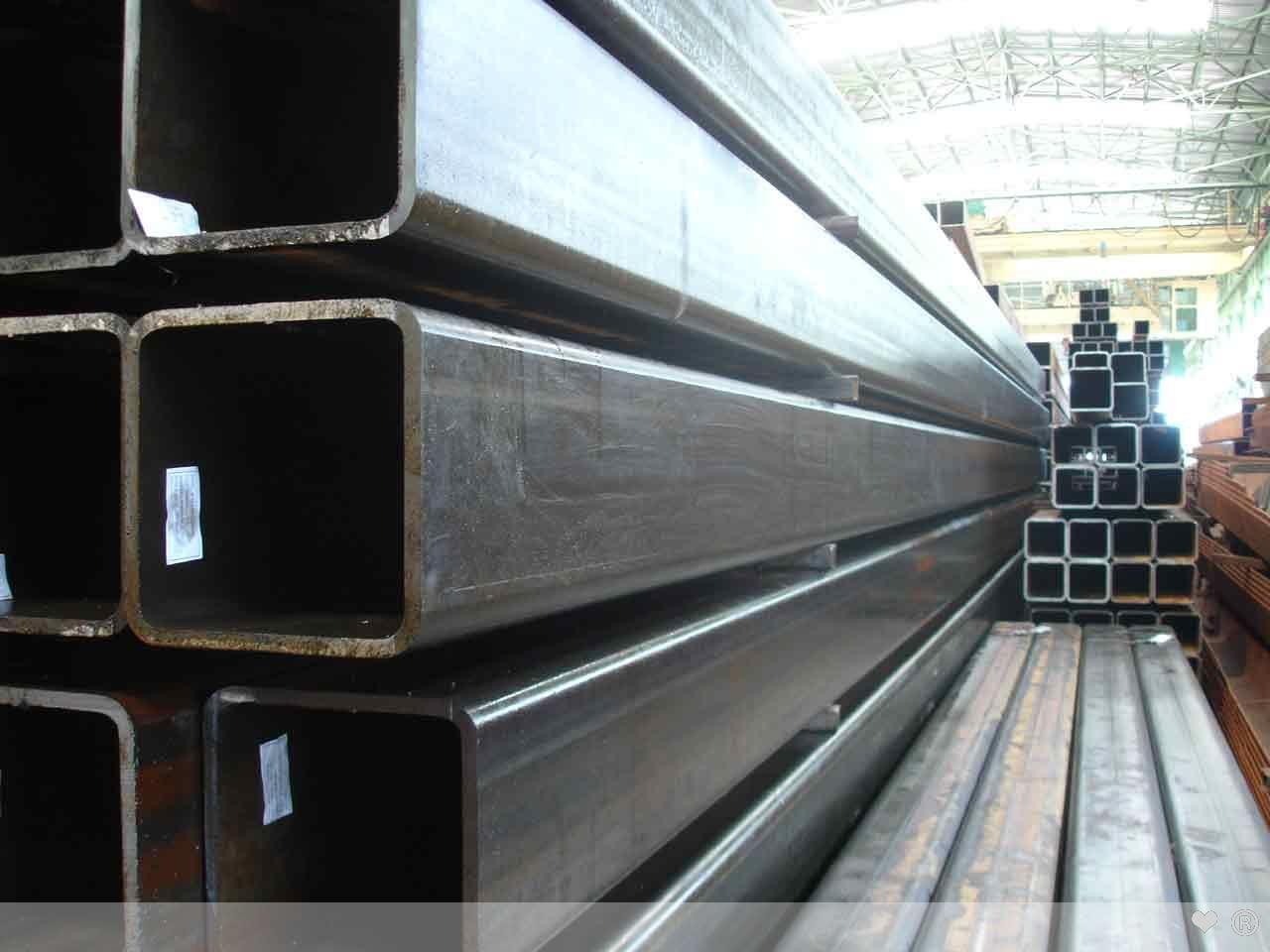
    The Vietnam Steel Association wants the ban on metal scrap waived so that its members can continue importing it as feedstock.

    Making steel from steel and iron scrap is an environment-friendly process, which produces only a fifth of the emissions as using iron ore, the VSA said in a letter to the Ministry of Natural Resources and Environment.

    China has been restructuring its steel industry in recent years to prioritize using metal scrap, and a similar trend can be seen in the U.S. and EU, it said.

    Since the supply of metal scrap in Vietnam can only meet 40 percent of their needs, steelmakers have to depend on imports for the rest, it said.

    The VSA petition follows a recent government order to stop import of scrap, which warned that Vietnam is on the verge of becoming the world’s dumping ground after China stopped scrap imports on January 1.

    The letter also proposed severe penalties for steelmakers violating import regulations and causing harm to the environment.

    Seventy two Vietnamese steelmakers imported over 2.6 million tons of metal scrap in the first half this year, mostly from Japan, the U.S. and Hong Kong.

    The figure is estimated to reach 19 million tons in the period from 2018 to 2020, according to the VSA.

  • Mitsubishi Motors bolsters crossovers sales

    Mitsubishi Motors bolsters crossovers sales

    Mitsubishi Motors Vietnam managed to boost its sales via crossovers while eyeing the expansion of manufacturing and assembly in the country.

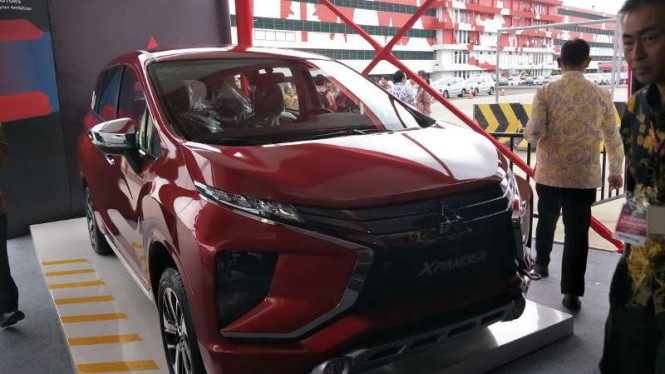
    The firm (MMV) yesterday debuted the all-new Xpander, a next-generation crossover MPV, in Vietnam.

    Manual and automatic models of the seven-seat car will be imported from Indonesia, with orders starting in September, and cost VND550 million ($23,650) to VND650 million ($27,950).

    They will take on the Kia Rondo, Suzuki Ertiga and Toyota Rush.

    The auto maker has to yet reveal the import scheme for Xpander, which won Indonesia’s Car of the Year award this year from leading tabloid Otomotif.

    Early this year, even as many other automakers were struggling to import cars following the introduction of stringent technical regulations by the government’s Decree No. 116, Mitsubishi launched the domestic-assembled crossover Outlander and gained positive cues.

    More than 1,000 Outlander units were sold in the first half of this year, or one third of the total sales.

    Meanwhile, the extensive operations of MMV is under consideration.

    The company has reportedly discussed locations for its second plant in the country with the central province of Nghe An and the southern province of Long An. The first is in Binh Duong province near Ho Chi Minh City.

    The proposed plant, would cost around $250 million and have an annual capacity of 30,000 – 50,000 units, vice chairman of Mitsubishi Motors Corporation, Kozo Shiraji, told Deputy Prime Minister Vuong Dinh Hue during a meeting in January.

    The factory is likely to begin production in 2020.

  • Vietnam’s renewable energy sector in a state of flux

    Vietnam’s renewable energy sector in a state of flux

    Vietnam’s renewable energy sector is experiencing an unprecedented surge in project activities and policy changes, making end results unpredictable.

    The surge in activity includes project approvals as well as project transfers to technically experienced and financially capable developers, which is a positive trend, but whether it can fulfill the nation’s renewable energy potential remains to be seen.

    Among the significant policy developments that have taken place of late is the temporary suspension of approval for additional solar power projects (SPPs).

    The Office of the Government has issued Notice No. 174 requesting the Ministry of Industry and Trade (MOIT) to suspend approval of additional SPPs pending, in turn, the approval of a national master plan for the development of solar power (Solar PDP).

    The MOIT has been tasked with formulating and presenting a new Solar PDP to the Prime Minister.

    Notice 174 states that over 70 solar power projects with a total registered capacity of 3GW approx have been approved within relevant master plans (noting a planned capacity of 850MW for up to 2020 under the Power development plan 7).

    Pending passage of the new master plan for solar power development, only projects that have been appraised by the MOIT (50MW or less) and those that have already been presented to the PM (above 50MW) will be considered for approval.

    Other solar projects, including those being appraised by the MOIT, regardless of their registered capacity, shall be deferred and considered for inclusion in the national solar master plan.

    The impact of this suspension has been seen in the market, where the selling side has tended to mandate higher prices for their project development efforts. It has also reminded market players to be prepared to accommodate potential policy uncertainties, twists and turns in their dealings.

    FIT developments

    Another area of primary interest in the sector has been in the Feed in Tariff (FIT) deadline for SPPs.

    To further promote socio-economic development, Deputy PM Vuong Dinh Hue has instructed the Ministry of Planning and Investment (MPI) to draft a Government resolution proposing a special regime and policy, including a potential extension of application of Decision No.11/2017 (Decision 11) on FIT for SPPs in Ninh Thuan Province.

    The draft document (No. 4545 dated July 4, 2018) submitted by the MPI to the Government Office has been reviewed.

    The Government Office has since issued a notification (No. 7108 dated 26/07/2018) saying Decision 11, which provides for a FIT of US cents 9.35/kWh, will not be extended.

    However, a PM Decision on extension of commercial operation date (COD) till 2020 for Ninh Thuan province up to a capacity of 2000 MW (AC) is expected.

    In order to support the next policy consideration, the MOIT has issued a document (Official Letter 5735) requesting relevant Government bodies and their units to assign a cadre to participate in the working group to draft a decision amending Decision 11 and another draft decision to develop bidding mechanisms for the solar power sector. These are to be submitted to the PM for his consideration.

    It is to be noted that post June 2019 solar power projects may expect a lower FIT rate of approx 7.6 US cents/kWh. The authorities are further considering formulating a special provincial plan to support investments in the two key provinces of Ninh Thuan and Binh Thuan, which are attracting huge investor interest for solar power projects.

    This guideline on the application of Decision 11’s FIT, together with the potential for system overload if the transmission system is not updated in time, will present a significant technical challenge for Vietnam Electricity (EVN) and MOIT in accommodating the policy.

    This will also be true of piloting direct Power Purchase Agreements (PPAs) and upcoming policy changes.

    Rooftop projects

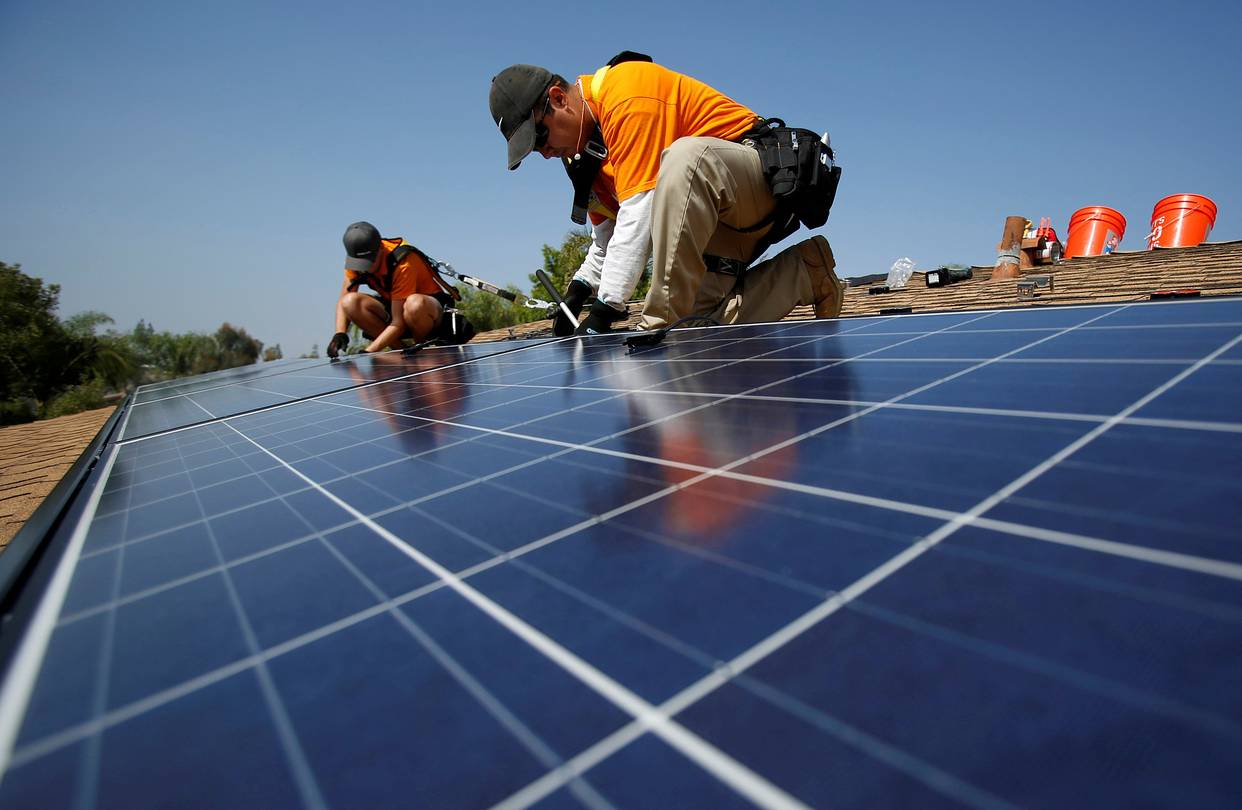
    In relation to rooftop solar power projects, national utility EVN, the sole power distributor in the country, issued a document (EVN Official Letter 1337) on March 21, 2018 guiding the temporary implementation scheme for rooftop SPPs with capacities equal to or less than 1MW, pending the issuance of an official guidance document by the MOIT and the Ministry of Finance (MOF) on payment and invoicing structure.

    The prevailing regulations provide for a net-metering scheme for rooftop SPPs. Under this, credit for surplus electricity (over direct consumption) generated can be transferred to subsequent payment cycles, and the excess electricity generated can be sold to EVN at the rate mentioned in the PPA signed by the seller and EVN either at the end of the relevant year or upon termination of the agreement.

    The MOIT Circular 16, issued last year, requires a solar power generator, as the seller, to enter into an appendix to the Model PPA in place with EVN or its authorized subsidiary. The model appendix is provided under Annexure 3.2 of Circular 16.

    However, according to EVN OL 1337, the appendix will not be applied until the MOIT and the MOF issue further guidance on the finalization, payment scheme and invoicing mechanism for such net-metering purposes.

    Offtake limitations

    Under current regulations, EVN is required to offtake the entire power output of solar and wind power projects.

    However, EVN already anticipates significant challenges to honoring this requirement, especially in areas with high concentration of solar and wind power projects with limited transmission capacity, even with the proposed system update expected by the end of 2019.

    EVN has reported such challenges to the MOIT, and the latter has issued a document (OL 3943 dated May 21, 2018) that requires the following:

    – EVN to instruct its affiliates to formulate grid connection agreements (GCA) for projects that may be able to dispatch power to the national transmission system without causing system overload;

    – EVN to review and consider (i) dispatch capacity of the system, and (ii) potential conditional GCA for projects that may cause system overload. Developers and operators may be required to reduce power output and suspend operation of their plants as requested by EVN’s operators to avoid system overload and comply with technical requirements under MOIT’s Circular 30/2015 and Circular 25/2016.

    – EVN to prepare and present to MOIT in the third quarter of 2018 a plan for investment in a transmission system able to take dispatch of renewable power projects after 2020.

    These MOIT instructions may result in potential deviations from the model power purchase agreements. EVN’s offtake obligation and such deviation would certainly add another significant item to the list of bankability issues for projects without executed PPAs and GCAs.

    It is expected that such issues would be further considered in the process of amending Decision 11 and related regulations.

    Stakeholders in projects with executed PPAs and GCA would be well advised to ensure closer monitoring and coordination with EVN to minimize impacts and disruptions.

    Increasing wind power FIT

    The MOIT has proposed to the PM an amendment (Draft decision) to Decision 37/2011 to increase FIT for wind power projects from the current 7.8 US cents/kWh (onshore).

    The amended draft decision will increase the FIT equivalent to 8.77 US cents/kWh (onshore) and 9.97 US cents/kWh (offshore), based on the SBV’s exchange rate of $1 equivalent to VND21,896 (announced on January 4, 2016) and subject to fluctuation.

    This potential increase is an effort to fix one of the most notable issues with wind power development regulations in Vietnam. The FIT under the draft decision shall apply to projects achieving COD before January 1, 2021.

    To sum up, although Vietnam has an advantage in terms of abundant resources, whether or not it will be able to tap its full potential remains to be seen.

  • US’s MGM plans its return to Vietnam

    US’s MGM plans its return to Vietnam

    It left with no explanation, and there is no explanation about an unexpected return by MGM Resorts International to Vietnam.

    MGM had withdrawn from a $4.2 billion project in March 2013 without saying why, but seems to have encountered no difficulty in returning with a new investment project.

    The global hospitality and entertainment company will now be a part of a new resort project near travel hot spot Hoi An in central Vietnam.

    MGM will partner with Vietnamese real estate firm Bamboo Capital in managing the VND2 trillion ($86 million) Malibu Resort Hoi An on Ha My beach.

    MGM would have managed the first resort on the Ho Tram Strip project in the southern Ba Ria – Vung Tau province, had it not broken a deal with the Canada-based Asian Coast Development Ltd (ACDL) which was the project’s main investor.

    It didn’t give a reason for withdrawing from the mega project, which would consist of 9,000 5-star hotel rooms, a golf course and a casino with 2,000 slot machines by 2020.

    But MGM has returned with a new vision and will only focus on managing resorts, said a representative of Bamboo Capital at the Malibu Resort Hoi An signing ceremony.

    The company will not manage both casinos and hotels as it used to years go, the representative said, adding that the current partnership is based on sound legal foundations.

    MGM reported a net income of $2.0 billion last year.

  • The great differentiator in retail industry

    The great differentiator in retail industry

    The retail industry is competitive, it’s relentless and the success of brands and retailers depends on how firmly they deal with their competition. One way to stay ahead of the curve is the incorporation of technology in a brand’s operating model.

    Technology is changing the shape of the global retail industry as also the way many retailers and businesses operate. In retail, technology gives brands the platform to better satisfy their customers by helping them concentrate on consumer needs.

    According to a Walker study, customer experience will overtake price and product as the key brand differentiator by 2020 and 86 percent of consumers will pay more for a better experience. The challenge in serving the modern customer for most retailers, therefore, lies in bringing about the right balance between technology and humans.

    Retailers with the foresight to understand the potential of technology without getting lost in its complexities, and merging it with human interaction, have always been able to grow faster and bigger. Simply put, technology is beginning to play an increasingly important role in the management of complex retail operations all over the world. To stay ahead of the game, retailers are taking the help of different technologies to lead the way in changing two aspects: their points-of-sale and their points-of-supply.

    As retail markets continue to grow and become complex, it is becoming increasingly tough for businesses to keep a track on new developments and then to figure out how these developments can be combined into their operating models in order to come up with a winning proposition – both for themselves as well as their consumer. This is one of the many reasons that retailers need technology.

    Other important factors for retail brands to transform their IT capabilities include:
    – Increasing the company’s ability to respond to the evolving marketplace through enhanced speed and flexibility
    – Collecting and analysing customer data while enhancing differentiation
    – Working effectively; retailers need one system working across stores (or even across national borders) to make sure the most effective use of stock and improve business processes

    Technology in Retail

    High tech innovations help retailers stay competitive in key categories including consumer convenience, price, size and speed. High tech tools help in manufacturing products in bulk, ensuring fulfillment of consumer demands with greater speed and ease both at the warehouses/ stores and on the sales floor.

    Technology also balances inventory assortments, manages ordering and tracks pricing. Customer tracking tools increase customer satisfaction and promote loyalty by enhancing shoppers’ in-store experience.

    For example, in-store sensors and beacon technology can record behavioral and demographic data to a business’s cloud computing system, offering insight into the customers’ psyche. This data can then guide product, layout and display strategies. The data gathered systems can analyse customer browsing and buying patterns, which then be used to personalise in-store experiences for consumers. IoT beacons can also help customers quickly find items in a store and notify them of offers and discounts via their smartphones.

    On the executive level too, technology plays a positive role in strategy and decision making, saving time and adding convenience and profits to the business.

    Personalisation & CRM Through POS Systems: Thanks to modern technology, cloud-based POS systems aid business owners in the automation of daily tasks. These include payment and checkout like interactive signage, employee attendance, self-service applications like customer check-in. POS systems also help in the overall optimisation of processes like tracking inputs from different access points, implementation of a reservation system (in case of a restaurant) and developing a customer loyalty program.

    These smart register terminals provide reports, calculate discounts, offer coupons, capture and match tally of customer profile information with ease to avoid chaos at the billing counter. They use a signature capture technology for credit card transactions which retains receipts electronically.

    Use of POS technology has served towards making the payment process easier and contactless. RFID and NFC technology provide customers with the bonus of making a purchase using their smartphones and smartwatches.

    It is important for retail businesses to streamline these processes to develop a system which is informative and error-free.

    Inventory Management: According to stores.org, “Retailers will continue to explore ways to use IoT in the coming year for everything from keeping better tabs on their inventory to managing losses from theft and connecting with shoppers.

    With the help of technology, managers can track inventory in an organised manner through its purchase cycle and offer real-time information and updates about the product to consumers. Technology is also already helping in informing managers of the status of the store stock – whether it needs replenishing or not.

    Features like ‘Electronic Data Interchange (EDI)’ help in maintaining direct computer-to-computer transactions from the store to the vendors’ databases and ordering systems. The wireless hand-held inventory units keep a check on the entire database at the headquarters by downloading and help in downloading the data regularly.

    The Universal Product Code (UPC), is used for product identification system using bar code and unique numbering for organising the goods category wise. Automatic replenishment manages restocking of what’s been sold. Customer Relationship Management (CRM) software allows retailers to track customers.

    Price Auditing: Despite being a time consuming and costly process, price auditing is another important aspect for retailers which ensures that the consumers are not being charged extra or less. Auditing has been streamlined to a large extent by the introduction of technology as products can now be scanned at the time of purchase. Th is creates more accurate pricing, saves store employees a lot of time and creates better trust between the store and the customers.

    Impact of Technology on the Retail Industry

    The dawn of e-commerce had dealt a huge blow to the traditional retail – that is until retailers discovered the advantages of Omnichannel retail. With the advent of new technology, retailers are now raising the industry from the simple concept of buying and selling and taking Omnichannel to another level altogether.

    “Retailers will continue to adopt emerging technologies in 2018 to close the gap between the digital and physical worlds, and to learn more about consumers. Mobile will become an increasingly important part of the retail equation as stores also evolve. And throughout the industry, retailers will attain more data about their shoppers and use artificial intelligence to enhance their marketing and merchandising. Personalisation in retail will play a important role in 2018.

    Retailers will use data and AI platforms to better engage customers with personalized shopping experience both online and in the store. More retailers will use AI-based capabilities and technologies to better match shoppers with products. They will be able to access personal shopping history, demographics, page views and clicks then use AI to offer better recommendations and individually tailor their marketing,” says Sunil Nair, Sr. Vice President IT & Business Solutions, SPAR India (Max Hypermarkets).

    Indians as customers are more digitally aware now than ever before, and this number will increase over the next few years. More Indians getting into the digital space would mean more opportunities and challenges for us retailers in terms of getting through to the right audience in a manner that converts them into loyal customers. Upcoming technologies are going to make way for the Indian Retail Industry to make a digital breakthrough and provide exactly what the digitally-aware customers would want,” he adds.

    “India is one of the biggest consumer market in terms of mobile devices. Coupled with an efficient distribution and logistics setup, the retail industry is set for exponential growth. The real time analytics could bring in efficiencies in inventory management, product placements, supply chain, deliveries, and even product development for the right consumer market. The two hot technologies that are becoming very popular are ‘Robotics & Drone Deliveries’ in retail are yet to get a serious consideration in Indian market,” says Chetan Chaturvedi, CIO, Head – IT, Reliance Market Retail Ltd.

    “With the availability of new technologies each consumer today can be viewed as a unique individual with clearly identifiable preferences. Therefore, Indian retail needs to move from one-size-fits-all approach to a highly-customized, consumer-centric
    approach. The way retail is currently structured, this requires a both a big paradigm and structural shift,” adds Abhishek Lal, Sr. Director E-commerce – Emerging Markets, adidas Emerging Markets.

    “AI has become one of the biggest technological developments in recent years. With its ability to help turn large and diverse data sets into enriched information that can help improve speed, cost and flexibility across the value chain. In fashion, AI helps brands and retailers with predictive forecasting, capacity planning and merchandising. Consumers enjoy the benefi ts of better product availability,” says Manoj Patel, Dep. CIO, House of Anita Dongre Ltd.

    How IOT is Shaping the Industry

    “Retailers will make greater use of beacons, sensors and the Internet of Things devices to drive the in-store experience in 2018. IoT will be the tool that can finally bridge the gap between the digital and physical worlds as it finally offers the ability to obtain and use data in stores. Retailers will be able to use these devices to gather more information about consumers in the store and convert that into data that can also be used online and through mobile. They will pilot more IoT programs to enhance store entry, customer interaction, improve merchandising and offer more rapid checkout. We are in the process of implementing IOT for inventory management, improving in-store experience through personalised marketing and energy management,” explains Nair.

    “IoT adaptation varies from company to company. For beauty and cosmetics retail, it would help in recognizing customer sentiments through camera sensors, analysing in-store traffic and converting them as shoppers in real time. IOT can help out in building virtual assist to ‘try on’ makeup look before actually buying the final products. We are working on that,” says Tarun Bali, Head IT, Quest Retail Pvt. Ltd., The Bodyshop.

    “IoT is key for this consumer facing industry and it would create a huge impact in our customer offerings. There is use of sensors which capture Image/ Video/ Product information which are critical elements for retailers. Organizations need to store IoT data and use in for better operating decisions,” Piyush Chowhan, Chief Information Officer, Arvind Fashions Ltd.
  • Saigon Jewelry plans its privatisation

    Saigon Jewelry plans its privatisation

    Vietnamese jeweller Saigon Jewelry Company (SJC) is set to be privatised next year.

    The company, which has some 200 retail stores across the country, is one of a group of government-owned enterprises set for spin-off, however specific details have yet to be released.

    Established in 1988, SJC posted revenue of US$981.3 million and after-tax profit of US$3.4 million last year.

    The state-owned company also operates in other business sectors, including real estate, financial investment and services.

    SJC is one of the largest jewelry trading companies in Vietnam along with companies like Phu Nhuan Jewellery (PNJ), Bao Tin Minh Chau and Phu Quy Jewelry, all competing in the US$600 million Vietnam jewellery market.

  • Ban sugar imports, tax other sweeteners, Vietnamese government urged

    Ban sugar imports, tax other sweeteners, Vietnamese government urged

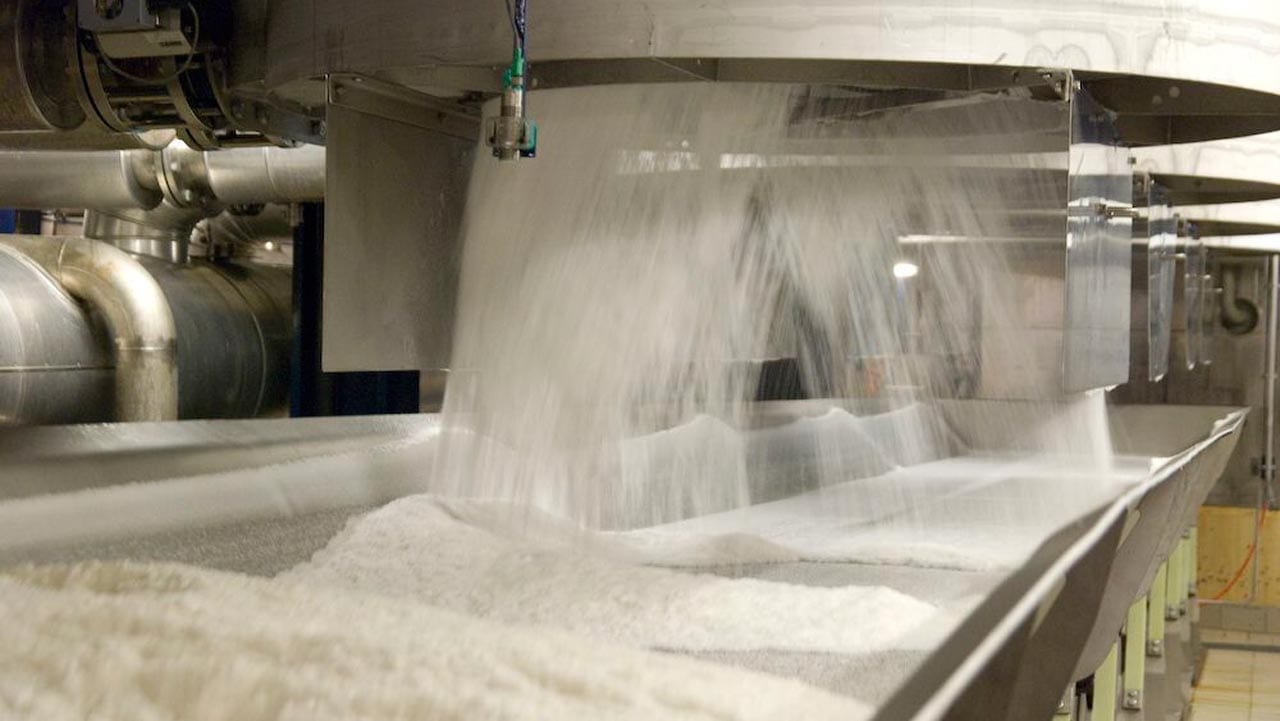
    Failure to stop cheap, smuggled sugar from flooding domestic markets has sent local inventories soaring, local reports say.

    The trade department of the Mekong Delta province of Hau Giang, which has more than 100 hectares (247 acres) of sugarcane farms, has asked the Ministry of Industry and Trade to strengthen its anti-smuggling forces in border areas.

    And as an immediate solution to help the domestic sugar sector, it suggested that the ministry temporarily halts all sugar imports, including temporary imports for re-export, as sugar supply has far surpassed demand.

    The ministry should also impose import tax on sweet substances that can replace sugar and control the quota of those products in the market, and reduce the value added tax on made-in-Vietnam sugar from 5 percent to zero, the department said.

    In addition, it proposed establishing a sugar and sugarcane development fund. “The ministry should instruct banks to loosen credit regulations and offer loans to individuals and firms in the sugar industry at preferential interest rates,” the department stated in its letter to the ministry.

    The total unsold sugar inventory volume in Vietnam is now at a record level of 700,000 tons, including 300,000 tons in Hau Giang alone, according to the department.

    And the situation won’t get any better with just two months before Hau Giang sugarcane farmers harvest a new crop, with no guarantee for the output.

    Sugar traders said that imported sugar was more attractive to both wholesalers and retailers because it was cheaper.

    Hoa, a retailer in Ho Chi Minh City’s Go Vap District, noted sugar prices in the domestic market has never been this cheap.

    Sugar imported from Thailand currently wholesales at VND135,000 (around $6) per ten kilo pack. Vietnamese sugar costs VND5,000-10,000 more for the same quantity.

    Apart from Thailand, Vietnamese traders also buy sugar from China and South Korea.

    In June, smuggled sugar from Thailand bankrupted three of 10 factories in Vietnam’s Mekong Delta, industry insiders noted, adding that not much has been done to improve the situation.

    Nguyen Bao Ve, agronomist and professor at the Can Tho University said that high production costs for Vietnamese farmers, low productivity, and uncompetitive manufacturing technology were also part of the problem.

    Ve argued that it was essential to restore fair trade and take immediate action to prevent smuggling. “At the same time, the companies need to reform themselves, reduce costs, and cooperate with farmers to reduce sugarcane production costs.”

    He also warned that apart from improving productivity and innovating technology to match daily consumption of 6,000 tons of sugarcane, mechanizing production was of great importance. “Cambodia has fully mechanized sugarcane farming, while 60 percent of Vietnamese sugarcane farming is still conducted manually.”

  • Soaring 3G, 4G use to boost mobile ads, commerce

    Soaring 3G, 4G use to boost mobile ads, commerce

    Widespread adoption of 3G and 4G networks in Vietnam presents a lucrative growth opportunity for mobile advertising and commerce.

    Vietnam had more than 123.9 million mobile subscribers active on 2G, 3G and 4G networks as of June this year, according to the Ministry of Information and Communications.

    The number of 3G and 4G subscribers had soared by 29.2 percent year-on-year. Preliminary statistics showed that the combined adoption of 3G and 4G reached 51.5 million subscribers in early 2018.

    Mantosh Malhotra, Southeast Asia and Pacific head of telecom equipment giant Qualcomm, said the growth was impressive and predicted 3G and 4G numbers to rise to 120 million by 2020, or 67 percent of all mobile devices.

    Doan Duy Khoa, head of consumer insight, banking and technology industry division at Nielsen Vietnam, said that the extensive 3G and 4G adoption in Vietnam would create huge opportunities for mobile advertising and commerce.

    Vietnam is ranked third in consumers’ internet access in Southeast Asia, behind only Singapore and the Philippines, he said. “Vietnamese spend 24.7 hours a week on average on the internet compared to nearly 26 hours in developed countries like Singapore.”

    Two-thirds of local internet users surveyed by Nielsen said they regularly use smartphones to browse the net.

    Khoa said this trend has been fostered by the upgrades to the 3G and 4G telecom infrastructure and the increasing mobile connection speeds on smartphones.

    By 2020 some 60 percent of Vietnam’s population is expected to use smartphones.

    Khoa quoted statistics from market research company eMarketer as saying Vietnam’s mobile advertising revenues were worth $77 million last year, double that of the previous year.

    He presumed the growth is on the rise.

    Mobile advertising growth would be driven by new ad formats like in-app ads, mobile video ads and mobile search services, Khoa said. “The rising trends of connectivity and smartphone use also give impetus to mobile commerce growth.”

    Smartphones inspire consumers to search online for brands, products and services before buying, and share their impressions after a purchase, he said.

    Khoa recommended that marketers should use smartphones as a tool to build brands and loyalty programs and promote sales. “Many providers of air, accommodation, and tourism services are leading the mobile commerce charge in Vietnam.”

    eMarketer predicted the mobile retail sector to grow by 24.3 percent to $1.14 million this year. The figure is expected to climb to $1.8 million in the next three years.

    But Khoa warned that mobile advertising and mobile commerce sectors face challenges since consumers tend to quickly turn off ads or even block and skip them. “Thus, to get past this, the advertising content must be very good.”

    “Consumers’ attention span is very short when it comes to mobile phones, especially compared to tablets and laptops. So, ads must be designed to run for six or 12 seconds instead of the 30 or 60 seconds of traditional ads,” he added.

  • H&M opens second store in Hanoi, marks expansion

    H&M opens second store in Hanoi, marks expansion

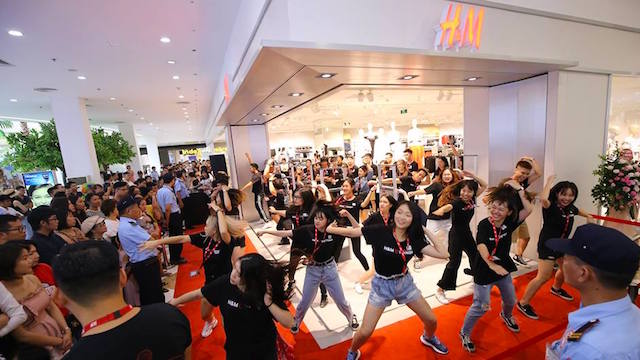
    Swedish fast-fashion brand H&M Vietnam has opened it second store in Hanoi – its fourth in the country.

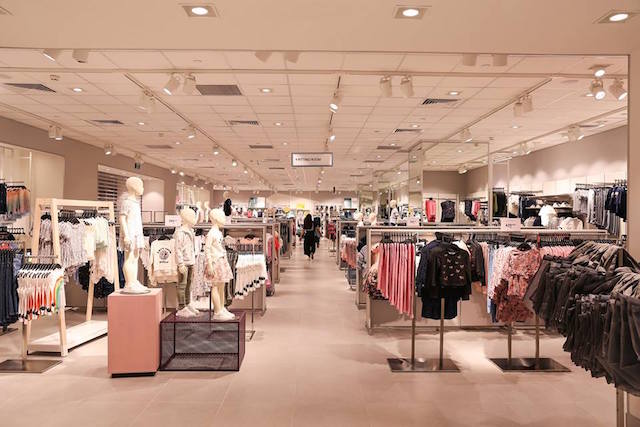
    The 2000sqm store is located in Vincom Mega Mall Times City, offering the latest summer items, and will host the upcoming H&M x GP & J Baker collection.

    The opening ceremony was attended by the Swedish Ambassador in Vietnam Pereric Högberg.

    Since its made its Vietnam debut in Ho Chi Minh City last November, H&M has opened two stores there and now two in Hanoi.

    Despite expansion in Vietnam, H&M is recording stagnated sales growth worldwide.

  • Vietnam government likely to sell stake in PV Oil next year

    Vietnam government likely to sell stake in PV Oil next year

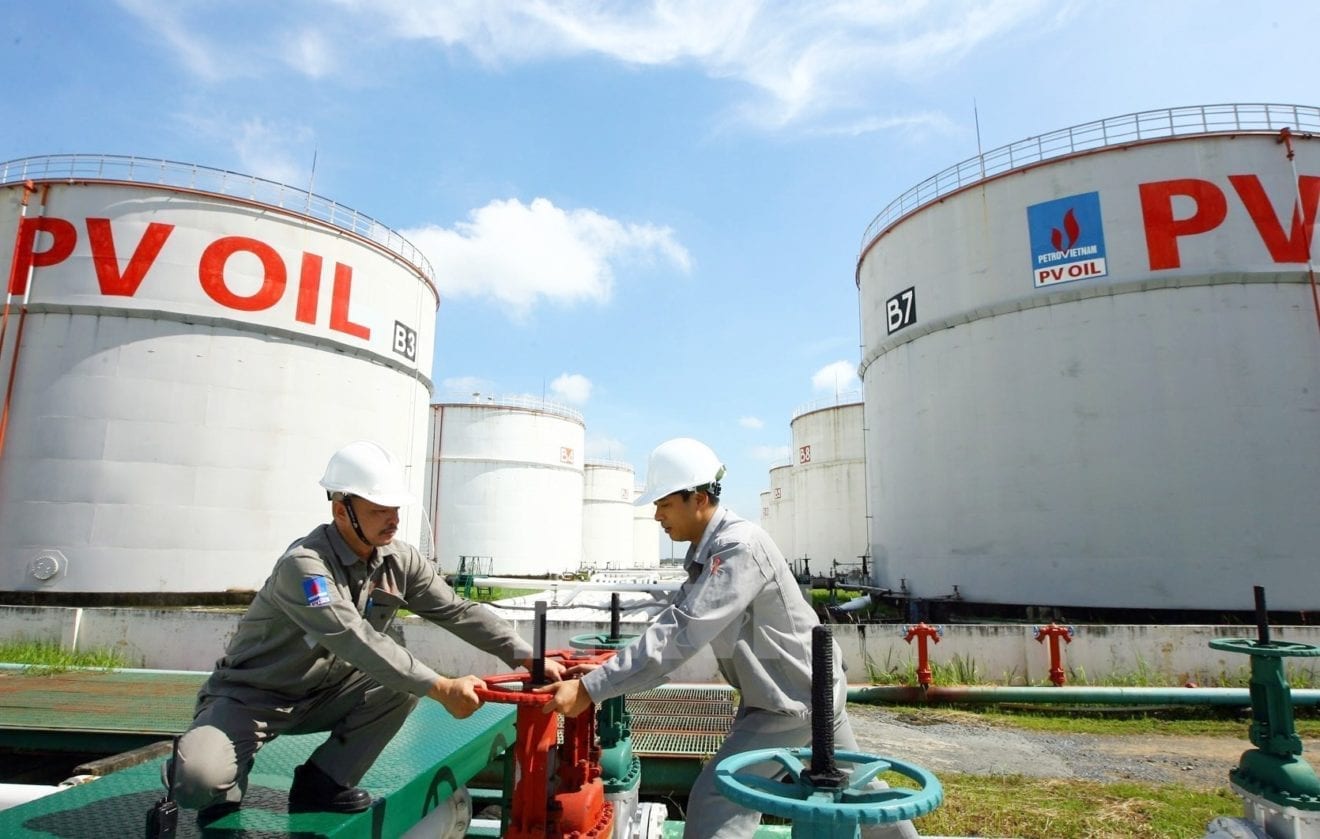
    The government is expected to reduce its stake in PV Oil, a major trader of crude oil and petroleum products, to 35.1 percent in 2019 from the current 80.52 percent.

    CEO Cao Hoai Duong told shareholders at the annual general meeting on July 30 that the firm is now seeking guidance on the foreign ownership cap.

    “After a maximum of 45 days from this meeting, we will send our proposal to state authorities. We will convince authorities to set the ceiling at 49 per cent,” he said.

    Last December PV Oil announced plans to sell a 44.72 per cent stake to foreign strategic shareholders.

    This aroused much interest among potential investors, including South Korea’s SK Energy, Japan’s Idemitsu, private lender HDBank, and multi-sector private group Sovico Holdings.

    They made bids to buy 2.78 times the number of shares PV Oil was offering.

    However, PV Oil’s proposal for a four-month extension of the strategic sales process to July 31 was rejected by the government.

    Foreign investors now own 6.62 percent of the company.

    The company held an IPO last year, and Duong said the earliest it is likely to list on the Ho Chi Minh stock exchange is 2019.

    Its shares are traded now on the Unlisted Public Company Market or UPCoM.

    At the AGM, shareholders approved a new board of directors for 2018-2023 made up of seven members – five from state-run PetroVietnam, one independent member and one representing other shareholders, Tran Hoai Nam, who is also deputy CEO of private carrier Vietjet Air.

    Duong said expanding to achieve 35 per cent market share in petroleum retail sales through mergers and acquisitions remains PV Oil’s long-term strategy.

    It now has 611 gas stations and a 22 per cent market share.

    Its major competitor, Petrolimex, has around 2,500 gas stations and about a 50 per cent share.

    Duong said quick divestment by the government would help the firm achieve its expansion ambitions more easily.

    PV Oil’s IPO fetched the government VND4 trillion ($172 million).

  • Vietnam gives nod for $300mln railway upgrade

    Vietnam gives nod for $300mln railway upgrade

    Vietnam’s National Assembly has approved a $300 million budget for four railway upgrade projects on its transnational route.

    The four projects are to be implemented along the Hanoi-Ho Chi Minh City route. The funds will be sourced from the contingency budget of the Public Investment Plan 2016-2020 that the parliament approved in 2016.

    A total of VND1.95 trillion ($84 million) will be spent to reinforce over 100 weak bridges on the Hanoi-HCMC route. Propulsion systems on this route will also be improved.

    Another VND1.8 trillion ($77 million) will be spent on reinforcing 11 of over 22 tunnels on the route section between Vinh and Nha Trang provinces. New stations will also be opened along this route.

    The route section from Hanoi to Vinh will be upgraded at a cost of VND1.4 trillion ($60 million), which will be spent on reinforcing the current foundation, opening a third track in stations that currently have only two, and other upgrades.

    Similar upgrades will be applied on the route from Nha Trang to HCMC with a budget of VND1.85 trillion ($79 million).

    The Standing Committee of the National Assembly has also approved VND8 trillion ($343 million) for 10 road projects.

    The Vietnamese government has recently initiated efforts to upgrade the country’s outdated railway system. Many experts, including former senior railway officials, have said that the sector has suffered government neglect for a long time.

    Vietnam’s railway sector has not received any major investment in the last 140 years.

    Fifty-five percent of 7,200 coaches are equipped with an outdated brake system, while 72 percent of almost 400 locomotives are high on emissions and low on economic efficiency, according to the Vietnam Register.

    Vietnam currently has over 3,000 kilometers of railway tracks, none of them high-speed.

    All Vietnamese trains run on diesel, while Malaysia, Thailand, Korea, Japan and China have electric railway systems.

  • Vietnam posts $3.1-billion trade surplus in Jan-July

    Vietnam posts $3.1-billion trade surplus in Jan-July

    Vietnam’s trade surplus in the first seven months was $3.1 billion as exports rose 15.3 percent year-on-year to $133.7 billion.

    Domestic companies accounted for $39 billion of the exports, up 18.7 percent, while foreign firms registered $94.7 billion, up 14 percent, according to the General Statistics Office (GSO).

    Cell phones and components topped the list of exports at $26.1 billion, followed by textile and garment at $16.5 billion and electronics and computers and components at $15.7 billion.

    The U.S. was the biggest importer, with shipments rising by 8.9 percent to $25.5 billion.

    The EU was second with $24.2 billion, up 12.9 percent, followed by China with $19.5 billion, up 24.7 percent.

    Imports rose by 10.2 percent to $130.6 billion, with domestic companies accounting for $54.16 billion spent by firms, up 12.7 percent.

    Imports by foreign companies were up 8.5 percent.

    The GSO has however warned exporters and importers to be prepared for any eventuality given the ongoing trade war between the U.S. and China.

    The U.S. imposed 25 percent tariffs on an initial $34 billion of imports from China on July 6, which then led China to respond with similar sized tariffs on U.S. products.

    The Donald Trump administration claims the tariffs are necessary to protect national security and U.S. businesses’ intellectual property, and to reduce the country’s trade deficit with China.

    The administration said Wednesday that Trump has sought to ratchet up pressure on China for trade concessions by proposing a higher 25 percent tariff on $200 billion (152.33 billion pounds) worth of Chinese imports.