Tag: Vietnam

  • Vietnam telecom firm Viettel eyes Philippine market

    Vietnam telecom firm Viettel eyes Philippine market

    Vietnamese telecommunication company Viettel has set its sights on the Philippines as the next destination in its overseas expansion drive.

    The company said on Thursday, as the archipelago’s economy clears the way for the entry of a third operator.

    Fixing the Philippines’ notoriously patchy and expensive telecom services was a campaign promise of populist President Rodrigo Duterte, who had said late last year that a third player would join the market and end the duopoly of PLDT Inc and Globe Telecom Inc, which have a combined market capital of about $10.7 billion.

    “Viettel is interested in the third license on telecommunications in this market,” the military-run Viettel Group, Vietnam’s largest mobile carrier by subscription numbers, said.

    “Viettel will thoroughly consider participating in case the conditions of the bidding documents are in line with the strategy of Viettel.”

    The Philippines’ Department of Information and Communications Technology (ICT) issued draft rules this month on the entry of a third player, which require foreigners to team up with local partners holding congressional franchises.

    Foreign ownership of a telecom firm in the Philippines is capped at 40 percent, although Eliseo Rio, the acting ICT head, said in a recent interview that moves were underway to change that, so foreigners can raise their stakes later on.

    The Philippines has one of the world’s largest rates of average daily social media usage, yet insufficient infrastructure means its 105 million people suffer frequent dropped calls, weak signals and intermittent data.

    Viettel has already invested in 10 countries across Asia, Africa and America, and had 43 million subscribers overseas, as of end-2017.

    Last month, a Viettel official said the company was also eyeing opportunities in Ethiopia after the government there announced its intention to liberalise key economic sectors including telecommunications.

    In June, Viettel and its local partners launched a $1.5 billion 4G network in Myanmar, making them the fourth telecom operator in the country.
  • Massive expansion for Central Group Vietnam

    Massive expansion for Central Group Vietnam

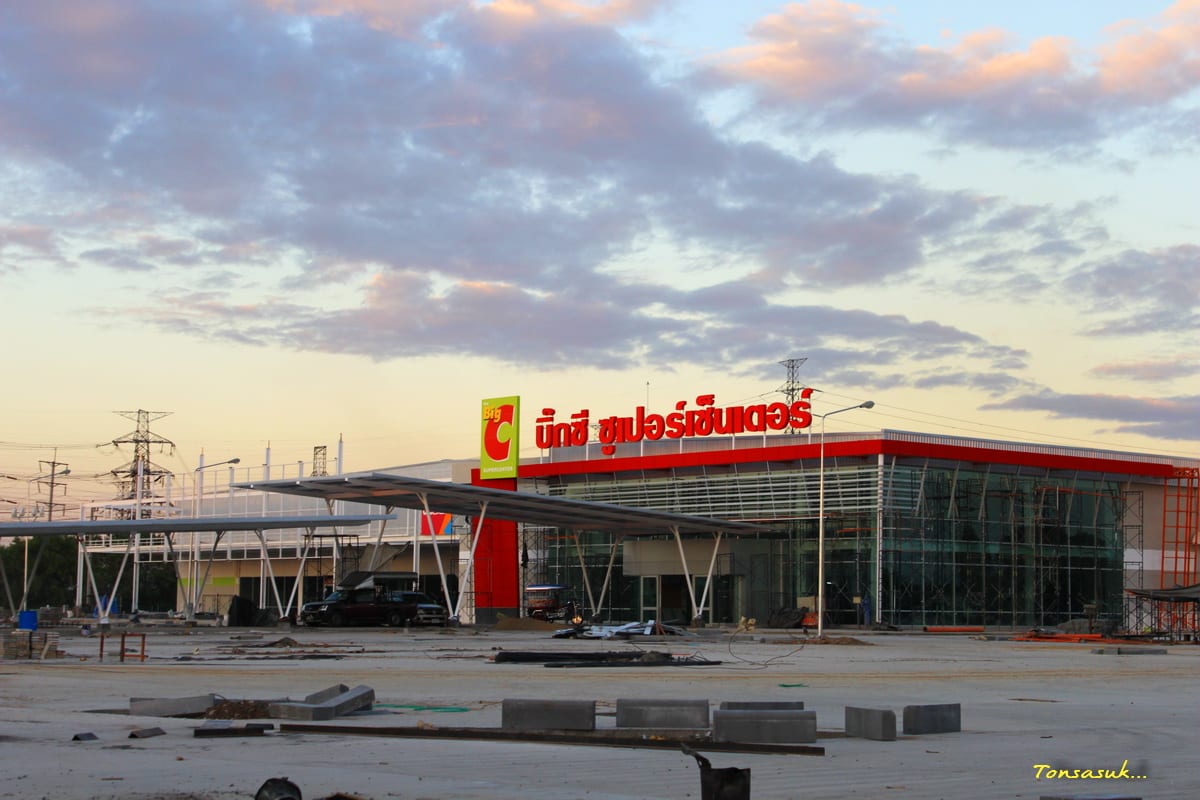
    Thai retail conglomerate Central Group is planning to triple its Vietnamese businesses in the next five years.

    With the planned investment of US$500 million, the retailer is expanding its stores and shopping malls in the country to as many as 750, along with new retail formats.

    “We are very strong in Vietnam in food business which is the primary need of consumers, but we are also preparing for the future, for the needs consumers are going to have [beyond] food,” Central Group Vietnam CEO Philippe Broianigo said in Bangkok this week.

    Central has already tested the market with its cosmetics retail concept Hello Beauty, DIY store Home Mart, and LookKool gift shop which has already expanded to 26 stores.

    New shops will open within its Big C-anchored malls to draw in grocery shoppers, and will soon expand to other venues, according to Broianigo.

    Established in July 2011, Central Group Vietnam has built its portfolio via acquisitions of electronics retailer Nguyen Kim, supermarket chain Big C and fashion e-commerce platform Zalora which was converted into Robins online.

    Last year, sales grew by double digits, reaching $1.3 billion.

  • Uniqlo plan to double its store in SEA

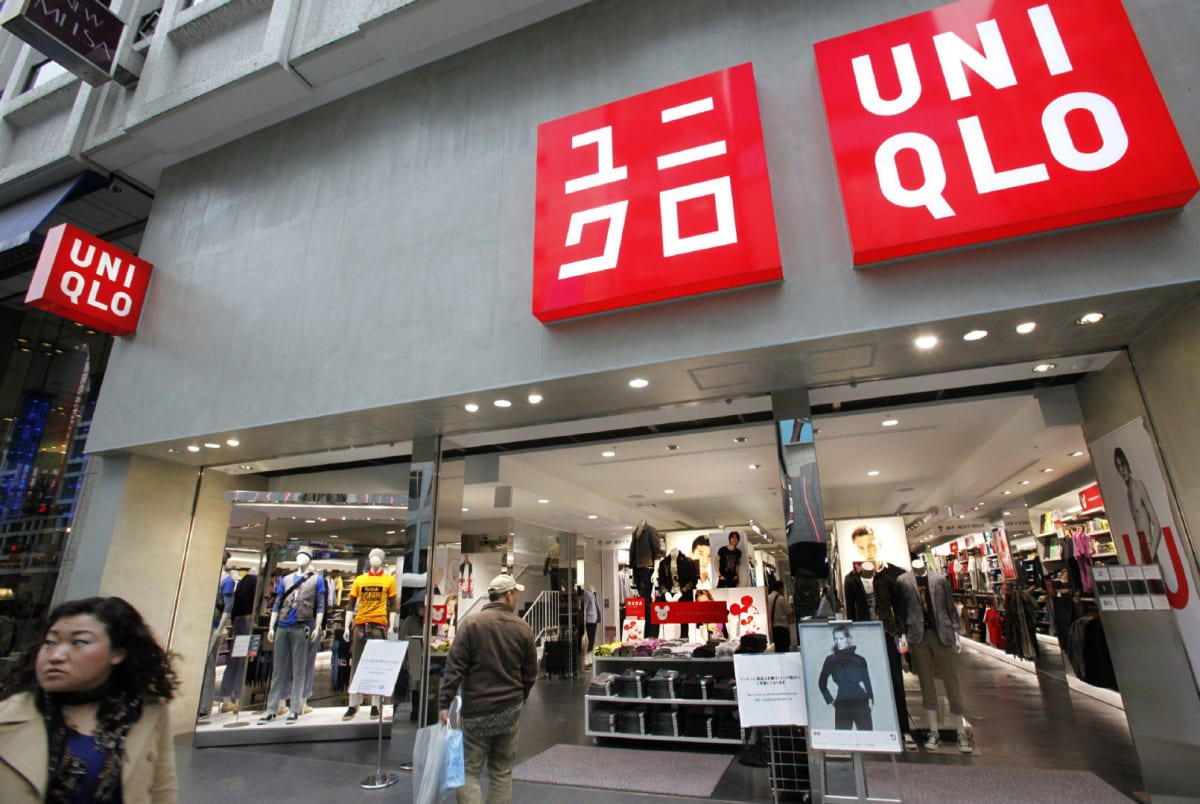
    Uniqlo plan to double its store in SEA

    Japanese apparel giant Fast Retailing is eyeing massive expansion in Asia-Pacific.

    The Uniqlo Southeast Asia and Oceania store network is set to double by 2022 to about 400 stores, Fast Retailing’s group senior VP Satoshi Hatase said in an interview.

    The company plans an emphasis on stand-alone suburban stores as it expands its Southeast Asian footprint, seeking to move beyond its traditional shopping mall locations.

    “We opened our first roadside store in Asean in Thailand in March, and it has been a huge success,” he said, adding that stand-alone stores in suburban locations were the key to Uniqlo’s original growth in Japan.

    Regionally, Uniqlo has now reached a level of recognition where “the timing is right” for suburban stores, he said.

    Fast Retailing executives in Thailand, Malaysia and the Philippines are talking with leasing agents to identify suitable sites for such stores.

    In Southeast Asian markets, middle- and high-income consumers are the ones which will fuel the Japanese company’s growth.

    “Lower-income people cannot buy Uniqlo [yet],” Hatase said. But in 10 years, “a significant number of Asean people will be able to”.

    Fast Retailing has previously said it aimed to triple its sales in the region to 300 billion yen (US$2.7 billion) in the year to the end of August 2022. Last year’s regional sales were 100 billion.

    Fast Retailing already has stores in Australia, Malaysia, Singapore, Indonesia and the Philippines. Its next target in the region is Vietnam.

    “We want to have stores in all countries [in the region],” Hatase said, especially Vietnam, Laos and Myanmar.

  • Parkson Asia profit slumps as Vietnam gives disappointing number

    Parkson Asia profit slumps as Vietnam gives disappointing number

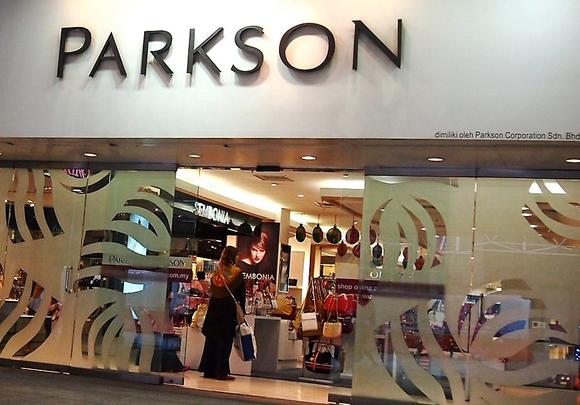
    Vietnam operations continue to be at the bleeding edge of Parkson Retail Asia’s ongoing losses.

    The company’s full-year results show declining same-store sales in its department stores in all four markets, with Vietnam the worst performing market. Sales fell 14.6 per cent in the last quarter and by 8.3 per cent over the full year. Sales in Myanmar and Indonesia both fell by 3.8 per cent and in the home Malaysia market by 1.5 per cent.

    Parkson Retail Asia finished the financial year with a pre-tax loss of S$17.6 million for the last quarter and of $40.1 million for the full year. It said that with the exclusion of a gain on the disposal of a subsidiary and allowances for doubtful debts, the reversal of impairments relating to closed stores, the group’s operational pre-tax loss would have been $29.9 million for the year.

    “This reflects the challenging operating environments encountered by the group as evidenced by the overall negative same-store sales growth, while new stores and ventures might require longer gestation period given the aforementioned backdrop.

    “We have been taking active measures in monitoring and assessing the viability of stores and ventures. With ongoing measures in place to rebuild top-line growth and monitor expenditures, coupled with the discontinuance of underperforming stores and ventures this year, the group expects its performance will show improvement in the coming financial year.”

    Addressing the Vietnam problems, the company said the operating environment there remains challenging amidst a crowded retail scene, and “intensive promotional activities had to be carried out to capture sales”.

    It said Indonesia’s sales were impacted by the downsizing of a store in Jakarta, as well as the aftermath of a volcanic eruption in Bali. Excluding those effects, Indonesia would have recorded a lower drop of 2.4 per cent for the year.

    The Myanmar operations were impacted by the closure of the first store at FMI Centre in January last year, with the replacement at Junction Square, Yangon, opening two months later.

    Throughout the network, “against the backdrop of competitive operating environments, we continue to take active measures in monitoring and assessing the viability of our stores and ventures,” the company said.

    While the group added four new stores (including one managed store) to its network, it also took steps to exit seven underperforming stores (including one managed) during the year.

    The company also closed its theme park and education centre operations to curb further losses, and exited its interest in the LOL-branded retail chain.

  • Vietnam BMW importer faces fines for faking documents, evading tax

    Vietnam BMW importer faces fines for faking documents, evading tax

    Vietnam’s Finance Ministry has accused the sole importer of BMW cars of several violations, but won’t press criminal charges.

    The trader, Euro Auto, which was Vietnam’s sole official of BMW cars until this year, created fake invoices and packing lists for 133 BMW cars in December 2016, the ministry said in a letter recently sent to Prime Minister Nguyen Xuan Phuc.

    It plans to fine the firm VND40-80 million ($1,700-3,400) for this fraud.

    Euro Auto “did not list or listed incorrectly” VND105 million ($4,500) in expenses incurred in importing the cars, which resulted in a tax loss of about VND180 million ($7,700), the ministry said.

    It said it plans to fine Euro Auto 20 percent of the tax loss, apart from collecting the back taxes.

    The ministry will allow the cars, which are at the Vietnam International Container Terminal port in HCMC, to be returned to Germany, if it requests. It will also refund taxes paid if the cars are returned.

    If Euro Auto still wants to import these cars into Vietnam, the PM should take a final decision on this issue because current laws don’t deal with such a situation, the ministry said.

    It also said it plans to fine Euro Auto chairman Simon Adrew Rock for evading special consumption tax.

    From July 2016 to March 2017, Euro Auto evaded VND7.3 billion ($312,700) in taxes by listing wrong information about its imports.

    Although the HCMC Tax Department issued a warning and fined the firm in September 2016, it persisted with the practice.

    The company even produced fake invoices to legalize the purchase of auto parts for the BMW cars from the open market instead of authorized agencies.

    The letter noted that PM Phuc had decided not to criminally punish Simon Adrew Rock and other individuals involved in tax evasion in the spirit of maintaining good relations between Vietnam and Germany, Malaysia and the U.K., where these cars have been imported.

    In late November 2016, the Ministry of Finance ordered customs agencies to suspend clearance procedures for imported BMW cars in order to investigate alleged violations by Euro Auto.

    Ministry officials found that the importer had falsified purchase contracts and receipts while importing the cars and failed to provide certificates of origin and other required documents.

    Euro Auto rejected these allegations.

    In April last year, HCMC police arrested Euro Auto CEO Nguyen Dang Thao and two delivery employees for faking import documents.

  • Vietnam welcome more US, Singapore real estate firms

    Vietnam welcome more US, Singapore real estate firms

    Major U.S. and Singaporean real estate firms have been coming to Vietnam, eyeing its thriving property market, especially the high-end segment.

    Singaporean real estate firm Propnex opened an office in HCMC last month with its eyes firmly fixed on the high-end segment of the country’s property market.

    Propnex has had a 30 percent share of the brokerage market in Singapore over the last five years. It also has offices in Malaysia and Indonesia.

    Last year U.S.-based Electronic Realty Associates (ERA) started operating in Vietnam through its franchise in Singapore. Together with property brokerage EuroCapital, it has incorporated ERA Real Estate Vietnam, whose major market is HCMC.

    ERA Vietnam, which has 800 employees and 600 potential staff and collaborators undergoing training, is also focused on the high-end segment.

    It aims to be one of the top real estate firms in Vietnam within five years with over 50 offices and 5,000 employees.

    Another Singapore firm, Huttons Real Estate Group, came to the country in 2016. For this third largest property company in Singapore, Vietnam is the third overseas market after Malaysia and the Philippines.

    Huttons said it strives to be the number one real estate agency in the country with multiple services including project sale, marketing, leasing, and assets management.

    In 2015, U.S.-based Keller Williams tied up with VinGroup and stated that it would focus on leasing properties and consulting.

    Industry insiders believe the entry of international players will have a positive impact on the real estate market.

    “Since 2015 foreign brokerages have been entering the Vietnamese real estate market, which has been booming,” Nguyen Anh Dao, CEO of real estate firm Viethome Investment said.

    Their arrival would push local ones to improve their standards, which would benefit customers, he said.

    But since foreigners can own up to 30 per cent of the apartments in a project under Vietnam’s housing laws, foreign firms need to have local sales teams to approach Vietnamese customers, he added.

    Employing and training locals is how foreign firms can compete with local businesses, which are getting larger and more professional, he said.

    The high-end segment accounted for the highest proportion of new launches in HCMC in the second quarter of this year — 54 percent — according to real estate consultancy CBRE Vietnam.

    In the last three years 35,000 luxury apartments have come into the market, it added.

  • MobiFone gets new CEO

    MobiFone gets new CEO

    MobiFone has named deputy general director Nguyen Dang Nguyen as its new CEO in place of the disgraced Cao Duy Hai.

    Hai, 57, was removed last Tuesday for his role in the illegal acquisition of a TV firm in 2016 by the Ministry of Information and Communications, which runs the corporation.

    Nguyen also remains deputy general director in charge of technology area.

    Hai has also been sacked from the company’s board after being found responsible for “serious violations” in the acquisition of private pay TV firm Audio Visual Global JSC (AVG).

    According to the Central Inspection Commission of the Communist Party of Vietnam, Hai had been personally involved in the acquisition and signed many documents in violation of laws to come up with a deal that caused a significant loss to the government.

    MobiFone had made headlines in 2016 when it announced it was breaking into the pay TV market with the acquisition of a 95 percent stake in AVG.

    But the Government Inspectorate concluded the deal, which had not been approved by the government, had violated investment laws and caused an estimated VND7 trillion ($307 million) loss to the government.

    In a report on the deal last March inspectors said MobiFone had committed multiple violations in proposing the deal and AVG’s valuation.

    The ministry and MobiFone were responsible for the serious violations of the laws in assessing, approving and going ahead with the deal, the inspectorate said.

    MobiFone’s after tax profit dropped 26 percent year-on-year to VND1.95 trillion ($86.6 million) in the first half of this year as revenues fell 8 percent to VND14.7 trillion ($653.3 million).

    But the country’s third largest telco has said with the new CEO taking over it expects to achieve the full year’s financial targets.

  • Big franchisors will gather in Vietnam for expansion plan

    Big franchisors will gather in Vietnam for expansion plan

    Eleven international franchisors will gather at the Sheraton Saigon Hotel next week, all looking for prospective country or master franchisees in Vietnam.

    Participating franchises are in food and beverage, education, services, and come from the US, Taiwan, Hong Kong, Singapore, and Japan. The event is organised by VF Franchise Consulting, a leading Asian franchise consultancy with offices in Vietnam, Singapore, Malaysia and Thailand.

    Nine of the 11 franchise brands are food retailers: Little Caesars, the US’s largest takeaway pizza chain, Coldstone Creamery, a premium ice cream chain from the US, Cha Ji Tang, a Taiwanese fragrant hot and cold herbal/flower tea chain, Yang Xiang Ting, a Taiwanese dim sum-conveyor belt concept, Fidele, an American-inspired seafood and pizza chain, Bing Girl, a Taiwanese sweet dessert, Machida Shoten, Japan’s number two ramen chain, Mennya Kokoro, a popular Japanese dry-ramen chain and Pronto, Japan’s leading Italian cafe and bar chain with more than 300 stores.

    The other two franchise companies are an education franchise from Hong Kong, The Edge Learning Center, and Sureclean from Singapore, which wants to expand one of the city state’s most successful hygiene and disinfection business into Vietnam.

    Sean T Ngo, founder and CEO of VF Franchise Consulting, says there are more than 200 foreign brands registered in Vietnam, and the number of international brands that seek to enter Vietnam continues to grow by between 20 and 25 per cent annually.

    “With more than 95 million citizens, it is a market that is not easily ignored by major franchise brands,” said Ngo.

    “Not only is food and beverage a fast-growing segment, it is also a market that seeks franchises in Vietnam in education and services. Goldman Sachs recently predicted that Vietnam will be the 20th largest economy in the world by the year 2050.”

    International franchises already present in Vietnam include KFC, Pizza Hut, McDonald’s, Lotteria, Burger King, Starbucks, Coffee Bean & Tea Leaf, PJ’s Coffee, Baskin Robbins, Dunkin Donuts, Texas Chicken and Popeye’s Chicken.

    Senior executives from all the brands will attend the Ho Chi Minh City event to meet with potential franchisees.

    Franchisees in Vietnam will need a minimum investment level ranging between US$500,000 and $1 millon to secure the brands.

  • Behind dispute between traditional taxi and ride-hailing company in Hanoi

    Behind dispute between traditional taxi and ride-hailing company in Hanoi

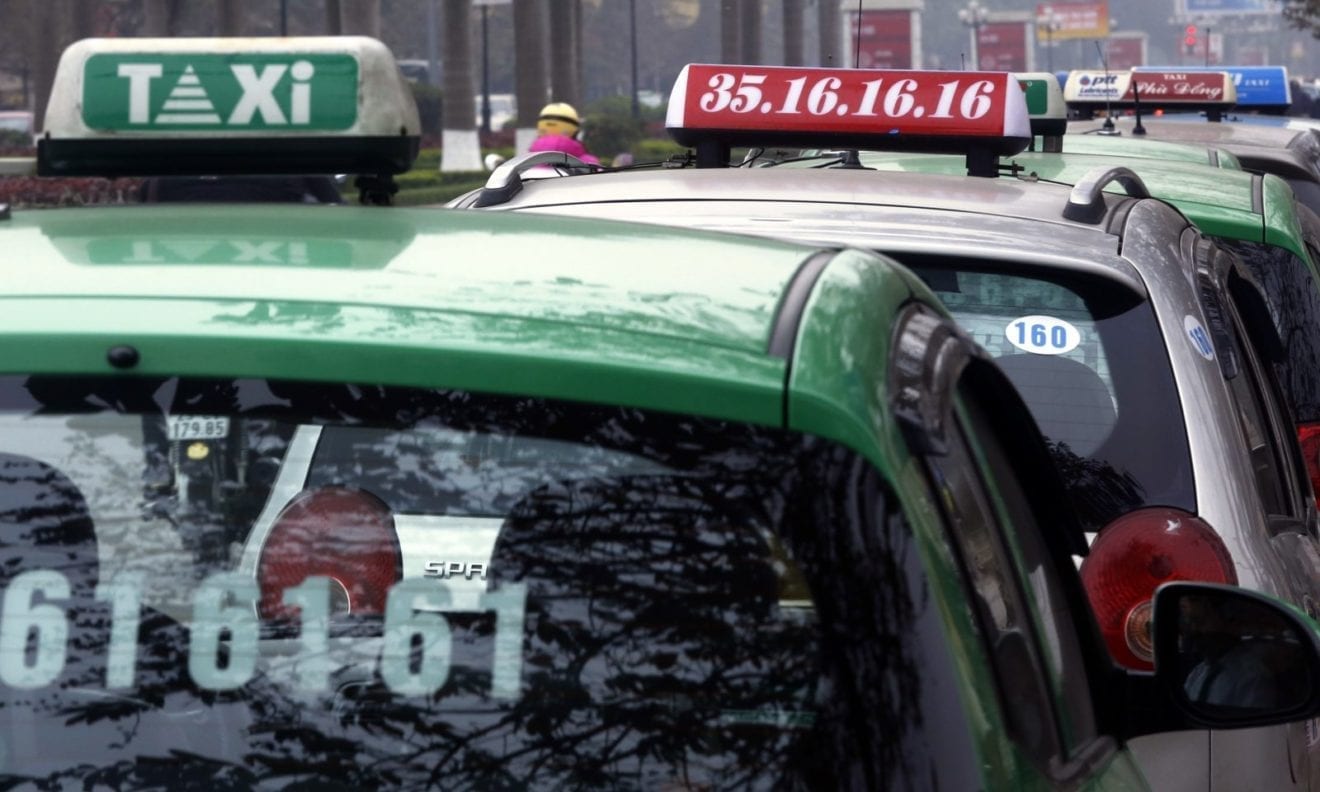
    Three major taxi firms in Hanoi have recently joined forces to have their 3,000 vehicles operating under a single brand starting in October.

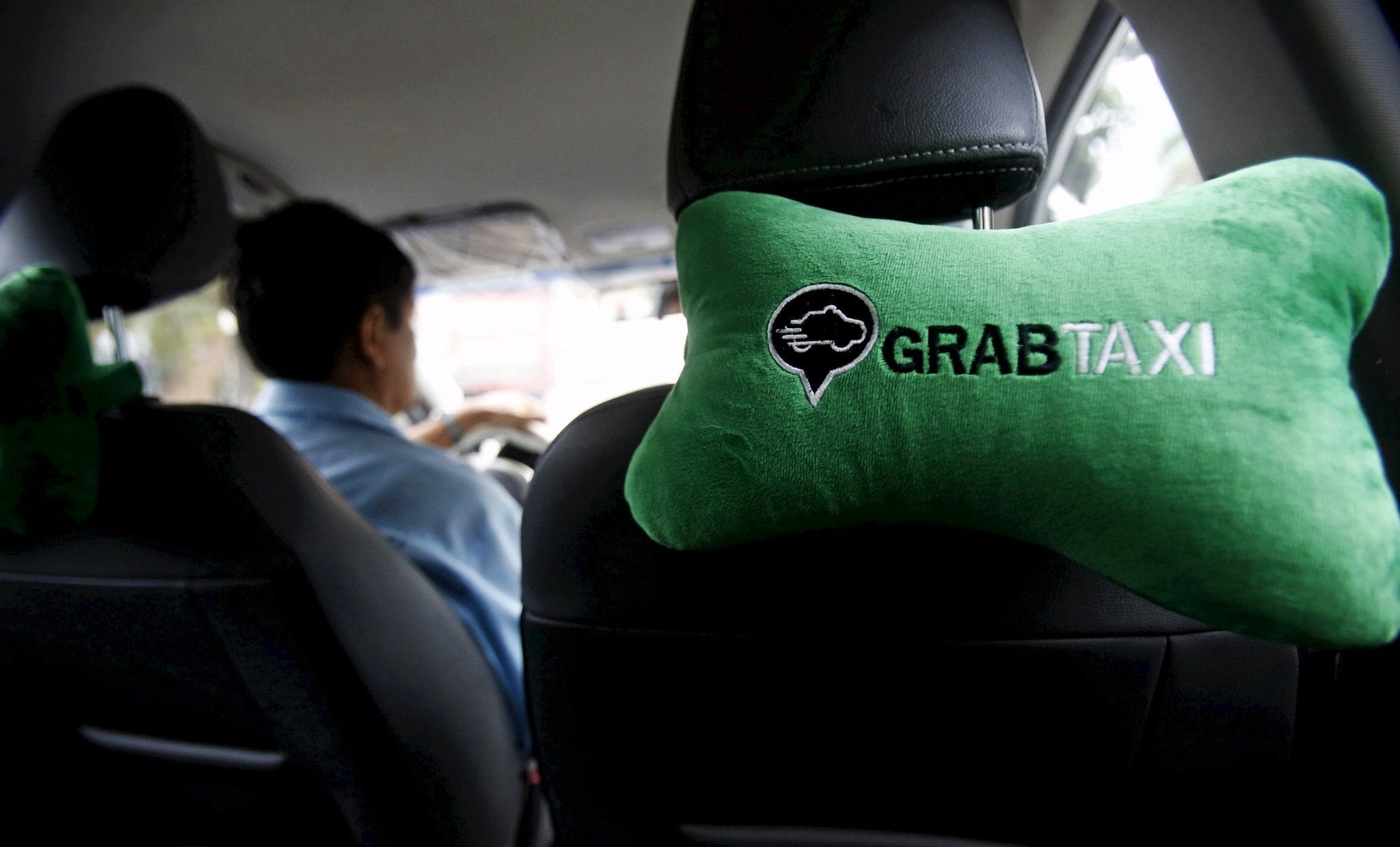
    Thanh Cong, Ba Sao and Sao Ha Noi are set to become G7 Taxi in a bid to take on ride-hailing behemoth Grab.

    In April representatives of top traditional taxi firms had sat down to discuss the idea of building one common ride-hailing app for all of them.

    Nguyen Cong Hung, chairman of the Hanoi Taxi Association, said: “Traditional taxis, each with their own app, are now trying to compete with Grab. But we are divided, therefore we need to unite.”

    The meeting came after logistics firm Phuong Trang announced it had invested $100 million in ride-hailing app Vato and leading taxi firm Mai Linh started offering benefits to attract drivers.

    In March southern taxi firms ComfortDelgro Savico and Vinataxi had merged to take on Grab.

    Vinataxi, the third largest taxi firm in HCMC, was confident the merger would increase its growth sixfold this year.

    But Grab is also busy.

    While the acquisition of Uber’s Southeast Asian business last March has allowed Grab to become the dominant player in the ride-hailing business in Vietnam, it is working to improve its strategies to compete with local taxi firms.

    The company introduced Grab for Business in Vietnam earlier this month, a service that helps a company track the trips its employees make to limit unnecessary trips and control expenses.

    Following the recent entry of Indonesia’s Go-Jek as Go-Viet, Grab is deploying various strategies to attract drivers by offering bonuses and opening stops with free wifi and coffee.

    ‘Huge unfairness’

    The Hanoi Taxi Association earlier this month wrote to Prime Minister Nguyen Xuan Phuc saying Grab’s operation has created a “huge unfairness in terms of business conditions which demolish traditional taxi businesses and cause instability in society.”

    It wanted GrabCar to be considered “electronic” to guarantee fairness and all GrabCar vehicles to carry the label “electronic taxi.”

    The Ministry of Transport has labeled GrabCar as “electronic taxi” in then newest version of its bill on transport regulations, but does not require its vehicles to carry the legend.

    In a report related to the bill, which is expected to be discussed at the next session of the National Assembly in October, the Central Institute for Economic Management says lawmakers should not use old standards to new business models.

    “It is a grave mistake to force Grab to operate as a traditional taxi,” Nguyen Dinh Cung, chairman of the institute said.

  • Don’t treat ride-hailing firms as taxis, Vietnam government advised

    Don’t treat ride-hailing firms as taxis, Vietnam government advised

    Forcing ride-hailing cars to work like traditional taxis is a serious mistake revealing a non-innovative mindset, a leading economist says.

    Nguyen Dinh Cung, director of the Central Institute of Economic Management (CIEM), criticized state agencies for a “managing mindset” that “is not yet innovated”.

    Cung was referring to the latest draft decree on transportation management, which asks ride-hailing firms like Grab, Fastgo and Vietgo to comply with many conditions that are applied to normal transportation businesses like taxi companies.

    He said firms that primarily used software cannot be called a transportation business and said the new move was not consistent with the country’s stated aim of removing at least 50 percent of current business conditions.

    Cung told VnExpress that the state managers must also think in terms of the market from the perspective of facilitating new technologies and business models instead of using administrative procedures to intervene in their business.

    While the latest draft has cut many conditions for the ride-hailing business, such as logos, paint colors, board signs, an operating center, communication equipment and uniforms for drivers, Cung said there were still several negative conditions.

    For instance, the draft decree requires ride-hailing firms to send their transport contract information to the Transport Department before providing their service.

    It also requires that ride-hailing firms have a team to manage and monitor traffic safety issues.

    Cung said such conditions were meant to give authorities more room to intervene in the operations of the ride-hailing firms.

    He has recommended to the Government Office that the draft is not approved and instead, the state tries to encourage new investment forms or business models with an open and fair environment in keeping with Industry 4.0 trends.

    Even if they don’t want to encourage the new technology-based business yet, the laws should not do away with such business models with irrelevant, old conditions, he told VnExpress.

    Prepared by the Ministry of Transport to replace the Decree 86/2014 on managing automobile transportation businesses, the fifth edition of the draft has been released for public feedback.

    The tussle between ride-hailing cars and traditional taxis has not cooled after the exit of Uber from the Southeast Asian market in March. Taxi firms have continued to complain about the unfair competition they are facing.

    They have also joined hands to fight the market onslaught of ride-hailing firms.

    The ride-hailing market has seen new entrants after Uber’s departure, including Aber, Fastgo and GoViet, which is an affiliate of Indonesia’s Gojek.

    Current market dominator Grab has expanded its service to include GrabFood and GrabCar Business, the latter targeting the corporate sector. These moves pose further challenges for long-standing taxi firms like Mai Linh, Taxi Group and Vinasun.

  • Bose Vietnam experience makes debut with first store opening

    Bose Vietnam experience makes debut with first store opening

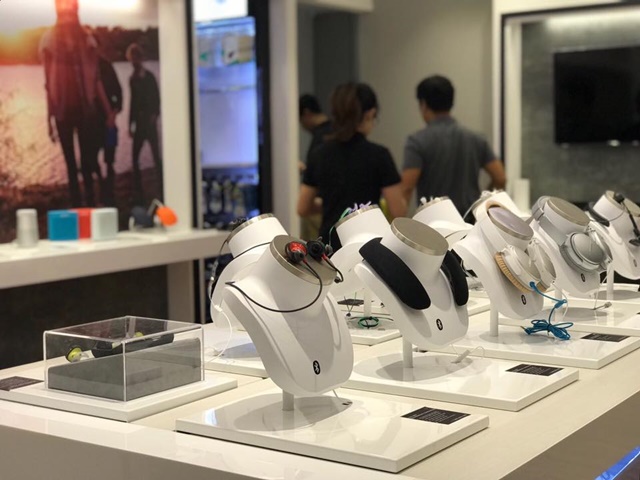
    Audio equipment brand Bose Vietnam has opened its first international-standard experience store, at Ho Chi Minh City’s Saigon Centre.

    Operated in partnership with Vietnamese mobile device retailer Mai Nguyen, the store offer ranges from audio devices such as headphones to home theatre systems, as well as professional equipments for restaurants, resorts and hotels.

    Christian Rojas, Southeast Asia sales director at Bose Corporation, says the brand is boosting its operation by bringing the latest equipment and designs to the store.

    Bose Vietnam debuted three years ago, through the Mai Nguyen store network.

    View the gallery below :

  • Uber withdraws lawsuit against HCMC tax man

    Uber withdraws lawsuit against HCMC tax man

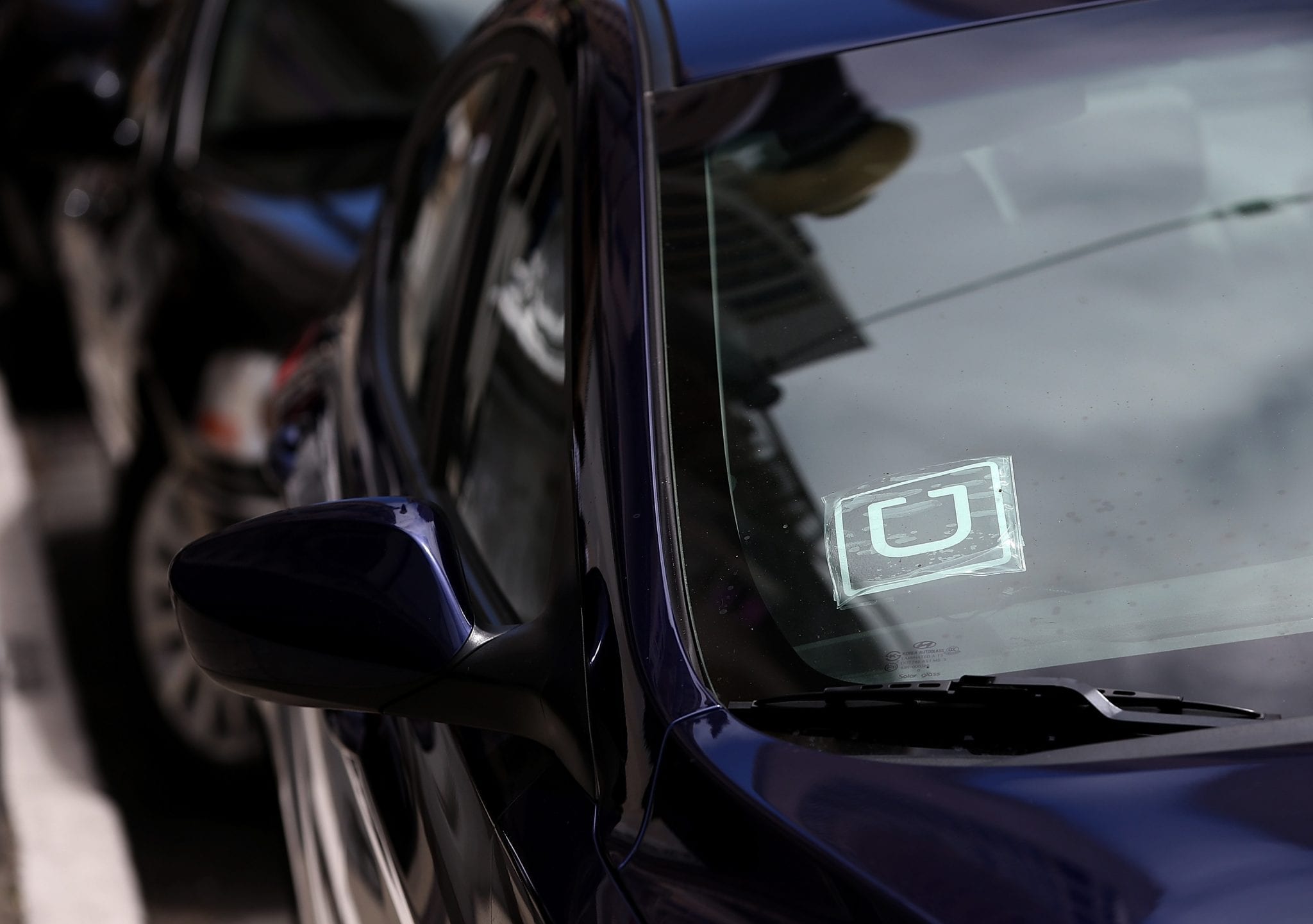
    Ride-hailing firm Uber has withdrawn its lawsuit over HCMC’s demand for $2.3 million in back taxes and fines.

    A tax department official said Friday that the HCMC People’s Court has suspended the case in which the Netherlands-based Uber B.V. had sued the department over its demand that the firm pays over VND53 billion ($2.3 million) in back taxes and fines.

    The official, who did not want to be named said that the suspension, which followed Uber withdrawing its lawsuit, was a positive development.

    He expressed hope that this would allow the department and Uber to sit down and resolve the issue of back taxes and fines. In case this does not happen, the department would resume efforts to force Ube to pay its dues, the official added.

    The department had previously attempted to collect the back taxes and fines by sending documents to local banks and asking them to deduct the dues from funds transferred to Uber’s bank account as a form of tax enforcement.

    This attempt failed because the firm had not opened any account in the country.

    In September last year, the Ho Chi Minh City Tax Department asked the Vietnamese branch of Uber International to pay VND66.68 billion ($2.91 million) in back taxes and fines for violating tax laws.

    However, the company appealed the decision, telling the General Department of Taxation as well as the Ministry of Finance that it was not subject to pay taxes under Vietnam’s double taxation avoidance agreement with the Netherlands, where it is based.

    Ride-hailing firm Uber Technologies Inc announced it had agreed to sell its Southeast Asian business to bigger regional rival Grab in March. The app company officially left Vietnam on April 8.

  • Vietnam instant noodles consumption blooms

    Vietnam instant noodles consumption blooms

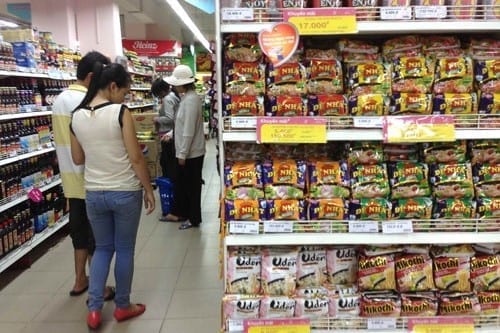
    Vietnam was the world’s fifth largest instant noodles consumer in 2017, consuming 5.06 billion packs.

    This marked a 2.8 percent increase from 4.92 billion in 2016, according to the World Instant Noodles Association (WINA).

    Vietnam had held the fourth spot since 2012, but this was taken by India last year, with a consumption of 5.4 billion packs.

    Other countries in the top five were China (38.9 billion packs); Indonesia (12.6 billion); and Japan (5.6 billion).

    With population over 93 million, Vietnam is second among 2017’s top 3 countries with the highest per capita instant noodles consumption at 53.5 servings; behind South Korea with 73.7 servings and above Nepal with 51.1 servings.

    In 2016, the average Vietnamese person gobbled 53 packs of instant noodles, higher than Indonesians at 49, Japanese at 44 and Chinese people at 38.

    Local enterprises have tapped into this huge market by partnering with overseas companies, increasing the options manifold for the Vietnamese consumer.

    Domestic instant noodle enterprises have reported rising sales, reflecting the increasing consumption.

    A representative of the Acecook Vietnam Joint Stock Company said that the company has seen an eight percent year-on-year increase in revenues in the first half this year.

    Similarly, the Colusa – Milike Food Joint Stock Company reported a net profit of $12.1 million in the first six months, a 10 percent increase from the same period last year.

    Globally, some 100 billion servings of instant noodles were sold in 2017, an average of 270 million packages consumed per day.

    FoodDive, an online news site in food industry, quoted an IMARC Group report as saying the global instant noodles market value reached $40 billion in 2017 and is expected to reach $55 billion in 2023.

  • Vietnamese firms conspicuously absent as auto parts industry thrives

    Vietnamese firms conspicuously absent as auto parts industry thrives

    Vietnam enjoys a trade surplus in the auto parts industry, but domestic firms play no role in this success.

    The reason for this strange situation is that the market is dominated by export-oriented foreign invested enterprises, while domestic firms are shackled by a lack of policy and regulatory support, both officials and industry insiders say.

    Last year, the country exported $4.4 billion worth of auto parts and imported the same $3.5 billion, said Nguyen Thi Xuan Thuy, head of research at the Institute of Strategic Research and Policy under the Ministry of Industry and Trade.

    This trade surplus of $900 million mostly came from foreign direct investment (FDI) businesses, not local firms, she said at a recent conference.

    The FDI businesses, including Nissei, Furukawa, MTEX, FAPV and Pronics, produce in Vietnam and export auto parts to major auto makers in China, Japan, Korea, Thailand and the U.S, she added.

    Importers of made-in-Vietnam auto partsin percentageJapanU.S.ChinaKoreaThailandGermanyOther countries

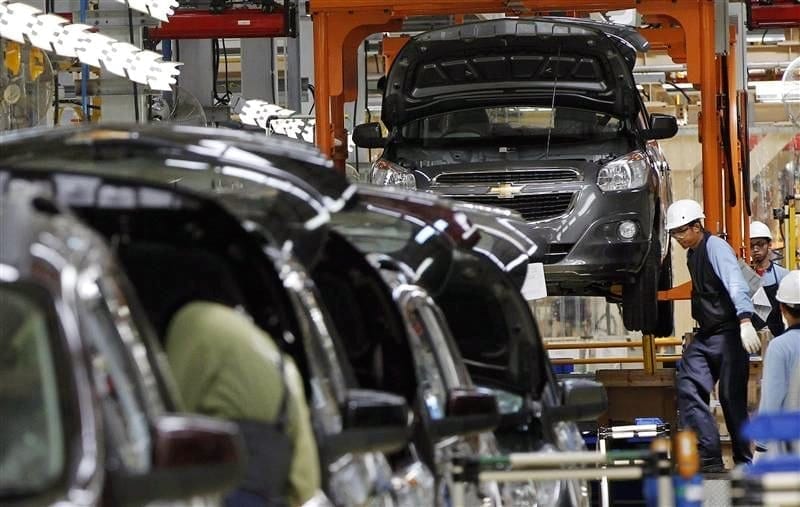
    Meanwhile, for the automakers in Vietnam, 90 percent of the 30,000-40,000 parts to make a car are imported, said Pham Tuan Anh, deputy head of the Department of Industry under the Ministry of Industry and Trade.

    There is a lack of suppliers in Vietnam compared to other countries in the region, he added.

    Echoing Anh, Thuy said that Vietnam has 20 auto assemblers, but only 226 parts suppliers. Neighboring Thailand, meanwhile, has 16 auto assemblers and 2,390 suppliers.

    Many constraints

    Vietnamese companies in the auto parts industry face many challenges, and one of them is the lack of assistance in terms of legal framework, said Do Huu Hao, chairman of the Vietnam Society of Automotive Engineers.

    Regulations concerning parts suppliers are changed often and the tax policies are also unsuitable for the industry, he said.

    Another reason is that local manufacturers have limited financial capacity to compete with their foreign counterparts.

    The auto part industry is heavily dependent on imported material, but the low financial capacities of local suppliers prevent them from buying more of it, Hao said.

    These factors make cars made in Vietnam 10-20 percent more expensive that of Thailand or Indonesia.

    Vietnam’s total vehicle sales increased 3.9 percent to 21,466 units in July from a year ago, according to the Vietnam Automobile Manufacturers’ Association (VAMA).

    Total vehicle sales in the first seven months of 2018 dropped 4.1 percent from the same period last year to 148,536 units, VAMA said.

  • ThaiBev to intensify Vietnam focus after lackluster 3Q

    ThaiBev to intensify Vietnam focus after lackluster 3Q

    Thai Beverage on Wednesday announced plans to double down on the Vietnam beer market after posting disappointing third-quarter results.

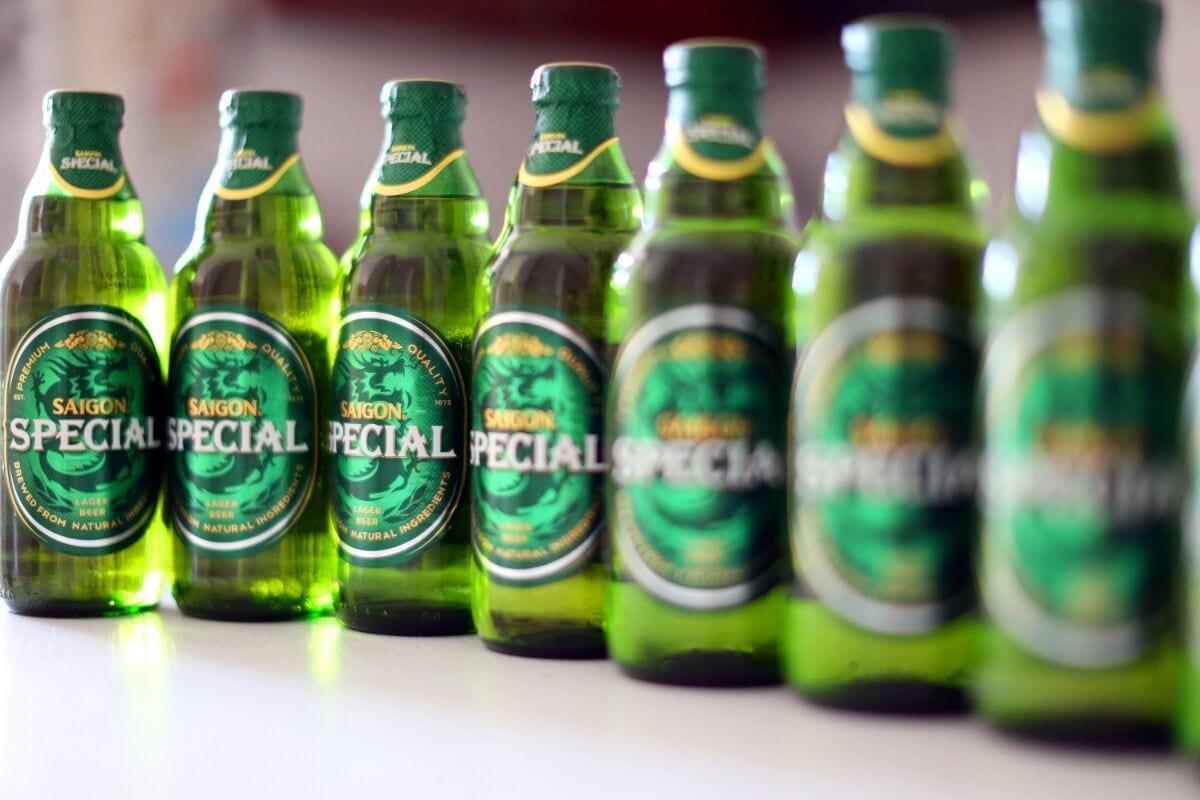
    It said it will focus on optimal use of its 54 percent stake in Vietnam’s largest brewery Saigon Beer Alcohol Beverage Corp (Sabeco), known for its Saigon Special beer.

    It is reported that although the firm acquired its stake in Sabeco last December, ThaiBev only began conducting due diligence of the brewery’s production facilities recently, after its current CEO, Bennett Neo Gim Siong, was appointed on August 1.

    The firm stated it was working on several areas to boost Sabeco’s performance, including procurement, marketing and R&D.

    ThaiBev officials said they were optimistic about Sabeco’s potential and profitability in Vietnam’s beer market.

    The latest announcement came after ThaiBev on Tuesday posted a net profit of 5.99 billion baht ($180 million) for the third quarter ending June 30, a 61 percent fall from 15.23 billion baht ($458 million) a year ago.

    The drop was attributed to several factors, one of them an increase in net losses from the non-alcoholic beverage business.

    Last year, Sabeco produced nearly 1.8 trillion litres of beer, recording sales of VND35.2 trillion ($1.56 billion) and an after-tax profit of VND4.95 trillion ($199.5 million).

    It exported 28.6 million liters of beer for over $15 million.

    Vietnam is the biggest beer market in Southeast Asia, consuming nearly four billion liters last year.